Top NGOs working for Slum improvement

 Several NGOs are dedicated to improving the living conditions and overall well-being of slum dwellers around the world. Here are some top organizations that focus on slum improvement:

  1. Slum Dwellers International (SDI): SDI is a network of community-based organizations of slum dwellers working in over 30 countries. They advocate for the rights of slum dwellers and implement programs aimed at improving housing, infrastructure, and livelihood opportunities in urban informal settlements.

  2. Shack/Slum Dwellers International (SDI): This organization, commonly known as Shack/Slum Dwellers International, works to mobilize and empower slum dwellers to upgrade their living conditions through participatory processes. They emphasize community-driven development and facilitate partnerships between slum residents, local governments, and other stakeholders.

  3. UN-Habitat: The United Nations Human Settlements Programme (UN-Habitat) focuses on sustainable urban development and improving living conditions in slums. They implement projects aimed at providing access to basic services, upgrading infrastructure, and promoting participatory planning processes in informal settlements worldwide.

  4. BRAC: BRAC, originally founded in Bangladesh, is one of the largest NGOs in the world. They operate various programs addressing poverty and social inequality, including initiatives focused on improving the lives of slum dwellers. BRAC’s interventions encompass education, healthcare, microfinance, and community development.

  5. Slum Aid Project: Slum Aid Project is an NGO based in India that works to improve the lives of slum dwellers through education, healthcare, vocational training, and community development initiatives. They aim to break the cycle of poverty and empower residents to lead healthier and more sustainable lives.

  6. Acumen: Acumen is a non-profit impact investment fund that invests in companies and initiatives addressing poverty and social issues, including those impacting slum communities. They support innovative solutions that improve access to essential services, create economic opportunities, and promote social inclusion in urban areas.

  7. Water.org: While not exclusively focused on slum improvement, Water.org works to provide access to safe water and sanitation for underserved communities, including those living in slums. Their initiatives help improve health outcomes, enhance economic productivity, and empower residents to build healthier and more prosperous futures.

These organizations, among others, play crucial roles in addressing the multifaceted challenges faced by slum dwellers and working towards sustainable solutions for slum improvement.

Energy transitions to achieve India’s net-zero targets

 A meeting was held for the launch of the report titled “Synchronizing energy transitions towards possible Net-Zero for India: Affordable and clean energy for All” prepared by IIM Ahmedabad as part of a study project which was sanctioned in November 2021 by the Office of the Principal Scientific Adviser to the Government of India with part-funding (one-third) from Nuclear Power Corporation of India Ltd (NPCIL). The launch was held in Committee Room ‘A’, Vigyan Bhawan Annexe, New Delhi on 3rd April, 2024 at 2pm.
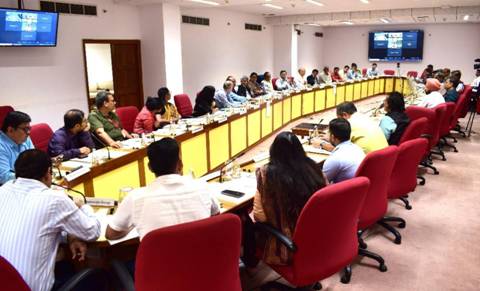
[Meeting for the launch of the report on energy transitions to achieve India’s net-zero targets]


The report was launched by Prof. Ajay Kumar Sood, Principal Scientific Adviser (PSA) to the Government of India in presence of dignitaries Dr. V. K. Saraswat, Member, NITI Aayog; Dr. A. K. Mohanty, Secretary, Department of Atomic Energy (DAE) and Chairman, Atomic Energy Commission (AEC); Shri P. A. Suresh Babu, Distinguished Scientist and Director (HR), NPCIL who joined on behalf of CMD, NPCIL; Dr. (Mrs.) Parvinder Maini, Scientific Secretary, Office of PSA. Dr. Anil Kakodkar, Chancellor, Homi Bhabha National Institute (HBNI) and former Chairman, AEC was the Guest of Honour and he had joined the meeting online.

A need was felt to undertake an analytical study on the energy transition required towards a net-zero energy basket for India. Accordingly, the study was sanctioned with the objective of conducting a comprehensive study with rigorous methods for minimizing the cost of power at consumer end and to work out an optimum mix for all sources of power, aiming for net-zero emission.

The project team at IIM Ahmedabad led by Prof. Amit Garg, Public Systems Group, has successfully completed the study, under the guidance of an expert group constituted by the Office of PSA, having experts from diverse sectors of power generation including coal, nuclear, solar, wind, biofuels, etc. The expert committee is chaired by Dr. R. B. Grover, Emeritus Professor, HBNI and Member, AEC, and the other members are Dr. K. Balaraman, former Director General, National Institute of Wind Energy; Dr. Bharat Bhargava, Former Director General, ONGC Energy Centre; Shri S. C. Chetal, Former Director, Indira Gandhi Centre for Atomic Research and Ex-Mission Director, AUSC (Advanced Ultra Super Critical) Mission; Dr. Rajeev Sukumaran, Senior Principal Scientist and Head,  Biofuels and Biorefineries Section, National Institute for Interdisciplinary Science and Technology; Shri B. V. S. Sekhar, Associate Director (CP&CC), NPCIL and Ms. Remya Haridasan, Scientist ‘D’, Office of PSA. After rigorous review by the expert group, the report was independently reviewed by Tata Consulting Engineers Limited which was a further value-addition and the final document was launched at the meeting.
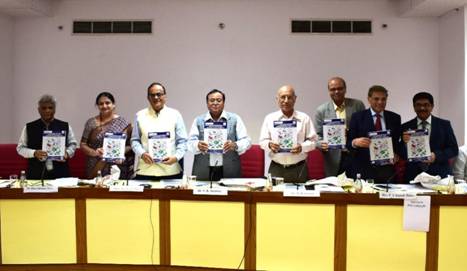
[Launch of the report on energy transitions required to achieve India’s net-zero targets by Dr. A. K. Mohanty, Secretary, DAE and Chairman, AEC; Dr. (Mrs.) Parvinder Maini, Scientific Secretary, Office of PSA; Prof. Ajay Kumar Sood, PSA to the Government of India; Dr. V. K. Saraswat, Member, NITI Aayog;Dr. R. B. Grover, Emeritus Professor, HBNI and Member, AEC; Prof. Amit Garg, Public Systems Group, IIMA(Principal Investigator of the project); Prof. Tirthankar Nag, Professor and Dean (Research), Strategy, Innovation and Entrepreneurship, International Management Institute, Kolkata (co-Investigator of the Project) and Shri P. A. Suresh Babu, Distinguished Scientist and Director (HR), NPCIL]

The report attempts to answer key questions related to India’s energy trajectory such as how much energy does India need to achieve high value of Human Development Index (HDI); what are pathways to achieve this; what are the energy mix projections for this until 2070 (our declared net-zero target year); what would be the cost of electricity to the end user; what would be the carbon emissions until 2070; what would be the investments required for energy transitions towards net-zero at 2070; estimation of other challenges and opportunities (RE integration, requirement of critical minerals, Carbon Capture Utilisation and Storage (CCUS), natural gas, ethanol, hydrogen) in energy transitions towards achieving net-zero in 2070.

The main conclusions of the report are given below:

  • There is no silver bullet to achieve net-zero. The transition needs multiple pathways to be adopted with co-existence of myriad technologies in our energy basket.
  • Coal is projected to continue until the next two decades as the backbone of the Indian energy system.
  • Net-zero is not possible without substantial nuclear power and Renewable Energy (RE) generation by 2070.
  • To achieve net-zero energy systems by 2070, the electricity sector will need to decarbonize well before that.
  • India’s emissions would range between 0.56 btCO2 and 1.0 btCO2 in 2070. It is expected that the remaining gap in emissions will be offset through sequestration in forestry and tree cover as envisaged in our Nationally Determined Contributions (NDCs).
  • Additionally, the coal phase-down will require active policies on critical minerals and carbon dioxide removal technologies.
  • Clean, affordable electricity at low levelized cost of electricity (for consumers) can be achieved in net-zero pathways, especially with a focus on nuclear power and renewable power.
  • Widespread electrification of end-use sectors i.e upto 47-52% electricity share in Total Final Electricity Consumption (TFEC) compared to 18% at present.
  • Financial requirements during 2020-2070 would be to the tune of Rs 150-200 lakh Crore (about US$ 2-2.5 trillion, or US$ 40-50 billion/year). Considerable financial flows must be international.

Prof. Ajay Sood, PSA to Government of India, in his opening remarks, stated that the report is a comprehensive study, bringing together aspects from all sectors of power generation in one place, providing a holistic view of the Indian energy sector and throwing light on the potential pathways for a development-led transition to net-zero. He added that these pathways also need large resources to be put in place, hence, we need to synergise our efforts in various sectors. He stated that this report is a good beginning and more such studies are needed.

Dr. Anil Kakodkar, former Chairman, AEC welcomed the study as the need of the hour which is an energy transitions study done from India’s perspective. He also highlighted the need for the development of technologies for low-cost hydrogen production.

Dr. V. K. Saraswat, Member, NITI Aayog expressed his satisfaction in the findings of the study which were in alignment with the simulation studies done by NITI Aayog. He appreciated that the study is based on a development-led approach which is the right approach to clean energy transition. He also acknowledged that such a transition is also going to be expensive, as highlighted in the report. He agreed with the premise that more RE penetration is needed with baseload energy source as nuclear. He emphasised that without nuclear energy, the storage requirements for RE will be very high to tackle the intermittency of its supply. This will, in turn, enhance the dependence on critical minerals which is not sustainable. He further added that for the nuclear sector, a transition is needed from large reactors to Small Modular Reactors (SMRs), with participation of industry. There is also a need to promote alternate nuclear fuel options such as Thorium to reduce dependence on Uranium import.

Dr. A. K. Mohanty, Secretary, DAE and Chairman, AEC, gave an overview of the on-going nuclear programme in the country and the plans for increasing the nuclear installed capacity by 100GW by 2047. He also appreciated the report and stated that is a vital input for further policy formulations.

Prof. Ajay Sood concluded by saying that he firmly believes that this report will be taken seriously by all the relevant stakeholder ministries, departments and industries and will be helpful in the planning stages of our endeavours in clean energy.

Access the report here: https://psa.gov.in/CMS/web/sites/default/files/publication/ESN%20Report-2024_New-21032024.pdf

****

Union Public Service Commission announced the final results of the 2023 National Defense Academy (NDA) and Naval Academy Examination (II)

 The following is the list, in order of merit, of 699 candidates who have qualified on the basis of the results of the Written Examination held by the Union Public Service Commission on 3rd September, 2023 and the subsequent Interviews held by the Services Selection Board, Ministry of Defence for admission to the Army, the Navy and the Air Force wings of National Defence Academy for the 152nd Course and the Naval Academy for the 114th Indian Naval Academy Course (INAC). For detailed information regarding the date of commencement of the above courses, please visit the websites of Ministry of Defence i.e., www.joinindianarmy.nic.in www.joinindiannavy.gov.in and www.careerindianairforce.cdac.in

2. The results of Medical Examination have not been taken into account in preparing these lists.

3  The candidature of all the aforesaid candidates is provisional, subject to their submitting the requisite certificates in support of date of birth, educational qualifications, etc. claimed by them directly to the Additional Directorate General of Recruiting, Adjutant General’s Branch, Integrated Headquarters, Ministry of Defence (Army), West Block No. III, Wing–I, R.K Puram, New Delhi -110066, wherever this has not already been done, and NOT to UPSC.

4.  In case, there is any change of address, the candidates are advised to promptly intimate the Army Headquarter directly at the address given above.

5.  The result is also available on the UPSC website at https://www.upsc.gov.in. Marks of the candidates will be available on the website after 15 days from the date of declaration of final results.

6.  For any further information, the candidates may contact Facilitation Counter near Gate ‘C’ of the Commission, either in person or on telephone Nos. 011-23385271/011-23381125/011-23098543 between 10:00 hours and 17:00 hours on any working day. In addition, for SSB/interview related matter, the candidates may contact over telephone No. 011-26175473 or joinindianarmy.nic.in for Army as first choice, 011-23010097 or Email: officer-navy[at]nic[dot]in or joinindiannavy.gov.in for Navy/Naval Academy as first choice, and 011-23010231 Extn.7645/7646/7610 or www.careerindianairforce.cdac.in for Air Force as first choice.

Click here to see the link

****

Top Ten NGOs for International Policy Advocacy

Overview of ten NGOs known for their international policy advocacy efforts:

  1. Amnesty International: Amnesty International is renowned for its work in advocating for human rights across the globe. It campaigns against various forms of human rights abuses, including discrimination, torture, and political repression.

  2. Human Rights Watch (HRW): HRW is a leading international organization dedicated to defending and protecting human rights. It conducts research and advocacy campaigns to address human rights violations worldwide.

  3. Oxfam International: Oxfam is a confederation of organizations working together to alleviate poverty and injustice worldwide. It focuses on issues such as economic inequality, access to essential services, and climate change.

  4. Transparency International: Transparency International is a global movement working to combat corruption and promote transparency and accountability in both public and private sectors. It conducts research, advocacy, and awareness-raising activities to fight corruption.

  5. Global Witness: Global Witness investigates and exposes environmental and human rights abuses linked to the exploitation of natural resources. It advocates for transparency, accountability, and sustainable management of natural resources.

  6. International Crisis Group (ICG): ICG works to prevent and resolve deadly conflicts worldwide. It conducts research, analysis, and advocacy to provide policy recommendations aimed at resolving conflicts and promoting peace.

  7. Save the Children: Save the Children is a humanitarian organization dedicated to improving the lives of children around the world. It advocates for children’s rights, including access to education, healthcare, and protection from violence and exploitation.

  8. Doctors Without Borders (MSF): Médecins Sans Frontières, or Doctors Without Borders, provides medical humanitarian assistance to people affected by conflict, epidemics, natural disasters, and other emergencies worldwide. It also engages in advocacy to improve access to healthcare and address health crises.

  9. CARE International: CARE is a leading humanitarian organization fighting global poverty and providing emergency relief and development assistance. It advocates for gender equality, women’s empowerment, and sustainable development.

  10. Greenpeace: Greenpeace is a global environmental organization known for its campaigns to protect the planet and promote peace. It engages in advocacy, direct action, and research to address environmental issues such as climate change, deforestation, and ocean conservation.

These NGOs play crucial roles in influencing international policies, raising awareness, and advocating for change on various pressing global issues.

Top Ten NGOs of Asia

 Identifying the top ten NGOs in Asia can be subjective and dependent on various factors such as impact, reach, reputation, and areas of focus. However, here’s a list of ten influential NGOs in Asia known for their significant contributions to social, environmental, and humanitarian causes:

  1. BRAC (Bangladesh Rural Advancement Committee): Founded in Bangladesh in 1972, BRAC is one of the largest and most impactful NGOs in the world. It operates in various sectors including education, healthcare, poverty alleviation, and women’s empowerment.

  2. Save the Children: Save the Children operates in several countries across Asia, focusing on issues such as child protection, education, health, and emergency response. It is known for its work in improving the lives of children and families in need.

  3. Oxfam: Oxfam works in Asia on issues related to poverty, inequality, and social justice. It focuses on areas such as humanitarian response, economic empowerment, and gender equality.

  4. Asia Foundation: The Asia Foundation is a nonprofit international development organization that works to improve governance, promote economic development, and advance women’s rights across Asia.

  5. Care International: Care International operates in various countries in Asia, providing humanitarian assistance and working to address issues such as poverty, gender inequality, and social injustice.

  6. SOS Children’s Villages: SOS Children’s Villages operates in several Asian countries, providing care and support to vulnerable children who have lost parental care. It focuses on family-based care, education, and community development.

  7. Mercy Corps: Mercy Corps works in Asia to address issues such as poverty, conflict, and natural disasters. It provides humanitarian assistance, promotes economic development, and supports community resilience.

  8. ActionAid: ActionAid operates in several countries in Asia, focusing on issues such as women’s rights, poverty alleviation, and climate change adaptation. It works to empower marginalized communities and promote social justice.

  9. World Vision: World Vision works in Asia to improve the lives of children and families through programs in education, healthcare, economic development, and disaster response.

  10. Greenpeace East Asia: Greenpeace East Asia focuses on environmental issues in the region, campaigning for climate action, biodiversity conservation, and the transition to renewable energy.

These NGOs are just a few examples of the many organizations working tirelessly to address the diverse challenges facing communities across Asia.

Top NGOs in Environmental Advocacy

 op NGOs in Environmental Advocacy

  1. Greenpeace: Founded in 1971, Greenpeace is one of the most recognizable environmental organizations globally. It campaigns on various issues such as climate change, deforestation, overfishing, and more.

  2. World Wildlife Fund (WWF): WWF, established in 1961, focuses on preserving wildlife and habitats worldwide. It works on initiatives ranging from species conservation to sustainable agriculture and climate change mitigation.

  3. Sierra Club: Founded in 1892, the Sierra Club is one of the oldest and largest environmental organizations in the United States. It advocates for conservation policies, promotes renewable energy, and engages in environmental education and outdoor activities.

  4. Friends of the Earth: With a presence in over 70 countries, Friends of the Earth is an international network of environmental organizations. It campaigns on issues such as climate justice, biodiversity preservation, and sustainable development.

  5. Natural Resources Defense Council (NRDC): NRDC combines litigation, advocacy, and scientific research to address environmental issues. It focuses on safeguarding natural resources, combating climate change, and promoting sustainable practices.

  6. 350.org: 350.org is a grassroots movement focused on climate action. It mobilizes communities worldwide to advocate for policies that reduce carbon emissions and accelerate the transition to renewable energy.

  7. The Nature Conservancy: The Nature Conservancy works to protect ecologically significant lands and waters around the globe. It employs a science-based approach to conservation, collaborating with governments, communities, and businesses.

These NGOs play pivotal roles in raising awareness, influencing policies, and driving action towards a more sustainable and environmentally conscious future.

10 prominent NGOs operating in Africa

 10 prominent NGOs operating in Africa, along with brief descriptions of their work:

  1. Oxfam International: Oxfam works to alleviate poverty and injustice worldwide. In Africa, they focus on various issues such as economic inequality, gender equality, and access to basic services like healthcare and education.

  2. Save the Children: This NGO is dedicated to improving the lives of children around the world. In Africa, Save the Children implements programs related to education, child protection, healthcare, and nutrition.

  3. Doctors Without Borders (Médecins Sans Frontières): MSF provides medical assistance to people affected by conflict, epidemics, disasters, or exclusion from healthcare. They operate in several African countries, delivering emergency medical aid and addressing healthcare gaps.

  4. World Vision: World Vision is a Christian humanitarian organization that works to tackle poverty and injustice. In Africa, they run programs focused on child protection, education, health, water, sanitation, and economic development.

  5. Africa Development Promise: This NGO empowers women in rural Africa to become entrepreneurs and leaders in their communities. They provide training, resources, and support for agricultural initiatives and small businesses.

  6. African Wildlife Foundation (AWF): AWF is dedicated to the conservation of Africa’s wildlife and wild lands. They work to protect endangered species, restore habitats, and promote sustainable development in African countries.

  7. CARE International: CARE operates in numerous African countries, focusing on emergency relief and long-term development projects. Their areas of intervention include food security, water and sanitation, women’s empowerment, and humanitarian assistance.

  8. Amref Health Africa: Formerly known as the African Medical and Research Foundation, Amref Health Africa works to improve health systems and access to healthcare across the continent. They train healthcare workers, implement health education programs, and advocate for better healthcare policies.

  9. SOS Children’s Villages: SOS Children’s Villages provides care and support for orphaned, abandoned, and vulnerable children. They operate in several African countries, offering family-based care, education, healthcare, and vocational training.

  10. The Carter Center: Founded by former U.S. President Jimmy Carter, this organization works to advance peace and health worldwide. In Africa, they focus on initiatives such as disease eradication (e.g., Guinea worm disease), conflict resolution, and democracy-building efforts through election monitoring and peacebuilding programs.

These NGOs play crucial roles in addressing various challenges across Africa, from healthcare and education to wildlife conservation and humanitarian assistance.

Empowering the Underprivileged: The Transformative Role of Education in Improving the Lives of the Poor

 Education stands as a beacon of hope and a pathway to a better future, especially for those born into impoverished circumstances. In the fight against poverty, education emerges as a powerful tool that not only offers immediate benefits but also creates a ripple effect of positive change across generations. The transformative role of education in improving the lives of the poor is multifaceted, addressing economic, social, and individual empowerment aspects.

  1. Breaking the Cycle of Poverty:
    Education serves as a key mechanism for breaking the cycle of poverty. By providing individuals with knowledge, skills, and opportunities for personal development, education equips them to escape the constraints of their socio-economic backgrounds. Access to quality education empowers individuals to pursue higher-paying jobs, secure stable employment, and achieve financial independence, thus lifting themselves and their families out of poverty.

  2. Enhancing Economic Opportunities:
    Education opens doors to a wide range of economic opportunities that would otherwise be inaccessible to the poor. Through formal schooling, vocational training, and skill development programs, individuals acquire the expertise and qualifications needed to compete in the job market. Moreover, education fosters entrepreneurship by equipping aspiring entrepreneurs with the knowledge and business acumen necessary to start and sustain successful ventures, thereby generating income and creating employment opportunities within their communities.

  3. Promoting Social Mobility and Equality:
    Education plays a crucial role in promoting social mobility and equality by leveling the playing field for individuals from disadvantaged backgrounds. By providing equal access to education regardless of socio-economic status, societies can mitigate the disparities that perpetuate poverty and marginalization. Education empowers individuals to challenge systemic inequalities, advocate for their rights, and participate actively in civic and political processes, thereby fostering a more inclusive and equitable society.

  4. Improving Health and Well-being:
    Education has a profound impact on health outcomes and overall well-being. Educated individuals are more likely to adopt healthier lifestyles, make informed decisions about healthcare, and access preventive services. Furthermore, education empowers individuals to understand and address pressing health issues such as sanitation, nutrition, and disease prevention within their communities. By promoting health literacy and behavior change, education contributes to improved health outcomes and reduced healthcare disparities among the poor.

  5. Fostering Personal Empowerment and Resilience:
    Beyond its socio-economic benefits, education fosters personal empowerment and resilience among the poor. Through education, individuals develop critical thinking skills, self-confidence, and a sense of agency to navigate life’s challenges and seize opportunities for growth. Education instills values such as perseverance, discipline, and adaptability, enabling individuals to overcome adversity and pursue their aspirations despite the odds stacked against them.

In conclusion, the role of education in improving the lives of the poor cannot be overstated. Education serves as a catalyst for socio-economic development, promoting empowerment, equality, and upward mobility among disadvantaged populations. By investing in education, societies can break the cycle of poverty, unlock human potential, and create a more just and prosperous future for all. As Nelson Mandela aptly said, “Education is the most powerful weapon which you can use to change the world.”

Top NGOs in Canada

 Canada is home to numerous non-governmental organizations (NGOs) that work tirelessly to address various social, environmental, and humanitarian issues. These NGOs play a crucial role in advocating for change, providing support to vulnerable populations, and promoting sustainable development across the country. Here are ten noteworthy NGOs making a significant impact in Canada:

  1. Canadian Red Cross: The Canadian Red Cross is a leading humanitarian organization that provides emergency assistance, disaster relief, and community support services across Canada. They focus on disaster preparedness, response, and recovery, as well as health and safety training.

  2. Amnesty International Canada: Amnesty International Canada works to promote human rights and social justice both domestically and internationally. They advocate for the protection of individuals at risk, campaign against injustice, and mobilize grassroots activism.

  3. United Way Canada: United Way Canada operates across the country, working to address poverty, support vulnerable populations, and build stronger communities. They collaborate with local partners to fund programs and initiatives in areas such as education, income stability, and community health.

  4. Nature Conservancy of Canada (NCC): NCC is a leading conservation organization dedicated to protecting and preserving natural habitats and biodiversity across Canada. They work with communities, governments, and landowners to secure ecologically significant lands and promote sustainable conservation practices.

  5. Canadian Cancer Society: The Canadian Cancer Society is committed to preventing cancer, funding research, and providing support services to individuals and families affected by cancer. They advocate for policy change, promote healthy living, and raise awareness about cancer prevention and early detection.

  6. Doctors Without Borders (MSF) Canada: MSF Canada provides medical humanitarian assistance to people affected by conflict, epidemics, natural disasters, and other emergencies around the world. They deliver life-saving medical care and advocate for improved access to healthcare in Canada and globally.

  7. Oxfam Canada: Oxfam Canada works to alleviate poverty, promote gender equality, and advocate for social justice both domestically and internationally. They focus on issues such as women’s rights, Indigenous rights, and economic inequality, while also responding to humanitarian crises.

  8. World Wildlife Fund (WWF) Canada: WWF Canada is dedicated to conserving wildlife and ecosystems, promoting sustainable development, and addressing environmental challenges such as climate change and habitat loss. They engage with governments, businesses, and communities to drive conservation efforts nationwide.

  9. Médecins du Monde Canada (Doctors of the World): Médecins du Monde Canada provides medical care, humanitarian assistance, and advocacy for marginalized populations in Canada and around the world. They focus on issues such as access to healthcare for refugees and migrants, as well as marginalized communities facing health disparities.

  10. The David Suzuki Foundation: Founded by renowned environmentalist David Suzuki, this organization works to protect nature, address climate change, and promote sustainable living in Canada. They engage in research, education, and advocacy initiatives to foster environmental stewardship and policy change.

These NGOs represent just a snapshot of the diverse and impactful work being done across Canada to address a wide range of social, environmental, and humanitarian challenges. Through their efforts, they contribute significantly to building a more just, equitable, and sustainable society for all Canadians.

Unlocking Potential: The Importance of Internships in Career Development

 By Shashikant Nishant Sharma 

In the competitive landscape of today’s job market, gaining practical experience has become more crucial than ever. Internships stand as invaluable opportunities for individuals to bridge the gap between theoretical knowledge and real-world application. Beyond merely padding a resume, internships serve as transformative experiences that shape careers and futures. Let’s delve into why internships are so vital in the journey of professional growth.

1. Hands-On Learning:

Internships offer hands-on experience that classrooms often can’t replicate. Whether in a corporate setting, research lab, or non-profit organization, interns have the chance to apply their theoretical knowledge to actual projects, tasks, and challenges. This practical exposure not only enhances their understanding but also equips them with skills that are highly valued by employers.

2. Skill Development:

Internships provide a platform for skill development across various domains. From communication and teamwork to problem-solving and adaptability, interns are immersed in an environment that demands multifaceted skills. Moreover, they often have the opportunity to learn industry-specific tools, technologies, and best practices, giving them a competitive edge in their chosen field.

3. Networking Opportunities:

The connections made during an internship can be invaluable. Interns interact with professionals in their field, building relationships that could potentially lead to mentorship, job opportunities, or valuable recommendations in the future. Networking within the industry not only enhances career prospects but also fosters a sense of community and support.

4. Clarifying Career Goals:

Internships serve as a testing ground for career aspirations. Many students enter internships with a general idea of their desired career path but may find their interests evolving as they gain practical experience. Internships offer a low-risk environment to explore different roles, industries, and work cultures, helping individuals clarify their career goals and make informed decisions about their future.

5. Resume Enhancement:

A solid internship experience can significantly bolster a resume. Employers often seek candidates with relevant work experience, and internships provide exactly that. Even if the internship is not directly related to the desired job, the transferable skills and demonstrated initiative are highly valued by recruiters. Internship experiences can set candidates apart in a competitive job market, increasing their chances of landing desirable positions.

6. Confidence Building:

Internships are not just about acquiring technical skills; they also contribute to personal growth. Successfully navigating the challenges of an internship instills confidence in interns, validating their abilities and preparing them for future professional endeavors. Overcoming obstacles, receiving constructive feedback, and achieving tangible results during an internship can significantly boost self-assurance and resilience.

7. Pathway to Employment:

For many, internships serve as a pathway to full-time employment. Employers often use internships as a recruitment tool, preferring to hire candidates who have already demonstrated their capabilities and fit within the organizational culture. Interns who perform well and exhibit a strong work ethic are more likely to be offered permanent positions, making internships a strategic investment in one’s future career.

In conclusion, internships play a pivotal role in shaping the next generation of professionals. They offer a dynamic learning environment where individuals can develop skills, clarify career goals, build networks, and gain the confidence needed to thrive in today’s workforce. Embracing the opportunities presented by internships is not only advantageous for individual career growth but also contributes to a more skilled and adaptable workforce overall. Therefore, students and aspiring professionals alike should actively seek out and make the most of internship opportunities available to them.

References

Binder, J. F., Baguley, T., Crook, C., & Miller, F. (2015). The academic value of internships: Benefits across disciplines and student backgrounds. Contemporary Educational Psychology41, 73-82.

Bukaliya, R. (2012). The potential benefits and challenges of internship programmes in an ODL institution: A case for the Zimbabwe Open University. International journal on new trends in education and their implications3(1), 118-133.

Davis, J., Steen, T., & Rubin, S. (1987). A study of the internship experience. Journal of Experiential Education10(2), 22-24.

Metzger, S. V. (2002). Employers’ perceptions of the benefits of college internship programs. University of Idaho.

Narayanan, V. K., Olk, P. M., & Fukami, C. V. (2010). Determinants of internship effectiveness: An exploratory model. Academy of Management Learning & Education9(1), 61-80.

Sharma, S. N. Enhancing Safety Analysis with Surrogate Methods: A Focus on Uncontrolled Traffic Intersections.

Sharma, S. N. The Complex Reality of Delhi’s Slums: A Closer Look at Urban Informality.

Wolinsky-Nahmias, Y., & Auerbach, A. H. (2022). Evaluating the design and benefits of internship programs. Journal of Political Science Education18(4), 584-604.

Different Types of NGOs based on Work

 Non-Governmental Organizations (NGOs) vary widely in their focus areas, missions, and activities. Here are some different types of NGOs based on their areas of work:

  1. Humanitarian NGOs: Humanitarian organizations focus on providing emergency relief and assistance to populations affected by natural disasters, conflicts, or other crises. They may offer food aid, medical care, shelter, and other essential services to affected communities. Examples include the Red Cross, Doctors Without Borders (Médecins Sans Frontières), and Oxfam.

  2. Development NGOs: Development organizations work to address long-term social, economic, and environmental challenges in communities around the world. They may implement projects related to education, healthcare, infrastructure development, poverty alleviation, and sustainable livelihoods. Examples include CARE, World Vision, and Save the Children.

  3. Environmental NGOs: Environmental organizations focus on protecting and preserving the natural environment, biodiversity, and ecosystems. They may engage in conservation efforts, advocate for environmental policies, conduct research, and raise awareness about environmental issues. Examples include the World Wildlife Fund (WWF), Greenpeace, and the Sierra Club.

  4. Health NGOs: Health-focused organizations work to improve public health outcomes, prevent diseases, and promote access to healthcare services. They may support healthcare facilities, provide medical supplies, conduct health education campaigns, and advocate for healthcare policies. Examples include the Bill & Melinda Gates Foundation, Partners In Health, and UNICEF.

  5. Human Rights NGOs: Human rights organizations advocate for the protection and promotion of human rights, civil liberties, and social justice. They may address issues such as freedom of speech, gender equality, minority rights, refugee rights, and ending discrimination and violence. Examples include Amnesty International, Human Rights Watch, and the International Rescue Committee (IRC).

  6. Advocacy and Policy NGOs: Advocacy organizations work to influence public policies, laws, and regulations in order to address social, political, and economic issues. They may engage in lobbying, campaigning, and grassroots organizing to advocate for specific causes or policy changes. Examples include the American Civil Liberties Union (ACLU), the Center for American Progress (CAP), and the National Rifle Association (NRA).

  7. Education NGOs: Education-focused organizations aim to improve access to quality education, promote literacy, and support educational initiatives for children, youth, and adults. They may build schools, train teachers, develop educational resources, and advocate for education reform. Examples include Room to Read, Teach For All, and the Malala Fund.

  8. Social Service NGOs: Social service organizations provide assistance and support to vulnerable populations, such as the homeless, refugees, migrants, and people with disabilities. They may offer shelter, food, counseling, vocational training, and other social services to meet the needs of marginalized communities. Examples include the Salvation Army, Feeding America, and Habitat for Humanity.

These are just a few examples of the types of NGOs based on their areas of work. NGOs can also specialize in niche areas or focus on interdisciplinary approaches to address complex social, economic, and environmental challenges.

Top NGOs in USA

 the top NGOs (Non-Governmental Organizations) in the USA can vary based on their focus areas, impact, and recognition. Here are some prominent NGOs in the USA across various sectors:

  1. Bill & Melinda Gates Foundation: Known for its global health and development initiatives, the Gates Foundation works to improve healthcare, reduce poverty, and enhance education worldwide.

  2. World Wildlife Fund (WWF): WWF is dedicated to conserving nature and protecting wildlife around the world through conservation efforts, sustainable practices, and advocacy.

  3. Doctors Without Borders (Médecins Sans Frontières): MSF provides medical aid to people affected by conflict, epidemics, disasters, or exclusion from healthcare, operating in over 70 countries.

  4. American Red Cross: The American Red Cross provides disaster relief, blood donations, training, and other humanitarian services to communities across the United States and around the world.

  5. UNICEF USA: UNICEF USA supports the work of the United Nations Children’s Fund (UNICEF) by raising funds and awareness to help children survive and thrive globally, focusing on healthcare, nutrition, education, and child protection.

  6. The Nature Conservancy: This organization works to protect lands and waters around the world, conserving ecosystems and biodiversity while promoting sustainable practices and addressing climate change.

  7. Oxfam America: Oxfam America focuses on addressing poverty, inequality, and injustice worldwide through humanitarian assistance, advocacy, and grassroots initiatives.

  8. Feeding America: Feeding America is the largest hunger-relief organization in the United States, working to end hunger by providing food assistance, advocating for policy change, and raising awareness about food insecurity.

  9. Habitat for Humanity: Habitat for Humanity builds affordable housing and promotes homeownership to help families in need achieve stability and self-reliance, both in the United States and internationally.

  10. Amnesty International USA: Amnesty International USA advocates for human rights and social justice worldwide, working to protect individuals from human rights abuses, discrimination, and injustice.

These organizations represent just a few examples of the many impactful NGOs operating in the United States, each dedicated to addressing pressing global challenges and making a positive difference in people’s lives.

Difference Between NGOs and CBOs

 Non-Governmental Organizations (NGOs) and Community-Based Organizations (CBOs) are both types of non-profit organizations that play important roles in addressing social, economic, and environmental issues. While they share some similarities in their goals and functions, there are key differences between the two:

1. Scope and Scale:

  • NGOs: NGOs are typically larger and operate on a broader scale, often at the national or international level. They may have branches or offices in multiple countries and address a wide range of issues, such as human rights, health, education, environment, and development.

  • CBOs: CBOs are smaller in scale and focus on serving specific communities or populations within a local area. They are rooted in the communities they serve and often have a deep understanding of local needs, priorities, and resources.

2. Governance and Structure:

  • NGOs: NGOs are usually governed by a board of directors or trustees, who are responsible for setting policies, overseeing operations, and ensuring accountability. They may have professional staff members and operate according to formal structures and procedures.

  • CBOs: CBOs are often community-led and grassroots in nature, with decision-making processes driven by community members themselves. They may operate informally, with less hierarchical structures and more participatory decision-making processes.

3. Funding and Resources:

  • NGOs: NGOs often rely on a mix of funding sources, including government grants, private donations, philanthropic organizations, and international aid agencies. They may have larger budgets and access to more resources, allowing them to implement larger-scale projects and initiatives.

  • CBOs: CBOs may rely primarily on local resources, such as community contributions, volunteer labor, and in-kind donations. They may have limited financial resources but often leverage community networks and partnerships to maximize their impact.

4. Focus and Approach:

  • NGOs: NGOs typically adopt a more formalized and structured approach to addressing social issues, often using evidence-based practices, research, and advocacy to achieve their goals. They may engage in policy advocacy, capacity building, and program implementation on a large scale.

  • CBOs: CBOs take a more grassroots and community-driven approach, focusing on meeting the immediate needs of their communities and empowering local residents to take action. They may prioritize community organizing, direct service provision, and cultural sensitivity in their work.

5. Advocacy and Representation:

  • NGOs: NGOs often serve as advocates and representatives for marginalized or vulnerable populations, advocating for their rights, interests, and needs on national and international platforms. They may engage in lobbying, awareness-raising campaigns, and policy analysis to influence decision-making processes.

  • CBOs: CBOs are deeply embedded within the communities they serve and may act as advocates and representatives at the local level. They may focus on building trust, fostering dialogue, and mobilizing community members to address specific issues and challenges within their own neighborhoods or regions.

In summary, while both NGOs and CBOs are committed to addressing social issues and promoting positive change, they differ in terms of their scale, governance, funding, focus, and approach. NGOs often operate at a larger scale, with formal structures and diverse funding sources, while CBOs are community-led, grassroots organizations that focus on meeting the needs of specific communities through local resources and community-driven approaches.

What are Functions of NOGs

 Non-governmental organizations (NGOs) play diverse and critical roles across various sectors and communities worldwide. Here are some of their key functions:

Advocacy and Lobbying

NGOs often advocate for specific causes or issues, lobbying governments, businesses, and other organizations to effect policy changes or address social, environmental, or humanitarian concerns.

Service Provision

Many NGOs directly provide services and support to communities in need. This can include healthcare, education, disaster relief, poverty alleviation, and more.

Research and Policy Analysis

NGOs conduct research and analyze policies to better understand complex issues and inform decision-making processes. They often provide data-driven insights to governments and other stakeholders.

Capacity Building

NGOs build the capacity of individuals, communities, and local organizations by providing training, resources, and technical assistance. This empowers communities to address their own challenges and sustain positive change.

Awareness Raising and Education

NGOs raise awareness about social, environmental, and humanitarian issues through campaigns, workshops, publications, and other educational activities. They aim to inform and engage the public to drive positive action and change attitudes.

Monitoring and Evaluation

NGOs monitor the implementation of policies and programs, as well as their impact on communities and the environment. This helps ensure accountability, transparency, and effectiveness in addressing social needs and promoting sustainable development.

Human Rights Protection

NGOs work to protect and promote human rights by advocating for legal reforms, supporting victims of rights violations, and raising awareness about human rights issues on local, national, and international levels.

Environmental Conservation and Sustainability

NGOs engage in environmental conservation efforts, such as wildlife protection, habitat restoration, climate change mitigation, and sustainable resource management. They often collaborate with governments, businesses, and local communities to promote eco-friendly practices.

Conflict Resolution and Peacebuilding

NGOs play a vital role in conflict resolution and peacebuilding by facilitating dialogue, promoting reconciliation, and providing humanitarian assistance in conflict-affected areas. They work to address root causes of conflicts and promote sustainable peace.

Community Development

NGOs support community development initiatives by fostering social cohesion, economic empowerment, and infrastructure development in marginalized or underserved communities. They often collaborate closely with local stakeholders to identify needs and implement solutions.

Overall, NGOs contribute significantly to addressing social, environmental, and humanitarian challenges, often filling gaps left by governments and the private sector. Their diverse functions and grassroots approach make them indispensable actors in advancing social justice, human rights, and sustainable development globally.

Exploring Social Mobility in the Context of India

Social mobility refers to the movement of individuals or groups within a social hierarchy, typically involving shifts in social status, economic position, or access to opportunities. In the context of India, social mobility is a complex phenomenon influenced by various factors including caste, education, economic development, and government policies. Let’s delve deeper into the dynamics of social mobility in India.

Caste and Social Mobility:

Historically, India has been characterized by a rigid caste system, where individuals were born into specific social groups with little opportunity for upward mobility. While constitutional reforms and affirmative action policies have aimed to address caste-based discrimination, caste still plays a significant role in determining one’s social status and access to opportunities.

Despite efforts to promote social equality, individuals belonging to lower castes often face systemic barriers in education, employment, and social acceptance. However, there have been instances of upward mobility among certain caste groups, particularly through education and economic empowerment.

Education and Economic Mobility:

Education is widely regarded as a key driver of social mobility in India. Access to quality education, especially higher education, has the potential to uplift individuals from disadvantaged backgrounds and propel them into higher social strata. Government initiatives such as scholarships, reservation policies, and educational outreach programs aim to bridge the gap in educational opportunities.

Economic development and urbanization have also contributed to increased social mobility in India. The growth of industries, entrepreneurship, and the rise of the middle class have created avenues for economic advancement and social mobility, particularly in urban areas.

Gender and Social Mobility:

Gender dynamics significantly influence social mobility in India. While there have been notable strides in women’s education and workforce participation, gender inequality persists, particularly in rural areas. Deep-rooted cultural norms and patriarchal structures often limit women’s access to education, employment, and decision-making roles, hindering their upward mobility.

Government Policies and Social Mobility:

The Indian government has implemented various policies and programs aimed at promoting social inclusion and mobility. Affirmative action policies such as reservation quotas for Scheduled Castes (SC), Scheduled Tribes (ST), and Other Backward Classes (OBC) in education and employment sectors aim to address historical injustices and facilitate upward mobility for marginalized communities.

Additionally, poverty alleviation programs, skill development initiatives, and subsidies for small-scale entrepreneurs seek to empower economically disadvantaged groups and foster social mobility.

Challenges and Future Outlook:

While India has made significant progress in promoting social mobility, challenges remain. Persistent caste-based discrimination, inadequate access to quality education and healthcare, unequal distribution of resources, and regional disparities continue to hinder equitable social mobility.

Addressing these challenges requires concerted efforts from policymakers, civil society, and communities to create a more inclusive and equitable society. Investing in education, healthcare, infrastructure, and social welfare programs, along with promoting gender equality and fostering economic opportunities, are essential steps towards enhancing social mobility in India.

In conclusion, social mobility in India is a multifaceted phenomenon shaped by historical, cultural, economic, and policy factors. While progress has been made, addressing systemic inequalities and creating pathways for upward mobility for all segments of society are critical for building a more just and inclusive society in India.
