Types of NGOs based on Work they Do

 Non-Governmental Organizations (NGOs) play a crucial role in addressing various social, economic, and environmental issues around the world. NGOs can be categorized based on their areas of focus and the nature of their work. Here are different types of NGOs based on their work:

  1. Human Rights NGOs:

    • Focus: Promoting and protecting human rights.
    • Activities: Advocacy, legal aid, awareness campaigns, and monitoring human rights violations.
  2. Environmental NGOs:

    • Focus: Conservation and protection of the environment.
    • Activities: Environmental education, conservation projects, sustainable development initiatives, and climate change advocacy.
  3. Health NGOs:

    • Focus: Improving public health and healthcare access.
    • Activities: Healthcare services, disease prevention programs, awareness campaigns, and medical research.
  4. Development NGOs:

    • Focus: Socio-economic development of communities.
    • Activities: Infrastructure development, education, poverty alleviation, vocational training, and community empowerment.
  5. Education NGOs:

    • Focus: Promoting education and literacy.
    • Activities: Building schools, providing scholarships, teacher training, and educational resource development.
  6. Emergency Relief NGOs:

    • Focus: Providing assistance in times of disasters and emergencies.
    • Activities: Delivering humanitarian aid, providing shelter, food, and medical assistance during crises.
  7. Gender and Women’s Rights NGOs:

    • Focus: Advocating for gender equality and women’s rights.
    • Activities: Empowerment programs, awareness campaigns, legal aid, and support for victims of gender-based violence.
  8. Animal Rights NGOs:

    • Focus: Promoting the welfare and rights of animals.
    • Activities: Animal rescue, advocacy against animal cruelty, and promoting ethical treatment of animals.
  9. Cultural NGOs:

    • Focus: Preserving and promoting cultural heritage.
    • Activities: Cultural events, heritage conservation, language preservation, and promotion of indigenous knowledge.
  10. Advocacy and Lobbying NGOs:

    • Focus: Influencing policies and decision-making.
    • Activities: Lobbying governments, advocacy campaigns, and research to influence public opinion and policy changes.
  11. Research and Policy NGOs:

    • Focus: Conducting research and influencing policy formulation.
    • Activities: Policy analysis, research publications, and providing evidence-based recommendations to policymakers.
  12. Social Services NGOs:

    • Focus: Providing essential services to vulnerable populations.
    • Activities: Healthcare, education, housing, and other support services for marginalized communities.

These categories are not mutually exclusive, and many NGOs operate across multiple sectors to address complex issues comprehensively. NGOs contribute significantly to global development by filling gaps, advocating for positive change, and empowering communities to build a more equitable and sustainable world.

International Women's Day (IWD) i

 International Women’s Day (IWD) is a global celebration that takes place annually on March 8th. The day recognizes and honors the achievements and contributions of women in various fields while also highlighting the ongoing struggle for gender equality. International Women’s Day is a time to reflect on progress made, call for change, and celebrate the courage and determination of women around the world.

Key aspects of International Women’s Day include:

  1. History: The origins of International Women’s Day can be traced back to the early 20th century when women in the labor movement and socialist circles began advocating for better working conditions and suffrage. The first National Women’s Day was organized in the United States on February 28, 1909. The idea of an International Women’s Day gained momentum at the International Women’s Conference in 1910.

  2. Official Recognition: The United Nations officially recognized International Women’s Day in 1977. Since then, the day has become a focal point for global efforts to promote gender equality and women’s rights.

  3. Themes and Campaigns: Each year, International Women’s Day is associated with a specific theme or campaign that addresses critical issues affecting women globally. Themes often center around gender equality, women’s empowerment, and breaking down barriers.

  4. Events and Activities: International Women’s Day is marked by various events, including panel discussions, workshops, art exhibitions, and performances that celebrate the achievements of women and address issues like gender-based violence, discrimination, and economic disparities.

  5. #ChooseToChallenge: In recent years, the #ChooseToChallenge campaign gained prominence as a call to action, encouraging individuals to challenge gender biases, inequality, and stereotypes. The campaign emphasizes the role everyone plays in creating a more inclusive and equal world.

  6. Purple Ribbon: The color purple is often associated with International Women’s Day, symbolizing dignity, justice, and respect. People around the world wear purple ribbons or clothing to show their support for the cause.

International Women’s Day serves as a reminder that gender equality is a shared responsibility and that collective efforts are needed to create a world where women and girls can thrive without facing discrimination or limitations based on their gender. It is an opportunity to celebrate the achievements of women, raise awareness about persisting challenges, and promote positive change.

TOPSIS Research Method

 TOPSIS, which stands for Technique for Order Preference by Similarity to Ideal Solution, is a multi-criteria decision-making method used to identify the best alternative among a set of options. It is widely employed in various fields, including management, engineering, environmental sciences, and finance.

Here’s a description of the TOPSIS method:

  1. Identifying Criteria: First, you need to define the criteria or attributes that are relevant to your decision-making problem. These criteria should be measurable and contribute to evaluating the alternatives.

  2. Normalization: Once the criteria are identified, the next step involves normalizing the decision matrix. Normalization ensures that all criteria are on the same scale and have equal importance. This step is crucial to prevent bias towards any particular criterion.

  3. Weight Assignment: After normalization, weights are assigned to each criterion to reflect their relative importance. The weights are typically determined based on the preferences of decision-makers or through analytical methods such as the Analytic Hierarchy Process (AHP) or the Analytic Network Process (ANP).

  4. Ideal and Anti-Ideal Solutions: In TOPSIS, two reference points are used: the ideal solution and the anti-ideal solution. The ideal solution represents the best performance for each criterion, while the anti-ideal solution represents the worst performance. These solutions are constructed based on maximizing or minimizing each criterion.

  5. Calculating Proximity to Ideal Solution: For each alternative, the distance to the ideal solution and the distance to the anti-ideal solution are calculated. Typically, Euclidean distance or other distance metrics are used for this purpose.

  6. Relative Closeness to Ideal Solution: Once the distances are calculated, a relative closeness to the ideal solution is determined for each alternative. This is done by comparing the distances and calculating a score that indicates how close each alternative is to the ideal solution.

  7. Ranking Alternatives: Finally, the alternatives are ranked based on their relative closeness to the ideal solution. The alternative with the highest closeness score is considered the best option.

TOPSIS provides a systematic and structured approach to decision-making, allowing decision-makers to consider multiple criteria simultaneously and select the most suitable alternative. It is intuitive, easy to implement, and can accommodate both quantitative and qualitative criteria. However, it is essential to ensure that the criteria and their weights accurately reflect the decision-maker’s preferences and objectives for the method to yield meaningful results.

Top 20 Scholarship and Grants in Europe

 Here are some of the top 20 scholarship and grant opportunities available in Europe:

  1. Erasmus Mundus Scholarships: These prestigious scholarships are funded by the European Union and support international students for joint master’s and doctoral programs across European universities.

  2. Fulbright Program: Administered by the U.S. Department of State, the Fulbright Program offers grants for academic exchange between the United States and over 160 countries, including European nations.

  3. DAAD Scholarships: The German Academic Exchange Service (DAAD) provides a wide range of scholarships for international students, researchers, and academics to study and conduct research in Germany.

  4. Marie Skłodowska-Curie Actions: These EU-funded research grants support researchers at all career stages, from PhD candidates to experienced professionals, in pursuing research projects across Europe.

  5. Chevening Scholarships: Funded by the UK government, Chevening Scholarships offer fully-funded master’s degree programs to outstanding scholars and future leaders from around the world, including European countries.

  6. Swiss Government Excellence Scholarships: Offered by the Swiss government, these scholarships support international students and researchers for postgraduate studies or research in Switzerland.

  7. Eiffel Excellence Scholarship Programme: Administered by the French Ministry for Europe and Foreign Affairs, the Eiffel scholarships support outstanding international students pursuing master’s and doctoral degrees in France.

  8. VLIR-UOS Scholarships: These scholarships, funded by the Belgian government, support students from developing countries for master’s and training programs in Flanders, Belgium.

  9. Netherlands Fellowship Programs (NFP): Managed by Nuffic, the NFP offers scholarships for professionals from eligible countries to pursue short courses, master’s, and PhD programs in the Netherlands.

  10. Erasmus+ Master Loans: This initiative provides loans for master’s students from participating countries to finance their studies abroad within the Erasmus+ program.

  11. Türkiye Scholarships: Offered by the Turkish government, Türkiye Scholarships support international students for undergraduate, master’s, and PhD studies in Turkey.

  12. Santander Scholarships: Santander Bank offers various scholarships and mobility grants to support students and researchers from participating countries in pursuing studies or research in Europe.

  13. Central European University Scholarships: CEU offers a range of scholarships and financial aid options for international students pursuing master’s and doctoral studies in fields such as social sciences, humanities, law, and public policy.

  14. Amsterdam Excellence Scholarships: These scholarships are awarded to exceptionally talented students from outside the EU/EEA for master’s programs at the University of Amsterdam.

  15. Sciences Po Master’s Scholarships: Sciences Po in France offers merit-based scholarships for outstanding international students applying to master’s programs in various disciplines.

  16. Rotary Foundation Global Grants: Rotary International provides global grants for graduate-level academic studies, humanitarian projects, and vocational training to individuals and communities around the world, including Europe.

  17. Aga Khan Foundation International Scholarship Programme: This program provides scholarships and fellowships to outstanding students from developing countries, including those in Europe, to pursue higher education at reputable institutions worldwide.

  18. Gates Cambridge Scholarships: These prestigious scholarships support outstanding international students from outside the UK for graduate studies at the University of Cambridge.

  19. INSEAD Scholarships: INSEAD, one of the world’s leading business schools, offers a range of scholarships and financial aid options for MBA and executive education programs, attracting diverse talent from around the globe, including Europe.

  20. Erasmus Mundus Joint Doctorates: In addition to master’s programs, Erasmus Mundus also offers joint doctorates for international PhD candidates, providing opportunities for collaborative research and mobility across European universities.

These are just a few examples of the many scholarship and grant opportunities available in Europe, catering to a diverse range of academic disciplines, backgrounds, and career goals. Applicants are encouraged to thoroughly research eligibility criteria, application deadlines, and selection processes for each opportunity to maximize their chances of success.


Enrolment Open: Getting Started with Writing and Publishing Your Research MOOC; Starts 16th April 2024

 Exciting news! We’re thrilled to announce the opening of enrollment for our latest online course: “Getting Started with Writing and Publishing Your Research.” This course is tailor-made for researchers and scientists in low- and middle-income countries, particularly geared towards early career researchers or those with limited experience in writing research grant proposals.

Picture this: six weeks of immersive learning alongside thousands of fellow researchers from across the globe. Our course, running from April 16th to May 27th, covers a comprehensive agenda:

Week 1: Delve into understanding previous research.
Week 2: Navigate the ethics of research with confidence.
Week 3: Equip yourself to craft your research paper.
Week 4: Master the art of writing your research paper.
Week 5: Dive into the process of publication.
Week 6: Wrap up and consolidate your newfound knowledge.

Throughout this journey, you’ll tackle various learning objectives, including overcoming access challenges, navigating ethical dilemmas, enhancing your writing skills, selecting the right journal, and effectively handling peer reviewer feedback.

Who will guide you through this enriching experience? A team of seasoned facilitators from the AuthorAID network, ensuring you receive expert guidance every step of the way. Plus, with live discussion sessions timed to accommodate different global time zones, you’ll have ample opportunities to engage and interact with your peers.

Ready to embark on this transformative journey? Enrolling is simple! Just head over to our Moodle website at https://learn.inasp.info/course/view.php?id=371 and follow the instructions to create your learn@inasp account. Act fast, as enrollment may be limited due to server capacity.

But don’t just take our word for it. Hear from past participants who have found tremendous value in this course:

A participant from Ghana shares, “This course provided invaluable insights, especially on handling reviewer’s comments, which boosted my confidence as an author.”

Another participant from Nigeria expresses, “My knowledge and confidence in research writing and publication have significantly improved. I feel empowered to contribute more actively to research discussions.”

And a participant from Uganda highlights, “The feedback I received helped me meet a submission deadline, and I’ve learned crucial aspects of scientific writing that I used to overlook.”

Join us and experience the transformative power of mastering research writing and publication. At INASP, we are committed to creating inclusive learning environments that cater to diverse perspectives and needs, ensuring everyone has the opportunity to thrive.

to join the course login to https://www.authoraid.info/en/accounts/login/

10 Revolutionary Techniques: The Ultimate Guide to Boosting Productivity

In today’s fast-paced world, where time is of the essence, maximizing productivity is crucial for both personal and professional success. However, with numerous distractions and demands pulling us in different directions, staying focused and efficient can be a challenge. Fortunately, there are revolutionary techniques that can significantly enhance productivity levels and help individuals achieve their goals. In this comprehensive guide, we will explore ten game-changing strategies to boost productivity and reclaim control over your time.

1. Prioritize Tasks Effectively

One of the fundamental keys to productivity is effective task prioritization. Prioritize your tasks based on their urgency and importance using techniques like the Eisenhower Matrix. Focus on completing high-priority tasks first to ensure that essential deadlines are met and critical objectives are achieved.

2. Implement the Pomodoro Technique

The Pomodoro Technique is a time management method that involves breaking work into intervals, typically 25 minutes long, separated by short breaks. This technique helps maintain focus and prevents burnout by allowing for regular rest periods. Utilize tools such as Pomodone or simply set a timer to implement this powerful productivity strategy.

3. Embrace Single-Tasking

Contrary to popular belief, multitasking can hinder productivity and lead to errors. Embrace the concept of single-tasking by dedicating your full attention to one task at a time. By eliminating distractions and focusing solely on the task at hand, you can enhance concentration and efficiency.

4. Leverage Technology Wisely

Technology can either be a productivity boon or a distraction, depending on how it’s utilized. Leverage productivity apps and tools such as Trello, Todoist, or Asana to organize tasks, set reminders, and track progress effectively. Additionally, consider using website blockers to limit time spent on non-work-related sites during designated work periods.

5. Practice Mindfulness and Meditation

Incorporating mindfulness and meditation practices into your daily routine can significantly enhance productivity. Take short breaks throughout the day to practice deep breathing exercises or mindfulness meditation. These practices promote mental clarity, reduce stress, and improve focus, allowing you to approach tasks with renewed energy and concentration.

6. Establish Clear Goals and Deadlines

Setting clear, achievable goals and deadlines is essential for maintaining productivity and motivation. Break down larger projects into smaller, manageable tasks with specific deadlines. This approach not only helps prevent procrastination but also provides a sense of accomplishment as you make progress towards your objectives.

7. Optimize Your Environment

Your physical environment plays a significant role in determining your productivity levels. Create a workspace that is conducive to focus and creativity by minimizing clutter, optimizing lighting, and incorporating elements that inspire you. Personalize your workspace with plants, meaningful artwork, or calming colors to enhance productivity and well-being.

8. Practice the Two-Minute Rule

The Two-Minute Rule, popularized by productivity expert David Allen, states that if a task can be completed in two minutes or less, it should be done immediately. By tackling small tasks promptly, you prevent them from piling up and consuming valuable time and mental energy. Implementing this rule can help maintain momentum and prevent procrastination.

9. Embrace Continuous Learning and Improvement

Never stop seeking opportunities for growth and improvement. Invest in personal development by acquiring new skills, attending workshops, or pursuing further education. By continuously expanding your knowledge and honing your abilities, you position yourself for greater success and productivity in both your personal and professional life.

10. Practice Self-Care and Work-Life Balance

Finally, prioritize self-care and maintain a healthy work-life balance to sustain long-term productivity and well-being. Set boundaries between work and personal time, and make time for activities that recharge and rejuvenate you. Remember that productivity is not just about getting more done—it’s also about living a fulfilling and balanced life.

In conclusion, boosting productivity requires a combination of effective strategies, discipline, and self-awareness. By implementing the revolutionary techniques outlined in this guide, you can optimize your time, achieve greater efficiency, and ultimately realize your fullest potential. Take control of your productivity journey today and unlock new levels of success and fulfillment in all areas of your life. 

Top Grants and Scholarships for African Students in India

 As globalization continues to foster international collaboration and exchange, India has emerged as a hub for higher education, offering a wide range of academic opportunities for students from across the globe, including African countries. Recognizing the importance of diversity and cross-cultural engagement, several grants and scholarships are available to support African students pursuing educational endeavors in India. This essay explores some of the top grants and scholarships specifically tailored for African students seeking to study in India.

1. Indian Council for Cultural Relations (ICCR) Scholarships:
The ICCR offers scholarships to foreign students, including those from African countries, for undergraduate, postgraduate, and doctoral studies in various disciplines at Indian universities and institutions. These scholarships cover tuition fees, accommodation, and a monthly stipend, enabling African students to pursue their academic aspirations in India while experiencing its rich cultural heritage.

2. Africa Scholarship Scheme (ASS) by Indian Government:
The Government of India, through its Ministry of External Affairs, offers the Africa Scholarship Scheme to students from African countries for undergraduate, postgraduate, and higher education courses in India. This scheme aims to strengthen bilateral ties between India and African nations by providing financial assistance to deserving students, covering tuition fees, accommodation, and other related expenses.

3. Jawaharlal Nehru Memorial Fund Scholarships:
The Jawaharlal Nehru Memorial Fund provides scholarships to foreign nationals, including African students, for doctoral studies in India in the fields of science, technology, humanities, and social sciences. These scholarships support research-oriented academic pursuits, covering tuition fees, living expenses, and research grants, thereby fostering academic excellence and innovation among African scholars in India.

4. Indian Government Scholarships for African Students (IGSA):
The Indian Government offers scholarships to African students under the IGSA program, which covers undergraduate, postgraduate, and doctoral studies in various disciplines at Indian universities and institutions. These scholarships aim to promote educational cooperation and cultural exchange between India and Africa, providing financial support to deserving students for their academic pursuits in India.

5. India-Africa Forum Summit Scholarships:
In line with the India-Africa Forum Summit initiatives, scholarships are offered to African students by the Indian Government to pursue higher education in India. These scholarships aim to strengthen diplomatic relations and foster mutual understanding between India and African countries, enabling students to access quality education and cultural exposure in India through financial assistance and support services.

Conclusion:
Grants and scholarships play a vital role in facilitating access to higher education for African students in India, contributing to academic excellence, cultural exchange, and diplomatic relations between nations. Programs such as the ICCR Scholarships, Africa Scholarship Scheme, Jawaharlal Nehru Memorial Fund Scholarships, Indian Government Scholarships for African Students, and India-Africa Forum Summit Scholarships provide valuable opportunities for African students to pursue educational pursuits in India and contribute to their personal and professional development. By availing themselves of these opportunities, African students can enrich their academic experience, broaden their horizons, and become catalysts for positive change in their communities and beyond.

Time Magician: Unlocking the Secrets of Mastering Your Day

In the chaotic rhythm of contemporary living, gaining control over our time presents a formidable challenge. The constant balancing act between work, family, and personal pursuits can leave us feeling inundated. Fear not, for within your reach lies a realm of possibilities – the realm of a Time Maestro. In this piece, we uncover the secrets to mastering your day, revealing potent techniques to regain control and maximize each invaluable moment.

Mastering the Craft of Time Influence

Before embarking on the journey to becoming a Time Maestro, grasping the art of time manipulation is crucial. Time stands as a finite resource, and our dominion over it starts with recognizing its worth. Embrace mindfulness, enabling you to be wholly present in every moment. This fundamental comprehension acts as the foundation upon which you’ll cultivate your Time Maestro abilities.

Setting Intentions: The Premier Incantation

Every magician requires a wand, and for the Time Maestro, intention serves as the wand shaping reality. Commence your day by setting distinct intentions. Outline your objectives and prioritize tasks based on their significance. This simple act transforms your day from a tumultuous rush to a deliberate expedition.

Incantations of Productivity

Time Maestros excel in casting spells of productivity. To join their ranks, integrate the following incantations into your daily routine:

Pomodoro Technique: The Focus Incantation

Divide your day into focused intervals, typically 25 minutes, followed by a brief respite. This technique heightens concentration and dispels the distractions that threaten to derail your magical pursuits.

Eisenhower Matrix: The Sorting Hat Incantation

Tap into your inner wizard with the Eisenhower Matrix. Classify tasks into urgent, important, non-urgent, and non-important. This incantation ensures you invest your time in tasks that genuinely matter.

Batching: The Time Warp Incantation

Cluster similar tasks and tackle them during designated time blocks. Batching optimizes your workflow, enabling you to navigate through tasks seamlessly.

Rituals of Time Maestros

Beyond individual incantations, Time Maestros adhere to rituals that amplify their magic. Here are some rituals to incorporate into your daily practice:

Morning Gratitude: The Positivity Elixir

Initiate each day by expressing gratitude. This elixir saturates your day with positivity, establishing the backdrop for a magical experience.

Digital Detox: Shielding Against Time Thieves

Safeguard your time from the incessant assault of digital distractions. Allocate specific periods for emails and social media to prevent these time thieves from robbing you of precious moments.

Concluding the Enchanting Symphony

As we wrap up our journey into the realm of a Time Maestro, bear in mind that the magic resides within you. Embrace the art of time manipulation, set potent intentions, cast spells of productivity, and weave rituals into the tapestry of your day. With these techniques, you’ll unlock the secrets of mastering your day, transforming it into a symphony of magic and accomplishment. Now, go forth and embrace your role as the Time Maestro of your own destiny.

Navigating Life's Insights: Transforming Errors into Progress Milestones 💪 #SagacityTriumphs

Life unfolds with intricate twists and dynamic fluctuations. Amidst this journey, we encounter an array of challenges and inevitably make errors. Yet, it’s not the errors that define us; rather, it’s our capacity to glean wisdom from them and convert them into stepping stones for personal evolution and triumph. In the forthcoming discourse, we will delve into the artistry of mastering life’s insights, unraveling the intricacies of turning setbacks into avenues of opportunity. So, prepare for an enlightening expedition as we unravel the ways in which sagacity truly prevails.

Embrace the Potency of Introspection 🌟

A pivotal facet of mastering life’s insights involves embracing the potency of introspection. Dedicate a moment to retrospectively examine your experiences, pinpointing the junctures where errors were made. Engaging in introspection allows you to glean profound insights into your cognitive processes and decision-making paradigms.

Acquire Wisdom from Each Stumble 📚

Every error serves as a prospect for acquisition and advancement. Rather than fixating on the unfavorable aspects, concentrate on distilling wisdom from each stumble. Whether it be a professional misjudgment or a personal drawback, extract the sagacity embedded within the encounter. The ability to learn from errors stands as the cornerstone of personal enrichment.

Cultivate an Expansive Mentality 🌱

To authentically master life’s insights, cultivate an expansive mentality. Embrace challenges as gateways to expansion rather than impediments. An expansive mentality fosters resilience and instills the belief that capabilities can be honed through unwavering commitment and diligent effort. Apply this mentality to navigate through life’s tribulations and metamorphose errors into stepping stones.

Exploit the Potency of Adaptability 🚀

Life is a kaleidoscope of transformations, and adaptability is paramount in the pursuit of mastering life’s insights. When errors occur, exhibit flexibility in your approach. Comprehend that plans may necessitate adjustment, and remain receptive to novel perspectives. Adaptability serves as a potent instrument in transmuting setbacks into opportunities for ingenuity and advancement.

The Significance of Constructive Self-Dialogue 🗣️

In the aftermath of errors, sustaining constructive self-dialogue is paramount. Instead of indulging in self-reproach, engage in constructive conversations with yourself. Acknowledge the error, assimilate the lesson, and fortify your capability to surmount challenges. Constructive self-dialogue constructs resilience and nurtures a mentality of perpetual enhancement.

Cultivate Resilience Amidst Adversity 💪

Resilience stands as the backbone in the journey of mastering life’s insights. When confronted with setbacks, rebound with greater fortitude. Recognize that resilience is not the absence of adversities but the aptitude to conquer them. Cultivate resilience as a skill and let it act as the impetus that propels you forward when errors attempt to impede your progress.

Envelop Yourself in a Supportive Collective 🤝

No one traverses life’s odyssey in isolation. Establishing a supportive collective can wield a profound influence on mastering life’s insights. Surround yourself with individuals who motivate, uplift, and provoke intellectual growth. A robust support system acts as a safety net during trying times, offering diverse perspectives on overcoming errors.

Foster Wholesome Coping Strategies 🧘

Life’s expedition is fraught with stress and tribulations. Developing wholesome coping strategies is imperative in the pursuit of mastering life’s insights. Whether through meditation, physical activity, or creative pursuits, discover means to channel stress positively. Wholesome coping strategies empower you to confront errors with a lucid mind and an unwavering spirit.

Perpetually Evolve and Pioneer 🌐

To stay at the vanguard in the symphony of life, perpetually evolve and pioneer. Apply the insights garnered from errors to refine your strategies and approaches. Welcome change as an avenue for enhancement. The capacity to adapt and pioneer ensures that you not only master life’s insights but also carve the path for future triumphs.

Commend Incremental Triumphs Along the Path 🎉

As you traverse the expanse of life, commending incremental triumphs holds paramount significance. Acknowledge and celebrate the strides you make, no matter how modest. Commending incremental triumphs bolsters confidence, reinforces positive conduct, and motivates you to persist through challenges. Every forward step attests to your capability to transform errors into stepping stones.

Conclusion: Sagacity Triumphs Ultimately 🏆

In the grand tapestry of life, errors are mere strands that contribute to the intricate texture of your journey. By embracing introspection, learning, adaptability, constructive self-dialogue, resilience, communal bonds, wholesome coping strategies, perpetual evolution, and celebrating victories, you craft a masterpiece from life’s trials. Remember, ultimately, it’s not about avoiding errors but mastering the finesse of transforming them into stepping stones. Guided by sagacity, you can navigate the labyrinthine path of life, conquer adversity, and emerge triumphant. Indeed, in life’s odyssey, #SagacityTriumphs.


Urban Transect Study

 Transect analysis is a valuable tool for understanding the diverse facets of a city. Let’s delve into this concept:

Urban Transect:

The urban transect is a community analysis framework that helps us comprehend the form, patterns, and character of different areas within a city.

It was originally conceptualized by Alexander Von Humboldt to analyze natural ecologies, focusing on zones like wetlands, shorelines, and uplands.

Andrés Duany, a New Urbanist, adapted this concept for human settlements, leading to the development of the urban transect.

Six Zones of the Urban Transect:

The urban transect divides the city into six zones, each characterized by varying levels of built environment intensity and social context:

Natural Zone (T-1): This area experiences minimal human impact and approximates a wilderness condition. It includes lands unsuitable for development due to factors like hydrology, topography, or special status (e.g., parks, wildlife preserves).

Rural Zone (T-2): Sparsely settled lands, often considered working lands (woodlands, agriculture, grasslands), with farmhouses, cabins, and isolated housing.

Sub-Urban Zone (T-3): Low-density residential areas with natural setbacks, home occupations, and outbuildings. Adjacent to higher transect zones, it accommodates irregular roads.

General Urban Zone (T-4): Mixed-use, primarily residential fabric. Variable setbacks, diverse housing types, curbed streets, and medium-sized blocks.

Urban Center Zone (T-5): Higher density mixed-use areas with retail, offices, rowhouses, and apartments. Minimal setbacks, close-to-sidewalk buildings, and a tight street network.

Urban Core Zone (T-6): The most intense urban area, often found in traditional downtowns. High-density mixed-use, minimal setbacks, and a vibrant street life.

Application:

Transect analysis helps planners, architects, and policymakers make informed decisions about zoning, land use, and urban design.

By understanding the social, cultural, and historical context of each zone, we can create more harmonious and context-sensitive urban environments.

Remember, the urban transect emphasizes that certain forms and elements belong in specific environments, contributing to a more balanced and vibrant cityscape. 

What is Gentrification

Gentrification refers to a process in which a previously economically disadvantaged area, such as a neighborhood within a city, experiences an influx of middle-class or wealthy individuals. These newcomers often renovate and rebuild homes and businesses, leading to an increase in property values. Unfortunately, this transformation can also result in the displacement of earlier, usually poorer residents who may no longer afford to live there. 


In simpler terms, gentrification involves the transformation of a neighborhood due to the arrival of more affluent residents and investments. It can lead to changes in the neighborhood’s demographics, including shifts in racial and income composition. While it can bring positive improvements, it can also cause tensions and challenges for existing communities. 


For instance, imagine a once-run-down area where neglected buildings are revitalized, trendy cafes open, and property values soar. While this can enhance the overall neighborhood, it may also displace long-standing residents who can no longer afford the rising costs of living there.


Remember, the impact of gentrification is complex and multifaceted, affecting both the physical landscape and the social fabric of a community.

Top 20 Research Institutes in Africa

 Africa is home to a diverse array of cultures, languages, and landscapes, and within its borders, there are numerous research institutes dedicated to advancing knowledge and contributing to global scientific progress. These institutions play a crucial role in fostering innovation, conducting groundbreaking research, and addressing challenges unique to the continent. In this article, we will delve into the top 20 research institutes in Africa, showcasing their contributions to various fields of study.

  1. South African Medical Research Council (SAMRC):

    • Location: South Africa
    • Focus: Health and medical research
  2. African Institute for Mathematical Sciences (AIMS):

    • Location: Multiple centers across Africa
    • Focus: Mathematical sciences and research
  3. International Livestock Research Institute (ILRI):

    • Location: Kenya and Ethiopia
    • Focus: Livestock and agriculture research
  4. Council for Scientific and Industrial Research (CSIR):

    • Location: South Africa
    • Focus: Multidisciplinary scientific research
  5. National Institute for Communicable Diseases (NICD):

    • Location: South Africa
    • Focus: Infectious diseases research
  6. Kenya Medical Research Institute (KEMRI):

    • Location: Kenya
    • Focus: Health and medical research
  7. Institut Pasteur de Tunis (IPT):

    • Location: Tunisia
    • Focus: Biomedical research and public health
  8. Institute of Infectious Disease and Molecular Medicine (IDM):

    • Location: South Africa
    • Focus: Infectious diseases and molecular medicine
  9. Agricultural Research Council (ARC):

    • Location: South Africa
    • Focus: Agricultural research and development
  10. National Institute for Medical Research (NIMR):

    • Location: Tanzania
    • Focus: Medical and health research
  11. Nuclear Energy Corporation of South Africa (NECSA):

    • Location: South Africa
    • Focus: Nuclear science and technology research
  12. Stellenbosch Institute for Advanced Study (STIAS):

    • Location: South Africa
    • Focus: Interdisciplinary research and advanced study
  13. Wits Institute for Social and Economic Research (WiSER):

    • Location: South Africa
    • Focus: Social and economic research
  14. African Centre for DNA Barcoding (ACDB):

    • Location: South Africa
    • Focus: Biodiversity and DNA barcoding research
  15. Center for Basic Space Science (CBSS):

    • Location: Nigeria
    • Focus: Space science and astronomy research
  16. Institute of Economic Affairs (IEA):

    • Location: Ghana
    • Focus: Economic policy research
  17. National Research Center (NRC):

    • Location: Egypt
    • Focus: Multidisciplinary scientific research
  18. Council for Scientific and Industrial Research (CSIR):

    • Location: Ghana
    • Focus: Scientific and industrial research
  19. Institute of Peace, Security, and Governance (IPSG):

    • Location: Ethiopia
    • Focus: Peace, security, and governance research
  20. African Population and Health Research Center (APHRC):

    • Location: Kenya
    • Focus: Population and health research

Conclusion:

These top 20 research institutes in Africa showcase the continent’s commitment to advancing knowledge across various disciplines. From health and agriculture to space science and economics, these institutions contribute significantly to global research efforts. As Africa continues to rise in prominence on the world stage, these research centers will undoubtedly play a pivotal role in shaping the future of scientific innovation and discovery on the continent.

Call to Action:

For researchers and scholars looking to publish their work, consider Educational Book Publication Services. Affordable and dedicated to promoting academic excellence, send your manuscript for review to editor@edupub.org or editor@pen2print.org. Let your research contribute to the wealth of knowledge emanating from the vibrant continent of Africa.

A Brief Note on India

 India is a vast and diverse country in South Asia, with a history that spans more than five millennia. It is the world’s largest democracy and the second most populous country, with over 1.4 billion people. India is also home to many religions, languages, cultures, and traditions, making it a rich and vibrant mosaic of human civilization. Some of the facts about India are:

India has the longest written constitution in the world, with 448 articles, 12 schedules, and 103 amendments.

India is the only country where the tectonic plate on which it lies is named after it. The Indian Plate is moving northward at a rate of about 5 cm per year, and is responsible for the formation of the Himalayas, the highest mountain range in the world.

India has a space program that has launched several satellites, probes, and missions, including the Chandrayaan-1, which was the first lunar orbiter from Asia, and the Mars Orbiter Mission, which was the first interplanetary mission from Asia.

India has a diverse and rich flora and fauna, with about 8% of the world’s biodiversity. It is one of the 17 megadiverse countries, and hosts four biodiversity hotspots. It is also home to the Bengal tiger, the Asiatic lion, the Indian elephant, the one-horned rhinoceros, and many other endangered species.

India has a vibrant and influential culture, with contributions in various fields such as literature, art, music, dance, architecture, mathematics, astronomy, medicine, and philosophy. It is the birthplace of four major religions: Hinduism, Buddhism, Jainism, and Sikhism, and has a large and diverse population of followers of other faiths, such as Islam, Christianity, Sikhism, and Zoroastrianism.

India has a strong and growing economy, with the fifth largest nominal GDP and the third largest PPP GDP in the world. It is also one of the fastest growing major economies, with an average annual growth rate of about 7% in the last decade. It is a leading producer and exporter of various goods and services, such as textiles, software, pharmaceuticals, engineering, agriculture, and tourism.

If you want to learn more about India, you can visit the National Portal of India, which is a single-window access to information and services from all government departments, institutions, and organizations. You can also read the Wikipedia article on India, which provides a comprehensive overview of the country’s history, geography, politics, culture, and society. You can also browse the Britannica article on India, which gives a concise and factual summary of the country’s features and facts.

Top Research Institutes of Africa

 Africa is home to several renowned research institutes across various fields. Here are some of the top research institutes in Africa:

  1. Council for Scientific and Industrial Research (CSIR), South Africa: CSIR is one of the leading scientific and technology research, development, and implementation organizations in Africa. It conducts multidisciplinary research in areas such as health, natural resources, environment, defense, and more.

  2. African Institute for Mathematical Sciences (AIMS), South Africa and Senegal: AIMS is a pan-African network of centers of excellence in mathematical sciences. It focuses on advancing education and research in mathematics and its applications to contribute to Africa’s development.

  3. International Livestock Research Institute (ILRI), Kenya: ILRI conducts research on livestock-related issues, including animal health, genetics, nutrition, and sustainable livestock systems. It aims to improve food security, reduce poverty, and promote environmental sustainability.

  4. Kenya Medical Research Institute (KEMRI), Kenya: KEMRI is a leading research institution in Africa, primarily focusing on medical and health research. It conducts research on infectious diseases, non-communicable diseases, and health systems strengthening.

  5. Institut Pasteur de Dakar, Senegal: Institut Pasteur de Dakar is a renowned biomedical research institute that conducts research on infectious diseases, including tropical diseases such as malaria, yellow fever, and Zika virus.

  6. National Institute for Communicable Diseases (NICD), South Africa: NICD is a public health institute that conducts research on communicable diseases, including surveillance, outbreak investigations, and laboratory diagnostics.

  7. South African Medical Research Council (SAMRC), South Africa: SAMRC is one of Africa’s leading health research organizations, focusing on various health challenges facing the continent, including HIV/AIDS, tuberculosis, maternal and child health, and non-communicable diseases.

  8. African Centre for Technology Studies (ACTS), Kenya: ACTS is a policy research and training organization focusing on sustainable development in Africa. It conducts research on climate change, energy, agriculture, and technology innovation for sustainable development.

  9. National Institute for Medical Research (NIMR), Tanzania: NIMR is a leading research institution in Tanzania, focusing on biomedical and health research. It conducts research on malaria, tuberculosis, HIV/AIDS, and other infectious diseases.

  10. Centre for Scientific and Industrial Research (CSIR), Ghana: CSIR Ghana conducts research in various fields, including agriculture, industry, environment, and health. It aims to promote sustainable development and industrialization in Ghana and beyond.

These are just a few examples of the many research institutes contributing to scientific advancement and development across Africa.

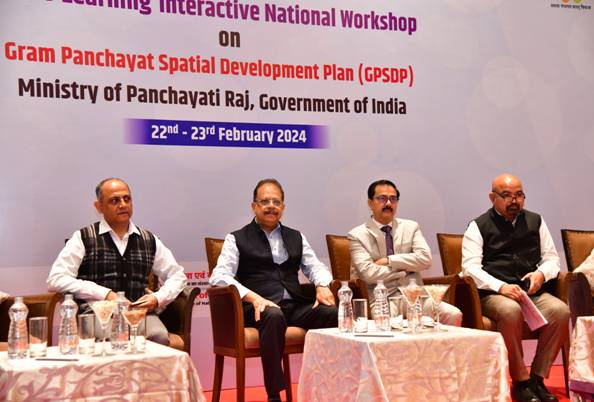
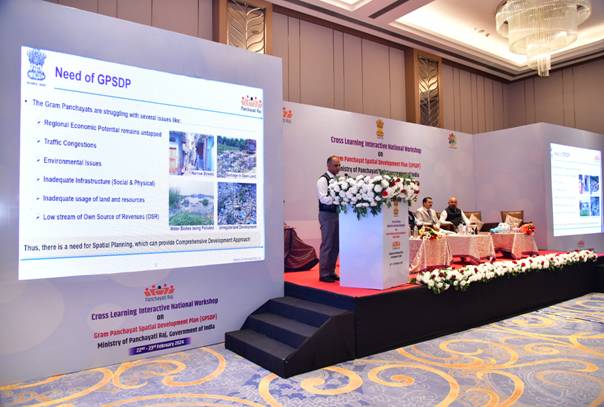
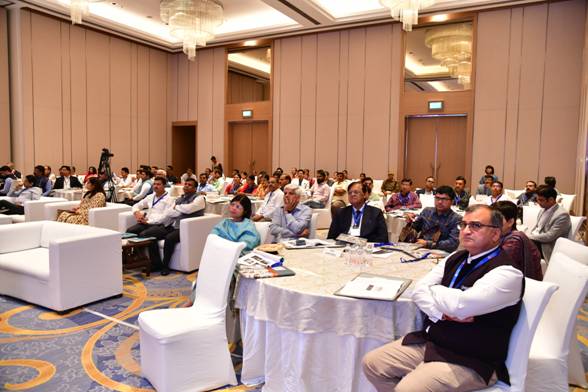
Cross Learning Interactive National Workshop on Gram Panchayat Spatial Development Plan at Bhopal, Madhya Pradesh

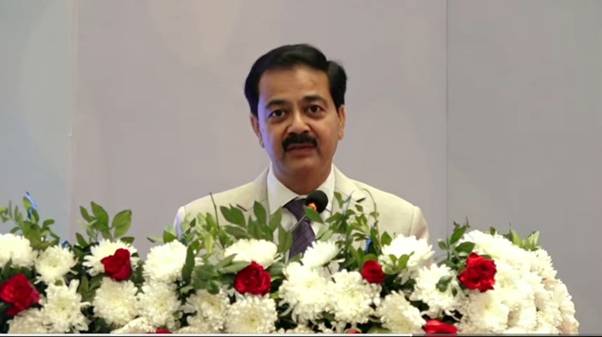
 Secretary, Ministry of Panchayati Raj Shri Vivek Bharadwaj inaugurated the Cross Learning Interactive National Workshop on Gram Panchayat Spatial Development Plan (GPSDP) at Bhopal, Madhya Pradesh today. Shri Malay Shrivastava, Additional Chief Secretary, Department of Panchayat & Rural Development, Government of Madhya Pradesh, Shri Alok Prem Nagar, Joint Secretary, Ministry of Panchayati Raj, and Prof. (Dr.) Kailasa Rao M, Director, School of Planning and Architecture, Bhopal were also present on the occasion.


In his address, Secretary emphasized the pivotal role of Gram Panchayats, partner institutions and key stakeholders in developing selected Gram Panchayats as Model Gram Panchayats, setting an example for others to follow. He stressed the importance of expediting efforts for reconstructing Panchayats with a spatial approach, contributing to the development of India. Shri Bharadwaj underlined the need for a well-thought-out and well-planned spatial development plan, coupled with strong determination and dedication for its implementation.

Shri Vivek Bharadwaj highlighted the importance of leveraging available resources and mobilizing the necessary support to translate vision and initiative of Gram Panchayat Spatial Development Plan into action effectively. By promoting systematic and synergistic interventions, any gaps in resource mobilization can be addressed, further facilitating the successful implementation of spatial planning initiatives in Gram Panchayats, added Shri Bharadwaj. Shri Bharadwaj emphasized upon spatial approach and importance of coordinated actions and collaborative efforts among various stakeholders to effectively execute spatial plan and ensure sustainable development at the grassroots level. Highlighting the significance of the Gram Panchayat Spatial Development Plan, Shri Vivek Bharadwaj urged participants to earnestly commit to its implementation within a defined timeframe, fostering sustainable rural development. Secretary called upon Gram Panchayats, partner agencies and stakeholders to seize opportunity of Amrit Kaal for advancing concerted action towards implementing spatial planning at grassroots level and ensuring its regular monitoring.

Shri Vivek Bharadwaj expressed hope that the two-day National Workshop will serve as a forum to provide a clear framework and direction towards advancing this crucial initiative, ensuring the empowerment and development of Gram Panchayats across the nation.

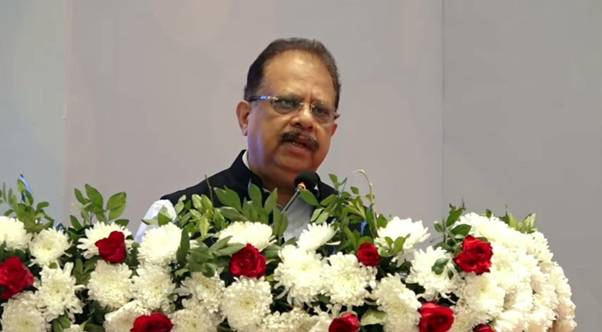
Shri Malay Shrivastava, Additional Chief Secretary, Department of Panchayat & Rural Development, Government of Madhya Pradesh called for the convergence of resources and a symphony of efforts to implement the Spatial Development Plan in Gram Panchayats.

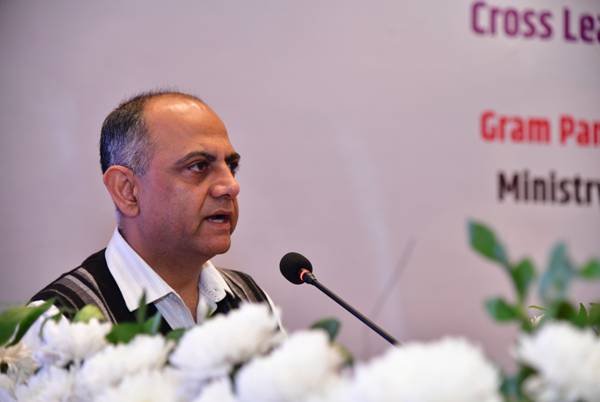
Addressing the National Workshop on Gram Panchayat Spatial Development Plan Shri Alok Prem Nagar, Joint Secretary, Ministry of Panchayati Raj made a comprehensive presentation on Spatial Planning for Rural Areas and the Way Forward, and provided valuable insights into the workshop’s objectives and initiatives. Shri Alok Prem Nagar highlighted the need for spatial planning interventions and initiatives taken by Ministry of Panchayati Raj.


Prof. (Dr.) Kailasa Rao M, Director, School of Planning and Architecture, Bhopal, extended a warm welcome to all the participants and delegates, and shared an overview of the current status and roadmap of the spatial planning process.

The National Workshop, organized by the Ministry of Panchayati Raj in collaboration with the School of Planning and Architecture, Bhopal, witnessed the participation of distinguished delegates from various State Departments of Panchayati Raj, planning and architecture institutes, industry experts, Smart City Mission leaders, financial institutions, and government agencies.

Presentations were made about the spatial development plans created in the States of Madhya Pradesh, Karnataka, Odisha, Uttar Pradesh, Chhattisgarh, Maharashtra and West Bengal. The officers from the Town and Country Planning Departments also explored the best options for inserting planning in rural areas. Discussions also delved into the utilization of GIS-based technology in Smart Cities and the implementation of Rural Area Development Plan Formulation and Implementation (RADPFI) guidelines. The workshop aims to conclude with significant takeaways and learnings for Gram Panchayats and State-level institutes, fostering long-term planning solutions for India’s villages.


****