Think Unconventionally

Let us assume that you are in a situation from which you have to get rid off someone Or in a situation where you have to save yourself. So, in those situations do you think your normal smartness or intelligence or similar decisions which you take in your daily life saves you out? Definitely no, or yes maybe sometimes but not in every case. To make yourself win in those situations you need to be extremely Smart. This is called Lateral thinking or unconventional thinking or thinking out of the box. Go through the following example situations to understand more clearly.

There was a girl who bought made loan with a money-lender. The girl was charming and beautiful. The old aged money-lender was attracted by her beauty. One day, he came to the girl and said that he would give her loan waiver but on one condition. That was, he had a bag with a white pebble and a black pebble in it. The girl has to pick one. If she picks white, she will be set to freedom. Otherwise, the girl has to marry him. The money-lender with a bad intention on the girl, bought the both pebbles of black color. The girl picked one and intelligently dropped it down. As the ground was with full of pebbles, then she said that as the pebble left in the bag is of black color, she would have picked the white one and hence she won her freedom.

A very rich man came to a bank in his very rich car. He said he wants loan and he would keep his car as an asset. The loan granting team was shocked and however granted him the loan. After 2 days, he again visited the bank and took his car back by clearing his loan. The entire bank team was shocked. A lady at the reception asked the reason behind all these. He said that he was going to catch a flight to a neighbouring country 2 days before. He was going to the airport. But, the airport maintenance is very costly to take care of his car for two days. SoSo, he came to the bank to park his car with minimum maintenance cost. The entire ban was shocked for his explanation.

A guy was once asked a very tricky question during a job interview “You’re Driving in your car on a STORMY day. You pass by a bus stop, and see THREE people waiting there. The first is the perfect woman of your DREAMS; The Second is an old friend who once SAVED your life; and the third is a lonely OLD lady who looks really SICK; If you had only one seat in your car…. Who would you offer a ride to ? Let’s think about it…. Do you pick up the old woman because she is in critical condition and you should save her first? … Do you take the old Friend ? because he once saved your life and this would be a perfect opportunity for you to pay him back?…. However, both choices leave you missing out on the woman of your DREAMS….BUT HE SIMPLY ANSWERED; “I would give the car keys to my old friend, let him drive the old lady to the hospital, and stay behind to wait for the bus with the woman of my dreams.”

These situations and the way those characters acted completely changes our outlook and also reminds us to think out of the box.
Reservation policy in India

It’s the matter of 1914, a question was raised in Madras Legislative Council about the Communal ratio of total number of registered graduates in Madras University. Then it had come to know that among 650 seats, 452 were Brahmins, 12 were Non-Brahmin Hindus and 74 belong to other communities. This the whole reason for the reservation policy in India to be active. Let us now know origin, causes of caste based reservation policy in India.

Introduction

The system of reservations in India comprises of affirmative action measures, taken up by the government to uplift the weaker sections of the society by getting them into government jobs and higher educational institutions. There are basically three categories of class of citizens which are recognised by the Constitution for the reservation. Those are Scheduled Caste (SC), Scheduled Tribe (ST) and Other Backward Classes (OBC). This reservation system is unique because India is a multi religious, multi linguistic country. That is why these reservations were needed to bring all communities to the same level.

Historical Background

In 1918, the Maharaja of Mysore have received a petition from the depressed class of people. To investigate that Maharaja appointed Miller Committee to know whether Non-Brahmin community has proper representation in his state services. This is where a positive thing had started to happen about depressed class and minorities.

In 1914 also, when 1st world War started, Britain was completely focusing on the war and they wanted Indians to help them in the war. So, as they wanted Indians to participate in war, they accepted long pending request of self governing institutions i.e. provincial assemblies and Central Legislative Assembly. This self governing institutions can also be states as Montague- Chelmsford Reform. This was added in The Government of India act in 1919 and on the other side, the discussion of minority communities was also going and there was a question about how to identify depressed class of citizen. For this, British Government appointed Simon Commission to assess the Indian society and suggest reforms. One of their recommendation was the need to safeguard the minorities and other socially, politically depressed class of people. The depressed classes demanded for a seperate electorate of election. But the commission did not accept that. Commission said that, seperate electorate is not possible but they would reserve them seats.

In 1923, government decided not to give grants to those aided schools that refused the admission of depressed class students. The depressed class under the leadership of Dr. Ambedkar demanded reserved seats for Untouchables in legislative bodies, special education concessions, and recruitment to government posts. To resolve these demands, the British government made a Round Table Conference in November 1930. But the first and second Round Table Conference was failed. McDonald, Prime Minister of British government, announced the communal award where the seperate representations were to be provided to Muslims, Sikhs, Indian Christians, Anglo-Indians, Europeans and Dalits Depressed Classes. Mahatma Gandhi was completely against for these reservations as those are are Britishers idea of divide and rule policy. But Ambedkar somehow wanted that as they have minimum benefits. So, after some agreements between Ambedkar and Mahatma Gandhi. According to this historic agreement the depressed class would get 147 seats in provincial councils instead of 71 promises in the Ramsay McDonald’s award and they would get 18% of the seats in Central Assembly also. The Poona Pact was finally stamped when the Government of India act 1935 where reservation of seats for depressed class was alloted. The Government of India act 1935 replaced the term ‘depressed class’ with Scheduled Class.

Even though seats in the legislature were reserved both for the ‘minority communities and for the depressed classes’, reservation in the public service was denied to the ‘depressed classes’, whereas the minority communities enjoyed reservation in the public services. Ambedkar became a member of Viceroy’s Executive Council as a minister for labour. He used his position in the Government to further the interests of the Depressed Classes. He demanded reservations not only in legislative seats but also in education and Government employment. His demand was accepted and this became the basis for the policy of India when it was framing the Constitution.

Debates in Constitutional Assembly

Constituent assembly came to existence in December 1946. Framers want to set up a welfare society where government not just protects from outside threats but also helps in social, economic development and they also wanted to give special protection for backward classes because of their past atrocities. Constituent Assembly had different committees for different areas.

According to Minority committee Report – Representation in the Legislature and the representation in proportion to their population, reservation in higher education institution and government jobs. A joint electorate was accepted. Reservation of seats for minorities based on religion was also not accepted by the Constituent Assembly. All these provisions were only temporary and if after ten years their position happens to be the same, then it is open to the Parliament either to renew it or abolish it.

But nothing like this happened even for today.

After Independence, there were several provisions made to abolish Untouchability, Titles, and also to protect educational and economic interests of the weak sections and in particular Schedules Casts and Schedules Tribes.

Representation in Services

Reservation of seats for SCs and STs in Lok Sabha and State legislatures for ten years was agreed upon. But the period has been extended from time to time. Three categories of people who deserved the benefits of Protective Discrimination: the backward class, the Scheduled castes and the Scheduled Tribes. Schedule caste and Scheduled tribes are already been defined in constitution. But the problem is that constitution does not have a proper explanation for Backward Class.

Article 15(4) & (5) talks about socially and educationally backward classes where as Article 16(4) talks about other backward classes.

Indira Sawhney V. Union of India

Supreme court in Indira Sawhney & Ors V. Union of India(1993) upheld the implementation of seperate reservation of other backward classes in Central government jobs, Ordered to exclude the creamy layer of other backward classes from enjoying reservation facilities, Ordered to restrict reservation within 50% limit, Declared seperate reservations for economically poor among forward classes as invalid.

This is how caste based reservations started in India. However, it has been clearly stated to abolish this reservation policy after 10 years. But it seems it not going to happen because these reservations became good topic for today’s politicians to gain votes.

Seven Fundamental Rights in Indian Constitution

Indian Constitution is the longest Constitution in the world. It’s because india has several religions. Each state differs from its religion and language with the other. Indian Constitution contains 395 articles and 8 schedules and is about 1,45,000 words making it the longest national Constitution to be adopted. We have seven fundamentals rights in our Constitution. Let us now know each of them.

Fundamental rights are written in the third part of the Constitution. The fundamental rights can be defined as the basic human rights. The main prospective behind these seven fundamental rights was to preserve the idea of equality. Let us know each one of the seven fundamental rights clearly.

Right to Equality

Right to equality can be simply explained as the right to live with equal opportunities. It includes equality before law, prevents or prohibits discrimination on various grounds like caste, religion, birth place, race and gender. It also includes untouchability, equality of opportunity in employment.

Article 14 guarantees equality before law as well as equal protection of the law to all people within the territory of India. Article 15 prohibits discrimination on the grounds of religion, race, caste, sex, place of birth, or any of them. Article 16 guarantees equality of opportunity in matters of public employment and prevents the State from discriminating against anyone in matters of employment on the grounds only of religion, race, caste, sex, descent, place of birth, place of residence or any of them. Article 17 abolishes the practice of Untouchability in any form, making it an offense punishable by law. Article 18 prohibits the State from conferring any titles other than military or academic distinctions, and the citizens of India cannot accept titles from a foreign state.

Right to Freedom

Article 19 guarantees six freedoms in the nature of civil rights, which are available only to citizens of India. These include the freedom of speech and expression, freedom of assembly without arms, freedom of association, freedom of movement throughout the territory of our country, freedom to reside and settle in any part of the country of India and the freedom to practice any profession.

There are also some restrictions on these freedom rights to avoid conflicts.

Right against Exploitation

The right against exploitation is contained in articles 23-24. It contains some provisions to prevent exploitation of the weaker sections of the society by individuals or the State.

Article 23 prohibits human trafficking, making it an offence punishable by law, and also prohibits forced labour or any act of compelling a person to work without wages where he was legally entitled not to work or to receive remuneration for it. Article 24 prohibits the employment of children below the age of 14 years in factories, mines and other hazardous jobs.

Right to Freedom of Religion

the right to Freedom of Religion is explained in the articles 25-28. It provides religious freedom to all Indians.

Article 25 guarantees all persons freedom of conscience and the right to preach, practice and propagate any religion of their choice. Article 26 guarantees all religious denominations and sects, subject to public order, morality and health, to manage their own affairs in matters of religion, set up institutions of their own for charitable or religious purposes, and own, acquire and manage a property in accordance with law. Article 27 guarantees that no person can be compelled to pay taxes for the promotion of any particular religion or religious institution. Article 28 prohibits religious instruction in a wholly State-funded educational institution, and educational institutions receiving aid from the State cannot compel any of their members to receive religious instruction or attend religious worship without their (or their guardian’s) consent.

Right to Education and Culture

It is explained in articles 29 and 30. This right is to protect the rights of cultural, linguistic and religious minorities, by enabling them to conserve their heritage and protecting them against discrimination.

Article 29 grants any section of citizens having a distinct language, script culture of its own, the right to conserve and develop the same, and thus safeguards the rights of minorities by preventing the State from imposing any external culture on them. It also prohibits discrimination against any citizen for admission into any educational institutions maintained or aided by the State, on the grounds only of religion, race, caste, language or any of them. Article 30 confers upon all religious and linguistic minorities the right to set up and administer educational institutions of their choice in order to preserve and develop their own culture, and prohibits the State, while granting aid, from discriminating against any institution on the basis of the fact that it is administered by a religious or cultural minority.

Right to Constitutional Remedies

The Right to Constitutional Remedies empowers citizens to approach the Supreme Court of India to seek enforcement, or protection against infringement, of their Fundamental Rights.

Right to Privacy

Right to privacy is the latest right of our country being recently approved by the supreme court of Iindia. According to this right we are liable to keep our material private and without our permission no one can interfere in our private matter.it applies to all our private material also.

Right to Property was removed from the Indian Constitution in 1978. It is no longer counted as a fundamental right.

Some of the information to make up this article was taken from Wikipedia to provide the information with a great reference and in simple words.

Dedication

India has great mythologies. Today’s every question has an answer in our myths, every confusion has a way in our myths. Today’s world is probably called a digital world and so every thing we desire to do happens so fast and due to this sometimes we lose our patience and might quit doing our desired thing. Let us go through a small story from our myths and recall, realize how ones dedication must be.

Once there was a great king called Vishwamitra. One day Vishwamitra along with his army was going through a forest for expedition. On his way he found a peaceful and beautiful region and was wonderstrucked by the region. He also found a hermitage at a little distance. When enquired he found that a great sage, Vasishta was living in that hermitage. Vasishta welcomed King Vishwamithra into the hermitage with all respect and started conversation. In the middle of the conversation, Vasishta came to know that the King was there with his large army. Anyhow, he insisted king to take their dinner there. Vishwamitra was again wonderstucked that how could a a poor sage serve him and his large army. However, an excellent was arranged to all of them. When Vishwamitra asked Vasishta, he said that was all because of Nandini, a cow gifted by her mother KamaDhenu. Vishwamitra was so attracted by the Cow and asked Vasishta to give that to him. But, Vasishta said that he had no power to give it to him as that was a gift for him by her mother. King Vishwamitra disliked Vasishta’s reply and asked his soldiers to bind Nandini.

Nandini was bind with ropes by the soldiers. But, it ran away like a wind towards Vasishta seeking for help. Nandini created a large army to fight against Vishwamitra, as a result Vishwamitra bought his 1000 sons to fight against Nandini, but all of them was destroyed by the fire created by the sage Vasishta. Vishwamitra was surprised by the powers of Vasishta and thereby decided to start a penance from that moment to attain such powers. So, Vishwamitra went to Himalayas and started doing penance for Lord Shiva. After many years, Lord Shiva came in front of Vishwamitra and agreed to give him a boon. Vishwamitra was given a boon of secret of all arrows, archeries that Yakshas, Gandharvas and Maharshis have. With this confidence he went to sage Vasishta again and started a fight with him with his arrows. Vasishta without any hardwork had kept his Yoga-Dhanda in front of him and it started swallowing all the arrows. Vishwamitra was shocked that all the arrows and weapons those he had obtained as a result of the penance for years were became useless and again defeated by sage Vasishta. But this defeat didn’t discourage vishwamitra. He realised that the power of arms was useless and decided to become a Brahmarishi. He didn’t decided to quit his decision of defeating Vasishta. He decided to perform penance once more to increase his powers.

This time, he went to a remote forest and started doing penance for Lord Brahma, the creator. Vishwamitra has continued his penance. Hundreds of years passed but Lord Brahma had nor appeared before him. Vishwamitra didn’t give up his penance. After a thousand years, Brahma was impressed and appeared before him and said that he had then became a Rajarishi. But, Vishwamitra said that his goal was to become a Brahmarishi and continued his penance once more. Meanwhile, Trishanku was a king and was a student of Vasishta, asked said Vasishta that he wanted to go to heaven. But, Vasishta said that was impossible. Trishanku then came to Vishwamitra and said the same thing. To win against Vasishta, Vishwamitra created a new heaven for Trishanku in southern sky and convinced other gods and Brahma by saying to not let his promise become false. He then won against all gods and Brahma. But later he realised that he consumed all his powers he gained by his penance of thousands of years to create a new heaven.

Now he has to start again beginning and did penance for one more thousand years. This time, Brahma appeared before him and said that he had then became a Rishi. But that didn’t satisfy Vishwamitra. His goal was to become a Brahmarishi. So, he again started doing penance. After thousand years, this time, he was seduced by a woman named Menaka and gave up his penance. He comsumed all his powers gained to impress her. He realised his mistake and agin started doing penance, after thousands of years of his penance, Brahma appeared before him and said that he had then became a Maharishi.

Vishwamitra had not satisfied as his goal was to become a Brahmarishi. He continued his penance. At last, Brahma accompanied by all the gods and said that Vishwamitra had then became a Brahmarishi.

Thus, Vishwamitra reached his goal by his tenacious efforts, unbroken dedication and concluded his penance. He was honored by the gods and sages alike.

Our dedication must be in the same way and should not be broken by any means to reach our desires and goals.

Be a Leader who impacts, not one who shatters

A young man saw his primary school teacher at a wedding ceremony. He went to greet him with all respect and admiration!! He said to him: “Can you still recognise me Sir?’ ‘I don’t think so!!’, said the Teacher, ‘could you please remind me how we met?’

The student recounted: “I was your Student in the 3rd Grade, I stole a Wrist watch belonging to my then classmate because it was unique and fascinating.

My Classmate came to you crying that his Wrist Watch had been stolen and you ordered all Students in the class to stand on a straight line, facing the wall with our hands up and our eyes closed so you could check our pockets.At this point, I became jittery and terrified of the outcome of the search. The shame I will face after other Students discovered that I stole the Watch, the opinions my Teachers will form about me, the thought of being named a ‘thief’ till I leave the School and my Parents’ reaction when they get to know about my action. All these thoughts flowing across my heart, when suddenly it was my turn to be checked.I felt your hand slipped into my pocket and you brought out the Watch. I was gripped with fear, expecting the worse to be announced. I was surprised I didn’t hear anything, but Sir, you continued searching other Students’ pockets till you got to the last person.When the search was over, you asked us to open our eyes and sit on our Chairs. I was afraid to sit because I was thinking you will call me out soon after everyone was seated.But to my amazement, you showed the watch to the class, gave it to the owner and you never mentioned the name of the one who stole the watch. You didn’t say a word to me, and you never mentioned the story to anyone.Throughout my stay in the school, no Teacher or Student knew what happened.

This incident naturally taught me a great lesson and I resolved in my heart never to get myself involved in taking whatever is not mine.I thought to myself, you saved my dignity. “Do you remember the story now Sir? You can’t simply forget this story Sir!!”

The teacher replied, ‘ I vividly remember the story that I found the Watch in a pocket but i did not know in whose pocket the stolen Watch was found that day because I searched your pockets while I also had my eyes closed.”

In life, we need wisdom for everything we do. As Parents, Teachers, Pastors, Leaders etc… We should be able to close our eyes to some things. Not all misbehaviour require punishment. Some will need encouragement, some mentoring and some monitoring.

Be a Leader who impacts, not one who shatters. Rare to find.

No one can assure that this story was really happened because no one saw it, just heard. But, this story has a great message in it – Be a Leader who impacts, not one who shatters. This is so true and has to be shared widely.

Best vacation places in India

India is the best example for the proverb unity in diversity. India has vast number of religions, speaks vast number of languages. Every state is different from its religion, language, culture, food, etc. So, every Indian will have a desire to make a trip to different states and explore everything there. Now, let us see some of the best amo g the best vacation places in India.

Alleppey

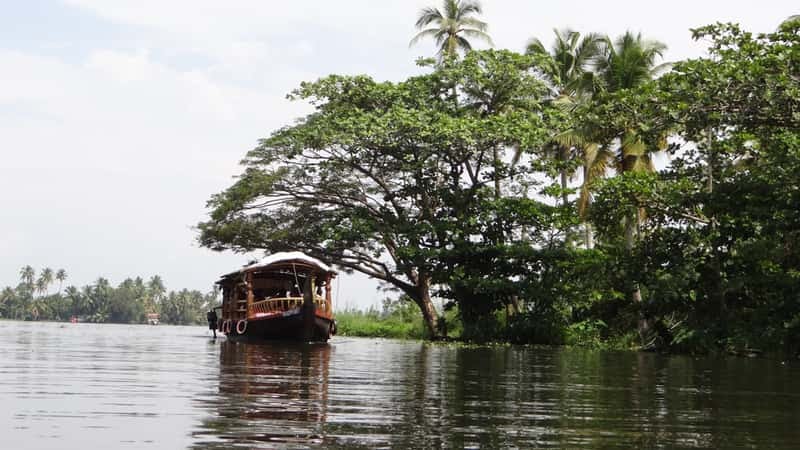
Alleppey is located in Kerala. Kerala has the highest literacy rate in India. Kerala has different nicknames-God’s Own Country, Spice garden of India, Land of Coconuts, land of Trees, etc. Kerala is the beautiful state and the Alleppey of Kerala is the most beautiful. It is the highly recommended vacation place in India. One thing that can be assured for sure is no one will be disappointed by Alleppey.

Coorg

Coorg is located in Karnataka. Karnataka must be the favourite for everyone. The state is full of greenery. Irrespective of the season, the state will always be raining. We can have more fun in Coorg. The places we can visit there are – Abbi falls, Madikeri, Omkareshwara Temple and list continues like this. The Madikeri Hill Station in Coorg, Karnataka is known as the Kashmir of South India. If you plan for a trip then Coorg is recommended to be first in your list.

Dharamshala

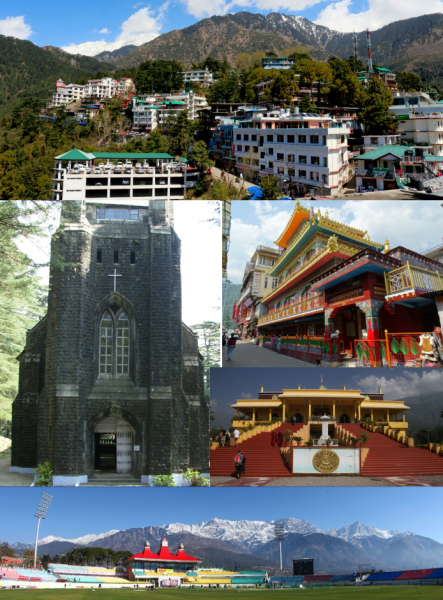
Dharamshala, city in Himachal Pradesh, is the simple and peaceful city. It will be the best vacation place for peace and nature lovers. There are several places in the city to explore. Some of them are -Tsuglagkhang Complex, Masrur, McLeod Ganj, Kareri Lake, etc. There are lot more adventures can be done in Dharamshala especially in Kareri lake.

Nainital

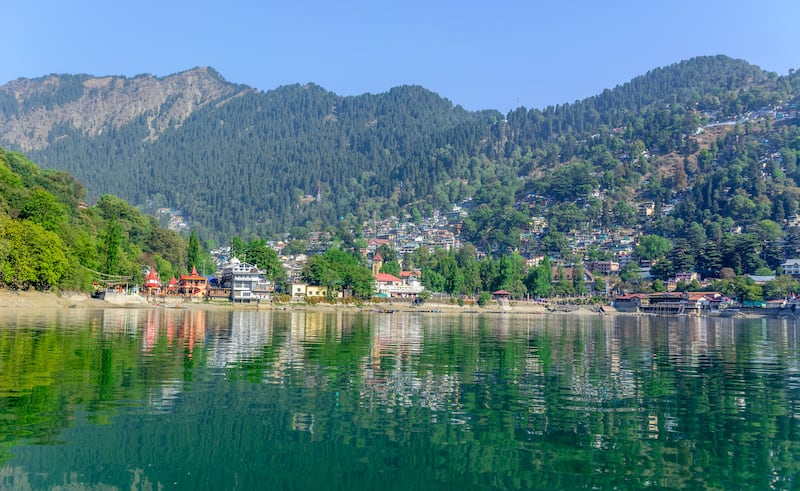
A trip without being visited Nainital won’t be a complete trip for sure. Nainital is located in Uttrakhand. It is the most loveable place for everyone. Moreover, it is the famous hill station in Uttrakhand. There are several places that Nainital serves you to explore and enjoy. Naini Lake, Nainital ropeway, Naini Devi, etc. We can enjoy boating in Naini Lake.

Manali

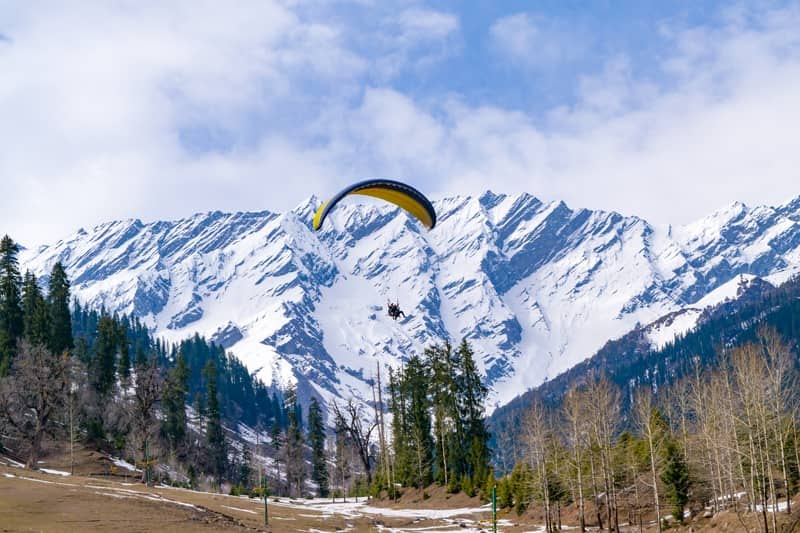
Manali is one of the coldest places of India. There are some states in India in which summer is unbearable. Manali would be the best vacation place for those tests. It is a peaceful city. There are several activities can be done and enjoy in Manali, River Rafting, Paragliding, Hadimba Devi Temple, Skiing, Trekking, etc. So, Manali is best for adventures. It would be the best vacation place to visit with friends.

Shimla

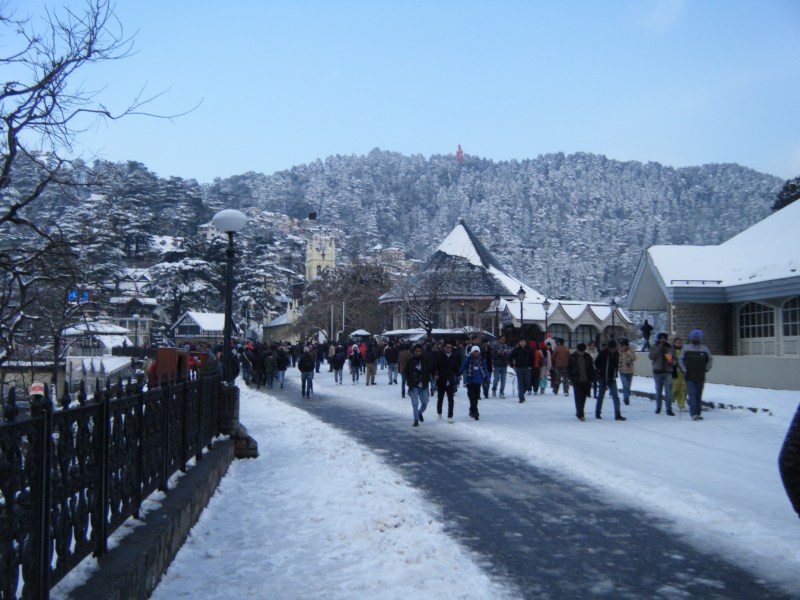
shimla is a cold place, located in Himachal Pradesh. There shall mostly be no limit to explain the beauty of Shimla. Shimla is famous Hill station in Himachal Pradesh. There are several places to visit in Shimla – The Ridge, Jakhoo Hill, Mall Road, Kalka–Shimla Railway, Christ Church, etc.

Darjeeling

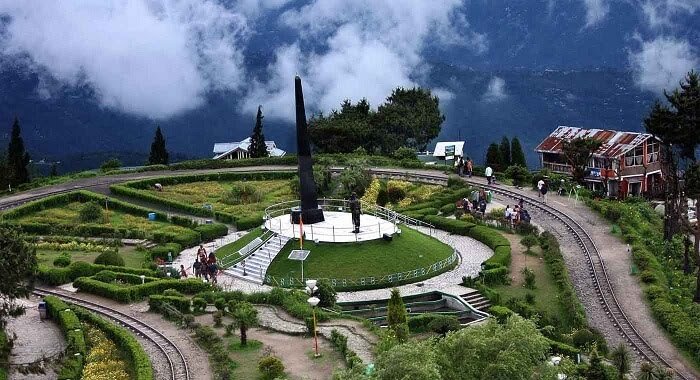
Darjeeling is such a beautiful city about which introduction can’t be done with small words. It is the famous and popular Hill stations of India. The climate in Darjeeling will be almost same in all seasons. We will love visiting Darjeeling any time. The best places to be visited in Darjeeling are Tiger Hill, Batasia Loop, Padmaja Naidu Zoological Park, Himalayan Railway Station, Nightingale Park, Tinchuley, Chowrasta and so on.

This list will go on like this. Some of the places in India can’t be explained in words. So explore India.

India is a rich in religions country. The beauty of this country is enormous. The unity among Indians can’t be explained in words. There is a lotto explore and enjoy in India.

Compile-time and Run-time Errors

Programmers, while executing their code of any language will come across two terms, compile-time and Run time errors. Let us briefly know what they are.

Compilation Errors

Every code must be syntactically correct to pass compilation. The compilation is the process that compiler checks for syntaxes in the user-written code. Syntaxes are not just special characters but they do have some meaning. For example, semicolon (;) in C means the end of the statement, the opening and closing curly braces ({,}) defines the opening and closing of a block or scope respectively. So, syntaxes should not be missed to avoid compilation errors.

Let us see some examples to demonstrate more clearly.

#include<stdio.h>
int main()
{
int a=10 // semicolon missed
printf(“%d”,a);
return 0;
}

In the above code, we have missed a semicolon at the end of the declaration of ‘a’ variable. This is syntactically incorrect. So, the compiler results in an error, error: expected ‘,’ or ‘;’ before ‘printf’

#include<stdio.h>
int main()
{
int a=10,b=5;
if(a>b)
    {
       printf(“%d”,a);
    }
else
   {
      printf(“%d”,b);
   //closing brace for else part is missed
return 0;
}  

Here, the closing scope brace is missed for else part. So, there will be a compilation error saying error: expected declaration or statement at end of input

Run time Errors

after the successful compilation of our program, we’ll take the next step. We will run our program. This is where after the success of which, you will get your output. The errors that occurred during this run-time are called Run-time errors. Let us see some of the run time errors.

A run time error means that the program is compiled successfully, but it failed due to run time error or crashed. There are different types of run time errors. Let us learn them properly.

  1. SIGSEGV

This error means ‘Segmentation Fault’. Some of the causes of this error are, by an out-of-scope array index causing a buffer overflow, an incorrectly initialized pointer, etc. this error occurs when the program trying to access the outside the memory allocated for it.

2. SIGXFSZ

This error says “output limit exceeded”. Your program has expected too much data as output.

3. SIGFPE

This indicates a “floating point error”. This is the most famous error. Usually demonstrating run time errors start with this error. This error usually occurs when you are trying to divide a number by zero, or trying to take a square root of a negative number.

4. NZEC

This means “non-zero exit code”. This error means that the program exited returning a value other than 0. This may simply mean that we have forgotten the ‘return 0’ statement in c/c++ languages.

In interpreted languages like python, this error usually means that our program either crashed or raised an uncaught exception.

5. SIGABRT

This error occurs when the program is aborted in the middle of the execution. This error is raised by the program itself.

6. OTHER

This error is generated when we use too much of memory. For example, a very large sized array.

7. MLE

This indicates “Memory Limit Exceeded”. This error is generated when you try to allocate memory beyond the memory limit indicated. This can occur if you declare a very large array or some other data structures.

NEET Examination 2020

The National Eligibility cum Entrance Examination (NEET) is the entrance examination in India that provides admission into Under Graduate courses MBBS, BDS. The NEET examination is currently conducted by National Testing Agency (NTA) which provides results to the Directorate General of Health Services at the Ministry of Health and Family Welfare.

There will be total 180 questions asked in the exam, 45 questions each from Physics and Chemistry, 90 questions from Biology. The questions are Multiple Choice. Each correct response gets 4 marks and there will be -1 negative marking for incorrect response. The exam is for 720 marks and duration is 3hrs (180 mins).

Here are the fee details of NEET Application as of 2020:

GeneralRs.1500/- (INR)
General-EWS/OBC(NCL)Rs.1400/- (INR)
SC/ST/PwD/TransgenderRs.800/- (INR)

After filing several petitions by students, Politicians to postpone engineering, medicine entrance examinations due to COVID—19 ,the High court after ensuring if all the safety measurements taken by the managements of both the departments are good enough, had made a clear statement that there will be no further postpones of entrance examinations as that  would have a major effect on students’ career. At last, it was decided that the medical entrance examination NEET will be conducted on Sunday, 13th September, 2020.

Usually till now the students are informed to take their admit card, aadhar card and not anything like pen, plank, water bottle, rough papers as those will be provided by the authorities at the examination center. But in 2020, in order to ensure the safety of the students, the rules at the examination centers are changed by NATIONAL TESTING AGENCY (NTA) due to COVID-19.

Those are:

  • The body checking will be with with metal detectors instead of manual checking.
  • Students are strictly ordered to throw their masks which they carried from their home to the examination center and should go into the hall with the mask given by the authorities.
  • Students are allowed to take their own water bottles and sanitizers.
  • Students are not allowed to take their admit card out from the hall but have to show it to the authorities and throw it in the dustbin there itself.
  • Students are required to sign a declaration form with their photograph stating that they are not the victims of corona virus.
  • The gates will be closed before half an hour of exam time.
  • Five A4 size sheets will be kept at each candidate desk for rough work. if additional sheets are required for rough work by the candidate, the same shall  be made available on demand.
  • Before each shift starts seating area will be thoroughly sanitized-monitor, keyboard, mouse, webcam, desk and the chair. Candidates can further sanitize with sanitizers bought with them.
  • Candidates are required to paste a photograph and sign the attendance sheet only after sanitizing their hands.
  • On completion of a shift, the candidates will be permitted to move in an orderly manner one candidate at a time.
  • Candidates must drop the Admit Card and rough sheets in the advised boxes after displaying to the staff available next to the drop box. If any candidate misses to drop Admit Card or Rough sheets in boxes, action which also includes disqualification from the exam can be taken against him/her.

The results would be declared on the Second week of October, 2020.

for any further information visit the official website www.ntaneet.nic.in

Attendance Manager- plan your day

Every student will be very strict, punctual to classes until he becomes to a Under Graduate or equivalent degree course. Once a student enters a UG/degree course, the student may change. He may look at watch once in every ten minutes not to attend class on time but waiting to the end time of the class. The students might had spent 8-12 hours in college, school in intermediate, 10th standard respectively. So, once they join a UG/degree, their mind will be running away. But there is a firewall called ATTENDANCE. There are many rules regarding this attendance- every student should have at least 75% overall attendance to qualify for semester examinations, the student should have minimum 75% attendance in each subject in order to not to get detained in that particular subject. If a student is detained then he/she has to study the same subject in the coming semester also. For hostelers, in some institutions, the leaves are granted based on the attendance. keeping aside all these, we all want to BUNK CLASSES. Every student will like this and excited at this. But we should maintain our attendance to avoid academic problems.

So, what can we do? There is a way, that is you should keep the record of your attendance or simply you should track your attendance. how do you do that? Do you take a pen ad paper and keep a tick mark for all classes? No, that would be a boring process. Don’t worry we have a very smart option, mobile applications.

Do you believe that an app can maintain your regular attendance, gives your attendance percentage of each subject, also tells you the chances to bunk classes? Now, I’m going to provide you a list of three apps that helps maintaining your attendance.

  1. Attendance Manager

This app provides the subject wise status of attendance, provides us an option to set attendance goal and has good user interface. This app is also available in Dark Theme. We can track history of our attendance and also provides us timeline view. This app is available in Google Playstore.

   2.Attendance Register

This app provides percentage of attendance maintained, the   number of absent classes in a month and also the number of absents of each subject, also provides subject wise attendance. We have an option to set app lock within the app i.e. PIN & Fingerprint protection, available in dark theme. We have an option to add notes for any day i.e. we can give reason for our absence of particular class. This app is available in Google Playstore.

  3.Kodalog- Attendance Manager

     this app has an option to set timetable of our course, provides us the option to set attendance goal. The best part of this app is Predictor, which predicts the classes you can miss and cannot miss in order to maintain your attendance. this app’s background will be in light red color. This app is available in Google Playstore.

These are some apps that provide all the facilities that a student wishes, with good user interface. There are many apps like these which helps you to track your attendance and plan your activities, make your day stress free. Hope you like this.

What happens when you type an URL into the search bar?

All of us had came across lot of websites. Each website will have URL. First of all, What is URL? What is it used for? What does URL contains? What happens when you type an URL and hit search inany search engine? Let us know about each of these.

URL stands for Uniform Resource Locator. As the name specifies, it is used to locate the address of a website in World Wide Web. URL contains a lot of text in it alphabet, numbers etc. Usually we have five parts in a URL, they are Scheme Or Protocol, Sub domain, Top-level domain, Second-level domain and Subdirectory

Let us consider an example URL to demonstrate more clearly.

http://www.exampleurl.com/example1

In the above URL the Protocol is http which stands for Hyper Text Transfer Protocol is the first part of URL. It specifies the protocol that the browser must use. There are many protocols such as ftp (File Transfer Protocol), the secured version of http that is https and mailto: etc.

The second part is Domain. In the above URL the portion from ‘www’ to’.com’ is the domain of the URL. The domain consists of three parts: Subdomain, Top-level domain, second-level domain. Top level domain is .com and the second level domain is the one that is directly below the top level domain. In our example it is exampleurl. Subdomain is a part of the URL that comes before domain name(exampleurl) and extension (.com). In our example it is www. You can learn more about World Wide Web(www) and it’s role in URL if you want to.

The next part is Subdirectory or Path. In our case it is example1. The path says where the browser should take us to in a particular website. In our example, browser takes to the on of the exampleurl websites page example1.

No we know the complete anatomy of a URL. Now, let us know the procedure by which we can see the webpage, by which browser returns us the well structured webpage. If we have to understand that then we should know about DNS, Server.

DNS stands for Domain Name System. Think ii as a phone book which maintains a phone number for each name. In the similar way, DNS maintains the IP address of each Domain. Every URL will have a unique IP Address. All these IP Addresses are maintained by DNS.

The definition of Server is well known to everyone. Server is a computer which provides data to another computer. There are many types of servers such as web server, mail server, file server.

We know that every web page is written in HTML and is stored with .html extension. Then are we able to see a structured web page which shows no code? Let us know now. Now, let us exactly know what happens when you type a URL and hit search.

  1. The browser sends the domain name to DNS
  2. The DNS returns the IP Address corresponding to that domain name
  3. The browser receives that IP Address, sends to the Server and asks the file that may be a html file or image or sound etc.
  4. The Server receives the request and sends back the requested file to the browser.
  5. The browser then converts the code in the file into a well structured document and then finally displayed to us. This conversion happens due to the presence is DOCTYPE in the code of that file. You will learn more about these in HTML.

We are very lucky because long time ago, there were no domain names, we have to know the IP Address of the page to access that. An IP Address is a set of integers. But now, it is very because the domains can be chosen by us according to our needs and can be accessed with out headache.

Chandrababu Naidu’s role for Microsoft in Hyderabad, India.

Microsoft is an American multinational technology company Founded by honourable Bill Gates, Paul Allen. Microsoft has around 2,00,000 employees. It’s Headquarters is located in Redmond, Washington. Before 1998 Microsoft’s R&D centre has nowhere outside the Redmond Headquarters. But, in 1998 the Microsoft’s development centre was established in Hyderabad (before state partition) which was neither an IT hub nor a developed city. But now Microsoft India Development Center is one of the Microsoft’s largest R&D centers outside the Redmond headquarters. What was the reason to start R&D in such a city? What encouraged Mr. Gates? Let us see now.

By the time 1998, Chandrababu Naidu was served as Andhra Pradesh state Chief Minister (before the state partition) from 1995 to 2004.  In the year 1997 Mr. Gates visited New Dellhi, India on some work. Mr. Naidu reached Delhi solely to meet Mr. Gates and asked the American Ambassador in India to provide 10 minutes of Mr. Gates’s time. But they said that Mr. Gates was not meeting anyone then and said to meet in cocktail party that night if that was okay for Mr. Naidu. But Mr. Naidu said he couldn’t meet in cocktail party s that may reach in different manner to the public and terrified that he may lose votes. So at last, after all the discussion Naidu had success in getting appointment of Mr. Gates for just 10 minutes. Before the commencement of the meeting the authorities said Mr. Gates that there was someone who loves and believes technology more than he does by which, Mr. Gates was shocked and granted appointment for Naidu.

In the meeting with Mr. Gates, Naidu gave a presentation of all what he wanted to say through his laptop. Naidu was the first politician to do so and Mr. Gates was impressed by that. Naidu said that he was trying to advance the government with the technology tools and so asked Mr. Gates time. There were three things that Naidu asked Gates.

1. Naidu made sure that India is strong I information technology.

2. A Request to start Microsoft’s Development Center in Hyderabad.

3. A request to visit Hyderabad.

When Mr. Gates had put his ears on Naidu’s agenda, He said that the Microsoft’s Development is only in Seattle and if he would start outside Seattle then he would definitely do that in Hyderabad. Mr. Gates made a promise that he would start R&D in Hyderabad and nowhere in India after Naidu’s presentation.

However, naidu was allotted only 10 minutes but, the meeting lasted for more than 45 minutes and everyone was waiting outside for Mr. Gates to begin the dinner.

By the time, Bangalore was one of the India’s largest IT hub. But, Mr. Gates had chosen an under developing city Hyderabad. Naidu promised affordable taxes, good supply of electricity etc.

Mr. Gates visited Hyderabad and had chosen a place to setup R&D and however was done in 1998.

Today, Microsoft India Development Center is one of the Microsoft’s largest R&D centers outside the Redmond headquarters.

Google Office Facilities

Every software engineer will have a dream of working in Google.We have to admit that cracking google is not that easy. so, every google employee will be thrived hard to crack it. Once they become google employee, every bit of their hard work will be paid not only through salary but also through the facilities available for google employees. Most of the google employees say that they don’t feel like they are in office. They say that google provides the view as they are in some family environment where everyone will be let free, no bossy nature. Most of the companies follow the rule that employees should not say a word against their boss. But it is completely different in google. A just joined employee irrespective of the experience he/she had will have the right to say no to his/her boss if the boss is wrong somewhere. Google is a place where the employees will be let free without any restrictions like to sit in a cubical the whole day. Google employees can sit anywhere within the office, in the canteen, on the steps, outside in the lawn, in playing area, on the sofa, in dining area, in the washing section like what not, anywhere they can sit and work. Wait what are you thinking about? Don’t say “what are all these canteens, washing area?”. If you are shocked or surprised then there is no mistake in that. Because yes, these are facilities that a Google employee is provided. I have mentioned just few of them. Now, let us know the facilities that Google provides for its employees completely. So, lets dive in.

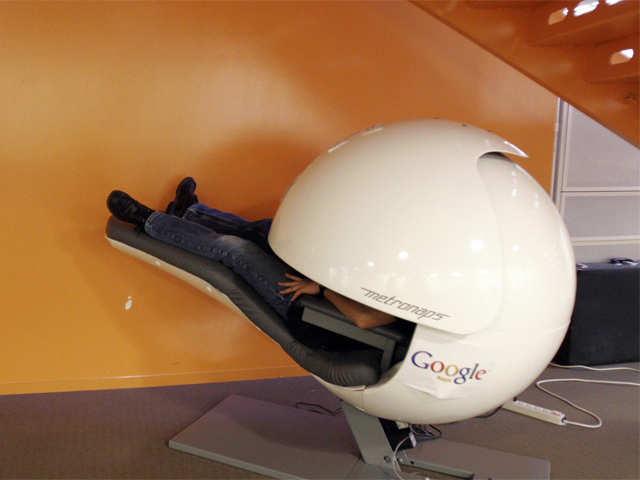
Hey! Most of us may felt sleepy while working in our office but couldn’t sleep as it is not allowed.so, we had those days of dragging our feet and fall asleep as soon as we reach home. But look here, it is totally opposite. Have a glimpse at this nap pod.

Nap pod in Google (image source:google)

Hey! Don’t confuse the person in pic is neither the owner of that house. That is not a house but is a section of google office. The person might have worked hard and might want to take a nap, so he appeared in the sleeping section of google. How lucky the google employees are.

Mostly bachelors living in PGs(Paying guest) or in flats alone may not find a separate time to do all the household work especially to wash clothes. But if that bachelor is a Google employee, he need not have to make time separately to do that. Because there is a washing section available there in the office. Have a look at this.

Laundry section in Google (image source: Google)

Oh My God! What’s this? Don’t get shocked, that’s true. Getting jealous right! Not only this there are many.

Suppose you had a pet which is a dear to you and you are single in home. In that case your dear should be left alone all the day in home, no lunch for it. How sad right? Hey! What’s there to feel sad if you are working at Google. Because, google not only welcomes you but also your pets. Look here! How sweet right?

Have you ever had a thought to build your body, you might mostly. But you might not have found time to go to jym. But this is not the case of google employees. Look here!

Google space JYM (image source : Google)

Leaving all these, the favourite section of every human is FOOD and look how that is at google.

Google Canteen (image source: Google)

Don’t even get a thought of paying for food at GOOGLE. Because its free. Yes! The Goole serves free food to its employees.

Have you ever played in your office. You would say ”My boss would kill me if I do that”. But in Google the boss built a separate playing area to let employees relax their mind and get sharp thoughts. Won’t believe? Look here!

Google playing area (image source: Google)

The Google provides pregnancy leaves for women and you know what, by providing their monthly salary. Have you ever heard of this scheme? That’s why google is adorable.

They are so many facilities that Google provides to its employees. It is said that every Google employee will help earn Google 4,00,000$ a year. If utilized properly, Google is a place where you can prove all your talent and skills because here everything is encouraged. No full stop, only Comma.

A security guard was driven over and killed by a teenager

The youth today is becoming extremely careless. This article says why that is.

An 18 year old girl drove her AUDI car over a security guard, kills him and goes to sleep as if nothing had happened. The teenager was trying to park her car in the parking lot of her apartment complex. This incident took place at Foreshore estate in Santhome, Chennai.

Reports say that the girl did not notice that she was running over the security guard.

The security guard named D Sivaprakasam was a retired government officer, joined the work as a security guard at an apartment complex in Santhome, Chennai just a week before. On the other side, the girl is 18-years-old named Aparna; daughter of a real-estate agent lived in the same apartment for which Sivaprakasam was a security guard. The security guard was asleep when the incident took place and the girl says that she did not notice him even after she drove over him.

According to the reports, a 68-year-old security guard named D Sivaprakasam was asleep and was driven over by an 18-year-old girl named Aparna. The girl says that she did not notice running over him until the police shown her a CCTV footage of her running over him. Aparna was parking her car in the parking lot of her apartment for which Sivaprakasam was a security guard. She ran over him with her headlights turned off. The girl says that she did not hear any cries and gone to her house and slept. The police were informed by the neighbors who saw the security guard’s body lying in a blood pool. The police investigated the incident and filed FIR against Aparna.

A First Information Report (FIR) was filed on the girl under a section 304(A) (death due to negligence).but she was given bail immediately as she has a valid driving license.

Police said that the girl did not notice that she ran over Sivaprakasam, who was asleep with a bed sheet over him and also she did not hear any cries.

The Times of India had reported that, Aparna climbed an incline before entering the parking lot and allegedly had her headlights turned off, due to which Sivaprakasam may not have been visible.

However, none of these reasons could get back Sivaprakasam and fulfill his absence in their family. Here, in this incident, we can blame neither the girl as she didn’t do it on purpose nor the security guard who slept on the parking way. But however the loss has occurred.

The girl noticing her headlights off could stop her car for a while and could them on. On the other side, the security guard could be conscious enough and could sleep on a side rather than in the driving zone. If anyone of these had happened, if anyone of the both had done the above, then this incident wouldn’t have occurred. One in two has to be cautious enough because, if both eject their negligence out, then loss will be for both.

Lalitha jewellery success story

From Rags To Riches : The Inspiring Journey Of Lalithaa Jewellery Owner  'Kiran Kumar' | Wirally
lalitha jewellery in Chennai

Lalitha jewellery is owned by Mr. KiranKumar. It was first founded and established in Madras (Chennai).within no time the Lalitha Jewelry had gained the trust of its customers and reached great heights amidst very tough competition of other famous jewelries. But we have to admit that there is nothing that comes straight into our hands. Whatever we have to achieve will come to us only if we work hard and smart. This is the same thing that happened in the ejection of Lalitha Jewelry and its founder Mr.KiranKumar.

Let us now know the history of Mr.KiranKumar and the birth of Lalitha Jewellery

Mr.KiranKumar belonged to a poor family where it was very tough to make their both ends meet. He first his gold business with his mothers bangles.hhe turned those bangles into earrings and went to Madras to sell them. He started doing this when he was seven years old. By the time he as 14, he sincerely decided to earn money as he cannot see his family in such a helpless situation. The situation was like that where his family can’t take food for at least 2 times a day. At the age of 14, Mr.KiranKumar decided to change his family’s fate and decided to do gold marketing. He is the only man from his family who does gold marketing. None of his family or his ancestors has neither relation with this field nor entered this field. The only reason why Mr.KiranKumar had chosen this field is that Nellore was and is very good at gold trading.

From Rags To Riches : The Inspiring Journey Of Lalithaa Jewellery Owner  'Kiran Kumar'
Mr.Kirankumar

Mr.KiranKumar first decided to learn gold retailing. So as part of that he first joined under a Goldsmith and learnt how a gold piece will be made into a nice designed structure and later there was a doubt for him that where do all these designed pieces go and slowly started learning and digged that deeper. After he knew that he knows something about gold trades he decided to trade the Gold. All this was happened when he was 14.

At the time his mother has four gold bangles each of twelve grams. He asked his mother for those bangles and his mother without saying a single word had given him those bangles as just to make their both ends meet. Mr.Kumar had turned those bangles into earrings of 65 grams and went to Madras to sell those. That was his first earnings and he loved the magic in Gold trading and slowly gained strength and confidence over that.

In this way within 1 year he had profit of 19 Lakhs in his pocket, he had 3 cars within less than a year but he said that those cars were not for his personal use but to travel madras from Nellore to sell the gold with him and take another gold from his dealers to make that into beautiful designs.

Mr.kiran is very genuine and very good at heart which made him success in this field. After Lalitha jewelry became wide, he released an advertisement as part of promotions, which says “daabbulu evariki oorike ravu” which became very famous and bought him more good name. That advertisement touched many hearts.

Mr.Kiran never does promotions with any celebrities but only he though gained popularity and won trust of public. He is very confident about his designs and prices. He made an advertisement that says if anyone wants to make the same design of theirs with another goldsmith or want to enquire price in another showrooms, they will never stop us. We can take a photo of jewelry which is not allowed in any other showrooms, and can enquire price. He guarantees that his showroom is only the one which provides the jewelry at lowest and reasonable prices with best quality of gold.

PLASMA-donate plasma

We all know that the graph of corona victims is growing day by day enormously; we come across several tweets, posts which contain so and so celebrity or politician had become a corona victim and t would donate plasma once they get recovered. We have heard many times about plasma donation. But why everyone is tending to donate plasma? What is the use of plasma? Who needs plasma?  What does plasma contain? Some of us may know answers of all these but many of us don’t.

In this article we are going to know everything about PLASMA.

WHAT IS PLASMA?

Plasma is a part of blood. While white blood cells, red blood cells and platelets are important to body function plasma also plays a key role. Plasma is a yellow colored liquid. The main function of plasma is to take proteins, nutrients and hormones to other body parts that need them. Some of our body cells put their waste products into plasma and finally plasma helps removes that waste from our body.

plasma | Definition, Function, & Composition | Britannica
Plasma: yellow colored fluid

Plasma also helps in maintain blood pressure and volume, carries electrolytes such as sodium and potassium to our muscles. It also helps to maintain a proper pH balance in the body.

What does plasma contain?

Plasma is mostly water (90%) and contains dissolved proteins up to 8% such as albumins, globulins and contains glucose, clotting factors, electrolytes, hormones, carbon dioxide, and oxygen. Plasma contains all the antibodies that one should have in their body to lead a healthy life, to fight against all kind of diseases.

Who needs plasma?

Plasma  is commonly  given to trauma, burn  and  shock patients,  as well as people with severe  liver disease or multiple  clotting factor deficiencies .it  helps  boost the patient’s blood volume, which  can prevent shock, and helps with blood clotting. Many companies use plasma to make treatments for conditions such as immune deficiencies and bleeding disorders.

Currently many of the corona victims have their immune system week and do not have many antibodies to fight against COVID. So plasma donation is very important now which can boost others immune system and indirectly helps spreading corona. Most of us have a fear that donating plasma may reduce antibodies in our body, but there is nothing like that. In our body plasma generation takes place for every one day. So we can donate plasma without any fear.

Who can donate plasma?

We have universal blood group i.e. O-Positive, this means the people with this blood type can donate their blood to anyone of any blood type. In the same way we have universal plasma donors. The people with AB type blood are considered as universal plasma donors. They can give plasma to patient of any blood type. So the immediate plasma transfusion can be done without any time lapse for patients.

Who? - Donating Plasma
More information about plasma donors

This concept plays a vital role in treating trauma, shock patients who require immediate treatment.

Donating plasma

To donate plasma, blood is drawn from your body and is made flow through a machine which separates and collects plasma. The other blood cells such as red blood cells are returned to your body mixed with saline to replace the withdrawn plasma.

Donating plasma is mostly a safe process, but side effects do exist. Donating plasma can cause minor side effects like dehydration and fatigue.

Dehydration is because, plasma contains lots of water. So people may feel dehydrated after donating plasma.

As plasma contains nutrients, salts losing some of these can lead to fatigues. This is another small side effect of plasma donation. Also the nutrients and salts are important In keeping the body alert and maintain proper function. Losing some of these may lead to en electrolyte imbalance. This can result in dizziness and lightheadedness.

To avoid all these you have to take some proper measurements before you decide to donate plasma:

  • Know yourself how many times and period between each time you donate Plasma

You can donate plasma once in 28 days up to 13 times a year. The process of Plasma donation can take one or two hours.

  • Hydrate yourself before you donate

Take non-alcoholic fluids, drink lots of water and keep yourself more hydrated before you donate. This can help prevent some of the minor side effects due to plasma donation.