Know about the new rule in North Korea regarding the names given to children.

North Korea has ordered parents to give their children patriotic names including the likes of ‘bomb’ and ‘gun’ – as the dictatorship clamps down on using gentler, more uplifting monikers.

Previously, Pyongyang had allowed people to use names that ended on softer vowels such as A Ri (loved one) and Su Mi (super beauty), more like South Korea. 

But now the country has demanded that people with softer names change theirs and those of their children’s to more ideological and militaristic ones if they are not ‘revolutionary’ enough. 

They want people to give their children names with a final consonant and are threatening fines to those who do not comply. Suitable names include Chong Il (gun), Chung Sim (loyalty), Pok Il (bomb) and Ui Song (satellite). 

India jumps to 48th place in international aviation safety ranking : DGCA.

India has jumped to the 48th position — its highest ever spot — in the global aviation safety ranking by the International Civil Aviation Organization (ICAO), the Directorate General of Civil Aviation (DGCA). Four years ago, the country was ranked at the 102nd position.

In the ranking, Singapore is at the top, followed by the UAE and South Korea at the second and third positions, respectively, the officials said.

The International Civil Aviation Organisation (ICAO) had last month audited the Indian Directorate General of Civil Aviation (DGCA) to check its effective implementation (El) of critical safety elements.

The higher ranking means that India has improved its air safety processes. Better aviation safety in home skies also allows Indian carriers to expand faster in overseas markets as permissions for new services are easier to get.

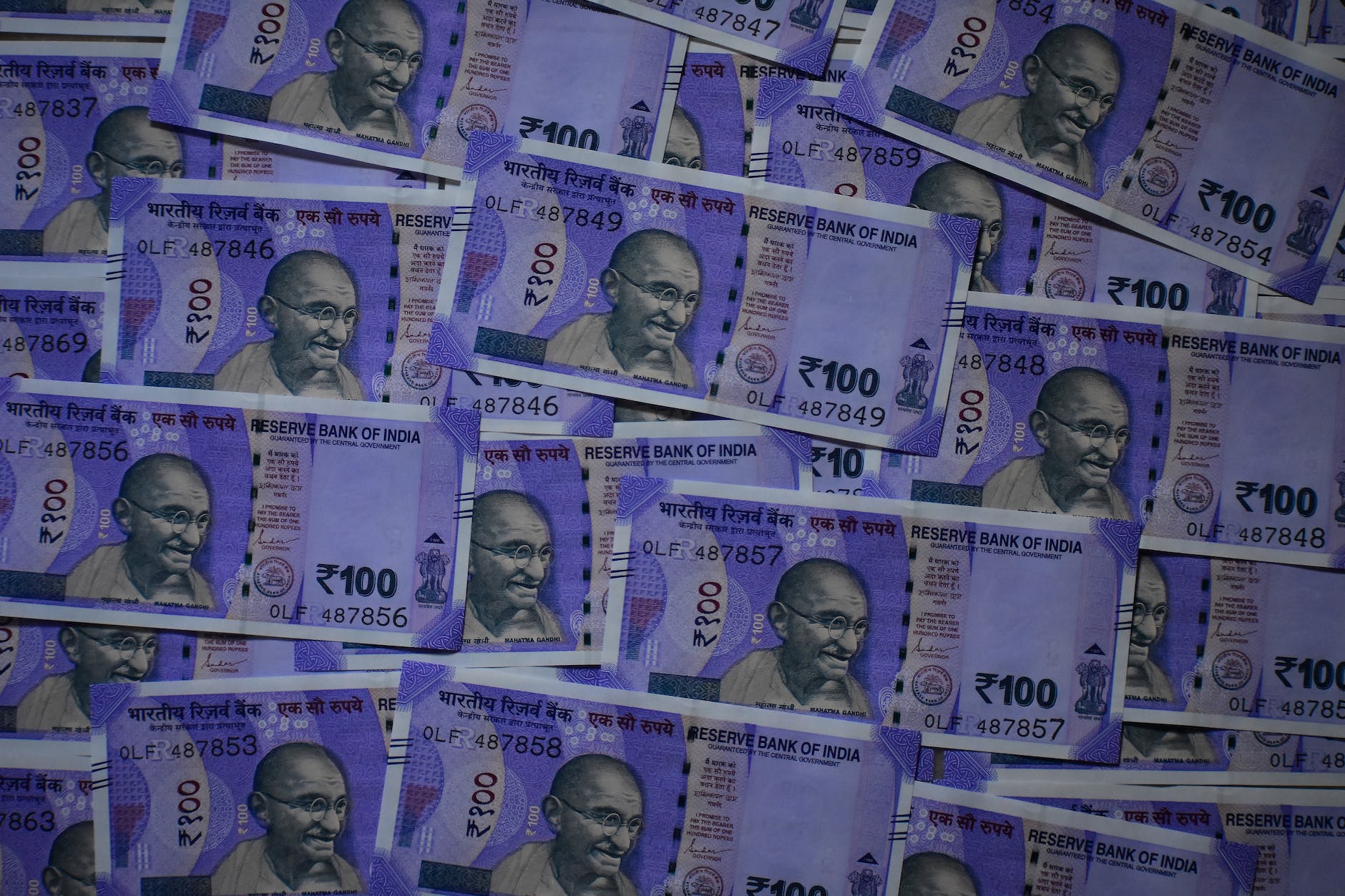
How is digital currency different from UPI.

The Reserve Bank of India (RBI) on December 1, 2022, began the much-awaited trial run of India’s first retail central bank digital currency (CBDC) or ‘e-rupee’ in four cities—Mumbai, Delhi, Bengaluru, and Bhubaneswar—through eight participating banks.

CBDC is not expected to replace India’s premier instant payment solution, Unified Payment Interface (UPI), instead, it is touted to replace physical cash.

Experts pointed out that to carry out payments through UPI, individuals need to have a bank account and often a functioning debit card, but for accessing the e-Rupi wallet, there will be no need to have such a bank account.

UPI transactions are backed by physical currency. This means the payment will not go through if the user’s bank account does not have enough funds. The e-rupee, however, can be used for digital payments in lieu of currency/cash. “The e-rupi is issued by RBI and is a legal tender in itself. It need not necessarily be backed by physical currency.

Cost of living index by EIU.

All over the world, the cost-of-living crisis is continuing to bite. According to the Worldwide Cost of Living Index, which is run by Economist Intelligence Unit (EIU), the average cost of living is up by 8.1 percent – largely thanks to the Russian war in Ukraine and the long-term consequences of the pandemic.

However, the crisis is much worse in some places than others – and that’s highlighted by this year’s Worldwide Cost of Living Index. Taking into account changes in the price of everyday goods in 172 cities around the world, the Index has come out with a ranking of the world’s most expensive cities right now. 

Top was a tie between New York and Singapore, with New York topping the poll for the first time. Both knocked Tel Aviv down to third, with the Israeli city having been named the most expensive city in the world in the EIU’s 2021 rankings.

Down the other end of the list, the least expensive cities in the world are apparently Damascus in Syria, Tripoli in Libya and the Iranian capital, Tehran. Damascus and Tripoli were also named the least expensive cities in last year’s list.

India will witness a rise in gamers by 2025.

The number of Indian gamers is expanding at a compounded annual growth rate (CAGR) of 12% and is expected to jump to 700 million in FY25 compared with 507 million in 2021, said a new report by Dentsu titled Gaming Report India 2022 – For the Game.

The report said that 46% of gamers in India are women and that overall, ‘Real Money Game’ revenues currently constitute 57% of market size but future growth is projected to be driven by in-app purchases growing at a 34% CAGR. There were 120 million paying users in FY22, which represents a 24% conversion rate.

Anita Kotwani, CEO, Carat India & lead at Dentsu Gaming, said, “Gaming’s growing cultural impact, combined with the promise of the metaverse, has generated endless opportunities for advertisers. With the meteoric expansion of esports and streaming platforms, gaming has shifted from solitary play to spectator sport. Gaming platforms are now the main avenue for social connections and self-expression. One cannot follow the cookie-cutter approach anymore given the fluidity & dynamism of the industry.”

India receive a whopping 100 billion dollars as remittance according to a report by World Bank.

The World Bank Report has stated that India, the third largest economy of Asia, is set to become the first country to receive $100 billion in remittances from migrant workers abroad. Notably, India had received $89.4 billion in remittances in 2021, according to the World Bank report, which then made India the top recipient globally.

India will be the first country in the world to receive $100 billion from remittances during 2022, the World Bank has said.

Remittance flows to India will rise 12% to reach $100 billion this year, according to a World Bank report published Wednesday. That puts its inflows far ahead of countries including Mexico, China and the Philippines.

Highly-skilled Indian migrants living in wealthy nations such as the US, UK, and Singapore were sending more money home, according to the report. Over the years, Indians have moved away from doing lower paid work in places like the Gulf. Wage hikes, record-high employment and a weakening rupee also supported growth.

Remittances to India were enhanced by wage hikes and a strong labor market in the US and other OECD countries. In the Gulf Cooperation Council destination countries, governments ensured low inflation through direct support measures that protected migrants’ ability to remit. 

Sensex index may hit 80,000 at the end of next years.

Equity Research major Morgan Stanley (MS) on Monday said the Sensex could hit 80,000 by the end of 2023. This comes even as the Sensex closed at a record high of 62,504 after gaining 0.34 per cent, or 211 points. The Nifty rose 0.27 per cent, or 50 points, to close at 18,562. Nifty is just 53 points away from making a new lifetime high.

The bull-run in Indian equity markets is intact, said analysts at Morgan Stanley in a recent note, and expect the S&P BSE Sensex to hit 80,000 levels by December 2023 in their bull-case scenario, to which they have assigned a 30 per cent probability. From the current levels, this translates into an upside of nearly 29 per cent.

For this, while the corporate earnings are projected to compound 25 per cent annually over FY22-25, Morgan Stanley expects India to be included in the global bond indices, which could result in nearly $20 billion of inflows over the subsequent 12 months. That apart, commodity prices including oil and fertiliser are expected to correct sharply.

As their base-case, however, Morgan Stanley sees the S&P BSE Sensex to scale up to 68,500 levels – up 10 per cent from the current levels.

Report for most inclusive nation for religious minorities, India tops the list.

The Centre for Policy Analysis (CPA), in its first global minority report, has listed India at the top of the list of countries for its treatment of religious minorities. India has topped the list on counts of inclusiveness towards religious minorities.

Released by former Vice President of India Venkaiah Naidu, the report is based on conceptual issues relating to human rights, minorities, concept of religious freedom and culture dilemma of religious minorities, cause of religious differences and more.

While India has been ranked one in the global minority report, the United State of America (USA) bagged fourth spot. Nepal is ranked at 39, whereas Russia is ranked 52. China and Bangladesh were ranked at 90 and 99, respectively. Pakistan is ranked at 104 in the report, whereas Taliban-led Afghanistan secured 109th position.

This is for the first time that an Indian body has rated other nations on the basis of their treatment of religious minorities.

Mumbai’s Dharavi redevelopment project.

SVR Srinivas, Chief Executive Office of Dharavi Redevelopment Project said, “We got three bids of which we opened two financial bids of Adani and DLF as Naman Group did not qualify in the technical bidding. The bid by Adani Group was for Rs 5,069 crore and DLF was Rs 2,025 crore. We will now further go with the approval from the state government and also form a special purpose vehicle (SPV) for the redevelopment of Dharavi.”

Three companies namely Adani Realty, DLF and Naman Group had submitted bids for the redevelopment of Dharavi and rehabilitation of slum dwellers. With the selection of the successful bidder, the redevelopment of Dharavi will finally take off now, after multiple failed attempts in the last 15 years.

The winner of the Rs 20,000-crore project is decided on the basis of the highest initial investment pledge. The Maharashtra government aims to finish the project in the next 17 years and complete rehabilitation in the next seven years. Overall, more than 10 million sq ft is expected to come up as part of the Dharavi redevelopment project.

Gujarat’s GIFT city aims to be financial hub of asia.

India’s newest financial hub is rising from scrubland near the banks of the Sabarmati River once dominated by marsh birds and grazing buffalo.  

In the state of Gujarat, just a few glass-fronted towers greet the 20,000 employees of companies such as JPMorgan Chase & Co. and HSBC Holdings Plc who commute in each weekday. Its full name is Gujarat International Finance ­Tec-­City, but it’s more commonly known as GIFT City. It occupies 886 acres between Gujarat’s capital, Gandhinagar, and Ahmedabad, its biggest city. As of October, bankers managed a combined $33 billion here.

An exemption from the many rules and taxes that hamper business and trading in the rest of India. GIFT City is an experiment in free markets nestled inside a $3 trillion economy—one of the world’s fastest-growing—that’s long been reluctant to let its national currency, the rupee, become a plaything of international investors. The goal is to create a welcoming place where India-centric trading that’s moved to Dubai, Mauritius or Singapore can return home.

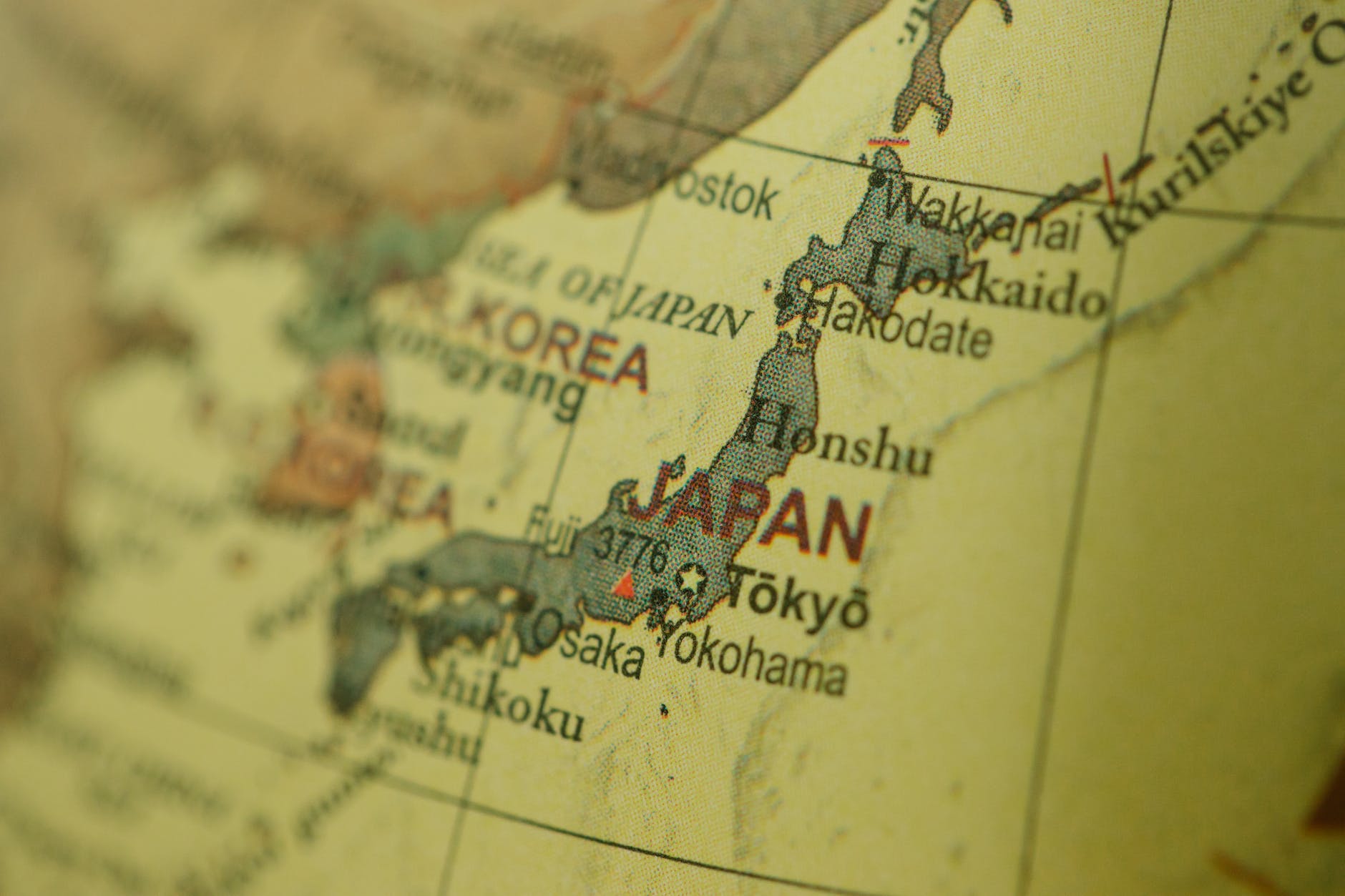
Japan was the target of Russia, before invading Ukraine.

Months before President Vladimir Putin launched a full-scale invasion of Ukraine, he was planning to attack Japan, according to an alleged letter from a whistleblower at Russia’s Federal Security Service (FSB). 

In March, an FSB agent, dubbed the ‘Wind of Change’ reportedly wrote a letter to Vladimir Osechkin, a Russian human-rights activist who runs the anti-corruption website Gulagu.net and now lives in exile in France after he was placed on a wanted list by the Russian government.

He is accused of leaking an enormous trove of documents, photos, and videos with hundreds of cases of rape and torture of inmates in Russian prisons directed by prison officials.

China organises first India Ocean meeting without India.

China held a meeting this week with 19 countries from the Indian Ocean region in which India was conspicuously absent.

The China International Development Cooperation Agency (CIDCA), an organisation connected with the Chinese Foreign Ministry held a meeting of the China-Indian Ocean Region Forum on Development Cooperation on November 21, in which 19 countries took part, according to a press release issued by the organisation.

India was reportedly not invited, according to informed sources here.

Last year, China held a meeting with some South Asian countries on COVID-19 vaccine cooperation without the participation of India.

World population hits 8 billion.

The world population surged past 8 billion people on Tuesday, the United Nations said, warning that more hardship is in store for regions already facing resource scarcity due to climate change.

Whether its food or water, batteries or gasoline, there will be less to go around as the global population adds another 2.4 billion people by the 2080s, according to U.N. projections.

Resource pressure will be especially daunting in African nations, where populations are expected to boom, experts say. These are also among the countries most vulnerable to climate impacts, and most in need of climate finance.

In sub-Saharan Africa, where some 738 million people already live without adequate food supplies, the population is projected to jump by 95% by mid-century, according to the Institute for Economics and Peace. The think tank warned in an October report that much of sub-Saharan Africa will be unsustainable by mid-century.

Globally, the 8 billion population milestone represents 1 billion people added to the planet in just the last 11 years.

Reaching 8 billion people is“a sign of human success, but it’s also a great risk for our future,” said John Wilmoth, director of the U.N.’s population division.

Middle-income countries, mostly in Asia, accounted for most of that growth, gaining some 700 million people since 2011. India added about 180 million people, and is set to surpass China as the world’s most populous nation next year.

However, births have been steadily declining in the United States, Europe, and Japan. China, too, has struggled with the legacy of its One Child Policy program and last year urged families to have a second and even third child as it also limited access to non-medical abortions.


USA removes India from its currency monitoring list.

The United States Department of Treasury has taken off India’s name from the from its Currency Monitoring List of major trading partners. In its biannual report to Congress, the US’ Treasury Department conveyed that along with India, it had also removed Mexico, Thailand, Italy and Vietnam from the list. With this, seven economies that are now on the current monitoring list include Japan, China, Korea, Singapore, Germany, Malaysia and Taiwan.

The Currency Monitoring List closely follows the currency policies of some of the US’ major trade partners. If a country appears on the list, it is regarded as a “currency manipulator”. A ‘currency manipulator’ is a designation that the US government authorities give to countries that according to the US, engage in “unfair currency practices” for trade benefits. Thus, inclusion in the list simply means that the country is artificially lowering the value of its currency to get an advantage over others. This is because a lower currency value leads to reduced export costs from that country. 

Removal of India from the list by the US’ Treasury Department can be seen as a positive news both in terms of market aspect and India’s monetary policy-making. If Indian market experts are to be believed, the development means that the Reserve Bank of India (RBI) can now take robust measures to manage the exchange rates effectively, without being tagged as a currency manipulator. This may also be a big win from a markets standpoint and also signifies the growing role of India in global growth.

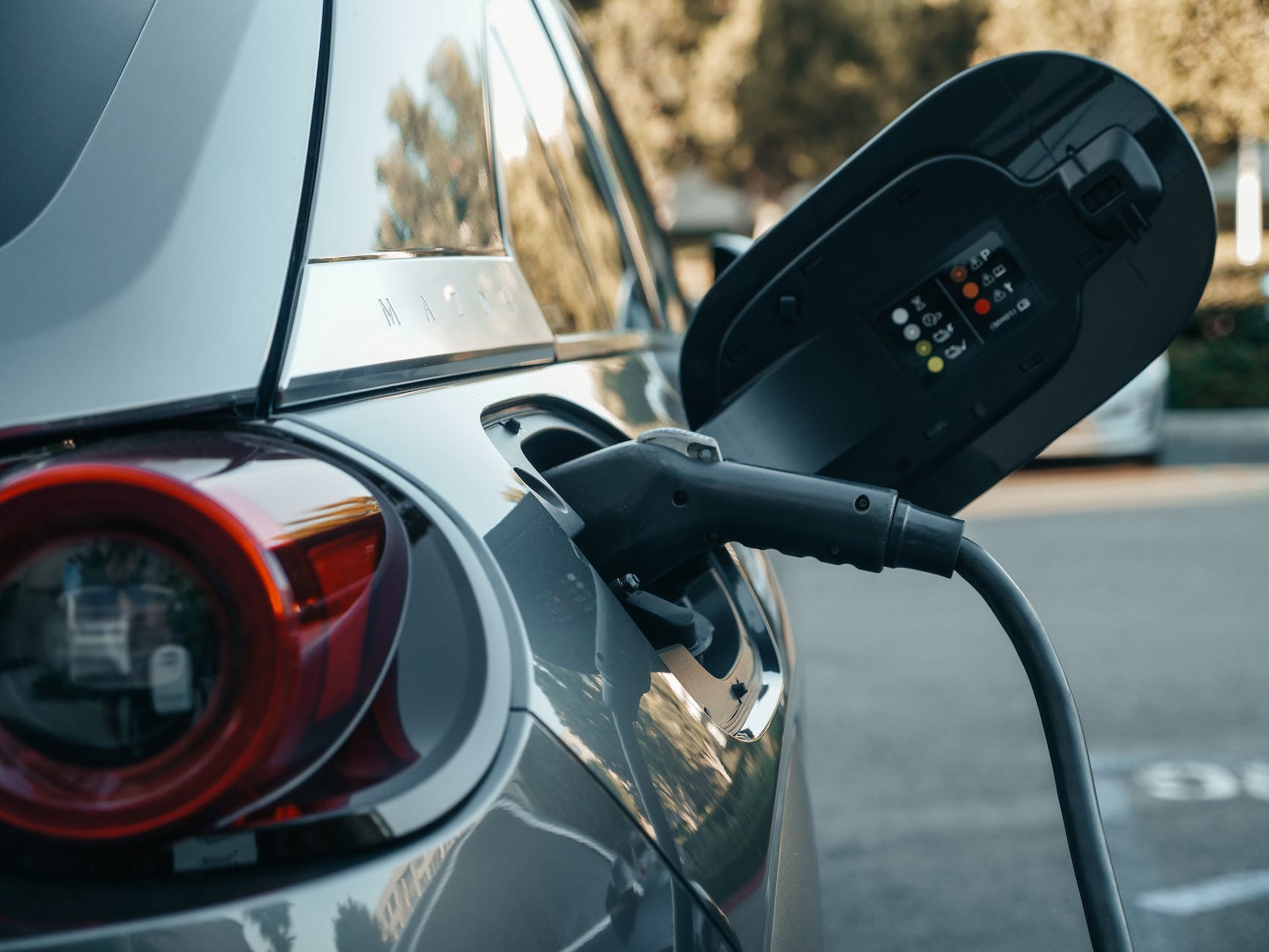
EV on monthly subscription, by a Benguluru based startup.

Electric vehicles (EVs) may play a critical role in the future of mobility but the journey so far has been fraught with challenges. While customers may fundamentally be in favour of switching to electric alternatives, when it comes to buying one, they are still hesitant. The biggest impediments to the adoption of these vehicles on a large scale are range anxiety (the worry that the vehicle will run out of charge before reaching the destination or charging point) and its price. According to an EY report, an electric car costs 2X times an ICE variant in India. The cost of an electric two-wheeler is 15% more than that of an ICE variant.

A Bengaluru-based startup SWYTCHD provides electric vehicles on a monthly subscription basis. This subscription is all inclusive which covers insurance, charging refunds, servicing, maintenance, and breakdown support.

The Bengaluru-based startup, founded in December 2021 by Sameer Arif, offers a range of EVs (both two-wheelers and cars) on a monthly subscription model. The subscription includes costs of insurance, general servicing, maintenance (including normal wear and tear), breakdown support, and charging refunds, up to a maximum distance of 1,200 km a month.

 “Unlike a purchase process that requires a lot of time, dedication and capital, SWYTCHD is an easy decision with minimal paperwork, which can be done from the comfort of the home.”says Sameer

The subscription starts from Rs 5,000 for two-wheelers and Rs 30,000 for four-wheelers per month. The service is currently available only in Bengaluru.  SWYTCHD has partnered with Bounce as the official leasing and subscription partner for its Infinity scooter. Apart from this, the company also offers two-wheelers from Ather, Revolt Motors, Hero, and Ola, and cars such as TATA Tigor XZ+, TATA Nexon EV XZ+ Lux, Hyundai Kona Premium, and MG ZS EV Exclusive.