Since it is October, it is time for some spooky reads to make this month a little more exciting.
Here are 5 books to read, to satisfy your spooky soul.
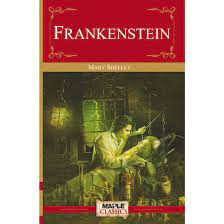
Frankenstein by Mary Shelley:
The Frankenstein portrays the narrative of Victor Frankenstein, a brilliant scientist who triumphs in giving life to a creature he created. However, this is not the ideal specimen he had envisioned, but rather a repulsive creature despised by Victor and mankind in general. The Monster seeks vengeance by murdering and terrorising others.
The Year of the Witching by Alexis Henderson:
Immanuelle Moore’s entire existence is blasphemy in Bethel, where the Prophet’s word is law. Immanuelle does her best to worship the Father, observe Holy Protocol, and live a life of submission, devotion, and absolute conformity, much like the other women in the settlement, because her mother’s union with an outsider of a different race has brought shame to her once-proud family. A accident, however, leads her into the forbidden Darkwood that surrounds Bethel, where the first prophet once pursued and killed four formidable witches. Their ghosts are still present, and they bestow upon Immanuelle a gift: the journal of her deceased mother, who Immanuelle learns once sought refuge.Immanuelle is fascinated by the mysteries revealed in the journal, but she can’t comprehend how her mother could have mingled with the witches. However, when she learns more about the Church and its history, she understands Bethel’s ultimate threat is its own darkness. And she realises that if Bethel is going to change, it has to start with her.
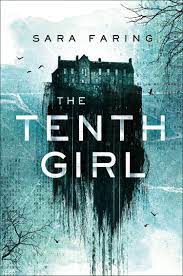
The Tenth Girl by Sara Faring:
An isolated finishing school stands at the very southern tip of South America. According to legend, people who settle on the land will be cursed. However, for Mavi, a fiery Buenos Aires native fleeing the military government that murdered her mother, it represents an opportunity to start a new life as a young teacher to Argentina’s finest girls.Despite cautions not to wander at night, threats from an intriguing young man, and stories of mysterious Others, Mavi attempts to embrace the weirdness of the enormous home. However, one of Mavi’s 10 pupils has gone missing, and when students and instructors alike begin acting possessed, the powers haunting this unholy cliff will no longer be overlooked. One of these ghosts is guarding a secret.
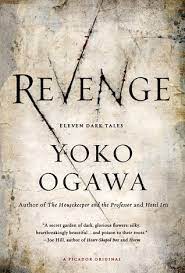
Revenge by Yōko Ogawa, Stephen Snyder (Translator):
After moving into a new flat, an aspiring writer discovers that her landlord has murdered her husband. Years later, the writer’s stepson thinks on his stepmother’s bizarre anecdotes. Meanwhile, a surgeon’s boyfriend threatens to kill him unless he divorces his wife. The surgeon, however, will come across another exceptional woman, a cabaret singer whose heart beats delicately outside of her body, before she can carry out her crime of passion. When the surgeon promises to fix her ailment, however, he piques the interest of another guy who wants to keep her heart in a custom-tailored bag. Murderers and mourners, mothers and children, lovers and bystanders—their destinies intersect in a darkly beautiful web from which none of them can escape. Yoko Ogawa’s Revenge weaves a macabre tapestry of death—and the afterlife of the living—that is macabre, fiendishly brilliant, and tinged with the occult.
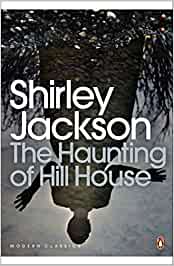
The Haunting of Hill House by Shirley Jackson, Laura Miller (Introduction):
It tells the storey of four seekers who arrive at Hill House, a famously hostile pile: Dr. Montague, an occult expert in search of strong evidence of a “haunting”; Theodora, the lively assistant; Eleanor, a friendless, vulnerable young woman well-versed in poltergeists; and Luke, the future heir of Hill House. Their stay seemed to be destined to be nothing more than a scary experience with unexplainable events at first. Hill House, on the other hand, is gathering its powers and will soon choose one to claim as its own.
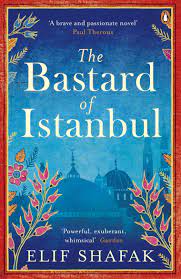
Elif Shafak tackles her country’s terrible past in a bright and colourful tale set in both Turkey and the United States in her second novel published in English. The “bastard” of the title, Asya, a nineteen-year-old woman who loves Johnny Cash and the French Existentialists, is at its centre, as are the four sisters of the Kazanci family who all live together in an extended household in Istanbul: Zehila, the vivacious, headstrong youngest sister who runs a tattoo parlour and is Asya’s mother; Banu, who has recently discovered herself as a clairvoyant; and Cevriy. One estranged brother, Armanoush, resides in Arizona with his wife and their Armenian daughter. Armanoush discovers the Kazanci sisters and makes close friends with Asya when she secretly travels to Istanbul in quest of her true identity. A secret is revealed that connects the two families and links them to the deportations and killings of Armenians in 1915. The Bastard of Istanbul is a daring, compelling novel full of strong, memorable female characters that will affirm Shafak as a rising star of world literature.
2) 10 minutes, 38 seconds in this strange world – Elif Shafak
Each minute after her death brings a sensual memory to Leila: the taste of spiced goat stew sacrificed by her father to celebrate the long-awaited birth of a son; the sight of bubbling vats of lemon and sugar used by the women to wax their legs while the men attend mosque; the scent of cardamom coffee shared by Leila with a handsome student in the brothel where she works. Each recollection also remembers the friends she made at each pivotal point in her life – people who are now anxiously searching for her.The best-selling author of The Bastard of Istanbul returns with a stunning new novel.
3) Conversations with friends – Sally Rooney
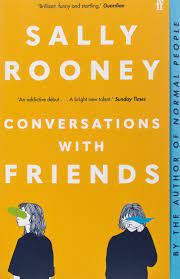
Frances is twenty-one years old, calm, and very perceptive. She commits herself to a life of the mind—and to the gorgeous and eternally self-possessed Bobbi, her best friend and partner in crime, as a college student and aspiring writer. The two young ladies were lovers in high school and now perform spoken-word poetry together in Dublin, where a journalist called Melissa recognises their talent. Frances is unwillingly impressed by Melissa’s elegant home and tall, attractive husband after being drawn into her orbit. Private property is a cultural evil, according to Frances, and Nick, a bored actor who never quite lived up to his promise, resembles patriarchy in flesh.But, as funny as their flirtation seemed at first, it soon gives birth to a peculiar familiarity that none of them anticipates. As Frances strives to maintain control over her life, her relationships with Nick, her difficult and unhappy father, and eventually, Bobbi, become increasingly difficult to manage. Frances’ cerebral certainties begin to give way to something new: a painful and bewildering manner of living from moment to moment, as she tries desperately to reconcile herself to her body’s desires and vulnerabilities.
4) Normal people – Sally Rooney
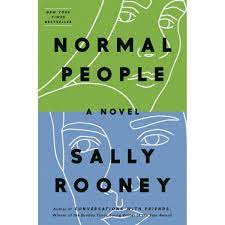
Connell and Marianne act as though they don’t know each other in school. She is lonely, prideful, and very private, whereas he is popular and well-adjusted, the star of the school soccer team. When Connell picks up his mother from Marianne’s housekeeping job, a peculiar and lasting bond develops between the two adolescents, which they are desperate to keep hidden.They’re both studying at Trinity College in Dublin a year later. Marianne has established herself in a new social environment, but Connell remains on the sidelines, hesitant and unsure.Marianne and Connell circle each other throughout their college years, wandering toward other people and opportunities but always magnetically, irresistibly attracted back together. As she descends into self-destruction and he seeks purpose elsewhere, they must decide how far they are ready to go to save the other.Sally Rooney uses her great psychological acumen and flawlessly sparse writing to examine the intricacies of class, the euphoria of first love, and the complicated entanglements of family and friendship in this narrative.
5) Mexican gothic – Silvia Moreno-Gracia
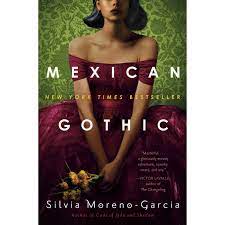
Noemí Taboada travels to High Place, a remote home in the Mexican countryside, after receiving a desperate letter from her newlywed cousin pleading for help to save her from an unknown fate. She has no idea what she will find—her cousin’s husband, a dashing Englishman, is a complete stranger, and Noemí has no knowledge of the area.Noemí is likewise an unlikely rescuer: she’s a stunning debutante, and her elegant dresses and flawless red lipstick are more appropriate for cocktail parties than amateur investigation.But she’s also strong and intelligent, with an unbreakable drive to succeed, and she’s not afraid: Not of her cousin’s new husband, who is both frightening and fascinating; not of his father, the elderly patriarch who appears to be enamoured with Noemí; and not even of the home itself, which begins to enter Noemí’s dreams with images of blood and death.The family’s youngest kid is her lone ally in this hostile environment. He is shy and polite, and he appears to want to help Noemí, but he may also be concealing horrible family secrets. Because there are a lot of mysteries hidden beyond the walls of High Place.The family’s former opulence and defunct mining enterprise shielded them from inquisitive eyes, but when Noemí investigates further, she uncovers tales of brutality and lunacy.And Noemí, fascinated by High Place’s terrible yet alluring environment, may soon find it hard to leave this fascinating mansion.
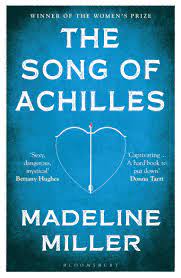
6) The Song Of Achilles – Madeline Miller
Achilles, known as “the best of all Greeks,” is the son of the harsh sea goddess Thetis and the legendary king Peleus. He is strong, quick, and gorgeous, and those who encounter him find him fascinating. Patroclus is a shy young prince who has been exiled from his country following a horrific act of violence. Despite incurring the gods’ wrath, they form an unbreakable friendship after being brought together by accident.They are taught the techniques of battle and healing by the centaur Chiron, but when word arrives that Helen of Sparta has been stolen, all of Greece’s heroes are summoned to lay siege to Troy in her honour.Achilles, lured by the prospect of a bright future, joins their cause, and Patroclus, torn between love and dread for his buddy, follows. They had no idea that the merciless Fates will put them to the ultimate test and demand a horrible sacrifice.
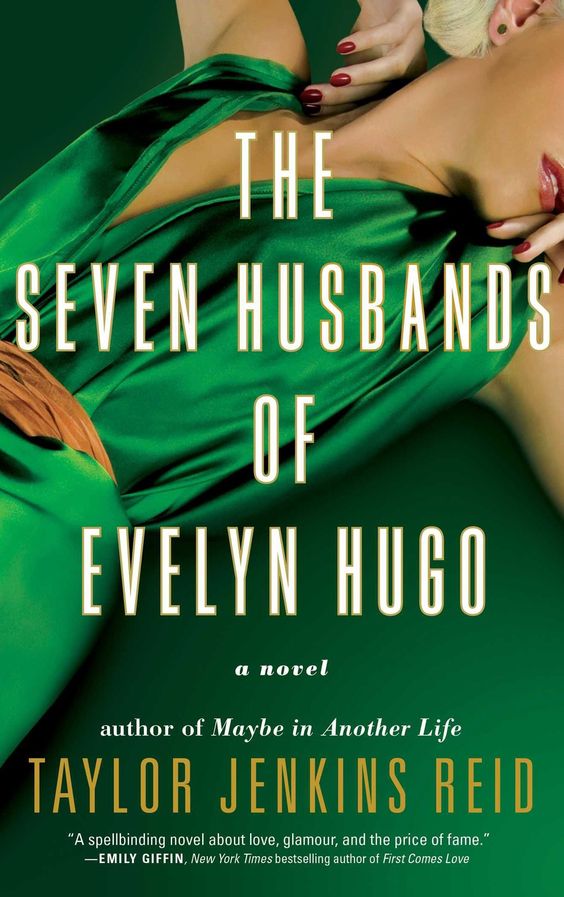
Evelyn Hugo, a veteran actress of Hollywood, now in her seventy wants the world to know about her glamorous and scandalous life. For the same, she asks for a writer in a magazine who has never actually reached her true potential at the place she now works. Shocked as to why out of everyone at her company, Evelyn Hugo has chosen her (Monique Grant). Evelyn Hugo then reveals her life in detail which will help Monique use this opportunity to jumpstart her career as her personal life is basically non-existent, with her husband leaving her and her professional life so far was at a standstill. Monique is determined to make the most of this opportunity. As the interview comes to end, Evelyn life intertwines with Monique’s own tragic life.
Review:
To be honest, The seven husbands of Evelyn Hugo had not caught my attention, even though every time I was on social media, the book kept showing up on my for you page. Going into this book, I thought it would be a 2.5 or 3 star read for me. None of the books so far, have interested me that much. However, the more I read this book, the more I fell in love with it. For me, the book showed the reader different kinds of love, not just romantic love, it showed platonic love, family love and the lengths you would go to protect your people. The book captures you in a way, with each page showing you the scandalous life of our protagonist. And as the book comes to end, you wonder whether the life she had, was worth the things she done. I still think about this book everyday, looking to find every kind of love there is. Hopefully, when you read the same, you find love in everything other do for you and you do for them.
This book is an absolute beauty, filled with beautiful quotes. Some of the famous quotes which give us a preview of the authors beautiful writing are listed below:
“People think that intimacy is about sex. But intimacy is about truth. When you realize you can tell someone your truth, when you can show yourself to them, when you stand in front of them bare and their response is ‘you’re safe with me’- that’s intimacy.” ― Taylor Jenkins Reid, The Seven Husbands of Evelyn Hugo.
“Never let anyone make you feel ordinary.” ― Taylor Jenkins Reid, The Seven Husbands of Evelyn Hugo.
Don’t ignore half of me so you can fit me into a box. Don’t do that.” ― Taylor Jenkins Reid, The Seven Husbands of Evelyn Hugo.
“I’m under absolutely no obligation to make sense to you.” ― Taylor Jenkins Reid, The Seven Husbands of Evelyn Hugo.
“It’s always been fascinating to me how things can be simultaneously true and false, how people can be good and bad all in one, how someone can love you in a way that is beautifully selfless while serving themselves ruthlessly.” ― Taylor Jenkins Reid, The Seven Husbands of Evelyn Hugo.
“When you’re given an opportunity to change your life, be ready to do whatever it takes to make it happen. The world doesn’t give things, you take things.” ― Taylor Jenkins Reid, The Seven Husbands of Evelyn Hugo.
About the author:
Taylor Jenkins Reid is an American novelist best known for her novels The Seven Husbands of Evelyn Hugo, Malibu Rising, and Daisy Jones & The Six.
As the famous quote by Dalai Lama goes, “World belongs to humanity, not this leader, that leader or that king or prince or religious leader. World belongs to humanity.” So what does Humanity mean and how can we induce a sense of humanity in our society and how can we build it up?
Humanity refers to the human race. It also symbolises qualities that make us human, qualities like love and compassion towards each other. Humanity is an important part of life which tells that to help others whenever and wherever possible. Humanity entails putting others’ needs ahead of our own at times when they are most in need, and putting others’ needs ahead of our own when they are most in need. Humanity means extending unconditional love to each and every living being on Earth. For showing humanity you don’t need to be a rich person, even a poor person can show humanity by helping someone or sharing food, etc.
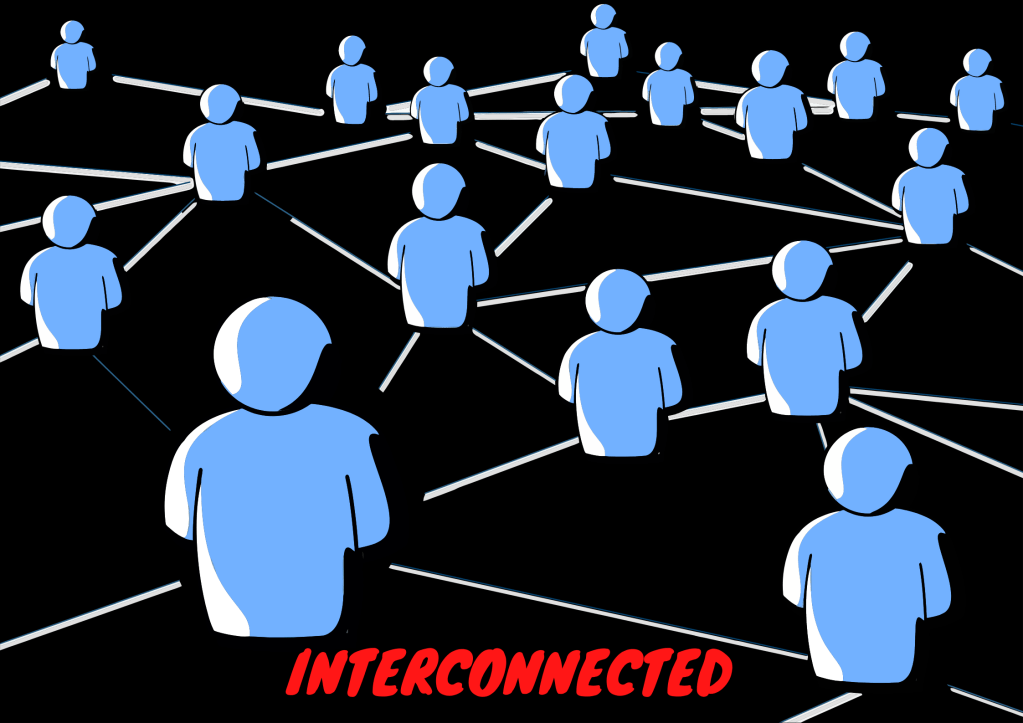
The image above shows us, that as human we are all interconnected, so for one to thrive, the others have to thrive as well, and for that, humanity needs to built.
However, humanity has not always been this perfect idea of love, compassion and togetherness. As humans, we tend to be selfish rather than selfless in many ways, we tend to view minorities and less fortunate as lesser humans, we take pleasure at the expense of another person’s distress, we create divisions and play God. And as we go through this cycle of the same vile thoughts and ideas, the sense of humanity slowly moves further away from us.
To break this cycle, humans need to be more trustworthy and must have a sense of peace. As the concept of humanity is also dependent on qualities like trust, honesty and a sense of peace and togetherness one must know the importance of the qualities of trust and peace.
Trust is the glue of society, it cements relationships, makes us feel safe and helps us to belong to a group. To trust is human, however, somewhere along the lines the actual meaning of trust has gotten erased in all the selfishness, insensitivities and egoism of humankind. For any society to flourish, trust is one of the many prerequisites for humanity to thrive as when trust is present things go well, whether it is trust in a leader to follow, in a doctor, in a consultant or a coach or trust in spouses, siblings and friends. However, trust has to be earned and yet even the trust that is earned can be lost, but it can also be regained.
Peace is another pre-requisite for humanity, as it a necessary conditions for the development of mankind. Peace of all the human beings mean peace and harmony among all the nations, ethnic groups and religions. It can bring about a stable society. The virtue of peace and its importance is mentioned in many religions. However, in today’s society peace doesn’t seem to exist between countries, political parties or even in families. This absence of peace gives rise to many conflicts and violence. These violence’s are created by differences in political or religious ideologies. This ends up with people fighting and losing sight of the basic humanity.
Hence, trust is one of the most important tools that has an incredible power to helps us to connect, inspire, motivate and encourage people and peace is a way of sustaining social life distant from internal conflict, which is necessary for what is left of humanity to survive.
Man is a social animal, and his need to socialise gave rise to society, thus society is made of people. With the birth of society, certain principles and ideologies were born. Even though society was born 2,000,000 billion years ago, differences in ideologies remain within different societies, however certain ideas and principles remain the same in different societies. The inferior position of women to men, i.e. women’s subordination is prevalent in every society, irrespective of the class they belong to. Women’s subordination alludes to the second-rate position of women, their need to get to assets and choice making. Subordination is a result of patriarchy.
Dr Lerner, the author of ‘Creation of patriarchy’, cites proof for the idea that patriarchy is a cultural invention, not a natural or inevitable phenomenon. Pieces of evidence, suggests that prehistoric hunter-gatherer societies were egalitarian. Patriarchal social structures failed to develop until the Pleistocene era. With the rise in social and developmental advancements, domestication took place, this gave rise to the downfall of the women’s status in the society.
The Oxford Dictionary states, patriarchy as, “a society, system or country that is ruled or controlled by men and giving power and importance only to men”. This patriarchal system comprises male-dominated hierarchy throughout the society. Patriarchy is the principal impediment to women’s development and advancements, regardless the levels of domination, the principles remain the same that is men are in control, despite the levels of domination and oppression that may differ.
The roots of patriarchy are embedded deep into the culture of any society. Some scholars believe the concept of fatherhood took root, at the beginning of the spread of patriarchy. Dr Lerner views that patriarchy was established and developed around 3100 to 600 B.C.
Ancient history showed pieces of evidence of patriarchal structures and ideologies. For instance, in his work, Politics, Aristotle saw women as subjects and objects to men, he believed that they are higher than slaves, but lack authority and that men are superior to women and the latter are properties of the former. He also, believed that the husbands are meant to rule, while the wives are meant to be ruled. Aristotle claimed that women are more apt to scold and to strike, more compassionate, more dependent, jealous than men.
Modern events that occur still prove to us that patriarchal ideologies prevail and continues to be an obstacle to women. A relevant example of patriarchy is the ‘Bois Locker Room’ chat conversations that degraded and objectified and shared the nudes of women without their consent. This gave rise to an uproar among many youngsters shunning the chats and calling for serious action against the members of the group. With a large majority calling for the arrest of these boys, and a minor portion supported the boys and their motives, by using the phrase, ‘boys will be boys’, and slut-shaming the girls.
Subordination of women still occurs despite the class or the society she belongs to. Some ways women are held subordinate in the family, at the place of work and the society are stated below:
• Families prefer male infants to the female ones, whenever a baby girl is born in the family, they are treated differently than the boys in the family. Sometimes, the pregnant lady is forced into an abortion, if the family members come to know that the child is the girl. Female infanticide and illegal abortion still go on in the country even though, there are laws.
• Women are pressured into doing more household works like cleaning and sweeping and taking care of the family members, while men are given opportunities to work and advance.
• Girls lack educational opportunities because their parents think education is primarily necessary for male children. In a patriarchal society, a woman from her childhood does not get an equal chance to develop her qualities, which makes her vulnerable and dependent on the male members of her family.
• Sexual harassment and molestation is another feature. Many women have faced sexual harassment either by the members of their family or people they know of or strangers. Sexual harassment is so common that women don’t even feel the need to report it, however, if they do, it turns into a, ‘He said, She said’ situation, wherein the people in power mostly support the male, and victim shame the women. The #metoo movement that encouraged women to speak up against their perpetrator, were told that they were fame chasers.
• Men control female bodies, and how they are supposed to dress and who are they supposed to talk to. Women have no control or access to fertility or reproductive rights. Domestic violence is another example.
• In most cases, women don’t even choose their life partners; rather the male members of their families that choose their spouse for them.
• Honour killing is another patriarchal feature. Women killed by their male family members if seen interacting with members of the other caste or marrying a guy their family didn’t choose for them.
• Women earn a far lower wage than their men counterparts doing the same work. In India, men and women do not earn an equal wage in agriculture, mining and trade. In America, female football players are paid less than their male counterparts, even after they won the women’s world cup; after standing up and bringing the issue to light, they were ridiculed by saying their level of the game, wasn’t that intense in comparison to their male counterparts. Women in all countries face the same issue of not getting equal pay even after putting in more efforts than their counterparts.
Today, media and entertainment institutes spread patriarchal ideologies by portraying women to be the submissive and dependent type, while men are portrayed as the alpha male and more dominant type. Media and entertainment industries reduce women to bodies and objectify them, thus giving rise to an increase in various acts of violence and sexual assault women.
Movies to play an important role in spreading the ideology of women’s subordination, this gives rise to increase incidents of molestation and rape in urban centres. The film Kabir Singh despite having scenes of domestic violence against the women turned out to be a great blockbuster. The filmmaker of the movie justified the movie and the scenes by saying, “Being in love with someone means having the freedom to assault each other”. This movie gave people or men the excuse of justifying domestic violence as their love for their partner.
As it can be seen, without a doubt that women still witness subordination in various parts of the world, despite the class of society they belong to. However, nowadays women face more freedom than what they did before, as of today, they can go out and set their mark in various fields, divorce their husbands, and also gain access to reproductive rights and use contraceptives to some extent. It is obvious that there have been many important changes in state policy over the last 150 years but these also include some very significant limitations.
Thus, the state is still patriarchal and continues to contribute to the subordination of women.
REFERENCES:
Sultana, A. (2012). Patriarchy and Women’s Subordination: A Theoretical Analysis. Arts Faculty Journal, 4, 1-18. Retrieved from:https://doi.org/10.3329/afj.v4i0.12929
Sparshott, Francis, “Aristotle on Women” (1983). The Society for Ancient Greek Philosophy Newsletter. 107. Retrieved from:https://orb.binghamton.edu/sagp/107
A nanoparticle (NP) is an ultrafine unit with dimensions measured in nanometres (nm; 1 nm = 10−9 metre). Nanoparticles exist in the natural world and are also created as a result of human activities. Because of their sub-microscopic size, they have unique material characteristics, and manufactured nanoparticles may find practical applications in a variety of areas. The small size of nanoparticles is especially advantageous in medicine; nanoparticles can not only circulate widely throughout the body but also enter cells or be designed to bind to specific cells. Those properties have enabled new ways of enhancing images of organs as well as tumours and other diseased tissues in the body. Some examples of NP used for medical purposes are metallic NP, carbon nanotube, liposome, gold NP, silica NP and many more.
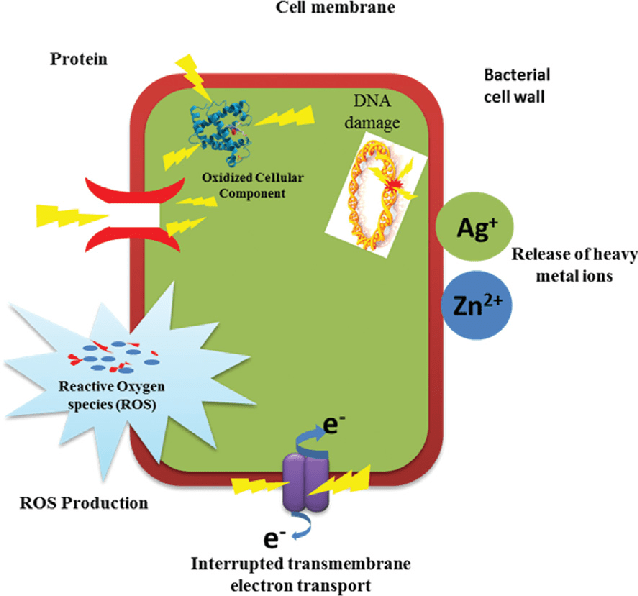
The massive use of nanomaterials in biomedical applications enhanced research interest to explore the antibacterial mechanisms of NPs. NPs can alter the metabolic activity of bacteria by maintaining contact with bacterial cells via electrostatic interaction, Van der Waals forces, receptor-ligand and hydrophobic interactions. Further, these NPs can cross the bacterial membrane and assemble along the metabolic pathway influencing the shape and functioning of the cell membrane. Finally, NPs interact with the bacterial cell basic components causing oxidative stress, permeability and gene expression changes, diverse alterations, electrolyte balance disorders, protein deactivation, and enzyme inhibition
These NPs work on a bacterial cell in three ways, they are as follows:
Dissolved metal ions: Metal oxide NPs release metal ions and these metal ions are absorbed through the cell membrane. Each metal ion has its sensitivity to different microorganisms. For instance, Ag+ ions react with the sulfhydryl group in enzymes and other cellular constituents leading to cellular dysfunction. Ag+ also prevents cell wall synthesis in Gram-positive bacteria. Ag+ ions can also interact with DNA inhibiting the growth by obstructing DNA replication and cell division.
Reactive oxygen species: The toxicity of nanomaterial can be mainly attributed to the production of reactive oxygen species ROS that inhibits bacterial growth by restricting amino acid synthesis, lipid peroxidation and DNA replication. The presence of NPS excessive production of ROS leads to an unbalanced state, which results in oxidative stress, creating damage to the basic individual components of bacterial cells. ROS namely Superoxide radical, hydroxyl radical, hydrogen peroxide that is generated by different levels of activity and toxicity.
Direct contact / Non-oxidative mechanism: The non-oxidative mechanism involves direct interaction on NPs with the cell wall. Direct contact is often but not in all cases a necessary mechanism of toxicity. Direct contact inhibits enzymes and proteins involved in cell metabolism, thus disrupting the normal functioning of the bacterial cell.
Nanoparticles can be used as tags or labels, which will help us in the detection of infectious agents even in small sample volumes directly in a very specific, sensitive and rapid format with lower costs than current in-use technologies. Also, the earlier detections will help in accurate and prompt treatment of the disease. however, nanoparticles that are used in nanomedicines can travel through a mother’s placenta and can assist in the formation of free radicals.
Have you ever come across an Instagram/ social media bio, where the account has either she/her, his/him, they/them or he/she/they written and gotten confused as to why people are writing their pronouns on the Instagram page?
A bio or a social media bio typically means information about the person.
A pronoun is a term that is used instead of a noun or noun phrase. Pronouns refer to either a noun that has already been mentioned or to a noun that does not need to be named specifically. And the addition of pronouns helps not to misgender a person who isn’t gender conforming.
Gender is not what you are assigned at birth, rather what you identify with. It refers to you as an individual psychologically, socially and emotionally.
Using pronouns in social media bios help people with inclusivity.
As kids, always in our English grammar class, we are taught to assume the gender of the person based on their physical form. But sometimes this assumption leads to be disrespectful and oppressive to people who don’t go by the pronouns assigned due to their appearance.
As pronouns are connected to gender identity and a way for people to feel like their own person. Hence it’s important to always ask someone their pronouns and continue to call them by their pronouns even if they are not around.
If you are unsure about someone’s pronouns, all you have to do is ask them. And even if you misgender them, apologise and do not belittle and complain as to why you have to call them by their pronouns. Misgendering more often may lead to depression, anxiety and suicidal tendencies. It invalidates their identity.
For cisgender people, this may feel like stating the obvious at times. But here’s why it’s crucial: It isn’t appropriate for you. And, rather than dominating the conversation, it’s occasionally necessary to employ cis-privilege in a way that really contributes to equality. So, even if adding pronouns to your “Hello, my name is and these are my pronouns.” routine is a little odd at first, but stick with it. You’ll grow accustomed to it. When persons who are not cisgender use pronouns on a daily basis, they will eventually become less noticeable.
It’s worth mentioning though, that some individuals don’t feel comfortable declaring their gender pronouns publicly, and just because you announce yours it does not entitle you to everyone else’s.
Pronouns Dos and Donts:
Do!
1) Recognise that even cisgender people have pronouns.
2) Remember that some people go by more than one set of pronouns. Ask people about the pronouns they use.
3) Peoples pronouns may change regularly, hence it’s necessary to ask.
4) Consider using ways to make the language more gender-inclusive.
Don’t!
1) Don’t describe to the pronouns are preferred, as it is not a preference.
2) Don’t say, male pronouns and female pronouns. Pronouns are not necessarily tied to someone’s gender identity, as pronouns are not necessarily tied to someone’s gender identity.
Its is necessary to not misgender a person and be respectful to their pronoun.
If you are like me, you love greek mythology and everything that comes with it, the lies, the betrayal, the love and tragedies. So what better way to know more about Greek mythology than starting with the Olympians.
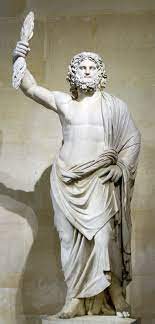
1) Zeus:
An ancient Greek god, who is known to a sky, weather god. He is a thunder god who rules the other gods of Mount Olympus.
The youngest child of Titans Cronus and Rhea, who overthrew his father and rescued his other siblings who were swallowed by their father.
He later drew lots with his brothers, and won the lot and became the supreme ruler. He is married to Hera but has had many affairs.
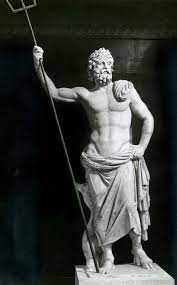
2) Poseidon
Brother of Zeus. after the overthrow, won the sea portion and became the lord of the sea.
He married Amphitrite.
His weapon is a trident that can shake the earth and shatter anything.
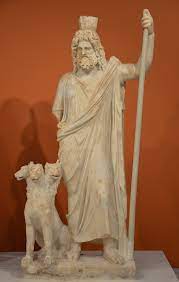
3) Hades
Known as the god of the dead and the king of the underworld.
He was the eldest son.
Hades received the underworld based on the lot. Hades is often portrayed with a three-headed guard dog called Cerberus.
Hades obtained his wife and queen, Persephone, through abduction at the behest of Zeus.
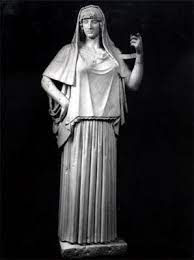
4) Hestia
Hestia is the virgin goddess of the hearth.
She is the firstborn child of the Titans.
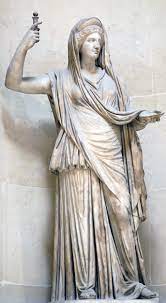
5) Hera
Wife and sister of Zeus.She is the protector of marriage and marriage women.
Her scared animals are cows and peacocks. Her favourite city is Argos.
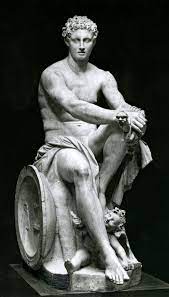
6) Ares
Son of Zeus and Hera.
He is the god of war.
His animal is a dog and the bird is a vulture.
He was caught in an act of adultery with Aphrodite.
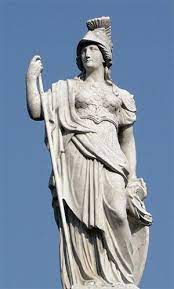
7) Athena
Daughter of Zeus.
She is fierce and brave in battle but, only wars to defined the state and home from outside enemies.
She is the goddess of the city, handicrafts, and agriculture. Her favourite city is Athens, her tree is olive.
She is a virgin goddess.
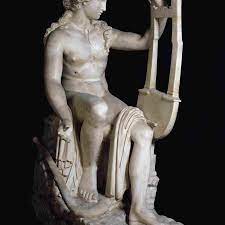
8) Apollo
Son of Zeus and Leto.
He has a twin sister called Artemis.
He is the god of music, medicine, light, truth. His tree was a laurel, the crow was his bird and the dolphin was his animal.
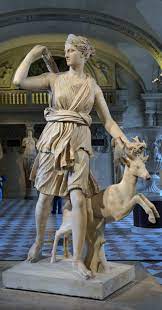
9) Artemis
Daughter of Zeus and Leto. Her twin brother is Apollo. She is the protector of the young. She also presides over childbirth, which may seem odd for a virgin, but goes back to causing Leto no pain when she was born. She is the goddess of chastity
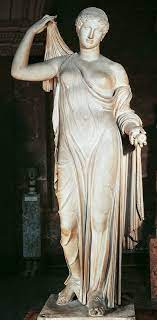
10) Aphrodite
She is the goddess of love, desire and beauty. Wife of Hephaestus, but was caught in an affair with Ares.
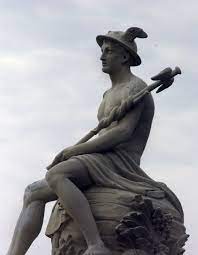
11) Hermes
Son of Zeus and Maia.
He is Zeus messenger.
He is the god of thieves and the god of commerce. He is the guide for the dead to go to the underworld.
He invented the lyre, the pipes, the musical scale, astronomy, weights and measures, boxing, gymnastics, and the care of olive trees.
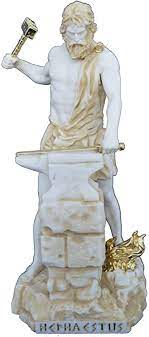
12) Hephaestus
Son of Zeus and Hera.
He is the god of fire and the forge.
He is the smith and armourer of the gods. He uses a volcano as his forge.
He is the patron god of both smiths and weavers. He is kind and peace-loving.
His wife is Aphrodite. Sometimes his wife is identified as Aglaia.
Pride is a month-long LGBTQ+ celebration protest and an act of political activism all over the world. Nearly every city in some country has some sort of big event- usually a large parade.
Pride is dated back to the 1960s and was to commemorate the stonewall riots which occurred in June. Hence pride events are held during June to recognize the impact of the LGBTQ+ community.
Straight pride is a slogan that arose in the late 1980s and early 1990s and has been used primarily by social conservation groups as a political statement or strategy. The term is described as a response to gay pride.
The concept of pride originates as a movement that seeks to challenge the negative image of LGBT people being openly identified with a cultural stigmatized group; as such, it creates discomfort.
In this context, the terms straight pride and heterosexual pride exist as an argument criticizing gay pride as unnecessary, stating by contrast with heterosexuality that heterosexuals “don’t talk about straight pride”, don’t have “straight pride rallies”, and would be seen as ridiculous if they were to “band together and have a heterosexual pride.
This argument expresses the idea that showing pride for a homosexual orientation is equally absurd. Analysts of LGBT rights state as a counter-argument that mainstream culture offers many social events (weddings, baptism, family reunions and so on) for heterosexuals to express and celebrate their sexual orientation in public, while homosexuals usually feel isolated and parades offer them support and an opportunity for socializing.
Examples of straight pride:
A typical example is that people from Boston (America) have decided to have a straight pride somewhere in August 2019.
Yellowknife, NWT (2005): In May 2005, the northern Canadian city of Yellowknife announced that it would mark both a gay and straight pride day.
Budapest, Hungary (2010): In 2010, a heterosexual pride march was held in Budapest.
Reasons why there shouldn’t be a straight pride:
Straight people don’t live with ‘heterophobia’ at schools, workplaces or places of business.
Straight people don’t get murdered for being straight.
Straight people can travel anywhere in the world without the fear of being straight.
Straight people have always been able to legally marry.
Straight people have never been jailed for being heterosexual.
Straight people aren’t called abominations for their sexual orientation.
Straight people aren’t denied medical care for being heterosexual.
Straight people aren’t told to ‘don’t ask or ‘don’t tell’ when signing up for the military or any job.
Straight people don’t have their sexual orientation used as an insult to describe anything negative.
When people ask why straight pride isn’t celebrated or why gay pride is being celebrated it’s because of the reasons listed above. Also, it feels like they are saying contributions by LGBTQ+ – a minority group of people that face constant adversity are simply not worthy of recognition. Further, they are even denying the importance and significance of identifying as LGBTQ+ and achieving things.
Hence the entire concept of straight pride should be erased.
Imagine you are suffering from a stomach upset every two days, or that you’re lactose intolerant and every time you drink milk or consume dairy products you have to run to the bathroom as soon as possible. This is just one of the many situations.
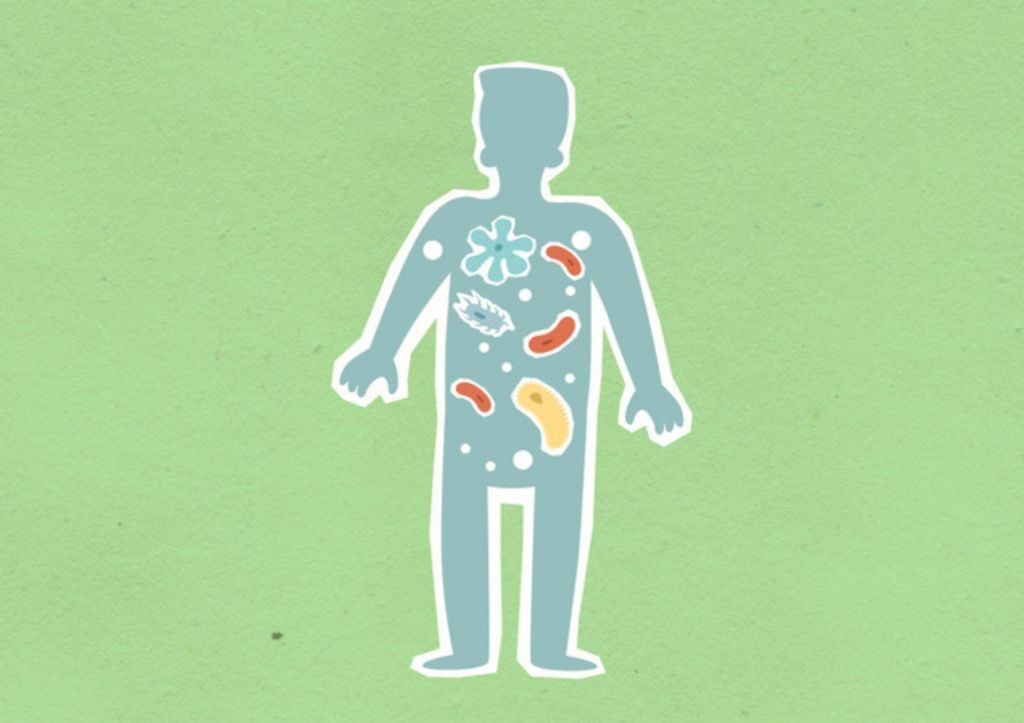
The human body contains trillions of bacterial cells, more than human cells in or on the external surface of the body. These organisms may be symbiotic, commensals and/or pathogens. Some organisms may be symbiotic which when opportunity provides turn into pathogens. Out of the trillion cells, intestinal organisms are more and diverse than any other group of organisms present in the body.
Faecal Microbiota Transplantation:
Faecal microbiota transplantation is the transplantation of stool through the upper gastrointestinal tract. The stool is taken from a healthy donor and transferred to a recipient whose suffering from a disease that is related to an unhealthy gut microbiome.
FMT was first described in 1958. The first use of FMT in western medicine was published in 1958 by Ben Eiseman and colleagues, a team of surgeons from Colorado, who treated people with using faecal enemas, which resulted in a rapid return to health. FMT is delivered through an enteral route through an endoscope, a nasoenteric tube or via capsules.
The mechanism is due to the concept of establishing a new gut microbiota community to restore the normal gut flora. It is based on repopulating the microbiome flora.
FMT is used to treat Clostridium difficile infection (CDI), inflammatory bowel disease (IBD), autoimmune disorders, allergic diseases and may also be used to treat metabolic disorders like obesity.
The faecal material is collected from the donor after screening. the donor collects their stools in a plastic bag. The stool is then diluted with saline and filtered through sterile gauze. The capsules can be made by dilution, blended and then pipetted in the capsule and then sealed by another capsule. Capsules can be used for up to 6 months and should be stored at -80 degree C.
Requirement for donor and recipient are:
Who is a recipient?
should have episodes of mild to moderate infection that has not responded to treatment with antibiotics
have episodes of severe infection, that needs admission
severe infection that did not respond to antibiotics within 2 days
Should not have any immunosuppressive disorders, cirrhosis of the liver or be on immunosuppressive drugs
Donor SHOULD NOT
have had any antibiotics in the last 3 months
be immunocompromised
have any tattooing or body piercing in the last 6 months
have a history of drug abuse
have a history of high-risk sexual behaviour
have a history of any incarceration
have travelled to endemic areas
have any other gastrointestinal disorder such as IBD
FMT can be transferred through the upper gastrointestinal tract. However, the delivery through this route results in an increased risk of vomiting etc. Hence, delivery by capsules seems a more reasonable choice. The capsule delivery reduces the procedure time, cost and risk of complications.
Common side effects of this procedure include bloating and loose stools. FMT is considered a success if the recipient shows no signs of the earlier disease and doesn’t relapse for eight weeks. To ensure proper treatment, some patients require many sittings.
As the current pandemic has got us all confined in our house, a lot of dreams of travelling around the world has been crushed. So instead, how about I take you on a world tour via books!
However, this book tour will happen over a series of 7-8 days, so pack up your luggage accordingly.
This tour begins with the largest continent – Asia.
( PLEASE NOTE THAT THESE ARE SOME OF THE MANY COUNTRIES IN ASIA, THOSE THAT ARE MISSING WILL HAVE THEIR OWN PART IN THE NEXT BLOG OR SO AND THIS BLOG HAS NO PREJUDICE AGAINST ANY COUNTRY OR COUNTRIES.)
Afghanistan
1) Born under a million shadow – Andrea Busfield.
2) A Thousand Splendid Suns – Khaled Hosseini.
3) The places in between – Rory Stewart.
4) A Thousand Rooms of Dreams and Fear – Atiq Rahimi.
5) The Patience Stone – Atiq Rahimi.
Armenia
1) Passage to Ararat – Michael J. Arlen.
2) The Sandcastle Girls – Chris Bohjalian.
3) Armenian Golgotha – Grigoris Balakian.
Azerbaijan
1) Mirror of the Invisible World: Tales from the Khamseh of Nizami.
Bahrain
1) City of Strangers – Andrew Gardner.
Bangladesh
1) A Golden Age – Tahmima Anam
2) The Black Coat- Neamat Imam
3) Banished! – Han Dong
Bhutan
1) Buttertea at sunrise – Britta Das
2) The Kingdom at the centre of the world: Journeys into Bhutan – Omair Ahmad
3) The Circle of Karma – Kunzang Choden.
China
1) Soul mountain – Gao Xingjian.
2) The April 3rd Incident – Yu Hua.
3) The Art of War – Sun Tzu.
India
1) The God of Small things – Arundhati Roy.
2) The White Tiger – Aravind Adiga.
3) The Inheritance of Loss – Kiran Desai.
4) A Suitable boy – Vikram Seth.
5) Midnight’s Children – Salman Rushdie.
6) A Fine Balance – Rohinton Mistry.
7) Sea of Poppies – Amitav Ghosh.
Indonesia
1) This Earth of Mankind – Pramoedya Ananta Toer.
2) Man Tiger: A Novel – Eka Kurniawan.
3) Durga/Umayi -Yusuf Bliyarta Mangunwijaya.
Japan
1) Norwegian wood – Haruki Murakami.
2) Convenience store women – Sayaka Murata.
3)Kafka on the shore – Haruki Murakami.
4) Strange Weather in Tokyo – Hirami Kawakami.
5) The Memory Police – Yöko Ogawa.
6) Killing Commendatore – Haruki Murakami.
7) Manazuru – Hiromi Kawakami.
South Korea
1) Kim Ji-young, Born 1982 – Cho Nam-ju.
2) The Vegetarian – Han Kang.
3) Human Acts: A Novel – Han Kang.
4) The White book – Han Kang.
5) The Hen Who Dreamed She Could Fly – Sun-mi Hwang.
6) If I Had Your Face – Frances Cha.
7)Pachinko – Min Jin Lee.
Thailand
1) Sightseeing – Rattawut Lapcharoensap.
2) Four Reigns – Kukrit Pramoj.
3) Bangkok wakes to Rain – Pitchaya Sudbanthad.
Pakistan
1) Train to Pakistan – Khushwant Singh.
2) The Wandering Falcon – Jamil Ahmad.
Saudi Arabia
1) Girls of Riyadh – Rajaa Alsanea.
Myanmar
1) The Glass Palace – Amitav Ghosh.
Iran
1) The Man who snapped his fingers: Fariba Hachtroudi.
(PLEASE NOTE, THAT ABOVE MENTIONED BOOKS ARE JUST SOME OF THE MANY BOOKS THAT ARE EITHER PUBLISHED BY OR WRITTEN ABOUT THAT COUNTRY.)
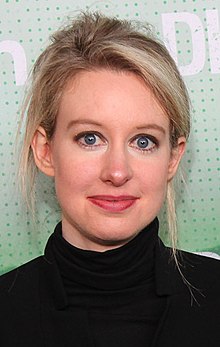
Elizabeth Anne Holmes was born on 3rd February 1984, is a former American businesswoman who was the founder and the chief executive of Theranos, which was a health technology company. Elizabeth Holmes was born to Christian Holmes IV, who was a vice president for an energy company that when bankrupt who later dipped his toes in politics, while her mother Noel Anne was a congressional staffer.
The company claimed that, via small amounts of blood, various blood tests could be carried out and people could be tested for various diseases. Elizabeth Holmes was only 19 when she founded the company in 2003 after dropping out of Stanford University. Theranos raised more than US$700 million from investors, which lead to a 10$ billion valuation in 2013-2014.
The company claimed to develop technology that could conduct microscopic blood volumes. the blood was collected via a finger prick and transferred to the nanotainer which was a blood collection vessel. And the analysis machine was called ‘Edison’. It was named after Thomas Edison.
A turning point in 2015 came when medical research led to an investigative journalist led to make sure the validity of Theranos’ technology. In 2016, the centres for medicare and medical services also gave a warning to the company and proposed a two-year ban. The company faced a lawsuit by the State of Arizona and FBI investigation and two class-action fraud lawsuits.
Entrepreneur Ramesh Balwani was the chief operating officer of the company in 2009, however, he was advising Holmes since the start. In 2016, Ramesh quit the company though the reason was not known. Elizabeth Holmes was to stand trial in March 2021, however, as a result of an unexpected pregnancy was postponed to August of 2021. The trial that was supposed to take place in March, was earlier supposed to take place in October of 2020 but was delayed due to coronavirus.Elizabeth Holmes faced wire fraud charges for the technology that she claimed would be able to perform several tests with a drop of blood.Elizabeth however, pleaded not guilty.If convicted, she could face about 20 years in prison.
A book, called, Bad Blood: Secrets and Lies in silicon valley startup is a book written by the journalist John Carreyrou, which was released on May 21, 2018, which was published by Knopf. In 2021, Carreyrou would release a podcast called, ‘Bad blood: the final chapter’ that will cover the trial of Elizabeth Holmes.
An upcoming movie about the company based on the John Carreyrous book would see Jennifer Lawrence play Elizabeth Holmes.
Even though Elizabeth Holmes has about 200+ patents, she orchestrated the most heinous fraud of the 21st century.
As we are blessed (cannot say) with the reboot to the legendary teen show, Gossip Girl, this girl just dived into the world of Manhattan’s elite teenagers and since I like to judge, I am going to judge, I mean review it. Binge re-watching the show that came out in 2007 I found nostalgic. Though G.G came out in the 2007s, I didn’t watch it till the 2014s, almost 7 years later, and yet this Gossip girl had so many of my friends hooked with scandals, drama, betrayal in their lavish life.
However, since now I have rewatched it, I have a lot to say about this show.
So hold on tight for this crazy judgemental ride, xoxo.
The series which lasted for almost 5 years and 6 seasons, revolved around the Upper East Side of New York teenagers each blessed with fortune so huge that the entire world would be saved, however since it’s all fiction, the world can be saved by some other way. Each rich kid was the same person with different faces, all pretentious, rude and had horrible fashion taste. Whoever, I mean whoever was the fashion director for this show, please show your face. Into all this was an outsider called Dan Humphrey whose parents are rich but not like the others, I mean how expensive can a huge penthouse in Brooklyn cost? I looked it up and it’s around 3 million. Living in a 3 million Brooklyn penthouse? cannot relate.
The rich kids ie. Serena Van Der Woodsen whose name is as wonderful as it sounds is an absolute understatement of how wonderful her life is, Nathaniel Archibald another rich kid whose life is being turned upside down, Blair Waldorf an absolute Queen B whose entire life needs to her dominating or wanting to rule over others (can someone tell Blair that the British Rule is over and it’s so 1900s to want to be a princess) and Charles Bass, who someone goes by the name of ‘Chuck’ an absolute horrendous nickname. Chuck Bass has just one ionic script,’ I am Chuck Bass’ as being a son of a multibillionaire allows you to use such a corny line.
* If you haven’t watched this series and are planning to, there are spoilers ahead so just maybe skip it *
The series starts with Serena spotted at the Upper Eastside train station after her mysterious disappearance to visit her brother who has had mental health issues and was put into rehab. Serena mysterious disappearance is said to be the result of a one night stand with her best friend’s boyfriend, Nate Archibald, however later a secret comes out. The reappearance of Serena causes Blair to be uncertain about her relationship with Nate, as he has feelings for Serena. So thus starts an entire series worth of, ‘whose in love with whom’. As Serena is banished from her friends, she and Dan Humphrey who is known as a lonely boy start hanging out and falling in love. Meanwhile, Chuck is living his best bachelor life, while hopelessly being in love with Blair. Nate and Blair break up and so the toxic relationship between Chuck and Blair started. Throughout the entire series which revolves around the life of the above mentioned, along with their family members who just keep digging themselves in newer and deeper and fancier graves, each which can be covered with money, connections or blackmail. With all the news of their scandal coming out through a blog called, ‘Gossip girl’ whose entire blog revolves on the above mentioned teenagers and who has an famous line too (shocker!) which goes like, xoxo Gossip girl. At the end of the series, the gossip girl is revealed to be someone they know (again shocker!).
After 2 weeks of putting through myself through this show, I can say it was sheer self-induced torture. I can say that I do have some views, some horrible views.
This show just shows us the epitome of self-centeredness, pretentiousness, self-righteousness and trying to prove that, ‘money can buy you anything’ point. The show also lacked diversity and representation. The show which wanted to portray friendship,but fell short, as not all friendships turn into relationships. Friendships about being there for each other, though this show did that. It’s also about being able to be your true self, watching movies, fooling with each other. It’s not above bringing down each other, it’s not about business. All the relationships shown in the shown were nothing worth swooning over, with infatuation being the centre and toxic relationships shown as games and plots played against each other. The Chuck and Blair relationship seemed so forced and the Prince coming into the picture with the whole lock you away in a castle plot just seemed too clichéd. The characters development wasn’t good. In season 5, we see a new Blair, the one who isn’t so stuck up about money or social hierarchy. The only worthy relationship that seemed to be any good was Blair Waldorf with Dan Humphrey, however, she goes back to the so-called toxic love of her life. Serena just seemed very rude in so many scenes, it seemed that only Dan could bring out the good in her. Nate Archibald also finds himself in new different scandals, mostly related to relationships, drugs and family. I feel like the show, showed us that capitalism is okay, and if we want a lavish life, the only way we can get is through nepotism or marrying rich or work so hard that we don’t have proper family relationships.
However, this doesn’t mean that show is not good, it’s a good one-time binge-able show. Through the entire show, you can compare your life to theirs and thank everyone in your family for not being shallow, conniving people.
See you next time with another scandalous review, xoxo!
Imagine, one day you could wake up and have a robotic arm that could fetch you anything that is more than an arms distance away without you having to get up from your bed or that you could have a brain so powerful that you would memorise anything just by glancing over it for a second, imagine..
As one grows older, questions like can humans live forever? Is immortality possible? seem very bogus, however as technologies evolve along with new philosophical ideas that are born, the hypothetical situation that was thought to be impossible, may not seem too far off.
Growing up, watching movies like the matrix or the terminator or avatar where ideas like living forever and enhancement of the human body, made many people wish that the idea of living forever, was not an idea anymore. From ancient times, transhumanism was portrayed from Icarus flying too close to the sun to many others.
From the media to the mythos, the idea of incorporating technology into humans seems plausible. Thus a movement was born, to make all this advancement possible. So the movement that encourages this advancement, is called transhumanism.
According to the, ‘The Transhumanist Reader: Classical and Contemporary Essays on the Science, Technology and Philosophy of the Human Future,’ transhumanism is a scientific and philosophical movement that calls for the improvement of human existence via the advancement and increasing prevalence of advanced technology capable of significantly altering or enhancing human intelligence and physiology. The movement makes use of the scientific knowledge of human anatomy to allow people to transcend their current biological limitations.The fundamental belief of transhumanism will help cross humans biological limitations by augmentations. Human capabilities are enhanced by augmentations like objects, extensions or technologies. Spectacles, footwear and robotic arm are some of the augmentations.
Transhumanism is viewed as an extension of humanism. According to transhumanism, the present phase of homo sapiens can be seen as an intermediate stage on the road to post-human life forms, which can be achieved by modifying ourselves. Transhumanism originated as a philosophical movement that is currently a growing field.
Science and technology are used to enhance or alter body chemistry to stay healthy and be more in control of our lives. We are all transhumanists (people how advocate for transhumanism m to varying degrees. However, some people advocate transhumanism more broadly, where they advocate for mechanical parts in the body to make the biological figure more enhanced.
Inevitable Evolutions: Human-transhuman-post-human –: Homo sapiens have a range of emotions, experiences. Even though humans are considered the most intelligent species to ever exist, humans do face some limitations. Lifespan – Human character is cut short by death. Humans died and their intelligence dies with them. Intellectual capacity- Humans have cognitive limitations etc, are some of the limitations of the human form. Emotions- Sometimes, emotions may be seen as a disadvantage as, imagine you’re in an argument, and suddenly you start crying, it may show signs of weakness.
Transhuman refers to an intermediate form of being between the human and post-human.
Being posthuman entails breaking free from the constraints that characterise the least favourable dimensions of the “human condition.” Disease, ageing, and death will no longer be a problem for posthumans. They will have much more physical capability and morphological independence. These beings may show a certain type of emotion or no emotion. The distinctions between post-human brains can not be as clear as they are between humans.
However, as every coin has two sides, transhumanism along with its pros also has its cons. Some of the most discussed cons of transhumanism are dehumanisation wherein our uniqueness will be lost and everyone will have the same beliefs, immortality though is regarded as a pro, sometimes maybe a con, as due to immortality, overpopulation may be an inevitable problem, as well as the laws of nature and science would be broken. Transhumanism may also lead to a social divide on the already existing divides in the society, it may just make the rich or the people who will be able to pay for augmentations, thus making the rich even more powerful.
However, the situation is quite complex. Before this movement reaches its peak, one should know, if this movement could be our saving grace or our certain doom.
To know more about this movement, the following sources/books can be referred:
The Transhumanist Reader: Classical and Contemporary Essays on the Science, Technology and Philosophy of the Human Future, First Edition. Edited by Max More and Natasha Vita-More. 2013 John Wiley & Sons, Inc. Published 2013 by John Wiley & Sons, Inc.
Transhumanism: A Grimoire of Alchemical Agendas – by Scott D de Hart and Joseph P Farrell.
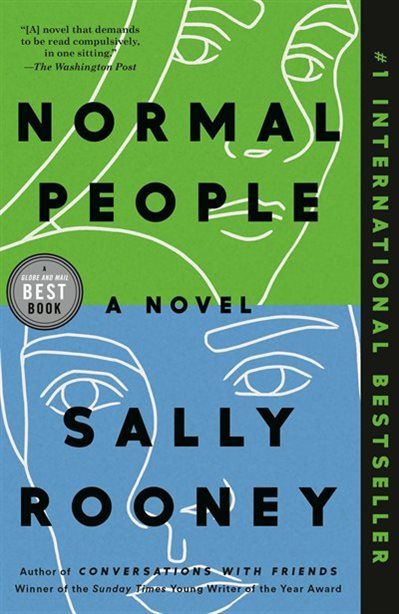
“Life offers up these moments of joy despite everything,”
Sally Rooney, Normal People.
About the book:
Author: Sally Rooney
Published on: 28th August 2018
Publisher: Faber and Faber
Genre: Literary fiction.
My rating: 3.5/5
The Plot:
The story follows the lives of two teenagers, each unique in their own way and personality. We have Marianne, who is very private, lonely, proud and studious and always looking for a good conversation, you can sometimes also call her pretentious and then there’s Connell, the popular football star who is well-liked by everyone. Their lives are intertwined in many ways, with them attending the school and Connell’s mother working at her house, they see each other every day and the only conversation they have are pleasantries. However, something shifts and a connection forms, one that both are determined to keep secret. After school, Marianne and Connell are studying at Trinity College in Dublin. Marianne has a whole new social circle to explore, while Connell has gone into his shell. However, as their college life begins they come together and together on a path of self-destruction each acting as a black hole, taking each other with them. With new opportunities coming their way, each having to choose an option.
Review:
This book received too much hype among the GenZ and Millennial groups, a lot of people were either recommending it or posting stories on various social media about it. Nowadays a lot of us, rely a lot on social media, and the things that we’ve seen too many times, we regard the same as the gold standard. So I went into this book, with so much enthusiasm and expectation, however, after reading it, the book did not live up to the amount of hype for me. However, this book paints a very realistic depiction of what teenagers are and how we think and that the only thing we cared about is how society perceives us, and judges us for who or what we are doing and how awkward and flawed we are! The book also addresses issues about the anxiety of moving to a new place, and the idea of not fitting in makes us feel. The thing about Sally Rooney’s writing is that she does not use quotation marks, which takes a while to get accustomed to. The thing about Sally Rooney’s this novel, makes me feel like all the fan-fiction I have read, however, that doesn’t mean I didn’t like this book, I honestly did and but would I re-read it again? Maybe.
Trigger Warning: sexual assault; domestic abuse; drug use; casual racism (called out); depression; anxiety; suicide and suicidal ideation.
“Life is the thing you bring with you inside your own head.”
Sally Rooney, Normal People.
About the author:
Sally Rooney is an Irish author and screenwriter, with her debut novel, ‘Conversations with Friends‘ which was published in 2017. It was nominated for various prizes like Folio Prize, International Dylan Thomas Prize and many others. Her debut novel won the 2017 Sunday Times/Peters Fraser & Dunlop Young Writer of the Year Award. ‘Normal People‘ was also nominated for various prizes and an adaptation of the same novel was premiered in the year 2020. Her upcoming work,’ Beautiful World, Where Are You‘, is set to be published in September of this year (2021).







 Eduindex
You must be logged in to post a comment.