NON-CONVENTIONAL (ALTERNATIVE) ENERGY RESOURCES

The energy crises has shown that for sustainable development in energy sector we must conserve the non-renewable conventional resources from its rapid depletion and replace them by non-polluting, renewable sources which are environmentally clean.

Efforts are made to develop new sources of energy which is called non-conventional sources of energy. It would provide greater initiative to local people who could assess their needs and resources and plan a strategy that could be useful to them.

Solar Energy

Solar energy is the energy obtained from the sun. The sun gives out vast amount of light and heat. It is only a little less than half ( 47%) of solar energy which falls on the atmosphere reaches the earth’s surface. If we could use just a small part of this energy it would fulfill all the country’s need for power. Solar energy has advantages and also certain limitations.

Solar Energy Devices

The energy from the sun can be harnessed to provide power. The various devices used for harnessing sun’s energy are called solar energy devices.
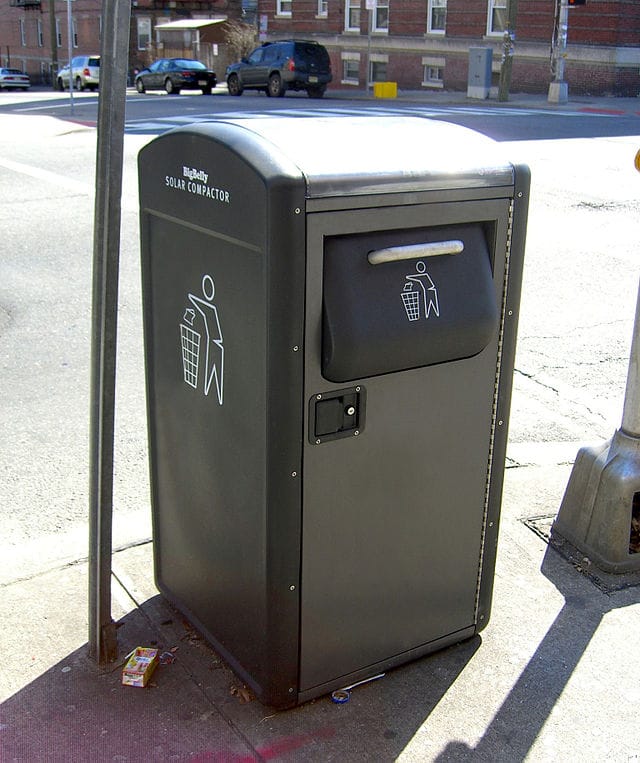
Solar Panel

Arrangement of many solar cells side by side connected to each other is called solar panel. The capacity to provide electric current is much increased in the solar panel. But the process of manufacture is very expensive.

Solar Cooker

It consist of an insulated metal box or wooden box which painted from inside so as to absorb maximum solar radiations. A thick glass sheet forms the cover over the box. The reflector is the plane mirror which is attached to the box. The food is cooked by energy radiated by the sun.

Advantages of Solar Energy

✓It is available in abundance in our country and is free of cost.
✓It is a renewable source of energy.
✓It can be used for generating electricity or heat.
✓It does not cause pollution.

Biogas

Biogas is the mixture of methane (nearly 75%), hydrogen sulphide, carbon dioxide and hydrogen. It is produced by the decomposition of animal wastes (cow dung) and plant wastes in the absence of oxygen. It is also commonly called as ‘Gobar gas’ since the starting material used is cow dung which means gobar in Hindi.

Uses of biogas

✓It is used as fuel for cooking.
✓It is used to run motors and pump sets.
✓It is used to generate electricity.

Advantages of biogas

✓It burns without smoke and therefore causes less pollution.
✓An excellent way to get rid of organic wastes like bio-waste and sewage material.
✓Left over slurry is a good manure rich in nitrogen and phosphorus.
✓It is safe and convenient to use.
✓It can reduce the amount of greenhouse gases emitted.

Shale gas

Shale refers to the soft finely stratified sedimentary rock that is formed from the compaction of small old rocks containing mud and minerals – such as quartz and calcite, trapped beneath earth’s surface. These rocks contain fossil fuels like oil and gas in their pores.

Environmental concerns of shale gas

✓Shale drilling could affect groundwater reserves, which can contaminate the drinking water resources and also affect the fertility of the soil.
✓Million gallons of water is needed to break and release the shale gas, which inturn can affect the water table.

Wind Energy

The Kinetic energy possessed by the wind is due to its high speed, that can be converted into mechanical power by wind turbines. The rotatory motion of wind mill produces wind energy. It can be used for generating electricity, run water pumps, flour mills, draw water from wells etc.,

Windmill

Windmill is a machine that converts the energy of wind into rotational energy by broad blade attached to the rotating axis. When the blowing air strikes the blades of the windmill, it exerts force and causes the blades to rotate. The rotational movement of the blades operate the generator and the electricity is produced. The energy output from each windmill is coupled together to get electricity on a commercial scale.

Advantages of Wind energy

✓Wind energy is free, eco – friendly, renewable source of energy.
✓It does not cause pollution.
✓Expenses on periodic maintenance is when compared to the other power sources.

Water Energy

Earth’s surface is covered with nearly 71% of water. Harnessing the energy from the flowing water can be used to produce electricity. The technique to harness the water energy is called Hydropower.

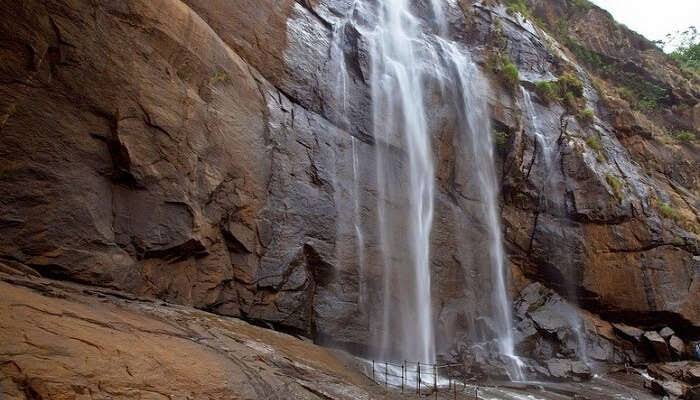
The electrical energy is derived from water flow, water falling from a height. Hilly areas are suitable for this purpose where there is continous flow of water in large amounts falling from high slopes. It does not cause environmental pollution or waste generation.

Hydropower plants converts the kinetic energy of flowing water into electricity. This is called hydroelectricity.

Tidal Energy

Tidal energy is the energy obtained from the movement of water due to ocean tides. Tides are the rise and fall of sea levels caused by the combined effects of the gravitational forces exerted on the oceans of the earth.

A tidal stream is a fast flowing body of water created by tides. Turbines are placed in tidal streams. When the tides hit the turbine, the turbine rotates and converts the tidal energy into electric energy.

Advantages of tidal energy

✓Tidal energy does not produce any pollution.
✓It does not use any fuel and does not produce any waste.
✓Tides are predictable, so tidal energy can be produced at any time.

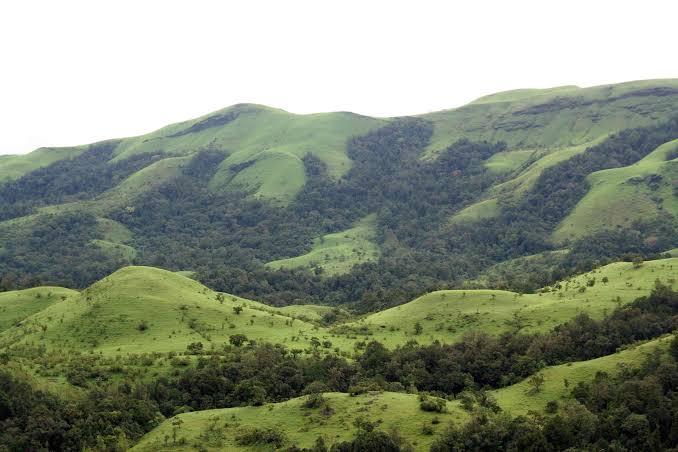
THE WESTERN GHATS AND THE EASTERN GHATS

The Western Ghats

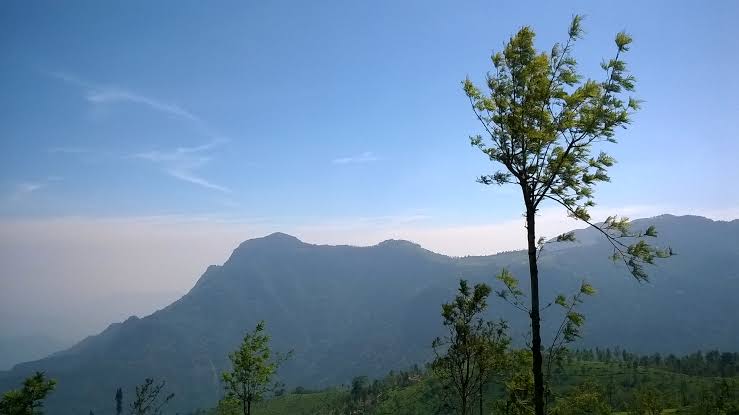
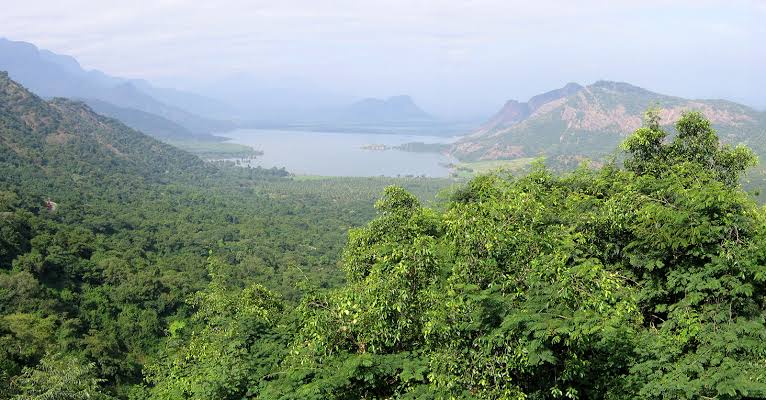
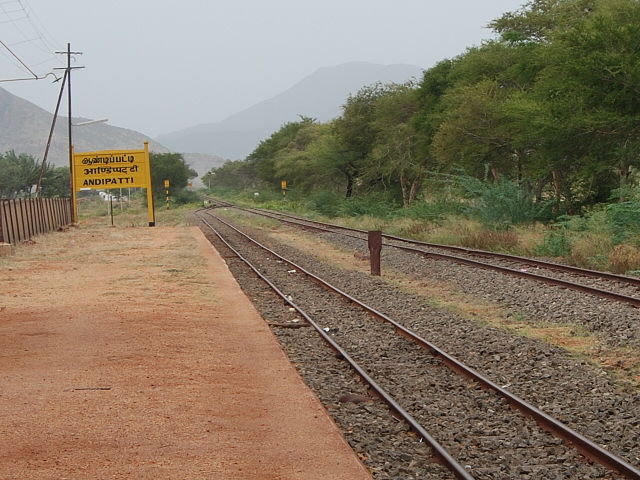
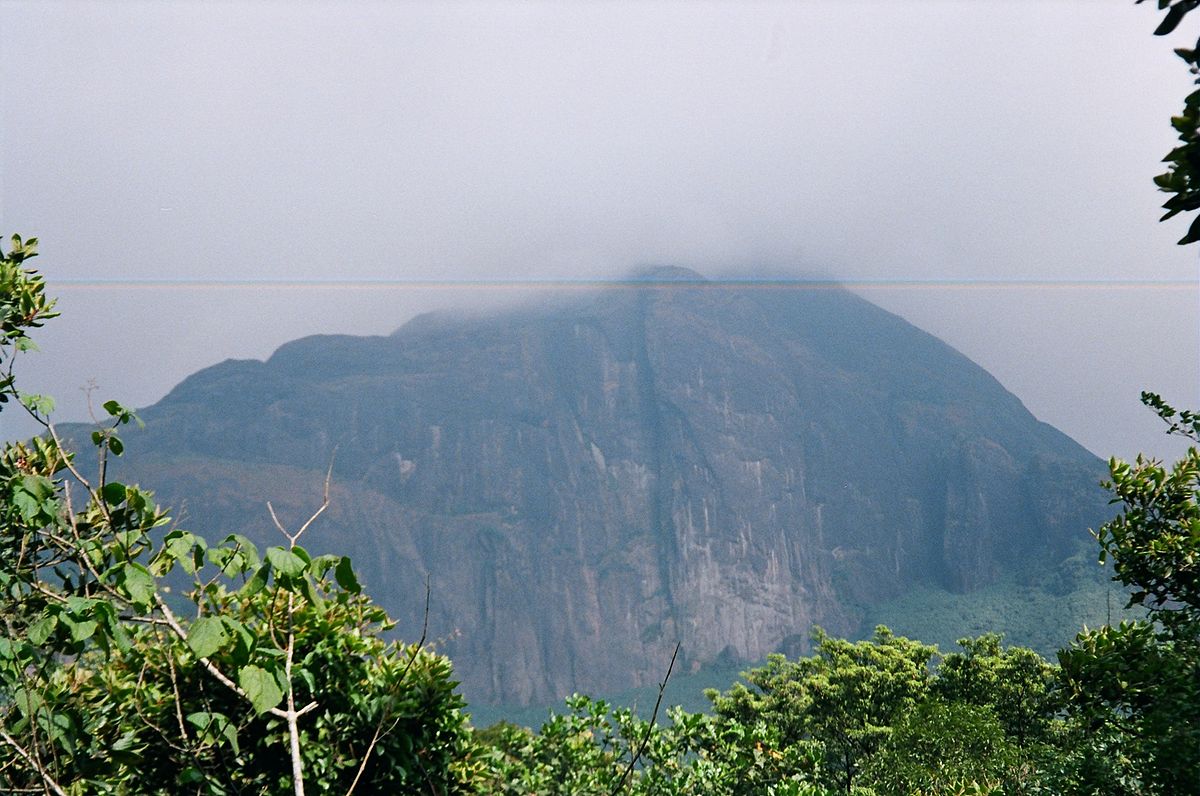
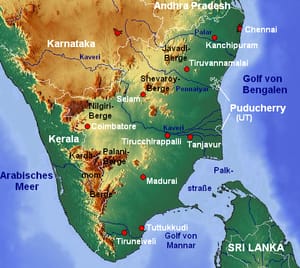
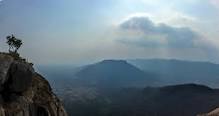
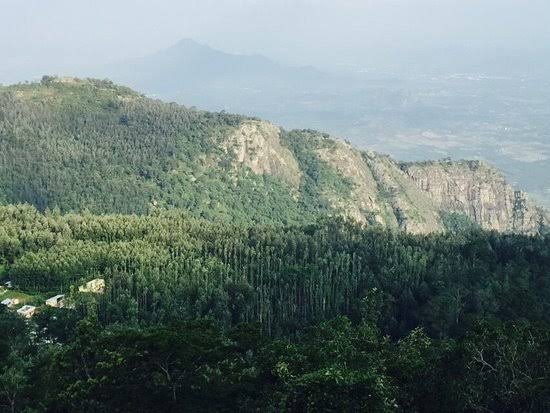
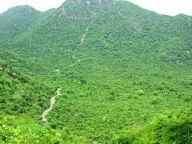
Western Ghats extend from the Nilgiris in the north to Marunthuvazh Malai at Swamithope in Kanyakumari district in the south. Height of the Western Ghats ranges from 2,000 to 3,000 meters. It covers an area of about 2,500 sq.km. Though the Western Ghats is a continuous range, it has some passes. The passes are Palghat, Shencottah, Aralvaimozhi and Achankoil. The Nilgiris, Anaimalai, Palani hills, Cardamom hills, Varusanadu, Andipatti and Agasthiyar hills are the major hills of Western Ghats.

Western Ghats

Nilgiri Hills

The Nilgiri hills is located in the Northwestern part of Tamil Nadu. It consists of 24 peaks with more than 2,000 meters height. Doddabetta is the highest peak (2,637 meters) of this hills followed by Mukkuruthi (2,554 meters). Ooty and Coonoor are the major hill stations located on the hills. It has more than 2,700 species of flowering plants and the state animal Nilgiri Tahr is found in this hill.

Anaimalai

Anaimalai is located in the border of Tamil Nadu and Kerala. It is located to the south of Palghat Gap. Anaimalai Tiger Reserve, Aliyar Reserved Forest, Valparai hill station, Kadamparai hydroelectric Power Plant are located on this hills. Aliyar and Tirumurthy dams are located at the foothills of this range.

Palani Hills

Palani hills are the eastward extension of the Western Ghats. These hills are located in Dindigul district. Vandaravu (2,533 meters) is the highest peak in the Palani hills. Vembadi Shola (2,505 meters) is its second highest peak. The hill station of Kodaikanal (2,150 meters) lies in the south central portion of the range.

Cardamom Hills

These hills are also known as Yela Mala hills located in the southwestern part of Tamil Nadu. It acquires its name from the cardamom spice, which is commonly grown here. Pepper and coffee are the other crops cultivated over the hills. They meet the Anaimalai hills in the northwest, the Palani hills in the northeast and Varusanadu and Andipatti hills in the southeast.

Varusanadu and Andipatti Hills

Another eastward extension of Western Ghats is Varusanadu and Andipatti hills. Megamalai (the highway mountain), Kalugumalai, Kurangani hill station and Suruli and Kumbakarai waterfalls are found on these hills. Srivilliputhur Grizzled Squirrel Wild life Sanctuary is located in the southern slope of these hills in Virudhunagar district. Vaigai river and its tributaries originate in this region.

Pothigai Hills

It’s major part lies in Tirunelveli district with its southern slope in the Kanyakumari district. Pothigai hills are called with different names such as the Shiva Jothi Parvath, Agasthiyar hills and Southern Kailash. These hills feature richest biodiversity in the Western Ghats. This area is known for its rich evergreen forest, waterfalls and ancient temples. Kalakkad Mundanthurai Tiger Reserve is located in this region.

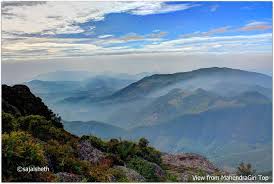
Mahendragiri Hills

This continues range is situated along the border of Kanyakumari and Tirunelveli districts and is a part of the southern range of the Western Ghats. It’s average height is 1,645 meters.

The Eastern Ghats

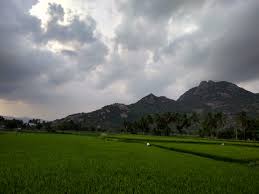
Unlike Western Ghats, Eastern Ghats is a discontinuous and irregular one. It is dissected at many places by the rivers, which drain into the Bay of Bengal. It’s height ranges from 1,100 to 1,600 meters. These hills separate the plains from plateaus. Javadhu, Servarayan, the Kalrayan, Kollimalai and Pachaimalai are the major hills of the Eastern Ghats of Tamil Nadu and are located in northern districts of the state.

Eastern Ghats

Javadhu Hills

Javadhu hills are an extension of the Eastern Ghats spread across parts of Vellore and Tiruvannamalai districts and separates these two districts. Many peaks with the height of 1,100-1,150 meters are located in this range. Melpattu is its highest peak. Many parts of this range are covered with bluish grey granites. It is noted for its fruit bearing trees, medicinal herbs and sandalwoods. Due to illegal logging, sandalwood trees are disappeared now.

Kalvarayan Hills

The name ‘Kalvarayan’ comes from the word ‘Karalar’, the ancient name of the present tribes. It is another major range of hills in the Eastern Ghats of Tamil Nadu. This range, along with the Pachaimalai, Aralvaimozhi, Javadhu and Servarayan hills, separate the river basins of Cauvery and Palar. The height of this hill ranges from 600 to 1,220 meters.

Servarayan Hills

It is a mountain range located near the Salem city with the height ranging from 1,200 to 1,620 meters. The name of the range comes from a local deity, Servarayan. The highest peak in the southern part of the Eastern Ghats located in this range. The peak is Solaikaradu and its height is 1,620 meters. The hill station Yercaud, which is known as poor man’s Ooty, is located on this range. Servarayan temple is its highest point (1623 meters).

Kolli Hills

It is a small mountain range located in Namakkal district. It covers an area of about 2,800 sq.km . It rises up to 1300 meters. This is a mountain range that runs almost parallel to the east coast of South India . Arpaleeswarar temple located on this range is an important pilgrims centre. It has the largest cover of evergreen or shola forest when compared to other parts of the Eastern Ghats. Several coffee plantations, fruits, flowers and silver-oak estate are found in this region.

Pachaimalai

It is the lowest hill range , spreads over the districts of Perambalur, Tiruchirapalli and Salem. In Tamil language, pachai means green. The vegetation in this range is greener than the vegetative cover of the other hills in this region. Hence it is named as ‘Pachai malai’. Jackfruit is a popular seasonal agricultural product of this hills.

TRANSPORTATION

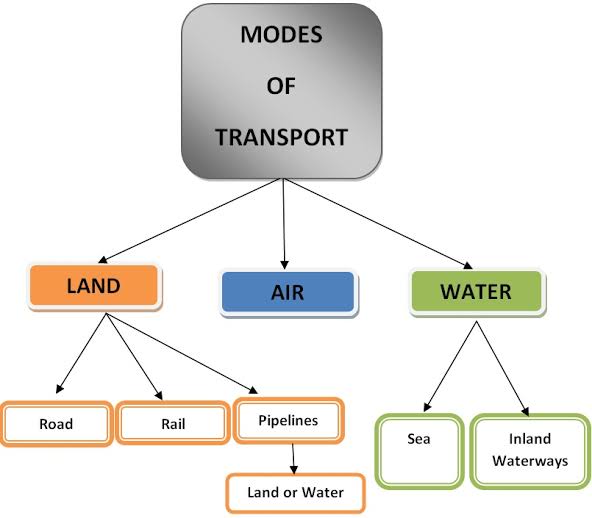
Transport is a system in which passengers and goods are carried from one place to another. Transport system is considered as the lifeline of a country. Earlier man travelled on foot or used animals for transport. With the discovery of wheel, transport was made easier and gradually different means of transport were developed. There are three major means of transport in the world.

Roadways

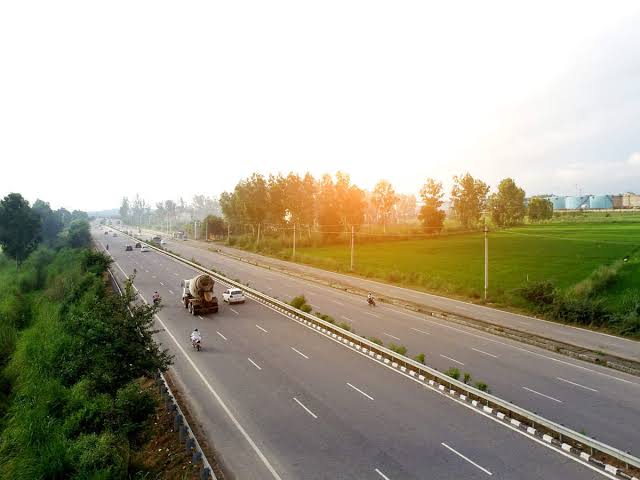
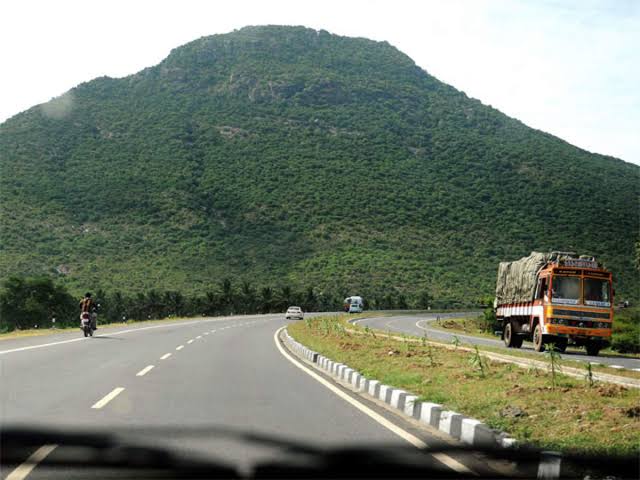
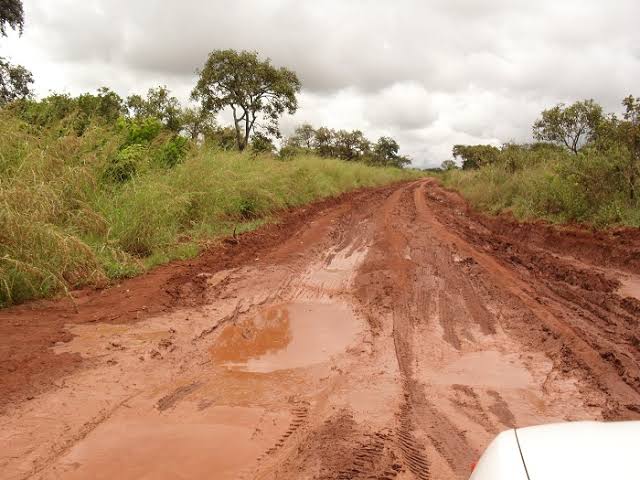
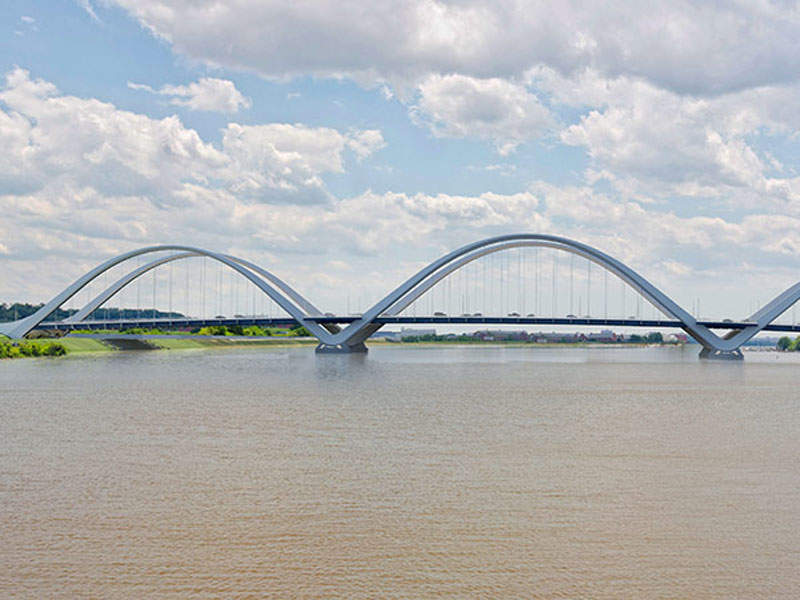
Roads play an important role in carrying goods and passengers for short, medium and long distances. It is highly suitable for short distance services. It is comparatively easy and cheap to construct and maintain roads. Road transport system can establish easy contact between farms, fields, factories and markets and can provide door to door transport services. Roads are the most universal mode of transport. Indian roads are cost efficient. It is used by all sections of people in the society.

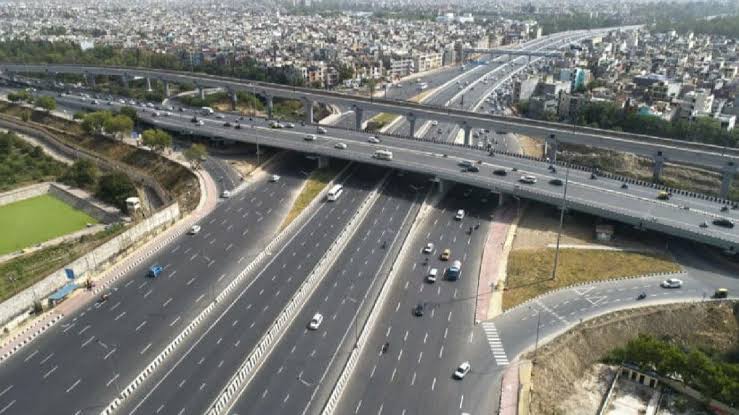
For the purpose of construction and maintenance, roads are classified into National Highways (NH), State Highways (SH), District Roads, Rural Roads (Village roads), Border Roads and International Highways.

Classification of Roads in India

National Highways (NH)

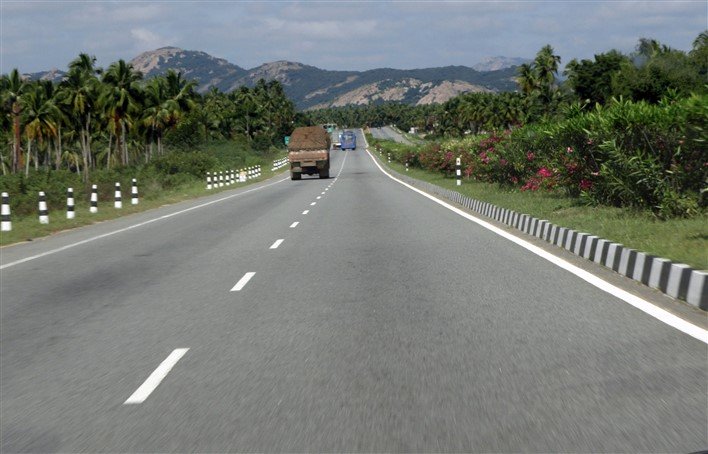
National Highways form the most important system of road Transportation in India. These highways are running through length and breadth of the country connecting capitals of states, major Ports, rail junctions, industrial and tourist centres. Ministry of Road Transport and Highways of India, is responsible for the development and maintenance of National Highways in India. The longest National highway is NH-44 which runs from Varanasi in Uttar Pradesh to Kanniyakumari in Tamil Nadu covering a distance of 2369 km. The shortest national highway is NH-47A, which runs from Ernakulum to Kochi port (Willington Island) covering a distance of 6km.

State Highways

The state highways are usually roads that link important cities, towns and district headquarters within the state and connect them with national highways or highways of neighbouring states. These roads are administered and financed by state governments.

District Roads

District Roads provide connectivity between the district and taluk headquarters with the state highways and national highways. District Roads are constructed and maintained by the Public Works Department of the states.

Rural Roads (Village Roads)

These roads are vital for providing links in the rural areas. It links the different villages with their neighbouring towns. They are maintained by Village Panchayats.

Border Roads

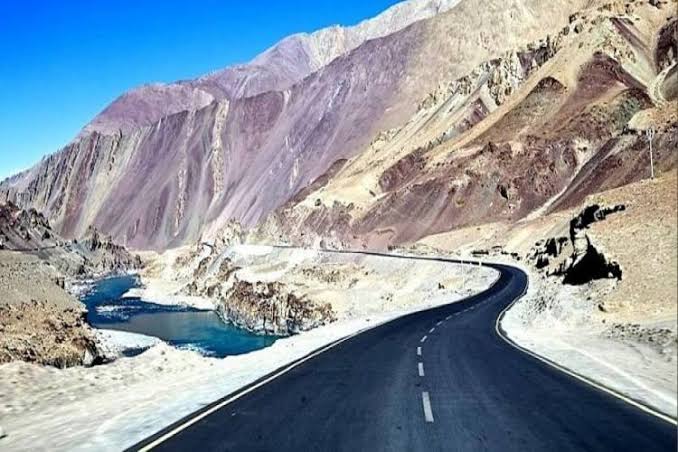
These are the roads of strategic importance in border areas. They are constructed and maintained by Border Roads Organization. It was established in 1960 for the development of the roads of strategic importance in the northern and northeastern border areas. Border Roads Organization has constructed world’s highest road joining Chandigarh and Leh in Ladakh. This road runs at an average altitude of 4,270 meters.

Golden Quadrilateral

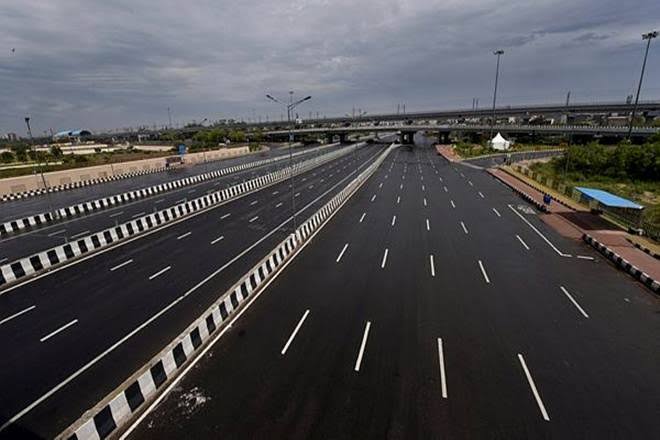
Golden Quadrilateral 5,846 km long road of 4/6 lanes connects, India’s four metropolitan cities: Delhi-Kolkata-Chennai-Mumbai-Delhi. This project was launched in 1999.

North-South and East-West Corridors

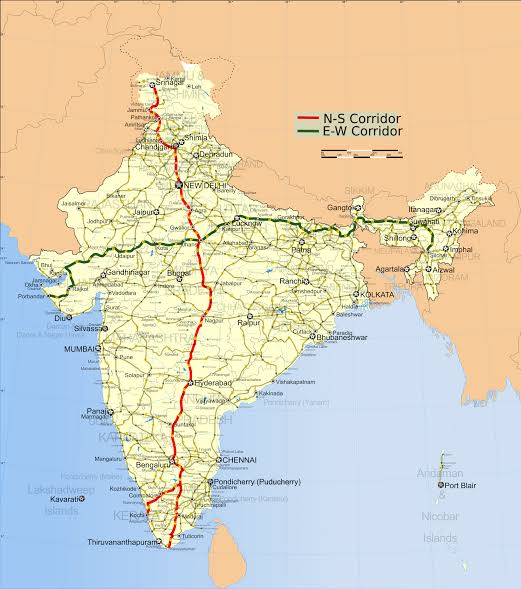
North – South corridor aims at connecting Srinagar in Jammu and Kashmir with Kaniyakumari in Tamil Nadu (including Kochi – Salem Spur) with 4,076km long road. The East – West corridor has been planned to connect Silchar in Assam with the port town of Porbandar in Gujarat with 3,640km of road length. The two corridors intersect at Jhansi.

Expressways

These are multi – lane good quality highways for high speed traffic. Some of the important expressways are;

☆ Mumbai – Pune Road

☆ Kolkata – Dumdum Airport road

☆ Durgapur – Kolkata road

☆ Yamuna expressway between Delhi and Agra.

International Highways

These are the roads that link India with neighbouring countries for promoting harmonious relationship with them. These highways have been constructed with an aid from world bank under an agreement with the Economic and Social Commission for Asia-Pacific (ESCAP). These roads connect important highways of India with those of the neighbouring countries such as Pakistan, Nepal, Bhutan, Bangladesh and Myanmar.

Railways

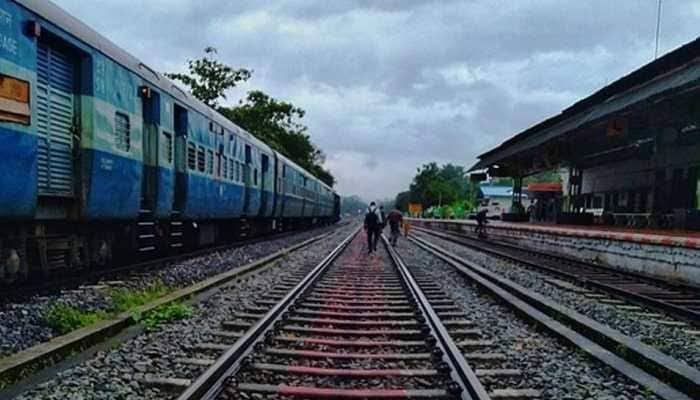
Indian railway system is the main artery of the country’s inland transport. Railways cater to the needs of large scale movement of traffic, both for freight and passenger, thereby contributing to economic growth. Railways are considered as the backbone of the surface transport system of India. It promotes national integration by bringing people together. It also promotes trade, tourism, education etc. Railways help in the commercialization of the agriculture sector by facilitating the bulky movement of perishable goods. Its role in transporting raw materials to industries and finished goods to markets is invaluable. Indian railways network is the largest in Asia and second largest in the world.

On the basis of width of the track, the Indian railways fall under four categories.
✓Broad gauge (1.676 meter width)
✓Meter gauge (1 meter width)
✓Narrow gauge (0.762 meter width)
✓Light gauge (0.610 meter width)

Metro Railways in India

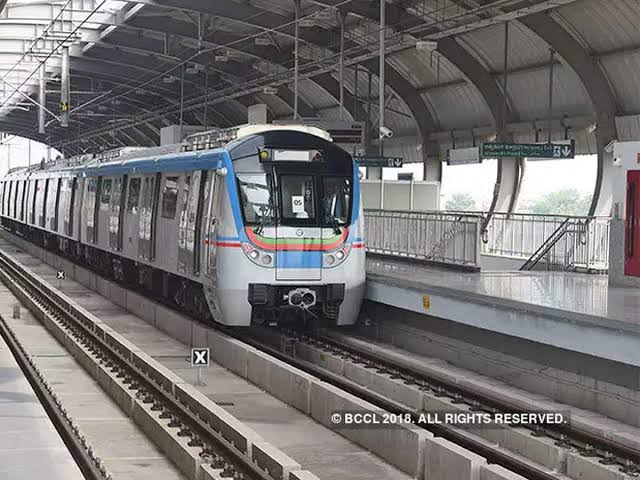
There are 8 cities with metro rail connectivity in India. They are Kolkata (West Bengal), Chennai (Tamil Nadu), Delhi, Bengaluru (Karnataka), Gurgaon (Haryana), Mumbai (Maharashtra), Jaipur (Rajasthan) and Kochi ( Kerala). The metro in Kolkata is the first one in India. It is also called as Mass Rapid Transit System (MRTS). As of September 2018, India has 507 km of operational metro lines and 381 stations.

Waterways

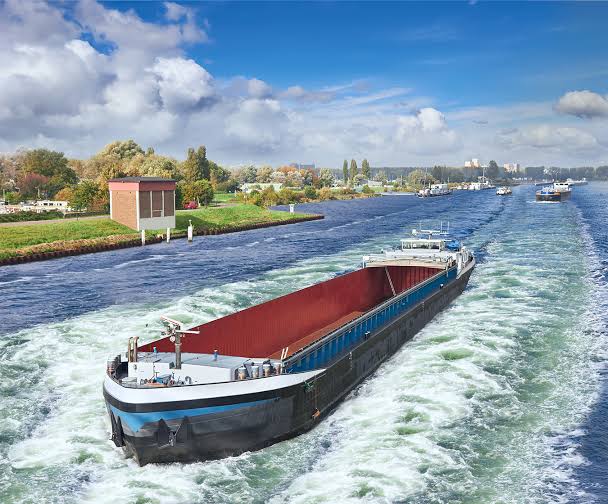
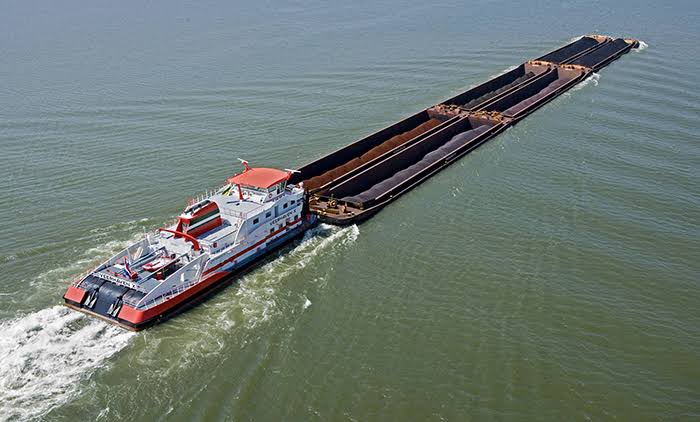
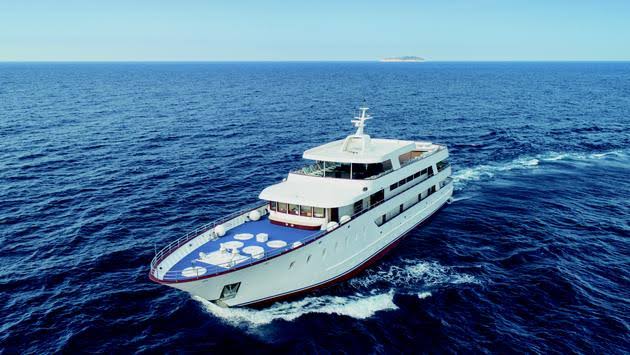
A waterway is an important mode of transport for both passenger and cargo traffic in India. It is the oldest and also the cheapest means of transport and most suitable for carrying heavy and bulky materials from one country to another. It is a fuel-efficient and eco-friendly mode of transport. The water transport is of two types-

Inland Waterways

Ocean Water ways (sea routes)

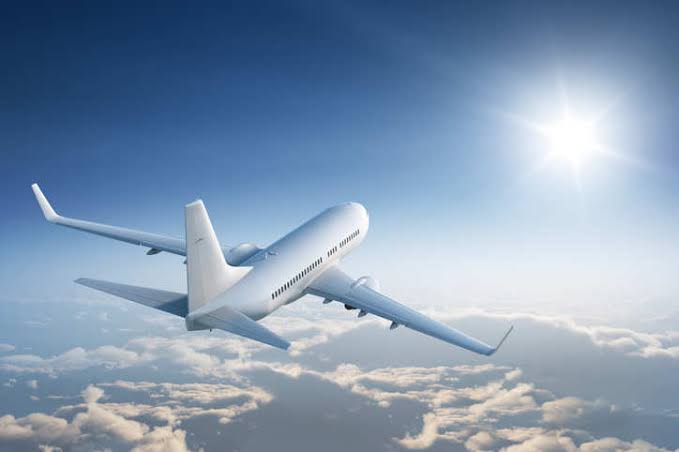
Air Transport

Airways are the quickest, costliest, most modern and comfortable means of transport, Air transport facilitates connectivity on a national, regional and international scale. It has made accessibility easier by connecting difficult terrains like high mountains and sandy deserts. It carries passengers, freight and mail. Air transport plays a key in times of emergency as well as in the event of natural and man-made calamities like floods, epidemics and wars.

WOMAN’S EDUCATION

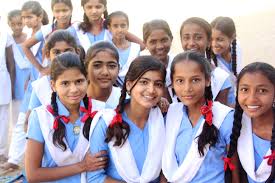
Education is one of the most important means of empowering women with the knowledge, skills and self-confidence necessary to participate fully in the development process. More than 40 years ago, the Universal Declaration of Human Rights asserted that “everyone has the right to education”

Educating the girl child produces mothers who are educated and who will, in turn, educate their children care for their families and provide their children care and support. The girl child needs to be educated to acquire knowledge and skills needed to advance her status for social interactions and self – improvement.

The Unmatched Importance of Female Education

Increased Literacy

Of the illiterate youth across the globe, nearly 63 percent are female. Offering all children education will prop up literacy rates, pushing forward development in struggling regions.

Human Trafficking

Women are most vulnerable to trafficking when they are undereducated and poor, according to the United Nations Inter – Agency Project on Human Trafficking. Through providing young girls with opportunities and fundamental skills, Human Trafficking can be significantly undermined.

Political Representation

Across the globe, women are under represented as voters and restricted from political involvement. The United Nations Women’s Programmes on Leadership and Participation suggest that civic education, training and all around empowerment will reduce this gap.

Thriving Babies

According to the United Nations Girls Education Initiative, children of educated mothers are twice as likely to survive past the age of five.

Later Marriage

As suggested by the United Nations Population Fund, in underdeveloped countries, one in every three girls is married before reaching the age of 18. In a region where a girl receives seven or more years of education, the wedding date is delayed by four years.

Income Potential

Education also increases a woman ‘s earning capabilities. According to the United Nations Educational, Scientific and Cultural Organisation, ( UNESCO ) a single year of primary education has shown to increase a girl ‘s wages later in life by 20 percent.

Prospering GDP

Gross Domestic Product also rises when both girls and boys are being offered educational opportunities. When 10 percent more women attend school, GDP increase by three percent on average.

Poverty Reduction

When women are provided with equal rights and equal access to education, they go on to participate in economic activity. Increased earning power leads to reduction in poverty level .

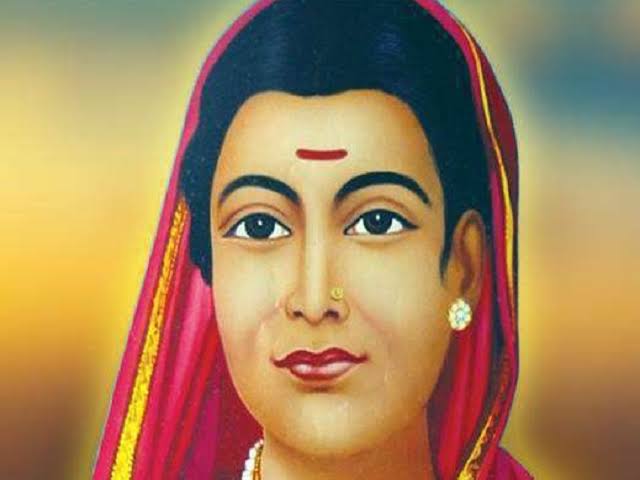
Savitribai Phule

Savitribai Phule as a tradition breaker, the first female teacher at the first girls’ school. When we talk about the girls’ education only Jyotirao Phule is remembered as the champion of women’s education in India. He, along with his wife Savitribai Phule, opened the first school for girls in 1848.

We educate women because it is smart. We educate women because it changes the world.

– Drew Fuast

ROAD SAFETY

We have to travel via roads almost every day to go to school, college, office, shops, visit relatives and friends. We need to be safe on the roads. Road safety refers to the methods and measures used to prevent road users from being killed or seriously injured.

Need for safety on Roads

It is a saddening fact that India is the world’s largest contributor to road accidents. India accounts for about 10% of roads accident fatalities at worldwide. Road crashes have a threatening impact on Indian lives, growth and economy.

Causes for Road Accidents

Distracted driving

This is a larger threat and the leading cause for road accidents. It is the distraction of the driver, engaging in any other activity while driving. It may be talking over the mobile phone or texting message or engaging in any activities with attention diverted from driving.

Reckless driving

It is a major traffic violation of rules. It is defined as the mental state in which the driver purposely disregard the rules of the road.

Night driving

An extra alertness is needed while driving at night. The uncontrolled sleep, tiredness due to long drive, poor lighting on the road can cause fatal accidents.

Tailgating

Tailgating refers to a condition where a driver drives behind another vehicle without leaving sufficient distance between them. In this condition, if the vehicle in front of him, stops suddenly, his own vehicle will crash with it.

Heavy Traffic

Increase of vehicles on the road create heavy traffic jam and cause more pollution.

Road conditions

Road expansion is very slow when compared to the expansion of vehicles.

Avoidance of safety gears

Avoiding the use of helmets for two wheelers and seat belts for four wheelers lead to unwanted happenings.

Impatience of Pedestrians

Impatience of Pedestrians and violation of traffic rules result in accidents.

Other causes

Drunken driving, jumping red light over speeding and unmanned railway crossings cause great damage to valuable lives. Due to this, many families lose their breadwinners.

Road Safety Rules

Every country has its own road safety rules and regulations for the best interests of its citizens. India also has designed road safety rules for protecting the road users from meeting with accidents and injury.

As per the Indian law, one should be eligible to get a driving licence at the age of 18. While driving use of mobile phone is prohibited. Sound horn is prohibited near a hospital or a school zone.

Preventive Measures

Government

Through the Ministry of Road Transport and Highways, Government of the India has taken earnest steps for reducing the number of road accidents.

☆ Taking steps for the rectification of accident black spots and improvement of road engineering.

☆ Ensuring the good functioning of the traffic signals and road signs at busy crossing roads.

☆ Constructing proper roads both in urban and rural areas.

☆ Installation of CCTV cameras to record high speed offences which can detect the offenders.

☆Prohibiting the act of digging or hoarding soil from roads

☆ Remove encouragement and maintain proper pedestrian ways for ensuring road safety. If the public are violating the traffic rules, it is the duty of government to correct the public and maintain order. Stringent actions are to be taken for the violation of any road safety rules.

Safe driving, Saves lives, Drive fine, Avoid fine

OCEANS

The continents and oceans are however, not evenly distributed in the northern and the southern hemispheres. The northern hemisphere holds 61% of land whereas the southern hemisphere holds 81% of water. It is because of this pattern of land and water distribution, the northern hemisphere is called as the land hemisphere and the southern hemisphere is called as the water hemisphere.

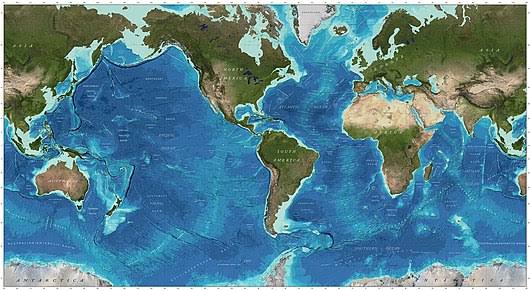
Oceans and seas are considered as resource bowl of the earth because of the immense availability of food, minerals etc., Present distribution of the world’s oceans and major seas are illustrated in the map.

Relief of the Ocean Floor

The ocean basins are characterized by the following major relief features:

✓Continental shelf
✓Continental slope
✓Continental rise
✓Deep sea plain or Abyssal plain
✓Oceanic deep
✓Oceanic ridge

Continental Shelf

A shallow and gently sloping platform extending out from the adjoining continental land mass into the sea is called Continental Shelf. It is almost a uniform zone of sea bed with a gentle gradient.

Continental Slope

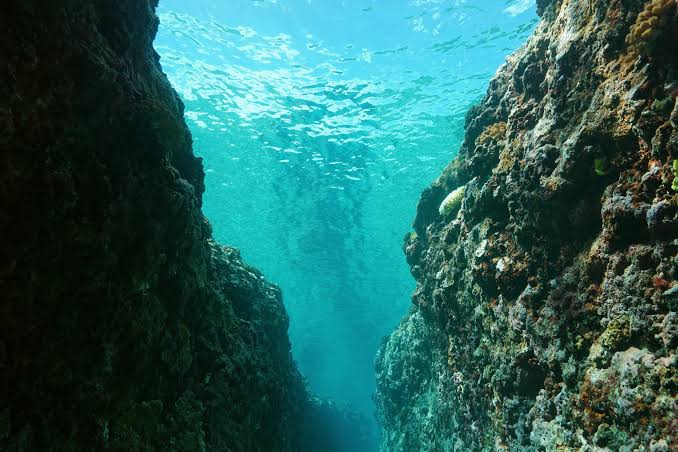
A steep slope which descends from the edge of the continental shelf to the deep ocean-bed is called continental slope. It forms a boundary between the Continental Crust and the oceanic crust. This zone is free from deposits as they are steep. The most important characteristic of continental slope is the presence of deep canyons and trenches. Due to the low penetration of sunlight, the slope has nearly freezing temperature. Hence aquatic life has very slow rate of metabolism.

Continental Rise

At the base of the continental slope is a gently sloping layer of sediments which merge into the deep-sea floor. This underwater feature found between continental slope and abyssal plains is called the continental rise. It consists of submarine fans which are similar to the alluvial fans found on land.

Deep Sea Plains or Abyssal Plains

The deep sea plains or abyssal plains are underwater plains found on the deep ocean floor. These plains extend from continental rise to the mid oceanic ridges. The gradient of the slope is very gentle and it appears as a uniform flat and featureless plain. These plains are usually covered by the thick layer of sediments composed of clay, slit and sand, brought by the rivers. These are often characterized by features like abyssal hills, sea mounts, guyots, coral, atoll etc.

Oceanic Deeps

Trenches are the deepest part of the ocean and occupy about 7% of the total relief of the ocean floor. The ocean temperature in the trench is slightly cooler than the freezing temperature. As they are sediment free, most trenches are V-shaped with steep sides. Epicentre of the great earthquakes are all found in the trenches.

Oceanic Ridge

Oceanic ridge is a continuous submarine mountain chain. They are made of young basaltic rock formed when two tectonic plates moves apart. The mid – ocean ridge is probably the most extensive single feature of the earth ‘s topography. Two of the most well known mid – ocean ridges are the Mid – Atlantic Ridge and the East Pacific Ridge. The Mid – Atlantic Ridge is the largest unbroken oceanic ridge.

Movement of the Ocean Water

The ocean water is dynamic. Temperature, salinity, density, external forces of the sun, moon and the winds keep the ocean waters in movement, both horizontally and vertically. Waves and currents are in horizontal motion while tides have vertical motion.

Waves

Of the all movements of the oceans, sea waves are considered to be the strongest. Sea waves are ripples on water caused when winds blow over the sea. The height of these waves depends on the speed of wind, its duration and the direction from which they blow. Sometimes waves are also caused by tremors felt on the ocean floor. Such waves are quite destructive and called Tsunami.

Tides

The periodic rise and fall of water due to the gravitational pull of the sun and moon on earth are called tides. They are classified broadly into Spring tides and Neap tides.

When the Sun, Moon and Earth are aligned in the same line, the collective gravitation pull of the sun and moon on earth’s water strengthens to form a high tide known as spring tide. Such tides always occur on full moon and new moon days.

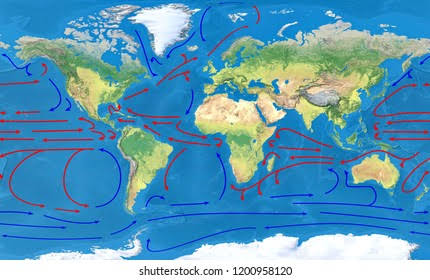
Ocean Currents

The movement of oceanic water on the surface and at the depths in a definite direction is called ocean current. Ocean currents are in clockwise motion in the northern hemisphere and in the anti – clockwise motion in the southern hemisphere.

The factors that generate ocean currents are :

  • Earth’s rotation
  • Prevailing winds and
  • Differences in temperature and salinity of ocean water.

TYPES OF TAXES

Taxes

According to Prof. Seligman, taxes are defined as a compulsory contribution from a person to the government to defray the expenses incurred in the common interest of all without reference to special benefits conferred.

Types of tax

In modern times taxes are classified into two types. There are:
✓Direct Tax
✓Indirect Tax

Direct Tax

A Direct tax is paid directly by an individual or organisation to imposing entity.

A tax payer, for example, pays direct taxes to the Government for different purposes, including real property tax, personal property tax, income tax or taxes or on asserts.

Corporation Tax

It is levied on profit of corporations and companies. It is changed on royalties, interest, gains from sale of capital assets located in India, fees for technical services and dividends.

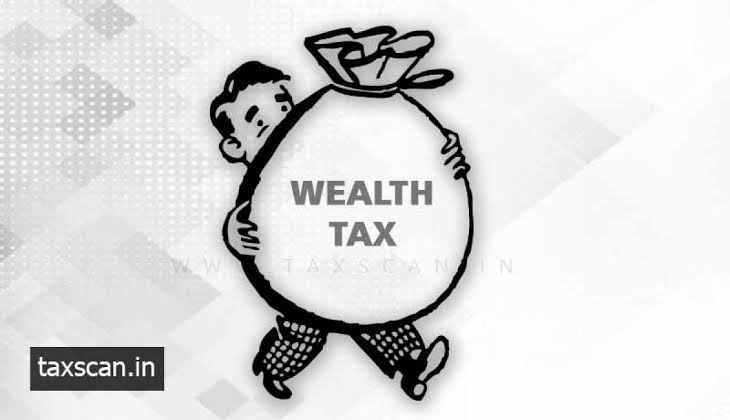
Wealth Tax

It is imposed on property of individuals depending upon the value of property. The same property will be taxed every year on its current market value.

Gift Tax

It is paid to the Government by the recipient of gift depending on value of gift.

Estate Duty

It is charged from successor of inherited property. It is not desirable to avoid payment of taxes. They are levied directly on income and property of persons, who pay directly to the government.

Indirect Tax

On the other hand when liability to pay a tax is on one person and the burden of that tax shifts on some other person, this type of tax is called an indirect tax. Indirect Tax is a tax whose burden can be shifted to others.

Service Tax

It is raised on provision of Service. This tax is collected from the service recipients and paid to the Central Government.

Sales Tax or VAT

It is an indirect tax on sale of goods because liability to collect tax is that of shopkeeper but the burden of that tax falls on the customer. The shopkeeper realizes the tax amount from the customer by including it in the price of the commodity that he sells.

Excise Duty

It is paid by the producer of goods, who recovers it from wholesalers and retailers. This tax in India is levied by the Central Government.

Entertainment Tax

The state government charge such tax on every transaction related to entertainment.

Some examples are movie tickets, video game arcades, stage shows, exhibitions, amusement parks, and sports-related activities.

Goods and Services Tax (GST)

Goods and Services Tax is a kinds of tax imposed on sale, manufacturing and usage of goods and services. This tax is applied on services and goods at a national level with a purpose of achieving overall economic growth. GST is particularly designed to replace the indirect taxes imposed on goods and services by the Central and State.

“It was only for the good of his subjects that he collected taxes from them, just as the Sun draws moisture from the Earth to give it back a thousand fold”
– Kalidas

CLASSIFICATION OF MARKETS

MARKET

A set up where two or more parties engaged in exchange of goods, services and information is called a market.

In economics, the term market refers to the shops for one commodity or a set of commodities. For example a market for rice, a market for cloth, a market for electronics goods, etc.,

Two classification of Markets. They are

✓The product market

✓The factor market

Other classification of Markets

✓On the Basis of Geographic Location
✓On the Basis of Time
✓On the Basis of Nature of Transaction
✓On the Basis of Regulation
✓On the Basis of Nature of Competition

On the Basis of Geographic Location

Local Markets

In such a market the buyers and sellers are limited to the local region or area. They usually sell perishable goods of daily use since the transportation of such goods can be expensive.

Regional Markets

These markets cover a wider are than local markets like a district, or a cluster of few smaller states.

National Market

This is when the demand for the good is limited to one specific country. Or the government may not allow the trade of such goods outside national boundaries.

International Market

When the demand for the product is international and the goods are also traded internationally in bulk quantities, we call it as an international market.

On the Basis of Time

Very Short Period Market

This is when the supply of the goods is fixed, and so it cannot be changed instantaneously. Say for example the market for flowers, vegetables, fruits etc. The price of goods will depend on demand.

Short Period Market

The market is slightly longer than the previous one. Here the supply can be slightly adjusted.

Long Period Market

Here the supply can be changed easily by scaling production. So it can change according to the demand of the market. So the market will determine its equilibrium price in time.
On the Basis of Nature of Transaction

Spot Market

This is where spot transactions occur, that is the money is paid immediately. There is no system of credit.

Future Market

This is where the transactions are credit transactions. There is a promise to pay the consideration sometime in the future.
On the Basis of Regulation

Regulated Market

In such a market there is some oversight by appropriate government authorities. This is to ensure there are no unfair trade practices in the market. Such markets may refer to a product or even a group of products. For example, the stock market is a highly regulated market.
Unregulated Market

This is an absolutely free market. There is no oversight or regulation, the market forces decide everything.

On the Basis of Nature of Competition

Monopoly

Monopoly refers to a market structure in which there is a single producer or seller that has a control on the entire market. This single seller deals in the products that have no close substitutes.

Monopolistic Competition

The term monopolistic competition was given by Prof Edward H. Chamberlin of Harvard University in 1933 in his book Theory of Monopolistic competition.

The term monopolistic competition represents the combination of monopoly and perfect competition. Monopolistic competition refers to a market situation in which there are a large number of buyers and sellers of products. However, the product of each seller is different in one aspect or the other.

Oligopoly

The term oligopoly has been derived from two Greek words, Oligoi means few and poly means control. Therefore, oligopoly refers to a market form in which there are few sellers dealing either in homogeneous or differentiated products.

DISASTER

A Disaster can be generally defined as “A serious disruption in the society causing widespread material economic, social or environmental losses which exceed the ability of the affected society to cope using its own resources”. Disaster impacts may include loss of life, injury, disease and other negative effects on human Physical, mental and social well-being, together with damage to property, destruction of assets, loss of services, social and economic disruption and environmental degradation.

Disaster

Two types of disaster. They are

✓Natural disaster

✓Man-made Disaster

NATURAL DISASTERS

A natural disaster is a major adverse event resulting from natural processes of the Earth, examples include firestorms, duststorms, floods, hurricanes, tornadoes, volcanic eruptions, earthquakes, tsunamis, storms, and other geologic processes.

Natural disaster

Earthquake

A sudden movement (or) trembling of the earth crust is called as earthquake. The movement of the tectonic plates, mass wasting, landslides, surface fault, etc., causes earthquake.

Earthquake

Effects

Due to a strong earthquake, loss of lives, buildings, roads, bridges and dams are damaged. Earthquake cause floods, tsunami, landslides, fires, break down of water supply and electrical lines. It may change the course of a river too.

Effect of earthquake

Tsunami

When earthquake jolts the ocean floor, the sudden dislocation of the sea bed occurs and the resulting displacement of water can produce one or more huge, destructive waves, known collectively as a Tsunami. The sea waves rise to several meters and may reach the coast within a few minutes.

Tsunami

The word “Tsunami” is derived from the Japanese word. “Tsu” means harbour and “nami” means waves.

Effects

It causes flooding and disrupts transportation, power communication and water supply.

Effect of tsunami

Flood

Sudden overflow of water in a large amount caused due to heavy rainfall, cyclone, melting of snow, Tsunami or a dam burst.

Flood

Effects

✓Loss of life and property.

✓Displacement of people.

✓Spread of contagious diseases such as Cholera and Malaria etc.,

Effect of flood

Cyclone

A low-pressure area which is encircled by high pressure wind is called a cyclone.

Cyclone

Effects

The main effects of tropical cyclone include heavy rain, strong wind, large storm surges near landfall and tornadoes.

Effect of cyclone

MAN-MADE DISASTERS

Man-made disasters can include hazardous material spills, fires, groundwater contamination, transportation accidents, structure failures, mining accidents, explosions and acts of terrorism

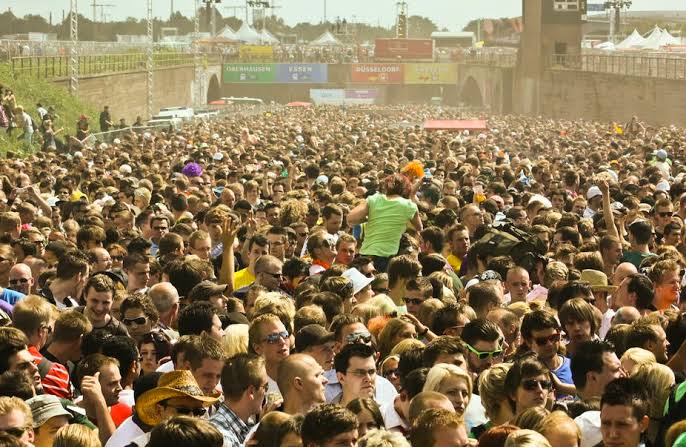
Stampede

The term stampede is a sudden rush of a crowd of people, usually resulting in injuries and death from suffocation and trampling. It is believed that most major crowd disasters can be prevented by simple crowd management strategies. Human stampedes can be prevented by organization and traffic control, such as barriers, following queues and by avoiding mass gathering.

Stampede

Fire

Fire is a disaster caused due to electrical short circuit, accidents in chemical factory, match and crackers factory.

Fire

Fire involves 3 basic aspects

✓Prevention

✓Detection

✓Extinguishing

MAPS – On the basis of Content

MAPS

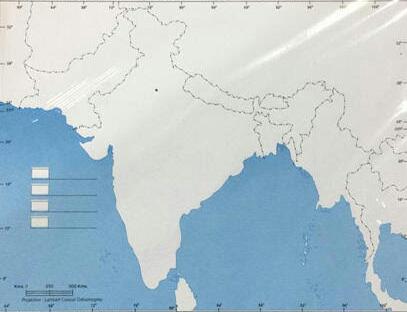
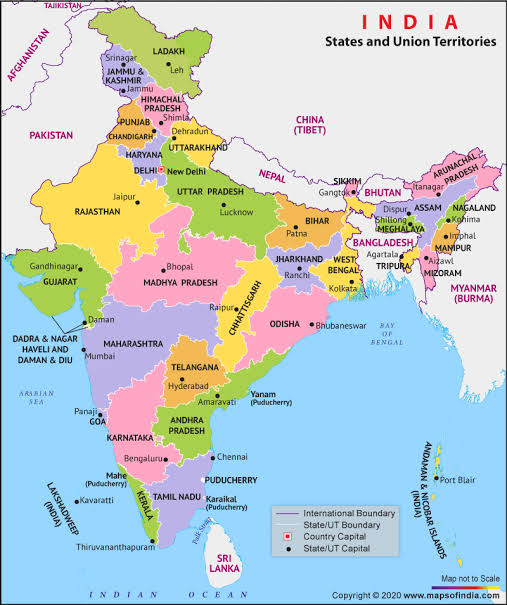
A map is an essential tool of a geographer. Map is a representation of the earth as a whole or a part of the earth drawn on a flat surface according to a given scale. It can show continents, countries, cities and even a local area are drawn with specific details.

TYPES OF MAPS

As each map is unique in its design, content and construction. On the basis of certain common features maps can be classified into several types.

✓On the basis of Scale

✓On the basis of Content

Each divided into two types

On the basis of Scale
✓Large Scale
✓Small Scale

On the basis of Content
✓Physical
✓Cultural

Maps on the basis of content

Physical maps are divided into four types. They are

✓Relief maps
✓Geological maps
✓Climatic maps
✓Soil maps

Cultural maps are divided into five types. They are

✓Political maps
✓Population maps
✓Economic maps
✓Transportation maps
✓Thematic maps

Physical maps

Physical maps show natural features such as relief, geology, soils, drainage, elements weather and vegetation.

Physical maps

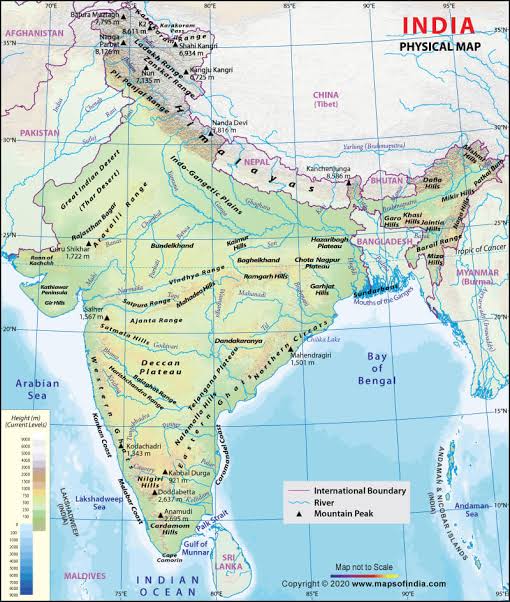
Relief maps

Relief maps show general topography like mountains valleys, plains, plateaus and rivers.

Relief maps

Geological maps

Geological maps are drawn to show geological structures, rocks and minerals.

Geological maps

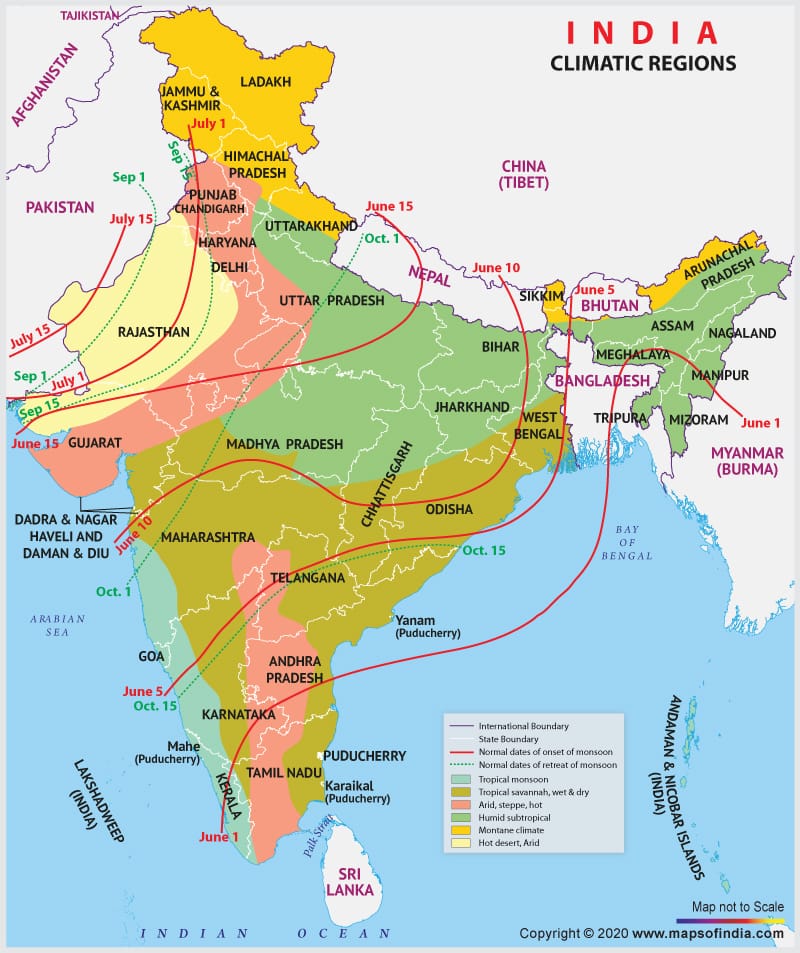
Climatic maps

Climatic maps show the distribution of temperature, rainfall, clouds, relative humidity, direction and velocity of winds and other elements of weather.

Climatic maps

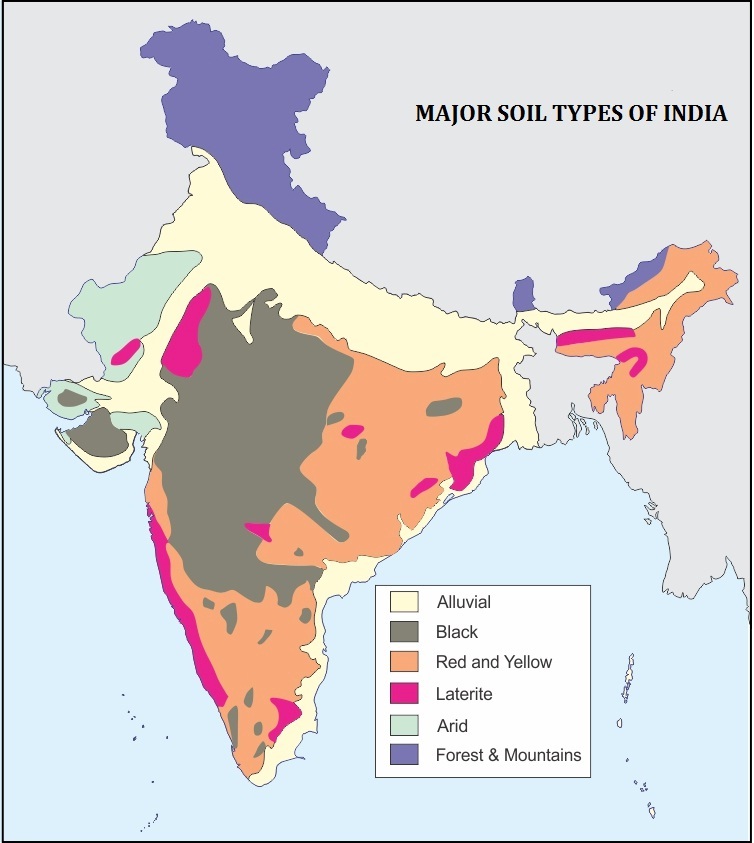
Soil maps

Soil maps which are drawn to show the distribution of different types of soil and their properties.

Soil maps

Cultural maps

Cultural maps which shows the man-made features are called cultural maps.

Cultural maps

Political maps

Political maps show the administrative divisions of a country, state or district. These maps facilitate the administration in planning and management of the concerned administrative units.

Political maps

Population maps

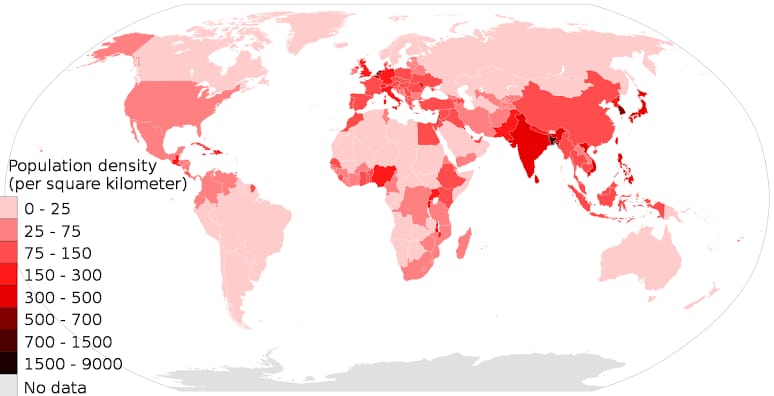
Population maps show the distribution, density and growth of population, occupation structure and literacy.

Population maps

Economic maps

Economic maps depict the production and distribution of different types of crops and minerals, location of industries, trade routes and flow of commodities.

Economic maps

Transportation maps

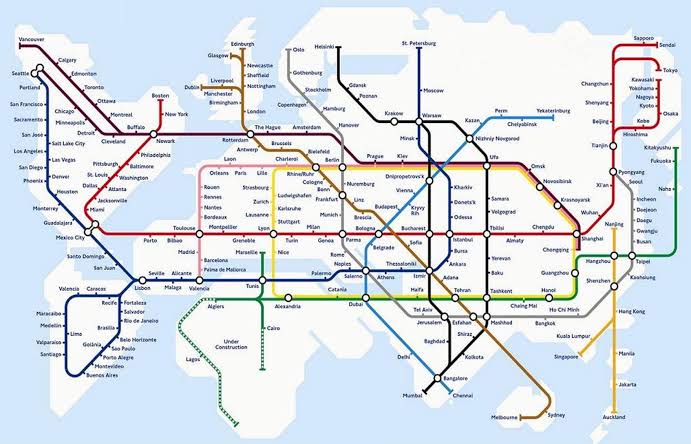
Transportation maps show roads, railway lines and the location of railway station, airports and seaports, etc.,

Transportation maps

Thematic maps

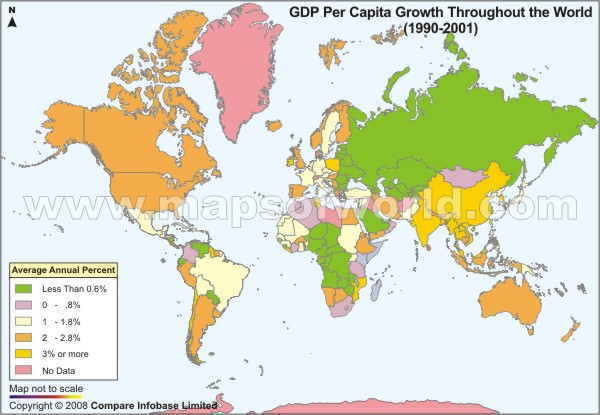
Thematic maps represent the distribution of a particular feature or theme and its spatial variation.

Thematic maps

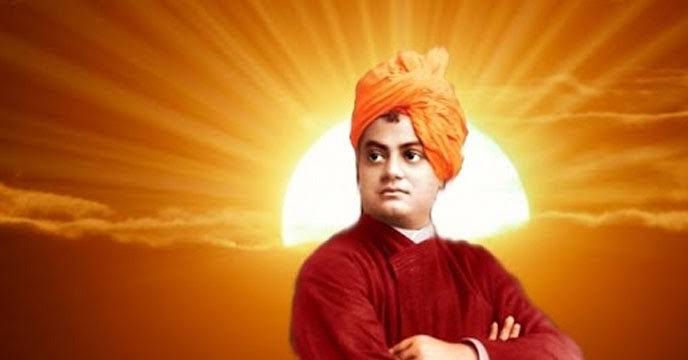
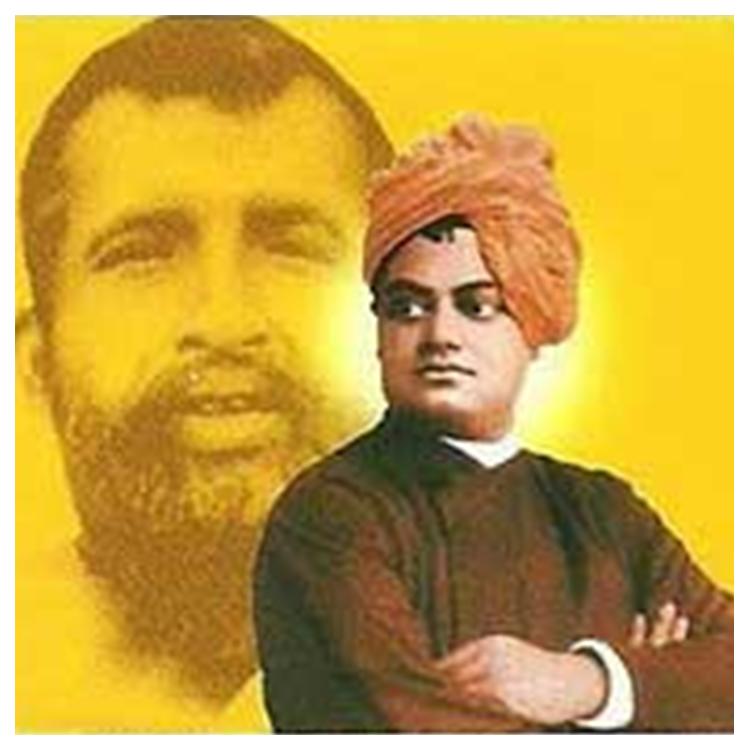
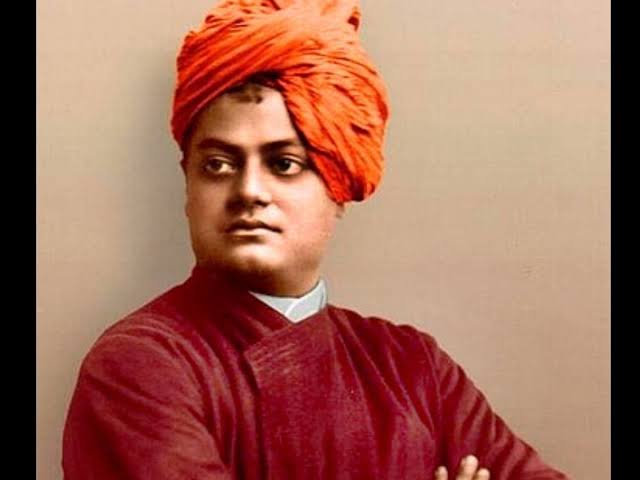
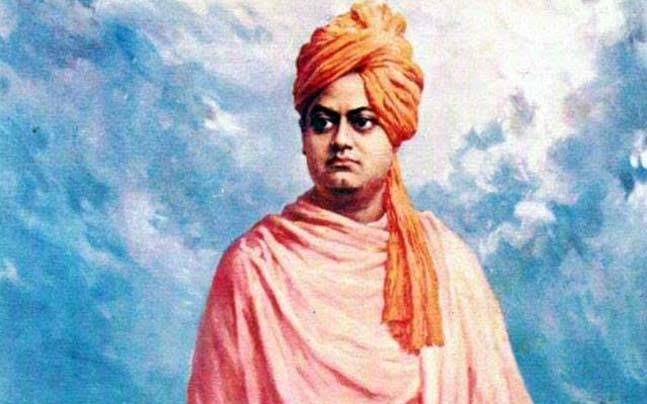
SWAMI VIVEKANANDA – Indian monk

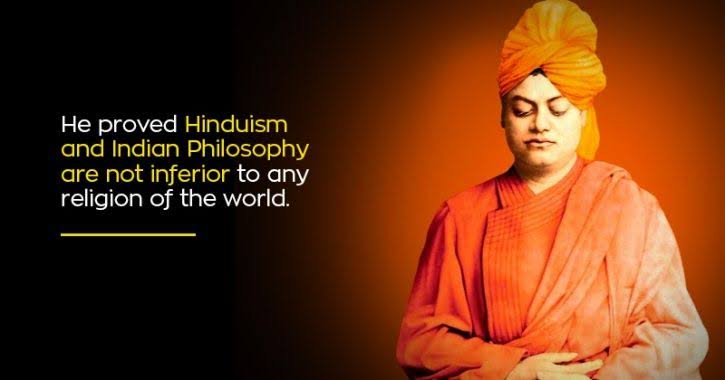
Swami Vivekananda, born Narendranath Datta, was an Indian Hindu monk. He was a chief disciple of the 19th-century Indian mystic Ramakrishna.

Born: 12 January 1863, Kolkata

Died: 4 July 1902, Belur Math, Howrah

Full name: Narendra Nath Datta

Guru: Ramakrishna

Narendra Nath Data (1863 – 1902) , later known as Swami Vivekananda, was the prime follower of Ramakrishna Paramahamsa. An educated youth, he was drawn to Ramakrishna’s message. Dissatisfied with conventional philosophical positions and practices, he advocated the practical Vedanta of service to humanity and attacked the tendency to defend every institution simply because it was connected with religion.

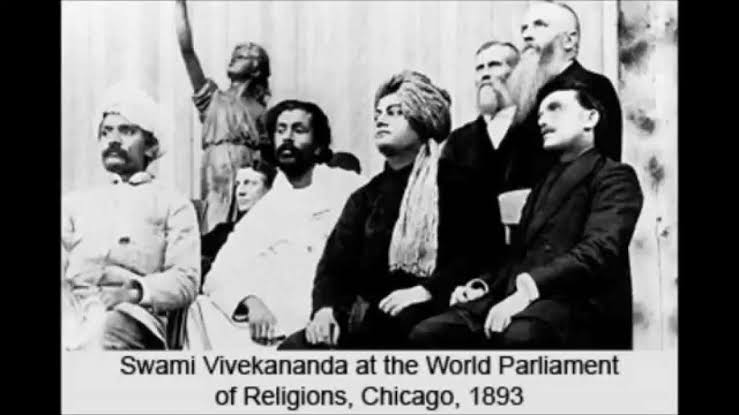
He emphasized a cultural nationalism and made a call to Indian youth to regenerate Hindu society. His ideas bred a sense of self – confidence among Indians who felt inferior in relation to the materialist achievements of the West. He became famous for his addresses on Hinduism at the 1893 World Congress of Religions in Chicago.

Despite his fame, he was condemned by orthodox Hindus for suggesting that the lower castes should be allowed to engage in the Hindu rituals from which they were traditionally excluded. Vivekananda’s activist ideology rekindled the desire for political change among many western-education young Bengalis. Many of the youths who were involved in the militant nationalist struggle during the Swadeshi movement following the Partition of Bengal were inspired by Vivekananda.

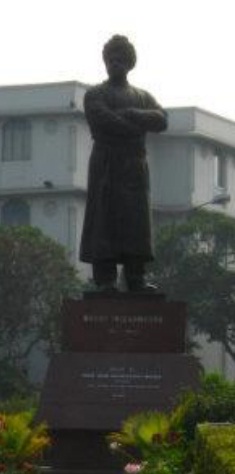
Swami Vivekananda Statue

The Swami Vivekananda statue is a bronze statue of the Hindu Indian monk Swami Vivekananda (1863–1902), located in Golpark neighbourhood in the Indian city of Kolkata. The original statue, made of marble and unveiled in 1966, was the oldest statue of Swami Vivekananda in the city. The old statue was replaced by a new, taller one in 2005.

New bronze statue

Vivekananda’s Speech

I am proud to belong to a religion which has taught the world both tolerance and universal acceptance. We believe not only in universal toleration, but we accept all religions as true. I am proud to belong to a nation which has sheltered the persecuted and the refugees of all religions and all nations of the earth.

Vivekananda’s Chicago Speech

Swami Vivekananda gave a historic speech in Chicago on this day, still fills Indians with pride. 127 years ago, Swami Vivekananda gave his famous speech in 1893 in the Religion Parliament of Chicago, USA. He started his speech by saying ‘my American brothers and sisters‘.

Swamiji’s Principle

His teachings focused on four cardinal principals: The non-duality of the Godhead, the divinity of the soul, harmony of religions, and oneness of existence.

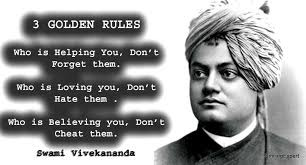
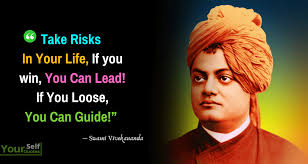
Quotes

✓Arise,awake and donot stop until the goal is reached.

✓Truth can be stated in a thousand different ways, yet each one can be true.

✓You cannot believe in God until you believe in yourself.

✓You have to grow from the inside out. None can teach you, none can make you spiritual. There is no other teacher but your own soul.

DIED

Swami Vivekananda died at an early age of 39 years on July 4, 1902, due to rupture in the blood vessel of his brain. His disciples say that he attained Mahasamadhi (the act of consciously and intentionally leaving one’s body at the moment of death) while meditating.

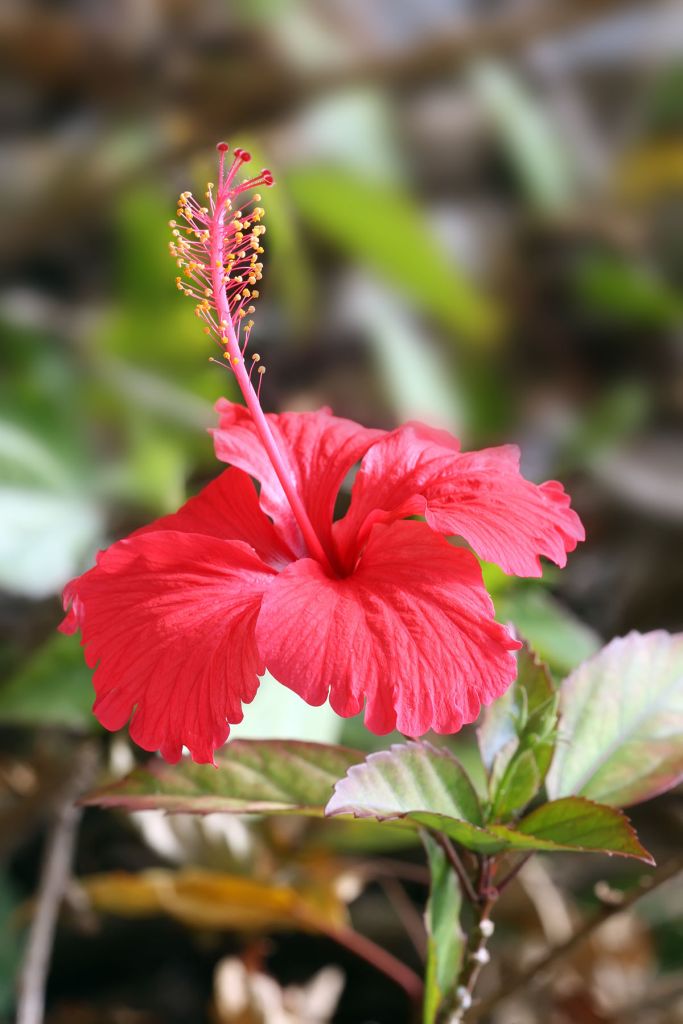
HIBISCUS FLOWER (Hibiscus rosa-sinensis)

Hibiscus is a genus of flowering plants in the family Malvaceae. The genus is quite large, comprising several hundred species that are native to warm temperate, subtropical and tropical regions throughout the world.

Hibiscus Flower

Scientific name: Hibiscus
Family: Malvaceae
Kingdom: Plantae
Order: Malvales
Subfamily: Malvoideae

Colors: Orange, Yellow, Red, Pink, and Multicolor. Purple and white forms are less common.
Height: 7 feet tall

The Parts of a Hibiscus Flower

✓Pistil
✓Petal
✓Stamen
✓Leaf
✓Stem
✓Receptacle
✓Sepal
✓Bract
✓Thalamus
✓Bracteole
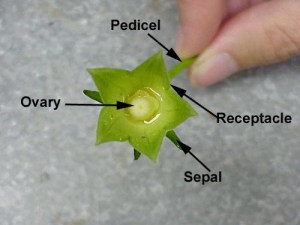
✓Pedicel
✓Perianth

PISTIL:

The Pistil is the female reproductive part of a plant. The pistil is made up of the ovary where seeds develop, the stigma that catches pollen and the style that is the tube between the stigma and ovary. The female reproductive organ of a flower is Gynoecium or Pistil. Each member is carpel.

PETAL:

Petals are modified leaves that surround the reproductive parts of flowers. Innermost accessory whorl of flower is corolla. Each member is called Petal.

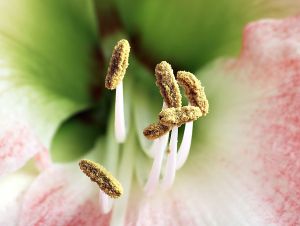
STAMEN:

The Stamen is the pollen-producing reproductive organ of a flower. Collectively the stamens form the androecium. Male organ of a flower is androecium. Each member is Stamen.

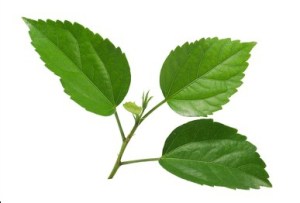
LEAF:

Hibiscus leaves are simple, alternate, auriculate and have ovate stipules. Leaves are between 7 and 15 centimeters long.

STEM:

Hibiscus (Hibiscus rosa-sinensis) is a distinctive shrub valued for its shiny, deep green foliage and huge, exotic blooms. Propagate a new hibiscus by planting stem cuttings in the spring.

RECEPTACLE:

The Receptacle is the point on the stem to which the other structures attach.

SEPAL:

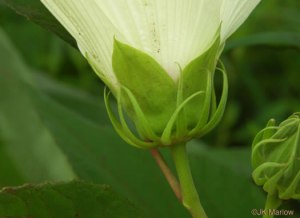
Sepals are small green petal-like structures that cover the petals before they emerge. Outermost whorl of flower is calyx. Each member is called Sepal.

BRACT:

Subtending leaf or leaf like structure of any flower is called Bract.

THALAMUS:

The part of the flower on which other floral parts are attached.

BRACTEOLE:

A Smaller bract present on the side of pedicel is called Bracteole or Bractlet.
A whorl of bracteoles at the base of calyx is called epicalyx.

PEDICEL:

Stalk of the flower. Flower is pedicellate or sessile depending upon presence or absence. The flowers with a short, rudimentary pedicel are called subsessile flowers.

PERIANTH (perigonium):

Undifferentiated calyx and corolla. Individual members are called tepal.

Benefits of Hibiscus flowers

✓The flowers and other parts of the plant are used to make medicine.

✓People use hibiscus for high blood pressure, high cholesterol, to increase the production of breast milk, and many other conditions, but there is no good scientific evidence to support most of these uses.

✓Most early research shows that drinking hibiscus tea for 2-6 weeks decreases blood pressure by a small amount in people with normal or high blood pressure.

✓May Help Lower Blood Pressure.

✓May Help Lower Blood Fat Levels.

✓May Boost Liver Health.

✓Make your hair look healthy and lustrous.

TEACHER’S DAY

Teacher’s day Celebration

In India, Teachers’ Day is celebrated annually on September 5 to mark the birthday of the country’s former President, scholar, philosopher and Bharat Ratna awardee,Dr. Sarvepalli Radhakrishnan.

Dr. Sarvepalli Radhakrishnan who was born on this day in 1888.

World Teacher’s day celebration

World Teachers’ Day, also known as International Teachers Day, is an international day. Established in 1994, it commemorates the signing of the 1966 UNESCO/ILO Recommendation concerning the Status of Teachers, which is a standard-setting instrument that addresses the status and situations of teachers around the world.

This recommendation outlines standards relating to education personnel policy, recruitment, and initial training.World Teachers’ Day aims to focus on “appreciating, assessing and improving the educators of the world” and to provide an opportunity to consider issues related to teachers and teaching.

World Teachers’ Day 2020 will celebrate teachers with the theme ‘Teachers: leading in crisis, reimagining the future’. This theme reflects the commitment teachers have made as leaders particularly teaching throughout the coronavirus (COVID-19) pandemic, in a range of environments.


Wishing you joy and happiness, you are an amazing teacher, and you only deserve the best. The best teachers teach from the heart, not from the book. Thank you for all Teachers.

Best Teachers

You are the spark, the inspiration, the guide, the candle to my life. I am deeply thankful that you are my teacher. Books, sports, homework and knowledge, you are the pillar of our success and in the classroom, you are the best of all.

Significance of September 5

Teachers’ Day is celebrated on September 5, every year on the occasion of the birth anniversary of India’s second President, Dr. Sarvepalli Radhakrishnan.

Dr. Sarvepalli Radhakrishnan was
✓The first Vice President.

✓the second President of India.

Positive messages

✓“Let your unique awesomeness and positive energy inspire confidence in others.”

✓“Wherever you go, no matter what the weather, always bring your own sunshine.”

✓“If you want light to come into your life, you need to stand where it is shining.”

✓“Success is the sum of small efforts repeated day in and day out.”

TEACHER is a full form of

T – Talent

E – Education

A – Attitude

C – Character

H – Harmony

E – Efficient

R – Relation

HAPPY TEACHER’S DAY!!!

KALPANA CHAWLA – American Astronaut

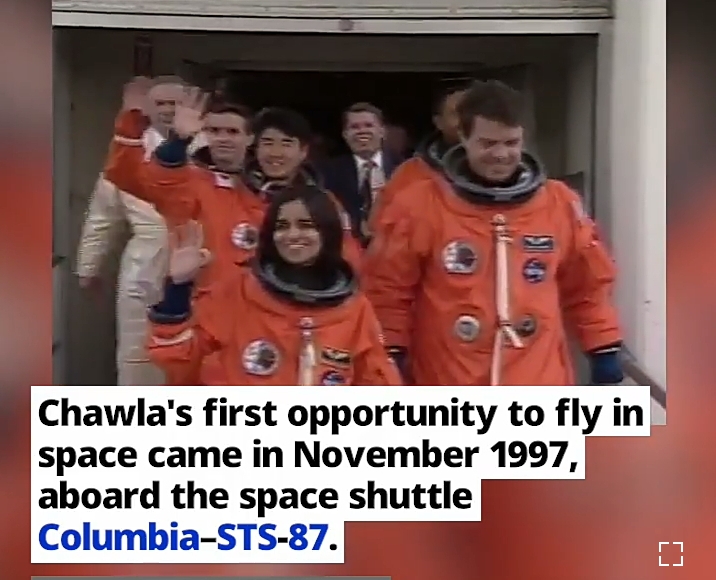
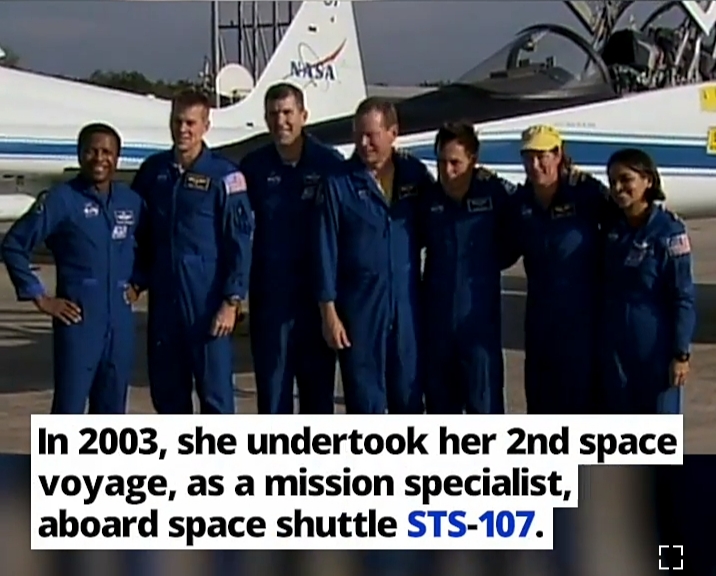
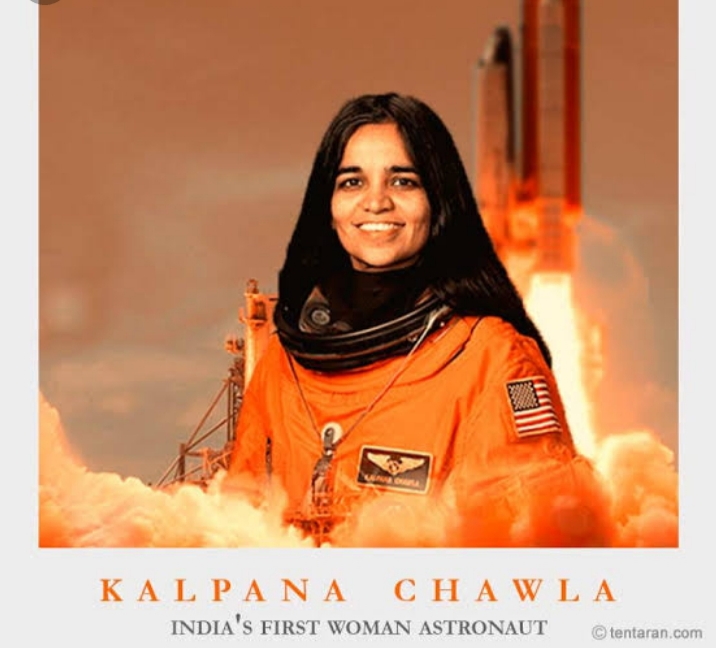
Kalpana Chawla was an American astronaut and engineer, who was the first woman of Indian origin to go to space. She first flew on Space Shuttle Columbia in 1997 as a mission specialist and primary robotic arm operator. Her second flight was on STS-107, the final flight of Space Shuttle Columbia in 2003.

Born: March 17, 1962, in Karnal, India

Died: 1 February 2003, Texas, United States

Space missions: STS-107, STS-87

Spouse: Jean-Pierre Harrison (m. 1983–2003)

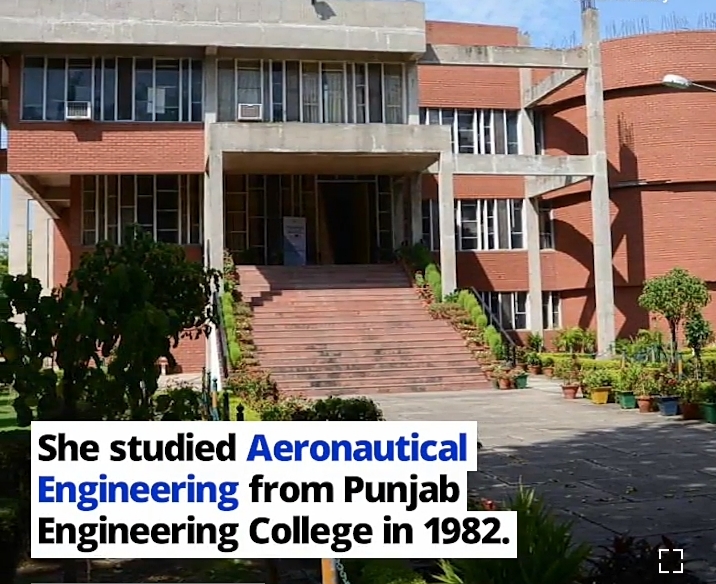
Education: University of Colorado Boulder (1988), University of Texas at Arlington (1982–1984).

Awards: Congressional Space Medal of Honor, NASA Space Flight Medal.

First Opportunity to fly

Second Opportunity to fly

On February 1, 2003, as the world waited for the return of the Space Shuttle Columbia flight STS-107, it disintegrated over Texas during its re-entry into the earth’s atmosphere. The disaster killed a seven-member crew including Kalpana Chawla, the first Indian woman to have been to space.

Seventeen years later, her father, Banarasi Lal Chawla, says that Kalpana had one dream only – that no child, especially girls, should ever be deprived of education.

KALPANA’S DREAM

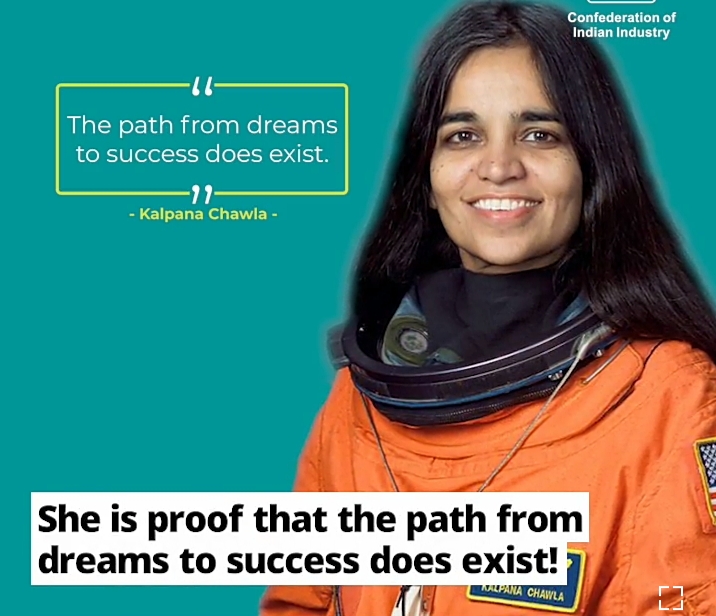
About pursuing a dream, Kalpana said that the path from dreams to success does exist. One needs to have the vision to find it, and the courage to get onto it. Yes, success is possible. Her life is an example of that.

DEATH

Chawla died on 1 February 2003, in the Space Shuttle Columbia disaster, along with the other six crew members, when the Columbia disintegrated over Texas during re-entry into the Earth’s atmosphere, shortly before it was scheduled to conclude its 28th mission, STS-107.

ABDUL KALAM

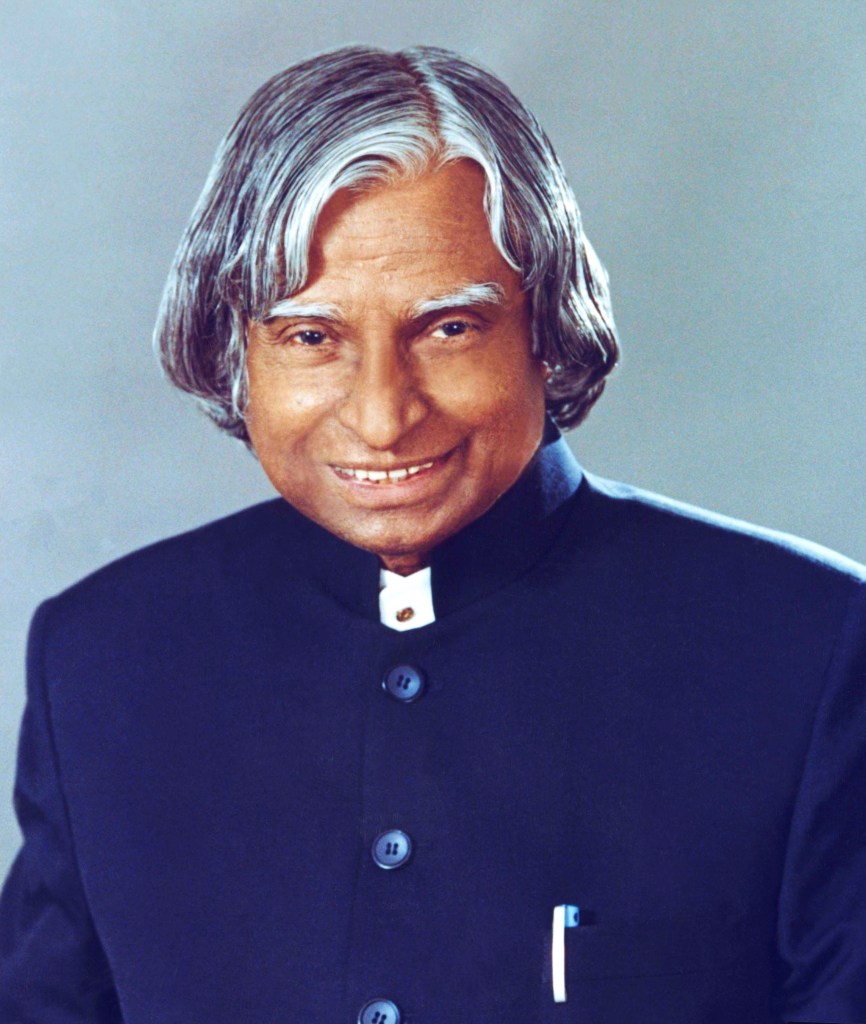
Abdul Kalam was an Indian aerospace scientist who served as the 11th President of India from 2002 to 2007. He was born and raised in Rameswaram, Tamil Nadu and studied physics and aerospace engineering.

BORN – October 15, 1931
Rameswaram, India
DIED – July 27, 2015 (aged 83)
Shillong, India

A.P.J. Abdul Kalam served as president of the Republic of India from 2002 to 2007. As president, Kalam promoted the advancement of the national nuclear weapons program. Kalam also devised a 20-year action plan to achieve economic growth through technological development in India.

Awards: 1.1981- Padma Bhushan – Government of India

2. 1990 – Padma Vibhushan – Government of India

3. 1997 – Bharat Ratna – Government of India

4. 1997 – Indira Gandhi Award for National Integration – Government of India

5. 1998 – Veer Savarkar Award – Government of India

Achievements:

  1. India’s first Satellite Launch Vehicle (SLV).
  2. Ballistic missiles project.
  3. Nuclear tests at Pokhran.
  4. Universal healthcare plan.