Top 10 Pc Games You Need To Play

In recent years, computer games are very popular among Indian gamers. The evidence is the growth of the gaming community, 

the game industry is rising faster in India with a greater number of new games, players, and esports events. Let’s check out the top 10 most popular PC games in India and see which is the hottest game in the country now. 

1. Apex Legends:

This is one of the most popular Battle Royale Games now. Although it’s also a multiplayer game, it’s pretty different from PUBG or Fortnite. The programmers of Apex Legend produced a brand new non-verbal communication system. It lets you play with strangers who do not use a mic for voice chat. If you want to conquer exciting missions in Apex Legend, players can download the game for free from the Origin store.

2. PUBG:

PUBG now is called a cultural phenomenon in India with a huge number of players. Many small or big PUBG esports event in India this year has attracted great attention of the international gaming community. In PUBG, a hundred players join in a battle for survival on an abandoned island. After landing, players start to loot weapons, ammo, armor, and supplies to fight and try to survive until the end. It’s more realistic when playing FPS mode. If you would like to join a fierce match with some realistic and thrilling action, you can try PUBG.

3. Call of Duty: Advanced Warfare:

Call of Duty: Advanced Warfare now is the most favorite PC game with excellent graphics, exciting gameplay, and storyline. This is an exciting multiplayer shooting game with many thrilling in-game actions. The exo-suit is a great attraction in this season. In 2019, CoD achieved great success in India with a great number of players.

4. Fortnite:

The next title in this list is Fortnite released by Epic Game. It was said to be an replication of PUBG. Thus, the developer of Fortnite made a huge change in the recent comeback. They added more things to this update, making it different from PUBG. For example, players can build their buildings for defense in Fortnite. However, Fortnite fails to offers players a life-like game that PUBG does.

5. Assassin’s Creed Odyssey:
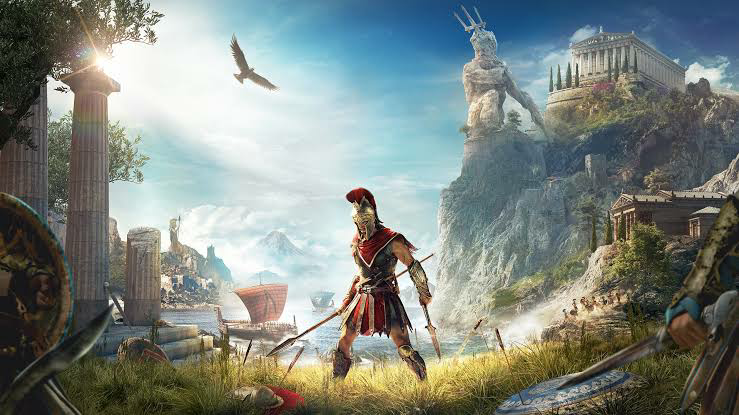
This is the fifth title in the list of popular PC games in India and an excellent RPG game at this time. With Assassin’s Creed Odyssey, you will have a totally different experience. However, the developers retain some certain elements of Assassin’s Creed game in this version. After all, Assassin’s Creed Odyssey is still greatly welcomed by the Indian gaming community.

6. Frostpunk:

Frostpunk is an interesting city-building game. It starts in a post-apocalyptic frozen wasteland. Players need to lead and try to provide a group of refugees with bare necessities for survival, such as heat, food, water, and shelter. With unique gameplay and interesting storyline, Frostpunk is one of the most favorite games in India this year.

7. Nier Automata:

Nier Automata is an excellent action RPG game. With amazing and flexible gameplay, emotional storyline, exciting combats, interesting characters, and various lands to explore, it deserves one of the greatest games of the year. However, the awful PC port makes Nier Automata less attractive with players. After all, it’s still a favorite game of Indian players.

8. Divinity: Original Sin II:
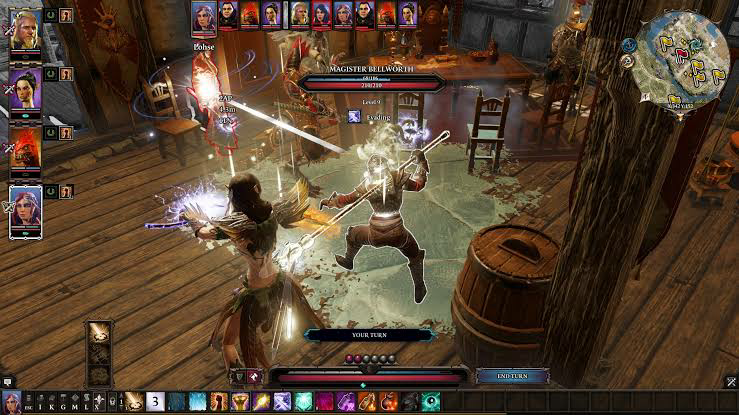
Another favorite game of Indian gamers is Divinity: Original Sin II. You can play this game in single-player /multiplayer, competitive /corporative modes. Since its release, this RPG has been welcomed by gamers all over the world and in India, too. In this game, you can create your own character and choose the status, gender, race, and profile for your character. Moreover, you can join in fantastic combat and draw a brilliant plan to win.

9. Dirt Rally 2.0:

This is a fantastic racing game on PC. With better graphics and sound, this version of the rally, also known as Dirty Rally 2.0, bring players better gaming experiences. Though, the developers remain their tricky car driving skills in this version, requiring players to practice to win the race.

10. Metro Exodus:

The last game title in this list is Metro Exodus. It’s the third PC game in the post-apocalyptic FPS series based on Dmitry Glukhovsky’s novels. In Metro Exodus, you’ll join in an exciting journey to the ruins of the dead city Moscow. It provides players with a thrilling but fantastic feeling. That’s why Metro Exodus is one of the most popular PC games in India.
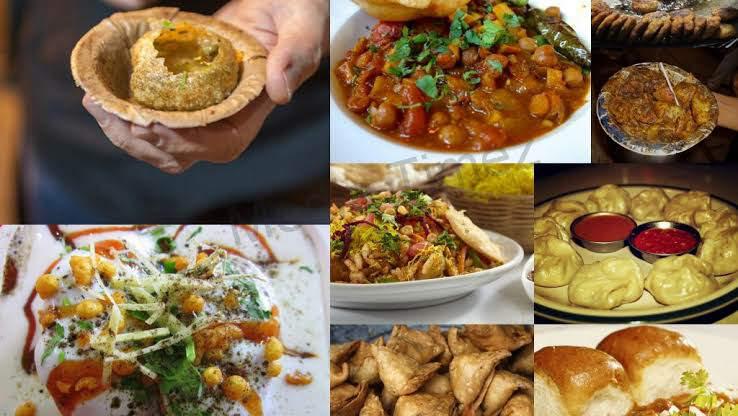
Guiding You To The Best 20 Street Foods Available In Delhi

Displaying the chivalry of Indian history and ancient culture, Delhi is famous for one more happening aspect. Yes!! The national capital of India is a ‘foodie paradise’ owing to some delicate and spectacular street food in particular.  Street food in Delhi is of course not a new buzz; the same has been recognised as one of the prime attractions in Delhi.

A vacation in Delhi is incomplete without hitting the streets and trying out its rich and varied cuisines. Let’s go through some of the popular dishes included in the list of best street food in Delhi.

20 Top of the List Street Food Picks in Delhi!

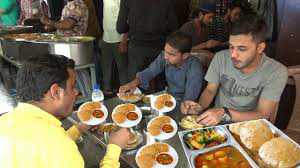
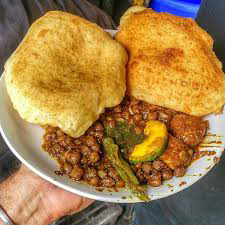
1. Chole Bhature:

The first place that comes to our minds after coming across the above dish is Delhi. Delhi is the apt place to get a taste from. Perhaps, the best street food in Delhi; this dish is known for its fluffy Bhature and an appetizing Chole. There is a special chutney that these vendors tend to offer which makes it even better.

The best place to try– Giani di Hatti in Chandni Chowk, Nand Ke Chole Bhature in Sadar Bazaar, Chache di Hatti.

2. Golgappe:

While in Delhi; how one can miss out to try the special Panipuri or Golgappe? With diverse forms, this dish is loved by almost all the locals. You can go for stuffed Panipuri, different water flavours, an extra piece of papdi dipped in curd and chutney to give some extra pinch to your taste.

The best place to try– Rajouri Garden, Lajpat Nagar Market.

3. Poori Aloo:

One of the traditional dishes in India, Poori Aloo in Delhi is the best thing to enjoy at various famous stopovers. With different spices, this dish has created another surge of reforms.

The best place to try– Chaina Ram in Chandni Chowk, Karol Bagh Market.

4. Rolls:

No matter at which shop you try rolls in Delhi, it will give you a lifetime experience. Each vendor tries its own stuffing recipe which allows the people to get diverse tastes. You can go for Paneer Rolls, Chicken Rolls, Mix Veg Rolls, Manchurian Rolls and so forth.

The best place to try– Taste drive at Rajouri Garden, Khan Chacha, Chowrangee lane,  Local Joints in Kamla Nagar Market, Satya Niketan.

5. Kulfi:

Kulfi is something which gets a positive response from everyone going out to have a superb dessert. The flavour and taste together make way for this delicious dish carrying caramelized milk and finely crushed granules of dry fruits.

The best place to try– Roshan di Kulfi in Karol Bagh, Kuremal at Chawri Bazaar.

6. Aloo Chaat:

A mouthwatering street food in Delhi, Aloo Chaat is an apt pick for spending a delicious time with your loved ones. Diced fruits added to this dish make it a complete food for the foodies.

The best place to try– Taram Bazaar in Chandni Chowk, UPSC Bhawan.

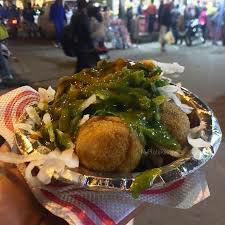
7. Ram Ladoo:

Ram Ladoo is basically fried small pakoras stuffed with potato or dal that is sufficient to make any event a happening one. The crispiness of these fried balls with the taste of chutney is all that you want for a memorable getaway.

The best place to try– Local Vendors at Janak Puri, Green Park and Tilak Nagar.

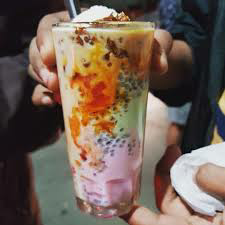
8. Rabri Faluda:

A unique taste immersed in the rich blend of coconut, dry fruits and milk; Rabri Faluda is a superb dish to ask for. This dish is very popular among the Delhi residents. 

The best place to try– Giani di hatti in Chandni Chowk

9. Kebabs:

With over 25 different varieties of Kebabs ruling the Delhi street foods, this dish will give you the best reminder of the Mughal era. It includes Kakori Kebab, Shami Kebab, Galouti Kebab and much more.

The best place to try– Chawla’s at Tilak Nagar, Vasant Place Market.

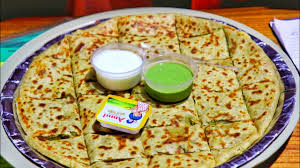
10. Paranthe:

A healthy splash of butter with diverse stuffing, Paratha over the years has become the best pick for breakfast. This street food in Delhi can be eaten at any time without much fuss.

The best place to try– Parathe Wali Gali, Moolchand ke Parathe, Kakke di Hatti.

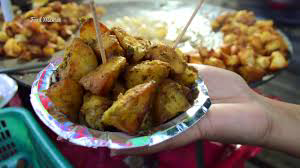
11. Aloo Tikki:

Stuffed with mashed potatoes and onions, Aloo Tikki is an excellent option to try on the streets of Delhi. You can choose different chutneys to make it go as per your taste for satisfying your inner foodie.

The best place to try– Natraj in Chandni Chowk, Atul Chaat Corner in Rajouri Garden.

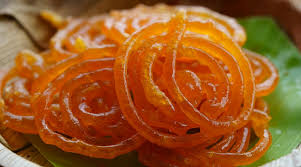
12. Jalebi:

How can one ignore the unique shaped sugary sweetness of Jalebi in Delhi? With a large number of shops offering different varieties of Jalebi, this dish has become the perfect sweet dish for the Delhi residents and tourists. You can go for Doodh Jalebi, Kesar Jalebi, and much more.

The best place to try– Jalebi Wala in Chandi Chowk, Bangla Sweets in CP, Pandara Road.

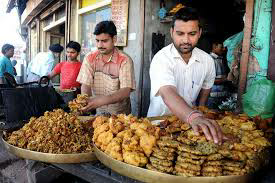
13. Pakodas:

With different veggies immersing in Besan to go out for a deep fry, this street food offers sumptuous fore deals to the people opting for this. The best food for enjoying the monsoons is Pakodas from the famous street shops in Delhi.

The best place to try– Gol Market, Kamla Nagar, Sarojini Nagar.

14. Street Burger:

You might have visited Mc Donalds and other branded affairs for a burger, but the taste you will get at a street corner in Delhi is unmatchable. Embedded with well-fried tikkis, these buns are really mouth -watering.

The best place to try– At any burger cart located in the Delhi markets.

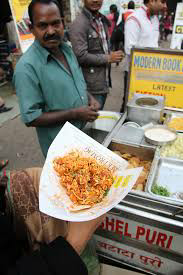
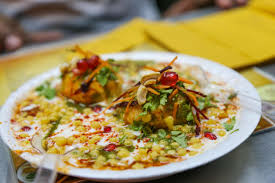
15. Bhel Puri:

Adorned with a number of flavours; Bhel Puri on the streets of Delhi offers an exquisite taste to the travellers. The tangy twist captioned with the crisp mixture is really delicious to eat.

The best place to try– Bhajan Lal Bhelpuri at Sundar Nagar, Connaught Place.

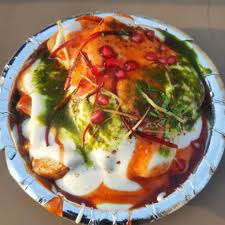
16. Dahi Bhalle:

The mix of curd along with red and green chutneys is a superb delight to experience on the streets of Delhi. The sprinkle of aloo bhujia intensifies this taste furthermore.

The best place to try– Natraj in Chandni Chowk, Shyam ji Corner at Old Delhi Road, Rajouri Market.

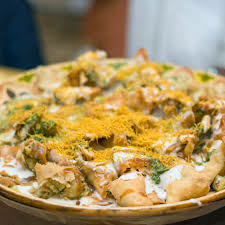
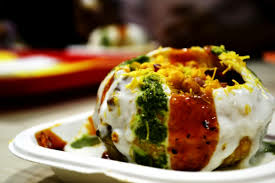
17. Samosa Chaat:

The preparation of this particular street food will leave your mouth to crave for more. A samosa prepared with chole and tangy taste of chutneys is the best thing one can ask for.

The best place to try– Tilak Munjal in Pitampura Chandni Chowk eateries, CR Park.

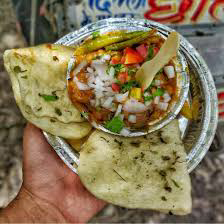
18. Chole Kulche:

Boiled Chole prepared with fresh tomatoes, onions and lemon along with a kulcha fried in butter are just exquisite to try for. The roadside eateries in Delhi offer this food in a unique way.

The best place to try– Near UPSC Bhawan, Yadav’s Chole Kulche at Saket.

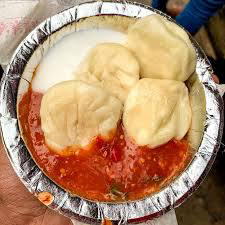
19. Momos:

Who is not familiar with momos? This is super spicy and cheap street food in Delhi. And today, they have become the most easily and tasty available street food in Delhi..

The best place to try– Bungalow Road, Kamla Nagar

20. Raj Kachori:

A single dish capable to satisfy your hunger is what Raj Kachori is known for. Stuffed with oiled channa and crisp namkeen, this is an authentic food to give a try for sure.

The best place to try– Haldirams in Chandni Chowk, Lajpat Nagar, and Connaught Place.

Sail Through The Waters In These Places

Being someone who seeks thrill in boating is always guaranteed of an adventure ahead. Boating as a water-based leisurely activity is found to have a positive impact on the relationships. Those who enjoy boating have certain craftsmanship in them to be always able to spot the best boat and know that it is the going to be significant fun. If you are looking for refreshing breaks to connect and spend quality time with your family, choose a location, plan a trip and go on a boat ride with them. The part about picking up a place where you can delight yourself on a boat ride might sound tricky but it is not.

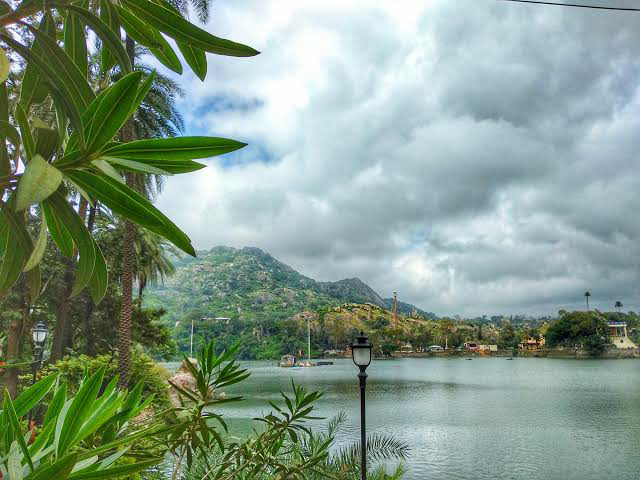
1. Nakki Lake, Mount Abu:

The popular hill station situated in the Aravalli Range, Mount Abu has several tourist attractions. Among those, Nakki Lake which is considered to be pious because of its historical importance is a must-visit spot. According to the Hindu culture, in the ancient times, Gods dug out this lake with their fingers and nails while seeking protection from a demon. Nakki Lake is the first human-made lake which is believed to be 11,000 meters deep and a quarter of a mile wide. There is a boating facility at the Nakki Lake which gives visitors a great chance to enjoy the serene view of the lake. The lake is also famous for a different reason Mahatma Gandhi’s ashes were immersed in the same lake where Gandhi Ghat has been constructed. The fountains in the lake offer an enchanting view of the life at Mount Abu while you boat merrily. There is also Toad Rock on a hill nearby. These strangely shaped rocks are arranged in such a way that it resembles a toad about to jump in the lake. Additionally, there are numerous eateries in the area where you can enjoy a sumptuous meal after the pleasant boat ride.

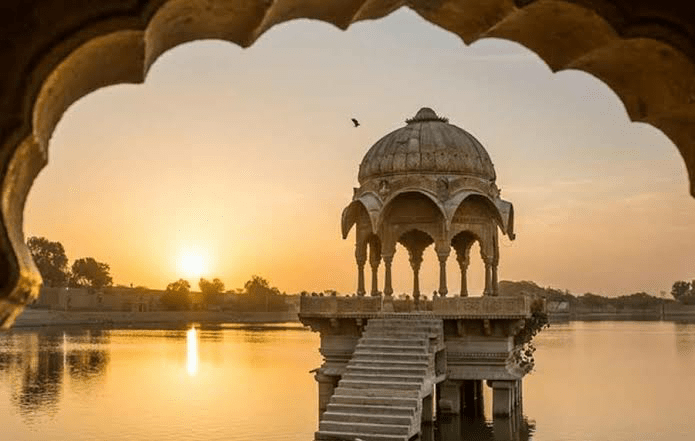
2. Gadisar Lake, Rajasthan:

Enjoy the lush greenery on an early morning or evening boat ride at the Gadisar Lake, Rajasthan. This lake is one of the most precious assets for the locals and has been carrying the heritage and culture for generations. The first Maharaja of the city of Jaisalmer, Raja Rawal Jaisal, artificially built this lake in as a water reservoir for his people in the hope of solving the water crisis in the area. The Gadisar Lake is situated in the heart of Mount Abu and thus, boating around the lake offers a mesmerising view of the city while you can also spot the famous Raghunath Temple and Maharaja Jaipur Palace which are located in the nearby area. The lake is considered to be sacred and is worshipped by a local tribe known as Garasia.

You can also buy food from the stalls there and feed the catfish in the lake. The sight of the fishes flocking around you to grab a bite or two is intriguing as well as tad bit scary too. During winters, bird-watchers can engage in their favourite pastime as beautiful migratory birds visit the lake as the Bharatpur bird sanctuary is very close to the lake. 

3. Bedhaghat, Jabalpur:

A spectacle of nature, Bhedaghat is a town located in the Jabalpur district in the state of Madhya Pradesh. The marble rock boating area is breathtaking with the subtle hues and colours of the rocks and stones. With time, the Narmada river has carved a beautiful gorge of approximately eight kilometres. Rent a rowboat or a motorboat and go on a guided tour of the river. 

4. Kumarakom Backwaters:

A trip to Kerala is incomplete if you do not get to enjoy the tranquil serenity of the Kumarakom backwaters. A small town located in Kottayam district of Kerala receives thousands of tourists everywhere who come to live up their dream of spending time on a houseboat in the backwaters. A much-deserved break from the fast-paced urban lifestyle, the Kumarakom boating tours are therapeutic in an actual sense. The vibrant green cover contributed by the coconut plantations, and paddy fields all around make up for a soothing sight for the mind and soul. The most exciting part is these houseboats or Kettuvallams, as known in Kerala, are entirely built with eco-friendly materials. 

5. Dal Lake, Srinagar:

To go on a fascinating Shikara boat ride on the Dal Lake and live up the most captivating activity while you are in Srinagar. The awe-inspiring panoramic view of the lush green landscapes, the ripples forming on the lake water, flowering gardens, and the vibrant floating market will leave you enchanted. Shikara is a kind of a wooden boat made primarily out of deodar wood. The Shikara boat can also take you to the famous tourist attraction surrounding the Dal Lake such as the Shalimar Garden, Nishat Garden and the Hazratbal Mosque. The Shikaras also play a crucial part in the infamous floating market on the Dal Lake where the locals sell flowers, vegetables and handicrafts. So, while you reside in a Shikara houseboat, you can go shopping on your boat to the eye-catching hues on the floating boats which are a part of the market.

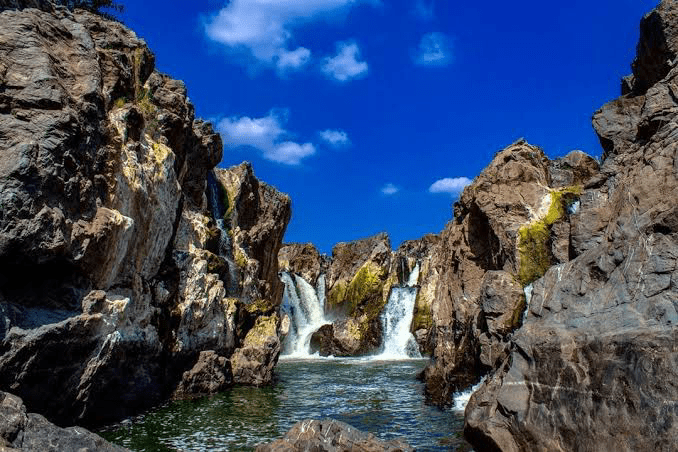
6. Hoganekkal, Tamil Nadu:

If you want to visit the Niagara Falls of India, head out to Hogaenakkal Waterfalls, Tamil Nadu, located at a distance of 200 kms from Bangalore in Dharmapuri district of Tamil Nadu. Famous for the spectacular waterfalls and hide boat rides, this major tourist destination offers fun boating and coracle rides. The waterfalls are divided; where the ones in Karnataka has numerous cascades whereas the part that lies on the Tamil Nadu side has picturesque gorges and boat rides. 

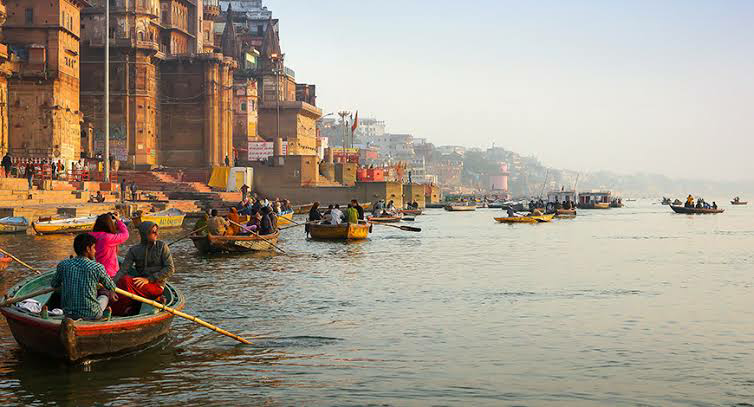
7. Ganga Ghat, Varanasi:

The sacred River Ganga is believed to have magical powers of having the potential to wash off one’s sins. Gliding through the water of Ganges to when the sun is rising or setting, you can experience the true essence of Varanasi. Visit the different Ghats which are connected to the land via waterways. Another major attraction is the Ram Nagar Fort, located on the opposite side of the river, which is the palace of the King of Banaras. The boat ride includes a mini-tour of the palace and the nearby market area and a visit to a Goddess Durga temple which was built 200 years ago.

8. Naini Lake, Nainital:

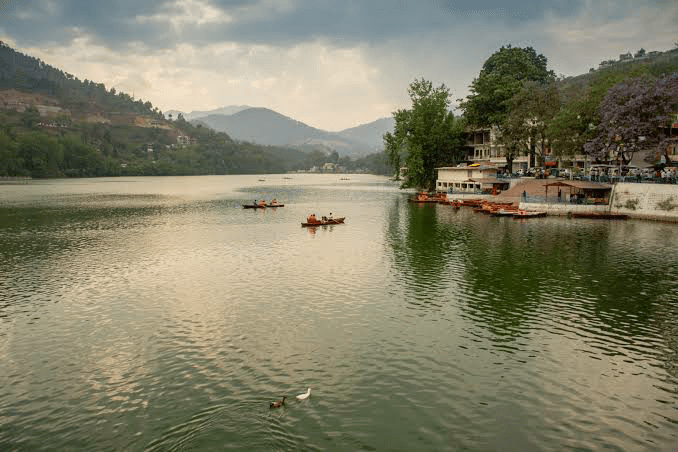
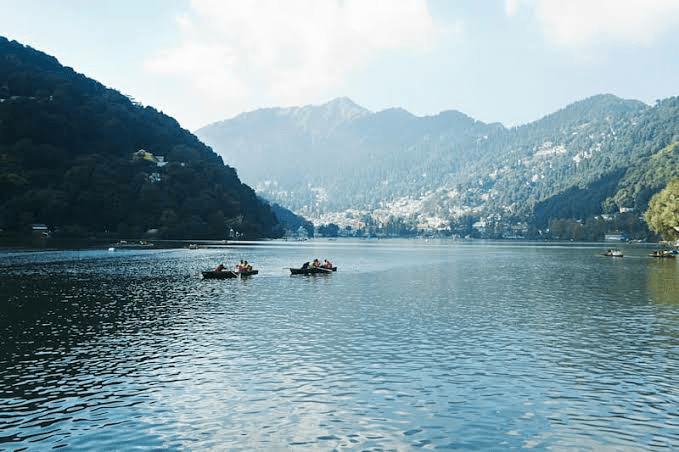
Making time on the water is among the favourite recreational activity during summers. This eye-shaped lake, located at the height of 1938 meters, offer boating as the major attraction for tourists who seek some entertaining activities at the hill station. There is also a Yacht Club at Mallital which offers yachting for the members and tourist alike. The exquisite beauty of the gleaming water, under the Kumaon Sky, can be thoroughly rejoiced only by a boating experience.

9.  Bhimtal, Nainital:

Bhimtal Lake in the Bhimtal Town is among the most famous lakes in India. There is an island in the middle of the lake which is an aquarium attracts visitors. The only way to reach the island is via boat. Visit the aquarium which has a variety of species that will leave you amazed. The Bhimeshwara Temple, dedicated to Lord Shiva, is also located on the island. The C-shaped lake is situated at an altitude of 4500 feet, sprawling over an area of 47 hectares. The clear lake water a paradise for nature-lovers and photo-fanatics, the surrounding of the lake are well-maintained with eateries offering local delicacies in the area. Immerse yourself in the hypnotic tranquillity on a boat ride around the lake.
10. Unkal Lake, Karnataka:

A resplendent sunset at the Unkal Lake will leave you mesmerised. Go on a boat ride around the Lake and capture the ravishing sight in your camera to relive the moment time and again. This scenic tourist spot is situated at Unkal in Dharwad district. The Unkal Lake is 110 years old. There is a statue of Swami Vivekananda in the middle of the lake. Tourists can reach here by taking a boat the site. The beauty of the lake is a must-visit for nature lovers who could get some great shots at nature photography. There are recreational facilities for children around the lake premises.

Go Flawless With The Help of Skin Care

Maintaining a good skin tone is not easy these days. We face many skincare challenges such as poor diet, pollution, and lack of time to take care of oneself. All these have a cumulative effect on our health in general, and often our skin shows first the damages caused by the negative lifestyle. 

When our skin is not healthy, it immediately affects our looks, makes us look aged and dull. This, in turn, affects our self-esteem. A good skin care routine is only as good as the products you use. While good quality products can help your skin look better now as well as in the future, poor quality products can be ineffective and even cause harm.

Why is good skin care important?

Good skin care is important for the following reasons:

1. It helps your skin stay in good condition:

You’re shedding skin cells throughout the day, so it’s important to keep your skin glowing and in good condition. An effective routine can help prevent acne, treat wrinkles, and help keep your skin looking its best.

2. Your skin will look more youthful: 

As you age, your skin’s cells turn over more slowly, make it look duller and less radiant. Using a quality skin care line can help remove dead skin cells so your body will replace them with newer, more youthful cells.

3. Prevention is easier than correction: 

Preventing skin problems is easier and less costly than trying to fix them in the future. 

4. Your self-confidence will get a boost:

When your skin looks better, you’ll feel better about yourself and have more self-confidence.

What are some good skin care methods?

The following components can create a good, effective skin care routine:

1.Cleanser: 

Wash your face gently with a product designed for your face. If you have dry skin, you’ll want to choose a cleanser that doesn’t have alcohol, and if you have oily skin, look for an oil-free cleanser. Afterward, rinse with warm water.

2. Toner: 

Toner is used after washing your face, and it helps smooth and calm skin while restoring nutrients.

3. Moisturizer:

Moisturizers should be used every time you wash your face, even if you have oily skin. If you have this type of skin, choose an oil-free or gel product.

4. Sunscreen:

Even if your moisturizer has a sunscreen, it can still help to use a separate sunscreen every day, even if it’s cloudy. Choose one that provides broad-spectrum protection and has an SPF of at least 30.

5. Exfoliator:

Exfoliators are optional and can be used after a cleanser but before a moisturizer. They should only be used a maximum of once or twice a week.

6. Serum:

A serum can help address specific issues, such as redness.

What benefits do quality skin care products provide?

The following are some of the benefits of quality skin care products:

1.Quality ingredients:

 Similar to the benefits that healthy food provides for your body, quality skin-care ingredients can improve your skin.

2. Protection from environmental damage: 

such as pollution

3. Help fighting the effects of aging: 

such as wrinkles and sunspots

4. Results for the money:

Even if quality products cost more in some cases, they’re worth the money. If you use ineffective products, you’re wasting money.

5. Exceeding standards: 

Quality skin care products are more refined, with fewer bacteria and impurities.

Why should you avoid poor quality skin care products?

Poor quality skin care products are more likely to cause the following negative effects:

1.Ineffective results      

2. Infections

3. Allergic reactions such as rashes

4. Worsening problems by clogging pores, causing breakouts, etc.

Beauty brands that deserve to be on your radar, and eventually in your beauty cabinet are:

1

.Good vibes

2. Mamaearth 

3. Plum

4. VLCC

5. Biotique 

6. Lakmé 

7. Lotus Herbals

8. Garnier 

9. Himalaya Herbals

10. Pond’s 

Why There Is A Rise In Oil Prices In India?

What happened to oil prices?

Oil prices in India have shot up over the past year. Mustard, vanaspati, soya and palm oil have gone up by around 30% while sunflower has shot up by more than 40%.

Why have the prices gone up?

India imports a large part of its edible oil. Around 70%. This wasn’t always the case. Till the early 1990s, India was self-sufficient in edible oils, depending on traditional cooking mediums such as mustard oil. However, a series of government decisions post-liberalisation to favour international free trade as well as a significant increase in per capita consumption, engineered a massive shift, with imported palm oil becoming the market leader.

India’s edible oil imports are so large that the country spends more on importing only two other commodities: crude oil and gold.

The impact of this extreme dependence on imports means that retail prices of edible oils in India are highly sensitive to international conditions. In the past year, to India’s poor luck, multiple crops faced problems around the world. Covid-19 lockdowns in Malaysia resulted in a poor palm crop. Dry spells in Ukraine and Russia saw sunflower oil production hit with global production falling by 9% in 2020 year-on-year. And demand for biodiesel saw soya bean oil prices hit a record high.Given edible oil is a highly substitutable product, this pushed up prices of even locally produced oils such as mustard. Mustard oil faced further pressure given that due to lockdowns, home-cooked food saw increased consumption, which is where mustard oil is mostly used.

Can domestic production help?

India’s total oilseed production has risen marginally in the past few years. In theory, the government has stated that it aims to increase domestic production (even if these aims are often not followed on the ground). Increased local production is, of course, critical for food security and also helps increase agricultural incomes.

However, increasing domestic production by itself might have a limited impact on price. In fact, it might even increase them further. Bharat Mehta, the head of Solvent Extractors’ Association, which represents Indian oil producers, explains that this is due to inefficient farming practices in India. “Productivity in India is very low,” explained Mehta. “So it’s natural that given this low productivity, the prices will be high.”
Small farm sizes and outdated farming practices mean that Indian farming is one of the most inefficient in the world. For example, the yield of soyabean in Brazil is around than three times that in India.
So while making farming more efficient and reducing edible oil imports would be beneficial targets, the political focus on inflation means that governments inevitably end up ignoring farmer incomes to keep consumers happy. 

Can import duties have an impact?

India levies a 32.5% duty on palm oil imports, while crude soya bean and soya oil are taxed at 35%. The Modi government was seriously considering reducing these taxes in order that retails prices can be decreased. However, movements in international markets saw oil prices decline in the previous week.

In a June 16 press release, the government noted that “in some cases, the decline [in prices] is as much as 20%”. As a result, Reuters reported that the Indian government had put on hold its plans to cut duties.

While oil prices are still significantly higher than last year, the precarious fiscal situation of the government itself means it has limited room to maneuver on this front even though inflation in a commodity as critical as edible oils could have significant electoral repercussions for the ruling Bharatiya Janata Party.

Capitalism Over Purity In Lakshadweep

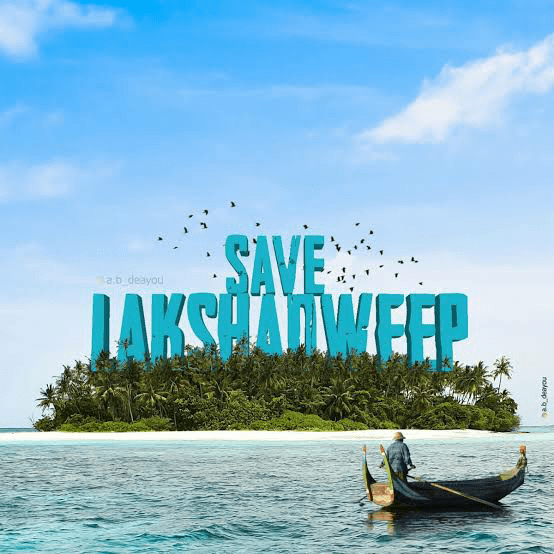
Lakshadweep is the smallest UT in India, most popularly known for its sandy white beaches with crystal blue waters and secluded lagoons.

But Lakshadweep is now in the news for all the wrong reasons. The accountability of such disturbance and row in Lakshwadeep can be credited to the fascist and corrupted minds of politicians. 

It has a population of around 60,000 people with 90% of Muslims and consists of somewhat 30 small islands. Once a peaceful area is now facing disruption because of the capitalistic, islamophobic and exploitative mentality of politicians. Praful Khoda Patel, a political leader of BJP presents the ideological projects as an idea for development. But these actions by him will only fill the pockets of capitalists on the mainland and will hurt the islanders.

Unlike Delhi and Puducherry, this union territory has no legislative assembly nor a Chief Minister. The President of India appoints an administrator to govern the whole territory.

Until 2020 this responsibility was given to bureaucrats, they were either IAS or IPS officers. In December 2020 misfortune happened, a greedy politician got the responsibility of the administration there. His ignorance and eagerness for materialism disrupted the lives of islanders.

Praful Khoda Patel | Mastermind for Lakshwadeep Row

The man who created a storm in India’s island of peace.

Before digging deep into the main cause, let’s have a brief history of our antagonist Praful Khoda Patel.

In 2014, when the reign of Narender Modi began, Praful Khoda Patel was allocated the administration of Daman And Diu. There also before him the bureaucrats were selected as the administrator for the governance.  In 2019, the administration of Dadar and Nagar Haveli was also allocated to him.

There were several instances in his tenure, where the houses on the seafront land were demolished in the name of progression. This step led to protests by the dwellers of the union territory. To harass and detain the protestors, section 144 was imposed several times.  

In February 2021  Mohan Delkar, a tribal rights activist and seven-time MP of Dadra and Nagar committed suicide. In his 15-page long suicide note, he mentioned Praful Khoda Patel. Patel allegedly harassed Mohan Delkar for 25 crore rupees. Patel threatened him that if he fails to do so, he’ll be falsely accused under the “prevention of anti-social activities” act. 

What is Happening in Lakshwadeep Right Now?

Since December 2, 2020, when the administrator took charge of the Union Territory, Patel has issued a series of orders, which haven’t sat too well with the island dwellers.

1. Spike in Covid cases: From Zero to 7000+

In 2020 Lakshadweep was one of the few areas in India, which was unscathed from the grasp of the coronavirus. As in Lakshwadeep, there were strict and mandatory quarantine rules for travelers.

But in 2021, more than 7,000 cases have been reported there. Citizens of Lakshadweep alleged that the spike was due to a change introduced in the covid management protocol by a new administrator Praful K Patel. The change was that anyone could enter within 48 hours of getting a negative RT-PCR test.

Thus, this proved that such ignorant politicians can work as a catalyst in making the Covid related situation worse. Just like political leaders who organized rallies all over the country and gave permission for ‘Kumbh Mela’ to take place, here also the leader is running from accountability.

Patel claimed that such a surge in cases is ‘natural’ as in Kerela to which Lakshadweep has strong links also witnessed the increase in cases. But that is evidently baseless, as he was the one who changed the earlier protocols.

2. Goonda Act- Equivalent to UAPA and TADA

Past events prove that a state always tries to introduce immoral acts to forcefully silent the masses when the rise of questioning the authorities occurs.  

Patel’s administration has proposed to enact the ‘Goonda Act’ (prevention of anti-social activities bill) which allows a person to be detained without public disclosure for up to a year.

This island already witnesses a very low crime rate. A question that comes up is- What is the need for such an ‘act’ to be implemented?

Just like UAPA, TADA, and Prohibition of Unlawful Religious Conversion Ordinance (Love jihad) this unnecessary implementation of the act could be interpreted as a means for misuse to disrupt the uprising of resistance against the bigotry.

3. Prioritising Alcohol Over Beef

A proposal to ban beef while removing the alcohol sale led to outrage on the island, which has a Muslim-dominated population. This particular step is being used to trigger and hurt the sentiments of the population there. The administration also invited criticism for stopping non-vegetarian food in school midday meals. 

4. Disruption in the name of Development?

The ‘Development’ agenda was one of the most controversial changes that were proposed.

It is a law that gives sweeping powers to the administration to take over private property for developmental activities. Critics said that this might leave people at risk of eviction and relocation and that unchecked construction could threaten the ecological balance of the islands. Patel argues that these laws were necessary to bring in development and to create a smart city in the atolls.

But, is there truly a need for resources to be used for a smart city, when people of an already beautiful island are fine with what they have?

Prioritizing development over the sanctity of the ecosystem is one of the causes of spoiling the harmony in the world. While the world battles climate change and the rising sea levels, this step might just contradict the effort being made by hurting the ecological balance of the islands.

Victims of The Lakshadweep Row

During the row in Lakshadweep, we witnessed how an entry of a single person disturbed, disrupted, and even ended the lives of the people on the island.

In a place where the existence of COVID was negligible, the cases have risen to 7,000 and resulted in 22 deaths.

The work of politicians is to govern and maintain harmony in the system. But when the introduction of such acts and bills makes the people of the state insecure about their existence, then it might not be a step worth taking.

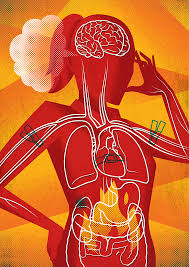
Health Problems Related To Stress And Their Remedies

1.Heart disease:

Stress can directly increase heart rate and blood flow, and causes the release of cholesterol into the blood stream. It’s also possible that stress is related to other problems like an increased likelihood of smoking or obesity that indirectly increase the heart risks.

Doctors do know that sudden emotional stress can be a trigger for serious cardiac problems, including heart attacks. People who have chronic heart problems need to avoid acute stress and learn how to successfully manage life’s unavoidable stresses as much as they can.

2. Asthma:

Many studies have shown that stress can worsen asthma. Some evidence suggests that a parent’s chronic stress might even increase the risk of developing asthma in their children. One study looked at how parental stress affected the asthma rates of young children who were also exposed to air pollution or whose mothers smoked during pregnancy. The kids with stressed out parents had a substantially higher risk of developing asthma.

3. Obesity:

Excess fat in the belly seems to pose greater health risks than fat on the legs and unfortunately, that’s just where people with high stress seem to store it.

4. Diabetes: 

Stress can worsen diabetes in two ways. First, it increases the likelihood of bad behaviors, such as unhealthy eating and excessive drinking. Second, stress seems to raise the glucose levels of people with type 2 diabetes directly.

5. Headaches:

Stress is considered one of the most common triggers for headaches. Not just tension headaches, but migraines as well.

6. Depression and anxiety: 

It’s probably no surprise that chronic stress is connected with higher rates of depression and anxiety. One survey of recent studies found that people who had stress related to their jobs like demanding work had an 80% higher risk of developing depression within a few years than people with lower stress.

7. Stomach problems: 

In some people, stress slows down digestion, causing bloating, pain and constipation, while in others it speeds it up, causing diarrhoea and frequent trips to the loo. Some people lose their appetite completely. Stress can also worsen digestive conditions like stomach ulcers and irritable bowel syndrome.

8. Alzheimer’s disease: 

Stress might worsen Alzheimer’s disease, causing its brain damage to become more quickly. Some researchers speculate that reducing stress has the potential to slow down the progression of the disease.

9. Accelerated aging: 

Stress can cause wrinkles to form because high amounts of cortisol, the stress hormone, can break down the skin’s collagen and elastin. Research has found that chronic stress can increase inflammation, causing skin aging and accelerating the formation of wrinkles.

10. Premature death:

Stress and depression can take a dangerous toll on the health of people with heart problems. People who had high levels of both stress and depression were 48 percent more likely to die or have a heart attack during the study period, compared with the group that had low levels of stress and depression. 

A number of strategies can help to reduce stress levels and improve well-being. Some methods for managing stress include:

1.Understanding the signs and symptoms: 

These indications can vary, but if a person can recognize their own signals of stress, they will be better able to manage them.

2. Speaking to friends and family:

They can provide emotional support and the motivation to take action.

3. Identifying triggers:

It is not always possible to avoid triggers of stress. However, taking note of specific triggers can help a person to develop coping and management strategies, which may involve reducing exposure.

4. Exercising regularly:

Physical activity increases the body’s production of endorphins, which are chemicals that boost the mood and reduce stress. Exercise can involve walking, cycling, running, working out, or playing sports.

5. Trying mindfulness:

People who practice this form of meditation use breathing and thought techniques to create an awareness of their body and surroundings. Mindfulness can have a positive impact on stress, anxiety, and depression.

6. Improving sleep quality:

Getting too little sleep or sleep of poor quality can contribute to stress. Try to get at least 7 hours every night, and set regular times for going to sleep and waking up. Avoid caffeine, eating, and intense physical activity in the hours before bed.

It can also help to unwind before sleeping, by listening to music, reading a book, taking a warm bath, or meditating. 

Debunking Myths About India

1) India is a poor country:

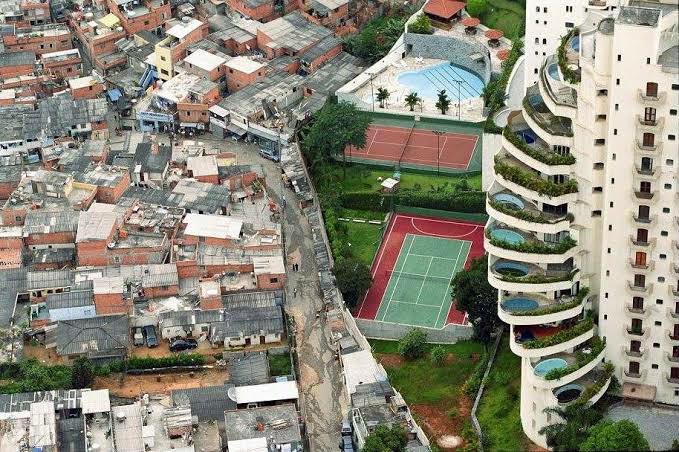
So there’s people who live in huts, walk barefoot, dress in rags, and beg for money, that doesn’t make the entire country poor. Have you been to Harlem lately? The country has positioned itself as one of the world’s leading emerging economic powers, churning out an impressive number of billionaires. Stop believing the skewed images of the media and take a look for yourself. Are you seriously going to generalize about 1.3 billion people based on a few photos you’ve seen in books or on TV. Poverty is one part of India; it doesn’t define the entire country. Visiting DLF Emporio, Delhi’s answer to LA’s Rodeo Drive might give you a whole new perspective.

2) Traveling in India is dangerous:

But so is Compton, but that doesn’t make the entire U.S. dangerous. Yes, parts of India should be toured with caution, such as the volatile Kashmir region, but for the most part, India is just as dangerous as you make it. If you exercise common sense, you’ll be able to overcome the perils of the country.

3) If you’ve seen the Taj Mahal, you’ve seen India:

 You couldn’t be more wrong. Yes, the Taj Mahal is beautiful, and it’s the face of India to many. But as the world’s 7th largest country with a history that spans thousands of years, there can’t possibly be only one site worth visiting. Check out the country’s dynamic urban culture, beaches, mountains, deserts, and the endless forts and palaces, and then say you’ve seen India. Even then, that’s pushing it. 
4) All Indians run around trees, singing and dancing:

 Good job, Bollywood. 

5) Everyone in India engages in spirituality, meditation, and yoga:

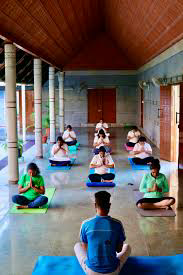
Contrary to popular belief, not everyone in India is a yoga guru.

6) Indians don’t speak English:

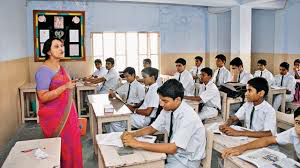
Sure, their accent is different, and maybe not the most pleasant-sounding, but it’s still English. English is actually one of the country’s official languages. It’s the language of the law. It’s also the primary language used in universities. 

7) Indian is a language: 

There are hundreds of languages spoken in India, none of which include Indian. Indian is not a language, it’s a demonym that describes people from the country of India.

8) Everyone in India has an arranged marriage: 

That would be a false statement. Arranged marriages are still common with many rural and traditional minds, but progressive thought has certainly permeated its way through urban India. Dating may not be as common as the Western world, but it definitely is a lot more common than you may think.

9) India is the land of snake-charmers: 

This is probably one of the most photographed scenarios in India, maybe second to the Taj Mahal. In fact, when you see them, mostly in the state of Rajasthan, it’s more of a tourist scene, inspired by this very myth.

10) All Indians are vegetarians:

If that were true, why is chicken tikka masala one of the most famous dishes? It’s probably much easier to find a vegetarian joint in India than the Western world, but yummy dishes with chicken, fish, lamb, and the likes have found fans in many Indians.

11) Hinduism is the only religion in India:

There is a majority culture of Hindus, most definitely. But there are also many Muslims, Christians, Catholics, Jews, etc. represented. Not everyone you meet will be a Hindu. In fact, even Atheism is on the rise.

12) The extent of Indian food is curry:

 There are many different types of curry-based dishes, but the Indian cuisine is so much more than that. The cuisine is extremely diverse, and in fact, the dishes commonly eaten in the North are not the ones eaten in the South. Try the masala dosa in the South. And not all Indian food is spicy.

13) India is located in the Middle East:

  Quick geography lesson: India is in Asia, south Asia to be precise. Again, you have been informed.

14) The climate of India is extremely hot and humid:

 Yes, in parts of the country. But there are many areas, such as the states of Himachal Pradesh and Uttaranchal where the weather is pleasantly temperate, and sometimes freezing, depending on how close you get to the Himalayas.

Conclusion: India is a beautiful country, with its varying set of strengths and weaknesses, just like any other country. Don’t believe what you see in the media, and make judgements only after you’ve visited the country yourself.

Digital Technology

Digital technologies are electronic tools, systems, devices and resources that generate, store or process data.In recent years digital technology has revolutionized almost every aspect of people’s lives. Examples of digital technology include social media, online games, multimedia, and mobile phones.Digital technology is used in different areas of life such as in business, education, media, healthcare, transportation, communication, and many more.

The increased use of digital media is changing people’s everyday lives and the way they connect and collaborate in the broader societal context, at work and in civil society. Much of the impact of this heightened use is beneficial to both individuals and society. It is enabling new and extraordinary levels of communication, social interaction and community building across boundaries of time, place and social context. It is enabling individuals and speeding up the standardization of knowledge. 

But not all the impacts of increased use of digital media are positive. Research indicates that when humans excessively use digital media it can negatively influence their cognitive and behavioural development and even their mental and physical health. Hyperconnectivity, the increasing digital interconnection of people and things, has the potential to change patterns of social interaction, as face-to-face time may be substituted by online interaction. In addition, greater technology enablement of work (and the resulting fragmentation of jobs) threatens the security of jobs traditionally considered as skilled in the developed world.

Here we try to list out the most important advantages and disadvantages of digital technology.

Pros of Digital Technology

– Advantages of Digital Technology

1. Connectivity:

The world is now globalized with the invention of digital technology. It makes our friends and family closer than before. You can make communication by words, video, audio, and exchange of the media.

With the creation of websites, apps, and software socialization has boomed in recent decades. The most popular social media are Facebook, Twitter, and Instagram.

2. Communication speed and versatile working:

The data transfer rate or internet speed has rapidly increased since dial-up methods for internet connectivity. Broadband technology increases the speed of the internet even more. The transfer of large files which happens instantly, streaming video and audio in real-time and access data virtually from anywhere in the world becomes possible with high internet speeds.

Working in a closed room with international co-workers is impossible due to large geographical boundaries as internet speed increases with broadband services you can work from any part of the world in real-time. Many online and freelancing jobs done from many miles away without any hindrance.

3. Digital devices are portable:

Digital devices are becoming smaller and smaller day by day. The storage media can store a large amount of data in a tiny chip. With the invention of transistors, the size and weight of digital devices have greatly reduced.

4. The quality of stored information is preserved:

The quality is never reduced with the use of digital technology in contrast with analog technology. The stored information in the analog system may damage or even lost or duplicated but in the digital system the case is opposite.

5. Learning re-defined:

Beforehand the traditional classroom is taught by teachers only. Students are completely dependent on teachers for acquiring knowledge which can be destructible since teachers are not always exactly correct.

With the arrival of digital technology teachers and students, both are heavily influenced since they can jump into the internet where you can find the solution to almost every possible problem.

6. Entertainment:

You can pursue your hobbies and interests through the use of digital technology. You can play online games and admit in music courses from any part of the world with the man of your choice. Different types of  reality shows are found on the internet which we can access with digital devices.

7. Transportation:

Transportation medium such as airplanes, trains, and ships are using digital technology to accurately navigate routes in the sea and land. Not only that cars and buses are becoming fully automated in the near future.

The speedometer is digital nowadays which eases the use of vehicles. Road accident and plane crash are greatly reduced with the use of digital technology. The checking of the passport is past and reliable with a chip embedded in it.

The chip stores all the personal information which speeds up the process of checking through customs. Booking of planes and trains are done through online services.

Cons of Digital Technology

– Disadvantages of Digital Technology

1. Data security:

Data security is a great concern nowadays in the digitized world. Digital technology means that a huge amount of information(text, images, and videos) is collected and stored.

This stored information may be of individuals or organization which is vulnerable to theft. This data can go into the hands of criminals, terrorist, foreign enemies, etc. as all the electronic equipment are connected through the internet all around the world.

2. Social isolation:

The face to face communication is rare these days with the development of digital technology. People can communicate and socialize through the internet which is a part of digital technology.

This way of interacting sometimes creates ambiguity and disbelief among them. Studies have suggested that the lack of real-life contact causes depression and other forms of mental illness in many people.

3. Too much of work or work overload:

As working with the use of digital technology increases speed and performance there are drawbacks of using it too. Workers from all around the world have to manage and handle large numbers of emails which can be hectic.

A large amount of data needs to be recorded and analyzed on a daily basis which requires greater attention and dedication creating distress and isolation. Organizing the vast amount of data such minutes of a meeting, training videos, photographs, reports can be a huge headache.

4. Diminishing job opportunity:

Nowadays, it does not require you to be physically present in the office to do your work since you can work or perform tasks remotely with the use of the internet. The Internet allows workers from third world countries to do the same task in the minimum wage. This can reduce your job replacement opportunity.

There are certain types of work that are performed by automated machines but beforehand they were done by humans. Increasingly, more digital equipment is employed in a working area reducing the chance of getting a job.

5. Digital technology creates addiction towards it:

Online and offline computer games, messaging, social media platforms, chat rooms and other websites can become addictive. Internet users end up wasting too much money for no or low return.

Computer games are so addictive that they may destroy your capability and time to perform an even more important task in your daily life. Gamers and surfers spend so much time on a computer which results in addiction towards it.

6. Manipulation of digital media:

There are different ways to change, edit and manipulate digital media. Manipulation of digital media is more come than before which increases the possibility of fake reports and results inducing more confusion instead of reality.

Photoshop, after effect, are such tools which can manipulate the original data to something new creating confusion about the original ideas and thought of the writer or creator.

Photographs, audio, videos are easy to edit. The size and quality of the image, the true voice of the singer are manipulated to create something new which lacks originality and true nature of the product.

7. Plagiarism and Copyright:

The enforcement of copyright law is hard to implement as the information that is present in the internet world is vast and to track every data is becoming harder.

Everyone can copy and paste information from the internet which is worthless as you do not spend your time learning them. Plagiarism is also the practice of taking other’s work and ideas and passing them off as one’s own which is becoming common in the digital world.

# How to protect ourselves from the negatives of digital technology? 

A. Limit when and where you use social media.

B. Have ‘detox’ periods.

C. Approach social media mindfully; ask ‘why?’

D. Stop social media from replacing real life.

E. Use strong passwords to keep your identity and privacy safe.

F. Limit the number of people who have access to your accounts.

G. Turn off push notifications.

H. Start your day tech-free.

Chokher Bali: Liberty of Free Thinking

Rabindranath Tagore’s Chokher Bali portrays a society in a way that is realistic and on point. Tagore is considered to be one of the greatest writers in modern Indian Literature.

The poet, the composer, short story writer, playwright, essayist, and artist, has achieved proficiency in almost all forms of literature.

On his 160th birth anniversary, we are going to look back on one of his stories “Chokher Bali” to understand how he portrayed the condition of people and the societal set up at that time. He showcased issues that are even relevant till now.

Stories by Rabindranath Tagore includes Choker Bali

Chokher Bali: Synopsis

Choker Bali, a story set in the aesthetics of Kolkata depicts the pain of widows, the societal setup which ignores the needs of women and considers widows as bad omen and keeps them away from happiness.

Through this, he also highlighted the issues of women’s education, child marriage and shows how psychologically confused a person can be because of the pressure by society.

The story revolves around 4 characters Binodini, Ashalata, Mahendra, and Behari.

Radhika Apte as Binodini in Stories by Rabindranath Tagore(2015)

Binodini, an educated woman who witnessed the death of her husband at a very young age. She was forced to live her life as a widow for the rest of her life. She was first rejected by Mahendra and he then marries a beautiful but uneducated woman, Ashalata. Binodini’s life became as colourless as her saree.

But when she met Behari, he was Mahendra’s friend a feeling of attraction came to them for each other, but they did not confess. Binodini came to know how happy Ashalata and Mahendra are together, this came with a feeling of envy in her empty heart.

Conflicted thoughts in her brain made her think that Ashalta is living a life that Binodini deserves. These thoughts gave her purpose in her empty life, now she wants Mahendra to realize the mistake he has done to reject Binodini. She uses Mahin’s mother Rajlaxshmi’s dislike of Asha to manipulate her way into their lives. The feeling of envy for Ashalata and Mahin dominated the feeling of attraction towards Behari.

“Clouds come floating into my life, no longer to carry rain or usher storm, but add color to my sunset sky”.

Mahindra represented the part of a superficial male-dominated society, which ignores the needs of others. He loved Ashalata very much but after he comes across Binodini, his interest shifted. He started taking her for granted.

On the other hand, Ashalata uneducated but an innocent soul, she was unaware of Bindoni’s intentions and she considers Binodini her friend. She worships her husband and was helpless as she must always depend on the man in her life, first her uncle and then her husband. Due to this dependence, we can witness the patriarch of society and the vulnerability of women because of the lack of education.

Binodini and Ashalata: Victim of Patriarch

Stories by Rabindranath Tagore

Tagore draws parallels between the educated and the uneducated through Asha and Binodini. Binodini is likewise left without any financial provision but is left with education which allows and helps her with the liberty of free-thinking.

She represents a new female subjectivity whose western education transforms her into a woman with her own heart and mind. One who isn’t bound with traditional customs. Binodini to an extent had that sense of differentiating between right and wrong.

Tagore structured the story in such a way that all the decisions by Binodini seem rational and all her desires appear to be natural. Society has restricted her to live in a specific way and she’s liberated to mould her life in accordance with her needs and desires.

Chokher Bali: An attempt to educate people about the needs of women.

A century after Chokher Bali, education is still a struggle for many women to access easily throughout the world. Tagore’s novel is unconventionally presenting a viewpoint that is ahead of the conservative times of 19th and 20th century India.

Through the story of Binodini, Tagore questions most of the societal norms. He condemns all kinds of taboos that are being fed to humans from the start of life. 

Tagore, a man from a privileged background, his understanding of the emotions of Indian women and his empathetic attitude towards them is sensational.

Chokher Bali has been adapted several times in films, television. Most notable examples: Chokher Bali by Rituparno Ghosh in 2003, and the television series Stories by Rabindranath Tagore in 2015 directed by Anurag Basu.

Stories by Rabindranath Tagore

Chokher Bali, a work of art presented by Tagore beautifully puts a light on issues related to women, which he witnessed in the 19th century. These social evils are so difficult to get rid of as those issues are even relevant till now. Chokher Bali perfectly encapsulates how gender plays a large role in a person’s treatment by society.

Tagore made us understand that education moulds a person to be independent of societal pressure. Education can emancipate a woman to be liberated enough. Enough to get rid of the patriarchal structure which oppresses them from birth.

An Insight on Kashmir

From its snowy mountains to its calm lakes, from pashminas to its delightful apples Kashmir has captivated each and every one with its breathtaking beauty. Indeed, its beauty is unearthly rather it’s the glimpse of that heaven on the seventh sky. But to me, it’s like that extremely beautiful, innocent girl whom every eye desires, from whom all know how to take but none knows how to give. To me, Kashmir is that lovely yet helpless girl who has been captured and exploited over and over again by her cold-blooded admirers. In the end, she gets rewarded with compliments for her beauty but her pain is left uncared for.

In 1947, India achieved its Independence from the British after 200 years of their colonial rule. But the independence didn’t come easy because with it came partition. The subcontinent split into two, an Islamic Pakistan and a secular but predominantly Hindu India. While the subcontinent was in the throes of the birthing of the nations, Kashmir, a princely state was confused. Being a Hindu king with a Muslim majority state Hari Singh was not able to decide. Should he accede to one of the new nations or stay sovereign. With no decision from Maharaja, impatient Pakistan launched the operation Gulmarg through which it occupied a part of Jammu and Kashmir which today is known as Azad Kashmir in Pakistan or PoJK as called by India. As a consequence of this Kashmir acceded to India in October 1947 on the conditions of having autonomy and a promise of a plebiscite in the coming years. Fast forward, the autonomy is gone and plebiscite is yet to happen.

Kashmir is one of the most disputed places on earth. For 70 years it’s been at the centre of three wars fought between two massive armies. The land of Kashmir has come a long way travelling the paths of struggle brimming with a long history of constant militancy.

Pakistan argues that being a Muslim majority territory Kashmir rightfully belongs to them while India insists that Kashmir was handed over to them by the Hindu monarch so they double downed and added Kashmir to their constitution. But in this Indo-Pak rivalry what really at stake is the voice of Kashmiris who are caught in a vicious cycle of violence. The territorial dispute has only gifted the legacy of a constant struggle for peace to the Kashmiri people. Many live their entire lives through this conflict, born and died under a curfew.

The heart of Kashmir can be contained with two perceptions; the alleged rivalries of religious identities. One of the most tragic happenings in the history of Kashmir was the 1990 Exodus of Kashmiri Pandits. Thousands of Kashmiri Pandits became victims of communal violence and were forced to leave their homeland. According to Kashmiri Pandit Sangharsh Samiti, more than 70,000 families fled between 1990 and 1992. The flight continued till 2000. The KPSS has placed the number of Kashmir Pandits killed by militants from 1990 to 2011 at 399. Many of the Kashmiri Pandits have been living in the refugee camps of Jammu to date. The nature of the exodus has remained controversial. The Kashmiri Muslim view of the exodus is that the then governor Jagmohan encouraged Kashmiri Pandits to depart the Valley and thus gave a communal colour to what was until then a non-religious Kashmiri cause. However, the Kashmiri Pandits believe that The Kashmiri Muslims with whom they had lived amicably for centuries drove them out of their homes with vengeance. The truth, many commentators have concluded may lie somewhere in the middle. But the question you need to ask yourself is, does this tragic happening of the past justifies the human rights violations of the many Kashmiris by the Indian State till now. You can’t use the Kashmiri Pandit exodus to overshadow the collective Kashmiri struggle for identity and self-determination. The abuses range from mass killings, enforced disappearances, torture, rape and sexual abuse to political repression and suppression of freedom of speech. Thousands of Kashmiri civilians and suspected insurgents have been killed by the Indian security forces in custody, extrajudicial killings, fake encounters and enforced disappearances.

In an incident of July 18, 2020, three Kashmiri youth who were alleged to be militants were killed in an encounter. A recent investigation revealed that an Indian army captain along with two others staged the encounter of the three boys who were actually labourers to receive a reward of around $30,000. These human rights violations are said to be carried out by Indian forces under total impunity. Indian authorities use the Armed Forces Special Power Act (AFSPA) to avoid holding its security forces responsible for the deaths of civilians. Pellet guns- a weapon meant to be deployed for crowd control have been responsible for blinding, killing and traumatizing people in Kashmir.

Kashmiri women are amongst the worst sufferers of sexual abuse in the World. Due to the impact of conflict and uncertainty in the territory, many people suffer from various psychological problems and post-traumatic disorders. Kashmiri women are reportedly said to be highly prone to suicidal tendencies. The incident of Kunan-Poshpora in the Kupwara district is a descriptive account of the horrors inflicted by the armed forces on Kashmiri women. The victims still await justice. Amidst these abuses, access to justice is unlikely in Kashmir. The way justice is denied systematically and how the corporate media of India fails to cover these incidents is a critical crackdown on the democracy of Kashmir.

This is the main concern, people still engage with the institutions only to realize that the establishment, on most events, can’t provide them justice, not because they cannot but because they do not want to.

With this Kashmir remains an open-air prison, leaving people with no control over their lives. While some say Kashmir should go to India and others say Kashmir belongs to Pakistan, Kashmiris seek a democratic right to be recognized. 

The story of Kashmir has numerous narratives to it. One is of the 18-year-old boy who turns to militancy as a result of humiliation and oppression, another is of a mother who isn’t even aware if her son is dead or alive, of a wife whose husband’s disappearance leaves her as a half-widow, of a Kashmiri Pandit who hasn’t returned to his home since 30 years, of a stone pelter who believes that he isn’t throwing stones at soldiers but at the occupation of Kashmir and then comes the narrative of the arm-chair activists from India and Pakistan sitting in their comfortable sofas with their high-speed 4G internet giving opinions about something which hasn’t affected them at all.

In a world full of revenge and malice, humanity seeks forgiveness. More than a territorial dispute, Kashmir is a dispute of right and wrong, freedom and human rights. Between this tussle of right and wrong, paradise has been lost. 

Since all conflicts come from the notion of right and wrong and which is a variable notion it’s always possible for one to have an opinion and still have compassion for someone who has a different opinion. There are always different perspectives about right and wrong but at the end of the day, everyone wants one simple thing, to love and to be loved.

The Palestine Conflict: Catastrophic Demise of Human Lives

In 2021 we are witnessing the disruption in the lives of Palestinians in Israel. However, the history of the Palestine and Israel conflict is of around 100 years old.

Though both Jews and Arab Muslims date their claims to the land back a couple of thousand years. The current political conflict began in the early 20th century.

How Did It All Began? | Palestine Conflict

British took the authority and control over the area known as Palestinian after they defeated the ottoman empire in WW1.

The land of then inhabited by a Jewish minority and Arab majority. Jews fleeing persecution in Europe wanted to establish a national homeland in Palestine. 

After the holocaust of World War 2, a number of Jew refugees fleeing from execution, seeking a homeland increased. The tension between the communities aggravated when the Jews started occupying more space and started enforcing their dominance. Palestinian Arabs opposed the move and claimed their land. This resulted in unrest amongst both communities.

An early United Nations plan to give each group a part of the land failed in 1947

 In 1948, when unable to solve the problem, British rulers left, and thus Jewish leaders declared the creation of the state of Israel. The only country in the present-day world with no defined borders. Israel is keen to occupy more land, including parts of Egypt, Syria, and Jordan. All in the culmination to declare itself “Greater Israel”. Israel already occupies the Golan Heights in Syria, Parts of Jordan, and Egypt. 

Tensions are often high between Israel and Palestinians living in East Jerusalem, Gaza, and the West Bank.

Why The Palestine Conflict Is In News Again?

The recent escalation of violence in Jerusalem arises when the Israeli security forces started harassing the Palestinians near Al Aqsa mosque.

This led to the postponing of the hearing in a long-standing ownership case that could result in the eviction of Palestinians from East Jerusalem. The eruption of violence started because of this dispute of land ownership case. 

The Timeline(2021) | Palestine Conflict

Tensions between Israel Police and Palestinians began on 12 April when police put up restrictions preventing people from sitting in the Damascus Gate plaza — the most popular public area during the month of Ramzan. Later on 16 April, the first Friday of Ramzan, Israel imposed a 10,000-person limit on prayers at Al-Aqsa mosque, turning away tens of thousands of Palestinians.

From 15 April to 24 April,  this unrest between people in Jerusalem continued. More than 100 Palestinians were wounded, many died. Police used tear gas, stun grenades, arrested more than 50 Palestinians.

Then from Gaza 36 rockets were fired into Israel but there were no casualties. Israel then countered with airstrikes in Gaza on 25th April.

All these disruptions resulted in the delay of the hearing that was going to take place on May 6. Which would decide whether the Palestinians have to vacate their home to Israeli settlers or not. Then the police riding on horses entered the Sheikh Jarrah Neighbourhood and mercilessly attacked the unarmed protestors using tear gas, stun grenades, skunk water, and rubber bullets.

On May, 7th and 8th Palestinians protested in Al Aqsa, where police barricaded the compound and violently disperse the crowd. Hitting them with rubber guns in their head. being the 27th night of Ramadan, the holiest night of the month, thousand more gathered for prayers at Al-Aqsa. Their Israeli police squared up the worshipper leaving around 100 of them injured.

May 10th, which is celebrated as Jerusalem day. In the early hours of the day, Israeli police launched the second surprise attack on worshipers. they fired rubber bullets, tear gas, and stun grenades into this ancient mosque leaving more than 400 injured. During the raid, the police seized the authority of the mosque from Muslim custody. They littered the floor with shattered glass and grenades.

Hamas a Palestinian Sunni-Islamic fundamentalist but the pragmatic, militant, and nationalist organization fired rockets into Israel in retaliation, on May 11th. The Israeli air force answered back with full-scale airstrikes.

Another heartbreaking tale of authorities dominating and harassing the lives of human beings over a piece of land. 

In the legal dispute, a key trigger for the recent unrest, Jewish settlers have been trying to evict Palestinians from their homes. When the state makes its people insecure for their basic resources like land and freedom, it is the citizen’s right to protest and retaliate against the authorities. 

Not providing people with their rights they deserve but giving them suffering, is a habit common in authorities in the world.

As of now, 43 Palestinians are killed including 13 children (numbers are tentative) in this ongoing violence in Palestine.

Israel a state which illegally captured so much land that made Palestine disappear from the map is currently making Palestinians disappear from the world.

Adline Castelino: A diva Who made India Proud

Adline Castelino, who earlier won the LIVA Miss Diva Universe 2020 title, received praise for her well-rounded response in the question-answer round. Castelino, born and raised in Kuwait moved to India when she was only 15, to make a living and become a financially independent woman. Adline Quadros Castelino is born to Manglorean Catholic parents hailing from Karnataka. 

The 22-year-old is a public figure and influencer, she supports causes and creates awareness about polycystic ovary syndrome (PCOS) as well as working to end the stigma around COVID-19.

In an interview with Pinkvilla, Adline said, “There was a big drive that I need to be in Mumbai and be a financially independent woman. I was like every other 15 years-old who didn’t know much about things and I believed there is something for me in Mumbai. I was shy sometimes. I used to think that with the marks on my body, I am not good enough to represent India.”

Adline is here to steal hearts in a high slit shimmery gown

The 69th edition of the Miss Universe contest was held on Sunday night at the Seminole Hard Rock Hotel & Casino in Hollywood. It was a scaled-down affair in the wake of the coronavirus pandemic. Andrea Meza of Mexico has been crowned Miss Universe for the year 2020, beating contestants from 74 other countries, including Miss India Adline Castelino, who came in fourth at the beauty pageant.

During the pageant, she was asked: “Should countries lockdown due to COVID-19 despite the strain on their economies, or should they open their borders and risk a potential increase in infection rates?”

To this, Adline responded, “Good evening universe. Well, coming from India and witnessing what India is experiencing right now, I have realized something very important that nothing is more important than the health of your loved ones. And you have to draw a balance between economy and health. And that can only be done when the government works with the people hand in hand and produces something that will work with the economy. Thank you.”

A day before the finale, she had penned down a heartfelt note on her journey through a video clip posted on social media. She had written: “If I could pen down this feeling without getting overwhelmed about how I felt as I stood there witnessing people around the world cheering, flags waving high and even if I missed seeing , I felt like I was home. I thought of you India and what we are going through. The love that people give you when they are hurting themselves is the purest form of love one can experience. I’m grateful to you that at a young age I have experienced that and if I could only show you what I saw that day! I saw hope, a hope that will be ours soon.”

The gorgeous saree was designed by Hyderabad-based designer, Shravan Kumar.

The 22-year-old diva won accolades and hearts by wearing a saree for the National Costume round. The gorgeous saree was designed by Hyderabad-based designer, Shravan Kumar. She explained the significance of the saree in an Instagram post.In an interview, talking about her dreams and being proud to represent India at Miss Universe platform, Adline Quadros Castelino said, “As a young girl growing up in Kuwait with no exposure, I would always look up to Miss Universe with so much awe but never imagined a girl like me who had a speech defect and had marks on her body could ever represent her country on such a prestigious platform.”

This was India’s highest Placement in Miss Universe after Lara Dutta won the title of Miss Universe 2000. Castelino broke the 20-year drought of India’s non placement in the Top 5 of Miss Universe, which was previously achieved by Celina Jaitley,  who was the 4th runner-up in 2001.

Why Doesn’t China Play Cricket ?

1. Importance of Olympics:

China is a country where people give a lot of emphasis on sports in the Olympics. As we are already aware cricket isn’t a part of the Olympics. Also the fact that cricket has a very less chance to feature in Olympics in future. Hence cricket isn’t popular sport in China. 

Although China has its national cricket team, China cricket team is not considered as a part of regular international cricket playing nation. 

As other sports in China gets much more attention than cricket, cricket in China isn’t popular like many other sports.

Chinese team and players have a very good track record in the Olympics. China usually ranks 2nd in the medals tally in Olympics.

The big reason behind the above fact is China invest a lot in other sports like Football, Table Tennis, Badminton etc. As a result apart from Basketball and Football Chinese players are considered best in sports like badminton and Table Tennis.

So in short, too much importance on sports of the Olympics is one of the biggest reason why China doesn’t play cricket.

2. British Rulers Impact:

Britishers have ruled in major of the world in the past. Countries like India, Pakistan, Bangladesh, Nepal were ruled by the British. So it’s quite obvious why cricket is popular sports in these nations as Cricket is originated from England. On the other hand, China was never colonised by British rulers while all the other cricket playing nations were ruled by Britishers for so long.

Britisher’s kings used to play and organise a lot of cricketing matches for entertainment & to follow their culture.

So that’s one of the biggest reason why countries like India, Pakistan, Australia plays cricket & China doesn’t play cricket as China never came under English Dominion.

One more factor which plays an important role is that China isn’t a former commonwealth country. 

3. Global Recognition:

Sports like football, tennis are recognised all over the Globe. But initially, only 22 nations used to play cricket. However, now there are around 100 nations which are connected with ICC (International Cricket Council). 

But as cricket is not recognised globally, making it popular in a huge country like China that too without any Cricketing culture is phenomenally difficult. Also, the fact that – to grow in a particular field or sports you need to have a role model in that field. Chinese kids lack role models as cricket is not popular sports in China.

Many countries don’t play cricket but there are teams like Germany, Italy & Argentina plays cricket but they are not noticeable.

China women’s team recently took part in the Women’s World T-20 qualifiers, and they played well to some extent. But the problem is that they didn’t play a noticeable level of cricket & hasn’t made their mark.

Cricket is slowly getting a place in sports in China. According to Wikipedia cricket is now played in nine cities in China, namely Beijing, Shanghai, Shenyang, Dalian, Guangzhou, Shenzhen, Chongqing, Tianjin and Jinan. More than 150 schools have been involved.

India-Pakistan matches are already very popular, now imagine what if China also comes to the cricket ground, it will become an interesting thing. However it doesn’t seem happening anytime soon, still we hope that we would see China playing cricket some day.

How to improve yourself

1)Develop Yourself by Learning Something New:

1. Take an Online Course- 

Taking an online course is a great way to learn new skills, expand your mindset, and improve yourself. Whether you want to learn digital marketing, photography, or programming, there are so many amazing free online courses. 

For example, you could learn how to start an online business with Shopify Compass, or check out online course platforms like Udemy, Coursera, and edX.

2. Learn a Language-

Learning a new language is a great way to work on yourself, explore a different culture, and change your way of looking at the world. Plus, learning a new language can open up new travel possibilities and introduce you to many new potential friends.

If that’s not enough, you’ll also get the perfect opportunity to practice valuable life skills, such as patience, perseverance, dedication, and hard work. To get started, check out some free online language courses on Duolingo, edX, and Alison.

3. Learn to Play a Musical Instrument-

Just like languages, music can open you up to a whole new world. Learning an instrument can be a fantastic way to join a dedicated community, find a healthy method of emotional expression, and develop a life-long passion.

So, if you’ve always wanted to play a musical instrument, there’s no time like the present! Plus, there are tons of free tutorials online to get you started. Head over to YouTube to search for free lessons.

4. Start a Business-

Starting a business can provide many of the same benefits of learning a language or instrument. However, there’s a bonus benefit: you can also make money.

There are many different types of businesses you can start such as freelancing, consulting, and teaching online. However, if you’re new to business, consider dropshipping. This business model allows you to start selling products online without any upfront investment.

2)Work on Yourself by Improving Your Habits:

5. Read More-

Do you wish you spent less time on social media, YouTube, or Netflix? Reading is a great alternative. Many of the most successful people in the world value reading as a way to improve themselves every day. For example, Bill Gates reads a whopping 50 books a year – that’s almost one per week.

6. Stick to an Exercise Routine-

There’s a reason why successful people exercise regularly. It boosts our immune systems, gives us more energy, and can regulate our hormones and emotions, which helps us stay focused and motivated. If you want to begin exercising regularly, consider downloading an exercise app, working out with a friend, or setting a daily goal, no matter how small.

7. Eat Healthier-

With so many unhealthy options out there, it can be challenging to eat healthily. However, our diets have a massive impact on our happiness, wellbeing, and success. What we consume can heal us or hurt us. 

There’s an Indian ayurveda proverb that says, “When diet is wrong, medicine is of no use. When diet is correct, medicine is of no need.” When trying to change a bad habit, start small, and focus on consistency. For example, you could start by eating at least three types of fresh fruit and vegetables every day.

8. Watch and Listen to Positive Media-

The saying, “you are what you eat,” also applies to everything we consume, such as the things we listen to and watch.

Every podcast, movie, and social media post that we consume impacts our mental and emotional states. In fact, a new study has proven that social media causes negative effects on wellbeing, and increases feelings of depression and loneliness. One of the best ways to improve yourself is to change what you listen to and watch. So, switch it up and check out some motivational podcasts or watch inspiring and educational TV.

9. Learn to Rest Deeply-

These days, there’s so much to do: Work, study, read books, watch TV, listen to podcasts, catch up on social media, message friends, run errands, clean, travel, shop, cook, exercise…It never stops, right?

What’s more, it’s common to feel like some types of “doing” are “resting,” and others are “work.” For example, work, studying, and cleaning is “work.” And travel, social media, and messaging friends is “rest.” Except, travel, social media, and messaging friends are also tiring! So, try to sit quietly, watch the sunset, and spend time in nature with your wonderful self.

3)Improve Yourself By Increasing Your Focus:

10. Start Meditating-

According to some reputable scientific studies, meditation can help to:

Reduce stress and anxiety

Promote emotional health

Enhance self-awareness

Lengthen attention span

Reduce age-related memory loss

Generate kindness

Help fight addictions

Improve sleep

Control pain

11. Plan Your Goals Then Schedule Time to Work on Them-

Turn your wishes into goals by creating a plan and scheduling time to work on them. To-do list apps can help.

12. Start Journaling-

Journaling provides many health benefits. Research shows that expressing your thoughts and feelings in this way can:

Decrease the symptoms of asthma, arthritis, and other health conditions

Improve cognitive functioning

Strengthen the immune system

Counteract many of the negative effects of stress. 

13. Start a 30-Day Challenge-

The software engineer Matt Cutts said, “If you really want something badly enough, you can do anything for 30 days.”Cutts shared the benefits of doing something for 30 days in a row. He said that time was more memorable, and his self-confidence grew. So, is there something you’ve always wanted to learn or do? 

Whether it’s starting a business, writing a novel, or exercising every day for 30 days, give it a go. The results may surprise you.

4)Develop Yourself by Working on Your Emotions:

14. Confront Your Fear of Failure-

If you want to improve yourself, consider working on overcoming the fear of failure.

15. Observe Your Emotional Reactions-

Our emotions can often overwhelm us and make us behave in ways we’d rather not. That’s why learning to observe your emotions and managing your behavior is a vital part of improving yourself. Try sitting for a few minutes each day and just observe how you feel. You could be surprised by what you discover.

16. Develop a Way to Express Yourself-

How can you express yourself in a healthy way? There are so many ways to express your emotions, such as art, music, writing, and sports. Start developing a healthy outlet.

17. Work with a Licensed Therapist-

Working with a licensed therapist is one of the best ways to improve yourself. These trained professionals can provide guidance and support when it comes to navigating your emotions.

5)Improve Yourself Through Your Relationships:

18. Identify Ways to Grow Relationships-

“Wisdom is the reward you get for a lifetime of listening when you would have rather talked.” Once you’ve identified a way to improve your relationship skills, start practicing.

19. Create Ways to Meet New People-

One of the best ways to improve yourself is to meet new people. Not only will this give you a chance to practice your social skills, but you’ll also be exposed to new ways of looking at the world.

20. Set Your Boundaries-

Another great way to work on yourself is to set boundaries in your relationships. Our boundaries (or lack of boundaries) shape our relationships – and as a result, our lives. “When we fail to set boundaries and hold people accountable, we feel used and mistreated,” said author and psychologist, Brené Brown. “This is why we sometimes attack who they are, which is far more hurtful than addressing a behavior or a choice.”