DIFFERENCE BETWEEN SALES AND MARKETING.

Sales and marketing both are like twins. Many people refers both as one but they are not. Marketing is reaching the target audience, spreading awareness for the brand, building trust for the brand and generating recall value. Whereas sales deals with convincing the customer, understanding their needs and to have maximum conversion. Marketing is not directly linked with sales. It’s main focus is to influence the discrete choice of the customers. Marketing is much broader than the sales. Marketing needs a proper strategy Whereas sales does not need any specific strategy if you get bulk orders you will compromise on price and if you will get regular orders you will add more services. So the sales strategy is very flexible and it depends customer to customer.

Marketing have an indirect relationshipwith sales whereas sales is directly connected with sales. Sales always focus on generating maximum revenue whereas marketing focus on penetrating the interest and desires of target audience. Marketing is establishing a brand in market .Good marketing strategy will definitely grow the sales.Following are some main differences between sales and marketing

  1. REVENUE- It is the most basic difference between sales and marketing sales is a process which generates revenue and marketing is the process of investing the revenue in increasing sales. Sales is incoming and marketing is outgoing.
  2. END GOAL- Sales and marketing differs in their end goal. Sale’s goal is to sell maximum products and generate more and more revenue revenue. Marketing focus on understanding the market segmentation, building and maintaining the brand equity, reach the right customer in efficient manner
  3. COMMUNICATION- Sales is a one to one conversation it is dealing with one customer at a time whereas marketing is the communication with a broad target audience to attract tthem towards the product so that they can be the buying customers to them.
  4. SCOPE – MARKETING is a very broader subject it includes promoting, positioning, placing, branding, trust building, understanding consumer behaviour, analysing future changes, ongoing and latest trends and many more. But sales is just confined to a customer and converting the lead into a sale.

How to prepare for interviews

Job interviews are scary!!. Whether it’s a physical or phone interview, it can be a nerve-wracking experience for candidates as they search for the perfect responses.In interviews, your job is to convince a recruiter that you have the skills, knowledge and experience for the job. There are plenty of ways to prepare for it: from asking a friend to do a mock interview with you to searching the Web for practical resources.

Preparation not only leads to sharing the facets of your background that are most relevant to the position and to the people you’re meeting with, but it also helps you head into the interview confident and relaxed

Research

Research the company and the interviewers. Hirers know they’re dealing with someone who is serious about the position when you’re prepared with relevant data. Ultimately, know the company, the industry, and competitors and use their product if available.

Show your personality

An important thing to remember is that you were selected for this interview based on your skills and accomplishments. The interviewers know you have what it takes to do the job, so now’s your chance to inject some personality into what’s written on that resume and cover letter.

Behavioral questions

Hirers use behavioral questions to dig into past achievements and predict future performance. These questions identify applicants’ key competencies and skills, so it’s vital to prepare answers to match your skills to the employer’s requirements.

Rehearse

Visualize the interview and questions that could arise and project how a successful interview experience will play out. Rehearse the way you’ll present yourself and practice answers to important interview questions for your field. Mock interviews prepare you for most possibilities and help with nerves as well.

Pay attention to non-verbal communication.

Non verbal communication plays an important role Look confident, smile.Do not play with hands or hairs keep calm do not place your hands on table.this are some key things people tends to ignores if you play with your hands or hairs it shows a kind of non professionalism and your nervousness. Posture counts, Sit up straight yet comfortably. Be aware of nervous gestures such as foot-tapping

Reach at least 10 mins. before the interview time (you can visit the place of interview if possible)

Be honest during the interview and prepare well for questions likely to be asked.

Prepare everything you Mention in your CV/Resume,everything about your projects.

Prepare according to the profile be confident practice as much as you can above mention are some tip that can help you to walk the interview confidently.

Ozone and its Depletion

The ozone layer or ozone shield is a region of Earth’s stratosphere that absorbs most of the Sun’s ultraviolet radiation. It contains a high concentration of ozone in relation to other parts of the atmosphere, although still small in relation to other gases in the stratosphere. The ozone layer contains less than 10 parts per million of ozone, while the average ozone concentration in Earth’s atmosphere as a whole is about 0.3 parts per million. The ozone layer is mainly found in the lower portion of the stratosphere, from approximately 15 to 35 kilo meters (9.3 to 21.7 mi) above Earth, although its thickness varies seasonally and geographically.

The ozone layer was discovered in 1913 by the French physicists Charles Fabry and Henri Buisson. Measurements of the sun showed that the radiation sent out from its surface and reaching the ground on Earth is usually consistent with the spectrum of a black body with a temperature in the range of 5,500–6,000 K (5,227 to 5,727 °C), except that there was no radiation below a wavelength of about 310 nm at the ultraviolet end of the spectrum. It was deduced that the missing radiation was being absorbed by something in the atmosphere. Eventually the spectrum of the missing radiation was matched to only one known chemical, ozone.

 Its properties were explored in detail by the British meteorologist G. M. B. Dobson, who developed a simple spectrophotometer (the Dobsonmeter) that could be used to measure stratospheric ozone from the ground. Between 1928 and 1958, Dobson established a worldwide network of ozone monitoring stations, which continue to operate to this day. The “Dobson unit”, a convenient measure of the amount of ozone overhead, is named in his honor. The ozone layer absorbs 97 to 99 percent of the Sun’s medium-frequency ultraviolet light (from about 200 nm to 315 nm wavelength), which otherwise would potentially damage exposed life forms near the surface.

In 1976, atmospheric research revealed that the ozone layer was being depleted by chemicals released by industry, mainly chlorofluorocarbons (CFCs). Concerns that increased UV radiation due to ozone depletion threatened life on Earth, including increased skin cancer in humans and other ecological problems, led to bans on the chemicals, and the latest evidence is that ozone depletion has slowed or stopped. The United Nations General Assembly has designated September 16 as the International Day for the Preservation of the Ozone Layer.

Ozone Depletion:

Ozone depletion consists of two related events observed since the late 1970s: a steady lowering of about four percent in the total amount of ozone in Earth’s atmosphere (the ozone layer), and a much larger springtime decrease in stratospheric ozone around Earth’s polar regions. The latter phenomenon is referred to as the ozone hole. There are also springtime polar tropospheric ozone depletion events in addition to these stratospheric events.

The main cause of ozone depletion and the ozone hole is manufactured chemicals, especially manufactured halocarbon refrigerants, solvents, propellants, and foam- blowing agents (chlorofluorocarbons (CFCs), HCFCs, halons), referred to as ozone-depleting substances (ODS). These compounds are transported into the stratosphere by turbulent mixing after being emitted from the surface, mixing much faster than the molecules can settle. Once in the stratosphere, they release halogen atoms through photodissociation, which catalyze the breakdown of ozone into oxygen.  Both types of ozone depletion were observed to increase as emissions of halocarbons increased.

Ozone depletion and the ozone hole have generated worldwide concern over increased cancer risks and other negative effects. The ozone layer prevents most harmful wavelengths of ultraviolet (UV) light from passing through the Earth’s atmosphere. These wavelengths cause skin cancer, sunburn, permanent blindness, and cataracts, which were projected to increase dramatically as a result of thinning ozone, as well as harming plants and animals. These concerns led to the adoption of the Montreal Protocol in 1987, which bans the production of CFCs, halons, and other ozone-depleting chemicals.

The ban came into effect in 1989. Ozone levels stabilized by the mid-1990s and began to recover in the 2000s, as the shifting of the jet stream in the southern hemisphere towards the south pole has stopped and might even be reversing. Recovery is projected to continue over the next century, and the ozone hole is expected to reach pre-1980 levels by around 2075. In 2019, NASA reported that the ozone hole was the smallest ever since it was first discovered in 1982.

Organic Farming: Beneficial for the farmers,For the ConsumersAnd to the Nature

Article by – Shishir Tripathi

Intern at Hariyali Foundation
In collaboration with
Educational News

In the present times with new inventions in the field of chemicals and agriculture various fertilizers have been invented and are sold to the farmers to be used in farms. Farmers use those fertilizers and get higher yields in the starting one or two years but after some years the fertility of the soil starts falling. At the end, the farmland needs more and more fertilizers and failing to provide fertilizers in high amount to the soil, the fields are left uncultivated and hence the lands turns barren.

But wait!, in this world of new scientific inventions, some people have found a new technique which will help the soil regain its lost fertility and stay fertile for some more years. Yes, the technique is Organic Farming. Though the name sounds somewhat scientific, in actual it is scientific but will not at all harm the soil but will maintain its fertility for many years.

Organic farming is an integrated farming system that strives for sustainability, the enhancement of soil fertility and biological diversity while prohibiting synthetic pesticides and antibiotics, synthetic fertilizers genetically modified organisms and other unnatural methods of growth.

When talking about fields or farms, growing different cops on the same farm at the same time will help the soil to have a balance of nutrients otherwise it happens that certain crops consume more nutrients from the soil and there are lesser nutrients for the crop grown in the other season. This method of farming different crops is known as polyculture. Planting a variety of vegetable crops supports a wider range of beneficial insects, soil microorganisms, and other factors that add up to overall farm health. Crop diversity helps environments thrive and protects species from going extinct.

Secondly, the organic farming is concerned with management o soil. The soil loses nutrients each time a crop is grown on it, so for regaining those nutrients, compost, vermicompost and green manure can be used. These are environment friendly techniques having good impact on the soil for years. Also other techniques like crop rotation, crop covering, reduced tillage; intercropping and other similar techniques are needed to be followed for increasing the productivity of soil. Also crop residues can be ploughed once again with soil and will work as manure.

Thirdly, weed management on the fields is equally important. Weeds are those unwanted plants that consume nutrients from the soil and affect the growth of the crops. Removal of weeds from the fields is important so that the crop grown can grow in the soil without any hindrance in the process of consuming nutrients by unwanted plants of the other types. Weeds can be removed by introducing animals who do not consume the crop grown and just consume the weeds. Techniques like Mulching, flame weeding, thermal weeding, mowing and cutting, etc could be used for removal of weeds from the fields.

There are different factors other than weeds that affect the natural crop growth on farms like nematodes, fungi, bacteria, rodents, pests, etc. there are certain methods to remove such factors from the soil like introduction of beneficial insects for the soil against the harmful insects, using insect traps for capturing rodents, introducing good microorganisms for the soil, rotation of crops every season or using natural insecticides and herbicides.

Introduction of livestock onto the fields and providing them natural conditions to feed there and coming back again to their shelters in the evening. This nothing new but an old technique that was used by people in the past times as people had other work to do, they used to drop the cattle at the fields and go for other work. Also, before leaving the fields entirely for the cattle it must be ensured that whatever the cattle is eating it should be organic in nature, nothing else otherwise that will harm their health and overgrazing is also not done by the cattle.

And lastly composting is to be done by the farmers so that the crop gets its nutrients from time to time. Vegetable wastes, unwanted weeds removed from the fields and other dried leaves and the crop residuals are needed to be buried down in a pit and earthworms and red worms are introduced to decay it and these residual materials along with worms is covered by soil. The compost gets ready after three or four months and is very beneficial to the soil. Even some farmers call it as ‘Black Gold’.

In such way organic farming is done by the farmers along with keeping the livestock at the farms and exposing the fields entirely to the natural techniques that are important for the crop growth and helpful in maintaining the soil fertility. The crops, vegetable and the other products are really nutritious for human health. Therefore, people prefer Organic foods these days and the farmers too can get good amount for their produce.


All in all organic farming is really productive technique for the crops and the farms, a way of earning good income to the farmers and the only way for the consumers get naturally produced and nutritious foods.

Indian Youth vs Indian Economy!…

The COVID 19 virus hit our nation at the beginning of this year. More than the pain of disease, people were scared because of the rumours. People leaving away from homes rushed back to their native places. Everything went into lockdown. Shops, industries, hotels, colleges, malls, talkies everything was shut down by the end of March.
March passed, April passed and now everybody’s savings were coming to an end. Everybody was asking for unlocking. At this crucial time, what Indian youth was doing? Most of them were stuck in their houses. Those who were in the IT industry were getting used to the new normal of WFH. Those who were working in other industries lost their jobs as the company was at loss. A renowned newspaper said around 12.2 crore Indians lost their jobs during this pandemic. Now as all the sectors were at loss, Indian economy took a big downfall. GDP went down drastically. Industries cut down no.of employees just to survive.
So without totally blaming this pandemic, let’s see who lost the job. Unskilled workers, employees who didn’t update themselves with the world, who were working at the higher position but adding very less to company’s value and finally the automation. Humans thought it a smart move to discover robots and AI. But this is the same technology which is simply taking their jobs away.
The most basic thing our education system lacks is skills. Our education system never focuses on student’s skills. Right from the school days, students are forced to study in a particular direction. Hobbies and passions are buried in their heart. So these students left without a choice choose a particular stream of education. They go against their heart but still study hard to complete the education they are supposed to. But is this education really valuable? I really don’t think so. Our education system totally focuses on theory and no practical knowledge. Students are kept busy with assignments, exams during the course. These students when passing out, they join an industry where they will need only practical knowledge with very little help of theory knowledge. Companies recruit them testing their theory knowledge assuming they have practical knowledge. But in reality, it’s not true. When a student becomes an employee, he struggles to do the work. During the whole education years, skills were totally ignored but now skills were the need of the hour. But students coming out of such an education system fails to meet the skill requirements but somehow stick to the company. But when such an extraordinary situation like this pandemic happens, these people lose their jobs. This loop won’t end until we bring some serious changes to our education system. We need to include more practical knowledge and less theory portion to make students actually eligible for the industry.
India is called as the agriculture-oriented country where most of the people have agriculture as their occupation. But are we counting youth in it? Surely not. Because we have created a pale image of the agriculture industry in front of the youth. During this pandemic, agriculture was the only sector with a positive GDP in India. But still very few youths take agriculture as a career. If this unemployed youth turns into a farmer, use their brain, new technology and ideas in agriculture, just imagine how our agriculture sector will grow in a few years. We need to put forward the glamorous side of agriculture and actually make the nation prominent in the world of agriculture, with our youth driving it.

The importance of Leadership and responsibilities of a Leader !

Leadership is the ability of an individual to motivate and influence people to attain a certain objective. In the business world it can be seen the ability of a superior to direct his works to achieve the objectives of a company. For a leadership to be effective the leader needs to have a clarity of thoughts himself and his ideas should be communicated to his followers in an efficient manner. A leader should is the backbone then. If a leader is not responsible and accountable for the work he does he can never motivate his employees.

A leader,therefore should have certain qualities. A leader should have integrity. He must have the ability to delegate the work. His communication skills should be excellent. The confidence should reflect in his personality. He must be well groomed and well mannered. He must be empathetic to his followers. The decision making skills should be rational and efficient enough to meet the demands of his employees and also serve the interest of his company. If the leader himself will not be active how will he lead his company/organisation/followers.

A leadership is of two types. A Transformational leadership ,where a leader inspires followers to transcend their self interests for the good of the organization. This is a leadership style which in which leaders motivate and inspire employees to innovate and create change that will help grow and shape the future success of the company.A second style is a Transactional leadership, where  a leader promotes compliance by employees’ through rewards and punishments. This is a leadership style that focuses on supervision, organization and performance.

The importance of leadership is various :

  1. It influences the behaviour of an individual, drives him to go in a certain direction and make sure that he is performing to the best of his abilities.
  2. He helps him employees in fulfilling their needs. The employees will follow his leader if he is competent and also if they have a good relation with a leader. People follow a leader because he provides them security and the opportunities to earn wealth, gives them the right to work and tries to understand their feelings.
  3. He brings in the required needs in today’s world of dynamism, He makes sure that everybody accepts the change positively.
  4. A good leader also helps in resolving conflicts. He lets his employees express their views and understands them thus leading to peace in the work place.
  5. Building morale, A simple gesture like providing praise for a task well done, or throwing a party to recognize small achievements, will regenerate their spirit.

There is a great importance of a leader and his leadership. He influences everything. The environment, the people, the decisions etc. Even the people should be rational in choosing their leaders. Everybody must aspire to be a leader,it helps one to grow as a person and also enhances his abilities to negotiate and express and influence.You can find meaning in leading your lives, in voicing your opinions, addressing even the smallest but most important issues and in being of value and not a burden to others.

If your actions inspire others to dream more, learn more, do more and become more, you are a leader.”

-John Quincy Adams

.

Soft computing

Soft computing is the use of approximate calculations to provide imprecise but usable solutions to complex computational problems. The approach enables solutions for problems that may be either unsolvable or just too time-consuming to solve with current hardware. Soft computing is sometimes referred to as computational intelligence.Soft computing provides an approach to problem-solving using means other than computers. With the human mind as a role model, soft computing is tolerant of partial truths, uncertainty, imprecision and approximation, unlike traditional computing models. The tolerance of soft computing allows researchers to approach some problems that traditional computing can’t process.

Soft computing uses component fields of study in:

Fuzzy logic

Machine learning

Probabilistic reasoning

Evolutionary computation

Perceptron

Genetic algorithms

Differential algorithms

Support vector machines

Metaheuristics

Swarm intelligence

Ant colony optimization

Particle optimization

Bayesian networks

Artificial neural networks

Expert systems

Although soft computing theory and techniques were first introduced in 1980s, it has now become a major research and study area in automatic control engineering. The techniques of soft computing are nowadays being used successfully in many domestic, commercial, and industrial applications. With the advent of the low-cost and very high performance digital processors and the reduction of the cost of memory chips it is clear that the techniques and application areas of soft computing will continue to expand.

The use of soft computing techniques in coherent communications phase synchronization provides an alternative to analytical or hard computing methods. This paper discusses a novel use of Adaptive Neuro-Fuzzy Inference Systems (ANFIS) for phase synchronization in coherent communications systems utilizing Multiple Phase Shift Keying (MPSK) modulation. A brief overview of the M-PSK digital communications bandpass modulation technique is presented and it’s requisite need for phase synchronization is discussed. We briefly describe the hybrid platform developed by Jang that incorporates fuzzy/neural structures namely the, Adaptive Neuro-Fuzzy Interference Systems (ANFIS). We then discuss application of ANFIS to phase estimation for M-PSK. The modeling of both explicit, and implicit phase estimation schemes for M-PSK symbols with unknown structure are discussed. Performance results from simulation of the above scheme is presented.

With the recent advances in computing, the opportunities to translate computational models to more integrated roles in patient treatment are expanding at an exciting rate. One area of considerable development has been directed towards correcting soft tissue deformation within image guided neurosurgery applications. This review captures the efforts that have been undertaken towards enhancing neuronavigation by the integration of soft tissue biomechanical models, imaging and sensing technologies, and algorithmic developments. In addition, the review speaks to the evolving role of modeling frameworks within surgery and concludes with some future directions beyond neurosurgical applications.

Soft computing is, by definition, tolerant of uncertainty, imprecision, partial truth, and approximation. This allows researchers to try to solve problems that aren’t possible to be solved by traditional computational models.

Soft computing is also termed as computational intelligence.

Soft computing is used when the problem isn’t precisely specified, or there isn’t enough information available about the problem statement. Soft computing has numerous applications in real life.

Machine Learning

Machine learning is a part of artificial intelligence that deals with the study of statistical models and algorithms that are fed to the computer systems for computational purposes.

Fuzzy Logic

Fuzzy logic, unlike traditional logic, can have multiple values ranging from 0 to 1. Fuzzy logic was developed with the intent that people make decisions based on non-numerical and imprecise information to make decisions.

Probabilistic Reasoning

Probabilistic logic combines logic and probability to deduce solutions for uncertain problems.

Evolutionary Computation

Evolutionary theory is a family of computational algorithms and methodologies that are inspired by biological evolution processes.

Advantages of Soft-computing

Most problems in real life do not offer numerical values for us to work with and find solutions to. Soft-computing solves just this.It aids in finding approximate solutions to problems that do not have definitive answers.Soft-computing, in its essence, is biologically inspired and gets its inspirations from various evolutionary processes. Due to this, the models of soft computing can be

Linguistic

Comprehensible

Fast when computing

Effectivewhile solving real-world issues

The soft-computing models give a lot of flexibility for humans to define real-world problems in computational language. There are various advantages of soft-computing.

The past few years have witnessed a rapid growth of interest in a cluster of modes of modeling and computation which may be described collectively as soft computing. The distinguishing characteristic of soft computing is that its primary aims are to achieve tractability, robustness, low cost, and high MIQ (machine intelligence quotient) through an exploitation of the tolerance for imprecision and uncertainty. Thus, in soft computing what is usually sought is an approximate solution to a precisely formulated problem or, more typically, an approximate solution to an imprecisely formulated problem. A simple case in point is the problem of parking a car. Generally, humans can park a car rather easily because the final position of the car is not specified exactly. If it were specified to within, say, a few millimeters and a fraction of a degree, it would take hours or days of maneuvering and precise measurements of distance and angular position to solve the problem. What this simple example points to is the fact that, in general, high precision carries a high cost. The challenge, then, is to exploit the tolerance for imprecision by devising methods of computation which lead to an acceptable solution at low cost. By its nature, soft computing is much closer to human reasoning than the traditional modes of computation. At this juncture, the major components of soft computing are fuzzy logic (FL), neural network theory (NN), and probabilistic reasoning techniques (PR), including genetic algorithms, chaos theory, and part of learning theory. Increasingly, these techniques are used in combination to achieve significant improvement in performance and adaptability. Among the important application areas for soft computing are control systems, expert systems, data compression techniques, image processing, and decision support systems. It may be argued that it is soft computing, rather than the traditional hard computing, that should be viewed as the foundation for artificial.

Soft computing is now in trend and by using this our technology world is growing faster.

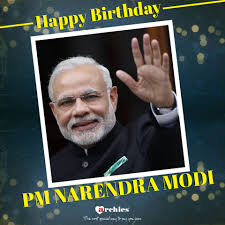
Happy 70th Modi ji !

17th September,1950. A date when a legend was born. Narendra Damodardas Modi, born and brought up in the city of Vadnagar, Mehsana district, Bombay State (present-day Gujarat). He is one poor tea selling kid who grew up to be the most powerful and influential leaders in India. Modi ji aspires to serve the nation and to do the best he can do to attain his vision and mission in favor of his country. I am not entering into any political conflicts and nor will i talk out the Bhartiya Janta Party (BJP) . I will only talk about this miraculous leader who has changed the outlook of INDIA in his leadership tenure .

As a Chief Minister of Gujarat, Modiji has changed the outlook of Gujarat. In his 12 years of being a CM, he has developed Gujarat . He has developed industries, he has served the poor, brought in different schemes. The tourism sector has flourished because of his reign.

In 2014, there was a Modi leher, with slogans of “Har har Modi. ghar ghar Modi” and ” achhe din aane wale haii” . The majority supported BJP for a sole reason Modi. Modi jihas become the brand face of BJP. Modi ji became the first Prime minister after many years to get the whole majority of votes. On the day of 26th May 2014, he swore the oath as a prime minister. From that day onwards he has been serving the nation in it’s best of interests.

The confidence and aura he has makes him a charismatic leader. The speech delivery and the kind of orator he is is incredible! He knows the power of persuation. He is like water that takes the shape of whichever container you put in.The degree of decisiveness is very high in him,he does not care about what people speak about him because he firmly believes that whatever he is doing is right and will only serve the nation in the long run.

His party along with Modi ji and the president of BJP has taken tremendous efforts. Demonetization, Implementation of Goods and service tax, Swacchh Bharat Abhiyan, Make in India, Jan dhan yojna, Beti bachao beti padhao and Smart city missio. He dreams of a Digital India. And he is also doing everything he can to make India digital. The BHIM app for transactions is also a form of that.

It is only because of our Prime Minister today, that our foreign relations have improved to an extent that they are standing with India and ready to help it in all possible ways. He knows the importance of ties globally. From the US to Japan, they are with India in the time of crisis.

He has also won several awards — ” The King Hamad Order of Reneissance” , one of the most reputed award of Bahrain. His presence in the HOWDY MODI event in the US was also a great achievement.

Modi ji has set examples not only for the adults but also for the youth of today. He firmly believes that youth of today is the future of tomorrow and he does everything to encourage them to turn the future in their own way. He also engages his audience with various platforms like Man ki baat on the radio or talking directly to the students on children;s day or teachers day.

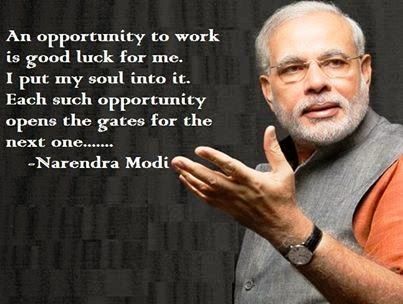
Modi ji is a living legend and is a Lion that is not afraid to roar. He says that hard work never brings fatigue, it brings in satisfaction.Once again Happy Birthday Modi ji !!

Beverages from scratch…

Wine

Wine is as old as civilization itself and it has a significant place in many ancient cultures. Many experts agree that wine probably dates to 6000 B.C., to Mesopotamia where wild vines grew in abundance. The popularity of wine eventually spread to Egypt, along the Nile Delta. Wine came to Europe with the spread of the Greek civilization around 1600 B.C. It was an important article of Greek commerce and Greek doctors including Hippocrates, were the among the first to prescribe it. The Greeks also learned to add herbs and spices to mask spoilage.

Starting about 1,000 B.C., the Romans made major contributions in classifying grape varieties and colours, observing and charting ripening characteristics, and popularizing the growing of vines and manufacturing of wines. As time progressed, the wealthy enjoyed the fruits of the vine. After the collapse of the Roman Empire, Europe’s wine industry was saved by the church as monks planted vines to provide wine for Mass. Before long, France emerged as a leader, with some of the world’s finest wines.

Did you know that an ancient Persian fable credits a lady of the court with the discovery of wine? This princess lost favour with the king and attempted to poison herself by eating some table grapes that had ‘spoiled’ in a jar. She became intoxicated and fell asleep. When she awoke, she found that she felt much more relaxed and stress free and wine was discovered!

Coffee

According to legend, an Arabian shepherd named Kaldi found his goats dancing joyously around a dark green leafed shrub with bright red cherries in the southern tip of the Arabian Peninsula. Kaldi soon determined that it was the cherries on the shrub that were making them act this way. After trying the cherries himself, he learned of their powerful effect. These were coffee berries and monks at a local monastery started using a drink made of these berries to stay awake during extended hours of prayer. And so, coffee was born.

The ancient Ethiopians made balls of crushed coffee beans and fat to give them energy during long journeys. The coffee we are familiar with originated in Arabia, where roasted beans were first brewed around A.D. 1,000. Later, coffee was brought to the rest of Asia from where it was taken to Europe by a merchant from Venice.

Did you know that the name coffee is derived from the Arabic term ‘gahwa’ which means ‘that which prevents sleep’?

Tea

Did you know that tea is 5000 years old? According to legend, it was discovered in 2737 B.C., by a Chinese emperor when some tea leaves accidently blew into a pot of boiling water. The emperor was interested in the new liquid, drank some, found it very refreshing, and tea was created!

Tea consumption spread throughout Chinese society reaching into every strata. In time, drinking tea became part of the social and cultural life in the far East and India. Tea was introduced to India by the silk caravans travelling from the Orient to Europe. It was a Buddhist priest who brought the first tea seeds from China to Japan. In Japan, tea received almost instant imperial sponsorship, and spread rapidly from the royal court and monasteries to the other sections of Japanese society. Dutch traders and Portuguese missionaries brought tea into Europe and tea became an extremely fashionable drink in the court of Charles II of England. Tea has played a very important role in the history of England for it brought fortune to the British empire and at the same time, it was a tax levied on tea that led to the loss of her colonies in the New World.

Today, tea is grown on tea estates, and 70% of the tea we drink is grown in Sri Lanka, India, Indonesia, Kenya, Argentina and China. Amazing, we drink virtually the same tea today that the Chinese emperor drank the day he discovered it!

Carbonated soft drinks

Do you love fizzy soft drinks? Well, even the ancient Romans loved to drink the bubbling waters of mineral springs and they believed that this water was very good for health as well. Later, scientists discovered that it was the carbon dioxide in the water that caused these bubbles and tried to find a way to introduce this gas into plain water to give the same effect. Thanks to the efforts of such scientists as Joseph Riestley and John Nooth, this feat was accomplished and carbonated water was available for sale by the end of the 1700.

The next step was to flavour this sparkling water. In 1784, citric acid was developed from lemon juice and by 1833, carbonated lemonade was on sale in England. Soon, other flavours were introduced and in 1886, Coca Cola entered the market and created soft drink history.

Thank you for reading. Have a nice day!🌼

Swachh Bharat Abhiyan

On 2nd Oct 2014, when the country was celebrating the birth anniversary of Mahatma Gandhi , PM Narendra Modi launched a national campaign “Swatch Bharat Abhiyan” with a aim to make India completely clean by the 150th anniversary of Mahatma Gandhi (2nd Oct 2019). “Clean India” was a dream of Bapu who advocated cleanliness and sanitation to be an essential part of healthy and peaceful nation. The campaign urged people to spend at least 100 hours every year to make their surroundings clean.Cleanliness is essential for physical, social , mental and intellectual well- being , and is the responsibility of not only Government but also a common man to make our country clean and green as it is said that “Cleanliness is Godliness”.

The mission was started by Prime Minister Modi, who, on December 25, 2014, nominated nine famous personalities for the campaign. They took up the challenge and nominated nine more people.
Among those nominated by the PM are film actors Salman Khan, Priyanka Chopra and Kamal Hassan, industrialist Anil Ambani, Goa Governor Mridula Sinha and Congress leader Shashi Tharoor, yoga guru Ramdev and the team of TV serial “Tarak Mehta Ka Ulta Chashma”. Thereafter, it has been carried forward with people from all walks of life joining it. The nine public figures selected by Modi to propagate the mission include:Comedian Kapil Sharma, Former captain of Indian cricket team Sourav Ganguly, Former IPS officer Kiran Bedi, Padmanabha Acharya, Nagaland Governor Sonal Mansingh,classical dancer Ramoji Rao of Eenadu group and Aroon Purie of the India Today group.
“I have invited nine people and asked them to come to public places and work towards a Clean India. I ask them to invite nine more people too…I am sure these nine people will do the work and each will invite nine more people to form a chain and clean the country,” Modi said.

Swachh Bharat Abhiyan ( Clean India Mission in English) is a campaign in India that aims to clean up the streets, roads and infrastructure of India’s cities, smaller towns, and rural areas. The objectives of Swachh Bharat include eliminating open defecation through the construction of household-owned and community-owned toilets and establishing an accountable mechanism of monitoring toilet use. Run by the GOI, the mission aimed to achieve an Open-Defecation Free (ODF) India by 2 October 2019, the 150th anniversary of the birth of Mahatma Gandhi, by constructing 90 million toilets in rural India at a project costed of ₹1.96 lakh crore (US$30 billion).

Construction of exclusive village sanitary complexes for women providing facilities for hand pumping, bathing, sanitation and washing on a selective basis where there is not adequate land or space within houses and where village panchayats are willing to maintain the facilities.Many civil society organisations and companies have also joined the campaign, spreading awareness in urban slums and villages by putting on street plays about rubbish disposal, handing out leaflets about washing hands and even giving out broomsticks to members of the public.

Swachh sarvekshan covered 4,242 cities, 62 cantonment boards and 92 Ganga towns. This survey was carried out in 28 days.Fourth edition of the survey in 2019 covered 4,237 cities. It was the first-of-its-kind completely digital survey completed in a record time of 28 days.

After winning the cleanest city of India tittle for the fourth time, Indore Municipal corporation employees federation president Umakant Kale said that many sanitation employees were infected with coronavirus, but they did not give up and the first position in the Swachh Survekshan 2020 is the result of their hard work

There is no disadvantage of Swachh Bharat Abhiyan. However, the advantages are many.
1. Boost in tourism
2. Improve health of masses
3. Adoption of clean technology
4. Improved productivity of individuals attract foreign direct investment (FDI)

There is a famous saying, ‘Cleanliness is next to godliness’.

Child labor

Priya Yadav,

Childhood, the most beautiful moment of human life, nothing to worry nor any responsibility. Just being lost in your head all the time, playing, and reading. But it is not necessary for everyone to have such a childhood.

You will be well aware of the problem of child labor. Any child who is under 14 years of age and works for a living is called a child laborer. Due to poverty, helplessness, and harassment of parents, these children continue to sink into this morass of child labor.

Today there are 215 million children worldwide who are under 14 years of age. And the time of these children does not pass between copy-books and friends in school, but between hotels, houses, industries, utensils, brooms, and tools.

This situation has become very frightening in India. India has the largest number of child laborers in the world. According to the 1991 census, the number of child laborers was 11.3 million. The figure rose to 12.7 million in 2001.

Child labor is a major social problem in developing countries. Children are covered under child labor who work at their playing and reading age. When a child who is under 14 years of age and earns a living earns wages, it is called child labor or child labor. Huh. India has the highest number of child laborers in the world, which is a curse on our country. Poverty is the main cause of child labor. Due to poverty, people get their children to do child labor, so that the family’s income can increase and feed them. Therefore, to stop child labor, it is most important to eradicate poverty. Apart from unemployment, illiteracy is also the main reason for child labor. Apart from this, some greedy contractors get the children to work in the greed of low wages by the shopkeepers. Child labor takes away the childhood of these children.

At the age of jumping, these children do wages, due to which their physical and mental development is not possible. This is dangerous for the future of any country because these children go ahead and build the country. Therefore child labor always proves fatal for the good future of any country. Crime also increases due to child labor. Therefore, the government has also enacted several laws against child labor, but it is necessary to implement those laws properly. Awareness against child labor is necessary for the government as well as in the general public because the government alone cannot ban child labor. We should all help the government to stop child labor, and this is also important.

To improve this situation of child laborers, the Government enacted the Child Labor Act in 1986 under which child labor was considered a crime and raised the minimum age of employment to 14 years. With this, the government has taken steps to eliminate child labor in the form of the National Child Labor Project. The aim of this project is to save children from this crisis. In January 2005, the National Child Labor Project Scheme was extended to 250 districts in 21 different Indian states.

Today, the government has made education up to the eighth compulsory and free, but in the face of poverty and helplessness of the people, this plan also seems to be fruitless. The parents of the children do not send them to school simply because their going to school will reduce the family’s income.

Intelligence Life Emerging beyond our Planet

Despite knowing when life first appeared on Earth, scientists still do not understand how life occurred, which has important implications for like hood of finding life elsewhere in the universe.

Extra-terrestrial life or life beyond earth! This sounds quite interesting right! Let us unfold this mystery together in this article. Scroll down and be ready to unfold the mystery.

So without any further delay, let’s begin!

Some belief that extra-terrestrial life might evolve in alien worlds. Humans have been wondering whether we alone in the universe since antiquity.

Based on evidence that life emerged within 300 millions years of the formation of Earth’s oceans as found in carbon-13-depleted zircon deposits, which is a very fast start in the context of Earth’s lifetime. Emphasizing that the ration is at least 9:1 or higher, depending on the true value of how often intelligence develops.

So, according this assumption, if planets with similar conditions and evolutionary time lines to Earth are common, then it may suggests that life should have little problem spontaneously emerging on other planets too.

Researchers have discovered some Earth-like planets that may have the potential to harbour life. But what will happen if an alien planet hosted intelligent life that would built a technologically advance civilization? Can there be ‘techno signatures’ that this kind civilization on another parallel universe could be seen from earth?

NASA was the first to grant permission to study these ‘techno-signatures’-detectable signs of past or present technology used on other planets. Change is the permanent thing in the world and civilizations with the help of help of nature will need to find a way to produce new forms of energy. Actually there are many forms of energy present in the universe and aliens are not magical creatures. Right!

Likewise life can take many types of forms but one thing is common that it will be always based in the same physical and chemical principles that underlines the rules of universe. It will hold the same connection for building a civilization, any kind of technology that an alien civilization uses is going to based on physics and chemical properties. This proves that earth-bound scientists can use their lab knowledge to guide their thinking towards find intelligent life elsewhere in the universe.

There are two ways to detect life on another planets, according to the scientists.

  1. Solar panels: Stars are the most powerful energy generators in the whole universe. Then using solar energy is a very natural thing for other civilizations to use as we use solar energy on the earth. So if a civilization uses a lot of solar panels, the light that is being reflected from the planet will have a certain kind of spectral signature, signifying the presence of those solar collectors. The researchers will determine these signatures and might get a signal of extra-terrestrial life beyond earth.
  2. Pollutants: On our planet earth , we are able to detect chemical elements present in our atmosphere by the light the chemicals absorb. Examples are methane, oxygen, CFCs, the ones which are used as refrigerants. The signature of chemicals like CFCs, which will indicate the presence of an another industrial civilization in the universe.

So in these ways it can actually be detected how a technologically advance population and its planet may emerge and develop or rather can collapse together. Extra-terrestrial life is actually based on their ability to harness of energy created in the universe.

Hope you enjoyed reading this article. Stay connected with us for further updates. Till then have a nice day.

Fantasy sport in India: Legal or Illegal

Fantasy sport is an online game that involves selection of and competition among virtual teams for points. These points can be redeemed in prizes, including money. However, when cash for stakes is involved, a fantasy game or sport is required to comply with additional legal compliances.

There is no legal definition for “fantasy sports” in India. Games of chance fall under gambling and are thereby restricted by state gambling laws. Fantasy Sport is classed as a game of skill, rather than chance. The Supreme Court of India has explained skill in terms of “superior knowledge, training, attention, experience and adroitness… although the element of chance necessarily cannot be entirely eliminated”. It is the dominant element, either ‘skill’ or ‘chance’ that determines the character of the game.

 However, games involving considerable and substantial degree of skill (mathematically, more than 50%) fall outside the extent of betting laws and consequently are legitimate in India. Courts have examined the game format of Dream11 and have considered its format as ‘game of skill’. Courts have not examined any other fantasy gaming formats and have not offered any views, judgments, or analyses the format of any other fantasy gaming platform. Whether a fantasy sport is a game of chance or a game of skill, legality is based on the modalities of each game.

As there are no set of government regulations, Fantasy industry standards in India are regulated by Federation of Indian Fantasy Sports (FIFS. Self-regularisation norms for the Indian fantasy sports industry is set up by the federation until the government comes out with any standards and laws.

The gambling laws in India are State specific. In most State enactments games of skill are excluded from the application of gambling laws.

When it comes to taxation, as per the Indian rule, 18% GST is applicable on games that are skill-based, like Dream11’s format, and fantasy sports gaming. The court referred to Schedule III of the Central Goods and Services Act, 2017 which states that ‘actionable claims, other than lottery, gambling and betting’ are excluded from the scope of supply.”
To understand it definition of the gambling is reproduced hereinafter:
‘Gambling’ as per most Gambling Legislation is understood to mean “the act of wagering or betting” for money or money’s worth. Gambling under the Gambling Legislations however does typically not include (i) wagering
or betting upon a horse-race/dog-race, when such wagering or betting takes place in certain
circumstances, (ii) games of “mere skill” and (iii) lotteries (which is covered under Lottery Laws).

Online gaming is Legal up to the extent, when there is use of skill which can be said as when the chances to win are not wholly based on probability, The key points from an Indian High Court’s judgment specifically regarding (challenge to this judgment was also dismissed by the Supreme Court of India therefore it attained finality)

The Court, in its ruling, stated that playing the online game involves considerable skill, judgment and discretion and that success on online games arises out of users’ exercise, superior knowledge, judgment and attention
The Court also held that ‘the element of skill’ had a predominant influence on the outcome of the game, which follows the following format:
Participants have to choose a team consisting of at least the same no. of players as playing in a real-life sports team (e.g.11 in cricket/football, 7 in handball, 7 in kabaddi )
All contests are run for at least the duration of one full sports match
No team changes are allowed by participants after the start of the sports match
On this basis, the Court adjudged that playing on constitutes a ‘game of mere skill’, which makes the game exempt from the provisions of the Public Gambling Act, 1867 (PGA).
Finally, the Court held that the online gaming is a legitimate business activity protected under Article 19(1)(g) of the Constitution of India.
You can find more information on the legality of Fantasy Sports in India on the website of the Indian Federation of Sports Gaming (IFSG): http://www.ifsg.in. IFSG is India’s first and only self-regulatory Sports Gaming industry body formed to protect consumer interest and create standardized best practices in the Sports Gaming industry.

Fantasy Cricket launched in India

As a strategy-based game, Fantasy Cricket requires thorough sports knowledge and research skills, meaning the outcome does not depend on luck but on the actual performances on your chosen players on the field.
Till now, many such fantasy sports app or websites are available like Dream 11, Ballebaazi, Fanfight, Playerzpot, Real cricket and many more. Dream 11 is also the first and top in all others. Dream 11 is also the title Sponsor of IPL season 13, starting from 19th September in UAE under Bio secure Bubble. They offer fantasy cricket and fantasy football.

In simple words, this is legal because here you use your knowledge and understanding although there is a luck factor but not in entirety. However, if you are resident of Assam, Odisha, Telangana, Nagaland and Sikkim, you are not legally permitted to play online games for a fee. The laws are different in these Indian states.

Since fantasy sports involve skills, it does not fall in the gambling category of games in India. Other than fantasy sports in India, Indian laws have categorised Rummy, Chess, Carrom, and Wagering on Horse Races as games of skill.

Ways to find the real “YOU”

The most important journey of our lives is discovering who we truly are. Have you ever asked yourself- Who you are?
Well, if you didn’t then ask yourself today and try to find your answer !
     Finding yourself may additionally sound like an inherently self-centered goal, however it is simply an unselfish process that is at the root of everything we do in life. In order to be the most treasured person to the world round us, the best partner, father or mother etc, we have to first recognize who we are, what we value and, in effect, what we have to offer. Now, let’s discover some of the ways to find out our authentic self.
1) Make sense of our past- In order to find out who we are and why we act the way we do, we have to be aware of our own story. Being courageous and willing to explore our past is an important stepping stone on the avenue to appreciate ourselves for who we are  and changing into who we prefer to become. Research has shown that it isn’t simply the things that has  happened to us that outlines who we become, but its how much we’ve made sense of what has occurred to us.
 So, in order to grow in life and to understand yourself better you will have to make peace with your past, clear up your past issues, recognize your behavior patterns, fix yourself if needed and change for the better. Do not continue to be caught up in your past conflicts.
2)Differentiate- Differentiation refers to the procedure of striving to increase the experience of ourselves as unbiased individuals. In order to find ourselves and to genuinely live our lives in the best viable way, we ought to differentiate ourselves from the rest. We have to attempt to locate our traits that makes us special and unique from others. We ought to additionally try to find our very own values, morals and ideas rather than blindly accepting those values and morals one has grown up with.
3) Seek meaning in life – In order to discover ourselves, each one of us  should look out for our personal sense of purpose. This is the ability of keeping apart our personal point of view from other’s expectations of us. It needs asking ourselves what our values are, what truly matters to us, and then following the ideas we truly believe in. Finding your self and your happiness is a challenge inextricably linked to discovering meaning in life and for discovering the meaning in your existence you must have certain goals and dreams to obtain in your lifespan, to make it a life worth living.
4) Recognize your personal power- When we recognize what we prefer and what are our desires that we want to achieve, we are challenged to take control over our lives. We no longer have interactions with  ourselves in a spiral of negative questioning that tells us all the things that are incorrect with the world round us or all the motives we can’t have what we want. Instead, we begin accepting ourselves as a powerful participant willing to write our own destiny. Utilising our personal power is vital to both discovering and becoming ourselves.
5) Practice generosity-
Mahatma Gandhi once stated ” The best way to find yourself is to lose yourself in the service of others.” In addition to improving your intellectual and physical fitness and extending your lifespan, generosity can enhance one’s experience of reason and attach a meaning to life. It is frequently considered that humans derive more joy out of giving than from receiving. So, if you desire to discover your way in life, it’s beneficial to exercise generosity as an intellectual health precept and take on a compassionate mind-set towards  your self and others.
So, if you want to discover your true self, first uncover your past, understand why you are the way you are, develop your own set of beliefs and principles to follow, find a reason to live for, stay focused on what you want out of your life, work hard to achieve your dreams and finally practice generosity to attract happiness into your life. Go ahead and follow the above-mentioned ways and I hope you will discover the real ‘YOU’ soon!

Rowlatt Act

The Anarchical and Revolutionary Crimes Act of 1919, popularly known as the Rowlatt Act or Black Act, was a legislative council act passed by the Imperial Legislative Council in Delhi on 18 March 1919, indefinitely extending the emergency steps of preventive indefinite detention, imprisonment without trial and judicial review introduced in the Protection of India Act 1915 during the First World War. It was enacted in light of a perceived threat from revolutionary nationalists to organisations of re-engaging in similar conspiracies as during the war which the Government felt the lapse of the Defence of India Act would allow.

It was the Rowlatt Act which led Gandhi into the Indian independence struggle and into Indian politics in the Gandhi period.

The British administration passed the Rowlatt Act , which gave the police power without any excuse to prosecute anybody. The Act aimed at curbing the country ‘s rising nationalist turmoil. Gandhi called on the people to combat the oppressive “act” of Satyagraha.

According to the recommendations of the Rowlatt Committee and named after its Chairman, UK Judge Sir Sidney Rowlat, this act effectively allowed the government to prison for up to two years, and gave imperial authorities the power to deal with all revolutionary activities, any alleged terrorists residing in British India.

The controversial law allowed for tighter press control, arrests without warrant, prolonged incarceration without trial and without a jury in camera hearings for forbidden political activities. The defendants were refused the right to know the defendants and proofs used in the trials. Those convicted had to deposit securities upon release and had to take part in all political , educational or religious activities prohibited. Two bills were presented in the central legislative term in February 1919, on the recommendation of the commission, headed by Justice Rowlatt. The bills were labelled “black bills.” They gave the police massive powers to search for a place and arrest any person without warrant they disapproved of. The Rowlatt Act was enacted in March 1919, amid a great deal of opposition. The act was intended to rein in the country ‘s increasing nationalist rise.

Mahatma Gandhi was very critical of the Act among other Indian leaders and claimed that not all should be prosecuted for isolated political crimes. The Imperial legislature resigned, in protest against the act, from Ms Mohan Malaviya and Muhammad Ali Jinnah, a member of the All-Indian Muslim League. The law was also angered by the government’s persecution of many other Indian leaders and the general public. Gandhi and others found the step to be fruitless, and a hartal took place on 6 April. This was an incident where Indians were suspending companies and went on strike and were provided against the law easily, praying and holding public meetings in response to the “Black Act.” Mahatma Gandhi was bathing in Mumbai at the sea and speaking before a temple procession. The case was part of the campaign for non-cooperation.

But Delhi’s hartal ‘s performance on 30 March was overshadowed by high tensions leading to riots in Punjab and elsewhere. Gandhi suspended resistance because he had determined that the Indians were not ready for the idea of nonviolence.

On 20 March 1919, the Rowlatt Act came into force. On 10 April two of its founders, Dr Satyapal and Saifuddin Kitchlew, were arrested and secretly taken to Dharamsala. In Punjab the protest movement was very strong.

On 13 April, people from nearby villages met for Baisakhi Day and protested against two major Indian leaders’ deportation in Amritsar, leading to the notorious 1919 massacre of Jallianwala Bagh.

In March of 1922, the government of India approved the report of the Oppressive Laws Committee and abrogated the Rowlatt Act, the Press Act and 22 other laws.