As demand for faster and more cost-efficient crypto payments continues to rise, infrastructure providers are increasingly turning to Layer-2 technologies to overcome the scalability limits of traditional blockchains. In response to these market needs, CryptoProcessing by CoinsPaid has expanded its payment rails by integrating two major Ethereum Layer-2 networks — Arbitrum and Base — enabling merchants to process transactions more efficiently without sacrificing security.
According to an article on TechBullion, CryptoProcessing by CoinsPaid has introduced support for ETH and USDC on both Arbitrum and Base, allowing businesses to benefit from significantly reduced fees and near-instant settlements while retaining Ethereum-level security.
Advancing Scalable Crypto Payments
CryptoProcessing by CoinsPaid is widely recognized as one of the leading crypto payment gateways serving businesses worldwide. The integration of Arbitrum and Base represents a strategic step in the company’s long-term mission to make crypto payments commercially viable for high-volume and global operations.
By adding Layer-2 support, the platform addresses two of the most persistent challenges in blockchain payments: transaction speed and cost. Merchants can now accept Ethereum-based payments with faster confirmations and substantially lower gas fees, which is especially critical for companies handling large numbers of transactions or operating across borders.
Aliaksei Tulia, Chief Technology Officer at CoinsPaid, has emphasized that scalability is no longer optional for payment providers. Businesses increasingly expect blockchain solutions to match the performance and reliability of traditional financial systems, while preserving the transparency and security that decentralized technologies offer.
Why Layer-2 Networks Matter
Layer-2 blockchains are built on top of Layer-1 networks such as Ethereum. Rather than processing every transaction directly on the mainnet, Layer-2 solutions handle transactions off-chain or in bundled formats before settling them on Ethereum. This approach significantly improves throughput while reducing congestion and costs.
Ethereum’s strong security model remains intact, but the user experience improves dramatically. For merchants and payment service providers, this means quicker settlements, predictable fees, and a smoother checkout experience for end users.
The integration of Arbitrum and Base positions CryptoProcessing by CoinsPaid at the forefront of this shift toward scalable blockchain infrastructure.
Arbitrum: Optimistic Rollups at Scale
Arbitrum is one of the most widely adopted Ethereum Layer-2 solutions, known for its use of optimistic rollup technology. This approach allows transactions to be processed efficiently while assuming validity by default, with fraud proofs available if disputes arise.
For merchants using CryptoProcessing by CoinsPaid, Arbitrum delivers:
Faster transaction confirmations compared to Ethereum mainnet
Substantially lower gas fees for ETH and USDC transfers
Full compatibility with Ethereum smart contracts
These advantages make Arbitrum particularly attractive for businesses that require reliability and performance at scale, without deviating from the Ethereum ecosystem.
Base: Accessible and Ethereum-Compatible
Base is a newer Ethereum Layer-2 network designed to make decentralized applications and blockchain payments more accessible. Built with a focus on usability and scalability, Base offers a secure and developer-friendly environment while remaining fully Ethereum-compatible.
Through Base integration, CryptoProcessing by CoinsPaid merchants gain access to:
Affordable transaction fees
Faster payment processing
A secure environment backed by Ethereum’s infrastructure
Base’s emphasis on simplicity and accessibility aligns well with the needs of businesses entering or expanding within the crypto payments space.
Practical Benefits for Merchants
The addition of Arbitrum and Base brings immediate, tangible advantages to merchants using CryptoProcessing by CoinsPaid:
Near-instant settlements, improving cash flow and operational efficiency
Lower transaction costs, especially for ETH and USDC payments
Improved scalability, enabling high transaction volumes without performance degradation
Trusted security, anchored in Ethereum’s proven security model
These benefits are particularly valuable for e-commerce platforms, digital service providers, and global businesses that depend on fast and reliable payment processing.
Bridging Traditional and Decentralized Finance
CryptoProcessing by CoinsPaid has consistently positioned itself as a bridge between traditional financial systems and decentralized economies. The integration of Layer-2 networks reinforces this vision by combining blockchain innovation with practical, business-ready solutions.
Rather than focusing solely on technological advancement, the company prioritizes real-world usability. By lowering costs and improving performance, CryptoProcessing by CoinsPaid helps merchants adopt crypto payments without exposing themselves to unnecessary complexity or volatility.
Looking Ahead
As blockchain adoption continues to grow, Layer-2 solutions are expected to play a central role in the future of digital payments. By integrating Arbitrum and Base, CryptoProcessing by CoinsPaid demonstrates a proactive approach to infrastructure development — one that anticipates merchant needs and aligns with the broader evolution of the Ethereum ecosystem.
This expansion underscores the company’s commitment to building a secure, scalable, and efficient payment environment where performance, trust, and user experience converge. For businesses seeking to leverage crypto payments at scale, Layer-2 support is no longer a feature — it is a necessity.
The cryptocurrency market is extremely volatile, and prices often fluctuate dramatically within hours or even minutes. Staying ahead of market movements is essential for traders and investors to gain maximum profit and minimum risk. Therefore, crypto predictions tomorrow stand to provide good estimates for short-term price movements and trends in the market to aid participants in making investment decisions. It basically integrates technical analysis, market sentiment, news events, and economic factors to give actualized insight into the near-term possibilities of a price climb or fall, as well as the opportunities that exist for investments.
Understanding Crypto Predictions Tomorrow
Crypto predictions tomorrow focus on anticipated price movements over roughly 24 hours and market behavior. Such forecasts are short-term, so they consider indicators of immediate relevance rather than broad market trends, adoption rates, and technological changes. This comes in handy for day traders and short-term investors who depend on those insights to grab quick arbitrage opportunities. Along with pattern and historical trend analysis, today’s trader gets data from real-time indicators to gauge profits, losses, and extreme volatility occurring with his portfolio.
The Factors Affecting Crypto Predictions Tomorrow:
There are several factors influencing the reliability and relevance of the crypto predictions for tomorrow. Market Sentiment: Investor confidence, social media chatter, and engagement from the community can propel short-term price movements.
Regulatory Announcements: Any governmental announcements concerning the regulation or policy affecting cryptocurrencies would garner an instant reaction.
Technical Indicators: One of the most popular methods used in forecasting short-term price movements is to analyze moving averages and indicators such as RSI, MACD, and candlestick patterns.
Trading Volume and Liquidity: Heavy trading activities suggest a strong trend, whereas low liquidity can cause sudden periods of volatility.
News and Events: Major announcements related to partnerships, technological upgrades, or the macroeconomy may influence the price action in one day.
Tools and Techniques for Short-Term Predictions
To make accurate crypto predictions, the following technical and analytical methods are considered:
Candlestick Analysis: Study hourly or daily candlestick formations for potential reversals or continuation trends.
Moving Averages: Simple and exponential moving averages depict the short-run direction of the market.
Momentum Indicators: For determining if a security is overbought or oversold, momentum indicators are also used to identify trend reversals.
Support and Resistance Levels: Identifying where price may reverse or break through.
Volume: Tracking volume helps confirm the movement and possible breakout areas.
Most Popular Cryptocurrencies for Short-Term Predictions
Short-term predictions usually center on the major cryptocurrencies, owing to their market influence and liquidity:
Bitcoin (BTC): Due to its status as the most traded digital currency, BTC movements generally set the tone for the broader market.
Ethereum (ETH): ETH prices tend to be influenced by smart contract activity, DeFi platforms, and network updates.
Ripple (XRP): Short-term price alterations can react to regulatory news and partnership announcements.
Binance Coin (BNB): Activity in the Binance ecosystem can lead to very quick price movements.
Solana (SOL) and Cardano (ADA): Occurrences and trends in network expansion and adoption can influence their immediate price movement.
Role of Expert Platforms in Making Crypto Predictions Tomorrow
An expert platform can feature in this realm by providing services and specialized insight writings. Zephyr happens to be a better example; it offers real-time analytics, a predictive model, and expert commentary. They could bring in all sorts of analyses, using past data, market indicators, alternative data, and sentiment, helping the trader to actually predict short-term price movement and trade on those decisions. Their core product combines algorithmic forecasting with an expert layer to deliver actionable insights tailored for today’s high-speed trading environment.
Advantages of Leveraging Platforms like Zephyr
Platforms like Zephyr increase the certainty and credibility of crypto for tomorrow’s predictions:
Real-Time Data: Zephyr shall prepare all of the current market data and analysis that informs decisions of their short-term trading.
Expert Analysis: Proximal price movements and potential market trends exist in the domain of professional commentary.
Actionable Insights: Forecasts allow the trader to plan an entry or exit depending on what is occurring right now in the markets.
Risk Management: Alerts regarding the upcoming trend minimize losses in times of high volatility.
Strategic Decision-Making: Investors can improve trades and portfolio allocation using short-term forecasts.
Strategies for Acting upon Short-Term Forecasts
There are multiple strategies traders could consider when trading tomorrow to optimize their results:
Day Trading: Capitalizing on intraday price fluctuations to execute profitable trades.
Swing Trading: With predicted price movements expected to take place in a day or two, traders hold short positions to profit from them.
Stop-Loss and Take-Profit Planning: Using the prediction to provide the best exit points for your investments.
Portfolio Diversification: Allocation of assets to various cryptocurrencies to lessen the risk exposure.
Alerts and Automation: Set up automated alerts or trading bots to execute orders at the moment of price predictions.
Challenges to Short-Term Crypto Prediction
Then again, all these do have their limitations and challenges inherent in the very nature of crypto predictions tomorrow:
Market Volatility: A sudden and unexpected fluctuation in price would halve the accuracy of any prediction.
External Events: Situations such as announcements by regulators, macroeconomic changes, or technical glitches would abruptly change the course of the market.
Sort of Being Speculative: Analysis and assumption form the basis of forecasting, but can never assure the outcome.
The temptation of the overuse of tools: Indicators are here to point you in your direction, but ultimately, it takes knowledge and experience to truly interpret where the market is heading.
Conclusion
Crypto predictions tomorrow matter to negotiate the very volatile and fast-moving market for cryptocurrencies. In turn, this will give opportunities to traders and investors to manage risk by making informed decisions on the basis of technical analysis, market data, and expert insights. These kinds of predictions coming from platforms such as Zephyr with advanced analytics, real-time updates, and expert commentary offer a stable foundation for short-term trading concepts. When integrated with the predictions, these operators will be better able to chart movements in price, fine-tune their trading concepts, and seize on opportunities as the cryptocurrency world changes between them and the present.null
The phrase “crypto compare” generally means putting two or more cryptocurrencies alongside each other, price, and so much more for one of higher power, promise, or suitability under your investment strategy—the market cap, tokenomics, returns, supply, intensity, and more: Crypto compare tools or platforms allow you to compare a friend with a peer or a new token with an established token or see how your portfolio stacks up.
Markets move fast, and context matters. If you see big gains in a token, you really have to know if it’s just hype or if it has really outperformed. Then, Crypto Compare lends a vantage to the rare phenomenon: compare controls against ones that are overpriced. It also helps research, too, because comparing the new project with incumbents will demonstrate whether its underlying assumptions towards your target are plausible or not.
Key Metrics You Should Use When You Crypto Compare
Price & 24h Change: the very basis upon which we attempt to identify which token is truly moving or maintaining strength Market Capitalization & Fully Diluted Valuation: to understand if price is supported by supply Tokenomics & Supply Distribution: percentage being locked, team allocations, circulation vs total supply ROI / Historical Return: the time passed since, and how much across the risk of greatest retracement Liquidity & Volume: how much selling occurs, and how easy it is to enter or exit Development Activity/GitHub: It is this development pipeline that will give a token an “alive” status before putting two different crypto tokens on a Crypto Compare Community/Social: followers, activity, sentiment, growth Roadmap or progress on roadmap or even announcements
Crypto Compare Analysis Tools and Platforms!
Many crypto platforms provide built-in comparison features, allowing users to compare prices of two tokens side by side, check various metrics, or look at ratios. Crypto data aggregators and analytics platforms allow side-by-side token metrics, ranking, and filter tools when you compare crypto. Cryptocalculator Space is more of a special calculator suite than a complete comparison engine, but its tools let you calculate scenario outputs (price vs market cap), which can also be used in a crypto-compare framework.
Spotlight: Using Cryptocalculator Space at Crypto Compare
If anything, input parameters. Talking about different tokens’ circulating supply, target market caps, and price targets to get comparable output.s For example, calculating a price for Token-A in target cap 100 M and doing the same for Token-B, then comparing those two tokens on Crypto to understand which one has a better upside considering working supply or tokenomics. You can even run profit/loss estimations for the tokens in the same input range and plot which of the two offers a better return potential or lower downside. Side-by-side token analyses are where Cryptocalculator Spaces’ calculators work as side helpers.
How to Structure a Smart Crypto Compare Approach
Pick your peer group: choose tokens with the same sectors (DeFi, infrastructure, memecoin, etc.), or use cross-chain projects. Maybe you can point out a few key differences. Normalize your metrics: Convert all metrics to the same base (e.g., per token, per supply unit). Use scenario outputs: e.g., for both Token A and Token B, see what price they would be at market caps of 50 M, 100 M, and 500 M. Compare downside potential: run downside projections on each token to see which has the least drawdown. Use non-price metrics: tokenomics differences, unlock schedule, developer activity, and on-chain usage data.
Case Example of Crypto Compare Using Calculator Outputs
Suppose you are comparing TokenX against TokenY. For TokenX, the supply is 100M; for TokenY, the supply is 1 B. Using Cryptocalculator Space, you find that for a market cap of 500M, TokenX would be selling at 5.00 and TokenY at 0.50. You then compute profit potentials from current prices: maybe TokenX gives 10× vs. TokenY gives 8×. They may project downside scenarios: in the 50M market cap situation, TokenX prices will collapse to 0.50, and TokenY will collapse to 0.05. You see that TokenX has more upside but also more downward volatility; your crypto compare shows where those trade risks fall.
Pros and Pitfalls of Doing Crypto Comparison
Pros: Evidence-based decision foundation, avoiding emotional investing, and filtering ability. Pitfalls: Overreliance on model outputs, tokenomic quirks or community sentiment overriding, underestimating execution risk, assuming liquidity, or market behavior. Always remember that the real world may deviate from model outputs.
When Crypto Compare Fails or Misleads You
Inaccurate Data: When the supply data, token contract, or price feed is incorrect, your compare output is flawed. When projections ignore token unlocks or inflation. When there’s an apples vs oranges comparison: comparing a memecoin vs an infrastructure token without a compressing adjustment.
The price, for some time, got ahead thanks to hype and momentum beyond fundamentals.
Best Practices to Make It More Reliable
Use multiple tools and sources of data so that your crypto compare isn’t reliant on just one calculator. Use conservative assumptions in modeling scenarios. Check the unlock schedule in tokenomics and whether supply growth can eat into gains. Look at qualitative metrics (team, roadmap, and community) in your comparison, alongside the numbers. Reconsider your comparison as time goes on—conditions in the market and fundamentals do change.
How Crypto Compare Fits Into Your Research Workflow
Start at the broad: list the tokens considered. Set fundamental comparisons: tokenomics, use case, and development. Compare metrics: liquidity, volume, market cap. Use calculators in the Cryptocalculator Space to model different outcome scenarios. Shortlist some tokens and then do a deeper dive into whitepapers, audits, and community signals. Use the compare output to set target prices, exit points, and risk budgets.
Final thoughts on Crypto Compare
Strong crypto decisions require the application of methods beyond intuition. An ideal crypto compare method, which uses ratio metrics, scenario outputs, tokenomics, and qualitative factors, will give you a more grounded perspective. Comparison does not guarantee outcomes; however, it ensures you are seeing the relative risk and reward before any capital is put into action. Tools like Cryptocalculator Space help you to put alongside clean side-by-side scenarios to make your comparison more rigorous and less of an estimate. If you regularly add disciplined crypto compare analysis into your process, you’ll start having fewer unpleasant surprises while simultaneously making sharper decisions in the crypto markets.
Talking about crypto with friends often feels like a balancing act. On one hand, you are excited about new technologies, digital ownership, and the freedom that crypto brings. On the other, you know that too much technical detail can make newcomers feel lost or even resistant. Many people have heard about Bitcoin, NFTs, or exchanges, but they rarely understand how it all works or how to start. A simple way to bridge this gap is by using a Binance Gift Card, which makes the first step into digital assets safe and easy.
The reality is that crypto adoption is not only about investing money. It is also about trust, curiosity, and making the first step simple enough so it does not scare people away. With solutions offered at Baxity Store, beginners can try crypto in a practical and secure way. In this article, we will explore how to introduce your friends to crypto in a way that is friendly, safe, and engaging without overwhelming them with jargon or pressure.
Why People Struggle With Their First Steps in Crypto
For many newcomers, crypto feels like a completely foreign environment. The first obstacle is the large number of technical terms and complicated tools. Words such as blockchain, private key, or smart contract can sound intimidating to someone who is only beginning. People often believe they need to become experts in programming or finance before they can even open a wallet. Instead of feeling invited, they feel excluded. This sense of complexity pushes many to give up before they start.
Another challenge comes from the way crypto is often presented in the media. News outlets usually highlight extreme stories about scams, sudden crashes, or government restrictions. Although such risks are real, they do not show the full picture. Positive examples such as fast cross-border transfers, digital gifting, or the ability to manage assets without a bank rarely appear in headlines. As a result, people form a one-sided view that crypto is unsafe and unreliable.
There is also the very real fear of losing money through simple mistakes. In traditional finance, banks can reverse transactions or restore access to accounts. In crypto, responsibility lies with the user. Sending coins to the wrong address or losing a recovery phrase often means permanent loss. Stories of users who lost funds due to inexperience circulate widely and make newcomers nervous. This creates hesitation even when someone is interested.
All three factors create a heavy barrier to entry. Technical jargon makes the space hard to understand, negative media builds mistrust, and the risk of user mistakes raises anxiety. Together they explain why many people stop at curiosity without moving further. The good news is that these challenges can be softened with the right approach and by introducing crypto in small, simple steps.
Principle #1: Start With Everyday Analogies
One of the best ways to introduce your friends to crypto is to compare it with tools they already use. Everyday analogies create a sense of familiarity and help people connect the abstract idea of digital money with something simple and useful. Instead of presenting crypto as a complicated technology, present it as an everyday tool.
Here are some examples of how you can explain it:
Digital gift cards: A crypto wallet is like a prepaid card. It holds value that can be redeemed or transferred. Instead of spending in one specific store, crypto allows you to send funds globally.
Mobile top-ups: Just as you add credit to a phone, you can add small amounts of crypto to a wallet. The balance is ready to be used instantly.
Online transfers: Sending crypto is as easy as sending money through a payment app, but it works across borders and without traditional banks.
Email messages: A wallet address functions like an email address. You send digital value to that address and it arrives within minutes.
When you use these analogies, avoid introducing technical words too early. Do not start with blockchain architecture or decentralized finance. Instead, emphasize the benefits that people can relate to:
Flexibility in how and when they use funds.
Instant transfers without waiting days for a bank to process payments.
A sense of independence because they control their balance directly.
This method makes crypto approachable. Your friend sees it as something practical and helpful, not as a complex system that demands technical knowledge. Once they are comfortable with the idea, they will naturally become more curious about the technology behind it.
Principle #2: Give Them “Skin in the Game” With Small, Safe Amounts
Reading about crypto is useful, but nothing compares to trying it out with real funds. Even a small balance can completely change the way a beginner thinks about digital money. What once felt abstract suddenly becomes tangible when they can check their wallet, see the balance, and make a simple transaction.
Small amounts are the best way to begin. A deposit of just a few dollars is more effective than hours of theory or dozens of articles. It builds a sense of ownership and sparks curiosity. Once someone has even a tiny amount of crypto, they are far more likely to explore how it works and why it matters.
A practical way to achieve this is with Binance Gift Cards. They are available in very small denominations, such as 5 or 10 USDT, which makes them ideal for learning. With such amounts, a beginner can practice without the fear of making costly mistakes.
Here is one simple way to introduce the idea:
Give your friend a small card worth 5–10 USDT.
Show them how to redeem it in the Binance app or website.
Let them check the balance on their own.
Encourage them to try sending a small part of it back to you to see how quickly the transfer works.
This short exercise has a powerful effect. Instead of feeling like crypto is complicated or risky, your friend experiences how easy it can be. It gives them confidence and makes the topic less intimidating.
Principle #3: Use Trusted Onboarding Tools
When introducing friends to crypto, it is important to use tools that are safe and reliable. Beginners often worry about scams or technical mistakes, so starting with official products and trusted platforms helps build confidence. Choosing the right entry point can make the difference between a smooth experience and unnecessary frustration.
Gift cards are one of the most beginner-friendly tools. They provide several advantages:
Security: the value is stored safely and redeemed directly through the official platform.
Privacy: there is no need to share sensitive financial details when using a gift card.
Simplicity: no complicated setup is required, and the process avoids lengthy verification steps.
A Binance Gift Card is a clear example of this approach. It can be activated in just a few clicks, and once redeemed, the balance is available in the wallet immediately. The process is intuitive, which makes it an excellent first step for anyone new to digital assets.
By relying on trusted onboarding tools, you create a positive first impression. Your friend sees crypto as something accessible and secure rather than risky and confusing. This first experience lays the foundation for deeper exploration later.
Principle #4: Let Them Explore at Their Own Pace
One of the most common mistakes when introducing friends to crypto is trying to teach them everything at once. Too much information creates pressure and confusion. It is far better to let them move step by step and explore areas that match their interests. Some may be curious about trading, others about fast transfers, and some may want to try NFTs. Giving them freedom keeps the learning process enjoyable.
Instead of overwhelming your friend, start by showing just a few basic actions. Once they feel comfortable, they can decide what to try next.
Here is a simple way to structure the learning path:
Basic Actions for Beginners
Optional Next Steps
Redeem a small gift card
Explore simple trading pairs
Check wallet balance
Learn about NFTs and digital collectibles
Send a small transfer
Experiment with staking or savings products
Add a small top-up
Join community discussions or forums
Your role is not to push them toward advanced tools but to be available when they ask for guidance. Show the basics, answer questions, and let them discover the parts of crypto that feel most interesting to them. This approach creates confidence and keeps the first experience positive.
When to Introduce Advanced Concepts
Timing matters when helping friends discover crypto. The temptation to dive into complex topics like DeFi platforms or trading strategies can be strong, but for a beginner this usually creates more confusion than excitement. Jumping ahead too quickly risks overwhelming them and may even push them away from learning further.
A better approach is to begin with the essentials:
Safe storage of assets in a wallet.
Making a simple transfer to another account.
Understanding how to check balances and transaction history.
Using small amounts for basic purchases or top-ups.
Only after these steps feel natural should you move to the next stage. Once a friend is confident with the basics, they can explore additional areas such as:
NFTs for digital art and collectibles.
Staking to earn rewards on existing holdings.
Peer-to-peer platforms for exchanging crypto with other users.
Broader ecosystems like decentralized applications or lending services.
By pacing the introduction, you help create a gradual learning curve. This ensures that each new concept builds on an earlier understanding, instead of arriving as a flood of information. The goal is to make crypto not just understandable but also enjoyable to use.
Common Mistakes to Avoid
Even with the best intentions, it is easy to make mistakes when introducing friends to crypto. These errors can discourage beginners and leave them with a negative impression of the entire space. Being mindful of common pitfalls will make the onboarding process smoother.
One mistake is applying too much pressure. Overloading your friend with facts, technical terms, or constant explanations makes the experience stressful rather than exciting. Keep the conversation simple and only add details when they ask for more information.
Another mistake is encouraging large investments right away. For someone who has never used crypto, the idea of putting in significant amounts can feel risky and uncomfortable. It is much better to start small, let them practice, and allow their confidence to grow before they decide how much they want to invest.
Finally, avoid framing crypto only as a way to make money fast. Promising quick profits can create unrealistic expectations and lead to disappointment. Instead, show practical uses such as transferring value, storing assets, or redeeming gift cards. When beginners see real utility, they are more likely to continue learning and exploring.
By steering clear of these mistakes, you make the journey into crypto feel safe, clear, and encouraging.
Conclusion
The best way to help friends discover crypto is to begin with small and simple steps. Instead of long explanations, show them how easy it is to redeem a balance, make a transfer, or check their wallet. Binance Gift Cards work especially well for this first experience because they are safe, convenient, and available in small denominations that remove the fear of making mistakes. Your role is not to act as a teacher but as a guide. Offer the tools, give them room to explore, and provide support when they ask for it. With trusted products available at Baxity Store, beginners can get started quickly and safely, turning curiosity into genuine interest and co
The cryptocurrency market continues the evolve, with new tokens flooding in, and Kaito has grabbed some attention due to its technology and growing community of users. The next question comes from investors, which is about investment opportunities in this sector; hence, the Kaito crypto price prediction becomes a matter of concern for understanding the possibilities of being worth it in the future and having investment prospects. By understanding the factors influencing the price of Kaito Coin and also by checking their tools through which its development can be tracked, investors might be able to make better upon their investment in this fast-paced, emerging digital asset.
What Is Kaito Coin?
Kaito Coin is a digital token that facilitates decentralized transactions and blockchain-based solutions efficiently. Its ecosystem targets security, speed, and cost-effectiveness for a wide spectrum of users and developers. Kaito attempts to blend innovative technology with accessibility to enhance blockchain application adoption among the layman and even businesses. The Kaito crypto price prediction is becoming increasingly significant as the project evolves.
Factors Governing Kaito Crypto Price Prediction
Here lie the key factors that can govern the Kaito crypto price prediction.
Adoption and User Growth: The more active Kaito users transact with Kaito Coin, the more the perceived demand and market price increase.
Technological Developments: Upgrades and improvements in network scalability and security are important for investor confidence and price appreciation.
Exchange Listings: Being available on major cryptocurrency exchanges improves liquidity and ensures access, thereby fostering market activity.
Community Support: A good and engaged community will assist in spreading adoption, sway sentiment, and carry on with the growth of the token.
Market Sentiment: Larger trends within the cryptocurrency market, investor confidence, and broader macroeconomic conditions will affect the valuation of tokens.
Regulatory Environment: Changes in the legal and regulatory landscape for cryptocurrencies can impact the acceptance of Kaito Coin as well as its trading prospects.
Historical Context and Market Behavior
Being a relatively new cryptocurrency, historical data about price is scant and, for the most part, speculative in nature. Early adoption, community engagement, and technical progress represent the factors currently at play in determining its value. Price predictions for Kaito analysts, for instance, include looking into parameters such as social media engagement, network growth, and development milestones to understand the future possibilities of the coin. As Kaito Coin eventually becomes more listed on exchanges and develops its ecosystem, price trends will become more based on data and less on speculation.
Price Narrative:
The prediction of the Kaito crypto price involves evaluating different scenarios depending on adoption, market trends, and project development:
Optimistic Scenario: On-demand appreciation from adoption, technical improvements, and broad-based exchange presence could find accord on the price as a reflection of demand and investor confidence.
In the Median Scenario: Steady adoption and gradual market penetration may result in moderate price growth, indicating stable but incremental progress.
Pessimistic Scenario: Limited adoption, regulatory challenges, or delays in technological upgrades should keep value growth constrained as Kaito Coin remains primarily a niche digital asset.
Technical Considerations
For the Kaito crypto price prediction, the technical strength and scalability of the Kaito blockchain network must be considered. Transaction speed, security measures, and reliability are the factors affecting investor confidence and adoption rates. With the infrastructure remaining sound and secure, the coin stands a better chance at long-term growth. In contrast, technical shortcomings may impinge upon market performance. Ongoing development and upgrades remain important to sustain trust and increase the utility of the coin.
Kaito Coin in the Broader Crypto Market
When the broader cryptocurrency market affects the price of Kaito Coin, movements in large-cap cryptocurrencies like Bitcoin and Ethereum usually dictate investor sentiment and the inclination to explore new tokens. A bullish market would help the adoption of Kaito Coin and positively contribute to its price prediction; conversely, bearish conditions would impede growth and dampen enthusiasm for the market. Understanding these correlations underlies making predictions about Kaito Coin’s potential trajectory.
CoinLaunch and Investment Opportunities with Kaito
Companies like CoinLaunch are helpful to investors keeping an eye on Kaito Coin. They provide relevant information regarding token launches, roadmaps, and fundraising events so their members can spot new opportunities. For those analyzing the Kaito crypto price prediction, CoinLaunch informs about milestones, development advancements, and community engagement so as to create a methodology for informed investment decisions. Through the utilization of CoinLaunch, the investors can get a proper understanding of where Kaito Coin might perform in the market.
Investment Strategies for Kaito Coin
A few strategies are available to investors while contemplating Kaito Coin:
Early Participation: Early relationships allow investors to accumulate before wider exposure on the market.
Diversification: Exposure to Kaito Coin as part of a diversified crypto-portfolio decreases the risk and maintains profit opportunities.
Long-Term Holding: By holding onto tokens until key network milestones are realized, Kaito is expected to gain value from adoption and ecosystem expansion.
Watching Developments: Following the network development and exchange listings, along with community growth, is an important part of taking informed considerations on the Kaito crypto price prediction.
Risks Associated with Kaito Coin
Being an investment in Kaito Coin carries various risks:
Speculative Nature: Being a new token, its valuation is mostly dependent on adoption, sentiment, and development of the project.
Regulatory Uncertainty: Changes in law may have an impact on Kaito Coin’s usability and participation in the market.
Market Volatility: Prices of cryptocurrencies move dramatically day in and day out; Kaito Coin, thus, is no exception.
Technical Challenges: Any network vulnerability, delay in an upgrade, or setback in development will equally affect confidence and price appreciation of the token.
Kaito Coin Price Potential
Kaito Coin price prediction will therefore be available in the future with further adoption, increasing technological development, and integration into broader blockchain ecosystems. According to its analysts, the trend of the price of Kaito Crypto would become a bit more predictable once the project is further matured, exchange listings are increased, and there is more community engagement. Any further development, depending on the trend of the market, as well as good partnerships for the coin, will drive the coin forward and thus create good opportunities for investment for those seeking long-term growth.
Conclusion
Kaito crypto price prediction, actually, is a crucial aspect for investors regarding this new digital asset under consideration. Adoption, development of the network, exchange listing, market sentiment, or regulations will be the factors determining its value in the future. CoinLaunch and its sister platforms, for instance, allow the investor to fully develop their investment concept by providing them with all the information regarding project milestones, token launches, and development updates. By following the development of the Kaito Coin ecosystem, engaging with the community, and analyzing the broader picture of cryptocurrency market trends, investors can adapt their decisions and actively take part in the evolution of the cryptocurrency landscape.null
What once began as a niche experiment has now become a worldwide financial movement. Governments, institutions, and millions of individuals are embracing digital assets. This rising adoption has changed not only how cryptocurrencies are bought but also how they are sold. For anyone seeking to understand how to sell cryptocurrency, recognizing the impact of global adoption is crucial. The process is no longer shaped only by personal choices but by the broader direction of financial markets worldwide.
Why Adoption Changes the Selling ProcessWhen cryptocurrency was limited to early enthusiasts, selling options were few and often risky. Today, adoption has created diverse platforms, higher liquidity, and more reliable payment methods. As more people enter the market, sellers benefit from stronger demand and easier access to fiat. Learning how to sell cryptocurrency in this environment means leveraging the opportunities created by widespread participation.
Institutional Involvement and Its InfluenceLarge financial institutions now play a significant role in digital markets. Their entry has brought deeper liquidity, professional services, and stricter compliance. For sellers, this means safer environments but also more rules to follow. Institutional adoption demonstrates that how to sell crypto is gradually aligning with traditional finance standards.
Government Acceptance and RegulationGlobal adoption is also visible in government policies. Some nations have recognized cryptocurrency as legal tender or integrated it into regulated financial systems. Others are creating clear tax and compliance frameworks. These changes reduce uncertainty for sellers, providing more structured paths to liquidation. Understanding how to sell cryptocurrency effectively requires keeping track of these legal shifts across different countries.
The Role of Businesses and MerchantsWider adoption also means more merchants now accept cryptocurrency directly. This reduces the need for conversion in some cases, allowing sellers to spend assets without selling into fiat at all. While not a replacement for traditional liquidation, this trend reshapes the practical meaning of how to sell cryptocurrency, offering flexibility in real-world use.
Emerging Markets Driving DemandIn many developing economies, cryptocurrency adoption has grown fastest. People turn to digital assets as protection against inflation or limited banking access. For sellers, this creates strong local demand, especially in peer-to-peer markets. Selling in these regions is not only about profit but also about meeting genuine needs. It shows how how to sell crypto varies depending on local adoption levels.
Adoption Bringing Both Opportunities and RisksWider use of cryptocurrency increases opportunities but also raises challenges. More adoption means more regulation, and sellers must adapt to evolving compliance rules. Fraudsters also target larger markets, requiring sellers to remain cautious. For those mastering how to sell cryptocurrency, the key is balancing opportunity with responsibility in a rapidly expanding environment.
Selling as Part of a Global Financial ShiftEvery sale today is part of a larger story. Selling cryptocurrency is no longer just a personal decision — it is a contribution to the growing global ecosystem. As adoption increases, selling becomes smoother, safer, and more integrated into mainstream finance. For traders and investors, the process of how to sell cryptocurrency reflects not only individual goals but also the progress of a worldwide financial transformation.
Widespread adoption has turned cryptocurrency from an experiment into a force shaping the future of money. Sellers who understand this context gain perspective and confidence. They know that each sale is not an isolated act but part of a much larger global trend.
The rise of the metaverse, a collective virtual shared space created by the convergence of virtually enhanced physical and digital realities, is reshaping how people interact, work, and entertain themselves online. Central to this emerging digital ecosystem are metaverse tokens, cryptocurrencies that facilitate transactions, governance, and access within virtual worlds. Understanding what makes a metaverse token valuable is essential for investors, developers, and users seeking to navigate and capitalize on this evolving landscape. When you’re learning about entries and exits, Shift Flarex Fin gives a clear view.
Metaverse tokens serve as the native currency within virtual environments, enabling users to buy, sell, trade, and own digital assets such as land, avatars, collectibles, and services. These tokens often underpin the economic systems of metaverse projects, providing liquidity and incentivizing participation.
Beyond currency, metaverse tokens frequently grant holders governance rights, allowing them to influence platform development, policy decisions, and community initiatives through decentralized autonomous organizations (DAOs). This dual function as both currency and governance tool strengthens the tokens’ utility and, by extension, their value.
Factors Influencing Metaverse Token Value
Several key factors determine the value of metaverse tokens, each contributing to their market dynamics and long-term viability.
Utility and Functionality
A metaverse token’s value largely depends on its utility within the virtual ecosystem. Tokens that facilitate essential functions such as purchasing virtual land, accessing exclusive experiences, or participating in events tend to have higher demand. The broader and more integrated the token’s use cases, the greater its potential value.
For instance, tokens used to pay for virtual goods, services, or fees within the metaverse foster consistent transactional activity, supporting price stability and growth.
Scarcity and Supply Mechanisms
Like traditional cryptocurrencies, the scarcity of metaverse tokens plays a crucial role. Limited total supply or controlled inflation through tokenomics can create scarcity, driving demand among users and investors. Some projects implement burning mechanisms, reducing supply by destroying tokens in exchange for services or transactions.
Careful design of token supply prevents oversaturation, which could dilute value, while ensuring enough liquidity to facilitate smooth transactions.
User Base and Community Engagement
The size and activity level of a metaverse’s user base significantly influence token value. A growing, engaged community translates to higher transaction volumes and broader adoption, boosting demand for the native token.
Community participation in governance, content creation, and marketing further strengthens the ecosystem, making the token more attractive to both users and investors.
Technological Infrastructure and Interoperability
Robust technological infrastructure underpins a successful metaverse and its token. Fast transaction speeds, low fees, and secure protocols encourage usage and trust.
Interoperability—the ability for tokens and assets to move seamlessly between different metaverse platforms or blockchain networks—enhances token utility and attractiveness. Tokens that are compatible with multiple environments or standards tend to gain wider acceptance.
Partnerships and Ecosystem Development
Strategic partnerships with other blockchain projects, gaming companies, or content creators can drive adoption and increase token value. Collaborations that expand the metaverse’s features, content offerings, or user base contribute to a vibrant, sustainable ecosystem.
A strong developer community also accelerates innovation, enabling new applications and integrations that enhance token functionality.
Speculation and Market Sentiment
Like other cryptocurrencies, metaverse tokens are subject to market speculation and sentiment. Hype around upcoming platform developments, celebrity endorsements, or trending virtual events can cause rapid price fluctuations.
While speculation can attract investment and liquidity, it also introduces volatility and risks. Sustainable value typically relies on genuine utility and long-term ecosystem growth rather than short-term market excitement.
Challenges Affecting Token Value
Despite their potential, metaverse tokens face challenges that can impact their value negatively.
Technical limitations, such as network congestion or security vulnerabilities, can reduce user confidence and hinder adoption. Regulatory uncertainty around virtual assets and digital economies poses risks that may affect investor perception.
Additionally, the fragmentation of metaverse projects and competition among platforms could dilute user attention and token demand if ecosystems fail to interconnect or provide compelling experiences.
Future Outlook
The value of metaverse tokens is expected to evolve as virtual worlds expand and mature. Increasing integration of augmented reality (AR), virtual reality (VR), and artificial intelligence (AI) will create richer, more immersive experiences that drive token demand.
Innovations in decentralized finance (DeFi) within metaverses may introduce novel financial products and services, further enhancing token utility.
As interoperability improves and ecosystems grow more interconnected, tokens that facilitate cross-platform interactions will gain strategic importance.
Conclusion
The value of a metaverse token hinges on a combination of utility, scarcity, community engagement, technological strength, partnerships, and market dynamics. Tokens that offer meaningful use cases, foster active user participation, and operate within robust, interoperable ecosystems stand the best chance of sustaining and growing their value.
Understanding these factors is crucial for stakeholders looking to participate in or invest in the metaverse economy. As virtual worlds continue to evolve, metaverse tokens will play an increasingly central role in shaping the future of digital interaction and commerce.
Decentralized Autonomous Organizations, commonly known as DAOs, represent a revolutionary approach to organizational governance. Built on blockchain technology, DAOs allow for decentralized decision-making, transparency, and community-driven management without relying on traditional centralized leadership. For developers, creating a DAO from scratch involves a unique blend of technical expertise, understanding of smart contracts, and a clear vision of the governance model they want to establish. This article explores the key steps and considerations involved in building a DAO from the ground up. When learning about crypto, it’s helpful to watch real data first, which is why many go to https://the-arbiquant.com
Before diving into the technical aspects, developers need a solid grasp of what a DAO entails. Unlike traditional organizations, DAOs operate through smart contracts deployed on a blockchain, which automatically enforce rules and decisions based on community voting. This structure eliminates the need for intermediaries and ensures that governance is transparent and tamper-proof.
The success of a DAO depends on clear rules encoded in smart contracts and active participation by members who hold tokens that often represent voting power. Developers must work closely with stakeholders to define the DAO’s purpose, voting mechanisms, proposal systems, and incentive structures.
Planning the DAO’s Governance Model
The governance model is the backbone of any DAO. Developers should collaborate with community members and potential users to determine how decisions will be made. Common models include token-based voting, quadratic voting, and reputation-based systems. Each has its pros and cons, and the choice impacts the DAO’s inclusiveness and resilience.
A well-designed governance model also addresses quorum requirements, voting periods, proposal submission processes, and conflict resolution methods. This planning stage is crucial as it sets the framework for how the DAO will operate and evolve.
Selecting the Blockchain Platform
Choosing the right blockchain platform is a critical technical decision. Ethereum remains the most popular choice due to its mature ecosystem and extensive developer tools. However, alternatives like Binance Smart Chain, Polkadot, Solana, and Tezos offer varying benefits such as lower transaction fees or faster confirmation times.
Developers must consider factors like network security, scalability, developer community support, and compatibility with existing decentralized applications when selecting the platform for deploying their DAO.
Writing and Testing Smart Contracts
Smart contracts are the core components that define a DAO’s functionality. Developers write these contracts using programming languages like Solidity for Ethereum or Rust for Solana. The contracts typically manage membership, voting, proposals, treasury management, and execution of approved decisions.
Rigorous testing is essential to ensure contracts function correctly and securely. Developers use frameworks such as Truffle, Hardhat, or Remix for Ethereum to test contract logic, simulate voting scenarios, and identify vulnerabilities. Security audits by third parties are highly recommended before deployment to minimize risks of exploits.
Deploying the DAO on the Blockchain
Once smart contracts are thoroughly tested, developers deploy them on the chosen blockchain. Deployment involves publishing the contracts’ code on the network and making them accessible to users through wallet integrations and user interfaces. This step marks the DAO’s official launch.
Developers often build accompanying front-end applications to facilitate user interactions such as submitting proposals, casting votes, and monitoring treasury funds. User experience is vital to encourage participation and engagement from DAO members.
Tokenomics and Incentivization
Tokens are central to DAOs, often serving as governance rights and incentives. Developers design tokenomics models that define token distribution, utility, and economic incentives. Tokens can represent voting power, access to resources, or rewards for contributions.
A balanced tokenomics model encourages long-term commitment, fair participation, and aligns member interests with the DAO’s objectives. Developers must ensure transparent token issuance and mechanisms to prevent centralization or manipulation.
Legal and Regulatory Considerations
Building a DAO involves navigating complex legal landscapes. Since DAOs operate without traditional corporate structures, questions arise about liability, taxation, and regulatory compliance. Developers should seek legal advice to understand jurisdictional requirements and potential risks.
Some jurisdictions are beginning to recognize DAOs as legal entities, but the regulatory environment remains uncertain. Clear disclaimers, transparent governance, and compliance with anti-money laundering and know-your-customer regulations help mitigate legal challenges.
Community Building and Engagement
A DAO’s strength lies in its community. Developers should actively foster communication channels such as forums, Discord servers, and social media groups. Regular updates, transparent governance processes, and open dialogues build trust and encourage member participation.
Successful DAOs empower their communities to contribute ideas, vote on proposals, and take ownership of the organization’s future. Developers play a critical role in enabling this collaborative environment through both technical tools and community management.
Evolving and Upgrading the DAO
Blockchain technology and DAO frameworks are rapidly evolving. Developers must design their DAOs with upgradeability in mind, allowing for improvements in governance rules, smart contracts, and features. On-chain upgrade mechanisms or multi-signature controls enable changes without disrupting ongoing operations.
Continuous monitoring, feedback collection, and iterative development ensure that the DAO remains relevant and responsive to its members’ needs. Flexibility is key to adapting to technological advances and market changes.
Challenges and Lessons Learned
Building a DAO from scratch is complex and fraught with challenges. Issues such as voter apathy, governance attacks, scalability limitations, and security vulnerabilities require proactive strategies. Developers must balance decentralization with effective decision-making and maintain transparency to sustain member trust.
Learning from existing DAOs, participating in hackathons, and engaging with the broader blockchain developer community can provide valuable insights and best practices.
Conclusion
Developing a DAO from scratch is an ambitious but rewarding endeavor that requires a blend of technical skill, strategic planning, and community focus. By carefully designing governance models, selecting suitable blockchain platforms, and fostering active participation, developers can create decentralized organizations that empower their members and drive innovation. As the DAO ecosystem matures, these organizations have the potential to reshape how businesses, nonprofits, and communities operate in a decentralized world.
In times of market volatility, dollar-cost averaging (DCA) stands out as a prudent and effective investment strategy. Instead of making a lump-sum investment, DCA involves investing a fixed amount of money at regular intervals, regardless of market fluctuations. This approach can help mitigate risk and potentially lead to better long-term returns, especially when markets are unpredictable. When you’re following market changes, tools like Biffy AI help you stay on track.
Dollar-cost averaging is based on the simple principle of consistency. By investing a set amount of money regularly (e.g., weekly, monthly, quarterly), investors naturally buy more shares when prices are low and fewer shares when prices are high. This systematic approach eliminates the need for market timing, a notoriously difficult task even for seasoned professionals.
The core benefit of DCA is its ability to reduce the average cost per share over time. When the market experiences downturns, each fixed investment buys more shares, effectively “averaging down” the overall cost. Conversely, during upward trends, the same fixed investment buys fewer shares, preventing investors from overpaying at market peaks.
Why DCA Shines in Volatile Markets
Volatile markets are characterized by significant price swings, making investors anxious and often leading to emotional decisions. This is where DCA’s disciplined nature becomes a significant advantage.
Mitigating Emotional Investing
One of the biggest pitfalls for investors during volatile periods is succumbing to emotional reactions, such as panic selling during downturns or FOMO (fear of missing out) buying during rapid upturns. DCA removes the emotional element from investing. By sticking to a predefined schedule, investors are less likely to make impulsive decisions based on market sentiment. This disciplined approach fosters a more rational and long-term perspective.
Reducing Risk Exposure
Lump-sum investing during volatile times carries the risk of investing all capital right before a significant market correction. While market timing might seem appealing, it’s virtually impossible to consistently predict market bottoms or tops. DCA, however, spreads the investment risk over time. If the market dips after an initial investment, subsequent investments will benefit from lower prices, effectively diversifying the entry points and reducing the impact of any single unfortunate timing decision.
Capitalizing on Downturns
Volatile markets often present opportunities for long-term investors. When asset prices fall, they become more affordable. DCA allows investors to take advantage of these lower prices systematically. Instead of trying to guess when the market will hit rock bottom, DCA ensures that investors are continuously buying into the market as it fluctuates, thereby accumulating more shares when they are cheaper. This can significantly boost potential returns when the market eventually recovers.
How to Implement Dollar-Cost Averaging Effectively
Implementing DCA is straightforward, but a few considerations can optimize its effectiveness.
Consistency is Key
The success of DCA hinges on consistency. Whether you choose to invest weekly, bi-weekly, or monthly, adhering to the schedule is paramount. Automating your investments can be an excellent way to ensure this consistency and avoid missing investment opportunities.
Choose the Right Investment Vehicle
DCA can be applied to various investment vehicles, including mutual funds, exchange-traded funds (ETFs), and individual stocks. For most investors, broad-market index funds or ETFs are ideal choices for DCA, as they offer diversification and track the performance of an entire market or sector, reducing company-specific risk.
Long-Term Perspective
DCA is inherently a long-term strategy. Its benefits become more apparent over extended periods, typically several years or even decades. Short-term market fluctuations become less significant when viewed through a long-term lens, and the power of compounding can truly take effect. Investors should have a clear understanding of their financial goals and investment horizon before embarking on a DCA strategy.
Regularly Review and Adjust
While consistency is vital, it’s also important to periodically review your investment strategy and adjust it as your financial situation or goals change. This doesn’t mean timing the market, but rather ensuring your asset allocation remains appropriate for your risk tolerance and objectives. For instance, as you approach retirement, you might consider adjusting your allocation towards more conservative investments.
Potential Downsides of Dollar-Cost Averaging
While DCA offers numerous advantages, it’s essential to acknowledge its potential limitations.
Slower Growth in Bull Markets
In consistently rising bull markets, a lump-sum investment would likely outperform DCA. This is because a lump sum would be fully invested from the start, capturing all the upward momentum. DCA, by spreading investments over time, might miss out on some of these immediate gains. However, this is a trade-off for the reduced risk during volatile or declining markets.
Transaction Costs
Depending on the investment platform and the frequency of investments, transaction fees could accumulate over time. However, with the advent of commission-free trading platforms and low-cost index funds, this concern has largely diminished for many investors. It’s still wise to be aware of any associated fees when choosing your investment vehicle and platform.
Requires Discipline
Despite its automated nature, DCA still requires a certain level of discipline. There might be times when market downturns feel severe, and the temptation to stop investing or sell off assets could be strong. Sticking to the DCA plan through thick and thin is crucial for its success.
Conclusion
In volatile times, the dollar-cost averaging strategy offers a sensible and effective approach for long-term investors. By automating investments and consistently buying shares regardless of market fluctuations, investors can mitigate risk, reduce the impact of emotional decisions, and potentially achieve better returns over the long run. While it may not always outperform lump-sum investing in strong bull markets, its ability to navigate uncertainty and capitalize on market downturns makes it a powerful tool for building wealth steadily and confidently. For those looking to build a robust investment portfolio without the stress of market timing, DCA remains an invaluable strategy.
Smart contracts are self-executing agreements with the terms directly written into code that runs on a blockchain network. Unlike traditional contracts that require intermediaries to enforce agreements, smart contracts automatically verify and enforce conditions without human intervention. This technology has been hailed as revolutionary for its potential to reduce costs, increase transparency, and enhance trust across various industries. In the real world, smart contracts are transforming how businesses, governments, and individuals conduct transactions and manage processes. People who are curious about price trends can Visit https://granimator.biz/ and follow the market step by step.
One of the most significant real-world uses of smart contracts is automating complex business workflows. Companies are leveraging these digital contracts to streamline operations that traditionally involve multiple parties and paperwork. For example, supply chain management benefits from smart contracts by automating payment releases once goods reach specific checkpoints. This reduces delays and errors associated with manual processing.
Smart contracts also facilitate automated invoicing and settlements, enabling businesses to avoid disputes over payment terms. When predefined conditions are met, payments are released instantly, improving cash flow and operational efficiency. This automation reduces the need for intermediaries such as banks or legal professionals, lowering transaction costs.
Enhancing Transparency and Trust
Transparency is a core advantage of smart contracts because all parties can access and verify contract terms on the blockchain. Since the blockchain is immutable, contracts cannot be altered without consensus, which prevents fraud and manipulation. This creates a trusted environment where parties can transact with confidence.
In industries like real estate, smart contracts can manage property sales by automatically verifying ownership records and releasing funds only when all legal conditions are fulfilled. This eliminates the risk of fraud and expedites the closing process. Similarly, in insurance, claims can be processed more quickly as smart contracts automatically validate conditions like damage reports and policy coverage before approving payouts.
Enabling Decentralized Finance (DeFi)
Smart contracts are the foundation of decentralized finance, which offers financial services without traditional intermediaries. DeFi platforms use smart contracts to facilitate peer-to-peer lending, borrowing, and trading. For instance, lending protocols automatically manage collateral, interest rates, and repayments based on coded rules.
This automation enhances accessibility and reduces costs, making financial services available to underserved populations. Furthermore, DeFi protocols operate 24/7 without the need for human oversight, increasing efficiency and availability compared to conventional banking systems.
Streamlining Legal Agreements
Legal contracts often involve lengthy negotiations, paperwork, and enforcement challenges. Smart contracts simplify these processes by codifying terms that execute automatically once conditions are met. This reduces the potential for human error and accelerates contract fulfillment.
While smart contracts cannot replace all legal agreements, they complement traditional contracts by automating routine clauses such as payment schedules or penalties for late delivery. This integration improves clarity and reduces administrative burdens for legal professionals and their clients.
Transforming Digital Identity Management
Managing digital identities is critical in today’s interconnected world. Smart contracts enable users to control their personal information securely by allowing selective sharing and verification. Instead of relying on centralized databases, identity credentials can be stored on the blockchain, accessible only with user consent.
This technology empowers individuals to prove their identity or qualifications without exposing unnecessary data. Applications range from secure access to government services to streamlined hiring processes, enhancing privacy and reducing identity fraud.
Facilitating Tokenization and Asset Management
Smart contracts play a vital role in tokenizing physical and digital assets. Tokenization involves representing ownership rights as digital tokens on a blockchain. Smart contracts govern the issuance, transfer, and redemption of these tokens, ensuring transparent and secure transactions.
For example, real estate properties, artwork, or even company shares can be tokenized to allow fractional ownership. This opens up investment opportunities to a broader audience and enhances liquidity in traditionally illiquid markets. Smart contracts enforce ownership rights and dividend distributions automatically, reducing administrative overhead.
Supporting Voting and Governance Systems
Transparent and tamper-proof voting systems are essential for democratic processes. Smart contracts enable secure digital voting by recording votes immutably on the blockchain. Voters can verify that their votes were counted without revealing their identities, ensuring privacy and election integrity.
Organizations and decentralized autonomous organizations (DAOs) use smart contracts to manage governance by enabling token holders to vote on proposals. This creates more democratic and transparent decision-making structures, replacing traditional hierarchical governance models.
Challenges and Considerations
Despite their potential, smart contracts face challenges that affect their real-world adoption. One major issue is coding errors or vulnerabilities that can be exploited by hackers, leading to significant financial losses. Rigorous testing and auditing are necessary to ensure contract security.
Additionally, smart contracts operate strictly according to coded rules, which can be inflexible in handling complex or ambiguous real-world scenarios. Legal frameworks are still evolving to accommodate the unique nature of smart contracts, and regulatory clarity is needed to ensure enforceability.
Conclusion
Smart contracts are revolutionizing the way agreements are made and executed across multiple industries by providing automation, transparency, and security. Their ability to reduce reliance on intermediaries and streamline processes offers significant benefits for businesses and individuals alike. While challenges remain, continued innovation and adoption of smart contracts are poised to reshape traditional contracting and transactional landscapes, making them more efficient and trustworthy.
The Quiet Rise of Institutional Staking describes a significant, yet often understated, shift within the cryptocurrency landscape: the increasing participation of large financial institutions in staking activities on Proof-of-Stake (PoS) blockchains. While individual investors have long engaged in staking to earn rewards, institutions are now recognizing its potential for stable yield generation, portfolio diversification, and active participation in the evolving digital asset ecosystem. This quiet but steady influx of institutional capital is legitimizing staking as a serious financial instrument and profoundly impacting the security and decentralization of major blockchain networks. When you want to watch the market without feeling lost, just go to primebitprofit.com and take your time learning.
Understanding Institutional Staking
Staking, at its core, involves locking up cryptocurrency assets to support the operations and security of a Proof-of-Stake blockchain network. In return for this contribution, participants, known as validators or delegators, earn rewards, typically in the form of newly minted tokens or transaction fees. Institutional staking signifies the engagement of large-scale entities – such as hedge funds, asset managers, corporations, and even some traditional financial firms – in these staking mechanisms. Unlike individual stakers, institutions often deal with vast sums of capital, necessitating robust security, compliance, and operational efficiency. They typically either run their own validator nodes or, more commonly, partner with specialized enterprise-grade staking service providers who handle the technical complexities and ensure adherence to best practices.
Why Institutions are Embracing Staking
Several compelling factors are driving this quiet rise in institutional staking.
Stable Yield Generation: In a low-interest-rate environment, the consistent and often attractive yields offered by staking, typically ranging from 4% to 10% or more annually, present a compelling alternative to traditional fixed-income instruments. Unlike active trading, staking offers a more predictable income stream from long-term holdings, which appeals to institutions focused on risk-adjusted returns and stable cash flow.
Portfolio Diversification: Institutional investors are increasingly looking beyond traditional asset classes to diversify their portfolios. Staking provides exposure to the burgeoning digital asset market, offering a potentially uncorrelated source of yield that can act as a hedge against inflation or volatility in conventional markets. It allows institutions to gain deeper engagement with the crypto market beyond mere price speculation.
Enhanced Network Participation and Governance: Staking is not just about earning rewards; it’s about active participation in the blockchain network’s consensus and governance. By staking, institutions contribute directly to the security and stability of the underlying blockchain. Furthermore, their significant stake grants them influence in network decisions, such as protocol upgrades, security rules, and fee models. This ability to shape the infrastructure they rely on is a powerful draw for sophisticated players.
Alignment with ESG Goals: Proof-of-Stake networks are significantly more energy-efficient than Proof-of-Work networks. For institutions increasingly focused on Environmental, Social, and Governance (ESG) criteria, participating in PoS staking allows them to align their investment strategies with sustainability goals, reducing their carbon footprint compared to energy-intensive mining operations.
Maturing Infrastructure: The emergence of institutional-grade staking providers has significantly lowered the operational and technical barriers to entry. These providers offer secure, compliant, and scalable solutions, including robust custody options, slashing protection, and automated reward management, making it feasible for large institutions to participate without building extensive in-house blockchain expertise.
Risks and Challenges for Institutional Staking
Despite the allure, institutional staking is not without its risks, which institutions must meticulously manage.
Liquidity Risk: Staking often involves “locking up” assets for a designated period (bonding and unbonding periods), restricting immediate access to capital. While liquid staking solutions aim to mitigate this by issuing liquid staking tokens (LSTs) that represent staked assets and can be traded, institutional-scale withdrawals can still face delays, especially during volatile market conditions.
Slashing Penalties: Validators face the risk of “slashing,” where a portion of their staked assets is penalized or forfeited if they act maliciously (e.g., double-signing transactions) or fail to perform their duties correctly (e.g., extended downtime). Institutions must carefully select reputable and highly performant staking providers with robust infrastructure and slashing insurance.
Market Volatility: While staking provides yield, it does not fully shield against the inherent price volatility of the underlying cryptocurrency. A significant drop in the token’s market price can quickly outweigh the staking rewards, leading to a net loss on the investment.
Regulatory Uncertainty: The regulatory landscape for crypto assets, including staking, is still evolving across jurisdictions. Rules regarding taxation of staking rewards, classification of staked assets as securities, and overall compliance vary, posing legal and compliance challenges for institutions operating globally. Regulatory actions can underscore this ongoing uncertainty.
The Future Outlook
The future of institutional staking appears bright. As blockchain technology matures, regulatory clarity improves, and more institutional-grade infrastructure becomes available, the quiet rise is expected to become a more pronounced trend. Bitcoin staking through Layer 2 solutions is gaining traction, signaling new avenues for yield on the largest cryptocurrency. The continued development of liquid staking derivatives will further enhance capital efficiency, making staking even more attractive. Ultimately, institutional staking is set to become a cornerstone of digital asset management strategies, blending the innovative potential of blockchain with the stability and scale of traditional finance.-
Layer 2 scaling refers to a set of technologies built on top of existing blockchain networks (Layer 1s like Ethereum or Bitcoin) to improve their scalability and efficiency. Think of it like adding extra lanes or expressways to an already busy main road, rather than trying to widen the main road itself. These solutions aim to process many transactions off the main blockchain, then settle them securely on the main chain, significantly reducing congestion and transaction fees. If you’re just getting started and want the right place to begin, you can go to the official site to explore simple learning tools.
Why Layer 2 is Necessary
Blockchains, especially decentralized ones, face a fundamental challenge known as the “blockchain trilemma.” This concept suggests that a blockchain can only achieve two out of three desirable properties: decentralization, security, and scalability. To maintain high levels of decentralization and security, early blockchains often compromise on scalability, meaning they can only process a limited number of transactions per second. This leads to high transaction fees (often called gas fees) when the network is busy, slow transaction speeds, and overall network congestion. Layer 2 solutions aim to solve the scalability issue without sacrificing the core security and decentralization of the underlying Layer 1 blockchain.
How Layer 2 Works (The Core Idea)
The central idea behind Layer 2 is to move the bulk of transaction processing off-chain and only use the main Layer 1 blockchain for final settlement and security. Imagine you’re at a popular coffee shop. Instead of every customer paying individually at the main counter (Layer 1), a group of friends might open a tab together (Layer 2). They conduct many small transactions among themselves, adding to the tab. Only when they’re done, or when the tab reaches a certain limit, does one person settle the total bill with the coffee shop’s main counter. In blockchain terms, this means transactions are batched and processed on the Layer 2 network. These networks are designed for higher throughput. Periodically, a summary or “proof” of these off-chain transactions is sent back to the Layer 1 blockchain. This summary is cryptographically secured. The Layer 1 blockchain verifies this proof and updates the state, ensuring the security and finality of all the Layer 2 transactions. This way, the Layer 1 chain doesn’t need to process every single transaction, only the aggregated results.
Types of Layer 2 Solutions
There are several different approaches to Layer 2 scaling, each with its own technical nuances and trade-offs. The most prominent ones include:
Rollups: Rollups are currently the most popular and promising Layer 2 solutions. They “roll up” or batch many off-chain transactions into a single transaction that’s then submitted to the Layer 1 blockchain. There are two main types. Optimistic Rollups assume transactions are valid by default (“optimistic”). There’s a challenging period during which anyone can dispute a fraudulent transaction. If a dispute is successful, the fraudulent transaction is reverted. This optimism allows for faster processing but introduces a withdrawal delay (the challenge period). ZK-Rollups (Zero-Knowledge Rollups) use complex cryptographic proofs (zero-knowledge proofs) to instantly verify the validity of off-chain transactions. This means there’s no need for a challenge period, leading to faster finality. While more complex to build, they offer stronger security guarantees and quicker withdrawals.
State Channels: State channels allow parties to conduct numerous transactions off-chain without broadcasting each one to the main blockchain. Imagine two people opening a direct channel to send payments back and forth. Only the initial opening and the final closing of the channel are recorded on the Layer 1 blockchain. This is ideal for scenarios with frequent, direct interactions between a limited number of participants.
Sidechains: Sidechains are independent, compatible blockchains that run parallel to the main Layer 1 chain. They have their own consensus mechanisms and validators. Assets can be moved between the Layer 1 and the sidechain. While they offer high scalability, their security relies on their own consensus, rather than inheriting the full security of the main Layer 1.
Plasma: Plasma frameworks use a tree-like structure of child chains, where each child chain can have its own child chains. This allows for massive scaling by distributing transactions across multiple layers. However, Plasma implementations can be complex and often have longer withdrawal times due to the need to prove the validity of transactions up the chain.
Benefits of Layer 2 Scaling
Implementing Layer 2 solutions brings significant advantages to blockchain networks. These include reduced transaction fees because by processing transactions off-chain, the demand for Layer 1 block space decreases, leading to lower fees for users. This makes blockchain applications more accessible and affordable. There is also increased transaction throughput as Layer 2 networks can handle thousands or even tens of thousands of transactions per second, dramatically improving the overall capacity of the blockchain ecosystem. Furthermore, an enhanced user experience comes from faster and cheaper transactions which make decentralized applications (dApps) feel more responsive and seamless, akin to traditional web applications. Finally, innovation and new use cases are possible; with improved scalability, developers can build more complex and demanding applications that were previously unfeasible on congested Layer 1 networks. This opens doors for new gaming experiences, DeFi protocols, and more.
The Future of Blockchains with Layer 2
Layer 2 scaling is not just a temporary fix; it’s considered a crucial part of the long-term vision for many blockchain networks, particularly Ethereum. The ultimate goal is for Layer 1 to serve as a secure and decentralized “settlement layer,” while Layer 2 networks handle the vast majority of daily transactions. This modular approach allows blockchains to scale efficiently while retaining their core principles of security and decentralization, paving the way for wider adoption of decentralized technologies.
How Whales Move the Crypto Seas: In the vast and often volatile ocean of cryptocurrency, a particular species of investor holds immense power: the “whales.” These individuals or entities, possessing exceptionally large amounts of digital assets, can create significant ripples, or even tsunamis, that profoundly influence market prices and sentiment. Understanding their presence and tactics is crucial for navigating the crypto waters. It’s easier to see the big picture when tools like Quantum Ai Canada break it down into small steps.
Defining a Crypto Whale
A crypto whale is simply an individual or organization that holds a substantial amount of a particular cryptocurrency. While there’s no universally agreed-upon threshold, it generally refers to holdings large enough to significantly impact the market. For some major cryptocurrencies, this might be hundreds or thousands of units; for smaller digital assets, a much lower quantity could qualify one as a whale. These vast holdings give them disproportionate influence compared to smaller, individual investors, sometimes leading to the perception of a market that can be swayed.
The Mechanisms of Influence
Whales exert their influence through various direct and indirect actions:
Large Trades (Buy and Sell Walls): The most direct way whales influence prices is by executing massive buy or sell orders. A large sell order, often called a “sell wall,” can flood the market with supply, pushing prices down. Conversely, a large buy order, a “buy wall,” can absorb available supply, driving prices up. These walls can be real orders intended for execution, or they can be designed to create an illusion of demand or supply and manipulate other traders’ perceptions without necessarily being filled.
Market Manipulation Tactics: Whales can engage in more sophisticated manipulation tactics.
Pump and Dump Schemes: A group of whales might coordinate to accumulate a large amount of a smaller cryptocurrency, artificially inflating its price. As other investors, driven by the urge to not miss out, join in, the whales then sell their holdings at the inflated price, profiting while others are left with rapidly depreciating assets.
Flash Crashes: A sudden, massive sell-off by a whale can trigger a rapid and severe price drop, causing widespread panic selling and liquidating leveraged positions. The whale can then acquire the asset at a much lower price.
Wash Trading: This involves simultaneously acquiring and divesting the same asset to create a false impression of high trading volume, making an asset appear more active and attractive than it truly is.
Impact on Liquidity and Volatility: When whales hold a significant portion of a cryptocurrency’s circulating supply and keep it off exchanges, it reduces the available supply for trading, thereby decreasing market liquidity. This reduced liquidity can amplify the impact of their large trades, leading to more dramatic price swings and increased volatility. Their sudden movements can create rapid shifts, making it challenging for smaller investors to react in time.
Influence on Market Sentiment: Whales’ actions are often closely watched by the broader crypto community. A large transfer from a whale’s digital wallet to an exchange might be interpreted as an impending sell-off, creating apprehension and driving prices down. Conversely, a large withdrawal from an exchange to secure offline storage might signal an intention to hold long-term, fostering optimistic sentiment. These movements, sometimes noted by tracking services, can trigger widespread reactions among other market participants.
Governance Power: In many Proof-of-Stake (PoS) blockchain networks, token holders have voting power proportional to their holdings in network governance decisions (e.g., protocol upgrades, changes to transaction fees, allocation of community funds). Whales, with their substantial holdings, can wield significant influence over these decisions, potentially shaping the future direction of a blockchain in ways that may or may not align with the broader community’s interests.
Tracking the Whales
Due to the transparent nature of public blockchains, the movements of large digital wallet addresses can often be observed. While specific individuals usually remain unidentifiable, patterns of large transactions, inflows and outflows from trading platforms, and changes in significant holdings can be monitored. Specialized platforms exist that provide alerts on such movements, offering insights that some traders use to inform their own decisions. However, it’s important to recognize that not all large wallets belong to single individuals; some may be collective holdings managed by various services or platforms.
Navigating the Crypto Seas
For smaller investors, understanding how whales operate is crucial for risk management. It encourages caution during rapid price surges or sudden drops, prompts a focus on fundamental analysis over fleeting market sentiment, and highlights the importance of managing personal risk exposure. While whales can undoubtedly cause turbulence in the crypto seas, their movements also reveal underlying market dynamics and accumulation trends that can be valuable for long-term strategies. As the crypto market matures, the interplay between large holders and the broader community will continue to be a defining characteristic.
Blockchain technology has rapidly transformed the digital landscape, introducing a new paradigm for decentralization, transparency, and security. Interestingly, the narratives and symbolism surrounding blockchain often evoke themes reminiscent of ancient mythology. This article explores the parallels between blockchain concepts and mythological stories, offering a unique lens to understand the impact and significance of this innovative technology.
Mythology and Symbolism in Human Culture
Mythologies across cultures have explained the mysteries of the world, convey moral lessons, and shape societal structures. These stories often involve gods, heroes, and cosmic events that symbolize human struggles, ideals, and the forces of nature. The rich tapestry of mythology connects deeply with human imagination and cultural identity. When you’re following market changes, tools like Quantum Ai Australia help you stay on track.
Similarly, blockchain embodies a new mythos for the digital age. It challenges traditional centralized authorities and proposes a communal, trustless system governed by cryptographic principles. The narratives emerging from blockchain development, its communities, and applications mirror mythological themes of transformation, rebellion, and collective empowerment.
The Decentralized Pantheon
In many mythologies, pantheons consist of a collection of deities with distinct roles and powers, interacting in complex ways. Blockchain ecosystems mirror this with multiple projects and protocols, each offering unique functions and services. Just as gods govern different domains, blockchain networks like Bitcoin, Ethereum, and Polkadot provide distinct capabilities.
These ecosystems operate without a singular sovereign, instead relying on consensus mechanisms and community governance. This resembles the dynamics in mythological tales where power is distributed and contested among various entities, rather than centralized under one ruler.
The Hero’s Journey and Blockchain Innovators
Joseph Campbell’s concept of the hero’s journey—a narrative pattern involving a call to adventure, trials, transformation, and return—can be applied to the pioneers of blockchain technology. Early developers, investors, and advocates embarked on a challenging path, confronting skepticism, technical obstacles, and regulatory hurdles.
Their perseverance and innovations have ushered in a new era, reshaping finance, governance, and information sharing. This journey resonates with mythological heroes who endure hardships to bring new knowledge or tools to humanity.
Guardians and Gatekeepers
In mythology, guardians often protect sacred knowledge, treasures, or thresholds. In blockchain, cryptography and consensus protocols serve as gatekeepers, safeguarding data integrity and network security. The immutability of blockchain records ensures that information cannot be altered without consensus, preserving trust akin to mythical seals or divine protections.
These technological “guardians” prevent unauthorized tampering and promote transparency, allowing participants to verify transactions confidently.
The Ouroboros and Cyclical Time
The Ouroboros, an ancient symbol depicting a serpent eating its own tail, represents cycles, renewal, and infinity. This symbol can metaphorically illustrate blockchain’s cyclical processes such as block creation, validation, and chain extension.
Consensus algorithms continuously add new blocks to the chain, maintaining an ever-growing ledger that reflects an ongoing cycle of trust and verification. This perpetual process echoes the Ouroboros’ themes of eternal return and self-sustaining systems.
The Tower of Babel and Interoperability Challenges
The biblical Tower of Babel symbolizes human ambition to unify communication, which was ultimately fragmented by the confusion of languages. In the blockchain realm, this allegory aligns with current challenges surrounding interoperability among diverse blockchain networks.
Multiple chains operate in parallel, each with its own protocols and standards, creating silos that hinder seamless interaction. Efforts to build bridges and cross-chain communication protocols reflect a modern attempt to overcome fragmentation and unify disparate systems, reminiscent of the aspiration behind the Tower of Babel.
The Prometheus Myth and Open Source Innovation
Prometheus, the Titan who stole fire from the gods to empower humanity, symbolizes knowledge and liberation. The open source ethos prevalent in blockchain development mirrors this myth, as communities freely share code and innovations.
This collective spirit empowers users and developers worldwide, democratizing access to technology and fostering continuous improvement. Just as fire transformed human civilization, blockchain’s open infrastructure has the potential to revolutionize various sectors.
The Flood and Data Purging
Many mythologies recount great floods as acts of cleansing and renewal. While blockchain is designed to be immutable, mechanisms such as pruning and state rent aim to manage data bloat and sustainability.
These processes can be likened to mythical floods that remove excess and prepare the world for new beginnings. Maintaining the blockchain’s efficiency requires thoughtful approaches to data management, balancing permanence with practical constraints.
Mythology as a Framework for Understanding Blockchain
Applying mythological themes to blockchain provides a rich narrative framework that enhances comprehension and engagement. By recognizing familiar archetypes and stories, users can better relate to abstract technical concepts and appreciate the cultural significance of this technology.
This perspective also highlights the human elements embedded in blockchain development—the hopes, fears, and aspirations driving innovation.
Conclusion
The intersection of blockchain and mythology reveals profound symbolic connections that deepen our understanding of this transformative technology. Through analogies with gods, heroes, and cosmic cycles, blockchain emerges not only as a technical advancement but as a new mythos for the digital age. Recognizing these parallels enriches the narrative around blockchain and invites reflection on its role in shaping the future of society.
Cryptocurrency has transformed the financial landscape by offering new opportunities for investment and innovation. However, this rapid growth has also attracted scammers looking to exploit unsuspecting users. Staying safe from crypto scams requires vigilance, knowledge, and adopting best practices to protect your assets and personal information. This article explores common crypto scams and practical steps you can take to safeguard yourself in the digital currency world. Some people start their learning journey by using immediate-circuit.com to follow signals one by one.
Understanding Common Crypto Scams
Crypto scams come in various forms, each designed to trick victims into giving up their funds or sensitive data. Some widespread scams include phishing attacks, fake initial coin offerings (ICOs), Ponzi schemes, pump-and-dump groups, and fraudulent wallets or exchanges. Scammers often use social engineering tactics to create a sense of urgency or trust, making it critical for users to recognize red flags.
Phishing scams typically involve fraudulent emails or websites that mimic legitimate crypto services to steal login credentials or private keys. Fake ICOs promise high returns but vanish after collecting investments. Ponzi schemes rely on recruiting new participants to pay earlier investors, which eventually collapse. Pump-and-dump groups artificially inflate coin prices before selling off, leaving others with losses. Fake wallets or exchanges lure users to deposit funds, which then disappear.
Protecting Your Private Keys and Wallets
Your private keys are the gateway to your cryptocurrency holdings. Losing control of them means losing access to your funds permanently. Always keep your private keys secure and never share them with anyone. Avoid storing them digitally on devices connected to the internet, where malware or hackers can steal them.
Using hardware wallets is one of the safest ways to store crypto assets offline, away from online threats. If you use software wallets, ensure they come from reputable developers and keep them updated regularly. Beware of unsolicited wallet apps that may contain malware designed to steal information.
Verifying Platforms and Projects
Before investing or interacting with any crypto platform or project, conduct thorough research. Check for official websites, credible team members, transparent roadmaps, and community feedback. Trusted projects typically have active social media channels, developer documentation, and independent reviews.
Avoid projects promising guaranteed high returns or pressuring you to invest quickly. These are often signs of scams. If a platform requires you to send funds before receiving tokens or services, verify its legitimacy through multiple sources.
Recognizing Social Engineering Tactics
Scammers often impersonate trusted figures in the crypto community or customer support agents. They may contact you through social media, messaging apps, or emails to request sensitive information or transfers. Always verify the identity of anyone asking for private data or funds by contacting official channels directly.
Be cautious of unsolicited offers, giveaways, or investment tips that require you to send cryptocurrency upfront. Remember that legitimate companies do not ask for private keys or passwords.
Securing Your Online Accounts
Many crypto users interact with exchanges, wallets, and DeFi platforms through online accounts. Securing these accounts is essential to prevent unauthorized access. Use strong, unique passwords for each service and change them periodically.
Enable two-factor authentication (2FA) wherever possible to add an extra layer of security. This requires a second verification step, such as a code from a mobile app or SMS, making it harder for attackers to breach accounts.
Staying Updated on Security Best Practices
The crypto space evolves rapidly, and so do the tactics used by scammers. Staying informed about the latest threats and security measures helps you stay ahead of potential risks. Follow reputable crypto news sources, join community forums, and engage with educational content.
Use browser extensions or security software that warn you about phishing sites or malicious downloads. Regularly review your security settings on platforms you use and audit your devices for malware.
Accessing crypto accounts over public or unsecured Wi-Fi networks increases the risk of interception by hackers. Avoid logging into wallets or exchanges when connected to unknown networks. Use virtual private networks (VPNs) to encrypt your internet connection and protect your data.
Similarly, avoid using public or shared computers for crypto transactions. Always log out of your accounts and clear browsing data after sessions.
Reporting and Recovering from Scams
If you suspect you have encountered a crypto scam, act quickly. Report the incident to relevant authorities, exchange platforms, and community watchdog groups. While recovery of lost funds is challenging due to the irreversible nature of blockchain transactions, early reporting can help prevent others from falling victim.
Keep detailed records of transactions, communications, and wallet addresses involved. Some blockchain analysis firms offer services to trace stolen funds, which might aid law enforcement investigations.
Building a Security-First Mindset
Ultimately, staying safe in the crypto world is about cultivating a security-first mindset. Always question unsolicited offers, verify information independently, and never rush decisions involving your money. Use multiple layers of security and keep learning about emerging threats and solutions.
By adopting these habits, you protect not only your assets but also contribute to a safer, more trustworthy crypto ecosystem.
Conclusion
Crypto scams continue to evolve alongside the industry’s growth, making awareness and proactive defense essential for every participant. By understanding common scams, safeguarding private keys, verifying platforms, and maintaining good security hygiene, you can significantly reduce your risk. Building a cautious and informed approach to crypto interactions empowers you to enjoy the benefits of digital currencies while avoiding costly pitfalls.







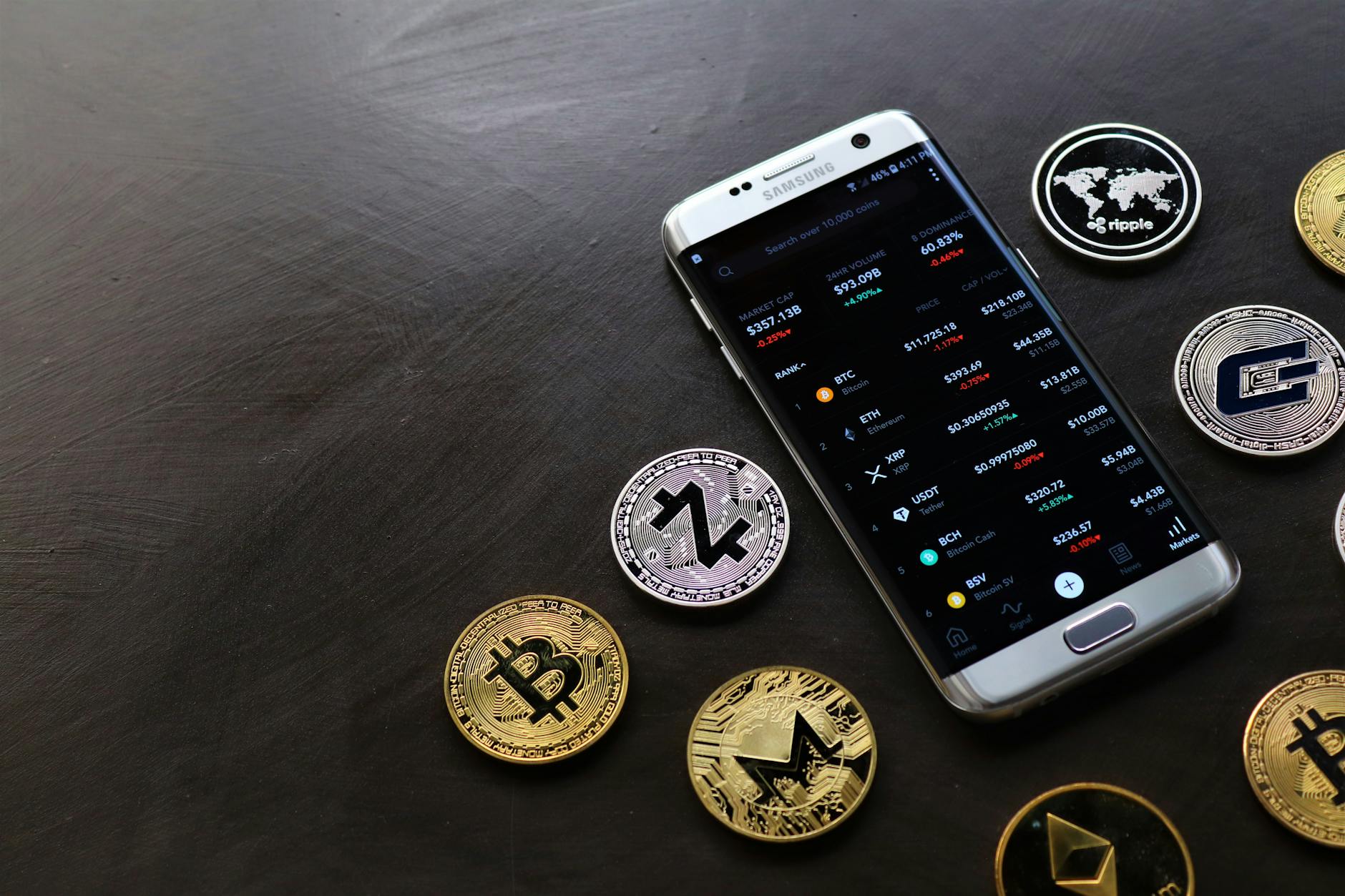








 Eduindex
You must be logged in to post a comment.