Until the beginning of this year, the country had saved enough for the rainy day, because of strong capital flows in the past. However, those reserves are depleting fast. India lost nearly $85 billion of its forex reserves in the first half of the fiscal year, the second biggest depletion among major emerging market (EM) peers during the period.
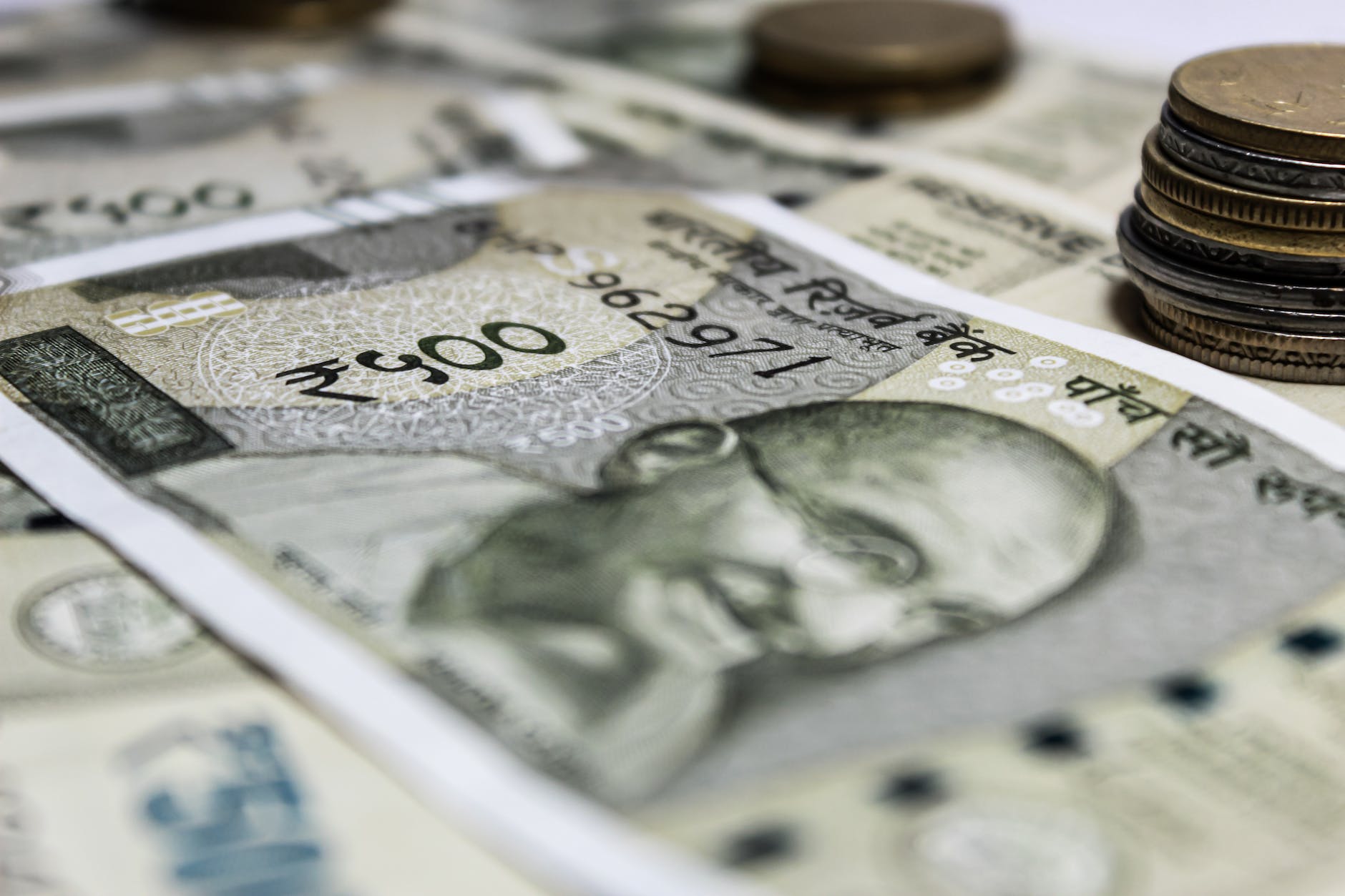
India’s forex reserves were $528.4 billion as of 14 October, the lowest since July 2020, and sharply down from the record $642.4 billion last year. The rupee has crashed more than 10% against the US dollar this year and slipped below 83 for the first time in past few weeks.
To help arrest rupee’s record fall, the Reserve Bank of India has also burned $114 billion from its forex coffer, triggering concerns on this front as well. The central bank has however attributed about two-thirds of the decline to valuation effects. The decline of the forex reserves cannot be solely attributed to a central bank’s intervention to defend the currency against the dollar.
There has been a sharp depletion of forex reserves in the last few months, but what is comforting is India’s high level of reserves that has enabled it to withstand the sharp depletion without any major panic so far. Another comforting factor is the country’s low external debt (20% of gross domestic product) and the short-term debt as a share of total external debt is around 20%.
The Federal Reserve is laser-focused on stemming price increases in the United States, but countries thousands of miles away are reeling from its hardball campaign to strangle inflation, as their central banks are forced to hike interest rates faster and higher and a runaway dollar pushes down the value of their currencies, reported CNN this month.
The Fed’s decision to raise rates by three-quarters of a percentage point at three consecutive meetings, while signalling more large hikes are on the way, has pushed its counterparts around the world to get tougher, too, according to the report.
The dollar is up 18% this year and last month hit a 20-year high, according to the benchmark ICE U.S. Dollar Index, which measures the dollar against a basket of key currencies.
The reasons for the dollar’s rise are no mystery. To combat soaring U.S. inflation, the Federal Reserve has raised its benchmark short-term interest rate five times this year and is signalling more hikes are likely. That has led to higher rates on a wide range of U.S. government and corporate bonds, luring investors and driving up the U.S. currency.
In effect, the US has been exporting inflation during its pandemic rebound. That underscores a profound change in the global economy. In the pre-Covid world, goods were abundant and the challenge was finding buyers.
In the new age of scarcity, that story has been flipped on its head.
Now there are signs that American consumers are dialing it back as the Federal Reserve ratchets up interest rates to cool the economy and combat inflation.
For the rest of the world, that may just create a different headache as the US switches to exporting inflation through another channel: the super-strong dollar.
With rates in the US rising much faster than in the euro zone and Japan, the dollar is soaring.
To be sure, consumer demand is just one cause of the worldwide spike in inflation—arguably not the main one even in the US, where Covid stimulus was largest.
In twin blows to Indian economic revival, higher food prices drove retail inflation to a five-month high of 7.4 per cent while factory output fell for the first time in 18 months. This relates to data of september month.
The second consecutive month of rise in consumer price index (CPI)-based inflation will add to the pressure on the Reserve Bank of India (RBI) to again raise interest rates to tame high prices.
Inflation has been above the targeted zone for the ninth month in a row and as per statute, the RBI will now have to explain to the government in writing why it failed to keep prices below 6 per cent.
This is the ninth consecutive month where the inflation print has remained above the upper band of 6 per cent and the second successive quarter where the average is higher than 7 per cent.
Irregular rainfall is said to be the primary reason behind higher inflation in vegetable and fruits. While inflation in cereals has also inched up, the steps taken by the government and a reasonably healthy Kharif output are expected to address the concerns behind the further hike in prices.
India has emerged as “a bright light” at a time when the world is facing imminent prospects of a recession, the chief economist of the International Monetary Fund (IMF) said on 12 October, noting that the country, however, needed key structural reforms in order to achieve the ambitious target of being a USD 10 trillion economy.
Pierre-Olivier Gourinchas, chief economist of the IMF said: “Well, India is, I want to say, sort of bright light. The Indian economy has been doing reasonably well.” In its World Economic Outlook, the IMF projected a growth rate of 6.8 per cent in 2022 as compared to 8.7 per cent in 2021 for India.
The projection for 2023 slides down further to 6.1 per cent, he noted.
Responding to a question on the ambitious goal of India becoming a USD 10 trillion economy, Gourinchas told PTI that he certainly believes this is achievable.
“Inflation is still above the central bank target in India. We expect India’s inflation at 6.9 per cent in 2022-23, which is likely to come down to 5.1 per cent next year. So, the overall stance of the policy we think that fiscal and monetary policy should be probably on the tightening side,” Gourinchas said.
India is on track to attract $100 billion in foreign direct investment (FDI) in the current fiscal on account of economic reforms and ease of doing business, the government said on September 24, 2022.
In 2021-22, the country received the “highest ever” foreign inflows of $83.6 billion.
“This FDI has come from 101 countries, and invested across 31 union territories and states and 57 sectors in the country. On the back of economic reforms and Ease of Doing Business in recent years, India is on track to attract $100 billion FDI in the current FY (financial year),” the commerce and industry ministry said in a statement.
The statement also mentions that the government has installed a liberal and transparent policy to attract foreign investment. Currently, most sectors of the Indian economy are open to FDI under an automatic route.
The Foreign Direct Investment (FDI) in India can be made under two routes- automatic and government routes. Under the automatic route, the investor requires no or very less permissions from the Reserve Bank of India (RBI) or from the Government of India to invest.
Under the government rules, permissions from the appropriate authorities of the government or the RBI are required to invest in the country.
The reform measures include liberalization of guidelines and regulations, in order to reduce unnecessary compliance burdens, bring down costs and enhance the ease of doing business in India, the statement added.
Make in India initiative is an open invitation to potential investors and partners across the globe to participate in the growth story of ‘New India’. Make In India has substantial accomplishments across 27 sectors. These include strategic sectors of manufacturing and services as well. Production Linked Incentive (PLI) scheme across 14 key manufacturing sectors, was launched in 2020-21 as a big boost to Make in India initiative.
The Indian rupee on 22 September fell to all-time low of 81.20 against US dollar in early trade on the back of US Treasury yields climbing to fresh multi-year highs and dollar demand from importers. Currently the rupee had suffered its biggest single session percentage decline since February, due to lack of aggressive intervention by the Reserve Bank of India (RBI) and a very U.S. hawkish Federal Reserve rate outlook, traders said.
One of the reasons that RBI couldn’t rescue the fall in the currency was inadequate liquidity in the banking system which is currently in deficit. RBI’s intervention in the spot market could make the case worst for the banking system liquidity amid short-term interest rates going higher.
The Central bank in a an attempt to handle the depreciating rate of rupee, frequently burnout forex. In just eight months between mid-January and mid-September this year, forex reserves have depleted by almost $90 billion, or approximately an average of $11 billion a month. For the week-ended September 16, India’s forex reserves stood at $545.65 billion compared with $634.97 billion in the week-ended January 14.
However, faced with dwindling forex reserves, the Reserve Bank of India (RBI) may not be aggressive in defending the Indian currency and allow it to catch up with other emerging market (EM) currencies that have dropped more.
National logistics policy was initially mentioned in 2020 by Finance Minister Nirmala Sitharaman in her address regarding the budget. The government claims that there are efforts on to implement an integrated and technologically enabled approach to logistics operations, which will be effective throughout the entire process and be useful in lowering logistics costs in the nation from the current levels of 13–14% of GDP.
The Union Cabinet headed by Prime Minister Narendra Modi approved the National Logistics Policy which seeks to cut transportation costs by promoting seamless movement of goods across the country.
An umbrella policy for the logistics sector has been in the works for around three-four years. It was felt that the logistics cost in India is high compared to other developed economies. India’s logistics cost as a proportion of the Gross Domestic Product (GDP) is believed to be around 13-14 per cent. The government now aims to bring it down to single digits as soon as possible.
The primary areas of this National logistics policy 2022 will be process re-engineering, digitization, and multi-modal transportation. It is a key decision since excessive logistical costs affect how competitive domestic products are on the global market.
The National logistics policy 2022 was deemed necessary because India has higher logistics costs than other industrialised nations. India must drastically cut its logistics costs if it wants to increase the competitiveness of its exports and domestic products.
The goal of lower logistics costs is to increase economy-wide efficiency, allowing for value addition and business. The policy lays out an extensive interdisciplinary, cross-sectoral, and multijurisdictional framework for the growth of the entire logistics ecosystem in an effort to solve concerns of high cost and inefficiency.
Inflation is a general progressive elevation in the prices of services and goods within the economy. It denotes the rate of prices’ elevation within a specific duration. Inflation reduces the purchasing power of money since every unit of currency buys lesser services and goods. Generally, when inflation occurs, the income usually stays the same; however, the level of spending increases. The definition of inflation is the reduction of the purchasing power of a particular currency over a specific timeframe. Inflation is quantitatively estimated by reflecting the elevated average level of prices of selected services and goods within an economy over a given duration. Inflation in economics refers to the collective elevation in money supply, in prices or money incomes. Thus, inflation is an excessive increase in the general level of prices. The inflation concept in common parlance outlines inflation as a quantifier of the elevating rates of services and goods within the economy. In this light, inflation is deemed to occur due to an increase in prices when there is an elevation in the cost of production. However, inflation can occur when there is a demand for particular services and products because the buyers are willing to purchase the product at higher prices. Inflation also declines the value of money.
Types of Inflation.
Demand-Pull Inflation
Demand-pull Inflation emerges when the total demand for goods and supply is higher than the capacity of production in the market. An increase in demand with constant rate production creates a demand-supply gap. In this type of Inflation, demand is much higher than the production, which in turn increases the prices of goods and services.
Cost-Push Inflation
Sudden shortfall of supply leads to a surge in the cost of production, which increases the rate of Inflation. For example, soap and shampoo prices may rise if the chemicals used in making these become costlier. This is known as cost – pull Inflation.
Built-in Inflation
When the cost of wages of the workers increases, to keep up with their demand, the firm increases the cost of production, which leads to the rise in the cost of goods.
Inflation in India:
In India, the ministry of statistics and program implementation measures Inflation. India’s central bank i.e., The Reserve Bank of India (RBI), limits the inflation rate through its monetary policy by using tools such as repo rate, the reverse repo rate, CRR, etc. Inflation is measured by two indices in India, which is the Consumer Price Index (CPI) and Wholesale Price index (WPI). CPI and WPI measure retail and wholesale level price changes, respectively. CPI measures the rise in prices of commodities and services such as medical care, food, education, etc. WPI captures goods or services sold by a business to smaller businesses for selling further.
MSME has introduced in the year 2006 in India. There are still some service sector that was not yet included in this sector was included in the definition of the Micro, Small and Medium-sized Enterprises making a historic change to this Act.
The MSME sector in India gave a major boost to the economy. Over 63 million MSMEs spread across the country contributed 30.5% to India’s GDP in FY19 and 30% in FY20. It also created many employment opportunities. Based on a study conducted by the Ministry of Statistics & PI between July 2015 and June 2016, the MSME sector employed 111 million workers. Compared with large-scale companies, MSMEs aided in the industrialisation of rural areas at minimal capital cost. The sector has made significant contributions to the country’s socio-economic growth and complemented major industries as well. MSMEs account for approximately 40% of India’s total exports, 6.11% of GDP from the manufacturing sector and 24.63% of GDP from the services sector.
The significance of the MSMEs sector can be noted from the fact that it is the second-largest employment provider, after agriculture in India. This sector has proven the instrumental in the growth of the nation, leverage exports, creating huge employment opportunities for the unskilled, fresh graduates, and the underemployed. It also extended the opportunities to banks for giving more credit to enterprises to MSME Sector. The government should take the special care by addressing the importance of MSME in terms of providing more and more MSME Registration advantages by implementing better regulations and enable financial institutions to lend more credit at less interest rate for sustainability of this sector.
To ensure that MSMEs continue to lead the country towards economic growth, the Government of India has from time to time announced various schemes to support the development of this sector. Recently, in view of the economic hardship caused by covid 19, the government has announced few schemes under ‘Aatmanirbhar Bharat’ i.e. Self-reliant India initiative. Accordingly, the criterion for classifying MSME has also been revised. Under the revised criterion, the combined factors of ‘Investment in plant and machinery’ and ‘Turnover’ are required to be considered to determine whether a business should be classified as a micro, small or a medium enterprise. In contrast, earlier the classification of an MSME unit was based only its investment in plant and machinery; and also depending on whether the enterprise was in the manufacturing sector or in the services sector.
India has overtaken the UK to become the fifth-largest economy in the world. Economists and business executives anticipated that India’s position would continue to improve in the years to come due to greater economic growth.
According to figures from the International Monetary Fund (IMF), India passed the United Kingdom (UK) to become the fifth-largest economy in the world in the last quarter of 2021. India’s economy currently ranks just four nations ahead of it in terms of size in dollars. The United States, China, Japan, and Germany are the only nations with economies larger than India’s. The UK is currently in sixth place, just behind India.
IMF’s own forecasts show India overtaking the UK in dollar terms on an annual basis this year, putting the Asian powerhouse behind the US, China, Japan and Germany. A decade ago, India ranked 11th among the largest economies, while the UK was fifth. The government is expecting the economy to grow at 7-7.5 per cent in 2022-23, in line with its projections made at the beginning of this financial year. India registered a growth of 8.7 per cent in 2021-22.
While India has overtaken the United Kingdom in terms of the size of the economy, the per capita income in India remains very low. When it comes to per capita income, which is a measure of how much money is made per person in a country, India is ranked 122 out of 190 countries.
India is set to become the third largest economy in the world by 2029. A State Bank of India report said India will surpass Germany in 2027 and most likely Japan by 2029 at the current rate of growth. The report said that the country has undergone a large structural shift since 2014 and is now the 5th largest economy overtaking the United Kingdom.
India is home to some of the most stunning natural attractions and historical sites in the world. With so many places to visit and things to do, it’s hard to know where to start. But if you want something off-the-beaten path, these 10 destinations are sure to satisfy your wanderlust.
1. Goa
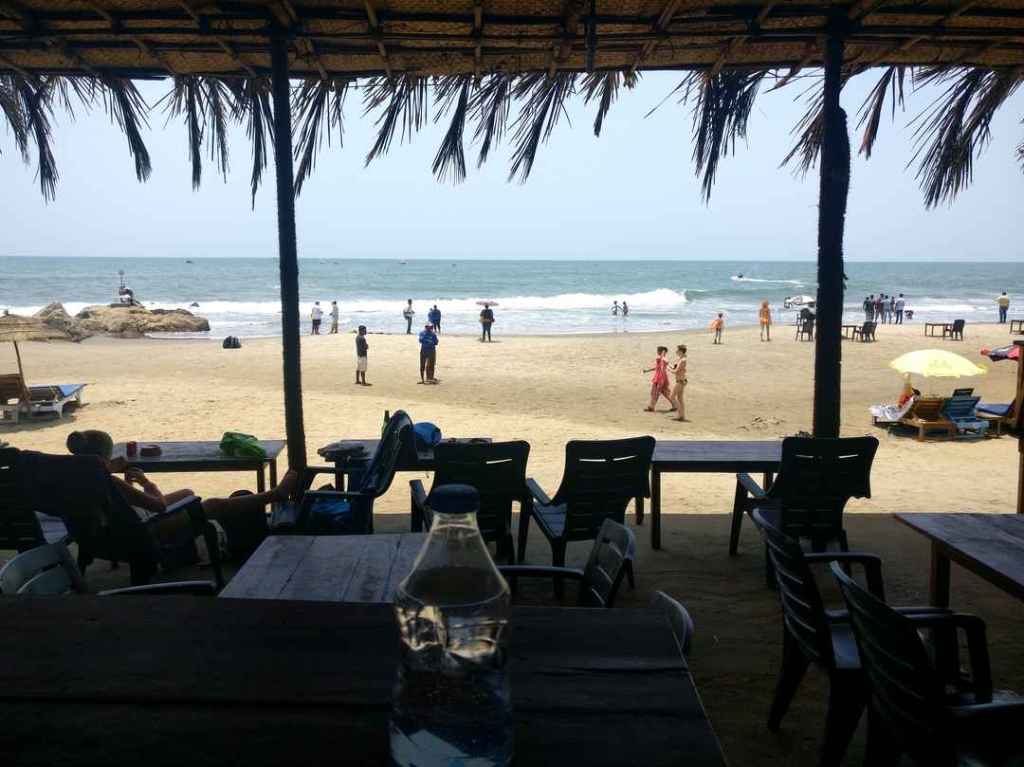
Vagator Beach, Goa
Goa is a popular tourist destination in India and has been attracting visitors for years. It’s known for its beaches, which are clean and have plenty of space to relax on them.
Goa also has great food, music and culture. The best way to experience all this is by staying at an airbnb or other bed & breakfast type place that hosts travelers from around the world!
2. Kerala
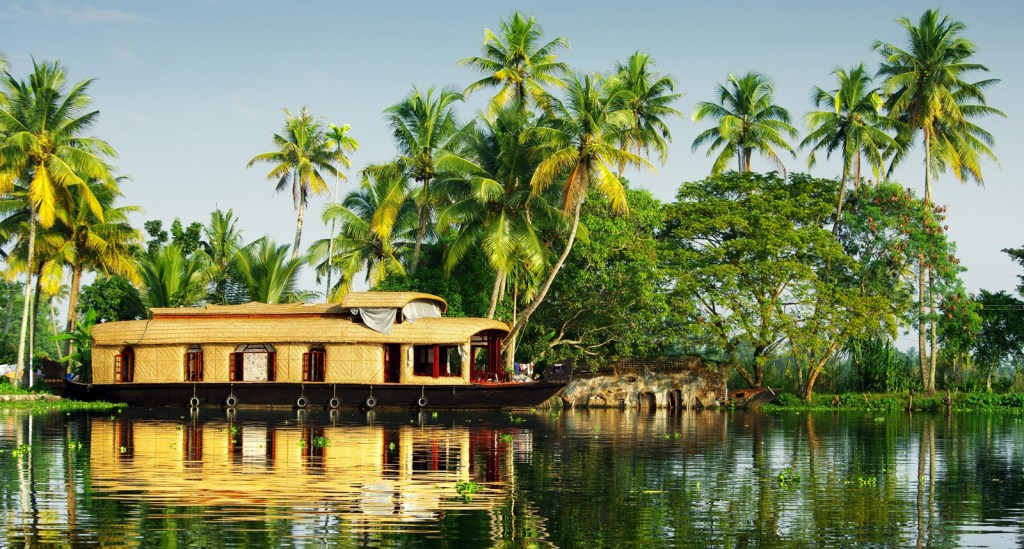
Kumarakom, Kerala
Kerala is a beautiful place to visit in India. It has many beaches, backwaters and historical sites. One of its most famous attractions is the backwaters of Alleppey that are home to some interesting wildlife sanctuaries. The state also has many temples which are a must-see during your trip here.
3. Andaman and Nicobar Islands
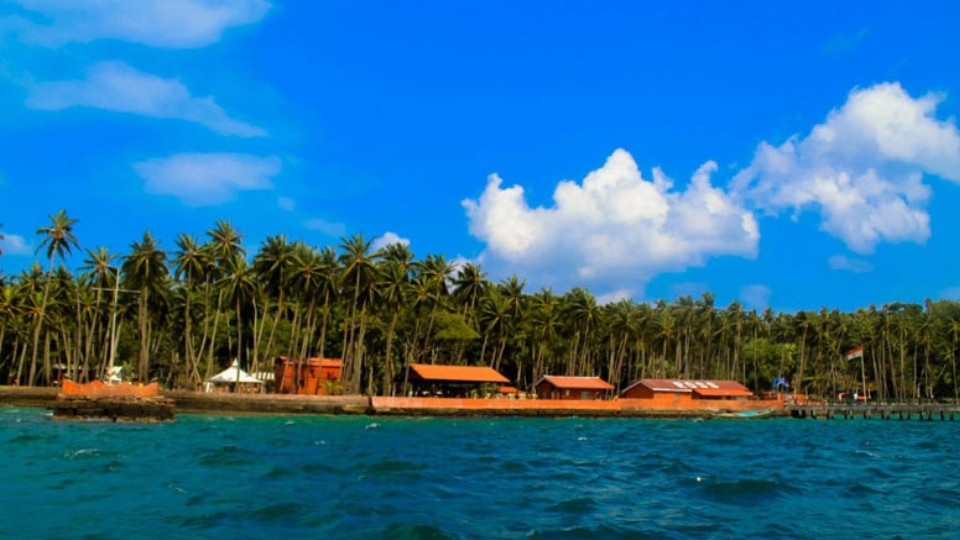
Andaman
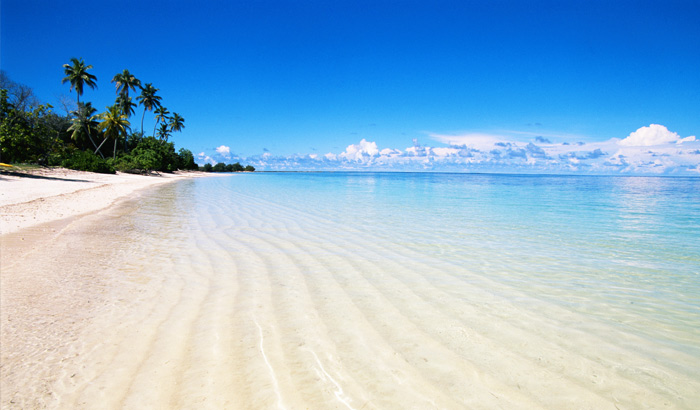
The Andaman and Nicobar Islands are located in the Bay of Bengal, just off India’s coast. These islands are a part of India and home to many different tribes. The islands have a great climate for relaxation, as well as beaches with white sand.
4. Pondicherry
Serenity beach, Pondicherry
Pondicherry is a city in the union territory of Puducherry. It was formerly known as Pondicherry and it is located on the Coromandel Coast, India’s east coast, which is known for its beaches and resorts. The city has an old-world feel to it with buildings that date back to French rule over India during the 19th century.
Pondicherry has many beaches where you can go swimming or just relax on your day off from work.
5. Leh Ladakh
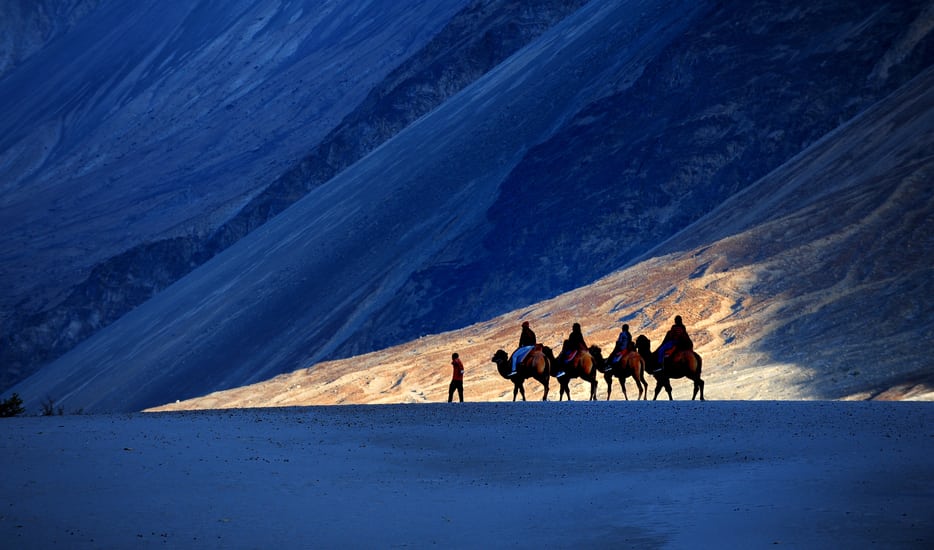
Nubra Valley, Ladakh
Leh Ladakh is a cold desert in the Himalayas, close to the Chinese border. It’s a great place to visit if you want to see the mountains and enjoy some hiking or trekking. There are many places where you can go for this activity, but one of them is called “Nubra Valley”. In this valley there are many different things that you can do: horseback riding (on horses), skiing down from a mountain peak or just walking around looking at all those beautiful views.
6. Rajasthan
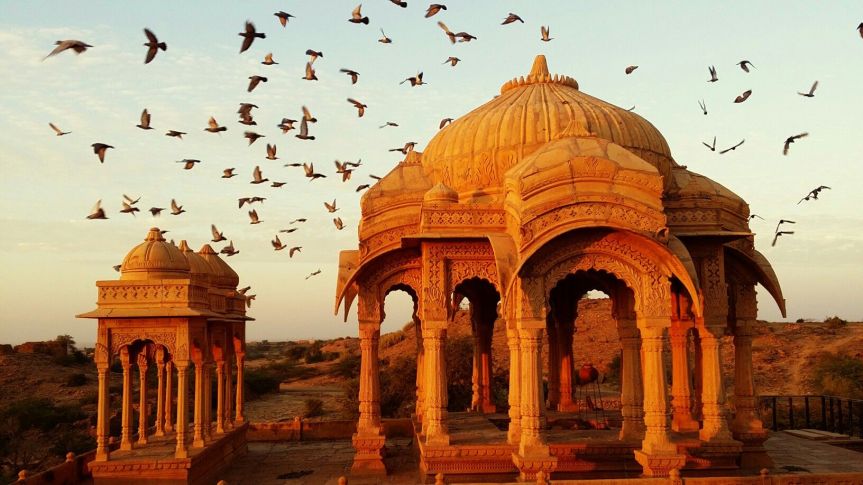
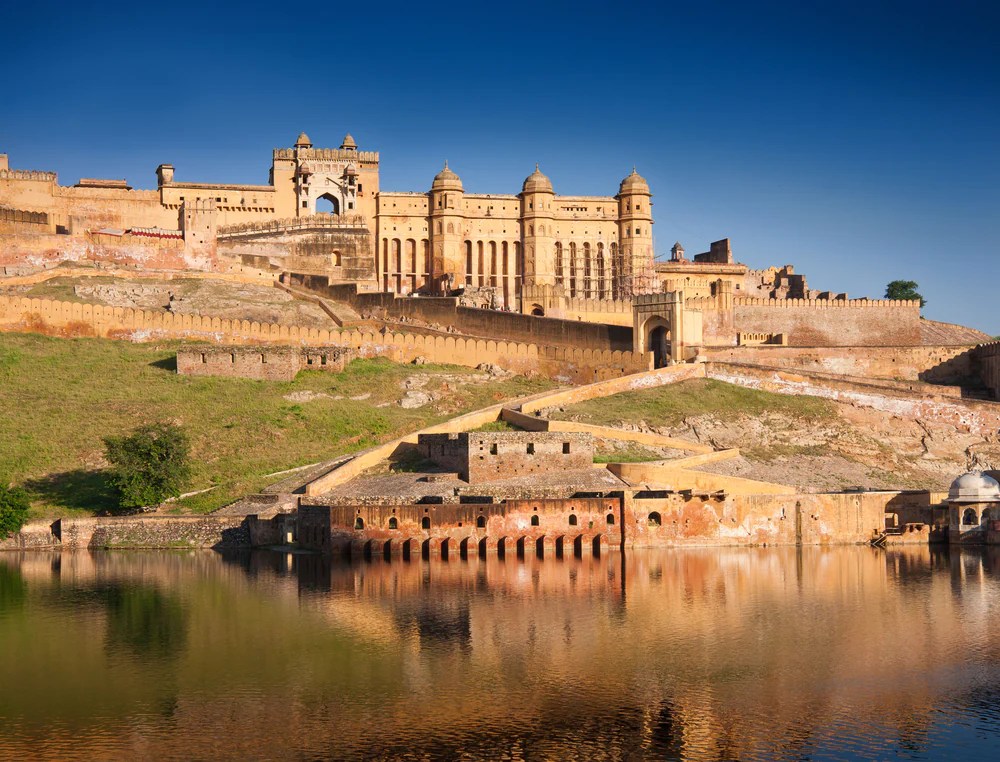
Amer fort, jaipur
Rajasthan is a state in northern India. It has a desert climate, but it’s also known for its palaces and forts. The city of Jaipur is home to several of these attractions, including the Amber Fort and Jantar Mantar Observatory. It also has many lakes, some famous (Lake Pichola) and some not so much (Kumbhalgarh). Some people visit these lakes during wintertime because they’re warm then; others go there in summer because it looks like an ice skating rink. There are plenty of temples as well: we’re talking about hundreds of them.
7. Darjeeling
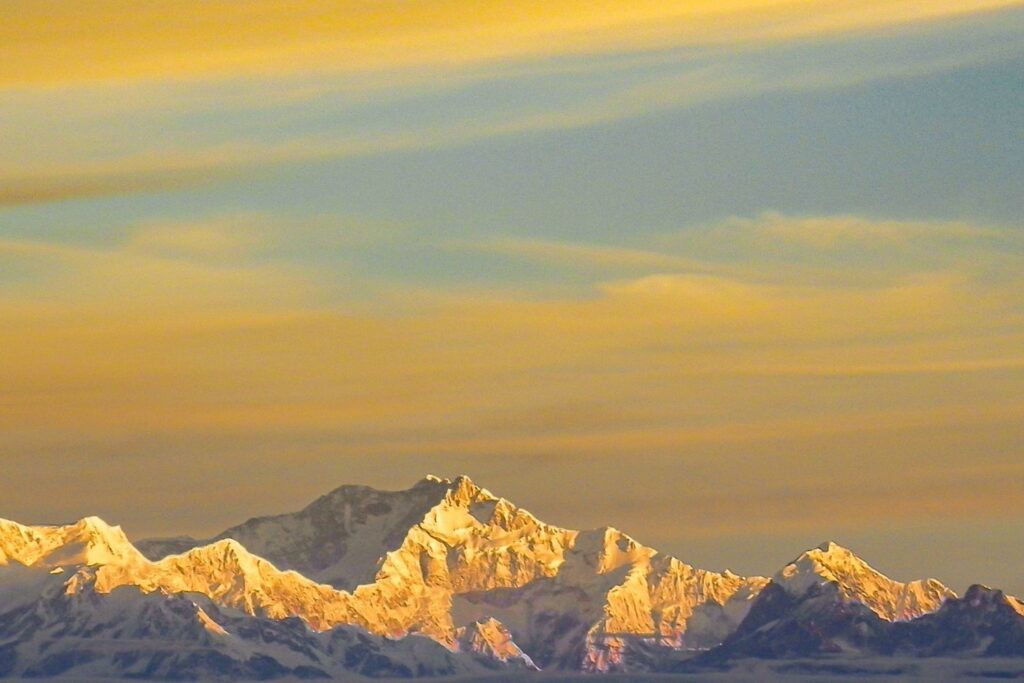
The Kanchenjunga
Darjeeling is a hill station in West Bengal. The city is located on the foothills of the Himalayas and offers panoramic views of the plains below.
The town has been known for its tea plantations since 1834 when it was first discovered by British colonists. It’s also a popular destination for trekkers, who can choose from several trails to explore this beautiful area along with its rich history and natural beauty.
8. Varanasi
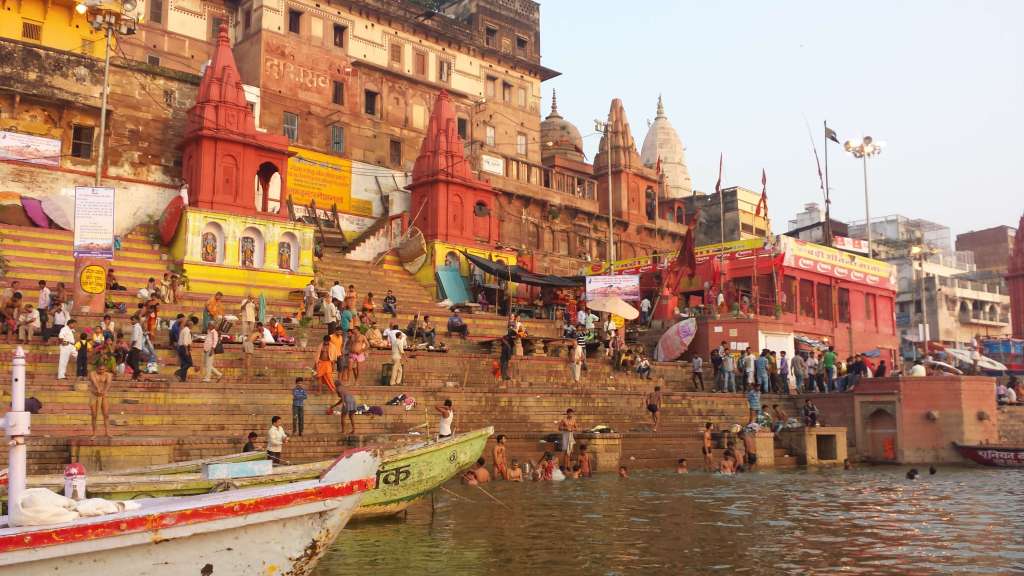
A ghat in varanasi
Varanasi is a religious, cultural and historical city located on the banks of River Ganges. It has been called one of the most sacred places in India as it’s believed that Lord Shiva resided here for some time before passing away.
The city is known for its ghats (steps leading down to the river), temples and food which are all part of its rich history. Varanasi offers tourists everything they need during their stay – from budget accommodation options to luxury hotels & resorts offering everything from pampering spa treatments to yoga classes at sunrise. Not only this but there are plenty of things to do when you visit Varanasi including visiting one or more ghat sites where pilgrims perform rituals during monsoon season when temperatures rise up high enough so visitors can bathe in freezing waters without getting cold feet.
9. Rishikesh
Rafting in Rishikesh
Rishikesh is full of amazing sights—from its spectacular natural surroundings to its historic temples and churches. Other sights include Lakshman Jhula Bridge built between 1822–1823 across River Ganges near Yamuna Sagar Lake during British rule; Vishwanath Temple dedicated specifically because he was considered Hindu god Vishnu’s favorite son; Kedarnath Temple built by King Bhagwan Nand Lal in memory of his father who died while building this temple during his lifetime. River rafting and other fun activities are organised here.
10. Gulmarg, Jammu and Kashmir
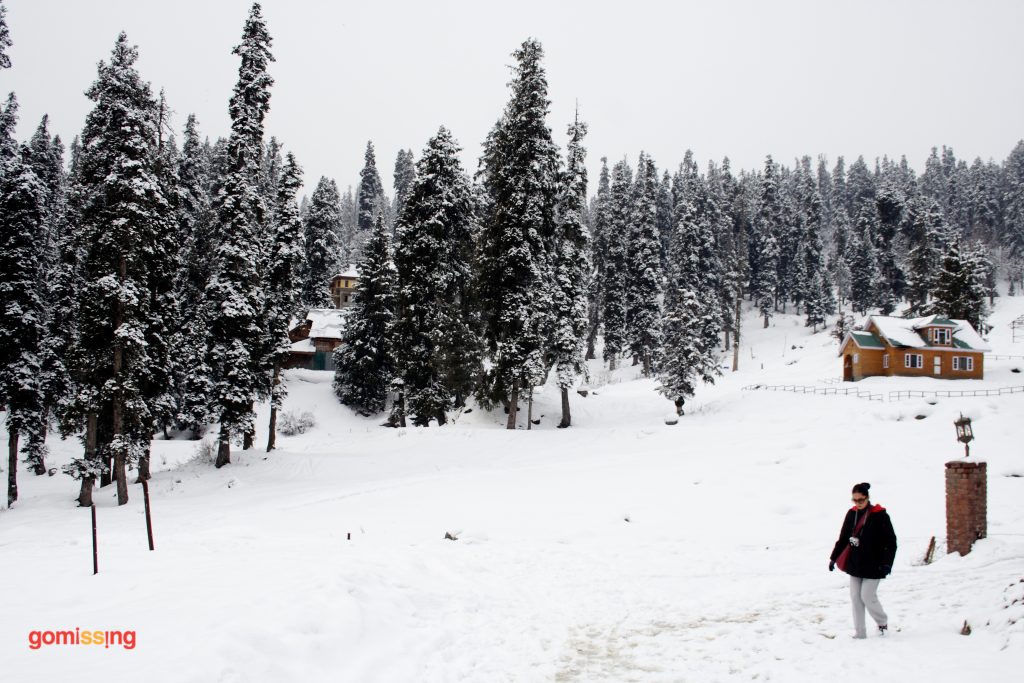
Gulmarg Golf Club area
Gulmarg is a ski resort in Kashmir, located at an altitude of 11,500 feet. It is one of the oldest and most popular tourist destinations in Jammu and Kashmir. The area has 300 km of pistes that can be reached by cable cars or snowshoes. Gulmarg also hosts many other activities like skiing, heli-skiing, snowboarding and more.
These are just a few of the travel destinations in India that you can experience and enjoy.
In the august meeting of the committee of the apex bank, the Reserve Bank of India (RBI) hiked the repo rate by 50 basis points to 5.4 per cent, its third hike in the current financial year continuing its fight to tame stubbornly high inflation.
The decision of the six-member Monetary Policy Committee (MPC) of the RBI, which met on August 3 to Aug 5, 2022 was largely in line with expectations. Financial markets were largely unchanged at mid day as the hike was on expected lines. The central bank said it would continue its stance of withdrawal of accommodation to ensure that inflation moves close to the target of 4 per cent over the medium term, while supporting growth.
RBI has been increasing policy rates since May, with a cumulative rate hike of 140 basis points being done so far, India’s retail inflation for June inched down in June to 7.01% from 7.04% in the previous month, but it remained above the 7% mark for the third successive month and above RBI’s 2-6% tolerance level for a sixth straight month.
But the estimates for July show that India’s inflation problem seems to have bottomed out sooner than the MPC thought. At its latest meeting earlier this month, RBI retained inflation projections for FY23 at 6.7% and estimated inflation to average 7.1% in the September quarter. There is more evidence that inflation in India has peaked for now, and it is likely to slow faster than RBI’s published trajectory, coming into the target band by October, according to our latest tracking estimates. The Central government working with RBI target to curb inflation from the economy in all possible way, the objective of these steps as expected by the committee is to lower the prices of basic commodity and works toward appreciation of the rupee against dollar.
In his Independence Day speech on Monday, Prime Minister Narendra Modi said that India should take a pledge to become a developed country by 2047 – the 100th year of independence.
The prime minister urged citizens of the country to work towards achieving the “panch pran”, or five pledges, in the next 25 years. Apart from making India a developed country, the citizens should remove traces of colonial mindset, take pride in their roots, forge unity and inculcate a sense of duty, Modi said.
“We need to now move with a renewed focus and resolve for the next 25 years, and this can be made possible through the strength and determination of 130 crore Indians,” the prime minister said in his ninth Independence Day speech from the Red Fort in Delhi.
The World Bank currently classifies India as a lower-middle-income country, the second from the bottom of the four income groups it puts countries into—low, lower-middle, upper-middle, and high income. While the multilateral institution junked the ‘developed’ and ‘developing’ nomenclature some years back, a developed nation would still correspond with a high-income country. According to the latest World Bank statistics, India’s average gross income per capita, at $2,170 in 2021, was ahead of Nigeria at $2,100 and Pakistan at $1,500 but trailed Bangladesh at $2,620 and Bhutan at $2,840.
The Prime Minister said India must be a developed nation in next 25 years, terming it as an aspirational society. He appealed and asked for the support of the people to walk forward with him on these 5 pledges assuring that India will definitely be a developed nation in every front if everyone walks on the path of these 5 pledges.
India will have to walk forward with very big resolutions. If we have to achieve the target of a developed nation then nothing less than this will matter.
We have to leave our servitude mindset from every inch, corner, thinking, and mentality. We don’t have to carry forward any reflection of our servitude in any form in the country and have to overcome this.
We have to be proud of our heritage which gave India its golden glory in the past.
We have to keep in mind our ‘…ekta and ekjutta (Unity and solidarity)… na koi apna aur na koi paraya (we belong to everyone and everyone belongs to us)… ek barat shresth bharat (one country, pride country).
Responsibilities of citizens in which even a Prime Minister is not excluded, because he is also a citizen first.
Already under pressure due to the surging demand for semiconductors amid the COVID-19 pandemic followed by the Russia-Ukraine war and now inflation, the chip industry is now witnessing signs of stress following US House Speaker Nancy Pelosi’s visit to Taiwan.
The effects of the global chip shortage last year, highlighted the world economy’s reliance on Taiwan. The semiconductor shortage had massive knock-on effects for the auto industry, for example, forcing many large firms to halt production. Taiwan Semiconductor Manufacturing Company (TSMC) is the world’s largest chip foundry and it’s Apple’s main producer of chips. During her visit to Taiwan, Pelosi met Mark Liu, chairman of the TSMC.
Cutting TSMC off from the rest of the world would currently be a major threat to the global economy, so tensions are obviously high. If production were to stop at the Taiwanese manufacturer, supply shortages would inevitably occur. These shortages could cause a global recession and stock market crash, which would likely lead to a spike in unemployment numbers at a time when many countries like the UK are currently enduring an ongoing cost of living crisis.
The negative consequences that dependencies such as these can have are currently being demonstrated more clearly than ever before by the war in Ukraine. To avoid the downside of globalization, countries are therefore increasingly turning to their own chip or semiconductor production. This is not only the case in China. In the USA and Europe, too, there are programs with the Chips Act for America and the European Chips Act, respectively, which are intended to ensure local semiconductor production.
Seeing the situation, the Indian government has launched the ‘Semiconductor Mission’ to establish a self-reliance and give boost to India’s fast-expanding electronics manufacturing and innovation ecosystem. The Union Cabinet has approved the ‘Semicon India’ programme with a total investment of Rs 76,000 crore in the growth of the country’s semiconductor and display manufacturing ecosystem. Through India Semiconductor Mission (ISM), the central government wants to encourage the use of secure microelectronics and the establishment of a reliable semiconductor supply chain, including raw materials, speciality chemicals, gases, and production equipment.
China’s real estate sector has a debt problem. Large property developers like the embattled company Evergrande have racked up massive amounts of debt, leading to construction stoppages and lots of angry homebuyers.
Amid the turmoil, buyers across China have banded together and threatened to stop paying mortgages on over three hundred unfinished housing projects. Hundreds of thousands of homebuyers have begun a mortgage boycott, refusing to pay their mortgage for unfinished or stalled housing projects.
As of previous month, homebuyers in 80 cities and 200 projects had threatened to stop mortgage payments. Home sales have collapsed by nearly 60% compared to a year ago, and the current constant decline of sales (11 months) is pegged to be the worst in China’s history. Analysts expect property sales to have dropped 25% from January to June, amidst China’s Zero Covid Cases strategy. Numerous developments in China have halted as property developers have run out of capital to finish construction.
Across China, real estate developers are getting desperate – attempting to sell homes by whatever means possible, even going as far as accepting down-payments in wheat, garlic, watermelons and peaches to cater to farmers.
The real estate industry has an oversized impact on the economy. When related sectors like construction and property services are included, real estate accounts for more than a quarter of Chinese economic output, by some estimates. About 70 per cent of household wealth is stored in property, along with 30-40 per cent of bank loan books, while land sales account for 30-40 per cent of local government revenues, according to sources. The worsening crisis will test authorities’ ability to minimise the fallout. In case the situation is not being handled strategically by Chinese authority, then the consequences of such crises may spread all across asia and globe as well.








 Eduindex
You must be logged in to post a comment.