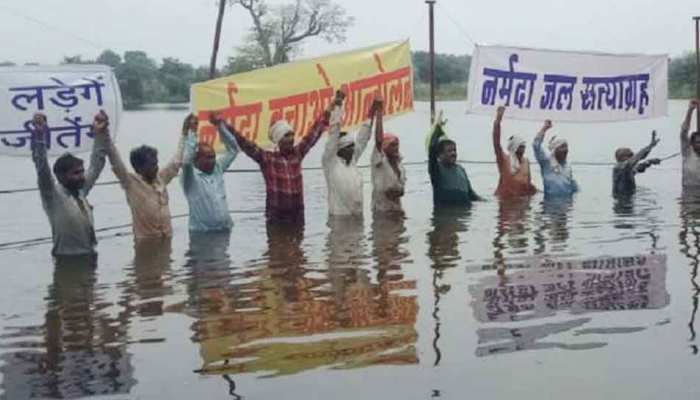
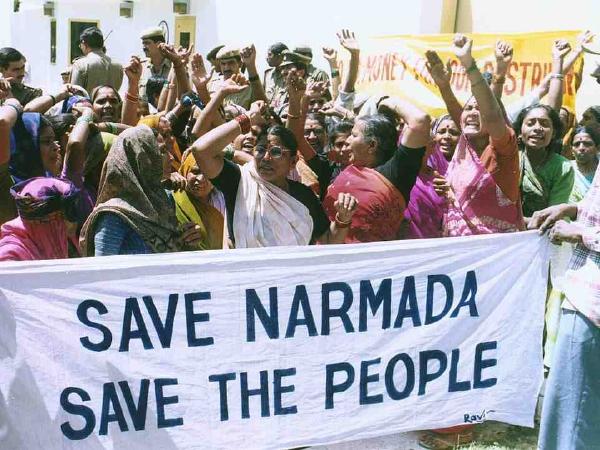
In 1985, Narmada bachao andolan became an Indian social ,and environmental movement. Narmada Bachao Andolan is the most powerful mass movement, started in 1985, against the construction of huge dam on the Narmada river. Narmada is the India’s largest west flowing river, which supports a large variety of people with distinguished culture and tradition ranging from the indigenous (tribal) people inhabited in the jungles here to the large number of rural population. The proposed Sardar Sarovar Dam and Narmada Sagar will displace more than 250,000 people. Narmada bachao andolan was led by native tribals, farmers environmentalists and Human Rights activist. Narmada bachao andolan was against and number of large Dam projects across the river Narmada, which to the states of Gujarat Madhya Pradesh and Maharashtra. The big fight is over the resettlement or the rehabilitation of these people. The two proposals are already under construction, supported by US$550 million loan by the World Bank. There are plans to build over 3000 big and small dams along the river. This protest, to express the views against a large number of dams being contrasted near Narmada river, brought a large number of adivasis, farmers, environmentalists, and human rights activists together. The movement involved prominent celebrities and people went on hunger strikes to show their support for the cause. The decision is still pending, though the court initially ruled the decision in the Andolan’s favor, thereby effecting an immediate stoppage of work at the dam and directing the concerned states to first complete the rehabilitation and replacement process. Later the court allowed the construction to proceed.
It is a multi crore project that will generate a big revenue for the government. The Narmada Valley Development plan is the the most promised and most challenging plan in the history of India. The proponents are of the view that it will produce 1450 MW of electricity and pure drinking water to 40 million people covering thousand of villages and towns. Some of the dams have been already been completed such as Tawa and Bargi Dams. But the opponents says that this hydro project will devastate human lives and bio diversity by destroying thousand of acres of forests and agricultural land. On the other hand it will overall deprive thousands of people of their livelihood. They believe that the water and energy could be provided to the people through alternative technological means that would be ecologically beneficial.
Medha Patkar and Baba Amte together let a series of protests, some of which failed while the others achieved success. In September 1989, Amte led a 60,000-person anti-dam NBA rally in Harsud—a town of 20,000 people in Madhya Pradesh that faced submersion. In May 1990, a massive NBA five-daydharna (sit-in) at then-Prime Minister V. P. Singh’s residence in New Delhi forced the Prime Minister to agree to ‘‘reconsider’’ the project. In December 1990, Amte, along with 5,000 protestors, began the Narmada Jan Vikas Sangharsh Yatra (Narmada people’s progress struggle march), marching over a hundred kilometers from Amte’s headquarters near Barwani in Madhya Pradesh to Ferkuva on the Madhya Pradesh–Gujarat border. The government reacted by deploying the Gujarati police force and by bussing in thousands of governmentsupported pro-dam demonstrators from urban centers in Gujarat. Following the government’s announcement that rising waters from the dam would begin to submerge villages, domestic protest intensified and with it the resulting backlash from the state. On January 5, 1991, Amte began a ‘‘dharna [sit-in] unto death.’’
The most popular slogans of the NBA were Vikas Chahiye, vinash nahin! (‘‘We want development, not destruction’’) and Koi nahi hatega, bandh nahi banega! (‘‘No one will move, the dam will not be built’’).Led by one of the prominent leader Medha Patkar, it has now been turned into the International protest, gaining support from NGO’S all around the globe. Protestors are agitating the issue through the mass media, hunger strikes, massive marches, rallies and the through the on screen of several documentary films. Although they have been protesting peacefully, but they been harassed, arrested and beaten up by the police several times. The Narmada Bachao Andolan has been pressurizing the world bank to withdraw its loan from the project through media .The strong protests throughout the country not only made impact on the local people but has also influenced the several famous celebrities like film star Aamir Khan , who has made open efforts to support Narmada Bachao Andolan. He said he only want that those who have been rendered homeless should be given a roof. He pleaded to the common people to take part in the moment and come up with the best possible solutions. .
In october 2010 Supreme Court approved construction in decided that the height of the Dam to be raised 90m. This is much higher than 88m which anti Dam activist demanded but it is definitely lower than the proposed height of 130 m. As the World Bank withdrew its financing in 1933 the project is now largely financed by the state governments and market borrowings ,now the project is expected to be fully completed by 2025.
Methane is a rapidly accelerating part of the climate problem. It is the primary component of natural gas, and it warms the planet more than 80 times as quickly as a comparable volume of atmospheric CO2 over a comparable amount of time
Methane receives much less attention than carbon dioxide, but it’s recently been in the news due to the conflict in Ukraine and due to new research on leakage of the gas in the Permian Basin — a fossil fuel-rich part of the United States (US).
Although methane is rising in the atmosphere, there’s no consensus among scientists on how much methane is coming from various sources.
Why is Methane More Harmful?
Methane is an invisible gas that can significantly exacerbate the climate crisis. It is a hydrocarbon that is a major constituent of natural gas used as fuel to run stoves, heat homes, and also to power industries.
Methane can be thought of as a thicker blanket than carbon dioxide — one that is capable of warming the planet to a greater extent in a shorter period.
It has an immediate effect on warming the planet. However, unlike carbon dioxide which remains in the atmosphere for hundreds of years, methane exerts its warming effects for roughly a decade.
Methane pollution, which is a primary component of ground-level ozone and emitted alongside toxic chemicals such as benzene, has been linked to heart disease, birth defects, asthma and other adverse health impacts.
What are the Sources of Methane?
Biological Sources: There are biological sources of methane – it is made from some organic compounds by methane-generating microbes known as methanogens.
Methanogens are found in various natural environments where little or no oxygen is present.
Such environments include wetlands, landfills that are not well vented, and submerged paddy fields.
Agriculture: Agriculture is the predominant source of global methane emissions. Livestock emissions – from manure and gastroenteric releases – account for roughly 32% of human-caused methane emissions. Cows also belch out methane.
Paddy rice cultivation – in which flooded fields prevent oxygen from penetrating the soil, creating ideal conditions for methane-emitting bacteria – accounts for another 8% of human-linked emissions.
Emissions from Fuel and Industries: Fugitive emissions of methane from gas, coal, and oil sites are contributing to the climate crisis, but the extent of leakage of this potent greenhouse gas has been difficult to determine.
Methane leakage occurs at every stage of the supply chain from extraction and transport to use in homes and industries.
Much of the methane being released is due to “ultra-emitters”, which spew out copious amounts of the gas.
What has been Done to Curb Methane Emissions?
COP 26 Pledges: At COP26 in Glasgow, over 100 countries signed an agreement to cut methane emissions by 30% by 2030 as methane might be easier to deal with than carbon dioxide (which is more deeply embedded in the global economy).
Ahead of this agreement, the US President announced the Global Methane Pledge, which is an US-EU led effort to cut methane emissions by a third by the end of this decade.
MethaneSAT: Controlling methane emissions will require further scrutiny of its sources. To this end, satellites that will track methane leakage such as MethaneSAT have been planned to launch.
MethaneSAT is a planned American-New Zealand space mission scheduled for launch later in 2022.
It will be an Earth observation satellite that will monitor and study global methane emissions in order to combat climate change.
UN Initiatives: The UN Food Systems Summit in September 2021 was also aimed at helping make farming and food production more environmentally friendly.
The UN’s Koronivia Joint Work on Agriculture initiative is supporting the transformation of agricultural and food systems, focusing on how to maintain productivity amid a changing climate.
India’s Initiative: Central Salt & Marine Chemical Research Institute (CSMCRI) in collaboration with the country’s three leading institutes developed a seaweed-based animal feed additive formulation that aims to reduce methane emissions from cattle and also boost immunity of cattle and poultry.
What Measures can be taken Further to Reduce Methane Emissions?
In the Energy Sector: Methane emissions occur along the entire oil and gas supply chain, but especially from fugitive emissions from leaking equipment, system upsets, and deliberate flaring and venting.
Existing cost-effective solutions can help reduce emissions, including initiating leak detection and repair programs, implementing better technologies and operating practices, and capturing and utilizing methane that would otherwise be wasted.
In Agriculture: The farmers can provide animals with more nutritious feed so that they are larger, healthier and more productive, effectively producing more with less.
Indian Council of Agricultural Research (ICAR) has developed an anti-methanogenic feed supplement ‘Harit Dhara’ (HD), which can cut down cattle methane emissions by 17-20% and can also result in higher milk production.
When it comes to staple crops like paddy rice, experts recommend alternate wetting and drying approaches that could halve emissions.
Rather than allowing the continuous flooding of fields, paddies could be irrigated and drained two to three times throughout the growing season, limiting methane production without impacting yield.
That process would also require one-third less water, making it more economical.
In the Waste Sector: The waste sector accounts for around 20% of global human-caused methane emissions.
The cost-effective mitigation solutions with the greatest potential related to separating organics and recycling also have the potential of creating new jobs.
Upstream avoidance of food loss and waste is also key.
Additionally, capturing landfill gas and generating energy will reduce methane emissions, displace other forms of fuels and create new streams of revenue.
Role of Government: The Government of India should envision a food system transition policy to help its people grow and consume food differently.
Instead of working in silos, the government must develop a comprehensive policy that moves farmers to sustainable modes of plant-based food production, diverts subsidies from industrial livestock production and its associated inputs, and looks at job creation, social justice, poverty reduction, animal protection and better public health as multiple aspects of a single solution.
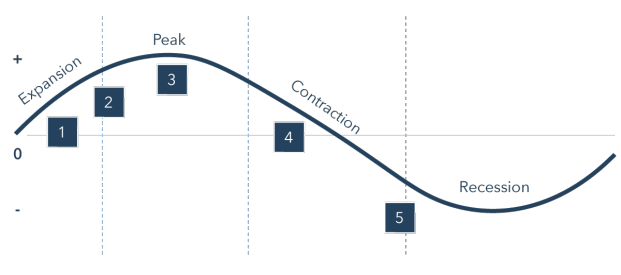
The National Bureau of Economic Research (NBER) defines a recession as “a significant decline in activity spread across the economy, lasting more than a few months, visible in industrial production, employment, real income, and wholesale-retail trade.” A recession is also believed to be signalled when businesses cease to expand, the GDP diminishes for two consecutive quarters, and the unemployment rate rises. The nature and causes of recessions are simultaneously evident and uncertain. Recessions are, in essence, a cluster of business failures being realized simultaneously. Firms are forced to reallocate resources, scale back production, limit losses, and, usually, lay off employees. Those are the clear and visible causes of recessions. There are several different ways to explain what causes a general cluster of business failures, why they are suddenly realized simultaneously, and how they can be avoided.
What Causes a Recession?
Some recessions can be traced to a clearly-defined cause. For instance, the recession of 1973-1975 began as a result of the 1973 oil crisis. However, most recessions are caused by a complex combination of factors, including high interest rates, low consumer confidence, and stagnant wages or reduced real income in the labour market. Other examples of recession causes include bank runs and asset bubbles.
Psychological Factors of a Recession
Psychological factors are frequently cited by economists for their contribution to recessions also. The excessive exuberance of investors during the boom years brings the economy to its peak. The reciprocal doom-and-gloom pessimism that sets in after a market crash at a minimum amplifies the effects of real economic and financial factors as the market swings. Moreover, because all economic actions and decisions are always to some degree forward-looking, the subjective expectations of investors, businesses, and consumers are often involved in the inception and spread of an economic downturn.
Economic Factors of a Recession
Real changes in economic fundamentals, beyond financial accounts and investor psychology, also make critical contributions to a recession. Some economists explain recessions solely due to fundamental economic shocks, such as disruptions in supply chains, and the damage they can cause to a wide range of businesses. Shocks that impact vital industries such as energy or transportation can have such widespread effects that they cause many companies across the economy to retrench and cancel investment and hiring plans simultaneously, with ripple effects on workers, consumers, and the stock market. There are economic factors that can also be tied back into financial markets. Market interest rates represent the cost of financial liquidity for businesses and the time preferences of consumers, savers, and investors for present versus future consumption. In addition, a central bank’s artificial suppression of interest rates during the boom years before a recession distorts financial markets and business and consumption decisions.
What Are the Indicators of a Recession?
Economists determine whether an economy is in recession by looking at a variety of statistics and trends. Factors that indicate a recession include:
Rising in unemployment
Rises in bankruptcies, defaults, or foreclosures
Falling interest rates
Lower consumer spending and consumer confidence
Falling asset prices, including the cost of homes and dips in the stock market
All of these factors can lead to an overall reduction in the Gross Domestic Product (GDP). The European Union and the United Kingdom define a recession as two or more consecutive quarters of negative real GDP growth.
Impact of Covid-19 Pandemic on the Economy
In February 2020, the National Bureau of Economic Research (NBER) announced that according to their data, the U.S. was in a recession due to the economic shock of the widespread disruption of global and domestic supply chains and direct damage to businesses across all industries. These events were caused by the COVID-19 epidemic and the public health response. Some of the underlying causes of the two-month recession (and economic hardship) in 2020 were the overextension of supply chains, razor-thin inventories, and fragile business models. The pandemic-related recession, according to NBER, ended in April 2020, but the financial hardship caused by the pandemic is still impacting Americans.
watsapp which well known to people of all generations including kids,now a days it is main source of communication or intraction between people’s.
Now a days buisness are going online so meta company also introduced a best application for buisiness it is watsapp buisines, although everyone who are reading this blog are familiar with this application but please spend some of your valuable time in reading this in which we know best updated buisines watsapp Together with WhatsApp chatbot, WhatsApp Business is a very powerful tool for commerce. Thanks to many new features that the platform keeps on releasing, WhatsApp is becoming a great retail place, especially during remote times. Even if you are not going to build a WhatsApp chatbot, there
Let’s look closer at WhatsApp Business app features that you might enjoy as much as we do:
Create a business profile with helpful information for your customers, like your address, business description, email address, and website. Business accounts help brands to gain a user’s loyalty. A business profile gives the company a familiar “face” and identity. To have a “Verified” badge next to your company name, WhatsApp has to confirm that this is a verified business account.
Steps to add details about your business: Go to WhatsApp Business app – Open Settings > Business settings > Profile.
3.Quick Reply
These are frequent messages to answer common questions. Quick replies let you save and reuse messages you frequently send so you can easily answer common questions in no time. Simply press the “/” on your keyboard to select a quick reply and send.
3.Automatic Greeting Message
WhatsApp for business enables you to create a greeting message that users will receive when they start a dialog with your company or after 14 days of inactivity. By sending an instant message, you welcome and introduce a company to a new potential customer with no delays and waiting time.
Steps to set up a greeting message: Settings > Business settings > Greeting message. From here, you can create a new greeting message or edit an existing one.
4.Setting Away Message
Away messages are like greeting messages. They send a custom message to people who are trying to connect with the company after your working hours. You can write a custom message or send your working hours. You can set up for them to activate at the chosen time.
Steps to set up an away message: Settings > Business settings > Away message > “Activate away message
You can also edit your away message from here and schedule when you want to send this message. You can choose from Always send, Custom schedule, or after your work hours
5.Label Contacts
Businesses can organize their contacts and categorize them with labels for easy access. This way, you can easily search through your contacts and keep them grouped and organized.
Steps to add a label to a new contact: Click the menu button on the client’s chat page > choose a label and then save.
Steps to add a new label: Click the menu button on the client’s chat page > click “ New label” > click save
6.Access Message Statistics
WhatsApp for Business lets you access vital metrics like how many of your messages were sent, delivered, and read.
Steps to access statistics: Tap the Menu button > Settings > Business Settings > Statistics
7.Catalogs and Collections
The other feature that will be beneficial for your business is Catalogs. They look like this:
Catalogue for bakery
For each item in your catalog, you can add information, including price, description, and product code. This is so much easier for your customers than having to ask you about each item separately or go from WhatsApp to the website.
In October 2021, WhatsApp added Collections to make shopping even easier. They will act as folders to group items inside a business account. Users can navigate to the category they’re looking for right away without scrolling through the whole product list.Once added, you’re free to modify the Collection just like items to keep the information up to date.
Pro Tip: think of collections as categories on ecommerce websites. “Last chance” or “Sale” could be as converting in WhatsApp as they are on the website. Using these on WhatsApp Business account means providing similar well-paved shopping experience.
AI research follows two distinct, and to some extent competing, methods, the symbolic (or “top-down”) approach, and the connectionist (or “bottom-up”) approach. The top-down approach seeks to replicate intelligence by analyzing cognition independent of the biological structure of the brain, in terms of the processing of symbols—whence the symbolic label. The bottom-up approach, on the other hand, involves creating artificial neural networks in imitation of the brain’s structure—whence the connectionist label.
What is Artificial Intelligence?
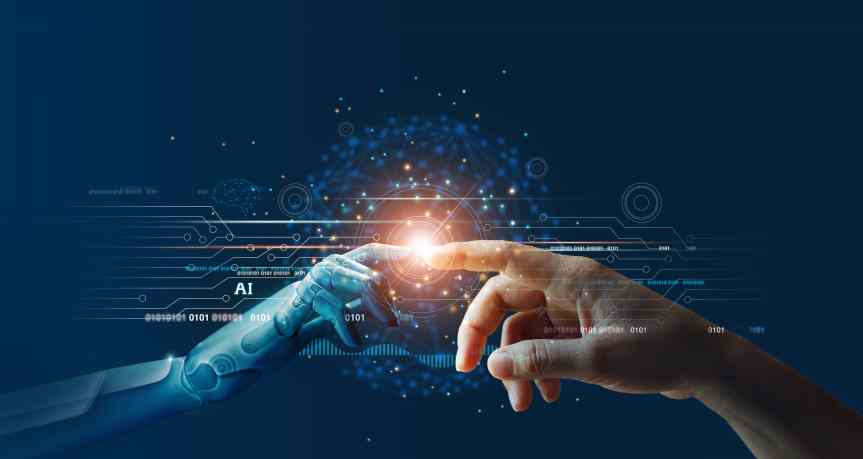
Artificial intelligence (AI), is the ability of a digital computer or computer-controlled robot to perform tasks commonly associated with intelligent beings. The term is frequently applied to the project of developing systems endowed with the intellectual processes characteristic of humans, such as the ability to reason, discover meaning, generalize, or learn from past experience. Since the development of the digital computer in the 1940s, it has been demonstrated that computers can be programmed to carry out very complex tasks—as, for example, discovering proofs for mathematical theorems or playing chess—with great proficiency.
How does AI Work?
Less than a decade after breaking the Nazi encryption machine Enigma and helping the Allied Forces win World War II, mathematician Alan Turing changed history a second time with a simple question: “Can machines think?” Turing’s paper “Computing Machinery and Intelligence” (1950), and its subsequent Turing Test, established the fundamental goal and vision of artificial intelligence. At its core, AI is the branch of computer science that aims to answer Turing’s question in the affirmative. It is the endeavor to replicate or simulate human intelligence in machines. The expansive goal of artificial intelligence has given rise to many questions and debates. So much so, that no singular definition of the field is universally accepted.
Types of Artificial Intelligence
Reactive Machines
A reactive machine follows the most basic of AI principles and, as its name implies, is capable of only using its intelligence to perceive and react to the world in front of it. A reactive machine cannot store a memory and as a result cannot rely on past experiences to inform decision making in real-time.
Limited Memory
Limited memory artificial intelligence has the ability to store previous data and predictions when gathering information and weighing potential decisions — essentially looking into the past for clues on what may come next. Limited memory artificial intelligence is more complex and presents greater possibilities than reactive machines.
Self-awareness
Once Theory of Mind can be established in artificial intelligence, sometime well into the future, the final step will be for AI to become self-aware. This kind of artificial intelligence possesses human-level consciousness and understands its own existence in the world, as well as the presence and emotional state of others.
Evolution of AI
IFM is just one of countless AI innovators in a field that’s hotter than ever and getting more so all the time. Here’s a good indicator: Of the 9,100 patients received by IBM inventors in 2018, 1,600 (or nearly 18 percent) were AI-related. Here’s another: Tesla founder and tech titan Elon Musk recently donated $10 million to fund ongoing research at the non-profit research company OpenAI — a mere drop in the proverbial bucket if his $1 billion co-pledge in 2015 is any indication. And in 2017, Russian President Vladimir Putin told school children that “Whoever becomes the leader in this sphere [AI] will become the ruler of the world.” He then tossed his head back and laughed maniacally.
Future of AI
Some sectors are at the start of their AI journey, others are veteran travelers. Both have a long way to go. Regardless, the impact artificial intelligence is having on our present day lives is hard to ignore:
Transportation: Although it could take a decade or more to perfect them, autonomous cars will one day ferry us from place to place.
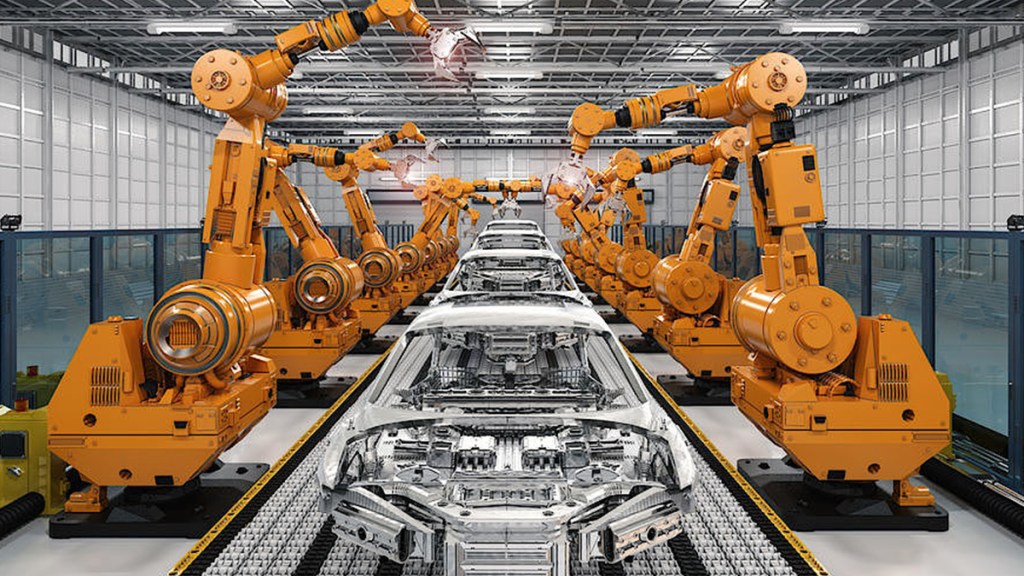
Manufacturing: AI powered robots work alongside humans to perform a limited range of tasks like assembly and stacking, and predictive analysis sensors keep equipment running smoothly.
Healthcare: In the comparatively AI-nascent field of healthcare, diseases are more quickly and accurately diagnosed, drug discovery is sped up and streamlined, virtual nursing assistants monitor patients and big data analysis helps to create a more personalized patient experience.
Education: Textbooks are digitized with the help of AI, early-stage virtual tutors assist human instructors and facial analysis gauges the emotions of students to help determine who’s struggling or bored and better tailor the experience to their individual needs.
Conclusion
Artificial intelligence is impacting the future of virtually every industry and every human being. Artificial intelligence has acted as the main driver of emerging technologies like big data, robotics and IoT, and it will continue to act as a technological innovator for the foreseeable future. AI is projected to have a lasting impact on just about every industry imaginable. We’re already seeing artificial intelligence in our smart devices, cars, healthcare system and favorite apps, and we’ll continue to see its influence permeate deeper into many other industries for the foreseeable future.
The number of countries where paternity leave is enshrined in law has more than doubled to about 90 in the last 20 years; and globally, at least four out of every 10 organizations are thought to provide paid leave above the statutory minimum. Yet, the proportion of men who take more than a few days off work when their child is born is tiny. Most cite fears of being discriminated against professionally, missing out on pay raises and promotions, being marginalized, or even mocked as reasons for not taking time off. Academics consider these concerns to be the effect of deeply ingrained and highly damaging stereotypes around gender – and suggest that changing this will require significant cultural shifts as well as better institutional provision of paid paternity leave.
What is Paternity Leave?
Parental leave, or family leave, is an employee benefit available in almost all countries. The term “parental leave” may include maternity, paternity, and adoption leave; or may be used distinctively from “maternity leave” and “paternity leave” to describe separate family leaves available to either parent to care for small children. In some countries and jurisdictions, “family leave” also includes leave provided to care for ill family members. Often, the minimum benefits and eligibility requirements are stipulated by law. Unpaid parental or family leave is provided when an employer is required to hold an employee’s job while that employee is taking leave. Paid parental or family leave provides paid time off work to care for or make arrangements for the welfare of a child or dependent family member.
Internalized Stereotype
The number of countries where paternity leave is enshrined in law has more than doubled to about 90 in the last 20 years; and globally, at least four out of every 10 organisations are thought to provide paid leave above the statutory minimum. Yet, the proportion of men who take more than a few days off work when their child is born is tiny. Most cite fears of being discriminated against professionally, missing out on pay rises and promotions, being marginalized or even mocked as reasons for not taking time off. Academics consider these concerns to be the effect of deeply ingrained and highly damaging stereotypes around gender – and suggest that changing this will require significant cultural shifts as well as better institutional provision of paid paternity leave.
Unspoken Norms
Workplace experts are warning that the immense uncertainty created by the Covid-19 pandemic – and specifically anxiety around job security – is only likely to have exacerbated workers’ concerns about taking time off. In one survey of over 500 US fathers conducted at the end of May, about two-thirds of respondents admitted that there was an unspoken rule that men at their jobs should not take full paternity leave – and that taking as little as possible was “a badge of honour”. Ninety percent of those surveyed reported their employer offered less than 12 weeks of paternity leave, but almost two-thirds said that they planned to take less than half of that.
No Role Model
Forbes believes it’s important to have visible “fatherhood champions” at companies, across different sections and departments both to inspire fathers to take leave and also improve their knowledge of leave provisions. “Also, if managers are knowledgeable of the organization’s offering around paternity leave and shared parental leave, this will lead to parents being more aware of what their entitlements are.” Thekla Morgenroth, a research fellow also considers role models to be of paramount importance. “If other men are taking parental leave at a specific company, it shows that taking parental leave is normal and acceptable for men to do,” they explain. “These effects are likely particularly pronounced when men in leadership positions take parental leave because they can act as role models and demonstrate that you can be successful even if you take parental leave.”
Conclusion
In the absence of this kind of comprehensive legislation, however, Banister believes that employers should reduce barriers to taking paternity leave by “normalizing employees taking leave during the first year of their child’s birth or adoption, regardless of the employees’ gender or sexual orientation”. There are more specific considerations too, she says, such as the timing of the leave. Company-subsidized parental leave, if offered, is often restricted to the first few months – when it may suit parents better for the mother to be at home, especially if she is breastfeeding. If employers gave all parents decent pay for some time, regardless of when they take it (and in addition to a period of fully-paid paternity leave around the time of the birth), this would give parents much more flexibility.
The Information Technology sector in India has built its reputation by providing cost-effective solutions and providing employment to millions of people in the process. However, the full-time research workforce in India was estimated to be just 2,00,000 in 2015 by UNESCO. Are we, as a nation, adequately promoting careers in Science, Technology, Engineering, and Mathematics (STEM) subjects, and are we even able to generate enough talent for our own demand? Are we losing some of our best minds to other countries because of a lack of support and opportunities?
What is STEM?
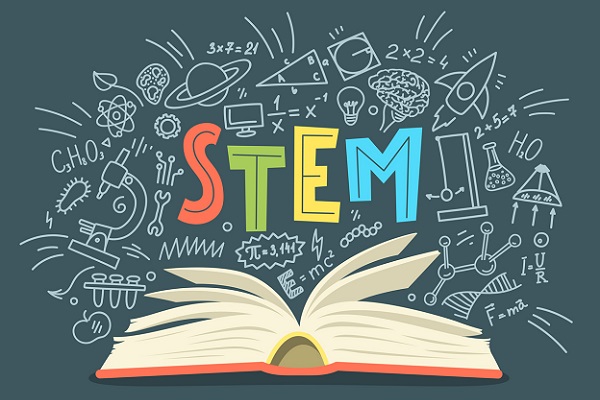
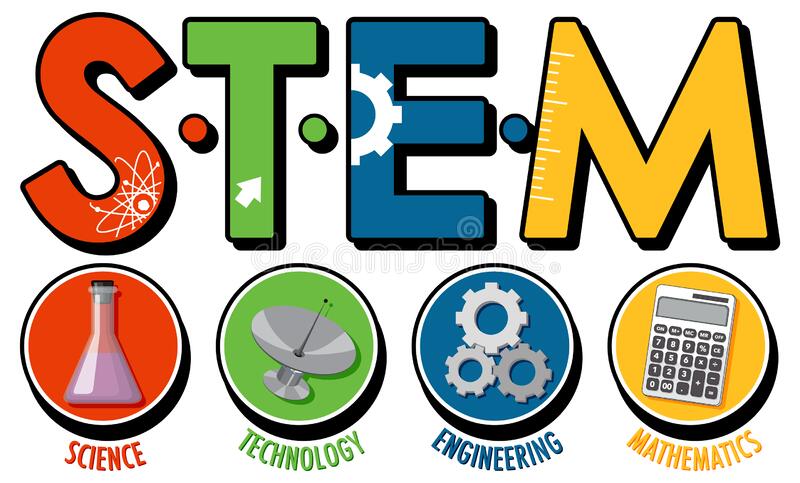
STEM, in full science, technology, engineering, and mathematics, field, and curriculum centered on education in the disciplines of science, technology, engineering, and mathematics (STEM). The STEM acronym was introduced in 2001 by scientific administrators at the U.S. National Science Foundation (NSF). The organization previously used the acronym SMET when referring to the career fields in those disciplines or a curriculum that integrated knowledge and skills from those fields. In 2001, however, American biologist Judith Ramaley, then assistant director of education and human resources at NSF, rearranged the words to form the STEM acronym.
Women in STEM
Under-representation of women and gender pay gaps are well-recognized global challenges in STEM sectors. While Indian Technology firms can still boast of a relatively better female-to-male ratio, according to UNESCO estimates, only 14 percent of the researchers in India are women. Even engineering colleges have skewed gender ratio in favor of male students, and according to a Kelly Global Workforce Insights (KGWI) survey, 81 percent of the women in STEM fields in India have perceived a gender bias during performance evaluation. The annual ‘Girls in Tech’ MasterCard research indicates that while interest in STEM careers is increasing gradually, women are still less likely than men to pursue a STEM career and less likely to remain in the field for their entire career owing to male dominance in the fields.
STEM Sector in India
The focus on building the scientific prowess of the masses, and bet on specialized educational institutions to do the same, institutions like the Indian Institute of Technology (IIT), Indian Institute of Science (IISc), and All India Institute of Medical Science (AIIMS) was founded and promoted to develop the country’s scientific and technical manpower, and in the process help the society and economy prosper. However, with time, these institutes have largely been reduced to stepping stones for a well-paying career. Especially in the last two decades, the relentless quest of students, and their parents, to ensure admission to such premier institutes has given rise to an astronomical coaching classes industry as well. A particular blow to STEM education came when the All India Council for Technical Education (AICTE) liberally allowed the setting up of engineering institutes across the country a few years ago. The move was undertaken in anticipation of a huge demand for engineering studies. However, this not only eroded the value conferred on an engineering degree but also compromised the quality of education and training provided on a fundamental level.
Making STEM a Priority
The first step towards fixing what’s broken is the identification and acknowledgment of the present challenges and understanding the context in which they arise. In other words, the government and the private education sector must make a genuine attempt at understanding their shortcomings, and reflect on why so few Indian institutes are recognized for quality STEM education and training. Establishing global partnerships with countries that have built sophisticated STEM expertise is critical to paving the way for knowledge exchange and skill development. While American and European universities are known for their focus on STEM education, countries in the networks of BRICS and ASEAN could also prove to be beneficial partners. This also needs to be backed by healthy funding to develop independent institutes that focus on research, pure sciences, and other derivatives of STEM subjects. The Indeed survey showed that job seekers in the age group of 21-25 were 12 percent more inclined towards jobs in STEM sectors than in others. Inculcating innovation and creativity in young minds and encouraging them to pursue dedicated courses right from the moment they stepped into the formal education system is essential. However, in the present system, STEM studies might simply be added as an additional layer to the existing curriculum and would increase pressure on students and teachers alike.
There was a time when the term “automation” was synonymous with advanced manufacturing plants full of robotics. While replacing human labor with machine labor is a prime example of workplace automation, it’s far from the only example. Automation is present in modern businesses of all sizes – including subtle features in common software applications, and more obvious implementations like self-driving vehicles or autonomous robots. There is much debate about where workplace automation will lead the economy, but observers tend to agree that the trend is gaining momentum. Every business process is on the table for automation, especially as technology becomes more sophisticated.
What is Workplace Automation?
Here’s a common misconception that automation involves towering robotics, but it can be as simple as a set of tools housed within common business software programs. At its core, automation is about implementing a system to complete repetitive and easily replicated tasks without the need for human labor. “Automation takes a lot of forms,” said Fred Townes, chief product officer at READY Education. “For small businesses, the most important thing is [repetition]. When you find something you do more than once that adds value … you want to look into automation.”
Machine Learning as the Driver for Automation
Machine learning and artificial intelligence enable new forms of “smart” automation. As the software learns, the more adaptable it becomes. These technologies open the door for the automation of higher-order tasks in addition to the basic, repetitive tasks. “I think there’s a lot of focus at the moment on these tasks that humans don’t want to do,” Sharma said. “But what’s going to happen in the future is … automation will not just be about automating those tasks humans are doing today, but it will be about realizing potential opportunities.”
Example of Common Workplace Automation
1. Email marketing
Many small business owners already use at least one form of automation: email marketing. Companies like Zoho and Constant Contact offer software that allows users to tailor the parameters of their email marketing campaign to their liking and then set it to run automatically.
2. Customer service
Customer service departments are also getting an automation makeover with the introduction of tools like chatbots and automated text message marketing solutions.
3. Human resources
Given the predictable and repetitive nature of HR duties – like payroll and timesheets – digitization can transform the efficiency of a department.
Conclusion
Economic insecurity displaced workers feel is very real, but automation is not the enemy. Instead, Wallace hopes to educate people about leveraging this powerful technology to create their own incomes – essentially establishing a society of entrepreneurs and small companies. “If we can establish a way to make sure we all have enough food, clothing, and shelter to survive … and allow people to repurpose their gifts, unique abilities, and enable them to proliferate that and sell it as a good or a service, then we’re adding income,” Wallace said. “We can create an opportunity to generate income for next to nothing, so why not teach people to leverage the tech that disrupted the marketplace in the first place to embrace it and use it for something more in line with who they are, as an expression of their unique abilities?”
Moving people and goods accounts for one-quarter of global energy use, and the demand for energy from this sector is continuing to grow. This is due mainly to the increasing number and size of vehicles on our roads: more than 1.42 billion are currently in use, with an expected two billion by 2040. Road vehicles, most still powered by fossil fuels, account for nearly 75 per cent of total transport-related greenhouse gas emissions. Emissions from aviation and shipping are also projected to sail upwards between now and 2050. Flying contributes 12 per cent of the world’s total carbon dioxide emissions, while the marine sector, if it were a country, would be ranked between Germany and Japan as the sixth-largest source.
Why to Decarbonize the Transport?
Climate change cannot be stopped without decarbonizing transport. Transport emits around 23% of the energy-related CO2 that feeds global warming. Without immediate action, its share could reach 40% by 2030. Transport emissions have grown faster than those of any other sector over the past 50 years. Demand for transport will continue to grow massively in the coming decades. As a result CO2 emissions from transport activity will not fall, but could increase by 60% by 2050. And because transport relies on oil for 92% of its energy, it is particularly hard to decarbonize.
Ambition of the Initiative
The Decarbonising Transport initiative helps governments and industry to translate climate ambitions into actions. Specifically, it:
Builds a catalogue of effective CO2 mitigation measures: the Transport Climate Action Directory.
Provides targeted analytical assistance for countries and partners to identify climate actions that work.
Gathers and shares evidence for best practices that will accelerate the transition to carbon-neutral mobility.
Shapes the climate change debate by building a global policy dialogue and by bringing the transport perspective to the broader climate change discussions.
Stream of the Initiative
The Decarbonising Transport initiative is organised in five work streams:
Tracking progress: The initiative evaluates how current mitigation measures contribute to reaching objectives for reducing transport CO2.
In-depth sectoral studies: The initiative identifies effective policies for decarbonizing urban passenger transport, road freight transport, maritime transport, aviation and inter-urban transport.
Focus studies: The initiative analyses specific decarbonization issues and feeds the results into other work streams.
National pathways: The initiative assesses available policy levers for decarbonizing transport from a country perspective. Projects may also examine regional or sub-national levels.
Policy Dialogue: The initiative organizes global dialogue on transport and climate change through high-level roundtables, policy briefings and technical workshops. It acts as a conduit for transport sector input to climate change negotiations.
Conclusion
The Decarbonizing Transport initiative was launched in 2016 with core funding from the ITF’s Corporate Partnership Board (CPB). Other funding partners currently include the governments of France, Korea, Ireland and the Netherlands, the World Bank, the European Commission, the Climate Works Foundation, the Fédération Internationale de l’Automobile (FIA), the FIA Foundation, the International Road Transport Union (IRU) and the Swedish Shipowners’ Association. In recognition of the work of its Decarbonizing Transport initiative, the UN Climate Change Secretariat (UNFCCC) has named the International Transport Forum a focal point for transport under its Marrakech Partnership. In this role, the ITF acts as a conduit for the exchange of information between the transport sector and the UNFCCC, as well as providing inputs to the UNFCCC process.
World Environment Day is celebrated on the 5th of June every year. More than 100 countries Worldwide join in the celebration of World Environment Day. It was started by the United Nations Environmental Program in the year 1973 and has been continuing till now. The main purpose of celebrating this day is to spread awareness about the Environment.
Theme for 2022
World Environment Day 2022 will be held under the theme Only One Earth, highlighting the need to live sustainably in harmony with nature by bringing transformative changes – through policies and our choices – towards cleaner, greener lifestyles.
What is the Environment?
Scientifically speaking, everything around us constitutes our Environment. Both living and non-Types of the Equation of the Motion living things make up our Environment. The living or biotic components include plants, animals and microbes, while the non-living or abiotic components include air, water, soil and so on.
Why is the Environment in Danger?
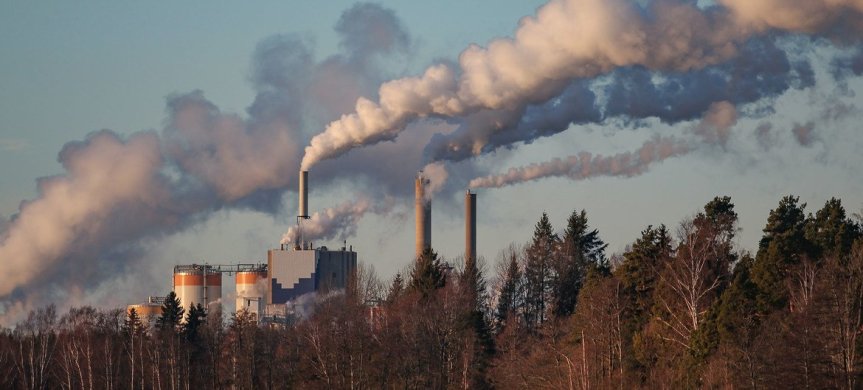
The Environment is in danger because of the high levels of pollution. All the major components of the Environment such as the hydrosphere, the atmosphere, and the biosphere, are trapped with pollutants. The rising level of pollutants is destroying the normal Environmental conditions. These types of pollutants can be natural (for example volcanic eruptions, forest fires, etc.) or manmade (pollutants released from industries, emissions from cars). It is mainly man-made pollution that has caused rapid destruction of the Environment. The major forms of pollution are air pollution, water pollution, and soil pollution.
Why is it Necessary to Save the Environment?
The Environment is one of the most important tools for our survival on planet Earth. The Environment nurtures us and helps us survive. We cannot imagine life without air, water, and soil. The biotic components like plants and animals are also important survival tools. Plants help purify the air around us. We get food from plants and animals. All the components of the Environment are dependent on each other in a web of relations known as the ecological web. It is necessary to maintain this web in balance because if one component collapses then the entire web will crumble destroying all life forms. This is why we must choose to work towards preserving the Environment and undoing the damage we did.
Purpose of World Environment Day
The main purpose of World Environment Day is to spread awareness about the current conditions of the Environment. On this day people come together to join in efforts to improve our life. Every year there is one theme or Environmental problem which is focused upon and a pledge to combat that problem is taken that year. For example for the year 2019, the theme was air pollution. Organizations all around the world come together on this day, to take small steps to improve our future. Schools and offices encourage workers and students to plant trees or clean up some local land. These small efforts can leave a big impact on the Environment.
Conclusion
World Environment Day reminds us to consolidate our planet and ensure that the Environment is conserved at all costs. It illuminates the causes that cause the most damage to our environment. For example, industries and industries play a major role in polluting. They reduce the amount of air we breathe and the water we consume. Therefore, this Day serves as an eye-opener for many citizens who are unaware of all this. In other words, it spreads awareness to ordinary people about the current situation. In addition, it also encourages the community from different communities and communities to play an active role in celebrating this Day.
Faced with the challenges posed by infectious diseases and cancer, nucleic acid vaccines present excellent prospects in clinical applications. Compared with traditional vaccines, nucleic acid vaccines have the characteristics of high efficiency and low cost. Therefore, nucleic acid vaccines have potential advantages in disease prevention and treatment. However, the low immunogenicity and instability of nucleic acid vaccines have limited their development. Therefore, a large number of studies have been conducted to improve their immunogenicity and stability by improving delivery methods, thereby supporting progress and development for clinical applications.
What is Nucleic Acid Vaccines?
Instead of injecting a weakened form of a virus or bacteria into the body, Nucleic acid vaccines use genetic material from a disease-causing virus or bacterium (a pathogen) to stimulate an immune response against it. That immune response, which produces antibodies, is what protects us from getting infected if the real virus enters our bodies. Nucleic acid vaccines have the potential to be safe, effective, and cost-effective. Moreover, the immune responses induced by nucleic acid vaccines only target the selected antigen in the pathogen.
Types of Nucleic Acid Vaccine
Nucleic acid-based vaccines, including DNA (as plasmids) and RNA [as messenger RNA (mRNA)] vaccines, exhibit promising potential in targeting various indications and diseases.
What is DNA Vaccine?
DNA vaccines are generated by inserting a gene encoding antigens into a bacteria-derived plasmid, which needs to be controlled by a powerful promoter. DNA plasmids are replicated in bacteria, which can be selected based on antibiotic resistance mediated by genes carrying resistance markers, using the prokaryotic origin of replication. Additionally, DNA vaccines can affect not only humoral immunity but also cellular immunity. Although the precise mechanisms underlying the induction of an immune response to antigens expressed by host cells following DNA immunization have not yet been determined, we have a considerable understanding of the roles of immune cells in the processing, presentation, and recognition of antigens.
What is RNA Vaccine?
Currently, there are two widely acknowledged forms of mRNA vaccines, namely, non-amplifying mRNA and self-amplifying mRNA, which are classified due to the difference in mechanisms. In terms of structure, non-amplifying mRNA vaccines mainly contain five critical elements for the life cycle and expression: the “cap” [m7Gp3N(N: any nucleotide)], which is a 7-methyl-guanosine residue (m7G) bound to the 5′-end of the RNA transcript via a 5′–5′ triphosphate bond with any nucleotide; a 5′ untranslated region (5′UTR) that sits immediately upstream of the translation initiation codon; an open reading frame (ORF) encoding the gene of interest (GOI); a 3′ untranslated region (3′UTR); and a tail of 100–250 adenosine residues [poly(A) tail].
Advantages of Nucleic Acid Vaccine
Safe and non-infectious as they are not made with pathogen particles or inactivated pathogens. Can generate a stronger type of immunity and are well tolerated as compared to traditional vaccines. Can be produced more rapidly as they do not require a host for growth, e.g., eggs or bacteria.
The Financial and Banking sector of any country plays a paramount role in the functioning of the economy through intermediation. This sector has undergone numerous reforms in the past few years. One of the outcomes of these reforms is that now banks are more liberalized and have the freedom to determine the interest rates on their own. Banks are allowed to determine the lending rates on loans and advances concerning the base rate. The Base Rate is one of the amendments to the lending rate introduced by the RBI. Let’s now discover what it is, the term associated with it, and the factors determining it.
What is Base Rate?
A Base rate is defined as the minimum interest rate set by the country’s central bank below which banks are not permitted to lend to their customers. This rate is usually taken as the standard interest rate by all the banks functioning in the country. Introduced in June 2010, the base rate is simply regarded as the standard lending rate offered by commercial banks.
Why is Base Rate System used?
In the earlier days, the ostensible problem with the credit market was the lack of transparency. There used to be some segments in the banking system that were hidden or kept unknown to the customers. Banks use to give no clear information on the interest rate charged for a loan. So, to bring transparency and awareness to the credit field and to ensure that banks pass the benefit of lower interest rates to borrowers, the RBI implemented the notion of Base Rate across all the banks.
Factors Determining the Base Rate
Base Rates must consider and include all the elements of lending rates which are across various categories of borrowers. It is practicable that the base rate may be different for different banks. The four significant components that typically decide or determine the base rate set by a particular bank include
Cost of Funds i.e., interest rates provided by the banks on deposits
Operating Costs
The Minimum rate of Returns
Cost of the Cash Reserve Ratio.
So, the base rate presented by one bank can be dissimilar to the rate of another bank owing to any one or more of the above-declared factors. The most prevalent factor is the difference in interest rates provided by the banks on deposits.
What is DRI Scheme?
DRI Scheme stands For Differential Rate of Interest Scheme. It was launched to provide credit access to the low-income group. It is better known as DIR Scheme. This scheme was set in motion from the year 1972. The loan scheme empowers or authorizes the banks to lend money to weaker and incapable sections of society at a concessional interest rate. In simpler terms, DRI Scheme was introduced to financially assist low-income groups. The loan scheme visualizes lending by banks to the incapable section of the society at a uniform concessional rate of interest. There is no requirement or obligation of collateral or third-party guarantee. The assets which are created or bought from the loan amount will be hypothecated to the banks.
Conclusion
Every bank must review its base rate quarterly. Since the primary intention of implementing the base rate is transparency in the prices of the lending product, every bank has to reveal its base rate details in all their branches and on their official websites too. DRI Scheme is enhancing the Financial Inclusion Goal of India. In April 2016, RBI introduced a new concept known as MCLR (Marginal Cost of Lending Rates) as a replacement for the Base Rate. So, the MCLR is the new internal benchmark that all institutions will follow.
Population aging is a global issue, which has been recognized to have implications on the health care and social welfare systems. The process whereby the proportion of children in the population decreases and those of old people increases is known as the “aging of population”. The global population of the elderly has constantly been increasing during the second half of the last century. This has been possible due to the easy availability of life-saving drugs, famines’ control, various communicable diseases, better awareness and supply of nutrition and health facilities, and a comparatively better overall standard of living. These achievements have resulted in a drastic reduction in mortality rates and a substantial increase in the life expectancy at birth and the overall span of people.
What is Aging?
Aging is a continuous, irreversible, universal process, which starts from conception till the death of an individual. However, the age at which one’s productive contribution declines and one tends to be economically dependent can probably be treated as the onset of the aged stage of life. Old age is the last phase of the human life cycle, which is again universally true. UN recommended 60 years as the age of transition for the elderly segment of the population, and has been categorized as follows:
Young Old- between the ages of 60-75 years
Old-Old- between the ages of 75-85 years
Very Old- 85 years and above.
Disabilities in Old Age
The disabilities that a person experiences in the course of aging are multiple in nature. For some, aging enhances the status and enriches life satisfaction, but for many others, it may be difficult and problematic. On one hand, getting old provides an opportunity to relax, enjoy and do things they always wanted to do but never had the time for when they were young. On the other hand, old age also implies increasing physical, mental, and psychological disabilities. Such disabilities are the result of many factors. With the increasing age and decreasing health, the older person begins to depend unknowingly physically and psychologically on either the kinship group or the existing social support network.
Government’s Role
Since independence, the Indian government has been committed to supporting the old people in our society with certain interventionist welfare methods. The year 1999 was declared by the UN as the International Year of Older Persons followed on 13th Jan 1999, by the Government of India approving the National Policy for Older Persons for accelerating welfare measures and empowering the elderly in ways beneficial to them. Maintenance and Welfare of Parents and Senior Citizens Act, 2007 provides legal sanctions for the rights of the elderly. In addition constitutional provisions for old age security, old age pension, establishing old age homes, expanding geriatric services, and liberalizing housing policy for elders have also been undertaken.
Role of Old Age Homes
The concept of the old age home, though not very common in India, is not unknown. The first old age home was established in Bangalore in 1983 by the Bangalore Friends-in Need society and was called the ‘(obb Home)’. According to Help Age India estimates, there are 728 institutions at present, perhaps a majority of them in urban areas. Kerala has the largest number of old-age homes. More than 60 percent of the old age homes in India are of the charitable type, meant for destitute or very poor persons. About 20 percent of them are of the ‘pay and stay’ type and another 20 percent are mixed. About 15 percent of the homes were for women exclusively. In recent years, there has been a rapid increase in the number of old age homes and they are gradually gaining acceptance, especially by those who see these institutions as a better alternative than living in a son’s home where you are not wanted. There is a debate going on in India at present among seniors’ organizations, nongovernmental organizations, and others about whether this growth should be allowed, supported, or curbed. There is a strong feeling that the proliferation of old-age homes would make it easier for children to shirk their responsibility for taking care of their aging parents by placing them in institutions.
Conclusion
Despite the government’s and NGO’s efforts in rehabilitating the aged in India they are still the most vulnerable group facing multiple problems and hence require proper care and attention. Aging is a natural process. ‘Old age is an incurable disease’. But more recently J.S. Ross commented, “You do need old age, you protect it, you promote it, and you extend it”. A man is as old as he feels and a woman as old as she looks. Hence there is a need for proper care and protection for the elderly in the changing scenario.
Baking is an art. It is one of the most favorite hobbies of most people.
Many people started learning to bake during these lockdown days. You can find many people posting the pictures of their baked dishes on social media, boasting their new talent.
Baking is amazing because not only the end product of baking is great, but also the entire process is so satisfying and pleasant(even therapeutic for many).
Baking is simple. You just need the right ingredients in right quantity.
Sometimes when you try to bake a cake, it may end up as a biscuit. You should be very accepting and be happy that you made an entirely new recipe, not something that you wanted to make. And that is exactly what happened in the case of our favourite ‘Brownies’.
There are numerous legends surrounding the origin of the brownie. The legend is told variously: a chef mistakenly added melted chocolate to a batch of biscuits…a cook was making a cake but didn’t have enough flour.
So, keep trying and don’t be disappointed, because who knows maybe one day you may create a trending tik-tok recipe.
Baked goodies are very delicious and very tempting. The amount of sugar, fats, and processed flour which goes into it is quite scary for fitness freaks. Though there are many healthy versions of baking, it is better to consume them in limited quantity.
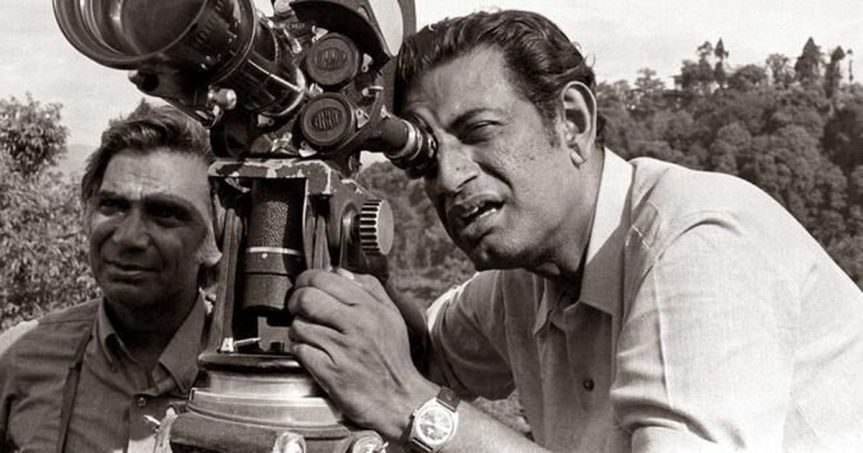
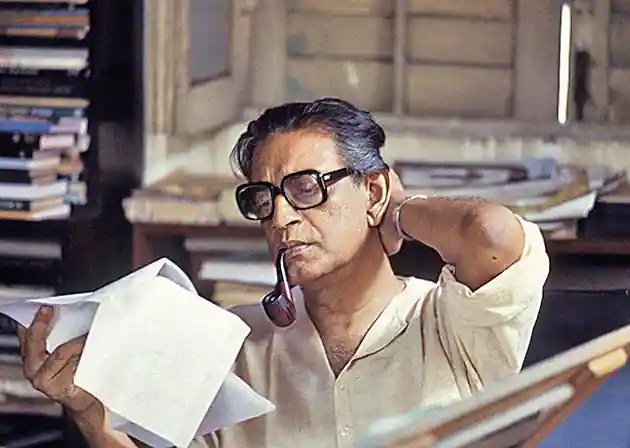
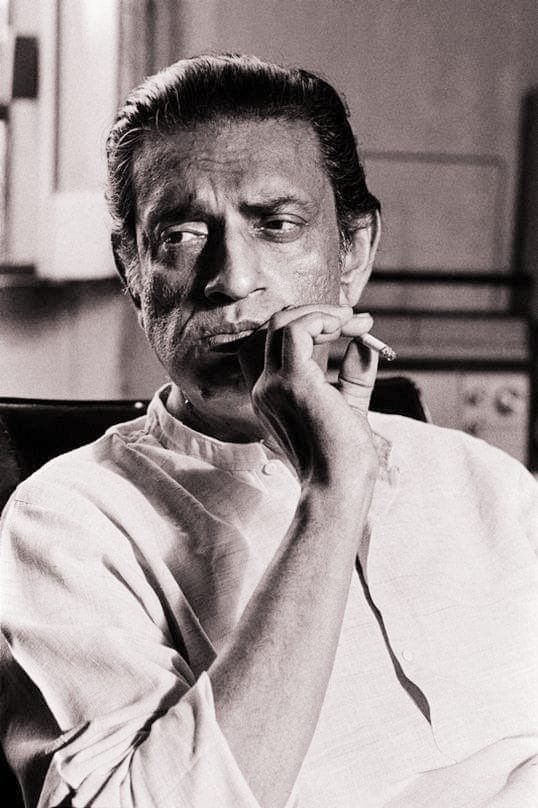
Satyajit Ray was India’s first internationally recognized film-maker and, several years after his death, still remains the most well-known Indian director on the world stage. Ray has written that he became captivated by the cinema as a young college student, and he was self-taught, his film education consisting largely of repeated viewings of film classics by de Sica, Fellini, John Ford, Orson Welles, and other eminent directors.
Satyajit Ray
Early Life and Family Background
Satyajit Ray was born into an illustrious family in Kolkata (then Calcutta) on 2nd May,1921. His grandfather, Upendra Kishore Ray-Chaudhary, was a publisher, illustrator, musician, the creator of children’s literature in Bengali and a leader of the Brahmo Samaj, a religious and social movement in nineteenth century Bengal. His father, Sukumar Ray, was a noted satirist and India’s first writer of nonsensical rhymes, akin to the nonsense verse of Edward Lear. Having studied at Ballygunge Government High School, Calcutta and completed his BA in economics at Presidency College, Satyajit Ray went on to develop an interest in fine arts. Later in life, Satyajit Ray made a documentary of his father’s life. His film, Goopy Gyne Bagha Byne, was based on a story published by his grandfather in 1914, but even other films, such as Hirok Rajah Deshe, “The Kingdom of Diamonds”, clearly drew upon his interest in children’s poetry and nonsensical rhymes.
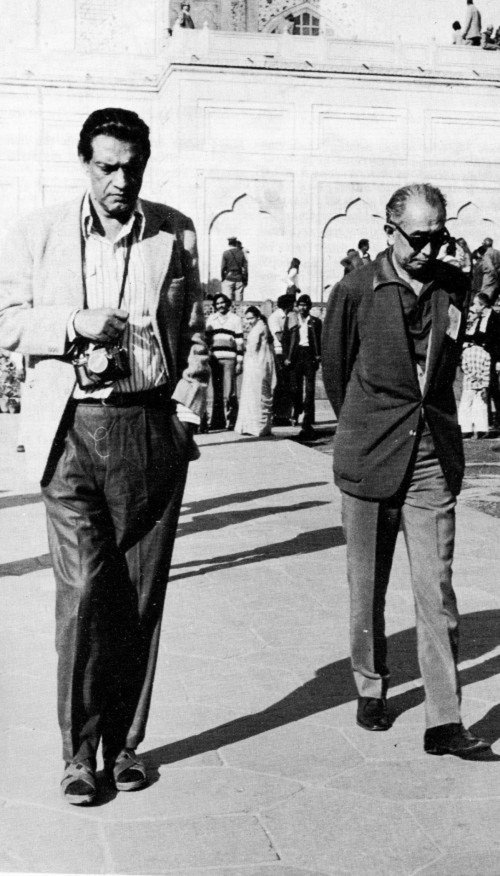
Satyajit Ray with Akira Kurosawa
The Crisis of Indian Cinema Before Ray
From the 1920s to the early 1950s, several directors working within Hollywood—as well as filmmakers in former Soviet Union, France, Italy, Germany, and Japan—considered cinema not as a mere tool of entertainment but as a medium for creative expression. Filmmakers such as Charlie Chaplin, Sergei Eisenstein, Jean Renoir, Roberto Rossellini, Vittorio De Sica, Akira Kurosawa, and others deployed artistically innovative filmic devices to convey profound statements about the complexities of life. Some of the aesthetically satisfying films produced during this period were hailed as cinematic masterpieces. Films in India, however, prioritised cliched elements such as sentimental slush, ersatz emotion, theatricality, romantic tales, spectacle-like songs, and happy endings in these decades. Instead of making serious attempts at formal experimentation, Indian directors continued catering to the lowest common denominator audience.
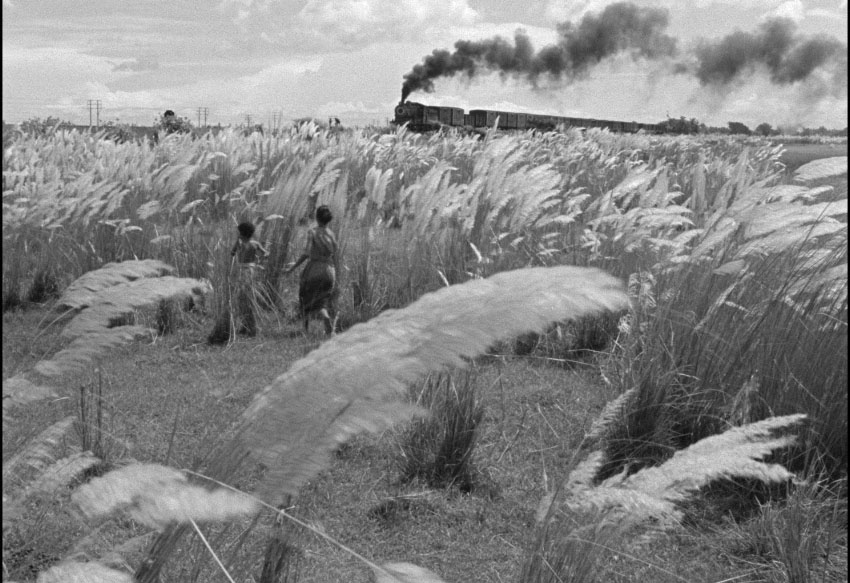
Iconic scene from Pather Panchali (1955)Pather Panchali (1955)
Breakthrough of Satyajit Ray
A young Ray had grown up on Hollywood movies, so when his ad agency sent him to London for higher training, he spent more and more of his time in the company of films and started “losing interest in advertising in the process,” he once said in an interview. During this trip, he saw Vittorio De Sica’s “Ladri di biciclette” (Bicycle Thieves),in 1948, a neo-realist Italian masterpiece of post-War despair and was entranced by its beguiling simplicity and humanism. Back in Calcutta, he heard that Jean Renoir was in town and walked straight into the hotel where the great French filmmaker was staying to confide in his own dreams of making a movie someday. Renoir, who was location-scouting for The River in Calcutta at the time, encouraged the aspirant. And so began the journey of the song of the little road.
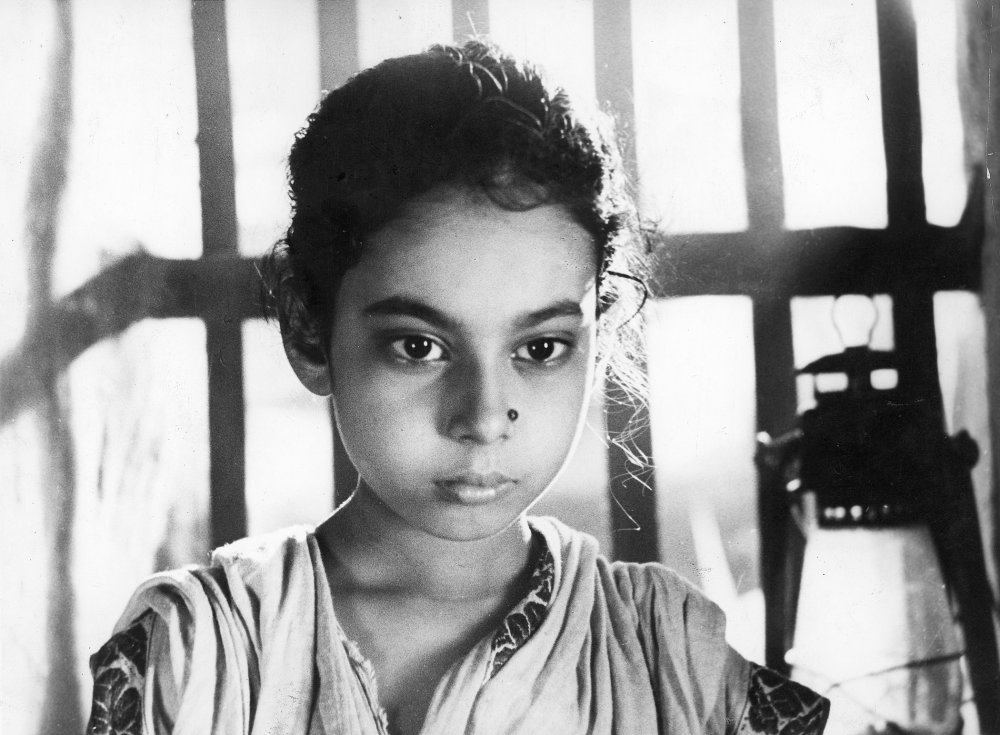
Subir Banerjee as Apu in Pather Panchali (1955)
Ray’s landmark debut, Pather Panchali ( which was adapted from eponymous 1928Bengali novel “Pather Panchali” by eminentBengali novelist Bibhutibhusan Bandopadhay) was on a shoe-string budget in 1955 with a mostly non-professional cast. All the while, he clung on to his job for a safety net even as he shot what would become the first of the classic Apu Trilogy on weekends. The film was apparently being made by a group of neophytes, who had to stop filming more than once, owing to the depletion of their shoestring budget.
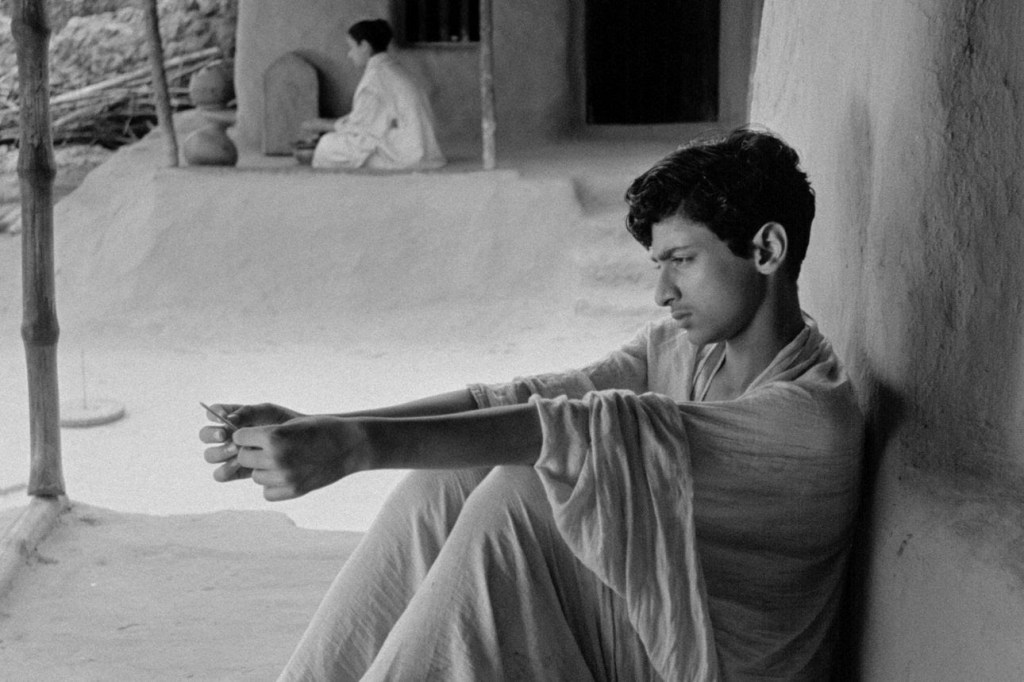
Smaran Ghoshal as Apu in Aporajito (1956)
Notable Films of Satyajit Ray
Ray directed 36 films, comprising 29 feature films, five documentaries, and two short films.Pather Panchaliwas completed in 1955 and turned out to be both a commercial and a tremendous critical success, first in Bengal and then in the West following a major award at the 1956 Cannes InternationalFilm Festival. sured Ray the financial backing he needed to make the other two films of the trilogy: Aparajito (1956; The Unvanquished) and Apur Sansar (1959; The World of Apu).Pather Panchaliand its sequels tell the story of Apu, the poor son of a Brahman priest, as he grows from childhood to manhood in a setting that shifts from a small village to the city of Calcutta.
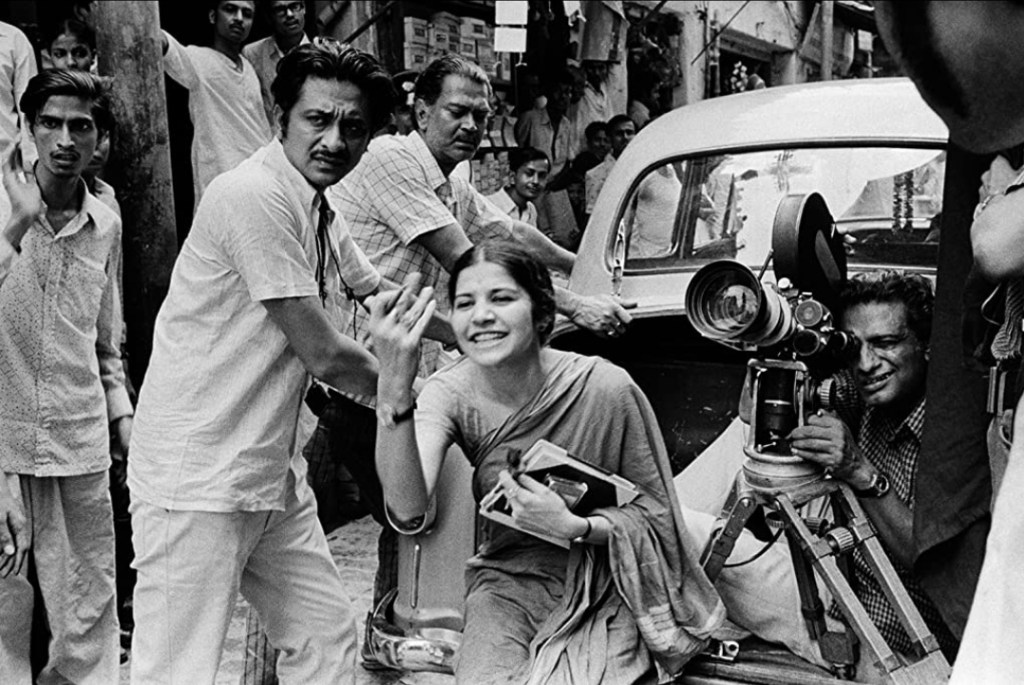
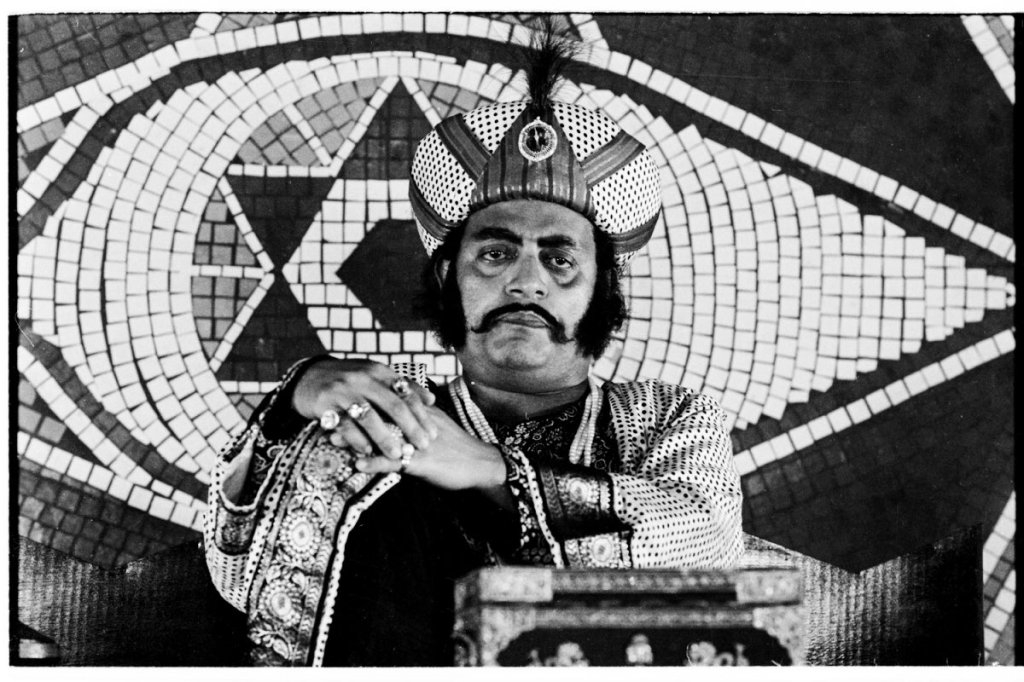
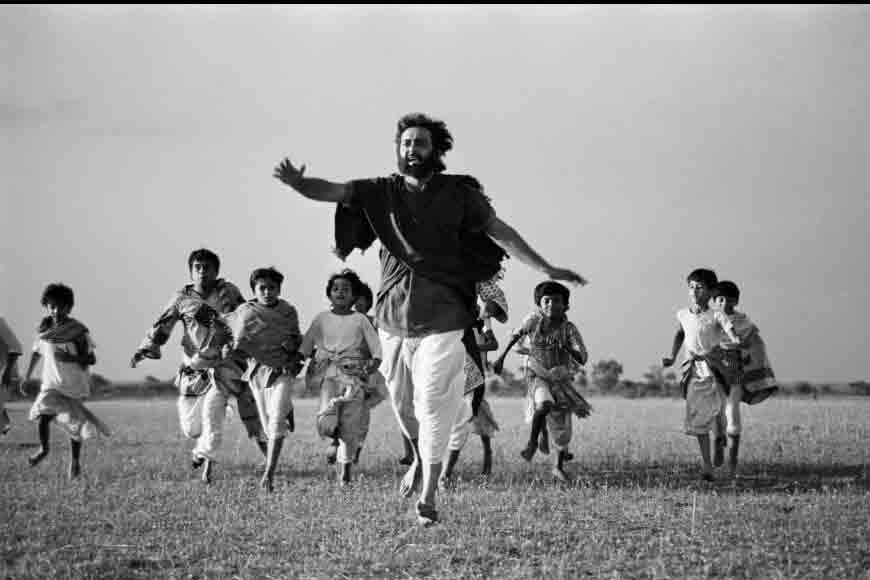
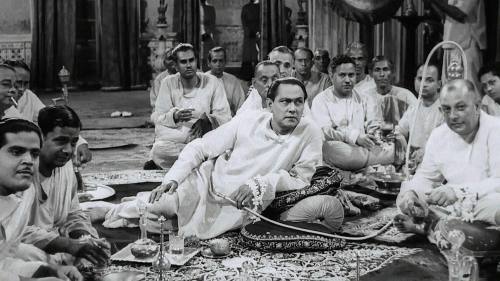
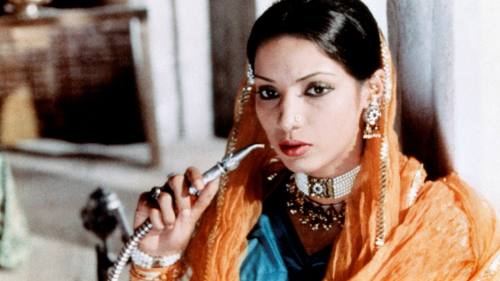
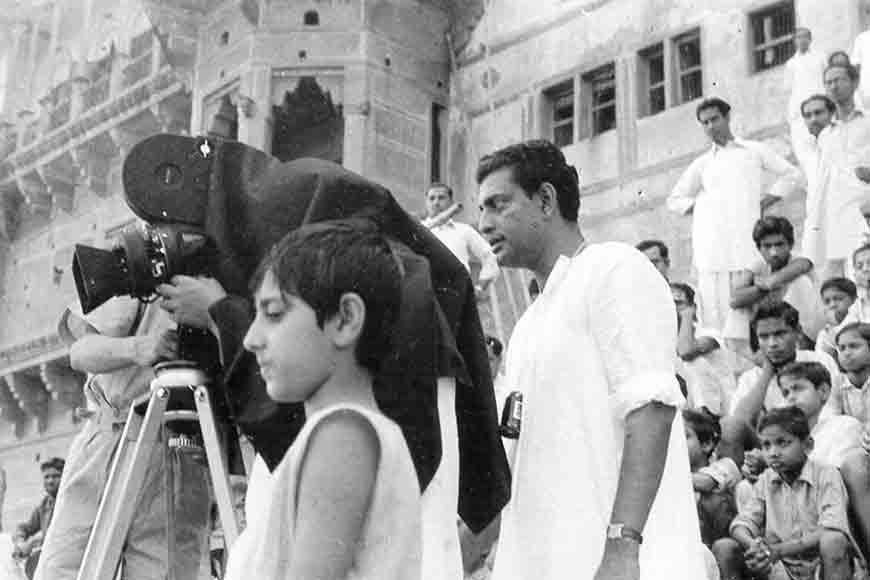
Chandana Banerjee in Teen Kanya (1961)During the Shooting of Jana Aranya (1975)Utpal Dutta in HirokRajar Deshe(1980)Soumitra Chatterjee in Hirok Rajar Deshe (1980)Chhabi Biswas (in middle) in Jalsaghar (1958)Shabana Azmi in Shatranj ke Khilari (1977)Satyajit Ray during the shooting of Sonar Kella(1974)
Ray’s major films about Hindu orthodoxy and feudal values (and their potential clash with modern Western-inspired reforms) include Jalsaghar (1958; The Music Room), an impassioned evocation of a man’s obsession with music; Devi (1960; The Goddess), in which the obsession is with a girl’s divine incarnation; Sadgati (1981; Deliverance), a powerful indictment of caste; and Kanchenjungha (1962), Ray’s first original screenplay and first colour film, a subtle exploration of arranged marriage among wealthy, westernized Bengalis.Shatranj ke Khilari (1977; The Chess Players), Ray’s first film made in the Hindi Language , with a comparatively large budget, is an even subtler probing of the impact of the West on India. Although humour is evident in almost all of Ray’s films, it is particularly marked in the comedy Parash Pathar (1957; The Philosopher’s Stone) and in the musical Goopy Gyne Bagha Byne (1969; The Adventures of Goopy and Bagha), based on a story by his grandfather.
His other notable films were Ahsani Sanket (1973; Distant Thunder), Aranyer Din Ratri (1970; Days and Nights in the Forest) , Mahanagar (1963; The Big City) and a trilogy of films made in the 1970s—Pratidwandi (1970; The Adversary), Seemabaddha (1971; Company Limited), and Jana Aranya (1975; The Middleman), Ganashatru (1989; An Enemy of the People), Shakha Prashakha (1990; Branches of the Tree), and the Agantuk (1991; The Stranger).
Poster of Shatranj ke Khilari (1977)Poster of Devi(1960)Poster of Ghore-BairePoster of Mahanagar(1963)Poster of Apur Sansar (1959)Poster of Nayak Poster of Charulata
Work As A Novelist
Ray created two popular fictional characters in Bengali children’s literature—Feluda, a sleuth, and Professor Shanku, a scientist. The Feluda stories are narrated by Topesh Ranjan Mitra aka Topse, his teenage cousin, something of a Watson to Feluda’s Holmes. The science fictions of Shonku are presented as a diary discovered after the scientist had mysteriously disappeared. Ray also wrote a collection of nonsensical verses named Today Bandha Ghorar Dim, which includes a translation of Lewis Carroll’s “Jabberwocky”. He wrote a collection of humorous stories of Mulla Nasiruddin in Bengali. Ray wrote an autobiography about his childhood years, Jakhan Chhoto Chhilam (1982), translated to English as Childhood Days: A Memoir by his wife Bijoya Ray. In 1994, Ray published his memoir, My Year’s with Apu, about his experiences of making The Apu Trilogy.
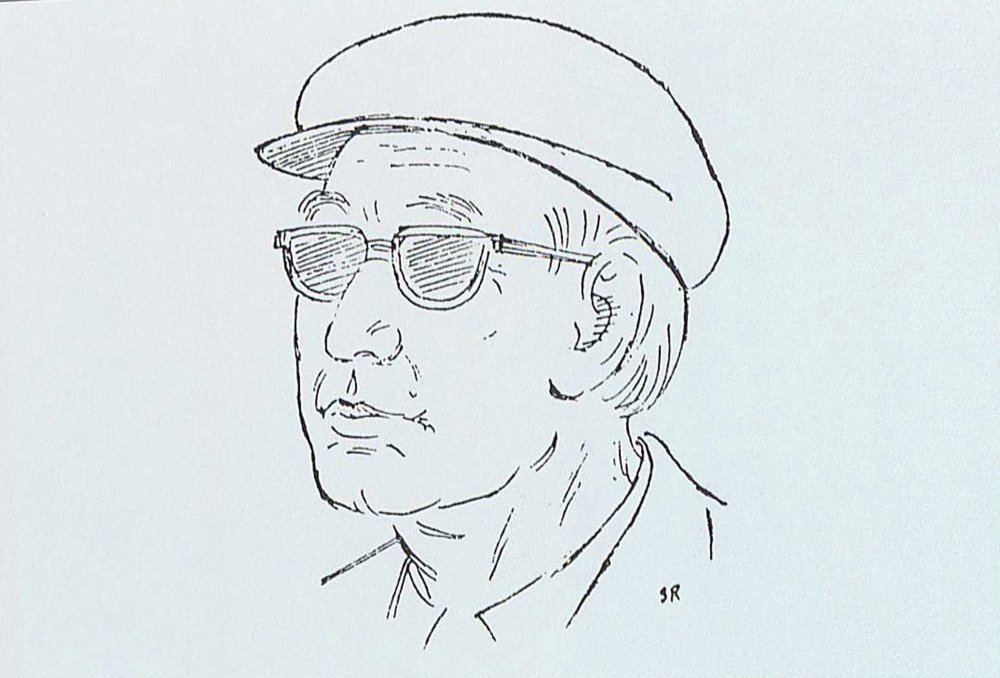
Book Cover illustrated by Satyajit Ray, himself for his first detective novel “Badshahi Angti”.The musical score and Poster for Goopy Gyne Bagha Byne(1969), done by Satyajit Ray, himself Portrait of Akira Kurosawa, illustrated by Satyajit Ray
Critical Analysis of Satyajit Ray
Instead of acting like a propagandist, Ray wanted to make people aware of the persistence of certain social problems. Devi and Ganasatru show people’s blind religious beliefs, Sakha Prasakhadiscloses the involvement of the top officials with bribery and corruption, Shatranj ke Khilari indicates the indolence and lack of political consciousness of the wealthy people, Aranyer Din Ratrireveals the insensitivity and boasting of the urban young men, and Mahapurushmockingly exposes the failure of the urban elite to embrace rational thoughts. Given the necessity of making people conscious of the same problems in present-day society, these films are still relevant today. Ray’s films also made a departure from tradition by frequently including strong women characters. Sarbajaya in Pather Panchali and Aparajito, Manisha in Kanchenjungha, Arati in Mahanagar, Charu in Charulata, Karuna in Kapurush, Aditi in Nayak, Aparna and Jaya in Aranyer Din Ratri, Sudarshana in Seemabadhdha, and Ananga in Asani Sanketappear as bolder, more confident, and more resilient than the male characters. In an interview, Ray states that the inclusion of unwavering women characters reflects his own attitudes towards and personal experience with women.
Awards Received by Satyajit Ray
Ray received many awards, including 36National Film Award by the Government of India, and awards at international film festival. In 11th Moscow InternationalFilm Festival 1979, he was awarded with the Honorable Prize for the contribution to cinema. At the Berlin International Film Festival, he was one of only four filmmakers to win the Silver Bear for Best Director more than once and holds the record for the most Golden Bear nominations, with seven. At the Venice Film Festival, where he had previously won a Golden Lion for Aparajito (1956), he was awarded the Golden Lion Honorary Award in 1982. That same year, he received an honorary “Hommage à Satyajit Ray” award at the 1982 Cannes International Film Festival. Ray is the second film personality after Charlie Chaplin to have been awarded an honorarydoctorate by Oxford University.
He was awarded the Dadasaheb Phalke Award in 1985, and the Legion of Honour by the President of France in 1987. The Government of India awarded him the Padma Bhusan in 1965 and the highest civilian honour, Bharat Ratna, shortly before his death. The Academy of Motion Picture Arts and Sciences awarded Ray an Honorary Award in 1992 for Lifetime Achievement. In 1992, he was posthumously awarded the Akira Kurosawa Award for Lifetime Achievement in Directing at the San Francisco International Film Festival.
Conclusion
Whenever we talk about radical filmmaking in the realm of Bengali cinema, Satyajit Ray’s maiden feature (made in the face of tremendous odds) is mentioned. From Pather Panchali to his last film Agantuk, Ray never compromised on high standards, thereby making a huge impression. Having a greater familiarity with the oeuvre of Ray would enable people to understand the impressive qualities and importance of socially-meaningful cinema. We are surely in need of films that would make us perceive the beauty of a dewdrop on a blade of grass, strengthen our sense of humanism, and raise our social consciousness—hence, the everlasting relevance of the cinema of Satyajit Ray.






































 Eduindex
You must be logged in to post a comment.