What is PTSD?

Most of us go through a frightening episode that we come out of without any damage or long term effects. But a large number of people exist who suffer the aftermath of a traumatic experience in unhealthy that puts pressure on one’s mental health. This condition, where negative thoughts interfere with daily life is called post-traumatic stress disorder or PTSD.

 Posttraumatic stress disorder (PTSD), once called shell shock or battle fatigue syndrome, is a serious condition that can develop after a person has experienced or witnessed a traumatic or terrifying event in which there was serious physical harm or threat. PTSD is a lasting consequence of traumatic ordeals that cause intense fear, helplessness, or horror. Examples of things that can bring on PTSD include sexual or physical assault, the unexpected death of a loved one, an accident, war, or natural disaster. Families of victims can develop PTSD, as can emergency personnel and rescue workers.

It is natural to feel afraid during and after a traumatic situation. Fear triggers many split-second changes in the body to help defend against danger or to avoid it. This “fight-flight or freeze” response is a typical reaction meant to protect a person from harm. Nearly everyone will experience a range of reactions after trauma, yet most people recover from initial symptoms naturally. Those who continue to experience problems may be diagnosed with PTSD. People who have PTSD may feel stressed or frightened, even when they are not in danger. Ptsd isn’t failing of a person or doesn’t make one weak willed, it is a treatable malfunction of the memory of certain dangerous experiences that allows us to cope better with it

PTSD Symptoms

Symptoms of PTSD most often begin within 3 months of the event. In some cases, however, they don’t begin until years later. The severity and duration of the illness can vary. Some people recover within 6 months, while others have it much longer. A major challenge of coping is sensitivity to triggers, physical and emotional stimuli that the brain associates with the original trauma .Symptoms of PTSD often are grouped into four main categories, including:

Reliving: People with PTSD repeatedly relive the ordeal through thoughts and memories of the trauma. These may include flashbacks, hallucinations, and nightmares. They also may feel great distress when certain things remind them of the trauma, such as the anniversary date of the event.

Avoiding: The person may avoid people, places, thoughts, or situations that may remind them of the trauma. This can lead to feelings of detachment and isolation from family and friends, as well as a loss of interest in activities that the person once enjoyed.

Increased arousal: These include excessive emotions; problems relating to others, including feeling or showing affection; difficulty falling or staying asleep; irritability; outbursts of anger; difficulty concentrating; and being “jumpy” or easily startled. The person may also suffer physical symptoms, such as increased blood pressure and heart rate, rapid breathing, muscle tension, nausea, and diarrhoea.

Negative cognitions and mood: This refers to thoughts and feelings related to blame, estrangement, and memories of the traumatic event.

Anyone can develop PTSD at any age. According to the National Centre for PTSD, about 7 or 8 out of every 100 people will experience PTSD at some point in their lives. Women are more likely to develop PTSD than men, and genes may make some people more likely to develop PTSD than others.

It is important to remember that not everyone who lives through a dangerous event develops PTSD. In fact, most people will not develop the disorder. Many factors play a part in whether a person will develop PTSD. Some examples are listed below. Risk factors make a person more likely to develop PTSD. Other factors, called resilience factors, can help reduce the risk of the disorder.

Some factors that increase risk for PTSD include:

  • Living through dangerous events and traumas
  • Getting hurt
  • Seeing another person hurt, or seeing a dead body
  • Childhood trauma
  • Feeling horror, helplessness, or extreme fear
  • Having little or no social support after the event
  • Dealing with extra stress after the event, such as loss of a loved one, pain and injury, or loss of a job or home
  • Having a history of mental illness or substance abuse

Treatment

The goal of PTSD treatment is to reduce the emotional and physical symptoms, to improve daily functioning, and to help the person better manage with the event that triggered the disorder. The main treatments for people with PTSD are medications, psychotherapy (“talk” therapy), or both. Everyone is different, and PTSD affects people differently, so a treatment that works for one person may not work for another. It is important for anyone with PTSD to be treated by a mental health provider who is experienced with PTSD. Some people with PTSD may need to try different treatments to find what works for their symptoms. Medication for treating PTSD is antidepressants, which may help control PTSD symptoms such as sadness, worry, anger, and feeling numb inside. Other medications may be helpful for treating specific PTSD symptoms, such as sleep problems and nightmares.

Recovery from PTSD is a gradual and on-going process. Symptoms of PTSD seldom disappear completely, but treatment can help people learn to manage it more effectively. Treatment can lead to fewer and less intense symptoms, as well as a greater ability to manage feelings related to the trauma. Research is on-going into the factors that lead to PTSD and into finding new treatments.
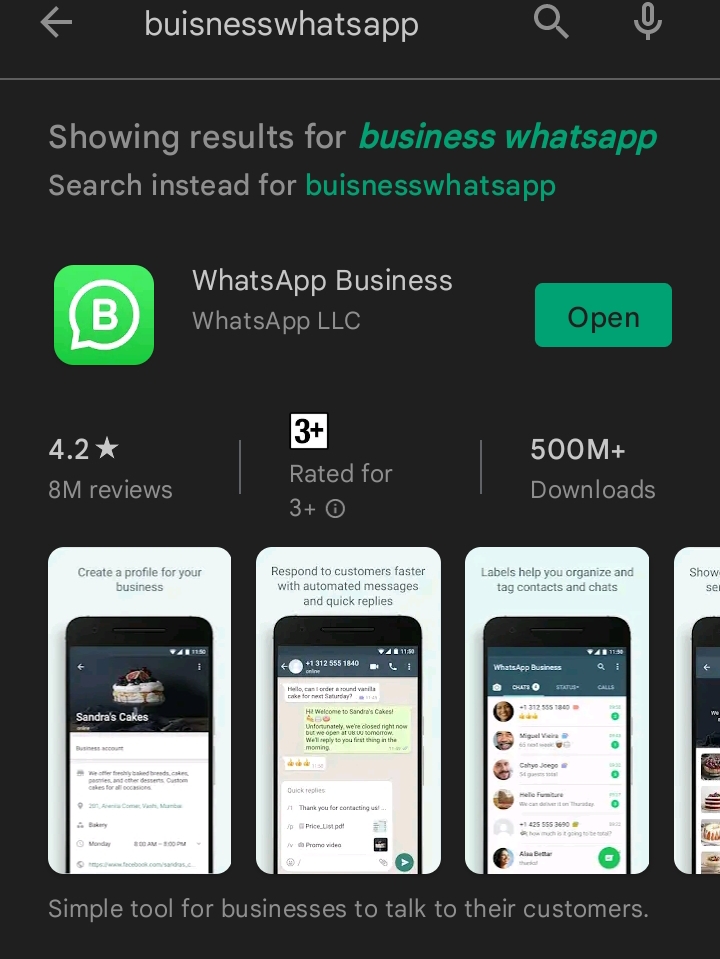
Features of buisness watsapp

watsapp which well known to people of all generations including kids,now a days it is main source of communication or intraction between people’s.

Now a days buisness are going online so meta company also introduced a best application for buisiness it is watsapp buisines, although everyone who are reading this blog are familiar with this application but please spend some of your valuable time in reading this in which we know best updated buisines watsapp Together with WhatsApp chatbot, WhatsApp Business is a very powerful tool for commerce. Thanks to many new features that the platform keeps on releasing, WhatsApp is becoming a great retail place, especially during remote times. Even if you are not going to build a WhatsApp chatbot, there

Let’s look closer at WhatsApp Business app features that you might enjoy as much as we do:

1. Business Profile
2. Quick Replies
3. Automatic Greeting Message
4. Automatic Away Message
5. Contacts Labels
6. Message Statistics
7. Catalogs

1.Business Profile

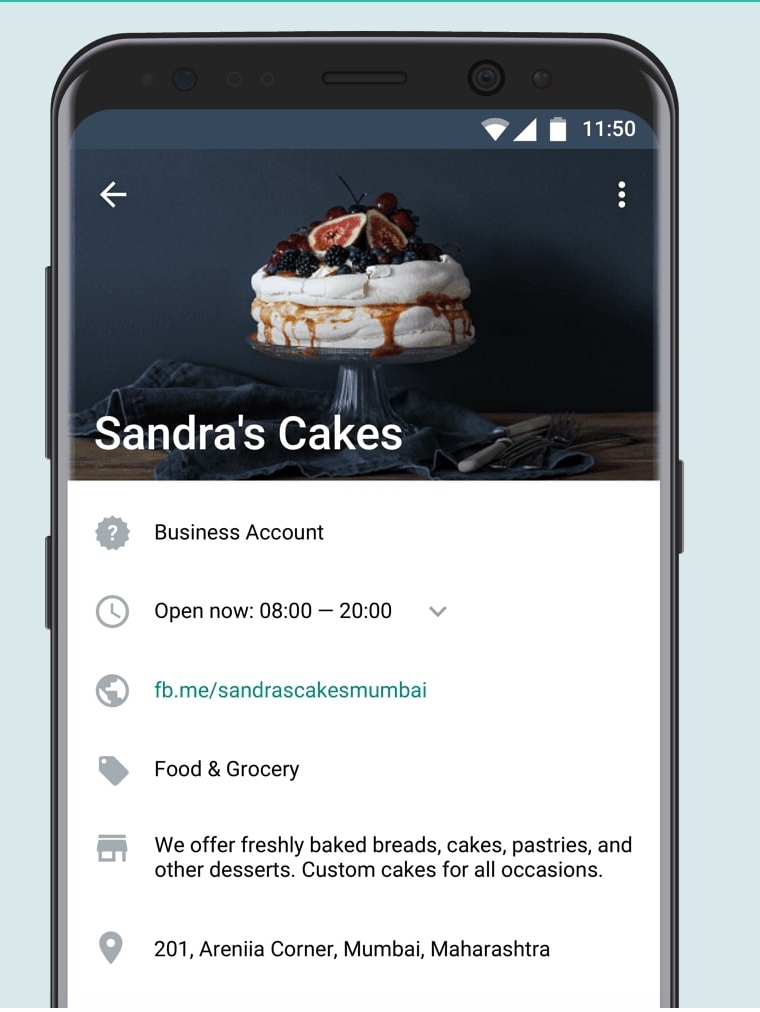
Create a business profile with helpful information for your customers, like your address, business description, email address, and website. Business accounts help brands to gain a user’s loyalty. A business profile gives the company a familiar “face” and identity. To have a “Verified” badge next to your company name, WhatsApp has to confirm that this is a verified business account.

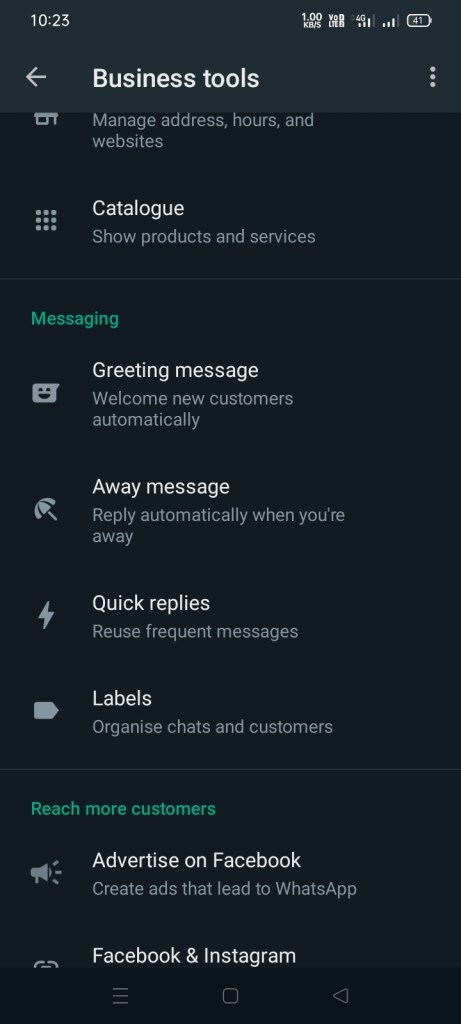
Steps to add details about your business: Go to WhatsApp Business app – Open Settings > Business settings > Profile.

3.Quick Reply

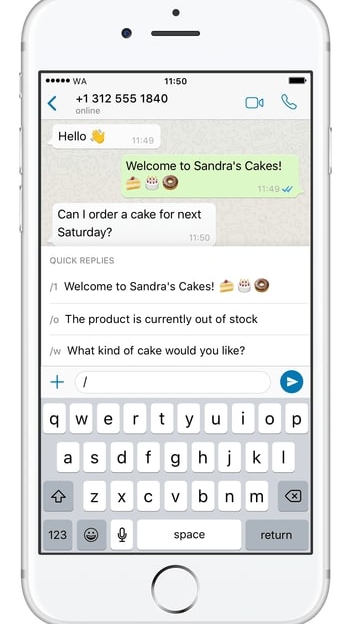
These are frequent messages to answer common questions. Quick replies let you save and reuse messages you frequently send so you can easily answer common questions in no time. Simply press the “/” on your keyboard to select a quick reply and send.

3.Automatic Greeting Message

WhatsApp for business enables you to create a greeting message that users will receive when they start a dialog with your company or after 14 days of inactivity. By sending an instant message, you welcome and introduce a company to a new potential customer with no delays and waiting time.

Steps to set up a greeting message: Settings > Business settings > Greeting message. From here, you can create a new greeting message or edit an existing one.

4.Setting Away Message

Away messages are like greeting messages. They send a custom message to people who are trying to connect with the company after your working hours. You can write a custom message or send your working hours. You can set up for them to activate at the chosen time.

Steps to set up an away message: Settings > Business settings > Away message > “Activate away message                                     

You can also edit your away message from here and schedule when you want to send this message. You can choose from Always send, Custom schedule, or after your work hours

5.Label Contacts

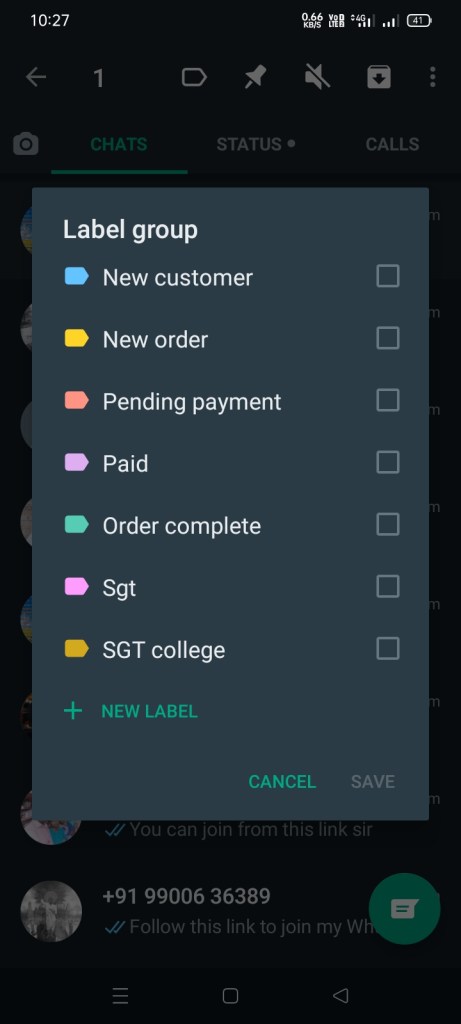
Businesses can organize their contacts and categorize them with labels for easy access. This way, you can easily search through your contacts and keep them grouped and organized.

Steps to add a label to a new contact: Click the menu button on the client’s chat page > choose a label and then save.

Steps to add a new label: Click the menu button on the client’s chat page > click “ New label” > click save

6.Access Message Statistics

WhatsApp for Business lets you access vital metrics like how many of your messages were sent, delivered, and read.

Steps to access statistics: Tap the Menu button > Settings > Business Settings > Statistics

7.Catalogs and Collections

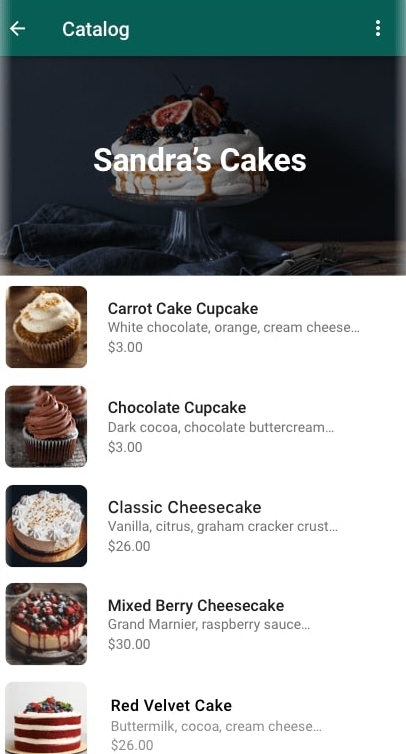
The other feature that will be beneficial for your business is Catalogs. They look like this:

Catalogue for bakery

For each item in your catalog, you can add information, including price, description, and product code. This is so much easier for your customers than having to ask you about each item separately or go from WhatsApp to the website.

In October 2021, WhatsApp added Collections to make shopping even easier. They will act as folders to group items inside a business account. Users can navigate to the category they’re looking for right away without scrolling through the whole product list.Once added, you’re free to modify the Collection just like items to keep the information up to date.

Pro Tip: think of collections as categories on ecommerce websites. “Last chance” or “Sale” could be as converting in WhatsApp as they are on the website. Using these on WhatsApp Business account means providing similar well-paved shopping experience.

@channa2021

Thank you for reading this blog i believe this is helpful to you

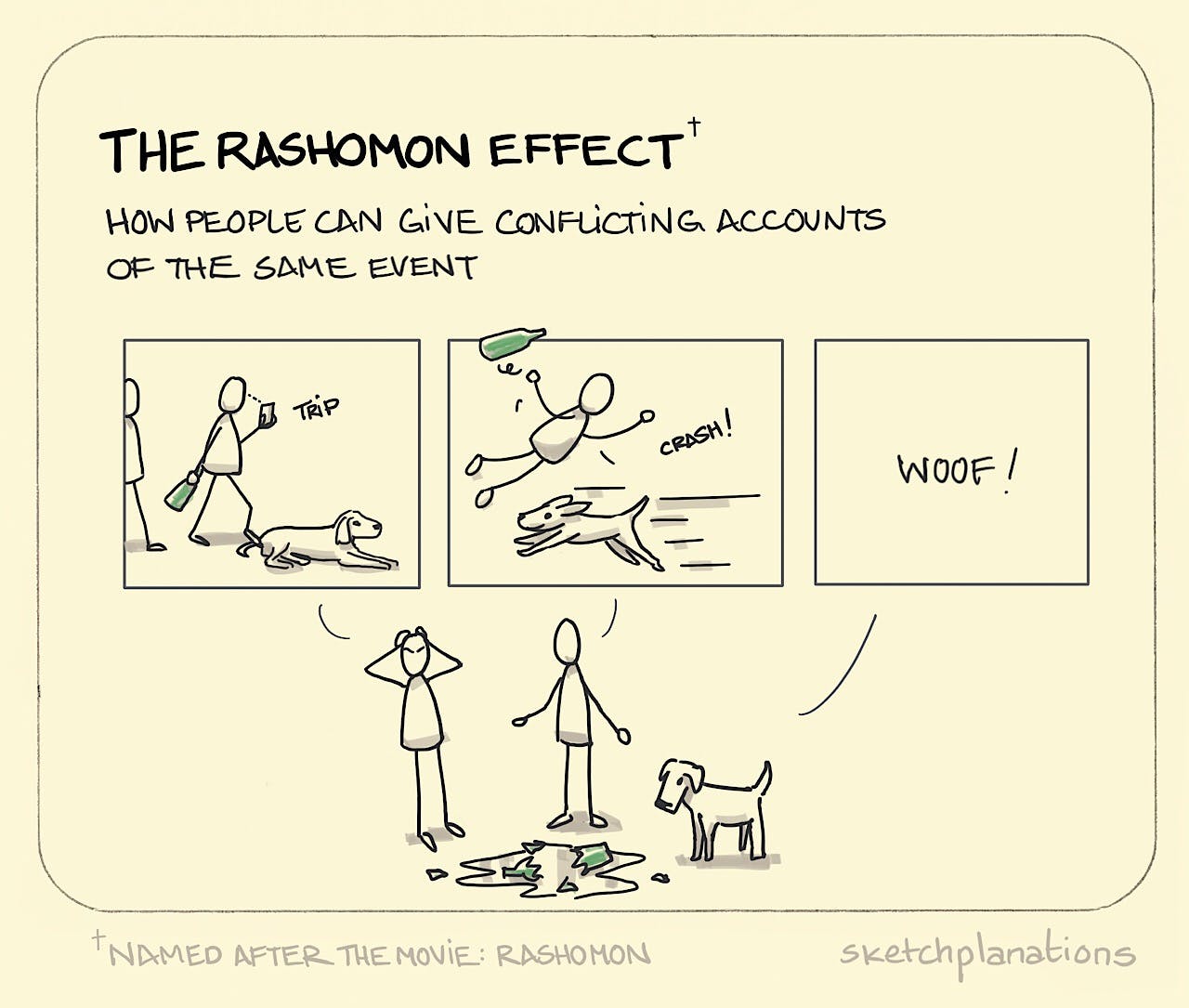
The Rashomon Effect

Ever heard multiple sides to a story from eye witnesses and had a tough time deciding which one is true or which to believe? Such a conundrum is brought about by subjective views, observer bias, perspective and memory of the observer. All these parameters can be summed into a single word known as The Rashomon. The Rashomon effect refers to an instance when the same event is described in significantly different (often contradictory) ways by different people who were involved.

This phenomenon first came to be observed in a book called “in a grove “by Japanese author, Reyonosuke Akutagawa written in the early 1920’s. This was later adapted and made into a movie, by Japanese filmmaker Akira Kurosawa, who directed the 1950 film Rashomon, giving the effect its name. The plot revolves around which four different people provide contradictory accounts of a samurai’s murder, despite all having witnessed the crime. Each witness tale is varied from another, yet so very plausible, that a definite conclusion cannot be drawn, embroiling all of them.

The film explored the issues of the unreliability when depending on witness testimony explores a situation using a similar literary device, wherein the story is told through the viewpoints of different characters who supply conflicting stories. Whether the people’s competing explanations are different because of the fallacy of memory or because of self-serving interests varies. This film became revolutionary with how one understands the human mind, justice and the truth. It since then has become a cultural metaphor and is synonymous with happenings of everyday events as it’s not a sci-fi or an abnormal event, but a very natural course of nature that seems very striking .

Conditions and characteristics.

Not every story will have The Rashomon effect. It mostly occurs when there is no gripping and final evidence but a lot of eyewitnesses and when there is a pressure to achieve closure and coercion to find the truth. In both the movie and the book, no side of a person’s view is given more emphasis and all are shown in an equal scale, each testimony bearing its own truth and plausibility. The script and story writing does tell the audience how to feel or what to believe. The audience had to decide that for themselves making it engaging and deceiving at the same time. Such a premise has conflict as a driving. Conflict in a story drives a plot forward, reveals character, and engages an audience. The Rashomon Effect is based on contradicting reports of the same event and search for the truth through these reports can be a driving force of conflict for a story. The use of an unreliable narrator is another feature, opposed to the presentation from a more objective point of view. This allowed audiences to see the characters as they were and value neutral. To top it off, an ambiguous ending after such a mind boggling series of events, looks like the right justice to this type of storytelling. Our realization that none of the witnesses are reliable leaves us with more questions than answers. While most films at the time had a clear ending, the ending of Rashomon has no clear resolution. This unconventional decision left audiences baffled.  It can be frustrating to some as it subverts from its unorthodox counterparts but , it is not ambiguous for the sake of mystery or confusion, but rather to reiterate themes and larger concepts like the intricacy of the human brain.

Conclusion

Research studies have found that when people form a memory, a visual experience is often influenced by external cues, internal prejudice and past experiences. While a few are completely individualistic, most are universal. An example of this is egocentrism, i.e., having a positive view on their actions but disregard to the other person . it is a subconscious act , most of the times, and these psychological phenomenon means that the rashomon effect can  pop up anywhere.

The Rashomon effect finally boils down to the minutiae and can range from studies of anthropology and biology to the general public analyzing a historic world event. In conclusion this broke a psychobiological barrier of having the right answer to every crisis and rather shifted the focus to versions of the same event that can tell us about the time, place and people involved, how to go about different mind-sets, backgrounds and biases. It emphasized on the fact that sometimes, the objective truth cannot always be obtained and that it is normal to have an obscure, vague ending, which should be embraced and valued in certain circumstances.

Operant conditioning by B.F Skinner

B.F Skinner is considered one of the most influential psychologist of this era. He studied human aspects and behaviourism of the day to day life that most of us fail to observe and put it into theory .His discovery are used till date to treat, diagnose and find solution to psychological problems. B. F. Skinner was an American psychologist best-known for his influence on behaviourism.

Early life

Burrhus Frederic Skinner was born and raised in the small town of Susquehanna, Pennsylvania. His father was a lawyer and his mother a homemaker. During high school, Skinner started to develop an interest in scientific reasoning from his extensive study of the works of Francis Bacon. After earning his undergraduate degree he decided to become a writer, a period of his life that he would later refer to as the “dark year. He wrote short newspaper articles and receiving some encouragement and mentorship from the famed poet Robert Frost. While working as a clerk at a bookstore, Skinner happened upon the works of Pavlov and Watson, which became a turning point in his life and career. Inspired by these works, Skinner decided to abandon his career as a novelist and entered the psychology graduate program at Harvard University.

He Best Known for Operant conditioning, Schedules of Reinforcement, Skinner Box Cumulative Recorder, Radical Behaviourism. Among his many discoveries, inventions, and accomplishments were the creation of the operant conditioning chamber (aka the Skinner Box), his research on schedules of reinforcement, the introduction of response rates as a dependent variable in research, and the creation of the cumulative recorder to track these response rates. Skinner’s operant conditioning process, an operant referred to any behaviour that acts on the environment and leads to consequences. He contrasted operant behaviours (the actions under our control) with respondent behaviours, which he described as anything that occurs reflexively or automatically such as jerking your finger back when you accidentally touch a hot pan.

Operant conditioning and experiments

Skinner identified reinforcement as any event that strengthens the behaviour it follows. The two types of reinforcement he identified were positive reinforcement (favorable outcomes such as reward or praise) and negative reinforcement (the removal of unfavourable outcomes).Punishment can also play a role in the operant conditioning process.

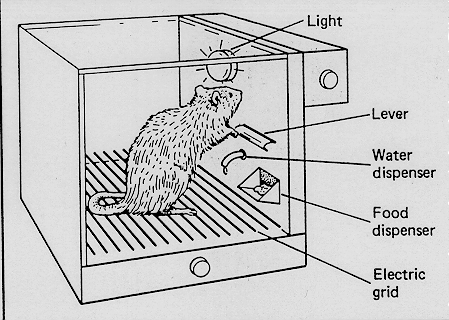
Skinner distinguishes between two types of behaviour respondent and operant. Respondent behaviour is directly under the control of a stimulus. Operant behaviour appears to be spontaneous rather than a response to specific stimulus .Stimulus that may influence operant behaviour is called discriminative stimulus the word operant derived from the fact that operant behaviour of the rates and the environment to produce some effect. Thus, the telephone rings going to where it is and receiving our operant acts that lead to a telephonic conversation. To demonstrate operant conditioning in the laboratory, a rat is placed in a box called the skinner box that is deprived of food for some specified period and so was assumed to be motivated by hunger drive inside the Skinner box there is a protruding bar with the food dish beneath that small light bulb above the bar can be lit at the experimenters discretion. Left alone in the box, the rat move absolutely restlessly and by chance occasionally presses the bar. The rate at which it first pushes the bar defines the preconditioned of operant level of bar pressing after establishing the opponent level the experimental attaches the food dispenser so that every time the rat presses the bar, a palette of food falls into the dish. The rat eats and soon presses the bar again. The food reinforces by pressing and the rate of pressing increases dramatically. If the food dispenser is disconnected and pressing the bad no longer no longer delivers would the rate of bar pressing will diminish .Experimenter can set up a discrimination by presenting food if the bar is pressed while the light is on and not giving these reinforcement if the response is made in the dark. Selective reinforcement leads to the rats pressing the bar only in the presence of light operant conditioning refers to the increase in the probability of response in a particular stimulus environment by following the response with reinforcement. Usually reinforcement is something that can satisfy a basic drive like food to satisfy your hunger. Operant behaviour is consequences that lead to change in voluntary behaviour person.

Operant conditioning is not just something that takes place in experimental settings while training lab animals. It also plays a powerful role in everyday learning. Reinforcement and punishment take place in natural settings all the time, as well as in more structured settings such as classrooms or therapy sessions. Examples in real life include-     Homework Completion-A student tends to complete his/her homework daily; because he/she knows that he/she will be rewarded with a candy (action) or praise (behaviour). Incentives and Bonus-Workers are often offered with the incentives and bonus in return of completing their targets in time or for regular attendance. It makes the workers to perform better, so that, they can continuously get those incentives and bonus.

The Roots of STEM Talent of India

Credit: Dreamstime

Introduction

The Information Technology sector in India has built its reputation by providing cost-effective solutions and providing employment to millions of people in the process. However, the full-time research workforce in India was estimated to be just 2,00,000 in 2015 by UNESCO. Are we, as a nation, adequately promoting careers in Science, Technology, Engineering, and Mathematics (STEM) subjects, and are we even able to generate enough talent for our own demand? Are we losing some of our best minds to other countries because of a lack of support and opportunities?

What is STEM?

STEM, in full science, technology, engineering, and mathematics, field, and curriculum centered on education in the disciplines of science, technology, engineering, and mathematics (STEM). The STEM acronym was introduced in 2001 by scientific administrators at the U.S. National Science Foundation (NSF). The organization previously used the acronym SMET when referring to the career fields in those disciplines or a curriculum that integrated knowledge and skills from those fields. In 2001, however, American biologist Judith Ramaley, then assistant director of education and human resources at NSF, rearranged the words to form the STEM acronym.

Women in STEM

Under-representation of women and gender pay gaps are well-recognized global challenges in STEM sectors. While Indian Technology firms can still boast of a relatively better female-to-male ratio, according to UNESCO estimates, only 14 percent of the researchers in India are women. Even engineering colleges have skewed gender ratio in favor of male students, and according to a Kelly Global Workforce Insights (KGWI) survey, 81 percent of the women in STEM fields in India have perceived a gender bias during performance evaluation.  The annual ‘Girls in Tech’ MasterCard research indicates that while interest in STEM careers is increasing gradually, women are still less likely than men to pursue a STEM career and less likely to remain in the field for their entire career owing to male dominance in the fields. 

STEM Sector in India

The focus on building the scientific prowess of the masses, and bet on specialized educational institutions to do the same, institutions like the Indian Institute of Technology (IIT), Indian Institute of Science (IISc), and All India Institute of Medical Science (AIIMS) was founded and promoted to develop the country’s scientific and technical manpower, and in the process help the society and economy prosper. However, with time, these institutes have largely been reduced to stepping stones for a well-paying career. Especially in the last two decades, the relentless quest of students, and their parents, to ensure admission to such premier institutes has given rise to an astronomical coaching classes industry as well. A particular blow to STEM education came when the All India Council for Technical Education (AICTE) liberally allowed the setting up of engineering institutes across the country a few years ago. The move was undertaken in anticipation of a huge demand for engineering studies. However, this not only eroded the value conferred on an engineering degree but also compromised the quality of education and training provided on a fundamental level.

Making STEM a Priority

The first step towards fixing what’s broken is the identification and acknowledgment of the present challenges and understanding the context in which they arise. In other words, the government and the private education sector must make a genuine attempt at understanding their shortcomings, and reflect on why so few Indian institutes are recognized for quality STEM education and training. Establishing global partnerships with countries that have built sophisticated STEM expertise is critical to paving the way for knowledge exchange and skill development. While American and European universities are known for their focus on STEM education, countries in the networks of BRICS and ASEAN could also prove to be beneficial partners. This also needs to be backed by healthy funding to develop independent institutes that focus on research, pure sciences, and other derivatives of STEM subjects. The Indeed survey showed that job seekers in the age group of 21-25 were 12 percent more inclined towards jobs in STEM sectors than in others. Inculcating innovation and creativity in young minds and encouraging them to pursue dedicated courses right from the moment they stepped into the formal education system is essential. However, in the present system, STEM studies might simply be added as an additional layer to the existing curriculum and would increase pressure on students and teachers alike.

References

Understanding the Nucleic Acid Vaccines

Credit: MIT News

Introduction

Faced with the challenges posed by infectious diseases and cancer, nucleic acid vaccines present excellent prospects in clinical applications. Compared with traditional vaccines, nucleic acid vaccines have the characteristics of high efficiency and low cost. Therefore, nucleic acid vaccines have potential advantages in disease prevention and treatment. However, the low immunogenicity and instability of nucleic acid vaccines have limited their development. Therefore, a large number of studies have been conducted to improve their immunogenicity and stability by improving delivery methods, thereby supporting progress and development for clinical applications.

What is Nucleic Acid Vaccines?

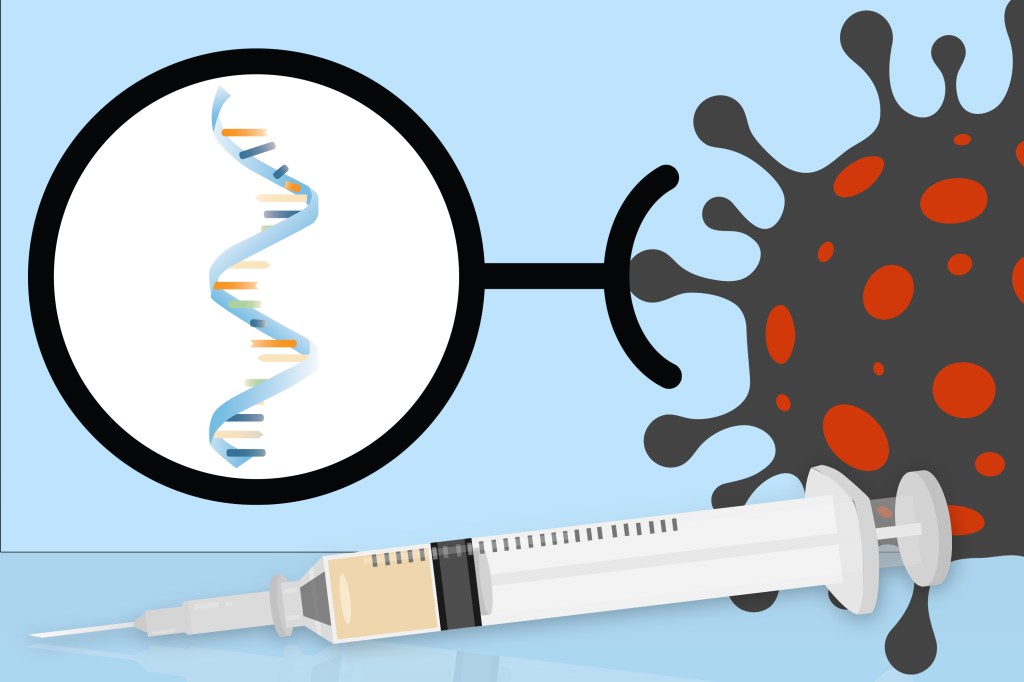
Instead of injecting a weakened form of a virus or bacteria into the body, Nucleic acid vaccines use genetic material from a disease-causing virus or bacterium (a pathogen) to stimulate an immune response against it. That immune response, which produces antibodies, is what protects us from getting infected if the real virus enters our bodies. Nucleic acid vaccines have the potential to be safe, effective, and cost-effective. Moreover, the immune responses induced by nucleic acid vaccines only target the selected antigen in the pathogen.

Types of Nucleic Acid Vaccine

Nucleic acid-based vaccines, including DNA (as plasmids) and RNA [as messenger RNA (mRNA)] vaccines, exhibit promising potential in targeting various indications and diseases.

What is DNA Vaccine?

DNA vaccines are generated by inserting a gene encoding antigens into a bacteria-derived plasmid, which needs to be controlled by a powerful promoter. DNA plasmids are replicated in bacteria, which can be selected based on antibiotic resistance mediated by genes carrying resistance markers, using the prokaryotic origin of replication. Additionally, DNA vaccines can affect not only humoral immunity but also cellular immunity. Although the precise mechanisms underlying the induction of an immune response to antigens expressed by host cells following DNA immunization have not yet been determined, we have a considerable understanding of the roles of immune cells in the processing, presentation, and recognition of antigens.

What is RNA Vaccine?

Currently, there are two widely acknowledged forms of mRNA vaccines, namely, non-amplifying mRNA and self-amplifying mRNA, which are classified due to the difference in mechanisms. In terms of structure, non-amplifying mRNA vaccines mainly contain five critical elements for the life cycle and expression: the “cap” [m7Gp3N(N: any nucleotide)], which is a 7-methyl-guanosine residue (m7G) bound to the 5′-end of the RNA transcript via a 5′–5′ triphosphate bond with any nucleotide; a 5′ untranslated region (5′UTR) that sits immediately upstream of the translation initiation codon; an open reading frame (ORF) encoding the gene of interest (GOI); a 3′ untranslated region (3′UTR); and a tail of 100–250 adenosine residues [poly(A) tail].

Advantages of Nucleic Acid Vaccine

Safe and non-infectious as they are not made with pathogen particles or inactivated pathogens.
Can generate a stronger type of immunity and are well tolerated as compared to traditional vaccines.
Can be produced more rapidly as they do not require a host for growth, e.g., eggs or bacteria.

References

The Future of Solid-State Batteries

Credit: Forbes

Introduction

All-Solid-State Battery is a type of battery that uses no liquid electrolyte, instead, it uses a solid electrolyte (alternative to the lithium-ion battery). This type of battery still has not been commercially used, but will soon be used in electric vehicles. The demand for the production of solid-state batteries is due to the advantages that arise from the safety issue. Solid electrolytes are solid that exhibit ionic conductivities of about 10−3 S/cm, and it conducts ions between the cathode and anode in the lithium-ion battery.

What is Solid-State Battery?

A solid-state battery has a higher energy density than a Lithium-ion battery that uses a liquid electrolyte solution. It doesn’t have a risk of explosion or fire, so there is no need to have components for safety, thus saving more space. Then we have more space to put more active materials which increases battery capacity in the battery. A solid-state battery can increase energy density per unit area since only a small number of batteries are needed. For that reason, a solid-state battery is perfect to make an Electric Vehicle (EV) battery system of module and pack, which needs high
capacity. Despite improvements in technology over the last decade, issues such as long charging times and weak energy density persist.

What is Lithium-ion Battery?

Lithium Battery uses an intercalated (Intercalation is the reversible inclusion or insertion of a molecule into materials with layered structures) lithium compound as one electrode material, compared to the metallic lithium used in a non-rechargeable lithium battery. The battery consists of electrolyte, which allows for ionic movement, and the two electrodes are the constituent components of a lithium-ion battery cell. Lithium ions move from the negative electrode to the positive electrode during discharge and back when charging.

Advantages of Solid-State Battery

The advantages of the solid-state battery technology include higher cell energy density (by eliminating the carbon anode), lower charge time (by eliminating the need to have lithium diffuse into the carbon particles in conventional lithium-ion cells), ability to undertake more charging cycles, and thereby a longer life, and improved safety. Lower cost could be a game-changer, given that at 30% of the total cost, battery expenses are a key driver of vehicle costs.

R&D in Solid-State Battery

Most companies hope to commercialize their solid-state batteries by 2025, although small-scale production may happen earlier. However, to meet this goal, considerable R&D needs to happen to solve serious issues about material behavior, battery microstructure, charge longevity, and cracking upon thermal expansion and contraction. In another recent development, researchers from Brown University have developed a new material for use in solid-state batteries that is derived from trees. The solid ion conductor combines copper with cellulose nanofibrils—polymer tubes derived from wood. The paper-thin material has an ion conductivity that is up to 100 times better than other polymer ion conductors, making it a possible candidate for a solid battery electrolyte or as an ion-conducting binder for the cathode of an all-solid-state battery.
 

Conclusion

Today’s state-of-the-art batteries—those based on lithium-ion technology—have been honed to near perfection since they were introduced more than 25 years ago, but they are still heavy and occasionally explode and catch fire, as they did in Samsung’s Galaxy Note 7 phones so spectacularly last year. By getting flammable liquid electrolytes out of lithium-ion batteries and replacing them with solid electrolytes, solid-state battery makers hope to usher in an era of safer, more compact, higher-capacity energy storage devices.

References

The Power of Organ Transplantation to Save Life’s

Credit: Health Matters

Introduction

Organ transplantation (OT) is one of the most successful advances in modern medicine. For patients with end-stage disease, transplantation most often provides their only chance for survival. Even before the first transplant was performed, it was clear that OT could only be successful with a multidisciplinary approach. The history of OT has involved a series of breakthroughs in medicine that has influenced all aspects of health care. As you will see, for nearly a century, the contributions of specialists in anesthesiology and critical were largely underrepresented in the world’s literature.

What is Organ Donation?

Organ donation and transplantation is removing an organ from one person (the donor) and surgically placing it in another (the recipient) whose organ has failed. Organ transplantation is a medical procedure in which an organ is removed from one body and placed in the body of a recipient, to replace a damaged or missing organ. The donor and recipient may be at the same location, or organs may be transported from a donor site to another location. Organs must be removed as soon as possible after the determination of brain death, while circulation is being maintained artificially. Tissues may be removed within 12 to 24 hours.

Benefits

The benefits of an organ transplant depend on the organ a person receives. Some benefits may include


o Avoiding medical procedures such as dialysis
o Living a longer life
o Living a healthier or less painful life
o Gaining an improved quality of life, such as when a cornea
transplant restores a person’s sight
o Correcting congenital disabilities that endanger a
person’s life
o Spending less time in the hospital, needing fewer
surgeries, or taking fewer medications.

Challenges

The shortage of organs is a major problem worldwide. There are many more patients awaiting transplantation than there are organ donors. Low socioeconomic status is a big hurdle for organ transplantation. Superstitions such as being born with a missing organ (that has been donated); and that tampering with the body will not free their dead relatives from the cycle of life–death–rebirth are some of the prevalent superstitions. The lack of an adequate number of transplant centers with staff as well as transplant coordinators who are adequately educated and well versed with the procedures required to conduct an organ donation program is acting as a significant roadblock to the deceased organ donation program. Sometimes, organs are transported from the donor hospital to the transplant center where the recipient is located. There have been many instances where valuable organs have been wasted due to delays in the transportation process.

Organs that can be Transplanted

Organs and tissues that can be transplanted include:

  • Liver.
  • Kidney.
  • Pancreas.
  • Heart.
  • Lung.
  • Intestine.
  • Corneas.
  • Middle ear.
  • Skin.
  • Bone.
  • Bone marrow.
  • Heart valves.
  • Connective tissue.

Conclusion

Solid-organ transplantations save lives in patients affected by terminal organ failures and improve quality of life. Solid-organ transplant programs provide excellent results in children and young adults and are increasingly challenged by the expanding proportion of elderly transplant patients. Solid-organ transplant program activity has been growing in the last two decades and is essential for developed and mature health care systems.

References

7 Effective Hacks to Improve Productivity

Whether it is education or work, every one of us strives to be productive. It gives us a sense of accomplishment and meaning in life. It helps us achieve our goals. However, being focused on your work and staying away from the many distractions around us like the internet and social media is not always easy. There are a lot of us who feel that we could have done more than we did after leaving work. If you are looking for ways to improve your productivity and efficiency, here are a few hacks you could make use of:

Plan your Day in Advance

Write down everything you need to do in a day the night before or the morning. This helps you get a good idea of what you have to do every day, at what time, and for how long. Making a schedule of the day also prevents you from missing out on any of your tasks or appointments, making you alert enough to not waste any of your time accidentally. Start by writing down your morning routine and then move on to all the tasks you have to do in a day (meetings, submissions, working hours, doctors’ appointments, etc).

Wake Up Early

This is something a lot of us find difficult to do, but practicing waking up early and making it a routine can be very beneficial. Start the day early with a fresh, energized mind and body. You can get a lot of your work done because of the head start you get in the morning. Working early in the morning also means fewer distractions. A productive start to your day makes you feel positive and you carry that momentum for the rest of the day.

Prioritize your Tasks

When you have planned your schedule for the day in the morning, take some time to write down the three most important tasks of the day. We may have several jobs to complete, but not all of them will have the same priority. To ensure that we use our limited time and energy to complete them, note down the three tasks with the greatest outcomes or significance in detail. For example: – Instead of writing down –“Review literature source”, make it- “Review the literature sources on the topic Preserving Indian culture and submit the report before 5 pm”.

Take Regular Breaks

Just because you have a daily schedule and a prioritized to-do list does not mean you can easily work non-stop for hours. You may have noticed that you are usually able to remain fully concentrated on your work for a maximum of 90 minutes. The best way to manage time for work is by giving yourself regular breaks between tasks. There is a popular technique called the Pomodoro technique in which work is divided into time intervals of 25 minutes with a 5-minute break in between. After 4 such consecutive intervals, there is a longer break of 20 or 30 minutes. Taking breaks helps us re-focus and re-energize, improving our productivity.

Learn to Say No

Being helpful and enthusiastic with your co-workers and boss is good, but it could lead to you having to handle a large number of tasks and responsibilities. These may be more than you can handle. Do not be hesitant to say no to people who are trying to place too many responsibilities on your shoulder. If it is your boss explain to them professionally how you would have to delay some of your other work or show them your task list. Such extra work can reduce the quality of your work and cause a lot of stress.

Avoid Multitasking

Juggling a lot of tasks at once may look like a good idea as you get to save time doing multiple jobs done. But it is not always as efficient as you think. When you multitask, you do not get to put your full attention to anything. None of the tasks you completed will be a job well done. So, it is better to focus on one task at a time and complete it to perfection.

Manage your Work Environment

The environment in which we work can have a major effect on our productivity. Messy desks, noise and other distractions can waste a lot of our time. Make sure your tables and shelves are organized, and your desks and chairs are comfortable enough for your work. You get more time for work if you are not spending a portion of it searching for something at your table.

A Metamaterial that make use of Origami

Image by Drishti IAS

Introduction

A car that dashes against an obstacle suffer damage, first to its fenders. To be useful, materials need to maintain a constant Poisson ratio under pressure when they crumble under pressure. However, they are prone not to do so, and the Poisson ratio varies as they deform. There is a keen interest to develop materials that can be sandwiched in the fender system which will absorb the shock and prevent the interiors from being damaged. Origami metamaterials that crumple rather than tear, and take the impact, can play an important role in such situations.

What is Metamaterials?

Metamaterials are nano-engineered media with designed properties beyond those available in nature with applications in all aspects of materials science. A metamaterial is any material engineered to have a property that is not found in naturally occurring materials. They are made from assemblies of multiple elements fashioned from composite materials such as metals and plastics. Some examples of available metamaterials are negative-index metamaterials, chiral metamaterials, plasmonic metamaterials, photonic metamaterials, etc.

What is Origami Metamaterials?

Origami Metamaterials combine the Japanese art of paper folding (origami) and the existing material of choice and fold it to obtain desired properties. Researchers of IIT Madras have developed a special class of origami metamaterials that show a constant value of Poisson Ratio when subjected to stress. These are manufactured by joining panels along their edges to form ‘creases’ about which the structure locally ‘folds’ or rotates about. The benefit is that the observed property does not depend on whether it is made from a sheet of paper, polymer, or metal.  The material the researchers have developed has a nearly constant Poisson function in the range –of 0.5 to 1.2 over a finite stretch of up to 3.0 with a minimum of 1.1.

Properties of Metamaterials

They are smart materials that have a wide range of properties and can be so different from each other that there isn’t a definition for them. Some of the properties it possess are

  • Unusual Electromagnetic Properties
  • Negative Refractive Index
  • Acoustic Control
  • Invisibility
  • Negative Electrical Permittivity
  • Magnetic Permeability
  • Artificial Origin.

Application of Metamaterials

Metamaterials hold attention due to various applications it can provide. Some of its application includes

  • Optical Filtering
  • Medical Devices
  • Remote Aerospace Operations
  • Sensor Detectors
  • Solar Power Management
  • Antenna Lenses

Conclusion

Origami metamaterials can provide a platform for the design of systems with a wide range of thermal expansion coefficients. Experiments and simulations are combined to demonstrate that by tuning the geometrical parameters of the origami structure and the arrangement of plates and creases, an extremely broad range of thermal expansion coefficients can be obtained that will provide a wide variety of applications.

References

Women and Financial Independence

A lot of things have changed for women in our country over the years. Women have overcome a lot of barriers and stereotypes. They have broken out of their shell and taken up challenges. Unlike a few decades back, many women now have jobs, contributing to their family’s earnings. Financial independence is a concept every child –boys and girls; must be made aware of in this day and age. Financial independence refers to the ability of a person to decide what to do and how to spend their money. Whether she is a working woman or a housemaker, financial independence enables a woman to sustain herself financially. Even if she does not have a career to be earning from, she need not be dependent on someone else to pay for her needs.

Photo by RODNAE Productions on Pexels.com

Many of the financially independent women around us would agree that being independent makes them feel respected and boosts their morale. It gives them the confidence to face various situations and challenges in their life. For many young women, it allows them to fulfill their dreams and aspirations without depending on anybody for money. Sometimes it is as simple as being able to buy the dress or shoes they like. It is necessary to understand that earning a fixed amount of money each month does not guarantee you every single thing you desire. It is the proper management of your savings and money that enable you to work towards achieving all of your wishes.  Financially independent women pose a challenge to the age-old belief that only men can handle money matters. Even today, there are a lot of women who completely depend on their guardian or husband for money, or hand over their earnings to their husband to handle. We still see women putting a stop to their education or career once they get married or have kids.

Everybody is aware of how inconsistent life can be. Jobs are not always secure. With unprecedented situations like the Covid-19 lockdowns, layoffs have become more frequent. In such situations, if a family is completely dependent on the sole wage-earner (the husband, in most cases) things can quickly turn stressful. So, women having a job provides an extra layer of financial security for the whole family. Situations of crises like medical expenses and job loss are almost always unexpected. Even if the woman is a homemaker, saving a part of one’s earnings and investing in the right place is always a good practice. The cost of living is also constantly on the rise. Financially independent women are able to contribute to the family’s daily expenses and ensure their family members get to live in a good house and acquire quality education.

Self-dependent and financially independent women are the mark of a non-prejudiced, progressive society, a society that is safe, equal and healthy. We must teach young girls the value of money and explain to them the importance of being financially secure. Financially independent women act as role models to young girls in their families, encouraging them to follow in their footsteps.

Find any day when date is given

Pre requisites:

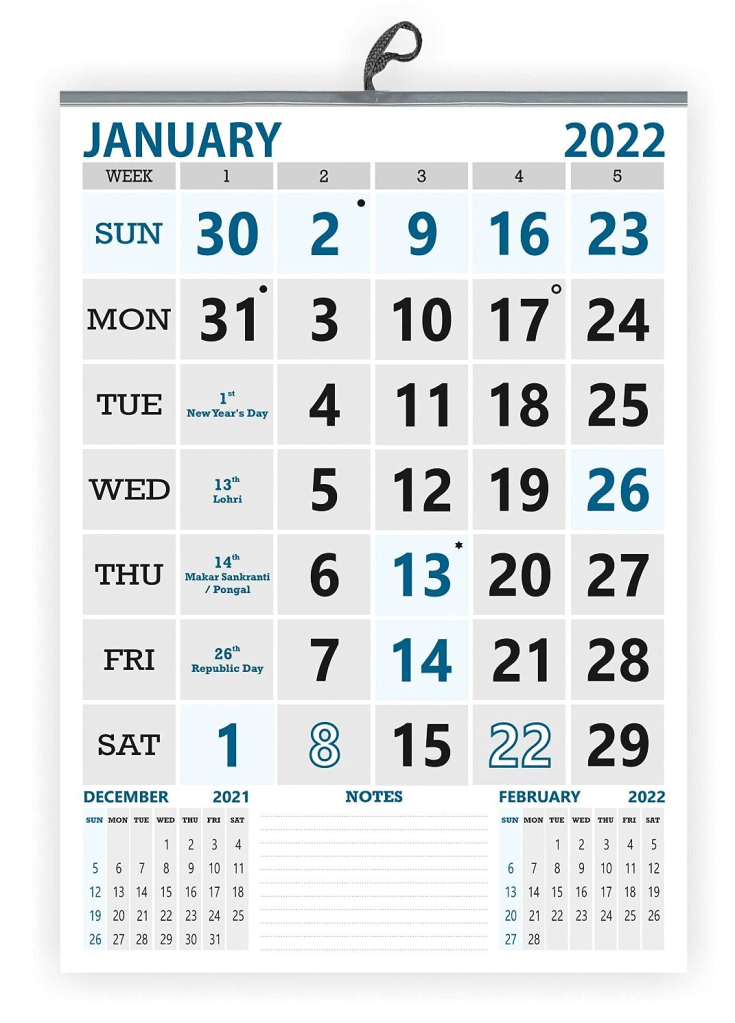
365 days 52weeks + 1 odd day

366 days 52weeks + 2 odd days


mon code: 0

sun code: 1

tue code: 2

wed code: 3

thu code: 4

fri code: 5

sat code: 6

28 days in month     code: 0

29 days in month    code: 1

30  days in month   code: 2

31  days in month   code: 3

400 years    code: 0

200 years    code: 3

100 years    code: 5

300 years    code: 1

100th year example:

24leap years + 76 normal years

24*2(as 2 odd days in leap year i.e. 366 days 52weeks + 2 odd days)+ 76*1(as only odd day in normal year i.e. 365 days 52weeks + 1 odd day)

hence,

24*2 + 76*1

48+76

124

1. 15th aug 1947

1946 + JAN + FEB + MAR + APR + MAY + JUN + JUL + 15

             3+0+3+2+3+2+3+15 = 31

1946

1600+300+46

0+1+57=58

58+31=89

46

11+35

11*2+35*1

22+35= 57

11 FEB 2002

2001+ JAN + 11

           3+11=14+1 = 15 =15/7= 1 MONDAY

2000 + 1

0 + 0LP+1NLP

0+0+1=1

03 NOV 1975

1974 + J+F+M+A+M+J+J+A+S+O+3

             3+0+3+2+3+2+3+3+2+3+3= 27

1600+300+74

0+1+ 18LP+56NP

1+18*2+56*1

37+56

Find the day for the date 26/07/1987 and post your answer in the comments

Forms of Content Marketing

As regular consumers of the media and the internet, all of us must have come across some form of content marketing at some point. Content marketing refers to the creation and distribution of valuable, relevant content for a clearly defined audience to cause a profitable customer action. The goal of content marketing is to provide valuable information to the audience through content such that they willingly consume it rather than avoiding it. We build brand loyalty and trust by providing solutions to problems faced by them.

There are mainly 5 forms of content marketing we can see today. They are:

Blogging

Many brands use blogs, often including it as part of their website. It is one of the most popular forms of content marketing techniques, being very cost-effective for small businesses. Blog posts usually contain written material about useful information on topics related to your product or service. When the written material provides relevant knowledge and effective solutions to customers’ problems, they earn an audience and build good customer relationships. The length of the post depends on the topic of the blog, audience demographics and the writer’s unique writing style. Whether it is long or short in length, make use of catchy headlines and simple language. Search Engine Optimization (SEO) also comes into play in driving web traffic to the blog.

Podcasts

The immersive field of podcasting has seen a rise in its number of listeners every passing year. Podcasts are audio content posted on topics ranging from interviews, discussions to reviews on the internet. Even though it is a smaller market compared to blogging, it still garners a loyal group of listeners because of how easy it is to indulge in podcasts. Unlike blogs and videos, the audience can listen to podcasts while doing anything else like travelling or cleaning. Listening to the podcaster’s voice, the information they give and their opinions on stuff builds a stronger relationship with the audience, They choose topics closely related to their product or service and post content consistently to various podcast hosting platforms like Spotify, Google Podcast, Apple Podcast, etc. Quality audio recording equipment and software are also important for good podcasts.

Videos

Nobody can deny how popular videos are among the general public. All of us watch YouTube at least once a day and short-form videos on platforms like TikTok and Instagram are all the rage. Videos could be vlogs, reviews for products, step-by-step guides or even animated/sketched whiteboard videos. While it is expensive and time-consuming, it is also very efficient as it can communicate quicker than any other form of content marketing, provided it is produced in the right setting with good characters and equipment. Whether they are product reviews or instructional videos, they are the closest you get to having real contact with someone. The video content you created can also be used in other forms, like in social media and blogs.

Infographics

Infographics refer to long representations of graphs, statistics, and other relevant information. You may have across interesting graphical representations of information and statistics related to various interesting topics. These simple, valuable graphics are useful in summarizing and breaking down the important points of a complicated, large area of study or a survey. A well-made infographic can grab a lot of attention. It usually gets shared a lot on the internet and on social media. They can be supporting content for blogs or standalone content.

Social Media

Everybody has social media these days and it goes without saying that it is one of the easiest and most effective forms of content marketing. Posting consistently and making relevant and shareable content is essential for social media marketing. When you have such a large amount of people online exposed to your content, you need to make sure your content is relatable and engaging with the audience. Make use of social media analytics to figure out which social media platform and what kind of content (written, videos, etc) works best with your audience.

Writing for the Web

Writing a copy for a company’s website can be quite different from other copies. Not only do you need to communicate your message clearly to the readers, but you also need to do it most quickly and interestingly as possible. Here are some points to keep in mind when writing for the web:

Get the Reader to Stay:

Web visitors are usually looking for some information and decide if your website is useful swiftly. We can say people scan, rather than read web pages. The visitor needs to get the message of the copy at a glance. How do we get our message across so quickly?

  • Make use of headings that clearly communicate what the whole website and each of its sections are about.
  • The sub-headlines should summarize the key points
  • Improve readability using bullet points
  • Give an informative caption for the images used

If the web visitors scan the web page and find the information they need, they will stay on the website instead of closing it and opening another.

Most Important Information Comes First:

Writing for scanners also means you need to put the most valuable information at the front of the website. Writing an essay or article would require you to include an introduction and a conclusion before and after the main content. But when writing for the web, present the main point first, and then provide additional information. This makes it possible for readers to leave the website at any point while still having an idea about the main point of the page.

Use Familiar Words:

When writing a copy for the web, use familiar words which are easy to understand for readers. Readers are looking for these familiar words, also called “carewords”, and if they do not spot them quickly, they can leave the page. Avoid being too fanciful or scientific with your word choices. Visitors are more likely to look for the word “cheap” than something more complicated like “cost-efficient” when trying to buy a product.

Keep it Short and Simple:

Use short paragraphs and simple sentences in your web copy. Paragraphs should contain a maximum of four sentences and sentences should have twelve words on average. Do not use jargon. Wordy, complicated text can turn off your visitors. Readers simply do not have the time to go through lengthy paragraphs and decipher complex phrases. Avoid the passive tense when writing and address the web visitors directly, use “you” to refer to them.

Maintain Visual Appeal:

When writing for the web, you have to make sure that your copy goes well with the visual design of the page. This means that the copy matches with the theme of the website. Choose the font types and colours carefully. Play around with highlights, italics and bold text. Include lots of photos and videos. Most importantly, maintain spacing and reduce noise. Adding white space improves readability and increases perceived trust.

Expect People to Arrive Anywhere on your Website:

Unlike a book in which people usually start reading from page 1 and then move through the book, visitors can arrive on any of the pages of your website. This means that they should be able to understand where they are, what the site is about and what it does from any web page they open. Each page of the website should be easy to scan and should have a call to action telling people where to go next. Other than the navigation bar, include buttons or links to guide people to the next step or next page.

Techniques to Manage Time Efficiently

Time and tide wait for none and that is why time management is such an essential skill to possess. It is useful in planning and organizing activities and being productive, both at work and in your personal life. It helps you reach your goals, reduce stress and remain motivated. So, time management is basically about managing yourself efficiently in the time available to you. There are a lot of tips and tricks you can use to improve your time management skills. Here are some of the most popular and effective time management techniques:

Keep a To-do-list:

A to-do list is one of the simplest yet most useful ways to manage your time. Whether you write down in a notebook or make notes in mobile applications, this habit helps you be aware of all the tasks you have to complete. You can plan your tasks daily, weekly, or monthly, and ensure productivity. These tasks may be quick jobs completed in minutes or bigger ones that could take days or weeks. Striking away the tasks you have completed at the end of the day is very satisfying and also gives you an idea of how productive you have been.

Set Goals:

Having set goals in your work and personal life is one of the most important steps to achieve success in life. When you have a goal to reach and stick to it, you automatically get all the motivation you need. Your main goal can be broken down into smaller goals or steps which would eventually lead you to the final aim. Things get done faster and more effectively. For an organization, goals determine its vision, and priorities.

Prioritize your Work:

Prioritizing your tasks and goals makes you a lot more efficient and productive. Keep the most important and valuable work at the top of the list so that they are dealt with first. Prioritizing helps you take care of the tasks that matter the most and not put too much effort into tasks that are not as important. Allocate time for performing these tasks and activities according to their priority.

Take Regular Breaks:

Remember to give yourself regular breaks between your work to make sure you do not feel too tired or unmotivated. Breaks help you refresh and boost your productivity. You can spend your breaks reading, watching films, listening to music, walking, or indulging in any other fun and enjoyable habits. As an employee, you are entitled to regular breaks between your working hours. So, make sure your organization provides it.  

Exercise Regularly:

Exercising regularly is a sure way to maintain your health as well as reduce stress. Spending some time in a day jogging, working out or doing yoga helps you clear your mind of distractive thoughts and increase your energy levels. So, make sure to spend some time on exercise.

Maintain a Routine:

Nothing helps you manage your time and stay motivated as maintaining a good routine, particularly in the morning. Try not to open social media first thing in the morning, focusing instead on better practices like exercising, cleaning, meditating and eating a healthy breakfast.

Be aware of when you are the most productive in a day and allocate more work for those hours. If you are a morning person, schedule your work hours in the morning. If you are a night owl, spend time working at night. Manage your work and time according to your preference to be the most productive.

Reward Yourself:

Once you have finished a major task or achieved a goal on your to-do list, do not forget to reward yourself. Reward your hard work and dedication by taking some time for yourself and doing what you like. You can talk with your friends, eat food you like, or read your favourite book!