Styling And Beauty Tips

With expert advice and care tips from a couple of plant experts, we’ve identified 15 beautiful plants that will thrive in even the least plant-friendly places. Getty Images Shine up your look with these in-depth beauty tips drawn from over 75 years of Women’s Day magazines. If you’re out of eyeliner or don’t know how to wash your bathing suits, the following fashion and beauty tricks will make your life easier.

Rip your new shoes by putting on a pair of thick socks, then put on your shoes and blow dry your feet over medium heat for a few minutes. Also, apply a heat protectant setting spray to damp hair to protect the hair. Let your hair dry by sitting in the sun or use a hair dryer – the heat will lighten the strands.

If you often use straighteners and curling irons, spray a heat protectant spray on your hair before styling. Always start with a primer as it helps smooth the skin and creates the perfect base for the rest of your makeup. It will help to apply an even, smooth pencil to the mark the first time. Use a moisturizing body lotion every day and try applying it to damp skin (as this ensures maximum absorption).

The oil can prevent the penetration of surfactants (found in shampoos and other hair care products) that can damage the hair. Constant shampooing will make your hair dry and your scalp will produce more oil to compensate for the loss of moisture. Instead, use dry shampoo and tie your hair into a braid or ponytail when it gets a little thicker. Also, be sure to protect your hair from moisture (rain will definitely ruin your mane) and touch up your hair in the morning with a hairdryer and a round brush.

To keep your hair looking lively, use a sea salt spray or thickener before drying. For quick root coverage, use a dry shampoo spray to color your hair. If you don’t have this product on hand, use eyeshadow (the shade closest to your hair color) for a quick fix. Dip the angled makeup brush into the mascara brush and apply to the lids like a liquid eyeliner.

Blend with your finger or a cotton swab, then apply to the skin as a regular moisturizer. Do not apply moisturizer to your face, as it will take 10 minutes or more for it to absorb into the skin before your face is ready for makeup. Using too much of this product occasionally throughout the day will make your skin look chapped because you’re just layering your makeup on top of other makeup. Take good care of your hair after coloring and use color-protecting shampoos and conditioners to prevent further damage to your color-treated hair.

When your hair is 60%-70% dry, you can blow dry your hair from the roots with a blow dryer. For long-lasting curls, make sure your hair is completely dry before you start using the curling iron. Use a root makeup remover for quick styling, followed by hairspray.

So your jeans will last longer, and the color will not fade as quickly. Constant application of nail polish will make them brittle and brittle. For a perfect nail polish application, apply petroleum jelly to the nail cuticle with a Q-tip and your fingers won’t look dirty.

Getty Images Getty Images 7 of 75 Add shine to your hair Always rinse out conditioner (which should be applied to the ends) with cold water to seal cuticles and enhance shine. Jupiterimages Getty Images 3 of 75 Comb your hair from root to tip Comb your hair from root to tip every night.

It will also help prevent dandruff and other irritating conditions of the hair and scalp. The conditioner will soften the hair on your legs, making it easier to shave (and make your skin silkier). Rinsing your hair with beer helps restore moisture to the strands, while using vinegar will increase light levels.

When using shampoo, dilute it in half a cup of water and use it to wash your hair. Choose a sulfate-free shampoo, as sulfates can irritate and dry out the hair cuticle. Beauty Photo Studio Getty Images 13 of 75 Choose Your Shampoo Carefully If you dye your hair, look for shampoos and conditioners that are sulfate-free and free of harsh detergents.

Thinkstock 15 of 75 Beautiful Brows Soften skin before pinching by dabbing with a cotton swab dipped in warm water or cream. Westend61 Getty Images 16 of 75 Pluck in the direction of hair growth with tweezers. Lena Clara Getty Images 19 of 75 Straight Brow Hair To keep your brows unruly, apply hairspray to an old toothbrush, then comb your brows up and down.

Use tape under your eyes to catch any deposits and keep the color away from your cheeks. Also make sure to wear them correctly, with the waves facing down so your hair stays in place. “Be light on your bronzer and make sure your neck is the same color as your face.

You may like the warm, bronzed skin you get from sunburn, but this will lead to sun spots, wrinkles, and discoloration later on. Make sure the toner is alcohol-free so it doesn’t dry out your skin. To keep your hair color vibrant longer, use shampoos and conditioners designed for color-treated hair.

Coloring your hair in a salon has a number of advantages over having it done in the bath, as professional stylists usually do trials to make sure you get the exact color. Those suffering from sensitivity and hair damage should try a “scalp detox” to cleanse the skin without stripping it of its natural oils, according to Lin. Eugene Davis, celebrity hairdresser, suggests using an avocado oil hair mask. To make the perfume last longer, apply a small amount of Vaseline to the skin where you will be spraying the perfume.

For makeup that lasts all day and night, use a make-up fixer, such as a setting spray. According to makeup artist Kelly Bartlett, this will help the product fully absorb each wipe, starting with the one you use next. Just outline the lips as usual and then fill them in with color. Because exfoliating lips is the key to flawless lipstick application, you won’t want to skip this step of your beauty routine.

If you don’t give your body time to recover, your skin won’t look fresh and radiant. If left uncleaned, dead skin cells can make skin look dull, dark, bumpy, and dry.

You can get makeup brush cleaner from a pharmacy or beauty store, or just use shampoo and conditioner to clean your brushes like you would your own hair. To tame frizzy hair, spray a small amount of hairspray on your toothbrush and then use it to comb through frizzy strands.
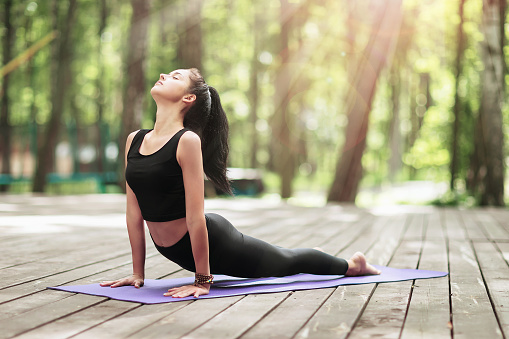
Yoga And Mind Healing

Yoga becomes a healing practice once one is exposed to existence. When you practice yoga from the perspective of awareness or presence, your mind begins to calm down and become more connected and present. The more often you consciously practice yoga, the more calm and mirrored your mind and heart will become. Once you get out of the way, life naturally rebalances the mind and body.

To access mindfulness during yoga practice, focus on your breath, not thoughts, feelings, emotions, or maybe even pain. If you try too hard and your mind starts holding your breath, you may end up not hearing what’s going on in your body. When you begin to breathe deeply and focus on your postures, you reduce anxiety.

Meditation at the end of most of the practice can help retrain the mind and body to relax. When we energize the body through yoga and other means, the physical and emotional qualities corresponding to this frequency are also energized, as is our consciousness. Therefore, yoga can promote the healing process and help a person experience symptoms with more focus and less stress. Regular yoga practice can reduce stress levels and inflammation throughout the body, promoting heart health.

According to research analyzed by Harvard Medical School, yoga practice can help reduce symptoms associated with serious mental health issues such as depression, anxiety, and post-traumatic stress disorder (PTSD). Scientists have found that regular yoga practice helps reduce the amount of cortisol, a hormone associated with stress and depression, in the body. In another study, subjects who practiced yoga twice a week reported “marked and significant” improvements in stress, well-being, and fatigue. In one of the studies mentioned above (related to anxiety), subjects who practiced yoga also experienced a statistically significant reduction in depression.

Yoga and meditation can relieve tension and stress while strengthening the mind and body. The benefits of yoga and meditation can improve recovery outcomes and help build lifelong sobriety behaviors.

For many people, the practice of yoga involves simple yet powerful meditative movements that anyone can do. Various styles of yoga combine physical postures, breathing techniques, and meditation or relaxation.

In recent years, it has become popular as a form of posture-based exercise that promotes better control of the mind and body and improves well-being. While it is now a popular form of exercise and meditation, this has not always been the case. Story Share on Pinterest Yoga has long been helping people achieve mental and physical balance.

DISCUSSION Quickly emerging in the Western world as a discipline for bringing mind and body together in unity and harmony, yoga, adopted as a way of life, improves physical, mental, intellectual and spiritual health. According to the National Institutes of Health, scientific evidence shows that yoga promotes stress management, mental health, mindfulness, healthy eating, weight loss, and quality sleep. As part of your daily routine, yoga will most likely make your body more toned, leaner, and stronger.

In addition to these yoga benefits, researchers have also found that yoga poses may have some unexpected benefits to our metabolism, allowing them to improve body shape and help with weight loss. Research shows that yoga can have an invigorating effect on mental and physical energy, improving fitness and reducing fatigue. Aside from the physical benefits, one of the biggest benefits of yoga is how it helps a person deal with stress, which is known to have a devastating effect on the body and mind.

Yoga, which includes meditation and breathing, can help improve a person’s mental well-being. Yoga and meditation promote physical and mental health, improving recovery outcomes. There are many tools used in the recovery process to achieve this goal, and yoga and meditation can help achieve this both at the beginning of recovery and throughout the journey. Yoga is an ideal practice as it combines the healing of all aspects of the body.

Yoga can help improve balance, strengthen muscles, prevent injury, and calm the mind. Yoga should be considered as a complementary therapy or alternative drug therapy in the treatment of stress, anxiety, depression, and other mood disorders, as it has been shown to create a greater sense of well-being, increase feelings of relaxation, increase self-confidence, and improve well-being. body image, increase efficiency, improve interpersonal relationships, increase focus, reduce irritability and encourage an optimistic outlook on life. Yoga is recognized as a form of mind-body medicine that integrates the physical, mental and spiritual components of an individual to improve aspects of health, especially stress-related illnesses. As a powerful form of mind-body medicine, yoga approaches health holistically, recognizing that physical ailments also have emotional and spiritual components.

Health is not just freedom from disease, every system of the body must be in perfect balance and symmetry, which is what yoga does. The genius of yoga is that it keeps us in good physical, mental and spiritual shape. Yoga not only improves the overall quality of life, but also gives meaning to everything we do.

I encourage you to use the power of yoga to improve your mind and body and continue on your path to a healthier and more purposeful life. Develop a clear mind, a calm heart and a free body by combining the therapeutic methods of yoga with the principles of Chinese medicine. Using breathing, meditation, and channeling energy through mindfulness to reduce stress and tension.

Practice yoga every day and repetition will enhance the physical and mental health benefits, creating an even deeper spiritual connection. Yoga is a great way to improve strength, flexibility and balance.

To help you better understand the benefits of yoga, we’ve looked at the many ways your practice can heal the mind, body, and spirit. There is a growing body of research showing that yoga practice can help reduce many types of chronic pain. Other studies have shown that yoga can help improve sleep quality, improve spiritual well-being, improve social function, and reduce symptoms of anxiety and depression in cancer patients (18, 19). Many believe that yoga can also help relieve stress and improve mental clarity.

Yoga is often associated with meditation because it helps relax the mind and encourages participants to rethink. There is no doubt that yoga can fully develop a calm, stress-free mind and body when practiced from the heart and with sincerity. It also helps balance and integrate the mind, body and spirit, improving energy flow and stimulating the body’s natural healing process.

This holistic and powerful mind-heart approach to healing the body is explored through targeted yoga poses known to have beneficial effects on the body. We offer ongoing group yoga classes and private yoga therapy sessions with a focus on the health and wellness of the mind and body.

How to be motivated for any goals!

We feel that comfort and convenience are the necessities of life, while all that we need to make ourselves happy is something to be proud of. ” – Albert Einstein

Dip

In all language courses, company building, and any type of creative project, there is immersion. Dip a long distance between beginner luck and real success.
Extraordinary benefits accumulate a handful of people who can push for longer than most.

Starting Before Immersion

In any goal to be achieved, there is a Beginning. It is often overlooked, as it always is.
Getting started is a big problem as you can only reach The Dip if you don’t finish Start, and many people dream of doing something rather than doing it and quitting.

Motivational management

The biggest problem we face in completing our projects is not production or time management, but motivational management. If you are motivated enough to accomplish something, you will move heaven and earth to do it.

Motivation Explained

Motivation is “the reason or reason for a person to do or behave in a certain way,” or to put it another way, “a common desire or determination.”

“If you stop doing what you want to do, then the reasons for quitting are more than just reasons to keep going. Thus, to maintain your motivation you can strengthen the reasons for continuing or weaken the reasons for quitting. Effective motivation often involves both. ” – Ericsson & Poole

Promotion to Start a Project
  • Increase your reason for starting a project, by increasing the importance of starting it.
  • Increase the time you are expected to succeed in the task.
  • Reduce your reasons for the delay, by increasing urgency, using deadlines.
Parkinson’s Law

It says “work grows to complete the available time for its completion.”

Commitment device

Many people use a dedicated device or play around them to find and stay motivated.
You can help your physical goal with things like throwing away your junk food, just bathing in the gym to get there, and similar activities aimed at focusing on your goal. People also use social responsibility in social media to keep themselves motivated by peer pressure.

Stay Motivated

Set small, climbing goals that are fun enough to motivate you and that you expect to achieve.

How to proceed
  • Keep your Expectancy feeling in the project using minimal winnings and achievements.
  • Reward yourself.
  • Maintain a sense of urgency by finding a way to remind yourself of the big picture of the small daily moments of effort.
  • Develop good habits.
  • Get flow.
  • Set clear goals to follow.
  • Save energy.
reference

https://www.nateliason.com/blog/motivation

Teach yourself anything

“It is better to know how to learn than to know.” – Dr Seuss

False Beliefs About Self-Education

Despite having easy access to information, few people take full advantage of the opportunity we have for self-directed learning.
We still believe that to learn something, we need to be formally educated on it, when in fact we’re able to educate ourselves.

Self-Education In The 21st Century

Self-education is the core skill for the 21st century.
Our ability to respond to changes in the landscape of work and technology will be dictated by how skilled self-educators we are, how well we can take full advantage of the information available to us to grow our skillset.

Learning In The Real World

For 12 years, you’ve been trained to apply information that’s pre-packaged for you.
But if you want to do anything independently (entrepreneurship, creative work, etc.) then you have to be able to figure things out without being handed the knowledge beforehand.

The Sandbox Method for Self-Education

This is an ongoing process of self-development and learning, that recognizes that we don’t need to memorize facts, formulas, instead, we need to develop an intuitive understanding of our skills, expose ourselves to different information about the skill, and constantly push ourselves to improve.

Steps of the Sandbox Method
  • Build an area where you can freely play around with the skill you’re trying to learn – Your Sandbox. It should be: low-cost or free, low stakes and public.
  • Research: Resources exist, you just have to figure out what’s worth reading, watching, or listening to (books, blogs, MOOCs etc).
  • Implement and practise purposefully.
  • Get feedback.
What Practicing the Sandbox Method Means
  • Honestly assessing your limits to figure out where you need to improve.
  • Setting a goal just beyond your current ability to motivate yourself to stretch beyond your comfort zone.
  • Practising with intense focus.
  • Get feedback, in whatever way you can, and incorporate that feedback into your practice.
reference

https://medium.com/the-mission/self-education-teach-yourself-anything-with-the-sandbox-method-a4edfc5e1f8e

Life of Pi by Yann Martel

Life of Pi is a Canadian philosophical novel by Yann Martel published in 2001. The novel has sold more than ten million copies worldwide. It was rejected by at least five London publishing houses before being accepted by Knopf Canada, which published it in September 2001. The UK edition won the Man Booker Prize for Fiction the following year. It was also chosen for CBC Radio’s Canada Reads 2003, where it was championed by author Nancy Lee.

Book Summary

This is a story about a young man named Piscine Patel, or Pi, whose family owns a zoo in India.  Growing up, Pi is interested in religion and so he converts to each of the major religions:  Christianity, Islam, and Hinduism. The family decides to move to Canada, but on the way there, their ship sinks and Pi finds himself on a lifeboat with a tiger, Richard Parker, a hyena, a zebra, and an orangutan.  

Pi manages to keep himself separated from the other animals and all he can do is watch as the hyena kills the zebra and orangutan. Pi is afraid that he will be next to be killed, but the tiger kills the hyena. Pi decides to build an adjoining raft that is connected to the lifeboat by rope and luckily finds survival supplies, such as food and water.

Instead of waiting for the tiger to die, Pi decides he must train the tiger to ensure his own personal survival.  Pi learns to fish and begins feeding the tiger, slowly training and taming him.

As food and water supplies dwindle, Pi suffers from health problems such as blisters and dehydration. He also becomes temporarily blind.  Pi encounters another blind man who is also floating on a boat.  However, the man comes aboard and the tiger eats him.

When Pi’s eyesight returns, he sees an island in the distance.  He arrives on the island and finds algae that he can eat.  The island has fresh water and is home to a large meerkat colony who eat fish. Life on the island is great, but then Pi realizes that the algae is carnivorous and so he gets back on the boat with the tiger and heads off.

The boat eventually reaches Mexico and Pi is rescued.  In the end, Pi is questioned by investigators about his journey and despite being skeptical, they believe his story.

Analysis

A lot can be said about this story, but what draws my interest and attention is the idea of how a zoo can actually be more beneficial for a wild animal than the wild.

Pi goes to great lengths to explain how harsh conditions are for wild animals and how nice life in a zoo really is.  We tend to have a romantic sense of what the wild is like for animals, but the reality is that animals in the wild are either looking for food or trying not to be food for something else.

It seems like a stressful existence in the wild, where each day could be your last and you are literally playing a game of life or death.  And most humans wouldn’t be able to survive in the wild, especially since we’ve modernized ourselves to the luxuries of technology and civilization.

This also brings a greater appreciation to what we, as humans, have done with our food and safety needs:  bringing them closer to us in a more controlled environment.

It’s comforting to know that our food is about twenty feet away from us whenever I want and if we run out of food, we can go to a building that has more food for us to buy.

We and our possessions are safe from the weather and we don’t need to worry about being attacked by predators.

So while it may seem lonely that the animals in zoos are confined to a limited space, we are looking at them through the eyes of a species that has, for the most part, everything it needs within reach.  We are smart enough to understand that protecting ourselves and surviving that way is far greater than being free in the wild and nature. 

Youth Source Of Endless Energy.

Nathan Thomas, who was president of the Raleigh Midtown Rotary Club at age 23 and will become district governor in 2022-2023, witnessed the joy firsthand. Thomas, now 27, founded All We Are, a non-profit organization that oversees the Solarize Uganda Now (SUN) project. Working together, they secured a $2,000 grant from the clubs committee on international affairs to install LED lighting at a school and shelter for underprivileged young women in Uganda.

He invented the “International Youth Party” because it symbolized the movement and was a good pun. Abby Hoffman and the Yippies first proposed a “Festival of Life” in the park prior to the 1968 Democratic National Convention in Chicago.

First, it was intended to strengthen the reputation of the coal industry. Second, it was designed to secure coal as the main source of energy in today’s post-war society. It is one of nine paintings in a series commissioned in 1945 by the Coal Institute and the Benton and Bowles advertising agency. In this context, we might wonder what place this 1945 work occupies, which supposedly glorifies the power of industry over the common people, the workers.

It’s all about attitude, they say, as if attitude itself isn’t determined by energy. It often turns out that it is energy, strength and motivation that are not enough to achieve goals. Only the right profession can become an endless source of energy and strive for continuous improvement. The dedication, hard work and desire for knowledge of young people will not only help them lead a fulfilling life, but will also become their contribution to society.

It is important to recognize the role of young people in the success story and to educate and motivate them to build a better society. Hence, it is well said that youth is the powerhouse and storehouse of infinite energy and the pride of society. Our budding youth are seen as the future power as the leader of the nation. Needless to say, promising young people are seen as the future power as the leader of the nation.

They make the best decisions in life and are full of spark, courage, and work to bring about positive change in society. Youth activism is participation in a community organization for social change. If anyone can view young people as a national savings account, he should know that today it is like an investment, he will benefit from it in the next few years.

An immense amount of energy, feelings and enthusiasm in the blood, passion in the body, will know that these are the qualities of a young man. But a young person turns these hardships, stresses and problems into responsibility, passion and will, and this is the power of energy that young people have. The burden can be stress at work, money problems, not being able to get the job you want, not being able to do exactly what you want, being rejected, choosing the wrong path, etc.

In the battle of life, problems and difficulties will arise at every moment of life. Only young people can easily deal with these difficulties and win the battle of life. My hope is for you, “Imagine the power of boundless energy that a young man has, a great man putting his hopes in his youth. You can be young, smart, and hopeful, but if you feel it 100% of the time Frustrated and lethargic, then all your youth and potential is meaningless. Without the energy and ability to act and fulfill, all your best intentions don’t count as licking.

Energy is fuel. It inspires all the good things in life, whether it’s creativity, productive work, innovative solutions to life’s problems, personal development, rich relationships with others, or simply having a strong body, a clear mind and intense happiness from emotional well-being. The great thing about energy is that it nourishes and encourages oneself in a certain way. Energy, whether mental or physical, is like your personal life context.

You can think of energy as the most primitive and fundamental type of wealth. After all, we are all living beings; we are all organisms that need energy to work, move, communicate, and live. It doesn’t matter how many other good things happen in your life; if you don’t have the energy to interact with them properly, appreciate them, bring them to life, it’s like there are none of those good things at all.

The idea that you can train, train, or even heal in a constant state of enthusiasm, charisma, and contentment lends an air of devotion to the energy appreciation dance. Individuals endowed with it may attribute this to their virtue, perseverance, or self-discipline, and sometimes use the descriptor “low energy” as mild, as if Eeyore are contagious. Or it could be kindness, consideration, optimism, humor, the ability to make other people feel good.

The energies of B. and M. are of different types that you project or perceive in others, but are related. It is clear that despite our best efforts, energy is not distributed evenly due to heredity or fate, nature or upbringing. Victini (Pokemon) can generate unlimited energy that he can share with others to ensure absolute victory.

By removing his Inhibitor Rings and becoming a Shadow of Chaos, Shadow the Hedgehog (Sonic the Hedgehog) can absorb an infinite supply of Chaos Energy, becoming a raw and uncontrollable dynamo of power. Using food immersion, Toriko can absorb and store more nutrients from food in his body than normal, allowing him to store an almost unlimited amount of energy and survive for abnormal periods of time without food or water. Jugosa’s (Naruto’s) body constantly absorbs natural energy, providing him with an infinite supply of life energy to use at will, although it also corrupts his sanity from time to time.

The energy of this water cycle, which is powered by the sun, can be used to generate electricity or for mechanical activities such as grinding grain. Since the water cycle is an endless and constantly recharged system, hydroelectricity is considered a renewable energy.

There are various types of hydroelectric power plants; they all feed on the kinetic energy of the water flowing downstream. Turbines and generators convert energy into electricity, which is then fed into the power grid for use in homes, businesses, and industries. Aerobic metabolism uses oxygen from the blood as a way to produce energy.

Specifically, the researchers looked at how energy production and recovery rates after exercise differ between children (young male participants aged 8 to 12), endurance athletes, and adults who were not trained athletes.

In the lab, he hooked up subjects to an oscilloscope (one of them was the young Willy Brandt, future chancellor of West Germany) and, using a microscope, discovered pulsating particles he called “bions”, which he said were the source of a mysterious life force called orgone. . Rockwell Kents’ Infinite Energy for Infinite Life presents the vital role of man in turning coal into energy.

Learning how to learn!

“Focused” and “Diffused” Modes

When learning, there are times in which you are focused and times in which you allow your mind to wander. Both modes are valuable to allow your brain to learn something.
Take regular breaks, meditate, think about other things, and give yourself plenty of time in both modes.

Chunking

This is the idea of breaking what you want to learn into concepts. The goal is to learn each concept in a way that they each become like a well-known puzzle piece. 
To master a concept, you not only need to know it but also to know how it fits into the bigger picture.

Beware of Illusions of Competence

There are many ways in which we can make ourselves feel like we have “learned” a concept. Instead of highlighting or underlining, rather take brief notes that summarize key concepts.

Recall

Take a couple of minutes to summarize or recall the material you are trying to learn. It goes a long way to taking something from short-term memory to long-term learning.

Bite-Sized Testing

To avoid breakthrough illusions of competence, you should test yourself as you’re encountering new material. The recall is a simple example of this mini-testing.

Over-Learning

Do not spend too much time in one sitting going over the same material over and over again. The law of diminishing returns certainly applies. Spread it out over many sessions and many different modes of learning.

Interleaving

Once you have a basic understanding of what you are trying to learn, practice jumping back and forth between problems that require different techniques. This will solidify your understanding of the concepts by learning how to choose to apply them in various situations. Knowing when to apply a particular concept is as important as knowing how.

Process over Product

When facing procrastination, think of the process over the product.
Instead of thinking that you have to get X done, rather think to spend an hour on X. It is then not overwhelming and doesn’t require a long breakdown of tasks.

Metaphors and Analogies

They are often talked about as helpful study techniques. 
Try to make a deliberate effort to teach what you learn to someone else and, in doing so, you will likely be forced to explain concepts with relatable metaphors and analogies.

Study Groups / Teamwork

This has proven to be most beneficial to maintain continued progress and hold each other accountable. Finding the right group is key.

Reference

https://medium.com/learn-love-code/learnings-from-learning-how-to-learn-19d149920dc4

The Deadly Fashion Trends that Actually Killed People

Beauty is the subject of a magnificent exhibition of around 150 objects assembled in the British Museum—Defining Beauty: the Body in Ancient Greek Art. One quoted epigram from Socrates sums up the central idea of this show—”It is a disgrace to grow old through sheer carelessness before seeing what manner of man you may become by developing your bodily strength and beauty to their highest limit.” But as Ian Jenkins, a Senior Curator at the museum, argued in a talk at the preview, this exhibition is really about “the quarrel between art and philosophy”.

The definition of beauty has changed a lot with time. The feminine beauty ideal, which also includes female body shape, varies from culture to culture. The feminine beauty ideal traits include but are not limited to: female body shape, eyelid shape, skin tones, height, clothing style, modified facial features, hairstyle and body weight. From a very young age, women are raised to live up to unrealistic beauty standards put upon them by society. They are expected to be hairless all over their body, have to be slim with no tummy but big butt, smell like daisies and roses all the time, not have regular bodily fluids and gases, and be an all-around perfect Barbie. It is hard to live up to something so unobtainable especially starting at an age as low as three. Having a normalized yet extraordinary societal implication drilled into you as soon as you are out of the womb is and can be mentally and physically draining. Social media, magazines, newspapers, and even televisions tend to push high and barely achievable standards. You must look a certain way for society to at least acknowledge your “beauty” even when you have tried to mold yourself to please them. Even then there is always criticism behind it all. Women have to be slim but not too slim, thick but not too thick to where you have a tummy. Women can wear makeup but not too much because it would look like we are trying too hard. We can show skin but not too much because we would get shamed. It is considered weird or impolite for a woman to even have bodily gases. What can we do but try to love ourselves as is?

All these beauty standards are not modern things. These are going on from the past and today I am going to show you how women used to make their body beautiful by using the following “so called” beauty stuffs or hacks which were actually killing their body.

1) ORGAN CRUSHING CORSETS

The ideal of what a woman’s body should look like has changed dramatically over time and varies by culture. One of the most well-known historical attempts at changing a woman’s body shape, corseting of the waist to make an hourglass figure left lasting effects on the skeleton, deforming the ribs and misaligning the spine. Corset-wearing was common in the 18th and 19th centuries across Europe and across different socioeconomic classes. Women wore corsets to shape their bodies away from nature and toward a more ‘civilized’ ideal form. A woman would wear her corset for almost her entire life. Very young children were placed in corsets, as advertisements from Paris at the time mention sizing “pour enfants & fillettes.” Even in pregnancy, special corsets were made to fit a woman’s growing belly and, later, her need to nurse her baby. Side gussets or special snaps over the breasts, were used to accommodate their changing form while still allowing them to follow the fashion of the time. While scholars still debate the extent to which patriarchal control over women’s bodies and women’s own clothing choices affected corseting practices, it is clear that long-term use of these garments caused changes in women’s skeletons. By looking at the variation in corsets and their physical effects on the spine, and correlating those observations with age-at-death.

Corsets
The corsets crushing the organs inside

2) EATING TAPEWORMS TO LOSE WEIGHT

Individuals seeking to lose weight are constantly confronted with a variety of diets, supplements, and weight-loss regimens to choose from. Whether in magazines, on television or on the Internet, the consumer can be bombarded with any number of advertisements that claim to offer them the opportunity to lose weight with their products. However, individuals need to be cautious and well-informed when considering what products to use, as certain weight-loss marketing claims are not only misleading but also potentially detrimental to your health. The use of tapeworms for weight-loss purposes illustrates this risk. Sometimes the affected individual may notice a segment of the tapeworm in their feces. More serious complications can also occur in some individuals. Tapeworms rarely can cause obstruction of the intestines, requiring surgery in order to resolve the blockage. Infection with the pork tapeworm (Taenia solium) can sometimes result in a disease called cysticercosis, which occurs when the eggs of the pork tapeworm are ingested by humans. The larvae can then penetrate the intestinal wall and disseminate into the bloodstream to other parts of the body, leading to the formation of cysts throughout the body. These cysts can sometimes spread to the brain (neurocysticercosis), leading to headaches, confusion, seizures, and rarely, death.

Advertise on Tapeworm Tablets for Weight loss

3) HOBBLE SKIRTS

A hobble skirt was a skirt with a narrow enough hem to significantly impede the wearer’s stride. It was called a “hobble skirt” because it seemed to hobble any woman as she walked. Hobble skirts were a short-lived fashion trend that peaked between 1908 and 1914. Hobble skirts were directly responsible for several deaths. In 1910, a hobble-skirt-wearing woman was killed by a loose horse at a racetrack outside Paris. A year later, eighteen-year-old Ida Goyette stumbled on an Erie Canal bridge while wearing a hobble skirt, fell over the railing, and drowned.

The Hobble Skirt

4) THE STIFF HIGH COLLAR

Not only women but men were also the prey for this so-called fashion trends. The detachable collar sound innocuous enough, but in reality it was a deadly hidden killer. Known as the “Vatermorder” (father killer), this collar was designed to keep the necks of men straight and, er, erect (you can guess what parallels they were attempting to draw there). This meant that they were essentially corsets for the throat. The stiff, high collar could easily cut off blood circulation and air supply, leading to death by asphyxiation at the slightest pressure or swelling, and there were even reports of the torture collars literally cutting through the neck of the wearer.

Father Killer Collar

5) FOOT BINDING

There’s nothing worse that a woman galumphing around the place with her normal-sized feet, is there? Well, something just had to be done. Foot binding was practiced by the Chinese for more than a thousand years, and is thought to have claimed the lives of more than a million women during that time. First, a girl of around four years old was treated to a nice foot spa of vinegar and botanicals. He toenails were then removed, her feet broken and bent in on themselves and wrapped in tight bandages. The broken and bound feet were highly susceptible to infection, and bits often dropped off due to lack of blood supply. If a girl’s feet were still considered too big, shards of broken tile were sometime inserted into the bindings to encourage the toes to fall off through infection. Death by septic shock was common, as was gangrene and broken bones from “falling off” bound feet.

Foot binding tradition from China

ROLE OF YOGA IN BETTER HEALTH 

The Sanskrit word “Yoga” is derived from its root “Yuj” which means “to join” or “to unite”. What are the two things that join together? A jivatman (embodied soul) unites with the Paramatman (Supreme Self or Spirit). Although the jivatman is a face of the Paramatman, and in essence both are the same, the jivatman has become subjectively separated from Paramatman, or God.This union of jivatman with Paramatman, and the methods by which the union is attained, both are called Yoga. 

Yoga refers to that enormous body of spiritual values, attitudes, precepts and techniques which purify the mind and heart of a human being and enable him to realize his true nature, the Divinity within.

Importance & Benefits of Yoga

During this coronavirus pandemic yoga is the best thing to adopt as a lifestyle habit. It helps us build a strong physical, mental and spiritual health system. When combined with breathing and meditation, it acts as the best element to take care of our mind, body and soul. There are different forms of yoga that can help us to stay physically strong and mentally balanced. It could also be something you can motivate others in your family & social circle to do, as it could help them get through these times easily & healthily. Just like a normal walk in the park or 30 minutes of hard-core gym exercising, Yoga brings its own flavour and benefits to the table, which can be performed by people of all ages, and provides you with a holistic sense of health, which is especially required during these time.

Yoga offers physical and mental health benefits for people of all ages.

  • Physical Benefits of Yoga

1) Improves posture- Working for long hours on a desk could not only hurt your spine but also make you feel tired at the end of the day. Practicing certain yoga asanas could help you in improving your posture and also prevent pain in your neck and lower back.

2) Increases flexibility- When was the last time you wished you could easily touch your toes while bending forward? Well, practicing yoga could help you in that. Yoga can not only help you in increasing your flexibility but also let you perform complex asanas.

3) Builds muscle strength- Yoga could help in strengthening weak muscles of the body. It helps in toning which prevents frequent straining of the muscles.

4) Boosts metabolism– Yoga helps in retaining the vitality in your body along with keeping it fit. It motivates you towards healthy eating and improves the metabolic system of the body.

5) Helps in lowering blood sugar- Yoga not only helps in lowering blood sugar but also lowers bad cholesterol and boosts good cholesterol. It encourages weight loss and improves the body’s sensitivity to insulin.

6) Increases self-esteem– Practicing yoga would help you explore a different side of yourself. It would make you feel good about yourself and helps you take a positive approach in life.

7) Improves lung function– A lot of breathing exercises are said to improve lung function. Doing such exercises in a long run could cure respiratory problems. It also increases the capacity of your Lungs Open.

8) Helps you sleep better– Yoga helps in reducing stress and creates a routine which in turn makes a regular sleeping pattern. A relaxed encourages weight loss and improves the body’s sensitivity to insulin.

9) Increases blood flow– The relaxation exercises in yoga regulates blood to all parts of your body. Exercises such as handstand, helps venous blood from the lower part of the body to flow back to your heart, where it can be pumped back to the lungs to be oxygenated.

10) Keep diseases at bay– Yoga exercises have a beneficial effect on the immune system. It not only helps in destroying various viruses we catch during season change, but also boosts our immunity to fight off diseases.

  • Mental Benefits of Yoga

1) Relieves Anxiety– Many people begin practicing yoga as a way to cope with feelings of anxiety. Interestingly enough, there is quite a bit of research showing that yoga can help reduce anxiety.

2) Can Decrease Stress– Yoga is known for its ability to ease stress and promote relaxation. In fact, multiple studies have shown that it can decrease the secretion of cortisol, the primary stress hormone.

3) May Reduce Inflammation– In addition to improving your mental health, some studies suggest that practicing yoga may reduce inflammation as well.

4) Improves Quality of Life– Yoga is becoming increasingly common as an adjunct therapy to improve the quality of life for many individuals.

5) May Fight Depression– Some studies show that yoga may have an anti-depressant effect and could help decrease symptoms of depression. This may be because yoga is able to decrease levels of cortisol, a stress hormone that influences levels of serotonin, the neurotransmitter often associated with depression.

6) May Relieve Migraine– Traditionally, migraines are treated with medications to relieve and manage symptoms.

Conclusion 

Yoga is the medicine for nearly every problem. As you practice yoga, it does not only help you to improve your physical body but also helps in maintaining your inner peace and relaxing your mind. Thus, there is nothing that yoga will not help. Moreover, yoga is not just a one-day practice; it’s a lifelong commitment.

*All About JEE Mains exam*

Joint Entrance Exam (JEE) Mains is a very important and well-known entrance examination in India that is administered by the National Testing Agency (NTA) for admission to various engineering colleges in India, including NITs, IITs and Centrally Funded Technical institutes. It is also a qualifying test for JEE Advanced through which the aspirants get admission in various IITs across India for technical courses .
Since engineering has become a very popular career path among students pursuing PCM in class 12, this exam has grown in popularity among the youths which in turns leads to arduous competition.
So, in this article, I will go over everything about this exam, including the eligibility criteria, paper pattern, syllabus, cracking strategies, and some frequently asked questions (FAQs).

* Eligibility criteria *

All candidates taking JEE Mains must have completed a class 12 or senior secondary education qualifying examination that including physics, chemistry, and math as compulsory subjects. No age limit is being set for this exam.

* Exam application fees*


The following are the application fees for the exam:
* General/OBC/EWS candidates:-
Boys — 650 Rs or $8.8

Girls — 325 RS or $4.4

*SC/ST/PWD candidates:-

For all — 325 Rs or $4.4.

*Paper pattern*


JEE Mains is a three-hour objective-based exam. The paper is divided into three sections: physics, chemistry, and math. Candidates must answer 75 questions. For each correct answer, the candidate will receive +4 marks, while each incorrect answer will result in a -1 mark. There will be no points awarded or deducted for questions that are not attempted.


* Syllabus*


The syllabus for JEE Mains is entirely based on class 11 and 12 physics, chemistry, and math topics..

  1. Goal setting
    First and the foremost tip is to set your goal and have faith in yourself to achieve the target . Aspirants are advised not to lower their motivation and morale.
  2. Consistency
    Consistency is the very important key to success everywhere and so in JEE Mains as well . JEE mains preparation requires consistent hard and smart work . Aspirants should stick towards the study schedule.
  3. Revision
    Aspirants should focus on all three subjects i.e physics, chemistry and maths equally. He/she should also refer to the previous year question papers. Take the mock tests that will show your preparation and the fields where more improvement is being required. In the last days candidates should revise all the topics thoroughly very well.
    Frequently asked questions about JEE Mains
  4. Is JEE Mains easy to crack?
    JEE Mains is not easy to crack as it requires months or even years of preparation and hard work.
  5. How many times an aspirant can write JEE Mains?
    A student can give JEE Mains exam for consecutive three years.
  6. What is the mode of Jee Mains exam?
    JEE main is being held in Computer Based Test (CBT) mode expect drawing test for BArch.

DRUG-ADDICTION: CAUSES AND REMEDIES

What is Drug Addiction?

Drug addiction is a complex neurobiological disorder, which affects a person’s brain and behaviour in a way that they lose the ability to resist the urge to use drugs. It isn’t just about illegal drugs like heroin and cocaine. You can get addicted to substances like medication drugs, alcohol, nicotine, marijuana and other legal drugs as well. Drug dependence usually starts with an experiment. Initially, you take drugs because you like the way it feels. You think it’s a one-time experience and you can handle it. Also, many people start using drugs as self-medication or to cope with stress. But repeated misuse of drugs physically changes how your brain works. It makes you lose self-control and messes with your ability to avoid the desire to take drugs. These changes in the brain can be long-lasting. People who are in recovery from drug abuse are likely to return to drug use even after years of being in recovery from drug addiction. This is called drug relapse.

Effects of Drug Addiction

Drugs are chemicals which affect the brain and body. Different drugs have different compounds and affect the human body differently. Effects of drug abuse also depend on the way you consume it. There are few ways a drug can be consumed, like injection, inhalation and ingestion.

If the drug is injected into the bloodstream, it works almost instantaneously. But when ingested, it takes time for the drug to get into the bloodstream. According to the WHO, around 31 million people worldwide have drug abuse disorder, and among them, 11 million consume drugs by injecting it.

Effect of Drug Addiction on the Brain

Here are some effects of drug addiction in your brain:

  • Altered brain functions
  • Loss of rational decision-making
  • Loss of self-control
  • Drug viewed as necessary to survival
  • Inability to feel pleasure without drugs

Effect of Drug Addiction on the Body

Here are some common effects of drug misuse on the human body:

  • Drug abuse damages the immune system and makes you vulnerable to infections.
  • It causes heart conditions, including abnormal heart rates, heart attacks and the collapse of veins.
  • Drugs cause nausea, abdominal pain and vomiting.
  • Some drugs increase the risk of liver failure due to the excessive strain on the liver.
  • Misuse of drug abuse causes permanent brain damage, including memory loss, and problems with decision-making and focus.

Social Effects

Apart from these, there are social effects of drug abuse that are also damaging:

  • Damaged relationships with family and friends
  • Losing job
  • Financial trouble
  • Sexual abuse
  • Accidents and injuries
  • Legal consequences (e.g. going to jail).

Causes of Drug Addiction

  1. Genetics – According to the National institute of the drug abuse (NIDA) genetics (the genes a person is born with) account for approximately half, or 50 percent, of a person’s risk for developing an addiction.
  2. Environment – Like with many other disorders, drug addiction is also largely environmental. A person’s surroundings – including family, friends, home and neighborhood – can all influence their chances of drug addiction in some way. .
  3. Development – Both genetic and environmental factors correlate with a person’s critical developmental stages. For example, when a teen uses drugs in adolescence (when the brain is still maturing), the risk for disrupting brain development is high. 
  4. Mental health disorders – When an individual is struggling with a mental health issue – such as anxiety disorder, depression, ADHD, or schizophrenia – he or she is more likely to get addicted to drugs.

Prevention From Drug Addiction

When it comes to prevention from drug abuse, there is no foolproof way. But you can certainly do some things that will help you protect yourself and your loved ones from becoming addicted to drugs.

  • Educate yourself – Learn about the physical, biological, and social effects of drug misuse. Evaluate the risk factors like losing a job, isolation from society, dropping out of college. No one sets out to be addicted to drugs, so be careful in thinking using a drug “just once” will not be harmful.
  • Learn healthy ways to cope with stress – Stress is one of the primary reasons that drive people to drug misuse.
  • In this fast-paced world, stress is inevitable – And sometimes to escape from stress, people turn to alcohol and drugs. In the end, this can make life more miserable and stressful. To avoid this, you should learn to handle stress without using drugs. Take up exercising, read a book, volunteer for a good cause, create something. Anything positive that will give you a sense of fulfillment and take your mind away from using drugs to relieve stress.
  • Develop close bonds with family – Research has shown that people who have a close relationship with their families are less likely to abuse drugs. A loving family works as a support system and helps you deal with your pressures in life. It helps you to keep a distance from addictive substances.
  • Choose your friends mindfully – Teenagers and young adults are easily influenced by others. Often they start to explore different addictive drugs to impress their friends and portray themselves as “cool”. Find friends who won’t force you to do harmful things or be okay with possibly facing rejection when you turn down drugs.
  • Develop a healthy lifestyle – There is no better prevention of drug problems than adopting a healthy lifestyle. Being active and fit makes it easier to manage stress. This, in turn, helps to reduce the urge to use drugs or any other harmful substances to manage stress.

These are some of the preventive measures one can take to avoid drug addiction. But if you already developed an addiction, it is advisable to seek professional help and treatment for your drug problem.

Aristotle as a Critic

Crucial to Aristotle’s defense of art is his 

  • Rejection of Plato’s Dualism

Man is not an “embodied” intellect, longing for the spiritual release of death, but rather an animal with, among all the other faculties, the ability to use reason and to create

  • Rejection of Plato’s Rationalism
    We must study humans as we would study other animals to discover what their “nature” is. Look among the species; see who are the thriving and successful and in what activities do they engage? For Aristotle, this is how to determine what is and is not appropriate for a human and human societies
  • Rejection that Mimesis= Mirroring Nature

Aristotle: Art is not useless

  • It is Natural:
  1. It is natural for human beings to imitate
  2. Any human society which is healthy will be a society where there is imitative art
  3. Nothing is more natural that for children to pretend
  • Art production and training is a necessary part of any education since it uses and encourages the imaginative manipulation of ideas
  1. Nothing is more natural than for human beings to create using their imagination
  2. Since art is imitation, it is an imaginative use of concepts; at its heart art is “conceptual,” “intellectual”

Aristotle: good art is not dangerous

A) Art is not deceptive:

  • Artists must accurately portray psychological reality in order for characters to be believable and their actions understandable
  • It teaches effectively and it teaches the truth
  • Convincing and powerful drama is convincing and powerful because it reveals some truth of human nature
  • Introduces the concept of “Organic Unity” – the idea that in any good work of art each of the parts must contribute to the overall success of the whole
  • Just as in biological organisms each part contributes to the overall health and wellbeing of the creature, so too in good works of art reflects or imitates reality
  • Unified action, “with its several incidents so closely connected that the transposal or withdrawal of any one of them will disjoin and dislocate the whole”

B) Sensuous art is not a bad thing:

  • Aristotle did not believe that the mind was one thing and body was something else and therefore Aristotle did not have the bias against physical pleasure that Plato had
  • The only way of acquiring knowledge at all, according to Aristotle, was through the senses and so developing, exercising and sharpening those senses through art was a healthy thing to do
  • Art was not solely concerned with the sensual pleasures, but rather was/should be an intellectual, conceptual affair.

C) (Good) Art is tied to Morality and Truth

  • (Successful Tragic) Drama always teaches morality. When trying to understand how tragedies achieve their peculiar effect (Pathos), he notes the psychology and morality on which they must be based
  • NB: Aristotle believe that drama imitated not only “evens” but actions. As such they imitated intended behaviours, psychological forces and the unseen “inner life” of persons
  • He unwittingly set up two functions for a work of art to fulfil; to imitate nature’s perceptual detail and to imitate nature’s “organic unity.”

Aristotle agreed that art did stir up negative emotions but, he claims it then purged these in harmless, healthy way. This led to the principle of Catharsis

  • Art is neither psychologically destabilizing nor politically destructive
  • Art is a therapeutic part of the healthy life of not only the individual, but of the nation

Aristotle: Mimesis is not equal to imitation

Mimesis is more like

  • Rendering
  • Depicting
  • Construing
  • Idealizing
  • Representing

Aristotle’s Critical Responses

  • Poetry is more Philosophical than History
  • “Poetry is sometimes more philosophic and of graver importance than history (He means a mere chronicle of events here), since its statements are of the nature rather of universals, whereas those of history are singulars”
  • Poetry describes “not the thing that has happened” as Aristotle imagines history does “but a kind of thing that might happen, (i.e, what is possible) as being probable or necessary”
  • Thus history mere “mirrors,” but not art. Art is necessarily conceptual /cognitive.

Aristotle on Tragedy

In the Poetics, Aristotle compares tragedy to such other metrical forms as comedy and epic. He determines that tragedy, like all poetry, is a kind of imitation (mimesis), but adds that it has a serious purpose and uses direct action rather than narrative to achieve its ends. He says that poetic mimesis is imitation of things as they could be, not as they are — for example, of universals and ideals — thus poetry is a more philosophical and exalted medium than history, which merely records what has actually happened.

The aim of tragedy, Aristotle writes, is to bring about a “catharsis” of the spectators — to arouse in them sensations of pity and fear, and to purge them of these emotions so that they leave the theater feeling cleansed and uplifted, with a heightened understanding of the ways of gods and men. This catharsis is brought about by witnessing some disastrous and moving change in the fortunes of the drama’s protagonist (Aristotle recognized that the change might not be disastrous, but felt this was the kind shown in the best tragedies — Oedipus at Colonus, for example, was considered a tragedy by the Greeks but does not have an unhappy ending).

According to Aristotle, tragedy has six main elements: plot, character, diction, thought, spectacle (scenic effect), and song (music), of which the first two are primary. Most of the Poetics is devoted to analysis of the scope and proper use of these elements, with illustrative examples selected from many tragic dramas, especially those of Sophocles, although Aeschylus, Euripides, and some playwrights whose works no longer survive are also cited.

Several of Aristotle’s main points are of great value for an understanding of Greek tragic drama. Particularly significant is his statement that the plot is the most important element of tragedy:

Tragedy is an imitation, not of men, but of action and life, of happiness and misery. And life consists of action, and its end is a mode of activity, not a quality. Now character determines men’s qualities, but it is their action that makes them happy or wretched. The purpose of action in the tragedy, therefore, is not the representation of character: character comes in as contributing to the action. Hence the incidents and the plot are the end of the tragedy; and the end is the chief thing of all. Without action there cannot be a tragedy; there may be one without character. . . . The plot, then, is the first principle, and, as it were, the soul of a tragedy: character holds the second place.

Aristotle goes on to discuss the structure of the ideal tragic plot and spends several chapters on its requirements. He says that the plot must be a complete whole — with a definite beginning, middle, and end — and its length should be such that the spectators can comprehend without difficulty both its separate parts and its overall unity. Moreover, the plot requires a single central theme in which all the elements are logically related to demonstrate the change in the protagonist’s fortunes, with emphasis on the dramatic causation and probability of the events.

Steps taken by the Government to promote Agriculture Sector in Education

The Indian Council of Agricultural Research (ICAR) has informed that to promote agriculture sector through Education, 63 State Agricultural Universities, 3 Central Agricultural Universities, 4 Deemed to be Universities and 4 Central Universities with agriculture faculty are working in the country.

ICAR has also informed that in order to promote agricultural education and attract students in agricultural education, various National/International scholarships are provided to students at different levels.

Further, the National Education Policy, 2020 envisions that both capacity and quality of agriculture and allied disciplines must be improved in order to increase agricultural productivity through better skilled graduates and technicians, innovative research, and market-based extension linked to technologies and practices. The preparation of professionals in agriculture and veterinary sciences through programmes integrated with general education will be increased sharply. The design of agricultural education will shift towards developing professionals with the ability to understand and use local knowledge, traditional knowledge, and emerging technologies while being cognizant of critical issues such as declining land productivity, climate change, food sufficiency for our growing population, etc.

New Criticism

New Criticism is a movement in 20th-century literary criticism that arose in reaction to those traditional “extrinsic” approaches that saw a text as making a moral or philosophical statement or as an outcome of social, economic, political, historical, or biographical phenomena.

New Criticism holds that a text must be evaluated apart from its context; failure to do so causes the Affective Fallacy, which confuses a text with the emotional or psychological response of its readers, or the Intentional Fallacy, which conflates textual impact and the objectives of the author.

New Criticism assumes that a text is an isolated entity that can be understood through the tools and techniques of close reading, maintains that each text has unique texture, and asserts that what a text says and how it says it are inseparable. The task of the New Critic is to show the way a reader can take the myriad and apparently discordant elements of a text and reconcile or resolve them into a harmonious, thematic whole. In sum, the objective is to unify the text or rather to recognize the inherent but obscured unity therein. The reader’s awareness of and attention to elements of the form of the work mean that a text eventually will yield to the analytical scrutiny and interpretive pressure that close reading provides. Simply put, close reading is the hallmark of New Criticism.

The genesis of New Criticism can be found in the early years of the 20th century in the work of the British philosopher I. A. Richards and his student William Empson. Another important fi gure in the beginnings of New Criticism was the American writer and critic T. S. Eliot. Later practitioners and proponents include John Crowe Ransom, Cleanth Brooks, Allen Tate, Robert Penn Warren, Reni Wellek, and William Wimsatt. In many ways New Criticism runs in temporal parallel to the American modern period.

From the 1930s to the 1960s in the United States, New Criticism was the accepted approach to literary study and criticism in scholarly journals and in college and university English departments. Among the lasting legacies of New Criticism is the conviction that surface reading of literature is insufficient; a critic, to arrive at and make sense of the latent potency of a text, must explore very carefully its inner sanctum by noting the presence and the patterns of literary devices within the text. Only this, New Criticism asserts, enables one to decode completely.

New Criticism gave discipline and depth to literary scholarship through emphasis on the text and a close reading thereof. However, the analytic and interpretive moves made in the practice of New Criticism tend to be most effective in lyric and complex intellectual poetry. The inability to deal adequately with other kinds of texts proved to be a significant liability in this approach. Furthermore, the exclusion of writer, reader, and context from scholarly inquiry has made New Criticism vulnerable to serious objections.

How to study productively at home

Are you struggling to be productive while studying online? This unexpected situation is not easy for anyone. We each have to create a new temporary lifestyle! Here are a few tips from Les Roches Global Hospitality Education to help you make the most of your time at home.

Create a designated study area

It is important to separate your studying and leisure spaces to avoid distractions. Your ideal studying area should be quiet, organized, free from distractions and comfortable: so avoid studying in your bed as you might be tempted to take a nap!

Manage your time

Create a plan to help you organize your time and keep track of your daily tasks. You’ll be more effective and feel in control of your day. Scheduling breaks is also helpful. Consider separating study subjects with breaks to help you focus.

Prioritize your daily tasks to achieve

At the end of the day, make sure your tasks have been carried out, and if they haven’t, put them back on your to-do list. Carry them out on the next day according to their priority, but try not to fall behind!

Be ready with questions

Keep track of each topic covered and prepare specific questions if needed. You may want to ask your teacher to clarify any unclear points during live sessions or in discussion forums.

Reward yourself

Striking a task off your to-do list is satisfying on its own, but when you finish a task, consider rewarding yourself with something you enjoy to keep yourself motivated!

Stay connected with your peers and teachers

Human connections are essential, so it’s important to create a support network to stay in touch with others. There are many ways to stay in contact virtually. For instance, you can attend virtual classrooms, take part in discussions boards, or organize a videoconference with your peers, for group work, a study circle, or just to hang out and decompress.

Build your routine

If you’re not used to this study from home situation, it’s critical to establish a routine. For instance, set an alarm, wake up, and get dressed to get yourself into a productive mood. Treat your day like any other, whether you’re going into school or not.

Human behaviour is largely a function of learned habits. To build a new routine, you need to start by forming new habits which will help your brain switch to automatic mode. Based on various studies, it often takes around 21 days to form a habit, so start now!

The situation around the coronavirus requires a high-level adaption. It is indeed challenging, but it’s an opportunity for you to learn and practice self-discipline which is a critical skill to have in life. Learn more about how Les Roches Global Hospitality Education can help you develop the skills you need for a great career.