HUMAN BRAIN

The human brain is the central organ of the human nervous system, and with the spinal cord makes up the central nervous system. The brain consists of the cerebrum, the brainstem and the cerebellum. The cerebrum, the largest part of the human brain, consists of two cerebral hemispheres.It controls most of the activities of the body, processing, integrating, and coordinating the information it receives from the sense organs, and making decisions as to the instructions sent to the rest of the body. The brain is contained in, and protected by, the skull bones of the head.

There are three types of brain fore brain, midbrain,hindbrain.The hindbrain includes the upper part of the spinal cord, the brain stem, and a wrinkled ball of tissue called the cerebellum.Brains are made of soft tissue, which includes gray and white matter, containing the nerve cells, non-neuronal cells which help to maintain neurons and brain health, and small blood vessels. They have a high water content as well as a large amount nearly 60 percent of fat.

FUNCTION OF BRAIN:-

* Attention and concentration.


* Self-monitoring.


* Organization.


* Speaking (expressive language).

* planning and initiation.


* Awareness of abilities and limitations.


* Personality.


* Mental flexibility.


* Inhibition of behavior.

The human brain color physically appears to be white, black, and red-pinkish while it is alive and pulsating. The brain itself does not feel pain because there are no nociceptors located in brain tissue itself. This feature explains why neurosurgeons can operate on brain tissue without causing a patient discomfort, and, in some cases, can even perform surgery while the patient is awake.Brain controls vital functions such as breathing, swallowing, digestion, eye movement and heartbeat, there can be no life without it. But the rest of the brain is obviously capable of some remarkable feats, with one part able to compensate for deficiencies in another.

DEFORESTATION

Deforestation is the process of removal of trees from forest for the human purposes.Deforestation has greatly altered landscapes around the world.Deforestion is one of the major threats to the environment.Deforestation refers to the decrease in forest areas across the world that are lost for other uses such as agricultural croplands, urbanization, or mining activities.Deforestration cause landfall,soil erosion and drought.

The loss of forest is an issue that predominantly affects tropical areas, regions with the highest biodiversity on Earth. In 2018 alone, 30 million acres of tropical rainforest were destroyed, with more than a third of the Earth’s land now being used for agriculture, a process that involves the clearing of woodland to create pasture.Most of this loss has been focussed around the Amazon, a rate of destruction that has only increased in recent years with policy shifts in Brazilian government – 3,769 square miles of Amazonian forest cover was lost between 2018 and 2019.Southeast Asia that has seen the greatest rate of forest loss of anywhere in the world, losing 30% of its forest surface in the last 40 years.

Coupled with huge population growth – with the region’s population forecast to rise by almost 250 million by 2030 – human settlements are increasingly coming into contact with animals that had previously been naturally contained in woodland habitats.The increase of disease linked to deforestation and increased contact between humans and tropical animals speaks to the risks involved when ancient natural ecosystems are disrupted.The loss of trees and other vegetation can cause climate change, desertification, soil erosion, fewer crops, flooding, increased greenhouse gases in the atmosphere, and a host of problems for indigenous people.

MISSILE MAN – DR.A.P.J.ABDUL KALAM

Abdul Kalam is the Indian aerospace scientist.He was born in Rameswaram in Tamil Nadu at 15 October 1931.His full name was Avul Pakir Jainulabdeen Abdul Kalam.He studied schooling in manadapam panchayat union middle school and Schwartz higher secondary school.He did college in st. Joseph,Trichy and Madras institute of technology, chennai.He was also the President of India in 2002-2007.

He played a leading role in the development of India’s missile and nuclear weapons programs. He called as missile man of india for the development of ballistic missile and launch vehicle technology.He lived a simple living and high thinking. He was a true patriot, a man who believed in the empowerment of students and made missiles but talked of peace. He firmly believed that educational opportunities should be provided to all children as that was the only way to remove poverty.

HONORS FOR DR.A.P.J.ABDUL KALAM:-

* 2014- Honorary professor.

* 2014 Honorary professor Beijing University, China.


2014 Doctor of Science Edinburgh University, Uk.


2013 Von Braun Award National Space Society.


2012 Doctor of Laws (Honoris Causa) Simon Fraser University.


2011 IEEE Honorary Membership IEEE.


2010 Doctor of Engineering University of Waterloo.


2009 Honorary Doctorate Oakland University.


2009 Hoover Medal ASME Foundation, USA.


2009 International von Kármán Wings Award California Institute of Technology, USA.


2008 Doctor of Engineering (Honoris Causa) Nanyang Technological University, Singapore.


2008 Doctor of Science (Honoris Causa) Aligarh Muslim University, Aligarh.


2007 Honorary Doctorate of Science and Technology Carnegie Mellon University.


2007 King Charles II Medal Royal Society, UK.


2007 Honorary Doctorate of Science University of Wolverhampton, UK.


2000 Ramanujan Award Alwars Research Centre, Chennai.


1998 Veer Savarkar Award Government of India.


1997 Indira Gandhi Award for National Integration Indian National Congress.


1997 Bharat Ratna Government of India.


1995 Honorary Fellow National Academy of Medical Sciences.


1994 Distinguished Fellow Institute of Directors (India).


1990 Padma Vibhushan Government of India.


1981 Padma Bhushan Government of India.

HIS GOAL:-

* Planting trees.

* Educating students.

” Dream comes in sleep is not a Dream Dream which not let you to sleep is a dream”.

– DR.A.P.J.ABDUL KALAM

GLOBAL WARMING

WHAT IS GLOBAL WARMING:-

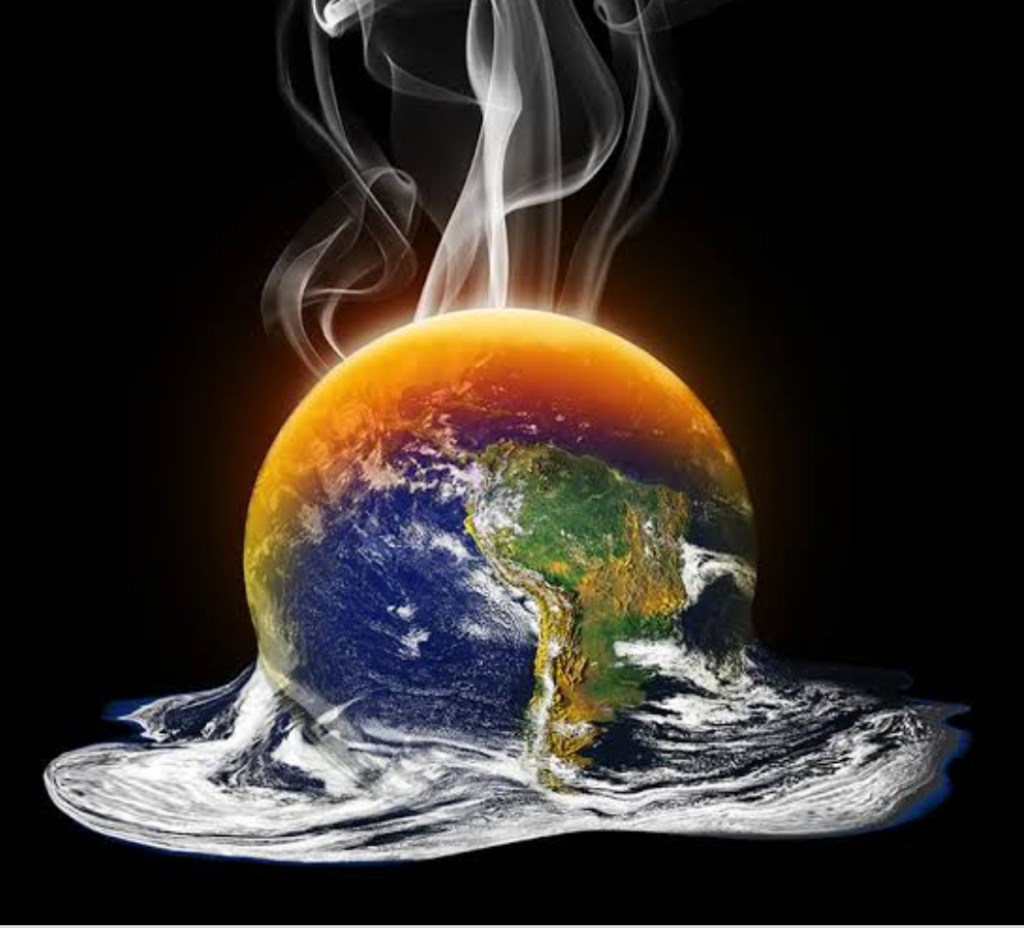
Global warming is defined as the global annual temperature has increased in total by a little more than 1 degree Celsius, or about 2 degrees Fahrenheit. Global warming is mainly because of the industrial revolution, burning plastics.

CAUSES OF GLOBAL WARMING:-

* Greenhouse Gases Are the Main Reasons for Global Warming.

* Another main reason for global warming is the industries.

* Deforestation is one of the reason for global warming.

* The smoke from vehicles.

EFFECTS OF GLOBAL WARMING:-

* Global warming cause increase in temperature that raises sea level can cause flood.

* Global warming raises temperature in the atmosphere.

* Melting of glaciers are one of the most threat for the earth

* If global warming cause increase in temperature then there is threat for availablity of water.

* It also cause some diseases like allergies,chest pain etc.

CONTROLLING MEASURES OF GLOBAL WARMING:-

* By decreasing deforestation and encouraging affrostration

* By making awareness programmes.

* By using natural products instead of plastics.

* By reducing burning of fossil fuels.

* By recycling the products.

Anthropology And Its Relation With Allied Disciplines

Anthropology And Social Sciences

1. Sociology

Sociology is a science of society that studies human behaviour in groups. Anthropology is a science of man and studies human behaviour in social surroundings. Thus it is clear that the subject matter of sociology and social anthropology is common to a great extent. Anthropologists and sociologists share an interest in
issues of race, ethnicity, social class, gender, and power relations in
modern nations.

2. Psychology

For the psychologists the focus of study is upon all aspects of human behaviour: and its personal, social and cultural dimensions which will never be complete without having the knowledge of social anthropology. Therefore, for understanding the social processes and
meanings in the world around us one has to study social anthropology.
Both Psychology and Anthropology deals with the manifold relations between individuals on the one hand and groups, communities, societies and cultures on the other hand.

3. History

History may be important to social anthropologists in the sense, that is, not only as an account of past events leading up to and explaining the present, but also as the body of contemporary ideas which
people have about these events, people’s ideas about the past are an intrinsic part of the contemporary situation which is the anthropologists immediate concern and often they have important implications for existing social relationships.

4. Folklore

Folklore has an important place in every primitive culture. It
is through the medium of folklores that the culture of a primitive society is
transmitted from one generation to the next generation. Folklores contain
the philosophy of the primitive people. How the world was evolved is a
theme of many folklores of existing tribes. In most of the folklores, a reference to the mutual relation of the people and their gods is given.

Anthropology And Biological Sciences

1. Zoology

In terms of the relationship to other animals and the overall places of the human species in the process of evolutions.
Anthropology has a sort of specialization or sharpening of certain aspects of general biology, more specifically, zoology.

2. Botany

No matter what the time period or geographical area, plants played an important role in human culture. Plant remains enable us to assess human impact on the environment. As direct, site-specific
evidence of agricultural and culinary activities, they enrich our understanding of how people lived.

3. Genetics

Genetic anthropology is the branch of scientific study which deals with combining genetic data with available physical evidence and past history. Genetic anthropology is an important branch
of anthropology. The relevance of genetics in anthropology has slowly been reinforcing the importance of nature (biology) in culture, and also
emphasises on the phenomena of variation. To study evolution, understanding genetics and variation in the anthropological context is
highly vital.

4. Medical Sciences

Quite a few things are common in
anthropology and medicine. In the proper study of mankind, anthropology aims at discovering man as a human being, so it should be the case with a physician. Anthropology can assist more clearly and
satisfactorily in identifying the health needs, and in clarifying factors influencing acceptability and utilisation of health services, and can also assist in showing how these health needs can be most appropriately
solved.

THANJAVUR-BIG TEMPLE

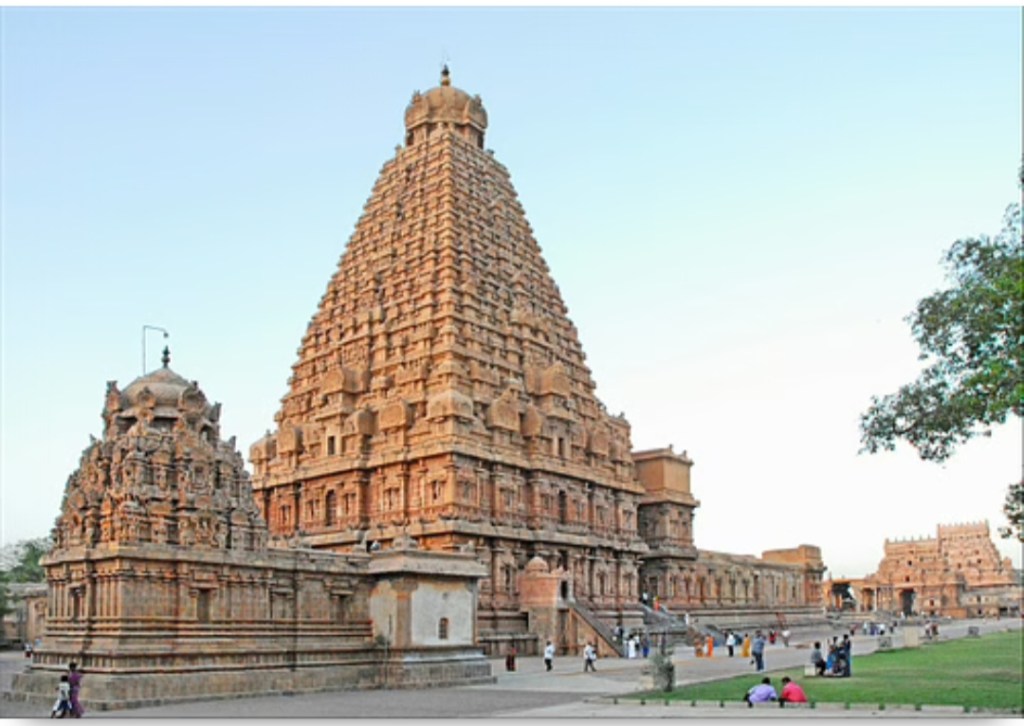
This Temple is situated in Thanjavur Tamil Nadu.It is constructed by Raja Raja chola in 1003 and 1010 A.D. This temple is originally known as Peruvudaiyar Kovil locally known as Thanjai Periya Kovil, and also called Rajarajeswaram, is a Hindu temple dedicated to Shiva located in South bank of Cauvery river in Thanjavur, Tamil Nadu, India. It is one of the largest Hindu temples and an exemplary example of a fully realized Tamil architecture.[4] It is called as Dakshina Meru.In top of the temple they built the vimana which is one of the highest in South India.

The main temple along with its gopurams is from the early 11th century. The temple also saw additions, renovations, and repairs over the next 1,000 years. Because the kings who made wars caused damaged to the temple And it is renovated by the Hindu dynasty.The main temple-related monuments and the great tower is in the middle of this courtyard Around the main temple that is dedicated to Shiva, are smaller shrines, most of which are aligned axially. These are dedicated to his consort Parvati, his sons Subrahmanya and Ganesha, Nandi, Varahi, Karvur deva As a world heritage monument, the temple and the premises comes under the Archaeological Survey of India (ASI) which falls under the Ministry of Culture of the Government of India, to ensure safety, preservation and restoration.The lighting of the monument is designed to enhance the natural color of the stone along with the sculptural forms adorning all corners of the temple. The restoration has been undertaken by the Archaeological Survey of India.

Six Reasons Why You Should Start Using A To-Do List

In a world full of distractions, with beeps and pop-ups ruling  most parts of your day and dozens of thoughts floating in your head, staying focused is a herculean task. Amidst all the chaos, one thing that can help you stay sane is the good old productivity tool – To-Do List.

Having said that, you should also know that it is a double edged sword. This age-old technique has a reputation of hurting productivity. The key however is in knowing how to use it effectively

With a lot of speculation and confusion doing the rounds about this tool, it’s natural that you may end up being double minded about whether or not to use it. Listed below are 6 points which can aid you in your decision making process.

Frees up a hell lot of space in your brain

Whether it’s the list of items you need to buy, the ideas that popped up while you were doing laundry or the schedule of the meetings you need to attend, cramming your brain with a hundred thoughts is definitely not something it would appreciate. By doing so, you are not only overwhelming the brain but also using up the energy and space that could otherwise have been used for more productive stuff. So please do yourself and your brain a favour – get it all out of your head, put it on a list and thank me later !

Photo by Monstera on Pexels.com

Throws the ‘Oops ! I Forgot’ excuse out of the window

As much as we all would like to remember every single detail about everything, let’s face it, not many of us have that extraordinary memory power. So if you don’t have it written down somewhere, it’s only natural that you may forget some of the things that you really wanted to remember. To-Do lists are visual reminders of all the tasks that you wanted the brain to remember and when you have it right in front of you, it’s impossible to miss any.

Helps you to organise and prioritise the tasks

Prioritising the tasks and focusing on the most important ones can be challenging when you have a lot going inside your head. Without that clarity, instead of sending out that important email to your client, you may end up decluttering your closet. When you have all the tasks listed out right in front of you, it becomes much easier to analyse and sort out what needs to be done right away and what can wait.

Photo by Sajith R on Pexels.com

Acts as a roadmap to your long term goals

Suppose you are travelling from Chennai to Kolkata.You know your starting point and also your destination. But without knowing how to proceed and which route to take do you think you’ll ever reach Kolkata ? In the same way your long term goals are the end results that you want to achieve and the tasks act as your milestones which give you an idea about the route that you need to take in order to reach your end goal. By breaking down the long term goals into tiny actionable steps and putting them on your list, you get a clear idea on the course of action you are supposed to take.

Helps calm your monkey mind

There may be times when your mind suddenly decides to remind you about the gift that you need to order for your friend’s birthday while you are trying hard to focus and complete the article due for the day. It now becomes the responsibility of the brain to remember this and in an attempt to do so it loses focus on the task at hand. Putting this newly popped up task on your list takes the weight off the brain and gives your restless mind an assurance that it will eventually be taken care of.

Checking off an item on your list gives you that daily dose of dopamine

When you finish a task and check it off your list, your brain feels a certain sense of success. And as a reaction to it, it releases a small amount of dopamine which in turn makes you feel happy and good about yourself. Crossing out an item from your list is something that can instantly make you feel good and motivates you to take action on the remaining tasks.

Bottom Line

Your To-Do List should be something that motivates you to get up each day and work hard to crush those goals that you have set for yourself.It is supposed to elevate your overall happiness and not pull you down. Instead, if you find your list giving you nightmares or panic attacks, chances are that you might not be using it the right way. Figure out strategies on how to effectively make and use a To-Do List and try incorporating them in your process and I’m sure with the right strategies and complete dedication to the process you will definitely see the results. Good luck !

Assertiveness – An Essential Life Skill Everyone Should Master

Have you ever wondered how some people have a natural ability to express their opinions and views confidently, politely turn down the things that they don’t want to do and still manage to maintain a good rapport with people ? Do you think it is some superpower that they are born with ? Well, this superpower that they possess is called Assertiveness. And the good news is that with the help of the right strategies and dedicated practice, you too can develop this superpower.

What is assertiveness ?

Assertiveness is a healthy behaviour that helps you  express your views, feelings, needs and desires  in a calm, clear and reasonable way without  disrespecting the other person.It is a crucial life skill that enables you to stand up for your rights without undermining those of others’. Assertiveness doesn’t come naturally to most people. Often, they tend to respond passively or end up responding aggressively. At times people may also choose to respond in a passive-aggressive manner, which can be considered as a combination of these two types.

Photo by Rebrand Cities on Pexels.com

Why do you need to be assertive ?

Passive people often end up doing things that they really don’t want to do in an attempt to please others and eventually it takes a toll on their self esteem and confidence. On the other hand, the aggressive ones, though most of the time manage to get their ways, often find their insecurities getting worse due to their behaviour and end up being lonely and dissatisfied in life. In the case of passive aggressive responses, it may work well initially, but in the long run, the guilt of not being open and honest with people starts weighing them down and affects their relationships with people adversely.

By being assertive, you are honest in your thoughts and words and express yourself clearly, while remaining empathetic and fair. An assertive person knows how to strike a balance between speaking up for himself and respecting the rights and beliefs of the other person. They are firm without being rude and also adept at handling their emotions. 

Well, it all sounds good in theory, but putting it into practice requires a lot of effort. Be prepared for the numerous sighs, eye rolls, I-Can’t-Believe-You-Said-No lectures, rants on how disrespectful and rude you are etc., that are bound to come your way during this journey of being assertive. But trust me once you have passed the initial phase of discomfort, you will find that it’s way less stressful and a lot easier to express yourself effectively.

How to be assertive ?

Have a clear idea about your core values and beliefs

Only if you have a clear understanding about yourself and your core values, will you be able to express yourself clearly and confidently. A good place to start is by assessing your behaviour, style and thought pattern. Identify those beliefs that prevent you from standing up for yourself. Look out for the triggers that blow your fuse. Dig deeper into your mind and identify your core values. Ask yourself  whether your actions and responses align with your core values. This understanding of yourself and your values is the foundation of self confidence which in turn is the cornerstone of assertiveness.

Speak up even if your voice shakes

Whenever you find yourself in a situation where you don’t particularly agree on the thing that the majority agrees with, instead of nodding along or yelling at them, try putting across your views honestly in a clear and composed tone. It might be difficult in the beginning and you might have a hard time controlling your emotions and tone. But with practice you’ll find your confidence and ability to articulate your thoughts gradually improving. Trust the process and keep practicing.

Accept both the bricks and bouquets gracefully

Whenever you are starting out on something new, you are bound to face criticisms and if you are lucky you might end up winning a few compliments as well. Accept both with an open mind. Graciously accept the compliments and train yourself to handle criticisms positively.

I.Wish.I.Could.But.I.Don’t.Want.To 

If you were to ask a people pleaser what scares him the most – dealing with Dracula or saying No – chances are high that his answer would be the latter. Well, saying No can be hard not just for people pleasers but for everyone. But it is one of the crucial skills to master on your journey of becoming an assertive person. Acknowledge the request and then give a short but clear and honest reply. Remember that neither do you owe anybody a justification nor an apology for your decision. In any relationship, people generally appreciate transparency and by being open and honest about your feelings you are doing yourself as well as the other person a favour.

Practice Active Listening

Active listening is a skill that helps you better understand the other person’s perspective. While being assertive, respecting and considering the other person’s opinions and views is as important as articulating your thoughts. So it is important that you pay attention to what the other person says. Don’t shy away from asking questions if you need further information or clarification. By giving the other person room to explain himself, you are laying the basis for a constructive discussion and by attentively listening to him you are giving yourself a chance to view things from his perspective.

Watch your tone and body language

To have the desired impact, it’s not enough that you express yourself respectfully and honestly but you also need to maintain an assertive body language and tone while you speak. A relaxed open posture, good eye contact and the perfect mix of firmness and composure in the tone play a vital role in projecting your confidence. And this applies both when you are speaking as well as listening. 

‘I’ vs ‘You’

While expressing yourself, one thing that you need to keep remaining yourself is that your focus should be on the issue and not on pulling the other person down. To get your points across firmly and respectfully, use phrases like ‘I feel’, ‘In my opinion’, ‘I would like’  etc . The impact the expression  ‘I feel that my choice would be better in this case’  makes is way different from the one  the expression ‘Your choice is terrible’ makes . The latter points fingers at the other person and ridicules his choice whereas the former gets your point across without engaging in the blame game. 

Take a moment to reflect on your progress

Every time, after you’ve faced a situation where you acted assertively or at least tried to do so,  take a moment to reflect on what went well and what did not. Remember not to be too hard on yourself. Taking time out to review your progress helps you in understanding how far you have come in this journey of being assertive. It also gives you an opportunity to identify your weak points and the areas you need to work on. Also, helps you in identifying your behavioural patterns and thought process better. Consistent practice, along with periodic reflection, makes sure that your ride ahead is safe and smooth

Final Thoughts

Assertiveness may be a natural trait for a lucky few, but for most people it is a skill that needs practice and time to develop. During this journey, if you find yourself slipping to aggressive or passive modes, at times, just keep in mind that even the person who has won the ‘The Most Assertive Person of the Year’ award may not respond assertively 100% of the time. Instead of beating yourself up for such occasional goof ups, focus your attention on learning from them and fine tuning your assertiveness skills. Good Luck !

International Relations

Introduction

The term ‘international relations’ was first used by Jeremy Bentham in the 18th century, although its Latin equivalent, ‘intergentes‘, was used a century earlier by Rijehare Zouche. Both of them had used the term in the context of what later came to be known as international law. Today, nation states have become highly interdependent, and relations between them, political or economic, have developed into an essential area of knowledge.

The term ‘international relations’ (IR) may be used both for a ‘condition’ and a ‘discipline’ Quincy Wright, for example, makes such a distinction. The official relations between sovereign countries are described as international relations, though according to Wright, ‘… the word “interstate” would have been more accurate because in political science, the state came to be the term applied to such societies’. Viewed thus, international relations, as a condition, refers to the facts of international life, that is to say, the actual conduct of relations among nations through diplomacy based on foreign policy. It also includes actual areas of cooperation, conflict and war. According to Quincy Wright, IR should tell the ‘truth about the subject’, i.e., how such relations are conducted and, as a discipline, IR should treat them in a systematic and scientific manner.

Meaning Of International Relations

International relations as a subject is concerned with the relationships among the governments of various sovereign states. Many people may think that relations among nations are regulated and conducted by presidents, prime ministers, foreign ministers, officials of the foreign offices and diplomats. This is partially true. The scope of international relations is not merely political. Today, economic activities such as international trade, role of multinational corporations, terrorist activities and impact of environment are all embraced in the fold of relations among nations.

Most scholars agree that the term ‘international politics’ is used to describe official political relations between governments acting on behalf of their states. The term ‘international relations’ is broader. According to Stanley Hoffman, ‘The discipline of international relations is concerned with the factors and activities which affect the external policies and power of the basic units into which the world is divided.’

International Relations As A Field Of Study

As a field of study, international relations analyses a wide range of political activities. These include war, peace, diplomacy, trade relations, treaties, alliances, cultural, exchanges, participation in international organizations, etc. Each of these activities makes up distinct issue areas on which scholars and foreign policy makers focus attention.

The scope of international relations is often defined by subtitles, like ‘questions of war and peace’ as a subtitle of international security. Joshua S Goldstein wrote, ‘the movements of armies and of diplomats, the crafting of treaties and alliances, the development and deployment of military capabilities – these are the subjects that dominated the study of IR in the past… and they continue to hold central position in the field.’

Besides these, religious groups and movements working in two or more countries also act as non-state actors in the international relations. These may include large followers as the Catholic Church has, or a spread out population as sought to be represented by the Vishwa Hindu Parishad.

References

International Relations By V N KHANNA and LESLIE K KUMAR

Human-wildlife conflict has Climate Change as an emerging Factor

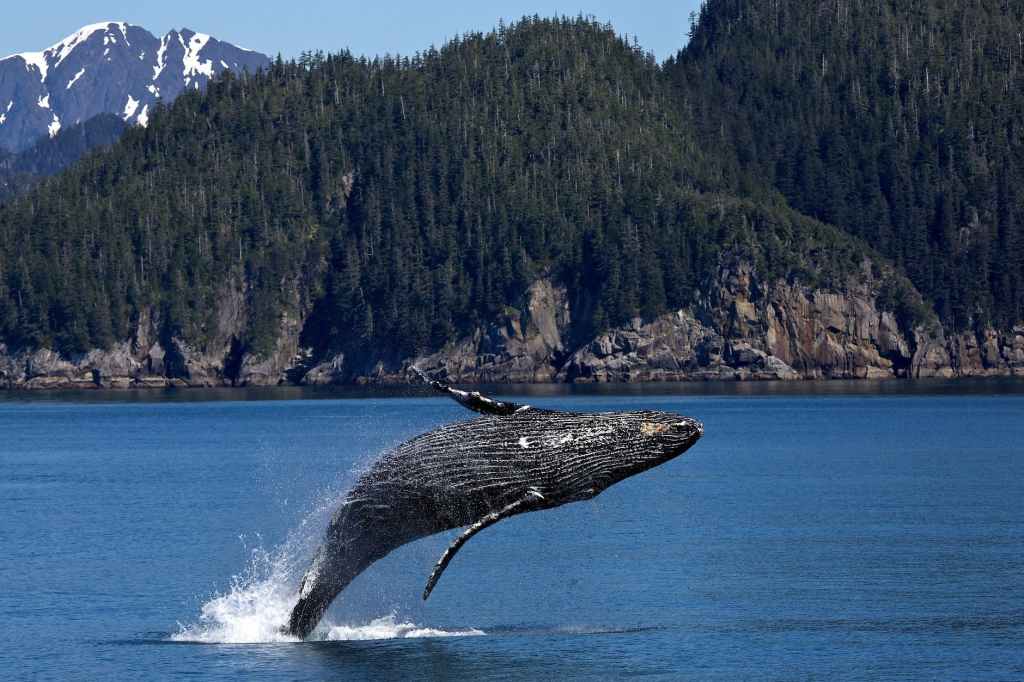
In 2015, the largest marine heat wave in the U.S. hit the Pacific Coast. Whales moved closer to shore to find prey, but they came across something dangerous—they were getting entangled in crab fishing gear.

Crab fishermen and women wouldn’t usually be out at that time of year. But the change in climate was also causing an algal bloom, toxic to crabs. So the fisheries delayed their timing by several months—the same time migrating whales were on the coast.


“It was this double-whammy,” said Briana Abrahms, an assistant professor in the Department of Biology and Center for Ecosystems Sentinels at the University of Washington.

This was one of the topics Abrahms was studying when she realized there hadn’t been much published research on how climate change is exacerbating human-wildlife conflicts. Looking at scientific literature and government reports, she came across only a few dozen. And many of those were either buried in obscure journals or just anecdotal mentions.


In a paper published in Science, she delved deeper into this area and wrote a call to action for managers and researchers to focus on this issue.Abrahms was working on another project at the same time as her whale research that was on completely different species in a completely different area, but seemed to have some similarities when it came to climate and conflict.

In Botswana, a government report cited some of the highest numbers of human-wild conflicts on record, mostly large carnivores preying on livestock. That happened to be during an extreme drought in 2018. “It struck me how different these systems were, but the story was the same,” she said. “I felt like it was really important to tell this story and draw attention since these climate changes and conflicts are likely to increase in the future.”


As part of her paper, Abrahms applauded a new, proactive risk assessment developed by the state of California to help managers figure out when and where to close fisheries under different climate and ocean conditions. “If you understand what the underlying driver is, in this case climate is a factor in these dynamics, you can better prepare to make management decisions and reduce conflict—or avoid it in the first place,” she said.


Abrahms also pushes for more research in these areas, especially where there are geographic and taxonomic gaps. “We definitely need more research and also need to be synthesizing research across everything already out there to understand how much we should be more worried about long-term changes,” she said.

TIGER-THE NATIONAL ANIMAL

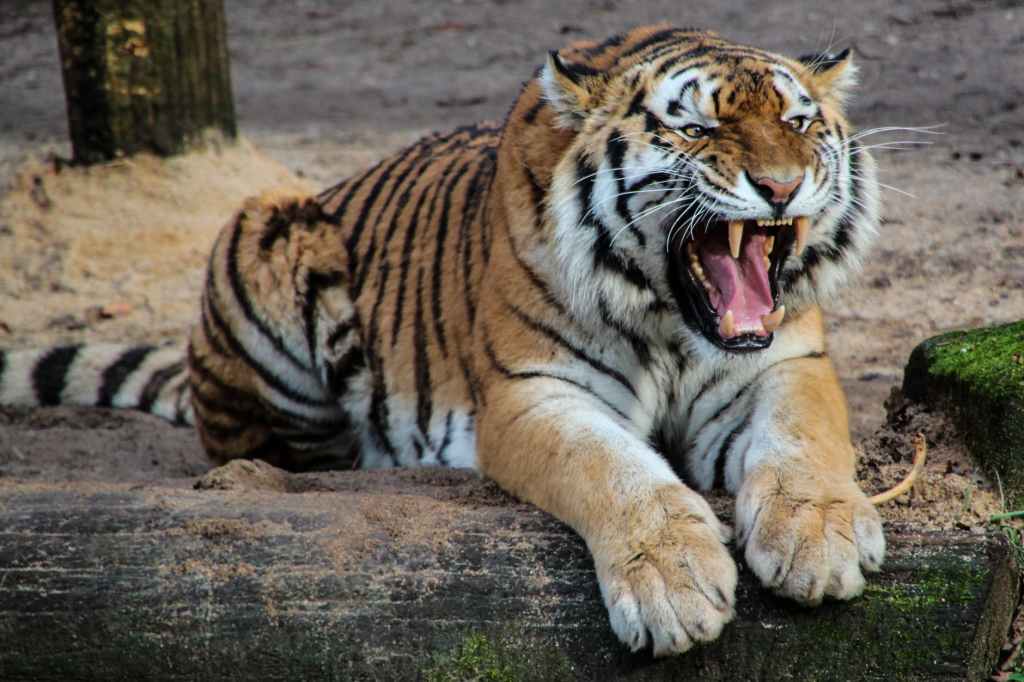
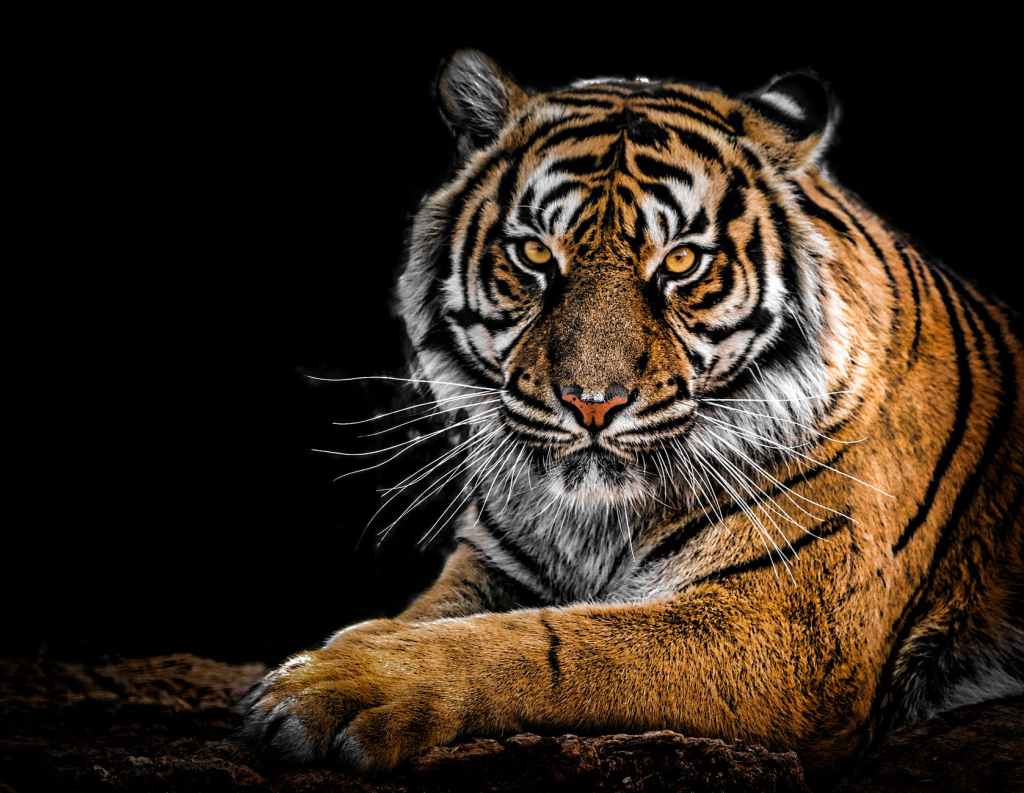
Tiger is the national animal of india.It is declared in April 1973 Tiger is choosed as the national animal of india because of its elegance, strength, agility, and colossal power. Government was launched project to save tigers on April 1973.It was launched from the Jim Corbett National Park in Uttarakhand.There was of declaring national animal whether it is lion or tiger.But in 1972, the Bengal tiger was adopted as the national animal in a meeting of the Indian Board for Wildlife. The main reason given was that the tiger was important worldwide and was distributed across 16 states of the country, while the Asiatic lion was found only in Gir in Gujarat.

The Bengal Tiger is a highly adaptable animal and lives in a wide range of different habitats. These include forests, mangroves and wetlands. Tigers can cope with hot or cold temperature areas.Due to the size and power of the Bengal tiger, it has no natural predators in its native environment. Humans that hunt the Bengal tiger and habitat loss are the only threats to the Bengal tiger. It is now estimated that less than 2,000 Bengal Tigers are left in theareas.Tiger population in india is decreasing day by day Government has taken steps to save tigers.Hunting and human population growth are the main threats to Bengal Tigers. … Due to habitat destruction and fragmentation, as well as hunting, three of the nine sub-species of tiger that have existed in modern times are now extinct.

As per 2016 census India has 2500 Tiger it is not a big number.Karnataka in india has highest number of tiger which has 408 in number followed by 340 tigers in Uttarakhand and 304 in the state of Madhya Pradesh.

We have to take responsibility and want to save tiger.Now it is in endangered species if we do not take steps it will be extinct.

Get More Done : Strategies for an Effective To-Do List

The term ‘To-Do List’ evokes different images for different people. For some it is that of a never-ending-ever-growing scroll of magic paper that gives them nightmares. For others it might come across as something only the boring folks, who schedule even their loo breaks, do. And then there is another bunch who considers it to be their life saviour which keeps them sane through the madness of their daily chores and tasks. 

Whatever be the image that you have conjured up, a fact that one cannot deny is that an effective to-do list is one of the simplest yet powerful productivity tools that can work wonders in increasing your overall productivity. 

Though it is one of the best and most efficient productivity techniques around, the success of it depends on how effectively it is being used. Moreover, if not used in the correct way, it can do more harm than good. 

Photo by Breakingpic on Pexels.com

So, let’s now see some of the strategies to help you kick-start your art-of-making-the-perfect-list journey 

Pick a suitable medium

Choosing a medium that you are comfortable with is the first and foremost thing to be considered while making a list. It may differ according to the personal preferences of people. It doesn’t matter whether you choose an app or the good old pen and paper, what is important is to stick to the one that you have chosen.Having your tasks scattered across different mediums makes managing and tracking the tasks difficult.

Dump all those tasks eating up your brain to the list

Transfer all those ideas, goals and tasks to the medium that you have chosen. Don’t bother assessing its value or prioritising it (yet). For now, just dig out every single thing from your brain and dump it onto your list.

Identify the ones which align with your purpose

It’s important that you need to have a clear idea about what you want to accomplish in life and accordingly pick tasks that’ll help you realise your goals. Write down clearly why you need to do the task and how it adds value to your life. Identifying your whys gives the brain the much needed motivation and energy to tackle the task.

Break the list into multiple lists

So now you have a big list of all the items that aligns with your long-term goals listed right in front of you. This list will contain all your goals listed out together. Let’s now split them into separate lists . Three basic lists that you can use are : 

  • The Master List , where you keep a list of your long term goals .For eg: Write a novel. Here, you could categorise the goals as personal, professional, finance, health etc. 
  • The Weekly List contains all those items that need to be ticked off by the end of the week. This would essentially contain tasks which would help in achieving your long term goals, plus other things that need your attention during the week. 
  • High Impact List is the one that contains the tasks which are of the highest priority and needs your immediate attention. These might or might not be related to the other two lists. 

Apart from these you could also keep a separate list for the daily activities that you need to track. For eg : If Doing exercise is something that you want to track on a daily basis, then instead of adding this item to your high impact list, add it to a separate list which is meant solely for daily activities. 

You can come up with as many lists as you want. But I would suggest not to overdo it (then you might end up having to come up with another list to track the list of lists ! ). 

List down tasks, not goals on your list

Your master list is the one where you have all the goals listed and when it comes to creating weekly lists, you need to make sure that you break your goals down into actionable items and put those on the list. In this way, you get clarity on how to go about with achieving the long term goals. Make it as specific as possible.

Prioritize 

From the weekly list, identify the items that are of the highest priority and move them to the High Impact List. This is the list that you need to follow to keep track of the items that need to be completed by the end of the day. Sit with your list and identify the ones that are urgent and important and rank them accordingly. Setting priorities makes sure that you don’t end up cleaning your kitchen drawer when you have an important assignment due for the day.

Photo by Suzy Hazelwood on Pexels.com

The shorter the better

One of the mistakes people make while creating a list is to cram up the list with as many items as they can think of. By doing so chances are high that you may end up not finishing most of the tasks on your list. And, there is nothing more depressing than staring at a long list of pending tasks at the end of the day. So keep it short. There is no hard and fast rule as to the maximum number of items that you can put on your list. Start with as low as three and experiment and find out the number that works for you. 

Set a time limit for each task and measure the time taken

Each person has a different pace at which he works. To find out yours, roughly estimate the time you think you would need to complete a task and once you are done with the task, compare it with the actual time taken. This way, you will have a realistic idea about how many tasks you can complete in a day and can accordingly decide the length of your list. 

Break bigger tasks into a set of smaller tasks

While you time your tasks, you might come across some tasks which need more time.Say for example, writing a blog post might not fit into the two hour window that has been allotted to it. In such cases, break the task down into a number of smaller tasks – research the topic, write, edit, select pictures etc. By breaking it down, you will have a clear step-by-step strategy listed right in front of you.Also, instead of waiting to check off that one big monstrous item, you can now check off 3-4 small items. That’s a pleasure in itself, isn’t it ?

Create a May-Be-Later-If-I-Feel-Like list

This is one of my personal favourites. All those items that you want to do but which are neither urgent nor important go on this list. Say for eg: learn to knit, may be something you might want to do but definitely not when you have a project release coming up the following week. 

Always expect the unexpected

As much as we all want everything to go as planned, in reality that’s not always possible. At times, unexpected events may pop up. So, it’s always a good idea to leave a bit of cushion time between your tasks. Not just that it leaves you with some wiggle room in case of emergencies but also provides you that much needed breather from the tasks on normal days.

Block time for yourself

Always always always make sure to take some time out of your schedule to relax. Burnout is real ! So it’s really important that you find time to pause, breathe and relax. Adding break time to your list is essential to help the brain maintain its focus and energy levels. 

Revisit and Re-evaluate your list periodically

Constant evaluations and reevaluations are needed for this productivity tool to work effectively. At the end of each day set aside some time to sit with your list and reflect on what worked and what didn’t. Move those items which you feel are of low priority to your may-be list. Re-prioritise the list, play around with it and you will eventually figure out a strategy that works best for you. It’s all about experimenting, buddy !

 Make the list the day before

Though it is not a rule that you should make the list on the previous day, it is always better if you can do so. At the end of each day, after you evaluate your list for that day, you would already be in a state of mind where it is easier for you to figure out what items need to go on the list for the next day. Also, if you have a list of tasks ready right in front of you in the morning, you know exactly what’s on your plate for the day and hence you can use your morning energy on productive stuff rather than wasting it on planning your day.

Create a Done List

Even if you hate every other list mentioned above, this is one list that you are gonna love. It is a list of all the tasks that you have accomplished. Once you complete a task, along with crossing it off from the main list, add it to your Done List. That’s double the euphoria, you see ! This list is a reminder to yourself of how close you have come to your end goal and is an instant mood booster on days you feel low. Also, do not forget to celebrate even the smallest of your milestones.

Bottom line

Learning to make an effective to do list is not something that you can master overnight. It takes a lot of experimenting to figure out the strategies that work for you. There are no hard and fast rules here. Remember not to obsess too much with the idea of making that perfect list in the first go. Have patience and keep experimenting until you figure out a strategy that best suits your needs. Good Luck !


IMPORTANCE OF EDUCATION:-

Education is one of the important thing in this world.Without education we cannot lead a good life.Education is the key to success in life.

Education plays the significant role in the human race.Educated people are responsible for the better future for Society and country.An educated person has the ability to decision making.Education teaches us writing and reading.Reading and writing is the first step in education.Education improves the person mentally to handle the difficult situation.

Education improve the humans personality.Educated person is brave, confident to face any situation.Most of the well known persons are educated.Education helps in the development and innovation of technology.

The technology,science, millitary all are improved because of the education.Without education nothing happened in this world.Education help us to acquire knowledge.knowledge can be used to make better living.Education is the weapon which cannot be break by anyone.

Education teaches us to be honest and polite.Educated peoples are always respected in the society.

Education teaches us to be civilized. Education helps us to understand the feelings.It provides the manpower like police, doctor and millitary.Education improves us mentally strong to face the hard situation in both outer and inner life.Education brings peace in the world.

Is offline mode of learning relatively better than online learning?

Now that schools and colleges are limping back to offline mode after long perturbation of Covid 19 pandemic, a question may strike whether offline mode of learning is really better when compared to online learning process. However,  both forms of education have their own advantages and disadvantages.

Advantages of online education:
1) It is flexible. All you need is a device with internet connection and can attend your classes from anywhere across the world.
2) Class recordings are available for later reference.
3) It is budget friendly and saves the cost of transportation , lodging and other necesseties that one has to pay whilst physically attending classes.

Advantages of offline learning:
1) Face to face student and teacher interaction helps in better understanding as teacher can give full attention to students, address their issues and solve them.
2) No distractions whilst studying since there are no other modes of entertainment where students might focus on whilst stidying.

Disadvantages of online learning:
1) Students might induldge in other activities such as surfing net, visiting social media platforms etc whilst attending classes which in turn will hamper their learning process.
2) Another disadvantage is technical glitches. Internet connectivity issues might arise during online classes thus disrupting smooth learning.

Disadvantages of offline learning:
1) No recording is available for students for later references.
2) Time management becomes an issue for students living faraway.

DATA SCIENCE

Introduction:-

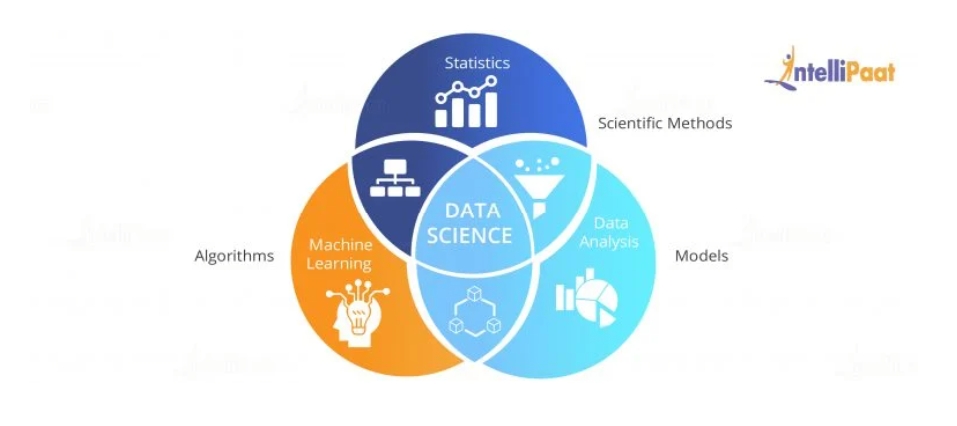
Data scientists combine mathematics, statistics and the use of computer science to extract,analyze data from thousands of data sources in order to build creative and innovative business solutions.Data Scientist’s job involves solving the problems of his or her client by providing solutions using real time data and tools and algorithms.

Industries and Departments in which Data Scientist are hired:-

Data scientists and analysts are largely employed by IT companies, marketing, finance and retail sectors.
Companies use Data Scientists to give them a report on what their clients demands and needs and give them innovative solutions on how to cater to them. Oil, gas and telecommunication companies also have started employing data scientists to better cater to their clients.
Other sectors and departments that employ data scientists are
● NHS
● Government offices
● Research institutions and universities.

The roles and responsibilities of a data scientist:-

● To handle vast amounts of data and choose reliable sources.

● Developing prediction models and advanced machine learning algorithms

● Verifying data using data investigation and data analysis.

● Using data visualization techniques to present findings.

● Finding solutions to business problems by working with data engineers and data analysts.

Educational qualification For data scientist:-

● Should have a BSc/BA degree in the field of Computer Science/ Software Engineering/Information Science/Mathematics.


● Should have a postgraduate degree/diploma certification in Data Science/Machine Learning.

Career growth of a Data Scientist:-

The life of a Data Scientist starts from an associate data analyst and can go up to the role of Chief Data Scientist.Promotion can take two to five years it is based on the performance.After some experience they get into some higher position.

CONCLUSION:-

Data Scientists are one of the most in demand people in the world. They can skyrocket companies’ shares and make them reach new heights.Data Science is a very high paying industry thus finding a job with a seven-figure salary won’t be a problem. Data Science as an industry has a very bright future.Data Scientists have the ability to change the world’s future.