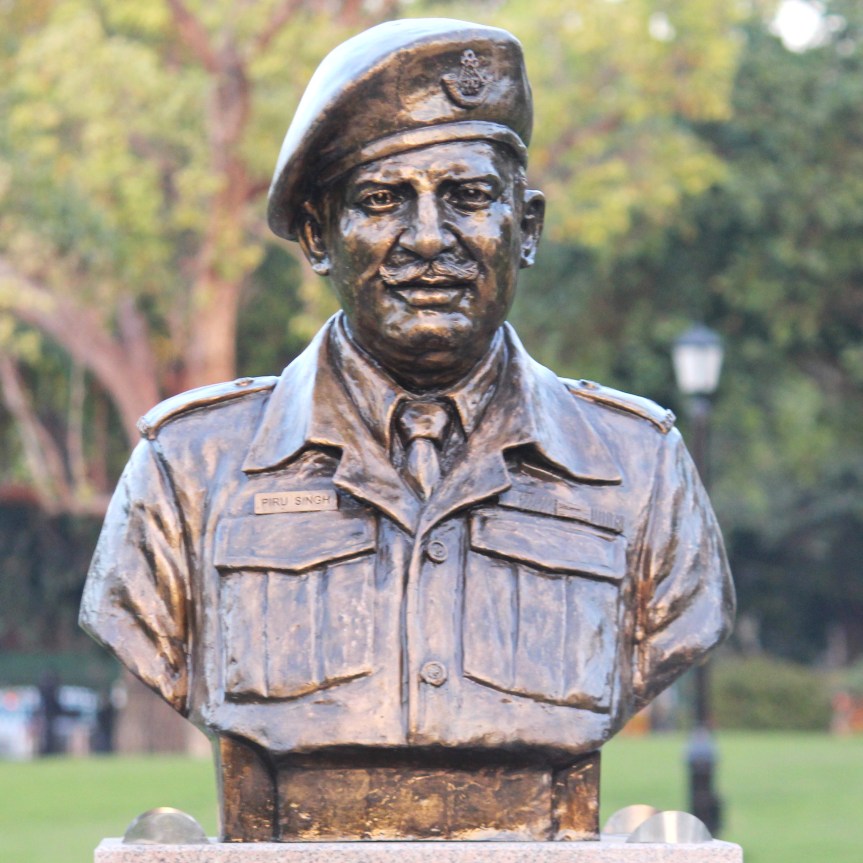
The Inspiring Journey of CHM Piru Singh

The credo of Indian Military Academy – ‘ The safety, honour, and welfare of your country comes first, always and every time. The honour, comfort and safety of the man you command comes next. Your own ease, comfort & safety comes last, always and every time.’ – is a mantra that every Indian soldier lives by. The commitment of a soldier to his duty and his sheer determination to fulfill it is something that sets him apart from the rest of the crowd. Company Havildar Major Piru Singh, the hero of battle of Darapari,  was no different.

Early Life

Piru Singh was born on 20th May 1918, in Rampura village, Churu, Rajasthan.He came from an agricultural family of the warrior clan of the Rajputs. His father Lal Singh and mother Tarawati Kanwar (Jarav Devi) had seven children – three boys and four girls – with Singh being the youngest. Even as a young boy, he loved outdoor life and had an aversion to restricted environments. Singh discontinued schooling at a young age. The rest of his childhood was spent helping his father in his farm. Right from his younger days he had an inclination to join the army. Despite being rejected twice, Singh never gave up and eventually got selected on his third attempt. He joined the British Indian Army coincidentally on his 18th birthday on 20th May 1936.

Military Life

On joining, Singh was initially assigned to the 10th Battalion of the 1st Punjab Regiment at Jhelum. After completion of his training, he was transferred to the 5th Battalion of the same regiment on 1st May 1937. Surprisingly, the boy who despised school and had no interest in studies had transformed into a committed soldier who took serious interest in education. He cleared the Indian Army Class Certificate of Education and a series of other army examinations and got promoted to the rank of lance Naik within a brief span. He served on the North-West Frontier during his tenure with the 5th Battalion of the 1st Punjab regiment. It took less than a year before he was promoted from Lance Naik to the rank of Naik. In September 1941, he was posted to the Punjab Regiment Centre at Jhelum, as an instructor.

Singh was also a wonderful sportsman and represented his regiment in basketball, hockey and cross-country running at the inter-regimental and national level championships. In February 1942, he was promoted to Havildar and later to the rank of Company Havildar Major in May 1945. Until October 1945, he served the army as an instructor. He was deployed to Japan as part of the British Commonwealth Occupation Force after the Second World War, where he served until September 1947. By the time he returned from Japan, India had been partitioned and therefore the Indian army had undergone reorganization. Consequently CHM Piru Singh was transferred to the 6th Battalion of the Rajputana Rifles Regiment.

Battle of Darapari : Background

It was during this time around that the tensions between India and Pakistan were escalating, over the control of the princely state of Jammu & Kashmir. Eventually in October 1947, war broke out between the two countries.The Spring of 1948 was utilised, by the Indian Army, to rid the Kashmir valley of the infiltrators. General Thimayya, General Officer commanding Sri division, decided to launch the offensive with the main thrust along the Uri-Domel road by 161 Infantry Brigade under Brigadier L.P Sen. 163 Infantry Brigade under Brigadier  Harbaksh Singh was detailed to carry out a divisionary  operation towards Tithwal from Handwara. To deal with the enemy forces around the Bagh area, the Poonch Brigade was assigned to carry out a battalion operation towards Bagh. In the third week of May, Dogarpur, Trehagam and Chokibal were captured and on 22nd May, Tithwal sector was captured by the Indian forces.
Source: Wikimedia Commons

Pakistan, enraged by the setback in the Tithwal sector, launched repeated counter attacks and recaptured the village of Tithwal in the hills of Jammu and Kashmir. The Pakistani raiders launched offensive strikes in this region and captured a ring contour on the 8th of July 1948. The enemy pushed to seize control over the positions across the river Kishanganga and the Indian Army was forced to vacate their forward positions across the river. In the wake of this setback , in order to strengthen the advance on the Tithwal sector, Piru Singh’s unit – the 6th Battalion of Rajputana Rifles – was moved from Uri to Tithwal and was assigned to the 163rd Brigade. The unit took position on the Tithwal bridge. 

The attacks commenced on the 11th of July. The operation went on for four days till the 15th of July. However, according to the reconnaissance report, the Pakistanis were still in command of two strategically important positions. The capture of these two positions was essential for making any further advancement. The task of securing these two features was assigned to the 6th Rajputana Rifles. Two companies – Charlie ( C ) and Delta ( D ) – were assigned to the operation. The C company was in charge of securing the second position after the D company had captured the first.

Battle of Darapari : The Day of Action

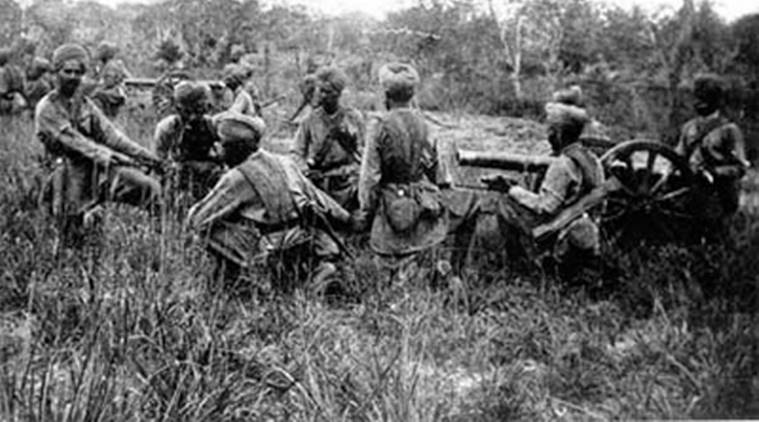
The D Company, of which CHM Piru Singh was a part, was sent to capture the Darapari feature in Tithwal sector. Darapari is a hill feature located at an altitude of over 11000 feet. The path leading to the position held by the Pakistanis had deep ravines on either side and was just about one meter wide. According to the intelligence reports received, the battalion was told that the enemy had not had enough time to dig-in intensively and hence could be dislodged without much struggle. This however proved to be inaccurate. The narrow path through which the battalion was advancing was overlooked by five hidden Pakistani bunkers ,which gave the defending troops a clear advantage in terms of position. The time constraints restricted the battalion from having a proper reconnaissance of the enemy position. In order to take advantage of the darkness, the attack to secure Darapari was planned to take place after the moon had set and was launched at 01.30 a.m on the 18th of July. As the attack advanced, the company was subjected to heavy shelling and within a matter of about half an hour, the casualty count had reached to a whooping 51. The platoon commander Subedar Bhika Singh was hit. A sinking feeling of panic had swept over them and there was absolute chaos amidst the rest of the team. It was then that Piru Singh rose to the occasion and took charge of the team and led his platoon with a determination that not even the raging bullets from the rival MMG posts could waver. 

The enemy medium machine guns had been sited to cover all possible approaches. The platoon led by Singh was met with heavy firing from both flanks and a volley of grenades from the bunkers. Neither the murderous firing nor the fact that half of his platoon was either dead or wounded, could falter him. With the battle cry of ‘Raja Ramachandra ki Jai’, he rushed forward to crush the MMG post which was playing havoc with his troops. His exceptional leadership motivated the rest of the crew to follow their leader ferociously. With the curtain of grenades tearing through him, wounding him at several places, he continued to advance. He rushed to the MMG which was causing the maximum destruction and bayoneted the men on guard and occupied the post. 

By this time the rest of his men were either dead or wounded and he was the sole survivor of his company. Alone and injured, but with a never-say-die attitude, Singh inched forward to achieve the objective assigned. While advancing towards the second MMG post, a grenade was thrown at him, which wounded him in the face. Neither the blood dripping from his face nor an empty reserve of ammunition could kill his spirits. He crawled out of the trench, hurling grenades at the next enemy post and then jumped to the next trench bayonetting two Pakistani soldiers to death. As Singh emerged out of the trench to attack the third bunker, he was hit in the head by a bullet. Just before he succumbed to his injuries, he had managed to throw a grenade into the enemy trench, which did a perfect job of wiping off the enemies. CHM Piru Singh had thus bravely and selflessly completed his mission before he closed his eyes for the final time.

Source: Wikimedia Commons

Param Vir Chakra

His act of bravery was witnessed by the commander of the C company, who was directing fire in support of the D company. Inspired by Singh’s actions the rest of the company put up a ferocious fight and Darapari was captured against death defying odds. 

CHM Piru Singh was awarded the Param Vir Chakra for his single-handed bravery, exceptional leadership and extreme devotion to duty, posthumously. In remembrance of this brave soldier, his unit – 6 Rajputana Rifles – commemorates the Battle of Darapari every year. 

Every soldier has a story buried under his gravestone and Piru Singh’s is that of his extreme courage, supreme sacrifice, exemplary leadership and above all his unconditional love for his motherland.
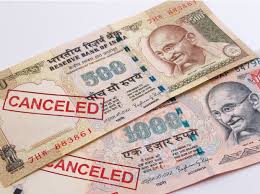
Is India Ready For Cashless Economy?

For India, right now, the victory of cashless economy is as far as the eyes see. India is becoming a large middle income country, too complex, and varied to be controlled centrally. The government will need to withdraw from occupying the commanding heights of the economy, confining itself to providing public goods and the governing framework and, leaving economic activity to the people.

To harness their collective energy, India will need many such reforms in the years o come if it is to grow rapidly in a sustainable and equitable way. These were the words of our former RBI Chief Mr. Raghuram Rajan.

GST and Demonetisation

If our country’s people are still under the influence of the infamous twin-shock of GST and demonetisation, then how can we consider the thought of cashless economy at such a tender stage. This is not just a rhetoric, it is the fuming question with only one answer, NO.

Why is India not ready yet?

Enough of the statements from the philosophical jar, lets talk facts.

India is an economy where 98 per cent of all transactions are in cash. This is due to the large informal sector, which employs 90 per cent of the workforce. The overwhelming majority of them are not hoarders of black money. And yet, India cannot become a cashless society unless its mammoth informal sector transitions to digital payments.

Lack Of Cyber Security

And right now with hackers giving proofs of how one can misuse Aadhar details by stealing a real life example of none other than the TRAI Chief, I am saying that India will be ready for a cashless economy but definitely it is not now.

We need to built homogenous network of digital security to take the baby steps for a walk which has a long road.

“A cashless economy needs robust cyber security capabilities and India isn’t ready” – KPMG INDIA CHIEF, Arun M. Kumar.

ENGLISH AS A GLOBAL LANGUAGE

The English language is generally considered as the global language. There are various reasons for the spread of English and its worldwide acceptance. David Crystal in his work titled “English as a Global Language” analyzes the major reasons behind this global status. 

According to David Crystal “ a language achieves a genuinely global status when it develops a special role that is recognized in every country.” This special role is achieved mainly by the use of language in speaking as a mother tongue.As in the case of English in Britain, Canada, U S, Ireland, New zeleand etc. This status is also achieved by other two ways even though it is not used as a mother tongue.Firstly the acceptance of a language as the official language of a country and secondly attaining priority in foreign language teaching even though it has no official status. As in the case of India, the acceptance of English as the official language is an example for this special role. And it can be used as the medium for communication in certain domains such as government, education, law courts, media etc. Other countries like Singapore, Nigeria, Vanuatu and Ghana also accepted English as their official language. It can also be a semi official language by using only in certain domains. The second way for attaining a special role is in the priority in foreign language teaching. The political expediency, desire for commerce, cultural historical contact etc can be considered for choosing foreign language. 

Then arises the question: why do we need a global language? In earlier times translation played a major role in international meetings and conversations. But later it is solved by finding a “lingua- franca” or common language. But there was a geographical limitation for the use of this “lingua – franca” . It can be used only on certain ethnic group of the part of a country as in the case of West Africa. Towards the 1950s various international meetings increased and this led to the need for a single lingua franca. The U N was established in 1945 and other political bodies like UNESCO, UNICEF,WHO established during the second half of the twentieth century. There was a great expense for translation and this strengthened the need for a global language. Apart from these international meetings and travel, with the advancement of technology and the internet people started to communicate to people of various countries simply sitting in their home. This also benefited the growth of the global language. There was a huge development in the second half of the twentieth century in technical, political, social and international domains. The number of countries in the UN increased during this period. So all these are the criteria for the need of a global language.

The use of a global language provides a lot of advantages. This reduces the gap between countries as there is no language or communication barrier. And it forms a strong relationship with nations. Through these relations international trades such as exporting and importing increases and benefits in growth of economy. It also helps in the tourism departments by the communication between people from various countries and natives. Even though there are advantages of having a global language it    has some dangers too. One is Linguistic power. Those who speak a global language as a mother tongue will be automatically in a position of power compared with those who learned this as a second language or official language and this prevents them from carrying out their creative works. Linguistic complacency is the next disadvantage. It happens when a global language threatens to potentially eliminate the motivation for adults to learn other languages. The Linguistic death also happens as a result of a global language. With the emergence of a global language, the disappearance of minority languages occurs and this may cause linguistic death. This mostly occurs when an ethnic community comes to be assimilated within a more dominated society and adopting its language. But nowadays a lot of protests happen for the protection of minority languages and its literature.

English possesses all these qualities to be a global language and it is widely considered as a global language.The cultural and historical factors of English language is the reason behind this. In the history of England we can see that many conquerors came to England and played a significant role in the making of the English language. While other countries invaded neighbouring countries for expanding their power, England being an island began to find new lands and expanded its power. Thus became the biggest empire. This power is the major reason behind the acceptance of English as a global language. They made colonies all over the globe and influenced the culture of these colonies.By the 17th century industrial revolution happened and this paved the way for the spread of the English language. Most of the innovations of the industrial revolution were of English origin. With the advancements in technology , new words have been added to the English lexicon. By the 19th century England also became an economical power. Towards the twentieth century most of the inventions of the society was by England. Pop culture also affected this. This can be the answer to the question of why English is the global language. 

While discussing the future of English as a global language David Crystal says that there are a lot of possibilities for a change in the future of the English language. A significant change in the balance of power can occur and this could affect the standing of other languages. Thus that language becomes more attractive and takes over the position of English. Political factors also make a group of people in a country antagonistic to English. It is evident in the post colonial era. Another factor which may lead to the diminishing of English is the need for expressing the community identity. David Crystal says that the power of English is related to America as it became the dominant element in many of the domains. The US is more involved with international developments and new industrial revolution. Thus the US has more influence in the English language.

So English has played a vital role in many domains all over the globe. Its position and power as the global language is noteworthy. 

Disaster and disaster management

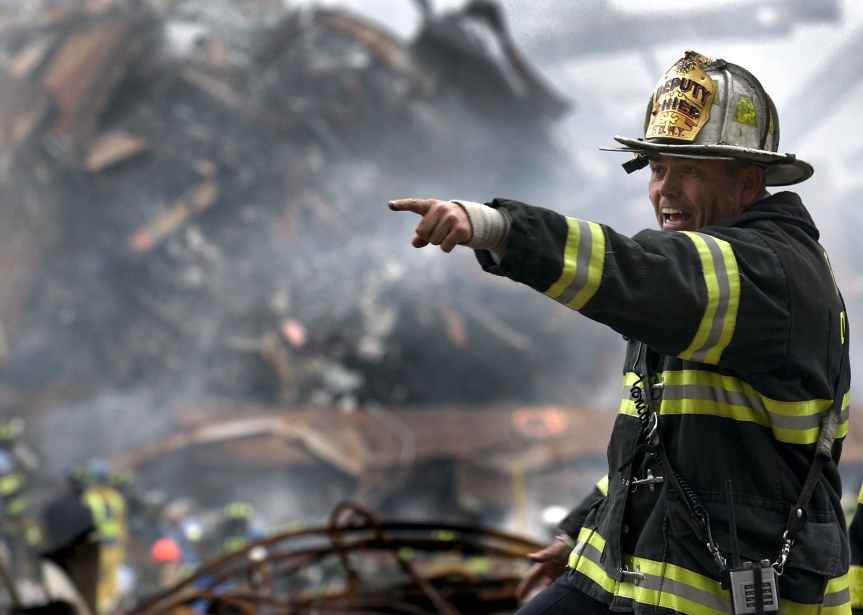
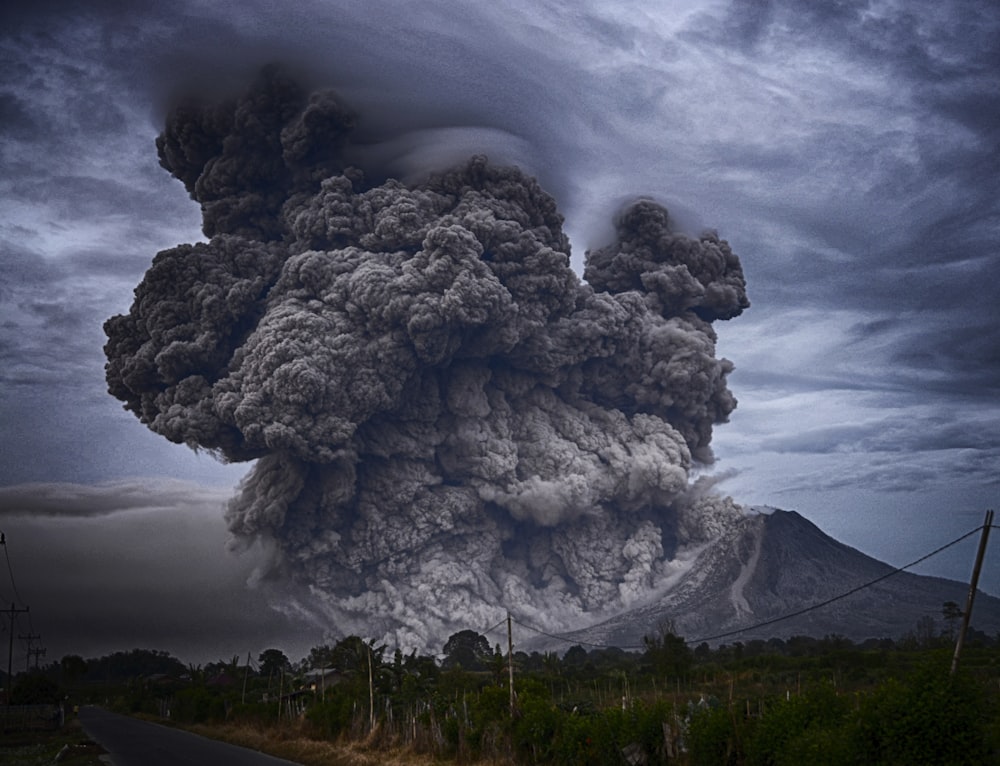
Catastrophe (Disasters) are classified into three types: naturals, man‐made, and hybrid disasters. A natural disaster is a major adverse event resulting from natural processes of the Earth; examples include firestorms, dust storms, floods, hurricanes, tornadoes, volcanic eruptions, earthquakes, tsunamis, storms, and other geologic processes. A normal calamity can cause misfortune of life or harm property, and ordinarily clears out a few financial harm in its wake, the seriousness of which depends on the influenced population’s versatility and on the framework accessible.

A landslide is depicted as an outward and descending slant development of an wealth of slope-forming materials counting shake, soil, manufactured materials, or a combination of these. An seismic tremor is the result of a sudden discharge of vitality within the Earth’s hull that makes seismic waves. At the Earth’s surface, seismic tremors show themselves by vibration, shaking, and in some cases relocation of the ground. Volcanoes can cause far reaching pulverization and resulting catastrophe in a few ways. One danger is the volcanic emission itself, with the constrain of the blast and falling rocks able to cause hurt. Dust storm may be a spread of tidy in dry regions. A manmade disaster is more cascading than a natural disaster an example of natural disaster is Bhopal Gas Tragedy.
Bhopal Gas Tragedy, India : Imagine waking up in the middle of the night in agonizing pain with your eyes and lungs burning. You wonder if you’re going to make it. Many don’t. That was the experience countless residents of Bhopal, India had on December 2, 1984 when the Union Carbide India Limited pesticide plant sprang a gas leak. Over 500,000 people were exposed to methyl isocyanine gas and other chemicals. Thousands of people died within the first hours of the leak, but estimates between 5,000 to upwards of 16,000 deaths resulted from the leak overall.

Deepwater Skyline Oil Spill, Inlet of Mexico It’s difficult to disregard the most noticeably awful and biggest oil spill in human history since it as it were happened less than three a long time prior. It begun on April 20, 2010 when an blast on BP’s Deepwater Skyline oilrig murdered 11 specialists, harmed 17 others, and cleared out the well spouting oil. Initially, BP claimed the spill was fair 1,000 barrels per day, concealing the reality that the well was spilling anyplace from 40,000 to 162,000 barrels a day.

Worldwide Warming, Third Planet from the Sun: Global warming is one of the foremost neglected and continuous man-made fiascos — one that will have the most noteworthy long-term affect on humankind. Over the top sums of nursery gasses, especially CO2, presented into the air have expanded normal worldwide temperatures determining a number of desperate results. Impacts from rising ocean levels, desertification, and harm from strongly super storms like Typhoon Katrina have already created a few of the primary bunches of climate-change outcasts and a few appraise that number to rise to 150 million by 2050.

Hybrid disaster is the third type of disaster. A crossover catastrophe may be a artificial one, when powers of nature are unleashed as a result of specialized disappointment or disrupt. There are disasters that result from both human mistake and normal strengths. These are crossover catastrophes. An case of a crossover disaster is the broad clearing of wildernesses causing soil disintegration, and hence overwhelming rain causing avalanches.

Disaster management is how we deal with the human, material, economic or environmental impacts of said disaster, it is the process of how we “prepare for, respond to and learn from the effects of major failures”

Disaster management has three stages which include disaster prevention, disaster preparedness, and disaster response/relief UNISDR sees Calamity Anticipation as the concept of locks in in exercises which proposed to anticipate or dodge potential unfavorable impacts through activity taken in development, exercises planned to supply security from the event of catastrophes. WCPT so also highlight that whereas not all catastrophes can be avoided, great hazard administration, clearing plans, natural arranging and plan benchmarks can decrease chance of misfortune of life and harm relief. The HYOGO System was one such Worldwide Arrange for common Calamity Hazard Decrease, which was received in 2005 as a 10 year Worldwide Arrange, marked by understanding with 168 Governments which advertised directing standards, needs for activity and viable implies for accomplishing fiasco versatility for defenseless communities.

“The information and capacities created by governments, proficient reaction and recuperation organizations, communities and people to successfully expect, react to, and recoup from, the impacts of likely, inescapable or current danger occasions or conditions” “The provision of emergency services and public assistance during or immediately after a disaster in order to save lives, reduce health impacts, ensure public safety and meet the basic subsistence needs of the people affected”

The lingering effects of unexpected emergencies and disasters are different for everyone. Knowing what to do after an emergency can help reduce stress and aid in a quicker recovery. Recovery is a process the process to repair and restore your life after an emergency or disaster is not easy and takes time, flexibility and patience. Examples of recovery include: removing waste and debris, contacting your insurance company, replacing lost or destroyed documentation, finding a new home, getting mental health support etc.

ONLINE EDUCATION:-

WHAT IS ONLINE EDUCATION:-

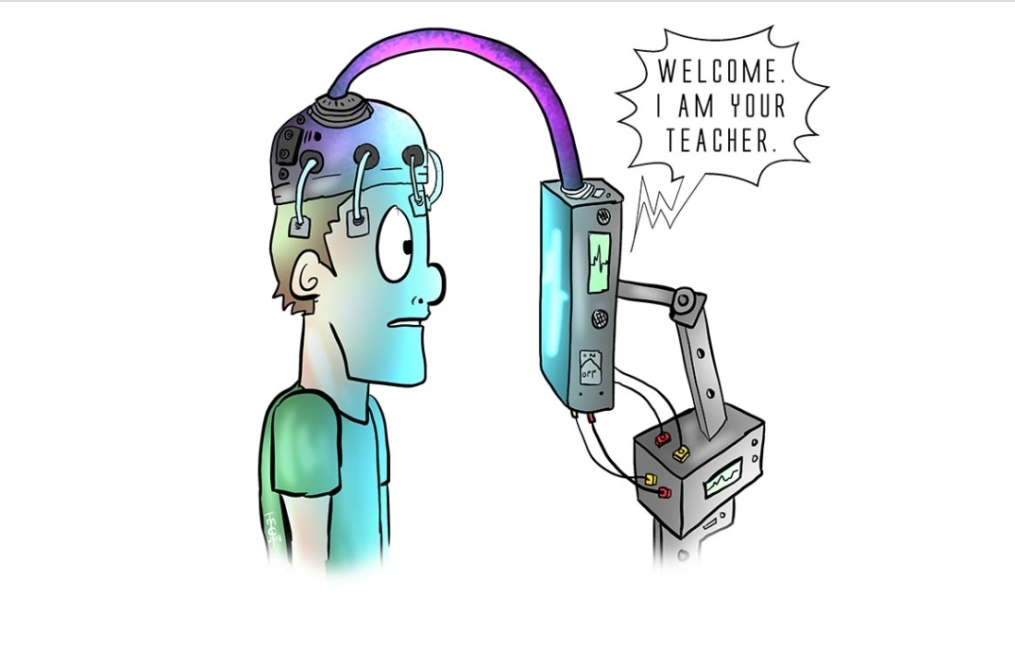
A classroom is method of using cell phones and computers to make teacher and student in connection.This method of education is popularized during the corona.

ONLINE EDUCATION IS EFFECTIVE:-

In my perception online education is not that much effective when compare to the offline classes.Because we started schooling in offline class,Immediate change in method is not acceptable.In offline class we can ask doubts.But in online classes some not get good network.

ADVANTAGES OF ONLINE EDUCATION:-

* It reduce financial costs for students in transportation,meals.

* we can feel more comfortable than offline class.

* Another advantage of online education is that it allows students to attend classes from any location of their choice.

* online lectures can be recorded, archived, and shared for future reference.

DISADVANTAGES OF ONLINE EDUCATION:-

* Little or no face-to-face interaction.

* In online education we have to see screen more time cause headache,damage eyes.

* Another disadvantage is some have network issues unable to ask questions.

* Online courses require more time than on-campus classes.

* Online courses may create a sense of isolation.

HOW WE CAN MAKE ONLINE EDUCATION EFFECTIVE:-

* By Creating shorter content.

* Assign group and pair work.

* Take care in setting up your home environment.

* By giving break or reducing time of class.

* By creating individual learning plans.

IMPORTANCE OF SEX EDUCATION

Sex education is the most important factor which lacks in every individual, especially in India. In India, sex education was considered as some taboo and people were shameful to speak openly about it. But nowadays there is a shift from this norm and now people are free to discuss about sex, sexuality and other related things. Many schools have started teaching students and they give an orientation to children even from a very young age, which include some topics like good touch, bad touch etc.

Sex education involves topics related to human development, relationships, orientation about reproduction sexuality, puberty, gender identity, sexual behavior, sexual health which include knowledge of sexually transmitted diseases, contraception and pregnancy. Sex education also includes the discussion on sexuality in society and culture which include gender roles, diversity etc. WHO defines sex education as “broad program that aims to build a strong foundation for lifelong sexual health by acquiring information and attitude, beliefs and values about one’s identity, relationships and intimacy”.

The importance of sex education increases in this scenario, as the teachers are not willing to take up topics related to sexuality, even though these topics are present in the curriculum and adolescents gather information about sexuality from other ways. This is harmful for them. To tackle this misinformation and ignorance, young students need to get an awareness about sexuality and sexual orientation. They should also be aware about different gender minorities, LGBTQIA, like trans- sexual people, homosexual communities like gay, lesbians etc. They should also respect every gender. Sex education also provides the knowledge to differentiate between ‘sex’ and ‘gender’, as one is the biological aspect and another one is socio cultural to oneself. Gender is the identity one perceives apart from the biological aspect. Sex education is important to know diverse communities and also it enables one to understand about one’s own body. In this way sex education also helps to decrease crimes related to sex.

So sex education is a very important factor in the development of a society. It helps citizens to understand about themselves and others and provides knowledge which helps to decrease many crimes related to sex. As sex is the vital factor in the development of a society, sex education is also vital.

Globalization and Public Administration

There is no denying that globalization has brought about a paradigm shift in the nature and scope of public administration. It has virtually unshackled the discipline from the classical bondage of structure and paved the way for a more flexible, less hierarchical, and accommodative kind of discipline and encouraged a few sceptics and self-styled analysts to proclaim an imminent death of public administration.

However, more than two decades down the line, ever since globalization was first thrust upon nation-states, public administration has not shown absolutely any signs of receding.

On the contrary, rendering those doomsday predictions wrong, public administration has reincarnated in a readjusted form to cope with the new set of challenges.

Traditional notion of public administration

In fact, globalization had increased the urgency of having a more proactive public administration. However, the traditional notion of public administration with a sheltered bureaucracy, rigid hierarchy, and organizational principle no longer exists today. Both structurally and functionally, public administration has experienced a metamorphosis of sorts. Structurally speaking, thanks to the sweeping social – economic – political transformation under globalization, the rigid, hierarchical, and bureaucratic form of governance has given way to a more flexible, dehierarchal, and post – bureaucratic form of governance based on networks and partnership. Similarly, at the functional level, public administration has witnessed a profound transformation in the form of delivery of public goods and services. Until recently, the delivery of goods and services was considered as one of the important functions of public administration. But the onset of globalisation and the eventual rolling back the welfare state ushered in a new collaborative form of public administration, where state administration has had to readjust itself to deliver public goods and services in collaboration with the innumerable other players and NGOs functioning at the societal level.

Hence, public administration in the era of globalisation has been donning a new robe of the ‘enabler’ or ‘facilitator’ by privatizing the substantial part of welfare delivery, namely, contracting out, encouraging private provision, introducing quasimarkets, mobilizing voluntary sectors, and the like.

Reference :
Public Administration in a Globalizing world by Chakrabarty and Kandpal

Remembering R K Narayan, The Creator of Malgudi

R K Narayan is arguably one of the brilliant storytellers who could create stories and characters that were relatable yet intriguing. He was one among the few writers of his era, who could weave magic with simple words and effortlessly spin a tale out of the mundane everyday events.

Born as Rasipuram Krishnaswami Iyyer NarayanaSwami in Madras, R K Narayan spent a part of his childhood in Madras with his grandmother and later moved to Mysore when his father, a school headmaster, was posted to the Maharajah’s College High School. An avid reader, he devoured the works of Dickens, Wodehouse, Thomas Hardy and Arthur Conan Doyle during his boyhood. 

If you were to observe the trajectory of R K Narayan’s life, you would find that he wasn’t someone who has had a smooth ride. From failing his university entrance exam, taking an extra year to complete his bachelor’s degree, quitting his rather short stint  as a school teacher, remaining jobless for a very long time to being ridiculed for his writing and facing a series of initial rejections, setbacks were a part and parcel of his life. Through all these, what kept him going was his intense passion for writing. 

During his initial days as a writer, he wrote occasionally  for local publications. His first short story Dodo – about a boy who wanted to earn pocket money to roam about and buy peanuts – was published by The Merry magazine. Thereafter he managed to get several other of his works printed by the magazine and by the Hindu. Later, he had also worked as a reporter for The Justice, a Madras-based paper, after his marriage to the love of his life, Rajam.

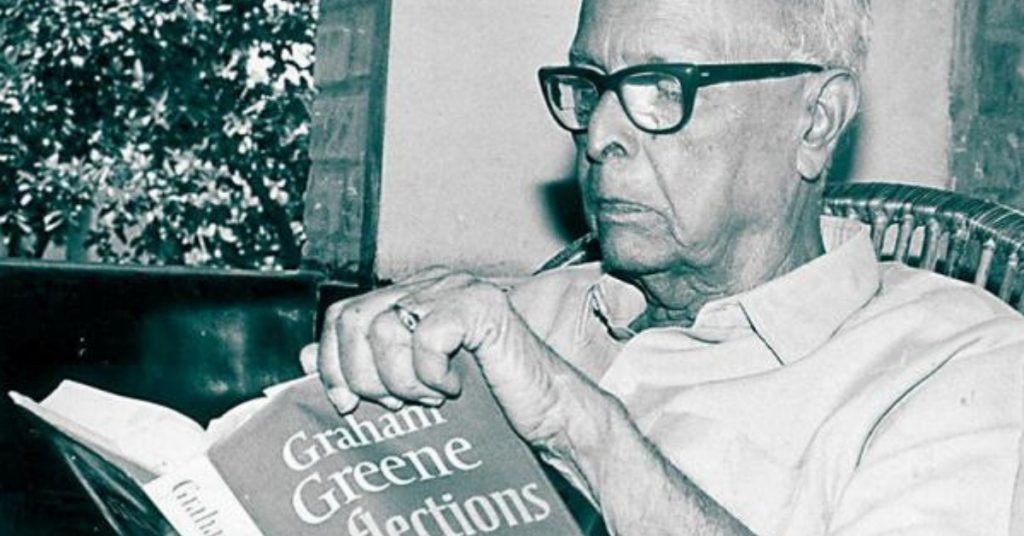
When he wrote his first book, Swami and Friends, it went through a string of rejections that, after a point, Narayan lost hope and asked his friend Kittu Purna in Oxford (whose address he had given as return address for the manuscript), to weigh manuscript  down with rocks and  drown it in the Thames if it were to be rejected again. Well, the novel did get rejected but his friend had a better idea than drowning it. He took it to Graham Greene, a writer who he had met in Oxford, who ended up loving it and even found a publisher for the book. The literary world would forever be indebted to Kittu Purna for not complying to his friend’s request or else the magical town of Malgudi would have forever remained hidden in the depths of the Thames. 

Around the time when he was gradually making a mark as a writer, life was not being particularly kind to him on the personal front. He lost his father and his wife within a gap of merely a couple of years, which left him devastated. In the face of losses, it was the world of words that held his hands and he managed to channel his grief into creating masterpieces in literature. The English Teacher, as he later acknowledged, was a reflection of his emotions during the time of his wife’s death.He went on to write several other novels and short stories during his career and most of them were set in Narayan’s very own Malgudi.

Image Credit: Farnaz Fever

Narayan was a brilliant storyteller who could capture the essence of the mundane everyday life and turn it into a literary masterpiece.Through simple words, punctuated cleverly by just the right amount of humour, he found his way into the hearts of millions of readers.

During the course of his literary career, he won various awards including the Sahitya Akademi Award for The Guide and the AC Benson Medal by the British Royal Society of Literature. He was also awarded Padma Bhushan and Padma Vibhushan  for his contributions to the country. 

He was a man of simple needs (well,  except for that coffee, which he needed exactly the way he liked it ! ) and just like his characters lived a rather simple life. He always made sure to keep himself rooted in reality.Even during his later years, he never missed the chance to have a chat with the people who he used to meet during his afternoon strolls. He treated these walks as his office hours for that is where he often met his characters. 

Narayan was a person who valued friendships more than anything else. Much of his later years were spent in having warm conversations and the perfect Narayan-style coffees with the people he treasured the most. Perhaps those were the things that kept him going after he lost his daughter to cancer.  His final novel, Grandmother’s Tale was dedicated to his daughter Hema. He was a writer who was so invested in his craft that he used to write around 1000 words daily, even while travelling (aspiring writers please make a note !). Even a few hours before he was shifted to the ventilator, all he wanted was for his friend, N. Ram, to get him a notebook for the next novel that he was planning to write. Unfortunately for the readers, that novel never got materialised as he passed away soon after, at the age of 94.

R K Narayan will always be remembered as one of the finest storytellers who inspired many generations of writers to discover the beauty of their own backyards and his legacy will live on through every reader, who secretly wish to pack their bags and move to Malgudi.

Important things to keep in mind while choosing a college for admission

Important things to keep in mind while choosing a college for admission

If you are in high school and contemplating on what college would be best suited for you for pursuing your graduation, here are some things that you might want to keep in mind while doing so:
1) Subject
If you have a choice of subject and has already made up your mind on pursuing that specific subject, then this step is easy for you. You can make a list of potential colleges that offer your subject of choice and then filter out what is best suited for you. For instance, if you are willing to get an english honours, you might not only consider the subject alone but also look out for other programmes the college has to offer such as debates, writing competition, etc that would help you to brush up your skills further. If you have a senior or some acquaintance who is in the same field, you can go to then for suggestions too.

2) Public college or private college?
While public colleges are funded by the state, private colleges have relatively higher course fee structure than public ones. However, the high cost of education can have long lasting implications on your life since beacuse of the money involved, they might offer other programs and seminars and sometimes excursions which can help to develop your skills and increase your knowledge in the field.

3) Location
Do you want to study in a college in a big city? How is the weather there? Are you willing to stay away from family incase your college is far? What are the transportation facilities available? These are some of the questions you might consider asking yourself before choosing your college of choice.

4) Student Activities
Are you into sports or say dancing, drama or maybe music? Whatever your hobbies are, it is always better to choose a college that will allow you to pursue them. Sometimes a break from studies and doing what you enjoy the most would make your overall learning experience more fun. You can join clubs of your ineterest and take part in programmes and competitions as well. This will allow you to showcase your skills apart from academics and will help you to maintain a balance between your studies and social life.

5) Career services
Majority of students go to college so that they could land up a job and contribute towards the society. So, internship programs and list of companies that have come earlier for job recruitments are the things you might want to check out before taking admission.

Listed above are some of the basic points that you might want to keep in mind to ward off any future problems. You are free to choose the college of your dreams and pursue what you want. There are some top notch colleges that might be offering scholarships, so if you want to get into them you might as well work hard to get in on a scholarship. All the best for your future!

ENVIRONMENTAL ISSUES

Environmental issues harmful to human beings, animals and plants.They are environmental issues like pollution, deforestation, climate change, Ozone depletion, waste management.

MAJOR TYPES OF ENVIRONMENTAL ISSUES:-

* Climate change

* Deforestation

* Ozone depletion

* Biodiversity Loss

* Acid rain

* Human overpopulation

* Global warming

CLIMATE CHANGE:-

Climate change is the long-term alteration of temperature and typical weather patterns in a place. It is both natural or artificial.But most of the it is because of humans.By burning of fossil fuels and natural gases like oil,coal which causes the release of green house gases leads to the alternation of climate.

DEFORESTATION:-

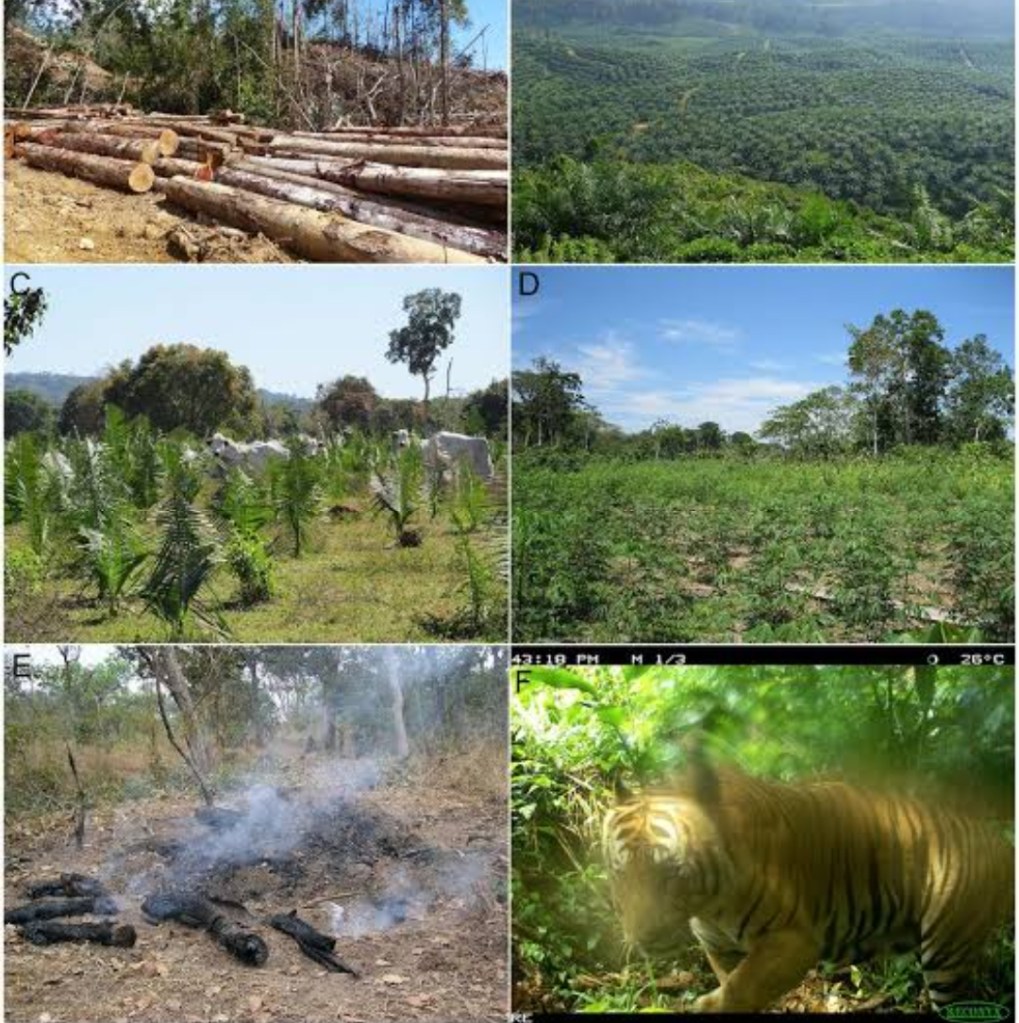
Deforestation is defined as removal of large amount of trees from forest and destroying agricultural lands for human deforestation is one of the major problem causes soil erosion,no rain, disturb water cycle and natural habitats.

OZONE DEPLETION:-

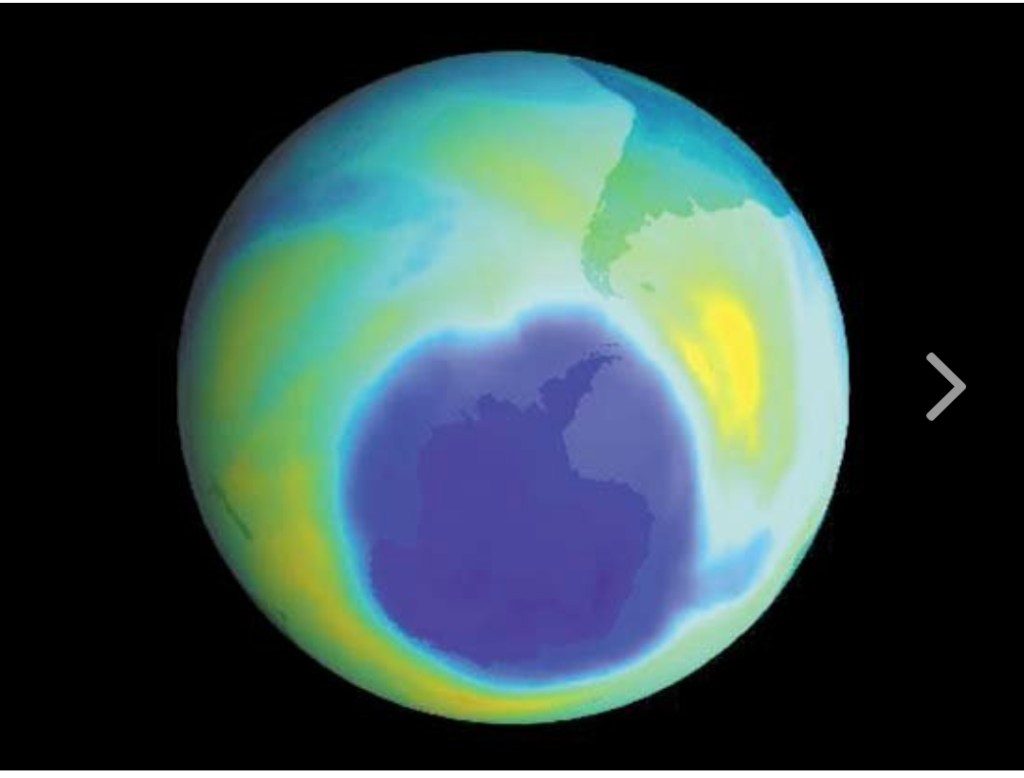
ozone depletion, gradual thinning of Earth’s ozone layer in the upper atmosphere caused by the release of chemical compounds containing gaseous chlorine or bromine from industry and other human activities.ozone depletion cause increase in uv radiation leads to skin cancer,eye cataracts,immune defeciency.It also affect plants growth and reduce agricultural productivity.In survey of 2020 17 percentage of ozone is destroyed.

BIODIVERSITY LOSS:-

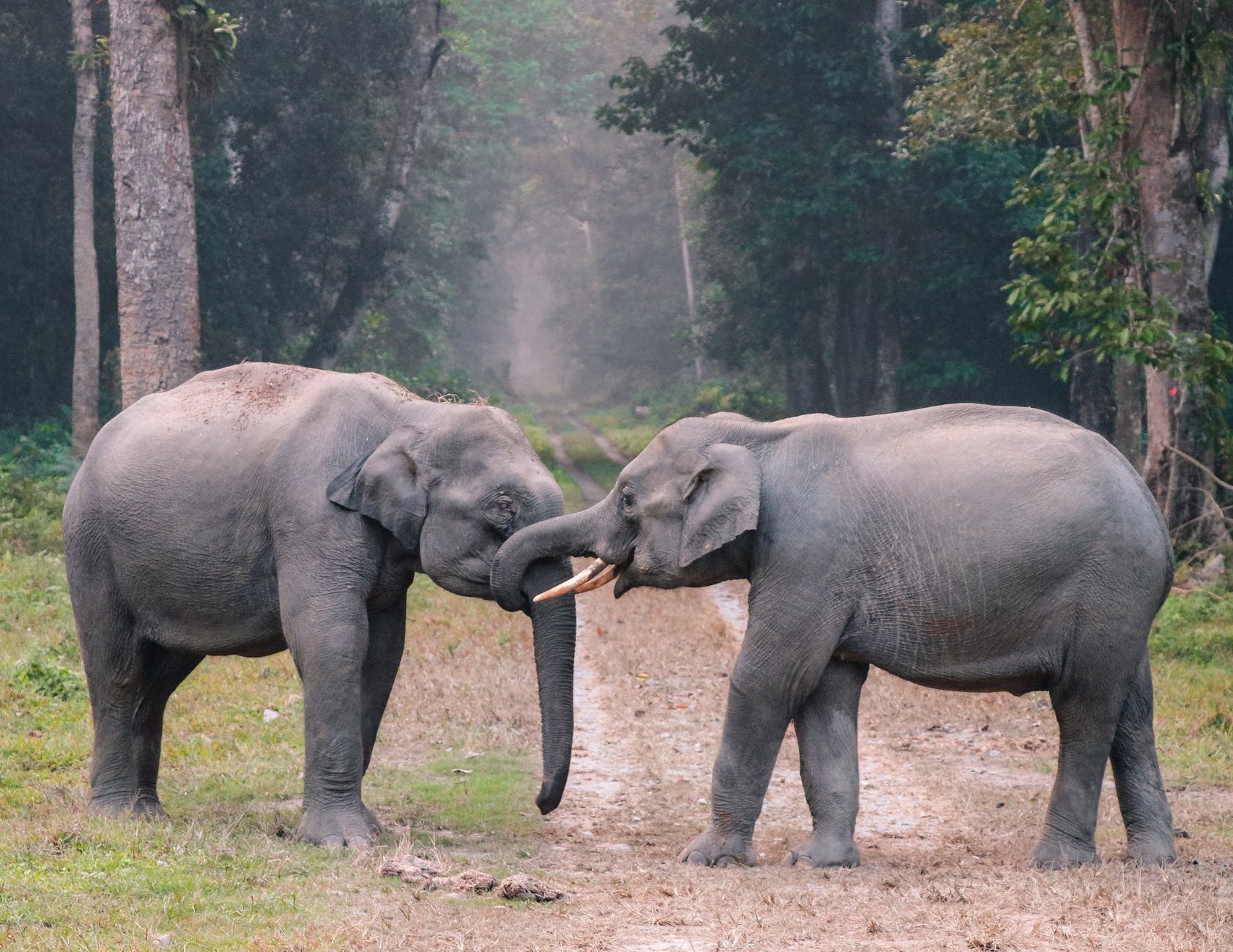
Biodiversity loss includes the extinction of species worldwide, as well as the local reduction of species in a certain habitat, resulting in a loss of biological biodiversity loss is caused by habitat loss, invasive species,ove exploitation, climate change and global warming.some example for biodiversity loss is extinction of plants and animals.Redicing rate of amphibians are some examples.

ACID RAIN:-

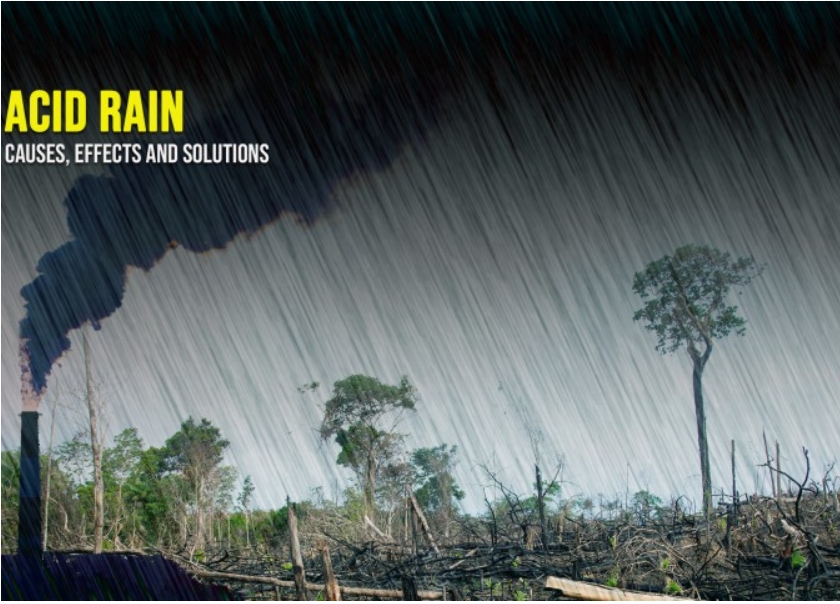
Acid rain, or acid deposition, is a broad term that includes any form of precipitation with acidic components, such as sulfuric or nitric acid that fall to the ground from the atmosphere in wet or dry forms.Acid rain is caused due to the chemical reaction with sulphur dioxide and nitrogen oxides introduced in air.It pollutes air and soil.It have impact on soil, freshwater cause killing aquatic life forms.It cause corrosion of steel structures.

HUMAN OVERPOPULATION:-

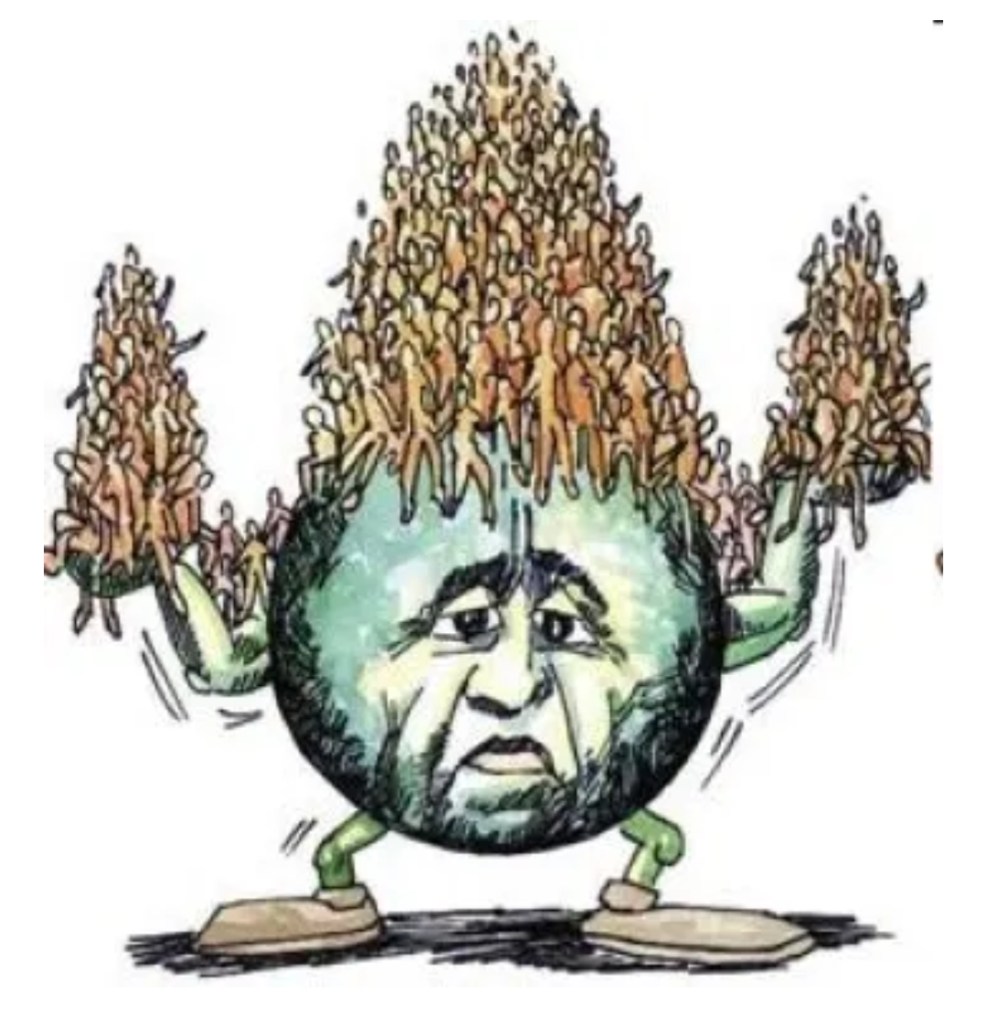
Human overpopulation means that human population becoming very large.It is mainly in developing countries like India,china . Human overpopulation is because of birth rate is higher than that of death rate.Human overpopulation leads toenvironmental issues, silently aggravating the forces behind global warming, environmental pollution, habitat loss, the sixth mass extinction, intensive farming practices and the consumption of finite natural resources.

GLOBAL WARMING:-

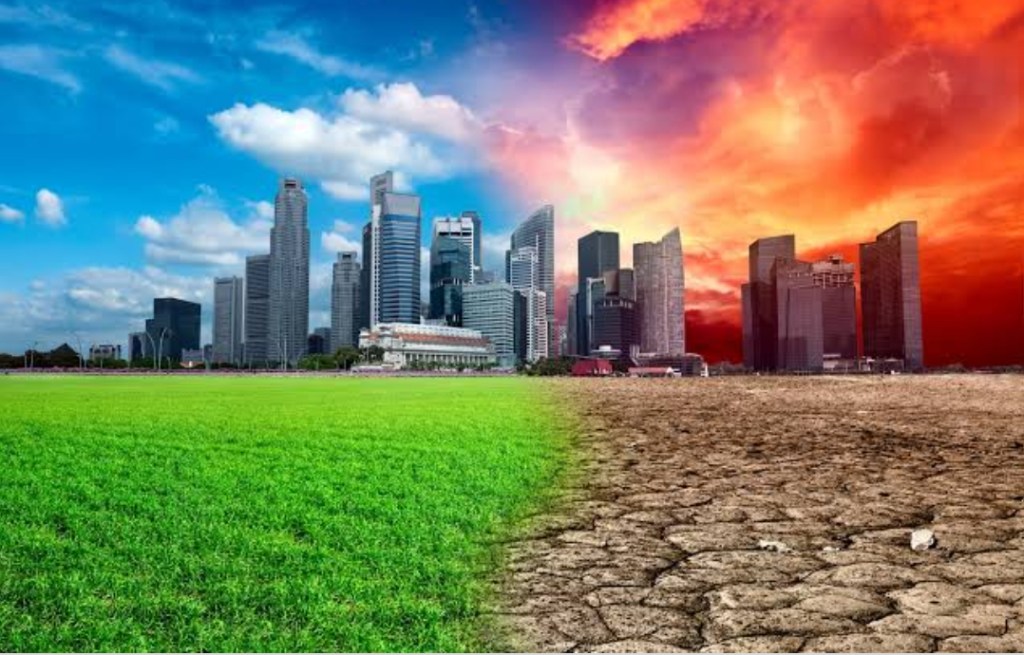
The excess heat in the atmosphere which causes the rise in temperature is called global warming.Global warming is mainly caused by climate change, industries and the green house gases.It is serious threat to life on earth in the forms of widespread flooding and extreme weather.Reduce water supply, Decrease agricultural yields , rise in temperature and drought.It is harmful to all living organisms in the earth.

“Earth is like a pressure cooker it controls itself only to limit If it exceeds everything is destroyed”.

Bio-diversity and climate change (Nature’s cries for assistance)

Bio diversity is the biological variability of life on earth. It is the variation of animal, plants, fungi and microorganisms like bacteria. Biodiversity is a variation in the genetic, species, and ecosystem level. Terrestrial biodiversity is usually greater near to the equator. Biodiversity is not equally distributed on earth. There are only 10% of tropical evergreen forests on earth but they contain about 90% of world species. Marine Biodiversity is greater is usually higher along the coast in western pacific where the sea temperature is highest. Biodiversity generally tends to cluster in hotspots and has been increasing through time. Biodiversity supports everything in nature that we need to survive: food, clean water, medicine, and shelter.

But as people put expanding weight on the planet, utilizing and devouring more assets than ever some time recently, we hazard disquieting the adjust of biological systems and losing biodiversity. Quick natural changes regularly cause mass terminations. More than 99.9 percent of all species that ever lived on Soil, producing to over five billion species, are evaluated to be terminated. In 2006, numerous species were formally classified as uncommon or imperiled or undermined; in addition, researchers have assessed that millions more species are at chance which have not been formally recognized. Approximately 40 percent of the 40,177 species surveyed utilizing the IUCN Ruddy List criteria are presently recorded as undermined with extinction—a add up to of 16,119.

The factors affecting the biodiversity are Residential & commercial development, Farming activities, Energy production & mining, Transportation & service corridors and human activities. Pollution is an another major cause of loss of biodiversity causing habitat destruction. Territory devastation has played a key part in terminations, particularly in connection to tropical woodland pulverization. Components contributing to living space misfortune incorporate: overconsumption, overpopulation, arrive utilize alter, deforestation, contamination (discuss contamination, water contamination, soil defilement) and worldwide warming or climate alter.

Climate change is the long-term alteration of temperature and normal climate designs in short. Climate alter might allude to a specific area or the planet as a entire. Climate alter may cause climate designs to be less unsurprising. These unforeseen climate designs can make it troublesome to preserve and develop crops in districts that depend on cultivating since anticipated temperature and rainfall levels can now not be depended on. Climate alter has too been associated with other harming climate occasions such as more visit and more seriously tropical storms, surges, deluges, and winter storms.

Effects of climate change are Hotter temperatures Nearly all land areas are seeing more hot days and heat waves; 2020 was one of the hottest years on record. Higher temperatures increase heat-related illnesses and can make it more difficult to work and move around. Wildfires start more easily and spread more rapidly when conditions are hotter. More extreme storms Changes in temperature cause changes in precipitation. This comes about in more extreme and visit storms. They cause flooding and avalanches, pulverizing homes and communities, and costing billions of dollars. Many more effects like Droughts, Rise in the level of oceans, shortage of food and more health problems.

Securing biodiversity could be a exceptionally complex errand since most of human’s activities have a negative impact on biological systems by overexploiting them. For occurrence, human exercises create contamination that influences living species. Deforestation crushes the living space of numerous animals, reptiles, and plants. Limiting deforestation Reducing the artificialization of natural environments and preserve natural areas as much as possible Reduce air pollution (by limiting our use of transport and our energy consumption, by switching to renewable energies) Fighting global warming by creating regulations for activities that contribute to the greenhouse effect. Making changes in the way industrial agriculture works and using more agroecology methods.

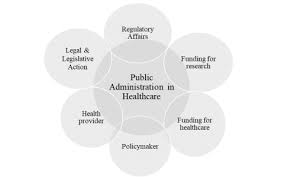
Public Administration: Meaning And Scope

Administration is a part and parcel of our daily lives. The food we eat, the clothes we wear, the goods we buy, the streets and highways on which we travel, the automobiles in which we ride, and the many services we enjoy – education, medical care, housing, facility, entertainment, protection of our lives and property, and many others – are made possible by administration.

Public administration, at least in its embryonic form, was born primarily and principally to regulate group action and behaviour. When a group of people started living together and emerged as a community some common problems made themselves felt which needed collective resolution. One such concern has been the maintenance of peace and prevention of crime. It was in this category of needs that for the first time public administration was born.

Regulation of group action was as inescapable a necessity as was the need for group living. It was only at a much later stage in the course of its evolution that it found itself engaged in carrying out positive functions intended to promote happiness and welfare of the people.

Origin Of Public Administration

Public administration in the beginning was necessarily measly in size, its functions being absolutely minimal. We do not have figures of the government employees in India when the crown took over the East India Company in 1858. What we know is that the Government of India employed nearly 11 lakh just prior to the year 1947, when the country had not become partitioned and divided. The United States of America could perhaps be an apt example.

Public Administration is as old as our ancient civilization. But as an independent discipline Public Administration cannot claim for a long history.

Public Administration as an academic discipline is barely 131 years old but as an aspect of governmental activity, public administration has been co-existing with every political system as the action part of government for the fulfillment of the objectives set by the political decision makers.

Meaning And Definitions

L.D. White defines Public Administration in the broader terms. He said, “Public Administration consists of all those operations having for their purpose the fulfillment or enforcement of public policy.”

Luther Gulick, on the other hand, views Public Administration as embracing the executive branch of government only. “Public Administration”, he writes, “is that part of the science of administration which has to do with government and, thus, concerns itself primarily with the executive branch, where the work of government is done though there are obviously administrative problems also in connection with the legislative and judicial branches.”

John M. Pfiffner defines it as “Public Administration consists of doing the work of government, whether it be running X-Ray machine in a health laboratory or coming money in the mint.”

Woodrow Wilson, the father of Public Administration defines, “Public Administration is the detailed and systematic application of law. Every particular application of law is an act of administration.”

Significance of Public Administration

Public Administration plays an important role in the modern society. First of all, it is an instrument for providing services. It protects the life and property of people by maintaining law and order. It provides a number of services for people such as public health, education, housing, and social security, among others.

The various services provided by public administration affect the life of every citizen from birth to death.

Public Administration is also responsible for implementing laws and policies of the government. It is an instrument of socioeconomic change and national integration. It is the public administration that translates the decisions of the government into reality.

To sum up, public administration plays an important role in modern society.

It is an instrument to formulate and implement public policies. It maintains law and order. It is an instrument of social change and economic development.

In the era of liberalization and privatization, there is a change in the role and scope of public administration. Now it has to promote and encourage as well as regulate the private sector in order to protect public interest.

In Public Administration, good sense would seem to require that public expectation be kept at the lowest possible level in order to minimize eventual disappointment.

John Kenneth Galbraith

Reference
1. Public Administration In A Globalizing World By Chakrabarty and Kandpal
2. Public Administration By Avasthi and Maheshwari

5 Digital Trends that revolutionised 2021

In the online world, lockdown, distance learning, working from home etc have had an enormous impact on us. And not to mention people and businesses alongwith changing technology and trends have had to push onwards and upwards to adapt to the changes and keep ahead in the competition. But with more and more people constricted to the online world, there has been a shift in the type of visual content being consumed and created that led to blooming of design trends and techniques.
Mentioned below are some of design trends that will keep on pushing onwards and upwards into 2021.

1)3D design
3D design technology has been on the radar and will only likely to grow in 2021 as well. Animated 3D figure gives the whole concept a realistic and tangible feeling. Digital-and web designers often use 3D visualization for their products and processes on websites and social media.

Why we love it : Apart from the illusion of depth, what distinguishes this style is the usage of vibrant colors. The textures have got a touch of reality that make it look more like a photo than an illustration.

Who did it best : Tommy Hilfiger.

2)Optical Illusion Design

It is common knowledge that the human eye can be deceived, hence people often have different reactions when they encounter various optical illusions. But optical illusion can work wonders in enhancing a design if one knows how to use them correctly! Optical illusions can not only add an intriguing part to the design but can also brand many products and services. This design trend will work best for brands associated with movement or spirituality.

Why we love it : Since human brains are tuned to learning new things, henceforth optical illusions astonish us cause when we realise what we thought we saw was completely different from what was real.

Who did it best : KitKat

3) Comics and pop art

Pop art and comic books were wildly popular in pop culture and worldwide, decades ago. Comics often use halftones or simplified dot shading to represent color.
The designers in 2021 have been using graphics and illustrative techniques of book art styles as a way to create drama and motion and rescue modern art.

Why we love it : Pop art is fun and approachable. It takes clues from popular culture and it’s subject matter is based on what we deal with everyday like food, entertainment etc. The best part is it is not a complex artwork and has got no hidden meanings to decipher, and because it deals with bold colors often, it appears cheerful to the viewers.

Who did it best : WOW! Chips for girls

4) Black and white design

We are seeing more and more companies adapting to a darker palette. Infact most social media apps have the option to switch to a dark mode color scheme as a preference in their settings since it is less harsh to our eyes. Since the coronavirus pandemic has made our lives “go online” , there comes a huge need to minimize the eye strain. Therefore design schemes with a dark background is being adapted that makes the text pop alongwith minimizing the strain put on eyes. This year more websites and apps will likely be adapting the dark mode.

Why we love it : we love this design cause of it’s subtleness and helps the viewer focus on other aspects of the photo, such as the subject, the textures, shapes, patterns etc by removing the distraction of color. It helps to add statement to the design.

Who did it best : Chanel

5) Retrofuturism

Retrofuturism has prevailed due to it’s bold imagination and will keep on strongly emerging into the design world in 2021. It involves vibrant colors and tech inspired typography all within retro style illustrations and artwork. It involves the occurrence of futuristic themes in retro settings.

Why we love it : This design provides us with an antidote to our uncertain times and encompasses ideas of freedom, hope, liberation, and positivity. Retrofuturism provides a positive outlook which points towards a utopian future, maybe that’s what people want to buy into in these dark times of the pandemic.

Who did it best : Paco Rabanne

Animal Husbandry And Veterinary Science

Agriculture is our wisest pursuit, because it will in the end contribute most to real wealth, good morals, and happiness.
Animal husbandry is the branch of agriculture where animals are reared, bred and raised for meat, fiber, eggs, milk and other food essentials. It refers to livestock raising and selective breeding. A large number of farmers rely on animal husbandry for their livelihood.

Food is necessary for the development and survival of all the organisms. To deal with the need of food with the increasing population, it is necessary to increase food production. There are many technologies which increase yield such as plant breeding, animal husbandry and modern technologies like tissue culture, genetic engineering, embryo transfer.

Types Of Animal Husbandry

Out of many methodologies, there are four major types of animal husbandry practiced in the world today. An elaborated description of the same has been stated under:
Dairy Farming – It is mostly concerned with the long term production of milk, which is then processed to obtain dairy products such as curd, cheese, yoghurt, butter, cream and so on and so forth.
Poultry farming – It is concerned with raising and breeding of birds for commercial purposes. The eggs and meat hence produced are a rich source of protein.
Fish farming – It is the process of raising fish in closed tanks or ponds for commercial purposes. Another name one can call it is pisciculture.
Fish farming or pisciculture is of two types, namely:
Extensive aquaculture, based on the local photosynthetic production.
Intensive aquaculture, based on the external food supply given to fishes.
Bee farming – Also known as apiculture, is the practice of maintaining bee colonies by humans in man-made hives.

Role Of Animal Husbandry In Human Welfare

• Animal husbandry is beneficial to human beings in a decent number of ways, one of which is production of dairy products.
• Animals such as cows, goats, sheep are the major source of milk and milk products such as yoghurt, cheese, butter, etc.
• Meat is another very important product yielding via husbandry of animals such as pigs and goats.
• Animals also produce fibres or textiles such as wool and leather. Just as sheep are reared for wool whereas leather can be obtained from camel.

Strategies For Enhancement Of Food Production

An improved variety can be produced by induced mutation and by selecting improved mutants. Genetic engineering is also an option.

Main Steps Required For Developing New Varieties

The first involves collection of variability, genetic variability, being the main reason behind breeding.
Akin to this fact, evaluation and selection of parents certainly becomes equally as essential.


Hybridisation, which is the process of making cross between two genetically diverse parents to obtain a progeny with desired superior traits, is the third and a very important step for developing new varieties.
The fourth step involves selection and testing of superior recombination, which is more or less as the term suggests. It comprises selecting, among the progeny of the hybrids, to be specific, those plants that have the desired character combination.
This is the crucial step for the success of breeding objectives and requires careful scientific evaluation of progeny.

Plant breeding is one of the shortest and most effective routes to improve global health through better nutrition.

Things to do after BA in English Literature

Photo by Pixabay on Pexels.com

BA in English Literature is an undergraduate course that is opted for following the completion of the 10+2 formal schooling. Do you have a knack for analysing poetry or writing one? Are you keen about learning the history and evolution of different forms of arts and literature? Then a BA in English Literature was an ideal choice for your graduation. Many great inventions today across different fields such as astronomy, engineering and medicine are influenced by ancient literature and several art forms. 

For example, Nicolaus Copernicus’ book “The revolutions of the celestial spheres” popularised the heliocentric theory that proposed the sun as the centre of the universe. With the majority of students opting for medical, engineering or legal degrees, Bachelor of Arts as a degree course is often undermined. There are a lot of common misconceptions and stigmas surrounding this graduation course. 

  • Students studying BA in English Literature are assumed to lackluster in studies. 
  • It is a course often idealised as suitable for women. 
  • Students opting for BA in English LIterature can only become a teacher or professor. 

Many students graduate in English Literature as they are passionate about what the course has to offer. Although women are the majority among English Literature graduates, Men also specialise in this field and go on to pursue post graduation alongside women. 

As we have debunked some of the misconceptions and stigmas surrounding BA in English Literature, let us look at the doors of opportunities this course leads us to. 

Courses to take up after BA In English Literature

BA in English Literature is a three year graduation course that familiarises you with the evolution of English language and its literature through plays, different forms of poems, novels and theatre. Its curriculum consists of literary analysis, literary criticism and communication skills. Graduating in English Literature qualifies you for several job opportunities and higher studies. 

For further specialisation or better job opportunities, doing a Masters course following BA in English Literature might be an ideal choice. 

Here are the following courses you can consider following your graduation in English Literature. 

Master of Arts in Communication

Photo by Terje Sollie on Pexels.com

MA in Communication is a postgraduate program for the duration of 2 years which equips students with information regarding transmitting messages and principles of communication. 

This masters course prepares its candidates for professions such as film directors, producers, screenwriters, journalists, public relations officers, and other professional careers. 

Eligibility

  • Minimum requirement for admission to MA in Communication is a Bachelor’s degree in any stream from a recognized university. 
  • Students must have secured 50% in their bachelor’s degree course. 
  • Candidates may be required to pass entrance exams conducted by specific colleges or universities. 

Employment Opportunities

Choosing MA in Communication following BA in English Literature can set you up for the following employment roles. 

  1. Television or Film Director 
  2. Content Writer
  3. Event Management
  4. Digital Marketing Expert
  5. Journalist
  6. Public Relations Professionals

Master of Arts in Sociology

Photo by Element5 Digital on Pexels.com

MA in Sociology is a postgraduate program like MA in Communication. Students keen about social studies, politics and economics can pursue this masters course following BA in English Literature. The MA Sociology curriculum consists of the study of religion and society, political society, Indian society, economy and society, social development, and research in sociology. 

Eligibility

  • Interested candidates must be graduated in any stream of education from a reputed university.
  • Candidates must have scored a minimum of 50% in the undergraduate level. 
  • Some colleges expect students to be a graduate in psychology while the others accept candidates across different streams. 
  • Colleges conduct entrance exams that need to be cleared by the admission seeking candidates. 

Employment Opportunities

MA in Sociology opens doors to an expansive range of career opportunities after your graduation in English Literature. Following are some of the job profiles that might get you interested. 

  1. Counselors
  2. PR Executives
  3. Administrators
  4. Educators
  5. Sociologist
  6. Researcher

Master of Arts in English Literature

Photo by Janko Ferlic on Pexels.com

Nothing seems more appropriate than studying for MA in English Literature post your graduation from BA in English Literature. This post graduation course in English Literature is the study of ancient and modern English literature, consisting of poetry, drama and fiction. Literature in the English language is not only written by English authors from England but also writers from across the world. 

Post graduation in English Literature sets you up for job profiles such as a teacher or a journalist. Candidates interested in writing and translating for agencies can also benefit from this masters course. 

Eligibility

  • Already being a graduate in English Literature, one needs to make sure that he or she has earned upto 50% marks to be qualified for admission. 
  • Your graduation course should be from a recognized university.
  • Admissions can be provided on both merit basis as well as clearance of entrance exams. 

Employment Opportunities

Upon completion of your post graduation course, you will be qualified for the following job profiles. 

  1. English Language Specialist
  2. Translator / Interpreter
  3. English Teacher
  4. English Editor
  5. Junior Parliamentary Reporter

Bachelor of Law (LLB)

Photo by Sora Shimazaki on Pexels.com

Bachelor of Law is a popular choice for higher studies among graduates of English Literature. A degree in LLB familiarises students with environmental law, consumer protection act, arbitration, and insurance law including others. Following the completion of Bachelor in Law, candidates can opt to study LLM (Masters of Law) for further specialisation, practice law after registering with certain agencies or take up careers as legal professionals in public or private sectors. 

Eligibility

  • Students aspiring to study Bachelor of Law must have graduated from a recognized university with an aggregate of 45% in any stream. 
  • Selection for the course is based on the results from entrance exams such as SLAT, CUET, and CLAT. 

Employment Opportunities

Careers after a Bachelor of Law are not confined to courtroom duties involving defending clients. Law graduates today have scope for job profiles in corporate firms, legal agencies, IT firms, and administrative services. Following are some of the job profiles mentioned below.

  1. HR Manager
  2. Legal Advisor
  3. Lawyer
  4. Attorney
  5. Legal Manager

Bachelor of Education

Photo by Pixabay on Pexels.com

Graduates who want to begin a career in the field of teaching can further study Bachelor of Education. This post graduation course acquaints the candidates with different learning methods and Pedagogy of a school subject. The course lasts for a duration of 3 to 4 years. 

After the completion of B.Ed, clearing aptitude tests such as TET and CTET will qualify you for teaching in primary and secondary schools. 

Eligibility

  • A bachelor’s degree from a recognized university with 50% aggregate marks.
  • A master’s degree from a recognized university with 50% aggregate marks. 
  • Aspirants for B.Ed must be at least 21 years old, irrespective of their graduation or post graduation. 

Job Profiles

Job profiles for B.Ed graduates are usually related to the field of teaching. One can become a teacher with specialisation in a particular subject or head teacher in a primary or secondary school. 

Happy Learning!

References

Vinayak Kashyap, mycourseguru.in/courses after ba english/

Team Careers360 | Updated on Sep 29, 2021 – 3:32 p.m. IST career360.com/10 best career options to progress with after llb degree/