Purusharthas

The Purusharthas are the psycho moral bases of the Ashrama Theory. These are a kind of psychological training. They are concerned with the understanding, justification, management and conduct of affairs of the individual’s life in relation to the group in and through Ashramas. They are four Purusharthas that govern the human life, namely; Dharma, Artha, Kama and Moksha.

Dharma:

  • It is the central concept of all social institutions.
  • Derived from Sanskrit word ‘dhri’ meaning ‘to hold together/ to preserve/ to support/ to bear/ to nourish.
  • Dharma is created for the well being of all and is created to keep all beings free from any harm.
  • The comprehensive view of Dharma holds “Dharma Rakshati Rakshita” which means he who follows Dharma is protected in turn by Dharma.
  • Dharma regulates the acquisitive and emotional drives the enjoyment of life consistent with man’s spiritual progress.
  • Dharma signifies the totality/ entirety of privileges and obligations in different stages of life.
  • Dharma exists more essentially for community and most of all for that universal self which is in each of us and all beings.

Artha:

  • Artha refers to satisfaction of acquisitive instinct in man, i.e., wealth and material being.
  • Artha according to Zimmer includes “the whole range of objects that can be possessed, enjoined and lost and that are in daily life.”
  • The pursuit of wealth is a legitimate human desire.
  • The acceptance of sex drives, emotional urges and economic drives as necessary and even desirable, never undermines the supreme goal of life.
  • Artha is to be understood as referring to all the means necessary for acquiring worldly prosperity, such as wealth or power.
  • Artha is desirable because man has to maintain the Dharma as a householder and therefore temporal interests were allowed for the smooth running of day to day life.

Kama:

  • Kama implies the desires in man for the enjoyment and satisfaction of the life of the senses, including the sex drive.
  • The desire may also mean the desire for early possession.
  • According to Prabhu, “Kama refers to the native impulses, instincts and desires of man, his natural and mental tendencies and finds it equivalent, we may say, in the use of English words- desires, needs, primary motives, urges and drives.
  • Kama is recognized as one of the aims of marriage along with “dharma” and “praja”.
  • Kama is given lowest importance among the valuable ends of marriage, because sex finds its meaning I procreation (praja).
  • Kapadia holds the view that ” Kama doesn’t mean only instinctive life, it means emotional and aesthetic life as well.”
  • The aesthetic life in man expresses itself in both creation and appreciation of all that is fine and sublime.
  • The healthy development of personality calls for the expression of the emotions.

Moksha:

  • Moksha is seen as the ultimate end of the life of Hindu or can be said as the liberation of soul.
  • According to K. M. Kapadia, ” Moksha means that the true nature of man is to unfold it and derive thereby the meaning of joy of it.”
  • The aim of man is the purification and perfection of ‘Atman’ by pious acts and devotion to God.
  • Moksha can be attained possibly by inquiry into the true nature of the ‘Atman’ and by founding the whole life of power and truth of the “Atman”.
  • The trivarga becomes the means for the attainment of that end.
  • The Hindu thinkers do not consider ‘artha’ and ‘kama’ as barriers in the way of man’s striving for realization of ‘moksha’.
  • They have recommended the fulfilment of such urges for the healthy development of man’s personality.
  • The goal of Moksha does not possess the narrow individual outlook for the Hindu nod it is to be pursued exclusively and directly by an individual unless and until he has duly satisfied all his social debts and obligations.
Millets: Future Superfood

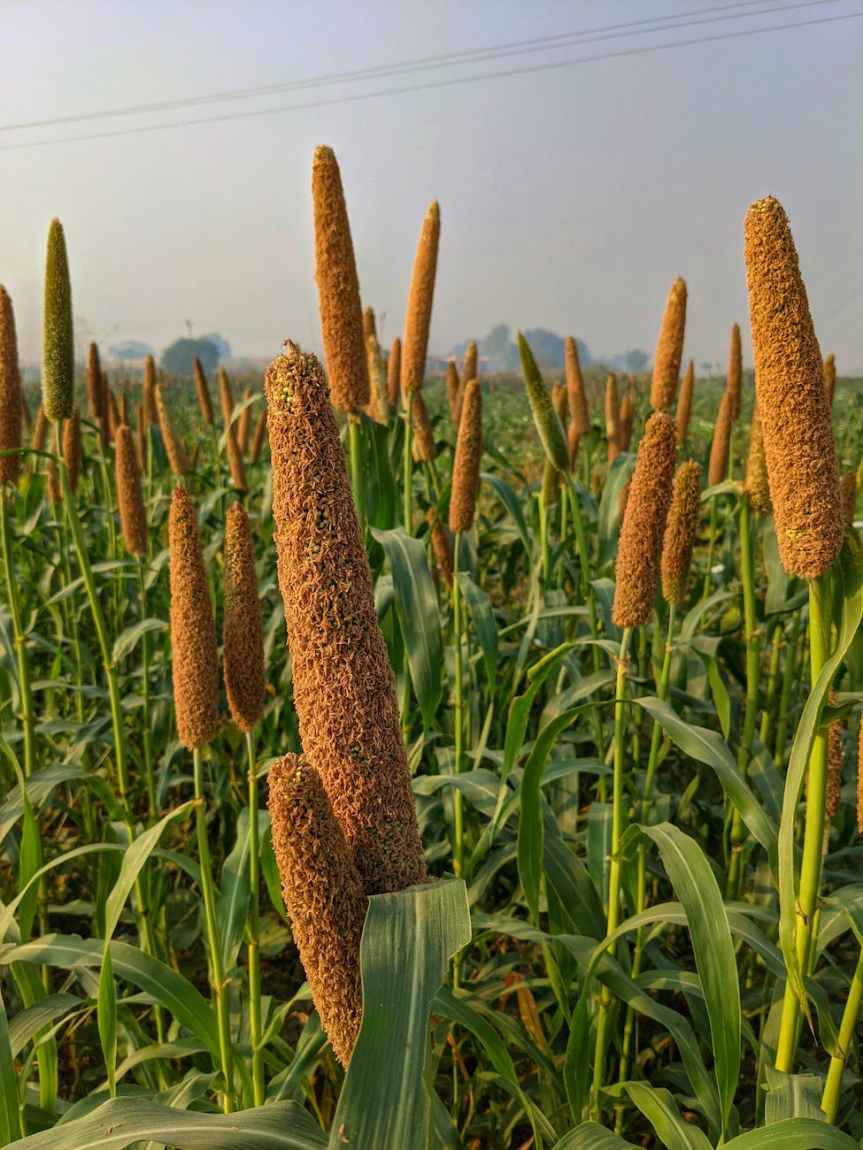
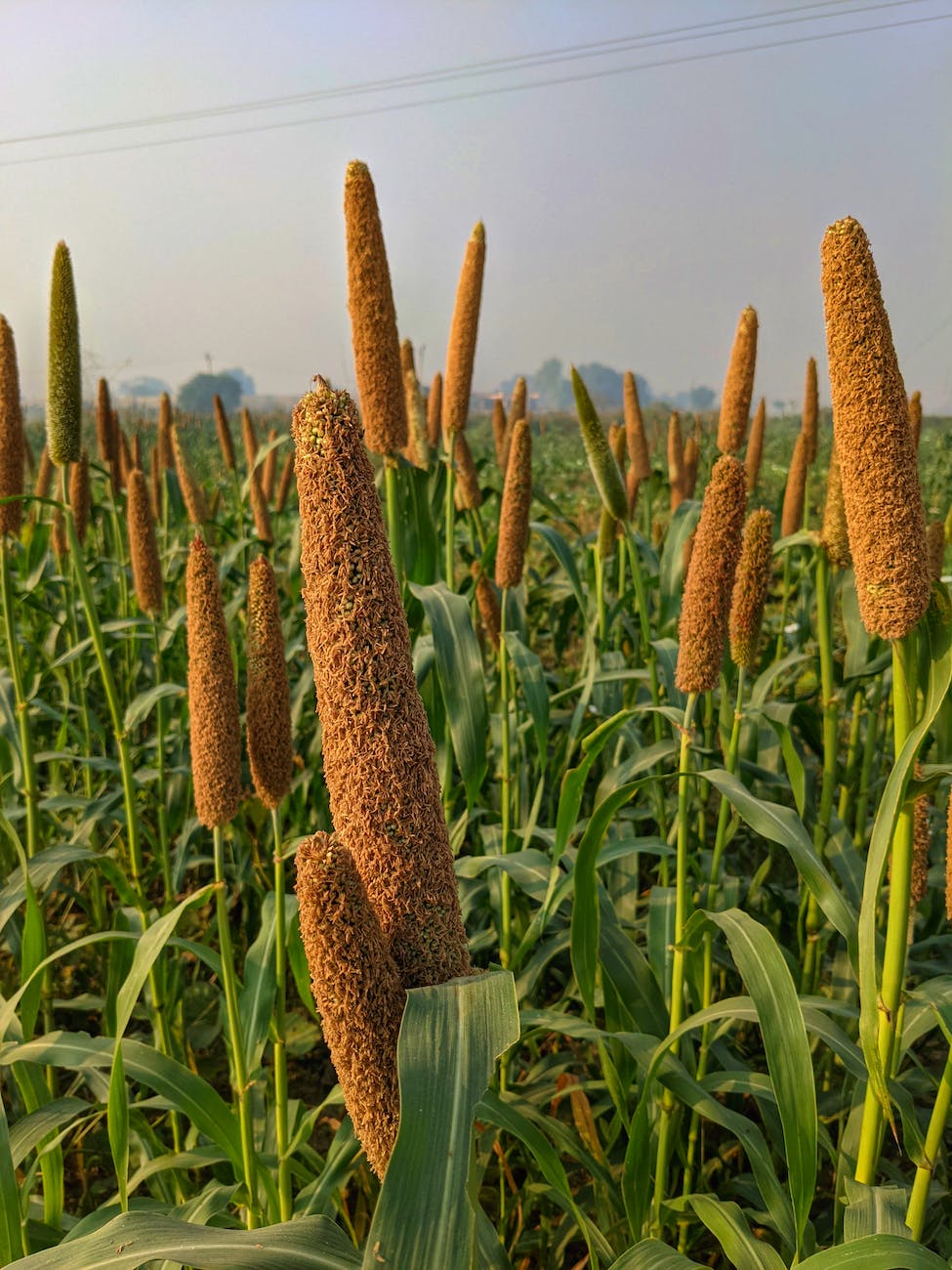
Millets are one of the oldest food known to mankind.These are group of highly variable small-seeded grasses, widely grown around the world as cereal crops or grains for fodder and human food.

Types of millet: Sorghum (jowar), Pearl millet (bajra), Foxtail millet (kangni), Finger millet (ragi), Barnyard millet, Kodo millet, Little Millet, Proso Millet are amongst the healthiest millet grains available.

Nutritional value: They are good sources of proteins, carbohydrates, dietary fibre and essential amino acids.

Millets have 65% carbohydrates, 9% proteins, 3% fat, and 2-7% crude fibre.

They are rich in various vitamins such as vitamin A, C and B-complex vitamins and minerals such as magnesium, manganese, phosphorus and also iron.

Major producers include Rajasthan, Andhra Pradesh, Telangana, Karnataka, Tamil Nadu, Maharashtra, Gujarat and Haryana.

Significance: Release of 13 High Yielding varieties including 4 bio-fortified varieties of millets. declaring 2023 as International Year of Millets (IYOM).

This proposal of India was supported by 72 countries and United Nation’s General Assembly (UNGA) declared 2023 as International Year of Millets on 5th March,2021.

Photo by Deep Malik on Pexels.com

Millets are climate resilient crop as they can be grown in rainfed area and are resistant to climatic stress, pest and disease as well. So it plays major role in sustainable agriculture.

People possess a perception of millet being poor man food but owing to it’s nutritional value it is rich in dietary fibres, amino acid, calcium, zinc, folate and various nutrients. It can even be easily consumed by diabetic people as it possess low glycemic index. Nowadays, being consumed by many more people it helps to provide food security.

They even provide economic security to farmers growing millet in dry, low fertile, rainfed area as it requires less investment and involves less cost of cultivation.

Initiatives are taken by government to promote millet production by farmers as they promote sustainable agriculture as well as generate employment opportunities by promoting value addition of millets.

Menstruation & It’s Taboos

N kavya

The menstrual cycle is a part of your reproductive system. Menstruation is the monthly shedding of the lining of your uterus. The menstrual blood which is partly blood and partly tissue from the inside of your uterus flows from your uterus through your cervix and out of your body through your vagina.

It has been said that during those days the tradition started for a good reason as women go through heavy cramps, PMS (premenstrual syndrome), headaches, stomach aches, mood swings, etc. Women were being isolated from their family and given complete rest in a separate room, as time passed the traditions became aggressive and gave more stress associated with myths, or misconceptions and taboos to women than being supportive to them during their menstrual cycle. Women are not allowed to enter the temples, in many households’ girls are subjected to many superstitious practices such as; prohibition from entering the kitchen and prayer room, being made to stay in a separate room, being forced to eat in separate utensils, and in some houses, the girl is provided the left-over food. Not being allowed to touch certain kinds of food because they could get spoilt, and tagging the girl as impure and unclean. The stigma associated with a woman bleeding every month leads to poor hygiene among a large section of rural women who use wood husk, leaves, paper, and other such materials instead of sanitary napkins when on their periods. The temple in Assam ‘Maa Kamkhaya’ where the main deity is the uterus of a woman signifies the importance of reproduction and the menstrual cycle is completely natural. In India, some school girls were allegedly forced to remove their underwear to prove they were not menstruating. The girls also reported that they were barred from touching other students during their menstrual cycle.

These social stigmas isolate the girls from family and friends which increases their stress levels and impacts their mental health. As per the survey in India, only 48% of adolescent girls are aware of what menstruation is before getting their first period, which is unhygienic for their health due to a lack of proper sanitation facilities. Young people do not have access to reliable and correct information about their reproductive health and rights. The lack of acceptance and the taboo associated with it leads the girls to stay at home due to anxiety and embarrassment… An overall lack of scientific knowledge about menstruation also gives way to myths and misconceptions. During previous centuries, there were many rules followed due to some circumstances but following those rules in this period seems unreasonable.

Girls must be given proper menstruation knowledge before they get their first period because many girls do not have the knowledge about how their body works and provide free napkins to the government schools. The main development goals must include an equal opportunity for education for girls and boys and access to proper sanitation. The media creating public awareness regarding these issues would break the taboo prevailing in society. The movie ‘Pad Man’ starring Akshay Kumar and Radhika Apte which speaks about the importance of women’s menstrual health is notable. To cross these barriers government, NGOs, corporate companies, and media and entertainment industries must collaborate and take advantage of each other’s capability and influence to achieve this vision.

Image credits- Google

Achievements of India in the field of Science and Technology

Today India’s achievements are numerous and include a strong Democracy, higher Education, Nuclear power, stunning economic growth and revival of numerous aspects of traditional Wisdom. Owing to the talent and will of the countrymen, we can see that India has reached among the top countries of the world especially in science and technology and various other fields. India has the 44th rank in technology level among the world. Also, India is considered one of the top five countries in space exploration. India has become an important source of creative and fundamental scientific development and in all the perspectives around the world. All great scientific discoveries and technical achievements have improved the Indian economic situation in our country and have created many new approaches for the new generation to develop a technologically advanced environment.
Much new scientific research and development is possible in the field of mathematics, architecture, chemistry, astronomy, medicine, metallurgy, natural philosophy, physics, agriculture, health care, pharmaceuticals, astrophysics, atomic energy, space technology, application, defence etc.
The introduction of scientific research, ideas and techniques in the field of education has brought a huge change in the new generation at large and has given a variety of new and innovative opportunities to work in their own interests. Modern science in India has made people aware of their constant and hard efforts by scientists. India’s scientist is great, who has made scientific progress of the highest international calibre.
Technical development in any area enhances the economy of any country. In order to improve the power of science and technology in India, the Government of India established the Council of Scientific and Industrial Research in 1942 and the Board of Scientific and Industrial Research in 1940. India has achieved so many achievements in the field of science and technology that every Indian is proud of his country. Let’s know all your achievements in detail.

Atomic clock by ISRO:
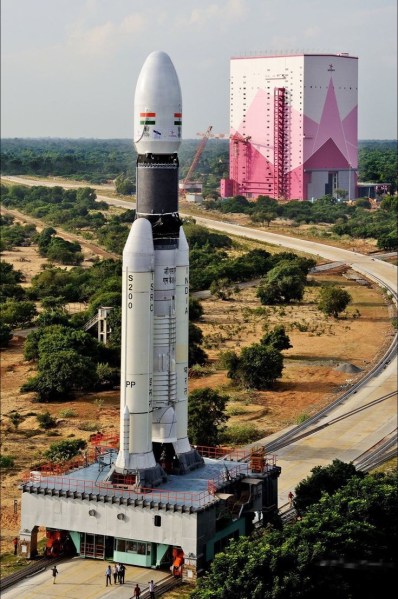
The atomic clock is an amazing technology developed by ISRO and it is used to measure precise location data in navigation satellites. Proudly, ISRO is one of the Few Space organisations in the world, those who have developed this amazing technology.

Mars Orbiter Mission :
Mars orbiter mission is a great success achieved by India in the field of science and technology. India is the only nation in the world to reach Mars in the first attempt. Indian space research organisation (ISRO) launched Mangalyaan on 5 November 2013 and it was placed into mars orbit on 24 September 2014. The cost of the project was 74 million US dollars which are cheaper than anything that others can achieve.

Chandaryaan 2 Mission
The moon landing of Chandrayaan 2’s Vikram lander is also a very special Indian technological achievement for India. Chandrayaan 2 mission marks India’s first lunar exploration mission and ISRO put lots of effort into making this mission a success. With this mission, India has emerged as the fourth country in the world to have hoisted its flag on the lunar surface. This achievement is a matter of great Honour for the nation.

PARAM – India first Super Computer
India’s first-ever super Computer named ‘Param’ is also a great achievement for India in science and technology. Param is designed and assembled by the Centre for the development of advanced computing in Pune. Today there are 11 supercomputers in India and they are used in the development of nuclear weapons and space programmes.

Even though India has only 140 researchers per 10 lakh population this has never been a shortcoming in the development of Science and Technology. We Indians must feel proud of our technological advancements and try to utilise them in the best manner possible.


Achievements of India in the field of Science and Technology 

-Dr APJ Abdul Kalam.

Indian army

The Indian Army does not need any introduction, we all have love, respect and appreciation for our soldiers and the Indian Army.As we all know that the Indian Army has a long and glorious history, therefore, it is difficult to talk about everything in such a confined space.The Indian Army is a land-based unit, while the Indian Air Force works in air defense and the Indian Navy is a naval unit.Our Indian Army is the second largest army in the world with about 1.23 million personnel on active rolls and another 9.6 lakh in reserves.The Indian Army is primarily responsible for defending the country against land-based attacks.It also helps other agencies to deal with terrorism, to deal with emergency situations in the country and to save people in case of natural disasters like floods, earthquakes etc.The current Chief of Army Staff (COAS) is General Bipin Rawat (as of 2018). As the Indian Army is very large, it is divided into regiments.
Some important regiments are Punjab Regiment, Madras Regiment, Rajputana Rifles, Sikh Regiment etc.It also has its own intelligence unit, abbreviated as “military intelligence” or “MI”.The Indian Army (under British rule) participated in World War I and II before independence. After independence, it has fought several full-fledged wars like Kargil War (1999), Bangladesh Liberation War (1971), India-Pakistan War (1965), Indo-China War (1962) and First Kashmir War (1947).
Apart from these, the Indian Army has also handled some minor conflicts like Siachen struggle (1984), Operation Polo (1948), Indo-China conflict (1967) etc.
There is no doubt that our Indian Army is one of the best armies in the world.

The main role of the Indian Army is to protect our country from external and internal threats, it has proved its subtly many times.It has fought five major wars since independence and has successfully handled many smaller conflicts and won wars even when enemies had better weapons.For example, in 1965 there were Patton tanks (gifted to them by the US) in Pakistan, it was considered invincible at the time.India had nothing that could compete with those Patton tanks, but the Indian Army was able to defeat the Pakistani tanks in the Battle of Asal North.
Hawaldar Abdul Hameed mounted his jeep and destroyed six Pakistani tanks with a rifle in the back and was killed in an attempt to destroy the seventh.
For this he was awarded India’s highest military honor – Paramveer Chakra. It is believed that the Americans came to India to learn the methods and equipment by which their invincible Patton tanks were destroyed.It is believed that India rejected his request.The Indian Army also successfully handled many riots, for example the Godhra riots, 1992 Mumbai riots, 1984 riots etc.It is also currently dealing with terrorism in Jammu and Kashmir and some North Eastern state currently has around 1.23 million people on active rolls, while others have 9.6 lakh rupees.It has also produced many notable sports persons, who have brought it to our country. Some of them are Milkha Singh, Rajyavardhan Rathore, Vijay Kumar, and Major Dhyanchand etc.The Indian Army is one of the best armies in the world. It has the capability to handle any external and internal threat. Overall, we can say that the Indian Army is the soul of our country.


“There will be no withdrawal
without written orders and
these orders shall never be
issued.”

-Field Marshal Sam Manekshaw as core Commander in 1962.

Horticulture

The word horticulture is derived from Latin word -‘ hortus’ meaning garden and ‘ cultura’ meaning culture or growing.

Horticulture is the branch of plant agricultural science involving cultivation of fruits, vegetables, flowers, ornamental plants, medicinal plants, gardening etc. It even involves landscaping and gardening.

It includes components like:

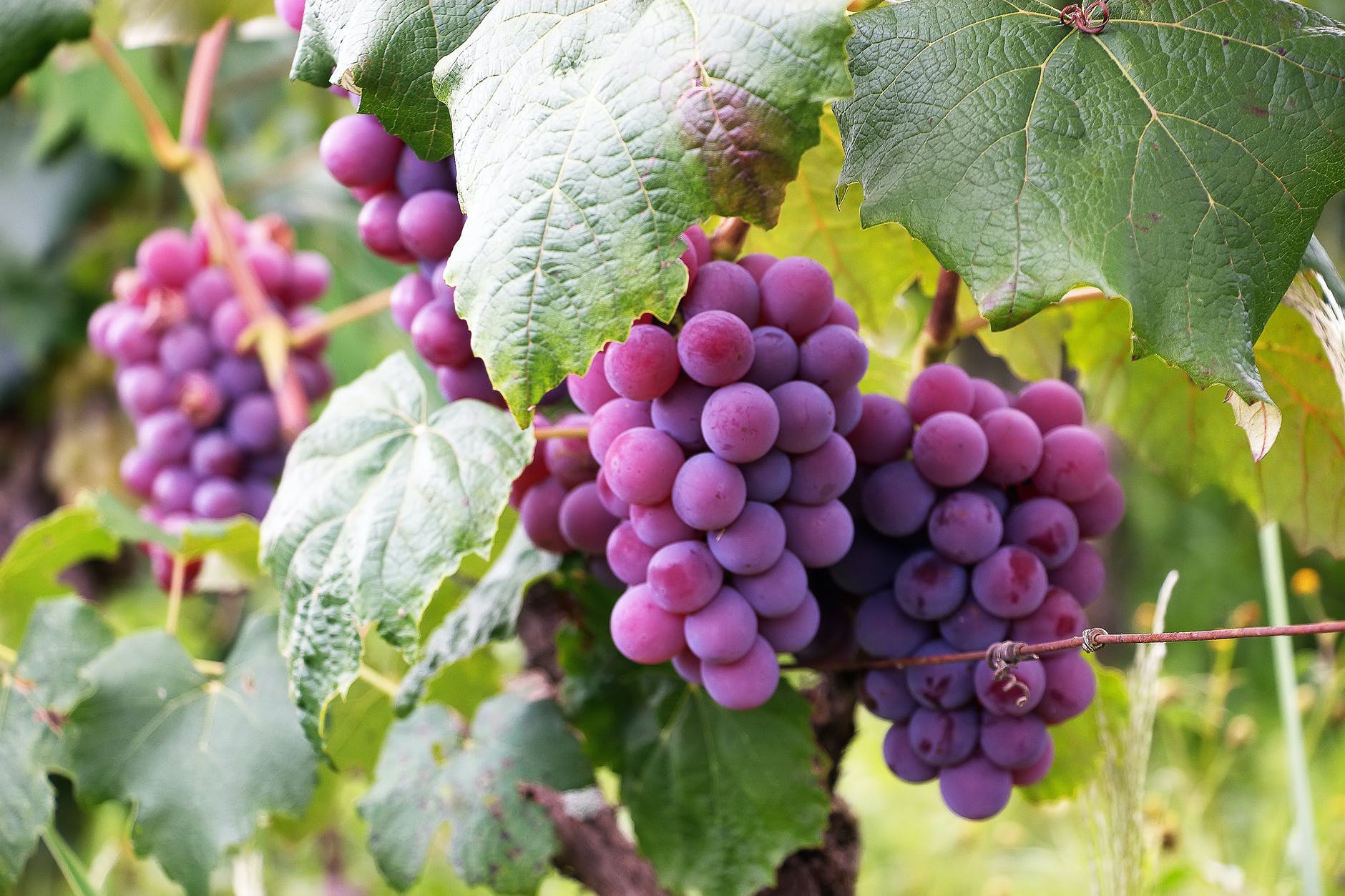
Olericulture : production of vegetables; Pomology: production of fruits ; viticulture: growing of grape vines for wine making and good quality grapes production; Floriculture: production of flowers and ornamental plants; production of aromatic plants, spices, medicinal plants , Arboriculture: cultivation of herbs, shrubs, woody plants for landscape and beautification. It even involves nursery management of plants by using techniques like grafting, cutting, pruning etc, bonsai etc..

Fruits

Scope of horticulture:

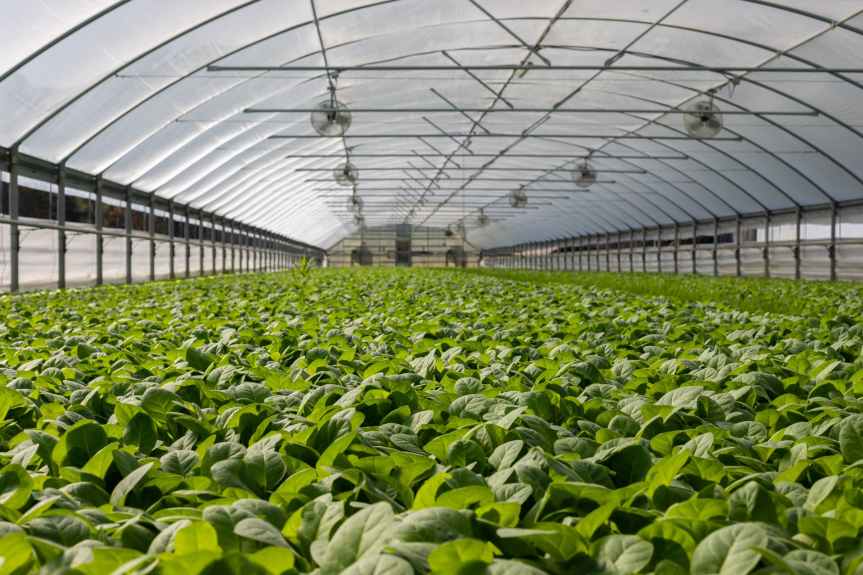
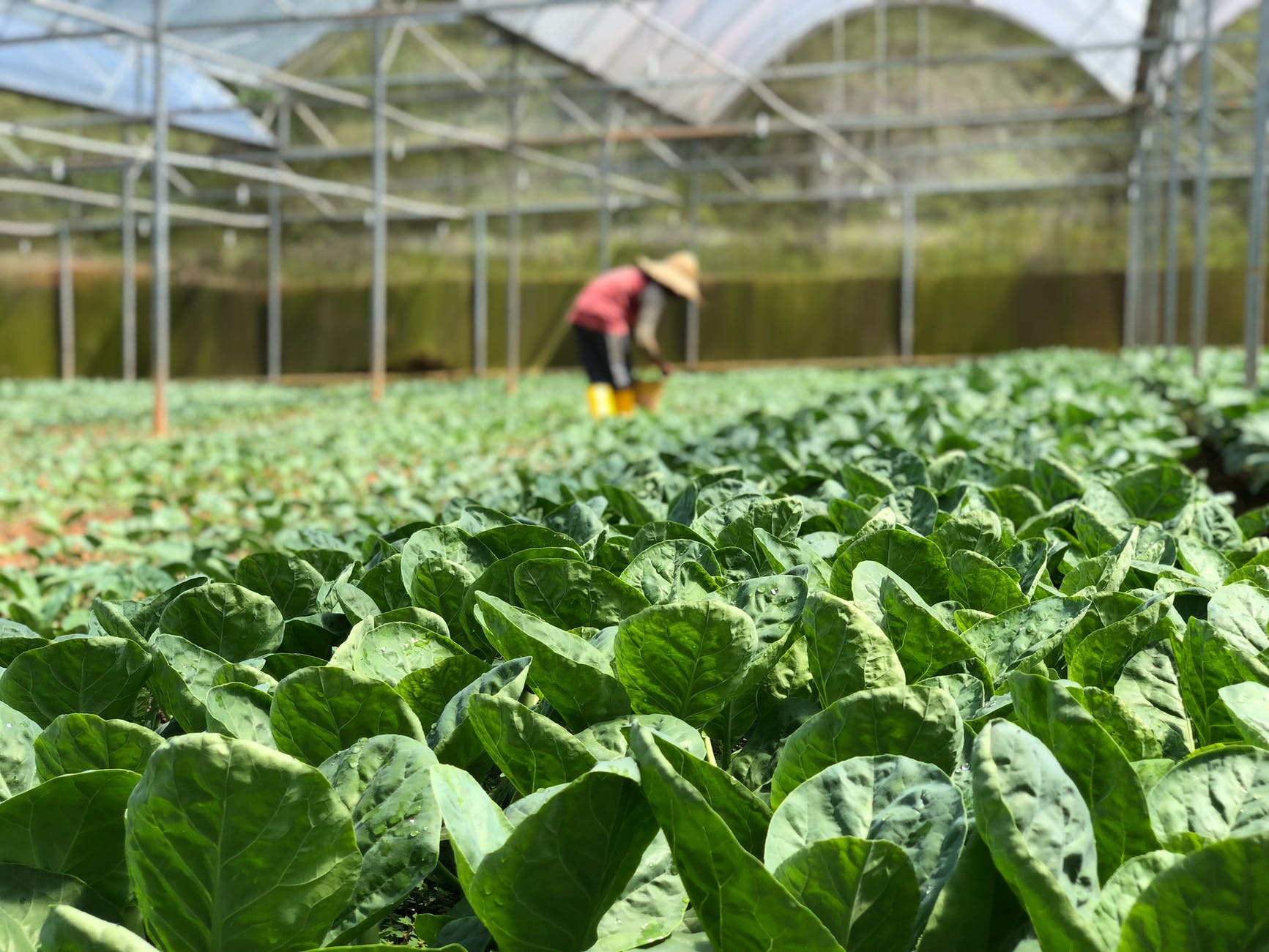
It involves propagation of plants, landscaping and garden designing, cultivation of exotic and indigeneous fruits and vegetables, nursery production, topiary { it is an art of training, cutting, trimming trees or shrubs into various shape for ornamental purpose}, growing plantation crops like rubber, tea, coffee, coconut etc, production of spices like black pepper, cardamom, ginger, turmeric etc ,cultivation of aromatic and medicinal plants like patchouli, stevia, aloe vera, tulsi, lemon grass, rosemerry etc. , cultivation of flowers, involves greenhouse cultivation of crops too, bonsai ( Japanese art to cultivate small tree that mimicss large tree) , turf and lawn preparation etc.

Importance of Horticulture:

It helps us to meet the nutritional aspects through consumption of fruits and vegetables.

It provides us medicinal plants, herbs to cure ailments. It too provides spices that adds aroma and flavour.

It increases asthetic value through landscaping and beautification.

Gardening helps us to destress and relax and can be done as a habit too.

Urban gardening through use of nursery and kitchen gardening to meet everyday kitchen needs.

It can be used to beautify our indoor places in house and adds asthetic value to it.

Helps to increase income and generate employment opportunities through value addition and food processing industry.

So, it serves as an all purpose as well as recreational activities in our daily life.

India and its neighborhood- relations

India shares geographical boundary with eight countries namely Pakistan, Afghanistan, China, Nepal, Bhutan, Bangladesh and Sri Lanka. Since the inception of our foreign policy, India has aimed at building trust with its neighbors. It aims at peaceful friendly relations and mutual economic development by enhanced trade and investments.

•Pakistan: Improving relations with Pakistan has been among top priorities in Indian foreign policy. After the visit of Pakistan former Prime Minister Parvez Musharaff in 2004, there has been a vacuum in our talks. It seems that radical groups in Pakistan took undue advantage of this vacuum and consequently there has been increased reports of cross-border terrorism activities. 26/11 attack is an unwashable strain on the fabric of friendship between India and Pakistan. But as it is said that ‘time heals all wounds’. The recently elected Narendra Modi led National Democratic alliance government’s attitude is worth appreciation. Indian Prime minister invited his Pakistani counterpart in his swearing in ceremony in New Delhi. This is a clear indication that both Nations are willing to take their relations on newer heights. In this aspect changed outlook India should try to adopt a sustainable foreign policy towards Pakistan. Smaller initiatives like Indo-Pak trade fair at Jalandhar, Punjab (India) needs to be encouraged. Healthy trade relations will help both sides equally.

•Nepal: Since the birth of democratic institution in Nepal, India has increasingly tried to have good relations with Nepal. Currently a joint hydro power project is being built on Sharda River. This power plant is thought to mutually help both India and Nepal with respect to electricity production and irrigation facilities. From the environmental perspective, there are a number of Tiger reserves along Indo-Nepal border. Both countries have identified their importance and are helping each other to sustain the existing ones and creating new ones. •China: China being manufacturing hub of world, is strategically very important to India. In fact China has become a role model for development. India needs to build strong trade relations with China. Increasing Foreign Direct Investment caps in various sectors has been one such step of India to invite investors from abroad.Apart from these bilateral relations, India has been active on various other forums as well which provides for greater engagement with its neighbors. For example India has been one of the pioneering advocate of TAPI (Turkmenistan, Afghanistan, Pakistan and India). This project aimed at bringing gas from Gulf countries and distribute it in TAPI countries.

India is an active member in BRICS (Brazil, Russia, India China and South Africa). BRICS is emerging a one of the significant union in world. BRICS nations represent 40 per cent of world population and has approximately sixteen trillion dollars as its Nominal Gross Domestic Product (GDP). BRICS nation contributes around eighteen per cent of world economy. The recent BRICS summit held at Brazil in July 2014.
One of the German intellectual has rightly said that ‘For economic development of a nation, peace with its neighbors is a pre-requisite’. India not only recognizes this statement but also conforms to it. Going by the mood of current Indian government in India, Union government too knows the importance of its neighbors. If India wants to be a super-power then maintaining friendly relations with its neighbors is a first step of ladder in this direction.


India has always wanted friendly ties with its neighbours, there can be no debate around it. We want to live in harmony and peace.

-Narendra Modi

Role of civil services in a democracy .

In the process of governance, which involves several sets of activities to deliver effective services to people, civil services play a pivotal role in providing shape to policies that reflect people’s needs and put their suggestive, analytical and informative roles to implement the
policies. It is recognized that civil services play a crucial role in all societies. In the modern administrative state, public administration has become so significant that our development, upliftment and progress depend mainly upon the efficient functioning of civil services that are
the bedrock of public administration. Civil services have assumed more important role in democracy to ensure good governance, both in developing and developed countries. Civil Services form a part of bureaucracy, wherein the roles of civil servants are determined by
written rules. It’s an impersonal system operating on the basis of calculable rules and staffed by full time appointed officials. Usually, the civil servants are selected on basis of their technical
qualifications, receive fixed salaries, have a defined sphere of competence and work under a clearly defined hierarchy of offices.

The role of Civil Servants across the domains of policy making and policy implementation is critical to the development process. They assist in identifying major policy areas such as preparing major policy proposals, analyzing various alternatives and solutions to societal problems requiring urgent attention, dividing the major policies into sub-policies, determining
program of action and suggesting modification in the existing policy on the basis of its experience on the implementation front.Civil services carry on the governance when governments change due to elections etc. Ramsay
Muir has remarked that while governments may come and go, ministers may rise and fall, the administration of a country goes on forever. It is needless to say that civil services form the backbone of administration. E.g. In India, when the President’s Rule is imposed in a state, the
Governor runs the state through the Chief Secretary and other civil servants.The civil servants are responsible to the ministers of the departments in which they serve. The ministers are accountable to the people through the Parliament or State Legislatures, and the civil servants are accountable to the ministers. They should ideally serve the elected government of the day, as government policies are the functions of the civil services. However, an impartial civil servant is also accountable to the Constitution of India on which he has taken an oath of allegiance.

In India, bureaucracy or civil services is permanent and does not change with the government. The recruitment is based on merit and through competitive exams. This is in contrast to the system followed in the US, where civil servants, especially in the higher echelons, change with the government. This is called the spoils system where people who are close to the government of the day get posts.


With bad laws and good civil servants it’s still possible to govern. But with bad civil servants even the best laws can’t help.

   -Otto von Bismarck.

Physical Geography

Physical geography is one of the two branches of geography viz., physical geography and human ge­ography. In fact, the study of physical aspects of the earth represents the core of spatial science i.e., geogra­phy. Most of geographers have pleaded for bifurcation of geography into physical and human geography but it is rather unwise to ignore biotic aspect of the biospheric ecosystem of the earth and hence there should be trifurcation of geography into physical ge­ography, human geography and biogeographyPhysi­cal geography in terms of its meaning and definition, scope (subject matter) and methods of study has under­gone sea-change in the past few decades. In the begin­ning, physical geography was defined as the study of only physical environment (namely reliefs, air and water) of the earth e.g., ‘the study of physical environ­ment by itself is physical geography which includes consideration of surface relief of the globe (geomorphology), of the seas and the oceans (ocea­nography) and of the air (meteorology and climatol­ogy) (Arthur Holmes).

Physical geography was considered as the ag­glomeration of different branches of earth sciences or natural sciences viz., sciences of atmosphere (meteor­ology and climatology); science of seas and oceans (oceanography); science of solid earth (geology); sci­ence of soil (pedology); science of plants (botany) and science of landforms (geomorphology).As a distinct branch of geography physical geography studies the spatial patterns and spatial relationships of environmental components of the globe in regional context, it also studies the causes of regional patterns of such spatial relationships, simultaneously it incorporates the ex­planation of spatial and temporal changes of environ­mental components and causes thereof.The study of features resulting from the interac­tions between endogenetic and exogenetic forces in­volves the discussion of mode of denudational proc­esses (weathering and erosion), hetherto termed as geomorphic processes, their mechanism of operation (machanism of erosion, transportation and deposition by running water-river, groundwater, sea waves, wind, glacier and periglacial agent) and resultant landforms.

The discipline of physical geography has evolved through successive stages of its development in terms of methodology and approaches to study. After taking its birth in the philosophical ideas and reports of ancient thinkers, philosophers and historians of the ancient seats of civilization and culture e.g., Greece, Rome and Egypt, the science of physical environment attained its present status wherein different compo­nents were added from time to time.

Geography is also memory. And loss of physical geography is also loss of narrative memory.

Nanotechnology

Nanotechnology is defined as fabrication of devices with atomic or molecular scale precision. Devices with minimum feature sizes less than 100 nanometers (nm) are considered to be products of nanotechnology. A nanometer is one billionth of a meter (10-9 m) and is the unit of length that is generally most appropriate for describing the size of single molecules.The nanoscale marks the nebulous boundary between the classical and quantum mechanical worlds; thus, realization of nanotechnology promises to bring revolutionary capabilities. Fabrication of nanomachines, nanoelectronics and other nanodevices will undoubtedly solve an enormous amount of the problems faced by mankind today.Nanotechnology is currently in a very infantile stage. However, we now have the ability to organize matter on the atomic scale and there are already numerous products available as a direct result of our rapidly increasing ability to fabricate and characterize feature sizes less than 100 nm. Mirrors that don’t fog, biomimetic paint with a contact angle near 180°, gene chips and fat soluble vitamins in aqueous beverages are some of the first manifestations of nanotechnology. However, immenant breakthroughs in computer science and medicine will be where the real potential of nanotechnology will first be achieved.

Nanoscience is an interdisciplinary field that seeks to bring about mature nanotechnology. Focusing on the nanoscale intersection of fields such as physics, biology, engineering, chemistry, computer science and more, nanoscience is rapidly expanding. Nanotechnology centers are popping up around the world as more funding is provided and nanotechnology market share increases. The rapid progress is apparent by the increasing appearance of the prefix “nano” in scientific journals and the news. Thus, as we increase our ability to fabricate computer chips with smaller features and improve our ability to cure disease at the molecular level, nanotechnology is herestorage (or other uses) is enormous. As first described in a lecture titled, ‘There’s Plenty of Room at the Bottom’ in 1959 by Richard P. Feynman, there is nothing besides our clumsy size that keeps us from using this space. In his time, it was not possible for us to manipulate single atoms or molecules because they were far too small for our tools. Thus, his
speech was completely theoretical and seemingly fantastic. He described how the laws of physics do not limit our ability to manipulate single atoms and molecules. Instead, it was our lack of the appropriate methods for doing so. However, he correctly predicted that the time would come in which atomically precise manipulation of matter would inevitably arrive.Nanomachines can also be incorporated into various materials to make those materials respond to their environment, or to outside commands. Examples of such materials would be “smart” fabrics that respond to the environment to become warmer or cooler, or walls and furniture that can move or change shape on command. Nanomachines could also be used as tools both in industry and by consumers. Such tools could cut apart or glue together material far more efficiently than anything large-scale that is used today. Nanomachines could also repair cars, furniture, applicances, or almost anything else quickly and efficiently. Or these objects could be designed with nanomachines to repair themselves should the need arise. Life would be greatly simplified by relieving people of the need to repair objects at home or at work.


In thinking about nanotecnolog today, what’s most important is understanding where it leads, what nanotechnology will look like after we reach the assembler breakthrough.

-Eric Drexler

Agriculture

The word “Agriculture” has no rigid definition. It has been explained by many people very comprehensively. Agriculture has been defined as the science and art of cultivating the soil, and this definition emphasizes the primary nature of plant production in agriculture.Moreover, it is so frequent that the same person performs both the primary functions of growing plants and the secondary one of feeding the plants to livestock that these two industries are grouped together as agriculture. Therefore, it may be said that agriculture includes not only the production of crops by the cultivation of the soil, but also the rearing of livestock.
Thus, milk, meat and wool are as much agricultural products as are wheat, rice and cotton. In the words of George O’Brien, therefore, the word agriculture includes, “every industry which aims at producing vegetables or animals by the cultivation of the soil.”So, agriculture is the business of raising products from the land. The products raised may either be plants and their products or animals and their products. The former are the direct products while the latter are the indirect products of the land. Agricultural products are complex and diverse, in nature, and as such, agriculture may be regarded as complex industry.Modern agriculture is such broader in scope than merely the art and science of cultivating the land. It is the whole business of supplying food and fiber for a growing population at home and abroad. Again in agriculture we include all forms of soil production, from forestry to glass-house culture, from fishery to artificial insemination, and from breeding to horticulture.

Primi­tive men must have begun as food gatherers, eating whatever fruits, leaves and roots they could obtain. Nature must have been bountiful in those days when human numbers were so small and wild plants grew everywhere. As time passed and human numbers grew, fishing and hunting became increasingly im­portant in supplementing what was lacking in the field, and an endless search for food ensued.It was soon realized that some form of food pro­duction was necessary if men were to live long and secure. Animals were tamed, first to provide meat, milk and skin; later for use as draught animals. Seeds were sown in ploughed fields, carefully tended and harvested when the time came.Men were then able to live in settled communities. Because they were no longer continually moving they had time to develop the various arts, crafts and skills that formed the basis of modern industries and also evolved religious and political ideas. Without a settled agriculture, a meas­urable degree of civilization is not possible.


Agriculture
is not farming
it’s feeding

Academic Degrees in India.

An academic degree is a college or university diploma, often associated with a title and sometimes associated with an academic position, which is usually awarded in recognition of the recipient having either satisfactorily completed a prescribed course of study or having conducted a scholarly endeavour deemed worthy of his or her admission to the degree. It is a qualification awarded to students upon successful completion of a course of study in higher education, usually at a college or university. These institutions commonly offer degrees at various levels, usually including bachelor’s, master’s and doctorates, often alongside other academic certificates and professional degrees. The most common degrees awarded today are associate, bachelor’s, master’s, and doctoral degrees. 

Some of the popular academic degrees pursued in India are:

Bachelor of Arts (BA)

A BA represents the completion of an undergraduate program that focuses on a discipline in the arts or humanities. What distinguishes a BA from other types of bachelor’s degrees is that it tends to emphasize each student’s exploration of a given subject.

Bachelor of Commerce(B.Com)

B.Com stands for Bachelor of Commerce which is a three year undergraduate program. B Com subjects impart Analytical skills, Financial Literacy, Business Acumen, Business Laws, Taxation knowledge etc, with aim to make the student job ready in the field of Banking, Accounting, Insurance and Finance. 

Bachelor of Technology (B.Tech)

B.Tech or Bachelor of Technology is one of the prestigious and most popular courses opted by science students. It is a 4-year full-time undergraduate course and is offered in various disciplines such as Computer Science, Civil, Mechanical, Electronics, and Information Technology.

Master of Business Administration (MBA)

The Master of Business Administration (MBA) is an internationally-recognized graduate-level degree that develops the skills required for careers in business and management. The value of the MBA, however, is not limited strictly to the business world. An MBA can also be useful for those pursuing a managerial career in the public sector, as well as government and the nonprofit sectors. 

Bachelor of Science (BSc)

BSc or Bachelor of Science is an undergraduate degree of three years duration which is universally offered across institutes and universities across India. BSc is one of the most popular courses opted by students who have a flair for scientific aptitude and zeal for research-oriented and calculative approaches based on a proven systematic method. Science is all about experimentation, research and discovery. A BSc degree is a culmination of both theoretical and practical ways of learning. 

Concept of Agricultural Marketing

The term market is derived from the Latin term’ marcatus ‘ which means trade or place where business is conducted.

In real terms ; market is defined as place where the sellers of particular good or service can meet with buyer of that good and services where there is potential for transaction to occur.

Agricultural marketing is study of all activities, agencies and policies that are involved in procurement of farm inputs by farmers and movement of agricultural products from farm to ultimate consumers. So it can be said to serve as link between farm 🚜🐄🌾 and non farm sector.

Thus it is a collaborative effort including marketing functions from post – harvest handling to pre- sowing; assembling, handling, storage, transport, processing, retailing, wholesaling, export of agricultural commodities and purchasing inputs for next agricultural season. It also includes marketing services as market information, weighing, standardization, financing, price risk mechanism and institutional development.

Dimension of agricultural marketing system includes market structure, it’s conduct and performance. The purpose of marketing is to find the right place, right time, right product and right time to make it selling superfluous.

Importance of agricultural marketing :

Agricultural market plays a important role in various ways to increase farm income, provide employment opportunities, optimum utilisation of resources, creation of utility and growth of agro-based industries.

The agricultural product differ from industrial product in many ways:

1.Nature of product: Most agricultural products are perishable in nature and hence cannot be stored for longer duration while industrial products can be stored for longer duration .

2.Weather and Season dependent: Most agricultural products are season bound and produced in particular season whereas industrial products are available throughout the year.

3.Bulkiness in nature : Agricultural products are bulky in nature and are difficult to handle, transport, storage etc. which adds to transportation cost.

4. Supply lag: As agricultural commodities are season bound so there is difference in supply and demand of goods.

5. Requirements of land area: For production of agricultural goods we needs more land as compared to industrial products like cultivation practices etc.

So from this role of agricultural markets can be determined as they hold separate importance in the economy .

India and its neighborhood- relations

India shares geographical boundary with eight countries namely Pakistan, Afghanistan, China, Nepal, Bhutan, Bangladesh and Sri Lanka. Since the inception of our foreign policy, India has aimed at building trust with its neighbors. It aims at peaceful friendly relations and mutual economic development by enhanced trade and investments.

•Pakistan: Improving relations with Pakistan has been among top priorities in Indian foreign policy. After the visit of Pakistan former Prime Minister Parvez Musharaff in 2004, there has been a vacuum in our talks. It seems that radical groups in Pakistan took undue advantage of this vacuum and consequently there has been increased reports of cross-border terrorism activities. 26/11 attack is an unwashable strain on the fabric of friendship between India and Pakistan. But as it is said that ‘time heals all wounds’. The recently elected Narendra Modi led National Democratic alliance government’s attitude is worth appreciation. Indian Prime minister invited his Pakistani counterpart in his swearing in ceremony in New Delhi. This is a clear indication that both Nations are willing to take their relations on newer heights. In this aspect changed outlook India should try to adopt a sustainable foreign policy towards Pakistan. Smaller initiatives like Indo-Pak trade fair at Jalandhar, Punjab (India) needs to be encouraged. Healthy trade relations will help both sides equally.

•Nepal: Since the birth of democratic institution in Nepal, India has increasingly tried to have good relations with Nepal. Currently a joint hydro power project is being built on Sharda River. This power plant is thought to mutually help both India and Nepal with respect to electricity production and irrigation facilities. From the environmental perspective, there are a number of Tiger reserves along Indo-Nepal border. Both countries have identified their importance and are helping each other to sustain the existing ones and creating new ones. •China: China being manufacturing hub of world, is strategically very important to India. In fact China has become a role model for development. India needs to build strong trade relations with China. Increasing Foreign Direct Investment caps in various sectors has been one such step of India to invite investors from abroad.Apart from these bilateral relations, India has been active on various other forums as well which provides for greater engagement with its neighbors. For example India has been one of the pioneering advocate of TAPI (Turkmenistan, Afghanistan, Pakistan and India). This project aimed at bringing gas from Gulf countries and distribute it in TAPI countries.

India is an active member in BRICS (Brazil, Russia, India China and South Africa). BRICS is emerging a one of the significant union in world. BRICS nations represent 40 per cent of world population and has approximately sixteen trillion dollars as its Nominal Gross Domestic Product (GDP). BRICS nation contributes around eighteen per cent of world economy. The recent BRICS summit held at Brazil in July 2014.
One of the German intellectual has rightly said that ‘For economic development of a nation, peace with its neighbors is a pre-requisite’. India not only recognizes this statement but also conforms to it. Going by the mood of current Indian government in India, Union government too knows the importance of its neighbors. If India wants to be a super-power then maintaining friendly relations with its neighbors is a first step of ladder in this direction.


India has always wanted friendly ties with its neighbours, there can be no debate around it. We want to live in harmony and peace.

-Narendra Modi

Demography

Demography is the study of human population dynamics. Population is shaped by a number of factors including fertility, mortality, migration and urbanization. Significant demographic changes have been shown in many parts of the world. The world population growth has been decelerating since 1970s. Fertility rates in more developed countries (MDCs) have been showing a declining trend, whereas an increasing one in the less developed countries (LDCs). Mortality rates have gone down in both MDCs and LDCs due to medical advancement. Consequently, the population of the countries with low fertility rates aged more quickly, and the world population growth will be concentrated in those developing countries where fertility rates remain high. Uneven population growth among nations accelerated the migration of people across nation borders and the growth of cities. The changes of these interrelated factors with their causes and problems of each of the factors will be discussed, followed by some possible plans and opportunities that may benefit from these changes.Human birth rate (natality) is the fertility expressed as the average number of live births per thousand populations per year. Since not all age groups in a population have equal fertility, demographers often use more specialized measures of birth rates that relate to age groups.Human mortality rate is the average number of individuals who die per thousand populations per year.

Again, demographers often use more sensitive measures, for different mortality rates. Both the very young and the very old segments of the population have higher mortality rates than are found in other age groups.Human population shows uneven or clumping pattern of distri­bution on earth. The density of human population in a village, district, city, province, country or any area can be obtained by di­viding the total number of persons living in the given region by the total land area of that region.The average number of people per square unit of land area tells us how dense or sparse is the popu­lation in a giver, area. The average population density of the world is calculated about 27 persons per square kilometre.insurance agents to determine life insurance rates.

These early demographic studies were mostly concerned with mortality. However, in the 19th century, studies showed that there was a decline in the number of births, and researchers began to study fertility as well as mortality. These studies led to the idea of “differential fertility.” Differential fertility suggests that different groups within a population have different numbers of children due to factors, such as religion, cultural attitudes, poverty, and employment. Migration of people is the last main factor in demographic studies. It is these three variables (mortality, fertility, and migration) that contribute to population change.Demographers gather data mainly through government censuses and government registries of births and deaths. However, these sources can be inaccurate depending on the precision of government records. Demographers also gather data indirectly through surveying smaller groups within a population. These samples are then examined using statistical models to draw conclusions about the whole population.


Demography is changing us as we are older societies, we’re living longer. How the generations balance each other out, how that affects education and health care.