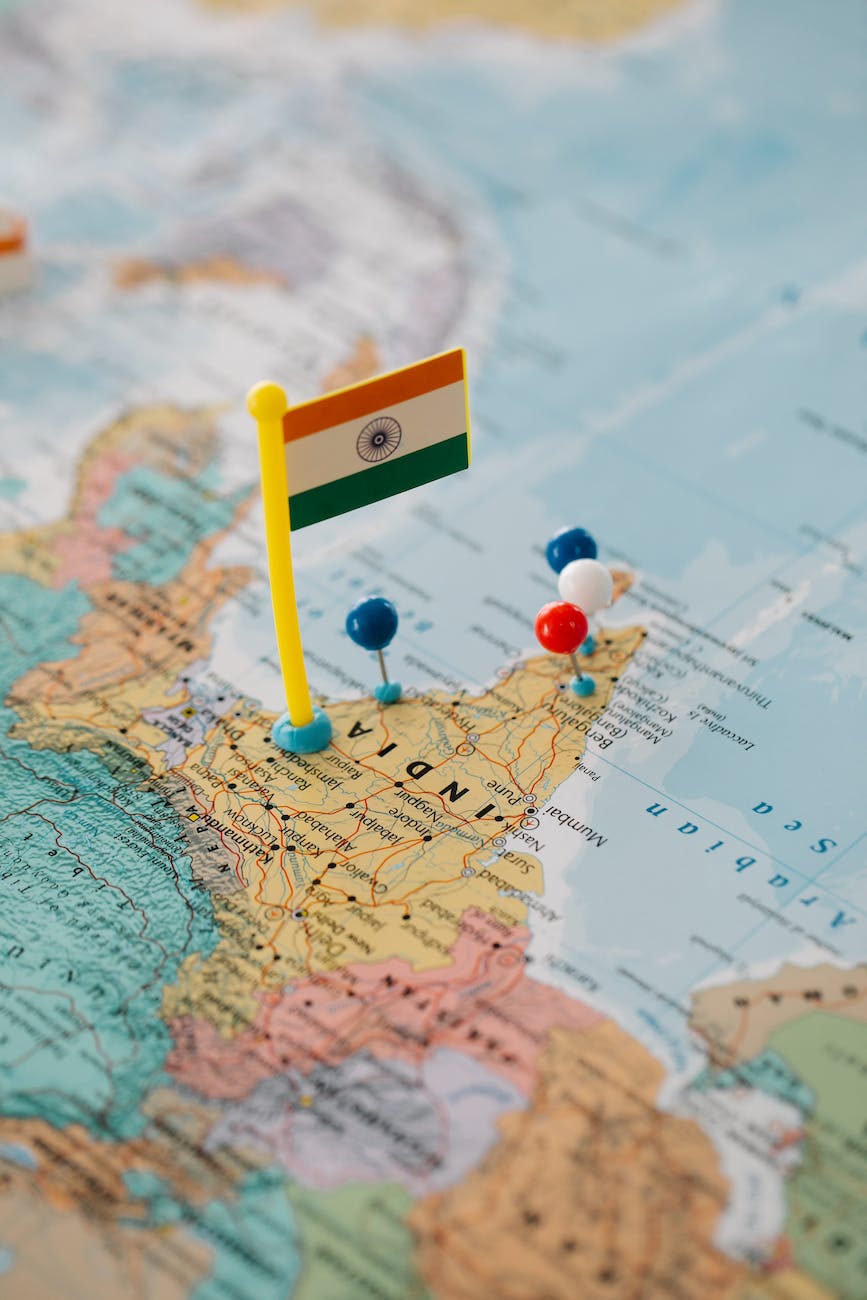
Gujarat’s GIFT city aims to be financial hub of asia.

India’s newest financial hub is rising from scrubland near the banks of the Sabarmati River once dominated by marsh birds and grazing buffalo.  

In the state of Gujarat, just a few glass-fronted towers greet the 20,000 employees of companies such as JPMorgan Chase & Co. and HSBC Holdings Plc who commute in each weekday. Its full name is Gujarat International Finance ­Tec-­City, but it’s more commonly known as GIFT City. It occupies 886 acres between Gujarat’s capital, Gandhinagar, and Ahmedabad, its biggest city. As of October, bankers managed a combined $33 billion here.

An exemption from the many rules and taxes that hamper business and trading in the rest of India. GIFT City is an experiment in free markets nestled inside a $3 trillion economy—one of the world’s fastest-growing—that’s long been reluctant to let its national currency, the rupee, become a plaything of international investors. The goal is to create a welcoming place where India-centric trading that’s moved to Dubai, Mauritius or Singapore can return home.

EV on monthly subscription, by a Benguluru based startup.

Electric vehicles (EVs) may play a critical role in the future of mobility but the journey so far has been fraught with challenges. While customers may fundamentally be in favour of switching to electric alternatives, when it comes to buying one, they are still hesitant. The biggest impediments to the adoption of these vehicles on a large scale are range anxiety (the worry that the vehicle will run out of charge before reaching the destination or charging point) and its price. According to an EY report, an electric car costs 2X times an ICE variant in India. The cost of an electric two-wheeler is 15% more than that of an ICE variant.

A Bengaluru-based startup SWYTCHD provides electric vehicles on a monthly subscription basis. This subscription is all inclusive which covers insurance, charging refunds, servicing, maintenance, and breakdown support.

The Bengaluru-based startup, founded in December 2021 by Sameer Arif, offers a range of EVs (both two-wheelers and cars) on a monthly subscription model. The subscription includes costs of insurance, general servicing, maintenance (including normal wear and tear), breakdown support, and charging refunds, up to a maximum distance of 1,200 km a month.

 “Unlike a purchase process that requires a lot of time, dedication and capital, SWYTCHD is an easy decision with minimal paperwork, which can be done from the comfort of the home.”says Sameer

The subscription starts from Rs 5,000 for two-wheelers and Rs 30,000 for four-wheelers per month. The service is currently available only in Bengaluru.  SWYTCHD has partnered with Bounce as the official leasing and subscription partner for its Infinity scooter. Apart from this, the company also offers two-wheelers from Ather, Revolt Motors, Hero, and Ola, and cars such as TATA Tigor XZ+, TATA Nexon EV XZ+ Lux, Hyundai Kona Premium, and MG ZS EV Exclusive.


Rupee might slide further, according to a recent report.

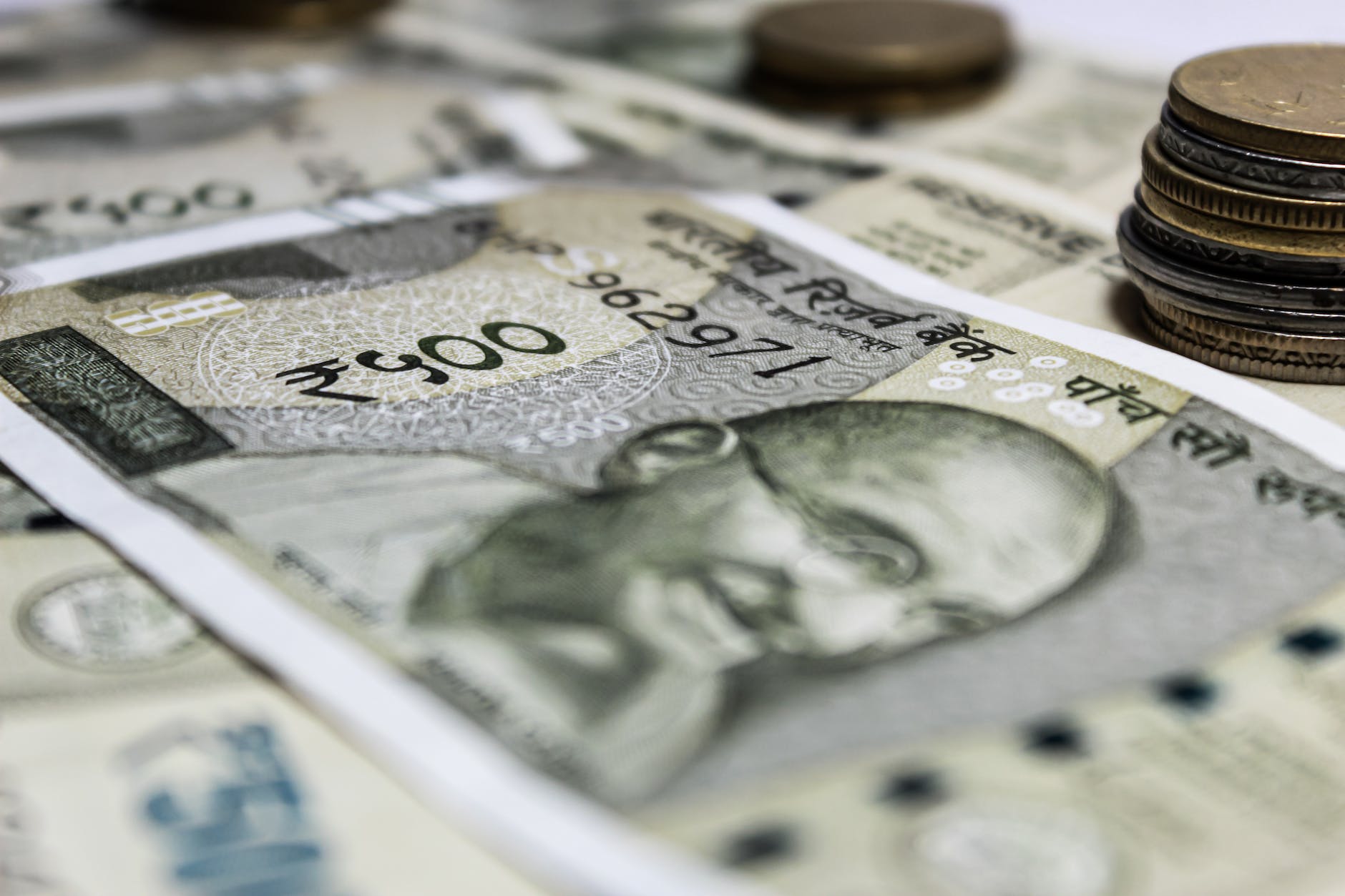
The Indian rupee has been hitting new lows, week after week. From holding on to 74 against the US dollar in January to dropping to 83 last week — a double-digit fall in percentage terms in just 10 months — the rupee’s depreciation has not augured well for the economy. Economists caution that the currency could plunge further in the coming months before settling down. Some forecasters argue that the rupee could rebound and gain strength in the next fiscal year.

The fall of the rupee has been precipitated by global factors and an unusual strengthening of the dollar against almost all major currencies of the world. While the rupee has performed way better against the greenback than biggies such as the pound and the euro, the runaway dollar can’t be taken lightly since it has a massive fallout on India’s import bills and inflation.

The rupee will fall further against the US dollar over the rest of the year, a Reuters poll last week showed, setting up the currency for its steepest annual decline in at least nine years due to a widening domestic trade balance and surging US interest rates.

It is likely to fall further to 84.50 by December, according to the mean and median forecasts of a poll of 14 bankers and foreign exchange advisors. The estimates in the poll ranged between 83.25 and 86, showing a broad consensus that the Rupee would not recover this year.

What Indians worry about most, read the survey report by ‘Ipsos’.

Urban Indians are most worried about unemployment (39 per cent), financial and political corruption (27 per cent), crime and violence (25 per cent), poverty, social inequality (22 per cent) and climate change (22 per cent) in the month of October, revealed Ipsos What Worries the World survey.

At least 2 in 10 urban Indians were worried about inflation (21 per cent), and India was placed last among 29 markets in its worry around inflation. 

Ipsos in India said, “India is still reeling under the collateral impact of the prolonged coronavirus and global slowdown of the economy due to the war in Ukraine, which are impacting jobs, leading to rising in corruption, crime and social inequality. Even the inflation impact is manifesting itself though India is better placed than its global counterparts due to the government’s steps to keep the fuel prices in check. Floods and adverse climate impacts are making urban Indians worry about climate change. These issues need to be addressed by the government first.

Home affordability report on Indian cities.

Ahmedabad continues to be the most affordable housing market at 22 per cent, followed by Pune at 26 per cent and Chennai at 27 per cent, among the top eight cities in India, global property consultant Knight Frank India’s Affordability Index for the third quarter (Q3) of 2022 showed.

Driven by the constant demand for housing properties, Bengaluru has emerged as the fourth most expensive real estate market in the country, stated in report.

Along with this, Mumbai and Hyderabad were known to have one of the most expensive residential markets in the country.

The index revealed that Bengaluru’s affordable housing market has become more expensive mainly because of the 50 bp hike in the repo rate by the Reserve Bank of India the previous month.

The repo rate hike ultimately caused the rise in median loan rates. These loan rates are a direct indication of the affordability of interested buyers and also impact consumer behaviour.

Status of India’s Forex reserve.

Until the beginning of this year, the country had saved enough for the rainy day, because of strong capital flows in the past. However, those reserves are depleting fast. India lost nearly $85 billion of its forex reserves in the first half of the fiscal year, the second biggest depletion among major emerging market (EM) peers during the period.

India’s forex reserves were $528.4 billion as of 14 October, the lowest since July 2020, and sharply down from the record $642.4 billion last year. The rupee has crashed more than 10% against the US dollar this year and slipped below 83 for the first time in past few weeks.


To help arrest rupee’s record fall, the Reserve Bank of India has also burned $114 billion from its forex coffer, triggering concerns on this front as well. The central bank has however attributed about two-thirds of the decline to valuation effects. The decline of the forex reserves cannot be solely attributed to a central bank’s intervention to defend the currency against the dollar.

There has been a sharp depletion of forex reserves in the last few months, but what is comforting is India’s high level of reserves that has enabled it to withstand the sharp depletion without any major panic so far. Another comforting factor is the country’s low external debt (20% of gross domestic product) and the short-term debt as a share of total external debt is around 20%.

ISRO’s new achievement : launches 36 satellite for UK based OneWeb.

The Indian Space Research Organisation (ISRO) has successfully deployed the latest batch of 36 satellites for satellite operator OneWeb, aboard its heavyweight configuration Geosynchronous Satellite Launch Vehicle (GSLV)-Mk.III rocket. The launch marked the first commercial mission that used ISRO’s GSLV, also known as the Launch Vehicle Mark III (LVM3).

The collaboration is a result of ISRO’s commercial arm NewSpace India Limited’s two service contracts, signed with One Web for launching low Earth orbit (LEO) broadband communication satellites. ISRO said that as part of the contract, 36 satellites will be placed into orbit by one LVM3, from Satish Dhawan Space Centre in Sriharikota in Andhra Pradesh.

The mission marked the second launch of the year for OneWeb, backed by Bharti Enterprises, after the conflict in Ukraine disrupted the UK operator’s plan for completing its satellite launches this year. Prior to the Ukraine-Russia war, OneWeb was using Russia’s central space agency Roscosmos’ commercial launch services through its Soyuz rockets.

However, amid geopolitical sanctions imposed on Russia by nations including the UK, erstwhile Roscosmos head Dmitry Rogozin said that the OneWeb satellites would not be released back to the company — unless the UK government ceded to the nation’s demand of removing the sanctions.

India lost 159 billion dollars in 2021 due to heat waves.

Photo by Fabio

India suffered an income loss of USD 159 billion, 5.4 per cent of its gross domestic product, in the service, manufacturing, agriculture, and construction sectors due to extreme heat in 2021, according to a new report.

Heat exposure in the country led to the loss of 167 billion potential labour hours, a 39 per cent increase, said the Climate Transparency Report 2022 compiled by an international partnership of organisations.

Labour productivity in India is projected to decline by five per cent from the 1986–2006 reference period if global temperatures increase by 1.5 degrees Celsius, it said. The decline in labour productivity will be 2.1 times more if the global temperatures increase by 2.5 degrees Celsius, and 2.7 times at a three degree Celsius scenario.

Losses to earnings from heat-related labour capacity reduction were the highest in India among G20 nations in 2021. Other countries include Indonesia (1.6% of GDP), and Saudi Arabia (1% of GDP).

Russia showed a great gesture of friendship towards India by recognising the disputed area as integral part of Indian region.

Moscow: India’s friend Russia has recognized Jammu and Kashmir, Ladakh and Arunachal Pradesh as an integral part of India. This has been seen in the map of SCO member countries issued by the Russian government. According to media reports, the map released shows Pakistan-occupied Kashmir (POK) and Aksai Chin as well as the entire Arunachal Pradesh as part of India. Despite Pakistan and China being member countries of the SCO, Moscow has taken this step. 
This map has further strengthened the Indian side on the issue of Jammu and Kashmir at the international level and within the SCO.

The Soviet Union and Russia have backed India on Kashmir since 1947 and have used veto in the UNSC to block anti-India resolutions. Moscow has repeatedly said Kashmir was a bilateral issue between India and Pakistan, preventing any internationalisation of the dispute.

Rupee slides to record low at 83 against US dollar.

The rupee plunged 61 paise to decline below the 83-mark for the first time against the US dollar on today amid unabated foreign capital outflows and a strong dollar in the overseas markets.

Besides, rising crude prices in the international markets and risk-averse sentiment among investors weighed on the local currency, traders said.

The consumer price index rose 10.1 per cent, compared with 9.9 per cent the previous month, the Office for National Statistics said Wednesday. The new data shows inflation returned to the July peak and is once again at the highest since early 1982. The increase was driven by food prices, which leapt by 14.5 per cent from a year earlier, the biggest jump since 1980, the ONS said.

The US dollar held at a 32-year peak against the yen and rose from a two-week trough against a basket of major peers, underpinned by expectations of aggressive US Federal Reserve interest rate hikes.

What is ‘ONDC’ initiative by GoI.

To reduce the dominance of e-commerce giants like Flipkart and Amazon, the government rolled out its big initiative — Open Network for Digital Commerce (ONDC) — for public in Bengaluru. With the help of ONDC, government plans to help small retailers and create an alternative to dominant global giants like Amazon and Walmart, who controls over half of India’s fast-growing e-commerce market.

The platform aims to create new opportunities, curb digital monopolies and by supporting micro, small and medium enterprises and small traders and help them get on online platforms. It is an initiative of the Department for Promotion of Industry and Internal Trade (DPIIT) under the Ministry of Commerce and Industry.

The government says existing platforms work in silos and are tightly controlled, keeping out many small players. It expects ONDC to increase competition and foster innovation by start-ups.
It also hopes to bring in logistics firms and others who can collaborate with sellers to deliver products to customers.

The focus would be on small merchants and rural consumers, with apps in Indian languages.
ONDC officials liken the network to a mall with 1,000 gates instead of just two, thereby limiting opportunities for selected sellers to receive preferential treatment – a common accusation against major e-commerce companies. Users will be able to rate service providers on ONDC, which will be applicable and visible across the network. The government says ONDC will help to end “predatory pricing, especially in high-margin, high-value products”. Amazon and Flipkart deny that they have engaged in predatory pricing.

How does ONDC work?

The ONDC platform lies in the middle of the interfaces hosting the buyers and the sellers. So far, the buyer side interface is being hosted by Paytm, whereas the seller side interface is being hosted by other players like GoFrugal, etc.

When a buyer searches for an item on the Paytm app, from where ONDC has gone live, the app will connect to the ONDC platform, which will connect it to seller side interfaces that will list all the companies from where you can buy the particular item.

On ONDC, there will be several other backend partners such as logistics service providers, enterprise resource planners, e-commerce store hosting service providers, etc.


India set a new record by exporting cellphones more than $1 billion worth in september month

Monthly mobile phone exports from India touched the $1-billion mark (over ₹8,200 crore) for the first time ever in September. They were boosted by the government’s production-linked incentive (PLI) scheme, which has pushed global players such as Apple and Samsung to increase local production for the domestic as well as overseas markets.

According to data available, mobile phone exports for April-September more than doubled to $4.2 billion, from $1.7 billion in the corresponding period of 2021. Previously, the highest monthly export of cellphones was in December 2021, when devices worth $770 million were shipped. Exports hovered around $700 million each month during June-August this year.

The growth in exports is primarily driven by Apple contract manufacturers Foxconn, Wistron and Pegatron as well as Samsung; these companies are the leading global participants of the government’s Rs 40,995-crore PLI scheme announced by the government in April 2020.

Global Hunger Index report is an attempt to tarnish India’s image : says GoI.

The government has yet again rejected the Global Hunger Index (GHI) 2022 which ranks India 107 among 121 countries and has called it “an erroneous measure of hunger” and an attempt to “taint” India’s image. It also wrongly claims that the ranks are based on an opinion poll.

“Three out of the four indicators used for calculation of the index are related to health of Children and cannot be representative of the entire population,” says the press statement issued by the Ministry of Women and Child Development. This is the second year in a row the government has rejected the GHI rankings.

The GHI scores are calculated using four indicators — undernourishment, child stunting, child wasting and child mortality.

It adds that that the fourth indicator, estimate of Proportion of Undernourished (PoU), population is based on an opinion poll conducted on a very small sample size of 3000 based on “Food Insecurity Experience Scale (FIES)” Survey Module of Food and Agriculture Organisation- a claim that was also rejected last year by representatives of the Global Hunger Index.

The government said the data used to arrive at the rating drawn from a narrow sample for a country of India’s size and through dubious methods is not only wrong & unethical, but it also reeks of obvious bias. It also accused the Concern Worldwide and Welt Hunger Hilfe, the publishing agencies of the Global Hunger Report, of not having done their due diligence before releasing the report.

The central government highlighted the prejudice and erroneous method used by the agency, pointing out how irrelevant, and questions not searching for factual responses were used in the survey to arrive at the Hunger Index. 

India has slipped to 107th rank in Global Hunger Index(GHI).

India has slipped to the 107th position in the Global Hunger Index (GHI) in 2022, down from the 101st position in 2021. The GHI, jointly published by Concern Worldwide and Welthungerhilfe, comprehensively measures and tracks hunger at the global, regional, and country levels. Of the 121 countries on the GHI, India is ranked behind its neighbours Nepal (81), Pakistan (99), Sri Lanka (64), and Bangladesh (84).

The Global Hunger Index score is calculated on four indicators – undernourishment, child wasting (the share of children under the age of five with low weight for their height), child stunting (children under the age of five with low height for their age) and child mortality (the mortality rate of children under the age of five).

India’s global hunger index score is 29.1, which puts the country in the “serious” category of hunger problems. India’s score has improved slightly from last year’s 27.5. However, in 2000, India’s score was a much better 38.8 points. NB

The index calculates the hunger levels and malnutrition across the world. This year, the report accessed data from 136 countries but evaluated 121 of them. The report on the index said that sufficient data was not available for the remaining countries.

Inflation not yet in control.

In twin blows to Indian economic revival, higher food prices drove retail inflation to a five-month high of 7.4 per cent while factory output fell for the first time in 18 months. This relates to data of september month.

The second consecutive month of rise in consumer price index (CPI)-based inflation will add to the pressure on the Reserve Bank of India (RBI) to again raise interest rates to tame high prices.

Inflation has been above the targeted zone for the ninth month in a row and as per statute, the RBI will now have to explain to the government in writing why it failed to keep prices below 6 per cent.

This is the ninth consecutive month where the inflation print has remained above the upper band of 6 per cent and the second successive quarter where the average is higher than 7 per cent.

Irregular rainfall is said to be the primary reason behind higher inflation in vegetable and fruits. While inflation in cereals has also inched up, the steps taken by the government and a reasonably healthy Kharif output are expected to address the concerns behind the further hike in prices.