India to be next global SaaS capital.

The Indian IT sector continues to charge ahead on its trajectory of growth and transformation, with SaaS (Software as a Service) setting the stage for the next wave of disruption, according to a study. 

India is home to about 100-plus unicorns across different segments with an accelerated pace of entrepreneurship and is rapidly emerging as a hub for SaaS start-ups, cited the study by EY and CII, titled “India: The next global SaaS capital.” 

Over 80 per cent of the SaaS promoters feel there is the need to build a robust talent pool, according to the EY-CII study. While the landscape is mainly driven by small and medium businesses with a focus on large enterprises, SaaS companies in the SMB market are structured very differently from those catering to the enterprise market.

“Macro-economic environment notwithstanding, the funding activity in the first two quarters of this year surpassed the funding activity in 2021 – which was a breakout year with over $4.3 bn in funding for SaaS start-ups,” said EY India.

According to other reports, the Indian SaaS market is expected to grow multi-fold by 2025, accounting for almost seven to ten per cent of the global SaaS market, from 2-4 per cent at present.

Led by Freshdesk and Zoho Corporation, India now has 18 SaaS unicorns as compared to one in 2018, with India being the third largest SaaS ecosystem globally, after the US and China. The number of SAAS companies in the country have more than doubled in 2021 as compared to 2019 and the funding too increased from $2.6 billion in 2019 to $6 billion in 2021.

According to the EY-CII report, SaaS providers are also doubling down on their customer acquisition, retention, and success strategies by upselling and cross selling to existing customers. The study also pointed towards the need for skill development in areas like product management and design to cater to the growing talent demand in the SaaS industry.

National Sports Day.

The national sports day in India is celebrated on 29 August on the birth anniversary of legendary hockey player Major Dhyan Chand Singh, Major Dhyan Chand Singh is regarded as India’s greatest hockey player of all time.

The late hockey player had led India to three Olympic gold medals in 1928, 1932 and 1936, he had scored over 400 goals in 22 years he was bestowed with India’s third-highest civilian owner Padma Bhushan in 1956

Dhyan Chand Singh also served in the Indian army and brought laurels to the country the first national sports day was celebrated on 29 august 2012. The day is observed also to spread awareness on the importance of sports to stay fit and healthy on this day the president of India honours eminent sports personalities with major awards including the Arjuna award major Dhyan Chand Khel Ratna award and the Dronacharya award.

Sport is very vital in the human’s life as it keeps us healthy, wealthy or active. There are several advantages of playing sports like it help us in building confidence, provides regular exercise, team-work, etc. Participating in sports also has psychological advantages like it relieves the stresses of everyday life.

The government understands the importance of national sports day & promoting sports as well. They have taken several initiatives for the development of sports like khelo India, National Sports Development Fund, and Scheme for Promotion of Sports among Persons with Disabilities, Scheme of Assistance for Anti-Doping Activities, etc. Khelo India is a very popular initiative taken by the government. The main aim of the Khelo India programme is to revive the sports culture in India at the grass-root level by building a strong framework for all sports played in our country and establishes India as a great sporting nation. This program was introduced by the ministry of sports and youth affairs. 

The Sports Authority of India is the premier sports body of the country which will spearhead India’s sporting ambitions and develop the environment to promote the sports culture in the country and sporting excellence.

Sports Authority of India is now in the process of formulating and implementing a series of reforms in the Sports Sector which will build on a holistic approach to the development of Sports and Physical Education. Sports Promotional Schemes of Sports Authority of India:

  • National Sports Talent Contest Scheme (NSTC) – for Sub-Junior level trainees
  • Army Boys Sports Company Scheme (ABSC) – for Sub-Junior level trainees
  • SAI Training Centres Scheme (STC) – for Junior level trainees
  • Extension Centre of STC /SAG
  • Special Area Games Scheme (SAG) – for Junior level trainees
  • Centre of Excellence Scheme (COX) – for Senior level trainees
  • COME and PLAY Scheme

Government policies regarding Education in India.

Before 1976, education was exclusively the responsibility of states; the Central government was only concerned with certain areas like co-ordination and determination of standards in technical and higher education, etc. In 1976, through a Constitutional amendment, education became a joint responsibility.

The Indian government has been trying to enhance the quality of education since the time of independence. There have been numerous policies and schemes that aimed at providing better education for everyone, irrespective of caste and religion. Indian constitution allows children with the right to education, which means that education isn’t just something that children want, it is their right.

The Indian government has had some long-term education policies along with some latest additions. Mentioned below are some of the best schemes that were framed to promote education in India-

Samagra Shiksha

Under this scheme, the government has decided to treat the school education from class 1 to 12 holistically and without segments. This scheme is framed to increase the efficiency of school education and provide students with better facilities to promote holistic growth. This has been done due to the long-time need for change in the education system of India.

Eklavya Schools

A lot of scheduled caste and minority people face issues like discrimination while trying to get educated; they generally don’t have enough money to have a proper education. This is why the government of India introduced this scheme. Under this scheme, special schools are to be made for scheduled caste and minority students that will provide basic education along with skill development in sports and other fields. This is being done to provide them equal opportunities.

Free education for poor

This was a masterstroke by the state government of Assam, and under this everyone with a BPL card will be allowed to avail free high quality senior secondary education, polytechnic and other degree courses from government institutions. This is done to help people to get an education even if they cannot afford it. This is sure to promote education in those areas.

Scholarships

One of the main reasons for people opting for not to educate their kids is due to limitations caused due to lack of money. Indian government runs a lot of scholarship schemes like Kanya Vidhya Dhan, which aims at providing funds for the education of girls. Similarly, there are a lot of other programs that cover meritorious students, minorities, etc.

Providing sanitation facilities

One of the main reasons for girls not attending schools in India was the lack of female sanitation facilities in government schools. Government has implemented a variety of policies and schemes to tackle this situation. Now over 80% of schools in India have proper sanitation facilities for students. This has worked efficiently till now and the government is planning to invest more in this area.

Gender education

Telangana government has announced that all the schools coming under their jurisdiction have to facilitate gender education to students compulsorily. This step will help in reducing the widespread inequality in gender in backward areas. Gender inequality is one of the main reasons as to why a lot of Indian kids don’t get a proper education.

Mid-day meals

This is one of the oldest running educational policies of the Indian government. Under this policy, primary schools in rural areas offer a one-time meal to their students. This policy has worked wonders and has been efficiently doing so for a long time now. The schools have to provide meals to students according to the government prescribed meal chart, to facilitate proper growth among students.

Free stationary and dress

Government schools have this policy for a long time now due to its efficiency. Under this policy, 2 members from a family that have a BPL card are allowed to get education from government schools without paying the fee. Stationery and schools dress are also provided to them.

“Using UPI is not going to be chargeable” Clarified.

The RBI discussion paper issued earlier this month said, UPI as a fund transfer system is like IMPS and therefore, it could be argued that the charges in UPI need to be similar to charges in IMPS for fund transfer transactions.

To clarify, Ministry of Finance quoted  “UPI is a digital public good with immense convenience for the public and productivity gains for the economy. There is no consideration in government to levy any charges for UPI services,” the Ministry of Finance said in a statement.

The clarification came amid speculations that UPI transactions could be charged, as a discussion paper released by the Reserve Bank of India (RBI) on August 17 sought feedback related to the subject. “Charges for payment services should be reasonable and competitively determined for users while also providing optimal revenue stream for the intermediaries,” the central bank said in a release. The feedback received would be used to guide policies and intervention strategies.

In the context of UPI, the RBI, in the discussion paper, has questioned if UPI transactions are charged, they should be administered by the regulator, or whether they should be market determined. While clarifying it was not considering any service charge on UPI transactions, the finance ministry reiterated its support for the further adoption of the digital payments system.

RBI heading to curb prevailing inflation.

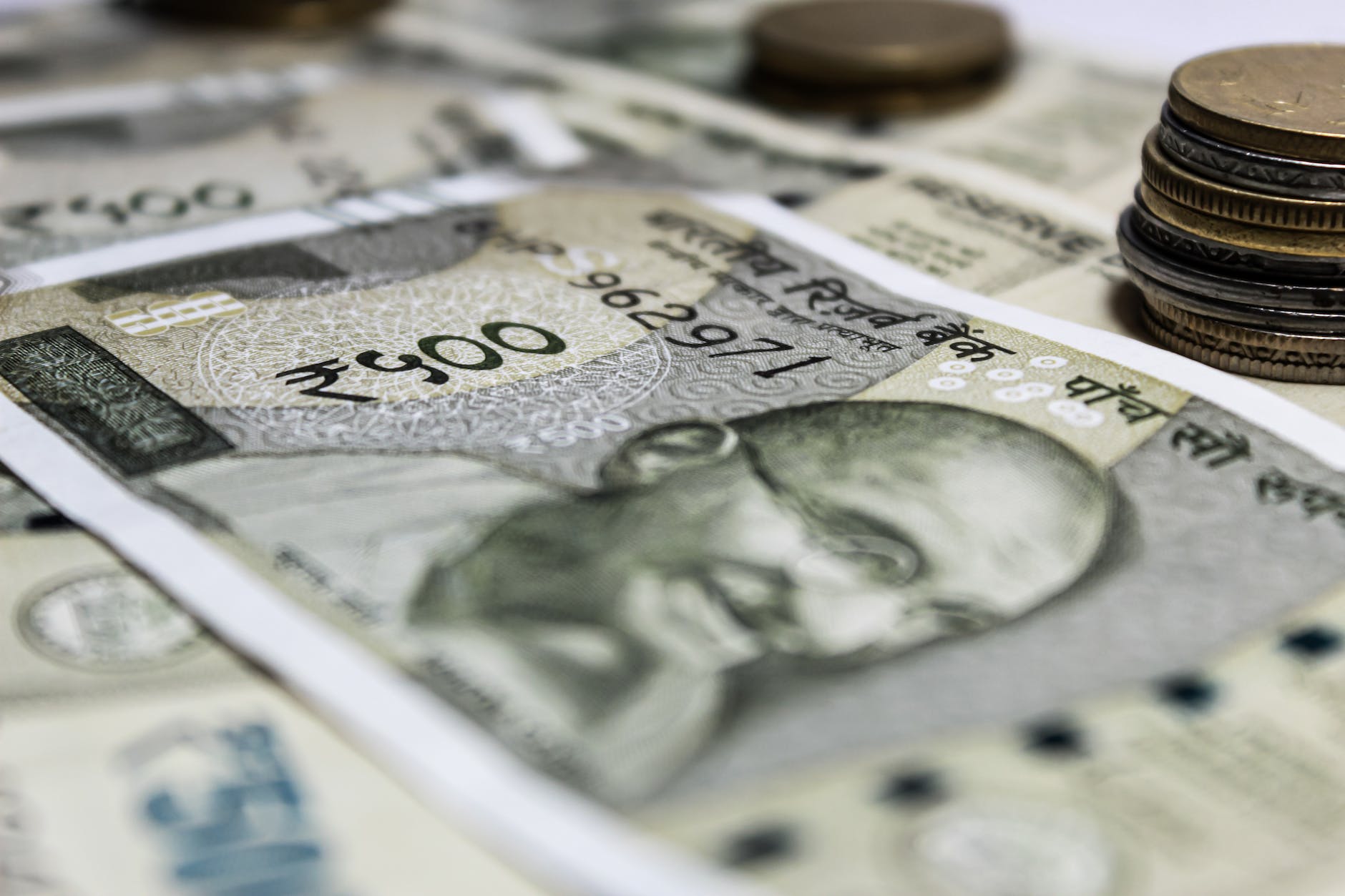
In the august meeting of the committee of the apex bank, the Reserve Bank of India (RBI) hiked the repo rate by 50 basis points to 5.4 per cent, its third hike in the current financial year continuing its fight to tame stubbornly high inflation.

The decision of the six-member Monetary Policy Committee (MPC) of the RBI, which met on August 3 to Aug 5, 2022 was largely in line with expectations. Financial markets were largely unchanged at mid day as the hike was on expected lines. The central bank said it would continue its stance of withdrawal of accommodation to ensure that inflation moves close to the target of 4 per cent over the medium term, while supporting growth.

RBI has been increasing policy rates since May, with a cumulative rate hike of 140 basis points being done so far, India’s retail inflation for June inched down in June to 7.01% from 7.04% in the previous month, but it remained above the 7% mark for the third successive month and above RBI’s 2-6% tolerance level for a sixth straight month.

But the estimates for July show that India’s inflation problem seems to have bottomed out sooner than the MPC thought. At its latest meeting earlier this month, RBI retained inflation projections for FY23 at 6.7% and estimated inflation to average 7.1% in the September quarter. There is more evidence that inflation in India has peaked for now, and it is likely to slow faster than RBI’s published trajectory, coming into the target band by October, according to our latest tracking estimates. The Central government working with RBI target to curb inflation from the economy in all possible way, the objective of these steps as expected by the committee is to lower the prices of basic commodity and works toward appreciation of the rupee against dollar.

“Make In India” explained.

Make in India program was launched by Prime Minister Narendera Modi on 25th September 2014 as an initiative to encourage various companies to manufacture in India. Make in India is an initiative under Atma Nirbhar Bharat Abhiyan which is dedicated to developing a modern independent India. Make in India’s movement is to attract foreign capital to invest in Indian manufacturing companies to create more employment options and to transform India into a global design and manufacturing hub. This initiative is to promoting manufacturing companies to produce goods and services in India instead of importing it from other countries and encouraging citizens to use the made in India products only.

The ideology behind the Make in India plan was to generate more employment, saving the nation’s money from exporting goods that can be or used to manufacture in India, and to create a conducive environment for investments. This movement can help to develop India to become a developed nation quickly. Make in India help to develop a modern and efficient infrastructure and open up new sectors for foreign capital especially after the 100% ownership of FDI. 

GoI aimed so many targets to be done successfully under the Make in India mission. A few of the objectives are listed out below:

  • A rise in the domestic value addition and technological depth in the manufacturing sector.
  • Raise in manufacturing sector growth to 12-14% per year.
  • Increase in the manufacturing sector’s share in the GDP to 25% by 2022.
  • Create 100 million extra jobs in the manufacturing sector by 2022.
  • Expanding the global competitiveness of the Indian manufacturing sector.
  • Creating required skill sets among the urban poor and the rural migrants to foster inclusive growth.
  • Having environmentally sustainable growth.

This program is destined to facilitate foreign direct investment and convincing Indian and foreign companies to produce their goods in India. Its key features are.

•    It is estimated that such facility of producing goods would increase the demand for employment in various sectors and would lead to better employment conditions.
•    This program is competent in attracting foreign currency to be invested in the Indian industrial sectors.
•    It would create a demand of skilled people in specific sectors, which would also create a requirement to train people in various sector and skills, to satisfy the demand of such industrial requirements.
•    It has already soared the position of India in the context of ease of doing business on its land. It has far more potential to take the India at much better ranking through this program alone.
•    It has cleared the vague picture of deciding FDI ratio in railways and defense sector and applied the determined terms in the form of this scheme.

India to be among the Developed Nations in the next 25 years.

In his Independence Day speech on Monday, Prime Minister Narendra Modi said that India should take a pledge to become a developed country by 2047 – the 100th year of independence.

The prime minister urged citizens of the country to work towards achieving the “panch pran”, or five pledges, in the next 25 years. Apart from making India a developed country, the citizens should remove traces of colonial mindset, take pride in their roots, forge unity and inculcate a sense of duty, Modi said.

“We need to now move with a renewed focus and resolve for the next 25 years, and this can be made possible through the strength and determination of 130 crore Indians,” the prime minister said in his ninth Independence Day speech from the Red Fort in Delhi.

The World Bank currently classifies India as a lower-middle-income country, the second from the bottom of the four income groups it puts countries into—low, lower-middle, upper-middle, and high income. While the multilateral institution junked the ‘developed’ and ‘developing’ nomenclature some years back, a developed nation would still correspond with a high-income country. According to the latest World Bank statistics, India’s average gross income per capita, at $2,170 in 2021, was ahead of Nigeria at $2,100 and Pakistan at $1,500 but trailed Bangladesh at $2,620 and Bhutan at $2,840.

The Prime Minister said India must be a developed nation in next 25 years, terming it as an aspirational society. He appealed and asked for the support of the people to walk forward with him on these 5 pledges assuring that India will definitely be a developed nation in every front if everyone walks on the path of these 5 pledges.   

  • India will have to walk forward with very big resolutions. If we have to achieve the target of a developed nation then nothing less than this will matter.
  • We have to leave our servitude mindset from every inch, corner, thinking, and mentality. We don’t have to carry forward any reflection of our servitude in any form in the country and have to overcome this.
  • We have to be proud of our heritage which gave India its golden glory in the past.
  • We have to keep in mind our ‘…ekta and ekjutta (Unity and solidarity)… na koi apna aur na koi paraya (we belong to everyone and everyone belongs to us)… ek barat shresth bharat (one country, pride country).
  • Responsibilities of citizens in which even a Prime Minister is not excluded, because he is also a citizen first.

Interesting places to visit in India

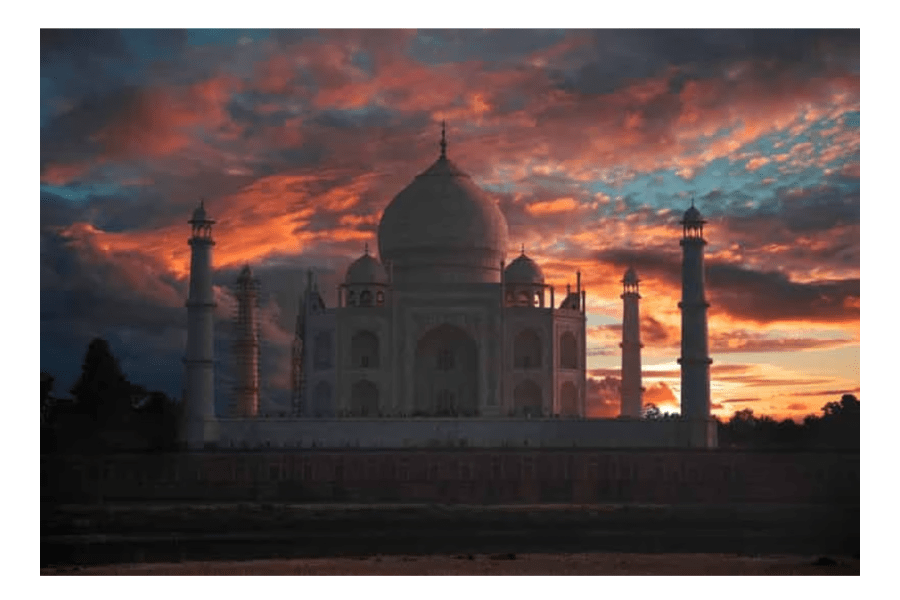
Agra Agra is home to several historic monuments, making it one of the most visited places in India. Of course, top of this list of places to see in Agra is the Taj Mahal, one of the most famous buildings in the world.This beautiful building, finished in white marble, is a perfect example of Mughal architecture, as are the Agra Fort, Akbar’s Tomb and Fatehpur Sikri. Also a great place to gorge on wonderful Mughlai food.

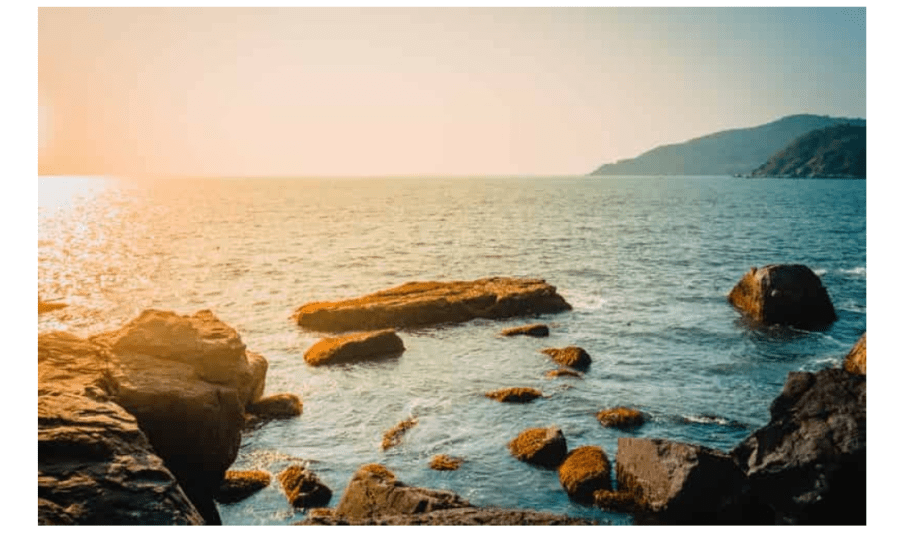
Goa With 51 beaches along the coastline, Goa is considered one of the best tourist places to visit in India. Its white sandy beaches, palm trees, low tax rate, amazing coastal cuisine and laid-back attitude make it a wonderful tourist place in India.The best time to visit this place is the winter, as the weather is just perfect (though this is when it can get expensive, too). Apart from the beach, its nightlife is surely not something you should miss.

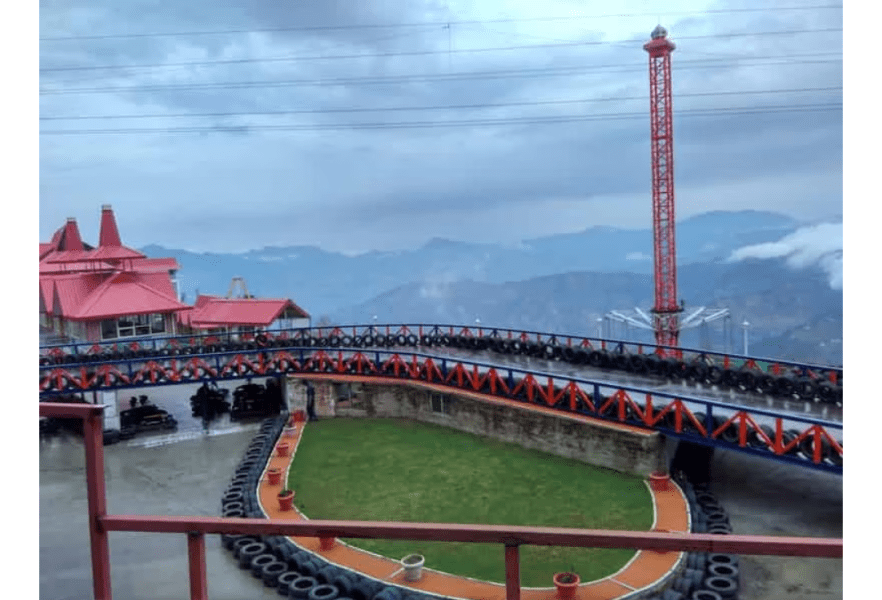
Shimla Shimla, the capital of Himachal Pradesh, is one of the famous hill stations in India. With the Town Hall at its centre and the breathtaking view of the Himalayas, this place attracts a lot of tourists.To know the real legacy of Shimla, you can visit the Viceregal Lodge, Christ Church and Gorton Castle. During winters, the snowy mountains and narrow alleys are worth viewing and exploring.

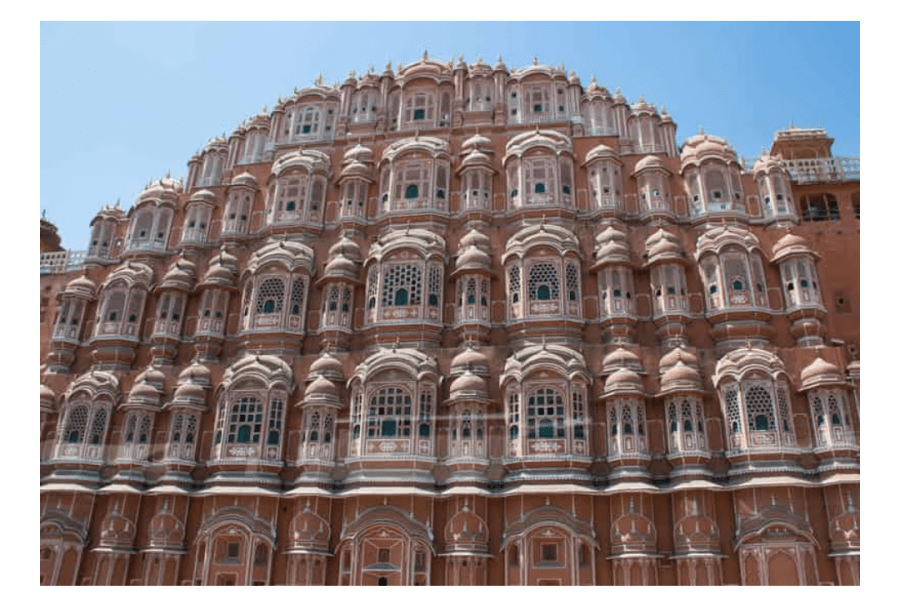
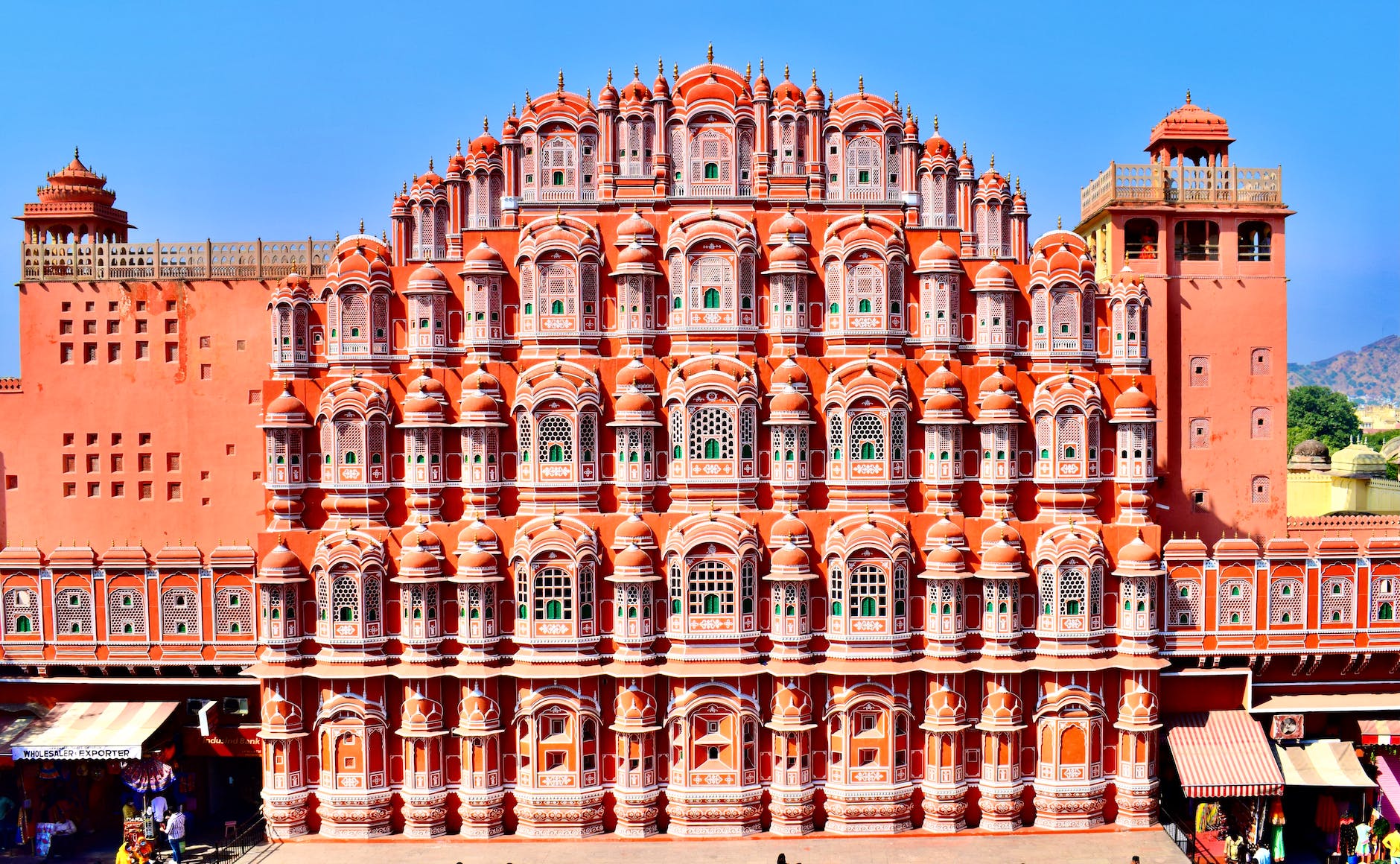
•Jaipur Jaipur, the capital city of Rajasthan, is popularly known as the ‘Pink City’ and is famous as a tourist and education destination in India. There are only a few cities that capture and showcase the rich history of the past and Jaipur is one of them.The popular destinations here are the Hawa Mahal, City Palace, Jantar Mantar and Amber Fort. If you want to experience the royal legacy and architecture this place is a must visit. Do not miss the Sound & Light Show at Amber Fort, narrated by Mr. Amitabh Bachchan himself.

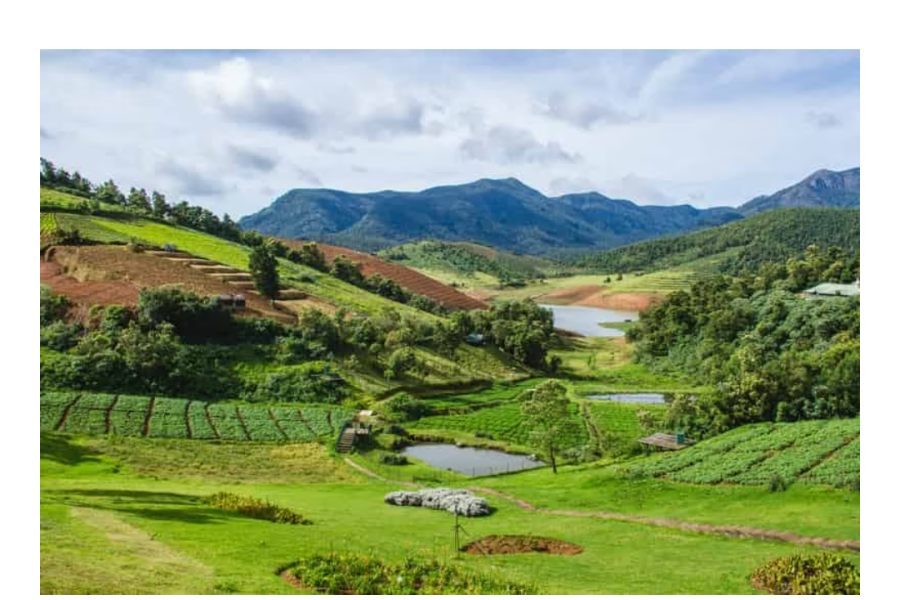
Ooty Udhagamandalam, also known as Ooty, is a hill station in the state of Tamil Nadu. The pleasant climate, the view of India’s Western Ghats and the peaceful atmosphere make a great tourist place for both family and friends.It is famous for its tea plantations, lush gardens, British era bungalows and spicy food. It is usually crowded during the summer holidays, as many families spend a week or two here. Once a small town, Ooty is today a buzzing tourist centre with plenty of activity all year round.

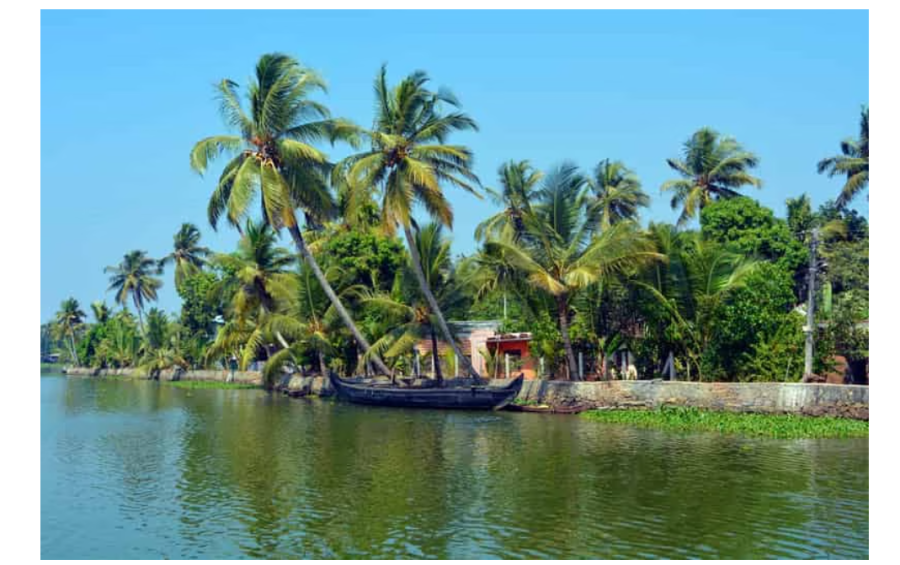
Alleppey Alleppey is one of the ten most gorgeous locations in the world, according to the National Geographic Traveler. Located on the Malabar Coast, the backwaters of Kerala showcase the true beauty of nature.
It is also famous for its Ayurvedic massages. Of course, you cannot miss the houseboat experience and the lovely Kerala cuisine, especially Malabar Chicken Curry and Puttu.

Ladakh Ladakh, the capital of Leh, is in the eastern parts of Jammu and Kashmir. Ladakh is known for its pristine lakes, freezing winds, glaciers and sand dunes. It has kept its distance from the modern world – and thank heavens for that.The most famous tourist attractions here are Pangong Lake, Tso Moriri lake and Leh Palace. There’s also many adventures to be found here, from white water rafting to mountaineering and trekking.


“India is a place where colour is doubly bright. Pinks that scald your eyes, blues you could drown in.”

-Kiran Millwood Hargrave

Jaipur : A beautiful tourist destination.

Jaipur is the capital of India’s Rajasthan state. It evokes the royal family that once ruled the region and that, in 1727, founded what is now called the Old City, or “Pink City” for its trademark building color.. The Pink City of India, is an exotic destination, to say the least. From royal palaces to peppy pubs and from regal forts to plush restaurants, the city offers a fascinating mix of attractions for an avid traveler. And let’s not forget the welcoming vibe of the city, a quality that’s inherent to Rajasthan’s imperial culture and heritage. 

The city is known for its beauty, and it is unique in its straight-line planning. Its buildings are predominantly rose-coloured, and it is sometimes called the “pink city.” The chief buildings are the City Palace, part of which is home to the royal family of Jaipur; Jantar Mantar, an 18th-century open-air observatory that was designated a UNESCO World Heritage site in 2010; Hawa Mahal (Hall of Winds); Ram Bagh palace; and Nahargarh, the Tiger Fort. Other public buildings include a museum and a library.

Some of the tourist spots and monuments to visit in the city are :

Amber/Amer Fort.

At a distance of 13 km from Jaipur Junction Railway Station, Amer Fort or Amber Fort is located in Amer near Jaipur. It is one of the best-preserved forts in Rajasthan, The architecture of Amer Fort is influenced by both Hindu and Muslim styles. Among the famous tourist places in Jaipur, Amer Fort was built using red sandstone and overlooks Maota Lake which is the main water source to the Palace.

City Palace.

City Palace, Jaipur was constructed between 1729-1732, in Jaipur as it paints the picture of heritage and rich culture. Sawai Jai Singh II has started the work of this palace, exclusively the exterior architecture of the building. Moving from Amber, he has moved to the Jaipur city because of the increase in water shortage problem which resulted in an inadequate supply of water to people.

Nahargarh Fort.

Nahargarh is one of three forts in the vicinity of the “Pink City” of Jaipur. Despite its prominence, the fort remained sadly neglected until recent years, resulting in visitors frequently overlooking it in favor of iconic and well-preserved Amber Fort on the opposite end of the ridge. Extensive restoration works and some exciting new attractions have revitalized the fort though, making it one of the top tourist places in Jaipur.

Jai Garh Fort.

Situated on one of the mountains of the Aravalli Range, Jaigarh Fort is a landmark structure in Jaipur. The strategically designed Jaigarh Fort was fundamentally built to protect the Amer Fort from any attack. Jaigarh Fort is popular for numerous reasons and the two most prominent are its mesmerizing architecture, which is a fusion of Rajputana and Mughal style, and for being the hub of artillery during the Mughal era.

Jantar Mantar.

Jantar Mantar is one of the finest monuments and striking creations by astronomers and architectures. It is a compilation of architectural astronomical devices which provided accurate astronomical results. It has even struck the modern approach of science. Jantar Mantar is the most well-known observatories amongst all the buildings formed during the sovereignty of Maharaja Sawai Jai Singh II.

Hawa Mahal.

Hawa Mahal was built by Maharaja Sawai Pratap Singh in 1799 and was designed by architect Lal Chand Usta as a ‘Rajmukut’. The Hawa Mahal was built specifically for Rajput members, and especially for women, so that the royal ladies could watch the daily drama dance in the street below, as well as have a beautiful view of the city from the window.

Central Museum

Central museum is also known as ‘Albert museum’ or ‘Government Central Museum’. This is the oldest museum of the city and was constructed in 1876 beneath the command of Lt. Swinton Jacob. Initially the building was a town hall. But on the order of Maharaja Madho Singh it was transformed into an art museum.

Artificial Intelligence

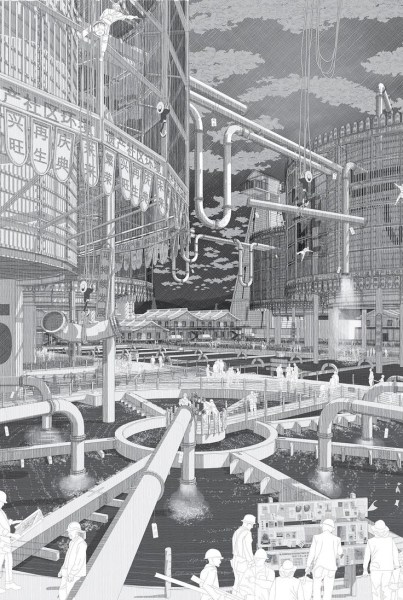
Artificial Intelligence is the intelligence possessed by the machines under which they can perform various functions with human help. With the help of A.I, machines will be able to learn, solve problems, plan things, think, etc. Artificial Intelligence, for example, is the simulation of human intelligence by machines. In the field of technology, Artificial Intelligence is evolving rapidly day by day and it is believed that in the near future, artificial intelligence is going to change human life very drastically and will most probably end all the crises of the world by sorting out the major problems. Our life in this modern age depends largely on computers. It is almost impossible to think about life without computers. We need computers in everything that we use in our daily lives. So it becomes very important to make computers intelligent so that our lives become easy. Artificial Intelligence is the theory and development of computers, which imitates the human intelligence and senses, such as visual perception, speech recognition, decision-making, and translation between languages. Artificial Intelligence has brought a revolution in the world of technology

Photo by ThisIsEngineering on Pexels.com

AI is widely used in the field of healthcare. Companies are attempting to develop technologies that will allow for rapid diagnosis. Artificial Intelligence would be able to operate on patients without the need for human oversight. Surgical procedures based on technology are already being performed.Artificial Intelligence would save a lot of our time. The use of robots would decrease human labour. For example, in industries robots are used which have saved a lot of human effort and time. In the field of education, AI has the potential to be very effective. It can bring innovative ways of teaching students with the help of which students will be able to learn the concepts better. Artificial intelligence is the future of innovative technology as we can use it in many fields. For example, it can be used in the Military sector, Industrial sector, Automobiles, etc.Artificial Intelligence will bring a huge revolution in the history of mankind. Human civilization will flourish by amplifying human intelligence with artificial intelligence, as long as we manage to keep the technology beneficial.


The greatest enemy of knowledge is not ignorance, it is the illusion of knowledge.

-Stephen Hawking

Bipolar Disorder

Bipolar disorder, also known as manic depression, is a mental illness that brings severe high and low moods and changes in sleep, energy, thinking, and behavior.
People who have bipolar disorder can have periods in which they feel overly happy and energized and other periods of feeling very sad, hopeless, and sluggish. In between those periods, they usually feel normal. You can think of the highs and the lows as two “poles” of mood, which is why it’s called “bipolar” disorder.In bipolar disorder, the dramatic episodes of high and low moods do not follow a set pattern. Someone may feel the same mood state (depressed or manic) several times before switching to the opposite mood. These episodes can happen over a period of weeks, months, and sometimes even years.There is no single cause of bipolar disorder. Researchers are studying how a few factors may lead to it in some people.
For example, sometimes it can simply be a matter of genetics, meaning you have it because it runs in your family. When someone develops bipolar disorder, it usually starts when they’re in late adolescence or young adulthood. Rarely, it can happen earlier in childhood. Bipolar disorder can run in families.Men and women are equally likely to get it. Women are somewhat more likely than men to go through “rapid cycling,” which is having four or more distinct mood episodes within a year.

Women also tend to spend more time depressed than men with bipolar disorder.Bipolar disorder usually develops later in life for women, and they’re more likely to have bipolar disorder II and be affected by seasonal mood changes. A combination of medical and mental issues is also more common in women. Those medical issues can include thyroid disease, migraine, and anxiety disorders.Bipolar disorder can be treated. It’s a long-term condition that needs ongoing care. People who have four or more mood episodes in a year, or who also have drug or alcohol problems, can have forms of the illness that are much harder to treat.Treatment can make a huge difference. With a combination of things — good medical care, medication, talk therapy, lifestyle changes, and the support of friends and family — you can feel better. Bipolar disorder — or manic depression, as it is also still sometimes called — has no known cure. It is a chronic health condition that requires lifetime management. Plenty of people with this condition do well; they have families and jobs and live normal lives. Finding the right medication need weeks to months to take full effect. Generally only one medication is changed at a time so that your doctor can identify which medications work to relieve your symptoms with the least bothersome side effects. Medications also may need to be adjusted as the symptoms change.Treatments for children and teenagers are generally decided on a case-by-case basis, depending on symptoms, medication side effects and other factors.


You are either too happy, too sad or you just don’t care. Finding the feelings in the middle do not come naturally. You have to fight every day to find them.

Hydroponics

Hydroponics is the method of growing plants without soil. It generally uses less water as compared to traditional soil system. It allows faster growth and higher yield.

William Frederick Gericke is known as father of hydroponics. He grew tomato vines in his backyard in nutrient solution.

The nutrients used in hydroponics include fish and poultry excreta , duck manure, chemical fertilizers, artificial nutrient solution etc.

Plants are commonly grown hydroponically in a greenhouse, on inert media, include tomatoes, peppers, cucumbers, strawberries, lettuces, and cannabis, usually for commercial use, and Arabidopsis thaliana, which serves as a model organism in plant science and genetics.

Advantages:

  • Does not require soil for cultivation.
  • Promotes faster and efficient plant growth.
  • It uses less water as compared to conventionally grown plants. Hence, helps to save water.
  • It does not depend on climate for favourable growing conditions.
  • Saves labour due to automatic watering and fertilizing capability.
  • Have fewer pest can can be grown closely.
Photo by Pragyan Bezbaruah on Pexels.com
  • The plant has less root and nutrient competition than grown in soil.

There are six main types of hydroponic system for garden: wicking, deep water culture (DWC), nutrient film technique (NFT), ebb and flow, aeroponics, and drip systems.

Disadvantages:

  • Involves high installation cost.
  • Need to test the solution frequently to avoid infection and damage.
  • System are prone to equipment failure and power outage.
  • Prone to water borne infection.
  • Requires constant monitoring and assistance.

Some systems, known as aquaponics involves use of nutrient-rich wastewater from aquaculture to fertilize hydroponic plants. Freshwater fish, such as tilapia, and crayfish are common aquatic animals utilized for these hybrid systems.

Nowadays, hydroponics is being implemented in large scale as a start up to meet the demand of fresh leafy vegetables as is a part of urban farming.

Fracking

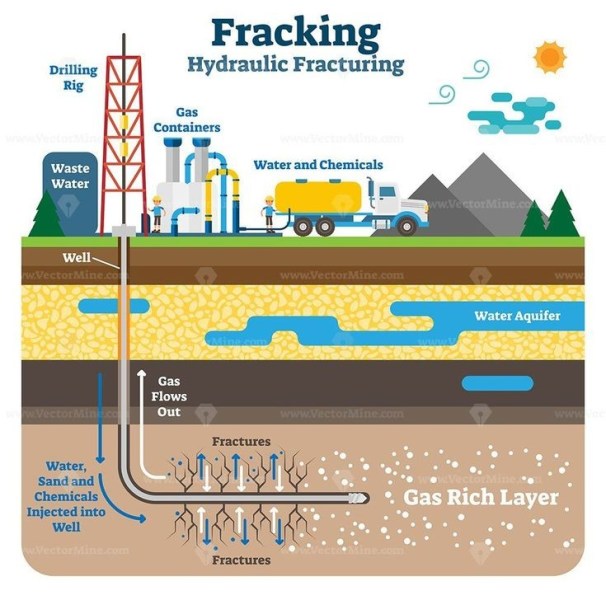
Fracking is short for “hydraulic fracturing”, which is the process of creating fractures in rocks and rock formations by injecting specialized fluid into cracks to force them to open further. The larger fissures allow more oil and gas to flow out of the formations and into the wellbore. It is easier to extract oil and gas there.Fracking has resulted in many oil and gas wells attaining a state of economic viability due to the level of extraction that can be reached. It has also allowed drilling firms access to previously difficult-to-reach sources of oil and gas.Fracking is an extraction technique for oil and gas wells in which rocks are fractured artificially using pressurized liquid. The process involves drilling down into the earth and injecting a highly pressurized mixture of water, sand, and thickening agent, also called “fracking fluid,” into a wellbore to create cracks in rock formations. Once the hydraulic pressure is removed from the well, the remnants of the fracking fluid hold the fractures open, making it easy to extract the oil and gas inside. Fractures can also exist naturally in formations, and both natural and human-made fractures can be widened by fracking. As a result, it is possible to extract more oil and gas from a given area of land.

Fracking increases the rate at which water, petroleum, or natural gas can be recovered from subterranean wells. It has also allowed the extraction of unconventional oil and gas resources from low permeability sites where traditional extraction technologies fail. Fracking as a method for oil and gas extraction is also more economically viable than conventional or horizontal drilling. In the United States, domestic oil production has grown significantly with the introduction of fracking. The process has driven down gas prices and offered gas security to both the United States and Canada for about 100 years.

Most of the opposition to fracking revolves around its potential negative impact on the environment. Fracking typically produces methane emissions, which reduce air quality. Furthermore, methane gas contributes significantly to global warming.Fracking requires forcing large volumes of water and chemicals into the ground, which can seep and contaminate local soil and water resources. Moreover, due to the high pressures involved, fracking is also associated with increased seismic activity. It also releases large quantities of methane gad and other air pollutants that can cause health problems and contribute to climate change.Fracking has allowed for the cost-effective extraction of harder-to-reach deposits of oil and gas, which has increased the supply of available fossil fuels. In general, greater supply leads to lower prices; however, several other factors also impact the price of oil and gas.


Rural Development.

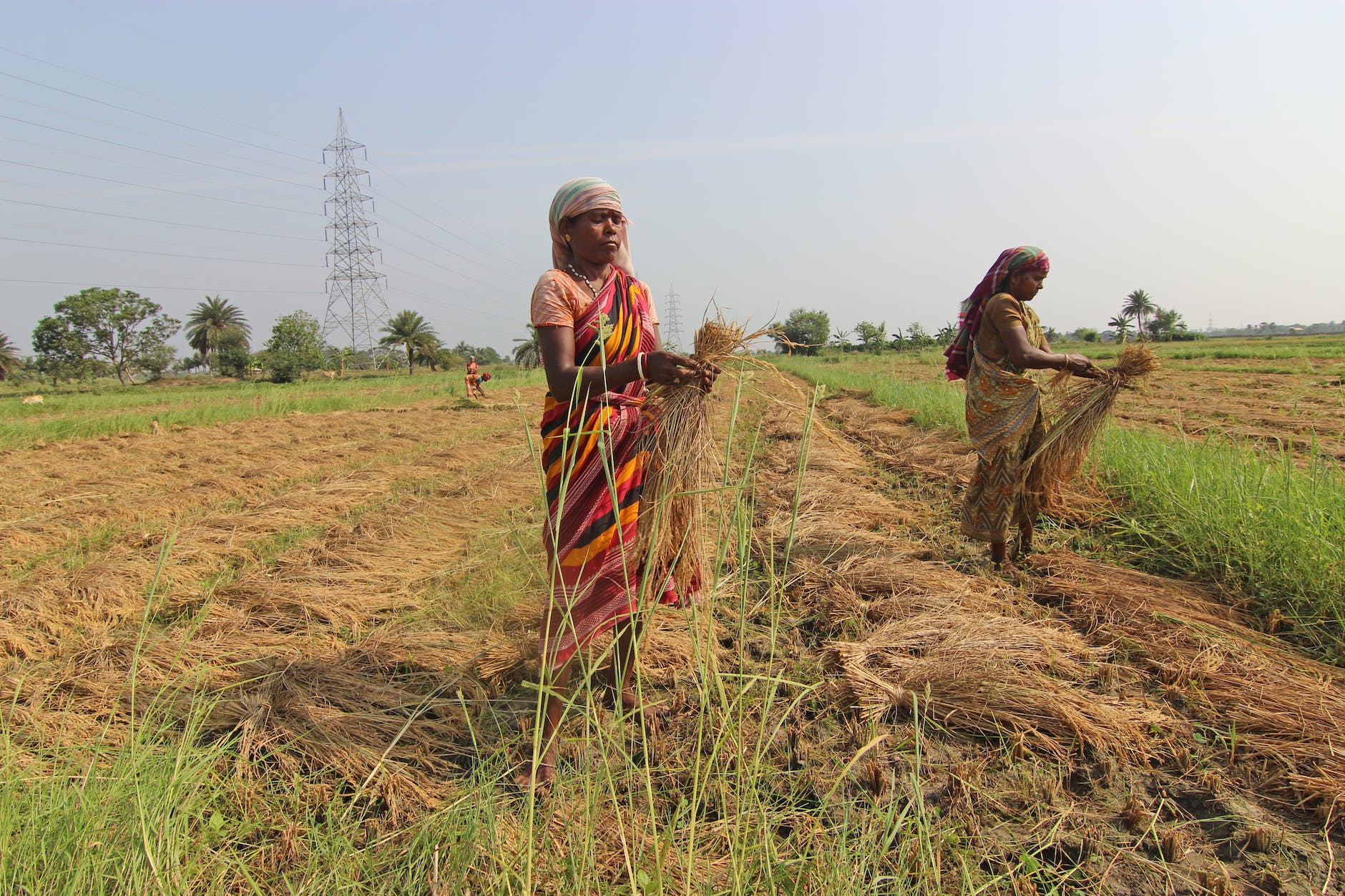
The majority of population in India (about 73 per cent) is living in rural areas. Living conditions of the rural people are very poor. Under such a situation, development of rural areas must receive adequate attention in various schemes designed for the development of Indian economy.

The rural part of the country is still underdeveloped, and the government is doing what all they can to make sure that the rural part also has all the resources like the urban of the country has. But if survey gets conducted at various parts of the country, one will find out that still there are a lot of city and villages in the country whose development is still under process. Various kinds of roads and bridges are being made in various rural parts of the country so that they get connected to an urban part of the country, and thus people from rural part can travel to urban part easily to do various kinds of jobs.

Many industrialists have stepped out to develop rural part of the country, and that is why a lot of malls, call centers, and other industries are getting set up in various rural parts of the country. These industries will not only make job opportunities for the rural people, but it will also enhance their knowledge about certain things.

The following measures can he taken to attain rural development in the country.

  • Improvement of sanitation and for the improvement of sanitation, arrangements for supply of pure drinking water should be made. Tube-wells and ponds should be dug.
  • Education of the masses, Mass education should be introduced to remove the ignorance of the villagers. Education should be made free and compulsory.
  • Establishment of schools for poor people. Night schools should be set up for poor to teach elementary Hygiene and scientific methods of cultivation.
  • Establishment of cheap medical aid for people in rural areas. Hospitals should be established to give cheap medical aid to the people living in rural areas.
  • Construction of good roads and other means of communication is must.
  • Co-operative Credit Societies should be set up to provide loans to the peasants.

The Ministry of Rural Development is engaged in implementing a number of schemes which aim at enabling rural people to improve their living standards. Education, removal of poverty and speedy socio-economic progress is the goal with which the development programmes are being implemented through a multi pronged strategy, reaching out to the most disadvantaged sectors of society Huge priority is being accorded to provide clean drinking water, rural housing and road. The social security programmes are being implemented for providing assistance to the destitute and downtrodden. Assistance and encouragement to voluntary agencies and training of functionaries forms part of the emphasis on accelerated rural development. The ministry is constantly endeavouring to empower the Panchayt Raj institutions in terms of functions, power and finance. In the new initiative the Gram sabha has become the most significant institutions. Non-Government Organisations self help group and Panchayati Raj institutions have been accorded adequate role to make participating democracy meaningful and effective. Development of waste lands desert and drought prone areas has also been undertaken along with land reforms.

Central Bureau of Investigation

The CBI is the main investigating agency of the GOI. It is not a statutory body; it derives its powers from the Delhi Special Police Establishment Act, 1946.
Its important role is to prevent corruption and maintain integrity in administration. It works under the supervision of the CVC (Central Vigilance Commission) in matters pertaining to the Prevention of Corruption Act, 1988. Investigate cases connected to infringement of economic and fiscal laws, i.e., breach of laws concerning customs and central excise, export and import control, income tax, foreign exchange regulations, etc. But cases of this nature are taken up by the CBI either at the request of the department concerned or in consultation with the concerned department.Investigate crimes of a serious nature, that have national and international ramifications, and committed by professional criminals or organised gangs.To coordinate the activities of the various state police forces and anti-corruption agencies.
At the behest of a state govt., the CBI can also take up any case of public importance and investigate it.Maintaining crime statistics and disseminating criminal information.The agency is dependent on the home ministry for staffing since many of its investigators come from the Indian Police Service. The CBI also relies on the ministry of law for lawyers and also doesn’t have functional autonomy to some extent. The CBI, run by IPS officers on deputation, is also vulnerable to the government’s ability to manipulate the senior officers because they are dependent on the Central government for future postings. Since police is a State subject under the Constitution, and the CBI acts as per the procedure prescribed  by the Code of Criminal Procedure (CrPC), which makes it a police agency, the CBI needs the consent of the State government in question before it can make its presence in that State. This can lead to certain cases not being investigated and seeing a silent deadlock. Recently, states like Andhra Pradesh (consent is again given after change of government in-state) and West Bengal withdrew consent.

The CBI was not one of the organizations included in the exempted category. It was much later in 2012 that the CBI was brought in. There was a purpose as to why the CBI was not brought into the ambit of the RTI- this was because the CBI was not considered to be one of those organizations which really looks into the strategic interests of India. Section 8 of the RTI Act, which guarantees various forms of exemption, begins by saying that all the information which has a strategic significance should not be disclosed. Further, since the Intelligence Bureau (IB), the Research & Analysis Wing or RAW and such organizations which gather intelligence, are dealing with strategic matters and so they were from the very beginning kept in the exempt category. The CBI was never considered to be one which collects or maintains such information which are of strategic importance for the country.However, the CBI made out a case that they are also investigating into all kinds of cases- and that these cases include those which are of strategic importance for India and therefore, if they would be subjected to the RTI, much of that information would go out into the public domain.

CYBERSECURITY IS A SHARED RESPONSIBILITY, AND IT BOILS DOWN TO THIS: IN CYBERSECURITY, THE MORE SYSTEMS WE SECURE, THE MORE SECURE WE ALL ARE.