Hustle culture

More people need to make their own well being a priority.

To some people self care means face masks, bubble baths, and a glass of malbec. To others it means spending more quality time with your family, friends, or pets.

But one thing seems universal: the need to spend less time grinding and more time enjoying.

How do we do this when we are told to idolize “the hustle?” Told to follow the grind wherever it leads us? Told that we are only successful if we put everything we have into our work?

Over the last few years we have fallen victim to what is now being called “hustle culture.” 

Hustle culture does not sleep. Hustle culture does not take lunch breaks. Hustle culture is waking up Saturday morning and making spreadsheets instead of pancakes.

Hustle culture does not take into account what your goals in life really are.

If you have a goal in mind, you need to put your foot on the gas and strategize how you’ll achieve it A S A P., Or else it’s just an idea and a waste of time.

The idea is that we find our value and sense of self in our output or how much work we can get done. So much so that we glamorize the idea of being a “workaholic” and are obsessed with Hyperproductivity.

The bottom line becomes, if you’re not constantly delivering something of perceived value, you’re doing it wrong.

People often admire the “hustle.” “Don’t knock on the hustle,” they say. True enough, in some instances having a hustle culture is a good thing, in a workplace environment the opposite is generally true. Especially in today’s highly competitive and fast-paced lifestyle, hustle culture is becoming the norm for more and more people in the workforce today.

Millennials in particular — especially fresh graduates and singles — are particularly keen on the kind of workaholism that hustle culture perpetuates. It’s all about how “busy” they are, how many million things they’re juggling at the same time. Hustle culture has become the standard for many to gauge things like productivity and performance.

The thing is, hustle culture isn’t really as great as it’s made out to be. It’s dangerous, both to individuals and to a workplace environment in general. It may seem like a good thing on paper, but in practice, there is a lot to at least be extremely cautious about.

In a nutshell, hustle culture (as the name also implies) means constant working. It means devoting as much of your day as possible working — hustling. There is no time out or time in at work. Work is done in the office, outside the office, at home, at coffee shops — anywhere. And in a world constantly on the go and equipped with the tools to achieve that, working constantly on the go is very possible.

Hustle culture is the societal standard that you can only succeed by exerting yourself at max capacity professionally. Everyday.

Hustle Culture pushes the idea that you are only valuable, worthy, or capable of success if you are performing at your maximum capacity at all times.

And it’s a mindset, a philosophy and a life embraced by many, both by individuals and even companies. When you talk of hustle culture, the more you work, the more celebrated you are. Never mind that you miss meals, sleep, and other important events. In hustle culture, taking a break is for the weak. Your brain becomes trained to always be active and always churning out idea after idea after idea.

Caste System in India

Indian society is split into several sects and classes. This is due to the existing caste structure in the nation. The origins of the caste system may be traced back to the ancient Vedas, which divided individuals based on varna, or vocation. It has brought about a slew of calamities in society. The government is continuously working to address the system’s flaws and achieve real equality among the people. The caste system is the bane for the Indian society. It divides the Indian society into sectarian groups and classes. Even today, it plays a predominant role in our society despite the growth of culture and civilization.

The official words used in government papers to designate erstwhile untouchables and tribes are ‘Scheduled Castes and Scheduled Tribes’ (SC/ST). However, after noticing that the term ‘Dalit’ was being used interchangeably with the official term ‘Scheduled Castes,’ the National Commission for Scheduled Castes asked state governments to stop using the term ‘Dalit’ in official documents, calling it ‘unconstitutional,’ and to replace it with the term ‘Scheduled Caste’ instead.

The caste system’s origins may be traced back to prehistoric times. While one school of thought distinguishes castes as higher and lower castes based on their origin, another school of thought links the origins of castes to varnas, which classify the caste system based on their roles. Since then, it has been discovered that those with an advantage and a say in the community have taken unfair advantage, resulting in discrimination and exploitation of the group’s weaker members.
People from Scheduled Castes and Scheduled Tribes, sometimes known as “untouchables,” account for one-sixth of India’s population, approximately 160 million people; they face prejudice and segregation.

Evil faces of this system:-

Untouchability:- Many communities are divided by caste, and they are not permitted to cross the line separating them from the upper castes. They may also not drink from the same wells or visit the same tea shops as higher castes.

Discrimination:- In lower caste neighbourhoods, they frequently lack access to power, sanitation, and water pumps. Higher castes are denied access to better education, housing, and medical services.

Division of labour:- They are restricted to certain occupations like sanitation work, plantation work, leather works, cleaning streets, etc.

Slavery:- They are subjected to exploitation in the name of debt, tradition, etc., to work as labourers or perform menial tasks for generations together.

Government Initiatives

The Indian government has passed legislation to abolish untouchability and has implemented several reforms to enhance the quality of life for the poorer parts of society. Among them are the following:

  • Fundamental human rights are guaranteed by the constitution.
  • In 1950, the term “untouchability” was abolished.
  • Act to Prevent Atrocities Against Scheduled Castes and Tribes, 1989.
  • Reservations in locations such as educational institutions, career possibilities, and so forth.
  • Creating social welfare ministries and national committees to look after the interests of scheduled castes and tribes.

The government’s initiatives have provided some assistance to the weakest sectors of society. The metropolitan regions have had a significant influence and have showed some progress. People in rural areas and villages, on the other hand, continue to experience severe prejudice. We still have a long way to go in terms of eradicating and abolishing prejudice based on caste and creed. It now rests on our efforts, and a shift in our attitude will almost certainly result in a permanent shift, bringing equality to all.

Right to Equality

The fundamental fights are guaranteed to protect the basic human rights of all citizens of India and are put into effect by the courts, subject to some limitations. One of such fundamental rights is the Right to Equality. Right to Equality refers to the equality in the eyes of law, discarding any unfairness on grounds of caste, race, religion, place of birth sex. It also includes equality of prospects in matters of employment, abolition of untouchability and abolition of titles. Articles 14, 15, 16, 17 and 18 of the Constitution of India highlight the Right to Equality in detail. This fundamental right is the major foundation of all other rights and privileges granted to Indian citizens. It is one of the chief guarantees of the Constitution of India. Thus, it is imperative that every citizen of India has easy access to the courts to exercise his/her Right to Equality.

Various articles under the Right to Equality are explained as follows:

Equality Before Law :- Article 14 of the Constitution clearly defines equality before the law, ensuring that all citizens are equally protected by the country’s laws. It means that the state would not discriminate against any Indian person based on their gender, caste, creed, religion, or even location of birth. The state cannot deny equality before the law and equal legal defence to any individual on Indian territory. In other words, no one or group of individuals may expect preferential treatment. This privilege pertains not only to Indian nationals, but to all individuals living on Indian territory. The right to social equality and equal access to public areas is explicitly stated in Article 15 of the Indian Constitution, which states that no one should be treated favourably on the basis of colour, caste, creed, language, or other characteristics. Everyone must have equitable access to public sites such as public wells, bathing ghats, museums, and temples. The State, on the other hand, has the authority to make special provisions for women and children, as well as for the development of any socially or educationally disadvantaged class, scheduled castes, or scheduled tribes. This article solely pertains to Indian nationals.

Equality in Matters of Public Employment:- Article 16 of the Indian Constitution states unequivocally that the state must treat all citizens equally in job concerns. In any occupation or position under the State, no citizen must be discriminated against on the grounds of race, caste, religion, creed, descent, or place of birth. Every Indian citizen is eligible to apply for government employment. There are, however, certain restrictions to this right. The Parliament may adopt legislation stating that certain positions can only be filled by individuals who live in a specified area. This qualification is mostly for positions that demand knowledge of the location and language.

Abolition of Untouchability:- Article 17 of the Constitution of India abolishes the practice of untouchability in India. Practice of untouchability is declared as a crime and anyone doing so is punishable by law. The Untouchability Offences Act of 1955 (and now Protection of Civil Rights Act in 1976) states punishments for not allowing a person to enter a place of worship or from taking water from a well or tank.

Abolition of Titles:- Article 18 of the Indian Constitution forbids the state from bestowing any titles. Citizens of India are not permitted to accept titles from other countries. The British administration also eliminated titles such as Rai Bahadurs and Khan Bahadurs. Nonetheless, academic and military awards can be bestowed to Indian nationals. The awards of ‘Bharat Ratna’ and ‘Padma Vibhushan’ cannot be used as a title by the recipient and are not forbidden under the Indian Constitution. Since December 15, 1995, the Supreme Court has upheld the legality of such rewards.

To conclude, the ‘Right to Equality’ should not only remain on papers. This right should be properly exercised; otherwise it will lose its essence if all the citizens of India, especially the weaker and backward classes do not have equal rights and equality before law.


Empathetic Postion in my life.

Empathy
The subject of Empathy is something that I heard throughout my life and had a general understanding of what it was, but definitely one of those things that you things actually don’t understand fully until you experiencing it.

“Empathetic is ability to understand and share the feeling of another.’’

THE IMPORTANCE OF EMPATHY.

The Empathy is one of the most important interpersonal good quality in human. Because it can help you to connect with someone that personaly very easily.

• There is a difference between sympathy and Empathy.

I can see how important this is to you”
“I know this can be frustrating”
“I know this process can be confusing “
“I’m sorry to see that you’re in this situation “
“I’d like to help you if I can”
“let’s see if we can slove this together”

Now lets see the empathetic postion in my life.”

(stranger life Postion)

It is pleasure to begin with an introduction of myself, well, I’m Jacklin, doing my final year UG.I’m just a girl with big dream that I fight for.I would like to take challenge for it because I know that I’m able to attain my dream and that I can take both success&failure in a balanced manner I’m just an introvert sometimes and I love to be alone because I would be positive wheneverd I was alone I could have figured things out better and the best when I was alone. I spread positivity whenever I would be and well, I think that’s my best behavior. I have some hobbies, I love music the most, and I sing well too and I love to plat football.

And now, a friend of mine, she was my classmate too. She had a habit of worrying all the time about her future. Whenever she calls me, she will not disconnected the call without blabbering about her future. The future things like, what I will do? what it will be? is that will make me good or bad bla bla bla…..Yeah, because her basic problem is that she have no plans. That time, I was like what is it? 🙄And why these bla bla…!! I just simply calm her down and tell that. she have to enjoy the pressed moments and work for the present life. And not to worry all the time. “I try to understand her” and try to figure things out in every possible happy ways like cracking jokes and like motivating, boasting her up, also, doing those conversations, I would feel better and motivating her makes me some more confident about myself too….

Yeah here I shared a small postion of Empathetic situation happened in my life.

I always wish to tell the people around in me…. Just speard the Empathy.

“understand others by being socially aware. The first step in social awareness is Empathy”

Directive Principles of State Policy

Part IV of the Constitution under Article -( 36 to 51 ) contains the Directive Principles of State Policy.

Classification of the Directives-

(1) Certain ideals, particularly economic, which according to the framers of the Constitution, the State should strive for.

(2) Certain guidance to the Legislature and the Executive aimed in what counts the State should use their legislative and executive powers.

(3) Certain rights of the citizens which shall not be enforceable by the courts like the “fundamental rights”, but which the State shall nevertheless aim at securing, by regulation of its legislative and administrative policy.

Scope of the Directives– It shall be the duty of the State to follow these principles both in the matters of administration as well as in the making of laws. They embody the object of the State under the Republican Constitution, namely that it is to be a “Welfare State” and not a mere “Police State”. Most of these Directives, it will be seen, aim at the establishment of the economic and social democracy which is pledged for in the Preamble.

The 42nd Amendment- However, it should be noted that the objective of the State has been formulated to live ‘socialist’, by the amendment of the Preamble by the 42nd amendment. By the same amendment, certain other changes have also been introduced they are:

(i) Article 43A has been inserted to ensure the State provides free legal aid to the poor and to take other suitable steps to achieve equal justice for all, given by the Preamble.

(ii) It has been inserted to direct the State to ensure the participation of the workers in the management of industry and other undertakings. This is a positive step in the advancement of socialism in the sense of economic justice.

The 44th Amendment- The Janta Government sought to implement the promise of economic justice and equality of opportunity assured by the Preamble, by inserting a clause (2) in Article 38 by the 44th Amendment Act, 1978 carried– The State shall, in particular, strive to minimize the inequalities in income, and endeavor to eliminate inequalities in status, facilities, and opportunities, not only amongst individuals but also amongst groups of people residing in different areas or engaged in different vocations.

The 86th Amendment- The Constitution 86th Amendment Act, 2002 substituted Article 45 making provision for early childhood care and education to children below the six-year of age provides provision for free and compulsory education until they complete fourteen years of age.

The 97th Amendment- Article 43B in Part IV of the Constitution has been put to promote the voluntary formation of cooperative societies. Article 43B provided that: The State shall endeavor to promote voluntary formation, autonomous functioning, democratic control, and professional management of cooperative societies.

DPSP and Fundamental Rights-

The dpsp has to conform to and run as a subsidiary to the Chapter Fundamental Rights. Nevertheless, in determining the scope and ambit of the Fundamental Rights relied on by or on behalf of any person or body the court may not entirely ignore these Directive Principles of State Policy laid down in Part IV of the Constitution but should adopt the principle of harmonious construction and should attempt to give effect to both as much as possible.

SCHOOL LIFE!!!!

I think everyone have the memories of your school life which never fades. The most cherished and enjoyed part of our life would definitely be our school life, right? Though, we go to college or job but the happiness might not be equal to the happiness in school life. Am I right guys? But the children these days do not know the happiness of this school life. This would be a great regret in their life. This pandemic has affected our daily lives. This affected our life greatly. Due to this, the children miss their school life and focussed on the online classes which is the greatest regret of the parents these days. The usage of mobile phone in such a young age may develop the habit of laziness in children. They may have eye problems. Let me tell you about school life now and then. Yes, I will share you how I enjoyed my school life. We were the last batch to complete school life before the pandemic started. We feel lucky for that.

School Life - children off the 60s
School days before Covid-19

As I said, the most unforgettable part in our life is our school days. Yes, school makes one built their character and knowledge of life. The most things can be learnt only in school days. This is a palce where every student tries to be the best in his work and want to use the school life the most to be a successful person. There they learnt to be disciplined and how punctuality matters a lot. Punished for being late teaches them to be a punctual person and this can be applied wherever he goes. Schools shape our character, mold our mental attitudes and fashion the basic principles of life. Most of us would have spent the most happiest days in school only. Think about it.

Are school days the best days of our life? - Quora

The children fight among themselves to prove they are the best in the class. The attention of students towards teachers are very high those days. Though they didn’t do their homework or didn’t work hard, during the time when examination dates are announced they show their strength to the fullest. Yes, the competition to be the first is always a fire in their mind. School teaches us how to respect others and befriendly with everyone. School is the place where we first identify our talents. There were many competitions which encourage them to prove themselves. This brings out dancing ability, singing, etc. Some children are interested in sports and teachers help them to be the best in their sports. To say bluntly, teachers are the pillars of school life.

How Teachers can Help Students Set and Achieve Personal Goals
The best companion of School life

The loyal and life long friends can be made only in your school life. Yes, the school friends are the ones who befriend with you without any expectations. Everyone can’t be able to forget the attrocities done with your friend right? At times, getting punishments together or making your friend a scapegoat and these cannot be forgotten. Sharing food and snacks are the best parts. This teaches us to be friendly and generous to the people around us. In every class, there will always be a group of gang and fight between them for silly things are unforgettable. Possesiveness over your friend and ego clashes between them are the most enjoyable things in school life. But the children these days miss the school days and this pandemic has made the situation worst.

Group Of School Friends Holding Hands With Rear View On White.. Stock  Photo, Picture And Royalty Free Image. Image 79586669.
Friends

Days goes, trend changes. This pandemic has made things difficult for children. They have become lazy and didn’t know about their school at all. They are studing through online class. Will it cultivate all the good habits ? No, puntuality and other things can only be taught in school. They are sure to miss this. Attending classes online may bring health issues and eye problem etc., But we should adjust this and be safe for now. I hope the pandemic will end soon and the children will be able to attend their live classes and cultivate their character. Doctor advices children to hear the online classes rather than seeing the mobile or laptop for the full day.


Education now

Read more;

https://www.iaspaper.net/school-life-short-essay-children/


WHY CELLPHONE SHOULD NOT BE ALLOWED IN SCHOOL ?

Cell phones are extremely helpful. They assist us to contact with individuals. We can get different data about different things by means of web. Yet, are cellphones that vital in an understudy life that he/she can take that to class ? The appropriate response is no a result of the accompanying reasons:

1.Interruption/Distraction

While Cell telephones are in your grasp the entire day, warnings will continually go off. You’re compelled to looked without figuring it out. Understudies get diverted all for the duration of the day without seeing they are. The entirety of the data from their instructors go in one ear out of the other, and fail to remember all that they were educated. Many time understudies will have games on their telephones and consider passing a level and attempt and have a go at deduction they will complete it and afterward work, however without seeing when they finish a level the class is going to be done and you have no work done.

Distraction-Blocking Apps to Become a Better, More Productive Salesperson -  Salesforce Canada Blog

2.Grades Falling

At the point when children are on their telephones for the majority of their days, they don’t take care of job and grades drop drastically. At the point when you take a gander at your telephone it typically requires around 5 minutes to zero in again on whatever they were doing previously. Data isn’t being put away in your cerebrum so work isn’t possible.

More students got F's in first term of school year - The Washington Post

3.Can make understudies get vexed

With the pace of Cyberbullying going up numerous children will get singled out over web-based media and keep taking a gander at various things for the duration of the day and get vexed and not have the option to focus on their work. Likewise, say you and a companion or a beau/Girlfriend get in a contention, you will be more stressed over that than your school work.

4.Schoolwork

On the off chance that children are continually on their telephones at school, what makes you believe they’re not going to do exactly the same thing at home. In case they’re occupied for the duration of the day and not managing job in school, schoolwork is less inclined to complete at home. Grades continually drop as a result of understudies accomplishing school work, however significantly more due to schoolwork. On the off chance that Cell telephones weren’t permitted in school, understudies may basically have the option to complete their work in school and could decrease schoolwork.

5.Break course

Ordinarily when an understudy doesn’t get something or simply doesn’t have any desire to do it, they’ll go to their telephone as opposed to requesting help or clarification. By this point understudies don’t think often about their work. So they simply forget about it.

6.Insolence

At the point when an instructor is talking and showing something new to understudies, and many are on there telephones while few are attempting to learn, these children on the telephone are diverting the other. Indeed, even without sound being on, in case you’re playing a game or watching a video on quiet, more often than not another person can get an impression and not quit thinking back. This is slighting your instructor who is removing time from their day to show you and help you while you’re on your telephone.

7.Cheating

Kids are standing out enough to be noticed, so with regards to stepping through an exam they have no clue about what the appropriate responses are such countless understudies will cheat and not learn anything. In the event that an understudy is bamboozling they’re not picking up anything and by and by getting into a school turns out to be much harder.

Students caught cheating in Gujarat board exams, FIR lodged against Class  10 student - Education Today News

8.Public activity

I accept an understudies public activity is vital. It encourages children to interface with individuals for when they have some work further down the road. Understudies being secured in their telephones the entire day, they don’t understand there is a genuine world out there. Social connection isn’t simply messaging, it’s going out and verbally conversing with somebody. Commonly, without a genuine public activity it can likewise cause sorrow, it can make somebody think they have no companions and nobody likes them, however truly this is on the grounds that they’re generally on their telephones as opposed to going out and really attempting to interface with somebody.

RESOURCES:

https://www.addictiontips.net/phone-addiction/why-cell-phones-should-not-be-allowed-in-school/

THE BUYING DECISIONS

Buying and shopping is something, which if preferred my everyone, belonging to all age groups. The buying decisions of men and woman depend on their habit and lifestyle. Habits and lifestyle drive most decisions and it is important for companies to study these habits for understanding the buying decisions of the purchasers. Companies try to focus and study the initial buying decision to gain advantage of them before their decision is overruled by their habit. This ensures that their products and things that they are selling is the beneficiary of the habits of the consumers.

Consumer Buying Process

There is particular buying process through which a customer has to go before purchasing anything. This process is called as Customer Buying Process (also called a buying decision process). This process shows the journey of a customer before buying anything. And it is important to understand this journey to align the products and strategize the entire process of product advertising selling accordingly.

Following things are focused while understanding a buyers mind:

  • Initial Stimulation of a Need : Companies spend millions of dollars each year to motivate the buyers for purchasing their products and for motivating them to buy the products which are healthier, wealthier, attractive and safer. That’s why, coupons, discounts and sales are also provided. These mainly attract the purchasers. Many purchasers tend to change their habits and lifestyles which further change and shift their shopping habits.
  • Influence of Third Parties: Third parties are mainly friends, peers or authority who have influence on the habits and lifestyles of people. This further affect the selection of products. Word of mouth marketing is considered more because it provides honest reviews about different products. It is considered to be more trustworthy than individual advertising. That’s why companies try to seek and attract customer endorsements and enlist celebrities as product spokespeople to help gain the attraction and purchasers.
  • Personal Evaluation : Decisions for buying one product as compared to other similar products is influenced by a number of factors and it includes packaging appeal and the convenience of payment. This process of choosing one product over another helps in making better decisions and better choices.

Hence, consumers should be aware of their habits which are the major deciding factors while purchasing anything. Evaluating and objectively determining every purchase is considered to be impractical and not preferable. Sometimes the outcomes are more critical and there can be significant differences in their price, quantity, quality, durability and utility etc. And for a successful result it is important to make rational purchasing decision.

Shopping always makes us feel good. Even after buying something, the excitement of trying them immediately after getting home excites a lot and in my case, I always have a feeling of achievement after buying a product that I like. We all know that sense of pleasure and joy when be go through different stores and buy something that we want…. It can be a new shade of lipstick, or a hardware or furniture or electronic item or pair shoes or anything else. This is called a retail therapy and it has also been studies scientifically. Scientific studies of retail therapy have shown the effectiveness of buying and shopping something which we need or want.

The mind of a philosopher

Introduction:
Philosophy is defined as a set of beliefs which explains the true meaning of life.
Through the years, money is the one thing that I value the most. The main reason being money solves all our problems and it’s the main tool to survive in a competent world like ours. It also helps us achieve what we want and stay ahead in life. Most people may deny this but deep down they know it too. Even if we are in desperate need of money, we need to remember our morals in order to have a clear conscience.


Morals:
Morals help us differentiate between right and wrong. They help us to make decisions which can benefit us and even at times everyone around us. Whenever making a decision, the first thing to keep in mind would be not to hurt anyone , to not be selfish and only think about ourselves but considering others opinions and thoughts would be great. If we have to ever choose between things then it’s better to first understand what they are or what they can do and then listen to others point of view and to keep in mind the consequences of that decision. It’s not easy making the “right” decision but we have to factor in all the possibilities before making that decision and going with our intuition may save the day. To make the right decision, we must believe in ourselves.


From the time I could think for myself, one thing I’ve known is God doesn’t exist. I believe in cleaning up the mess I created and not depend on a non-existential being to solve my problems. I also don’t believe in an afterlife. I believe in the fact that when a person dies he is reborn with a clean slate and nothing of his past life would matter. Even if God doesn’t exist, having faith surround us Is important.


I believe having good and healthy relationships with people, be it our parents or friends or anybody makes our life worth living and adds value to it. For most of us, the purpose of our life is still pretty unclear but leading a happy life would definitely be one of the reasons for existing. Achieving anything in life is easy if we work hard and focus on what we want. Right now, living a financially stable life and having a steady job is maybe something I would like to achieve for myself.


To find the truth, we must check all the facts and being truthful shouldn’t be difficult for anyone. Science gives us all the facts and therefore we must believe In science and not blindly believe in anything people ask us to believe in. My intuition is what helps me decide if it’s the truth or not. It’s what helps me to “know” when things are right and when something’s not right. An example would be knowing the fact that “honesty is the best policy” as whenever we lie, we need to make up more lies to cover the truth but instead of we’re just honest from the start then we wouldn’t get into any troubles and it wouldn’t haunt us forever.

Free will:
Free will is something I do believe in as every person must make a decision for himself and held accountable if it’s the wrong decision as that’s how we learn to make the right decisions and grow. Any choice I make, it’s because I wanted to and not because I was pressurised into making that decision.

Anything which catches the eye is beautiful. Everyone is beautiful. We may not believe that because of these beauty standards but what really matters is a person’s personality. Nature is beautiful. If not for nature, mankind wouldn’t exist. Art usually helps us capture what the eye witnesses. I really don’t believe “extreme” forms of artistic expressions should be censored as I believe everything is beautiful and should be accepted within judgement.


Every person should be entitled to basic human rights. It’s in the name itself. There shouldn’t be any discrimination when it comes to these rights as everyone deserves a voice. Justice is doing right by the people.


Conclusion:
I believe in being true to oneself, helping others and minding my own business. This is something people should really inculcate in themselves.

https://www.britannica.com/topic/philosophy

Internet For Students And Children

We live in the age of the internet. Also, it has become an important part of our life that we can’t live without it. Besides, the internet is an invention of high-end science and modern technology. Apart from that, we are connected to internet 24×7. Also, we can send big and small messages and information faster than ever. In this essay on the Internet, we are going to discuss various things related to the internet.

Reach of Internet

It is very difficult to estimate the area that the internet cover. Also, every second million people remain connected to it with any problem or issue. Apart from that, just like all the things the internet also has some good and bad effect on the life of people. So the first thing which we have to do is learn about the good and bad effect of the internet.

Good effects of the internet mean all those things that the internet make possible. Also, these things make our life easier and safer.

Bad effects of the internet mean all those things that we can no longer do because of the internet. Also, these things cause trouble for oneself and others too.

You can access in any corner of the world. Also, it is very easy to use and manage. In today’s world, we cannot imagine our life without it.

Photo by panumas nikhomkhai on Pexels.com

Uses Of InternetFrom the time it first came into existence until now the internet has completed a long journey. Also, during this journey, the internet has adopted many things and became more user-friendly and interactive. Besides, every big and small things are available on internet and article or material that you require can be obtainable from internet.

Tim Berners-Lee can be called one of the main father of internet as he invented/discovered the WWW (World Wide Web) which is used on every website. Also, there are millions of pages and website on the internet that it will take you years to go through all of them.The Internet can be used to do different things like you can learn, teach, research, write, share, receive, e-mail, explore, and surf the internet.

Convenience Due To Internet

Because of internet, our lives have become more convenient as compared to the times when we don’t have internet. Earlier, we have to stand in queues to send mails (letters), for withdrawing or depositing money, to book tickets, etc. but after the dawn of the internet, all these things become quite easy. Also, we do not have to waste our precious time standing in queues.Also, the internet has contributed a lot to the environment as much of the offices (government and private), school and colleges have become digital that saves countless paper.Although, there is no doubt that the internet had made our life easier and convenient but we can’t leave the fact that it has caused many bigger problems in the past. And with the speed, we are becoming addict to it a day in will come when it will become our basic necessity.

Women Empowerment

Women empowerment refers to making women powerful to make them capable of deciding for themselves. Women have suffered a lot through the years at the hands of men. In earlier centuries, they were treated as almost non-existent. As if all the rights belonged to men even something as basic as voting. As the times evolved, women realized their power. There on began the revolution for women empowerment.

Photo by William Fortunato on Pexels.com

As women were not allowed to make decisions for them, women empowerment came in like a breath of fresh air. It made them aware of their rights and how they must make their own place in society rather than depending on a man. It recognized the fact that things cannot simply work in someone’s favor because of their gender. However, we still have a long way to go when we talk about the reasons why we need it.

Need for Women Empowerment

Almost every country, no matter how progressive has a history of ill-treating women. In other words, women from all over the world have been rebellious to reach the status they have today. While the western countries are still making progress, third world countries like India still lack behind in Women Empowerment.

In India, women empowerment is needed more than ever. India is amongst the countries which are not safe for women. There are various reasons for this. Firstly, women in India are in danger of honor killings. Their family thinks its right to take their lives if they bring shame to the reputation of their legacy.

Moreover, the education and freedom scenario is very regressive here. Women are not allowed to pursue higher education, they are married off early. The men are still dominating women in some regions like it’s the woman’s duty to work for him endlessly. They do not let them go out or have freedom of any kind.In addition, domestic violence is a major problem in India. The men beat up their wife and abuse them as they think women are their property. More so, because women are afraid to speak up.

Similarly, the women who do actually work get paid less than their male counterparts. It is downright unfair and sexist to pay someone less for the same work because of their gender. Thus, we see how women empowerment is the need of the hour. We need to empower these women to speak up for themselves and never be a victim of injustice.How to Empower Women?There are various ways in how one can empower women. The individuals and government must both come together to make it happen.

Education for girls must be made compulsory so that women can become illiterate to make a life for themselves.Women must be given equal opportunities in every field, irrespective of gender. Moreover, they must also be given equal pay. We can empower women by abolishing child marriage. Various programs must be held where they can be taught skills to fend for themselves in case they face financial crisis.Most importantly, the shame of divorce and abuse must be thrown out of the window. Many women stay in abusive relationships because of the fear of society. Parents must teach their daughters it is okay to come home divorced rather than in a coffin.

Republic Day

India celebrates Republic Day on January 26 annually with a lot of pride and fervor. It is a day that is important to every Indian citizen. It marks the day when India became truly independent and embraced democracy. In other words, it celebrates the day on which our constitution came into effect. On 26 January 1950, almost 3 years post-independence, we became a sovereign, secular, socialist, democratic republic.

History of Republic Day

While we got independence from British rule on August 15, 1947, our country was still lacking a concrete constitution. Moreover, India also did not have any experts and political powers which would help in the functioning of the state affairs smoothly.  Up until then, the 1935 Government of India Act was basically modified in order to govern, however, that act was more bent towards the colonial rule. Therefore, there was a dire need to form an exclusive constitution that would reflect all that India stands for.

Thus, Dr. B.R. Ambedkar led a constitutional drafting committee on August 28, 1947.  After drafting, it was presented to the Constituent Assembly by the same committee on November 4, 1947. This whole procedure was very elaborate and took up to 166 days to complete. Moreover, the committee organized sessions were kept open to the public.

No matter the challenges and hardships, our constitutional committee left no stone unturned to include rights for all. It aimed to create the perfect balance so all citizens of the country could enjoy equal rights pertaining to their religions, culture, caste, sex, creed and more. At last, they presented the official Indian constitution to the country on January 26, 1950.

Moreover, the first session of the India Parliament was also conducted on this day. In addition to that, 26th January also witnessed the swearing-in of India’s first president, Dr. Rajendra Prasad. Thus, this day is very important as it marks the end of the British rule and birth of India as a Republic State.

Photo by Alok Uniyal on Pexels.com

Republic Day CelebrationsIndians celebrate January 26 each year with lots of enthusiasm and zeal. On this day, people forget their religion, caste, creed, sex, and more. It brings together the country as a whole. It truly shows the diversity of our country. The capital city of India, New Delhi, celebrates it with a Republic Day Parade that showcases the might of the Indian Military and the cultural diversity of our country.These parades take place in other cities as well, where a lot of schools participate in.

It is a delight to watch the children and professionals put in so much effort. The way they grace the parade makes one proud of their country. We also do National Flag Hoisting on this day. In New Delhi, after the President of India hoists our National Flag, 21 guns salute follow it with the national anthem played by the military band.Further, in schools, March Past takes place and it is mandatory for every student to attend the celebrations. In many schools, they distribute sweets on this day as well.

While it is a very joyous day, we must not forget the struggle of freedom that our forefathers took part in. Moreover, it is a day to celebrate the spirit of freedom and make sure to help India reach greater heights in the future.

Importance of English

We all people in the world speak many languages as like Hindi, Marathi, English, British Gujarati but English is one of the most important and beautiful language in the world. It is spoken in every part of the world. It is the mother tongue of about thirty cores people and an equal number of people us English as their second languages. It has the largest vocabulary and it continues to grow up with the progress in subjects like computer, science, technology, advertising, politics, economies, etc.

Many more words are flawing into English language. Knowledge of English is essential in every walk of lief because it is widely used in almost every field like commerce, politics, film industry, tourism, etc. important books on literature, science and technology are mostly available in English.

In your future English language is very important for every people because the important of the English. This language is a state level language. English is very useful language because many important exams, business are in the English language.

English is a very rich and useful language. We must learn to read, speak and write English very well. I like English languages very very much, because this given many important benefits. English is very beautiful and very easily language to learn to all people in the world Today’s generation is a English generation. So I request to all people that they all learn English.

How to break a Stubborn Bad Habit?

Habits are very important part of our life since they have been the daily activities of our life for years. So, their effects build over time for better or for worse. They tend to impact our health and well-being. So this is the time to stop bad habits if you have any.

Although breaking a habit is not always easy, Here are a few things which worked out for me and many others.

 AWARENESS IS IMPORTANT

Accept that you have a habit that is not working with you. There is no need to be harsh without yourself, simply acknowledge it and give yourself permission to start working to break it.

MAKE A PLAN

First of all, habits won’t leave us in a single a day, it takes time and effort and eventually you will see the results. So make a plan on ‘how to get rid of it’. Focus on the short-term and then extend it to long-term.

KEEP YOURSELF BUSY

The old habits can be on our minds when we are idle. If you keep yourself busy, it can make the process super easy, because you have a lot to get done and a lot to think about. So, distract yourself with pleasant and fun tasks.

DON’T GIVE UP

Sometimes, we may give-in to our habits without our conscious, it is human nature , so don’t beat yourself up if you have a setback. Acknowledge the mistake you made and go back to your plan and keep pushing yourself to do better and avoid committing the mistake in future.

GIVE IT TIME

There will always be a certain dis-comfort when we are trying to change our old-ways since they have engrained in our minds for a long time but this will pass quickly. Remind yourself that the situations will improve soon enough and you will become the best version of yourself.

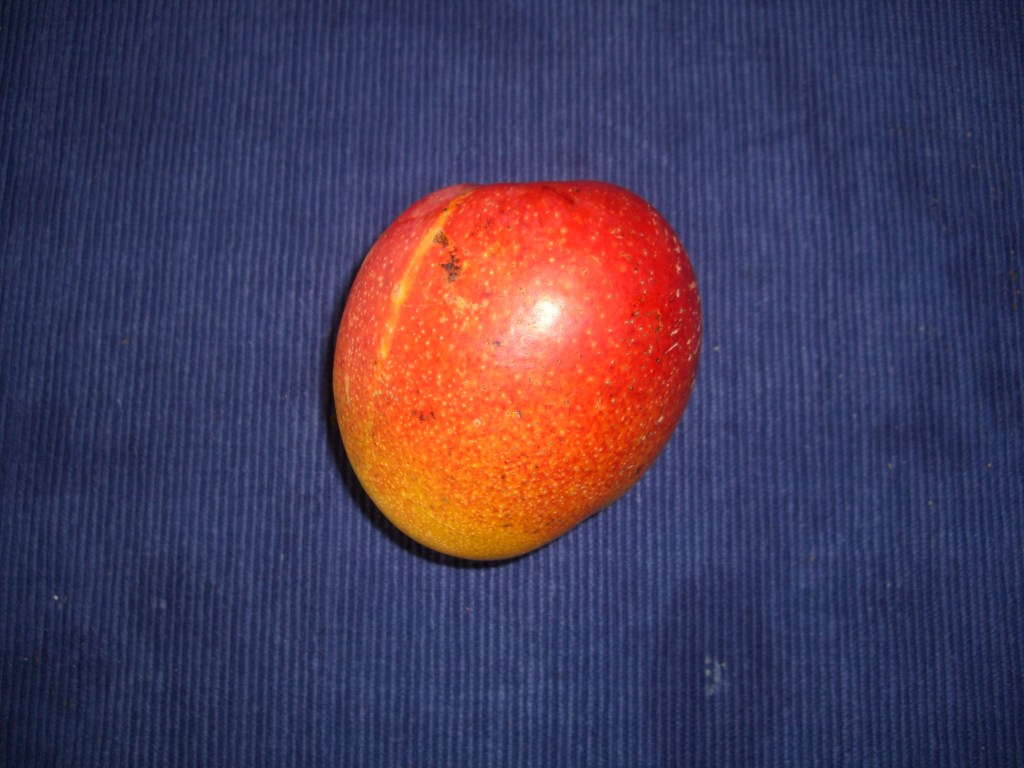
Nutritious Mango:

Mango is the king of all fruits. It is widely famous fruit in world. It is a very mouth watering ,flavorful and nutritious fruit. Mangifera indica is the scientific species name of mango. Its origin was initially southern east Asia, but now mango is available in every corner of world.

Some famous variety of mango:

In India:

i.             Alphonso Hapoos mangoes from Maharashtra.

Alphonso Hapoos mangoes

ii.            Kesar mangoes from Gujarat.

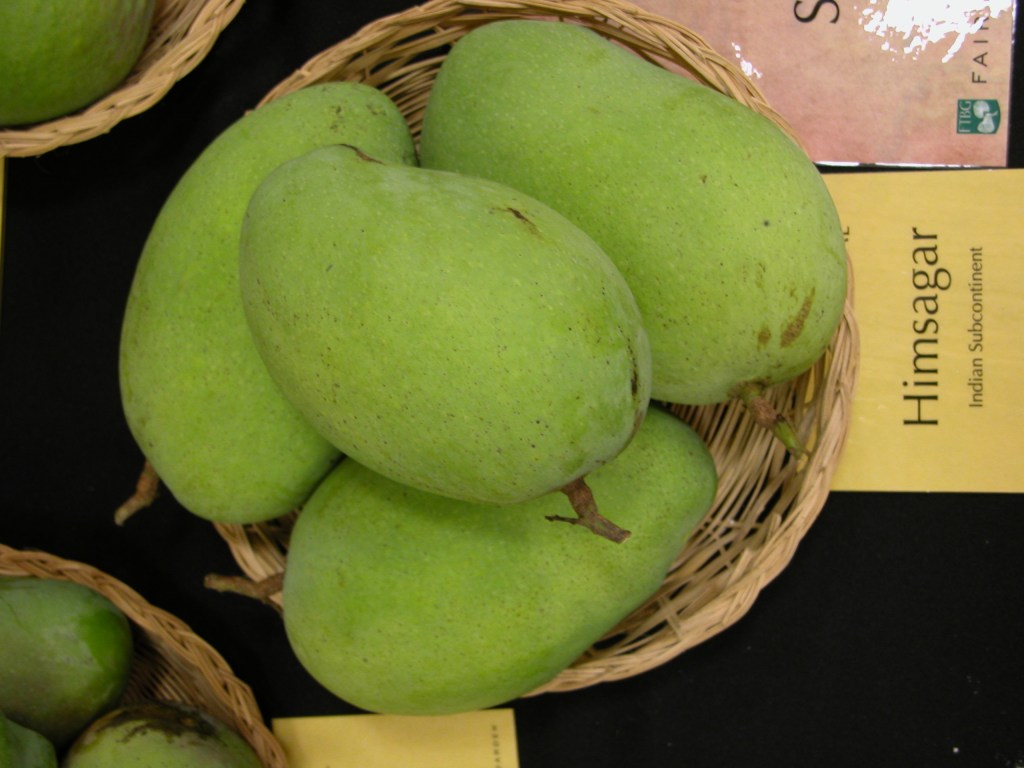
iii.           Himsagar from West Bengal.

Himsagar Mangoes

iv.           Badami mangoes from Karnataka.

v.            Bombay green mangoes from Punjab.

vi.           Bangnapalli from Andhra Pradesh.

Bangnapalli Mangoes

In the Whole World:

i.             Alphonso from Maharashtra, India.

ii.            Carabao or Manila mangoes from Philippines.

Carabao or Manila mangoes

iii.           Diamond Solitaire mango from Myanmar.

iv.           Hayden from USA.

Hayden or Haden Mango

v.            Julie from cab bean.

‘Julie’ mango

vi.           Kensington Pride from Australia.

they are not the only variety in the world. There are many more.

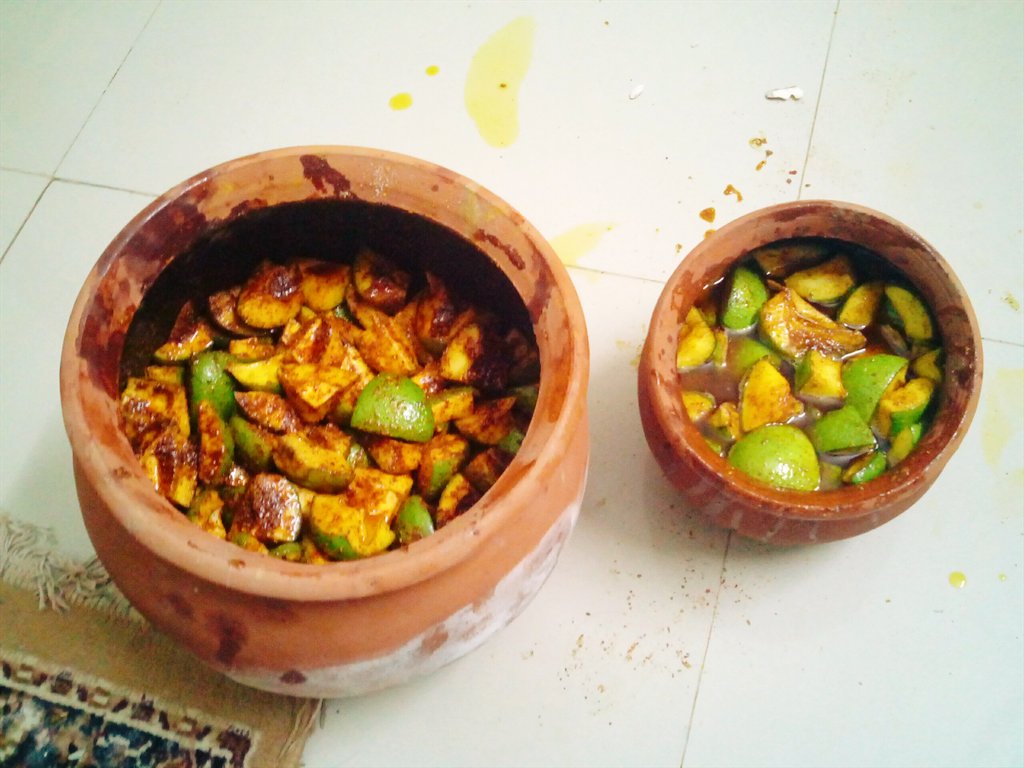
How to eat Mango: Mango can be eaten raw and ripe. Raw mango is originally sour and crunchy but some types of raw mango  can be sweet. Ripe mango can be sweet sour, creamy and soft. Ripe Mango juice is very good for our health apart from juice, various dishes like chutney, desert, sweets and other dishes can be made from raw and ripe mango.

Raw mango & Chutney
Mango Pickle

Nutrition value: Mango is one of the nutritious fruits. Let’s see the nutritional value of mango

a)            100-gram mango contains –

i.             13.7 gm of Sugars.

ii.            1.6 G of dietary fibre.

iii.           0.82 gram of protein.

iv.           0.38 gram of Fat.

v.            mango contains various vitamins –

a.    54 micrograms of Vitamin A.

b.    640 microgram of Beta carotene.

c.    0.02 mg of Vitamin B10 thiamine.

d.    0.03 mg of Vitamin B2 or riboflavin.

e.    0.67 mg of vitamin B3 or niacin.

f.     0.2 mg of vitamin B5 or pantothenic acid.

g.    0.12 mg of Vitamin B6.

h.    43 microgram of Vitamin B9 or folate.

i.     4.2 microgram of vitamin K.

j.     7.6 mg of choline.

k.    0.9 mg of Vitamin E.

l.     36 mg of Vitamin C

vi.           various minerals are also present –

a.    11 mg of calcium (Ca).

b.    0.1 mg of copper (Cu).

c.    1 mg of sodium (Na).

d.    14 mg of phosphorus (P).

e.    10 mg of magnesium (Mg).

f.     168 mg of potassium(K).

g.    0.06 mg of manganese (Mn).

h.    0.09 mg of zinc (Zn).

vii.          Mango contains lot of water. Almost 83.5 gm water is available from 100 gm mango.

viii.         We can get almost 250 kilojoule or 60 kcal energy from 100-gram Mango.

ix.           Mango contains high number of polyphenols which is an antioxidant.

x.            Amylases and some digestive enzymes.

Mango Juice

Health benefit:

i.  Mango contains various types of antioxidants or polyphenol specially mangiferin (which is also called super antioxidant). These antioxidants prevent the free radical from damaging our body cell which fight against aging and chronical disease

ii. By a research of 2014 in Japan mango can reduce the risk chance of colon cancer as mango contain lot of amount beta carotenoid, beta carotene also prevents skin cancer.

iii. Magnesium (Mg) and potassium (K) are important minerals for blood vessels pulse and blood pressure level and these two minerals present in mango. Mangiferin is also supervise the heart health. Mango helps to decrease the high blood pressure level.

iv. According to research study in 2014 and the mouse study in 2019 frozen dried mango helps to reduce blood sugar level for obesity and diabetic patients.

v. Vitamin A is important for body tissue growth in Skin, hair and in other part of our body. Vitamin C provide to develop collagen, which is important for hair and skin. Vitamin A and Vitamin C are present in mango in huge amount.

vi. Mango contains amylases and some other digestive enzymes which improves the digestive system of our body by breaking down the large molecules.

vii. Vitamin A which is exist mango fends off the infection risk. Vitamin K, some of Vitamin B also helps to boost immunity.

viii. Mango have lutein and zeaxanthin antioxidants, which is important for our retina and macula. So, mango is very good for our vision health and eyes.

USAIN “The Lightning” BOLT.

Full name – Usain St Leo Bolt
Nickname(s)- Lightning Bolt
Nationality – Jamaican
Born – 21 August 1986 (age 34),Sherwood Content, Jamaica
Height – 1.95 m (6 ft 5 in)
Weight – 94 kg (207 lb)
Sport – Track and field
Event(s) – Sprints
Club – Racers Track Club
Coached by – Glen Mills
Retired – 2017
Awards And Honors: Olympic Games.

About Usain Bolt:

The world’s fastest man has adopted the world’s fastest animal. As part of an effort to help protect this ‘endangered species’ in Kenya, Bolt formally adopted a three-month-old cheetah cub in Nairobi. Bolt bestowed one of his own nicknames upon the cub, naming him ‘Lightning Bolt’. Symbolic indeed!

One cheetah at a Cincinnati Zoo ran the 100 metres in just over 6 seconds, about 3.5 seconds faster than Bolt’s human world record of 9.58 seconds. Some scientists are trying to apply the physics of a cheetah’s running style in order to maximize the ability of human runners. Well, do not be surprised if Bolt does land another ‘bolt from the blue’ by equalling the cheetah’s feat.

Sportsmen like Bolt are like the Halley’s Comet, they come once in 76 years, nay, a hundred years. Bolt, a three-time Olympic gold medalist, distinguished himself with a 200 metres gold medal at the 2002 World Junior Championships, making him the competition’s youngest ever gold medalist. In 2004, at the CARIFTA Games, he became the first junior sprinter to run the 200 metre in under 20 seconds with a time of 19.93 seconds, breaking Roy Martin’s world junior record by two-tenths of a second.

He turned professional in 2004, missing most of his first two seasons due to injuries. But he competed at the 2004 Summer Olympics.In his childhood, he loved to play Cricket and Football in the streets of Jamaica with his brother. In his school, he was the fastest runner in the 100-meter race. His primary coach, McNeil was sometimes got frustrated by his penchant jokes. At the 2001 IAAF World Youth Championships in Hungary, he made his first appearance at an international event. Bolt is one of only nine athletes in the world to win World Championships at the youth, junior, and senior levels.Bolt’s first sports choice was Cricket. He is a big fan of Football.

About his Life:

In 2007, he beat Don Quarrie’s 200 metres Jamaican national record with a run of 19.75 seconds. In May 2008, Bolt set his first 100 metres world record with a timing of 9.72 seconds. He set world records in both the 100 metres and 200 metres events at the Beijing Summer Olympics, recording 9.69 seconds in the former event. With a timing of 19.30 seconds in the 200 metres, he broke the previous record of 19.32 seconds by Michael Johnson at the 1996 Summer Olympics at Atlanta. A year after the Beijing Olympics, he lowered his 100 metres and 200 metres world records to 9.58 seconds and 19.19 seconds respectively at the 2009 World Championships. His record-breaking margin in the 100 metres is the highest since the start of digital time instruments. As a result of Bolt’s success in athletics, he was named the Laurens World Sportsman of the Year for 2009.

• He is an 11-time World Champion.– In Track and Field, he is considered the highest-paid athlete ever. – He has been with a number of honors and awards, including Track and Field Athlete of the Year, World Athlete of the Year, and Laureus World Sportsman of the Year (3 times). – He has collaborated with the Soul Electronics and has launched 2-types of Bolt edition in-ear headphones- Run-Free.

Bolt loves dancing and is a great admirer of Indian batsman Sachin Tendulkar, West Indian Opener Chris Gayle, and Australian opener Mathew Hayden. He is a football fan too, and supports Manchester United. What we can learn from a man like Bolt is the level to which one can reach if one works hard. Hours of hard and laborious training have gone into the making of this rare legend on the track, and countries with a billion strong population which cannot produce a single sensation on the track can do well to learn certain lessons from him.