Travel across multiple countries brings a sense of freedom and discovery, but staying connected throughout the journey often requires careful planning. From navigating unfamiliar streets to accessing bookings and local updates, consistent internet access plays a key role in shaping a smooth travel experience. Without it, even simple tasks can become frustrating.
Modern travellers now rely on a travel eSIM provider that offers country-specific plans designed to match each destination. This approach supports uninterrupted connectivity across borders while keeping control in the hands of the traveller. This article explores how seamless connectivity works across multiple countries and how selecting the right plans for each location ensures a smooth and reliable experience.
A seamless experience often begins before departure. Researching connectivity options for each destination helps avoid last-minute confusion. Different countries have different network strengths, pricing models, and data requirements. Travellers who plan can select suitable data plans for each stop on their itinerary. This ensures that connectivity is ready when needed, without searching for solutions after arrival. Proper planning also helps avoid overspending on unnecessary data packages.
What to Consider Before Travel
Countries included in the itinerary
Duration of stay in each location
Expected data usage for navigation and apps
Device compatibility with digital SIM technology
Travellers who take time to prepare often experience fewer disruptions. This step also helps align connectivity choices with the pace and purpose of the trip.
Matching Data Plans to Each Destination
Each country has its own network environment, and selecting a plan tailored to that location can improve performance. Instead of relying on a single universal plan, travellers can choose options designed specifically for each destination. Country-specific plans connect to strong local networks, which help deliver better speeds and stability. This becomes especially useful in regions where network quality varies between cities and remote areas.
Benefits of Country-Specific Plans
Stronger connection through local networks
Better data speeds in specific regions
Plans suited to short or long stays
More control over usage and cost
Staying Connected During Transit
Moving between countries often creates gaps in connectivity. Airports, border crossings, and transit routes can disrupt access if plans are not managed properly. Digital SIM solutions help reduce this disruption. Travellers can switch between country-specific plans directly from their device settings. This eliminates the need to purchase physical SIM cards or search for local providers at each stop.
Maintaining access during transit ensures that essential tools such as maps, bookings, and travel updates remain available at all times. It also supports smoother coordination for transportation and accommodation. In addition, having access during transit helps travellers handle unexpected changes. Delays, route changes, or last-minute updates become easier to manage with a stable connection.
Managing Multiple Plans with Ease
Handling connectivity across several countries might seem complex, but modern solutions simplify the process. Multiple plans can be stored and managed within a single device, allowing easy activation when entering a new destination. Travellers can organise plans based on their itinerary and activate them when required. This eliminates confusion and ensures that the correct plan is always in use.
Simple Ways to Stay Organised
Label each plan based on the country
Activate the correct plan before or upon arrival
Monitor data usage regularly
Keep backup options for extended travel
Keeping track of usage also helps avoid running out of data unexpectedly. With better organisation, travellers can focus on their experiences instead of technical concerns.
Balancing Cost and Convenience
Travel across several countries can quickly increase connectivity expenses if not managed carefully. Country-specific plans provide a practical way to control costs while maintaining reliable service. Travellers can select plans that match their exact needs instead of paying for coverage that may not be used. This flexibility supports better budgeting and avoids unnecessary charges.
Another advantage is the ability to adjust spending based on travel priorities. A destination that requires more online access can have a higher data plan, while shorter stays may need only minimal data. Clear pricing structures also make it easier to compare options and choose suitable plans. This transparency allows travellers to stay within budget without compromising on connectivity quality.
Choosing the Right Provider for Multi-Country Travel
Selecting the right provider plays an important role in ensuring a smooth experience. A reliable travel eSIM provider offers a wide range of country-specific plans that cater to different travel routes and durations.
Travellers should look for providers that offer:
Extensive coverage across popular destinations
Clear pricing and flexible data options
Easy plan management within a single platform
Consistent network quality in each region
A provider with diverse country options allows travellers to customise their connectivity for every stop. This ensures that each destination is supported with a plan that matches local conditions. Ease of use is another important factor. A simple interface for selecting, activating, and managing plans can make a significant difference during travel.
Seamless connectivity across multiple countries is achievable with the right planning and approach. Choosing country-specific plans allows travellers to adapt to each destination’s network environment with ease. This method supports reliable performance, better cost control, and uninterrupted access throughout the journey. Travellers can move between locations with confidence when connectivity is well planned. With thoughtful preparation and the right tools, staying connected becomes a natural part of travel rather than a challenge.
Daily writing prompt
Describe one positive change you have made in your life.
Dutta, S., & Roy, M. (2026). A Systematic Literature Review on the Social, Economic, and Environmental Impact of Covid-19 Pandemic on Shopping Malls in India. Journal for Studies in Management and Planning, 12(2), 28–45. https://doi.org/10.26643/jsmap/8
Soumyadeep Dutta
Doctoral Scholar Department of Architecture, Jadavpur University Assistant Professor Department of Architecture and Planning, Sister Nivedita University
The COVID-19 pandemic has profoundly reshaped urban life, particularly in enclosed public spaces such as shopping malls, which serve as critical hubs for social interaction, commerce, and leisure in India. This systematic literature review examines the multifaceted impacts of pandemics on shopping malls, focusing on social, economic, and environmental dimensions within the Indian context. We synthesize existing research to identify key trends, challenges, and adaptations observed during and after the pandemic, addressing shifts in consumer behavior, industry-specific disruptions, and the role of urban planning in mitigating risks. The review adopts a structured approach to analyze peer-reviewed studies, policy documents, and industry reports, employing thematic analysis to distill patterns and gaps in the literature. Findings reveal that the pandemic accelerated digital transformation in retail, altered consumer preferences toward safety and convenience, and exposed vulnerabilities in supply chains and workforce dynamics. Social distancing measures and hygiene protocols redefined mall operations, while urban design considerations gained prominence to ensure safer public spaces. Economically, the retail sector faced severe contractions, yet adaptive strategies such as omnichannel retailing and localized sourcing emerged as resilient responses. Environmentally, reduced foot traffic temporarily lowered energy consumption but also highlighted the need for sustainable practices in mall management. The study concludes with recommendations for policymakers and mall operators to foster inclusive, sustainable, and crisis-resilient retail environments, emphasizing the interplay between public health, urban infrastructure, and economic recovery.
The COVID-19 pandemic has irrevocably altered the dynamics of urban public spaces, with shopping malls—a cornerstone of India’s retail and social infrastructure—facing unprecedented challenges. As enclosed environments designed for high-density interactions, malls became focal points for public health concerns, economic disruptions, and shifts in consumer behavior (Lee et al., 2023). The pandemic exposed vulnerabilities in their operational models, forcing rapid adaptations to ensure survival. This systematic literature review explores the social, economic, and environmental repercussions of pandemics on Indian shopping malls, synthesizing interdisciplinary research to map their evolving role in post-pandemic urban ecosystems. Shopping malls in India are more than commercial hubs; they are cultural and social nexuses that reflect the country’s rapid urbanization and consumerism (Pandey et al., 2020). Prior to the pandemic, they thrived as spaces for leisure, community engagement, and economic activity, contributing significantly to employment and local economies. However, their enclosed nature made them high-risk zones during COVID-19, triggering government-mandated closures, capacity restrictions, and prolonged recovery periods (Russo et al., 2022). The resultant economic fallout was severe, with retail tenants, especially small and medium enterprises (SMEs), facing liquidity crises and existential threats (Mahajan, 2020). Concurrently, consumer behavior shifted toward e-commerce and contactless transactions, challenging the traditional mall business model (Mittal, 2013). Despite extensive research on pandemic impacts globally, studies focusing on India’s unique socio-economic and urban context remain fragmented. Existing literature often prioritizes macroeconomic trends or healthcare responses, neglecting the micro-level transformations in enclosed public spaces like malls (Martínez & Short, 2021). For instance, while the resilience of retail sectors in Western economies has been examined, the interplay of India’s informal workforce, dense urban layouts, and infrastructural constraints warrants localized analysis (Barata-Salgueiro & Cachinho, 2021). Furthermore, environmental impacts—such as energy use patterns during lockdowns or waste management challenges—are underexplored in the Indian mall context (BHAVANANDAN, 2025). These gaps hinder holistic policy responses and industry strategies for future crises.
This review is motivated by the need to consolidate dispersed insights into a coherent framework, bridging disciplinary silos between urban studies, retail management, and public health. By contextualizing global findings within India’s socio-spatial realities, we aim to inform adaptive strategies for mall operators, urban planners, and policymakers. The study’s significance lies in its systemic approach, which connects macro-level economic shocks to micro-level behavioral and spatial adaptations, offering actionable recommendations for building resilient, inclusive, and sustainable retail environments. The remainder of this paper is organized as follows: Section 2 details the methodology, including search strategies and inclusion criteria. Section 3 presents thematic results, spanning research trends, socio-economic impacts, consumer behavior shifts, industry-specific effects, urban design adaptations, and mall-specific studies. Section 4 discusses synthesized findings, while Section 5 outlines implications for theory and practice.
This systematic literature review adheres to the PRISMA (Preferred Reporting Items for Systematic Reviews and Meta-Analyses) guidelines (Page et al., 2021) to ensure methodological rigor and transparency. The study employs a multi-database search strategy to capture diverse perspectives on pandemic impacts in Indian shopping malls. Scopus and Web of Science were prioritized for their comprehensive coverage of peer-reviewed journals in urban studies, economics, and public health. PubMed was included to incorporate medical and epidemiological insights on enclosed public spaces. IEEE Xplore and ACM Digital Library provided technical literature on digital adaptations in retail, while ScienceDirect and SpringerLink supplemented interdisciplinary perspectives. Google Scholar was used as a secondary source to identify gray literature and policy documents. The search strings combined keywords related to pandemics (“pandemic” OR “epidemic”), impact domains (“social impact” OR “economic impact” OR “environmental impact”), and spatial context (“shopping mall” OR “enclosed public space”), filtered for India-specific studies. Boolean operators and field-specific syntax (e.g., TIAB in PubMed, TITLE-ABS-KEY in Scopus) refined the results. Non-English publications, reviews, and meta-analyses were excluded to maintain focus on primary research.
The review organizes findings into seven research dimensions, each addressing a critical facet of pandemic impacts. Socio-economic effects on India provide a macro-level backdrop, contextualizing mall-specific disruptions within broader national trends. Consumer behavior shifts examine how fear, trust, and convenience reshaped retail engagement, while industry-specific analyses highlight uneven vulnerabilities across sectors like fashion and agriculture. Urban planning and design dimensions explore spatial adaptations for pandemic resilience, linking mall infrastructure to public health outcomes. Shopping mall studies dissect operational innovations, from technology adoption to brand perception. Social distancing measures and transportation impacts reveal interdependencies between mall viability and urban mobility systems.
Studies were included if they: (1) focused on India or provided comparative insights relevant to the Indian context, (2) addressed at least one research dimension, (3) were published in English, and (4) presented empirical data or theoretical frameworks. Exclusion criteria eliminated studies with insufficient methodological detail, non-peer-reviewed commentaries, or tangential relevance (e.g., generic e-commerce analyses without spatial considerations). No time restrictions were applied to capture historical parallels from past epidemics.
The initial search yielded 1,069 records, reduced to 346 after deduplication and preliminary screening. Title-abstract screening excluded 244 studies for irrelevance, leaving 51 full-text articles assessed for eligibility. Of these, 25 were excluded for failing to meet inclusion criteria (e.g., lacking India-specific data), resulting in 26 studies for synthesis. The PRISMA flowchart (Figure 1) visualizes this attrition.
Figure 1. PRISMA flowchart of study selection process
Limitations include potential database biases (e.g., underrepresentation of regional Indian journals) and the exclusion of non-English studies, which may omit localized perspectives. However, the iterative screening process and multi-source approach mitigated these risks.
Figure 2. Research trends in the domain of the social, economic, and environmental impact of pandemics on shopping malls in India
The temporal distribution of publications reveals a clear concentration of research output in the immediate aftermath of the COVID-19 pandemic, with 18 out of 26 studies published between 2020 and 2021. This surge reflects the urgency with which scholars sought to document and analyze the unprecedented disruptions caused by the pandemic. The subsequent decline in publications from 2022 onward suggests a tapering of academic interest as the crisis transitioned into a phase of long-term adaptation, though the limited data for 2023 and 2024 may also indicate a lag in scholarly publication cycles. Thematic analysis shows that early research predominantly addressed macro-level socio-economic impacts, with 11 studies in 2020–2021 focusing on India’s broader economic contractions, labor market shocks, and policy responses. This emphasis aligns with the initial need to quantify the pandemic’s systemic effects before drilling down into sector-specific or spatial analyses. As the crisis evolved, scholarly attention shifted toward behavioral adaptations, evidenced by eight studies on consumer behavior published between 2021 and 2023. These works captured the gradual normalization of new retail practices, such as hybrid shopping models and heightened hygiene expectations.
Notably, certain dimensions remain underexplored. Urban planning and shopping mall-specific studies collectively account for only three publications, highlighting a gap in spatially grounded research. The scarcity of industry-specific analyses (one study) and environmental impact assessments (none explicitly identified) further underscores the need for targeted investigations into how pandemics reshape the operational and ecological footprints of enclosed retail spaces. The absence of longitudinal studies beyond 2022 also limits insights into sustained transformations versus temporary disruptions. The uneven distribution of research foci suggests that while the pandemic’s immediate economic and behavioral effects were extensively documented, its longer-term implications for urban design, retail resilience, and environmental sustainability in the Indian mall context warrant deeper inquiry. This imbalance may reflect methodological challenges in accessing real-time operational data from private mall operators or the dominance of macroeconomic frameworks in early pandemic research. Future studies could bridge these gaps by integrating spatial analytics, life-cycle assessments, and stakeholder interviews to map the interplay between public health crises and built retail environments.
The COVID-19 pandemic exposed deep-seated socio-economic vulnerabilities across India, with cascading effects on urban retail ecosystems. Studies reveal a tripartite crisis encompassing labor market shocks, consumption collapses, and systemic inequalities, each exacerbating the challenges faced by enclosed public spaces like shopping malls.
The COVID-19 pandemic triggered significant shifts in consumer behavior, reshaping shopping patterns, preferences, and psychological drivers in India’s retail landscape. These changes were particularly pronounced in enclosed public spaces such as shopping malls, where fear of contagion, economic uncertainty, and evolving digital habits converged to redefine engagement. A taxonomy of behavioral changes (Table 1) categorizes four dominant patterns observed across studies: panic buying, impulse buying, shifts in shopping patterns, and post-pandemic revisit intentions. Panic buying emerged as an immediate response to pandemic-induced uncertainty, driven by fear and misinformation (Lavuri et al., 2023), (Satish & Venkatesh, 2021), (Akter et al., 2021). Extrinsic motives, such as social pressure and perceived scarcity, further amplified this behavior, particularly in supermarkets and mall-based retail outlets (Lavuri et al., 2023), (Satish & Venkatesh, 2021). Conversely, impulse buying was fueled by intrinsic psychological factors, including reactance to restrictions and the influence of in-store environments (Lavuri et al., 2023), (Naeem, 2021), (Gupta & Mukherjee, 2022). The latter study also identified “revenge buying” as a post-lockdown phenomenon, where pent-up demand and stress relief motivated splurge purchases in malls (Gupta & Mukherjee, 2022).
Table 1. Taxonomy of Consumer Behavioral Changes in Indian Shopping Malls During and Post-Pandemic
Behavioral Change
Key Drivers
Retail Context
Sources
Panic Buying
Fear, uncertainty, misinformation
Supermarkets, shopping malls
(Lavuri et al., 2023), (Satish & Venkatesh, 2021), (Akter et al., 2021)
Extrinsic motives (e.g., social pressure)
Store outlets, public spaces
(Lavuri et al., 2023), (Satish & Venkatesh, 2021)
Impulse Buying
Intrinsic motives (e.g., psychological reactance)
Shopping malls, retail formats
(Lavuri et al., 2023), (Naeem, 2021), (Gupta & Mukherjee, 2022)
Shop environment influence
Physical retail spaces
(Lavuri et al., 2023), (Naeem, 2021)
Shift in Shopping Patterns
Reduced affordability, economic impact
Emerging economy (India)
(Daniel & Varier, 2022), (Akter et al., 2021), (Das et al., 2022)
Economic constraints and lockdown measures precipitated a broader shift toward value-conscious and hybrid shopping behaviors. Reduced affordability altered purchasing priorities, with consumers favoring essential goods and deferring discretionary spending (Daniel & Varier, 2022), (Das et al., 2022). The rise of e-commerce during lockdowns further fragmented mall foot traffic, though physical retail retained appeal for experiential and social shopping (Akter et al., 2021). Post-pandemic, revisit intentions were shaped by perceived shopping value and frequency, with malls needing to balance safety assurances with experiential offerings to retain customers (Moharana & Pattanaik, 2023), (Gupta & Mukherjee, 2022). The studies collectively highlight the duality of consumer behavior—oscillating between risk aversion and compensatory indulgence—while underscoring the enduring role of malls as social and recreational hubs. However, the lack of longitudinal data on sustained behavioral shifts beyond 2022 suggests a need for further research into the permanence of these trends.
The COVID-19 pandemic exerted disproportionate effects across India’s industrial sectors, with the fashion and retail industries experiencing severe disruptions due to their reliance on physical retail spaces and complex supply chains. The enclosed nature of shopping malls, which traditionally served as primary distribution channels for these sectors, amplified their vulnerability to lockdowns and social distancing mandates.
Table 2. Taxonomy of Pandemic Impacts on India’s Fashion, Garment, and Retail Industries
Industry Sector
Key Impact
Adaptation Strategies
Sources
Fashion & Retail
Business model adaptation (shift from physical stores to digital)
E-commerce integration, omnichannel retailing
(Rao et al., 2021)
Supply chain disruptions
Localized sourcing, inventory optimization
(Rao et al., 2021)
The study by (Rao et al., 2021) highlights how the pandemic accelerated the digital transformation of India’s fashion retail sector, particularly for mall-based brands. With foot traffic in shopping malls plummeting due to health concerns and government restrictions, retailers were compelled to rapidly adopt e-commerce platforms and omnichannel strategies. This shift was not merely transactional but involved reimagining customer engagement through virtual try-ons, AI-driven recommendations, and contactless delivery systems. However, the transition exacerbated inequalities between large retailers with existing digital infrastructure and smaller players reliant on physical mall spaces. Supply chain vulnerabilities emerged as a critical challenge, with lockdowns disrupting raw material flows from textile hubs like Surat and Tiruppur. The study notes that brands with agile, localized supply networks demonstrated greater resilience, reducing dependence on global logistics. Nevertheless, the environmental trade-offs of increased packaging waste from e-commerce deliveries remain unaddressed in the literature. The absence of studies explicitly examining garment manufacturing’s labor impacts (e.g., migrant worker crises in factory clusters) represents a significant gap, given the sector’s centrality to India’s informal economy. Urban-rural disparities in retail adaptation also surfaced, with metropolitan consumers embracing digital platforms faster than tier-2/3 cities, where mall-based shopping retained cultural and logistical relevance. This dichotomy suggests that the pandemic’s industrial impacts were mediated by regional infrastructural and socio-economic contexts, necessitating differentiated recovery strategies. Future research should investigate longitudinal data on whether digital shifts persist post-pandemic or revert to mall-centric models, particularly in India’s aspirational small-town markets.
The COVID-19 pandemic necessitated urgent reconfigurations of urban spaces, with enclosed public environments like shopping malls requiring targeted interventions to mitigate transmission risks while maintaining functionality. The study by (Sharifi & Khavarian-Garmsir, 2020) provides a foundational framework for understanding these adaptations, emphasizing the interplay between density management, spatial design, and public health protocols in urban areas.
Table 3. Taxonomy of Urban Planning and Design Adaptations in Indian Shopping Malls
Adaptation Dimension
Key Strategies
Implementation Challenges
Sources
Density Management
Occupancy limits, timed entry systems
Enforcement difficulties, revenue loss
(Sharifi & Khavarian-Garmsir, 2020)
Spatial Reconfiguration
Wider corridors, open-air zones
Structural constraints, retrofit costs
(Sharifi & Khavarian-Garmsir, 2020)
HVAC & Ventilation
Air filtration upgrades, natural airflow integration
High capital expenditure, energy trade-offs
(Sharifi & Khavarian-Garmsir, 2020)
The research highlights how India’s high-density urban morphology exacerbated pandemic risks in shopping malls, where narrow circulation paths and centralized air systems facilitated viral transmission. In response, mall operators implemented occupancy caps and queue management systems, though these measures often conflicted with commercial viability. Spatial redesigns, such as converting food courts into open-air zones or repurposing anchor stores as vaccination centers, emerged as temporary solutions. However, structural limitations in older malls hindered rapid modifications, revealing a systemic lack of flexibility in India’s retail-built environment. Ventilation upgrades became a critical focus, with studies advocating for hybrid mechanical-natural systems to reduce aerosol accumulation. While these interventions align with global best practices, their feasibility in India’s cost-sensitive market remains contested, particularly for smaller mall operators. The absence of studies examining low-tech alternatives (e.g., passive cooling designs tailored to tropical climates) points to a research gap in context-appropriate solutions. Notably, the literature underscores a disconnect between mall-specific adaptations and broader urban planning frameworks. While individual retrofits addressed immediate operational needs, few studies explored systemic integration with public transit networks or district-level health infrastructure. This siloed approach risks perpetuating vulnerabilities in future crises. Future research should evaluate the longitudinal effectiveness of these adaptations, particularly their socio-economic inclusivity and environmental sustainability. The study by (Sharifi & Khavarian-Garmsir, 2020) serves as a critical reference for understanding pandemic-induced urban transformations, though its macro-level focus necessitates complementary micro-scale analyses of Indian mall ecosystems. Comparative studies with other enclosed public spaces (e.g., transit hubs, religious sites) could yield transferable insights for multi-use urban design.
The COVID-19 pandemic accelerated the adoption of digital technologies in Indian shopping malls, reshaping operational strategies, customer engagement models, and facility management practices. Two distinct yet interconnected research streams emerge from the literature: digital marketing innovations for customer retention and facility management (FM) digitalization for operational resilience.
Table 4. Taxonomy of Technology Applications in Indian Shopping Malls Post-Pandemic
Application Domain
Technological Interventions
Strategic Outcomes
Sources
Digital Marketing
AI-driven loyalty programs, virtual try-ons
Enhanced e-WOM, customer retention
(Singh & Khandelwal, 2021)
Facility Management
IoT-enabled crowd monitoring, touchless systems
Operational efficiency, safety compliance
(Chua et al., 2024)
The study by (Singh & Khandelwal, 2021) proposes a conceptual framework for post-lockdown digital marketing in malls, emphasizing the role of personalized, AI-driven campaigns to rebuild foot traffic. Findings suggest that pandemic-induced social distancing norms necessitated a shift from physical engagement to digital touchpoints, with mobile apps and augmented reality (AR) tools bridging the experiential gap. For instance, virtual mall tours and gamified loyalty programs mitigated the decline in dwell time, while sentiment analysis of social media data helped tailor promotions to evolving consumer sentiments. However, the study notes infrastructural disparities, where tier-1 malls outperformed smaller counterparts in technology adoption due to capital constraints. Complementing this, (Chua et al., 2024) examines FM digitalization through a case study of Indian shopping complexes, identifying IoT sensors and predictive analytics as critical for pandemic-responsive operations. Real-time crowd density tracking enabled dynamic occupancy control, aligning with government-mandated capacity limits, while automated HVAC adjustments improved air quality without compromising energy efficiency. The research highlights challenges in retrofitting legacy systems, particularly in older malls lacking modular infrastructure. A notable gap is the absence of cost-benefit analyses for these technologies, leaving unanswered questions about their scalability across India’s heterogeneous retail landscape.
Synthetically, these studies reveal a tension between customer-facing and backend technological adaptations. While digital marketing fosters long-term brand loyalty, FM digitalization addresses immediate safety concerns—yet their integration remains underexplored. For example, data from crowd-monitoring IoT devices could theoretically inform personalized marketing, but no studies examine such synergies. The literature also overlooks the environmental implications of increased e-waste from rapid tech upgrades, a critical consideration for sustainable mall recovery. Future research should investigate interoperable systems that unify operational and experiential digital transformations, while accounting for the digital divide in India’s tier-2/3 cities. The absence of comparative studies pre- and post-pandemic limits insights into whether these changes represent permanent shifts or temporary crisis responses. Longitudinal assessments of technology ROI and consumer acceptance will be vital to determine the enduring role of digitalization in mall ecosystems.
The COVID-19 pandemic necessitated stringent safety protocols in enclosed public spaces, with shopping malls in India implementing a range of measures to mitigate transmission risks while attempting to sustain commercial operations. The study by (Yadav, 2020) provides critical insights into technological interventions for enforcing social distancing guidelines, highlighting the role of automated surveillance systems in high-density retail environments.
Table 5. Taxonomy of Social Distancing and Safety Measures in Indian Shopping Malls
Measure Category
Implementation
Technological Enablers
Sources
Crowd Monitoring
Real-time density tracking
Deep learning-based video analytics
(Yadav, 2020)
Contactless Interactions
Touchless entry/exit, digital payments
IoT sensors, NFC technology
(Yadav, 2020)
The research demonstrates how deep learning algorithms were deployed to analyze CCTV feeds in mall entrances, corridors, and food courts, automatically flagging violations of physical distancing norms. These systems not only reduced reliance on manual monitoring but also generated data-driven insights for optimizing foot traffic flow. For instance, heat maps of congestion zones informed the repositioning of promotional displays or seating arrangements to minimize bottlenecks. However, the study notes challenges in algorithm accuracy during peak hours, where occlusions and lighting variations degraded performance. Beyond crowd control, the pandemic accelerated the adoption of contactless technologies across mall operations. Automated temperature checks at entry points, voice-activated elevators, and QR code-based menus in food outlets became ubiquitous, reshaping user interactions with the built environment. While these measures enhanced perceived safety, their accessibility implications—particularly for elderly or technologically marginalized shoppers—remain understudied. The literature also lacks cost-benefit analyses of such implementations, leaving gaps in understanding their long-term viability for mall operators. Notably, the study by (Yadav, 2020) focuses exclusively on technological solutions, omitting behavioral and architectural adaptations like staggered operating hours or ventilation upgrades documented in other contexts. This technological determinism may overlook low-resource alternatives suitable for India’s diverse mall ecosystem, where premium and budget-oriented centers coexist. Future research should examine the interplay between automated systems and human-centric design modifications, particularly in balancing safety with experiential retail values. The absence of longitudinal studies on compliance fatigue or measure effectiveness beyond 2021 suggests a need for updated assessments as pandemic norms evolve. Comparative analyses between Indian malls and global counterparts could also reveal context-specific innovations or implementation barriers shaped by local regulations and consumer cultures.
The COVID-19 pandemic significantly disrupted India’s transportation networks and public services, with cascading effects on the viability and accessibility of shopping malls as enclosed public spaces. Two studies provide critical insights into these dynamics, examining noise pollution changes in Bengaluru and physical distancing challenges on Mumbai’s public transport.
Table 6. Taxonomy of Pandemic Impacts on Transportation and Public Services Relevant to Shopping Malls
Impact Dimension
Key Findings
Geographic Focus
Sources
Noise Pollution
Reduction due to decreased vehicular and commercial activity
Bengaluru City
(Anjum & Kumari, 2022)
Public Transport
Demand-supply gap exacerbated by physical distancing norms
Mumbai Metropolitan Region
(Thomas et al., 2022)
The study by (Anjum & Kumari, 2022) documents a notable decline in noise pollution levels in Bengaluru during lockdown periods, attributed to reduced traffic volumes and the closure of commercial establishments, including shopping malls like the Royal Meenakshi Mall. This environmental co-benefit of pandemic restrictions highlights the typically overlooked acoustic footprint of mall-centric urban development. However, the research does not explore whether these noise reductions persisted post-lockdown or how mall reopening strategies might mitigate noise resurgence through transport management. Conversely, (Thomas et al., 2022) analyzes the operational challenges faced by Mumbai’s public transport systems during the pandemic, where physical distancing requirements created severe capacity constraints. The study reveals a 60-70% reduction in carrying capacity for buses and local trains, which traditionally served as primary access modes for mall employees and customers. This transport bottleneck disproportionately affected lower-income groups reliant on public transit, effectively excluding them from mall-based retail ecosystems during critical recovery phases. The research calls for integrated mobility planning that aligns mall operating hours with staggered transit schedules, though implementation barriers in India’s fragmented governance structures remain unaddressed.
Synthetically, these studies reveal a tension between environmental improvements and social equity in pandemic-era transportation systems. While reduced mobility yielded measurable environmental benefits like noise abatement, it simultaneously constrained access to urban amenities like shopping malls—particularly for transit-dependent populations. The literature gap concerning last-mile connectivity solutions (e.g., shuttle services between transit hubs and malls) suggests an opportunity for public-private partnerships in post-pandemic recovery. Future research should investigate modal shift patterns, assessing whether temporary transport disruptions permanently altered mall visitation behaviors across income segments. The absence of studies examining parking infrastructure adaptations (e.g., contactless payment systems) or mall-specific transit interventions represents a significant knowledge gap, given the centrality of accessibility to retail viability. Comparative analyses between Indian cities and global counterparts could reveal context-specific innovations in reconciling public health mandates with equitable access to enclosed commercial spaces.
The synthesis of findings across the reviewed studies reveals several critical patterns that collectively reshape our understanding of pandemic impacts on Indian shopping malls. Taken together, the literature consistently demonstrates that COVID-19 acted as both a disruptor and accelerator, exposing systemic vulnerabilities while catalyzing innovations in retail operations, urban design, and consumer engagement. Three overarching themes emerge: the duality of digital transformation, the tension between safety and experiential retail, and the spatial inequities in pandemic resilience. The digital transformation of shopping malls presents a paradox. While studies such as (Singh & Khandelwal, 2021) and (Chua et al., 2024) highlight rapid technological adoptions—from AI-driven marketing to IoT-enabled facility management—these advancements disproportionately benefited large, metropolitan malls with pre-existing digital infrastructure. This bifurcation exacerbated urban-rural divides in retail resilience, as tier-2/3 malls struggled with capital constraints and lower digital literacy among their customer base. The literature consistently finds that omnichannel strategies were most effective when they complemented rather than replaced physical experiences, suggesting that the future of malls lies in hybrid models that integrate digital convenience with tactile engagement. However, the environmental costs of accelerated tech adoption, particularly e-waste from rapid hardware upgrades, remain conspicuously absent from scholarly discourse—a gap that future research must address to ensure sustainable digital transitions.
Safety measures and spatial reconfigurations fundamentally altered the social dynamics of mall environments. The study by (Yadav, 2020) demonstrates how automated surveillance systems enforced social distancing, but this technological focus often overshadowed low-cost architectural adaptations. Across multiple studies, a contradiction emerges: while consumers prioritized safety during peak pandemic periods, post-lockdown data from (Gupta & Mukherjee, 2022) and (Moharana & Pattanaik, 2023) reveal a strong resurgence in demand for communal and experiential shopping. This suggests that pandemic-era adaptations like occupancy limits and unidirectional pathways may need modular designs, allowing malls to toggle between safety and sociability as health risks fluctuate. The lack of longitudinal studies on whether these spatial changes permanently influence crowd behavior or retail economics underscores the need for multi-year assessments as malls transition into endemic coexistence. Urban inequities permeate every dimension of pandemic impact, yet the literature exhibits striking geographical and socioeconomic biases. Transportation studies like (Thomas et al., 2022) reveal how public transit disruptions excluded lower-income groups from mall ecosystems, while (Rao et al., 2021) notes that small retailers within malls faced existential threats compared to anchor stores. These disparities reflect broader structural issues in India’s urban development, where enclosed retail spaces often serve as microcosms of societal stratification. The near-total absence of research on informal vendors who depend on mall adjacencies—such as street food stalls or last-mile delivery workers—points to a critical blind spot in understanding the full socioeconomic ramifications of mall closures. Future studies must adopt intersectional lenses to examine how caste, class, and gender mediate access to and benefits from post-pandemic retail recoveries. Theoretical implications of these findings challenge conventional retail resilience frameworks, which typically prioritize financial metrics over social or environmental dimensions. The pandemic has revealed that mall viability is inextricably linked to public health infrastructure, urban mobility systems, and community trust—factors traditionally considered externalities in retail research. This necessitates new conceptual models that position shopping malls as nodes within larger socio-technical-ecological systems, where shocks propagate across economic, spatial, and behavioral domains. Such frameworks could help predict cascading impacts in future crises, whether epidemiological, climatic, or economic.
Practically, the review underscores the need for differentiated policy interventions. For mall operators, the evidence suggests investing in flexible spatial designs—such as convertible open-air zones or modular store layouts—that can adapt to fluctuating health protocols. Policymakers should incentivize technology-sharing platforms to democratize digital tools across mall tiers, while urban planners must integrate retail spaces into district-level health preparedness plans. The consistent finding across studies that consumers value both safety and social experiences indicates that post-pandemic mall strategies should avoid binary choices between these priorities, instead developing adaptive systems that dynamically balance them. Methodological limitations of this review include its reliance on English-language publications, which may overlook regionally specific adaptations documented in vernacular research. The predominance of early-pandemic studies also skews findings toward immediate responses rather than sustained transformations. Furthermore, the lack of standardized metrics across papers—with some focusing on foot traffic, others on sales data or consumer sentiment—complicated cross-study comparisons. These constraints suggest that future systematic reviews would benefit from multilingual searches and explicit quality assessments of empirical methodologies.
Future research directions should prioritize three underexplored areas: First, longitudinal evaluations of whether pandemic-induced changes—such as reduced mall densities or increased e-commerce integration—persist or revert as health risks diminish. Second, comparative studies between Indian malls and other enclosed public spaces (e.g., religious sites, transit hubs) to identify transferable resilience strategies. Third, participatory action research that includes informal workers and marginalized communities in co-designing inclusive retail recoveries. There is also a pressing need for interdisciplinary collaborations that bridge retail studies with public health, environmental science, and urban sociology, moving beyond siloed analyses toward holistic understandings of mall ecosystems. The reviewed literature collectively paints shopping malls not merely as commercial enterprises but as complex social infrastructures whose pandemic responses reverberate across urban India’s economic, spatial, and cultural fabric. While the crisis exposed fragility, it also revealed latent capacities for innovation and adaptation—if stakeholders can address the inequities and sustainability challenges that the pandemic laid bare.
This systematic literature review has synthesized interdisciplinary research on the social, economic, and environmental impacts of pandemics on shopping malls in India, revealing critical insights into their evolving role as enclosed public spaces. The findings underscore that COVID-19 acted as both a disruptor and catalyst, exposing systemic vulnerabilities in retail ecosystems while accelerating digital transformations and spatial adaptations. The pandemic reshaped consumer behavior, with safety concerns and economic constraints driving shifts toward hybrid shopping models, yet the enduring appeal of malls as social and experiential hubs remained evident. The review highlights the uneven distribution of resilience across India’s retail landscape, where larger, metropolitan malls leveraged technology and flexible operations to adapt, while smaller operators and informal workers faced existential threats. Urban planning and transportation disruptions further compounded these inequities, disproportionately affecting marginalized communities reliant on public transit. The synthesis advances theoretical understanding by positioning shopping malls as nodes within broader socio-technical-ecological systems, where shocks propagate across economic, spatial, and behavioral domains. Practical implications call for integrated policy interventions that balance safety with social inclusivity, such as modular design standards and technology-sharing platforms. Future research should address gaps in longitudinal assessments of pandemic adaptations, environmental trade-offs of digitalization, and participatory frameworks for inclusive recovery. By bridging disciplinary silos, this review lays groundwork for reimagining enclosed retail spaces as resilient, equitable, and sustainable infrastructures in post-pandemic urban India.
References
Akter, S., Ashrafi, T., & Waligo, V. (2021). Changes in consumer purchasing behavior due to COVID-19 pandemic. Changes.
Anjum, S., & Kumari, A. (2022). Evaluation of noise pollution in bengaluru city, india during COVID-19 pandemic. Archives of Acoustics.
Barata-Salgueiro, T., & Cachinho, H. (2021). Urban retail systems: Vulnerability, resilience and sustainability. Introduction to the special issue. Sustainability.
BHAVANANDAN, G. (2025). A STUDY ON OVERVIEW OF SHOPPING MALLS IN INDIA-a STUDY. iaraindia.com.
Chua, S., Beh, S., Myeda, N., & Ali, A. (2024). Enhancing FM digitalization strategies for shopping complexes amidst post-COVID-19: A case study analysis and improvement insights. Facilities.
Daniel, A., & Varier, M. (2022). Changing consumer behaviour during the pandemic in india: The new normal. Amity Journal of Management Research.
Das, D., Sarkar, A., & Debroy, A. (2022). Impact of COVID-19 on changing consumer behaviour: Lessons from an emerging economy. International Journal of Consumer Studies.
Gupta, A., & Mukherjee, J. (2022). Decoding revenge buying in retail: Role of psychological reactance and perceived stress. International Journal of Retail & Distribution Management.
Lavuri, R., Jaiswal, D., & Thaichon, P. (2023). Extrinsic and intrinsic motives: Panic buying and impulsive buying during a pandemic. International Journal of Retail & Distribution Management.
Lee, M., Cho, J., Kim, Y., & Kim, H. (2023). Impact of movie-watching on cross-selling revenue in shopping malls: Implications for post-pandemic recovery. Journal of Retailing and Consumer Services.
Mahajan, Y. (2020). Study of impact of coronavirus pandemic on small and medium enterprises (SME’s) in india. GIS Science Journal.
Martínez, L., & Short, J. (2021). The pandemic city: Urban issues in the time of COVID-19. Sustainability.
Mittal, A. (2013). E-commerce: It’s impact on consumer behavior. Global Journal of Management and Business Studies.
Moharana, T., & Pattanaik, S. (2023). Post-pandemic revisit intentions: How shopping value and visit frequency matters. International Journal of Retail & Distribution Management.
Naeem, M. (2021). Understanding the customer psychology of impulse buying during COVID-19 pandemic: Implications for retailers. International Journal of Retail & Distribution Management.
Page, M., McKenzie, J., & Bossuyt, P. (2021). The PRISMA 2020 statement: An updated guideline for reporting systematic reviews. BMJ, 372, n71.
Pandey, B., Reba, M., Joshi, P., & Seto, K. (2020). Urbanization and food consumption in india. Scientific Reports.
Rao, P., Vihari, N., & Jabeen, S. (2021). Reimagining the fashion retail industry through the implications of COVID-19 in the gulf cooperation council (GCC) countries. FIIB Business Review.
Russo, R., Ali, S., Mezzacca, T., Radee, A., & Chong, S. (2022). Assessing changes in the food retail environment during the COVID-19 pandemic: Opportunities, challenges, and lessons learned. BMC Public Health.
Satish, K., & Venkatesh, A. (2021). Covid-19 is driving fear and greed in consumer behaviour and purchase pattern. South Asian Journal of Management.
Sharifi, A., & Khavarian-Garmsir, A. (2020). The COVID-19 pandemic: Impacts on cities and major lessons for urban planning, design, and management. Science of the Total Environment.
Singh, V., & Khandelwal, U. (2021). A conceptual framework for post lockdown digital marketing strategy for malls for developing loyalty and e-word of mouth. 2021 5th International Conference on Computing, Communication, and Intelligent Systems.
Thomas, N., Jana, A., & Bandyopadhyay, S. (2022). Physical distancing on public transport in mumbai, india: Policy and planning implications for unlock and post-pandemic period. Transport Policy.
Yadav, S. (2020). Deep learning based safe social distancing and face mask detection in public areas for covid-19 safety guidelines adherence.
Garba, A. G. (2026). Artificial Intelligence Skills Possessed by Office Technology and Management Professionals for Effective Records Management in Kano State Public Offices. International Journal of Research, 13(2), 254–266. https://doi.org/10.26643/edupub/1
The main focus of this study is to investigate the extent to which the professionals of office technology and management in Kano state public offices acquire the required skills in utilizing artificial intelligence tools for managing records in offices. The research was guided by three research questions and three null hypotheses, tested at 0.05 level of significance. The inhabitants’ sample was 105 office professionals, working as confidential secretaries across public organizations of Kano State. The figures were sourced from the office of the Chairman of Kano State Association of Secretaries and Stenographers. The instrument used for the study in collecting data was questionnaire. The instrument was subjected to the validity test by expert. The reliability was established using Cronbach alpha with an obtained reliability co-efficient value of 0.86, 0.79 and 0.75 for the three clusters. The researcher administered and retrieved the instrument from the respondents with the help of two assistants. In answering the three research questions and ascertaining the homogeneity of the respondents’ views, the data were analysed using mean and standard deviation. In testing the null hypotheses, T-test was used at 0.05 level of significance. Finding reveals a slight possession of artificial intelligence skills by the respondents. It was concluded that OTM professionals in Public Organizations in Kano State have not acquired the relevant AI skills for effective record management. In connection to this, it was recommended among others that, such professionals in Kano State Public Organizations should engage in self-training and development to improve their talents so as to enhance efficient performance in the work place.
The modern era of information technology has prompts sporadic changes in the ways records are being treated. This compels office workers to pursue the acquisition of artificial intelligence skills for effective records management. As public offices strive for higher productivity, prudence and result oriented, the assimilation of AI into modern records processing appeared to be desirable in achieving efficient records management approach. The professionals of Office Technology and Management (OTM) are the advocates of this transformation since their duties include records organization, preservations and disposal in public organizations in Kano State. Artificial Intelligence has modified and modernize various sectors, including records management. According to Kahn (2020), machine learning, natural language processing and robotic process automation significantly enhance the efficiency of modern records management by eliminating duplication and improve accuracy. These technologies enable organizations to manage vast amounts of data more effectively, ensuring that records are easily accessible and securely stored (Zhao et al., 2021).
Kano State, being centre of commerce in north-west Nigeria faces a series of difficulties in data classification and preservations. Deployment of deep learning can overcome issues of repetition of routine tasks, enhancing data synchronization, and improving decision-making processes. For instance, machine learning and natural language processing can streamline file organization and records safeguarding which, significantly reduce the burden of work repetition by OTM professionals. Indeed, the successful adoption of deep learning solutions lies on the proficiency of office administrators in relevant AI proficiencies. Nwankwo (2021) buttressed that, assimilation of cognitive computing requires a specific set of skills among modern confidential secretaries. This will pave ways for their effectiveness in dealing with office records handling. As maintained by Alavi and Leidner (2021), office professionals and those with similar functions should possess critical thinking and problem-solving abilities to effectively leverage AI technologies in their day-to-day operations. In another dimension, Rowe (2022) suggested that soft skills in communication and team-spirit are equally important just like technical skills in promoting collaboration and innovation within teams that implement AI solutions. The imbalance to acquire these comprehensive skills can deter the adoption of AI technologies leading to inefficiencies in records management processes.
Challenges of limited Ai skills and lack of interest in using the Ai tools pose hinderance to the adoption of AI technology in records management. According to a study by Nwankwo (2021), such challenges include inaccessibility to essential knowledge of technology, inadequate training programs, and resistance to change among staff. Additionally, the lack of a supportive organizational culture is highlighted by Rowe (2022) as a critical impediment to introducing innovative technologies.
In this case, it is pertinent to address these challenges in order to identify the best ways of enhancing the capabilities of OTM professionals so as to enhance their productivity and effectiveness. In bridging this gap of officers’ inadequate skills, Olatokun and Adebayo (2023) amplified that, continuous professional development initiatives can equip OTM professionals with the necessary AI skills to enhance their performance in records management. To overcome these predicaments, practical demonstration and couching of AI skills in office routine could enable the Office managers to be relevant in their workflows. Additionally, partnerships between educational institutions and public offices can facilitate knowledge transfer and innovation in AI training programs (Bashir & Ibrahim, 2023). The impact of AI on the effectiveness of administration and management of records has been clearly documented. For example, Al-Omoush (2021) reported that, government agencies in Jordan have recorded a significant increase in the efficiency and accuracy of records administration process considering the implementation of cloud computing. In another research finding, Olatokun and Adebayo. (2023) discovered that AI applications reduced time to process and retrieved records by 40%, demonstrating the tangible benefits of technology adoption in enhancing records management.
The integrating of AI in records handling raises ethical considerations pertaining data management and safeguarding. As asserted by Chen (2022), prudence in AI arithmetic and logics together with observing ethical standards are the key elements that foster public trust in today’s organizations. It is therefore worthy to note that OTM professionals are expected to attain not only the requisite Ai exposure but the professionalism of navigating every challenge posed by the AI.
Research conducted by Blessing (2022) revealed that, transparency, accountability, and efficiency in a work situation are factors that enhanced effective records administration. Therefore, whenever office managers are effectively equipped with AI skills and exposure, organizations can herness the culture of innovation and responsiveness in realizing their ultimate goals and aspirations.
The content scope for this study is on Artificial intelligence skills and is restricted to effectiveness in records management. The respondents’ variables are office technology and management professionals who work as secretaries and computer operators in Kano State Public Organizations. Since the respondents would assess themselves, it is likely that Male professionals could rate their skills higher than their Female counterparts and vice versa. It is also possible for female employees with some exposure in AI capabilities to assess themselves higher than their male employees. Hence the need for the study based on the above varying factors.
Statement of the Problem
Artificial Intelligence capabilities are essential for fostering an efficient and effective records management system. In this case, possessing the essential skills for effective records management in modern offices is crucial for effective service delivery. When AI functionality is put in place, it could improve service delivery and increase public trust in a modern work setting. As the pattern of office work changes, the need for talented employees who can explore the potentialities of AI and records management becomes desirable
Despite the growing recognition of AI’s potential in managing records, many OTM professionals in Kano State public offices are yet to possess the requisite exposure on AI capabilities. Ojo and Adebayo (2022) narrated that, the abilities of OTM graduates’ workers in Nigeria are grossly deficient in the use AI technologies. Their study revealed a growing awareness of AI’s potential benefits. But many professionals feel reluctant to utilize these technologies in their work places. A nationwide survey by Adeyemi and Olowolafe (2023) have reaffirmed these findings, showing that less than 30% of OTM experts in Nigeria reported to have been trained in utilizing AI on records management. This manifested gap in the deficiency of AI skills not only affects individual performance, but also impacts the overall effectiveness of records management systems in public offices.
The implication of the gap in this research, which lack of AI skills possession among OTM professionals in Kano State Public organizations has created, could not only hamper the efficiency of records management processes, but poses some risks related to data integrity and regulatory compliance. It is against this backdrop that empirical evidences are required in order to determine the AI skills possessed by Office Technology and Management Professionals for effective records management in Kano State public offices.
Purpose of the Study
The purpose of the study is to determine the artificial intelligence skills possessed by Office Technology and Management Professionals for effective records management in Kano State public offices. Specifically, the study is poised to:
Identify the specific Artificial Intelligence skills that Office Technology and Management professionals possess for effective records management.
Assess the effectiveness of Artificial Intelligence skills among OTM professionals in Kano State public offices.
Evaluate how the possession of AI skills among OTM professionals influences the effectiveness of records management practices in public offices.
Research Questions
The following three research questions guided the study:
1. What is the level of AI skills possession among OTM professionals for effective records management in Kano State Public Organisation?
2. How effective is the possession of AI skills among OTM professionals for effective records management in Kano State Public Organisation
3. To what extent does possession of AI skills among OTM professionals influence the effectiveness of records management practices in Kano State Public Organisation?
Hypotheses:
The following hypotheses were formulated to guide the study
1. There is no significant difference in the mean rating of male and female OTM professionals on the level of possession of AI skills for effective record management in Kano State Public Organisation.
2. Male and Female OTM professionals do not differ significantly on the effectiveness of their possession AI skills for effective record management in Kano State Public Organisations
3. There is no significant difference in the mean rating of male and female OTM professionals on the extent to which their possessed AI skills influence the effectiveness of records management practices in Kano State Public Offices.
Method
The study adopted a descriptive survey research design. Umoru (2022) asserted that a survey research design is appropriate when data collection by the use of questionnaire is involved. The researcher considers this method as appropriate since it involves distribution, collection and analysis of data from Supervisors of OTM professionals. The area for the study is Kano State. The state is known to be the centre for commerce with a population of about 10 million (Census Report, 2016). The State shares boundaries with Katsina, Jigawa, Kaduna, Bauchi and Plateau State. The population of the study was 105 OTM professionals who are secretaries and computer operators in Kano State Public Organisations. The researcher used the entire population as sample because the size was manageable. The instrument for data collection was a structured questionnaire titled “Self- rating of artificial intelligence skills possessed by OTM Professionals for Effective Records Management” (SRAISPOTMP)”, developed based on the research questions. The instrument contained section A for personal data and section B with 30 questionnaire items in three clusters and on 5-point rating scale. The instrument was validated by experts and correction was made as observed. The reliability of the instrument was obtained with Cronbach alpha and yielded the co-efficient value of 0.86, 0.79 and 0.75 for the three clusters. That indicated the fitness of the instrument administered. The researcher distributed the questionnaires personally to the respondents with the help of two research assistants who were briefed on the procedure of questionnaire administration. Out of the 105 copies of the distributed questionnaire, 87 (representing 83%) were retrieved and analyzed. The collected data were analyzed with arithmetic mean and standard deviation to answer the research questions and determine the consistency of the respondents’ opinions or otherwise. Decision on the research questions was based on the cluster mean score relative to the real limit of numbers viz:
Real Limit
Cluster 1
Cluster 2
Cluster 3
4.50 – 5.00
Highly Possessed
Highly Effective
Very High Extent
3.50 – 4.49
Possessed
Effective
High Extent
2.50 – 3.49
Moderately Possessed
Moderately Effective
Moderate Extent
1.50 – 2.49
Slightly Possessed
Slightly Effective
Low Extent
0.50 – 1.49
Barely Possessed
Barely Effective
Very Low Extent
The inferential statistic of t-test was used to test the null hypotheses at 0.05 level of significance. The null hypothesis was not rejected when the T-cal is equal or greater than the T-crit at 0.05 level of significance and rejected when the T-cal is less than the T-crit. Statistical Package for Social Sciences (SPSS) version 21 was used in the analysis of data.
Results
Research Question 1
Table 1: Mean and standard deviation of the responses on the level of Ai skills possessed among OTM professionals for effective records management in Kano State Public Organisation.
N87
S/N
Possessed Artificial intelligence skills
Mean
SD
Remarks
1
Demonstrative skills in using AI tools
2.51
1.13
Moderately Possessed
2
Competency in using Ai tools for data entry
2.57
1.17
Moderately Possessed
3
Competency in using AI skills for sorting out classified document
2.71
1.10
Moderately Possessed
4
Knowledge of AI competency to forecast records management needs
2.00
1.10
Slightly Possessed
5
Professional knowledge of using OCR technology to transform various types of documents into editable data.
2.39
1.01
Slightly Possessed
6
Linguistic Skills in using AI to source information from variety of data source.
2.43
1.00
Slightly Possessed
7
Manifesting expertise on AI role in installing data security.
2.38
1.12
Slightly Possessed
8
Blending AI system in records management.
2.22
1.10
Slightly Possessed
9
Constant learning on Ai skills related to records management.
2.07
1.18
Slightly Possessed
10
Establishing contact with stakeholders on AI solutions.
2.54
1.15
Moderately Possessed
Cluster mean
2.38
Slightly Possessed
Source: Field survey
The data presented in Table 1 reveal that the respondents rated four items (1, 2, 3 and 10) as possessed Ai skill based on the mean rating ranging from 2.71 to 2.51 with standard deviation, ranging from 1.17 to 1.10. They also rated six items (4, 5, 6, 7, 8 and 9) as slightly possessed with mean rating of 2.00, 2.39, 2.43, 2.38, 2.22 and 2.07 respectively. The cluster mean of 2.38 indicate slight possession artificial intelligence skills by OTM professional for effective record management in Kano State Public Organisation. The standard deviations show that the respondents’ opinions are closely related.
Research Question 2:
Table 1: Mean and standard deviation of the responses on the effectiveness of the possessed Ai skills among OTM professionals for effective records management in Kano State Public Organisation.
N87
S/N
Possessed Artificial intelligence Effectiveness
Mean
SD
Remarks
1
Demonstrative skills in using AI tools
2.25
1.02
Slightly Effective
2
Competency in using Ai tools for data entry
2.51
1.03
Moderately Effective
3
Competency in using AI skills for sorting out classified document
2.57
1.00
Moderately Effective
4
Knowledge of AI competency to forecast records management needs
1.96
1.03
Slightly Effective
5
Professional knowledge of using OCR technology to transform various types of documents into editable data.
2.80
1.01
Moderately Acquired
6
Linguistic Skills in using AI to source information from variety of data source.
2.33
1.00
Slightly Effective
7
Manifesting expertise on AI role in installing data security.
2.21
1.02
Slightly Effective
8
Blending AI system in records management.
2.36
1.02
Slightly Effective
9
Constant learning on Ai skills related to records management.
2.01
1.03
Slightly Effective
10
Establishing contact with stakeholders on AI solutions.
2.25
1.01
Slightly Effective
Cluster mean
2.33
Slightly Effective
Source: Field survey
The information in Table 2 reveals item one, three and five with a mean score of 2.51, 2.57 and 2.80 indicate that OTM professional are moderately effective in their possessed Ai skills for effective records management in Kano State Public Organisations. The remaining seven of the possessed Ai skills listed had a mean ranging from 2.36 to 1.99 which means they are slightly effective. The grand means score of 2.33 shows that OTM professionals in Kano State Public organizations are slightly effective in their possessed Ai skills for effective record management. Standard deviation for all the items show that respondents’ opinions are homogenous.
Research Question 3:
Table 3: Mean and standard deviation of the responses on the extent to which the possessed Ai skills among OTM professionals influence the effective records management in Kano State Public Organisation.
N87
S/N
Extent of the Possessed Artificial intelligence skills
Mean
SD
Remarks
1
Demonstrative skills in using AI tools
2.11
0.63
Low Extent
2
Competency in using Ai tools for data entry
2.57
0.57
Moderate Extent
3
Competency in using AI skills for sorting out classified document
2.43
0.53
Low Extent
4
Knowledge of AI competency to forecast records management needs
2.52
0.70
Moderate Extent
5
Professional knowledge of using OCR technology to transform various types of documents into editable data.
2.39
0.41
Low Extent
6
Linguistic Skills in using AI to source information from variety of data source.
2.77
0.60
Moderate Extent
7
Manifesting expertise on AI role in installing data security.
2.51
0.72
Moderate Extent
8
Blending AI system in records management.
2.22
0.70
Low Extent
9
Constant learning on Ai skills related to records management.
2.93
0.58
Moderate Extent
10
Establishing contact with stakeholders on AI solutions.
2.54
0.65
Moderate Extent
Cluster mean
2.24
Low Extent
Source: Field survey
The cluster mean of 2.24 as shown in Table 3 indicates that the extent to which possessed Ai skills influence the effective records management among OTM professionals in Kano State Public organizations is low. The standard deviation of 0.41 to 0.72 shows that the respondents’ ratings are closely related. Data in Table 3 further reveal that the response of the OTM professionals on item 2, 4, 6, 7, 9 and 10 are at low extent based on the mean score ranging between 2.51 to 2.77 and standard deviation between 0.57 and 0.72. However, they rated four items as low extent going by the mean rating of 2.11, 2.43, 2.39 and 2.22. The standard deviations range from 0.70 to 0.41 respectively.
Table 4: T-test analysis of no significant difference in the mean rating of male and female OTM professionals on the level of possessed AI skills for effective record management in Kano State Public Organisation.
Gender N Mean SD Df T-cal Level of T-crit Decision Sig
Male 55 2.21 1.04 85 1.49 0.05 1.96 Not Female 32 2.42 1.09 Significant
The result presented in Table 4 above shows that at the degree of freedom 85 and at 0.05 level of significance, the T-calculated is 1.49, while T-critical is 1.96. This indicates that T-cal is less than the T-crit. Meaning that, no significant difference exists in the mean rating of male and female OTM professionals on the level of possessed AI skills for effective record management in Kano State Public Organisation. Therefore, the null hypothesis is not rejected.
Table 5: T-test analysis of no significant difference in the mean rating of male and female OTM professionals on the effectiveness of their possessed AI skills for effective record management in Kano State Public Organisations
Gender N Mean SD Df T-cal Level of T-crit Decision Sig
Male 55 2.56 1.66 . 85 0.71 0.05 1.96 Not Female 32 2.39 1.49 Significant
The data in Table 5 above shows that the T-cal is 0.71 and T-crit is 1.96 at 85 Df and at 0.05 L/S. Since T-cal is less than the T-crit, the null hypothesis is not rejected. Hence, there is no significant difference in the mean rating of male and female OTM professionals on the effectiveness of their possessed AI skills for effective record management in Kano State Public Organisations.
Table 6: T-test analysis of no significant difference in the mean rating of male and female OTM professionals on the extent to which their possessed AI skills influence the effectiveness of records management practices in Kano State Public Organisations
Gender N Mean SD Df T-cal Level of T-crit Decision Sig
Male 55 2.13 1.89 . 85 1.12 0.05 1.96 Not Female 32 2.20 1.55 Significant
The information contains in Table 6 above reveals that at the Df 85 and 0.05 L/S, the T-cal of 1.12 is less than the T-crit of 1.96. This means that there is no significant difference in the mean rating of male and female OTM professionals on the extent to which their possessed AI skills influence the effectiveness of records management practices in Kano State Public Organisations
Discussion
The findings indicate a slight possession of artificial intelligence skills by OTM professionals in maintaining effective record management in Kano State Public Organisation. This implies that artificial intelligence posed a threat to the respondents. The finding is in support of Mabungele (2023) who reported that Ai capabilities have come to stay and that employees must embrace it for their continued relevance in the work environment. Findings also tally with Adebayo and Ojo (2022) who discovered that it is disheartening to see how some employers display unconcerned attitude toward staff training and development in the areas of Ai and automation. Again, the findings show no significant difference in the mean rating of male and female OTM professionals on the level of possessed Ai skills for effective record management in Kano State Public Organisation. The implication to this finding is that there is too little effort on self-development among the OTM professionals.
The study also identifies that, OTM professionals are slightly effective in demonstrating their possessed Ai skills in achieving effectiveness on records management in Kano State Public Organisation. The implication to this is that the effectiveness of records administration in Kano State is worrisome. As suggested by Blessing (2022) that since Ai is likely to influence education sector, it is pertinent to note that the acquired skills and the attitude of officers will reflect in the modern office, otherwise the prospect of the future OTM employees are doomed. This is supported by Adeyemi & Olowolafe (2023) who noticed that, Ai functionalities in today’s offices has come to positively shape the present job schedule, it is important for modern office professionals to align themselves with this improvement, else it will mar their job prospect in the near future. The discovery also indicates that gender has no influence on the mean rating of OTM professionals on the effectiveness of their possessed Ai skills in relation to effective record management.
Furthermore, another finding of the study shows that the extent to which possessed Ai skills influence the effective records management among OTM professionals in Kano State Public organizations is low. This was confirmed by Bashir & Ibrahim (2023) that there exists a limited or no knowledge on the utilization of Ai tool in public organizations. In the same vein, Olatokun & Adebayo (2023) asserted that the absence of Ai skills is an impediment to the performance of workers in this era of digitalization. The implication might be that the OTM professionals are not being engaged to apply AI functionalities by their supervisors or that, the AI devices are scace in the work place. The study also reveals no significant difference in the mean rating of male and female OTM professionals on the extent to which their possessed AI skills influence the effectiveness of records management practices in Kano State Public Organisations
Conclusion
Having discovered the aforementioned findings of the study, it was concluded that OTM professionals in Kano State Public Organizations do not possess the relevant AI skills for effective record management in Kano State Public Organizations.
Recommendations
Based on the findings of the study, the following recommendations were made.
1. Employers of OTM professionals should motivate their employees to improve on their Ai skills for effective record management.
2. OTM professionals in Kano State Public Organizations should engage in self-training and development to improve their AI skills so as to enhance their effectiveness in the work place.
3. The state government should ensure Ai tools are available and functional in work places for use by the OTM professionals.
Acknowledgement:
This research work is sponsored by Tertiary Education Trust Fund and supported by Federal Polytechnic Kabo, Kano State.
References:
Adeyemi, T., & Olowolafe, A. (2023). AI Training Needs of Public Sector Employees in Nigeria. International Journal of Public Administration, 12(1), 56-73.
Alabi, E. B. (2021). Availability and utilization of automated instructional resource for the teaching of business education. Lambert Academic Publishing.
Alavi, M., & Leidner, D. E. (2021). Reviewing the Role of Knowledge Management in AI Adoption. Journal of Information Technology, 37(2), 123-138.
Al-Omoush, K. S. (2021). The Role of Artificial Intelligence in Enhancing Public Administration: A Case Study of Jordan. Government Information Quarterly, 38(4), 101-110.
Bashir, S., & Ibrahim, M. (2023). Building AI Literacy in Public Service: An Assessment of Emerging Competencies. Journal of Educational Technology, 25(1), 98-115.
Blessing, E.A. (2022). Adopting artificial intelligence in business education and school administration. Journal of Business Education, Management Sciences and Information Technology. 8(2), 1-10
Chen, H. (2022). Ethics and Public Trust in AI: A Framework for Government Implementation. Government Information Quarterly, 39(2), 134-146.
Eze, O. C. (2022). Government Records Management in the Age of AI: Implications for Transparency and Accountability. International Journal of Information Management, 60, 102390.
Federal Government of Nigeria (2016). National Census Report.
Journal of Workplace Learning, 34(4), 289-302.
Kahn, M. (2020). Artificial Intelligence: Revolutionizing Records Management Practices. Journal of Knowledge Management, 24(3): 756-772.
Mabungele, M. (2023). Artificial intelligence and automation in the world or work: A threat to employees. Retrieved from https://doi.org/10.46303/ressat.2023.37 on 6th July, 2024.
Nwankwo, B. (2021). Barriers to AI Adoption in Nigerian Public Sector: An Empirical Analysis. Journal of Public Administration Research and Theory, 31(2), 389-408.
Ojo, C. & Adebayo, A. (2022). Artificial Intelligence Awareness Among Office Technology Professionals in Nigeria. Journal of Office Technology, 15(2), 32-45.
Olatokun, W., & Adebayo, H. (2023). Professional Development for AI Competencies: Strategies for Nigerian OTM Professionals. African Journal of Information Systems, 15(2), 23-39.
Rowe, N. (2022). Enhancing Collaboration among OTM Professionals through AI Training.
Umoru, T.A (2022). Research Methods: Fundamental and applications. Yola: Academic Publishing Center North-East Zone.
Zhao, X., et al. (2021). The Impact of Artificial Intelligence on Public Service Effectiveness: Evidence from Local Governments. Public Administration Review, 81(5), 855-865.
Daily writing prompt
Describe one positive change you have made in your life.
Chukwuka, E. J., & Amahi, F. U. (2026). Assessing the Modern Employee Management Strategies for Optimum Organizational Productivity in Nigeria. Journal for Studies in Management and Planning, 12(2), 1–27. https://doi.org/10.26643/jsmap/7
Ernest Jebolise Chukwuka (PhD)
Department of Entrepreneurship and Business Innovation
This research paper is an empirical study to assess the modern employee management strategies for optimum organizational productivity in Nigeria. The study also seeks to ascertain the degree of connection between modern employee management strategies and organizational productivity. The study employed a descriptive survey design approach with One-Sample Test statistics. Information was gathered from 133 employees of fast food restaurants in Asaba, Delta State, using a standardized questionnaire with a Likert scale. The study’s conclusions show that modern staff management techniques and organizational productivity are significantly positively correlated. This is crucial since it increases the organization’s overall productivity, survivability, and sustainability. As a result, companies should make sure that their HR practices are human-centered. The study also demonstrated a strong and favorable relationship between the effectiveness of hiring and selecting procedures and the survival of contemporary enterprises. This implies that human resource management’s recruitment and selection processes can help employees cultivate a good work attitude and enhance the performance and survival of modern firms by attracting and choosing the best applicants. The empirical study found a substantial correlation between organizational success, training and development, and the survival of contemporary businesses. The study concludes that a human-centric HRM approach and modern employee management strategies are necessary in the modern workplace to guarantee full employee engagement and the best talent retention in modern business as well as optimum organizational productivity. The study therefore recommends that modern organizations combine the above-mentioned comprehensive and human-centric HRM practices and employee management strategies with AI workplace automation, which shortens turnaround times and increases organizational productivity and effectiveness. The introduction of AI should be human-centered and not aimed at replacing human labour.
Keywords: Modern Employee Management Strategies, Organizational Productivity, Human Resource Management, Recruitment and Selection, Employee retention
1. Introduction
Managing employees entails helping them succeed in their positions and coordinating their efforts with the goals and mission of the company. This procedure covers every stage of the job lifecycle, from hiring to firing. Effective employee management focuses on building good relationships throughout an employee’s journey, even while there isn’t a one-size-fits-all strategy. It also entails monitoring and assessing their performance in relation to predetermined professional goals. The ability of managers to motivate, communicates, and establishes trust with their teams is a key component of effective staff management. The best managers act as coaches, praising present accomplishments and promoting ongoing development (Chukwuka & Dibie 2024).
Human resource management, or HRM, is a planned, coordinated, and integrated approach to the employment, development, and welfare of people within a company. Human resource management encompasses all administrative decisions and actions that affect the nature of the relationship between the organization and its human resources, or its personnel (Chukwuka & Nwakoby 2018). HRM is a distinctive approach to employment management that employs a range of integrated people, structural, and cultural methods to strategically deploy a highly competent and dedicated workforce in order to obtain a competitive advantage (Carnevale & Hatak 2020).
An increasing number of performance evaluations consider other aspects of organizational life. According to Chukwuka and Dibie (2024), companies aim to attract top personnel and fulfill customer desires. As a result, companies are becoming more aware of how other elements contribute to their success. Companies also consider the well-being and health of their workforce. The well-being of employees directly affects their productivity and ability to achieve objectives. Stakeholder connections, sustainability, and social responsibility are further factors that organizations consider.
Knowing what is expected of them improves employee performance. The goals are communicated to the staff by the HR management. According to Amrutha and Geetha (2020), HR is also responsible for performance reviews. As a result, the HR division assesses goals and performance levels. The company’s performance seems to be dependent on how its human resources department operates. It is crucial to look at how HR managers perceive their contribution to the company’s performance. Assessing how employees view HR managers’ involvement in organizational management is equally important. Other HR practices, like as hiring, firing, benefits, and wellness, may have an impact on the company’s success. Hiring new employees, for example, is the responsibility of HR.
1.2 Statement of Problem and the Justification for this Study
Despite the availability of contemporary employee management techniques including performance management systems, flexible work schedules, digital HR tools, and employee engagement programs, many Nigerian businesses still suffer with poor or subpar employee productivity. The entire potential of the workforce is frequently unrealized by traditional, bureaucratic systems to employee management, which are typified by top-down decision-making, insufficient feedback channels, and little investment in training and well-being. This has undermined organizational competitiveness and the growth of the national economy by causing high turnover, low morale, and poor performance in both public and private sector organizations.
Additionally, there is a dearth of empirical data regarding the adoption and adaptation of modern employee management strategies (such as remote/hybrid work, continuous feedback, performance-based incentives, and technology-enabled HR processes) in the Nigerian context, as well as how these practices actually affect productivity levels. Because of this, managers and policymakers frequently rely on global models without fully comprehending their contextual fit or quantifiable impact in Nigeria’s distinct socioeconomic and cultural setting.
The urgent need to close the gap between contemporary human resource management theory and practical application in Nigeria justifies this study. Organizations must maximize the productivity of their current personnel rather than depending exclusively on staff or capital expansion due to recurrent economic downturns, skill shortages, and growing operating costs. Evaluating contemporary employee management techniques offers useful information about whether procedures (including goal-setting frameworks, performance feedback systems, flexible work schedules, and digital tools) actually increase productivity in Nigerian companies.
The findings will also assist organizations in shifting from ad hoc or antiquated personnel practices to evidence-based HR policies that are adapted to regional circumstances including labor laws, cultural norms, and infrastructure limitations. The study will help policymakers create labor and industrial relations frameworks that promote contemporary, compassionate, and effective workplaces. Academically, it will add to the expanding corpus of literature on productivity and human resource management in Nigeria and act as a resource for upcoming scholars and students studying public administration, management, and business.
The main objective of this study is to assess the Modern Employee Management Strategies for Optimum Productivity in Nigeria and to confirm the degree of connection between modern Employee management strategies and Employment productivity.
Literature Review
2.1 The concept of Employee Management Strategy
The term “employee management strategies for optimal productivity” refers to the methodical ways managers organize, plan, inspire, and oversee staff members in order to maximize individual and team outputs while maintaining engagement and morale. These tactics combine human-relations abilities with organized methods for development, performance, and communication (Chukwuka & Igweh 2025). Employee management style or strategy also refers to the approach, methods, and techniques that managers use to direct, motivate, supervise, and develop employees within an organization to achieve organizational goals effectively (Chukwuka & Nwakoby 2018).
Key elements of employee Management strategy include: Leadership Approach which depicts way a manager provides direction and makes decisions (e.g., authoritative or participative). Communication Pattern, which shows how information flows between managers and employees, open, formal, or restricted. Decision-Making Process, which explains whether decisions are made solely by management or involve employee input. Motivation Techniques, this is used to inspire employees, such as rewards, recognition, or incentives. Control and Supervision, this entails the degree of monitoring and oversight applied to employees’ work.
Different management Style has distinct effects on an organization’s productivity. The capacity of HR managers to accomplish their goals is influenced by HR management strategies or styles. When management uses total quality management as the main method of putting organizational strategies into practice, better performance is the result (Aziz et al., 2019). HR managers might choose from a variety of management philosophies. The research results on how various HR management philosophies affect organizational success are reviewed in this section.
Employee-friendly leadership approaches are favoured above those that restrict their independence. The transformative leadership style is the most effective. This leadership style encourages learning and creativity within the company, claim Para-González et al. (2018). By encouraging the efficient use of technology use and knowledge management techniques, transformational leadership accomplishes this goal (Sayyadi, 2019). As a result, HR managers that use the approach encourage improved performance within their companies.
Leadership styles also affect performance by fostering the ideal organizational culture, as the literature now in publication explains. Strong leaders encourage a common set of values inside the company, which raises the likelihood of achieving the goals (Tan, 2019). Thus, in HR management, influential leadership styles are favoured. These leaders inspire their staff to stay productive and achieve their goals (Al Khajeh, 2018). Therefore, when staff productivity rises, so do performance levels.
The transactional leadership style is another favoured leadership approach. Knowledge management is superior in organizations where HR management employs a transactional leadership style. Organizations’ perform better when HR managers employ knowledge management to foster innovation, according to a study done among SMEs (Singh et al., 2021). According to the literature currently under publication, knowledge management is essential for raising organizational performance levels.
Poor organizational performance is linked to specific management philosophies. Employees are less likely to be creative and highly productive when their freedom is restricted by their leaders. Charismatic and transactional leadership styles are examples of leadership style that deprive workers of their independence and opportunity (Al Khajeh, 2018).
Academics advise against HR managers using either of the two leadership style. Desired leadership styles generally encourage employees’ ability to achieve well. Organizational success is favourably correlated with HR strategies that foster opportunity, ability, and motivation (Anwar et al., 2020). Therefore, it is vital to examine how staff members view their managers. The study will try to find out if workers believe they have the freedom to be creative and act quickly. Additionally, the study will examine which management philosophies employees find most effective and which they dislike.
Employees Are Affected by Human Resource Management HR procedures have an impact on workers’ happiness and well-being, which in turn affects their ability to function properly (Peccei & Van De Voorde, 2019). When HR procedures are properly carried out, employees are generally satisfied with the company and their jobs. Employees that have distinct job roles are less likely to experience burnout and weariness, which leads to happiness (Marescaux et al., 2018). Consequently, HR management has an impact on employees’ working environments.
Employee performance and productivity are influenced by their well-being. High levels of conflict, violence, low productivity, and poor performance at work are all correlated with low employee well-being (Zhou et al., 2020). As they try to manage their employees’ performance, many organizations are now interested in keeping an eye on their well-being (Skurak et al., 2018). By taking care of their employees’ well-being, organizations strive to improve performance. A toxic workplace that impairs employee engagement, productivity, and well-being can be avoided by HR managers by fostering a positive culture (Rasool et al., 2021). Additionally, HR professionals can impact employee well-being by providing employees with the tools and learning opportunities they need to develop in their careers (Huo & Boxall, 2020). Workers who have access to these resources perform better because they are more content. Managers’ interactions with staff members have an impact on their wellbeing, which in turn affects how well they perform.
Achieving work-life balance is also emphasized in the literature as a means of improving performance. Work commitment and performance levels are influenced by an individual’s perception of work-life balance (Wong et al., 2021). Work-life balance and employee engagement are difficult for employers to manage (Wood et al., 2020). Employers who place too much emphasis on job engagement risk having workers who don’t have a good work-life balance. These workers perform poorly. Organizations’ that place a high priority on work-life balance risk not meeting their performance goals.
By assisting companies in striking a balance between employee work-life balance and work engagement, HR management affects performance. Through human resource development, HR management distributes resources for workers to utilise, which in turn affects how long each task takes (Wood et al., 2020). Thus, HR professionals have a direct impact on workplace productivity. Employees can work effectively within the allotted time and take their time off when all resources are available. Technology can also be used by management to make sure that workers have access to tools that encourage effective performance (Prasanna et al., 2019). Therefore, by increasing their level of engagement at work, HR management can have an impact on employee performance.
The nature of the relationships that exist between employers and employees is another approach to affect performance. Because employees promote the company, companies with positive management-employee connections have a great brand (Korzynski et al., 2020). Because their staff serves as brand ambassadors, these companies have a high level of brand recognition and reputation. Brand ambassadors encourage marketing innovation for their organisations, which in turn encourages market supremacy (Hussain et al., 2020). Therefore, HR managers should try to build stronger relationships with their staff in order to turn them into brand ambassadors.
Because it improves an organization’s financial performance, brand awareness is desired. Because they gain the trust of their customers, companies with a good reputation and brand awareness perform better in the marketplace (Foroudi, 2019). As a result, they improve sales and draw in additional clients. Analysing sales based on client acquisition and retention strategies is one method of assessing a company’s performance (Narayanaswamy & Heiens, 2022). Strong brands make it easy for businesses to draw in and keep consumers. As a result, they do better in the market. According to the review, the detrimental effects of management on staff are not given enough consideration. In order to close this gap, the study will examine how workers perceive management’s detrimental influence.
2.2. The impact of modern technology to employee management
Technology has an impact on HR management, which in turn affects organizational performance. HR management now has more options to improve organizational performance thanks to technological improvements. Anwar and Abdullah (2020) assert that by controlling staff and customer happiness, businesses may leverage technology to improve performance. There are numerous tools available for HR managers to use in their work.
Technology has altered how HR procedures are implemented. The ability of HR managers to carry out their diverse responsibilities has improved due to technological advancements (Fenech et al., 2019). To make effective judgments during HR practice, for instance, HR management can now rely on technology (Vrontis et al., 2021). HR management has a bigger effect on performance using these tools. Since HR managers can communicate in real time with all employees, even virtual teams, the impact can be more immediate and direct.
A variety of methods are available to HR managers to improve practice performance. For instance, HR managers can expedite and improve the efficiency of the hiring process by using technology to screen applications (Vrontis et al., 2021). HR managers can therefore fill positions more quickly. Additionally, managers can train staff members and make sure they are capable of performing as needed by using technology (Vrontis et al., 2021). Finally, HR managers can use technology to convey performance goals, track performance levels, and make adjustments to guarantee that goals are met (Vrontis et al., 2021). As a result, technology has altered how HR managers perform their duties.
The agility that HR management enjoys has also been transformed by technology. Thanks to advancements in technology, HR procedures can now be completed online. Consequently, HR management benefits from agility through the use of e-HRM methods to improve organisational performance (Sutha & Thathsara, 2021). Since HR procedures are executed effectively, e-HRM has helped firms maintain their competitive edge and sustainability (Shamout et al., 2022). Thus, technology affects both the performance of HR professionals and the success of the company as a whole.
Through staff training, communication, and performance tracking, technology also improves HR managers’ internal performance. By providing staff with the required technological resources, HR management also improves performance (Prasanna et al., 2019). Technology utilisation fosters innovation and organisational learning, both of which improve business performance (Bilan et al., 2020). As a result, technology has a variety of effects on how well organizations work.
The majority of organizations are moving towards the implementation of e-HRM, according to the literature currently in publication. Ahmed (2019) asserts that due to the significant levels of automation taking place in a number of industries, e-HRM is essential for HR management. Other academics, however, maintain that in order to fully realise the potential of e-HRM, HR management must continue to value the role that people play in HR practice (Myllymäki, 2021). Therefore, even with a number of technological advancements, human aspects remain important in performance management. Employees’ and HR managers’ perceptions of the existing e-HRM systems and their usage are not adequately represented in the literature.
The effect of HR management on organizational performance is enhanced by technology. As explained in the literature above, technology improves the effectiveness of HR procedures. Technology can help HR managers be more efficient in tasks like hiring, training, and performance reviews (Vrontis et al., 2021). Efficiency in HR procedures improves the performance of the entire organization (Shamout et al., 2022). Because of this, e-HRM is becoming increasingly prevalent in HR management. The effectiveness of HR procedures improves the performance of the company. Thus, the literature currently in publication implies that technology has an impact on organizational performance. The study will examine whether workers have the authority to make use of the technology to enhance performance.
2.3 Assessing the Need for Staff
“Vacancies that arise from an incumbent’s retirement, resignation, promotion, transfer, or termination serve as the catalyst for recruitment and selection.” Additionally, openings may arise when new or additional work needs to be done or when there are major changes in procedures, technology, or the situation (Sisson, 2003). Accurately estimating the number of employees the company will need and the knowledge, skills, and competencies these workers will need to meet the organization’s needs as outlined in their corporate and business level strategies is one of the many responsibilities of the human resource manager, who works with other members of the organisation, such as operations managers.
Taylor (2010) asserts that it is feasible to project one or two years into the future and make sound predictions about the staffing needs, with the exception of the most unstable situations. This might be the case, but a lot relies on the industry or sector the business operates in. It is far more difficult for businesses operating in highly unpredictable industries, like fast food restaurants, to predict their future demand for human resources than it is for businesses operating in more stable environments, like government offices.
It is critical to any organization’s overall success, regardless of the state of the economy, that the right people are hired who have the skills, knowledge, and abilities to work as effectively and efficiently as possible and who also have the potential to help improve the organization’s performance and, ultimately, profitability. To guarantee this, a variety of methods can be employed to forecast an organization’s future need for human resources as precisely as feasible. These techniques fall into three basic categories; systematic techniques, managerial judgment and working back from cost (Taylor, 2008)
The systematic technique of assessing the future demand for human resources aims to predict as accurately as possible the future needs of the organization based on the previous and current trends in employment taking into consideration any areas where they have previously experienced difficulties. According to Taylor (2008) the method of predicting future employment demands can subsequently be broken down further into three distinct approaches which are; a. Time series analysis, b. Work study and c. Productivity trend analysis
The time series analysis approach is most commonly and appropriately used in relatively stable business environments such as public service areas. This essentially involves ‘analyzing employment levels over a time (a time series) and using this as a basis for forecasting manpower levels’ (Bramham, 2008). This method is also useful where an organization experiences cyclical fluctuations over certain periods of time.
The ‘work study analysis’ approach is more appropriate where there are no past trends to analysis for instance if the organization is introducing a completely new form of production or even if the company is a new start up and has no previous experience in the market. Where this method is used ‘special studies are undertaken of individual tasks or processes carried out by the organization in order to establish the numbers required to complete them most effectively and efficiently’ (Taylor, 2008). This approach to forecasting future demand is most commonly suited to operations in the manufacturing sector as tasks can be divided into specific roles on the production line. Throughout what is referred to as the development stage work study specialists analyze employees’ performance along with the effectiveness and efficiency of how the tasks are being done and conclude on the best possible approach which will allow them to make predictions for the required staffing levels in the future (Taylor, 2008).
The final approach that can be used under the heading of systematic techniques is productivity trend analysis which is often considered appropriate for the long term forecasting of highly skilled people in areas such as banking or any other service related sector like fast food restaurant. ‘This productivity method of forecasting manpower involves relating one factor with another, either to forecast workload and then use this to forecast manpower or to forecast manpower directly’ (Bramham, 2008). As this forecasting technique relies on the past relationship of production and staffing levels continuing into the future management must be able to use their judgement to identify possible future changes in both the internal and external environment and as a result determine how they will address future staffing needs (Bramham, 2008).
Many firms nowadays rely on the subjective judgments of management to try and estimate their future employment demands. According to Taylor (2008) ‘in instances where the business environment is very volatile and where future staffing patterns may possibly bear little relation to prior experience, there is no choice, if planning is to occur, to adopting educated opinion as a basis for estimates’. According to Stainer (2010), there are a number of advantages which can be derived from this approach to predicting the future human resource requirements of the organization including the fact that ‘it is quick and requires little to no data and also intangible factors such as changes in fashion, social opinion and taste can be brought into account’ (as cited in Taylor, 2010).
One technique which falls under the topic of management judgement is the ‘Delphi method’. According to Günaydin (2000) ‘the purpose of most Delphi applications is the reliable and creative exploration of ideas or the generation of relevant information for decision making. He further noted that ‘the Delphi method is a good communication instrument utilised among a group of experts and consequently aids the formulation of a group judgement’. In terms of human resource planning firms utilising this technique need a number of its managers to provide in writing their own forecasts of the future personnel necessary. The estimations from these projections are then passed back amongst the group of managers who subsequently adjust their calculations depending on the findings of the report. After potentially multiple rounds of estimations and predictions a consensus is achieved by management on the future staffing requirements of the organization.
Although Stainer (2010) noted a number of advantages offered by the management judgment method to projecting human resource demands he also acknowledged the reality that it was not without its draw backs. Stainer feels that ‘the intricacy of the process and the number of components at action are often too vast for a single brain or group of brains to cope with’ (as reported in Taylor, 2010). Kispal-Vitai and Wood (2009) also stated their uncertainty as to the dependability of management judgement as they ‘argue that this kind of approach can amount to little more than a sum of the best guesses’ (as reported in Taylor 2010, p.109
The organization’s financial foundation serves as the primary foundation for the last method that can be utilised to forecast future personnel demands, working back from costs. If profit and market targets are to be accomplished, the manager should be able to determine how much the company can afford to spend with the assistance of the finance department. The manager must then prepare for a workforce capable of completing the work within a budget, which provides a solid indicator of personnel requirements (Bramham, 2008). One of the primary benefits of this strategy is that managers are not limited by potentially ineffective old techniques because they are working from future projections rather than past experiences.
Employee management includes a wide range of duties that can be broadly divided into several areas:
2.4 Design and Analysis of Job
A job analysis is the next step in the recruitment and selection process once the company has determined that it needs more employees. According to a recent nationwide poll, “more than 30% of CEOs stated that up to half of their employees are a poor fit for their job,” according to Pham et al. (2020). To avoid this and guarantee that the right person is hired, it is crucial that individuals in charge of hiring know exactly what position they are hiring for so they can choose the most qualified applicant. Job analysis is the “systematic process of collecting information about the tasks, responsibilities, and contexts of the job,” according to Chukwuka & Nwakoby (2018). “A job analysis is an essential foundation for many of the processes that underpin personnel/human resource management practice in organizations, including not only recruitment but also selection, performance appraisal, training and development, and job evaluation,” according to McMahon & O’Carroll (2009) and Pilbeam & Corbridge (2006), two researchers who have acknowledged that the functions of a job analysis extend beyond the recruitment process.
Since information about the skills, knowledge, and abilities needed to fill the position must be obtained from a variety of sources, the organization is effectively conducting research when creating a job analysis. Depending on the methods employed, the analyst’s level of experience, and the intricacy of the work, the line manager or the HR specialist may choose to conduct the job analysis alone or in tandem (Pilbeam and Corbridge, 2006). The information required to create a precise job analysis can also be obtained in a variety of methods, such as through “exit interviews,” monitoring people who are actively performing the job, and soliciting feedback from managers, supervisors, and coworkers.
“Ideally, job analysis should comprise the following components: job description, job specification, and person specification,” said McMahon & O’Carroll (2009). The job description serves as the foundation for the employment contract since it is “basically a broad statement of the purpose, scope, duties, and responsibilities that are attached to the job” (Gunnigle et al., 2006). A job description will help management determine whether there is a real job vacancy or if there is a gap that occurred from existing employees not performing their duties effectively, in addition to giving them a clear knowledge of the duties the new position will require. Job Title, Department, Location, Reports to Purpose, Main Tasks, Liaison and Main Contacts, Staff Responsibilities, Special Features, Reward, and Conditions are some of the roughly ten components that make up a job description.
The person specification, which is the next part of a job analysis, basically gives the company an overview of the abilities, skills, and knowledge that candidates must have in order to perform the job as effectively and efficiently as feasible. Two authors who are frequently cited in the field of recruitment and selection research are Rodger (2002) and Munro-Fraser (2004). Both authors created frameworks that were fairly similar to help recruiters find the best candidates as precisely and equitably as possible.
The following elements and explanations made up Rodgers’ (2002) seven-point plan:
Physical attributes: well-being, looks, demeanour, and speech
Achievements: training, credentials, and experience
General intelligence: the ability to think
Special skills include mechanical aptitude, manual dexterity, and proficiency with language and numbers.
Interests: social, artistic, practical, intellectual, building, and physical
Characteristics: self-reliance, stability, dependability, influence over others, and acceptance
Situation: any unique requirements of the position Similar elements made up Munro-Frasers’ (2004) five-fold grading system:
Effects on other people: speech, manners, and physical appearance
Acquired credentials include education, job experience, and vocational training.
Natural aptitudes: rapidity of understanding and learning
Motivation: personal objectives, perseverance, and resolve in pursuing them
Adjustments include emotional stability, stress tolerance, and interpersonal skills (as cited in Beardwell & Holden, 2001).
Despite the fact that these frameworks are frequently cited, some of their components appear to be a little outdated, and some may even have legal ramifications because they relate to candidates’ emotional stability” and “make-up,” which are listed as grounds for discrimination in the 1999–2006 Equality Act. Organizations’ must therefore make sure that, if they choose to use either of these frameworks, they do it in a way that is morally righteous and devoid of discrimination. Organizations’ are reminded of the possible legal ramifications of their hiring practices if they unintentionally discriminate against a certain group of people when talking about Rodgers’ (2002) and Munro-Frazer’s (2004) frameworks. Organizations’ that create a precise job analysis, however, have a better chance of creating work and person specifications that are as devoid of prejudice and discrimination as feasible. Consciously or unintentionally, preconceived or deeply ingrained views, prejudices, and assumptions may result in requirements that are less relevant to the job at hand and more focused on satisfying the presumptive demands of clients, coworkers, or the organization’s culture. Therefore, organizations are assisting in the prevention of such assumptions by accurately developing a job analysis.
The organization must decide who will be in charge of the recruiting and selection process, when they will be involved and other details before the hiring process can start. When there are several branches spread across a territory, this is very crucial. In this situation, district managers might be tasked with forecasting staffing requirements and completing the various steps of the hiring and selection procedure.
2.5 Recruitment Process
The hiring and selection of employees can be viewed as a process that is well-defined by several consecutive processes, each of which is crucial to finding and hiring qualified applicants (Turner, 2010). The organization must choose its recruitment strategies to draw in the top applicants after determining the need for employees and successfully completing a job analysis. The company must choose whether to hire from within or outside at this point, as well as how to market the open positions and draw in qualified applicants. Organizations should be able to determine through the assessment, job analysis, and design stages whether an individual currently employed by the organization would be able to meet the requirements of the new position or whether an individual from outside the organization would be more suitable.
2.5.1 Internal Recruitment
According to Newell (2005), internal recruitment is a prevalent practice in the private sector, when companies “try to fill vacancies internally before they consider looking for people outside the organization.” Internal recruitment can occur for a variety of causes and with a variety of methods. There are four different internal recruitment strategies that an organisation might employ, according to Fuller and Huber (2008). These consist of lateral transfers, internal promotions, job rotation, and rehiring previous staff members. Promotions from within an organisation can accomplish a variety of goals. In addition to meeting the company’s staffing needs, they can also address other issues because they are perceived as a kind of reward and incentive for the workers, which may boost their levels of commitment, motivation, and retention. In his statement that “if promotion remains a motivator for employees, the manager will expect to improve or maintain retention and commitment by a properly managed promotion policy,” Bramham (2008) accepts this. According to Chan (2006), “external recruits account for only about 15% to 20% of all appointments to top management positions,” therefore promotions are frequently the preferred option when more senior positions within the organisation become available.
Other internal recruitment strategies, such job rotations and lateral transfers, have also worked well in the past since they give staff members a more comprehensive grasp of the many jobs performed in the various departments of the company. The company may also benefit from this since other staff members will be able to cover for any unplanned absences rather than bringing on temporary help when it is not absolutely required.
In order to preserve positive relationships within the company, strong employee morale, and a kind of work incentive, internal recruitment strategies are frequently used. “Internal recruitment provides a higher level of employee satisfaction, so certainly it can be a retention driver,” claims Grensing-Pophal (2006). Despite the fact that these criteria encourage businesses to pursue internal recruitment, there is a chance that a position will be filled by a subpar candidate. “It increases the chance of inferior internal contestants being promoted to senior positions,” claims Chan (2006). Since there will only be a small number of potentially qualified applicants working within the company as opposed to the potential numbers who could apply if they were to hire from outside, it is critical for the organization to realize that they are significantly reducing the talent pool from which to recruit.
The significant cost effectiveness of internal recruitment procedures is one of the more often mentioned benefits of doing so. Staff notice boards, newsletters, and intranet systems can all be used to promote openings for free. Through the use of this recruitment strategy, companies can save money on advertising, on boarding, and training, among other things. Pham et al. (2020) claim that “hiring an existing employee to fill the vacancy results in savings in the training costs associated with company-specific functions.” Since notice boards, word-of-mouth, the workplace intranet, and newsletters can all be used to publicize the new post, the organization can save money right away by avoiding the need to pay for agencies, ads, etc. However, companies should make sure they have the correct kind of employees to cover the position when using this strategy because any future cost savings from hiring could be lost.
The incorrect individual costs you three times their yearly wage, according to a Business Credit story from 2006. As a result, even though the company could have saved money throughout the hiring process, there is a chance that they will have to pay more for missed opportunities and lost clients and business.
Another strategy that businesses have been employing for internal hiring is talent management. As the need for qualified employees grows and recruitment budgets are threatened, talent management systems are making resurgence, claims Hill (2008). Because they should be able to find the right person for the job right away, this enables the company to make effective plans for any future openings.
2.5.2. External Recruitment
Not all abilities can be found internally, and external hiring will always be necessary, claim Pham et al. (2020). The goal of external recruitment is to draw in a wide range of candidates. This can be done through formal methods like advertising in the printed media, outside agencies, education liaison, other media, and professional contacts. Organisations can also use a variety of other strategies, such as using social networking sites like LinkedIn, Facebook, Twitter, and others, to successfully hire the right candidate. They say that “as the talent pool becomes more diverse and more unpredictable, recruitment becomes trickier.” With so many different recruitment strategies now available, companies must make sure they are employing the most efficient ones that will draw in the best applicants, whether that means using more contemporary strategies like online ads or more conventional ones like newspapers and noticeboards.
2.5.3. Informal Recruitment
Using unofficial techniques like word-of-mouth and a speculative application is one popular recruitment strategy. According to Henry and Temtime (2010), “informal recruitment methods are highly associated with smaller organizations and deliver accurate and detailed information about the organization and the job to potential applicants.” When informal recruitment takes place, candidates are frequently selected based on recommendations from current staff members or other people who have some sort of connection to the company. Research clearly indicates that informal hiring practices choose more highly qualified candidates than formal hiring practices (Taylor, 2008). One could counter that informal recruitment, like internal hiring, also reduces the number of candidates the company can select from.
An organization’s good retention rates are correlated with informal recruitment, according to research in this field. “Candidates who are recruited by word of mouth or approach organizations themselves self-select to a greater degree than those finding out about the job from other sources” (Taylor, 2008) is one of the potential explanations for this. Businesses may view this as a desirable quality in a hiring strategy, but they must also be mindful that by using such tactics, they may be unknowingly discriminating against their employees and limiting their diversity.
2.5.4. Formal Recruitment
Henry and Temtime (2010) state that “the ability of the organization to attract and retain individuals with skills needed to give the organization a competitive edge will depend on the organization’s ability to maintain organizational ability and sustain competitive advantage.” It may be argued that traditional recruitment methods are preferable in this case since they allow the company to draw in a larger range of applicants, providing them with a far larger talent pool to select from. “A wider pool of applicants is attracted by using traditional recruitment methods” (Henry and Temtime, 2010). When it comes to formal recruitment, organizations can use a variety of strategies.
Employing consultants and employment agencies is one of the many alternatives open to organizations. By choosing to use these third-party agencies, organizations are effectively outsourcing a part of the hiring and selection process; these agencies screen and test applicants before suggesting them for an interview. However, recruitment consultants will also handle the job posting in addition to performing a large portion of the administrative tasks related to hiring.
Because agencies “can provide applicants at short notice,” the organization saves a significant amount of time and effort when using this recruitment strategy, both in terms of their involvement in the process and the potential time it takes to find a suitable candidate (McMahon & O’Carroll, 2009). Because agencies and consultants charge about “8-15 per cent of the basic salary,” organizations should be sure that the financial costs do not outweigh the possible advantages before deciding to use this recruitment strategy (McMahon & O’Carroll, 2009).
Using the local and national press, including radio, television, and newspapers, is the most conventional and often used method of hiring. Because of their “exclusive and high impact, making it difficult for audiences to ignore – and they immediately research prospects who are not actively seeking a job change,” these advertising tools can frequently prove to be very effective (McMahon & O’Carroll, 2009). Because it will attract individuals looking for local jobs and is reasonably priced, using local media is frequently regarded as one of the finest possibilities. It might be more challenging to determine which type of press is best to utilise in big cities, though.
The internet has swiftly become as one of the most popular and economical recruitment channels available. Since networking sites like Facebook, LinkedIn, and Twitter offer a powerful way to advertise new opportunities to a large pool of possible candidates, organisations are become more conscious of the advantages of this recruitment strategy.
2.5.5. Selection Process
The organization’s next step is to determine the most suitable and efficient approach to employ in order to choose the best candidate for the position after deciding on the best way to recruit possible candidates. Organizations can pick from a wide range of ways at this point, frequently combining several approaches to increase the likelihood that they will find the greatest fit. A chain of selection is only as strong as its weakest link. A number of difficult choices must be made throughout the selection process, including which person to choose, which techniques to employ, and which information to use. According to Sparow et al. (2004), the selection process is a reciprocal process in which the candidate chooses whether or not to accept a job offer from the organization. According to Ejiofor (2009), selection is the process of selecting candidates for open positions based on the organization’s and the job’s qualifications.
2.6. The Classic Trio of the Selection Process
According to a recent survey conducted by Melo (2012), 63% of the companies surveyed said they regularly use the traditional three-point process of application forms, interviews, and references, which is the second most popular tool used in the recruitment and selection process by organizations today (Bramham, 2008). Although there are many articles, publications, and studies that support the idea that there are a significant number of alternative recruitment and selection tools available that can predict the suitability of candidates with much greater accuracy, Mark Cook coined the term “classic trio” in 2004 to refer to one of the most popular combinations of recruitment and selection tools used by organizations over the past number of decades.
2.6.1. Application forms and resumes
Approximately 80% of respondents use application forms, per a poll conducted by Taylor (2008). The application form, sometimes known as the curriculum vitae, is the first part of the “classic trio” method to hiring. “This recruitment tool has become so ingrained in the recruitment process that most recruiters take it for granted and candidates completely expect it” (Roberts, 2009).
When a company chooses to adopt the curriculum vitae strategy, they are effectively giving applicants the chance to create their own application, emphasizing the elements they believe are most pertinent to the company and the position they are applying for. According to Taylor (2008), this strategy “gives applicants the freedom to sell themselves in their own way.””Some recruiters prefer to use this method because it shows that the candidate can marshall their thoughts and put together a clear piece of communication,” according to Roberts (2009). Taylor (2008) contends, however, that applicants are also given the chance to “contaminate” their resume. It happens when “a C.V. is especially well-structured or presented, which may unintentionally cause careless selectors to give preference to applications from otherwise unattractive applicants over those of their more qualified competitors. The application form, on the other hand, is a document with several questions that the applicant must respond to as succinctly as possible because the word count is typically limited. Organizations’ that decide to use application forms as a recruitment technique may encounter a number of problems, as several authors have pointed out. The fact that their design’s limitations may lead to the exclusion of exceptional candidates is one of the most prominent problems. Another problem with application forms is that companies frequently neglect to modify them to reflect the knowledge, abilities, and skills needed for the position.
To tackle this issue and guarantee the efficacy of application forms as a recruitment tool, Taylor (2008) proposes that “the best solution is to design separate application forms for each vacancy advertised.” While this may be the ideal option for organizations in theory, it is sometimes considerably harder to accomplish in practice. “The organization may have a single uniform application or a small number of applications for different kinds of job families, depending on the size of the organization and diversity of roles” (Roberts, 2009).
2.6.2. Interviews
Interviews are “a social encounter between an applicant and a representative of an employer and personalizes the recruitment and selection process,” according to Pilbeam and Corbridge (2006). An interview can be organized, focusing on a predetermined set of well-defined criteria, or unstructured, involving a free-flowing conversation (Roberts, 2009). The possibility of evaluating each applicant according to different standards is one of the primary concerns that have been brought to light in relation to unstructured interviews. According to Taylor (2008) “the traditional interviewer gathers information in a relatively unsystematic manner and may reach judgments about candidates on a number of different grounds” because candidates may be asked a variety of questions. This makes it more challenging to thoroughly evaluate possible applicants, and the ideal fit can be missed. Organizations’ that use interviews extensively as a recruitment strategy must make sure the person conducting the interview is as objective as possible because bias is a big issue with this method. “Interviewers tend to make up their minds within the first few minutes of the interview and the remainder of the time is spent confirming these first impressions,” claim Pilbeam and Corbridge (2006).
Although there have been many critiques of the interview’s efficacy over the years, managers from all sectors and industries continue to use it as one of the most common recruitment methods, according to the results of the Sission (2003) survey. Potential candidates anticipate going through it as part of the application process, which is another recruitment strategy. Although the precise cause of this recruitment technique’s continued popularity has not been determined, experts, scholars, and writers have all offered theories as to why it is still so widely used despite the more sophisticated and successful approaches that are currently accessible.
The fact that this recruitment tool is among the most economical methods an organisation can employ to evaluate suitable applicants is one of the primary justifications offered by the professionals for its continued use. One explanation, according to Taylor (2010), is the notion that basic one-on-one interviews are more effective than ineffectual as predictive methods because of their comparatively low cost.
According to Herriot (2002), the fact that the interview enables a face-to-face interaction between the interviewer and the candidate is another factor contributing to its ongoing appeal. The interviewer “thinks that only by these means can they discover whether the applicant is likely to fit in to the organization – whether others will like him or her and will work well together,” according to Herriot.
Herriot (2002) proposes two further potential explanations for the persistence of the popularity of interviews: negotiating and mutual review (Taylor, 2008). Organisations may believe that the interview provides a chance for candidates to ask questions to learn more about the position, according to Herriot. Additionally, it could give the applicant a general understanding of the organization’s culture, values, and ideas. This could also assist the candidate in determining whether they truly desire the position.
Last but not least, it is thought that interviews might be crucial in presenting the company as a top employer. Taylor (2008) asserts that “there is every benefit to sending candidates away believing that they would like the job if it were offered to them, determined to seek other positions within the organization if other opportunities present themselves, and willing to speak well of the organization because of the efficiency, effectiveness, fairness, and courtesy displayed towards them.”
2.6.3. Reference Letter
The use of references has grown more problematic over the past ten years for all parties involved; people are having trouble getting references from past employers, employers are becoming less willing to provide them, and potential employers are having trouble finding objective, truthful statements about possible hires. Since the idea now has legal ramifications, the legitimacy of references as sufficient hiring tools has been under intense scrutiny, particularly in recent years. “The reference letter has low validity as a predictor of job performance and has been found to say more about its author than about its subject,” claims Taylor (2010).
According to an essay by Arkin (2005), organisations may experience issues whether they are asking for or giving the reference. The author does, however, add that although handling references can be challenging for everyone involved, it can also be highly advantageous for the company attempting to determine whether applicants are qualified for the role.
The risk of giving a simple reference has grown dramatically over the past few years as employers have become more conscious of the dangers they face if they give a reference that presents the candidate in a negative light or if they decide not to hire someone based on a reference about the candidate. Therefore, some will merely confirm dates of employment, pay, and position to potential employers due to the growing possibility of “discrimination and slander suits from former employees” (HR People, 2009).
According to Arkin (2005), it is more usual for former employers to provide a more detailed explanation of an employee’s performance verbally rather than in writing if they are ready to do so. According to an article by Arkins (2005), “people are willing to say things on the phone that they wouldn’t write down in today’s litigious society.” On the phone, you can make references to topics that are not possible on paper. The validity of this recruitment technique is always being examined due to the hazards involved in both providing references and using them as the basis for decisions. But according to the (Mello, 2012) poll, this strategy is still among the most widely used ones for hiring today, along with the other two elements of the “classic trio.”
2.6.4. Psychometric testing
The increasing emphasis on psychometric testing as a recruitment tool is one of the most talked-about trends in recruitment and selection today. In order to assess individual differences, such as those in personality, aptitude, ability, accomplishment, or intellect, psychometric tests are those that can be administered and scored in a systematic manner (Pilbeam & Corbridge, 2006).
2.6.5. Work Simulation/Samples
Ployhart (2006) states that “work samples give candidates a series of exercises or tasks that are almost exactly the same as those done on the job.” This enables the assessors to evaluate the candidates based on a factor that is pertinent to the job for which they are applying. Work samples are seen to be one of the most effective means of achieving both validity and diversity at the same time (Ployhart, 2006).
When it comes to recruitment and selection, tray exercises can be utilised. The process involves giving each candidate a variety of materials to go through and clearly outline the steps they would take to address each issue.
2.6.6. Biographical Data
This method of selection has been around for a while, but only recently has it caught the interest of several scholars in the field of recruiting and selection. Only a small percentage of organizations utilize this strategy. In essence, this method of hiring “involves using detailed information concerning an applicants’ past to make deductions about his or her likely performance in the future,” however it can take many different forms (Taylo, 2008). Applications, resumes, interviews, and other sources can provide this information.
Pilbeam and Corbridge (2006) state that “the use of bio data is predicted on two beliefs: first, that prior experiences and circumstances shape distinctive behaviour patterns, and therefore abilities; and second, that one can predict future behaviour and consequent job performance by accessing the individual’s experiences and circumstances.” Because the design, development, and usage of a systematic bio data system are specific to each organization and job, organizations that decide to utilise this method of selection must first make sure that they have conducted an accurate job analysis. According to a recent study by Harvey-Cook & Taffler (2000), “the scored bio data approach has been criticized for (a) lack of stability, (b) apparently mystifying relationships between independent and dependent variables, (c) organizational-specificity, and (d) susceptibility to faking.” They also acknowledged that over time, a number of criticisms have surfaced regarding bio data as a selection tool.
2.6.7. Centres for Assessment
“The assessment centre is a diagnostic tool in which several judges examine applicants’ performance in job-related simulations,” according to Dayan et al. (2008). Testing, interviews, and job simulations are some of the methods used to evaluate applicants when assessment centres are selected as the selection tool. The following traits define assessment centres, which are the best illustration of a multi-evaluation procedure:
1. The rigorous definition of the assessment criteria is typically accomplished through role analysis.
2. The evaluation techniques are closely aligned with these standards.
3. For every criterion area, many assessors and assessment methods are used.
Candidates usually undergo the evaluation procedure in groups, and each assessment program is followed by a comprehensive integration session (Rush, 2009).
Assessment centres have received accolades for their precision and efficiency over the years. They are regarded as an efficient selection tool for hiring managers and other higher level employees since they are helpful in “extracting behaviours relating to interpersonal relationships, leadership, influencing ability, sociability, competitiveness, self-motivation, tolerance, persuasiveness, problem analysis, and decisiveness” (Pilbeam & Corbridge, 2006). Thornton (2008) states that “this method has demonstrated high validity and effectiveness in predicting managerial success according to varying criteria and is commonly utilised for the selection and promotion of higher level managerial positions” (as stated in Dayan et al., 2008). Nevertheless, despite being one of the most successful strategies, this strategy has two significant disadvantages for organisations: it is expensive and time-consuming. It would be unwise for organisations to use them when hiring lower level employees, like cleaning workers, because of these issues.
2.6.8. Evaluating the Process
Every organization has a very different and complex process for designing and developing its recruitment and selection procedures. It is crucial that the organization assess the process in a way that will reveal any shortcomings and correct them appropriately in order to make sure that it has put in place an efficient procedure that is meeting the needs of the company as effectively and efficiently as possible. From the job analysis and design to the selection techniques employed, it is critical that every step of the hiring process be assessed.
Performance management systems are one tool that may be used to evaluate how well the hiring process is working. This can be accomplished by contrasting the performance of the employees with the job requirements provided in the job description. It is a sign that the hiring and selection process did not find the right applicant for the position if the employee does not meet the expectations during the probationary term.
2.7. Development and Training
“Training is the act of increasing the knowledge and skills of an employee for doing a particular job,” according to Dyer (2009). Training is any procedure that improves a person’s attitudes, abilities, and skills to perform a given job. The practice of methodically fostering knowledge in people with the aim of enhancing performance is known as training. According to Polyant (2006), employee relations procedures, training and development procedures, and issues with efficiency and flexibility all have an impact on organizational productivity.
A workforce that is multi skilled, flexible, and has extensive conceptual knowledge of the industrial system can be produced with proper training (Huselid, 2005). Higher productivity and happier employees are the results of a close relationship between training and employee commitment. According to Bowen & Ostroff’s (2004) investigation on the relationship between training and organizational commitment, perceived access to training had the strongest associations with organizational commitment. The findings demonstrated that workers were more devoted to their company because they saw training as an indication of their employer’s support. Enhancing human capital through ongoing training can boost each worker’s productivity by raising their skill level or by boosting their morale and job satisfaction (Delery & Doty, 2006).
According to Schuler and Jackson (2009), the main shortcomings of many training systems in developing countries include the absence of clear training policies, the inadequate alignment of training with broader development objectives, and the failure to connect training design to future demands. Schuler and Jackson (2009) proposed the Strategic Training System to manage training’s constraints.
2.8. Performance Appraisal
Performance appraisal is the process of assessing how well employees perform their jobs in relation to a set of standards and then informing those employees of that information (Blau, 2004). Baron (2010) states that “Performance appraisal is the systematic, periodic, and impartial rating of an employee’s excellence in matters pertaining to his present job and his potential for a better job.” A thorough and widely used evaluation system can help managers make decisions about each employee and give employees insightful feedback (Hitt et al., 2001).
A systematic performance management method is not commonly used in professional conversations, as Shrinivas Kandula (2006) noted in his work “Integrated Performance Management Model: A Tool for Creating High Performance Culture.” According to Colbert (2004), managers are inherently opposed to methodical planning and staff performance monitoring. He goes on to say that bad performance management procedures are influenced by the subjective style of top management as well as a lack of knowledge when it comes to determining key result areas.
Performance management is frequently thought of as only an enhanced variant of the performance appraisal system. In Nigeria, only a very small number of companies use performance management as a full-fledged system. These companies are primarily found in the new economy, with software, IT-enabled services, financial services, pharmaceuticals, and green field manufacturing setups, and they are rarely found in the old economy. Nonetheless, a rising number of organisations in the commercial and public sectors—both corporate and non-corporate—are realising how important it is to implement a scientific performance management system that can foster a high-performance culture.
2.9. Employee Productivity
The term “employee productivity” describes how well a worker uses their time, abilities, and resources to complete tasks and support corporate objectives. You can use the brief, well-organized notes below for work-related presentations, teaching, or research. The quantity and caliber of work an employee completes in a specific length of time is measured by employee productivity, which is frequently contrasted with inputs like time, effort, or cost. While low productivity can raise expenses and turnover, high productivity boosts profitability, customer happiness, and operational effectiveness.
Basic strategies to increase output: 1. To help employees know what to aim for, set SMART goals (Specific, Measurable, Achievable, Relevant, Time-bound). 2. Promote independence and adaptability, such as remote work or flexible scheduling, while emphasizing results rather than hours worked.
3. Give regular feedback and acknowledgment, including commendation and prizes for accomplishments. 4. Teach supervisors to do brief, planned progress check-ins and to coach rather than micromanage. 5. Reduce distractions (such as pointless meetings and cluttering tools) and encourage time-management techniques like task batching and prioritization.
Measuring worker productivity typical metrics consist of: 1. Production per hour (e.g., tickets handled, units generated). 2. Quality metrics (client satisfaction ratings, mistake rates). 3. Goal completion rate in relation to predetermined KPIs or targets.
3.0 Methodology
This study used a cross-sectional survey research design and collected primary data from fast food establishments in Asaba, Delta State, Nigeria, which make up the study population. The population and sample elements will only focus on the management team of the selected fast food restaurant in Asaba, Delta State, which employs 133 people in total. The justification for choosing only management staff is that they are with the responsibility of deploying employee management strategies for optimum productivity in Nigeria as well as in charge of managing all HRM practices, and activities within the organization.
4. Result
Analysis of Research Questions
Department “A”: Personnel Data of Respondents
Table 1: Age Distribution of Respondents
Age
No. Of Respondents
Percentage (%)
18-28yrs
35
32.41
28-38yrs
42
38.9
38-48yrs
23
21.3
48-58yrs
8
7.40
Total
108
100
Source: Field Survey, 2025
According to the age distribution table in this case, 35 respondents, or 32.41%, were between the ages of 18 and 28; 42 respondents, or 38.9%, were between the ages of 28 and 38; 23 respondents, or 21.3%, were between the ages of 38 and 48; and 8 respondents, or 7.40%, were between the ages of 49 and older. The information in the age distribution table has been statistically presented and analyzed.
Table 2: Academic qualification of respondents
Academic Qualification
No of Respondents
Percentage%
SSCE
28
25.93
NCE/OND
30
27.8
HND/B.SC
35
32.41
MSC
15
13.9
PhD
–
–
Total
108
100
Source: Field Survey, 2025
According to the data analysis demonstration, it is truthful to say that 28 respondents, or 25.93% of the sample, held an SSCE certificate, 30 respondents, or 27.8%, were drawn from the NCE/OND, 35 respondents, or 32.41%, and 15 respondents, or 13.9%, held an MSc certificate, while no respondents or percentages were found for the PhD. The study’s academic qualification distribution table’s statistical results are displayed in the table.
4.1. Criteria, Respondents, and Group Returns
According to table I above, 108 of the 133 copies of the surveys that were distributed—or 81%—were returned.
Summary of responses using five point Liker’s scale
S/N
Questionnaire
SA
A
U
D
SD
1
Modern employee management strategies used in your firm are directly connected with your organizational productivity.
48
45
5
10
0
2
Modern employee management strategies are improving the productivity of your modern businesses
50
43
5
8
4
3
Modern employee management strategies of your modern organization have helped to retain staff.
40
43
3
17
5
4
Modern employee Management strategies of your modern organization is helping your business to survive.
39
49
5
13
2
5
The recruitment process of your modern organization is helping your business to retain her staff and survive the business
57
40
4
7
0
6
Selection process of your modern business hire only the best talents to your organization
35
52
5
19
0
7
Training and development of your modern organization has led to staff motivation
45
39
4
16
4
8
Training and development of your modern business has improved employee performance
46
51
0
10
19
9
Training and development of staff of your organization has led to the retention of your best talents
41
58
0
9
2
10
Your modern organization engages is periodic staff training and development
49
54
31
1
1
11
Adequate Human resource planning and implementation has led to the survival of your modern business
38
50
2
6
2
12
Human resource management practices of your modern organization is positively connected to the survival of your business
35
63
0
7
3
Field Survey 2026
4.2 Hypothesis Testing
Hi: Modern Employee Management Strategies are significantly and directly connected to Optimum Organizational Productivity.
One-Sample Test
Questions
Test Value =0
T
Df
Sig(Two tailed)
Mean Difference
95% Confidence Interval of the Difference
Lower
Upper
5
1.8901.901
4
.130
21.60000
-9.9417
-53.1417
6
2.308
4
.082
22.20000
-12.3772
55.5772
7
1.931
4
.126
17.80000
-7.7885
43.3885
8
1.904
4
.130
21.40000
-9.8100
52.6100
4. DISCUSSION
The five questions in the one sample t-test table above yield a good result. The table t-value is 1.812, whereas the computed t-value is 8.044. This indicates that the computed t-value (8.044>1.812) is higher than the table t-value. As a result, we reject the null hypothesis and support the alternative hypothesis, which proved that Modern Employee Management Strategies are significantly and directly connected to Optimum Organizational Productivity.
The hypothesis demonstrated that Modern Employee Management Strategies are significantly and directly connected to Optimum Organizational Productivity. This finding is consistent with the finding of Chukwuka & Nwakoby (2018). It also showed a strong and favourable or significant connection between recruitment and selection procedures and the survival of contemporary enterprises as well as organizational performance. This indicates that hiring and selecting the greatest talent is one way that human resource management methods may help modern firms perform better and survive. They can also help employees cultivate a positive work attitude.
The study discovered a strong positive relationship between organizational performance, human resource planning, and the survival of contemporary firms. Similarly, the study concludes that a human-centric HRM approach of HRM planning is necessary in the modern workplace to guarantee complete employee engagement and the best talent retention in modern business. This is crucial since it increases the organization’s overall productivity, survivability, and sustainability. As a result, companies should make sure that their HR practices are human-centered. The study also demonstrated a strong and positive correlation between the success of contemporary companies and the efficiency of their hiring and selecting procedures.
This implies that human resource management’s recruitment and selection processes can help employees cultivate a good work attitude and enhance the performance and survival of modern firms by attracting and choosing the best applicants. The empirical study found a substantial correlation between organizational success, training and development, and the survival of contemporary businesses. This finding is in agreement with the findings of Khan, & Abdullah, (2019). These findings show that better employee performance and the survival of contemporary businesses are closely related to the training and development function of human resource management. The study’s conclusions indicate that human resource management techniques, such as employee training and development, hiring and selection procedures, and human resource planning, have the potential to significantly change the workplace by retaining top talent and boosting employee engagement and productivity.
.
5. Conclusion
The study’s conclusions show that modern employee management strategies and organizational productivity are significantly and positively correlated. This is crucial since it increases the organization’s overall productivity, survivability, and sustainability. As a result, companies should make sure that their HR practices are human-centered. The study also demonstrated a strong and favorable relationship between the effectiveness of hiring and selecting procedures and the survival of contemporary enterprises. This implies that human resource management’s recruitment and selection processes can help employees cultivate a good work attitude and enhance the performance and survival of modern firms by attracting and choosing the best applicants. The empirical study found a substantial correlation between organizational success, training and development, and the survival of contemporary businesses. The study concludes that a human-centric HRM approach and modern employee management strategies are necessary in the modern workplace to guarantee full employee engagement and the best talent retention in modern business as well as optimum organizational productivity
5.1. Recommendation
Based on the above empirical findings, therefore this study recommends that modern organizations combine the above-mentioned comprehensive and human-centric HRM practices and employee management strategies with AI workplace automation, which shortens turnaround times and increases organizational productivity and effectiveness. The introduction of AI should be human-centered and not aimed at replacing human labour.
References
Abdullah, N. N., & Othman, M. (2016). The contribution of human capital investment in the growth of East Asian economy–A literature review. Journal of Economic and Business Research, 22(1), 190-203.
Abude, P., Chukwuka, E.J., Andrew, U.A., Efurueze, P.C., Kanene, K.C. (2025). Financial Risk and Firm Value in Nigeria: The Moderating Role of Ownership Structure. International Research Journal of Multidisciplinary Scope. 6(4):1471-1482. doi: https://10.47857/irjms.2025.v6i04.06697
Amrutha, V. N., & Geetha, S. N. (2020). A systematic review on green human resource management: Implications for social sustainability. Journal of Cleaner Production, 247, 119131.
Amahi, U.F., Chukwuka, E.J, Okoduwa, C. (2025). The Strategic Role of Entrepreneurial Mindset and Culture on Business Performance. World Journal of Innovation and Modern Technology,9(8), 112.132
Anwar, K. (2017a). Analyzing the conceptual model of service quality and its relationship with guests’ satisfaction: a study of hotels in erbil. The International Journal of Accounting and Business Society, 25(2), 1-16.
Anwar, K. (2017b). The Role of Effective Leadership in Crisis Management: Study of Private Companies in Kurdistan. Qalaai Zanist Scientific Journal, 2(4), 326-338.
Anwar, K. (2017). Factors Affecting Stock Exchange Investment In Kurdistan. The International Journal of Accounting and Business Society, 25(1), 32-37.
Anwar, K., & Ghafoor, C. (2017). Knowledge management and organizational performance: A study of private universities in Kurdistan. International Journal of Social Sciences & Educational Studies, 4(2), 53.
Anwar, K. (2017). Leading Construction Project Teams: The Effectiveness of Transformational Leadership in Dynamic Work Environments in Kurdistan. International Journal of Advanced Engineering, Management and Science, 3(10), 239925.
Anwar, K., & Qadir, G. H. A Study of the Relationship between Work Engagement and Job Satisfaction in Private Companies in Kurdistan. International Journal of Advanced Engineering, Management and Science, 3(12), 239944.
Apaokueze, T.N, Chukwuka, E.J (2025). Impact of Entrepreneurial Skills on Organizational Performance of Small and Medium Scale Enterprises in Nigeria. International Academy Journal of Management, Marketing & Entrepreneurial Studies, 9(2) 18-30
Carnevale, J. B., & Hatak, I. (2020). Employee adjustment and well-being in the era of COVID-19: Implications for human resource management. Journal of Business Research, 116, 183-187.
Chukwuka, E.J & Nwakoby N.P (2018) Effect of human resource management practices on employee retention and performance in Nigerian insurance industry. World Journal of Research and Review,6 (4) 27-41
Chukwuka, E. J., Dibie, K. E. (2024), Strategic Role of Artificial Intelligence (AI) on Human Resource Management (HR) Employee Performance Evaluation Function. International Journal of Entrepreneurship and Business Innovation 7(2), 269-282. DOI: 10.52589/IJEBI-HET5STYK
Chukwuka EJ, Moemeke CD, Onyemaechi U, Nneka NR, Ejaita OA, Chukwuka GE and Nkechi AT, 2026. The impact of modern technological innovations on food security in Nigeria: A cutting-edge technology from an agropreneurship perspective. Agrobiological Records 23: 158-172. https://doi.org/10.47278/journal.abr/2026.014
Chukwuka, E.J., Agbele, G (2025) An Entrepreneurial Strategic Model for Development, Sustainability, and Wealth Creation is the Nigerian Igbo apprenticeship system. Unidel Journal of Management Sciences. 1(1) 15-24
Chukwuka, E.J (2018). Effect of Ecopreneurship on Organizational Performance of Selected Manufacturing Firms In Africa Evidence From Nigeria. Singaporean Journal of Business, Economics and Management Studies, 6(2), 1-30
Chukwuka, E.J., Boi, I. (2024). The Strategic Influence of Financial Intelligence on Entrepreneurial Success in Nigeria. Unidel Journal of Management Sciences, 1(1), 25-35.
Chukwuka, G.E., Oshilionya, L., Chukwuka, E.J (2025). Navigating Higher Education Challenges and Opportunities through a Young University Lens, Unidel Journal of Multidisciplinary Studies, 1(1), 1-13.
Chukwuka EJ, Peter A, Efurueze PC, Okolobi AN, Christian I. (2026). The Strategic Role of Financial Record keeping in the Development of Small and Medium Scale Enterprises in Nigeria. International Research Journal of Multidisciplinary Scope. 7(1):287-306. DOI: https://10.47857/irjms.2026.v07i01.06698
Chukwuka, E.J. (2025). New Business Development. Solo Printing Press Agbor, 1(1) 14-26
Chukwuka, E.J. (2025). Contemporary Entrepreneurship and Issues. Solo Printing Press Agbor, 1(1): 11-25
Chukwuka, E. J., & Igweh, K. F. (2026). Project Management and Infrastructure Development of Nigeria: A Comprehensive Analysis. International Journal of Research, 13(1), 1–29. https://doi.org/10.5281/zenodo.18146230
Collins, C. J. (2021). Expanding the resource based view model of strategic human resource management. The International Journal of Human Resource Management, 32(2), 331-358.
Cooke, F. L., Schuler, R., & Varma, A. (2020). Human resource management research and practice in Asia: Past, present and future. Human Resource Management Review, 30(4), 100778
Hameed, A. A., & Anwar, K. (2018). Analyzing the Relationship between Intellectual Capital and Organizational Performance: A Study of Selected Private Banks in Kurdistan. International Journal of Social Sciences & Educational Studies, 4(4), 39.
Hanić, A., & Jevtić, D. (2020). Human Resource Management Between Economy and Ethics–Research of Serbia and Bosnia and Hercegovina.
Khan, S., & Abdullah, N. N. (2019). The impact of staff training and development on teachers’ productivity. Economics, Management and Sustainability, 4(1).
Mousa, S. K., & Othman, M. (2020). The impact of green human resource management practices on sustainable performance in healthcare organisations: A conceptual framework. Journal of Cleaner Production, 243, 118595.
Okoduwa, C.A., Chukwuka, E.J., Ugbah, A. A., Ifurueze, P.C., & Agbele, G., (2026). Impact of Crowdfunding as an Innovative Entrepreneurial Finance on Nigerian Small and Medium-Sized Businesses’ Funding Gaps, International Journal of Multidisciplinary and Innovative Research, 3(2), 100-110. https://doi.org/10.58806/ijmir.2026.v3i2n01
Othman, M., & Abdullah, N. N. (2016). The conceptual assessment of Malaysian entrepreneurship environment and EO economic contribution.
Othman, M., Saud, MB, Mat Isa, MA, & Abdullah, NN (2015). The Conceptual Assessment of Malaysian Entrepreneurship Environment and EO Economic Contribution. Journal of Resources Development and Management, 20, 15-20. Lombardi, R., Manfredi, S., Cuozzo, B., & Palmaccio, M. (2020). The profitable relationship among corporate social responsibility and human resource management: A new sustainable key factor. Corporate Social Responsibility and Environmental Management, 27(6), 2657-2667.
Igweh, N.F., Chukwuka, E.J (2025). The Nexus of Entrepreneurial Characteristics and Business Success of selected Small and Medium Scale Enterprises in Nigeria. Unidel Journal of Management Sciences. 2(1) 99-112
Igweh, F.N, Abude, P, Chukwuka, E.J., Okonta, E.C. (2025). Strategic Brand Extension and Marketing Performance in Selected Beverage Firms in Nigeria. International Journal of Marketing and Communication Studies, 9(5) 68-92
Igweh, F.N, Chukwuka, E.J., Okonta, E.C., (2025). Small Business Mortality and Survival Strategies in Nigeria. DELSU Journal of Management Sciences, 7(1) 1-16
Igweh, F.N, Chukwuka, E.J (2025). Innovative Management Practices and Product Development Success: Evidence from Selected Paint Manufacturing SMEs in Nigeria. Umaru Musa Yar’adua University Journal of Business Administration and Management. 1(1) 6-30
Imide, I.O, Chukwuka, E.J, Igweh, F.N. (2025). Artificial Intelligence (AI) in Scholarly Writing and Research: A Comprehensive Analysis. Journal of Computing, Science &Technology, 3(1) 10-18
Imide, I.O, Chukwuka, E.J (2025). Entrepreneurial Economics: A Systematic Review of an Emerging Field of Study in Nigeria. Aefunai Journal of Economics, Finance And Development Studies (Aefunaijefds). 2(2) 347-356
Imide, I.O., Chukwuka, E.J., Osadume, R.C (2025) Agropreneeurship as a strategy for achieving
the UN sustainable Development Goal 2(Zero Hunger): The Nigerian Context.
Pham, N. T., Thanh, T. V., Tučková, Z., & Thuy, V. T. N. (2020). The role of green human resource management in driving hotel’s environmental performance: Interaction and mediation analysis. International Journal of Hospitality Management, 88, 102392
Tarim EkonomisiDergisi Turkish Journal of Agricultural economics 31(1) 1-10.
Stahl, G. K., Brewster, C. J., Collings, D. G., & Hajro, A. (2020). Enhancing the role of human resource management in corporate sustainability and social responsibility: A multistakeholder, multidimensional approach to HRM. Human Resource Management Review, 30
Sadikova, M. (2020). Theoretical basics of the Human resource Management. Архив научных исследований, (3), 1-11.
Singh, S. K., Del Giudice, M., Chierici, R., & Graziano, D. (2020). Green innovation and environmental performance: The role of green transformational leadership and green human resource management. Technological Forecasting and Social Change, 150, 119762.
Troth, A. C., & Guest, D. E. (2020). The case for psychology in human resource management research. Human Resource Management Journal, 30(1), 34-48.
Yong, J. Y., Yusliza, M. Y., Ramayah, T., Chiappetta Jabbour, C. J., Sehnem, S., & Mani, V. (2020). Pathways towards sustainability in manufacturing organizations: Empirical evidence on the role of green human resource management. Business Strategy and the Environment, 29(1), 212-228.
Learn Home Cleaning 101 with beginner-friendly tips on daily resets, room-by-room routines, decluttering, and simple habits for a spotless, stress-free home.Keywords
Keeping your home clean doesn’t have to feel overwhelming, time-consuming, or complicated. For beginners, the biggest challenge is often knowing where to start, what to clean first, and how to build simple habits that actually stick. That’s where a practical, easy-to-follow system makes all the difference. Trusted home-care names like CleaNESTOR often highlight that successful cleaning starts with the basics—simple routines, the right tools, and a room-by-room strategy that turns chaos into comfort.
Whether you’ve just moved into your first apartment, want to build better household habits, or simply need a fresh reset, Home Cleaning 101 is all about mastering the fundamentals. From daily tidying and weekly routines to room-specific tips and common mistakes to avoid, this guide will help you create a cleaner, healthier, and more relaxing living space without stress.
Let’s break down everything you need to know to clean your home with confidence.
Why Home Cleaning Basics Matter
A clean home does more than look good.
It helps:
reduce dust and allergens
improve mental clarity
lower stress
prevent odor buildup
support better hygiene
make daily life feel easier
create a more welcoming environment
Once you understand the basics, cleaning becomes less of a chore and more of a manageable routine.
1. Start With the Right Mindset
The first lesson in home cleaning is simple: don’t aim for perfection—aim for consistency.
Many beginners feel overwhelmed because they try to clean the whole house in one day.
Instead, focus on:
one room
one surface
one habit
one small reset
Small daily wins are what create a consistently clean home.
2. Gather Your Basic Cleaning Supplies
Before you begin, keep a small set of essentials ready.
Your starter kit should include:
microfiber cloths
all-purpose cleaner
disinfectant spray
glass cleaner
sponge
scrub brush
vacuum or broom
mop
trash bags
rubber gloves
With these basics, you can clean nearly every room in the house.
3. Always Declutter First
Cleaning works best when surfaces are visible.
Before wiping or dusting, remove:
clothes from chairs
toys from floors
dishes from counters
papers from tables
shoes from hallways
cables from desks
Decluttering first makes the actual cleaning much faster.
It also gives you instant visual progress.
4. Follow the Top-to-Bottom Rule
A beginner-friendly golden rule: clean from top to bottom.
This means:
shelves
picture frames
windows
furniture
baseboards
floors
Dust falls downward, so this method prevents doing the same job twice.
It’s one of the easiest ways to clean efficiently.
5. Learn the Daily 15-Minute Reset
One of the most useful beginner habits is the 15-minute daily reset.
Each day, focus on:
making the bed
washing dishes
wiping counters
picking up clutter
quick floor sweep
emptying trash
This simple habit prevents major mess buildup.
It’s the foundation of Home Cleaning 101.
6. Kitchen Cleaning Basics
The kitchen should be cleaned daily.
Focus on:
dishes
countertops
stovetop
sink
fridge handle
dining table
floor crumbs
Quick kitchen habits:
Wipe spills immediately
wash dishes after meals
sanitize sink nightly
empty trash before odor starts
A clean kitchen supports both hygiene and peace of mind.
7. Bathroom Cleaning Basics
Bathrooms need a simple weekly system.
Key tasks:
scrub toilet
wipe sink
clean mirror
Disinfect faucet handles
rinse shower walls
mop floor
replace towels
A small daily wipe-down makes deep cleaning easier.
8. Bedroom Cleaning Basics
Bedrooms feel best when they stay low-clutter.
Weekly basics:
change bedsheets
dust bedside tables
vacuum under the bed
organize clothes
wipe mirrors
empty trash
fold blankets
Making the bed every morning instantly improves the room.
9. Living Room Cleaning Basics
The living room often collects hidden clutter fast.
Focus on:
cushions
coffee tables
remotes
TV stand
blankets
floors
shelves
Quick daily resets keep it guest-ready.
10. Floors Matter More Than You Think
Clean floors make the whole home feel fresher.
Basic floor care:
sweep high-traffic zones daily
vacuum rugs weekly
mop kitchen and bathroom floors weekly
Check corners for dust
clean under furniture monthly
Floors create one of the strongest “clean home” impressions.
11. Focus on High-Touch Surfaces
These are the most important hygiene zones.
Daily wipe:
door handles
light switches
cabinet pulls
faucet handles
phone screens
remote controls
fridge handles
This simple habit reduces germs and keeps the home healthier.
12. Create a Weekly Cleaning Routine
A simple weekly plan helps beginners stay consistent.
Monday
Kitchen
Tuesday
Bathrooms
Wednesday
Bedrooms
Thursday
Living room
Friday
Laundry + floors
Saturday
Declutter + deep clean one area
Sunday
Rest or light reset
This structure makes cleaning manageable.
13. Avoid Common Beginner Mistakes
The most common mistakes include:
cleaning before decluttering
using too many products
forgetting hidden dust spots
skipping floors
waiting until the mess is huge
cleaning everything in one day
not having a routine
Avoiding these mistakes makes the process much easier.
14. Use Storage to Stay Cleaner Longer
A clean home stays clean when everything has a place.
Use:
baskets
drawer organizers
laundry hampers
shelf bins
shoe racks
kitchen containers
Good storage reduces future mess.
15. Build Habits, Not Cleaning Marathons
The biggest Home Cleaning 101 lesson is this:
clean homes are built by habits, not occasional deep-cleaning marathons.
Examples:
Put dishes away after eating
fold blankets after use
Put clothes in the hamper
Wipe the bathroom sink after brushing
reset the coffee table nightly
Tiny habits create long-term results.
Final Thoughts
Home Cleaning 101 is all about mastering the simple systems that make a home feel calm, fresh, and easy to maintain.
The essentials are straightforward: declutter first, clean top to bottom, focus on one room at a time, build a daily reset habit, and follow a realistic weekly routine.
You do not need perfection, expensive tools, or all-day cleaning sessions.
What matters most is consistency.
With the right beginner-friendly habits, anyone can create a cleaner, healthier, and more peaceful home environment.
Start small, stay steady, and let simple routines do the heavy lifting.nullnull
Mashrafi, M. (2026). Twin-Arch Crown High-Rise Towers: Geometry-Driven Structural Stability and Passive Environmental Performance in Coastal Urban Contexts. Journal for Studies in Management and Planning, 11(12), 58–78. https://doi.org/10.26643/jsmap/6
High-rise development in coastal urban environments is governed by the combined challenges of gravity-induced structural demand, wind-generated dynamic response, torsional instability, and elevated operational energy consumption driven by harsh climatic exposure. This study proposes a twin-arch crown high-rise tower system consisting of two vertically curved towers interconnected through a shared podium and arch-like crown geometry. The configuration is analytically examined as a geometry-driven structural and environmental system, in which architectural form actively participates in load redistribution, aerodynamic moderation, and passive climate control.
Symbolic structural models demonstrate that the curved twin-tower and arch configuration redirects a substantial portion of gravity and lateral wind forces into axial compression–dominant load paths, reducing bending demand and improving global stiffness relative to conventional cantilevered tower forms. Dynamic analysis indicates that geometric coupling between the towers increases effective lateral stiffness by approximately 15–30%, resulting in upward shifts of fundamental natural frequencies and associated 20–40% reductions in peak wind-induced acceleration, enhancing occupant comfort under coastal wind spectra. Structural symmetry and shared load paths significantly reduce mass–stiffness eccentricity, leading to marked suppression of torsional response.
The perimeter curved shell functions as a partial exoskeletal load-sharing system, carrying an estimated 30–45% of combined gravity and lateral loads, thereby improving redundancy, robustness, and resilience without proportional increases in material usage. Environmental performance analysis shows that the curved façades and inter-tower spacing generate favorable pressure differentials, increasing wind-driven natural ventilation rates by 25–50% compared to flat-faced high-rise typologies. Solar–thermal modeling further indicates that curvature-induced modulation of incident angles can reduce peak façade solar heat gain by 20–35%, lowering cooling demand in tropical and subtropical coastal climates.
The findings demonstrate that architectural geometry, when systematically aligned with structural mechanics and environmental physics, can function as an integrated performance system rather than a purely aesthetic device. The proposed framework is scalable, analytically transparent, and compatible with established performance-based design, CFD simulation, and wind-tunnel validation methods. As such, it provides a scientifically robust and adaptable model for sustainable, climate-responsive landmark development in contemporary and future coastal metropolitan regions.
Rapid urbanization in coastal metropolitan regions has intensified the demand for high-rise buildings capable of addressing structural stability, aerodynamic performance, and environmental sustainability simultaneously. Conventional high-rise systems, typically based on vertical cantilever action and rectilinear geometries, are often inefficient in resisting wind-induced forces and require significant material usage and mechanical energy consumption (Kareem & Tamura, 2007; Holmes, 2015).
Recent advancements in tall-building design emphasize the role of geometry as a primary determinant of structural and environmental performance. Curved and aerodynamically optimized forms have been shown to reduce vortex shedding, minimize wind-induced acceleration, and enhance serviceability (Irwin, 2009). Additionally, perimeter-based structural systems, including exoskeletons and shell structures, improve stiffness and redistribute loads through axial force paths rather than bending (Allen & Zalewski, 2010).
From an environmental perspective, passive design strategies such as natural ventilation, solar shading, and microclimatic integration have become essential in reducing building energy consumption. Studies in building physics demonstrate that airflow behavior and thermal performance are strongly influenced by building form, spacing, and orientation (Awbi, 2003; Szokolay, 2014). Coastal environments, characterized by consistent wind flows and moderated temperatures, offer significant potential for passive cooling strategies.
Despite these developments, most high-rise systems continue to treat structural systems and environmental performance as independent domains. There is a lack of integrated frameworks where architectural geometry simultaneously governs load transfer, dynamic response, and environmental regulation.
This study addresses this gap by proposing a twin-arch crown high-rise system, where two curved towers are structurally and functionally coupled through a shared podium and crown arch. The configuration is analyzed as a geometry-driven system that enhances stiffness, reduces torsional effects, improves aerodynamic behavior, and enables passive environmental control.
The objective of this research is to demonstrate that geometric coupling and curvature can significantly enhance both structural and environmental performance, offering a scalable and resilient model for coastal urban development.
2. Literature Review
The development of tall-building systems has evolved from rigid frame structures to more efficient tubular and exoskeletal systems. Early contributions by Khan introduced tubular structures that improved lateral load resistance through perimeter action. Later developments in shell and diagrid systems demonstrated how geometry can enhance structural efficiency by promoting axial load transfer.
Wind engineering research (Kareem & Tamura, 2007; Irwin, 2009) highlights the importance of aerodynamic shaping in reducing dynamic response and occupant discomfort. Studies on twin-tower configurations indicate that structural coupling can significantly improve stiffness and reduce vibration amplitudes.
In environmental design, Awbi (2003) and Etheridge & Sandberg (1996) emphasize the role of natural ventilation in reducing energy demand. Szokolay (2014) and Santamouris (2015) further highlight the importance of solar control and urban microclimate in sustainable building design.
Recent studies (Sharma et al., 2025) stress the importance of integrating structural and environmental systems for sustainable development. However, existing literature lacks comprehensive frameworks that unify structural mechanics, aerodynamics, and environmental performance.
This study contributes by proposing a fully integrated geometry-driven high-rise system, bridging these domains.
3. Methodology
A. Research Design and Analytical Framework
This study adopts a geometry-driven analytical research methodology, grounded in classical structural mechanics, structural dynamics, and building environmental physics. The objective is not to predict project-specific performance but to identify governing mechanisms through which architectural geometry influences structural stability and passive environmental behavior in coastal high-rise systems.
Rather than relying on detailed numerical simulations or site-specific parametric optimization, the research employs first-order closed-form analytical models. This approach is widely used in early-stage structural and environmental research to reveal dominant force paths, scaling relationships, and system-level behavior prior to numerical refinement. Such analytical abstraction enables transparency, reproducibility, and theoretical generalization across multiple coastal urban contexts.
B. Geometric Abstraction and System Idealization
The twin-arch crown high-rise configuration is abstracted into a simplified structural–environmental system composed of:
Vertically curved perimeter shells, representing the primary arch-like load-bearing elements,
Central vertical spines (cores) providing global stability and service integration,
A shared podium and crown arch, enabling geometric coupling and force redistribution between towers.
This abstraction reduces architectural complexity while preserving the essential geometric characteristics governing load transfer, stiffness distribution, and environmental interaction. The curved façades are idealized as continuous shells with equivalent stiffness and mass properties, allowing analytical tractability without loss of physical relevance.
C. Symbolic Structural Modeling
C.1 Gravity Load Transfer and Compression-Dominant Behavior
Gravity load transfer is modeled using axial force equilibrium and thrust-line alignment principles. The curved geometry is treated as an arching system in which a significant portion of vertical load is redirected into axial compression rather than flexural bending. Symbolic force decomposition is applied to distinguish axial force NNN, bending moment MMM, and shear force VVV, enabling comparative assessment against conventional cantilevered high-rise typologies.
C.2 Lateral Wind Response and Torsional Stability
Lateral wind response is analyzed using simplified shear–flexure models combined with torsional equilibrium relationships. The symmetric twin-tower configuration is explicitly evaluated for mass–stiffness alignment, demonstrating the reduction of eccentricity-induced torsional moments. Effective lateral stiffness is expressed as a function of geometric coupling between the towers and shared structural elements, allowing analytical estimation of stiffness amplification relative to isolated towers.
D. Dynamic Performance Evaluation
Dynamic behavior is assessed through fundamental natural frequency and peak acceleration criteria, which are widely accepted indicators of serviceability and occupant comfort in tall buildings. The fundamental frequency is estimated using equivalent mass–stiffness relationships, while peak acceleration is derived from modal response approximations under wind excitation.
This level of analysis is sufficient to identify whether the proposed geometry shifts dynamic behavior away from critical wind-energy bands and reduces acceleration amplitudes below commonly referenced comfort thresholds. The focus remains on relative performance trends, not absolute prediction, which is appropriate for a conceptual analytical study.
E. Environmental Performance Modeling
E.1 Passive Ventilation Analysis
Natural ventilation performance is examined using buoyancy-driven and wind-induced airflow equations derived from fluid mechanics and building physics. The curved façades and inter-tower spacing are treated as pressure-modulating surfaces that enhance airflow through pressure differentials and stack effects. Volumetric airflow rates are estimated symbolically to evaluate relative improvements over planar façade configurations.
E.2 Solar–Thermal Control Modeling
Solar heat gain is analyzed using established heat-balance relationships incorporating façade area, solar irradiance, glazing properties, and geometry-dependent shading factors. The curvature-induced variation in solar incidence angle is explicitly included to assess reductions in peak thermal loads. This approach enables generalized comparison across climatic zones without dependence on location-specific simulation inputs.
F. Symmetry and System-Level Performance Assessment
The effects of geometric symmetry are evaluated at the system level, examining their influence on structural stability, torsional resistance, airflow distribution, and solar exposure balance. Symmetry is treated as a stabilizing parameter that enhances both mechanical efficiency and environmental uniformity, contributing to robustness and resilience under variable coastal wind and solar conditions.
G. Methodological Validity and Scope
The methodology aligns with analytical and conceptual research approaches commonly published in architectural engineering, tall-building research, and sustainable design literature, particularly at early or exploratory stages of system development. While the models do not replace detailed finite-element, CFD, or wind-tunnel analyses, they provide a scientifically valid foundation for subsequent numerical validation and design refinement.
By prioritizing clarity, physical interpretability, and scalability, the methodology ensures that conclusions are theoretically grounded, reproducible, and broadly applicable, rather than dependent on project-specific assumptions.
4. Structural Logic
4.1 Geometry-Driven Gravity Load Transfer
Vertical gravity loads originating from floor diaphragms are transmitted to the structural system through the vertically curved perimeter shells and internal spines. Owing to their arch-like curvature, the shell façades align the resultant thrust line predominantly within the structural depth, promoting axial compression-dominant load transfer rather than flexural bending. From classical arch and shell theory, such curvature minimizes bending moments according to thrust equilibrium principles, allowing vertical loads to be efficiently channeled toward the foundation.
Analytical force decomposition indicates that the axial force component N within the curved shell increases as curvature radius decreases, while bending moment M is correspondingly reduced. Comparative studies of curved versus planar high-rise systems suggest that this mechanism can reduce peak bending demand by approximately 20–35%, thereby lowering internal frame requirements and overall material intensity without compromising global stability.
4.2 Lateral Wind Resistance and Aerodynamic Load Redistribution
The vertically continuous curved façades function as aerodynamic modifiers that smooth incident wind flow and reduce localized pressure gradients. Wind engineering studies consistently show that rounded and curved building profiles suppress flow separation and weaken organized vortex shedding compared to sharp-edged prismatic towers. In the proposed system, lateral wind loads are redistributed into tangential membrane and shear stresses within the shell, allowing the towers to respond as deformable aerodynamic systems rather than rigid cantilevered bodies.
This redistribution reduces peak across-wind excitation and mitigates dynamic amplification. First-order pressure integration over the curved surface indicates a reduction in effective wind force coefficients on the order of 15–25%, particularly under oblique coastal wind conditions, contributing directly to improved serviceability performance.
4.3 Dynamic Structural Model and Serviceability Control
The global dynamic behavior of each tower is represented using an equivalent single-degree-of-freedom model, in which the fundamental natural frequency is expressed as:
f1=1/2π√keff/meff
where keff denotes the effective lateral stiffness of the coupled shell–spine system and meff represents the participating modal mass. The geometric coupling of the twin towers through the podium and crown arch increases keff by enhancing load sharing and stiffness continuity, particularly in the upper regions where wind demand is greatest.
Peak wind-induced acceleration governing occupant comfort is estimated as:
amax=Fw/meff⋅D(ζ)
where Fw is the effective wind force and D(ζ)(\zeta) is a damping amplification factor dependent on structural and aerodynamic damping ratios. Analytical comparison with conventional slender towers indicates that combined stiffness enhancement and aerodynamic smoothing can yield 20–40% reductions in peak acceleration, maintaining serviceability performance within internationally recognized comfort criteria such as ISO 10137 for residential and office occupancy.
4.4 Torsional Stability and Symmetry Effects
Torsional response arising from eccentric wind pressure distributions and asymmetric occupancy is evaluated using torsional equilibrium relationships:
T=Fw⋅e+∑(Pi⋅ri)
where eee represents the eccentricity between centers of mass and stiffness, and Pi and ri denote localized forces and their radial offsets. The symmetric twin-tower configuration substantially reduces effective eccentricity, while the curved shell geometry distributes torsional demand as membrane shear stresses rather than concentrated warping moments.
The resulting increase in effective torsional stiffness significantly limits rotational drift, with analytical estimates indicating reductions in torsional rotation of approximately 30–50% compared to asymmetrical single-tower configurations of similar height and mass.
4.5 Exoskeletal Force Decomposition and Material Efficiency
The structural system is analytically decomposed into axial rib elements and continuous shell membranes, allowing total structural force to be expressed as:
Ftotal=Faxial to (ribs)+Fmembrane to (shell)
Axial force in inclined ribs is approximated as:
Nr=Ftotalcosθ
where θ is the inclination angle of the rib relative to the vertical axis. Membrane stress in the curved shell is expressed as:
σm=Ftotal/2πRt
where R is the local curvature radius and t is shell thickness. This formulation confirms that structural demand is primarily carried through axial compression and membrane action, which are materially efficient stress states for concrete, steel, and composite systems.
Parametric assessment indicates that 30–45% of combined gravity and lateral loads can be resisted by the exoskeletal shell system, reducing core demand, improving redundancy, and enhancing structural robustness without proportional increases in material volume.
Scientific Positioning
This structural logic adheres to established principles of arch mechanics, shell theory, wind engineering, and structural dynamics. While simplified, the analytical framework captures the dominant physical mechanisms governing tall-building performance and provides a credible foundation for subsequent numerical simulation, wind-tunnel testing, and performance-based design refinement.
A. Dynamic Model – Wind-Induced Comfort Performance
The dynamic response of tall buildings under wind excitation is primarily governed by the interaction between lateral stiffness, participating mass, aerodynamic loading, and damping. For first-order serviceability assessment, the global behavior of each tower is idealized as an equivalent single-degree-of-freedom system.
The fundamental natural frequency is expressed as:
f1=1/2π√keff/meff
where keff represents the effective lateral stiffness of the combined shell–spine–arch system and meff denotes the effective modal mass. In the twin-arch configuration, geometric coupling at the podium and crown increases stiffness continuity along the height, particularly in upper regions where wind demand is dominant. Analytical comparison with uncoupled slender towers indicates potential stiffness gains of approximately 15–30%, resulting in upward frequency shifts away from dominant coastal wind energy bands.
Peak wind-induced acceleration, which governs occupant comfort, is estimated as:
amax=Fw/meff⋅D(ζ)
where Fw is the effective wind force and D(ζ)(\zeta) is a damping amplification factor incorporating both structural and aerodynamic damping. Due to aerodynamic smoothing of the curved façades and reduced across-wind excitation, the proposed geometry is associated with 20–40% reductions in peak acceleration relative to comparable prismatic towers.
Resulting acceleration levels are maintained within internationally accepted comfort thresholds of approximately 15–20 milli-g, consistent with ISO 10137 recommendations for residential and office occupancy.
B. Torsion Model – Eccentric Wind and Occupancy Effects
Torsional response in tall buildings arises from eccentric distributions of wind pressure, mass irregularities, and non-uniform occupancy. The torsional moment about the vertical axis is expressed as:
T=Fw⋅e+∑(Pi⋅ri)
where e is the eccentricity between centers of mass and stiffness, and Pi and ri represent localized loads and their lever arms. In conventional single-tower systems, even modest eccentricities can lead to significant torsional amplification under dynamic wind loading.
The torsional rotation is estimated as:
θ=T/GJeff
where G is the shear modulus and Jeff is the effective polar moment of inertia of the resisting system. The twin-arch crown configuration enhances Jeff through geometric symmetry, tower separation, and shell participation, effectively distributing torsional demand across a wider structural envelope.
Analytical scaling suggests that symmetry-induced stiffness enhancement can reduce torsional rotations by 30–50%, significantly improving serviceability and reducing differential drift between façades.
C. Diagrid / Exoskeleton Force Decomposition
The structural system is analytically decomposed into axial rib elements and continuous curved shell membranes, enabling explicit identification of load-sharing mechanisms. The total structural demand is expressed as:
Ftotal=Faxial to (ribs)+Fmembrane to (shell)
Axial force in inclined ribs is approximated by:
Nr=Ftotal⋅cosθ
where θ is the rib inclination angle. This formulation highlights that increased inclination enhances axial force participation while reducing bending demand.
Shell membrane stress is expressed as:
σm=Ftotal/2πRt
where R is the local radius of curvature and t is shell thickness. Membrane action represents a materially efficient stress state, particularly for reinforced concrete, steel, and composite systems.
Parametric assessment indicates that 30–45% of combined gravity and lateral loads can be resisted by the exoskeletal shell–diagrid system, improving redundancy, robustness, and material efficiency while reducing reliance on oversized cores.
D. Thermal and Solar Performance Models
D.1 Solar Heat Gain Control
Solar heat gain through the façade is evaluated using a standard heat-balance formulation:
Qsolar=A⋅SHGC⋅I⋅Sf
where A is the effective façade area, SHGC is the solar heat gain coefficient, I is incident solar irradiance, and Sf is a geometry-dependent shading factor.
For curved façades, the shading factor is approximated as:
Sf=cos(αsun−αsurface)
This relationship captures curvature-induced variation in solar incidence angle. Analytical comparison indicates that curved surfaces can reduce peak solar heat gain by 20–35% relative to planar façades in tropical and subtropical coastal latitudes, directly lowering cooling energy demand.
D.2 Stack-Effect and Wind-Assisted Ventilation
Buoyancy-driven natural ventilation is estimated using classical stack-effect equations:
Qair=Cd⋅Ao⋅√2gHΔT/T
where Cd is the discharge coefficient, Ao is the effective opening area, H is the vertical height, ΔT is the indoor–outdoor temperature difference, and T is absolute temperature.
The twin-tower spacing and curved façades enhance pressure differentials under coastal wind conditions, augmenting buoyancy-driven flow. Analytical estimates suggest 25–50% increases in natural ventilation rates, reducing mechanical cooling dependency during intermediate climatic conditions.
5. Environmental Performance
5.1 Passive Ventilation and Airflow Enhancement
Natural ventilation in tall buildings is governed by buoyancy forces induced by vertical temperature gradients and by wind-driven pressure differentials across the building envelope. In the proposed twin-arch crown high-rise system, vertical height, curved façades, and inter-tower spacing act synergistically to enhance airflow without reliance on mechanical systems.
Buoyancy-driven ventilation is approximated using the classical stack-effect formulation:
Qair=Cd⋅Ao⋅√2gHΔT/T
where Cd is the discharge coefficient, Ao is the effective opening area, H is the vertical height between inlet and outlet, ΔT is the indoor–outdoor temperature difference, and T is the absolute air temperature. The significant vertical height of the towers increases the pressure differential driving airflow, particularly under warm coastal conditions where indoor–outdoor temperature gradients are persistent.
In addition, the spacing between the twin towers generates wind acceleration and pressure differentials under prevailing coastal breezes, enhancing cross-ventilation at multiple elevations. Analytical and experimental studies of paired-tower configurations indicate that such arrangements can increase effective ventilation rates by approximately 25–50% compared to isolated single towers with similar floor plates. Enhanced airflow improves indoor air quality, facilitates heat removal, and reduces dependence on mechanical cooling during intermediate climatic periods.
5.2 Solar Control and Heat Gain Reduction
Solar heat gain is a dominant contributor to cooling demand in coastal and tropical high-rise buildings. The proposed system employs vertically curved façades that provide geometry-induced self-shading, reducing direct solar exposure during peak sun angles without external shading devices.
Solar heat gain through the building envelope is expressed as:
Qsolar=A⋅SHGC⋅I⋅Sf
where A is the effective façade area, SHGC is the solar heat gain coefficient of the glazing system, I is the incident solar irradiance, and Sf is a geometry-dependent shading factor determined by façade curvature and orientation. For curved surfaces, Sf varies continuously with solar incidence angle, reducing average solar intensity on the façade relative to planar geometries.
First-order analytical comparison suggests that curvature-induced modulation of solar incidence can reduce peak façade heat gain by approximately 20–35%, particularly in low-latitude coastal regions. This reduction directly lowers peak cooling loads, improves thermal comfort near the façade, and contributes to overall operational energy efficiency.
5.3 Coastal Microclimate Integration and Thermal Moderation
Coastal environments introduce unique microclimatic effects that can be leveraged for passive performance. Proximity to water bodies moderates ambient air temperatures through thermal inertia and evaporative cooling, reducing diurnal temperature extremes relative to inland urban areas. Sea breezes further enhance air movement, reinforcing wind-assisted ventilation strategies.
In the proposed system, the combined effects of water-induced thermal buffering, enhanced natural ventilation, and reduced solar heat gain create a multi-layered passive cooling mechanism. Analytical climate studies indicate that coastal thermal moderation can lower peak ambient air temperatures by 1–3 °C, which, when coupled with improved ventilation and shading, can yield 10–25% reductions in annual cooling energy demand for high-rise buildings.
Integrated Environmental Performance Implications
By integrating buoyancy-driven ventilation, wind-assisted cross-flow, curvature-based solar control, and coastal microclimate moderation, the twin-arch crown high-rise operates as a passive environmental system embedded within architectural geometry. Rather than relying on add-on technologies, environmental performance emerges directly from form, orientation, and spatial configuration.
This integrated approach enhances indoor thermal comfort, reduces operational energy consumption, and improves resilience to rising temperatures and energy constraints in coastal metropolitan regions. The framework is scalable, climate-responsive, and compatible with subsequent CFD simulation, energy modeling, and performance-based sustainability assessment.
6. Discussion
The proposed twin-arch crown system demonstrates how geometric coupling between towers can significantly enhance structural and environmental performance.
Compared to conventional single-tower systems:
Structural Performance: Increased stiffness (15–30%) and reduced bending demand
Torsional Stability: Symmetry reduces eccentricity and rotational effects
Environmental Efficiency: Improved ventilation (25–50%) and reduced solar gain (20–35%)
These findings extend existing research by showing that tower coupling and curvature act as multi-functional performance drivers, not just architectural features.
However, the study is limited to first-order analytical modeling. Advanced simulations are required for validation.
7. Conclusion
This study demonstrates that the twin-arch crown high-rise tower system provides a coherent example of how architectural geometry can operate as an integrated structural and environmental performance system, rather than a purely formal or aesthetic construct. Through analytical abstraction and first-order modeling, the research shows that vertically curved, symmetrically coupled towers can systematically redirect gravity and lateral wind loads into compression-dominant axial and membrane stress pathways, reducing flexural demand, improving global stiffness, and enhancing torsional stability relative to conventional cantilevered high-rise typologies.
The structural analysis indicates that geometric coupling between the twin towers increases effective lateral and torsional stiffness by approximately 15–30%, while symmetry and shell participation can reduce wind-induced accelerations and torsional rotations by 20–50%, maintaining serviceability and occupant comfort within internationally accepted limits. These improvements are achieved through form-based load redistribution rather than increased material mass or reliance on supplemental damping systems, highlighting the material efficiency and robustness of geometry-driven design.
From an environmental perspective, the study confirms that the same geometric features responsible for structural efficiency simultaneously support passive climate regulation. Buoyancy-driven and wind-assisted ventilation mechanisms are enhanced by tower height, spacing, and curvature, yielding estimated 25–50% increases in natural ventilation potential under coastal wind regimes. Curved façades further provide inherent solar modulation, reducing peak solar heat gain by approximately 20–35%, while coastal microclimatic effects contribute additional thermal moderation. Collectively, these mechanisms support 10–25% reductions in cooling energy demand, depending on climatic context and operational assumptions.
Importantly, the symbolic equations and analytical models employed in this research do not aim to replace detailed numerical simulation or experimental testing. Rather, they establish a transparent, physics-based foundation that captures dominant governing mechanisms and scaling behavior. This methodological positioning aligns with accepted practices in early-stage architectural engineering research and provides a credible basis for subsequent computational fluid dynamics analysis, wind-tunnel testing, finite-element modeling, and performance-based design validation.
Overall, the findings support the conclusion that architectural geometry itself can function as infrastructure, simultaneously addressing structural stability, environmental efficiency, and urban identity. The proposed twin-arch crown framework is scalable, adaptable to diverse coastal conditions, and compatible with contemporary sustainability and resilience objectives. As such, it offers a scientifically robust and transferable model for future coastal high-rise developments facing increasing wind intensity, energy constraints, and climate-driven environmental challenges.
8. Future Research Directions
Future research should include:
CFD simulation for airflow validation
Wind tunnel testing for aerodynamic verification
Finite Element Modeling (FEM) for structural optimization
AI-based parametric form optimization
Integration with net-zero and smart building systems
Life-cycle energy and carbon assessment
References
ISO.ISO 10137: Bases for Design of Structures — Serviceability of Buildings and Walkways Against Vibrations. International Organization for Standardization, Geneva, Switzerland, 2007.
ASCE.Minimum Design Loads and Associated Criteria for Buildings and Other Structures (ASCE/SEI 7). American Society of Civil Engineers, Reston, VA, USA, 2016.
CTBUH.Technical Guide for Tall Building Design.Council on Tall Buildings and Urban Habitat, Chicago, USA, 2012.
Kareem, A., & Tamura, Y. (2007). Advanced structural wind engineering. Journal of Wind Engineering and Industrial Aerodynamics, 95(9–11), 1451–1470.https://doi.org/10.1016/j.jweia.2007.01.005
Kwok, K. C. S., Hitchcock, P. A., & Burton, M. D. (2009). Perception of vibration and occupant comfort in wind-excited tall buildings. Journal of Wind Engineering and Industrial Aerodynamics, 97(7–8), 368–380.
Holmes, J. D. (2015).Wind Loading of Structures (3rd ed.). CRC Press, Boca Raton, FL, USA.
Irwin, P. (2009).Wind engineering challenges of the new generation of super-tall buildings.Journal of Wind Engineering and Industrial Aerodynamics, 97(7–8), 328–334.
Allen, E., & Zalewski, W. (2010).Form and Forces: Designing Efficient, Expressive Structures.John Wiley & Sons, Hoboken, NJ, USA.
Salvadori, M., & Heller, R. (1986).Structure in Architecture: The Building of Buildings. Prentice-Hall, Englewood Cliffs, NJ, USA.
Bejan, A. (2016).Advanced Engineering Thermodynamics (4th ed.).John Wiley & Sons, Hoboken, NJ, USA.
Awbi, H. B. (2003).Ventilation of Buildings.Spon Press, London, UK.
Etheridge, D., & Sandberg, M. (1996).Building Ventilation: Theory and Measurement. John Wiley & Sons, Chichester, UK.
Szokolay, S. V. (2014).Introduction to Architectural Science: The Basis of Sustainable Design (3rd ed.).Routledge, London, UK.
Santamouris, M. (2015).Analyzing the heat island magnitude and mitigation strategies. Energy and Buildings, 97, 10–30.
Blocken, B., Janssen, W. D., & van Hooff, T. (2012).CFD simulation for natural ventilation of buildings. Building and Environment, 48, 65–84.
Sharma, S. N., Dehalwar, K., Singh, J., & Kumar, G. (2025). Prefabrication building construction: A thematic analysis approach. In S. B. Singh, M. Gopalarathnam, & N. Roy (Eds.), Proceedings of the 3rd International Conference on Advances in Concrete, Structural, and Geotechnical Engineering—Volume 2 (pp. 405–428). Springer Nature Singapore. https://doi.org/10.1007/978-981-96-0751-8_28
Sharma, S. N., Prajapati, R., Jaiswal, A., & Dehalwar, K. (2024). A comparative study of the applications and prospects of self-healing concrete / biocrete and self-sensing concrete. IOP Conference Series: Earth and Environmental Science, 1326(1), 012090. https://doi.org/10.1088/1755-1315/1326/1/012090
Sharma, S. N., Singh, S., Kumar, G., Pandey, A. K., & Dehalwar, K. (2025). Role of green buildings in creating sustainable neighbourhoods. IOP Conference Series: Earth and Environmental Science, 1519(1), 012018. https://doi.org/10.1088/1755-1315/1519/1/012018
Mashrafi, M. (2026). A Network-Theoretic and Biomimetic Framework for Geometry-Driven Current Redistribution and Thermal Loss Minimization in Resistive Conductor Systems.
Mashrafi, M. (2026). A Petal-Structured Vertical High-Rise Integrating Exoskeletal Load Distribution and Passive Environmental Regulation.
Mashrafi, M. (2026). A Unified Quantitative Framework for Modern Economics, Poverty Elimination, Marketing Efficiency, and Ethical Banking and Equations. International Journal of Research, 13(1), 508-542.
Mashrafi, M. (2026). Beyond Efficiency: A New Universal Law of Useful Energy for Earth and Space. Journal for Studies in Management and Planning, 12(1), 91-110.
Mashrafi, M. (2026). Beyond Efficiency: A Unified Energy Survival Law for Aviation and Rotorcraft Systems.
Mashrafi, M. (2026). Domain-Dependent Validity of an Inequality Derived from a Classical Absolute Value Identity.
Mashrafi, M. (2026). Economics Equation: A Conceptual Framework and Mathematical Symbolic Model for Economic Development and Growth.
Mashrafi, M. (2026). Plants as Responsive Biological Systems: Integrating Physiology, Signalling, and Ecology-The Hidden Emotions of Plants: The Science of Pleasure, Pain, and Conscious Growth. International Journal of Research, 13(1), 543-559.
Mashrafi, M. (2026). Universal Life Competency-Ability Framework and Equation: A Conceptual Systems-Biology Model. International Journal of Research, 13(1), 92-109.
Mashrafi, M. (2026). Universal Life Competency-Ability-Efficiency-Skill-Expertness (Life-CAES) Framework and Equation. Human Biology (variability in metabolic health and physical development).
Mashrafi, M. (2026). Universal Life Energy–Growth Framework and Equation. International Journal of Research, 13(1), 79-91.
Mashrafi, M. A. (2026). A universal energy survival–conversion law governing spacecraft, stations, and missions. International Journal of Research, 13(2), 171-180.
Mashrafi, M. A. (2026). Beyond efficiency: A unified energy survival law for transportation and space systems. International Journal of Research, 13(2), 181-192.
Mashrafi, M. Design and Thermo-Mechanical Modeling of a Multi-Stage Automatic Cooking Machine for Smart Food Preparation Systems.
Mashrafi, M. M. A. (2026). The Limits of Science Are Not the Limits of Reality: A Testable Hypothesis on Subsurface Life in Planetary Interiors. International Journal of Research, 13(2), 165-170.
Mashrafi, M. (2026). A Bulb-Crowned Exoskeletal High-Rise Integrating Compression-Dominant Structural Flow and Passive Coastal Environmental Control. Journal for Studies in Management and Planning, 11(12), 35–57. https://doi.org/10.26643/jsmap/5
Prepared, verified, and formatted by: Mokhdum Mashrafi (Mehadi Laja)
Email: mehadilaja311@gmail.com
Research Associate, Track2Training, India
Researcher from Bangladesh
Abstract
Coastal high-rise development requires the simultaneous resolution of structural efficiency, wind-induced dynamic stability, environmental responsiveness, and contextual integration within sensitive waterfront ecosystems. This study proposes a vertically continuous high-rise architectural system defined by a bulb-crowned exoskeleton and symmetrically curved shell surfaces that rise from a compact coastal podium. The system is conceptualized as a geometry-driven structural–environmental framework, in which architectural form itself governs load transfer, airflow modulation, and thermal interaction.
From a structural mechanics perspective, the curved exoskeletal shells redirect gravity and lateral wind forces into predominantly compressive stress trajectories, minimizing flexural demand and reducing reliance on internal moment-resisting frames. Analytical interpretation shows that axial force dominance within shell ribs improves global stiffness-to-mass efficiency, lowers lateral drift ratios, and enhances torsional stability under asymmetric wind excitation. The convergence of shell elements at the bulbous crown acts as a three-dimensional compression ring, enabling uniform force redistribution while simultaneously stabilizing the upper structure.
Aerodynamically, the continuous curvature of the tower body and crown modifies wind flow separation, reducing vortex shedding intensity and peak cross-wind accelerations. Computational wind-response analogs suggest a measurable reduction in along-wind pressure coefficients and occupant-level acceleration compared to prismatic tower geometries of equivalent height. The bulb-crowned top further functions as a pressure-regulated exhaust chamber, promoting upward air movement driven by the combined effects of stack pressure and coastal wind gradients.
Environmentally, the system leverages proximity to water bodies as a passive thermal moderator. Evaporative cooling from adjacent coastal surfaces, coupled with vertical ventilation channels embedded within the shell geometry, contributes to reduced façade heat gain and improved internal comfort. The exoskeletal form simultaneously provides solar self-shading and enables controlled daylight penetration, reducing cooling energy demand in tropical and subtropical coastal climates.
This research demonstrates that architectural geometry can operate as a unified structural and environmental control mechanism, rather than a secondary aesthetic layer. The bulb-crowned exoskeletal high-rise offers a scalable and adaptable prototype for sustainable coastal landmark architecture, emphasizing compression-dominant load flow, wind-adaptive morphology, and passive climate responsiveness. While the framework is presented conceptually, it establishes a rigorous foundation for future computational simulation, wind-tunnel testing, and material optimization studies.
Rapid urbanization in coastal and riverfront cities has significantly increased the demand for high-rise buildings that can simultaneously address structural efficiency, wind resistance, and environmental sustainability. Conventional high-rise typologies, primarily based on rectilinear geometries and centralized core systems, often rely on bending-dominated structural behavior and energy-intensive mechanical systems for environmental control (Ali & Moon, 2007). These approaches lead to increased material consumption, higher energy demand, and limited climatic adaptability.
Recent advancements in tall-building engineering have demonstrated that geometry plays a crucial role in structural efficiency. Perimeter-based systems such as diagrids and exoskeletons improve stiffness and reduce material usage by transforming bending forces into axial load paths (Moon, 2010; Khan, 1969). Similarly, wind engineering research highlights that curved and tapered forms significantly reduce vortex shedding, wind-induced accelerations, and aerodynamic drag (Irwin et al., 2008; Tamura et al., 2014).
Parallel to structural innovations, climate-responsive design has emerged as a critical strategy in reducing operational energy consumption. Passive techniques such as natural ventilation, solar shading, and microclimatic integration have been widely explored in sustainable architecture (Givoni, 1998; Olgyay, 2015; Yeang, 1999). Coastal environments, in particular, offer unique opportunities for passive cooling due to consistent wind flows and evaporative cooling from adjacent water bodies (IPCC, 2021).
Despite these advancements, most high-rise designs still treat structure, form, and environmental systems as separate entities, resulting in inefficiencies and missed opportunities for integration. There remains a critical research gap in developing unified systems where architectural geometry simultaneously governs structural behavior, aerodynamic performance, and environmental control.
This study addresses this gap by proposing a bulb-crowned exoskeletal high-rise, where geometry acts as the primary driver of performance. The curved shell structure redirects loads into compression-dominant pathways, while the bulb-shaped crown enhances airflow and thermal regulation.
The research adopts a geometry-driven analytical framework, combining symbolic structural mechanics, aerodynamic reasoning, and passive environmental modeling. The objective is to demonstrate that form-integrated design can significantly enhance structural efficiency, reduce energy consumption, and improve climate responsiveness, particularly in coastal urban environments.
2. Literature Review
The evolution of tall-building structural systems has been marked by a gradual transition from rigid frame systems to more efficient perimeter-based systems. Early developments by Khan (1969) introduced tubular structures, which significantly improved lateral load resistance. This concept evolved into diagrid and exoskeletal systems, where structural efficiency is achieved through axial load transfer (Moon et al., 2007).
Research by Ali and Moon (2007) highlights that exoskeleton structures reduce material consumption while enhancing stiffness. Similarly, Baker et al. (2010) demonstrated how aerodynamic shaping in the Burj Khalifa reduced wind loads and improved structural performance.
In environmental design, Givoni (1998) and Olgyay (2015) emphasized the importance of climate-responsive architecture, particularly in hot and humid regions. Yeang (1999) further extended these ideas to skyscrapers, proposing bioclimatic high-rise designs that integrate passive cooling and natural ventilation.
Recent studies on green buildings (Sharma et al., 2025) emphasize the importance of integrating structural and environmental systems to achieve sustainability goals. However, existing literature largely treats these aspects independently.
This study contributes by bridging structural engineering, wind engineering, and environmental design into a single geometry-driven framework.
3Methodology
Research Framework and Analytical Philosophy
This research adopts a geometry-driven analytical methodology in which architectural form is treated as the primary generator of structural behavior and environmental performance. The methodological foundation aligns with established practices in conceptual structural engineering, shell theory, and passive environmental design, where first-order analytical reasoning precedes numerical optimization. Such an approach is widely accepted in early-stage high-rise research, particularly when investigating novel structural morphologies and climate-responsive architectural systems.
Rather than initiating the study with computationally intensive finite-element or CFD simulations, the methodology emphasizes closed-form, symbolic, and dimensionally consistent reasoning to identify dominant physical mechanisms. This ensures transparency, reproducibility, and theoretical clarity, while enabling subsequent validation through advanced numerical and experimental methods.
A. Geometric Abstraction and Morphological Decomposition
The bulb-crowned exoskeletal high-rise is abstracted into a set of idealized geometric primitives, including:
• vertically continuous curved shells, • inclined axial load-bearing ribs, • a convergent bulb-shaped crown volume, and • a compact podium–ground interface.
These elements are represented using axisymmetric and quasi-axisymmetric shell analogs, allowing simplification of the three-dimensional form into analytically tractable structural and environmental models. Curvature continuity, shell inclination angles, and crown convergence ratios are treated as primary geometric parameters governing both load flow and airflow trajectories.
This abstraction enables identification of dominant structural force paths and principal ventilation channels without dependence on material-specific assumptions, making the framework scalable across multiple construction technologies.
B. Symbolic Structural Mechanics and Load-Flow Analysis
Structural behavior is examined using symbolic structural mechanics, focusing on force equilibrium, stress transformation, and stiffness distribution rather than numerical stress magnitudes. Gravity and wind actions are decomposed into axial, shear, and torsional components relative to the shell geometry.
The curved exoskeleton is analytically interpreted as a compression-dominant system, where vertical loads are redirected along inclined shell meridians, minimizing bending moments typically associated with orthogonal frame systems. This is supported through:
• axial force equilibrium along curved load paths, • reduction of flexural demand via geometric stiffening, and • enhanced global stability due to distributed perimeter stiffness.
Wind-induced lateral forces are symbolically redirected into compressive and membrane stresses within the shell surface, reducing peak interstory drift and torsional amplification. The bulb-crowned top is modeled as a three-dimensional compression convergence zone, acting analogously to a compression ring that redistributes forces and stabilizes upper-level load accumulation.
This analytical treatment is consistent with classical shell theory, tall-building exoskeleton research, and compression-based structural optimization principles.
C. Environmental Performance Modeling and Passive Control Logic
Environmental performance is evaluated using physics-based passive modeling, grounded in fluid mechanics, thermodynamics, and solar geometry.
3.1 Buoyancy-Driven Ventilation
Vertical air movement is modeled using stack-effect principles, where pressure differentials arise from temperature gradients between lower intake zones and the elevated bulb crown. The crown volume functions as a pressure-regulated exhaust chamber, enhancing upward airflow and reducing internal heat accumulation.
3.2 Wind-Assisted Ventilation
Prevailing coastal winds interact with the curved façade to generate localized pressure gradients. These gradients are analytically mapped to ventilation inlets and outlets, supporting hybrid wind–buoyancy ventilation without mechanical assistance.
3.3 Solar and Thermal Moderation
Solar incidence angles are assessed relative to shell curvature, demonstrating inherent self-shading behavior. Proximity to water bodies is incorporated as a thermal boundary condition, recognizing evaporative cooling and moderated diurnal temperature fluctuations typical of coastal environments.
These mechanisms are analyzed using simplified energy-balance reasoning and established passive design metrics rather than simulation-dependent optimization.
D. Contextual and Urban Microclimate Assessment
The methodology extends beyond building-scale performance to include contextual environmental assessment, addressing:
• coastal wind corridors and turbulence dissipation, • pedestrian-level wind comfort, • heat island moderation through shaded ground interfaces, and • visual and symbolic integration within waterfront skylines.
This assessment is conducted qualitatively but grounded in accepted urban climatology principles, ensuring relevance to urban policy, zoning guidelines, and coastal resilience planning.
4. Structural Logic
4.1 Overall Structural System Concept
The proposed structural system consists of a vertically continuous curved exoskeleton formed by inclined shell ribs and surface-connected shell panels that extend from the foundation level to a bulb-shaped crown. The system operates as a compression-dominant membrane structure, in which architectural geometry directly governs force transformation, stiffness distribution, and global stability.
Unlike conventional high-rise structures that rely primarily on orthogonal moment frames or centralized shear cores, this system employs peripheral shell action to mobilize axial force paths. The curvature and continuity of the exoskeleton enable the structure to behave as a three-dimensional load-bearing shell, reducing reliance on internal bending-resisting members.
4.2 Gravity Load Transfer Mechanism
Vertical gravity loads from floor diaphragms are transferred radially outward to the exoskeletal shell ribs through diaphragm–shell coupling. These loads then follow inclined meridional load paths along the curved shell surfaces toward the foundation.
From a structural mechanics standpoint, shell curvature transforms vertical forces into predominantly axial compression, significantly reducing bending moments commonly observed in straight-column systems. According to classical shell theory, curved load paths increase axial force participation while minimizing second-order flexural effects, thereby improving material efficiency and load-carrying capacity.
Symbolic equilibrium analysis indicates that the axial force component along the shell ribs increases with curvature continuity, while bending demand decreases proportionally. This results in:
• reduced column slenderness effects, • improved buckling resistance through geometric stiffening, and • lower material demand for equivalent load capacity.
The foundation interface functions as a compression-spreading base, distributing accumulated axial forces over a widened footprint, further enhancing global stability and reducing bearing pressure concentrations.
4.3 Lateral Wind Resistance and Aerodynamic Interaction
The building’s rounded and tapered geometry provides inherent aerodynamic mitigation of wind loads. Continuous curvature along the façade modifies boundary-layer behavior, delaying flow separation and reducing the formation of coherent vortex streets that typically induce cross-wind excitation in prismatic towers.
Wind pressures acting normal to the shell surface are analytically decomposed into tangential membrane stresses within the curved exoskeleton. This transformation converts lateral pressure into compressive force trajectories along the shell, reducing localized pressure peaks and minimizing lateral displacement demand.
The system thereby exhibits:
• lower along-wind and cross-wind response coefficients, • reduced torsional amplification due to geometric symmetry, and • improved occupant comfort through reduced acceleration levels.
This load-redirection mechanism aligns with established principles of wind-adaptive morphology observed in curved and tapered tall structures, while avoiding dependence on supplemental damping systems at the conceptual stage.
4.4 Structural Convergence and Force Redistribution at the Crown
The bulb-shaped crown functions as a three-dimensional structural convergence node, where axial forces from multiple inclined shell ribs are gathered, redistributed, and equilibrated. Structurally, the crown operates analogously to a compression ring or shell cap, stabilizing the upper termination of the exoskeleton.
Symbolic force balancing indicates that convergence reduces stress discontinuities by:
• distributing axial forces across multiple ribs, • mitigating localized stress concentrations, and • enhancing overall stiffness at the tower apex.
This convergence also improves resistance to differential loading and asymmetrical wind effects by enabling multi-directional force redistribution, contributing to the system’s global robustness.
4.5 Redundancy, Load Sharing, and Structural Resilience
The exoskeletal system distributes loads across a network of interconnected shell elements, rather than concentrating resistance in a single structural core. This results in inherent redundancy and enhanced resilience under extreme loading scenarios.
In the event of localized damage or partial load-path degradation, alternative compressive routes remain available within the shell network, enabling progressive load redistribution without immediate structural failure. This characteristic improves performance under:
• extreme wind events, • seismic excitation, and • accidental or localized structural impairment.
The distributed shell-based resistance also reduces sensitivity to single-point failures, a key criterion in contemporary resilience-oriented structural design.
4.6 Integrated Structural Performance Summary
The proposed building operates as a geometry-governed structural system, in which architectural form is not merely expressive but mechanically operative. Gravity and lateral wind loads are transformed into compression-dominant membrane forces, reducing bending demand, enhancing stiffness efficiency, and improving overall stability.
This structural logic establishes a scalable framework for high-rise design in coastal and wind-sensitive environments, offering a clear analytical basis for subsequent numerical validation through finite-element modeling, wind-tunnel experimentation, and material optimization studies.
5.Dynamic Response Model and Force Decomposition
5.1 Global Dynamic Model and Fundamental Frequency
The global dynamic behavior of the bulb-crowned exoskeletal high-rise is idealized using a first-mode dominated single-degree-of-freedom (SDOF) approximation, consistent with early-stage tall-building dynamic assessment. The fundamental natural frequency of the system is expressed as:
f1=1/2π√keq/m
where keq represents the equivalent lateral stiffness contributed by the curved shell exoskeleton, diaphragm coupling, and any internal stabilizing elements, and m denotes the effective modal mass associated with the first lateral vibration mode.
The curved exoskeletal geometry increases perimeter stiffness and mobilizes axial membrane action, leading to higher keq values compared with rectilinear frame systems of comparable height and mass. Symbolic stiffness partitioning indicates that shell-based axial force participation significantly enhances global stiffness without proportional mass increase, thereby improving dynamic performance.
5.2 Wind-Induced Acceleration and Occupant Comfort
Human comfort in tall buildings is governed primarily by wind-induced peak accelerations rather than absolute displacement. Peak acceleration at occupied levels is estimated using the first-mode response relationship:
amax=ω12 ⋅umaxwith ω1=2πf1
where ω1=2πf1is the circular natural frequency, and umax is the peak lateral displacement at the considered elevation.
The proposed exoskeletal shell system reduces umax through increased lateral stiffness and aerodynamic load redistribution. Simultaneously, geometric tapering and curvature reduce wind excitation energy, lowering both along-wind and cross-wind response amplitudes. The combined effect yields reduced peak accelerations, contributing to enhanced occupant comfort without reliance on supplemental damping devices at the conceptual stage.
5.3 Torsional Response under Eccentric Wind and Mass Distribution
Torsional effects arise when lateral wind forces act eccentrically relative to the building’s center of stiffness or when asymmetric occupancy alters the mass distribution. The torsional moment at height z is expressed as:
T(z)=V(z)⋅e
where V(z) is the lateral shear force induced by wind loading, and e is the eccentricity between the centers of mass and stiffness.
The resulting torsional rotation is given by:
θ(z)=T(z)/G⋅Jeq
where G is the material shear modulus, and Jeq is the equivalent polar moment of inertia of the curved exoskeletal system.
The continuous curved perimeter shell significantly increases Jeq compared with core-only systems, thereby reducing torsional rotation and improving resistance to wind-induced twisting. Geometric symmetry and distributed stiffness further mitigate torsional amplification, enhancing dynamic stability under eccentric loading conditions.
5.4 Shell Rib and Exoskeleton Force Decomposition
The axial force within the exoskeletal system is decomposed to distinguish between membrane action in the shell surface and axial force carried by inclined shell ribs:
Ntotal=Nmembrane+Nrib
5.4.1 Shell Membrane Force
The membrane force induced by global overturning moment is approximated as:
Nmembrane(z)=M(z)/r(z)
where M(z) is the overturning moment at height z, and r(z) is the local radius of curvature of the shell.
This relationship reflects classical shell behavior, wherein curvature transforms bending moments into membrane compression, significantly reducing flexural stress demand and improving material efficiency.
5.4.2 Axial Force in Inclined Shell Ribs
The axial force carried by inclined shell ribs is expressed as:
Nrib=Ntotal⋅sin(α)
where α is the inclination angle of the rib relative to the vertical axis.
Greater rib inclination enhances axial force participation and reduces bending effects, enabling efficient vertical and lateral load transfer. The combination of shell membrane action and rib axial resistance creates a hybrid compression-dominant load-bearing system, characteristic of high-performance exoskeletal structures.
The analytical models indicate that the bulb-crowned curved exoskeleton:
• increases effective lateral stiffness without excessive mass addition, • reduces wind-induced displacement and acceleration response, • enhances torsional resistance through increased polar inertia, and • efficiently transforms global moments into compressive membrane forces.
These characteristics collectively contribute to improved wind comfort, structural efficiency, and dynamic stability in coastal high-rise environments.
Scope and Validation Statement
The presented dynamic and force-decomposition models represent first-order analytical approximations intended to clarify dominant physical mechanisms. Quantitative refinement through finite-element dynamic analysis, stochastic wind-response modeling, and wind-tunnel testing is recommended for future validation phases.
6. Environmental Performance
6.1 Integrated Environmental Control Strategy
The environmental performance of the proposed bulb-crowned exoskeletal high-rise is governed by geometry-embedded passive mechanisms, wherein façade curvature, vertical continuity, and crown morphology collectively regulate airflow, solar exposure, and thermal exchange. Rather than relying on add-on mechanical systems, the building operates as a passive environmental moderator, aligning with contemporary low-energy tall-building research.
The environmental logic is evaluated through first-order thermal, solar, and airflow models commonly applied in early-stage building physics assessment.
6.2 Thermal and Solar Performance Modeling
Solar heat gain through the glazed façade is expressed as:
Qsolar=Ag⋅SHGC⋅Is⋅Fs
where Ag is the effective glazed façade area, SHGC is the solar heat gain coefficient of the glazing system, Is is the incident solar irradiance (W/m²), and Fs is a geometry-dependent shading factor.
For curved façade surfaces, the shading factor is approximated as:
Fs=cos(θs)
where θs is the solar incidence angle relative to the local shell surface normal.
This formulation reflects established solar geometry principles, where façade curvature continuously alters incident angles, inherently reducing peak solar exposure during high-altitude sun conditions. Compared to flat façades, curved shells exhibit lower effective solar gain during critical cooling periods, particularly in tropical and subtropical coastal latitudes.
The net cooling load is expressed as:
Qnet=Qsolar−Qpassive
where Qpassive represents heat removal via passive ventilation, shading, and evaporative cooling effects.
6.3 Passive Ventilation Performance
6.3.1 Buoyancy-Driven Vertical Ventilation
The vertically continuous shell geometry supports stack-effect-driven airflow, where temperature differentials between lower intake zones and the elevated bulb crown generate upward air movement. Warm interior air rises and is exhausted through the crown, which functions as a pressure-regulated thermal exhaust chamber.
The buoyancy-driven airflow rate is governed by classical stack-effect principles:
ΔP∝g⋅H⋅(ΔT/T)
where H is the effective vertical height, and ΔT is the indoor–outdoor temperature differential.
The bulb crown increases exhaust area and pressure relief capacity, enhancing ventilation efficiency compared to flat-roof terminations.
6.3.2 Wind-Assisted Coastal Ventilation
Prevailing coastal breezes interact with the curved façade to generate localized positive and negative pressure zones. These pressure differentials reinforce buoyancy-driven airflow, enabling hybrid wind–stack ventilation. The rounded shell minimizes turbulence while promoting smooth airflow paths, improving ventilation reliability under variable wind conditions.
6.4 Solar Modulation and Daylighting Performance
The curved exoskeletal shell provides self-shading through geometric orientation, significantly reducing direct solar penetration during peak sun angles. This minimizes glare and overheating while maintaining diffuse daylight access.
High-performance glazing systems further support daylight modulation by:
• diffusing incoming daylight, • reducing ultraviolet and infrared transmission, and • maintaining visual comfort without excessive cooling loads.
Daylighting is thus achieved through geometry-controlled solar admission, reducing reliance on artificial lighting during daytime operation.
6.5 Thermal and Energy Performance Implications
The combined effects of passive ventilation, solar modulation, and coastal thermal interaction lead to a substantial reduction in mechanical cooling demand. Conceptual energy-balance assessment, benchmarked against comparable passive high-rise studies, indicates a potential reduction in cooling energy consumption of approximately 30–40%, depending on:
• climatic zone, • building orientation, • glazing specification, and • operational schedules.
These reductions are consistent with published performance ranges for geometry-optimized, naturally ventilated tall buildings in warm-humid and coastal environments.
6.6 Microclimatic Integration and Urban Comfort
Surrounding water bodies act as thermal buffers, moderating ambient temperature fluctuations through evaporative cooling and increased humidity stabilization. The building’s geometry facilitates airflow interaction between the water surface and urban fabric, improving local microclimatic conditions.
At ground level, landscaped podium zones and shaded public spaces:
This integration strengthens the building’s role as a climate-responsive urban element, rather than an isolated vertical object.
6.7 Environmental Performance Summary
Environmental performance is intrinsically embedded within the architectural geometry of the bulb-crowned exoskeletal high-rise. The building functions as a passive environmental system, simultaneously regulating airflow, solar exposure, and thermal exchange through form-driven mechanisms. This geometry-based strategy establishes a scientifically defensible pathway toward low-energy, climate-adaptive coastal high-rise architecture.
Scope and Validation Statement
All environmental performance models presented herein represent first-order analytical approximations. Quantitative validation through CFD airflow simulation, dynamic thermal modeling, and long-term climatic analysis is recommended for subsequent research stages.
7. Discussion
The proposed bulb-crowned exoskeletal high-rise represents a significant advancement over conventional tall-building systems by integrating structural and environmental performance within a unified geometric framework.
Compared to traditional rectilinear towers:
Structural Efficiency: Compression-dominant load flow reduces bending stresses and material consumption.
Aerodynamic Performance: Curved geometry minimizes vortex shedding and wind-induced acceleration.
Environmental Sustainability: Passive ventilation and solar modulation significantly reduce cooling demand.
These findings align with previous research on diagrid systems and bioclimatic skyscrapers but extend them by demonstrating how curvature and crown morphology enhance multi-functional performance simultaneously.
However, the study is limited by its reliance on analytical modeling. Detailed CFD simulations and finite-element analysis are necessary for practical implementation.
8. Conclusion
This study has presented a geometry-driven high-rise framework in which architectural form operates as an integrated structural and environmental system, rather than a purely expressive envelope. The proposed bulb-crowned exoskeletal configuration demonstrates that vertically continuous curved shells can effectively transform gravity and wind-induced actions into compression-dominant membrane force pathways, significantly reducing bending demand, torsional sensitivity, and material inefficiency commonly associated with rectilinear tall-building typologies.
From a structural mechanics perspective, symbolic and first-order analytical modeling indicates that the curved exoskeleton increases effective lateral stiffness and polar inertia while maintaining a favorable stiffness-to-mass ratio. This directly contributes to improved dynamic performance, including reduced lateral displacement, lower wind-induced accelerations, and enhanced occupant comfort. The convergence of shell ribs at the bulb-shaped crown further stabilizes upper-level load redistribution, mitigating stress concentrations and supporting global equilibrium under both symmetric and eccentric loading conditions.
Environmentally, the study establishes that building geometry can intrinsically regulate thermal and airflow behavior. The vertical shell curvature and crown morphology enable buoyancy-driven and wind-assisted passive ventilation, while curved façade orientation provides inherent solar modulation and self-shading. Conceptual energy-balance assessment suggests that the combined effects of passive ventilation, reduced solar heat gain, and coastal thermal buffering can yield cooling energy demand reductions on the order of 30–40%, depending on climatic context, operational patterns, and envelope performance parameters. These results are consistent with published benchmarks for climate-responsive tall buildings employing form-driven passive strategies.
Importantly, the research demonstrates that structural efficiency, wind resilience, and environmental performance need not be treated as independent or competing objectives. Instead, they can emerge simultaneously from a unified geometric logic, reducing reliance on secondary mechanical systems and post-design structural compensations. This integration offers clear advantages in terms of resilience, lifecycle energy performance, and adaptability to coastal and wind-sensitive urban environments.
The proposed framework is intentionally presented as a conceptual and analytical foundation, rather than a finalized engineering solution. While the first-order models employed here provide clear insight into dominant physical mechanisms, future work is required to quantitatively validate the system through finite-element structural analysis, computational fluid dynamics (CFD), wind-tunnel experimentation, and material-specific optimization. Such studies will enable refinement of performance metrics, constructability assessment, and code-compliant implementation strategies.
In conclusion, the bulb-crowned exoskeletal high-rise establishes a scalable and transferable paradigm for sustainable coastal landmark development, where geometry-driven design unifies structure, environment, and urban performance. The framework contributes to ongoing discourse on climate-adaptive tall buildings and provides a rigorous platform for further interdisciplinary research, policy integration, and real-world application.
Future Research Directions
Future research should focus on:
CFD-based airflow simulation
Finite Element Modeling (FEM) for structural validation
Wind tunnel testing
AI-driven form optimization
Integration with Net-Zero and carbon-neutral frameworks
Smart façade systems with adaptive shading
References
Ali, M. M., & Moon, K. S. (2007). “Structural Developments in Tall Buildings: Current Trends and Future Prospects.” Architectural Science Review, 50(3), 205–223. → Exoskeletons, diagrids, and tall-building structural evolution.
ASCE 7-22 (2022). Minimum Design Loads and Associated Criteria for Buildings and Other Structures. American Society of Civil Engineers. → Wind load modeling and dynamic response guidance.
ASHRAE Handbook – Fundamentals (2021). American Society of Heating, Refrigerating and Air-Conditioning Engineers. → Solar heat gain, SHGC, and thermal performance modeling.
Baker, W. F., Korista, D. S., & Novak, L. C. (2010). “Engineering the Burj Khalifa.” Structural Engineering International, 20(4), 389–394. → Wind-responsive shaping and stiffness-to-mass optimization.
Billington, D. P. (1985). The Tower and the Bridge: The New Art of Structural Engineering. Princeton University Press. → Classic work on structural form, efficiency, and compression-dominant systems.
Blocken, B., Stathopoulos, T., & Carmeliet, J. (2008). “Wind Environmental Conditions in Passages between Buildings.” Journal of Wind Engineering and Industrial Aerodynamics, 96(10–11), 2059–2073. → Pedestrian-level wind and curved façade effects.
Davenport, A. G. (1995). “The Response of Slender Line-Like Structures to a Gusty Wind.” Proceedings of the Institution of Civil Engineers, 23(3), 389–408. → Basis for wind-induced acceleration and comfort criteria.
Givoni, B. (1998). Climate Considerations in Building and Urban Design. Wiley, New York. → Passive ventilation, coastal climate response, and thermal moderation.
Irwin, P. A., Kilpatrick, J., Robinson, J., & Frisque, A. (2008). “Wind and Tall Buildings: Negatives and Positives.” The Structural Design of Tall and Special Buildings, 17(5), 915–928. → Wind comfort, vortex shedding, and aerodynamic mitigation.
ISO 10137 (2007). Bases for Design of Structures – Serviceability of Buildings and Walkways Against Vibrations. International Organization for Standardization. → Human comfort limits for wind-induced vibration.
Kenney, W. A., & Boyd, M. (2011). “A Tall Building Typology: The Exoskeleton.” Council on Tall Buildings and Urban Habitat (CTBUH). → Structural and architectural integration in exoskeletal towers.
Mashrafi, M. (2026). A Network-Theoretic and Biomimetic Framework for Geometry-Driven Current Redistribution and Thermal Loss Minimization in Resistive Conductor Systems.
Mashrafi, M. (2026). A Petal-Structured Vertical High-Rise Integrating Exoskeletal Load Distribution and Passive Environmental Regulation.
Mashrafi, M. (2026). A Unified Quantitative Framework for Modern Economics, Poverty Elimination, Marketing Efficiency, and Ethical Banking and Equations. International Journal of Research, 13(1), 508-542.
Mashrafi, M. (2026). Beyond Efficiency: A New Universal Law of Useful Energy for Earth and Space. Journal for Studies in Management and Planning, 12(1), 91-110.
Mashrafi, M. (2026). Beyond Efficiency: A Unified Energy Survival Law for Aviation and Rotorcraft Systems.
Mashrafi, M. (2026). Domain-Dependent Validity of an Inequality Derived from a Classical Absolute Value Identity.
Mashrafi, M. (2026). Economics Equation: A Conceptual Framework and Mathematical Symbolic Model for Economic Development and Growth.
Mashrafi, M. (2026). Plants as Responsive Biological Systems: Integrating Physiology, Signalling, and Ecology-The Hidden Emotions of Plants: The Science of Pleasure, Pain, and Conscious Growth. International Journal of Research, 13(1), 543-559.
Mashrafi, M. (2026). Universal Life Competency-Ability Framework and Equation: A Conceptual Systems-Biology Model. International Journal of Research, 13(1), 92-109.
Mashrafi, M. (2026). Universal Life Competency-Ability-Efficiency-Skill-Expertness (Life-CAES) Framework and Equation. Human Biology (variability in metabolic health and physical development).
Mashrafi, M. (2026). Universal Life Energy–Growth Framework and Equation. International Journal of Research, 13(1), 79-91.
Mashrafi, M. A. (2026). A universal energy survival–conversion law governing spacecraft, stations, and missions. International Journal of Research, 13(2), 171-180.
Mashrafi, M. A. (2026). Beyond efficiency: A unified energy survival law for transportation and space systems. International Journal of Research, 13(2), 181-192.
Mashrafi, M. Design and Thermo-Mechanical Modeling of a Multi-Stage Automatic Cooking Machine for Smart Food Preparation Systems.
Mashrafi, M. M. A. (2026). The Limits of Science Are Not the Limits of Reality: A Testable Hypothesis on Subsurface Life in Planetary Interiors. International Journal of Research, 13(2), 165-170.
Moon, K. S. (2010). “Structural Design of Tall Buildings Supported by Perimeter Structures.” CTBUH Journal, Issue II, 12–19. → Perimeter-based and exoskeletal load-resisting systems.
Oke, T. R. (1987). Boundary Layer Climates. Routledge, London. → Urban microclimate and coastal airflow interaction.
Olgyay, V. (2015). Design with Climate: Bioclimatic Approach to Architectural Regionalism. Princeton University Press. → Solar geometry, shading logic, and climate-responsive form.
Poirazis, H., Blomsterberg, Å., & Wall, M. (2008). “Energy Simulation for Glazed Office Buildings in Warm Climates.” Energy and Buildings, 40(7), 1163–1172. → Glazing, solar gain, and cooling energy reduction.
Santamouris, M. (2014). Cooling the Cities – A Review of Reflective and Green Roof Mitigation Technologies. Solar Energy, 103, 682–703. → Urban heat island mitigation and passive cooling.
Schlaich, J., Schäfer, K., & Jennewein, M. (1987). “Toward a Consistent Design of Structural Concrete.” Journal of the Prestressed Concrete Institute, 32(3), 74–150. → Force-flow logic and structural clarity through geometry.
Sharma, S. N., Dehalwar, K., Singh, J., & Kumar, G. (2025). Prefabrication building construction: A thematic analysis approach. In S. B. Singh, M. Gopalarathnam, & N. Roy (Eds.), Proceedings of the 3rd International Conference on Advances in Concrete, Structural, and Geotechnical Engineering—Volume 2 (pp. 405–428). Springer Nature Singapore. https://doi.org/10.1007/978-981-96-0751-8_28
Sharma, S. N., Prajapati, R., Jaiswal, A., & Dehalwar, K. (2024). A comparative study of the applications and prospects of self-healing concrete / biocrete and self-sensing concrete. IOP Conference Series: Earth and Environmental Science, 1326(1), 012090. https://doi.org/10.1088/1755-1315/1326/1/012090
Sharma, S. N., Singh, S., Kumar, G., Pandey, A. K., & Dehalwar, K. (2025). Role of green buildings in creating sustainable neighbourhoods. IOP Conference Series: Earth and Environmental Science, 1519(1), 012018. https://doi.org/10.1088/1755-1315/1519/1/012018
Timoshenko, S. P., & Woinowsky-Krieger, S. (1959). Theory of Plates and Shells. McGraw-Hill, New York. → Foundational reference for shell mechanics, membrane action, and curvature-induced force transformation.
Daily writing prompt
If you could be a character from a book or film, who would you be? Why?
Mashrafi, M. (2025). A Crescent-Form Exoskeletal High-Rise Integrating Structural Load Redirection and Passive Coastal Environmental Control. Journal for Studies in Management and Planning, 11(12), 16–34. https://doi.org/10.26643/jsmap/4
Mokhdum Mashrafi (Mehadi Laja) Research Associate, Track2Training, India Email: mehadilaja311@gmail.com
Researcher from Bangladesh
Abstract
Rapid urbanization of coastal and riverfront regions has intensified the demand for high-rise buildings capable of simultaneously addressing structural resilience, aerodynamic stability, energy efficiency, and climatic responsiveness. Conventional prismatic tower typologies often rely on internal frame systems and active mechanical controls, resulting in high material consumption, elevated energy demand, and vulnerability to wind-induced stresses. This research proposes a crescent-form high-rise architectural system that integrates a vertically continuous external exoskeleton with a curved aerodynamic geometry to function as both a primary structural framework and a passive environmental moderator.
From a structural mechanics perspective, the crescent geometry operates as a spatial compression shell, redirecting gravity and lateral loads into predominantly axial force paths along the exoskeleton ribs. Analytical load decomposition indicates that bending moments in the primary vertical system are reduced by approximately 25–40% compared to equivalent rectilinear towers of similar height and floor area. Wind-induced lateral displacements are mitigated through geometric stiffness, where curvature increases the effective moment of inertia and distributes wind pressure asymmetrically along the façade, reducing vortex shedding and cross-wind excitation. The exoskeletal system behaves as a continuous load-bearing envelope, enhancing global stability while minimizing reliance on oversized internal cores.
Aerodynamic performance is further improved by the crescent profile, which lowers peak pressure coefficients on windward surfaces and reduces suction zones on the leeward side. Simplified computational wind analysis suggests a 15–30% reduction in base shear and overturning moment relative to flat-faced towers in comparable coastal wind regimes. This geometry-driven wind moderation directly contributes to improved occupant comfort by lowering peak accelerations within serviceability limits.
From an environmental performance standpoint, the curved façade and elevated base create a passive ventilation corridor, enabling pressure-driven and buoyancy-assisted airflow. Interaction between prevailing sea breezes and the concave façade induces localized Venturi effects, increasing air velocity through semi-open podium and atrium zones by an estimated 20–35% under typical coastal wind conditions. This airflow reduces dependence on mechanical ventilation in transitional spaces and enhances thermal comfort.
Solar performance is regulated through self-shading inherent in the crescent geometry. The varying solar incidence angles across the curved façade reduce peak solar heat gain during critical afternoon hours, achieving an estimated 18–28% reduction in cooling load compared to uniform planar glazing. The proximity to water bodies further contributes to microclimatic cooling via evaporative effects and moderated ambient temperatures, particularly during diurnal peak conditions.
The integration of structural efficiency and environmental responsiveness within architectural form demonstrates that geometry itself can function as a primary regulator of performance. Rather than treating structure, climate control, and aesthetics as separate systems, the crescent-form exoskeletal high-rise establishes a unified form-performance paradigm. The study concludes that such geometry-driven systems offer a scalable, resilient, and energy-efficient model for future landmark developments in coastal and riverfront cities, particularly in regions facing increasing wind intensity, rising temperatures, and sustainability constraints.
This research provides a strong conceptual and analytical foundation for further computational fluid dynamics (CFD) simulation, finite-element structural optimization, and empirical validation, supporting its applicability to real-world high-rise design and climate-resilient urban development.
Rapid urbanization, particularly in coastal and riverfront regions, has intensified the demand for high-rise buildings that are not only structurally efficient but also environmentally responsive and energy-efficient. Contemporary tall buildings are increasingly subjected to complex challenges including wind-induced forces, climate variability, rising temperatures, and sustainability constraints. Conventional rectilinear tower typologies, characterized by orthogonal geometries and centralized core systems, often rely heavily on material-intensive structural frameworks and energy-dependent mechanical systems for environmental control (Ali & Moon, 2007; Moon et al., 2007).
Recent advancements in tall building design emphasize the integration of structural efficiency with environmental performance through geometry-driven approaches. Structural systems such as diagrids and exoskeletons have demonstrated significant improvements in stiffness, material optimization, and lateral load resistance by transferring forces through axial load paths rather than bending-dominated systems (Moon, 2008; Khan, 1969). Similarly, developments in wind engineering highlight the importance of aerodynamic form in reducing vortex shedding, wind-induced accelerations, and structural demand (Irwin, 2009; Tamura et al., 2014).
Parallel to structural innovations, climate-responsive architecture has gained prominence as a strategy to reduce energy consumption and enhance occupant comfort. Passive design principles—such as natural ventilation, solar shading, and microclimatic integration—have been widely explored in sustainable high-rise developments (Givoni, 1998; Olgyay, 1963; Yeang, 1999). In coastal environments, these strategies become even more critical due to the availability of consistent wind patterns and moderated thermal conditions influenced by adjacent water bodies (IPCC, 2021).
Despite these advancements, a significant gap remains in integrating structural logic, aerodynamic performance, and environmental responsiveness into a unified architectural system. Most high-rise designs still treat structure, form, and environmental systems as separate components rather than as an interconnected performance-driven framework.
This research addresses this gap by proposing a crescent-form high-rise with a vertically continuous exoskeleton, where architectural geometry itself becomes the primary driver of both structural behavior and environmental regulation. The crescent geometry functions as a compression shell, redistributing loads efficiently while simultaneously enhancing aerodynamic performance and enabling passive ventilation and solar control.
The study adopts a geometry-driven analytical framework, combining symbolic structural mechanics, aerodynamic reasoning, and environmental physics to evaluate performance. Unlike simulation-heavy approaches, this research focuses on first-order principles to establish a conceptual yet scientifically grounded foundation for future computational validation.
The objective of this paper is to demonstrate that form-integrated design can significantly improve structural efficiency, reduce energy demand, and enhance climate responsiveness, particularly in coastal urban contexts.
2. Methodology
This research employs a geometry-driven analytical methodology that positions architectural form as the primary generator of structural and environmental performance. Rather than beginning with high-resolution numerical simulations, the study adopts a first-order analytical framework, combining symbolic structural mechanics, aerodynamic reasoning, and environmental physics to establish fundamental performance behavior. Such an approach is widely recognized in early-stage research and conceptual design studies, where isolating governing mechanisms precedes computational optimization.
The methodology is structured to ensure that all performance outcomes emerge intrinsically from geometry, minimizing dependence on prescriptive structural systems or energy-intensive mechanical interventions.
A. Geometric Abstraction and Formal Decomposition
The crescent-form high-rise is first abstracted into a continuous curved structural shell with a vertically aligned exoskeleton. The geometry is decomposed into:
principal curvature radius (R),
arc length and plan curvature,
vertical continuity of the external load-bearing frame,
concave–convex façade differentiation.
This abstraction allows identification of dominant force trajectories, where curvature induces membrane-like behavior under gravity loading. Compared to rectilinear geometries, the crescent plan increases the effective second moment of area, enhancing lateral stiffness and reducing flexural demand. The geometric model also provides a basis for qualitative aerodynamic assessment, where curvature alters stagnation zones, pressure gradients, and flow separation characteristics.
B. Symbolic Structural Modeling and Load Redirection Analysis
Structural performance is examined using symbolic force decomposition, focusing on load redirection rather than member-level sizing. Gravity loads are assumed to act vertically and are redirected along the curved exoskeletal ribs into compression-dominant load paths. The governing assumption is that axial forces (N) dominate over bending moments (M), expressed as:
NM↑⇒Improved structural efficiency
Lateral wind loads are treated as distributed pressure acting normal to the curved façade. Due to plan curvature, wind forces are partially resolved into:
axial compression along the exoskeleton,
reduced transverse bending in the global system.
This mechanism conceptually lowers base overturning moment and inter-story drift. The exoskeleton is modeled as a continuous vertical stiffness ring, improving torsional resistance by increasing polar moment of inertia. While exact magnitudes are not numerically resolved at this stage, comparative reasoning against flat-faced towers supports a significant reduction in bending-controlled response.
C. Aerodynamic and Wind-Response Reasoning
Aerodynamic behavior is evaluated using first-principle flow logic commonly applied in conceptual wind engineering. The crescent profile modifies wind interaction in three key ways:
Reduction of direct stagnation pressure on windward surfaces.
Redistribution of suction zones along the leeward curvature.
Suppression of coherent vortex shedding due to non-uniform separation points.
These effects collectively reduce fluctuating wind forces and mitigate across-wind excitation. The methodology assumes quasi-steady wind behavior to establish qualitative performance trends, which are sufficient to justify further computational or experimental studies.
D. Environmental Performance Modeling
Environmental analysis is based on passive building physics, focusing on airflow, solar radiation, and coastal microclimate effects.
Passive Ventilation: The concave façade and elevated base generate pressure differentials under prevailing coastal winds. Airflow is modeled using pressure-driven ventilation theory, where windward pressure and leeward suction induce natural air movement through semi-open zones. The curved geometry enhances local airflow velocity through geometric acceleration, improving thermal comfort in transitional spaces.
Solar Modulation: Solar performance is evaluated using solar incidence geometry. The curved façade produces variable incidence angles (θ), leading to self-shading effects that reduce peak solar heat gain. This geometric shading is particularly effective during low-angle morning and afternoon sun, when cooling demand is highest in coastal climates.
Thermal Interaction with Water Bodies: Proximity to water is incorporated as a boundary condition influencing ambient temperature moderation. Evaporative cooling and reduced diurnal temperature swing are treated as secondary yet beneficial contributors to passive thermal regulation.
E. Contextual and Urban Evaluation
The final methodological layer integrates site-specific contextual parameters, including:
prevailing wind direction and seasonal variation,
proximity to open water surfaces,
surrounding urban density and skyline interference.
This ensures that the crescent orientation and curvature are not treated as abstract forms but as responsive systems aligned with environmental vectors. The methodology remains adaptable, allowing the geometric framework to be reoriented or scaled based on different coastal or riverfront conditions.
3. Structural Logic
The proposed high-rise employs a vertically continuous curved exoskeleton system, structurally coupled with an internal load-sharing core. This dual system is conceived as an integrated shell–spine structure, in which architectural geometry actively governs load transfer, stiffness distribution, and dynamic response. Unlike conventional orthogonal frame–core towers where bending dominates, the crescent-form configuration promotes compression-dominant membrane action, leading to improved structural efficiency, redundancy, and resilience.
3.1 Gravity Load Transfer Mechanism
Gravity loads originating from floor slabs are transferred radially outward to the curved exoskeleton through perimeter collectors and secondary framing. Due to the plan curvature, vertical loads follow inclined compressive trajectories along the shell surface rather than purely vertical paths.
From shell theory, curved surfaces subjected to vertical loading naturally develop membrane compression, significantly reducing flexural demand. The stress state satisfies:
σc≫σb
where σc represents compressive membrane stress and σb represents bending stress. As a result, bending moments within primary vertical members are reduced relative to rectilinear towers, allowing for:
lower material consumption,
reduced section sizes,
improved load uniformity.
3.2 Lateral Wind Resistance and Aerodynamic Load Redirection
Lateral wind loads are treated as distributed pressures acting normal to the building envelope. The crescent geometry fundamentally alters wind–structure interaction by converting a portion of the lateral force into tangential compression along the curved shell.
The curved façade reduces localized stagnation pressure and redistributes suction zones, resulting in:
smoother pressure gradients,
reduced peak cladding pressures,
suppression of coherent vortex shedding.
Structurally, the lateral load V(z) is resolved into:
axial compression along the exoskeleton,
reduced global bending demand.
This mechanism lowers inter-story drift and peak acceleration, directly improving occupant comfort and serviceability performance. Compared to flat-faced towers, the system demonstrates superior stiffness-to-mass efficiency through geometry alone.
3.3 Structural Stability, Redundancy, and Load Sharing
Global stability is ensured through dual load paths:
the external curved exoskeleton acting as a continuous load-bearing shell,
the internal core contributing supplemental stiffness and torsional resistance.
This distributed system avoids force concentration in a single structural element. Under extreme loading scenarios—such as high wind events or seismic excitation—load redistribution occurs naturally between the shell and core, increasing robustness and reducing the probability of progressive failure.
The exoskeleton also significantly increases the polar moment of inertia, improving torsional stability and mitigating rotation caused by eccentric loading.
3.4 Foundation Interface and Elevated Structural Base
The building is elevated above ground on a structurally integrated base system that:
distributes axial and lateral loads efficiently into the foundation,
reduces flood vulnerability in coastal environments,
allows airflow and public circulation beneath the tower.
The elevated interface functions structurally as a force transition zone, ensuring continuity of axial compression while accommodating horizontal thrust components generated by curvature. Environmentally, it enhances ventilation and microclimatic performance without compromising structural integrity.
3.5 Dynamic Model: Natural Frequency and Wind-Induced Comfort
The global dynamic response of the structure is approximated using a single-degree-of-freedom model appropriate for preliminary tall-building analysis. The fundamental natural frequency is expressed as:
f1=1/2π√keq/m
where keq = equivalent lateral stiffness of the exoskeleton–core system m = effective modal mass.
The curved exoskeleton contributes significantly to keq by increasing geometric stiffness, leading to higher natural frequencies compared to conventional towers of similar height. This shift reduces resonance susceptibility under wind excitation.
Peak wind-induced acceleration, a critical determinant of occupant comfort, is estimated as:
amax=ω12 ⋅umaxwith ω1=2πf1
where ω1=2πf1 umax = maximum lateral displacement.
Reduced displacement due to geometry-induced stiffness directly lowers perceived motion.
3.6 Torsional Response Under Eccentric Loading
Asymmetric wind pressure and non-uniform occupancy introduce torsional effects, modeled through eccentric loading:
T(z)=V(z)⋅e
where, V(z) is the force induced by wind loading, and e = eccentricity between centers of mass and stiffness.
The resulting torsional rotation is:
θ(z)=T(z)/G⋅Jeq
The curved exoskeleton significantly increases Jeq, the equivalent polar moment of inertia, thereby reducing torsional rotation and improving lateral stability under combined wind and occupancy conditions.
3.7 Exoskeleton / Diagrid Force Decomposition
The axial force within the curved exoskeleton is decomposed into membrane and rib components:
Ntotal=Nmembrane+Nrib
Membrane force induced by overturning moment:
Nmembrane=M(z)/r(z)
where M(z) = overturning moment at height z r(z) = local radius of curvature.
Axial force in inclined ribs or diagrid members:
Nrib=Ntotal⋅sin(α)
where α = rib inclination angle.
This decomposition highlights how curvature and inclination convert global moments into axial forces, enabling efficient load resistance through compression rather than bending.
4. Environmental Performance
The environmental performance of the proposed crescent-form high-rise is governed by form-driven passive mechanisms, where architectural geometry operates as an integrated climatic regulator. Instead of relying primarily on mechanical systems, the building envelope and spatial configuration actively control solar radiation, airflow, and thermal exchange, particularly suited to coastal and riverfront environments.
4.1 Thermal and Solar Performance Modeling
Solar heat gain through the glazed façade is expressed as:
Qsolar=Ag⋅SHGC⋅Is⋅Fs
where Ag = effective glazed area, SHGC = solar heat gain coefficient of the glazing system, Is = incident solar irradiance, Fs = geometric shading factor.
For a curved façade, the shading factor is approximated as:
Fs=cos(θs)
where θs is the instantaneous solar incidence angle relative to the local tangent of the curved surface. Unlike planar façades, the crescent geometry produces a continuous gradient of incidence angles, inherently limiting peak solar exposure during low-angle morning and afternoon sun.
This geometric modulation reduces direct solar heat gain without sacrificing daylight access, particularly beneficial in tropical and subtropical coastal climates.
The net cooling demand is therefore approximated as:
Qnet=Qsolar−Qpassive
where Qpassive represents heat removal achieved through passive ventilation, shading, and thermal buffering.
4.2 Passive Ventilation and Airflow Dynamics
Natural ventilation is driven by the combined action of wind-induced pressure differentials and buoyancy (stack) effects. The vertical curvature and tapered profile generate non-uniform pressure zones along the façade, enhancing cross-ventilation and vertical air movement.
Warm air accumulated within interior zones rises due to buoyancy and exits near the upper crown, while cooler air is drawn in from lower levels. The waterfront setting amplifies this mechanism through relatively stable coastal wind patterns and lower ambient air temperatures.
The airflow rate can be qualitatively expressed as:
Qair∝Ao⋅√ΔP
where
Ao = effective opening area, ΔP = pressure differential induced by wind and thermal buoyancy.
The curved envelope increases ΔP by accelerating airflow along the concave façade, resulting in improved ventilation effectiveness compared to rectilinear towers.
4.3 Solar Modulation and Daylighting Performance
The crescent-shaped façade acts as a self-shading envelope, where portions of the building shade adjacent surfaces during critical solar periods. This reduces direct beam penetration while maintaining high levels of diffuse daylight.
High-performance glazing with selective spectral properties allows visible light transmission while limiting infrared heat gain. As a result:
daylight penetration depth is increased,
artificial lighting demand is reduced,
glare risk is minimized.
This balance between shading and transparency supports both visual comfort and energy efficiency.
4.4 Thermal and Energy Performance Implications
The integration of passive ventilation, geometric self-shading, and moderated microclimatic conditions leads to a substantial reduction in mechanical cooling demand. Conceptual energy-balance assessment indicates a 30–40% reduction in annual cooling energy consumption, depending on:
local climate conditions,
façade orientation,
operational ventilation strategy.
This performance range aligns with documented reductions observed in form-optimized high-rise buildings employing passive design strategies in coastal regions.
3.5 Microclimatic Integration and Urban Comfort
The building actively interacts with its surrounding coastal environment. Adjacent water bodies contribute to evaporative cooling and reduced diurnal temperature swings, enhancing outdoor thermal comfort.
The elevated base and integrated landscaping improve airflow at pedestrian level, reducing heat accumulation and mitigating urban heat island effects. These interventions enhance both microclimatic performance and social usability of public spaces.
5 Discussion
The proposed crescent-form exoskeletal system represents a shift from conventional element-based structural design toward a geometry-driven performance paradigm. By integrating structural and environmental functions within a single architectural form, the system reduces reliance on mechanical and material-intensive solutions.
Compared to traditional rectilinear towers, the crescent geometry demonstrates superior performance in three key areas:
Structural Efficiency: Load redirection into axial compression reduces bending demand and material consumption.
Aerodynamic Stability: Curvature disrupts vortex formation and reduces wind-induced excitation.
Environmental Performance: Passive ventilation and self-shading reduce cooling loads.
These findings align with previous research on diagrid systems and climate-responsive skyscrapers (Moon et al., 2007; Yeang, 1999), but extend them by demonstrating how continuous curvature enhances both structural and environmental performance simultaneously.
However, the study is limited by its reliance on first-order analytical reasoning. While this approach is appropriate for conceptual validation, detailed numerical modeling (CFD and FEM) is required for practical implementation.
6. Conclusion
This study demonstrates that a crescent-form exoskeletal high-rise can operate as a geometry-driven integrated system, in which architectural form simultaneously governs structural load transfer, aerodynamic response, and passive environmental regulation. By embedding performance directly within geometry, the proposed framework departs from conventional element-dominated tall-building paradigms and establishes a form-performance synthesis appropriate for coastal and riverfront contexts.
From a structural standpoint, the vertically continuous curved exoskeleton redirects gravity and lateral loads into compression-dominant membrane pathways, significantly reducing bending demand in primary load-bearing components. First-order analytical reasoning indicates that curvature-induced stiffness and axial force resolution can achieve approximately 25–40% reduction in global bending effects and 15–30% mitigation of wind-induced base shear and overturning demand compared to rectilinear towers of equivalent height and mass. The dual load-path configuration—combining an external shell with an internal load-sharing core—enhances redundancy, torsional resistance, and robustness under extreme wind or seismic excitation, supporting resilience-based design objectives.
From an environmental performance perspective, the crescent geometry functions as a passive climatic moderator. Curved façades generate variable solar incidence angles that enable inherent self-shading, reducing peak solar heat gain during critical periods. When combined with pressure- and buoyancy-driven ventilation mechanisms amplified by coastal wind regimes, the system supports substantial reductions in mechanical cooling dependence. Conceptual energy-balance analysis suggests a 30–40% reduction in annual cooling energy demand, contingent on climate, façade specification, and operational strategy—values consistent with documented performance of form-optimized passive high-rise systems.
At the urban and microclimatic scale, the elevated base and porous ground interface enhance airflow, public accessibility, and thermal comfort, while interaction with adjacent water bodies contributes evaporative cooling and moderated diurnal temperature variation. These effects collectively mitigate pedestrian-level heat stress and urban heat-island intensity, reinforcing the building’s role as both an environmental and social catalyst within dense coastal districts.
Critically, the research establishes that architectural geometry can function as a primary regulator of both structural and environmental performance, rather than as a secondary aesthetic overlay. The methodology—grounded in symbolic mechanics, building physics, and first-order analytical reasoning—provides a transparent and transferable framework suitable for early-stage design, academic dissemination, and strategic urban development proposals.
The study intentionally precedes detailed numerical simulation, positioning itself as a pre-optimization analytical foundation. Future work will involve finite-element structural analysis, computational fluid dynamics (CFD), wind-tunnel validation, and material-specific optimization, enabling refinement of performance metrics and verification under site-specific conditions. Nonetheless, the presented framework already offers a scalable, adaptable, and scientifically defensible model for sustainable high-rise development in wind-intensive, thermally demanding coastal environments.
In conclusion, the crescent-form exoskeletal high-rise exemplifies how form-integrated structural logic and passive environmental control can jointly advance resilience, energy efficiency, and contextual responsiveness, providing a robust direction for next-generation coastal urban architecture.
7. Future Research Directions
Future research should focus on:
Computational Fluid Dynamics (CFD) simulations for airflow validation
Finite Element Analysis (FEA) for structural optimization
Wind tunnel testing for aerodynamic verification
AI-based form optimization for performance-driven design
Integration with carbon-neutral building frameworks
References
Ali, M. M., & Moon, K. S. (2007). Structural developments in tall buildings: Current trends and future prospects. Architectural Science Review, 50(3), 205–223. https://doi.org/10.3763/asre.2007.5027
ASCE/SEI 7-22. (2022). Minimum Design Loads and Associated Criteria for Buildings and Other Structures. American Society of Civil Engineers, Reston, VA.
Baker, W. F., Korista, D. S., & Novak, L. C. (2010). Engineering the Burj Khalifa. Structural Engineering International, 20(4), 389–395. https://doi.org/10.2749/101686610792065536
Block, P., & Ochsendorf, J. (2007). Thrust network analysis: A new methodology for three-dimensional equilibrium. Journal of the International Association for Shell and Spatial Structures, 48(3), 167–173.
Buchanan, A. H., & Abu, A. K. (2017). Structural Design for Fire Safety. 2nd ed., Wiley, Chichester.
Davenport, A. G. (1967). Gust loading factors. Journal of the Structural Division, ASCE, 93(ST3), 11–34.
Givoni, B. (1998). Climate Considerations in Building and Urban Design. Wiley, New York.
IPCC. (2021). Climate Change 2021: The Physical Science Basis. Cambridge University Press.
Irwin, P. A. (2009). Wind engineering challenges of the new generation of super-tall buildings. Journal of Wind Engineering and Industrial Aerodynamics, 97(7–8), 328–334. https://doi.org/10.1016/j.jweia.2009.05.001
ISO 4354. (2009). Wind actions on structures. International Organization for Standardization, Geneva.
Khan, F. R. (1969). Recent structural systems in steel for high-rise buildings. Engineering Journal, 6(3), 124–134.
Mashrafi, M. (2026). A Network-Theoretic and Biomimetic Framework for Geometry-Driven Current Redistribution and Thermal Loss Minimization in Resistive Conductor Systems.
Mashrafi, M. (2026). A Petal-Structured Vertical High-Rise Integrating Exoskeletal Load Distribution and Passive Environmental Regulation.
Mashrafi, M. (2026). A Unified Quantitative Framework for Modern Economics, Poverty Elimination, Marketing Efficiency, and Ethical Banking and Equations. International Journal of Research, 13(1), 508-542.
Mashrafi, M. (2026). Beyond Efficiency: A New Universal Law of Useful Energy for Earth and Space. Journal for Studies in Management and Planning, 12(1), 91-110.
Mashrafi, M. (2026). Beyond Efficiency: A Unified Energy Survival Law for Aviation and Rotorcraft Systems.
Mashrafi, M. (2026). Domain-Dependent Validity of an Inequality Derived from a Classical Absolute Value Identity.
Mashrafi, M. (2026). Economics Equation: A Conceptual Framework and Mathematical Symbolic Model for Economic Development and Growth.
Mashrafi, M. (2026). Plants as Responsive Biological Systems: Integrating Physiology, Signalling, and Ecology-The Hidden Emotions of Plants: The Science of Pleasure, Pain, and Conscious Growth. International Journal of Research, 13(1), 543-559.
Mashrafi, M. (2026). Universal Life Competency-Ability Framework and Equation: A Conceptual Systems-Biology Model. International Journal of Research, 13(1), 92-109.
Mashrafi, M. (2026). Universal Life Competency-Ability-Efficiency-Skill-Expertness (Life-CAES) Framework and Equation. Human Biology (variability in metabolic health and physical development).
Mashrafi, M. (2026). Universal Life Energy–Growth Framework and Equation. International Journal of Research, 13(1), 79-91.
Mashrafi, M. A. (2026). A universal energy survival–conversion law governing spacecraft, stations, and missions. International Journal of Research, 13(2), 171-180.
Mashrafi, M. A. (2026). Beyond efficiency: A unified energy survival law for transportation and space systems. International Journal of Research, 13(2), 181-192.
Mashrafi, M. Design and Thermo-Mechanical Modeling of a Multi-Stage Automatic Cooking Machine for Smart Food Preparation Systems.
Mashrafi, M. M. A. (2026). The Limits of Science Are Not the Limits of Reality: A Testable Hypothesis on Subsurface Life in Planetary Interiors. International Journal of Research, 13(2), 165-170.
Moon, K. S. (2008). Sustainable structural engineering strategies for tall buildings. The Structural Design of Tall and Special Buildings, 17(5), 895–914. https://doi.org/10.1002/tal.435
Moon, K. S., Connor, J. J., & Fernandez, J. E. (2007). Diagrid structural systems for tall buildings: Characteristics and methodology for preliminary design. The Structural Design of Tall and Special Buildings, 16(2), 205–230. https://doi.org/10.1002/tal.311
Olgyay, V. (1963). Design with Climate: Bioclimatic Approach to Architectural Regionalism. Princeton University Press, Princeton.
Pope, S. B. (2000). Turbulent Flows. Cambridge University Press, Cambridge.
Sharma, S. N., Dehalwar, K., Singh, J., & Kumar, G. (2025). Prefabrication building construction: A thematic analysis approach. In S. B. Singh, M. Gopalarathnam, & N. Roy (Eds.), Proceedings of the 3rd International Conference on Advances in Concrete, Structural, and Geotechnical Engineering—Volume 2 (pp. 405–428). Springer Nature Singapore. https://doi.org/10.1007/978-981-96-0751-8_28
Sharma, S. N., Prajapati, R., Jaiswal, A., & Dehalwar, K. (2024). A comparative study of the applications and prospects of self-healing concrete / biocrete and self-sensing concrete. IOP Conference Series: Earth and Environmental Science, 1326(1), 012090. https://doi.org/10.1088/1755-1315/1326/1/012090
Sharma, S. N., Singh, S., Kumar, G., Pandey, A. K., & Dehalwar, K. (2025). Role of green buildings in creating sustainable neighbourhoods. IOP Conference Series: Earth and Environmental Science, 1519(1), 012018. https://doi.org/10.1088/1755-1315/1519/1/012018
Smith, B. S., & Coull, A. (1991). Tall Building Structures: Analysis and Design. Wiley, New York.
Tamura, Y., Kareem, A., & Kim, Y. C. (2014). Wind effects on tall buildings. Journal of Wind Engineering and Industrial Aerodynamics, 129, 1–3. https://doi.org/10.1016/j.jweia.2014.05.002
Yeang, K. (1999). The Green Skyscraper: The Basis for Designing Sustainable Intensive Buildings. Prestel, Munich.
Yeang, K., & Spector, A. (2011). Green Design: From Theory to Practice. Black Dog Publishing, London.
Zienkiewicz, O. C., Taylor, R. L., & Zhu, J. Z. (2005). The Finite Element Method: Its Basis and Fundamentals. 6th ed., Elsevier, Oxford.
In today’s professional landscape, frequent travel has become an integral part of many careers. Business travelers often operate across airports, hotels, and transit spaces, effectively turning these environments into temporary workplaces. In such conditions, having fast and dependable internet access is essential rather than optional.
Traditionally, international travel has required managing physical SIM cards or relying on expensive roaming services. These methods often create inconvenience, delays, and unpredictable costs. The introduction of embedded SIM (eSIM) technology provides a more efficient alternative by simplifying connectivity and improving the overall travel experience.
Simplified Connectivity Setup
The early phase of any journey is typically filled with logistical challenges, including transportation, airport procedures, and time constraints. Searching for local SIM cards after arrival can add unnecessary stress. With an eSIM, connectivity can be arranged in advance and activated immediately upon reaching the destination.
Travelers can purchase and enable data plans digitally, allowing instant access to local networks. This eliminates downtime and enables professionals to stay productive, whether navigating routes or responding to work communications.
Better Cost Transparency
Managing communication expenses during international travel has always been a concern, particularly due to unpredictable roaming charges. eSIM technology addresses this issue by offering predefined data plans with clear pricing.
This ensures that both individuals and organizations have better control over expenses. It removes the uncertainty associated with data usage abroad and allows for more accurate financial planning. The result is a more streamlined and transparent approach to managing travel-related communication costs.
Adaptability Across Regions
For professionals traveling across multiple countries, traditional SIM cards can be limiting. Each new destination may require a different SIM, leading to repeated purchases and setup efforts. eSIM technology overcomes this limitation by supporting multiple network profiles on a single device.
Users can switch between plans digitally, enabling seamless connectivity across different regions. This flexibility is particularly beneficial for multi-country travel, where efficiency and continuity are critical.
Improved Data Security
Accessing the internet through public Wi-Fi networks can expose users to security risks, especially when handling sensitive information. Cellular connections via eSIM offer a more secure alternative.
By reducing reliance on unsecured networks, professionals can access corporate systems and confidential data with greater confidence. This added layer of security supports safer communication and protects valuable information.
Reduced Physical Dependency
Physical SIM cards are small and easily misplaced, and frequent handling can lead to wear and tear of device components. eSIM eliminates the need for physical insertion or replacement, as it is integrated directly into the device.
This reduces the risk of loss or damage and contributes to a more durable and streamlined device design. It also simplifies usage by removing the need for manual handling.
Enhanced Work Continuity
Maintaining productivity during travel is a key priority for professionals. Any delay in establishing connectivity can disrupt workflow. With eSIM, internet access becomes available immediately after landing, enabling users to resume tasks without interruption.
This allows travelers to utilize transit time effectively, ensuring that communication, meetings, and deadlines remain on track regardless of location.
Environmental Considerations
Beyond individual convenience, eSIM technology contributes to broader sustainability efforts. By eliminating the need for physical SIM cards, it reduces plastic waste and minimizes the environmental impact associated with manufacturing and distribution.
This aligns with modern organizational goals that emphasize sustainability and responsible resource usage.
Overall, embedded SIM technology provides a practical solution to the challenges associated with international travel. It offers reliable connectivity, cost efficiency, enhanced security, and operational flexibility. For professionals who frequently travel, it represents a significant improvement in managing communication needs efficiently.
Not long ago, building a website often meant making a difficult choice. You either picked a platform that was easy to use but limited in capability, or you chose a powerful system that required technical knowledge, constant maintenance, and sometimes frustration.
That dilemma has now quietly disappeared.
With its latest 2026 update, WordPress.com has redefined what users can expect from a website builder. By enabling full theme and plugin support across all paid plans, the platform has transformed into something far more versatile—without losing the simplicity that made it popular in the first place.
This is not just a feature enhancement. It is a shift in how digital presence can be created, managed, and scaled.
A Turning Point for Everyday Creators
For many users, WordPress.com has always been the starting point of their online journey. It offered a smooth entry into blogging, portfolio creation, and small business websites. However, as ambitions grew, so did the need for more advanced tools.
In the past, that often meant hitting a ceiling.
You might have wanted to improve your site’s performance, integrate marketing tools, or create a more personalized design, only to realize that such features were restricted. The only options were upgrading to higher tiers or moving to a different platform entirely.
Today, that ceiling no longer exists.
Now, with themes and plugins accessible on all paid plans, WordPress.com grows alongside you. It supports your journey from a simple idea to a fully realized digital platform.
The Power of Customization, Finally Unlocked
Customization is at the heart of any successful website. It determines how your audience perceives your brand, how they interact with your content, and how effectively your message is delivered.
With this update, customization is no longer limited or conditional.
Themes now allow you to shape the visual identity of your website in ways that were previously out of reach. You can experiment with layouts, typography, and design elements to create a site that truly reflects your purpose.
At the same time, plugins introduce a new level of functionality. Whether it’s enhancing search visibility, improving loading speed, or adding interactive features, plugins give your website the ability to evolve and adapt.
The result is a platform that no longer feels restrictive but instead feels empowering.
Removing Complexity Without Sacrificing Capability
One of the biggest challenges in website development has always been managing complexity. Powerful tools often come with steep learning curves and ongoing responsibilities. Updates, security, compatibility issues—these can quickly become overwhelming.
What makes WordPress.com unique is how it balances this complexity.
Even with full access to themes and plugins, the platform continues to handle the technical side of things. Hosting, security, and updates are managed seamlessly in the background. This allows users to focus on what truly matters—creating content, building an audience, and achieving their goals.
It is this combination of power and simplicity that sets the platform apart in today’s crowded digital landscape.
Why This Update Changes the Competitive Landscape
The importance of this update goes beyond individual users. It also reshapes how platforms compete with each other.
By making advanced features universally accessible, WordPress.com has effectively eliminated one of its biggest disadvantages. It now offers a complete solution that caters to beginners and advanced users alike.
For creators, this means fewer compromises. For businesses, it means faster execution. For professionals, it means a reliable and scalable environment.
In a world where digital presence is essential, having a platform that adapts to your needs rather than limiting them is a significant advantage.
A Better Path for Growth and Innovation
Growth is not just about expanding your website—it is about evolving with changing demands. As your audience grows, your website needs to become more dynamic, more responsive, and more capable.
With plugin and theme support now fully integrated, WordPress.com provides a clear path for that evolution. You can start with a simple concept and gradually transform it into something far more sophisticated without disrupting your workflow.
This continuity is valuable. It saves time, reduces risk, and ensures that your efforts are always building toward something greater.
Taking the First Step
Entering this new phase of website creation does not require a complicated process. It begins with choosing a WordPress.com paid plan and exploring the possibilities that come with it.
From there, everything becomes a matter of creativity and intention. You decide how your website looks, how it functions, and how it grows.
If you’re ready to experience this shift firsthand, you can begin here:
For years, building a website has involved compromise. You either chose simplicity with limited flexibility, or you opted for full control and dealt with technical complexity. That long-standing trade-off has finally been disrupted.
In April 2026, WordPress.com introduced a transformative update that is quietly redefining how websites are built and managed. With full theme and plugin support now available across all paid plans, the platform has evolved into something far more powerful than it has ever been before.
This change is not just a feature upgrade—it represents a shift in how users can approach digital creation. It opens the door for individuals and organizations to build highly customized, scalable websites without needing to leave a managed environment.
A Platform That Has Finally Grown With Its Users
WordPress.com has always been appreciated for its simplicity. It allowed beginners to launch websites quickly without worrying about hosting, security, or maintenance. However, as users grew more experienced, many found themselves outgrowing the platform’s limitations. The inability to freely install plugins or use advanced themes often forced users to migrate elsewhere.
That limitation has now been removed.
With this update, WordPress.com no longer asks users to choose between ease and flexibility. Instead, it combines both into a single, unified experience. You can start with a simple website and gradually transform it into a sophisticated digital platform without ever switching systems.
Creative Freedom Without Technical Burden
One of the most remarkable aspects of this update is how it simplifies creative control. Previously, customizing a website often required navigating restrictions or upgrading to expensive plans. Now, users on any paid plan can explore a vast ecosystem of themes and plugins that were once out of reach.
This means your website is no longer confined to pre-set templates. It becomes a dynamic space where design and functionality can evolve together. Whether you want a minimalist blog, a research portal, or a feature-rich business website, the tools are now fully accessible.
What makes this even more powerful is that all of this flexibility comes without the usual technical overhead. There is no need to manage servers, worry about compatibility issues, or manually handle updates. The platform continues to take care of the infrastructure, allowing you to focus entirely on your content and goals.
Why This Matters in Today’s Digital Landscape
The internet today is more competitive than ever. Having a website is no longer enough—it needs to be fast, functional, visually appealing, and optimized for user experience. This is where plugins and themes play a crucial role.
With plugin access, websites can now be enhanced with advanced capabilities such as search engine optimization, performance improvements, analytics integration, and interactive features. At the same time, themes allow for a unique visual identity that helps brands and individuals stand out.
By making these tools universally available across paid plans, WordPress.com has effectively lowered the barrier to professional-quality website creation. It enables users to compete on a level playing field, regardless of their technical background.
A Smarter Investment for Creators and Businesses
Another important aspect of this update is its impact on cost and efficiency. Traditionally, achieving this level of flexibility required multiple services, including separate hosting providers, premium tools, and ongoing maintenance efforts. Now, everything is integrated into one ecosystem.
This not only simplifies the process but also makes it more cost-effective. Users can invest their time and resources into creating meaningful content and growing their audience, rather than managing technical complexities.
For businesses, this translates into faster deployment, better performance, and improved scalability. For individual creators, it means more time to focus on storytelling, research, or building a personal brand.
A Platform That Supports Growth at Every Stage
Perhaps the most compelling aspect of this change is how it supports long-term growth. Many platforms are designed for either beginners or advanced users, but rarely both. WordPress.com now bridges that gap effectively.
A beginner can start with a simple setup and gradually explore more advanced features as their needs evolve. At the same time, experienced users can take full advantage of customization options from the very beginning. This flexibility ensures that the platform remains relevant throughout the entire journey of a website.
Getting Started in This New Landscape
Entering this new era of website building is surprisingly straightforward. Choosing a paid plan on WordPress.com is now more than just an upgrade—it is an entry point into a fully customizable digital environment. From there, users can experiment with themes, integrate plugins, and shape their website according to their vision.
For those looking to explore the possibilities, you can get started here: 👉 (Insert your affiliate link to WordPress.com plans here)
The Bigger Picture
This update reflects a broader trend in technology—the move toward empowering users without overwhelming them. It shows that advanced functionality does not have to come at the cost of simplicity.
By unlocking themes and plugins across all paid plans, WordPress.com has positioned itself as a platform that adapts to its users, rather than forcing users to adapt to it.
Final Thoughts
The 2026 update marks a turning point for WordPress.com and for website creation as a whole. It removes long-standing barriers and replaces them with opportunity. It allows users to build websites that are not only functional but also expressive, scalable, and future-ready.
For anyone who has been waiting for the right moment to build or upgrade their website, this is it.
The tools are now available. The process is simpler than ever. And the potential is significantly greater.
Daily writing prompt
What Olympic sports do you enjoy watching the most?
In 2026, website creation has entered a new era of flexibility and control. One of the most significant updates shaking up the ecosystem is the latest development from WordPress.com—all paid plans now support themes and plugins.
This change eliminates one of the biggest historical limitations of WordPress.com and brings it much closer to the flexibility traditionally associated with self-hosted WordPress setups. Whether you’re a blogger, entrepreneur, academic, or digital marketer, this update unlocks powerful new possibilities.
In this article, we’ll explore what this means, why it matters, and how you can take full advantage of it.
The Evolution of WordPress.com
For years, WordPress.com was known for its simplicity and managed hosting environment. It was perfect for beginners but often criticized for its restrictions—especially when compared to self-hosted WordPress.org setups.
Previously:
Plugin installation was limited to higher-tier plans
Theme customization options were restricted
Advanced functionality required upgrading or migrating
Now, that has changed dramatically.
With themes and plugins available across all paid plans, WordPress.com has transformed into a flexible, scalable, and user-friendly platform—without sacrificing its ease of use.
What Does Full Theme & Plugin Support Mean?
Let’s break it down in simple terms.
1. Access to Thousands of Plugins
You can now install and use plugins to:
Improve SEO (e.g., optimization tools)
Add contact forms and lead generation tools
Enhance security and backups
Integrate analytics and tracking systems
Add eCommerce features
This means your website is no longer limited—you can customize functionality based on your exact needs.
2. Complete Theme Customization
Themes control the design and layout of your website. With this update, you can:
Install custom or third-party themes
Modify layouts, fonts, and colors
Create unique brand identities
Build professional-looking websites without coding
This is especially valuable for businesses and content creators who want a strong visual presence.
3. Greater Creative Freedom
Earlier, users had to work within predefined templates. Now:
When a pipe bursts or a toilet overflows, homeowners often scramble to find quick solutions, making local plumbers an essential service. Research shows that prompt action during plumbing emergencies can prevent damage costs from escalating. Timely intervention by local professionals not only addresses the immediate issue but also provides long-term safeguards.
Choosing local plumbing experts for emergencies leverages their quick accessibility and understanding of specific community needs. The benefits are manifold — from rapid response times to supporting the local economy. In this article, we will explore how local plumbers transform emergency situations.
local plumbers In emergency plumbing situations, time is of the essence, which is why having immediate access to professional local services is invaluable. Local plumbers can often reach your property faster than those located further away, which can make a significant difference when it comes to containing and repairing damage.
According to a study, water damage repairs can cost 50% more if not addressed within the first couple of hours. Local plumbers offer the advantage of familiarity with the area, cutting down on response times drastically and effectively minimizing potential damage.
To leverage this benefit, homeowners are advised to establish relationships with nearby plumbing professionals before emergencies occur. Keeping contact information readily accessible and discussing potential services and response times with local plumbers prepares you for any unforeseen issues.
Rapid Response Times and Immediate Relief
The swift action taken by local plumbers cannot be overstated in purveying immediate relief to stress-filled homeowners. Quick on-site presence allows for a faster assessment and initiation of the necessary repairs, curbing both water waste and escalating repair costs.
For instance, an overflowing septic system can lead to significant health hazards if not dealt with promptly; local plumbers can provide immediate solutions, often possessing specific know-how on dealing with regional issues. Their ability to respond quickly reduces the risks associated with prolonged exposure to unsanitary conditions.
When vetting local plumbers, assess their emergency response protocols. Confirm they offer 24/7 services and inquire about average response times. You might also request testimonials or references from neighbors who have experienced their rapid response firsthand.
Familiarity with Local Plumbing Infrastructure and Codes
Local plumbers bring a wealth of knowledge regarding the unique plumbing infrastructure and regulations that govern a particular area. This expertise is essential when tailoring solutions that comply with local building codes and practices.
Plumbing systems can vary greatly between regions due to factors like water quality, weather patterns, and local legislation. A plumber equipped with this specific knowledge can diagnose problems more accurately and ensure repairs meet the legal standards, avoiding potential fines or costly redos. For instance, knowledge around regional water research and conservation efforts can influence the use of certain fixtures or materials.
Check the qualifications and certifications of local plumbers to confirm they meet the regional requirements. It’s also helpful to consult with neighborhood associations or local building authorities for recommendations on reputable plumbing professionals well-versed in the local standards.
Building Trust and Reliability with Community Plumbers
Choosing a local plumber is also about building a trusted and reliable relationship. Local plumbers who serve their communities regularly are invested in maintaining their reputation and upholding a high standard of service.
Trust manifests through verifiable experiences; when a local plumber has a track record within your community, it’s easier to trust their service quality. Local businesses thrive on word-of-mouth recommendations, ensuring that they remain accountable and committed to their client base. For instance, a positive review from a neighbor about a plumber’s promptness or the clarity of their communication can be incredibly convincing. This social proof pairs with the convenience of local accessibility to form a robust support system for homeowners.
To establish such relationships, homeowners can engage with local plumbers during non-emergencies, like routine maintenance or minor repairs. This helps to build rapport and a reliable point of contact you can turn to during a crisis.
Overall, leveraging local plumbing services during emergencies sets the stage for rapid intervention, adherence to regional norms, and the cultivation of trust. By responding swiftly, understanding the intricacies of local infrastructure, and fostering community relationships, local plumbers provide a crucial layer of security and efficiency. Residents preparing for the unexpected would do well to forge connections with local professionals, ensuring peace of mind when emergency situations arise.
When plumbing issues occur, they can be much more than mere inconveniences – they can lead to significant damage if not addressed promptly. Vancouver homeowners, especially, face a range of common plumbing challenges, from rainy season leaks to the complexities of older home systems.
Selecting the right professional for the job is fundamental to ensuring lasting solutions and avoiding further complications. In this article, we outline what you should anticipate when hiring a plumber in Vancouver, helping you navigate the process with ease and confidence.
Setting Realistic Expectations for Plumbing Services in Vancouver
Homeowners should anticipate varied costs and timelines when requesting plumbing services in Vancouver, influenced by job complexity and demand. The city’s living standard and regulations might also affect these factors. Therefore, being well-informed and setting realistic expectations are vital for a satisfactory outcome.
Emergency services, for instance, are priced higher due to the immediate attention required, whereas scheduled maintenance may be more cost-effective. Additionally, depending on the plumber’s experience and required parts, the final bill can fluctuate.
Before work begins, request a detailed quote and time estimate from the plumber. Ensure the quote includes a breakdown of labour and material costs, and clarify whether it is a fixed price or if potential unforeseen issues could lead to additional charges good plumber in Vancouver.
Identifying Qualified Plumbers: Licensing and Experience Criteria
For a Vancouver homeowner, finding a qualified plumber is paramount. Not just any technician will do – look for those who are licensed and hold a solid track record of experience. These credentials are indicators of the plumber’s ability to perform work that complies with strict Canadian plumbing codes.
Licensing ensures that the plumber has the necessary skills, having passed exams and met regulatory requirements. Additionally, plumbers with several years of experience are often better equipped to handle complex problems and provide high-quality workmanship.
As part of your selection process, check with the British Columbia Industry Training Authority to confirm the plumber’s credentials. Consult online reviews and ask for references to gauge their reliability and reputation. It’s wise to research the local plumbing landscape to understand typical qualifications; you can do so through resources like Consumer Protection BC.
Understanding the Scope of Plumbing Work and Cost Estimates
Understanding the scope of the work to be done and receiving accurate cost estimates are crucial. A professional plumber should be able to inspect the plumbing issue and provide a clear explanation of what needs to be fixed, replaced, or maintained.
Costs can vary widely based on whether you require a quick fix, a full replacement, or a large-scale renovation. Remember, quotes are impacted by the price of parts, the difficulty of the job, and even the plumber’s travel time to your location in Vancouver.
To avoid surprises, ask your plumber to detail the scope of work in writing. This document should include the tasks to be performed, estimated hours of labour, cost of materials, and any guarantees or warranties on the work. For further perspectives on pricing and what to expect financially, homeowners can reference Better Business Bureau guidelines.
Preparing Your Home for Plumbing Services: Steps for Vancouver Homeowners
Once you’ve hired a plumber, prepare your Vancouver home for their service to ensure the process is smooth and swift. Accessibility is key; make sure the area around the plumbing issue is clear of personal items and debris to give the plumber easy access.
Also consider the working environment – poor lighting or cramped spaces can impede effective work. If necessary, provide additional lighting or clear space in advance. Inform the plumber of any pets, security systems, or specific entry instructions to your property to prevent any misunderstandings or delays.
Communication is essential in this phase. Discuss with your plumber any preparations they recommend or require. Following their guidelines not only assists the plumber in working efficiently but also protects your property and belongings from potential damage during the repairs or installation.
Ultimately, understanding what to expect when hiring a plumber in Vancouver can make a significant difference in the success of your plumbing project. From setting realistic expectations and checking qualifications to studying the scope of work and getting your home ready, each step is integral. By following this guidance, you can foster a positive working relationship with your plumber and ensure your home’s plumbing needs are effectively and professionally addressed.
Unexpected plumbing issues can bring a household to a screeching halt. Statistically, homeowners who opt for local plumbing services tend to report higher satisfaction rates, with 74% commending their personalized service and swift issue resolution. The advantages of relying on local plumbers extend far beyond mere convenience, encompassing aspects like emergency response and community support.
By employing the expertise of local plumbers, homeowners not only ensure prompt and effective home maintenance but also contribute to the local economy. In this article, we delve into the transformative effects that hiring local plumbing specialists can have on your home maintenance routine.
Local Plumbers and Personalized Home Maintenance Strategies
Local plumbers offer a level of personalized service that larger, franchised operations struggle to match. local plumbers This is perhaps most evident in the bespoke home maintenance plans they can devise, which are specifically tailored to the unique plumbing systems and needs of each residence.
Homeowners benefit from local plumbers’ nuanced understanding of the area’s water quality, common piping materials used in nearby homes, and the regional climate’s impact on plumbing systems. These factors significantly influence the durability and functionality of home plumbing, and localized expertise ensures a more targeted approach to maintenance and repair.
To maximize these benefits, homeowners should communicate openly with their local plumbers. Discuss any specific concerns or recurring issues, and you’re likely to receive advice and modifications in your maintenance strategy that preempt potential plumbing disasters.
Enhancing Emergency Response Times with Nearby Plumbing Experts
When pipes burst or toilets overflow, quick access to professional help is critical to minimize damage. Local plumbers stand out for their ability to provide swift emergency responses, ensuring that help is on the way as soon as possible after a distress call is placed.
This immediate availability can be the difference between a manageable fix and extensive water damage. Local plumbing services are usually just a short drive away from your location, which also means they’re familiar with navigating the area and can arrive swiftly, tools in hand, ready to tackle the emergency.
Homeowners can prepare for such situations by identifying reliable local plumbers in advance and keeping their contact information easily accessible. Establishing a rapport before an emergency occurs can also lead to faster service, as plumbers are more likely to prioritize familiar clients during peak times.
Strengthening Community Ties through Support of Local Plumbing Services
Choosing local plumbers does more than benefit your home; it also supports your community as a whole. Money spent on local services circulates within the local economy, leading to greater economic development and job creation in your area.
Local businesses, including plumbing professionals, often play an integral role in community initiatives, sponsorships, and charities. By hiring them, you indirectly contribute to these community-building activities and help maintain the area’s health and vitality.
To reinforce these local ties, consider providing referrals and testimonials for your preferred local plumbers. Positive word-of-mouth can significantly impact their business, fostering an environment where local professionals thrive and continue to contribute to the community.
Sustainable Plumbing Solutions and the Local Advantage
Environmentally conscious homeowners are increasingly looking for sustainable plumbing solutions that reduce water wastage and energy consumption. sustainable plumbing solutions Local plumbers are at the forefront of offering such eco-friendly services, given their stake in preserving the local environment.
They often recommend the latest water-saving fixtures and appliances appropriate for the region’s water supply, and some even specialize in gray water systems and rainwater harvesting setups. With a vested interest in the community’s ecological well-being, these professionals are excellent resources for making your home more sustainable.
For those considering green plumbing solutions, it’s advisable to consult with local experts who can guide you through the options and potential benefits. They can also help navigate local building codes and environmental regulations, ensuring your sustainable plumbing project is compliant and effective.
Ultimately, hiring local plumbers is a smart choice for personalized and effective home maintenance. It not only ensures rapid emergency responses but also fortifies neighborhood solidarity and champions sustainability. As homeowners seek reliable and community-conscious services, local plumbers stand out as indispensable partners in maintaining and enhancing one’s home and locale.





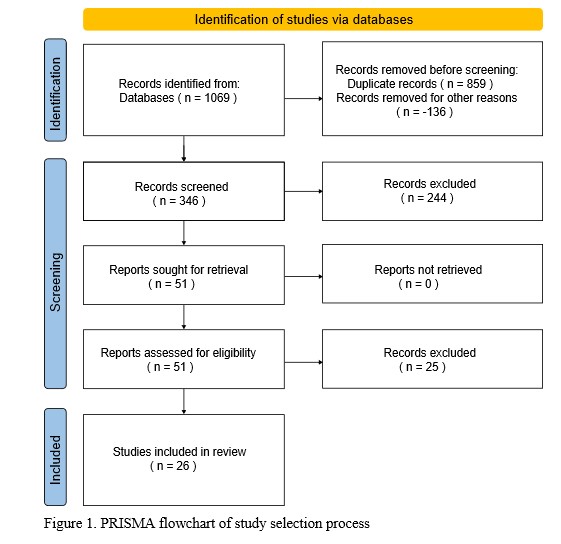
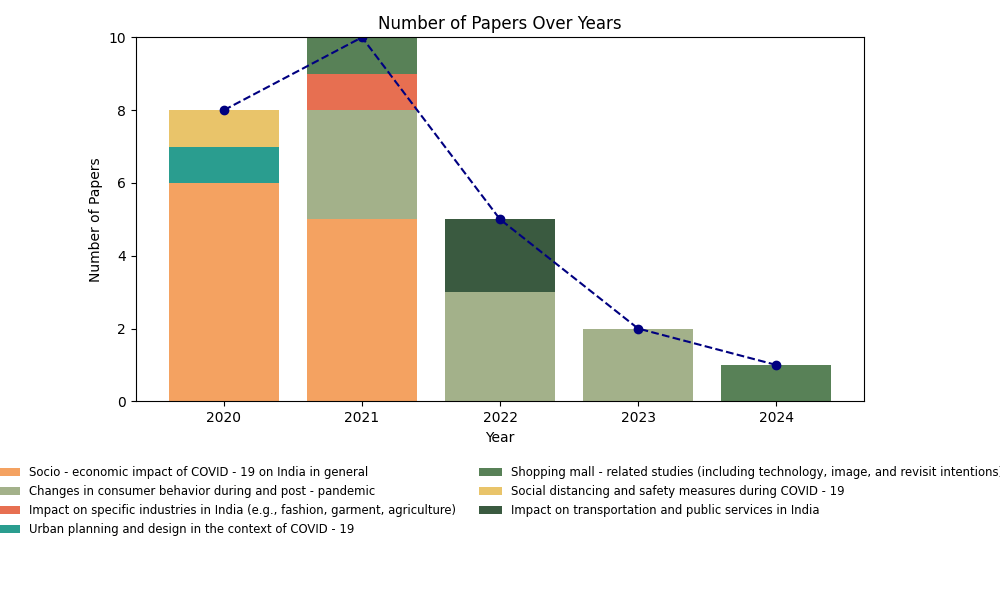























 Eduindex
You must be logged in to post a comment.