Kashi has taken a major leap toward next-generation urban planning with the launch of its 3D Urban Spatial Digital Twin, an advanced digital replica of the entire city being developed under the Varanasi Smart City Mission. The project began with a full-scale aerial survey covering 160 sq. km, marking one of the most comprehensive spatial mapping initiatives undertaken in the region.
Digital twins—virtual 3D models of physical environments—are increasingly recognised as transformative tools in urban planning, landscape architecture, and real-time city governance. Their adoption is reshaping how cities monitor, plan, and manage services.
A Modern Upgrade from 2D to 3D
Divisional Commissioner and Varanasi Smart City Chairman Kaushal Raj Sharma explained that until recently, civic bodies only had access to 2D maps covering 84 sq. km—the earlier municipal boundary. Newly added areas lacked detailed mapping, creating challenges in administration and planning. The new 3D digital twin will bridge this gap by providing high-precision spatial data for the entire expanded city area, enabling smoother operations across departments.
Advanced Aerial Mapping Technology
Chief General Manager Dr. D. Vasudevan revealed that the aerial survey is being conducted using a dual-engine aircraft flying at 3,800 feet, equipped with state-of-the-art LiDAR sensors and high-resolution cameras. The technology ensures accurate mapping of Varanasi’s complex urban terrain—including ghats, heritage zones, narrow lanes, and dense neighbourhoods—through photogrammetry and laser scanning.
Integrated Smart Governance
Once completed, the digital twin will be integrated with the Kashi Integrated Command and Control Centre (ICCC) to enhance coordinated decision-making. The platform will support agencies such as:
Jal Kal
Varanasi Municipal Corporation
Varanasi Development Authority
Jal Nigam
Through real-time data, the system will streamline operations related to traffic flow, fire safety, waste management, water supply, sewerage networks, and more. Heat maps and thermographic analytics will also improve crowd management, crucial for a city that attracts millions of pilgrims and tourists.
Project Timeline and Execution
According to Smart City PRO S. Nandan Sonthalia, the project is expected to be completed within nine months. Mumbai-based Genesis International Corporation is executing the initiative.
With this development, Kashi is poised to become a model for data-driven urban governance in India, demonstrating how advanced geospatial technologies can revolutionise heritage cities transitioning into smart, resilient urban systems.
Regional expansion represents one of the most significant growth opportunities for businesses ready to scale beyond their current markets. Whether you’re a tech startup eyeing neighboring states or an established company considering international ventures, successful geographic expansion requires careful planning, thorough research, and strategic execution.
Understanding the complexities of new markets can mean the difference between thriving in uncharted territory and facing costly setbacks. Smart businesses approach regional expansion as both an art and a science, combining data-driven insights with nuanced understanding of local preferences and cultural dynamics.
Research Your Target Market Thoroughly
Before setting foot in any new region, comprehensive market research forms the foundation of successful expansion. This goes far beyond basic demographic data—you need to understand consumer behavior patterns, local competition, regulatory environments, and economic conditions specific to your target area.
Start by analyzing existing market data and industry reports. Government databases, trade associations, and market research firms provide valuable insights into regional trends and opportunities. Pay particular attention to seasonal variations, economic indicators, and consumer spending patterns that might differ from your current market.
Consider conducting primary research through surveys, focus groups, or pilot programs. These direct feedback mechanisms help validate assumptions and uncover unexpected challenges or opportunities. For instance, a Utah map might reveal population density patterns that influence distribution strategies, while local surveys could highlight unique customer preferences that weren’t apparent in secondary research.
Local partnerships can accelerate your market understanding significantly. Establishing relationships with regional business groups, chambers of commerce, or industry associations provides insider knowledge that external research might miss. These connections often prove invaluable for navigating local business customs and identifying potential collaboration opportunities.
Understand Regional Regulations and Compliance Requirements
Every region operates under distinct regulatory frameworks that can dramatically impact your business operations. Tax structures, licensing requirements, employment laws, and industry-specific regulations vary significantly across states, provinces, or countries.
Begin by consulting with local legal and accounting professionals who specialize in your industry. They can identify potential compliance issues early and help structure your expansion to minimize regulatory hurdles. This investment in professional guidance often pays for itself by preventing costly mistakes or delays.
Consider how different regulations might affect your business model. Some regions offer tax incentives for specific industries, while others impose additional requirements that could increase operational costs. Understanding these factors upfront allows you to adjust pricing strategies and operational procedures accordingly.
Environmental regulations deserve special attention, particularly for manufacturing or logistics companies. What’s permissible in one region might require significant modifications or additional permits elsewhere. Factor these considerations into your expansion timeline and budget projections.
Adapt Your Business Model to Local Preferences
Successful regional expansion often requires thoughtful adaptation of your core business model to align with local preferences and market conditions. This doesn’t mean completely reinventing your company, but rather making strategic adjustments that resonate with new audiences.
Customer preferences can vary dramatically between regions, even within the same country. Payment methods, communication styles, product features, and service expectations might differ significantly from your current market. Flexible businesses that can adapt while maintaining their core value proposition typically see better expansion results.
Pricing strategies may need adjustment based on local economic conditions, competition levels, and consumer purchasing power. What works in a high-cost urban market might prove ineffective in a region with different income levels or cost structures.
Consider how your marketing messages and brand positioning might need refinement for new audiences. Cultural nuances, local terminology, and regional values can influence how your brand is perceived and accepted in new markets.
Build Local Talent and Infrastructure
Human capital often determines expansion success more than any other factor. Building a capable local team requires understanding regional labor markets, compensation expectations, and cultural work styles.
Recruiting strategies that work in your home market might need significant adjustment for new regions. Local recruiting firms, universities, and professional networks can provide access to qualified candidates while helping you understand competitive compensation packages.
Consider the balance between relocating existing employees and hiring locally. While transferring experienced team members ensures consistency with company culture and processes, local hires bring valuable market knowledge and established networks.
Infrastructure requirements vary significantly between regions. Technology capabilities, transportation networks, supplier availability, and real estate costs all influence operational efficiency and expansion costs. Thorough infrastructure assessment prevents surprises that could derail expansion timelines.
Plan for Long-Term Success
Regional expansion is a marathon, not a sprint. Sustainable growth requires patient investment in relationship building, brand development, and operational refinement over time.
Set realistic timeline expectations and maintain adequate financial reserves for the extended ramp-up period typically required in new markets. Many businesses underestimate the time needed to achieve profitability in new regions, leading to premature budget cuts or strategic pivots.
Establish clear metrics for measuring expansion success beyond simple revenue targets. Customer acquisition costs, market share growth, operational efficiency, and local brand awareness provide more comprehensive success indicators.
Moving Forward With Confidence
Regional expansion offers tremendous growth potential for businesses willing to invest in proper planning and execution. Success requires balancing confidence in your core business model with flexibility to adapt to new market realities.
Start your expansion journey by conducting thorough market research and building relationships with local experts who can guide your entry strategy. Remember that sustainable growth comes from understanding and serving new customers effectively, not simply transplanting existing operations into unfamiliar territory.
Building connections isn’t just about collecting business cards or adding LinkedIn contacts. Strategic networking creates pathways to new markets, partnerships, and revenue streams that can transform your business trajectory.
Many professionals attend networking events but struggle to convert conversations into meaningful business relationships. The difference lies in approaching networking with intention, focusing on value creation, and following through with genuine relationship-building activities.
This guide will show you how to transform your networking efforts into tangible growth opportunities that drive real business results.
Effective networking starts with a clear understanding of your business goals and target connections. Rather than casting a wide net, successful networkers identify specific types of relationships that align with their growth objectives.
Define Your Networking Goals
Start by outlining what growth means for your business. Are you looking to expand into new markets, find strategic partners, or attract investors? Each goal requires a different networking approach and target audience.
Create a profile of your ideal connections. Consider their industry, role, company size, and geographic location. This clarity helps you choose the right events and conversations that matter most.
Research Before You Connect
Preparation separates casual networking from strategic relationship building. Research attendees before events, understand their challenges, and identify potential collaboration opportunities.
Use professional platforms to learn about prospects’ recent achievements, company news, and industry insights. This knowledge enables more meaningful conversations and demonstrates genuine interest in their success.
Building Authentic Professional Relationships
Authentic relationships form the backbone of successful networking. People do business with those they know, like, and trust. Building this foundation requires consistent effort and genuine interest in others’ success.
Lead with Value, Not Your Pitch
The most effective networkers focus on what they can offer before asking for anything in return. Share relevant insights, make strategic introductions, or offer solutions to challenges they’ve mentioned.
This value-first approach creates goodwill and positions you as a resourceful connection worth maintaining. When opportunities arise, you’ll be top of mind because of the value you’ve provided.
Quality Over Quantity
Building 20 strong relationships yields better results than maintaining 200 superficial connections. Invest time in nurturing relationships with people who share similar values and complementary goals.
Regular check-ins, sharing relevant opportunities, and celebrating others’ successes strengthens these bonds over time. These deeper relationships become your most valuable business assets.
Strategic Event Selection and Participation
Not all networking opportunities are created equal. Strategic event selection maximizes your time investment and increases the likelihood of meaningful connections.
Choose Events Aligned with Your Goals
Industry conferences attract potential customers and partners, while investor meetups connect you with funding sources. Corporate event planning professionals often recommend focusing on 3-4 high-quality events per quarter rather than attending everything available.
Consider hosting your own networking events or workshops. This positions you as a thought leader while attracting your ideal connections to you.
Maximize Your Event ROI
Prepare an elevator pitch that clearly communicates your value proposition without sounding rehearsed. Practice active listening and ask thoughtful questions that uncover opportunities for collaboration.
Set specific goals for each event, such as meeting five qualified prospects or scheduling three follow-up meetings. This focus keeps conversations productive and measurable.
Converting Connections Into Growth Opportunities
The real work begins after the networking event ends. Systematic follow-up and relationship nurturing transform casual meetings into business opportunities.
Immediate Follow-Up Strategy
Contact new connections within 48 hours while your conversation is still fresh in their minds. Reference specific topics you discussed and suggest concrete next steps.
Organize contact information immediately and add notes about their interests, challenges, and potential collaboration opportunities. This information becomes valuable for future interactions.
Nurture Long-Term Relationships
Create a systematic approach to maintaining relationships through regular touchpoints. Share relevant articles, make introductions, or invite connections to relevant events.
Use customer relationship management tools to track interactions and set reminders for follow-up activities. Consistent communication keeps you visible when opportunities arise.
Leveraging Technology for Networking Success
Digital tools can amplify your networking efforts and help maintain relationships at scale. Social media platforms, email automation, and virtual events expand your reach beyond geographic limitations.
Social Media Networking
LinkedIn remains the primary platform for professional networking. Share valuable content, engage with others’ posts, and participate in industry discussions to increase visibility.
Join relevant LinkedIn groups and contribute meaningful insights to establish thought leadership and attract ideal connections.
Virtual Networking Opportunities
Online events and webinars provide access to global networks without travel costs. Virtual networking often allows for more targeted conversations and easier follow-up.
Create digital business cards or professional profiles that make sharing contact information seamless during virtual interactions.
Turning Relationships Into Revenue
The ultimate goal of strategic networking is business growth. This happens when relationships mature into partnerships, referrals, or direct business opportunities.
Successful networkers maintain visibility through thought leadership, consistent value delivery, and strategic collaboration. They understand that networking is a long-term investment that compounds over time.
Track your networking ROI by monitoring metrics such as referrals received, partnerships formed, and revenue attributed to networking relationships. This data helps refine your approach and justify continued investment in relationship building.
Strategic networking requires patience, authenticity, and systematic follow-through. When executed consistently, it becomes one of the most reliable sources of sustainable business growth.
Buying your first car is an exciting milestone. Whether it’s a sleek sedan, a rugged SUV, or a compact hatchback, your new vehicle represents freedom, convenience, and a touch of personal style. But owning a car comes with responsibilities—especially if it’s your first time behind the wheel as a car owner. From maintenance to insurance and everyday driving habits, knowing the essentials can save you time, money, and stress. Here’s a comprehensive guide for first-time car owners to get started on the right foot.
Before you even leave the dealership, take the time to familiarize yourself with your new vehicle. Read the owner’s manual carefully—yes, the whole thing. While it may seem tedious, the manual contains crucial information about your car’s features, maintenance schedules, and safety systems. Understanding the dashboard indicators, how to operate advanced tech features, and what each warning light means can prevent costly mistakes later.
2. Get the Right Insurance
Car insurance is not just a legal requirement; it’s your financial safety net. Shop around to find the best coverage that balances cost with protection. For first-time owners, consider policies that cover not only accidents but also theft, natural disasters, and roadside assistance. Make sure you understand deductibles, liability limits, and any optional coverage that may benefit you. Remember, a well-chosen insurance plan can save you from major headaches down the road.
3. Schedule Regular Maintenance
One of the biggest mistakes new car owners make is neglecting routine maintenance. Your car will run smoothly and last longer if you adhere to the recommended service schedule. This includes oil changes, tire rotations, brake inspections, and fluid checks. Modern cars often have service reminders on the dashboard, but it’s still wise to keep a personal log. Regular maintenance not only ensures safety but also helps preserve the vehicle’s resale value.
4. Learn Basic Car Care Skills
Even if you plan to visit a mechanic regularly, learning a few basic car care skills is invaluable. Know how to check your oil and coolant levels, inspect tire pressure, and replace wiper blades. Understanding these basics helps you spot minor issues before they escalate into expensive repairs. Additionally, keeping a small toolkit and an emergency kit in your car can make a big difference during unexpected situations.
5. Drive Responsibly
Your driving habits directly affect your car’s longevity and your safety. Avoid harsh acceleration, sudden braking, and aggressive turns, as these can wear down components prematurely. Respect speed limits, stay alert, and follow traffic rules diligently. For first-time owners, developing good driving habits early can save on fuel costs, reduce wear and tear, and minimize the risk of accidents.
6. Keep Your Car Clean
Keeping your car clean goes beyond appearances—it helps preserve both the exterior and interior. Regular washes remove dirt, salt, and debris that can lead to rust or damage your car’s paint, while applying car paint protection adds an extra layer of defense against scratches and environmental wear. Inside, routine vacuuming and using protectants on dashboards and seats prevent stains and keep your cabin looking fresh. Adding floor mats and seat covers further shields the interior, helping maintain comfort and boosting your vehicle’s resale value over time.
7. Track Your Expenses
Owning a car comes with costs beyond the purchase price. Gas, maintenance, insurance, parking, and unexpected repairs all add up. Keeping a record of these expenses helps you budget effectively and identify areas where you can save. Over time, tracking your spending patterns also makes it easier to plan for upgrades or a future car purchase.
8. Plan for Emergencies
Even with careful driving and maintenance, emergencies can happen. Make sure you have a spare tire, jack, jumper cables, and a first-aid kit in your vehicle. Learn how to change a flat tire and jump-start a car safely. Having a roadside assistance plan can provide peace of mind, ensuring help is just a call away when needed.
9. Protect Your Investment
Your car is a significant financial investment. Parking in safe areas, using anti-theft devices, and avoiding extreme weather exposure can protect it. Additionally, keep important documents like registration, insurance, and maintenance records organized. This preparation not only helps in emergencies but also increases the vehicle’s resale value when the time comes.
10. Enjoy the Ride
Finally, remember to enjoy your new car. Owning a vehicle opens up opportunities for travel, convenience, and independence. Treat it with care, stay informed, and drive responsibly, and you’ll have a reliable companion for years to come.
Owning a car for the first time can feel overwhelming, but by following these essential tips, you can navigate your new responsibilities confidently. From regular maintenance to smart driving habits, each step ensures your car remains safe, efficient, and enjoyable. After all, a well-cared-for car isn’t just a means of transportation—it’s an investment in your freedom and peace of mind.
Reviewed by: Prof Shankar Chatterjee, Hyderabad The book “Sacred Algorithms: The Mumukshu Paradox,” which means “Sacred Algorithms: From a Spark of Curiosity to a Journey Between Artificial Intelligence (AI) and Consciousness,” was published on August 10, 2025, and is currently available on the Amazon store in all countries, including India, in eBook format of 316 pages. The paperback version (322 pages, including contents and foreword) is expected to be published in September 2025 by Lumina Publications, Mumbai, and will also be available through Amazon and Flipkart online stores. The author, Shailendra Mishra (44 years old), is an electronics engineer with an MBA in supply chain and operations management who spent the last two decades in leadership roles in the IT industry, both in the U.S. and India, and is now back in India. He has been on a deep spiritual and philosophical quest since childhood. Through his book, he attempts to bring together ancient wisdom and the latest human invention—Artificial Intelligence (AI)—to paint a picture of humanity’s future. Sacred Algorithms: The Mumukshu Paradox is not merely about AI—it is a deeply human story. It explores suspense, friendship, ambition, failure, the pursuit of success, and the deeper question of what happiness truly means. The narrative asks: in a world being reshaped by intelligence, what does it mean to be human, and what is worth preserving? A scientist, an AI prodigy, and the seeker Mumukshu (meaning “seeking spiritual liberation”) are drawn into an intelligence that begins to explore the nature of consciousness. The book’s central message is this: the future of AI and humanity cannot be resolved through the Western model of consumption, optimization, and industrial logic alone. The answers to our existential dilemmas may well lie in Bharatiya darshan (Indian philosophy), which offers a holistic framework that balances duality and non-duality, reason and compassion, and progress and harmony. By weaving these timeless insights into a contemporary narrative, the novel invites readers to pause, reflect, and perhaps even rediscover their own inner algorithm. There are altogether 27 chapters in this volume, which are presented here for the benefit of readers: 1) Chaos in Banaras, 2) Those 30 Hours. 3) Worried World In The Ai Summit, 4) The Temptation Of Infinity, 5) The Last Call Unanswered, 6) The Magician Friend, 7) Manikarnika, The Last Halt, 8) A Family (Re)Union, 9) Parallel Lines On A Banaras Street, 10) Unexpected Encounter At Lahiri Ashram, 11) The Cambridge Professor, 12) Kashi Vishwanath, 13) The Doctor Who Could Not Forget, 14) The Boat Ride At Assi Ghat, 15) The Aughads Of Banaras, 16) Vidhu—The Quiet Center, 17) My Dearest Janmejay, 18) Mumukshu: The One Who Knew, 19) Sankat Mochan: The Junction, 20) The Ultimate Vimarsh, 21) It Sees, It Knows, It Learns, 22) Seeking Answers, 23) Game Theory & The Cosmic Brain, 24) The Tenth Day Ceremony, 25) A New Soul Is Born, 26) The Tenth Day Ceremony Continued, & 27) The Thirteenth Day: The ‘End’ And A ‘Beginning’! This is a unique type of book, which is seldom found these days. This volume will be of use to academics, scholars, spiritual leaders, and others.
In today’s world, where likes and online activity play such a big role, having genuine engagement is more important than ever. Real likes show that people are truly interested in your content, unlike fake ones that add no value. Authentic interactions build trust, increase your visibility, and support long-term growth across all your social media platforms. Below are some of the best strategies to consistently earn real likes—the kind that truly matter.
The simplest and strongest way to make real engagement is to give your audience something they find good, fun, or uplifting. If your content matches what your viewers like, they will hit the like button on their own.
Focus on how to fix a problem or send your message in a clear way.
Use feeling, humor, or stories to keep attention.
Make sure the visuals look sharp, and give captions that make sense.
Talk straight to your niche or your group and their pain points.
Use again the kinds of content that did well before.
Content that provides genuine value encourages people to stop scrolling. Pairing this with the highest-rated likes service can help your posts gain attention and boost authentic interaction.
Post When Your Audience Is Most Active
Even good content can be missed if you post it at a bad time; if you share your posts when there are more people online, more people will see it. This can help you get more likes and comments right when you post.
Look at insights to see when your audience is online.
Use each platform’s own posting tools to stay on track.
Try out different times to post and see which works best.
Think about time zones if the people you are reaching are all over the world.
Post when there are big talks or events that matter to your audience.
Visibility is the first thing that helps you get real interaction.
Write Engaging Captions That Invite Interaction
Captions do more than just explain your post. They make the feel of your message clear and ask people to join in. A good caption can make people want to see more and talk with your content, not just scroll by.
Ask questions that people can connect with or that make them think.
Start with a strong hook in the first line to get people’s attention.
Use a friendly conversational tone to feel closer to your audience.
Use relatable hashtags, but keep them few and use them in a smart way.
Consistent Themes and Aesthetics
People often get more involved with content that feels the same and has something they know. When you use the same style, it helps people know your brand. This makes them want to come back and see what you share again.
Stick to a look and feel that people will know right away.
Use the same fonts, filters, or the way you set things up each time.
Make sure the way things look matches your message, so everyone is clear.
Being steady helps build trust. When people trust you, they are more likely to act.
Engage First to Encourage Engagement Back
One of the strategies for growth that people miss is daily action. When you take time to talk with other people, you get them to look at and join in with your content too.
Like, comment, and reply to others in your area.
Reply with care to comments on your posts.
Get back to mentions, tags, or DMs fast.
Join in trending chats or challenges.
Help creators who share the same audience as you.
Real likes often come when you build real connections with people.
By always being there for your followers and giving them something valuable, you can earn more engagement on your posts. When paired with the highest-rated likes service, these efforts help you build a stronger and more loyal community. Over time, this steady approach will support lasting growth.
Whether you’re an investor planning a new commercial development or a homeowner looking to build from the ground up, financing your construction project is a critical step. Construction loans offer a unique financing solution that caters to the specific needs of builders and developers in California’s diverse and dynamic real estate market. By providing the necessary capital to break ground and maintain momentum, these loans play a vital role in turning blueprints into brick-and-mortar realities. Keep reading to delve into the numerous benefits and strategic advantages construction loans provide for building projects in the Golden State.
Understanding Construction Loans: A Key to Unlocking Your Dream Project in California
Construction loans in California are designed specifically to fund the building process, covering land, materials, labor, and other related expenses. Unlike traditional mortgages, borrowers typically pay interest only on the amount disbursed during construction, helping manage cash flow when the property isn’t generating income. This structure makes it easier to handle the financial demands of a new project.
These loans also offer flexibility, as lenders often tailor terms to match the project’s scope and California’s unique regulations and market conditions. Once construction is complete, the loan usually converts into a traditional mortgage, streamlining the transition to homeownership without the need for a separate application or appraisal.
Customizing Your Build: How Construction Loans Offer Flexibility in Design and Timing
Construction loans provide crucial financial flexibility for building projects, allowing borrowers to maintain design quality and incorporate desired materials and features, enhancing the structure’s value and appeal. The disbursement schedule, typically tied to construction milestones, ensures consistent cash flow while enabling progress monitoring and accountability for builders and developers.
In regions like California, where building codes and regulations are stringent, these loans support plan adjustments without halting work, helping navigate environmental or regulatory challenges. Their flexible structure also allows borrowers to address delays or unexpected costs. With careful management and strong lender relationships, construction loans help keep projects on track and responsive to changing circumstances.
Financial Control and Streamlined Funding: The Strategic Advantage of Construction Loans
Construction loans give project leaders precise control over finances by releasing funds according to a draw schedule tied to project phases. This approach allows borrowers to monitor expenditures closely, ensuring budgets are adhered to and preventing overspending on non-essential items. The incremental funding also simplifies purchasing and contracting, enhancing efficiency and resource allocation.
In California’s competitive market, these loans foster a collaborative relationship between borrower and lender, offering guidance on regulatory requirements, zoning, and construction standards. Locking in interest rates provides stability amid market fluctuations, enabling accurate financial forecasting and planning throughout the construction process. These features collectively support disciplined, well-managed project financing.
Overcoming California’s Building Challenges with Construction Loan Benefits
California’s diverse landscape, from rugged coastlines and mountains to dense urban areas, creates complex challenges for builders. Construction loans provide the financial flexibility to manage these obstacles, covering additional costs for specialized labor and engineering. Strict environmental regulations affect site selection and material use, and phased funding from construction loans allows developers to stay compliant without slowing progress.
Economic fluctuations also impact project viability; in competitive markets, loans enable rapid action, while in slower markets, structured payments help maintain financial stability. Preemptive budgeting through construction loans reduces the risk of cost overruns, helping builders adhere to quality standards, timelines, and budgets while navigating the state’s unique construction demands.
The Impact of Construction Loans on Project Outcomes and Long-Term Investment
In California, the success of a building project relies heavily on its financial foundation, with construction loans serving as key investment tools that guide projects from planning to completion. Properly structured loans align funding with project milestones, supporting consistent quality and timely progress.
These loans can enhance long-term profitability by enabling strategic development that meets market demands, improving resale or rental potential. Construction loans also drive community growth by facilitating the development of residential, commercial, and mixed-use properties, attracting businesses and residents alike. For builders and developers, the right financing provides both a sense of ownership and a strategic advantage in a competitive real estate market.
Overall, construction loans offer a myriad of benefits that extend well beyond mere capital. They empower borrowers with the flexibility, control, and strategic advantages necessary to navigate California’s challenging construction landscape successfully. By shaping the financial narrative of a project, these loans establish a solid foundation for its success, paving the way for long-term investment returns and community enrichment.
The Union Cabinet chaired by the Prime Minister, Shri Narendra Modi, has approved the proposal for implementation of the ‘Multidisciplinary Education and Research Improvement in Technical Education’ (MERITE) Scheme in 275 technical institutions comprising 175 engineering institutions and 100 polytechnics. The objective of the scheme is to improve the quality, equity and governance in technical education covering all States/UTs by implementing interventions aligned with the National Educational Policy-2020 (NEP-2020).
It is a ‘Central Sector Scheme’ with total financial implication of Rs.4200 crore for a period from 2025-26 to 2029-30. Out of Rs.4200 crore, there will be an external assistance of Rs.2100 crore from World Bank as loan.
Benefits:
An estimated 275 Government/ Government-aided technical institutions are expected to be selected and supported under the scheme. This will include selected National Institutes of Technology (NITs), State Engineering Institutions, Polytechnics and Affiliating Technical Universities (ATUs). Apart from this, the State/ UT departments handling technical education sector will also be supported through MERITE scheme. Further, About 7.5 Lakh Students will be benefitted from the Scheme.
Impact, including employment generation:
The major outputs/ outcomes expected from the scheme are:
Digitalization strategies in participating States/ UTs,
Development of guidelines for multidisciplinary programs among technical courses,
Increase in learning and employability skills of students,
Increase in transition rate of students across student groups,
Strengthened research and innovation environment,
Better quality assurance and governance mechanisms resulting in long term benefits,
Increase in accreditation and better Technical Education Institution – level Quality Assurance,
Relevant, labour market-aligned curriculums and blended courses developed and rolled out and
Development of future academic administrators especially women faculty.
Implementation strategy and targets
The scheme will be implemented in government engineering institutions and Polytechnics in all States/ UTs. The interventions are aligned with NEP-2020 and are aimed at enhancing the quality, equity and governance of the participating institutions. It will be implemented as a Central Sector Scheme and will have the facility of funds transfer from the Central Government to participating entities through a Central Nodal Agency.
Eminent educational institutions like the IITs and IIMs and regulatory bodies in the higher education sector such as the AICTE, NBA etc. will also play a significant role in the scheme implementation.
Employment Generation:
The initiative emphasizes enhancing students’ skills to improve their employability through a comprehensive, multi-faceted approach. Key interventions include offering internship opportunities, updating curricula to align with industry requirements, organizing faculty development programs, and setting up research hubs. Additionally, support will be provided to incubation and innovation centers, skill and maker labs, and language workshops. These measures aim to boost the employability of fresh graduates, leading to higher placement rates and ultimately helping to reduce unemployment among engineering students in the States and Union Territories.
Background:
Sustainable and inclusive growth of the country depends largely on technological advancements which require persistent efforts to upgrade academic and research standards. Research fosters innovation which is fundamental to addressing modern day challenges and creates a long lasting positive impact. It is with this approach that MERITE scheme has been formulated in collaboration with the World Bank. The reforms envisioned in the higher education sector in the National Education Policy-2020 are the basis of interventions designed for the scheme.
The major reform areas in the policy include revamping curriculum, pedagogy, assessment, multidisciplinary programs among technical courses, strengthening research ecosystem, development of future academic administrators, faculty skill upgradation, addressing gender gaps in technical education and reducing digital divide etc.
The participating States/ UT are important stakeholders. They have a major role to play in the implementation of the scheme and their views and feedback received during several meetings and consultations have been duly considered while designing the interventions.
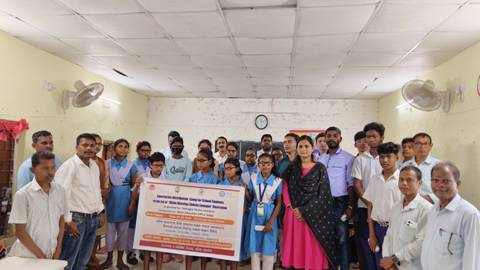
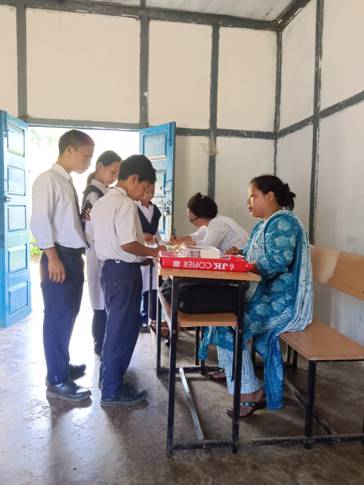
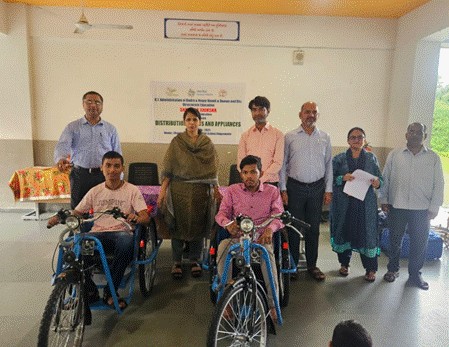
The Government of India, under the Inclusive Education (IE) component of Samagra Shiksha, successfully conducted a nation-wide week-long campaign of Mega Assessment and Distribution Camps for Children with Special Needs (CwSN) at block and district levels from 29th July 2025, as part of the 5th Anniversary celebrations of the National Education Policy (NEP) 2020 during the Akhil Bhartiya Shiksha Samagam (ABSS) 2025.
The National Education Policy (NEP) 2020 places strong emphasis on equitable and inclusive education for all, and is in complete consonance with the provisions of the Rights of Persons with Disabilities (RPwD) Act, 2016 and endorses all its recommendations with regard to school education.
The Inclusive Education (IE) component under Samagra Shiksha ensures full equity and inclusion so that all children are able to fully participate in inclusive schools in a continuum from pre-school to class XII. It also mandates for early identification and assessment support of CwSN wherein States/UTs may organize up to four camps per block per year for elementary and secondary levels with support of upto ₹10,000/- per camp.
As a crucial step for mainstreaming CwSN, the Department of School Education & literacy (DoSEL) in collaboration with the Department for Empowerment of Persons with Disabilities (DEPwD) is implementing Scheme of Assistance to Persons with Disabilities for purchase/Fitting of Aids/Appliances (ADIP Scheme) in convergence with Samagra Shiksha Abhiyan (SSA) for distribution of Aids/Appliances to CwSN.
Under ADIP SSA, activity funds are shared between DEPwD and DoSEL in the ratio of 60:40 wherein assessment/distribution of Aids/Appliances is undertaken through Artificial Limbs Manufacturing Corporation of India (ALIMCO) across the country in coordination with State SSA Authorities.
As part of the commemoration of the 5th Anniversary of NEP 2020 through the Akhil Bhartiya Shiksha Samagam (ABSS) 2025, DoSEL launched a nation-wide week-long campaign for Mega Assessment and Distribution Camps for CwSN under the Samagra Shiksha at the block and district level, starting from 29th July, 2025. Directions and guidance were issued by DoSEL to State/UTs to plan and execute the mega camps in convergence with all stakeholders. These camps were categorised as Screening and Identification of CwSN; Medical Assessment (including for UDID certification) and Assistive Device Assessment and Distribution and were aimed to ensure that services are brought closer to the child’s doorstep, especially in rural and remote areas.
The week-long campaign saw wide-ranging stakeholder participation from line departments/ agencies such as Rashtriya Bal Swasthya Karyakram (RBSK) teams, District Health Department, Panchayati Raj, ALIMCO etc. for mobilizing medical teams and necessary logistics. The mega camps were graced by several dignitaries and senior government functionaries.
This significant step witnessed active participation from the community and served as an impetus for delivering on-ground interventions for CwSN across the country. It underscored the government’s commitment to practical, impactful measures that align with the broader goals of inclusive education. Key Achievements of the Mega Camps are as under:
No. of Children Covered
No. of Children provided assistive devices
No. of Districts covered
No. of Block covered
No. of Professionals (Doctors/Special educators/Rehabilitation personnel etc.) deployed
1,58,669
28,837
669
4,884
7,282
States/UTs shared district and block wise details highlighting widespread efforts across various States and UTs to identify and provide tangible support to such children. Maharashtra has reported the highest number of children covered 50,905 and 3,187 children were provided with assistive devices covering 286 districts engaging 2,758 Rehabilitation Professionals. Uttar Pradesh follows covering 25,737 children and Bihar also made significant progress, with 17,570 children covered.
Smaller territories also contributed in this national event as well—Puducherry covered 4,229 children with 548 getting devices, while Meghalaya assessed 6,041 children and provided devices to 191. Some states like Himachal Pradesh and Sikkim had smaller numbers but focussed heavily on specialized deployment, including doctors, psychiatrists, audiologists, and special educators. States/UTs executed this massive logistical exercise overcoming challenges of terrain and monsoon and set an example of successful convergence on ground.
This week-long campaign ensured participation of parents/guardians, ground level functionaries in the assessment process through awareness and mobilization by school media platforms, website of education department, and notice board of schools, local media..
The National Education Policy (NEP) – 2020, while emphasizing the importance of Curriculum and Pedagogy in Schools, endorses that “Learning should be Holistic, Integrated, Enjoyable and Engaging in itself. Furthermore, the NEP-2020, states that in all stages, experiential learning will be adopted as standard pedagogy within each subject, and with explorations of relationships among different subjects.
In this context, educational trips and excursions to places of historical, cultural, social, scientific and technological importance are of paramount importance. Japan, as a developed and friendly nation known for its technological advancements, is also a preferred destination for educational exposure. Therefore, visiting a country like Japan is always enriching and provides an opportunity for exploration of innovative practices.
To broaden the intellectual horizons and foster scientific exploration among young learners, the Japan Science and Technology Agency (JST) has been implementing the ‘Japan-Asia Youth Exchange Program in Science,’ also known as the ‘Sakura Science Programme,’ since 2014. India was included in the Sakura Program in 2016. Under this programme, students are invited for short-term visits to Japan, providing them with the opportunity to experience Japan’s cutting-edge science and technology as well as its rich culture.
India participated in the program for the first time in April 2016. So far, 639 students along with 93 supervisors have visited Japan under this programme. The most recent batch visited Japan in June 2025.
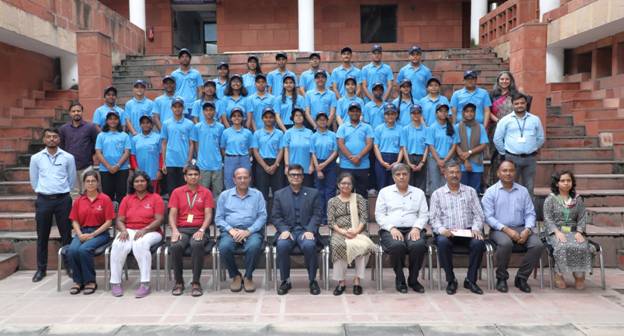
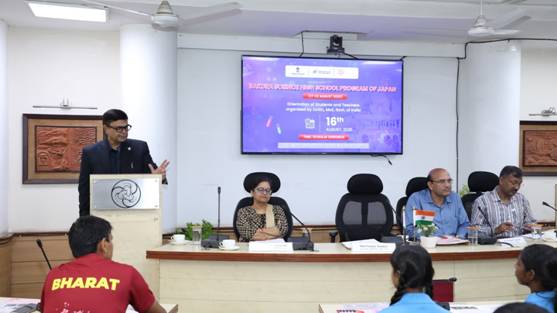
For the upcoming Sakura Programme 2025, JST has invited 34 school students and 3 supervisors from India, alongside participants from six other countries (Egypt, Ghana, Kenya, Nigeria, South Africa and Zambia), for the period between August 17th to August 23rd, 2025. These 34 students (13 boys & 21 girls) are from Government Schools of Andhra Pradesh, Bihar, Delhi, Himachal Pradesh, Lakshadweep, Odisha, Puducherry, West Bengal and Demonstration Multipurpose Schools of RIEs-NCERT at Ajmer (Rajasthan), Bhopal (Madhya Pradesh), Bhubaneswar (Odisha) and Mysore (Karnataka).
The enthusiastic students were flagged off in a ceremony at NCERT, New Delhi, organized by the Department of School Education & Literacy (DoSEL), Ministry of Education (MoE), Government of India. The flagging-off ceremony for the Sakura Science Program was conducted by Sh. Sanjay Kumar, Secretary, Department of School Education & Literacy, Ministry of Education, Government of India, Prof. Prakash Chandra Agrawal, Joint Director, NCERT, and Smt. Archana Sharma Awasthi, Joint Secretary, Department of School Education & Literacy, Ministry of Education, Government of India.
During the event, Sh. Sanjay Kumar offered inspiring words to the students and the supervisor teachers, emphasizing that the program presents a golden opportunity for them to explore a developed nation like Japan. He conveyed that immersing themselves in Japan’s highly advanced system is short of a blessing. He further stressed the imperative for all students and their accompanying teachers to fully appreciate the immense importance of this Sakura Science journey, recognizing its profound impact on shaping future innovators and strengthening bilateral ties.
Mr Sanjay Kumar highlighted the importance of our country’s language by saying that Indian students should greet by Namaste as the entire world now knows this Indian greeting thanks to our Prime Minister NarendraModi.
He mentioned that we should know the fact that Japanese are famous for their punctuality and we must learn it from there, as there’s a famous saying “time and tide wait for none”.
He highlighted that Japan’s history and their economic growth is something to study about and we can take Japan as an example and take India forward with the same approach.
He mentioned that Japan is known for their culture and even tea. The way they behave is also a part of their culture and they take it very seriously. We, Indians also have our great culture and we should take pride in it.
Japanese Cherry blossom is a sight to behold and they keep their environment clean. The 34 students going to Japan are the young ambassadors of India, so make friends, observe, learn and adopt from them as much as you can.
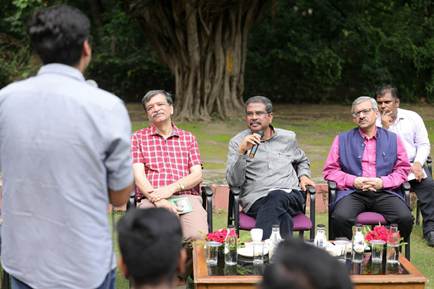
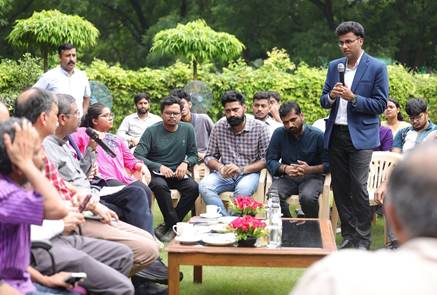
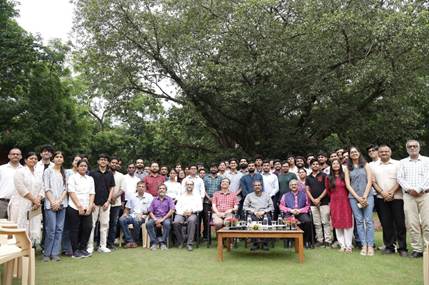
Union Minister for Education, Shri Dharmendra Pradhan, visited the Indian Institute of Technology (IIT) Delhi today, where he interacted with undergraduate, postgraduate and doctoral students, as well as innovators and researchers. Secretary, Department of Higher Education Dr. Vineet Joshi; Director, IIT Delhi, Prof. Rangan Bannerjee; and senior officials of the Ministry of Education and IIT Delhi were present on the occasion.
During the interaction, the Minister underlined the importance of self-reliance in line with the vision of the Prime Minister Shri Narendra Modi in his Independence Day address, this year. He stressed that the present moment offers a unique opportunity to to emphasize on the need for achieving self-reliance, ignite collective action for driving national priorities and fulfilling the vision of ‘Samridhh Bharat’ by 2047.
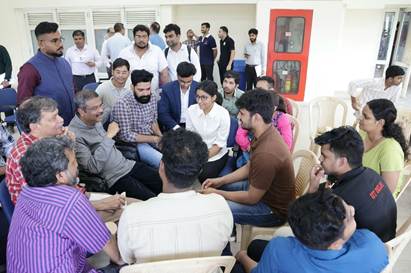
The Minister engaged with students to learn more about their dreams, aspirations, areas of research, the technological challenges they are currently pursuing, and their perspectives on the challenges and opportunities outlined by the Prime Minister. He also shared his views on enhancing capabilities and expanding the spirit of innovation.
The Minister encouraged the students to bring forward their innovative ideas, work on the challenges and keep hustling until we achieve self-reliance in every sphere.
He stated that the Government stands shoulder to shoulder with India’s innovators and researchers for shaping a brighter future for our coming generations and also for establishing India as a global hub of solutions.
Sharing his thoughts on the occasion, the Minister his confidence that the talent, tenacity and resolve of our youth coupled with the pursuit of self-reliance will pave the way for strengthening Bharat’s capabilities as well as enhancing her technological and economic sovereignty.
He highlighted the crucial role of IITs as the bedrock of a self-reliant India. Backed by the rock solid support of PM Shri Narendra Modi, the talented YuvaShakti are going to rewrite the rules of technology, innovation and entrepreneurship and build a ‘Samridhh and self-reliant Bharat’.
The Minister also informed that he would revisit the Institute to review the innovations being developed by the students.
Speaking on the occasion, Secretary, Department of Higher Education, Dr. Vineet Joshi reiterated the Prime Minister’s Independence Day message on the role of youth in making the country self-reliant. He underlined that the Department is extending all possible support to higher education institutions in advancing innovation, strengthening research capacities and addressing national challenges in line with the vision of Atmanirbhar Bharat. He expressed confidence that IIT Delhi, through its students and faculty, will continue to play a leading role in developing technologies and solutions of global relevance.
As environmental concerns and health awareness rise, so does the demand for plant-based cuisine. This trend has set the stage for a new era in the culinary world, with plant-based culinary schools taking a leading role in shaping the future of gastronomy. Professional chefs and culinary enthusiasts are increasingly seeking specialized education to cater to the growing interest in vegan and vegetarian diets. The establishment of these innovative institutions signals a significant shift in the food industry as it adapts to the preferences of health-conscious consumers. Below, we delve into how these educational centers are commanding change and influencing the broader culinary landscape.
The Emergence of Plant-Based Culinary Schools and Their Impact on the Food Industry
Plant-based culinary school programs are emerging in response to shifting dietary trends and the growing demand for ethical, sustainable food. These institutions teach chefs to craft flavorful, creative dishes using nutrient-rich, plant-based ingredients without sacrificing taste or presentation. Their innovative approach blends traditional cooking techniques with modern sustainability practices, preparing chefs to excel in a changing food industry.
Beyond cooking, these schools influence the broader food supply chain by increasing demand for fresh produce, organic farming, and ethical sourcing. Graduates often become industry leaders and advocates for wellness, using their skills to inspire healthier eating habits and promote environmentally responsible dining.
Catering to the Surge in Vegan and Vegetarian Lifestyles Through Education
The rise of veganism and vegetarianism has revealed a gap in traditional culinary education, leading to the emergence of plant-based culinary schools. These institutions offer specialized programs that address the complexities of vegan and vegetarian cooking, emphasizing nutritional balance and ethical considerations. Aspiring chefs learn to create wholesome, flavorful dishes that meet the expectations of plant-based diners while appealing to a wider audience.
Equipped with both culinary expertise and knowledge of plant-based nutrition, graduates are reshaping dining experiences worldwide. Training focuses on innovative recipe development, teaching students to replace traditional ingredients with plant-based alternatives, resulting in unique flavors and textures that invite even meat-eaters to explore plant-based cuisine.
Cutting-Edge Techniques and Ingredients in Plant-Based Culinary Training
Plant-based culinary schools equip aspiring chefs with innovative skills, introducing avant-garde techniques and unconventional ingredients that redefine vegan and vegetarian cuisine. Students explore molecular gastronomy, plant-derived proteins, and versatile components like jackfruit, aquafaba, and nutritional yeast to craft complex flavors and textures that rival meat-based dishes.
Emphasis is placed on sustainability, encouraging the use of seasonal, locally sourced produce and fostering relationships with farmers to discover distinctive ingredients. Creativity is central to the training, with students encouraged to experiment and break from traditional culinary norms. This approach cultivates the ability to develop signature dishes that reflect both technical expertise and forward-thinking approaches to plant-based cooking.
How Plant-Based Culinary Schools Are Fostering Sustainable Food Practices
Plant-based culinary education centers on environmental respect, blending meat-free cooking techniques with sustainability principles. Students learn to minimize food waste, source responsibly, and adopt eco-friendly practices like composting, zero-waste cooking, and energy-efficient operations. Training emphasizes water conservation, energy savings, and reducing plastic use, fostering environmentally conscious habits.
Nutrition is also integrated, highlighting the health benefits of plant-based diets and their role in supporting both human well-being and the planet. By combining sustainability, food, and culinary creativity, these programs prepare chefs to lead kitchens that prioritize green practices while maintaining flavor and quality. The curriculum ensures sustainability becomes ingrained in students’ daily professional approach.
The Role of Plant-Based Culinary Education in the Future of Gastronomy
Plant-based culinary education is poised to transform the food industry by redefining traditions, influencing consumer tastes, and promoting ethical, sustainable, and health-conscious dining. These specialized schools act as incubators for innovation, encouraging chefs to challenge culinary norms and inspire new food products, dining concepts, and cultural attitudes toward eating.
As awareness grows about the environmental and health impacts of diet, demand for plant-based cuisine is expected to rise, creating opportunities in restaurants, food media, and entrepreneurship. Graduates of these programs will play a vital role in addressing food security, public health, and climate concerns, shaping a greener and more conscientious approach to gastronomy.
Overall, plant-based culinary schools are laying the groundwork for a revolution in the food industry. Their commitment to teaching chef-driven sustainability, innovative techniques, and a plant-centric ethos is setting a new standard in culinary arts education. As this movement grows, it is poised to benefit not only individual health and gastronomic creativity but also our planet as a whole.
Today’s businesses operate in an environment that demands efficiency and agility. To keep up with the fast-paced world and complex business processes, organizations turn to advanced technological solutions. One such critical tool is enterprise resource planning software, which unifies various functions within a company, streamlining operations and facilitating better decision-making. Understanding the intricacies of this software can empower businesses to take their productivity to new heights. Below, let’s delve into what ERP software encompasses and how it can transform your business.
Enterprise resource planning (ERP) software serves as the integrated management core of a company’s business processes, often in real-time. It is designed to collect, store, manage, and interpret data from various business activities, including product planning, manufacturing, sales, and marketing. By doing so, it breaks down information silos and enables departments to work more collaboratively.
ERP systems often encompass modular applications that can be tailored to specific needs. This means that while the core functionality remains consistent, additional features and modules can integrate seamlessly to address the unique requirements of different businesses. Their flexibility is one of the many reasons why they have become indispensable to modern organizations.
The implementation of ERP systems can range from lightweight and accessible cloud-based solutions to more robust, on-premises installations. Companies seeking to boost their operational efficiency often find that investment in enterprise resource planning software is not only beneficial but essential for maintaining competitive parity in their respective industries.
Core Components of ERP Systems
ERP systems are composed of several core components, which include modules for finance, human resources, manufacturing, supply chain management, and customer relationship management. Each module is designed to address specific areas of the business, ensuring comprehensive coverage of all operational aspects.
The finance module often serves as the backbone of the ERP system, offering functionalities such as general ledger, accounts payable, accounts receivable, and asset management. These tools enable businesses to manage their financial data with precision and comply with accounting standards.
On the production side, manufacturing modules help businesses with production planning, product lifecycle management, and inventory control. Supply chain modules, conversely, provide insights into procurement, order processing, and logistics, allowing for enhanced coordination across the entire supply chain.
The Evolution and History of ERP Software
The concept of ERP systems has its roots in the manufacturing sector, stemming from material requirements planning (MRP) software developed in the 1960s. MRP was designed to optimize inventory management and production scheduling, primarily in the manufacturing industry.
As computing technology advanced, MRP evolved into MRP II during the 1980s, which added more features such as labor and financial planning capabilities, expanding beyond inventory control. This set the foundation for the first true ERP systems, which began to consolidate various business processes into a cohesive system in the early 1990s.
The proliferation of the internet and the onset of cloud computing in the 2000s dramatically changed the ERP landscape. Cloud-based ERP solutions emerged, offering more flexibility, lower upfront costs, and ease of access compared to traditional on-premises systems. This technology democratized ERP software, making it accessible to small and mid-sized enterprises as well.
Today, ERP software continues to evolve with the integration of cutting-edge technologies such as artificial intelligence, machine learning, and the Internet of Things (IoT). These advancements are transforming ERP systems into even more intelligent and adaptive tools that can anticipate business needs and automate complex processes.
Benefits of Implementing an ERP Solution in Your Business
Adopting an ERP solution can significantly improve business operations. One of the most immediate benefits is increased operational efficiency; automated data entry and business process integration save time and reduce manual errors. Consequently, businesses can allocate their resources more effectively.
Enhanced collaboration is another advantage of ERP systems. By providing a centralized data repository, employees across different departments have access to the same up-to-date information. This information symmetry fosters better communication and coordinated efforts across the company.
Implementing ERP software also provides better insights for decision-making. With comprehensive reporting tools and analytics, businesses can analyze performance metrics and derive actionable insights. This data-driven approach to management can lead to more effective strategies and a competitive advantage.
ERP software serves as a cornerstone of modern business operations, offering a broad spectrum of benefits that can significantly enhance efficiency and provide valuable insights to drive strategic growth. With careful consideration and strategic implementation, an ERP system can be the catalyst for transforming the way your business operates.
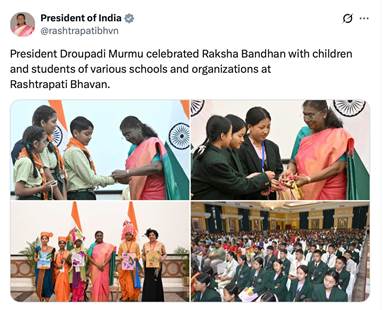
On the auspicious occasion of Raksha Bandhan, the President of India, Smt. Droupadi Murmu, met and interacted with students from diverse educational institutions, including government schools, Kendriya Vidyalayas, Jawahar Navodaya Vidyalayas, Kasturba Gandhi Balika Vidyalayas (KGBVs) along with Children with Special Needs, representing various States and Union Territories at the Rashtrapati Bhavan today .
The celebration highlighted the cultural diversity of India and the spirit of unity. In her address, the President emphasised that Raksha Bandhan symbolises a bond of love that can be shared with anyone, including elders, peers and even environment. She emphasised that trees protect the earth, acting as guardians and therefore must be planted and nurtured with care. She urged the students to carry forward this vision of love, protection and responsibility towards both people and the environment.
Minister of State for Education & Minister of State (IC), Ministry of Skill Development & Entrepreneurship, Shri Jayant Chaudhary graced the occasion. Secretary, Department of School Education & Literacy, Ministry of Education, Shri Sanjay Kumar, along with senior officials from the Ministry, also attended the celebration.
The event featured vibrant cultural presentations by students, who donned their traditional attire and showcased the rich traditions of their respective regions. As part of the celebration, students presented eco-friendly rakhis and handmade greeting cards to the President, symbolising environmental awareness, creativity and inclusivity.
This memorable event provided students with a once-in-a-lifetime opportunity to celebrate Raksha Bandhan with the President of India, deepening their understanding of the cultural and constitutional heritage of India.
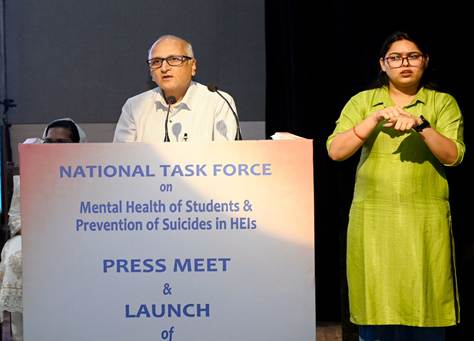
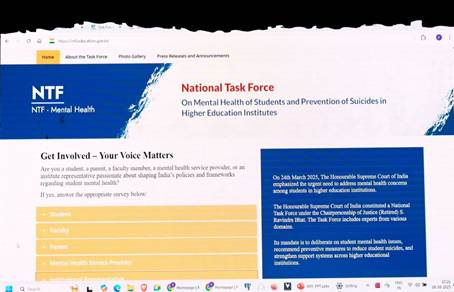
The National Task Force on Student Mental Health and Suicide Prevention in Higher Educational Institutions has officially launched its dedicated website today.
Constituted under the Chairmanship of Former Justice Shri Ravindra Bhat, the Task Force aims to develop comprehensive, recommendations to improve student wellbeing and prevent suicides in HEIs.
The Chairperson emphasized that the National Task Force, constituted by the Hon’ble Supreme Court of India, is distinct from previous committees and task forces, as it is not confined to any particular institution or category of institutions. Rather, it brings all types of Higher Education Institutions (HEIs) across the country within its purview.
He further highlighted the Task Force’s diverse composition, comprising experts from fields such as social sciences, disability rights, gender studies, clinical psychology, community medicine, and others.
Underscoring the multi-pronged strategy being adopted, he urged all stakeholder groups to extend their active support and collaboration.
Dr. Vineet Joshi highlighted that the National Task Force is engaging with a wide spectrum of institutions, ranging from central and state universities to private colleges, technical institutes, and other Higher Education Institutions (HEIs) across the country. He emphasized that this inclusive approach ensures that the concerns, challenges, and perspectives of diverse institutional settings are taken into account while formulating recommendations.
He further stated that the Department of Higher Education is extending all possible support to the Task Force, be it in terms of coordination, data sharing, policy inputs, or facilitating outreach to institutions and stakeholders. Dr. Joshi reiterated the Department’s commitment to strengthening student well-being and mental health frameworks within higher education, and affirmed that the Ministry is closely aligned with the objectives of the Task Force.
The newly launched website serves as a central platform to gather diverse perspectives from key stakeholders including:
• Students of Higher Education Institutions (HEIs)
• Parents of such students
• Faculty Members
• Mental Health Service Providers
• Heads of Institutions
• General Public, including friends or family members of students affected by suicide, alumni, NGOs, media professionals, and other concerned citizens.
The portal hosts structured online survey questionnaires, available in English and Hindi, designed to collect anonymous and confidential inputs on a wide range of themes including:
• Campus environment
• Inclusivity and belongingness
• Sources of distress and systemic discrimination
• Existing support systems and grievance redressal mechanisms
• Suggestions for improving student wellbeing
In addition to stakeholder surveys, a specialized Institutional Survey has been made available for Heads of HEIs to submit data on reported suicides, preventive mechanisms, and student support infrastructure in their respective institutions.
The website also includes an open space for concerned citizens to share personal insights, observations, and recommendations.
On-Ground Consultations and Institutional Visits
As part of its multi-pronged approach, the Task Force is undertaking visits to various higher education institutions across the country. These visits involve:
• Direct interactions with students, faculty, administrators, and grievance redressal committee members
• Open fora for students to voice their experiences
• Special focus on the needs and perspectives of students from disadvantaged and marginalised communities
• Assessing on-ground infrastructure and support services for student wellbeing
The Task Force is also consulting with subject matter experts, NGOs, mental health professionals, and reviewing relevant data, reports, and research to ensure a comprehensive and evidence-based approach.
The National Task Force appealed to all stakeholders and the State Nodal Officers appointed for this initiative to actively participate in the process by responding to the surveys in large numbers. The diversity of views and lived experiences collected through this participatory process will play a critical role in shaping the final recommendations of the Task Force.
For more information and to participate, please visit: ntf.education.gov.in
The event was attended by the Chairperson of National Task Force, Shri Ravindra Bhat; Secretary, Department of Higher Education and member Secretary of the National Task Force, Dr Vineet Joshi; Joint secretary, Department of higher education and convenor of the task force, Smt Rina Sonowal Kouli; Members of the task force, as well Secretary, Department of Legal affairs as an ex-officio member; officials from NIC & Ministry of Education and representatives from media.






















 Eduindex
You must be logged in to post a comment.