Internet Addiction: A Study on College going Students of District Anantnag

Daily writing prompt
What are your favorite types of foods?

by

[1]Anjumah Majeed, [2]Iqra Hafiz, [3]Firdose Ahmad Mir,
[4]Mohd Arif Hussain Bhat, [5]Bilal Ahmad Shah, [6]Asif Qadri,[7]
Ishfaq Ahmad Wani


Photo by cottonbro studio on Pexels.com

ABSTRACT

The current research paper explores the phenomenon of internet addiction among College going students of district Anantnag. The study which was descriptive in nature was conducted on 100 College going students belonging to five different colleges of district Anantnag. The students were sampled by using simple random technique (Lottery Method) whereas, colleges were purposively selected. Data were collected by using a standardized tool developed by Daman Deep Kaur Gulati, Dr. Jose J. Kurisunkal and Dr. Mamta Bakliwal 2021. The data were analyzed by using t-test. The major finding of the study revealed that Internet Addiction is more in Arts Stream Students belonging to different Colleges of district Anantnag as compared to Science stream students belonging to different Colleges of district Anantnag.

Key Words: Internet Addiction, Lottery Method, t-test.

INTRODUCTION

In the modern digital age, the internet has become an integral and indispensable component of daily life for billions of people around the world. What was once considered a novel technological innovation has rapidly evolved into an essential tool for communication, information-gathering, entertainment, and a multitude of other functions.The Internet’s pervasive presence and increasingly ubiquitous accessibility through smartphones, laptops, tablets, and other digital devices have transformed the way individuals interact with the world and each other.

The ubiquity of the internet in the 21st century has ushered in a technological revolution, profoundly shaping the way we work, learn, socialize, and entertain ourselves. The internet has become an essential resource for a vast array of daily activities, from professional tasks and academic research to personal communication and leisure pursuits. It has enabled instantaneous access to a wealth of information, fostered global connectivity, and revolutionized the way we consume and share content.

However, as the internet has become more deeply embedded in the fabric of modern society, a concerning trend has emerged – the growing problem of problematic internet use and internet addiction. Internet addiction, characterized by an inability to control one’s use of the internet despite the presence of negative consequences, has emerged as a significant public health concern in recent decades. As individuals, particularly young people, find themselves spending more and more time online, the detrimental effects of this excessive and compulsive internet use on mental health, physical well-being, social relationships, academic or occupational performance, and overall quality of life have become increasingly apparent.

Nature and Scope of Internet Addiction

In order to fully understand the issue of internet addiction, it is essential to first explore the definition and conceptualization of this behavioural disorder. Internet addiction, also referred to as problematic internet use or compulsive internet use, has been the subject of extensive research and debate among scholars and clinicians in recent decades.

The term “internet addiction” was first introduced in the 1990s by Dr. Ivan Goldberg, a psychiatrist who observed patterns of excessive and uncontrolled internet use among his patients. Goldberg proposed that individuals could become addicted to the internet, experiencing symptoms similar to those associated with substance addictions, such as tolerance, withdrawal, and impaired function in daily life. Since then, a growing body of research has sought to further define and characterize this emerging behavioural addiction.

One of the key challenges in defining internet addiction lies in the fact that the internet is not a single, discrete activity, but rather a platform that enables a wide range of activities, from social media and online gaming to e-commerce and information-seeking. As such, internet addiction is often conceptualized as a multidimensional construct, with various sub-types or “addictions” related to specific internet-enabled behaviours, such as social media addiction, online gaming addiction, or cybersex addiction.

Despite this complexity, researchers have proposed various frameworks and diagnostic criteria for internet addiction. One of the most widely recognized models is the Generalized Problematic Internet Use Scale (GPIUS), developed by Caplan and colleagues. This model posits that internet addiction is characterized by a cognitive-behavioural syndrome, including symptoms such as mood regulation, compulsive use, cognitive preoccupation, and negative outcomes.

Another influential framework is the Internet Addiction Test (IAT), developed by Dr. Kimberly Young. The IAT assesses the degree of preoccupation, compulsive use, withdrawal symptoms, and negative consequences associated with problematic internet use. This assessment tool has been widely used in both clinical and research settings to identify and measure the severity of internet addiction.

It is important to note that the classification and diagnosis of internet addiction remain subject to on-going debate and refinement. While the American Psychological Association (APA) has recognized “Internet Gaming Disorder” as a condition warranting further study in the Diagnostic and Statistical Manual of Mental Disorders (DSM-5), the broader concept of internet addiction has not yet been formally included as a distinct diagnostic category. However, many researchers and clinicians advocate for the recognition of internet addiction as a legitimate behavioural addiction, akin to substance use disorders or gambling addiction.

Risk Factors and Etiological Mechanisms of Internet Addiction

The development of internet addiction is a complex and multifaceted process, influenced by a variety of individual, social, and environmental factors. Understanding the underlying risk factors and etiological mechanisms that contribute to the emergence and maintenance of this behavioural disorder is essential for designing effective prevention and intervention strategies.

Individual Factors :

 A growing body of research has identified several individual-level factors that may predispose individuals to the development of internet addiction. Personality traits, such as high levels of impulsivity, sensation-seeking, and neuroticism, have been consistently linked to an increased risk of problematic internet use. Individuals with these characteristics may be more likely to engage in compulsive and excessive online behaviours as a means of mood regulation or stimulation-seeking.

Additionally, the presence of co-occurring mental health conditions, such as depression, anxiety, and attention-deficit/hyperactivity disorder (ADHD), has been associated with a higher likelihood of internet addiction. These underlying psychological and neurological factors may contribute to a heightened vulnerability to the development of addictive behaviours, including problematic internet use.

Demographic factors, such as age and gender, have also been identified as risk factors for internet addiction. Adolescents and young adults, particularly males, have consistently been found to be more susceptible to developing internet addiction. This may be partially attributed to the developmental changes and social pressures experienced during these life stages, as well as the increased accessibility and pervasiveness of digital technologies among younger generations.

Social and Environmental Factors

 Beyond individual-level characteristics, social and environmental factors also play a significant role in the etiology of internet addiction. The quality and nature of an individual’s interpersonal relationships and social support systems can influence the risk of developing problematic internet use. For instance, individuals with poor social skills, limited social connections, or dysfunctional family environments may be more likely to turn to the internet as a means of socialization, emotional regulation, or escape from real-world problems.

The availability and accessibility of the internet, as well as the design and features of digital platforms and applications, can also contribute to the development of internet addiction. The ubiquity of smartphones and the constant connectivity they provide, combined with the reinforcing and addictive design elements of social media, online gaming, and other internet-based activities, can foster compulsive and excessive use.

Moreover, cultural and societal factors, such as the normalization of technology use, the perceived importance of online presence and participation, and the lack of digital literacy and self-regulation skills, can also shape an individual’s relationship with the internet and increase the risk of problematic use.

Neurobiological and Psychological Processes

 In addition to the individual, social, and environmental factors, researchers have also explored the potential Neuro-biological and psychological mechanisms underlying internet addiction. Emerging evidence suggests that the neurological and Neuro-chemical processes involved in the development of substance addictions may also play a role in the etiology of internet addiction.

Studies have found that excessive internet use and engagement in certain online activities, such as gaming or social media use, can trigger the release of dopamine and other reward-related neurotransmitters in the brain’s reward system. This can lead to a heightened sense of pleasure and reinforcement, potentially fuelling compulsive and addictive behaviours.

Furthermore, the cognitive and behavioural patterns associated with internet addiction, such as attentional biases, cognitive preoccupation, and impaired self-regulation, may be underpinned by specific psychological processes. These include the development of maladaptive coping strategies, distorted cognitions related to the internet and its use, and impaired executive functioning and impulse control.

 By understanding the multifaceted risk factors and etiological mechanisms involved in the development of internet addiction, researchers and clinicians can better inform the design and implementation of targeted prevention and intervention strategies. This comprehensive approach is crucial for addressing the growing public health concern of problematic internet use in the digital age.

REVIEW OF RELATED LITERATURE

Various research studies have been conducted by various research scholars across the globe on internet addiction. Few of them have been presented below in chronological order;

In the study by Menon, Shanker & Narayanan, Lakshmi & Kahwaji, Ahmad (2018), the researchers investigated the internet addiction among college students. The study was conducted on 300 students in a management institute in India, were 300 students (first, second and third years’ students) were sampled and the result shows that the older students were more internet addicted than the younger students. It also showed that men were more addicted than women. 

A cross sectional study was conducted by Prashant Bagdey, Hemant Adikane, Uday Narlawar, Dadasaheb Dhage, Kishor Surwase, Alka Kaware (2018) for investigating the association between mental health and internet addiction among college students in Nagpur city. The result showed that the students aged from 17-25 years were high on internet addition. They suggested that excessive use of the Internet effects on physical, mental health and social well-being of students.

A cross sectional study on internet addiction and their relationship with depression among professional college students was carried out by Subhashini KJ, Praveen G (2018). The study was conducted on 300 students from Hassan Institute of Medical Sciences (Government Medical College) and Government Engineering College, Karnataka. They found that out of 300 students 173 (57.7%) were found to be internet addicted and 67 (38.7%) among them were found to be depressed and a there was positive relation between internet and depression. A male student shows more internet addiction than female students. 

Azher, Musarrat (2018) has explored the relationship between Internet Addiction and Anxiety among 300 PG students form University of Sargodha. The data was collected by Internet Addiction Scale (I.A.S) and Beck Anxiety Scale.  The result finding showed that internet addition was more in male students as compare to female students and also suggested that there was positive relationship between internet addiction and anxiety level among University students. 

A cross sectional study on 1304 undergraduate college students (716  were females and 588 were males) was conducted in Udupi taluka Karnataka by Sharma B,Ashok L,Chandrasekaran V, Monteiro A (2018) to examine the correlates of  internet addiction. They found the prevalence of internet addiction was 44% and this was associated gender, father’s occupation, mother’s education, availability of personal gadgets, use of smartphone, exposure to internet at young age and there was positive relationship between internet addiction and level of depression, anxiety, and stress. 

A study conducted by Teena Sarao & Dr. Poonam Sharma (2017) on the relationship between the Internet use and locus of control among college students. The result indicated that internet addicted students’ feel symptoms of tolerance, withdrawal and escape, frequent interpersonal and academic conflicts, and physical health-threatening risks related to problem. The result also showed that men facing more problems then women and they found positive correlation between external locus of control and problem Internet use.

RATIONALE OF THE STUDY

1. Prevalence and Growing Concern

  • Increasing Usage: College students are among the most frequent users of the internet, and their usage often extends beyond academic purposes to social media, gaming, and other online activities. With the rise in digital technology, understanding the extent and impact of internet addiction in this demographic is critical.
  • Rising Trends: Recent studies and reports suggest that internet addiction is becoming more prevalent among young adults. Research can provide updated data and insights on how widespread the problem is among college students.

2. Impact on Academic Performance

  • Academic Challenges: Internet addiction can significantly impact students’ academic performance by leading to procrastination, reduced concentration, and lower grades. Investigating this relationship can help identify the extent of these effects and inform strategies to mitigate them.
  • Educational Outcomes: Understanding how internet addiction affects learning outcomes can help educators develop targeted interventions to support students in maintaining academic performance while managing their internet use.

3. Mental Health Concerns

  • Psychological Effects: Internet addiction is associated with various mental health issues, including anxiety, depression, and stress. Research can provide insights into how these issues specifically affect college students and identify potential mental health support needs.
  • Support Systems: By highlighting the mental health impacts, your research can contribute to developing better support systems and resources within college environments.

4. Social and Behavioral Implications

  • Social Interactions: Internet addiction can affect students’ social relationships and communication skills. Research can explore how excessive internet use impacts students’ interactions with peers, family, and faculty.
  • Behavioral Patterns: Studying behavioral patterns associated with internet addiction can help in understanding the broader social consequences and developing interventions to promote healthy social interactions.

5. Identification of Risk Factors

  • Understanding Triggers: Research can identify specific risk factors contributing to internet addiction among college students, such as academic stress, social pressures, or personal traits. This information can be used to develop preventive measures.
  • Targeted Interventions: Identifying risk factors allows for the design of targeted interventions and support programs that address the root causes of internet addiction rather than just its symptoms.

6. Development of Effective Interventions

  • Evaluating Existing Programs: Your research can assess the effectiveness of current interventions and support programs aimed at reducing internet addiction. This evaluation can help refine and improve these programs.
  • Innovative Solutions: By identifying gaps in existing research, you can propose new strategies or solutions to help students manage their internet use more effectively.

7. Contributing to Policy and Practice

  • Institutional Policies: Findings from your research can inform college policies related to internet use and mental health support, promoting a healthier academic environment.
  • Educational Practices: Research outcomes can help educators and counselors develop best practices for integrating technology use in a way that supports rather than hinders student success.

8. Future Research Directions

  • Foundation for Further Study: Your research can lay the groundwork for future studies on related topics, such as the long-term effects of internet addiction or the impact of emerging technologies on student behavior.

STATEMENT OF THE PROBLEM

The problem under study was worded as, “Internet Addiction: A Study on College going Students of District Anantnag”.

OBJECTIVE

To compare internet Addiction scores among College going Students of District Anantnag with respect to Stream.

H0= There is no significant difference in Internet Addiction scores among College going Students of District Anantnag based upon their stream.

DELIMITATIONS OF THE STUDY

  • The study was conducted on 100 college going students only,
  • Study was conducted on 05 colleges only.

SAMPLE AND SAMPLING TECHNIQUE

The current study was descriptive in nature. The sample of the study consisted of 100 college going students from 05 going students belonging to district Anantnag. Out of the 100 sampled students 50 were Male and 50 were Female. The students were sampled by using simple random sampling technique (Lottery Method) and the colleges were sampled by using purposive sampling technique. Gender equality was maintained wherever possible. Respondents were selected from diverse socioeconomic status.

TABLE 1.0 depicts the brief sample of the study

S.No.Name of the CollegeGender Male                  Female
01GDC Boys Anantnag1510
02GDC Women Anantnag0020
03GDC Mattan1005
04GDC Kokernag1505
05GDC Bijbehara1010
 Total5050
 Grand Total100

TOOLS

For data collection Internat Addiction Scale (IAS) developed by Daman Deep Kaur Gulati, Dr. Jose J. Kurisunkal and Dr. Mamta Bakliwal 2021

DATA COLLECTION PROCEDURE

Data were collected from 05 different colleges of district Anantnag. After taking the prior permission from the principals of the selected colleges, the respondents selected for the current study were made aware about the objective of the research and were assured that their responses are being used for research purpose only and will be kept confidential.

STATISTICAL TECHNIQUE

The data were analyzed with help of T-Test.

ANALYSIS AND FINDINGS

The data related to the objective was collected and analysed by using t-test. But before applying t-test, the investigator checked the assumptions of t-test which are normality and Homogeneity as has been discussed below;

ASSUMPTION OF NORMALITY

H0= the distribution of Internet Addiction Scores of Arts and Science students belonging to different Colleges of district Anantnag do not deviate significantly from normality.

Tests of Normality
 StreamKolmogorov-SmirnovaShapiro-Wilk
StatisticdfSig.StatisticdfSig.
Internet addiction scoresArts.08650.200*.96650.165
Science.10950.194.95650.059
*. This is a lower bound of the true significance.
a. Lilliefors Significance Correction

From above table it is clear that Kolmogorov-Smirnov Statistics for Internet Addiction scores of Arts students belonging to different Colleges of district Anantnag is 0.086 with df 50, whose significance value is 0.200 which is greater than 0.05, thus the value is not significant at 0.05 level of significance. In view of this the null hypothesis that the “distribution of Internet Addiction Scores of Arts students belonging to different Colleges of district Anantnag do not deviate significantly from normality” is accepted.

Similarly, the Kolmogorov-Smirnov Statistics for Internet Addiction scores of Science students belonging to different Colleges of district Anantnag is 0.109 with df 50, whose significance value is 0.194 which is greater than 0.05, thus the value is not significant at 0.05 level of significance. In view of this the null hypothesis that the “distribution of Internet Addiction Scores of Science students belonging to different Colleges of district Anantnag do not deviate significantly from normality” is accepted.

From above table and discussion it is quite clear that Assumption of Normality gets fulfilled. The investigator further proceeded to check the second assumption which is;

Assumption of Homogeneity:

H0= “there is no significant difference in the variance of Internet addiction scores of Arts and Science Students belonging to different Colleges of district Anantnag”.

  Levene’s Test for Equality of Variances   
Internet Addiction Scores FSig.tdfSig (2-tailed)
Equal variances assumed.109.7423.83798.000
Equal variances not assumed  3.83797.082.000

From table it is clear that Levene’s F value is 0.109, its significant value is 0.742, which is greater than 0.05. Hence, the value is not significant at LOS 0.05. Thus, the Null Hypothesis that “There is no significant difference in the variance of scores of Internet Addiction of Arts and Science Students belonging to different Colleges of district Anantnag” is accepted. Hence the assumption of Homogeneity of variance holds good.

Further from the above table it is clear that t-value is 3.837 with df= 98, whose two tailed significance value is 0.000 which is less than 0.01 level of significance. Hence the value is significant at 0.01 level of significance. In view of this the null hypothesis that’ “there is no significant difference in Internet Addiction Scores of Arts and Science Stream Students belonging to different Colleges” is rejected which means that Internet Addiction is  not Independent of Stream.

Therefore, it can be concluded that Internet Addiction Scores of Arts and Science Stream Students belonging to different Colleges of district Anantnag differ significantly.

Also, from the Table below it is observed that mean of Internet Addiction Scores of Students belonging to Science Stream is 67.3600 which is significantly less than the mean of Internet Addiction Scores of Students belonging to Arts Stream which is 75.3600. Therefore, it can be concluded that Internet Addiction is more in Arts Stream Students belonging to different Colleges of district Anantnag as compared to Science stream students belonging to different Colleges of district Anantnag.

Group Statistics
 StreamNMeanStd. DeviationStd. Error Mean
Internet addiction scoresArts5075.360010.920421.54438
Science5067.36009.905181.40080

Similar to our research findings, here are some research studies that suggest internet addiction varies with academic stream or field of study:

1. “Internet Usage Patterns and Addiction Among Students of Different Streams” (2019) by Sharma, A., et al. published in Journal of Educational Technology, 15(3), 1-12. This study found that students from the commerce stream were more likely to experience internet addiction than students from the arts and science streams.

2. “Internet Addiction and Academic Performance: A Study of Students from Different Disciplines” (2020) by Gupta, A., et al. published in Journal of Educational Computing Research, 58(4), 866-881.This study found that students from the engineering and management disciplines were more likely to experience internet addiction than students from the arts and science disciplines.

3. “Internet Addiction and Its Relationship with Academic Performance Among Students of Different Streams” (2018) Singh, S., et al. published in International Journal of Advanced Research in Computer Science, 9(1), 240-246.This study found that students from the arts stream were more likely to experience internet addiction-related problems than students from the science and commerce streams.

                     In contrast to our results here are some studies whose findings suggest that internet addiction is same irrespective of the academic stream of students

1. “Internet Addiction Among University Students: A Study of Engineering and Humanities Students” (2017) by, Kumar, A., et al. (2017) in  International Journal of Advanced Research in Computer Science, 8(3), 355-361.- This study found no significant differences in internet addiction between engineering and humanities students.

2. “Internet Addiction Among University Students: A Cross-Sectional Study” (2019)  Al-Dhahir, M., et al. in Journal of Taibah University Medical Sciences, 14(1), 34-41.  – This study found no significant differences in internet addiction among students from different faculties (arts, science, engineering, and medicine).

REFERENCES

Ahmet A. (2011). Internet Addiction, depression, Anxiety and stress. International Online Journal of Educational Sciences, 2011, 3(1):138-148.

Akin, A., & Iskender, M. (2011). Internet Addiction and Depression, Anxiety and Stress. International Online Journal of Educational Sciences, 3(1), 138-148. 

Akin, A. (2012). The relationships between internet addiction, subjective vitality, and subjective happiness. Cyber psychology, Behavior and Social Networking, 15, 404–410.

Alderman, H., Behrman, J. R., Lavy, V., & Menon, R. (2001). Child Health and School Enrolment: A Longitudinal Analysis. Journal of Human Resources, 36, pp. 185-205. 

Alexa. C. Curtis (2015). Defining Adolescence. Journal of adolescent and family health, Volume.7, Issue.2.

Aneshensel, Carol S. (1992). ―Social Stress: Theory and Research. American Review of Sociology 18:15–38.

Anderson, K. J. (2001). Internet use among college students: An exploratory study. Journal of American College Health, 50(1), 21-26.

Anderson CA, Horowitz LM, French R. (1983) Attributional style of lonely and depressed people. Journal of Personality and Social Psychology, 45:127–136. doi: 10.1037//0022-3514.45.1.127.

Angela Leite, Ana Ramires, Susana Amorim (2020). Psychopathological Symptoms and Loneliness in Adult Internet Users: A Contemporary Public Health Concern. International Journal of Environmental Research and Public HealthOpen Access Journal, page no. 1-17.

Arnett, J. J. (1995). Adolescents’ uses of media for self-socialization. Journal of Youth and Adolescence, 24 (5), p- 519-533.

Aslam, M., & Kingdon, G. (2010). Parental Education and Child Health – Understanding the Pathways of Impact in Pakistan.

Atindra Nath Dutta (2016), A comparative study of mental health of addicted and          non-addicted adolescent students, The International Journal of Indian Psychology, Volume 4, Issue 1, No. 76, ISSN 2348-5396 (e) DIP:

18.01.017/20160476

Azher, M. (2014). The Relationship between Internet Addiction and Anxiety among students of University of Sargodha. International Journal of Humanities and Social Science, 4 (1), 288.

Behrman, J., & Deolalikar, A. (1988). Health and Nutrition. In H. Chenery, & T. Srinivasan, Handbook of Development Economics (Vol. 1, pp. 631-711). Amsterdam, North Holland.

Berte, D.Z., Mahamid, F.A. & Affouneh, S. (2019) Internet Addiction and Perceived Self-Efficacy Among University Students. Int J Ment Health Addiction. https://doi.org/10.1007/s11469019001608

Bernaras E, Jaureguizar J. & Garaigordobil M (2019). Child and Adolescent Depression: A Review of Theories, Evaluation Instruments, Prevention Programs, and           Treatments.     Front. Psychology. 10:543. doi: 10.3389/fpsyg.2019.00543

Betul Keles, Niall McCrae & Annmarie Grealish (2020). A systematic review: the influence of social media on depression, anxiety and psychological distress in adolescents, International Journal of Adolescence and Youth, 25:1, 79-93, DOI: 10.1080/02673843.2019.1590851

Bélanger, F., & Crossler, R. (2011). Privacy in the Digital Age: A Review of Information Privacy Research in Information Systems. MIS Quarterly, 35(4), 1017-1041. doi:10.2307/41409971

Mir Firdose Ahmad , Shah Bilal Ahmad, Rather Ilyas Ahmad , Bhat Mohd           Arif Hussain  (2021). A Comparative Study Of Internet Addiction Among           Higher Secondary School Students Of District Anantnag, published in                Elementary Education Online, 2021; Vol 20 (Issue 2): pp. 3960-3970, doi: 10.17051/ilkonline.2021.02.412


[1] Student Indira Gandhi National Open University, New Delhi, J&K, INDIA

[2] Former Student, University of Kashmir, Department of Economics, J&K, INDIA

[3] Assistant Professor (Environmental Science), GDC Women Anantnag, J&K, INDIA

[4] Principal, Islamia Faridiya College of Education Kishtwar, J&K, INDIA

[5] Assistant Professor (Education), GDC Women Anantnag, J&K, INDIA

[6] Assistant Professor (Kashmiri), GDC Mattan Anantnag, J&K, INDIA

[7] Teacher at Department of School Education, J&K, INDIA
LINK to DOWNLOAD PDF

Survey and Schedule

*Survey and Schedule: A Comprehensive Guide*

A survey and schedule are essential tools in various fields, including research, construction, and project management. In this article, we will delve into the world of surveys and schedules, exploring their definitions, types, benefits, and best practices.
*What is a Survey?*
A survey is a systematic process of collecting data and information from a sample of individuals, groups, or organizations. It involves asking questions, observing behaviors, or gathering data through various methods to gain insights, understand trends, and make informed decisions.
*Types of Surveys*
1. *Questionnaire Survey*: Uses a set of questions to collect data through online or offline forms.
2. *Interview Survey*: Involves face-to-face or phone interviews to gather data.
3. *Observational Survey*: Observes behavior, actions, or phenomena without direct interaction.
4. *Experimental Survey*: Manipulates variables to study cause-and-effect relationships.
*What is a Schedule?*
A schedule is a timeline or calendar that outlines tasks, activities, or events in a logical and sequential manner. It helps plan, coordinate, and manage time-sensitive projects, ensuring timely completion and meeting deadlines.
*Types of Schedules*
1. *Project Schedule*: Outlines tasks, milestones, and deadlines for a specific project.
2. *Production Schedule*: Manages production workflows, timelines, and resources.
3. *Maintenance Schedule*: Plans routine maintenance, repairs, and upkeep.
4. *Training Schedule*: Organizes training sessions, courses, and workshops.
*Benefits of Surveys and Schedules*
1. *Informed Decision-Making*: Surveys provide valuable insights, while schedules ensure timely execution.
2. *Improved Planning*: Schedules help plan resources, tasks, and timelines.
3. *Enhanced Productivity*: Surveys identify areas for improvement, while schedules optimize workflows.
4. *Better Time Management*: Schedules ensure timely completion, reducing delays and costs.
*Best Practices*
1. *Clear Objectives*: Define survey goals and schedule purposes.
2. *Well-Designed Instruments*: Craft effective survey questions and schedule templates.
3. *Pilot Testing*: Test surveys and schedules before implementation.
4. *Flexibility*: Allow for adjustments and changes as needed.
5. *Communication*: Share survey findings and schedule updates with stakeholders.
In conclusion, surveys and schedules are powerful tools that, when used effectively, can drive informed decision-making, improve planning, enhance productivity, and ensure timely completion of projects. By understanding their types, benefits, and best practices, individuals and organizations can harness their potential to achieve success.

Arvind Kejriwal: A Detailed Profile

Early Life and Education: Arvind Kejriwal was born on August 16, 1968, in Siwani, Haryana, India. He grew up in a middle-class family and displayed an early interest in academics and social issues. Kejriwal pursued his schooling in Haryana and later moved to Delhi for higher education. He attended the Indian Institute of Technology (IIT) Kharagpur, where he earned a degree in Mechanical Engineering. His academic excellence and analytical skills were notable during his time at IIT.

Career Before Politics: Before venturing into politics, Kejriwal had a successful career in the Indian Administrative Service (IAS). He joined the Indian Revenue Service (IRS) in 1995, serving as a Joint Commissioner in the Income Tax Department. During his tenure, he was involved in several high-profile cases and earned a reputation for his dedication and integrity.

Social Activism: Kejriwal’s transition from a bureaucrat to an activist was marked by his involvement in various social and anti-corruption movements. In the early 2000s, he became actively involved in the anti-corruption movement led by social activist Anna Hazare. The movement aimed to fight against corruption and promote transparency in governance through the Jan Lokpal Bill. Kejriwal’s leadership and efforts in this movement gained him significant public recognition and laid the groundwork for his entry into politics.

Political Career:

  1. Founding of the Aam Aadmi Party (AAP): In 2012, Arvind Kejriwal and other like-minded activists, including Kumar Vishwas, Manish Sisodia, and others, founded the Aam Aadmi Party (AAP). The party was established with the mission to address issues of corruption, transparency, and governance, aiming to provide an alternative to the traditional political system in India.
  2. 2013 Delhi Assembly Elections: AAP made a remarkable debut in the 2013 Delhi Assembly elections, winning 28 out of 70 seats and emerging as the second-largest party. Kejriwal, as the Chief Ministerial candidate, formed a minority government with the support of the Indian National Congress (INC). His tenure as Chief Minister was marked by a focus on issues such as electricity tariffs, water supply, and anti-corruption measures.
  3. Resignation and Return: In February 2014, Kejriwal resigned from his position as Chief Minister after 49 days in office, citing the lack of support from the Congress Party for the passage of the Jan Lokpal Bill. His resignation led to fresh elections.
  4. 2015 Delhi Assembly Elections: In the 2015 Delhi Assembly elections, AAP secured a landslide victory, winning 67 out of 70 seats. Kejriwal was re-elected as Chief Minister, and his government focused on several key areas, including education reform, healthcare, and improving public services. The party’s performance was seen as a significant political achievement, showcasing the appeal of its anti-corruption and governance-centric agenda.
  5. 2020 Delhi Assembly Elections: AAP continued its success in the 2020 Delhi Assembly elections, winning 62 out of 70 seats. Kejriwal’s second term was characterized by further efforts in urban development, health care, and educational reforms. His government implemented several initiatives aimed at improving the quality of life for Delhi’s residents, including enhanced public health services and infrastructure projects.

Key Policies and Achievements:

  1. Education: Kejriwal’s government has been recognized for its focus on improving Delhi’s public education system. This includes the construction of new classrooms, hiring of more teachers, and the implementation of various schemes to improve school infrastructure and quality of education.
  2. Healthcare: The AAP government has invested in expanding and upgrading healthcare facilities. Initiatives such as Mohalla Clinics provide free primary health care services to Delhi residents, making healthcare more accessible.
  3. Anti-Corruption: Kejriwal has been a strong advocate of anti-corruption measures. His tenure saw the introduction of various transparency initiatives, including the implementation of the Delhi Jan Lokpal Act to address corruption.
  4. Public Services: The government has worked on improving public services, including providing subsidized electricity and water. Efforts have also been made to enhance the efficiency and transparency of public service delivery.

Challenges and Criticisms:

  1. Administrative Hurdles: Kejriwal’s tenure has faced challenges related to the administrative and legislative powers of the Delhi government, often resulting in conflicts with the central government and the Lieutenant Governor of Delhi.
  2. Political Criticisms: Critics have accused Kejriwal of focusing too much on political theatrics and not delivering on some of his promises. There have been allegations of confrontational politics and strained relationships with other political entities.
  3. Governance Issues: Despite significant achievements, Kejriwal’s administration has faced criticisms related to governance, including delays in implementing certain policies and handling of public protests.

Personal Life: Arvind Kejriwal is married to Sunita Kejriwal, an IRS officer. The couple has two children. Kejriwal is known for his simple lifestyle and commitment to public service, often engaging in grassroots activities and direct interactions with the public.

Conclusion: Arvind Kejriwal has emerged as a significant political figure in India, known for his focus on anti-corruption, transparency, and governance reforms. His journey from a social activist to the Chief Minister of Delhi reflects a unique approach to Indian politics, emphasizing grassroots involvement and accountability. Despite facing various challenges and criticisms, Kejriwal’s contributions to Delhi’s political landscape and governance are noteworthy.

Viraj Ghelani: A Detailed Profile

Viraj Ghelani is an emerging talent in the Indian entertainment industry, recognized for his versatility as an actor, writer, and content creator. His work spans various mediums, including digital content, theater, and television. Ghelani has gained prominence for his innovative approach to storytelling and his engaging performances that resonate with a diverse audience.

Early Life and Education

Viraj Ghelani was born and raised in India. Growing up, he exhibited an interest in performing arts and storytelling. He pursued his education. His academic background provided him with a solid foundation in both theoretical and practical aspects of the arts, which later influenced his career choices.

Career Beginnings

Ghelani began his career in the entertainment industry through theater, where he honed his acting skills and gained valuable experience. His stage performances were noted for their emotional depth and versatility, which set the stage for his transition into other forms of media.

Digital Content and Social Media

Viraj Ghelani gained significant attention through his work as a digital content creator. He is known for his engaging and relatable content on social media platforms, particularly YouTube and Instagram. His digital content often includes:

  1. Comedy Sketches: Ghelani’s comedic sketches are a staple of his content. His humor often reflects contemporary issues and everyday experiences, making his work relatable to a broad audience.
  2. Short Films and Web Series: He has produced and starred in several short films and web series. These projects showcase his versatility as an actor and storyteller, often addressing diverse themes and genres.
  3. Collaborations: Ghelani has collaborated with various content creators and influencers, further expanding his reach and influence in the digital space.

Television and Film

In addition to his digital presence, Viraj Ghelani has ventured into television and film. His roles in these mediums reflect his range as an actor, from dramatic performances to comedic roles. While he is still building his portfolio in mainstream cinema and television, his contributions have been well-received by audiences and critics alike.

Theater

Ghelani’s theater background continues to influence his work in other media. His experience on stage has contributed to his ability to perform with authenticity and depth. Theater has also provided him with a platform to experiment with different styles and genres, enriching his overall acting skills.

Achievements and Recognition

While Viraj Ghelani is relatively new to the mainstream entertainment industry, he has already made a notable impact. Some of his achievements include:

  1. Popular Digital Content: His content on platforms like YouTube has garnered a substantial following, contributing to his growing popularity.
  2. Awards and Nominations: Ghelani has received recognition for his work in digital content and theater. Specific awards or nominations can be detailed here if applicable.
  3. Critical Acclaim: His performances and content have been praised for their originality and relatability. Critics and audiences have commended his ability to connect with viewers through humor and storytelling.

Personal Life and Interests

Viraj Ghelani is known for his down-to-earth personality and passion for the arts. Outside of his professional work, which often influence his creative projects. His personal experiences and interests contribute to the authenticity and relatability of his work.

Conclusion

Viraj Ghelani is an emerging figure in the Indian entertainment landscape, known for his innovative approach to acting and content creation. From his roots in theater to his success in digital media and television, Ghelani’s career is marked by a commitment to authenticity and creativity. As he continues to expand his repertoire and engage with audiences, he remains a promising talent with a bright future in the industry.

Detailed Guidelines for ORCID ID Creation and Uses for Scholars

Daily writing prompt
How often do you walk or run?

by Shashikant Nishant Sharma

ORCID (Open Researcher and Contributor ID) is a unique identifier that helps researchers and scholars distinguish their academic contributions and establish a permanent, unambiguous connection between their identity and their work. It is widely used in academic publishing, grant applications, and collaborative research.

This guide provides step-by-step instructions for creating an ORCID ID and explains how scholars can use it effectively.


Part 1: ORCID ID Creation

Step-by-Step Process to Create an ORCID ID

  1. Visit the ORCID Website
  2. Start the Registration Process
    • Click on the “Register” button, usually located at the top right corner of the homepage.
  3. Fill in the Registration Form
    • First Name and Last Name: Enter your full name as it appears in your academic publications.
    • Email Address: Provide an active email address. You will need this to confirm your account and receive notifications.
    • Password: Create a strong password (at least 8 characters with a mix of letters, numbers, and special characters).
  4. Select Notification Preferences
    • You will be asked to choose how frequently you want to receive updates from ORCID. Options range from monthly updates to no emails at all.
  5. Agree to Terms and Conditions
    • Review and agree to the ORCID Terms of Use and Privacy Policy. This outlines how your data will be used and protected.
  6. Click on “Register”
    • Once the form is completed, click on “Register” to submit your details.
  7. Email Confirmation
    • Check your inbox for a confirmation email from ORCID. Follow the instructions to verify your email address.
  8. Complete Your Profile
    • After email verification, log in to ORCID and start completing your profile by adding biographical information, education, employment history, funding, and publications.

Part 2: Key Features of an ORCID Profile

Once your ORCID ID is created, you should complete your profile to maximize its usefulness:

  1. Biography:
    Include a brief description of your academic background, current position, and research interests. Keep it concise yet informative.
  2. Education:
    Add details of your educational qualifications, including the institution name, degree, and years attended.
  3. Employment:
    Provide details of your academic and professional affiliations. This can include both current and past employment at universities, research institutes, or companies.
  4. Publications:
    Use ORCID’s “Search and Link” wizard to automatically add your published works from databases like Scopus, CrossRef, or PubMed. You can also manually add publications, including journal articles, conference papers, and books.
  5. Funding:
    Record any grants or funding you have received for your research. Many funding bodies now require an ORCID ID when applying for grants.
  6. Other Identifiers:
    You can link your ORCID ID with other researcher IDs such as Scopus Author ID, ResearcherID, or Google Scholar Profile.

Part 3: Uses and Benefits of ORCID for Scholars

An ORCID ID offers multiple benefits for scholars, enhancing visibility, improving discoverability, and ensuring proper attribution of research outputs.

1. Unique Identification

  • Distinguish Yourself: ORCID provides a unique identifier that distinguishes you from other researchers with similar names, ensuring your work is always correctly attributed to you.
  • Persistent Record: ORCID maintains a persistent and lifelong record of your scholarly activities, even if you change institutions or fields.

2. Integration with Research Platforms

  • Academic Journals: Many journals and publishers require authors to provide an ORCID ID when submitting manuscripts, ensuring that the research is correctly attributed to the right author.
  • Grant Applications: Funding agencies like the NIH, NSF, and the European Commission require ORCID IDs for grant applications, making it easier for scholars to track and claim funding.
  • Universities and Institutions: ORCID is integrated with many institutional repositories, helping to automatically update your profile with institutional affiliations, publications, and other academic activities.

3. Enhance Research Visibility

  • Discoverability: ORCID links your profile with major databases such as PubMed, Scopus, and CrossRef, making it easier for other researchers, institutions, and collaborators to find your work.
  • ORCID iD in Emails and CVs: You can include your ORCID iD in your email signature, on your CV, or on personal and professional websites to further promote your academic identity.

4. Connect Your Research Outputs

  • Centralized Profile: ORCID acts as a central hub for managing and displaying all of your academic outputs, including journal articles, books, datasets, peer reviews, and more.
  • Automatic Updates: Many publishers and research databases can automatically push new research outputs to your ORCID profile, saving you time and ensuring accuracy.

5. Collaborate and Network

  • Global Networking: ORCID helps connect you with collaborators worldwide. Institutions and other researchers can search for your ORCID ID to learn about your expertise and research output.
  • Co-Authorship Tracking: ORCID makes it easy to identify co-authors and collaborators on joint projects, enhancing your academic network.

6. Maintain Ownership of Your Data

  • Privacy Control: You control the visibility of your information. You can set specific sections of your ORCID profile (e.g., personal data, publications) to be publicly visible, private, or shared only with trusted organizations.
  • Data Portability: Your ORCID ID and associated data stay with you, regardless of your institutional affiliation or geographic location.

7. Compliance with Institutional Requirements

  • Many universities and research institutions now require researchers to have an ORCID ID. Having one makes it easier to comply with these requirements, particularly for research assessment exercises and reporting purposes.

Part 4: Best Practices for ORCID ID Use

  • Keep Your Profile Updated: Regularly update your profile with new publications, grants, or employment changes.
  • Use Your ORCID ID Consistently: Include your ORCID ID in all your academic activities, such as manuscript submissions, conference presentations, and grant applications.
  • Share Your ORCID ID: Add your ORCID ID to your CV, personal website, social media profiles, and email signature.
  • Sync with Other Profiles: Link your ORCID ID to other academic profiles like Google Scholar, ResearchGate, or institutional databases to keep them in sync.

Final words

Creating and using an ORCID ID is an essential step for scholars in today’s academic environment. It enhances your professional visibility, ensures proper attribution of your work, and simplifies the management of your scholarly output. By following this guide, you can make the most of ORCID’s features and strengthen your academic identity in the global research community.

References

Cress, P. E. (2019). Why do academic authors need an ORCID ID?. Aesthetic Surgery Journal39(6), 696-697.

Haak, L. L., Fenner, M., Paglione, L., Pentz, E., & Ratner, H. (2012). ORCID: a system to uniquely identify researchers. Learned publishing25(4), 259-264.

Sprague, E. R. (2017). Orcid. Journal of the Medical Library Association: JMLA105(2), 207.

Sharma, S. N. Unveiling the Top Secret Skills to Thrive in the Modern Age.

Top Architectural buildings and their designers:

Here’s a list of top architecture buildings and their designers:

1. Burj Khalifa (Dubai) – Skidmore, Owings & Merrill (SOM)
2. Guggenheim Museum (Bilbao) – Frank Gehry
3. Sydney Opera House (Sydney) – Jørn Utzon
4. Taj Mahal (Agra) – Ustad Ahmad Lahori
5. Fallingwater (Pennsylvania) – Frank Lloyd Wright
6. Eiffel Tower (Paris) – Gustave Eiffel
7. Colosseum (Rome) – Vespasian and Titus
8. Louvre Pyramid (Paris) – I.M. Pei
9. Empire State Building (New York) – Shreve, Lamb & Harmon
10. Casa Batlló (Barcelona) – Antoni Gaudí
11. Chrysler Building (New York) – William Van Alen
12. Golden Gate Bridge (San Francisco) – Joseph Strauss and Irving Morrow
13. St. Peter’s Basilica (Vatican City) – Donato Bramante, Michelangelo, and Carlo Maderno
14. The White House (Washington D.C.) – James Hoban
15. The Gherkin (London) – Norman Foster
Please note that some buildings have multiple architects involved, but I’ve only listed the most prominent one. Let me know if you’d like me to expand the list!

Learn and Collaborate with Track2Training

Track2Training offers comprehensive skill development programs for researchers, academics, and professionals, focusing on enhancing their skills in:

1. Research Methodology: Developing robust research designs, data analysis, and statistical techniques.
2. Academic Writing: Improving writing quality, clarity, and structure for publications and grant proposals.
3. Communication: Enhancing presentation, networking, and science communication skills.
4. Grant Writing: Crafting compelling proposals to secure funding.
5. Project Management: Effective planning, execution, and monitoring of research projects.
6. Data Analysis and Visualization: Mastering tools and techniques for data interpretation and presentation.
7. Leadership and Mentorship: Developing skills to guide and support research teams.
8. Time Management and Productivity: Optimizing workflow and minimizing stress.
9. Publishing and Journal Management: Navigating the publication process and editorial responsibilities.
10. Interdisciplinary Collaboration: Fostering partnerships across disciplines and industries.
Track2Training’s skill development programs include:
– Workshops and webinars
– One-on-one coaching and mentoring
– Online courses and tutorials
– Peer review and feedback sessions
– Access to resources and toolkits
By investing in skill development with Track2Training, researchers and academics can:
– Enhance their research quality and impact
– Boost their career prospects and advancement
– Stay updated on best practices and industry trends
– Network and collaborate with peers and experts
– Achieve greater productivity and work-life balance

PhD Topics for Urban Design

Here are some futuristic and innovative topic ideas in urban design:

Futuristic Topics:
1. Vertical Cities: Designing sustainable, high-density cities with vertical farming, transportation, and living spaces.
2. Smart City Infrastructure: Integrating AI, IoT, and data analytics to create efficient, responsive, and sustainable urban systems.
3. Autonomous Vehicle Cities: Redesigning urban spaces for self-driving cars, hyperloops, and advanced transportation systems.
4. Climate-Resilient Cities: Designing cities to adapt to rising sea levels, extreme weather events, and changing climate conditions.
5. Urban Robotics: Integrating robots and automation into urban design for maintenance, transportation, and public services.
Innovative Topics:
1. Inclusive Urban Design: Creating accessible, equitable, and engaging public spaces for diverse communities.
2. Urban Agriculture: Integrating farming, gardens, and green spaces into urban design for sustainable food systems.
3. Water-Sensitive Urban Design: Managing water resources, flood resilience, and aquatic ecosystems in urban planning.
4. Public Space Revitalization: Transforming underutilized or neglected public spaces into vibrant community hubs.
5. Urban Microclimates: Designing urban spaces to mitigate the urban heat island effect and create comfortable microclimates.
Other Good Topics:
1. Sustainable Urban Mobility: Designing efficient, eco-friendly transportation systems and infrastructure.
2. Urban Regeneration: Revitalizing neglected or declining urban areas through innovative design and planning.
3. Community Engagement in Urban Design: Involving citizens in the design process to create more responsive and inclusive public spaces.
4. Urban Ecology: Integrating ecological principles and biodiversity into urban design and planning.
5. Resilient Urban Design: Creating cities that can adapt to and recover from natural disasters, economic shocks, and social crises.
These topics should inspire interesting and thought-provoking discussions in urban design!

MANIT Bhopal’s Department of Architecture and Planning Celebrates Teachers’ Day with Enthusiasm

Daily writing prompt
What personality trait in people raises a red flag with you?

Bhopal, September 5, 2023:

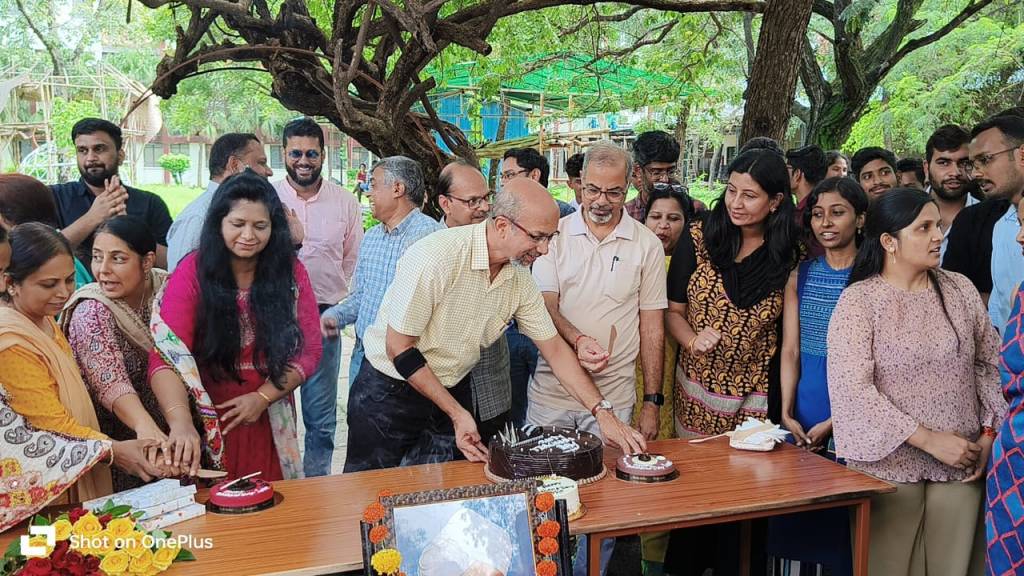
The Department of Architecture and Planning at Maulana Azad National Institute of Technology (MANIT) Bhopal celebrated Teachers’ Day with great fervor and enthusiasm. Around 200 students participated in the event, which was organized to express gratitude and appreciation for the dedicated teachers who shape their minds and careers.

The celebration began with a welcome address by the Head of the Department, followed by a series of cultural events. The highlight of the event was a heartfelt tribute to the teachers, where students shared their experiences and thanked their mentors for their guidance and support.

The teachers were felicitated with gifts and bouquets, and a photo booth was set up to capture the memorable moments. A cake-cutting ceremony marked the culmination of the event.

“It’s a wonderful feeling to see our students express their gratitude in such a creative and enthusiastic manner,” said Dr. Nakul Dhagat, a faculty member of the department and HOD. “We are proud to be a part of their educational journey and look forward to continuing to inspire and mentor them” said Prof. Anugrah Nagaich. “Our professors are a great source of inspiration for us to lead a successful and fulfilling academic life” Gautam Sachan, B Plan student of the department.

The event was a huge success, with students and teachers alike enjoying the celebration. It reinforced the strong bond between the students and faculty, and reiterated the importance of teachers in shaping the minds of future generations.

Eduindex News Portal: A Comprehensive Overview

Daily writing prompt
What personality trait in people raises a red flag with you?

Eduindex News is an influential online platform dedicated to providing the latest news, insights, and analysis in the fields of education, research, and academic innovations. As the education sector evolves rapidly with technological advancements, global connectivity, and changing pedagogical paradigms, Eduindex News serves as a valuable resource for educators, researchers, students, and policy-makers alike. This portal is designed to be a hub of information that supports the dissemination of educational knowledge and encourages dialogue on key issues affecting the academic community worldwide.

Mission and Vision

The mission of Eduindex News is to empower educators, students, and researchers by delivering high-quality, relevant, and timely information that supports academic growth and development. The portal strives to be a leading voice in the education sector, championing the dissemination of innovative ideas, best practices, and research findings. The vision of Eduindex News is to bridge the gap between education policy and practice, making scholarly information accessible to a broader audience.

Content and Coverage

Eduindex News covers a wide range of topics related to education, including:

  1. Educational Policies and Reforms: The portal provides in-depth coverage of the latest developments in educational policies, government initiatives, and reforms at national and international levels. This includes analysis of how these changes impact schools, universities, and other educational institutions.
  2. Research and Innovations: Eduindex News highlights the latest research in various academic fields, emphasizing innovative approaches to teaching, learning, and curriculum development. It serves as a platform for scholars to publish their findings and for institutions to showcase their research outputs.
  3. Technology in Education: As technology continues to transform education, Eduindex News keeps its audience updated on the latest trends in EdTech, including online learning platforms, digital classrooms, AI in education, and other technological advancements that are shaping the future of learning.
  4. Higher Education: The portal provides comprehensive coverage of issues pertinent to higher education, including university rankings, admissions, faculty recruitment, academic conferences, and more. It also focuses on challenges and opportunities within the global higher education landscape.
  5. Student and Educator Resources: Eduindex News offers a variety of resources for students and educators, including study tips, career advice, scholarship opportunities, and professional development tools. These resources are designed to support academic success and career progression.
  6. Interviews and Opinion Pieces: The portal features interviews with thought leaders, educators, researchers, and policymakers who share their insights on current trends and future directions in education. Opinion pieces provide diverse perspectives on pressing issues, encouraging debate and critical thinking.

Audience

Eduindex News caters to a diverse audience that includes:

  • Educators and Academics: The portal serves as a valuable resource for teachers, professors, and academic administrators looking for the latest trends, research, and educational strategies.
  • Students and Researchers: With its rich repository of articles, research papers, and news updates, Eduindex News is an essential tool for students and researchers seeking reliable information for their academic work.
  • Policy Makers and Education Leaders: The platform provides data-driven insights and expert analysis that can inform decision-making and policy development in the education sector.
  • General Public: Anyone interested in staying informed about the education landscape can benefit from the broad range of topics covered by Eduindex News.

Contributions and Partnerships

Eduindex News encourages contributions from educators, researchers, and institutions. By providing a platform for guest articles, research publications, and opinion pieces, the portal fosters a collaborative environment where knowledge sharing is prioritized. Partnerships with universities, research organizations, and educational bodies further enhance the quality and reach of the content provided.

Navigating the Portal

Eduindex News is designed with user experience in mind, offering a clean and intuitive interface that makes it easy to find relevant information. The portal is organized into categories and tags, allowing users to quickly navigate to their areas of interest. A robust search feature further facilitates access to specific articles or topics.

Impact and Community Engagement

Eduindex News has established itself as a credible source of information in the education sector, with a growing readership that values its commitment to accuracy, relevance, and quality. The portal’s active presence on social media platforms helps to engage with its community, sharing content and sparking discussions on key educational issues.

Future Directions

Looking ahead, Eduindex News aims to expand its coverage to include more global perspectives, reflecting the increasingly interconnected nature of education. Plans are also in place to introduce multimedia content such as podcasts, webinars, and video interviews, providing more dynamic ways to engage with its audience.

Eduindex News stands out as a pivotal platform in the education sector, committed to informing, inspiring, and connecting the academic community. By delivering comprehensive and insightful content, Eduindex News not only supports the continuous improvement of education but also fosters a global dialogue on the future of learning. Whether you are an educator, student, researcher, or simply an education enthusiast, Eduindex News offers a wealth of information to keep you informed and engaged.

For more information or to contribute to Eduindex News, visit Eduindex News and join the conversation on shaping the future of education.

The Unseen Heroes: Celebrating the Selfless Dedication of Teachers

Teachers are the unsung heroes of our society, working tirelessly behind the scenes to shape the minds of future generations. They are the pillars of education, supporting the weight of knowledge, and guiding students through the journey of learning. On Teachers’ Day, we take a moment to acknowledge the selfless dedication, unwavering commitment, and profound impact of these unseen heroes.
Teachers wear many hats – they are mentors, coaches, counselors, and friends. They create a safe and nurturing environment, where students feel encouraged to explore, experiment, and learn. With patience, empathy, and understanding, teachers help students overcome obstacles, build confidence, and develop essential life skills.
The impact of teachers extends far beyond the classroom. They inspire students to become active citizens, contributing to the betterment of society. They foster a love for learning, encouraging students to pursue their passions, and make a difference in the world. Teachers are the role models, shaping the values, principles, and character traits of future generations.
Despite the challenges they face, teachers remain committed to their craft. They work long hours, often without recognition, to ensure their students receive the best possible education. They adapt to new technologies, methodologies, and curriculum requirements, always striving to improve their practice.
On Teachers’ Day, we honor the unseen heroes of education. We recognize their tireless efforts, their unwavering dedication, and their profound impact on the lives of students. We celebrate the teachers who have made a difference in our lives, and we express our gratitude for all that they do.
In conclusion, Teachers’ Day is a tribute to the selfless dedication of educators who shape the minds of future generations. Let us take a moment to appreciate the unseen heroes of our society, and acknowledge the vital role they play in building a better world.

“Berlin” Movie Review: A Stylish Thriller with a Modern Edge

“Berlin” Movie Review: A Stylish Thriller with a Modern Edge

Title: Berlin
Director: [Director’s Name]
Starring: [Lead Actors’ Names]
Genre: Thriller, Drama
Release Date: [Release Date]

Introduction

“Berlin” emerges as a high-octane thriller set against the backdrop of the vibrant and historically rich city of Berlin. This film combines intricate plotting, stylish cinematography, and a pulsating soundtrack to deliver a gripping cinematic experience. With strong performances from its cast and a narrative that twists and turns, “Berlin” establishes itself as a standout entry in the thriller genre.

Plot Synopsis

The plot of “Berlin” revolves around lead chathe racter, a complex and enigmatic character who finds themselves entangled in a web of intrigue and deception. Set in the pulsating heart of Berlin, the story follows as they navigate through a labyrinth of crime, politics, and personal betrayal. The hero uncovers dark secrets and faces off against formidable adversaries, the lines between ally and enemy blur, leading to a suspenseful and unpredictable journey.

Themes and Impact

“Berlin” delves into themes of trust, betrayal, and the quest for truth. The film’s exploration of these themes is both thought-provoking and entertaining, providing a nuanced look at human motivations and the complexities of personal and political relationships. The narrative challenges viewers to question their assumptions and stay engaged with the evolving storyline.

Critique

While “Berlin” excels in many areas, it is not without its flaws. Some critics might argue that the plot, at times, leans heavily on genre conventions, leading to moments that feel predictable. Additionally, the fast-paced narrative might be overwhelming for viewers who prefer a more measured approach to storytelling. However, these criticisms do little to detract from the film’s overall impact and entertainment value.

Conclusion

“Berlin” is a stylish and engaging thriller that combines strong performances, a gripping storyline, and impressive technical elements. Directed by [Director’s Name], the film stands out for its ability to deliver suspense and drama while showcasing the dynamic setting of Berlin. Whether you are a fan of the thriller genre or simply appreciate well-crafted cinema, “Berlin” is a movie that offers both excitement and substance.

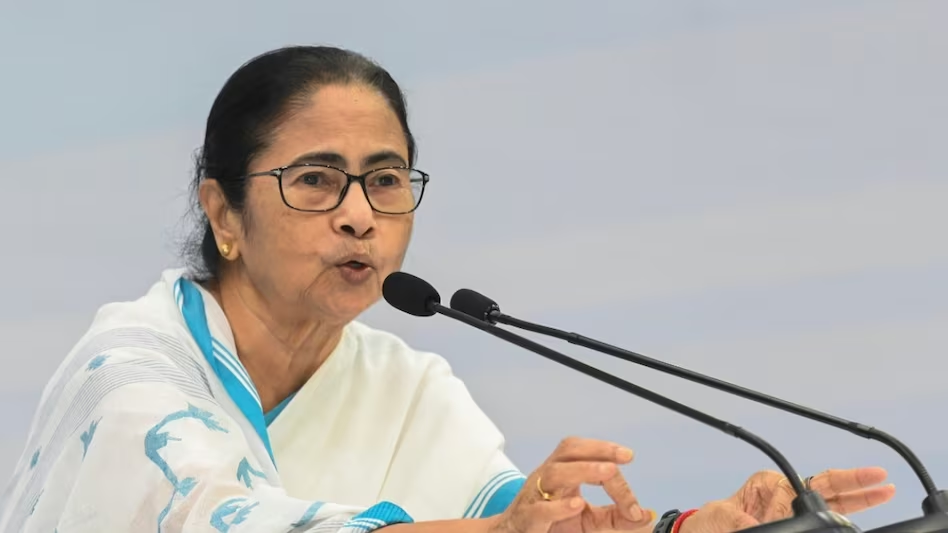
Mamata Banerjee: A Detailed Profile

Mamata Banerjee is a prominent Indian politician and the current Chief Minister of West Bengal, a state in eastern India. Known for her dynamic leadership style and distinctive political approach, Banerjee has played a significant role in shaping West Bengal’s contemporary political landscape. Her journey from grassroots activism to becoming one of India’s most influential political figures is marked by both substantial achievements and controversies.

Early Life and Education

Mamata Banerjee was born on January 5, 1955, in Kolkata (then Calcutta), West Bengal. Her father, Promileswar Banerjee, was a freedom fighter and a follower of the Gandhian principles, which deeply influenced Mamata’s ideological framework. Her mother, Gayatri Devi, was a homemaker.

Banerjee pursued her early education in Kolkata. She completed her Bachelor’s degree in History from the Jogamaya Devi College, followed by a Master’s degree in Islamic History from the University of Calcutta. She also earned a Bachelor’s degree in Education (B.Ed.) and later an M.Phil. in Islamic History. Her academic background provided her with a broad understanding of Indian history and social issues.

Political Career Beginnings

Mamata Banerjee’s political journey began in the early 1970s. Initially, she was associated with the Indian Youth Congress and was an active participant in student movements. Her early involvement in politics was influenced by her mentor, the late Subhas Chandra Bose, and she became known for her grassroots activism and oratory skills.

Banerjee’s significant political breakthrough came in 1984 when she was elected to the Lok Sabha (the lower house of India’s Parliament) as a member of the Indian National Congress (INC) from the Jadavpur constituency. At 29, she was the youngest woman ever to be elected to the Lok Sabha. Her rise was rapid; she was appointed the Minister of State for Human Resource Development and later, Minister of State for Youth Affairs and Sports.

Formation of the Trinamool Congress (TMC)

Despite her initial success with the Indian National Congress, Banerjee became increasingly disillusioned with the party’s central leadership and its handling of West Bengal’s issues. In 1997, she founded the All India Trinamool Congress (TMC) as a splinter group from the Congress Party. The TMC was established with the goal of addressing local issues more effectively and to challenge the ruling Communist Party of India (Marxist) (CPI(M)) in West Bengal.

The TMC quickly emerged as a significant political force in West Bengal. Banerjee’s leadership was instrumental in building the party’s base, especially among the rural and urban poor, and in challenging the long-standing dominance of the CPI(M) in the state.

Chief Minister of West Bengal

Mamata Banerjee’s relentless efforts culminated in a historic victory in the 2011 West Bengal Assembly elections. The TMC, under her leadership, ended the 34-year rule of the CPI(M) in the state. This victory marked a significant political shift in West Bengal and established Banerjee as a powerful regional leader.

Key Achievements and Policies:

  • Development Initiatives: Banerjee’s tenure as Chief Minister has been marked by various development initiatives, including infrastructure projects, industrialization efforts, and improvements in the education and healthcare sectors.
  • Social Welfare Schemes: Her government has introduced numerous welfare schemes, such as Kanyashree Prakalpa (a scheme to support the education of girls) and Sabuj Sathi (a program to distribute bicycles to school students).
  • Land Reforms: Banerjee has been known for her focus on land reforms and rural development, although her policies in this regard have sometimes been met with criticism.

Controversies:

  • Political Violence: Her tenure has faced criticism for alleged instances of political violence and law and order issues. The TMC has been accused of encouraging or failing to prevent violence against political opponents.
  • Economic Management: There has been criticism regarding the state’s economic performance under her leadership, with allegations of poor handling of economic development and industrial growth.

Electoral Successes and Challenges

Mamata Banerjee has been re-elected as the Chief Minister of West Bengal in subsequent elections (2016, 2021), showcasing her enduring political appeal. Her leadership was instrumental in the TMC’s victory in the 2021 West Bengal Assembly elections, where the party retained power despite significant challenges from the Bharatiya Janata Party (BJP), which had made substantial inroads into the state.

National and International Presence

Beyond West Bengal, Mamata Banerjee has sought to position herself as a national leader. She has been vocal on various national issues and has occasionally expressed her ambitions for a larger role in Indian politics. Her political stance often aligns with a progressive and regionalist outlook, advocating for more autonomy for states and focusing on social justice issues.

Personal Life

Mamata Banerjee is known for her personal simplicity and austere lifestyle. She is an avid writer and has published several books in Bengali, covering a range of topics including politics, literature, and history. Her personal and professional life is closely intertwined with her political career, and she remains a significant and polarizing figure in Indian politics.

Conclusion

Mamata Banerjee’s career is a testament to her resilience and political acumen. From her early days as a student activist to her current role as the Chief Minister of West Bengal, her journey reflects both her strengths and the challenges she has faced. Her impact on West Bengal’s political and socio-economic landscape is profound, and her continued influence on Indian politics is likely to be significant in the years to come.

Top Travel Destinations in Himalayan Ranges

Daily writing prompt
Share a story about the furthest you’ve ever traveled from home.

The Himalayan mountain range, one of the most awe-inspiring natural wonders of the world, spans five countries: India, Nepal, Bhutan, China, and Pakistan. The region is a magnet for travelers seeking adventure, spirituality, and unparalleled natural beauty. Below are some of the top travel destinations in the Himalayan ranges:

1. Leh-Ladakh, India

  • Overview: Leh-Ladakh is often referred to as the “Land of High Passes” and is renowned for its stark landscapes, Buddhist monasteries, and unique culture. The region’s high-altitude deserts, rugged terrain, and crystal-clear lakes offer an otherworldly experience.
  • Key Attractions:
    • Pangong Lake: A high-altitude lake known for its changing colors.
    • Nubra Valley: Famous for its sand dunes, Bactrian camels, and monasteries.
    • Monasteries: Thiksey, Hemis, and Diskit monasteries showcase the rich Buddhist heritage of the region.
  • Activities: Trekking, motorbiking, visiting monasteries, camping, and exploring local culture.

2. Kathmandu Valley, Nepal

  • Overview: Kathmandu Valley is a cultural and historical hub, surrounded by the majestic peaks of the Himalayas. The valley is home to seven UNESCO World Heritage Sites, offering a blend of Hindu and Buddhist traditions.
  • Key Attractions:
    • Swayambhunath (Monkey Temple): A sacred Buddhist site with panoramic views of the city.
    • Pashupatinath Temple: A significant Hindu temple on the banks of the Bagmati River.
    • Bhaktapur and Patan Durbar Squares: Ancient cities with stunning architecture and vibrant history.
  • Activities: Cultural tours, temple visits, shopping for handicrafts, and short hikes to surrounding hills.

3. Manali, India

  • Overview: Nestled in the Kullu Valley of Himachal Pradesh, Manali is a popular hill station known for its scenic beauty, adventure activities, and vibrant local culture. The region is surrounded by snow-capped peaks and dense forests.
  • Key Attractions:
    • Solang Valley: A hub for adventure sports like paragliding, skiing, and zorbing.
    • Rohtang Pass: A high mountain pass that offers breathtaking views of the Himalayas.
    • Old Manali: A quaint village with traditional Himachali architecture and vibrant cafes.
  • Activities: Trekking, skiing, paragliding, river rafting, and visiting temples.

4. Bhutan

  • Overview: Bhutan, known as the “Land of the Thunder Dragon,” is a small Himalayan kingdom with a strong emphasis on preserving its culture and environment. The country is famous for its monasteries, fortresses (dzongs), and dramatic landscapes.
  • Key Attractions:
    • Tiger’s Nest Monastery (Paro Taktsang): A sacred Buddhist site perched on a cliffside.
    • Thimphu: The capital city, known for its traditional architecture and cultural landmarks.
    • Punakha Dzong: A stunning fortress at the confluence of two rivers.
  • Activities: Cultural tours, monastery visits, trekking (especially the Jomolhari Trek), and exploring local festivals.

5. Everest Base Camp, Nepal

  • Overview: Everest Base Camp is one of the most iconic trekking destinations in the world. Located at the base of Mount Everest, the trek offers trekkers a chance to experience the breathtaking beauty of the Khumbu region.
  • Key Attractions:
    • Lukla: The starting point of the trek, known for its thrilling airport.
    • Namche Bazaar: A bustling town that serves as a gateway to the high Himalayas.
    • Everest Base Camp: The ultimate destination, offering views of Everest and the Khumbu Icefall.
  • Activities: Trekking, photography, and experiencing Sherpa culture.

6. Darjeeling, India

  • Overview: Darjeeling, known as the “Queen of the Hills,” is a popular hill station in West Bengal, India. It is famous for its tea plantations, colonial architecture, and stunning views of the Kanchenjunga mountain range.
  • Key Attractions:
    • Tiger Hill: Offers panoramic views of the sunrise over Kanchenjunga.
    • Darjeeling Himalayan Railway (Toy Train): A UNESCO World Heritage Site, offering a scenic ride through the mountains.
    • Tea Gardens: Explore the famous tea estates and taste some of the world’s finest teas.
  • Activities: Tea garden tours, trekking, visiting monasteries, and riding the toy train.

7. Shimla, India

  • Overview: Once the summer capital of British India, Shimla is a charming hill station in Himachal Pradesh. The town is known for its colonial architecture, pine forests, and pleasant weather.
  • Key Attractions:
    • The Ridge: A large open space in the heart of Shimla, offering stunning views of the mountains.
    • Jakhoo Temple: A temple dedicated to Lord Hanuman, located on Jakhoo Hill.
    • Mall Road: The main street, lined with shops, cafes, and colonial-era buildings.
  • Activities: Walking tours, visiting temples, exploring colonial architecture, and shopping.

8. Nainital, India

  • Overview: Nainital is a picturesque hill station in the Kumaon region of Uttarakhand, centered around the beautiful Naini Lake. The town is surrounded by hills and offers a serene environment.
  • Key Attractions:
    • Naini Lake: A beautiful lake where visitors can enjoy boating.
    • Naina Devi Temple: A sacred temple overlooking the lake.
    • Snow View Point: Offers panoramic views of the Himalayan peaks.
  • Activities: Boating, trekking, visiting temples, and exploring nearby lakes and viewpoints.

9. Sikkim, India

  • Overview: Sikkim, a small state in northeastern India, is known for its rich biodiversity, pristine landscapes, and Tibetan Buddhist culture. The state is home to Kanchenjunga, the third-highest mountain in the world.
  • Key Attractions:
    • Gangtok: The capital city, offering stunning views of Kanchenjunga and vibrant monasteries.
    • Tsomgo Lake: A glacial lake situated at an altitude of 12,310 feet.
    • Yuksom: A historic town, known as the starting point for the Dzongri-Goechala trek.
  • Activities: Trekking, monastery visits, exploring nature parks, and experiencing local festivals.

10. Spiti Valley, India

  • Overview: Spiti Valley

in Himachal Pradesh is often described as a cold desert and is one of the most remote and unexplored regions in the Indian Himalayas. The valley is characterized by rugged terrain, stark landscapes, ancient monasteries, and a rich Tibetan culture.

  • Key Attractions:
    • Key Monastery: The largest and one of the oldest monasteries in Spiti, perched on a hilltop offering panoramic views.
    • Chandratal Lake: Also known as the “Moon Lake,” this high-altitude lake is famous for its crystal-clear waters and stunning scenery.
    • Tabo Monastery: A UNESCO World Heritage Site, this 1000-year-old monastery is known for its ancient murals and statues.
  • Activities: Trekking, exploring monasteries, camping by lakes, and experiencing local festivals.

11. Rishikesh and Haridwar, India

  • Overview: Situated in the foothills of the Himalayas, Rishikesh and Haridwar are spiritual centers along the banks of the Ganges River. While Rishikesh is known as the “Yoga Capital of the World,” Haridwar is famous for its religious significance and the Ganga Aarti.
  • Key Attractions:
    • Triveni Ghat: A sacred bathing ghat in Rishikesh where the Ganges, Yamuna, and Saraswati rivers meet.
    • Lakshman Jhula and Ram Jhula: Iconic suspension bridges in Rishikesh offering scenic views of the Ganges.
    • Har Ki Pauri: A famous ghat in Haridwar known for its evening Ganga Aarti.
  • Activities: Yoga, meditation, white-water rafting, attending the Ganga Aarti, and spiritual retreats.

12. Paro Valley, Bhutan

  • Overview: Paro Valley is one of the most beautiful regions in Bhutan, known for its scenic landscapes, traditional Bhutanese architecture, and historical significance. The valley is also home to the Paro Airport, the gateway to Bhutan.
  • Key Attractions:
    • Paro Taktsang (Tiger’s Nest Monastery): A sacred monastery perched on a cliff, one of Bhutan’s most iconic landmarks.
    • Rinpung Dzong: A fortress-monastery that offers stunning views and houses important relics.
    • National Museum of Bhutan: Located in the Ta Dzong, it showcases Bhutan’s cultural heritage.
  • Activities: Hiking to Tiger’s Nest, exploring dzongs, cultural tours, and photography.

13. Mount Kailash, Tibet

  • Overview: Mount Kailash is a sacred peak in Tibet, revered in Hinduism, Buddhism, Jainism, and Bon. The mountain is considered the earthly representation of Mount Meru and is a site of pilgrimage for devotees.
  • Key Attractions:
    • Kailash Kora: A 52-kilometer pilgrimage route around Mount Kailash, believed to bring spiritual merit.
    • Lake Manasarovar: A sacred lake situated near Mount Kailash, considered one of the holiest lakes in Hinduism and Buddhism.
    • Rakshas Tal: Another significant lake located near Lake Manasarovar, with mythological importance.
  • Activities: Pilgrimage, trekking the Kailash Kora, spiritual retreats, and meditation.

14. Lhasa, Tibet

  • Overview: Lhasa, the capital of Tibet, is a spiritual and cultural center known for its ancient monasteries and palaces. The city is surrounded by the towering peaks of the Himalayas and is rich in Tibetan Buddhist traditions.
  • Key Attractions:
    • Potala Palace: A UNESCO World Heritage Site, this palace is the former residence of the Dalai Lama and an architectural marvel.
    • Jokhang Temple: The most sacred temple in Tibet, revered by Tibetan Buddhists from all over the world.
    • Norbulingka: The summer palace of the Dalai Lama, known for its beautiful gardens and architecture.
  • Activities: Exploring monasteries, visiting historical sites, experiencing Tibetan culture, and shopping for local crafts.

Conclusion

The Himalayan region offers a diverse range of travel experiences, from spiritual pilgrimages to adrenaline-pumping adventures. Each destination has its unique charm, cultural significance, and natural beauty, making the Himalayas a must-visit for travelers seeking a blend of adventure, spirituality, and serenity. Whether you are looking to trek through some of the highest mountain passes, meditate in a remote monastery, or simply soak in the breathtaking vistas, the Himalayan ranges have something to offer for every type of traveler.

NAFSA (National Association of Foreign Student Advisers)

NAFSA (National Association of Foreign Student Advisers) is a non-profit professional organization for international educators, promoting cross-cultural understanding and exchange. Here’s a detailed overview:

_Mission:_
NAFSA fosters international education and exchange, promoting global understanding and development.
_Objectives:_
– Support international student and scholar services
– Enhance international education programming
– Facilitate networking and professional development
– Advocate for international education policy
_Activities:_
– Annual conferences and regional meetings
– Training and professional development workshops
– Online resources and publications
– Advocacy and public policy initiatives
_Membership:_
– Open to institutions, organizations, and individuals engaged in international education
– Benefits include networking, professional development, and access to resources
_Committees and Knowledge Communities:_
– Focus on specific areas like student services, education abroad, and advocacy
– Provide platforms for networking and knowledge sharing
_Publications:_
– International Educator magazine
– NAFSA Newsletter
– Online resources and reports
NAFSA plays a crucial role in promoting international education and exchange, supporting professionals in the field, and advocating for policies that foster global understanding and development.