Unlock the World of eBook Publishing for Just $20 with EduPub.org

Daily writing prompt
What profession do you admire most and why?

In today’s digital age, the self-publishing landscape has never been more accessible or affordable. Aspiring authors now have a golden opportunity to share their stories, research, or expertise with a global audience. One standout option in this burgeoning field is EduPub.org, a platform that offers eBook publication services at an unbeatable price of just $20.

Why Choose EduPub.org?

EduPub.org distinguishes itself with a simple, cost-effective approach to eBook publishing. For just $20, authors receive a suite of essential services designed to transform their manuscript into a polished, professional eBook ready for distribution. Here’s why EduPub.org is a compelling choice for both novice and experienced authors:

  1. Affordable Pricing: At just $20, EduPub.org’s service package is a fraction of the cost of traditional publishing or even many other self-publishing services. This affordability ensures that more authors can publish their work without breaking the bank.
  2. User-Friendly Platform: EduPub.org is designed to be intuitive and easy to navigate. Whether you’re tech-savvy or a digital novice, the platform guides you through the publishing process step by step.
  3. Comprehensive Publishing Services: The $20 fee covers everything you need to publish your eBook. From formatting and conversion to distribution, EduPub.org handles the technical details so you can focus on what you do best—writing.
  4. Global Distribution: Once your eBook is published, EduPub.org ensures that it reaches a broad audience. Your work will be available on major eBook platforms and retailers, maximizing its visibility and potential readership.
  5. No Hidden Fees: Transparency is a hallmark of EduPub.org’s service. The $20 fee is all-inclusive, meaning there are no unexpected costs or upsells along the way.

The Process Made Simple

Publishing your eBook with EduPub.org is straightforward:

  1. Submit Your Manuscript: Upload your completed manuscript in your preferred format. EduPub.org supports a range of file types, making it easy to get your work into the system.
  2. Formatting and Conversion: EduPub.org’s team takes care of formatting your manuscript for eBook standards. This ensures that your eBook looks professional and is compatible with various reading devices.
  3. Cover Design: While the basic $20 package doesn’t include custom cover design, EduPub.org provides guidelines and suggestions for creating an effective cover. Alternatively, you can opt for additional services if desired.
  4. Publication and Distribution: Once your eBook is formatted and converted, EduPub.org handles the distribution process. Your eBook will be available for purchase on popular platforms like Amazon Kindle, Apple Books, and more.
  5. Marketing Tips: EduPub.org offers basic marketing tips to help you promote your eBook effectively. While comprehensive marketing services are not included in the $20 package, these tips can help you get started on your promotional efforts.

Why Publish an eBook?

Publishing an eBook opens up numerous opportunities:

  • Reach a Global Audience: eBooks can be distributed worldwide, allowing you to connect with readers from different countries and cultures.
  • Establish Your Authority: Whether you’re an expert in your field or a passionate storyteller, an eBook can help establish your credibility and expand your influence.
  • Generate Passive Income: Once published, your eBook can generate ongoing royalties, providing a potential source of passive income.

In Conclusion

EduPub.org’s $20 eBook publication service is a game-changer for authors seeking an affordable and straightforward path to digital publishing. With its comprehensive, no-frills approach, the platform allows you to focus on your writing while handling the technical aspects of publication and distribution. If you’re ready to bring your manuscript to life and share it with the world, EduPub.org offers an invaluable opportunity to do so at a fraction of the cost of traditional publishing routes. Visit www.EduPub.org today to start your eBook publishing journey and make your literary dreams a reality.


Empowering African Learners: 10 Popular Online Education Sites

Introduction
Africa’s education landscape is transforming, and online learning is at the forefront. With the continent’s growing internet penetration and mobile adoption, online education platforms are bridging the knowledge gap and expanding access to quality learning resources. Here are 10 popular online education sites in Africa:
1. _Coursera_: Partners with top universities to offer courses and degree programs.
2. _edX_: Provides massive open online courses (MOOCs) from leading institutions.
3. _Udemy_: Offers a vast array of courses on various subjects, including business, tech, and creative skills.
4. _Khan Academy_: Free online resources for subjects like math, science, and programming.
5. _OpenLearn_: The Open University’s platform for free online courses and degree programs.
6. _FutureLearn_: UK-based platform offering courses from top universities worldwide.
7. _Eneza Education_: Kenyan-based platform providing interactive learning materials and assessments.
8. _Andela Learning_: Nigerian-based platform offering courses and mentorship in tech skills.
9. _Tuteria_: Nigerian-based platform connecting learners with qualified tutors for online lessons.
10. _Varsity Tutor_: South African-based platform providing online tutoring and academic support.
Conclusion
These online education sites are revolutionizing learning in Africa, providing accessible, affordable, and quality educational resources. As internet access continues to grow, online education will play an increasingly vital role in empowering African learners and bridging the skills gap.

Media's role in spreading awareness about energy rating,

*Media’s Role:*
– Raising awareness: Media campaigns can increase public awareness of energy ratings and their importance.
– Educating consumers: Media can explain the benefits of energy-efficient appliances and how to read energy labels.
– Influencing behavior: Media can encourage consumers to make informed purchasing decisions.
– Promoting policy: Media can support policy initiatives and regulations related to energy efficiency.
*Data:*
– A study by the International Energy Agency (IEA) found that media campaigns can increase awareness of energy ratings by up to 50%.
– In the EU, media campaigns led to a 10% increase in sales of energy-efficient appliances (European Commission, 2020).
– A survey in the US found that 70% of consumers consider energy efficiency when purchasing appliances, thanks to media awareness (ACEEE, 2019).
– In India, a media campaign by the Bureau of Energy Efficiency (BEE) led to a 20% increase in sales of 5-star rated appliances (BEE, 2018).
*Media Channels:*
– Television: Reaches a wide audience, ideal for mass awareness campaigns.
– Social Media: Targets specific demographics, effective for engaging younger audiences.
– Print Media: Provides in-depth information, suitable for educating consumers.
– Online Advertising: Targets consumers during the purchasing process.
By leveraging various media channels, awareness campaigns can effectively educate consumers about energy ratings, influencing their purchasing decisions and contributing to a more energy-efficient future.

Become an Editor of an Edited Book and Get Published for Free with EduPub

Daily writing prompt
What change, big or small, would you like your blog to make in the world?

EduPub is excited to announce a unique opportunity for scholars and researchers to become editors of an edited book. This initiative allows aspiring editors to curate chapters from contributors around the world, compile them into a cohesive volume, and get published for free. If you have a compelling idea for a book and are interested in showcasing diverse perspectives on a specific topic, this is your chance to make a significant impact in your field.

Why Become an Editor with EduPub?

  1. Professional Growth: Editing a book enhances your academic profile, showcasing your expertise and leadership in your research area.
  2. Networking Opportunities: Collaborate with scholars and researchers worldwide, expanding your professional network and fostering future research collaborations.
  3. Cost-Free Publication: EduPub offers free publication for edited books, removing financial barriers and ensuring your work reaches a broad audience.
  4. Academic Contribution: By curating high-quality chapters, you contribute to the body of knowledge in your field, providing valuable resources for researchers, practitioners, and students.

How to Get Started

1. Submit Your Proposal:

To start your journey as an editor, you need to submit a proposal outlining your book idea. Your proposal should include:

  • Title and Description: A clear and concise title along with a brief description of the book’s theme and scope.
  • Target Audience: Define who will benefit from the book, such as researchers, practitioners, students, or policymakers.
  • Chapter Outline: Provide an outline of the potential chapters and topics to be covered.
  • Call for Chapters: Describe how you plan to invite and select contributors for the book.

Send your proposal to editor@edupub.org for consideration.

2. Create a Call for Chapters:

Once your proposal is accepted, EduPub will create a dedicated page on their website to announce the call for chapters. This page will detail:

  • The theme and objectives of the book.
  • Submission guidelines and deadlines for potential contributors.
  • Contact information for further inquiries.

3. Collect and Review Submissions:

As the editor, you will oversee the collection and review of chapter submissions. This involves:

  • Inviting Submissions: Reach out to researchers, academics, and practitioners in your network to contribute.
  • Evaluating Proposals: Assess the quality and relevance of submitted chapters to ensure they align with the book’s theme.
  • Providing Feedback: Work with contributors to refine their chapters, ensuring high standards of academic rigor and coherence.

4. Compile and Finalize the Book:

After selecting and editing the chapters, compile them into a unified volume. EduPub will assist with the final formatting, layout, and publication process, ensuring your book meets professional publishing standards.

5. Publication and Distribution:

Once finalized, your edited book will be published and made available through EduPub’s distribution channels, reaching a global audience of researchers, students, and professionals.

Conclusion

Becoming an editor of an edited book with EduPub is a prestigious opportunity that allows you to contribute significantly to your field, enhance your professional profile, and collaborate with a global network of scholars. Submit your proposal today and take the first step towards publishing a high-impact academic book. For more information and to submit your proposal, please contact editor@edupub.org

Raping the Tourism – Tarnishing the image of Incredible India

Daily writing prompt
What could you do differently?

By Shashikant Nishant Sharma

The occurrence of rape incidents involving tourists in India is a deeply concerning issue that has significant repercussions, not only for the victims and their families but also for the reputation and image of the country as a tourist destination. These incidents tarnish the perception of “Incredible India,” which is known for its rich cultural heritage, diverse landscapes, and warm hospitality. However, the prevalence of such crimes casts a shadow over these positive attributes and raises serious questions about safety and security for visitors.

Firstly, each incident of rape involving tourists erodes trust and confidence in India as a safe destination. Travelers, especially women, may become apprehensive about visiting the country due to fear for their personal safety. This fear can deter potential tourists from choosing India as their travel destination, resulting in a significant loss for the tourism industry. Moreover, repeated incidents contribute to negative media coverage, amplifying the perception of India as an unsafe place for tourists.

Secondly, the failure to effectively address and prevent these crimes reflects poorly on the authorities’ ability to ensure the safety of visitors. It highlights systemic issues such as gaps in law enforcement, inadequate infrastructure, and cultural attitudes towards gender-based violence. The lack of swift and decisive action to address these underlying issues undermines the credibility of India’s commitment to ensuring the well-being of tourists.

Additionally, the impact of rape incidents on the victims cannot be overstated. Beyond the physical and emotional trauma they endure, these incidents often result in long-lasting psychological effects, shattered confidence, and a reluctance to seek justice in a foreign legal system. The failure to provide adequate support and justice for victims further damages the perception of India as a compassionate and just society.

To mitigate the tarnishing of India’s image and restore trust in its tourism sector, comprehensive measures are required. This includes improving safety infrastructure, increasing police presence in tourist areas, enhancing awareness and sensitivity training for law enforcement officials, and implementing stringent legal measures to ensure swift and effective prosecution of perpetrators. Additionally, promoting a culture of respect and gender equality is essential to address the root causes of violence against women.

In conclusion, the occurrence of rape incidents with tourists in India not only inflicts harm on the victims but also undermines the country’s reputation as a welcoming and safe destination. Addressing these issues requires concerted efforts from the government, law enforcement agencies, tourism stakeholders, and society as a whole to ensure that India remains truly incredible in every aspect.

References

Dubey, P. (2018). No Nation for Women: Reportage on Rape from India, the World’s Largest Democracy. Simon and Schuster.

Kennedy, K. M., & Flaherty, G. T. (2015). The risk of sexual assault and rape during international travel: implications for the practice of travel medicine. Journal of travel medicine22(4), 282-284.

Thomas, T. K., & Mura, P. (2019). The ‘normality of unsafety’-foreign solo female travellers in India. Tourism Recreation Research44(1), 33-40.

Rao, N. (2012). The dark side of tourism and sexuality: trafficking of Nepali girls for Indian brothels. In Sex and tourism (pp. 155-165). Routledge.

Research Publication Fee Discounts for NGOs and Scholars from Developing Countries

Daily writing prompt
What change, big or small, would you like your blog to make in the world?

In the realm of academic research, publication costs can pose significant barriers for scholars and organizations, particularly those from developing countries. Recognizing this challenge, many academic publishers, including EduPub, are now offering substantial fee discounts to NGOs and scholars from these regions, ensuring broader access to global research platforms.

EduPub’s Commitment to Accessibility

EduPub, a prominent academic publisher, is dedicated to fostering inclusive access to research publications. They understand that financial constraints can limit the dissemination of valuable research from developing countries. To address this, EduPub provides discounts on publication fees for non-governmental organizations (NGOs) and scholars from these regions. This initiative aims to reduce the economic barriers to publishing high-quality research and to amplify the voices of researchers from underrepresented areas.

Why Fee Discounts Matter

  1. Promoting Diverse Perspectives: By offering fee discounts, EduPub encourages a more diverse range of perspectives in academic literature. This inclusivity enriches the global research community, enabling insights from various socio-economic and cultural backgrounds.
  2. Supporting Emerging Researchers: Scholars from developing countries often face financial hardships that hinder their ability to publish. Fee discounts provide these researchers with opportunities to share their findings and contribute to their fields without the burden of prohibitive costs.
  3. Enhancing Global Collaboration: Reduced publication fees facilitate increased collaboration between researchers across different regions. This cross-pollination of ideas fosters innovative solutions to global challenges and drives progress in various scientific and academic disciplines.

How to Apply for Fee Discounts

EduPub has streamlined the process for applying for publication fee discounts. Scholars and NGOs from developing countries can follow these steps:

  1. Identify Eligibility: Ensure that you meet the criteria for fee discounts. Typically, this applies to researchers affiliated with institutions in developing countries and registered NGOs.
  2. Prepare Your Manuscript: Follow the submission guidelines provided by EduPub to prepare your manuscript. Ensure that it meets the journal’s standards and requirements.
  3. Submit Your Manuscript: Send your research paper to the specified email address (ijr@ijrjournal.com). Include a request for a fee discount in your cover letter, detailing your eligibility and any supporting information.
  4. Review and Approval: EduPub will review your request and inform you of the discount approval. Once approved, your paper will proceed through the usual peer-review process.

Encouraging Quality Research

EduPub’s fee discount initiative underscores their commitment to promoting quality research from all corners of the world. By alleviating the financial burden on researchers from developing countries, EduPub ensures that important research findings are accessible to the global academic community, regardless of the researchers’ financial circumstances.

Conclusion

Research publication fee discounts for NGOs and scholars from developing countries represent a crucial step towards equitable access to academic publishing. EduPub’s efforts in this regard not only support the dissemination of diverse perspectives but also empower researchers from underrepresented regions to contribute meaningfully to global knowledge. Scholars and organizations are encouraged to take advantage of these discounts to ensure their research reaches a wider audience, fostering a more inclusive and collaborative academic environment.

For further information and to submit your research papers for publication, please contact ijr@ijrjournal.com

Benefits of Getting Your eBook Published with EduPub before Sharing on ResearchGate or Academia

Daily writing prompt
Describe your life in an alternate universe.

Publishing an eBook is a significant milestone for any author, especially in academic and research circles. While platforms like ResearchGate and Academia are popular for sharing research papers and publications, there are several distinct advantages to having your eBook published with a traditional publisher such as Edupedia Publications Pvt Ltd before sharing it on these platforms. Here are the detailed benefits:

1. Professional Editing and Formatting

Edupedia Publications Pvt Ltd offers professional editing and formatting services that ensure your eBook meets the highest standards of quality. This includes proofreading, grammatical corrections, and layout design, which can significantly enhance the readability and overall presentation of your work.

2. ISBN Assignment

One of the primary benefits of publishing with Edupedia is the assignment of an International Standard Book Number (ISBN). An ISBN provides a unique identifier for your book, making it easier for libraries, bookstores, and readers to find and reference your work. This formal recognition adds credibility and legitimacy to your eBook.

3. Wide Distribution Network

Edupedia Publications Pvt Ltd has an extensive distribution network that ensures your eBook reaches a broad audience. This includes listing your eBook on various online platforms, academic libraries, and bookstores, thereby increasing its visibility and accessibility.

4. Marketing and Promotion

Publishing with Edupedia means you benefit from their marketing and promotional efforts. This includes featuring your book on their website, social media channels, and newsletters, as well as potential promotional campaigns. Effective marketing can significantly boost your book’s reach and readership.

5. Copyright Protection

By publishing with Edupedia, your eBook is legally protected under copyright laws. This safeguards your intellectual property from unauthorized use and ensures you retain the rights to your work. It also means any reproductions or distributions of your work are under your control.

6. Professional Cover Design

A professionally designed cover can make a significant difference in attracting readers. Edupedia Publications provides cover design services that create visually appealing and marketable covers, giving your eBook a professional edge.

7. Quality Assurance

Publishing with a reputable company like Edupedia ensures that your eBook undergoes rigorous quality checks. This includes thorough reviews and feedback from experts in your field, which can help improve the content and structure of your book.

8. Enhanced Academic Reputation

Having your eBook published by a well-known and respected publisher can enhance your academic reputation. It demonstrates that your work has been vetted and approved by a recognized entity in the publishing industry, which can be beneficial for your academic and professional career.

9. Monetary Benefits

Publishing with Edupedia allows you to monetize your eBook. They offer royalty agreements where you earn a percentage of sales from your book. This can provide a passive income stream, unlike platforms like ResearchGate or Academia, which are primarily for sharing work without direct financial gain.

10. Permanent Record

Your eBook with Edupedia becomes part of a permanent, searchable record. This is crucial for academic citations and referencing, as it ensures your work can be easily located and cited by other researchers, contributing to the scholarly conversation in your field.

11. Control Over Distribution

With Edupedia, you have more control over how and where your eBook is distributed. You can choose to release it in various formats (PDF, ePub, Kindle) and decide on pricing, availability, and more. This flexibility allows you to tailor the distribution to your audience’s needs.

12. Support and Guidance

Edupedia Publications provides ongoing support and guidance throughout the publishing process. This includes assistance with manuscript preparation, understanding the publishing process, and post-publication support. This comprehensive support system can be invaluable, especially for first-time authors.

13. Enhanced Visibility on Academic Platforms

Once your eBook is published with Edupedia and you share it on ResearchGate or Academia, it carries the prestige of having been published by a recognized entity. This can lead to higher engagement, more downloads, and increased citations from your peers on these platforms.

Conclusion

Publishing your eBook with Edupedia Publications Pvt Ltd before sharing it on platforms like ResearchGate or Academia offers numerous benefits that can enhance the quality, reach, and impact of your work. From professional editing and wide distribution to copyright protection and academic recognition, the advantages are significant. By choosing to publish with Edupedia, you ensure that your eBook receives the professional treatment it deserves, setting it up for success in the academic and research community.

Send your manuscript for review to editor@pen2print.org

Conference on enhancing financial cohesion and synergy in Armed Forces held in New Delhi

 Chief of Defence Staff General Anil Chauhan has stressed the need to embrace changes in financial processes due to the rapidly changing nature and character of war driven by geopolitical dynamics and technological advancements. He was delivering a keynote address at the apex level conference on Aug 5, 2024, in New Delhi on enhancing cohesion and synergy in financial matters pertaining to Armed Forces. CDS said such changes have brought about a non-linear and non-predictable evolution.

Gen Anil Chauhan exhorted all stakeholders to act in cohesion and synergy to safeguard India’s strategic interests while working jointly towards ensuring National Security, which is an important pillar of Viksit Bharat.

Vice Chiefs of Service HQs attended the conference, along with senior functionaries from Service HQs, Coast Guard HQ, MoD Acquisition, MoD Finance, CGDA, and all Principal Integrated Financial Advisors. The conference was steered by HQ IDS and focused on improving the efficiency in defence procurements while adhering to all financial canons.

In his opening address, Deputy Chief of Integrated Defence Staff (PP&FD) Vice Admiral Sanjay Vatsayan set the pace for discussions by bringing out the intricacies of defence procurements. Financial Adviser (Defence Services) Shri Sugata Ghosh Dastidar stressed on reducing foreign dependence and moving towards Aatmanirbharta while ensuring greater collaboration with Academia towards research and development in defence.

The conference saw all stakeholders putting forth their perspectives and deliberating ways to enhance cohesion and synergy. Service HQs gave insights into their respective challenges in public procurement and methodologies to overcome the same were discussed. The PIFAs participated actively on critical issues of Capital & Revenue procurements. Positive suggestions and recommendations were elucidated by MoD Finance.

Some of the key deliverables of the conference included the importance of Outcome Oriented Budget, Expeditious Procurements, and Financial Propriety. These key takeaways would be forwarded to the MoD for ratification.

***

Commemorative postage stamps on Paris Olympics

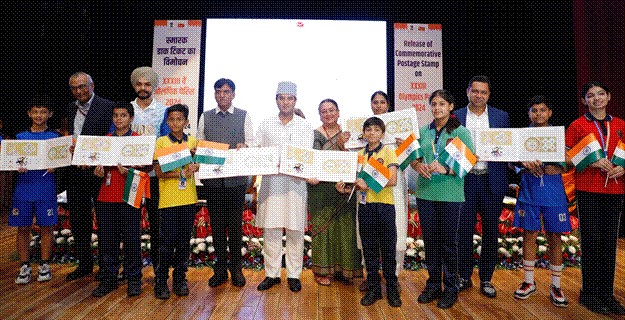
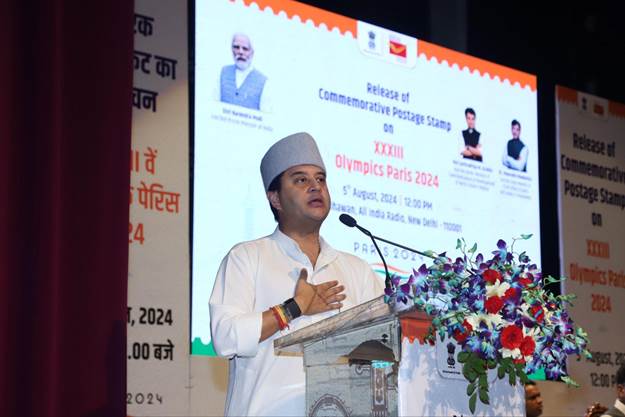
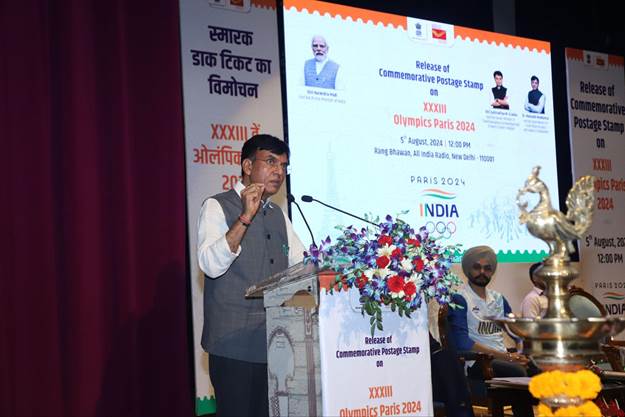
 Union Minister of Communications & Development of the North Eastern Region, Shri Jyotiraditya M Scindia, and Union Minister of Youth Affairs & Sports and Labour & Employment, Dr Mansukh Mandaviya, unveiled a set of commemorative postage stamps today to celebrate the XXXIII Paris Olympics. The event was held at Rang Bhawan, All India Radio, New Delhi, and featured the participation of esteemed dignitaries and renowned athletes, marking a significant moment in India’s support for the Olympic Games.

The event was further enriched by the presence of distinguished sports icons, including recent bronze medal winner Sarabjot Singh, who excelled in the 10m Air Pistol Mixed Team event at the Paris 2024 Olympics. Other notable attendees included former cricketer Aakash Chopra and steeplechase athlete Sudha Singh.

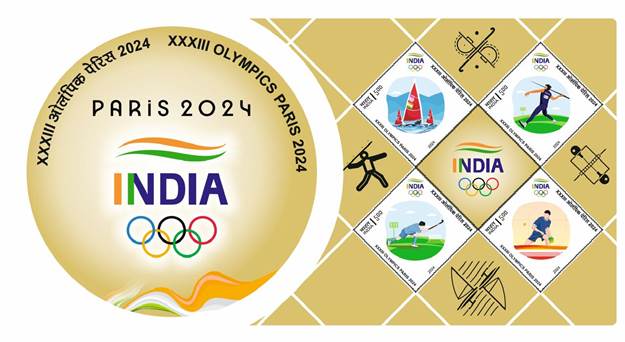
The commemorative stamp has been designed to capture the spirit of the Olympics, symbolizing unity among nations through sports and reflecting India’s rich sporting heritage. This special stamp is now available for purchase online at the e-Post Office (https://www.epostoffice.gov.in/). Collectors and enthusiasts are encouraged to grab a copy and own a piece of history.


Shri Jyotiraditya M Scindia and Dr Mansukh Mandaviya officially unveiled the commemorative stamp, expressing their pride in India’s Olympic legacy and the role of sports in promoting global unity. The ministers and athletes shared insights into the importance of sports in fostering international cooperation and friendship, emphasizing the Olympics as a platform for showcasing talent and dedication.

Shri Jyotiraditya M Scindia remarked, “The new stamp honoring the Olympics 2024 celebrates our sports heroes who have made India proud on the global stage. This tribute will inspire young talents and strengthen our nation’s sports ecosystem. I congratulate our Department of Posts, which through several initiatives has always promoted sports culture and with the launch of this stamp has added to its legacy of celebrating the achievements of India through philately. I also extend my best wishes to the Indian contingent in the Paris Olympics 2024.”


Addressing the gathering, Dr Mansukh Mandaviya said, “Sports is not just competition; it is a way of living. The release of postage stamps reflects India’s commitment to sports, serving as a symbol of national pride and encouragement for athletes.” Dr Mandaviya further articulated that sports foster a healthier nation, essential for wealth and prosperity, and bring people together, enhancing both individual fitness and national well-being.


This initiative underscores India’s commitment to promoting sports and honoring its athletes on the international stage.


Social Media Links:

https://x.com/JM_Scindia/status/1820377309905666264

https://x.com/JM_Scindia/status/1820426966690079140

https://x.com/IndiaPostOffice/status/1820418701025255885

https://x.com/mansukhmandviya/status/1820397272083087774

https://x.com/mansukhmandviya/status/1820396169996247465

Overview of the National Education Policy 2020

The National Education Policy 2020 (NEP 2020) is a comprehensive framework for transforming India’s education system by 2030 ¹. It replaces the previous National Policy on Education, 1986, and aims to increase state expenditure on education from around 3% to 6% of the GDP ¹.
*Key Features of the National Education Policy 2020*
– *Language Policy*: The policy emphasizes the use of the mother tongue as the medium of instruction till Class 5, with the option to continue till Class 8 and beyond ¹. It also recommends the study of three languages, with at least two being native to India ¹.
– *School Education*: The policy focuses on achieving universal foundational literacy and numeracy by 2025 ¹. It proposes a new structure of 5+3+3+4, replacing the existing 10+2 structure ¹. Board exams will be re-designed, and students will have the option to take exams twice a year ¹.
– *Higher Education*: The policy proposes a 4-year multi-disciplinary bachelor’s degree with multiple exit options ¹. It also aims to increase the gross enrollment ratio and proposes the establishment of a Higher Education Commission of India (HECI) ¹.
– *Internationalization*: The policy allows foreign universities to set up campuses in India and proposes the internationalization of education ¹.
– *Teachers*: The policy emphasizes the importance of teachers and proposes a 4-year Bachelor of Education as the minimum requirement to become a teacher by 2030 ¹.
– *EdTech*: The policy provides guidelines and support for EdTech companies and startups to develop learning management systems and other educational technologies ¹.
*Reception of the National Education Policy 2020*
The policy has received both praise and criticism from various stakeholders ¹. Some have appreciated the policy’s focus on foundational literacy and numeracy, while others have raised concerns about the implementation and potential commercialization of education ¹.

Celebrating the Power of Friendship: The Significance of Friendship Day

Introduction
Friendship Day, celebrated on the first Sunday of August every year, is a special day dedicated to honoring the beautiful bond of friendship. This day is a reminder of the importance of nurturing and cherishing our friendships, which play a vital role in making our lives richer and more meaningful.
History of Friendship Day
The concept of Friendship Day was first introduced in 1935 by the US Congress, but it gained popularity in the 1990s. The day is now celebrated worldwide, with people showing appreciation for their friends through various gestures and activities.
Significance of Friendship
Friendship is a unique and precious relationship that brings joy, support, and companionship to our lives. Friends are our confidants, partners in crime, and pillars of strength during difficult times. They help us grow, learn, and evolve as individuals.
Ways to Celebrate Friendship Day
1. Spend quality time with friends: Plan a fun outing, movie night, or game session.
2. Express gratitude: Write heartfelt letters or make personalized gifts.
3. Make new connections: Attend social events or join clubs to meet like-minded people.
4. Show appreciation: Small gestures like surprise gifts or thoughtful messages go a long way.
Conclusion
Friendship Day is a celebration of the love, trust, and camaraderie that defines true friendship. Let us cherish and nurture our friendships, recognizing their significance in making our lives more fulfilling and happy. So, go ahead and shower your friends with love and appreciation – they deserve it!

Top Research projects for PhD funded by universities

– *PhD in Anthropology*: The University of Chicago offers funding for up to eight years of study, including a full-tuition scholarship, health insurance and a living stipend.
– *PhD in Biological Sciences in Public Health*: Harvard University offers tuition, a stipend and health insurance for five years, as long as the student maintains satisfactory academic progress.
– *PhD in Business*: Massachusetts Institute of Technology offers a full-tuition scholarship, a monthly stipend, medical insurance, new laptops and $4,500 over five years for conference travel expenses.
– *PhD in Chemical Engineering*: Cornell University offers a full tuition waiver, health insurance and a stipend.
– *PhD in Computer Science*: Many universities offer fully funded PhD programs in computer science, including tuition waivers and stipends.
Please note that these are just a few examples, and there are many other universities and programs offering funding for PhD research projects.

Navigating the World of Data Analysis Software: A Comprehensive Guide

Introduction
In today’s data-driven landscape, organizations and individuals rely on data analysis software to extract insights, identify trends, and inform decision-making. With numerous tools available, selecting the right software can be overwhelming. This article provides an in-depth exploration of popular data analysis software, their features, and applications.
1. Spreadsheets (Microsoft Excel, Google Sheets)
– Ideal for: Basic data analysis, budgeting, and reporting
– Key features: Data visualization, pivot tables, formulas, and conditional formatting
1. Statistical Software (R, Python, SAS)
– Ideal for: Advanced statistical analysis, machine learning, and data modeling
– Key features: Data manipulation, hypothesis testing, regression analysis, and data visualization
1. Data Visualization Tools (Tableau, Power BI, D3.js)
– Ideal for: Interactive data visualization, business intelligence, and storytelling
– Key features: Drag-and-drop interfaces, real-time data connection, and customizable dashboards
1. Big Data Analytics (Hadoop, Spark, NoSQL databases)
– Ideal for: Large-scale data processing, distributed computing, and real-time analytics
– Key features: Scalability, fault tolerance, and handling unstructured data
1. Data Mining Software (KNIME, RapidMiner, Orange)
– Ideal for: Predictive analytics, pattern discovery, and automated workflows
– Key features: Visual programming, machine learning algorithms, and data integration
1. Cloud-based Solutions (AWS, Google Cloud, Azure)
– Ideal for: Scalable infrastructure, collaboration, and secure data storage
– Key features: On-demand resources, automated backups, and integrated analytics services
Conclusion
Selecting the right data analysis software depends on your specific needs, skill level, and organizational requirements. By understanding the strengths and limitations of each tool, you can harness the power of data analysis to drive informed decisions and business success.

STEPS TO STRENGTHEN COUNTRY’S POSITION IN GLOBAL STEEL MARKET

 Steel is a de-regulated sector and the Government acts as a facilitator, by creating conducive policy environment for development of the steel sector. The measures taken by the Government to improve production and consumption of steel in the country are as under:-

  1. Implementation of Domestically Manufactured Iron & Steel Products (DMI&SP) Policy for promoting Made in India steel for Government procurement.
  2. The Government has launched the Production Linked Incentive (PLI) Scheme for specialty steel to promote the manufacturing of ‘Specialty Steel’ within the country and reduce import by attracting capital investments. The anticipated additional investment under PLI Scheme for specialty steel is Rs. 29,500 crores and an additional capacity creation of around 25 million tonnes (MT) for specialty steel.
  3. Ministry of Steel has launched 16 process based safety guidelines on 25.07.2024, which in result help the steel industry to improve the productivity by standardising the safe practice in operations.
  4. Steel Import Monitoring System (SIMS) has been revamped and SIMS 2.0 was launched on 25.07.2024 for more effective monitoring of imports and to address the related concerns of domestic steel industry.
  5. Make in India initiative and the PM Gati-shakti National Master Plan with further engagement with potential users, including from Railways, Defence, Petroleum and Natural Gas, Housing, Civil Aviation, Road Transport and Highways, Agriculture and Rural Development sectors to enhance the steel usage, overall demand for steel and investment in the steel sector in the country.
  6. Coordination with Ministries and States, besides other countries for facilitating the availability of raw material for steel making on more favourable terms.
  7. Notification of Steel Scrap Recycling Policy to enhance the availability of domestically generated scrap.
  8. Notification of 145 numbers Steel Quality Control Orders to prevent manufacturing and import of non-standardized steel and to make available quality steel products to the public at large.


India became the world’s second-largest steel producer in 2018 surpassing Japan and remained so since then.

The steps taken by Government to reduce carbon footprint of the steel industry are as under:-

  1. 14 Task Forces had been constituted with engagement of industry, academia, think tanks, S&T bodies, different Ministries and other stakeholders to discuss deliberate and recommend upon different levers of decarbonisation of steel sector. 
  2. Steel Scrap Recycling Policy, 2019 enhances the availability of domestically generated scrap to reduce the consumption of coal in steel making.
  3. Ministry of New and Renewable Energy (MNRE) has notified National Green Hydrogen Mission for green hydrogen production and usage. The steel sector has also been made a stakeholder in the Mission.
  4. Motor Vehicles (Registration and Functions of Vehicles Scrapping Facility) Rules September 2021, envisages to increase availability of scrap in the steel sector.
  5. National Solar Mission launched by Ministry of New and Renewable Energy in January 2010 promotes the use of solar energy and also helps to reduce the emission of steel industry.
  6. Perform, Achieve and Trade (PAT) scheme, under National Mission for Enhanced Energy Efficiency, incentivizes steel industry to reduce energy consumption.
  7. The steel sector has adopted the Best Available Technologies (BAT) available globally, in the modernization & expansions projects.
  8. Japan’s New Energy and Industrial Technology Development Organization (NEDO) Model Projects for Energy Efficiency Improvement have been implemented in steel plants.