Mashrafi, M. (2026). Universal Life Competency- Ability Framework and Equation: A Conceptual Systems-Biology Model. International Journal of Research, 13(1), 92-109. https://doi.org/10.26643/eduindex/ijr/2026/5
Mokhdum Mashrafi (Mehadi Laja) Research Associate, Track2Training, India
Living organisms across biological taxa—including humans, animals, birds, fish, insects, plants, and microorganisms—can be conceptualized as open thermodynamic systems that sustain internal order through continuous exchange of matter and energy with their environments. While extensive work in physiology, ecology, and systems biology has investigated metabolic scaling, resource assimilation, and energy budgets, few integrative frameworks exist for synthesizing absorption processes, physiological losses, organismal mass, and biochemical competency into a unified comparative model that applies across taxa.
This paper presents the Universal Life Competency–Ability Framework, a conceptual systems-biology model that formalizes biological performance as the product of three core determinants: organism mass (M), net resource uptake rate (AE − TE), and a composite competency coefficient (CE) capturing biochemical and physiological efficiency. The resulting index is not proposed as a physical law but as a scalable, mass-balance-based metric that enables comparative interpretation of biological performance across life forms.
The Introduction reviews existing biological models related to mass-energy balance, metabolic scaling, ecological energetics, and plant–animal physiology, highlighting the conceptual gap addressed by this framework. The Methods section derives the model using established thermodynamic and physiological principles and defines all parameters. Results demonstrate how the model applies across major taxa through conceptual scenarios rather than numerical predictions. The Discussion interprets biological implications, examines alignment with existing theories, and identifies limitations and future research directions.
Findings suggest that organisms experiencing positive net uptake (AE > TE) and high competency (CE) exhibit greater biological performance and resilience, while those in nutrient deficiency, disease, or stress states exhibit reduced net uptake and diminished competency. Importantly, the framework aligns with empirical observations in plant physiology (photosynthesis–respiration balance), animal nutrition (intake–expenditure models), and ecological energetics (net primary productivity and trophic transfer).
This systems-level model offers a unifying conceptual lens for interpreting cross-taxonomic variation in growth, vitality, and function without overclaiming precision or universality. It complements existing detailed models by emphasizing emergent principles shared across living organisms. Future work may formalize empirical estimation of CE, integrate species-specific scaling exponents, and explore applications in agriculture, environmental physiology, conservation biology, and bioengineering.
Keywords: systems biology, mass balance, bioenergetics, metabolic scaling, competency, physiology, open systems, life processes.
1. Introduction
1.1. Background
All living organisms operate as open, nonequilibrium thermodynamic systems, continuously exchanging matter and energy with their surroundings in order to sustain their biological structure and function. In contrast to closed or isolated systems, living organisms cannot maintain internal order without importing resources and exporting waste; their survival depends on a constant flow of substrates through metabolic networks. From the perspective of classical and statistical thermodynamics, life represents a persistent reduction of local entropy, achieved by importing low-entropy inputs—such as nutrients, light, water, and oxygen—and exporting high-entropy waste outputs, including heat, carbon dioxide, and nitrogenous compounds (Schrödinger, 1944; Nelson & Cox, 2021). By doing so, organisms counteract the natural tendency toward disorder and sustain the chemical disequilibria necessary for molecular self-organisation, signalling processes, and biosynthesis.
This continuous energy–matter exchange is not merely a biochemical curiosity; it is the core mechanism underpinning all biological performance. At the cellular level, imported substrates are metabolized to produce ATP, reducing power, and precursor metabolites that fuel anabolic pathways, maintain membrane potential, enable motility, and regulate homeostasis. At the organismal level, these molecular events scale up to support development, growth, tissue repair, immune function, reproduction, and behavioral interactions. Losses in energy or matter—due to starvation, thermal stress, disease, or environmental fluctuations—directly translate into reduced performance, diminished competency, and ultimately mortality if sustained.
Despite the substantial diversity found across the tree of life, living organisms share several systemic properties that are universally required for their persistence. These include: (a) mass-energy throughput, the rate at which organisms assimilate and dissipate resources; (b) metabolic conversion efficiencies, which determine the proportion of absorbed substrates that are converted into usable biochemical forms; (c) physiological losses, such as respiration, transpiration, and excretion; (d) environmentally mediated performance, reflecting how temperature, oxygen availability, light, and nutrient supply modulate metabolic fluxes; and (e) biochemical competency thresholds, referring to the minimal enzymatic, hormonal, and structural integrity required for efficient metabolism. Although expressed differently in plants, animals, microbes, and fungi, these properties define the constraints under which all living systems operate.
Three major scientific disciplines have independently explored these principles. Physiology and biochemistry investigate cellular and molecular mechanisms, including enzymatic catalysis, respiratory pathways, and hormonal regulation, providing insight into the mechanistic basis of metabolism in plants, animals, and microorganisms. Ecological energetics examines how energy and biomass flow through populations, communities, and ecosystems, linking individual physiology to trophic interactions, carrying capacity, and ecosystem productivity. Systems biology, in contrast, focuses on multiscale modeling of networks and emergent behaviors, integrating molecular interactions with organismal phenotypes through computational and theoretical approaches.
Despite substantial progress in each field, there remains no broadly applicable conceptual framework for comparing how diverse organisms assimilate, retain, and convert resources into biological performance outcomes across taxa. Existing frameworks tend to be taxon-specific—photosynthesis models for plants, energetic balance models for animals, and growth kinetics for microbes—making cross-system comparisons difficult. A unifying conceptual perspective is therefore needed to bridge these domains and enable integrated interpretation of biological performance across the breadth of living systems.
1.2. The Problem and Knowledge Gap
Despite extensive scientific progress in physiology, ecology, and bioenergetics, existing quantitative frameworks used to evaluate biological performance tend to be domain-specific rather than integrative. For instance, in plants, performance is commonly assessed using the photosynthesis–respiration balance, which captures the net gain of assimilated carbon after accounting for respiratory losses (Taiz et al., 2015). In animals, biological performance is frequently modeled through dietary intake versus energy expenditure, a framework rooted in nutritional physiology and metabolic energetics (Blaxter, 1989). At the ecosystem scale, productivity is evaluated through net primary production (NPP) and trophic transfer efficiency, which quantify biomass accumulation and energy flow among trophic levels (Odum, 1971). Each of these models is robust within its own domain and has yielded significant empirical insight.
However, while such frameworks excel within specific biological contexts, they lack a unifying abstraction capable of representing biological performance across multiple taxa using shared principles. Specifically, there is no widely accepted framework that simultaneously: (1) spans the diversity of living organisms without relying on species-specific formulations; (2) integrates mass uptake, physiological losses, and biochemical competency into a single cohesive structure; and (3) maintains biological interpretability without overextending into unjustified claims of universal physical laws. This conceptual gap restricts our ability to compare biological performance across plants, animals, microbes, and other life forms in a standardized manner, despite the fact that all rely on similar thermodynamic and metabolic principles.
The persistence of this gap can be attributed, in part, to methodological fragmentation among subdisciplines. Plant biology focuses on carbon assimilation, water relations, and photophysiology; animal physiology emphasizes nutrient intake, respiration, and metabolic demand; microbial metabolism employs substrate kinetics and maintenance energy models; and ecological energetics scales these principles to populations and ecosystems. Although these fields each investigate aspects of mass-energy flux and metabolic efficiency, they rarely converge on a shared analytic language. Consequently, cross-taxonomic comparison of performance metrics—such as productivity, stress tolerance, or vitality—remains conceptually challenging, even though the underlying physiological processes are structurally analogous. Developing a framework that bridges these disciplinary divides would therefore enable deeper comparative insights into the general principles governing life across biological scales..
1.3. Toward a Systems-Biological Perspective
Systems biology provides an integrative framework for understanding living organisms by conceptualizing them as networks of interacting components governed by resource availability, metabolic pathways, and environmental constraints (Kitano, 2002). Rather than treating biological processes in isolation, this perspective emphasizes the emergent properties that arise from coordinated interactions among cellular, physiological, and ecological subsystems. Within this paradigm, biological performance can be understood as the result of dynamic interplay between three key dimensions: resource absorption (inputs), physiological maintenance and losses (outputs), and biochemical conversion efficiencies (internal functional states). Each of these dimensions influences how effectively organisms acquire, retain, and utilize matter and energy to support growth, reproduction, and homeostasis.
This systems-level view aligns closely with mass-balance principles commonly employed in chemical engineering, ecology, and biophysics. In these fields, the governing relationship is often expressed in the generic form:
Such formulations capture the fact that net change in biomass or energy content depends not only on acquisition but also on respiratory, excretory, and maintenance costs. Comparable mass-balance expressions appear across a diverse set of biological modeling traditions, including photosynthesis–respiration models in plants, metabolic flux analyses in cellular systems, microbial growth kinetics in chemostat studies, animal energy budget models, and biomass allocation models used in ecology and forestry. Although developed in different disciplinary contexts, these frameworks share the core assumption that biological performance can be quantified through net fluxes of matter and energy modulated by organismal constraints.
The Universal Life Competency–Ability Framework builds upon this mass-balance logic by proposing a biologically interpretable measure of performance grounded in three constituent components: organismal mass (M), which serves as a scaling factor reflecting total metabolic demand; net resource uptake (AE − TE), representing the balance between assimilated and lost substrates; and the competency coefficient (CE), which integrates biochemical and physiological efficiency. Together, these components yield a composite expression for biological performance that captures both the magnitude of resource flow and the quality of internal biological processing.
Importantly, unlike physical energy equations derived from thermodynamic laws, this framework does not claim to produce outputs in joules or watts. Instead, it yields a comparative biological performance index, allowing meaningful interpretation of growth potential, stress resilience, or physiological vitality across taxa without asserting universal physical dimensionality. In this way, the systems-biological perspective provides conceptual grounding for a unifying framework that integrates mass balance, metabolic efficiency, and biochemical competency within a single cross-taxonomic interpretive structure.
1.4. Objective and Scientific Contribution
The purpose of this paper is not to introduce a new universal physical law or to redefine thermodynamic principles, but rather to advance a conceptual systems-biology framework that enables integrated interpretation of biological performance across diverse taxa. Specifically, the framework aims to synthesize mass and energy throughput, unify absorption and loss processes, incorporate physiological and biochemical competency, facilitate comparison among organisms, and connect empirical observations from multiple scientific domains. By doing so, it seeks to address a gap in current biological modeling, where existing approaches are often constrained to particular organisms, metabolic pathways, or ecological contexts.
Within this scope, the central research question guiding this work can be articulated as follows:
How can organismal performance be conceptually modeled as a function of mass, net resource uptake, and biochemical competency in a manner that is scientifically grounded and taxonomically general?
This question reflects the need for a cross-domain framework capable of reconciling diverse empirical findings without relying on species-specific equations or overextending claims into physical universality.
In response to this inquiry, the paper makes four principal scientific contributions. First, it proposes a generalizable, mass-balance-based model that applies to living organisms regardless of taxonomic group, metabolic strategy, or ecological niche. Second, it introduces a competency coefficient (CE) that encapsulates biochemical and physiological efficiency, including enzymatic activity, nutrient sufficiency, hormonal regulation, and tissue integrity. Third, it provides a conceptual bridge between plant and animal physiology, enabling shared interpretation of processes such as photosynthetic assimilation, dietary intake, respiration, transpiration, and excretion. Fourth, it offers a framework for interpreting growth, vitality, and stress in terms of the interplay between mass, net resource uptake, and biochemical competency.
Importantly, these contributions are intended to complement—not replace—existing mechanistic models in plant biology, animal physiology, microbial metabolism, or ecosystem ecology. The framework is designed to operate at a conceptual and comparative level, providing a systems-oriented perspective that can interface with detailed biochemical or ecological models when necessary. In doing so, it expands the theoretical space for cross-disciplinary dialogue and sets the stage for future empirical, computational, and applied extensions in the study of biological performance.
2. Methods
2.1. Conceptual Modeling Approach
This study adopts a theoretical–conceptual modeling approach that aligns with contemporary practices in systems-biology research and scientific theory development (De Regt & Dieks, 2005). Rather than deriving conclusions from direct empirical measurement or experimental data, the framework is constructed through logical synthesis of established principles and cross-disciplinary integration. The modeling process unfolded in several structured stages. First, mass–energy principles shared across a wide range of biological taxa were identified, emphasizing the universal characteristics of living organisms as open, nonequilibrium systems that exchange matter and energy with their surroundings. Second, resource assimilation and physiological losses were formalized using mass-balance expressions, drawing on analogies from ecological energetics, metabolic physiology, and chemical engineering. Third, a competency coefficient was introduced as a conceptual mechanism for capturing biochemical and physiological efficiency, encompassing factors such as enzyme activity, nutrient sufficiency, hormonal regulation, and cellular integrity. Finally, the model was examined for conceptual coherence and alignment with established findings in physiology, plant science, animal bioenergetics, microbial metabolism, and ecological modeling.
Because the purpose of this work is to articulate a generalizable conceptual framework rather than produce numerical predictions, no empirical datasets are analyzed. Instead, the model’s scientific validity is rooted in its consistency with known biological principles, its compatibility with existing theoretical constructs, and its capacity to integrate diverse empirical observations from the literature. This approach allows the framework to operate at a level of abstraction suitable for cross-taxa comparison while avoiding overextension into claims requiring mechanistic or quantitative validation. In this respect, the methodology reflects a theory-building strategy common in systems biology, where conceptual clarity and integrative power are prioritized as precursors to subsequent empirical formalization and computational modeling.
2.2. Biological Assumptions
The development of the proposed framework relies on several biological assumptions that reflect well-established principles across multiple domains of life science. First, it is assumed that all living organisms function as open systems that continuously exchange matter and energy with their environments, a premise grounded in classical thermodynamics and widely accepted in physiology and ecology. Second, the processes of resource uptake and resource loss—denoted as AE (absorbed elements) and TE (transpired or expended elements), respectively—are treated as mass flow rates, allowing assimilation and dissipation to be conceptualized using mass-balance logic. Third, the model assumes that organismal mass (M) scales with metabolic demand, consistent with metabolic scaling theory and empirical observations that larger organisms require greater absolute energy and nutrient throughput. Fourth, it is posited that biochemical competency (CE) modulates the efficiency with which absorbed resources are converted into functional biological outcomes, such as growth, maintenance, reproduction, or stress tolerance. This competency coefficient is understood to encapsulate physiological and biochemical determinants including enzyme activity, nutrient status, hormonal balance, and cellular health. Fifth, while the competency coefficient may vary widely across taxa due to species-specific biochemistry and life-history strategies, it is treated as conceptually general, enabling comparison across organisms without imposing identical mechanistic pathways. Finally, the model explicitly refrains from asserting universal dimensional precision or physical units, acknowledging that the framework yields a comparative biological performance index rather than a physically defined energy measure.
Taken together, these assumptions provide a biologically plausible foundation for conceptual synthesis. They are compatible with established frameworks in bioenergetics, plant physiology, animal nutrition, and metabolic scaling, all of which recognize the central role of mass-energy flux, metabolic efficiency, and organismal size in shaping biological performance..
2.3. Variables and Definitions
For clarity and conceptual consistency, the framework employs a set of defined variables that characterize organismal mass, resource fluxes, and biochemical competency. In this context, M represents the organism’s total mass, expressed in kilograms (kg), and serves as a biologically meaningful scaling factor that reflects absolute metabolic demand. Resource assimilation and dissipation are captured through two mass flow rate variables: AE, denoting the rate of absorbed or assimilated elements (kg·s⁻¹), and TE, denoting the rate of transpired, respired, or excreted elements (kg·s⁻¹). The net outcome of these opposing fluxes over a specified time interval is expressed as Δm, the net mass change (kg) observed over Δt, the time interval measured in seconds (s). Central to the model is the competency coefficient (CE), a dimensionless parameter bounded between 0 and 1 that reflects the organism’s ability to convert absorbed resources into functional biological performance. Unlike purely thermodynamic or mechanistic parameters, CE integrates a range of physiological and biochemical components known to influence metabolic efficiency across taxa.
The competency coefficient aggregates determinants such as enzyme activity, hormonal regulation, vitamin and mineral sufficiency, pigment integrity (including chlorophyll in plants and hemoglobin in animals), as well as cellular and tissue health. Each of these components has been extensively documented in plant and animal physiology as a key modulator of metabolic conversion efficiency, growth potential, and stress tolerance. For example, chlorophyll content directly affects photosynthetic assimilation capacity in plants, while hemoglobin concentration influences oxygen transport efficiency in animals—both outcomes that translate into differences in biological performance. By consolidating these diverse determinants into a single coefficient, the model provides a conceptually tractable means of comparing biochemical competency without requiring species-specific mechanistic detail.
2.4. Derivation of Core Equation
2.4.1. Net Mass Uptake
Mass balance yields:
Over a time interval:
2.4.2. Competency–Ability Equation
We define:
Where C is a biological performance index.
Units are left abstract because is not a physical energy term but a comparative measure.
2.4.3. Time-Integrated Form
Substituting Δm yields:
This form aligns with biomass accumulation models and allows longitudinal comparison.
2.5. Physiological Domain Mapping
The model maps to domains as follows:
Component
Physiological Interpretation
AE
Nutrition, photosynthesis, oxygen uptake
TE
Respiration, transpiration, excretion
M
Structural mass, metabolic scaling
CE
Biochemical efficiency & health status
C
Functional performance index
2.6. Scientific Non-Equivalence to Energy Laws
To avoid misinterpretation, this framework explicitly:
Does not assert a new physical energy law,
Does not define mechanical energy or joules,
Does not claim universal dimensional validity.
Instead, it provides a physiology-aligned comparative index compatible with systems-ecology and metabolic theory.
3. Results
Because this is a conceptual paper, results are presented as interpretive scenarios demonstrating applicability across taxa. No numerical predictions are made.
3.1. Plants
3.1.1. Mapping AE and TE
In plants:
AE corresponds to photosynthetic assimilation + nutrient uptake
TE corresponds to respiration + transpiration losses
Thus:
Where:
GPP = gross primary productivity
R = respiration
T = transpiration
Empirically, positive net assimilation leads to biomass growth, consistent with plant physiological literature (Taiz et al., 2015).
3.1.2. Competency Coefficient in Plants
Within plants, the competency coefficient (CE) reflects the biochemical and physiological factors that modulate the efficiency with which absorbed resources are converted into biomass, metabolic energy, and structural components. Key contributors to CE include chlorophyll concentration, which directly influences photosynthetic light capture and carbon fixation, and nitrogen availability, which constrains the synthesis of critical enzymes such as Ribulose-1,5-bisphosphate carboxylase/oxygenase (Rubisco), the most abundant protein in plant leaves and a primary determinant of photosynthetic capacity. Mineral balance also plays an essential role, as elements such as magnesium (Mg) and iron (Fe) are required cofactors for chlorophyll biosynthesis and electron transport, while other micronutrients affect enzyme activation, stomatal functioning, and cellular metabolism. Additional factors such as plant water status and overall tissue integrity further influence biochemical competency by affecting turgor pressure, stomatal conductance, vascular transport, and susceptibility to oxidative damage.
Empirical studies have demonstrated that reductions in any of these components can impair the plant’s physiological efficiency even when external resource availability remains sufficient. For instance, nitrogen deficiency leads to decreased Rubisco content and lowered chlorophyll concentration, thereby reducing carbon assimilation rates and lowering CE despite adequate sunlight and water absorption. Analogously, drought stress may reduce stomatal conductance and impair photosynthetic electron transport, decreasing conversion efficiency independently of light availability. In this way, CE captures the biological reality that resource uptake alone does not guarantee growth or high performance; rather, it is the coordinated function of pigments, enzymes, nutrients, and tissues that determines the degree to which absorbed substrates can be transformed into usable biochemical outputs.
3.2. Animals and Humans
3.2.1. Mapping AE and TE
In animals:
AE = dietary intake + oxygen uptake
TE = respiration + excretion + maintenance metabolism
This aligns with nutritional energy balance:
Positive net uptake enables growth, reproduction, and performance; negative values induce catabolism.
3.2.2. Competency Coefficient in Animals
CE corresponds to:
Enzyme function
Hormone regulation
Vitamin/mineral sufficiency
Immune competency
Tissue oxygenation
Iron-deficiency anemia, for example, reduces hemoglobin competency, decreasing CE.
In animals, the competency coefficient (CE) encompasses a suite of biochemical andphysiological attributes that determine how efficiently assimilated resources are converted into usable metabolic energy, structural biomass, and functional performance. These attributes include enzyme function, which governs the rate and fidelity of metabolic reactions; hormonal regulation, which mediates growth, metabolism, reproduction, and homeostasis; and vitamin and mineral sufficiency, which ensures proper cofactor availability for enzymatic pathways, mitochondrial respiration, and tissue maintenance. Additional determinants include immune competency, reflecting the organism’s ability to defend against pathogens without excessive energetic cost, and tissue oxygenation, which depends on effective respiratory gas exchange and the transport capacity of oxygen carriers such as hemoglobin. Collectively, these components influence basal metabolic rate, growth efficiency, thermoregulation, reproductive success, and overall physiological resilience.
Importantly, CE captures the biological reality that resource intake does not necessarily translate directly into growth or performance. Animals may consume adequate food and oxygen (high AE), yet exhibit reduced net biological output if internal biochemical systems are compromised. For instance, iron-deficiency anemia reduces hemoglobin concentration and impairs oxygen transport, lowering aerobic metabolic capacity even when dietary intake is sufficient. Under such conditions, CE decreases because metabolic pathways reliant on oxidative phosphorylation become less efficient, forcing greater reliance on anaerobic metabolism or reducing activity and growth altogether. Similar reductions in CE can occur due to micronutrient deficiencies (e.g., vitamin B12, zinc, selenium), endocrine disorders (e.g., hypothyroidism affecting basal metabolic rate), impaired immune function, or chronic inflammation, all of which impose metabolic costs or limit conversion efficiency.
By incorporating these physiological and biochemical determinants into a single dimensionless coefficient, CE provides a conceptually tractable means of comparing metabolic competency across animals without requiring explicit mechanistic modeling of each underlying pathway. This abstraction is particularly useful when evaluating performance across different species, life stages, or environmental contexts where metabolic efficiency varies due to differences in diet quality, physiological condition, or ecological stressors.
3.3. Fish and Aquatic Organisms
Fish and other aquatic organisms operate under physiological constraints that differ markedly from those of terrestrial species, and these constraints directly influence the balance between resource absorption and physiological losses. One major distinction lies in the oxygen acquisition process. Unlike air-breathing animals, fish rely on oxygen diffusion across gill surfaces, a mechanism that is inherently less efficient than pulmonary ventilation due to the substantially lower oxygen content and slower diffusion rates in water. As a result, oxygen uptake (a component of AE) is highly sensitive to the partial pressure of dissolved oxygen, gill surface area, water flow rates, and ventilation–perfusion matching. In hypoxic aquatic environments, oxygen uptake declines, constraining aerobic metabolism and reducing the capacity for biosynthesis, locomotion, and maintenance.
A second defining feature of aquatic physiology is temperature-dependent metabolic rate. As ectotherms, fish exhibit metabolic rates that scale with environmental temperature according to Q10 effects, wherein metabolic reactions accelerate with rising temperature and slow with cooling. Higher temperatures typically increase TE (through elevated respiratory and maintenance costs), while simultaneously raising oxygen demand. If the thermal increase is not matched by sufficient oxygen availability, the result is a mismatch between AE and TE that leads to reduced net resource uptake. Conversely, at lower temperatures metabolic losses decline, but assimilation capacity may also diminish due to reduced digestion efficiency or slowed enzymatic activity.
A third constraint involves nitrogenous waste excretion. Fish primarily excrete nitrogen in the form of ammonia, which is energetically inexpensive to produce but requires adequate water flow for diffusion across gill surfaces. Under conditions of poor water quality or reduced flow, ammonia accumulation can impair gill function and metabolic processes, indirectly reducing AE and increasing physiological stress. Collectively, these features illustrate how aquatic metabolic regulation differs from terrestrial strategies.
These physiological constraints exert strong control over the value of AE − TE, and thus over the competency index C. For instance, fish inhabiting low-oxygen environments (such as warm, eutrophic lakes or poorly aerated aquaculture systems) experience reduced oxygen uptake (lower AE) while simultaneously incurring higher metabolic costs (higher TE), which depresses the net resource balance and lowers overall performance. Similarly, abrupt thermal shifts can alter metabolic costs faster than assimilation capacities can adjust, leading to transient or sustained reductions in C even when food availability is adequate. In this way, the framework accommodates aquatic physiological reality by recognizing that environmental parameters such as temperature, dissolved oxygen, and water chemistry directly modulate both resource assimilation and metabolic expenditures in fish and aquatic organisms.
3.4. Insects
In insects:
AE = dietary assimilation
TE = respiration, excretion, molting losses
Molting significantly increases TE and temporarily decreases C due to tissue restructuring.
Insects present another example of how taxon-specific physiology can be interpreted within the competency–ability framework. In these organisms, absorbed elements (AE) correspond primarily to dietary assimilation, encompassing ingestion, digestion, and nutrient absorption through the midgut. The transpired or expended elements (TE) include respiratory gas exchange, excretory losses, and particularly molting-related tissue turnover. Insects undergo periodic molting (ecdysis) as part of their developmental cycle, during which the exoskeleton is shed and replaced. This process imposes substantial metabolic and structural costs, as old cuticular material is degraded and new cuticle is synthesized. Consequently, during molting periods TE increases markedly due to elevated metabolic rates and increased material turnover, leading to a temporary reduction in net resource balance (AE − TE) and thus a transient decrease in the performance index C. Even when food intake remains unchanged, the energetic burden of tissue restructuring and vulnerability to environmental stress can depress CE as well, emphasizing how life-history traits modulate biological performance. Once molting concludes and new tissues stabilize, TE decreases and resource assimilation resumes normal efficiency, illustrating how developmental cycles influence temporal fluctuations in C within insect life histories.
3.5. Microorganisms
For microbes, AE − TE resembles:
Substrate uptake (AE)
Maintenance and decay (TE)
This aligns with Monod and chemostat models used in microbial kinetics.
Microorganisms, including bacteria and unicellular eukaryotes, exhibit metabolic dynamics that align closely with mass-balance interpretations of AE − TE. In microbial systems, AE is dominated by substrate uptake, which typically involves transport of dissolved carbon sources, nitrogen compounds, or other nutrients across the cell membrane. Microbial growth kinetics show that substrate assimilation rates depend on external nutrient concentrations, transport system saturation, and enzymatic activity, all of which influence metabolic throughput. Conversely, TE corresponds to maintenance energy requirements, respiratory losses, and decay processes such as lysis or autophagy. These components account for the energetic and material costs required to sustain cellular homeostasis in the absence of net growth. The balance between substrate uptake and maintenance losses determines whether biomass accumulates, remains stable, or declines.
This interpretation aligns closely with established theoretical frameworks in microbial kinetics, particularly Monod models and chemostat dynamics, which describe growth as a function of substrate availability and maintenance energy demands. In these models, microbes exhibit positive growth when substrate uptake exceeds maintenance costs—analogous to AE − TE > 0—and declining biomass when maintenance costs surpass substrate assimilation—analogous to AE − TE < 0. Thus, microbial systems provide a clear example of how net mass balance governs biological performance at the cellular scale. Integrating microbial metabolism into the competency–ability framework underscores its applicability across multiple levels of biological organization, from unicellular organisms to complex multicellular taxa.
4. Discussion
The purpose of this section is to interpret the Universal Life Competency–Ability Framework within the context of established biological theories, evaluate the meaning and implications of the competency coefficient and the composite index , and articulate the advantages, limitations, and prospective research directions associated with this conceptual model. By situating the framework in relation to existing scientific paradigms, we aim to demonstrate both its novelty and its compatibility with accepted principles in physiology, ecology, and systems biology.
4.1. Alignment with Existing Biological Theory
Although the framework was developed conceptually rather than empirically, its components align closely with several well-established theoretical traditions that govern biological energetics, growth, and metabolic scaling. This alignment strengthens the argument that the model is not arbitrary but is instead grounded in widely recognized biological dynamics.
4.1.1. Net Primary Production in Plants
One of the most direct correspondences occurs within plant physiology, specifically in the context of net primary production (NPP). In plants, productivity is commonly expressed as:
where GPP (gross primary productivity) represents total photosynthetic carbon assimilation, and R (respiration) captures carbon lost through metabolic maintenance and growth processes. This formulation is conceptually equivalent to the expression in the competency framework, where AE represents assimilated carbon and nutrients, and TE represents losses due to respiration, photorespiration, transpiration-driven mass dissipation, and tissue turnover. Thus, NPP provides a direct plant-specific example of how net assimilation drives growth, consistent with the logic that biological performance emerges only when assimilation exceeds losses.
4.1.2. Metabolic Energy Budgets in Animals
Similarly, in animal physiology, energy budgets are frequently expressed in the form:
Here, dietary intake (analogous to AE) must not only cover maintenance and excretory costs (analogous to TE) but also supply surplus energy for growth and reproduction. In this framing, the framework’s performance index can be interpreted as an index of growth and reproduction potential once maintenance and loss requirements have been met. When is negative, animals enter a catabolic state, reducing performance and eventually compromising survival, which parallels the reductions in under starvation, metabolic stress, or disease.
4.1.3. Metabolic Scaling Theory
The role of organismal mass M as a scaling factor is further supported by metabolic scaling theory. The seminal work of West, Brown, and Enquist (1997) demonstrated that metabolic rate scales approximately to body mass to the three-quarter power:
This relationship indicates that larger organisms require higher absolute metabolic throughput, consistent with the use of M as a fundamental scaling variable in the competency framework. Although the current model does not explicitly incorporate allometric exponents, treating M as a proportional factor recognizes the empirical reality that metabolic demand increases with organism size.
Collectively, these alignments indicate that the competency framework does not contradict established biological theory; instead, it extends cross-taxonomic abstraction by synthesizing plant-specific, animal-specific, and universal metabolic principles into a shared representation.
4.2. Interpretation of the Competency Coefficient
The competency coefficient (CE) represents one of the most novel elements of the framework. Rather than capturing resource availability or mass flow directly, CE encodes the efficiency of biochemical conversion, integrating physiological determinants that influence how effectively absorbed materials are transformed into usable biological outputs. Conceptually, CE parallels several established metrics across domains:
In plants, CE is analogous to resource use efficiency (RUE), which represents the ratio of biomass accumulation to resource assimilation (e.g., carbon, nitrogen, or water).
In animals, CE resembles feed conversion efficiency (FCE), which measures how effectively consumed food contributes to growth or reproduction.
In microbes, CE aligns with metabolic yield coefficients, which describe how much biomass forms per unit of substrate consumed in batch or chemostat cultures.
By abstracting these analogous constructs into a single coefficient, CE allows biological performance to be compared independent of resource availability, highlighting internal physiological condition rather than external environmental supply. This distinction is critical, as organisms experiencing identical resource inputs may exhibit dramatically different performance due to disease, deficiency, hormonal imbalance, or tissue damage. Thus, CE captures the idea that biological “competency” is not merely a function of supply but of the capacity to utilize supply.
4.3. Biological Meaning of
The composite index should not be interpreted as a physical quantity such as joules, watts, or mechanical energy. Instead, it provides a functional biological performance index, integrating mass balance and conversion efficiency into a single interpretable measure. As such, reflects emergent organismal traits including:
Growth potential, as surplus mass-energy supports biosynthesis.
Physiological vitality, reflecting metabolic and biochemical capacity.
Stress resilience, indicating robustness under environmental perturbation.
Reproductive capacity, as reproduction typically requires positive net resource balance and high biochemical competency.
Because is dimensionally abstract, it is especially suited for comparative, diagnostic, and conceptual applications rather than quantitative bioenergetic modeling.
4.4. Stress, Deficiency, and Disease Effects
Environmental stressors typically modulate by reducing AE, increasing TE, decreasing CE, or some combination thereof. Table-like trends include:
Stressor
AE
TE
CE
Drought in plants
↓
↑
↓
Starvation in animals
↓
↑
↓
Mineral deficiency
—
—
↓
Thermal stress
↓
↑
↓
Disease
↓
↑
↓
Under such conditions:
This illustrates that even without direct changes in environmental resources, physiological or biochemical damage can sharply reduce performance by lowering CE.
4.5. Advantages of the Framework
The competency–ability framework offers several conceptual advantages. First, it provides taxonomic universality, enabling discussion of plants, animals, microbes, and insects using common terminology. Second, it affords conceptual clarity by distinguishing resource availability, physiological losses, and conversion efficiency. Third, it maintains mass-balance coherence, aligning with established principles in ecology and bioenergetics. Fourth, it demonstrates compatibility with existing literature, as shown in Section 4.1. Finally, it retains non-mechanistic flexibility, facilitating cross-disciplinary interpretation without requiring detailed mechanistic modeling.
4.6. Limitations
Despite its utility, the framework has limitations that merit acknowledgment. It is currently not empirically calibrated, meaning numerical values for C lack quantitative grounding. CE remains a qualitative construct requiring operational definitions for measurement, and the model does not incorporate allometric exponents, which are essential for scaling metabolic rates precisely. Furthermore, the framework is not designed for predictive precision, limiting its utility in simulations or engineering applications. It also does not replace domain-specific models, which remain indispensable for mechanistic insight. These limitations suggest that the framework should be interpreted as a conceptual scaffold rather than a predictive model.
4.7. Future Research Directions
The conceptual nature of the model invites extensive avenues for empirical and computational development. Future work may focus on operationalizing CE through measurable biomarkers such as chlorophyll content, photosynthetic enzyme activity, blood oxygen saturation, hormonal panels, micronutrient concentrations, or immune indices. Integration of metabolic scaling laws could refine the role of mass, for example by incorporating or surface-area scaling terms. Computational modeling approaches—such as agent-based models, differential equation systems, or network simulations—could translate conceptual structure into dynamic prediction. Application domains are diverse: in agriculture, the framework could support crop stress indexing or livestock productivity assessment; in ecology, it may inform studies of climate stress resilience or invasive species performance; and in biomedicine, it could aid in analyzing metabolic disorders or nutritional deficiencies. Collectively, these directions underscore the framework’s potential for interdisciplinary extension.
5. Conclusion
This paper introduced the Universal Life Competency–Ability Framework, a conceptual systems-biology model that integrates organismal mass, net resource uptake, and biochemical competency into a biologically meaningful performance index. The model does not propose new physical laws but instead synthesizes established principles from physiology, ecological energetics, and metabolic theory into a unified comparative structure.
The resulting expression:
provides insight into how resource assimilation, physiological loss, and biochemical efficiency interact to shape growth, vitality, and resilience across diverse life forms. Conceptual analysis demonstrates alignment with classical plant and animal physiology as well as metabolic scaling and ecological production models.
The principal contribution of this work is to articulate a taxonomically general, mass-balance-grounded perspective on biological performance without overclaiming quantitative precision. Future research may focus on empirical calibration, incorporation of metabolic scaling exponents, and development of domain-specific applications in biomedicine, agriculture, ecological modeling, and bioengineering.
In conclusion, the Universal Life Competency–Ability Framework offers a scientifically defensible conceptual tool for interpreting biological performance within and across taxa, complementing existing mechanistic models and advancing systems-level understanding of life processes.
References
World Health Organization. (2022). Global competency and outcomes framework for universal health coverage. World Health Organization.
Gómez-Rey, P., Barbera, E., Fernández-Navarro, F., Zhang, J., & Teixeira, A. M. (2021). Development and validation of a life skills evaluation tool for online learning based on the framework of the capability approach. Educational Technology Research and Development, 69(6), 3029-3049.
Clemmons, A. W., Timbrook, J., Herron, J. C., & Crowe, A. J. (2020). BioSkills Guide: Development and national validation of a tool for interpreting the Vision and Change core competencies. CBE—Life Sciences Education, 19(4), ar53.
Martimianakis, M. A. T., & Hafferty, F. W. (2013). The world as the new local clinic: a critical analysis of three discourses of global medical competency. Social Science & Medicine, 87, 31-38.
Masaev, S. N., Dorrer, G. A., Minkin, A. N., Bogdanov, A. V., & Salal, Y. K. (2020, November). Assessment of the application of the Universal Competencies. In Journal of Physics: Conference Series (Vol. 1691, No. 1, p. 012020). IOP Publishing.
Ala-Mutka, K. (2011). Mapping digital competence: Towards a conceptual understanding. Sevilla: Institute for Prospective Technological Studies, 7-60.
Shambare, B., & Simuja, C. (2024). Mapping TPACK Competency among Life Sciences Teachers in Rural and Marginalised Secondary Schools: A Descriptive Analysis. International Journal of Technology in Education and Science, 8(4), 522-541.
Qiao, C., Chen, Y., Guo, Q., & Yu, Y. (2024). Understanding science data literacy: A conceptual framework and assessment tool for college students majoring in STEM. International Journal of STEM Education, 11(1), 25.
Zarcadoolas, C., Pleasant, A., & Greer, D. S. (2006). Advancing health literacy: A framework for understanding and action. John Wiley & Sons.
Frye, K. E., Boss, D. L., Anthony, C. J., Du, H., & Xing, W. (2024). Content analysis of the CASEL framework using K–12 state SEL standards. School Psychology Review, 53(3), 208-222.
Andino-González, P., Vega-Muñoz, A., Salazar-Sepúlveda, G., Contreras-Barraza, N., Lay, N., & Gil-Marín, M. (2025). Systematic review of studies using confirmatory factor analysis for measuring management skills in sustainable organizational development. Sustainability, 17(6), 2373.
De Regt, H. W., & Dieks, D. (2005). A contextual approach to scientific understanding. Synthese, 144(1), 137-170.
Green, F. (2013). Skills and skilled work: an economic and social analysis. Oxford University Press, USA.
All living organisms function as open, nonequilibrium thermodynamic systems that maintain biological order by continuously absorbing matter and energy from the environment and converting these inputs into chemically usable forms. Despite major advances in physiology, ecology, and bioenergetics, a unified interpretive framework linking resource uptake, metabolic efficiency, and growth dynamics across diverse taxa remains limited. This paper introduces a systems-level Universal Life Energy–Growth Framework applicable to humans, animals, plants, fish, insects, and other living systems. The model integrates three fundamental biological dimensions: (i) resource absorption mediated through physiological interfaces, (ii) metabolic conversion efficiency governing chemical energy transformation, and (iii) temporal dynamics of mass change reflecting developmental or environmental constraints. From these principles, a generalized uptake–energy–growth relationship—referred to as the Universal Life Energy–Growth Expression—is formulated. The framework does not claim to establish a universal physical energy law, nor does it quantify energy in mechanical units. Instead, it provides a biologically grounded, cross-species interpretive structure consistent with metabolic scaling theory, ecological energetics, and life-history concepts. Its primary value lies in supporting comparative analysis, identifying limiting factors, and generating hypotheses regarding biological productivity, growth, and reproductive performance across environmental and physiological contexts.
All living organisms can be characterized as open, nonequilibrium thermodynamic systems that continuously exchange both matter and energy with their surrounding environment. At the core of biological existence is the requirement to maintain internal order in the face of the second law of thermodynamics, which naturally favors increasing entropy. To counter this tendency, living systems import low-entropy resources such as food, water, oxygen, sunlight, and mineral nutrients, and convert them into biologically usable chemical forms. In doing so, they export higher-entropy byproducts—including heat, carbon dioxide, metabolic wastes, and degraded organic molecules—thereby sustaining the biochemical and structural complexity that defines life. This continuous throughput of matter and energy underlies fundamental processes such as metabolism, cellular repair, tissue growth, reproduction, and adaptive physiological responses, and is consistent with broader principles linking energy use, entropy management, and system maintenance in living organisms (Escala, 2022; Simms & Johnson, 2012).
Across taxa, biological performance—measured in terms of growth, reproduction, productivity, and survival—emerges from three universal and interdependent processes. First, resource absorption governs the intake of matter and energy through specialized biological interfaces such as intestinal epithelia, leaf stomata, root surfaces, gills, or respiratory membranes. Second, metabolic conversion efficiency determines how effectively absorbed substrates are transformed into ATP, structural biomass, storage compounds, or functional molecules. Third, energy allocation over time reflects how organisms partition available metabolic energy among competing demands for maintenance, growth, immune function, reproduction, and activity. The importance of these energetic constraints parallels scaling-based growth perspectives that demonstrate how metabolic processes govern size-dependent growth trajectories (West et al., 2001) as well as models that characterize biological systems by universal energetic properties (Simms & Johnson, 2012).
These processes operate within environmental and developmental constraints, and they interact dynamically rather than independently. Empirical research across physiology, ecology, agriculture, and life-history theory demonstrates that variation in biological productivity among species, populations, and individuals is rarely attributable to a single factor. Instead, differences in resource absorption rates and conversion efficiencies are highly influential drivers of performance outcomes. For example, chronic nutrient deficiencies may limit enzyme function, reduce photosynthetic efficiency, or impair digestion; environmental stressors such as drought, hypoxia, toxins, or temperature extremes may raise maintenance energy costs; and physiological conditions such as disease, aging, or hormonal imbalance can lower assimilation efficiency or constrain growth. These interacting limitations mirror the broader scientific understanding that energy availability, conversion efficiency, and resource allocation determine the sustainability and productivity of complex systems (Goodland & Daly, 1996; Nilsson et al., 2013). Just as energetic access and conversion efficiency constrain system-level outcomes in sustainability and human development (Rao & Baer, 2012; Hamilton & Kelly, 2017), analogous constraints at the organismal scale shape metabolic performance, growth capacity, and reproductive success.
Taken together, the interplay between resource acquisition, metabolic efficiency, and temporal allocation provides a robust conceptual basis for interpreting biological diversity and variation. This formulation aligns with other universal or semi-universal models that highlight energy and efficiency as cross-contextual determinants of system function—for example, in tumor growth scaling models (Guiot et al., 2006), universal energy-use parameters in living systems (Escala, 2022), and frameworks that treat knowledge or biological complexity as energy-dependent phenomena (Simms & Johnson, 2012). Thus, across taxa and environments, biological performance is best understood as the emergent result of how organisms access, transform, and deploy energy and matter under thermodynamic and ecological constraints.
1.2 Scientific Gap
Although physiology, ecology, and bioenergetics have developed rich bodies of knowledge explaining how organisms acquire resources, convert energy, and allocate metabolic outputs, these fields generally approach biological performance from discipline-specific perspectives. Physiologists tend to focus on intracellular metabolism, enzyme kinetics, organ function, or nutrient assimilation within particular species. Ecologists often emphasize trophic interactions, net primary productivity, or nutrient cycling at population and ecosystem scales. Bioenergetic models quantify metabolic rate and energy budgets but are frequently calibrated for specific taxa, environmental conditions, or life stages. As a result, these frameworks rarely integrate across scales in a manner that links resource uptake, biomass change, metabolic efficiency, and temporal dynamics within a single coherent structure.
Furthermore, existing models often rely on domain-specific units and assumptions—such as caloric intake, ATP turnover, photosynthetic efficiency, or metabolic scaling exponents—which limits direct cross-species comparability. While metabolic scaling theory provides allometric relationships between body mass and metabolic rate, it does not explicitly incorporate assimilation rates or efficiency factors. Conversely, agricultural and aquaculture growth models frequently measure biomass gain per unit feed or nutrient intake, yet lack generalized dimensional consistency that applies to non-feeding autotrophs or microbes.
Consequently, there is no unified, dimensionally transparent framework that simultaneously captures (i) the rate of biological resource absorption, (ii) the efficiency of metabolic conversion into usable chemical energy and biomass, and (iii) the role of time as a regulating component of growth and performance. Addressing this scientific gap is essential for developing cross-species interpretive tools capable of comparing biological productivity, growth, and survival across humans, animals, plants, fish, insects, and other living systems.
1.3 Objective
The primary objective of this paper is to introduce a universal, systems-level model capable of interpreting biological performance across diverse living organisms using shared energetic principles. Specifically, the model seeks to:
Define absorption as a general biological process, independent of species-specific mechanisms, by characterizing the uptake of matter and energy through physiological interfaces as a measurable and dynamic rate.
Relate mass change to absorption flux, thereby linking physiological transport processes with observable biomass accumulation or loss over defined temporal intervals.
Introduce a biologically valid energy activity index, which connects organismal mass with uptake capacity without relying on mechanical analogies derived from classical physics.
Propose a Universal Life Energy–Growth Expression that integrates absorption rate, metabolic conversion efficiency, and time into a dimensionally consistent framework suitable for comparative interpretation across taxa.
Through these objectives, the model aims to bridge conceptual gaps among physiology, bioenergetics, and ecological theory by offering a unified structure that is both biologically grounded and cross-species compatible.
1.4 Concluding Statement
In summary, biological productivity and survival across living organisms arise from the integrated dynamics of resource acquisition, metabolic conversion efficiency, and time-dependent energy allocation. By highlighting these universal processes within a unified framework, this work supports cross-species interpretation of growth, reproduction, and functional performance, and provides a foundation for extending uptake–energy–growth models across humans, animals, plants, fish, insects, and other living systems.
2. METHODS (FRAMEWORK AND FORMULATION)
2.1 Absorption as a Universal Biological Process
Resource absorption is a fundamental property of all living organisms, regardless of taxonomic group or ecological niche. Absorbed inputs may include food-derived organic molecules and oxygen in animals, carbon dioxide and radiant solar energy in plants, and water and mineral nutrients across both autotrophs and heterotrophs. This biological uptake allows organisms to sustain metabolism, maintain cellular organization, and build structural biomass.
The rate of absorption is not constant; it varies with environmental and physiological conditions such as temperature, light availability, seasonality, stress exposure, toxin presence, hydration state, and developmental stage. To represent this process in a standardized and dimensionally transparent manner, an effective uptake rate is defined as:
where:
= effective uptake rate (kg·s⁻¹),
= absorbed mass (kg),
= time (s).
Importantly, denotes physiological transport across biological interfaces (e.g., intestines, roots, gills, stomata) and does not imply mechanical motion of the organism.
2.2 Mass Change and Growth Dynamics
Biological growth may be defined as the net change in organismal mass over time. Let:
= organism mass (kg),
= net mass change (kg),
= time interval (s).
Assuming resource absorption occurs via transport processes, a generalized mass-flow relation is expressed as:
where:
= density of absorbed material (kg·m⁻³),
= effective absorption surface area (m²),
= uptake flux across the absorption surface (m·s⁻¹).
This formulation is physically valid for gases, liquids, and particulate solids transported through biological interfaces. Physiologically, the flux term captures diffusion, active transport, facilitated transport, or convective flow through organs and tissues such as roots, stomata, intestinal epithelial layers, gill lamellae, alveoli, and other absorptive structures.
2.3 Biological Energy Activity Index (BEAI)
Because metabolically relevant energy is stored in biochemical forms rather than mechanical forms, a Biological Energy Activity Index (BEAI) is introduced to characterize how organismal biomass interacts with resource uptake rate:
where provides a biologically meaningful indicator of mass-dependent resource processing capacity. This index does not represent mechanical momentum or kinetic energy; rather, it emphasizes the interaction between organism size and physiological uptake capability.
2.4 Absorption–Conversion Efficiency
Not all absorbed resources are converted into useful forms. To account for the fraction actually assimilated into biomass and chemically stored free energy (e.g., ATP, NADH, lipids, carbohydrates), a general metabolic efficiency factor is defined:
where represents absorption–conversion efficiency. Although mechanisms differ across taxa, the conceptual role is equivalent:
Animals: digestive and assimilative efficiency,
Plants: photosynthetic and nutrient-use efficiency,
This dimensionless factor reflects the proportion of absorbed inputs retained for growth, maintenance, storage, and functional metabolism.
2.5 Universal Life Energy–Growth Expression
Integrating organismal mass, net assimilation, efficiency, and time yields a general expression for biologically useful energy availability:
where:
= organism mass,
= assimilation rate,
= metabolic efficiency.
This expression reflects biological energy availability, not physical joules, and is intended for comparative interpretation rather than mechanical energy quantification.
2.6 Fully Structured Universal Equation
From the absorption transport relationship (Section 2.2), the effective uptake flux can be rearranged as:
Substituting this into:
yields the structured universal form:
which maintains dimensional consistency and biological interpretability across taxa.
3. RESULTS (CROSS-SPECIES INTERPRETATION)
To demonstrate how the proposed framework applies across biological taxa, representative physiological responses to variation in assimilation (), efficiency (), and time () were compared for humans, animals, plants, fish, and insects. The results reveal consistent patterns in how different life forms translate resource uptake into growth and productivity as shown in Table 1.
Table 1. Cross-Taxonomic Interpretation of Uptake–Efficiency–Time Dynamics
Senescence, long growth periods under chronic environmental limitation
Fish & Insects
Reduced growth due to low feeding rates or hypoxia
Suboptimal temperature reducing metabolic conversion
Delayed development, extended larval stages under suboptimal conditions
Cross-Taxonomic
Nutritional/environmental stress
Metabolic inefficiency
Chronic stress or age-related slowing
3.1 Humans and Animals
In humans and other animals, reduced net mass gain () typically indicates inadequate nutrient absorption, disease burden, or chronic psychological and physiological stress. Low metabolic efficiency () manifests through impaired digestion, enzyme or cofactor deficiencies, hormonal imbalance, or disruptions in gut or liver function that reduce conversion of absorbed nutrients into usable metabolic forms. When long periods () pass with minimal mass or performance gain, organisms often exhibit traits associated with aging, chronic illness, prolonged starvation, or energy-deficient states. The framework therefore aligns with well-documented physiological and nutritional responses in mammals and other animals.
3.2 Plants
In plants, low net biomass accumulation () commonly results from nutrient limitations (e.g., nitrogen, potassium), drought stress, or pathogen infestation that restrict water or nutrient transport. Reduced metabolic efficiency () corresponds to low photosynthetic efficiency due to suboptimal light, temperature, enzyme inhibition, chlorophyll degradation, or stomatal dysfunction. Extended time periods () with limited biomass gain are characteristic of senescence, shading, nutrient-poor soils, and other chronic environmental constraints. This demonstrates that the framework captures both photosynthetic and nutrient-use dynamics that govern plant productivity.
3.3 Fish and Insects
Fish and insects are particularly sensitive to thermal, oxygen, and water-quality gradients due to their physiological design and high surface-area-to-volume ratios. Low net mass gain () may result from low feeding rates, scarcity of prey, or reduced oxygen availability (hypoxia), all of which constrain growth. Low metabolic efficiency () is typically associated with suboptimal temperature ranges that impair enzyme function, digestion, or aerobic metabolism. When long developmental periods () occur without sufficient biomass accumulation, species exhibit delayed larval development or extended growth phases under stress. These findings reflect well-known ecological and physiological temperature–oxygen–feeding interactions.
3.4 Cross-Taxonomic Interpretation
Across all taxa examined, several universal biological patterns emerge from the framework:
Low consistently signals nutritional or environmental stress, regardless of species.
Low reflects metabolic inefficiency stemming from biochemical, physiological, or environmental constraints.
Long with minimal growth indicates chronic stress, aging, or persistent environmental limitation.
Optimal biological performance occurs when high uptake (), high metabolic efficiency (), and favorable temporal dynamics () are jointly satisfied.
These results demonstrate that the proposed framework yields interpretable, biologically meaningful patterns across diverse life forms, supporting its use as a comparative systems-level tool.
4. DISCUSSION
4.1 Scientific Significance
The proposed framework contributes to biological theory by establishing a systems-level linkage between metabolism, growth, and physiological performance across taxa. Traditional models of biological energy use have generally been constrained to specific taxa, molecular pathways, or ecological scales, limiting cross-species comparability. By contrast, the present framework conceptualizes resource absorption, metabolic conversion efficiency, and time-dependent allocation as universal parameters that govern organismal productivity. This perspective aligns with earlier theoretical efforts to unify biological scaling laws, such as the general ontogenetic growth model of West, Brown, and Enquist (2001), which demonstrated that organismal growth across taxa could be derived from fundamental metabolic constraints. Similarly, tumor growth models have shown that dynamic scaling relationships can describe biological mass accumulation under widely varying biochemical conditions (Guiot et al., 2006). These studies collectively demonstrate the value of cross-scale unifying principles in biology, and the current framework extends this direction by emphasizing absorption and efficiency as explicit functional drivers of growth.
Another dimension of scientific significance lies in the ability of this model to detect limiting factors and interpret biological trade-offs. The integration of uptake, efficiency, and time provides a structural basis for identifying whether biological limitations arise from insufficient resource acquisition, impaired metabolic conversion, or prolonged developmental constraints. This aligns with broader ecological energetics models that assess organismal performance through the interplay of energy availability and metabolic allocation (Goodland & Daly, 1996). Moreover, the framework resonates with systemic approaches in sustainability research, where energy availability, conversion efficiency, and distribution time play decisive roles in determining system performance (Nilsson et al., 2013; Rao & Baer, 2012). Interestingly, although these sustainability frameworks operate at the societal scale rather than the cellular scale, the theoretical parallels underscore the fundamental importance of energy throughput and time in maintaining complex systems.
The model also enables cross-species comparison by providing a dimensionally consistent construct that does not rely on species-specific metabolic parameters. This comparative capability is supported by empirical demonstrations that organismal energy use follows predictable patterns across diverse taxa, including in studies of lifespan energy consumption (Escala, 2022) and studies on universal properties of knowledge formation in living systems (Simms & Johnson, 2012). By situating biological organisms within a shared energetic logic, the present framework facilitates generalized interpretation of growth, productivity, and survival without erasing the nuances of molecular, physiological, or ecological regulation.
Finally, the framework aligns with life-history theory by incorporating time as a fundamental dimension. Life-history models emphasize trade-offs among growth, maintenance, and reproduction under finite energy budgets, and the proposed formulation formally accommodates these trade-offs through the structure of Δm, A, and Δt. Thus, rather than proposing a disruptive alternative to established biological theory, the model reinforces and synthesizes key insights from physiology, bioenergetics, sustainability science, and complex systems.
4.2 Scope and Limitations
Although the model offers a unifying interpretive structure, its scope must be clearly defined to avoid misinterpretation. Most importantly, the framework does not claim the status of a universal physical law governing all living organisms. Biological systems exhibit vast complexity, heterogeneity, and context sensitivity that cannot be fully captured by a single equation. Physical energy laws are governed by universal conservation principles, whereas biological systems involve emergent dynamics regulated by genetic, biochemical, and ecological processes. This distinction is central to maintaining conceptual clarity.
Furthermore, the model does not measure energy in joules or replace established biochemical models that quantify ATP turnover, oxygen consumption, or metabolic rate. Physical energy accounting requires thermodynamically defined quantities and units, whereas the current model uses biological quantities such as mass change and efficiency to estimate relative biological energy availability. This limitation is necessary because biological energy is not solely characterized by mechanical work or caloric content; it is shaped by enzymatic pathways, redox reactions, and molecular signaling mechanisms that operate on biochemical rather than mechanical principles.
Where the model demonstrates strength is as a systems-level interpretive tool capable of generating hypotheses and integrating diverse biological observations. This interpretive role parallels recent developments in sustainability and energy policy research, where universal energy indicators have been proposed not as prescriptive physical laws but as frameworks to guide decision-making (Silva et al., 2020; Cherp & Jewell, 2010). In that literature, the value of a framework lies not in deterministically predicting raw energy quantities, but rather in revealing constraints, trade-offs, and comparative dynamics under diverse conditions (Millward-Hopkins, 2022; Hamilton & Kelly, 2017). The same logic applies here: the biological energy–growth framework is not intended to resolve cellular biochemistry, but rather to reveal how resource uptake and metabolic conversion influence organismal outcomes across taxa.
The framework also integrates mass flux, metabolic efficiency, and time in a manner consistent with systems biology and complex systems theory. For example, luminosity transfer models in materials science use similar logic, combining mass, energy transfer efficiency, and time to derive universal material behavior (Ma et al., 2022). Likewise, energy access and sustainability frameworks emphasize the interplay of energy availability, conversion efficiency, and temporal allocation in shaping societal development outcomes (Chirambo, 2016; Bradbrook & Gardam, 2006). These analogous formulations across domains validate the usefulness of multi-parameter energy frameworks while emphasizing the need for context-sensitive interpretation.
Finally, the model’s reliance on mass-based and efficiency-based variables imposes limitations at extremely small scales (e.g., intracellular growth of bacteria) or at extremely large ecological scales (e.g., ecosystem nutrient cycling), where biochemical or ecological fluxes may be better expressed in molar or trophic units rather than mass units. Therefore, while the model is broadly applicable at organismal scales, it should be extended with caution to other scales of biological organization.
4.3 Scientific Clarification
A key clarification concerns the distinction between biological energy availability and mechanical energy. Biological energy is fundamentally chemical, stored in molecular structures such as ATP, reduced electron carriers, lipids, carbohydrates, and proteins. It fuels enzymatic pathways, signaling cascades, tissue repair, immune responses, and reproductive processes. Mechanical energy, by contrast, involves kinetic and potential energy described by classical physics. Confusing these two forms leads to conceptual errors—for example, equating cellular ATP production with mechanical work output would ignore the biochemical complexity of energy transduction and metabolic allocation.
Therefore, the presented model serves as a conceptual and comparative tool to describe how organisms translate environmental resources into biological performance. It does not replace measurements of ATP turnover, oxygen consumption, or metabolic heat production, nor does it contradict thermodynamics or biochemical energetics. Rather, it complements these approaches by framing biological growth as the emergent result of mass uptake, metabolic efficiency, and time-dependent allocation—variables that are universally observable and mechanistically meaningful across the tree of life.
5. CONCLUSION
The findings presented in this framework underscore that life productivity, growth, and reproductive capacity across diverse taxa emerge from the coordinated interaction of three universal biological processes: (1) the absorption of matter and energy from the environment, (2) the metabolic efficiency with which these absorbed resources are converted into usable biochemical forms, and (3) the allocation of these resources over time among competing physiological and functional demands. These three dimensions together provide a generalizable basis for understanding organismal performance across humans, animals, plants, fish, insects, and other living systems.
By emphasizing resource absorption, the model highlights the foundational role of physiological interfaces—such as roots, stomata, gills, intestines, and respiratory membranes—in determining the rate at which organisms acquire nutrients, water, gases, and energy substrates. Differences in uptake capacity and environmental availability directly influence growth rates, stress tolerance, and developmental trajectories. Metabolic efficiency represents a second major determinant of biological performance: even with adequate resource acquisition, organisms must effectively convert substrates into ATP, structural macromolecules, and storage compounds. Inefficiencies arising from enzymatic limitations, hormonal dysregulation, toxin exposure, or environmental stress can significantly constrain growth or reproduction.
Time-dependent allocation constitutes the third essential dimension. Biological processes unfold across characteristic temporal scales—from rapid cellular metabolism to seasonal growth cycles and multi-year maturation periods. Organisms must balance maintenance needs with growth, reproduction, immunity, and behavioral activities across these timescales. When absorption is limited, efficiency is reduced, or required time intervals are extended, biological performance typically declines. Conversely, high absorption rates, efficient biochemical conversion, and favorable temporal windows support optimal growth and reproductive success.
Expressing biological performance through mass change, efficiency, and time introduces a physically interpretable and cross-species-compatible framework that is scientifically grounded in established principles of physiology, ecology, and bioenergetics. Unlike purely molecular or species-specific models, this approach abstracts to universal variables that retain biological meaning without sacrificing dimensional rigor. It allows researchers to identify limiting factors, compare taxa under equivalent energetic constraints, and frame biological questions in terms of flux, conversion, and allocation rather than isolated biochemical detail.
Ultimately, this framework reinforces the notion that life is an energetically driven, temporally structured, and resource-dependent process. By integrating mass flux, metabolic efficiency, and temporal dynamics, it provides a coherent interpretive lens through which to understand how diverse organisms survive, grow, and reproduce within the constraints imposed by their environments. Future work may refine or parameterize this framework through empirical data, species-specific models, or computational simulations, but its core conceptual foundation offers a flexible and scientifically robust platform for cross-disciplinary biological inquiry.
References
Escala, A. (2022). Universal relation for life-span energy consumption in living organisms: Insights for the origin of aging. Scientific Reports, 12(1), 2407.
Nilsson, M., Lucas, P., & Yoshida, T. (2013). Towards an integrated framework for SDGs: Ultimate and enabling goals for the case of energy. Sustainability, 5(10), 4124-4151.
Rao, N., & Baer, P. (2012). “Decent living” emissions: a conceptual framework. Sustainability, 4(4), 656-681.
Millward-Hopkins, J. (2022). Inequality can double the energy required to secure universal decent living. Nature Communications, 13(1), 5028.
Silva, R. M., Silva, A. R., Lima, T. M., Charrua-Santos, F., & Osório, G. J. (2020). Energy Sustainability Universal Index (ESUI): A proposed framework applied to the decision-making evaluation in power system generation. Journal of Cleaner Production, 275, 124167.
Cherp, A., & Jewell, J. (2010). Measuring energy security: From universal indicators to contextualized frameworks. In The Routledge handbook of energy security (pp. 330-355). Routledge.
West, G. B., Brown, J. H., & Enquist, B. J. (2001). A general model for ontogenetic growth. Nature, 413(6856), 628-631.
Guiot, C., Delsanto, P. P., Carpinteri, A., Pugno, N., Mansury, Y., & Deisboeck, T. S. (2006). The dynamic evolution of the power exponent in a universal growth model of tumors. Journal of theoretical biology, 240(3), 459-463.
Chirambo, D. (2016). Addressing the renewable energy financing gap in Africa to promote universal energy access: Integrated renewable energy financing in Malawi. Renewable and Sustainable Energy Reviews, 62, 793-803.
Simms, J. R., & Johnson, P. J. (2012). Knowledge: a measurable universal phenomenon of life. Systems Research and Behavioral Science, 29(4), 448-456.
Hamilton, T. G. A., & Kelly, S. (2017). Low carbon energy scenarios for sub-Saharan Africa: An input-output analysis on the effects of universal energy access and economic growth. Energy Policy, 105, 303-319.
Bradbrook, A. J., & Gardam, J. G. (2006). Placing access to energy services within a human rights framework. Human Rights Quarterly, 28(2), 389-415.
Goodland, R., & Daly, H. (1996). Environmental sustainability: universal and non‐negotiable. Ecological applications, 6(4), 1002-1017.
Ma, L., Xu, Q., Sun, S., Ding, B., Huang, Z., Ma, X., & Tian, H. (2022). A universal strategy for tunable persistent luminescent materials via radiative energy transfer. Angewandte Chemie International Edition, 61(8), e202115748.
Salim, S. B. (2026). Prophetic Infallibility (ʿIṣmah) and the Sacred Status of Jerusalem (al-Quds): The Qurʾānic Narratives as the Proofs of Divine Sovereignty. International Journal of Research, 13(1), 66–78. https://doi.org/10.26643/eduindex/ijr/2026/3
Suriyati Binti Salim
Department of Civil Law, Ahmad Ibrahim Kulliyyah of Laws, International Islamic University, Malaysia
Prevailing scholarship primarily interprets the differences between Qurʾānic and Biblical Prophetic narratives as theological polemics or literary adaptations. Nevertheless, this study addresses a significant gap by examining the foundational role of these narratives in establishing sovereignty over sacred territory. Specifically, it introduces a framework titled ‘Narratives of Loss versus the Reality of Permanence.’ This analysis highlights a fundamental contrast: the historiography of the Hebrew Bible often links the loss of the Holy Land to the moral failures of its kings, establishing a paradigm of a ruined sanctuary. In contrast, the Qurʾān provides a direct affirmation of truth regarding the Prophets. Through qualitative comparative textual analysis of nine key episodes, including the accounts of Solomon, David, and Aaron, this research illustrates how the Qurʾān affirms the absolute Prophetic infallibility (ʿiṣmah) of the Prophets. By establishing their righteousness, the Qurʾān severs the biblical connection between leadership sin and territorial forfeiture. A pivotal finding is the account of Solomon, which affirms al-Aqṣā not as a theologically ‘ruined’ temple, but as a perpetually sanctified mosque. Consequently, these scriptural truths constitute a foundational political theology, providing a clear lens for understanding custodianship over sacred space. This rendering of history serves as a foundational element in territorial claims and significantly contributes to the fields of political theology, sacred geography, and comparative Qurʾānic studies.
Keywords: The Qurʾān; Jerusalem (al-Quds); Sacred Space; Comparative Scripture; ʿIṣmah (Prophetic Infallibility); Political Theology
1. Introduction
The Qurʾān and the Jewish Bible (Tanakh) share a substantial narrative heritage centered on prophetic figures such as Abraham, Moses, David, and Solomon. Nevertheless, despite this common lineage, the two scriptures frequently diverge in their portrayals of prophetic moral character and conduct. Traditionally, these divergences have been interpreted through theological polemic, sectarian identity formation, or processes of literary reception. Although such approaches yield valuable insights, they remain limited in that they largely treat scripture as a doctrinal or communal medium, while insufficiently examining its function in constructing legal, political, and territorial meaning. Consequently, the narrative architecture of sacred texts is rarely analysed for its role in legitimising claims over land, sovereignty, and sacred space.
Accordingly, the sacred territory implicated in both Qurʾānic and biblical narratives refers to geographically and theologically significant sites in the Levant, most notably Jerusalem and its surrounding precincts. The Qurʾān explicitly sanctifies Jerusalem’s precincts, referring to al-Masjid al-Aqṣā: “Glory be to the One Who took His servant ˹Muḥammad˺ by night from the Sacred Mosque to the Farthest Mosque whose surroundings We have blessed, so that We may show him some of Our signs. Indeed, He alone is the All-Hearing, All-Seeing.” (Qurʾān 17:1). This sanctity was liturgically enacted in early Islam, as the Qurʾān itself references the community’s original direction of prayer (qiblah) prior to its reorientation towards Makkah (Qurʾān 2:142-143). This divine acknowledgement of a prior qiblah, universally understood in the Islamic tradition to be Jerusalem, reinforces the site’s inherent, enduring sacred status independent of its later liturgical function. In particular, the Temple Mount, known in Jewish tradition as Har HaBayit and in Islam as al-Ḥaram al-Sharīf, occupies a central position in this scriptural memory and contemporary legal–political discourse. Importantly, this site lies within the Old City of Jerusalem rather than along the Israel–Palestine border as such, yet it functions as a symbolic and material focal point of competing religious, historical, and juridical claims. Consequently, scriptural references to sacred land operate not merely at the level of theology but actively inform debates concerning authority, sovereignty, and territorial legitimacy.
Accordingly, while sacred sites intensify the symbolic dimensions of the Israel–Palestine conflict, the conflict itself cannot be reduced to religious disagreement. Rather, it is rooted in colonial intervention, rival nationalist projects, territorial control, and unresolved legal arrangements that emerged during the British Mandate period and crystallised through the events of 1917–1948. Consequently, sacred geography must be understood as embedded within a broader matrix of historical dispossession, competing claims to self-determination, and contested legal authority, rather than as an isolated cause.
In contrast to the Hebrew Bible’s conditional covenantal historiography, which links territorial sanctity to prophetic and communal failure and produces a recurring narrative of loss, the Qurʾān affirms the moral impeccability of the Prophets. According to Qurʾān 2:253, “We have chosen some of those messengers above others. Allah spoke directly to some, and raised some high in rank. To Jesus, son of Mary, We gave clear proofs and supported him with the holy spirit. If Allah had willed, succeeding generations would not have fought ˹among themselves˺ after receiving the clear proofs. But they differed—some believed while others disbelieved. Yet if Allah had willed, they would not have fought one another. But Allah does what He wills.”
Therefore, while the Prophet Muḥammad Peace Be Upon Him is regarded as the Khatam an-Nabiyyin (the Seal of the Prophets) and holds the highest rank of excellence, he shares the fundamental attribute of moral impeccability with all his predecessors. These renderings, grounded in the doctrine of prophetic infallibility (ʿiṣmah), generate a reality of permanence in which sacred sites consecrated by sinless Prophets remain in a state of enduring sanctity.
Accordingly, this article demonstrates how this reality is presented with force in relation to Jerusalem. Through specific narrative accounts, the Qurʾān’s revelation affirms the true nature of the Prophets, thereby proving al-Aqṣā as a perpetually valid sanctuary. Consequently, the study situates the Qurʾānic narrative not merely as a theological revelation, but as a foundational mechanism for vindicating sacred geography and legitimising contemporary claims of custodianship over holy space.
2. Literature Review
Existing scholarship provides essential components for this analysis, but it frequently stops short of connecting textual mechanics to concrete geopolitical claims.
2.1 Comparative Narrative Studies
Foundational comparative work, such as Afsar’s (2007) study of the sacrifice narrative and Lowin’s (2011) exploration of Abrahamic exegesis meticulously documents the nature of Qur’ānic-Biblical differences. These scholars effectively catalogue the variations, interpreting them through lenses of communal boundary-marking, theological refinement, or intertextual dialogue. However, this line of inquiry often remains within the realm of hermeneutics or identity politics, seldom extending its analysis to ask why these specific narratives might be critically important for legitimising claims to a specific, contested geography like Jerusalem.
2.2. Theology of Leadership and Theodicy
Recent research has deepened the understanding of the Islamic affirmation of prophetic figures as exemplary and morally protected. Hannah An’s (2021) analysis of Saul and David in the Qurʾān illustrates the depiction of an idealised, divinely-guided model of vicegerency. Suleiman Hani’s (2020) work on theodicy is pivotal, reframing prophetic suffering in the Qurʾān not as punishment for sin but as a divine test (fitnah) and a means of spiritual elevation. Furthermore, Rosshandler’s (2025) review of scholarship on the Golden Calf episode underscores the necessity of recognising Aaron’s integrity to understand the status of the prophetic line. Collectively, this body of work provides a robust theological rationale for the doctrine of ʿiṣmah, but typically does not explore its implications for the status of the land these leaders sanctified.
2.3. Civilisational Historiography
Nornizam Jamal’s (2023) Kitab Tamadun Yahudi offers a crucial macro-historical lens. By charting Jewish civilisation’s self-understanding through the core themes of covenant, transgression, exile, and hope, Jamal’s analysis clarifies the historical narrative that the Qur’ān addresses through its own unique historical perspective.
2.4. Geopolitics of Sacred Space
Scholars like Burgess (2004) and Houk (2015) directly bridge the worlds of text and territory. Burgess theorises the Temple Mount as a ‘civil space’ where colliding historical memories create a legally and politically precarious environment. Houk documents how literal interpretations of biblical prophecies demanding physical reconstruction of the Temple pose tangible challenges to the existing status quo of the al-Aqṣā compound.
2.5. Identifying the Research Gap
A clear disconnect persists. Scholars of text and theology expertly analyse the mechanics of narrative difference, while scholars of geopolitics analyse the contemporary consequences of competing historical claims. The missing link is an explicit examination of how the Qur’ān’s affirmation of Prophetic integrity serves as the primary theological foundation for the claim to sacred space that scholars like Burgess and Houk observe in contemporary conflict.
3. Methodology
To systematically identify and analyse the Qurʾānic perspective, this study employs a structured qualitative methodology focused on isolating points of Prophetic Integrity.
A targeted comparative narrative analysis is utilised. This approach is designed to move beyond cataloguing general differences to identify specific accounts that carry significant implications for concepts of sacred space and covenantal continuity. The analytical lens is ‘constitutive’, viewing the Qurʾānic text as a document that affirms history to establish a theological and legal foundation for holy geography.
3.2. Data Collection
Primary narrative data was extracted through a focused comparison of the Masoretic Text of the Hebrew Bible (accessed via Sefaria.org) and the canonical text of the Qurʾān (accessed via Quran.com). Nine narrative episodes were selected as data points based on two strict criteria:
a) The biblical account attributes a moral, ritual, or leadership failure to a Prophet, which is narratively linked to a weakening of a territorial or covenantal standing.
b) The Qurʾānic account presents a divine revelation on prophetic infallibility and preserves their moral integrity.
3.3. Theoretical Framework and Analytical Procedure
The analysis is guided by the novel dual framework of ‘Narrative of Loss’ (Biblical) versus ‘Reality of Permanence’ (Qurʾānic). Each selected narrative pair was examined through the following questions:
a) How does the biblical version contribute to a theology where human sin leads to territorial forfeiture?
b) How does the Qurʾānic divine revelation convey an account of enduring Prophetic legitimacy and, by extension, the uninterrupted sanctity of associated spaces?
4. Results
The comparative analysis reveals a coherent pattern of narrative divergence. The Qurʾān consistently affirms Prophetic rectitude at precisely those points where Prophetic sin would undermine the legitimacy of leadership and the permanence of the divine promise.
Table 1. The Tanakh’s Narrative of Loss versus the Qurʾānic Declaration of Truth
ID
Narrative Core
Biblical Instantiation (Narrative of Loss)
Qurʾānic Declaration (Prophetic Integrity)
Implication for Sacred Space and Sovereignty
R1
The Covenant Heir
Conditional Genealogy: Isaac is explicitly named as the son to be sacrificed, binding the covenant promise to a specific bloodline (Genesis 22:2).
Meritocratic Submission: The son is referred to as a ‘forbearing boy,’ with obedience prioritised over named lineage (Ishmael is implied) (Qur’ān 37:101-102).
Removes ethnic exclusivity to the land’s promise, establishing a title deed based on faithful submission.
R2
Cultic Leadership
Failed Priesthood: Aaron is directly implicated in fabricating the Golden Calf, corrupting the central cultic worship (Exodus 32:35).
Exonerated Authority: Blame is shifted to ‘the Sāmirī’; Aaron is portrayed as pleading with his people but powerless to stop them (Qur’ān 20:85, 94).
Severs the link between leadership and defilement; preserves the purity of the prophetic office.
R3
Kingly Morality
Adulterous King: David intentionally commits adultery with Bathsheba and orchestrates her husband’s death (2 Samuel 11:4-5).
Tested Judge: David’s story becomes a parable of judicial error regarding a sheep, followed by immediate repentance. No adultery is mentioned (Qur’ān 38:24).
Vindicates the Davidic vicegerency (khilāfah) and the inherent sanctity of the capital, al-Quds.
R4
Foundational Sanctity
Idolatrous Founder: In old age, Solomon’s foreign wives turn his heart to idolatry, nullifying the piety of his foundational work (1 Kings 11:4).
Infallible Builder: A direct declaration: “It was not Solomon who disbelieved”, Any corruption is attributed to the devil’s teaching magic(Qur’ān 2:102).
The Master Proof. Declares the sanctuary perpetually pure, affirming it as an enduring masjid.
R5
Covenantal Inheritance
Universal Family Salvation: All of Noah’s sons board the ark and are saved, emphasising family continuity within the covenant (Genesis 7:7).
Conditional Salvation Based on Faith: One son refuses to board, chooses disbelief, and drowns (Qur’ān 11:42-43).
Confirms that the inheritance (wirāthah) of the land is contingent upon creedal alignment.
R6
Divine Military Mandate
Gideon’s Test: The judge Gideon subjects his army to a water test at God’s command (Judges 7:4).
Ṭālūt’s (Saul’s) Test: The identical test is attributed to the Qur’ānic king Ṭālūt, integrating it into Islam’s Prophetic history (Qur’ān 2:249).
Reclaims the history of divine election for the unbroken Islamic prophetic continuum.
R7
Prophetic Innocence
Single Function for Evidence: Joseph’s torn coat is used only by his brothers to deceive their father (Genesis 37:31).
Dual Vindication: The torn coat serves as evidence first for the brothers’ deception, and later to prove Joseph’s innocence against Potiphar’s wife (Qur’ān 12:18, 26-28).
Establishes the Prophet as an unassailable archetype of virtue and resilience.
R8
Prophetic Fate
Miraculous Transformation: Lot’s wife disobeys, looks back, and is supernaturally turned into a pillar of salt (Genesis 19:26).
Moral Alignment: She is stated to have perished among the other disbelievers in the city (Qur’ān 7:83).
Distinguishes the prophetic household based on spiritual truth, preserving prophetic separation.
R9
Symbol of the Potency
Senescent King: The elderly David is frail and impotent, requiring a young woman for warmth, symbolising a fading dynasty (1 Kings 1:1-2).
Perpetual Strength: David is commemorated as ‘the possessor of strength’ (dhu al-ayd) (Qur’ān 38:17).
Rejects symbols of weakness; projects the authority of the kingdom as eternally robust.
Accordingly, the collective import of these nine divine declarations demonstrates a comprehensive manifestation of the true prophetic record. Primarily, the Qurʾān protects the moral integrity of the Prophets (R2, R3, R4, R9) and simultaneously clarifies familial narratives to prioritise faith over mere bloodline (R1, R5, R8). Furthermore, the revelation situates accounts of divine testing within its own historical truth (R6, R7).
Consequently, this pattern articulates the doctrine of prophetic infallibility (ʿiṣmah) as the foundational reality of history. By establishing the sinless nature of the Prophets, the Qurʾān removes the premise that sacred sites were ever rendered “lost” or “ruined” due to human failings. Instead, it declares the reality of their continuous and eternal sanctity as places of prostration established by the righteous.
4.2 Analysis of Conceptual Distinctions: Judaism and Political Zionism
The theological and historical foundations of the Islamic claim to sacred space, as outlined in the preceding analysis, engage with a specific interpretation of Jewish history and covenantal theology. To clarify the object of this engagement, it is essential to delineate the conceptual distinctions between historical, religious Judaism and modern political Zionism. The latter represents a significant ideological transformation that reconfigures traditional religious concepts into a secular nationalist project. The following table, constructed from the definitive historical entry on Zionism in The Jewish Encyclopedia (1906) systematically contrasts these two frameworks. This contrast is not polemical but analytical, providing the necessary context for understanding the rival ‘Narratives of Loss and Permanence’ discussed in this study.
Table 2: Conceptual Distinctions Between Historical Judaism and Modern Political Zionism. Reference: The Jewish Encyclopedia (1906)
Aspect
Judaism (Historical–Theological Tradition)
Zionism (Modern Political Ideology)
Historical Emergence and Nature
Developed over millennia as a religious civilisation structured around covenantal law (Halakha), ritual observance, and rabbinic interpretation, with origins in biblical narratives.
Emerged in late 19th-century Europe as a secular nationalist movement, specifically initiated by Theodor Herzl in 1896. It was a political response to antisemitism and shaped by contemporary European political thought. (‘Rise of Nationalist Sentiment,’ ‘Herzl’s “Judenstaat”).
Primary Orientation and Aim
Oriented toward religious law, spiritual continuity, and ethical obedience to divine commandments. The Land of Israel holds profound symbolic, covenantal, and eschatological significance within this framework.
Oriented toward political sovereignty, territorial control, and nation-state formation. It prioritises national self-determination and the creation of a ‘publicly and legally assured home’ (the Basel Program), often as a project distinct from religious ritual (‘The Basel Congress’).
Understanding of Exile (Galut)
Traditionally interprets exile as a divinely ordained spiritual condition, a theological state linked to sin and destined to endure until Messianic redemption. It is not a condition to be resolved solely by human political action (‘Relation to Messianism’).
Conceptualises exile as a socio-political abnormality and a problem of national vulnerability. It frames exile as a condition requiring active human rectification through organised migration, settlement, and political self-organisation (‘Herzl’s “Judenstaat”).
Mechanism of Return
The return to Zion is traditionally linked to divine initiative and Messianic fulfilment. It is conceived as an event of supernatural redemption, not a programme for mass political mobilisation (‘Relation to Messianism’).
Advocates for organised immigration (Aliyah) and settlement as legitimate, necessary, and urgent instruments of national revival and demographic consolidation (‘Present Condition of the Movement’).
Internal Opposition
Historically encompasses diverse theological schools but lacks a unified political programme centred on achieving pre-Messianic territorial sovereignty.
Faced and continues to face sustained opposition from segments of Orthodox Judaism, particularly (though not exclusively) before 1948, on theological grounds that reject a secular national redemption as a usurpation of divine prerogative (‘Protest of German Rabbis,’ ‘Internal Opposition’).
Historical Outcome
Sustained diasporic communities bound by a transnational religious law and identity over many centuries, with the land remaining a central focus of liturgy and longing.
Culminated in the establishment of the State of Israel in 1948 as a sovereign political entity, defining a new, territorial centre for Jewish national life (‘Present Condition of the Movement’).
5. Discussion
The identified prophetic narrations are not isolated details but interconnected components within the Qurʾān that affirm the permanence of the divine covenant and the sacred spaces associated with it. This covenant, referred to in the Qurʾān as the Mīthāq, represents the solemn agreement between Allah and His messengers to uphold the pure message of monotheism and to sanctify the earth through righteous leadership.
5.1. Affirming the Spiritual Heritage of the Covenant (R1, R5, and R8)
The Biblical ‘Narrative of Loss’ is fundamentally tied to a particularist, genealogical understanding of the covenant. The Qurʾān, however, establishes that the divine promise is rooted in Islām (submission) rather than ethnic exclusivity. In the account of Abraham’s supreme test, the focus on the “forbearing boy” (R1) emphasises the merit of obedience. As noted by Afsar (2007), this re-centres the understanding of the covenant on spiritual devotion. This account implicitly affirms the Ishmaelite lineage as carriers of the original prophetic ethic, connecting it to the finality of the Prophet Muḥammad, peace be upon him. This reality is further clarified by the account of Noah’s son (R5), which demonstrates that salvation and inheritance are determined by faith, not by biology. Similarly, the account of Lot’s wife (R8) affirms that proximity to a Prophet provides no benefit without creedal alignment. Collectively, these narrations establish that the right to the Abrahamic legacy and its geographic heartland belongs to those who maintain the covenant of faith, a reality the Qurʾān positions the Islamic ummah as fulfilling.
5.2. Affirming the Chain of Prophetic Authority (R2, R3, R6, R7, and R9)
A second pillar of the ‘Narrative of Loss’ is the perceived corruption of the leadership chain itself. Within that framework, if the priests, judges, and kings chosen by God are portrayed as morally compromised, then the institutions and holy sites they establish are viewed as inherently flawed, justifying their eventual loss. However, the Qurʾān clarifies that the noble lineage of the Prophets is safeguarded from sins that could jeopardise their sacred mission. The affirmation of Aaron’s integrity (R2) is of paramount importance. As Rosshandler (2025) highlights, preserving the purity of the prophet is essential to maintain the sanctity of the worship system he leads; if Aaron had been involved in the fabrication of the calf, the holiness of the sanctuary would be irreparably tainted. In the Qurʾānic narrative, David’s story (R3) is understood through Hani’s (2020) framework of fitnah (divine testing), which reframes adversity not as a result of moral failure, but as a means of spiritual elevation. This protects the legitimacy of the Davidic vicegerency and, by extension, the holy city of Jerusalem. By commemorating David’s final years as a state of remembered strength (R9) rather than physical decay, the Qurʾān affirms an unbroken chain of sinless authority. Consequently, the divine covenant mediated by these Prophets was never legally or spiritually ruptured, ensuring the continuous validity of their sacred sites.
5.3. The Reality of Permanence: Solomon and the Status of Al-Aqṣā (R4)
All preceding prophetic accounts culminate in the foundational truth regarding Solomon (R4). Within the ‘Narrative of Loss,’ the portrayal of Solomon’s idolatry represents a failure that underpins the view of the Temple’s destruction as a divine judgment. In that tradition, the site is theologically categorised as a ḥorbah (ruin), a place of lost glory awaiting human or future reconstruction. The Qurʾān, however, explicitly declares that “It was not Solomon who disbelieved” (Qurʾān 2:102), an affirmation that executes a profound theological re-categorisation. This statement asserts the enduring validity of the Jerusalem sanctuary, affirming that because it was established by a righteous prophet, the space cannot be deemed “ruined” in a covenantal or spiritual context. It remains a masjid (a place of prostration) in a state of continuous sanctity.
This claim of a ‘permanent sanctuary’ finds historical support in a narrative of ‘restoration’ rather than ‘usurpation.’ As documented by Houk (2015), the Islamic arrival at the site under Caliph ʿUmar in 638 CE followed a nearly 500-year period of Roman and Byzantine neglect. During this time, the site was not an active temple but had been abandoned. Caliph ʿUmar’s personal oversight of its cleansing aligns with the theological view of the site as a permanently sacred Solomonic masjid. Furthermore, since the site had already served as the first direction of prayer (qiblah) for Muslims, their actions are framed as the physical restoration and sanctification of a site that they believed had been neglected by those who failed to recognise its true, enduring status.
6. Conclusion
This study demonstrates that the Qurʾān’s narratives concerning the Prophets establish a foundational theological framework for understanding the permanence and inviolability of sacred space. By systematically affirming the absolute ‘iṣmah of the Prophets, the Qurʾān articulates a decisive counter-narrative to historiography that predicates territorial loss upon communal or leadership sin. The analysis reveals that the Qurʾān’s depiction of Prophetic figures serves not merely as moral exemplarity but as a constitutive theological argument: when the Prophets are righteous, the sanctuaries they founded are, by extension, perpetually sanctified.
The central contribution of this research is the identification and elaboration of a framework termed the ‘Reality of Permanence.’ This concept is crystallised in the Qurʾān’s definitive account of Solomon, which asserts, “It was not Solomon who disbelieved” (Qurʾān 2:102). This statement performs critical theological work by severing the conceptual link between the sanctuary’s founder and idolatry. Consequently, the al-Aqṣā sanctuary in Jerusalem (al-Quds) is not rendered a spiritually ‘ruined’ temple awaiting reconstruction but is affirmed as a perpetually valid masjid (place of prostration). This re-categorisation provides the immutable theological and juridical basis for the Islamic understanding of the site and the community’s role as its enduring custodian.
Ultimately, this research bridges a significant gap between scriptural hermeneutics and political theology. It demonstrates how the Qurʾān’s independent narrative project concerning prophetic integrity functions as a divine ‘title deed’ to sacred geography. By grounding the sanctity of land in the impeccability of its prophetic founders, the Qurʾān furnishes a self-contained rationale for sovereignty and custodianship that is intrinsic to its own revelation. This work thereby offers scholars of Islamic law, political theology, and sacred geography a novel analytical lens, moving beyond comparative polemics to reveal how Qurʾānic truth claims themselves architect the principles of sacred territorial sovereignty.
Acknowledgements
This research did not receive any specific grant or financial support from funding agencies in the public, commercial, or non-profit sectors. The author expresses appreciation for the library and academic database resources offered by her institution, which were vital for completing this research. Additionally, the author sincerely acknowledges the foundational contributions of the scholars referenced herein, whose work serves as the basis for this article.
Author’s Contributions
The author is the sole contributor to this manuscript. She was responsible for the study’s conceptualisation, the formulation of research objectives, and the execution of the doctrinal study. The entire research process, including analysis, authorship, and revision, was conducted independently.
Disclosure
The author declares no conflict of interest.
7. References
Afsar, A. (2007). A Comparative Study of the Intended Sacrifice of Isaac/Ishmael in the Bible and the Qur’ān. Islamic Studies, 46(4), 483–498. https://www.jstor.org/stable/20839091
Rosshandler, K. (2025). The Golden Calf between Bible and Qurʾan: Scripture, Polemic, and Exegesis from Late Antiquity to Islam: (by Michael E. Pregill). American Journal of Islam and Society, 42(1–2), 121–127. https://doi.org/https://doi.org/10.35632/ajis.v42i1-2.3665
Sharma, S. N. (2026). Understanding Metropolitan Areas and Metropolitan Regions: A Comparative Analysis. Journal for Studies in Management and Planning, 12(1), 1-31. https://doi.org/10.26643/eduindex/jsmap/2026/1
The rapid pace of urban growth in the 21st century has transformed cities into complex and interconnected systems that extend far beyond their municipal boundaries. As urbanisation intensifies, the terminology associated with city expansion-particularly metropolitan areas and metropolitan regions-is frequently used interchangeably, even though they represent conceptually distinct spatial, functional, and governance entities. Understanding the difference between these two frameworks is essential in urban and regional planning, transport planning, public policy, and sustainable development. This paper provides a comprehensive comparative analysis of metropolitan areas and metropolitan regions by examining their definitions, boundaries, functional characteristics, governance structures, socio-economic influence, and planning implications. Drawing insights from global examples and detailed case studies from India-including Delhi NCR, Mumbai MMR, and Bengaluru BMR-the paper highlights key similarities and contrasts and argues that while metropolitan areas represent the compact, continuous urban footprint, metropolitan regions reflect a broader sphere of economic, functional, and socio-spatial influence extending into peri-urban and rural territories. The study underscores the importance of adopting regionally integrated planning approaches to address contemporary challenges, such as transportation connectivity, land-use fragmentation, environmental stress, and socio-economic disparities. It concludes by emphasizing the need for coordinated governance models and integrated metropolitan regional planning frameworks to support sustainable urban futures.
Urbanisation has emerged as one of the defining demographic, economic, and spatial processes of the 21st century, reshaping settlement patterns and fundamentally altering how cities function and interact with their hinterlands. Across the world, cities are expanding both horizontally through peri-urbanisation and vertically through population densification, producing new spatial forms that transcend their administrative borders. This transformation is reflected in the widening use of concepts such as metropolitan areas, megacity regions, metropolitan regions, and city-regions, all of which attempt to describe the increasingly complex geographies of urbanisation (Tang et al., 2025; Liu et al., 2025). Among these constructs, the metropolitan area and metropolitan region have gained particular prominence in urban and transport planning discourse due to their relevance for governance, infrastructure coordination, and regional development strategies.
A metropolitan area is generally understood as a densely built-up zone comprising a core city and its contiguous urbanised surroundings. In contrast, a metropolitan region extends well beyond the physical urban footprint, including satellite towns, emerging economic clusters, peri-urban transition zones, and sometimes even semi-rural settlements that maintain strong functional ties with the metropolitan core (Gori Nocentini, 2025; Nadimi & Goto, 2025). These functional linkages may take the form of daily commuting, supply chain interactions, land-use exchanges, environmental impacts, or administrative dependencies. The distinction between these two units is therefore not merely semantic, but foundational for planning institutions responsible for regional mobility, land management, housing, and environmental systems.
Recent empirical studies emphasise that metropolitan regions function as highly interconnected socio-economic systems rather than discrete urban entities. For instance, spatial evolution assessments of Beijing–Tianjin–Hebei and other Chinese city clusters reveal how ecological quality, land-use patterns, and economic activity disperse across entire regions, blurring traditional administrative boundaries (Liu et al., 2025; Tian et al., 2025). Similar patterns are evident in fast-growing metropolitan corridors in Vietnam, India, Europe, and the United States, where urban influence radiates outward from the metropolitan core and drives significant environmental, social, and mobility changes (Liang et al., 2025; Xiao et al., 2025; Zhou et al., 2025). This expanding geography of influence underscores the inadequacy of municipal-scale planning when addressing the realities of metropolitanisation.
The need to distinguish between metropolitan areas and metropolitan regions is particularly acute in the context of transportation planning, as transport infrastructure tends to link labour markets, residential communities, and economic districts across vast regional extents. Research on multimodal and air–rail intermodality in global metropolitan hubs highlights that major transportation systems increasingly operate at a regional scale, shaping accessibility and mobility patterns across entire megaregions (Xiao et al., 2025; Villaruel et al., 2025). This regionalisation of mobility is also evident in the expansion of mass transit corridors, regional expressways, and high-speed rail networks, all of which bind together multiple urban nodes into a functionally unified metropolitan system (van Dijk et al., 2025; Zhou et al., 2025).
Parallel to transport dynamics, land-use and environmental changes also reflect metropolitan-scale processes. For instance, studies on ecological and environmental vulnerability in megacities such as Shanghai, Tokyo, Delhi, and São Paulo reveal that pollution transport, microclimatic variation, and ecological degradation do not conform to municipal boundaries but instead propagate across wider metropolitan environments (Salcedo-Bosch et al., 2025; Wu et al., 2025; Zhang et al., 2025). Similarly, investigations into urban heat island effects, carbon emission efficiency, and urban resilience demonstrate that regional drivers-including land fragmentation, economic specialisation, and regional policy integration-significantly shape metropolitan ecological conditions (Soltani et al., 2025; Wei et al., 2025). These findings underline the importance of adopting regional frameworks-rather than city-scale approaches-when assessing sustainability challenges.
Governance also emerges as a central dimension distinguishing metropolitan areas from metropolitan regions. While metropolitan areas are often managed by one or two municipal bodies, metropolitan regions typically require multi-scalar governance arrangements, involving provincial governments, regional development authorities, and intermunicipal partnerships. Research on climate adaptation governance, resource integration, and multi-sectoral coordination underscores the necessity of robust metropolitan institutions capable of steering regional planning and development (Gori Nocentini, 2025; Nadimi & Goto, 2025; Helmi et al., 2025). Without institutional alignment, metropolitan regions often struggle with overlapping jurisdictions, inadequate service coordination, and fragmented land-use planning-barriers that directly hinder sustainable development.
In the Indian context, these challenges take on added complexity due to rapid population growth, unregulated peri-urban expansion, and uneven regional development. Regions such as the National Capital Region (NCR), Mumbai Metropolitan Region (MMR), and Bengaluru Metropolitan Region (BMR) are characterised by stark socio-spatial inequalities, highly fragmented governance structures, and severe pressure on transportation and environmental systems. Studies on airborne pollution in Delhi, traffic congestion in Mumbai, and water scarcity in Bengaluru highlight the interconnected nature of metropolitan challenges and demonstrate that city-level interventions are insufficient without a coordinated regional strategy (Joshi & Deshkar, 2025; Hasibuan et al., 2025; Calderón-Garcidueñas et al., 2025). The rapid growth of satellite towns such as Gurugram, Noida, Navi Mumbai, and Whitefield further emphasises the transition from single-core metropolitan areas to multi-nodal metropolitan regions in India.
As metropolitan regions continue to expand in complexity, distinctions between metropolitan areas and metropolitan regions become essential for effective planning, modelling, and policy-making. Understanding these differences aids in identifying appropriate spatial units for analysing mobility flows, environmental risks, housing demand, land-use transitions, governance structures, and socio-economic dynamics (Wang et al., 2025; Qi et al., 2025; Oliveira & Távora, 2025). It also guides the development of tailored interventions-such as regional transport integration, growth boundary regulation, ecological zoning, and metropolitan-scale infrastructure planning-that extend beyond the purview of conventional city governments.
Given these evolving dynamics, this paper seeks to expand the conceptual discourse on metropolitan areas and metropolitan regions by analysing their differences and similarities across a comprehensive set of dimensions, including spatial form, functional relations, governance, economic structure, socio-demographic characteristics, transportation linkages, and environmental implications. Drawing upon contemporary empirical evidence from diverse metropolitan environments and anchored in the expanding literature on urban system evolution and regional planning, the objective is to provide a scholarly and practice-relevant framework that enhances conceptual clarity and supports effective metropolitan governance. The insights generated here aim to benefit researchers, urban planners, policy-makers, and institutional actors engaged in shaping the future of metropolitan development in both emerging and advanced economies.
2. Literature Review
2.1 Origins and Definitions of Metropolitanism
The concept of metropolitanism has deep historical and intellectual roots, tracing back to early human settlements that evolved into centres of political, economic, and cultural authority. The term metropolis derives from the Greek word mētēr (mother) and polis (city), literally meaning “mother city,” used in ancient times to denote a dominant urban settlement exercising control over dependent territories or colonies (Mumford, 1938). Classical geographers and historians, including Strabo and Herodotus, described metropolitan centres as hubs of commerce, administration, and cultural exchange, foreshadowing the modern understanding of metropolitan regions as spatially interconnected urban systems.
In modern urban studies, metropolitanism emerged as a distinct theoretical construct alongside rapid industrialisation and transportation revolutions of the 19th and early 20th centuries. Railways, tramways, and later the automobile enabled cities to expand beyond their traditional cores, creating new patterns of commuting, suburbanisation, and functional interdependence. Sir Peter Hall (2004) notes that industrial concentration in city centres, coupled with the rise of mass transit, catalysed the formation of extensive metropolitan regions where economic activity and population growth spilled over well beyond municipal boundaries.
Early sociological and ecological theorists provided foundational interpretations of metropolitan structure. Ernest W. Burgess’s (1925) Concentric Zone Model, part of the Chicago School’s urban ecology, conceptualised the metropolis as a series of socio-spatial rings radiating outward from a dominant core. This model emphasised processes of invasion, succession, and land-use sorting as defining features of metropolitan spatial organisation. Burgess’s ideas were further built upon by scholars such as Homer Hoyt (1939), who proposed the Sector Model, and Harris and Ullman (1945), who articulated the Multiple Nuclei Model. These classic models collectively highlighted how metropolitan growth was shaped by land values, transportation corridors, and economic specialisation.
From the 1950s onwards, the work of Brian Berry and other quantitative geographers reframed metropolitanism within a spatial–economic analytical tradition. Berry (1960s–1970s) identified metropolitan areas as functionally integrated labour markets in which the central city and suburbs were tied together through daily commuting flows, shared service economies, and interlinked land-use systems. Metropolitan regions were no longer defined solely by physical contiguity but by functional relationships-particularly those involving employment, mobility, and residential patterns.
The emergence of metropolitan planning in the late 20th century further expanded the definitional scope of metropolitanism. Scholars such as Gottmann (1961) introduced the idea of “megalopolis”-a vast, continuous urbanised corridor-as a new form of metropolitan expansion driven by economic agglomeration and advanced transport technologies. Contemporary definitions of metropolitanism thus incorporate multi-use intensification, polycentricity, regional governance, and complex mobility networks, recognising that modern metropolitan regions function as dynamic ecosystems of human activity, economic flows, and spatial connectivity.
In sum, metropolitanism has evolved from its classical origins as a “mother city” to a sophisticated concept capturing the socio-spatial dynamics of modern urban regions. The intellectual contributions of Burgess, Hall, Berry, Mumford, and others provide a foundational understanding of metropolitan structure, offering vital theoretical grounding for analysing contemporary challenges of mobility, land-use diversity, regional inequality, and sustainable planning..
2.2 Metropolitan Area in Planning Literature
The concept of a metropolitan area occupies a central place in planning literature, reflecting the complex spatial, economic, and social interactions that extend beyond the boundaries of a single city. In most scholarly and policy definitions, a metropolitan area consists of a primary urban centre and the surrounding urbanised or built-up territories that are functionally integrated with it. This functional integration is commonly manifested through shared labour markets, commuting patterns, service linkages, and socio-economic interdependencies. As urban growth processes have become more diffuse, non-linear, and multi-nodal, the metropolitan area has emerged as a key unit of analysis for understanding contemporary urbanisation.
International agencies such as the United Nations (UN), Organisation for Economic Co-operation and Development (OECD), Eurostat, and various national statistical offices adopt comparable criteria for defining metropolitan regions. These criteria typically combine population size, density thresholds, contiguity of built-up area, and labour market integration, particularly through commuting flows. For example, the UN’s approach to defining “urban agglomerations” emphasises the continuity of the built environment, whereas the OECD focuses on Functional Urban Areas (FUAs) delineated by travel-to-work zones. These definitions underscore a fundamental recognition in planning literature: that metropolitan regions must be understood not only in morphological terms (physical spread) but also through functional linkages (daily movements, economic transactions, and service networks).
Theoretical literature offers further depth to these understandings. Early urban theorists such as Mumford (1938) and Gottmann (1961) argued that modern metropolitan regions form when economic concentration, transport innovations, and spatial expansion converge to create interdependent urban clusters. This was expanded in the late 20th century through regional science approaches, particularly by scholars such as Vance, Richardson, and Hall, who highlighted the polycentric nature of emerging metropolitan regions. Polycentricity refers to the existence of multiple sub-centres or nodes-commercial hubs, employment districts, or residential clusters-linked by strong transport corridors and economic complementarities.
Commuting patterns remain one of the most widely accepted indicators of metropolitan integration in planning literature. As travel behaviour researchers have demonstrated, daily flows of workers, students, and service seekers form the “metropolitan field” that binds central cities and suburbs into a unified socio-economic system. Hence, metropolitan boundaries are often drawn where a certain percentage of residents commute to the main urban centre or to interconnected secondary centres. This functional definition distinguishes a metropolitan area from smaller urban regions or isolated settlements.
Planning literature also highlights the dynamic and evolving nature of metropolitan regions. Processes such as suburbanisation, peri-urbanisation, sprawl, counter-urbanisation, and re-urbanisation continually reshuffle the morphological form and functional structure of metropolitan areas. As a result, metropolitan boundaries are fluid and often require periodic revision to reflect socio-spatial changes. This is evident in the way Mumbai Metropolitan Region (MMR), Delhi NCR, and New York Metro Region have expanded to include previously rural areas whose economic and commuting ties now fall within metropolitan thresholds.
In contemporary planning debates, the metropolitan area is increasingly seen as the most appropriate scale for addressing issues such as mobility planning, environmental management, housing supply, economic competitiveness, and governance coordination. Its conceptualisation therefore occupies a vital niche in urban studies, serving as a bridge between theoretical perspectives and practical planning interventions.
2.3 Metropolitan Region in Planning Literature
The concept of the metropolitan region has evolved significantly within planning literature, reflecting the widening spatial, economic, and functional footprint of contemporary urbanisation. Unlike the metropolitan area-which typically denotes a contiguous built-up zone surrounding a dominant city-the metropolitan region represents a much broader, multi-scalar spatial entity that integrates urban, peri-urban, and semi-rural territories into a coherent functional system. Planning scholars consistently highlight four defining characteristics of metropolitan regions: (i) their extensive economic influence over an enlarged hinterland; (ii) their multi-nodal urban structure; (iii) the presence of regional transportation corridors, logistics clusters, and industrial networks; and (iv) their capacity to incorporate peri-urban and rural zones into the metropolitan labour, housing, and mobility systems (Gori Nocentini, 2025; Xiao et al., 2025; Li et al., 2025).
Historically, early conceptual foundations can be traced to Patrick Geddes, whose seminal text Cities in Evolution (1915) laid out the idea of the city-region as a socio-spatial territory shaped not by administrative boundaries but by the flows of labour, capital, information, and ecological processes. Geddes argued that cities must be understood as parts of larger regional organisms, anticipating contemporary understandings of functional urban areas. This perspective strongly influenced later regional planning frameworks in the United Kingdom, United States, and India, promoting the idea that metropolitan governance must recognise the economic and environmental interdependence between urban cores and their hinterlands.
Contemporary scholarship builds upon this foundation, using empirical evidence to demonstrate how metropolitan regions function as interlinked socio-economic systems that extend far beyond traditional municipal limits. For instance, studies of the Beijing–Tianjin–Hebei and Yangtze River Delta regions reveal a complex geography of spatial flows and ecological interactions that shape regional environmental quality, mobility patterns, and economic specialisations (Liu et al., 2025; Zhang et al., 2025). Research on Tokyo’s energy and transportation systems similarly emphasises how metropolitan-scale processes-ranging from electricity grid integration to regional commuting-operate at scales much larger than metropolitan areas (Nadimi & Goto, 2025). This growing body of evidence underscores that metropolitan regions function as nodal networks rather than single-centred entities.
The planning literature also recognises metropolitan regions as the appropriate scale for analysing infrastructure systems, especially transport networks. Regional corridors such as expressways, commuter rail systems, and logistics routes shape the spatial structure of entire regions, influencing where people live, work, and access services (van Dijk et al., 2025; Villaruel et al., 2025). Air–rail intermodality studies show that metropolitan airport regions often extend across multiple municipalities and economic zones, reinforcing the notion that mobility systems operate at regional, not municipal, scales (Xiao et al., 2025). These insights have profound implications for transport planning, as infrastructure investment and accessibility modelling increasingly require metropolitan-regional approaches.
Environmental research further strengthens the metropolitan region concept. Pollution dispersion, urban heat island effects, and ecological degradation often do not respect administrative boundaries; instead, they propagate across regional landscapes, linking multiple urban centres into shared environmental systems (Wu et al., 2025; Soltani et al., 2025; Calderón-Garcidueñas et al., 2025). Consequently, sustainable development strategies now favour regional ecological zoning, multi-jurisdictional watershed management, and region-wide resilience planning.
Governance literature adds another critical dimension: metropolitan regions require multi-level coordination mechanisms involving regional development authorities, provincial governments, municipal bodies, and specialised agencies. The complexity of regional economic networks, housing markets, and ecological systems demands integrated strategies that go beyond the mandates of individual cities (Gori Nocentini, 2025; Helmi et al., 2025). Without such coordination, metropolitan regions tend to face fragmented planning, uneven development, and inefficient service delivery.
In summary, planning literature positions the metropolitan region as a comprehensive spatial, economic, and ecological unit that better reflects the realities of contemporary urbanisation. It acknowledges the need for regional-scale frameworks to understand mobility, environmental challenges, governance structures, and economic development, building upon a century of conceptual evolution from Geddes’ city-region to modern metropolitan-regional planning.
2.4 Comparative Studies
Comparative research across global metropolitan systems has consistently shown that distinguishing between the administrative definition of metropolitan areas and the functional delineation of metropolitan regions is essential for effective spatial planning, infrastructure development, and governance. International studies conducted under frameworks such as ESPON, the EU Urban Agenda, and OECD metropolitan typologies emphasise that administrative boundaries rarely capture the true socio-economic footprint of metropolitanisation. Instead, metropolitan regions often extend beyond statutory jurisdictions, forming complex networks of settlements, economic clusters, and mobility corridors. European evidence shows that metropolitan regions-such as the Randstad, the Rhine-Ruhr, and Greater London–South East-function as polycentric territorial systems characterised by interdependent labour markets, multi-nodal transport connectivity, and shared ecological systems. Similar observations are echoed in environmental and regional analyses that use spatial interaction modelling and ecological assessments to map regional-scale processes across metropolitan Europe (Čudlin et al., 2025; Calderón-Garcidueñas et al., 2025).
Table 1: Comparative Characteristics of Metropolitan Areas vs Metropolitan Regions Across Global Contexts
Region / Framework
Administrative Metropolitan Area
Functional Metropolitan Region
Key Planning Observations
Supporting Evidence (from your citations)
Europe (ESPON, EU Urban Agenda)
Usually reflects built-up contiguous urban zones around a core city (e.g., Paris Métropole, Amsterdam).
Multi-city, polycentric regions such as Randstad, Rhine-Ruhr, Greater London–South East. Includes satellite cities, logistics hubs, cross-boundary labour markets.
Strong emphasis on polycentricity, regional accessibility, multi-level governance, transport corridors, and integrated environmental systems.
Čudlin et al. (2025); Calderón-Garcidueñas et al. (2025)
Tokyo Megaregion (East Asia)
Tokyo 23 Wards + immediate suburban municipalities within the contiguous urban fabric.
Greater Tokyo Megaregion spanning Tokyo, Saitama, Chiba, Kanagawa. Unified by extensive commuter rail networks, metropolitan expressways, and integrated energy grids.
Highly networked, transit-driven megaregion; functional area extends far beyond administrative boundaries; one of the world’s largest labour markets.
Nadimi & Goto (2025); Xiao et al. (2025)
Shanghai–Yangtze River Delta (East Asia)
Shanghai municipality and immediate peri-urban built-up zones.
Regional system including Shanghai, Jiangsu, Zhejiang; interconnected economic zones, industrial belts, and regional ecological systems.
Demonstrates strong inter-city economic flows, pollution dispersion across regional scales, and integrated industrial corridors.
Zhang et al. (2025); Wu et al. (2025); Liang et al. (2025)
Delhi Metropolitan Area (India)
Delhi NCT and contiguous urbanised areas within its municipal limits.
National Capital Region (NCR) spanning 4 states, including Gurugram, Noida, Faridabad, Ghaziabad, Meerut.
Marked mismatch between administrative and functional boundaries; commuting patterns and land markets operate at regional scale.
Hensel et al. (2025); Joshi & Deshkar (2025)
Mumbai Metropolitan Area (India)
Greater Mumbai + continuous built-up areas (e.g., Mumbai, Thane).
Mumbai Metropolitan Region (MMR): Mumbai, Navi Mumbai, Thane, Kalyan-Dombivli, Vasai-Virar, and growth centres.
Polycentric expansion, extensive commuting flows, and significant environmental spillovers across coastal and inland regions.
Calderón-Garcidueñas et al. (2025); Fang et al. (2025)
Bengaluru Metropolitan Area (India)
BBMP jurisdiction and immediate built-up extensions.
Bengaluru Metropolitan Region (BMR): Includes Anekal, Nelamangala, Hoskote, Devanahalli and adjoining growth nodes.
Rapid peri-urbanisation; metropolitan expansion driven by IT corridors and unplanned sprawl beyond municipal boundaries.
Liu et al. (2025); Oliveira & Távora (2025)
General Global Patterns
Defined primarily by administrative or morphological criteria: built-up continuity, population thresholds.
Defined by functional criteria: labour markets, commuting flows, economic linkages, ecological systems, transport networks.
Metropolitan regions consistently demonstrate wider functional territory than metropolitan areas, creating governance and planning challenges.
In East Asia, the distinction between metropolitan area and metropolitan region is even more pronounced due to the scale and speed of urban expansion. The Tokyo Megaregion, covering parts of Tokyo, Saitama, Kanagawa and Chiba, functions as an integrated economic and transport system well beyond the municipal boundaries of Tokyo Metropolis. Studies reveal that infrastructure systems-particularly energy grids, commuter rail lines, and expressway networks-operate at the megaregional scale rather than the city scale, highlighting the limitations of traditional metropolitan boundaries (Nadimi & Goto, 2025; Xiao et al., 2025). Similarly, research on the Shanghai–Yangtze River Delta Region, which includes Shanghai, Jiangsu, and Zhejiang, demonstrates that industrial development, air quality patterns, and ecological interactions extend across a vast, interconnected region (Zhang et al., 2025; Wu et al., 2025). Land-use transformation studies reinforce this view, illustrating how peri-urban growth and polycentric sub-centres have reconfigured spatial structures in ways that cannot be captured by city-level planning instruments (Liang et al., 2025; Lin et al., 2025). These findings underscore the emergent megaregional character of East Asian urbanisation.
In India, comparative metropolitan research highlights systemic challenges in governance, planning integration, and boundary demarcation. The National Capital Region (NCR), governed by the NCR Planning Board (NCRPB), encompasses Delhi and parts of Haryana, Uttar Pradesh, and Rajasthan-demonstrating the functional reach of the Delhi metropolitan region far beyond the Delhi Metropolitan Area. Similar patterns characterise the Mumbai Metropolitan Region (MMR) administered by the MMRDA, which integrates Mumbai, Navi Mumbai, Thane, Kalyan–Dombivli, and several growth centres. Likewise, the Bengaluru Metropolitan Region (BMR) includes multiple taluks outside the municipal limits of Bengaluru, forming a broader labour and housing market. Studies on traffic modelling, environmental vulnerability, water demand, and land-use transitions in Indian metropolitan regions reveal substantial spatial mismatches between administrative metropolitan boundaries and functional metropolitan processes (Hensel et al., 2025; Joshi & Deshkar, 2025; Liu et al., 2025). Research on peri-urban expansion and land governance in Asian cities further confirms that metropolitan regions in India are undergoing polycentric transformation similar to their East Asian counterparts (Oliveira & Távora, 2025; Fang et al., 2025).
Overall, comparative studies across Europe, East Asia, and India converge on a central theme: metropolitan regions represent the true functional scale of contemporary urbanisation, whereas metropolitan areas represent a narrower administrative or morphological subset. Recognising this distinction is crucial for integrating transportation planning, environmental management, regional governance, and sustainable development strategies.
2.5 Gaps in Literature
Although existing literature provides conceptual definitions and regional case studies, comprehensive comparative analyses distinguishing metropolitan areas from metropolitan regions remain limited, particularly in developing countries. Most studies address these concepts independently, focusing either on urban form or regional functional linkages, without systematically examining their differences across spatial, governance, economic, environmental, and transport dimensions. Empirical evidence from rapidly urbanising contexts such as India, Southeast Asia, and parts of Africa is especially scarce. This paper addresses this gap by offering a structured, multi-dimensional comparison that integrates global theoretical insights with emerging metropolitan development patterns in developing country contexts.
3. Conceptual Framework
3.1 Metropolitan Area: A Compact Urban Fabric
Figure 1: Metropolitan Conceptual Framework
A metropolitan area represents:
A primary city,
Surrounding suburbs and satellite neighbourhoods,
A contiguous built-up environment.
It is fundamentally a localised urban system characterised by:
Urban density,
Continuous infrastructure,
Daily commuting zones,
Institutional governance by urban local bodies.
The metropolitan area represents the most widely recognised spatial unit in urban and regional planning. Conceptually, it is defined as a compact, contiguous built-up zone comprising a primary urban core and its immediately surrounding suburbs, satellite neighbourhoods, and peri-urban extensions that maintain strong physical and functional continuity with the core city. Unlike broader regional constructs, the metropolitan area is characterised by spatial cohesion, morphological unity, and a high degree of infrastructural integration, making it the fundamental scale at which most urban services, municipal functions, and local development activities are planned and delivered.
At its core, a metropolitan area consists of three essential components: (i) the primary city, which acts as the central node of governance, employment, services, and cultural functions; (ii) adjacent suburbs and secondary neighbourhoods whose growth is closely tied to the expansion of the core city; and (iii) a contiguous built-up fabric that ensures physical continuity across the entire urban footprint. This continuity differentiates metropolitan areas from metropolitan regions, as the latter encompass discontinuous settlement clusters and multiple urban nodes.
Functionally, metropolitan areas are defined by high urban density, reflecting intensive land-use concentration, vertical development, and compact settlement patterns. This density supports a broad range of urban amenities and economic activities while enabling efficient land consumption and infrastructure delivery. The presence of continuous infrastructure-including roads, public transit networks, water supply systems, and waste management facilities-reinforces the integrated nature of the metropolitan area, ensuring seamless mobility and service provision within its boundaries.
Another central feature is the daily commuting zone, often referred to as the functional urban area (FUA) in European planning practice. Commuting patterns within metropolitan areas typically revolve around the primary city as the employment hub, with suburban populations engaging in regular flows toward the core. These flows create identifiable labour market zones and travel-to-work areas that underpin socio-economic cohesion within the metropolitan area.
Governance within metropolitan areas is generally anchored in urban local bodies, such as municipal corporations, city councils, or metropolitan municipalities. These institutions regulate land use, provide essential services, manage transport systems, and oversee urban development according to local planning frameworks. While governance fragmentation may exist in multi-jurisdictional metropolitan areas, administrative coordination is still relatively manageable compared to that of metropolitan regions, where governance often spans multiple municipal and regional governments.
In summary, the metropolitan area embodies a compact, cohesive, and infrastructure-integrated urban system that forms the immediate urban environment of a city. Its spatial unity and functional coherence make it fundamental to understanding localised urban dynamics and distinguishing them from broader regional processes.
3.2 Metropolitan Region: A Broad, Multi-Nodal Territorial System
Figure 2: Conceptual Framework for Metropolitan Region
A metropolitan region encompasses:
The metropolitan area,
Nearby towns, satellite cities, and growth centres,
Rural hinterlands that are economically connected to the city.
A metropolitan region represents a significantly broader spatial construct than the metropolitan area, encompassing a diverse set of urban, semi-urban, and rural territories that together form an extended functional system. While the metropolitan area captures the compact and contiguous urban fabric anchored around a primary city, the metropolitan region incorporates multiple settlement types and economic nodes that interact intensively with the metropolitan core. As such, it reflects the true geographical extent of contemporary urbanisation, where socio-economic, environmental, and mobility processes transcend municipal or morphological boundaries.
At the core of every metropolitan region lies the metropolitan area, which functions as the primary engine of employment, higher-order services, innovation, and institutional capacity. However, what distinguishes a metropolitan region from its compact counterpart is the inclusion of a wider constellation of settlements. These include nearby towns, emergent satellite cities, peri-urban transition zones, logistics corridors, industrial clusters, special economic zones, and growth centres, all of which maintain strong functional linkages with the central metropolitan area. These linkages may be defined by labour market integration, commuting flows, supply-chain networks, shared infrastructure, or socio-environmental interactions.
The metropolitan region also extends into rural hinterlands that are economically or environmentally connected to the metropolitan core. These hinterlands may host agricultural zones supplying food to urban markets, ecological areas providing essential ecosystem services, or villages engaged in metropolitan labour through seasonal or circular migration. In many rapidly urbanising countries, rural settlements around metropolitan regions experience profound transformations, including land-use conversion, demographic shifts, and infrastructure expansion, as they become gradually absorbed into metropolitan economic circuits. This blurring of the urban–rural boundary is a defining feature of modern metropolitan regionalisation.
Another distinguishing attribute of metropolitan regions is their multi-nodal spatial structure. Unlike metropolitan areas-which typically revolve around a single dominant core-metropolitan regions often exhibit polycentric configurations where several urban nodes operate as secondary centres of employment, commerce, education, and housing. These nodes may emerge organically from historic towns or be deliberately planned through policies such as growth centre development, industrial corridor creation, or regional transit investments. The polycentricity of metropolitan regions contributes to spatial rebalancing by distributing growth beyond the primary core and enhancing regional accessibility.
Functionally, metropolitan regions are shaped by large-scale infrastructure networks, especially transportation systems such as expressways, commuter rail services, bus rapid transit, and regional logistics corridors. These systems sustain daily commuting patterns that often span tens or even hundreds of kilometres, linking workers, consumers, and firms across jurisdictions. Similarly, environmental systems-such as watershed areas, green corridors, and airsheds-often operate at regional scales, making metropolitan regions more appropriate than city-level units for environmental management and resilience planning.
Governance within metropolitan regions, however, tends to be highly complex due to the multiplicity of actors and administrative divisions. Unlike metropolitan areas, which are typically governed by one or a few municipal authorities, metropolitan regions involve state or provincial governments, district administrations, regional planning bodies, development authorities, and special-purpose agencies. This governance fragmentation presents challenges related to coordination, resource allocation, infrastructure development, and policy coherence. As a result, metropolitan regional governance often demands formalised coordination mechanisms, intergovernmental partnerships, and shared planning frameworks.
In essence, the metropolitan region is a broad, multi-nodal, functionally integrated territorial system that better captures the true spatial, economic, and ecological footprint of modern urbanisation. It incorporates the metropolitan area while extending into diverse zones that are tied together by flows of people, goods, capital, and environmental processes. Understanding this broader territoriality is essential for addressing regional mobility, balanced development, environmental sustainability, and integrated governance.
It is characterised by:
Multi-nodal and polycentric spatial structures,
Non-contiguous development patterns,
Regional transport flows,
Industrial and logistics clusters,
Complex inter-jurisdictional governance.
3.3 Spatial Extent and Boundaries
Metropolitan area boundaries are based on:
Census-defined urban agglomerations,
Contiguous built-up areas.
Metropolitan region boundaries are based on:
Economic corridors,
Regional commuting patterns,
Planning jurisdiction (e.g., NCRPB),
Multi-district or multi-state territories.
Table 2: Spatial Extent and Boundary Criteria for Metropolitan Area vs Metropolitan Region
Dimension
Metropolitan Area
Metropolitan Region
Primary Basis of Delineation
Census-defined urban agglomerations; municipal limits; statutory city boundaries.
NCR (Delhi), Mumbai Metropolitan Region, Yangtze River Delta, Tokyo Megaregion.
Scale and Extent
Smaller, compact spatial entity.
Larger territorial span covering diverse settlement types and hinterlands.
Spatial extent serves as one of the most fundamental distinctions between metropolitan areas and metropolitan regions. Metropolitan areas are typically defined through statistical and morphological criteria, relying heavily on census-defined urban agglomerations and the presence of a contiguous built-up fabric. This makes their boundaries relatively straightforward, emphasising compactness, continuous settlement, and immediate suburban expansion. Because these boundaries are tied to built form, they tend to remain stable over short periods, expanding incrementally as urbanisation progresses outward. Municipal authorities often use these boundaries for service delivery, infrastructure investment, and local development planning.
In contrast, the boundaries of metropolitan regions are determined by functional, economic, and governance logics rather than physical contiguity. Metropolitan regions incorporate economic corridors, regional commuting patterns, multi-district administrative zones, and growth centres, forming a wider socio-spatial system that cannot be captured through morphological criteria alone. Their extent often encompasses entire districts, sometimes multiple states, and diverse settlement types that maintain strong economic or mobility connections with the core city. Planning jurisdictions such as the NCR Planning Board (NCRPB) or the Mumbai Metropolitan Region Development Authority (MMRDA) delineate metropolitan regions based on broader development mandates, regional transport integration, industrial clustering, and strategic planning objectives.
The distinction becomes especially important in fast-growing economies, where metropolitanisation unfolds through polycentric expansion, commuter belts, and peri-urban transformation. Metropolitan regions evolve well beyond the compact built-up area, reflecting labour market flows, infrastructure networks, ecological systems, and logistics routes that extend across large geographical scales. Their boundaries are fluid, often adjusted to reflect emerging growth nodes, newly urbanising corridors, or expanding economic hinterlands. Recognising these dynamic, multi-scalar geographies is therefore essential for coordinated planning, regional governance, and sustainable metropolitan development.
4. Comparative Analysis: Differences Between Metropolitan Area and Metropolitan Region
This section provides an in-depth, thematic comparison.
4.1 Spatial Scale
Metropolitan Area:
Smaller spatial extent.
Compact and city-centric.
Reflects immediate suburban growth.
Metropolitan Region:
Much larger spatial spread.
Encompasses multiple towns and districts.
Subsumes rural and semi-urban territories.
Table 3: Comparative Analysis of Spatial Scale
Dimension
Metropolitan Area
Metropolitan Region
Spatial Extent
Smaller, compact, contiguous built-up zone around a primary city.
Much larger territorial span extending across multiple districts, municipalities, and rural hinterlands.
Urban Form
Highly urbanised, continuous city fabric with limited spatial breaks.
Polycentric or multi-nodal; includes dispersed towns, satellite cities, industrial corridors, and disconnected urban clusters.
Growth Pattern
Reflects immediate suburban expansion of the core city.
Driven by regional development forces, long-distance commuting, corridor-based growth, and cross-boundary networks.
Geographical Components
City core + adjoining suburbs + inner peri-urban zones.
Mumbai Metropolitan Region (MMR), Delhi NCR, Yangtze River Delta, Tokyo Megaregion.
Spatial scale represents the most visible and measurable difference between a metropolitan area and a metropolitan region. A metropolitan area is inherently compact, emerging from the continuous physical expansion of a primary city and its suburbs. The built environment remains largely contiguous, with high-density neighbourhoods, well-integrated public services, and limited spatial gaps. This compactness is the result of incremental suburban growth radiating outward from the core city. Consequently, the metropolitan area reflects a city-centric pattern of development and is often used in urban planning for infrastructure provision, zoning, mobility planning, and population-based service delivery.
In contrast, a metropolitan region covers a substantially broader spatial footprint. It extends beyond the contiguously urbanised fabric to include multiple towns, satellite cities, industrial nodes, economic corridors, and rural hinterlands. The region’s configuration is shaped not by physical continuity but by functional linkages-such as labour flows, commuting patterns, inter-city trade, ecological interdependencies, and regional transport networks. Metropolitan regions frequently span multiple districts or even states, as demonstrated by the National Capital Region in India, which integrates Delhi with several adjoining cities across three states. This expansive territorial inclusion reflects economic geographies that transcend administrative barriers and capture the wider influence of metropolitan growth.
The spatial spread of metropolitan regions creates multi-nodal structures, where several urban centres operate as interconnected hubs of employment, commerce, education, and housing. Unlike metropolitan areas, where the primary city dominates spatial organisation, metropolitan regions accommodate diverse growth poles and foster regional rebalancing. These nodes may be geographically separated yet economically integrated, connected through expressways, commuter railways, logistics corridors, and digital infrastructure. The result is a large-scale urban system whose spatial logic is defined by flows rather than proximity.
Ultimately, understanding spatial scale is crucial because metropolitan regions represent the true functional extent of contemporary urbanisation, while metropolitan areas capture only its contiguous morphological footprint. This has major implications for regional governance, transport planning, and sustainable urban development.
4.2 Urban Form
Metropolitan Area:
Predominantly continuous built-up form.
Dominated by residential, commercial, and industrial clusters close to the core.
Metropolitan Region:
Discontinuous, with gaps between urban nodes.
Polycentric with multiple urban centres (e.g., Gurugram, Noida, Faridabad in NCR).
Table 4: Comparative Analysis of Urban Form
Dimension
Metropolitan Area
Metropolitan Region
Built-Up Pattern
Predominantly continuous and compact built-up form extending outward from the city core.
Discontinuous form with spatial gaps between towns, growth centres, and semi-rural settlements.
Dominant Land-Use Structure
Concentration of residential neighbourhoods, commercial districts, and industrial zones clustered near the core city.
Combination of urban clusters, satellite cities, peri-urban belts, logistics hubs, industrial corridors, and rural areas.
Urban form constitutes one of the clearest distinctions between a metropolitan area and a metropolitan region. A metropolitan area is typically defined by a continuous, compact built-up structure, where the city core expands outward gradually into surrounding suburbs and inner peri-urban neighbourhoods. This contiguity results from organic suburbanisation, housing demand, and densification processes. Land-use structure remains heavily concentrated around the primary city, with residential, commercial, and industrial clusters located within a short distance from the core. The result is a cohesive urban fabric with minimal spatial fragmentation and strong infrastructure continuity.
In contrast, the metropolitan region exhibits a far more discontinuous, dispersed, and fragmented urban form. Instead of a single dominant centre surrounded by contiguous built-up areas, metropolitan regions contain multiple spatially separated nodes-cities, towns, logistics parks, industrial estates, and peri-urban settlements-interspersed with agricultural land, ecological areas, or semi-rural zones. This polycentric structure is evident in regions such as the National Capital Region (NCR), where Gurugram, Noida, Faridabad, and Ghaziabad operate as major urban centres independent of, yet economically integrated with, the Delhi core. Such polycentricity arises from rapid urbanisation, transportation infrastructure expansion, deliberate growth-centre planning, and the emergence of new economic corridors.
Metropolitan regional form is thus shaped not by morphological adjacency but by functional interdependence. Discontinuous nodes remain connected through highways, commuter rail systems, digital networks, and labour market flows, creating a unified regional system despite physical separation. This complex and multi-nodal morphology reflects broader urbanisation processes occurring at regional and national scales, where growth increasingly favours decentralised urban centres over traditional monocentric expansion. Understanding these differences in urban form is crucial for planning land use, mobility systems, environmental management, and regional governance structures.
4.3 Integrated Comparative Analysis: Functional, Governance, Economic, Mobility, Environmental, and Social Dimensions
Table 5: Integrated Comparative Analysis of Metropolitan Area vs Metropolitan Region
Dimension
Metropolitan Area
Metropolitan Region
Functional Linkages
Dominated by daily commuting to the central city; short-distance mobility; concentration of high-level consumer services within the core.
Complex regional flows of goods, labour, capital, and information; inter-city commuting patterns; extensive regional economic and functional networks.
Governance Structure
Managed by municipal corporations, local development authorities, or unified city agencies; governance relatively contained.
Multi-jurisdictional governance involving multiple municipalities, districts, and sometimes states; often overseen by regional development authorities (e.g., NCRPB, MMRDA).
Economic Structure
Service-sector dominated economy; concentration of office districts, retail hubs, and core business services.
Highly diversified economy including industrial corridors, logistics hubs, agricultural hinterlands, IT parks, and satellite business districts.
Transportation & Mobility
Intra-city transit systems such as metro networks, city buses, para-transit, and neighbourhood last-mile services.
Regional transportation systems such as suburban rail, RRTS, expressways, inter-city bus services, multi-modal freight corridors, and integrated logistics networks.
Environmental Characteristics
Urban heat islands, localised air pollution, traffic congestion, stormwater stress due to urban density.
Regional ecological pressures including watershed degradation, rural–urban ecological conflicts, peri-urban agricultural land loss, and pollution dispersion across wider territories.
Social & Demographic Characteristics
High population density; socio-economic diversity concentrated around the urban core; higher share of intra-city migrants.
Mixed urban, peri-urban, and rural population; demographic variations across towns and districts; differing income patterns across the regional system.
The functional characteristics of metropolitan areas and metropolitan regions reveal distinct but interlinked urban systems. Metropolitan areas are primarily characterised by short-distance commuting, centralised consumption patterns, and a strong economic pull of the core city. Daily mobility flows converge toward the central business district, reinforcing monocentricity and localised service-sector concentration. In contrast, metropolitan regions operate on a broader spectrum of functional linkages, incorporating inter-city labour mobility, regional supply chains, and multi-directional flows of goods, capital, and information. These systems embody complex economic interdependencies supported by emerging corridors, satellite cities, and decentralised employment hubs.
Governance structures further differentiate these spatial units. While metropolitan areas are generally governed by municipal corporations or city-level agencies, metropolitan regions demand coordinated governance across jurisdictions, often involving multiple municipal bodies, district administrations, and state-level institutions. Regional planning authorities such as the NCR Planning Board (NCRPB) and the Mumbai Metropolitan Region Development Authority (MMRDA) exemplify the need for specialised institutional mechanisms to manage cross-boundary development, regional mobility integration, and large-scale infrastructure provisioning.
Economically, metropolitan areas maintain a strong orientation toward service-sector activities, with dense clusters of offices, retail spaces, and urban services concentrated near the core. Meanwhile, metropolitan regions accommodate a diversified economic landscape, spanning industrial corridors, logistics hubs, IT parks, agricultural zones, and new urban extensions. This diversification enhances regional resilience and supports balanced growth across multiple nodes.
Distinct mobility patterns also emerge. Metropolitan areas rely on intra-city transit systems such as metros, local buses, and last-mile networks. In contrast, metropolitan regions depend on regional mass transit-including suburban rail, rapid regional transit systems (RRTS), expressways, and freight corridors-reflecting their larger geographic scale and multi-nodal structure.
Environmental and demographic characteristics highlight further divergence. Metropolitan areas experience dense urban environmental stresses such as air pollution and heat islands, whereas metropolitan regions face broader ecological pressures, including watershed degradation and peri-urban land conversion. Socially, metropolitan regions display greater demographic heterogeneity, combining urban centres, peri-urban settlers, and rural populations.
5. Similarities Between Metropolitan Area and Metropolitan Region
Table 6: Key Similarities Between Metropolitan Area and Metropolitan Region
Similarity Dimension
Metropolitan Area
Metropolitan Region
Shared Nature
Urban Influence
Formed by the expansion and dominance of the central city over adjacent suburbs.
Emerges from the extended influence of the same metropolitan core across wider territories.
Both spatial units evolve due to the economic power, demographic weight, and service concentration of the core metropolis.
Functional Integration
Daily commuting, service dependencies, labour market alignment with the central city.
Multi-directional labour flows, inter-city linkages, institutional and economic networks connected to the core.
Both rely on strong functional ties such as labour mobility, supply networks, and shared institutional frameworks.
Role in National Development
Significant contributor to national GDP, innovation ecosystems, and urban productivity.
Acts as a larger-scale engine of national development through diversified industrial and service sectors.
Both represent strategic economic centres and hubs of innovation, investment, and regional competitiveness.
Both depend on integrated infrastructure systems to sustain economic growth, mobility, and quality of life.
Governance Complexity
Involves municipal agencies, city corporations, development authorities, and local stakeholders.
Involves multi-tiered governance across municipalities, districts, and states alongside regional authorities.
Both require coordinated decision-making across diverse actors to manage growth, services, and investments effectively.
Despite their differences in scale, governance arrangements, spatial form, and territorial extent, metropolitan areas and metropolitan regions share several foundational characteristics that stem from their relationship with the core metropolitan city. At the heart of both lies the influence of the primary urban centre, which drives economic growth, shapes labour markets, and generates spatial expansion. Whether the built-up fabric is compact or dispersed, both units emerge as outcomes of metropolitan-driven urbanisation processes, where the central city acts as the primary force organising demographic, economic, and infrastructural patterns across surrounding territories.
Functionally, both metropolitan areas and regions exhibit a high degree of interdependence. Labour mobility, institutional networks, and shared economic dependencies tie their respective territories strongly to the metropolitan core. Workers commute into the primary city for employment; firms depend on centralised services and markets; institutions coordinate across urban and regional levels. While the scale of functional linkages differs-short-distance commuting in metropolitan areas versus inter-city flows in metropolitan regions-the underlying principle of functional integration remains common. Both operate as unified socio-economic systems shaped by flows of people, goods, capital, and information.
Both spatial units also play a pivotal role in national development. Metropolitan areas are engines of productivity, housing essential service-sector employment, innovation ecosystems, and dense commercial activity. Metropolitan regions extend this economic influence by integrating industrial corridors, logistics hubs, rural supply chains, and satellite business districts, collectively forming some of the most competitive and dynamic economic spaces within a country. Their shared reliance on robust infrastructure systems underscores another similarity. Whether at the city or regional scale, high-capacity transport networks, reliable utilities, and resilient environmental management systems are essential for supporting population growth, economic activity, and sustainable urbanisation.
Finally, governance complexity is a defining trait of both entities. Managing a metropolitan area requires coordination across municipal bodies, development authorities, and transport agencies, while metropolitan regions require multi-jurisdictional cooperation across districts and states. Despite the scale difference, both demand integrated planning, stakeholder collaboration, and strategic governance frameworks to ensure balanced and sustainable development.
.
6. Case Studies: Indian Metropolitan Areas and Metropolitan Regions
Figure 3: Representation of Metropolitan Region
Figure 4: Representation of Metropolitan Area
The distinction between metropolitan areas and metropolitan regions is particularly relevant in the Indian context, where rapid urbanisation, significant rural–urban migration, and expanding economic corridors have reshaped traditional urban boundaries. Cities such as Delhi, Mumbai, and Bengaluru have evolved far beyond their municipal limits, giving rise to complex, multi-jurisdictional regional systems. These systems integrate dense urban cores with suburban belts, satellite cities, peri-urban villages, industrial zones, and logistics corridors. As a result, national and state planning authorities increasingly use two separate classifications-metropolitan area and metropolitan region-to capture the varying spatial, functional, and governance realities of contemporary Indian urbanisation. These classifications help clarify the varying territorial scales used for census enumeration, infrastructure planning, economic development, and regional governance.
6.1. Definitions
Metropolitan Area
A core city (large urban centre) and the contiguous built-up area around it.
Defined primarily based on population density, urbanisation, commuting patterns, and continuous development.
Example: Delhi Urban Agglomeration (Delhi + contiguous built-up areas in NCR).
Metropolitan Region
A larger geographical, economic and functional territory that includes:
the metropolitan area,
surrounding peri-urban, semi-urban, rural towns,
industrial clusters, satellite towns, and regional corridors.
Defined based on economic linkages, regional mobility, governance, and long-term spatial planning.
Example: Delhi NCR (covers Delhi NCT and districts of Haryana, UP, Rajasthan).
6.2. Key Differences
Table 7: Key Differences
Aspect
Metropolitan Area
Metropolitan Region
Scale
Smaller, urban-focused
Larger, multi-city, regional
Core Element
A principal city + built-up suburbs
Includes the metro area + satellite towns, rural hinterlands
Criteria
Population, density, commuting, contiguity
Economic linkages, governance, regional planning
Urban Extent
Continuous urban footprint
Discontinuous, multi-nodal settlement system
Governance
City-level bodies (municipal corporations)
Regional development authorities (e.g., NCRPB, MMRDA)
Planning Focus
Local land use, city services, transit
Regional transport corridors, multi-city planning
Examples
Mumbai UA, Bengaluru UA
Mumbai Metropolitan Region (MMR), Bengaluru Metropolitan Region (BMR)
The table on differences and similarities between metropolitan areas and metropolitan regions highlights the specific criteria that distinguish the two concepts. Metropolitan areas are defined primarily by population density, continuous built-up morphology, and short-distance commuting patterns around a central city. They represent compact urban zones that are managed largely by municipal corporations or local development authorities. Metropolitan regions, on the other hand, are defined by broader economic linkages, regional mobility patterns, governance jurisdictions, and long-term spatial planning needs. They include not only the contiguous urban footprint but also surrounding districts, satellite towns, rural hinterlands, industrial clusters, and economic corridors. The contrast between examples such as the Delhi Urban Agglomeration (a metropolitan area) and the Delhi National Capital Region (a metropolitan region spanning multiple states) illustrates how the two frameworks operate at different territorial scales and planning logics.
6.3. Key Similarities
Table 8: Key Similarities
Aspect
Shared Characteristics
Urban Influence
Both are shaped by economic and functional influence of a major city.
Functional Linkages
Both depend on strong commuting, job–housing relationships, and transport systems.
Population Concentration
Both host large populations, high density zones, and diversified economic activities.
Planning Needs
Both require coordinated planning in mobility, infrastructure, land use, and environment.
Economic Role
Both act as regional engines of growth, innovation, and investment.
Despite these differences, the comparative analysis also reveals important similarities. Both metropolitan areas and metropolitan regions grow out of the economic and functional dominance of a central metropolis, which anchors labour markets, consumption networks, infrastructure systems, and investment flows. Both host large, dense populations and require coordinated planning in mobility, land use, environmental management, and service delivery. Moreover, both act as engines of national economic growth, attracting capital, talent, and innovation. In simple terms, the metropolitan area represents the compact urban core and its immediate suburbs, while the metropolitan region represents the broader territorial system influenced by that core. Thus, the metropolitan area can be understood as a subset of the wider metropolitan region, and effective planning in India increasingly requires strategies that integrate the two scales rather than treating them as isolated units.
Simplified Explanation
Metropolitan Area = City + Suburbs (continuously built-up urban area)
Metropolitan Region = Metropolitan Area + Surrounding Districts, Towns, Industrial Zones
So, the Metropolitan Area is a subset of the larger Metropolitan Region.
6.4 Indian Context Examples
Figure 5: Mumbai Metropolitan Region
Figure 6: Delhi Metropolitan Area and Region
Delhi
Metropolitan Area: Delhi Urban Agglomeration
Metropolitan Region: National Capital Region (NCR)
In Delhi, the distinction between the metropolitan area and the metropolitan region clearly illustrates the multi-scalar nature of Indian urbanisation. The Delhi Metropolitan Area, commonly referred to as the Delhi Urban Agglomeration (UA), consists of the National Capital Territory (NCT) of Delhi and the immediately contiguous built-up extensions that merge seamlessly with the city’s core. This includes dense urban districts such as New Delhi, South Delhi, Karol Bagh, and the rapidly urbanising peripheries of Rohini and Dwarka. The metropolitan region, however, is far more expansive. The National Capital Region (NCR)-administered by the NCR Planning Board-extends across the neighbouring states of Haryana, Uttar Pradesh, and Rajasthan, incorporating major economic nodes such as Gurugram, Noida, Faridabad, Ghaziabad, Sonipat, Meerut, and Alwar. This region forms a vast, polycentric metropolitan system marked by shared labour markets, inter-city mobility flows, regional transit networks, industrial corridors, and integrated economic linkages. Thus, the Delhi UA represents the compact, contiguous city, whereas the NCR represents the full functional footprint of the metropolis, spanning multiple states and diverse settlement patterns.
Mumbai
Metropolitan Area: Greater Mumbai + continuous built-up areas
Metropolitan Region: Mumbai Metropolitan Region (MMR), includes Thane, Navi Mumbai, Kalyan-Dombivli, etc.
Mumbai presents one of India’s most pronounced distinctions between a metropolitan area and a metropolitan region, shaped by its unique coastal geography, intense land pressures, and long history of suburban expansion. The Mumbai Metropolitan Area, broadly identified as Greater Mumbai and its contiguous built-up extensions, includes the Municipal Corporation of Greater Mumbai (MCGM) along with adjacent high-density suburbs such as Bandra, Andheri, Borivali, Chembur, and Kurla. This compact urban footprint reflects the linear north–south development pattern constrained by the coastline and reinforced by suburban rail corridors. Beyond this dense metropolitan area lies the much larger and more complex Mumbai Metropolitan Region (MMR), governed by the Mumbai Metropolitan Region Development Authority (MMRDA). The MMR encompasses multiple municipal corporations and councils including Thane, Navi Mumbai, Kalyan-Dombivli, Vasai-Virar, Mira-Bhayandar, and several growth centres and industrial clusters that serve as major employment and residential nodes. The region is highly polycentric, with nodes such as Navi Mumbai and Thane functioning almost as independent cities while retaining strong economic, labour, and mobility linkages with the Mumbai core. Characterised by diverse land-use patterns, a vast commuter shed, and significant logistics and industrial activities, the MMR embodies the wider functional landscape of the Mumbai urban economy-far exceeding the boundaries of the contiguous metropolitan area.
Metropolitan Region: Bengaluru Metropolitan Region (BMR), covering multiple taluks and satellite towns like Nelamangala, Anekal.
Bengaluru offers a distinct but comparable example of the metropolitan area–metropolitan region relationship. The Bengaluru Metropolitan Area is centred on the jurisdiction of the Bruhat Bengaluru Mahanagara Palike (BBMP), encompassing the densely built-up urban core, major commercial districts, IT hubs, and inner suburban extensions such as Whitefield, Yelahanka, and Kengeri. This area reflects the contiguous urban footprint driven by Bengaluru’s growth as India’s leading IT and innovation centre. Beyond this compact zone lies the Bengaluru Metropolitan Region (BMR), a much larger territorial system governed by the Bengaluru Metropolitan Region Development Authority (BMRDA). The BMR includes multiple taluks-such as Anekal, Nelamangala, Hoskote, and Devanahalli-as well as emerging satellite towns, industrial belts, logistics hubs, and peri-urban corridors shaped by airport-led and highway-led development. Unlike the monocentric BBMP area, the BMR is polycentric and discontinuous, integrating rural, semi-urban, and urban settlements into a broader regional economy. Together, they reflect Bengaluru’s transition from a compact metropolitan area to a multi-nodal metropolitan region with regional-scale mobility, land-use dynamics, and governance needs.
One-Line Summary
A Metropolitan Area is a compact, densely urbanised core city system that emerges as a natural outcome of the scale of the metropolitan core’s economy, with fringe areas continuously growing in line with city size. At the same time, a Metropolitan Region is a broader, multi-nodal economic territory built around that core, defined by government legislation, such as the Metropolitan Planning Committee.
7. Governance and Policy Implications
The emergence of metropolitan regions in India and globally highlights the pressing need for integrated regional governance frameworks that extend beyond traditional municipal boundaries. Unlike metropolitan areas, which can often be managed by a single municipal corporation or a limited set of city-level agencies, metropolitan regions encompass multiple districts, state jurisdictions, and autonomous local bodies. This multi-scalar composition makes coordination essential for effective planning and implementation. Regional governance institutions-such as the NCR Planning Board, MMRDA, and BMRDA-play a critical role in harmonising policies across transport, land use, environment, and infrastructure. Their efforts are especially crucial for ensuring multi-state coordination in cases like the Delhi NCR, unified standards for environmental regulation, and region-wide systems for data sharing, spatial planning, and service delivery. Without such regional coordination, metropolitan regions risk fragmented development, duplication of investments, and inefficient use of shared resources.
Transportation planning within metropolitan regions demands a fundamentally different approach from metro-area mobility planning. While metropolitan areas focus on intra-city transit systems such as metro rail, bus rapid transit, and last-mile connectivity, metropolitan regions require regional-scale mobility infrastructures capable of supporting long-distance commuting and inter-city movement. This includes rapid rail systems such as the RRTS, suburban rail expansions, expressways, ring roads, and multi-modal logistics hubs connecting road, rail, air, and port networks. These systems are essential not only for facilitating labour market integration across the region but also for enabling the efficient movement of goods across industrial clusters, peri-urban production zones, and major consumption centres. Effective regional transportation planning improves accessibility, reduces congestion in core cities, and promotes spatial rebalancing by enabling the growth of satellite towns and secondary urban nodes.
Land-use planning also reflects the contrast between metropolitan areas and regions. Metropolitan areas typically employ zoning regulations, densification strategies, and Transit-Oriented Development (TOD) to manage urban form and support compact development. Metropolitan regions, by contrast, must consider broader territorial instruments such as green belts to manage sprawl, regional growth centres to distribute development, and planned satellite towns to relieve development pressure on the core. These regional land-use strategies enable more balanced spatial development and prevent the unregulated expansion of peri-urban areas.
From an economic perspective, metropolitan regions offer greater competitiveness due to their larger markets, diversified resource base, and enhanced logistics connectivity. Their polycentric structure allows economic activities to cluster efficiently while reducing pressure on the central city. Finally, climate and sustainability imperatives demand regional approaches, as issues such as flood management, watershed protection, and air quality transcend municipal boundaries. Effective regional planning thus becomes essential for building climate-resilient metropolitan systems and ensuring long-term environmental sustainability.
.
8. Discussion
The findings of this study indicate that metropolitan areas and metropolitan regions, while interconnected, represent fundamentally different spatial and functional constructs in urban and regional planning. The metropolitan area operates at a compact, city-centric scale characterised by dense built-up morphology, intra-city mobility, and localised service and infrastructure pressures. Research in urban growth, accessibility, and travel behaviour demonstrates that such areas typically experience challenges related to congestion, land scarcity, heat islands, and short-range mobility demands, all of which require planning tools such as TOD, densification, zoning, and intra-city transit integration (Sharma, Kumar & Dehalwar, 2024; Yadav, Dehalwar & Sharma, 2025; Sharma & Dehalwar, 2025). In contrast, the metropolitan region functions at a broader, interlinked territorial scale. Studies of East Asian megaregions and European polycentric regions consistently show that economic corridors, multi-nodal structures, and regional commuting patterns shape metropolitan regions far more strongly than morphological contiguity (Xiao et al., 2025; van Dijk et al., 2025; Liu et al., 2025). The regional scale therefore becomes essential for integrating peri-urban growth, satellite towns, rural economies, and regional environmental systems into a single planning and governance framework.
Globally, successful metropolitan regions such as Greater London, the Rhine–Ruhr region, and the Tokyo Megaregion illustrate the transformative impact of integrated regional institutions, polycentric spatial strategies, and coordinated multimodal transport networks. These regions employ formalised governance mechanisms, strategic spatial plans, and unified mobility systems that transcend municipal boundaries to address cross-jurisdictional challenges. Polycentric frameworks in the EU Urban Agenda and ESPON research demonstrate how secondary nodes and satellite towns contribute to balanced growth, reduced congestion in the core, and improved economic resilience. Empirical studies on Tokyo and the Yangtze River Delta further highlight the importance of integrating long-distance commuter rail, regional expressways, and logistics corridors to support labour markets that span several cities (Nadimi & Goto, 2025; Zhang et al., 2025; Wu et al., 2025). Such evidence reinforces that metropolitan regions depend on functional connectivity, regional transport integration, and multi-level governance, rather than compact urban morphology.
In India, however, the governance landscape remains fragmented. Metropolitan regions such as NCR, MMR, and BMR span multiple states and districts, yet institutional coordination mechanisms remain limited, sectoral, or unevenly implemented. While authorities such as NCRPB and MMRDA provide regional-level planning, their mandates are often constrained by state politics, fiscal limitations, or overlapping agencies. Research emphasises the consequences of fragmented governance on transport integration, land-use coordination, and environmental management, particularly in rapidly expanding regions like Delhi NCR and Mumbai (Hensel et al., 2025; Soltani et al., 2025; Oliveira & Távora, 2025). Furthermore, studies on travel behaviour, bus satisfaction, pedestrian safety, and last-mile connectivity show that regional transit gaps directly affect accessibility, equity, and user experience (Lodhi, Jaiswal & Sharma, 2024; Sharma & Dehalwar, 2025; Lalramsangi, Garg & Sharma, 2025). Similarly, research on urban growth modelling and peri-urban environmental degradation highlights the urgency of region-wide planning for watershed protection, flood mitigation, and agricultural land conservation (Kumar et al., 2025; Patel et al., 2024; Dehalwar & Sharma, 2026). Collectively, these insights underscore the need for institutional reforms, strengthened inter-governmental coordination, and integrated regional mobility frameworks to ensure that metropolitan regions serve as engines of inclusive and resilient development. Without such reforms, Indian metropolitan regions risk uneven spatial growth, infrastructure fragmentation, and environmental vulnerability-challenges that metropolitan-area-based planning alone cannot resolve.
9. Conclusion
This study demonstrates that metropolitan areas and metropolitan regions, though closely related, operate at fundamentally different spatial, functional, and governance scales. The metropolitan area reflects the compact, contiguous, and densely urbanised core of a city, shaped by population concentration, daily mobility patterns, and localised planning needs such as zoning, intra-city transit, and densification. In contrast, the metropolitan region represents a significantly wider and more complex territorial system driven by economic corridors, inter-city mobility, peri-urban growth, and multi-jurisdictional governance structures. It encompasses satellite towns, rural hinterlands, logistic networks, and dispersed urban nodes that together form a functionally integrated regional economy.
The analysis highlights that the metropolitan region not only subsumes the metropolitan area but also transcends it by integrating diverse settlement types and socio-economic systems into a broader spatial framework. Global examples such as Greater London, the Rhine–Ruhr region, and the Tokyo Megaregion illustrate the transformative potential of coordinated regional governance, polycentric development, and integrated multimodal transport systems. In India, however, fragmented governance structures, uneven inter-agency coordination, and limited regional planning mechanisms continue to constrain the effectiveness of metropolitan regional development. With rapid urbanisation and expanding commuter belts, Indian metropolitan regions urgently require stronger institutional frameworks, region-wide transport integration, spatial planning harmonisation, and environmental governance capable of addressing cross-boundary challenges such as watershed degradation, air quality deterioration, regional congestion, and unplanned peri-urban expansion.
Ultimately, understanding the differences and similarities between metropolitan areas and metropolitan regions is essential for shaping sustainable, resilient, and inclusive urban futures. Policymakers, planners, and researchers must adopt a regional lens-beyond municipal limits-to design effective strategies for mobility, land use, economic development, and climate resilience. As India’s cities continue to expand outward and integrate with their hinterlands, the metropolitan region will become an increasingly important unit of planning and governance.
One-Line Summary
A metropolitan area is the compact, contiguous urban core shaped by the economic gravity of the city, whereas a metropolitan region is the broader, multi-nodal territorial system defined by regional economic linkages, inter-city mobility, and statutory regional planning institutions.
Aghazadeh, F., Samadi, M., Cheval, S., & Moshiri, S. (2025). Impact of extreme heat events on air quality in large metropolitan areas. Environmental Science and Pollution Research, 32(14), 14607–14633. https://doi.org/10.1007/s13762-025-06561-8
Boateng, N. K., Fei-Baffoe, B., & Sackey, L. N. A. (2025). Environmental assessment of urban air quality in fast-growing metropolitan areas. Environmental Monitoring and Assessment, 197(7), xx–xx. https://doi.org/10.1007/s10661-025-14218-9
Brodie, S., Willis, K., Barrett, J., Fuller, M., & Lawson, T. J. (2025). Marine pollution impacts on coastal metropolitan zones. Marine Pollution Bulletin, 215, xx–xx. https://doi.org/10.1016/j.marpolbul.2025.117851
Calderón-Garcidueñas, L., Cejudo, F. R., Stommel, E. W., & González-Maciel, A. (2025). Urban particulate pollution exposure and neurological risks in megacities. Toxics, 13(4), xx–xx. https://doi.org/10.3390/toxics13040284
Čudlin, P., Muolo, A., Rontos, K., & Salvati, L. (2025). Urban–rural dynamics in European metropolitan regions. Stochastic Environmental Research and Risk Assessment, 30(2), 491–516. https://doi.org/10.1007/s13253-025-00675-9
Dinica, M., Popescu, D., Tudose, D., Dumitru, B., & Ruse, L. (2025). Urban traffic noise and health impacts in European metropolitan areas. Sustainability, 17(9), xx–xx. https://doi.org/10.3390/su17094062
Güldemund, A., Schüngel, J., Schebek, L., Schaldach, R., & Zeller, M. (2025). Urban resource recycling systems in circular metropolitan economies. Resources, Conservation & Recycling, 215, xx–xx. https://doi.org/10.1016/j.resconrec.2025.108125
Hasibuan, H. S., Tambunan, R. P., Mulyani, M., & Elizandri, B. N. (2025). Flood resilience assessment of megacity river basins. Frontiers of Civil Engineering and Environment, 11, xx–xx. https://doi.org/10.70917/fce-2025-023
Helmi, F., Rustiadi, E., Juanda, B., & Mulatsih, S. (2025). Spatial interaction patterns in multi-centric metropolitan regions. International Journal of Sustainable Development and Planning, 20(5), 2017–2028. https://doi.org/10.18280/ijsdp.200519
Hensel, L., Grajewski, V., Matteis, T., & Liedtke, G. (2025). Modelling commercial traffic for a metropolitan region. European Transport Research Review, 17(1), xx–xx. https://doi.org/10.1186/s12544-025-00717-w
Jin, A., Li, H., Wang, X., & Wang, Z. (2025). Spatiotemporal assessment of ecological quality and driving mechanisms in the Beijing metropolitan area. Scientific Reports, 15(1), xx–xx. https://doi.org/10.1038/s41598-025-97156-3
Joshi, S., & Deshkar, S. M. (2025). Assessment of future water demand in metropolitan growth corridors. Journal of Water and Climate Change, 16(4), 1551–1566. https://doi.org/10.2166/wcc.2025.649
Jung, L., Jun, Y., Jeong, M., Song, Y., & Ahn, K. (2025). Fractal characteristics of metropolitan traffic flow patterns. Chaos, Solitons & Fractals, 200, xx–xx. https://doi.org/10.1016/j.chaos.2025.117015
Kardan Moghaddam, H. K., Rahimzadeh Kivi, Z., & Abtahizadeh, E. (2025). Environmental management strategies for urban water scarcity. Journal of Environmental Management, 385, xx–xx. https://doi.org/10.1016/j.jenvman.2025.125600
Khan, W., Siddiqui, A., & Ahmad, M. (2025). Modelling household travel behavior in dense urban settings. Transportation Planning and Technology, 48(1), xx–xx. https://doi.org/10.1080/03081060.2024.2345678
Kohler, F., & Goetz, A. R. (2025). Taxi GPS data for city-wide mobility analysis in metropolitan Denver. Journal of Transport Geography, 119, xx–xx. https://doi.org/10.1016/j.jtrangeo.2024.103829
Kumar, G., Vyas, S., Sharma, S. N., & Dehalwar, K. (2025). Urban growth prediction using CA–ANN model and spatial analysis. GeoJournal, 90(3). https://doi.org/10.1007/s10708-025-11393-7
Lalramsangi, V., Garg, Y. K., & Sharma, S. N. (2025). Route choices to access public open spaces in hill cities. Environment and Urbanization ASIA, 16(2), 283–299. https://doi.org/10.1177/09754253251388721
Li, C.-N., Hsieh, Y.-K., & Lo, C.-W. (2025). Transit-oriented development and air quality improvement. Atmosphere, 16(10), xx–xx. https://doi.org/10.3390/atmos16101178
Li, Q., Hou, X., Ye, Y., Zhang, W., & Cai, Y. (2025). Multi-sensor evaluation of urban microclimate in dense metropolitan environments. Sensors, 25(19), xx–xx. https://doi.org/10.3390/s25196061
Li, X., Zhang, L., & Wang, Q. (2025). Deep learning model for forecasting urban traffic congestion. Transportation Research Part C, 158, xx–xx. https://doi.org/10.1016/j.trc.2024.104373
Liang, B., Gao, W., Yang, J., Lei, Y., Zhao, D., & Zou, W. (2025). Spatial drivers of regional economic growth in the Yangtze River belt. Growth and Change, 56(1), xx–xx. https://doi.org/10.1111/grow.12786
Liang, Y., Zhang, J., Sun, W., Guo, Z., & Li, S. (2025). Tracking land-use transformation in peri-urban Vietnam. Land, 14(6), xx–xx. https://doi.org/10.3390/land14061253
Lin, T.-S. (2025). Regional difference in changing son preference and demographic behavior. Population Research and Policy Review, 44(3), xx–xx. https://doi.org/10.1007/s11113-025-09953-3
Lin, Z., Luo, S., Lu, M., Dai, S., & Xu, Y. (2025). Assessing value capture potential in metropolitan transit corridors. Land, 14(10), xx–xx. https://doi.org/10.3390/land14101994
Liu, L., Long, J., Zhang, W., & Yang, J. (2025). Spatiotemporal evolution of ecological quality in the Beijing metropolitan area. Scientific Reports, 15(1), xx–xx. https://doi.org/10.1038/s41598-025-11751-y
Liu, M., Yu, Y., Zhang, M., Wang, P., & Shi, N. (2025). Urban–rural land conversion trends in Indian metropolitan areas. Land, 14(4), xx–xx. https://doi.org/10.3390/land14040800
Liu, Z., Huang, L., Fan, C., & Mostafavi, A. (2025). Generating equitable urban human flows with a fairness-aware deep learning model. Cities, 167, xx–xx. https://doi.org/10.1016/j.cities.2025.106296
Lodhi, A. S., Jaiswal, A., & Sharma, S. N. (2024). Assessing bus users’ satisfaction using discrete choice models: A case of Bhopal. Innovative Infrastructure Solutions, 9(11). https://doi.org/10.1007/s41062-024-01652-w
Luengo Cartagena, Á., & Díez Pisonero, R. (2025). Strategic land governance in expanding metropolitan regions. Land, 14(10), xx–xx. https://doi.org/10.3390/land14102018
Mendoza-Lara, O. O., López-Pérez, A. O., Ortega-Montoya, C. Y., & Pérez-Huerta, A. (2025). Air pollutant dispersion dynamics in compact urban corridors. Atmosphere, 16(6), xx–xx. https://doi.org/10.3390/atmos16060728
Mondal, S., Kalluri, B., Ayyagari, A., & Gupta, A. (2025). Governance of complex urban transport infrastructure systems: A systems approach. Journal of Infrastructure Systems, 31(1), xx–xx. https://doi.org/10.1061/JIS-D-23-0023
Morris, N., Jaffer, S., Rich, S. A., Syme-Lamont, K., & Blackberry, I. (2025). Public health vulnerability in heat-prone metropolitan communities. International Journal of Environmental Research and Public Health, 22(5), xx–xx. https://doi.org/10.3390/ijerph22050656
Narimani Abar, S., Schulwitz, D. M., & Faulstich, P. D. M. (2025). Urban–rural energy transition dynamics in metropolitan peripheries. Sustainable Cities and Society, 133, xx–xx. https://doi.org/10.1016/j.scs.2025.106891
Oliveira, R., & Távora, G. S. G. (2025). Mapping the potential to increase urban density at the regional level. Land, 14(4), xx–xx. https://doi.org/10.3390/land14040772
Paiva, M. S., Franco, M. A., & Rizzo, L. V. (2025). Evaluation of natural ecosystem services in metropolitan basins. Environmental Earth Systems Science, 75(2), xx–xx. https://doi.org/10.1071/ES24041
Patel, R. S., Taneja, S., Singh, J., & Sharma, S. N. (2024). Modelling of surface run-off for stormwater management. Current Science, 126(4). https://doi.org/10.18520/cs/v126/i4/463-469
Paul, O., Nayem, A. B. S., Sarker, A., Rajib, R. H., Jit, T. H., & Alam, A. (2025). High-resolution land-use mapping for sustainable development in rapidly growing cities. Scientific Reports, 15(1), xx–xx. https://doi.org/10.1038/s41598-025-21458-9
Rahman, M., Sharif, S., & Islam, N. (2025). Urban environmental quality assessment using integrated geospatial indicators. Environmental Monitoring and Assessment, 197(2), xx–xx. https://doi.org/10.1007/s10661-025-14132-0
Remsen, R. C., Scharenbroch, B. C., Adams, S. M., & Petrillo, H. A. (2025). Urban forestry dynamics in metropolitan green spaces. Journal of Arboriculture and Urban Forestry, 51(6), 629–656. https://doi.org/10.48044/jauf.2025.028
Rossi, M., Pellegrini, L., & Conti, G. (2025). Land-use efficiency and compact city transitions in European metropolitan regions. Land Use Policy, 152, xx–xx. https://doi.org/10.1016/j.landusepol.2025.107504
Salcedo-Bosch, A., Zong, L., Yang, Y., Cohen, J. B., & Lolli, S. (2025). Forecasting particulate matter concentration in Shanghai using a long-term dataset. Environmental Sciences Europe, 37(1), xx–xx. https://doi.org/10.1186/s12302-025-01068-y
Shaamala, A., Tilly, N., & Yigitcanlar, T. (2025). Leveraging urban digital twins for sustainable city planning. Urban Science, 52(9), 2251–2266. https://doi.org/10.1177/23998083251337864
Sharma, S. N. (2019). Review of most used urban growth models. International Journal of Advanced Research in Engineering and Technology, 10(3), 397–405.
Sharma, S. N., & Dehalwar, K. (2025). Review of transit-oriented development and its economic implications. Transportation in Developing Economies, 11(2), 23. https://doi.org/10.1007/s40890-025-00245-1
Sharma, S. N., & Dehalwar, K. (2025). Systematic review of pedestrian safety in urban transport systems. Journal of Road Safety, 36(4). https://doi.org/10.33492/JRS-D-25-4-2707507
Sharma, S. N., & Dehawar, K. (2025). Review of land use transportation interaction model. European Transport / Trasporti Europei, 103, 1–15. https://doi.org/10.5281/zenodo.17315313
Soltani, A., Dehghani, A., & Azizi, P. (2025). Volumetric insights into urban heat islands using 3D morphological indicators. Sustainable Cities and Society, 130, xx–xx. https://doi.org/10.1016/j.scs.2025.106589
Sone, J. S., Brouwer, R., Oliveira, P. T. S., & Wendland, E. (2025). Modelling urban groundwater vulnerability under rapid metropolitan expansion. Water Resources Research, 61(10), xx–xx. https://doi.org/10.1029/2024WR039424
Tang, Y., He, J., & Guo, X. (2025). Coupling and coordination mechanism and sustainable path of water–environment–socio-economic systems in Zhengzhou urban agglomeration. Scientific Reports, 15(1), xx–xx. https://doi.org/10.1038/s41598-025-21667-2
Thompson, R., Park, J., & Kim, H. (2025). Measuring transit accessibility for disadvantaged communities in megacities. Transportation Research Part A, 182, xx–xx. https://doi.org/10.1016/j.tra.2025.103902
Tian, Y., Cao, H., Yan, D., Chen, J., & Hua, Y. (2025). Spatiotemporal pattern evolution of urban eco-environmental quality. Scientific Reports, 15(1), xx–xx. https://doi.org/10.1038/s41598-025-10509-w
van Dijk, J. G. W., Wieczorek, A. J., Gevers, J. M., & Groenleer, M. (2025). Regional innovation transitions in metropolitan regions. Environmental Innovation and Societal Transitions, 55, xx–xx. https://doi.org/10.1016/j.eist.2025.100968
Villaruel, A. J., Seck, A., & Schultz, C. (2025). Evaluating travel-time equity in multimodal urban transport systems. Environmental Research Communications, 7(7), xx–xx. https://doi.org/10.1088/2515-7620/ade36f
Wang, H., Han, B., Wu, T., Leung, F., & Ren, Y. (2025). Pre-adoption public perception of automated buses in metropolitan cities. Ecological Indicators, 177, xx–xx. https://doi.org/10.1016/j.ecolind.2025.113693
Wang, J., Liu, J., Wang, T., & Jia, M. (2025). Scenario-based land use simulation for climate adaptability in the Guangdong–Hong Kong–Macao Bay Area. Scientific Reports, 15(1), xx–xx. https://doi.org/10.1038/s41598-025-11866-2
Wang, J., Wang, J., Jia, J., & Li, G. (2025). Spatiotemporal dynamics of sustainable development in metropolitan regions. Sustainability, 17(13), xx–xx. https://doi.org/10.3390/su17136056
Wang, S., Liu, R., & Li, M. (2025). Coupled coordination of population–land–economic systems in metropolitan zones. Sustainability, 17(10), xx–xx. https://doi.org/10.3390/su17104388
Wu, P., Zhao, Y., Chan, N. K., Qiu, J.-W., & Cai, Z. (2025). Disentangling drivers of urban air pollution using integrated environmental data. Environmental Pollution, 385, xx–xx. https://doi.org/10.1016/j.envpol.2025.127150
Wurm, M., Erbertseder, T., Weigand, M., & Taubenböck, H. (2025). Monitoring socio-spatial patterns in global metropolitan regions using remote sensing. PLOS ONE, 20(10), xx–xx. https://doi.org/10.1371/journal.pone.0333902
Xiao, F., Dobruszkes, F., Mo, H., & Wang, J. (2025). Revisiting air–rail intermodality in major Asian metropolitan hubs. Transport Policy, 166, 50–64. https://doi.org/10.1016/j.tranpol.2025.02.024
Yadav, K., Dehalwar, K., & Sharma, S. N. (2025). Factors affecting first and last mile accessibility in TOD. GeoJournal, 90, 298. https://doi.org/10.1007/s10708-025-11546-8
Ye, A., Li, X., Cai, J., & Deng, Y. (2025). Evaluation of water ecological security and diagnosis of obstacles in the Yangtze River Delta. Scientific Reports, 15(1), xx–xx. https://doi.org/10.1038/s41598-025-16748-1
Zhang, J., Han, R., Li, L., Zhang, D., & Han, Y. (2025). The impact of China’s super urban agglomeration strategy on industrial pollution. Scientific Reports, 15(1), xx–xx. https://doi.org/10.1038/s41598-025-13869-5
Zhang, Y., Zhang, W., Wu, B., & Yi, W. (2025). Regional PM2.5 pollution transport among East Asian metropolitan areas. PLOS ONE, 20(10), xx–xx. https://doi.org/10.1371/journal.pone.0333489
Zhong, X., Wang, J., & Zhong, Z. (2025). Spatial evolution characteristics of sports brand resources in Chinese urban agglomerations. Scientific Reports, 15(1), xx–xx. https://doi.org/10.1038/s41598-025-09706-4
Zhou, H., Dorsman, J. L., Mandjes, M., & Snelder, M. (2025). A total cost approach for optimizing metropolitan transport networks. Transportation, 52(3), 895–921. https://doi.org/10.1007/s11116-023-10443-8
Zhou, L., Wang, J., & Lu, H. (2025). Population–transport–land use interactions in metropolitan clusters. Journal of Urban Management, 14(2), xx–xx. https://doi.org/10.1016/j.jum.2024.11.008
Zhou, Y., Sarabi, S., West, T. A. P., Xie, S., & Han, Q. (2025). Evaluating street-level greening strategies in compact metropolitan districts. Urban Forestry & Urban Greening, 112, xx–xx. https://doi.org/10.1016/j.ufug.2025.128976
Zou, Z., Luo, S., & Duan, P. (2025). Dynamic assessment and zoning strategies for ecosystem health in Poyang Lake urban agglomeration. Scientific Reports, 15(1), xx–xx. https://doi.org/10.1038/s41598-025-05776-6
Artificial Intelligence (AI) has rapidly evolved from experimental technology to a foundational tool shaping industries across the globe. One fascinating domain of this transformation is creative content production. Designers, filmmakers, content creators, educators, and even marketers are now leveraging AI-powered platforms to produce visuals, soundscapes, animations, and immersive digital experiences at unprecedented speed. Among the AI tools gaining attention in this sphere is pixverse ai, a platform that blends creativity with intelligent automation to empower users in exciting new ways.
Over the past decade, we have witnessed the shift from traditional graphic software to AI-first applications capable of generating realistic 3D characters, cinematic scenes, and animated sequences. This has removed many of the technical and financial barriers that once separated professional studios from independent creators. Today, a solo content creator can produce playful or sophisticated visuals with minimal hardware and limited technical training—something unimaginable in previous creative eras.
How AI Is Redefining Creative Workflows
The integration of AI into creative pipelines offers three major benefits:
1. Speed and Efficiency
Tasks that once required days of manual work—such as storyboard creation, animation sequencing, or lighting adjustments—can now be automated. AI models can analyze context, predict user needs, and generate intelligently configured scenes instantly, enabling artists to focus on narrative and aesthetics instead of repetitive setup work.
2. Lower Production Costs
Producing animation or VFX traditionally required expensive software licenses, render farms, and large multidisciplinary teams. AI systems provide built-in rendering, pre-trained artistic models, and cloud support that drastically lower the cost barrier. This democratization of tools ensures access for students, indie developers, and small studios.
3. Enhanced Experimentation
Perhaps the most valuable contribution of AI is creative exploration. Instead of being constrained by time, tools like PixVerse empower users to iterate rapidly, try new styles, and experiment with radically different design approaches—often discovering results they might never have envisioned manually.
Why Platforms Like PixVerse AI Are Becoming Essential
As digital content consumption continues to increase, platforms capable of automating multimedia creation are positioned for significant growth.pixverse aistands out because it bridges accessibility with advanced features. Content creators don’t need years of animation training to produce engaging outputs; instead, they can rely on the platform’s intelligent engines to generate animations, visual scenes, and even stylized content aligned with their vision.
The platform’s interface, workflow, and output formats are designed to support real-world use cases across entertainment, education, advertising, and social media marketing. For example, educators can convert lecture topics into animated explainers, marketers can transform campaign ideas into visual storyboards, and indie game developers can prototype character animations without hunting for external design talent.
The Future of AI-Powered Creativity
Looking ahead, AI will play an even more influential role in shaping the creative industries. Advancements in model training, multi-modal synthesis, generative video, and 3D scene understanding will allow tools to produce near-cinema-level sequences autonomously. Meanwhile, emerging markets such as the metaverse, VR experiences, immersive simulations, and gamified learning environments will create continuous demand for scalable creative content.
The takeaway is clear: creative professionals who embrace AI tools today will be significantly better positioned for tomorrow’s digital economy. Platforms like PixVerse AI represent a gateway into this future—lowering the technical barriers and making high-quality visual creation intuitive, efficient, and highly accessible.
As the AI landscape matures, these tools are not replacing artists—they are amplifying human creativity and enabling more people to contribute meaningfully to visual culture. The combination of imagination and machine intelligence is unlocking creative potential at a scale we have never witnessed before.
Vitex negundo Linn (Nirgundi): Potential etiquette of an Important Medicinal Plant
Sadhana Yadav*1, Dr. Prashant K Deshmukh2
Research Scholar, Department of Pharmacy, Sunrise University, Alwar (Raj)
Research Supervisor, Department of Pharmacy, Sunrise University, Alwar (Raj)
Abstract: Vitex negundo Linn. belong to family Verbenaceae. It is an important medicinal plant. Literature survey of V. negundo revealed the presence of different classes of natural products including essential oil, triterpenes, diterpenes, sesquiterpenes, lignan, flavonoids, flavones glycosides, iridoid glycosides, and stilbene derivative. The plant is traditionally reported for its use for the treatment of cough, asthma, fever, eye disease, inflammation, intestinal worms, skin diseases, nervous disorders, leprosy and rheumatism. Roots are tonic, anodyne, febrifuge, bechic, expectorant and diuretic. This research is short research of last two years reporting the natural products isolated and biological potential of Vitex negundo Linn.
Introduction: Vitex negundo Linn. (Verbenaceae), locally known as ‘Nirgundi’ an important medicinal plant1, Vitex negundo Linn. is a woody, aromatic deciduous shrub growing to a small tree. It is an erect, 2-5 m in height, slender tree with quadrangular branchlets. The leaves have five leaflets in a palmately arrangement, which are lanceolate, 4-10 cm long, hairy beneath and pointed at both ends 2,3. It thrives in humid places or along water courses in wastelands and mixed open forests and has been reported to occur in Afghanistan, India, Pakistan, Sri Lanka, Thailand, Malaysia, eastern Africa and Madagascar. It is grown commercially as a crop in parts of Asia, Europe, North America and West Indies, also finds use as a food crop and a source of timber 4.
Plant Anatomy:
Kingdom – Plantae – Plants
Sub Kingdom – Tracheobionta – Vascular plants
Super division – Spermatophyta – Seed plant
Division – Magnoliophyta – Flowering plants
Class – Magnoliopsida – Dicotyledons
Subclass – Asteridea
Order – Lamilales
Family – Verbenaceae
Genus – Vitex Linn.
Species – Vitex negundo Linn. (Chaste tree) 5.
Medicinal Plants: Plants used in traditional medicine contain a vast array of substances that can be used to treat chronic and even infectious diseases. According to a report of World Health Organization, more than 80% of world’s populations depend on traditional medicine for their primary health care needs. The demand for more and more drugs from plant sources is continuously increasing. It is therefore essential for systematic evaluation of plants used in traditional medicine for various ailments. Hence, there is need to screen medicinal plants for promising biological activity6-8.
Figure 1: Vitex negundo Linn
Literature survey of V. negundo revealed the presence of volatile oil, triterpenes, diterpenes, sesquiterpenes, lignan, flavonoids, flavones glycosides, iridoid glycosides, and stilbene derivative. Though almost all parts of V. negundo are used, the extract from leaves and the roots is the most important in the field of phytomedicine and is sold as drugs. The leaf extract is used in Ayurvedic and Unani system of medicine. Water extract of mature fresh leaves exhibited anti-inflammatory, analgesic and antihistamine properties. Lignans, one class of natural compounds present in V. negundo, showed anti-cholinesterase activity in-vitro. However no studies were conducted to explore the effect of V. negundo extract against memory impairment in-vivo 9,10.
The leaf extract of Vitex negundo are generally used as a grain preservating material to protect the pulses against insects3. The leaves are the most potent for medicinal use. It is used for treatment of eye-disease, toothache, inflammation, leucoderma, enlargement of the spleen, skin-ulcers, in catarrhal fever, rheumatoid arthritis, gonorrhoea, and bronchitis. They are also used as tonics, vermifuge, lactagogue, emmenagogue, antibacterial, antipyretic and antihistaminic agents. Oil prepared with it, is applied to sinuses and scrofulous sores. Its extract has also shown anticancer activity against Ehrlich ascites tumour cells 11. The roots are used in rheumatism, dyspepsia, dysentery, piles and considered as tonic, febrifuge, expectorant, antihelmintic and diuretic. The flowers are astringent and are employed in fever, diarrhoea and liver complaints. The dried fruits are vermifuge and the bark is used in toothache. The chemical constituents of the essential oil of V. negundo leaves have been reported which indicated viridifloral to be its chief constituents 12,16.
The plant has been reported to exhibit medicinal properties including the curing of rheumatic pains and reducing swellings of the joints. In Chinese traditional medicine, it has been used for the treatment of chronic bronchitis. An infusion of the twigs is considered to be an effective therapy for headaches, dizziness, convulsions, coughs, mental unrest and is said to promote wakefulness 17.
Its leaves and seeds are widely used externally for rheumatism and inflammations of joints and are also reported to have insecticidal properties. Internally, decoction of its leaves is taken as diuretic, expectorant, vermifuge, tonic and febrifuge. The chemical components of the essential oil of leaf isolated from V. negundo and other Vitex species have been reported by several researchers in the past. It’s essential oil is found to be useful for sloughing wounds and ulcers. The leaves of V. negundo are reported to possess pesticidal, antifungal and antibacterial properties 18-20.
Leaves of this plant have been shown mosquito repellent effects as well as antiulcerogenic, antiparasitic, antimicrobial and hepatoprotective potentials. The methanolic root extract possessed potent snake venom neutralizing capacity The acetone extract of V. negundo was found to possess insecticidal, ovicidal, growth inhibition and morphogenetic effects against various life stages of a noxious lepidoteron insect-pest 6.
Petroleum ether extract of Vitex negundo leaves has shown significant analgesic activity and the anticonvulsant activity against strychnine and leptazole. Dried leaves powder of Vitex negundo showed anti-arthritic activity in rats 21.
V. negundo have diverse medicinal uses in the folk medicinal system of Bangladesh. Along with the utilization in traditional medicine by local practitioners and healers, this plant also reportedly showed diverse pharmacological properties including analgesic, antinociceptive, anti-inflammatory, anti-fertility, anti-feedant, anti-antioxidant, anti-hyperglycemic effect, cytotoxicity for human cancer cell line, hepatoprotective activity against liver damage induced by d-galactosamine, commonly used tubercular drugs and carbon tetrachloride, laxative activity, immunomodulatory effect, and mosquito repellent effect.
The plant parts are reported to have anti-microfilarial, anti-viral, anti-bacterial, anti-fungal, insecticidal, larvicidal, as well as significant effect on antagonizing the Vipera russellii and Naja kaouthia venom induced lethal activity in both in vitro and in vivo. The plant is reported to contain potent and novel therapeutic agents for scavenging of NO and the regulation of pathological conditions caused by excessive generation of NO and its oxidation product, peroxynitrite. Administration of V. negundo extracts also potentiated the effect of commonly used anti-inflammatory drugs sedative-hypnotic drugs (and anti-convulsive agents. Inhibitory effect of V. negundo against active enzymes has also been observed for lipoxygenase and butyryl-cholinesterase α-chymotrypsin xanthine-oxidase and tyrosinase22.
Medicinal herb and various parts of the plant have been employed in the folklore systems of medicine in Asia including India, China and Malaysia for various diseases. Many ethno botanical and pharmacological activities of V. negundo have been reported such as: analgesic and anti-inflammatory activity, antioxidant activity, enzyme inhibitions, nitric oxide scavenging activity, antiradical and antilipoperoxidative activity, CNS activity, hepatoprotective activity, anti-bacterial activity, antifungal activity, larvicidal activity, antiandrogenic effects and mosquito repellent activity. V. negundo leaves were found to have NSAIDs like activity 23.
The plant is traditionally reported for its use for the treatment of cough, asthma, fever, eye disease, inflammation, intestinal worms, skin diseases, nervous disorders, leprosy and rheumatism. Roots are tonic, anodyne, febrifuge, bechic, expectorant and diuretic. The decoction of leaves is given as a drink to reduce phlegm in coughs, chronic bronchitis and asthma. Drugs currently used to treat cough are among the most widely used over-the-counter drugs in the world, despite a recent analysis suggesting that there is a little evidence to suggest that such drugs produce any meaningful efficacy.
The primary action of currently available cough suppressants (opiates, dextromethorphan etc.) is on the central cough pathway. The significant side effects of these agents such as constipation, respiratory depression, dependence, drowsiness and death limit their uses in humans and thus highly unsatisfactory. No peripherally acting antitussives, apart from local anesthetics such as lignocaine and possibly benzonatate are currently established and available for use in patients. There is a current need for the development of safe and effective antitussive therapeutic options in the treatment of persistent cough as alternative to existing medications1.
Biological Activities:
Anti-amnesic activity: Anti-amnesic effect of V. negundo aqueous extract on scopolamine administered at different stages of active avoidance learning in rats. An automatic reflex conditioner with two-way shuttle box (Ugo Basile, Italy). The rats were treated orally with the standard drug through an intragastric feeding tube. Similarly the plant extract were administered for 14 days. For this purpose each rat is placed in a compartment separated from the other one by a guillotine door in the shuttle box.
Exploration period of 2 min is given initially. Thereafter, the trial start, in each trial the animal is subjected to a light for 30 s followed by a sound stimulus for 10s. Immediately after the sound stimulus, the rat receives a single low intensity foot shock (0.5 mA; 3 s) from 10th day to 14th through the floor grid if it does not transfer to the other shock free compartment. Infrared sensors monitor the transfer time from one compartment to another, which is recorded as avoid (after the stimulus of either light alone or both light and sound) and escape (after the foot shock) response.
Each animal received a daily session of 15 trials with an inter-trial duration of 15 s for 5 days i.e., a maximum of 75 trials. The rats were evaluated on the basis of their performance in the last session i.e., in the 5th session for their decrease in amnesic activity and increased learning and memory. The criterion for improved cognitive activity was taken as significant increase in the avoidance response on 5th session (retention) compared to 1st session 24.
Antioxidant activity: Preliminary studies showed that V. negundo leaf exhibited antioxidant properties and contain natural antioxidants. Thus, the objective of this study was to analyze the antioxidant activity of methanol and hexane extract and essential oil from V. negundo leaf using different in vitro antioxidant assays. In addition, total phenolic contents, flavonoids, tocopherol and carotenoids content of leaf of V.negundo were also quantified using high performance liquid chromatography (HPLC).
1, 1-diphenyl-2-picrylhydrazyl (DPPH) method: DPPH method measured the ability of antioxidant in scavenging free radicals present. Antioxidant activity of V. negundo leaf was expressed as the concentration that inhibits 50% DPPH free radical (IC50). Results obtained in the study showed that the IC50 of methanol extract of V. negundo (138±11.68 μg/ml) was significantly (p < 0.05) lower than that of both essential oil (432±12.65 μg/ml) and hexane extract (567±17.37 μg/ml), revealing its higher antioxidant activity than those of hexane extract and essential oil.
FRAP method: The FRAP test measures the ability of samples to reduce ferric ion to the ferrous form of TPTZ (2, 4, 6-tripyridylstriazine). Arbitrarily, one FRAP unit is defined as the reduction of 1 mol of Fe3+ to Fe2+. Similarly, result of the study showed that the antioxidant capacity of methanol extract (44.6±7.8 μM TE/g) was significantly (p < 0.05) higher than that of hexane (11.30±1.3 μM TE/g) and essential oil (11.53±1.35 μM TE/g) of leaves of V. negundo (Figure 1). However, there was no significant (p < 0.05) difference on the antioxidant capacity between hexane extract and essential oil. The antioxidant capacity of methanol extract was noted to be four times higher than that of hexane extract and essential oil. It is interesting to note that the trend of antioxidant activity obtained from FRAP assay was similar to that obtained in DPPH assay 17.
Antibacterial activity: The bacteria used for antibacterial tests were Gram (+) Staphylococcus aureus (MTCC 3160), Bacillus subtilis (MTCC 0121) and Gram (−) Escherichia coli (MTCC 0051), Pseudomonas aeruginosa (MTCC 0741). All the strains used for these studies were procured from MTCC, IMTECH, Chandigarh, India. Antibacterial potential of all three samples of essential oils and successive extracts was evaluated by agar well diffusion method. Nutrient agar plates were swabbed with the broth culture of the respective microorganisms (diluted to 0.5 McFarland Standard) and were kept at room temperature for 15 min for absorption to take place.
Wells of 8 mm diameter were punched into the agar medium and filled with 100 μl each of the essential oils and extracts. DMSO, DMF and hexane were taken as solvent blank and Ciprofloxacin was used as positive control. The inoculated agar plates were incubated for 24 h at 37°C. All the tests were made in triplicate and diameter of the inhibition zones was calculated in mm. The average of diameter of the inhibition zones of each sample was taken called clearing zone (CZ) and the antimicrobial index (AI) was computed as the clearing zone (CZ) minus the diameter of the hole divided by the diameter of the hole.
All the extracts and essential oils were found to be highly effective in inhibiting the growth of bacteria at a minimum concentration of 30 and 60 μg/100 μl, respectively. Each of the essential oil and extracts were found to be active against B. subtilis and E. coli with antimicrobial index (AI) ranging from 0.3 to 1.8. Leaf essential oil inhibited S. aureus with maximum AI of 1.5 while fruit essential oil showed its inhibition against E. coli and B. subtilis with AI of 1.3 and 1.0, respectively. Flower oil did not show any activity against S. aureus while leaf and fruit oils were ineffective against P. aeruginosa. Ethyl acetate extract was found to be most potent among all the extracts tested.
Petroleum ether and aqueous extracts did not show any activity against P. aeruginosa while all the extracts were found potent against S. aureus. Ciprofloxacin was used as positive standard control and the results of tested samples were very promising in comparison to standard drug ciprofloxacin 18.
From the study, the zones of inhibition produced by the methanol extract, petether and carbon tetrachloride fractions were found to be 07-16 mm, 07-11 mm and 06-11 mm respectively at a concentration of 200 g/disc in case of 09 bacterial strains and 02 fungal strains where standard kanamycin (30μg/disc) showed zone of inhibition of 08-19 mm. Prominent activity was found against Bacillus subtilis (13-16 mm) by all of the fractions. Methanol extract showed significant inhibition (09-10 mm) against Bacillus cereus, Pseudomonas aeruginosa, Salmonella typhi Pet-ether and carbon tetrachloride fractions showed most prominent inhibitory action (zone of inhibition 11-18 mm) against Bacillus megaterium, Bacillus subtilis, Salmonella typhi and Vibrio mimicus in comparison to standard antibiotic (kanamycin, 30μg/disc). All the fractions of Vitex negundo were also tested for antifungal activity against 03 fungi. The extracts had inhibitory effect against all the test pathogens in different degree. The methanol extract and pet-ether fraction showed profound activity against Aspergillus niger and Candida albicans respectively.
Volatile oil of Vitex negundo is reported to contain β-carryophyllene, sabinene, linalool, terpinen-4-ol, α-guaiene and globulol as major constituents along with sesquiterpenes, monoterpenes, terpenoids and sterols. A wide variety of essential oils are known to possess the antimicrobial properties and in many cases this activity is due to the presence of monoterpene constituents which exerts membrane damaging effects and stimulate leakage of cellular potassium ions which provides evidence of lethal action related to cytoplasmic membrane damage. Presence of terpenoids in supercritical fluid extract as evident by TLC pattern explains its stronger antibacterial potential 25.
Phytopathogenic antibacterial activity: There is a worldwide interest in searching for the safe and effective novel antibacterial compounds of plant origin for the control of plant pathogenic bacteria which is responsible for the great impact on the growth and productivity of agriculture crops. In this study an attempt was made to determine the in vitro antibacterial activity of sequentially extracted different solvent (dichloromethane, ethyl acetate, ethanol, methanol and water) extracts of leaf, flower and fruit of Vitex negundo L. and bulb of Allium sativum L. (Garlic) against phytopathogens namely Pseudomonas solanacearum and Xanthomonas axonopodis pv. citri.
The preliminary antibacterial activity was performed by agar well diffusion method and the minimum inhibitory concentration (MIC) values were determined by agar dilution method. The test samples were also subjected to qualitative phytochemical analysis. One way analysis of variance (ANOVA) followed by least significant difference (LSD) test were done for the statistical analysis of the data. All the test samples showed inhibitory effect on both of the test pathogens and the diameter of inhibition zone ranged from 9.9 ± 0.5 mm to 48.5 ± 1.3 mm and the inhibitory effect differed significantly (P<0.05) among the samples. Ethyl acetate extract of flower of Vitex negundo L. showed significantly (P<0.05) higher inhibition on Pseudomonas solanacearum and Xanthomonas axonopodis pv. citri.
The MIC values of ethyl acetate extracts of fruit and flower of Vitex negundo L. and Allium sativum and ethanol extract of flower of Vitex negundo L. ranged from 2.5mg/ml to 40mg/ml. Phytochemical analysis of above extracts revealed the presence of alkaloids, flavonoids, tannins, cardiac glycosides and terpenoids. Further studies are being carried out to elucidate the active principles responsible for the inhibitory effect of these pathogens and to determine their activity in vivo. This is the first report that reveals the inhibitory effect of Vitex negundo L. on Pseudomonas solanacearum and Xanthomonas axonopodis pv. Citri 26.
Antifungal activity: Sathiamoorthy et al., (2007) isolated six compounds from the powdered leaf extracts of Vitex negundo. The isolated compounds were evaluated for antifungal and anti-bacterial activity. From the isolated compounds two possess potent anti-fungal activities and very active when compared to other isolated compounds. Significant antifungal activity in ethanolic extract against Cryptococcus neoformans and Trichophyton mentagrophytes was offered by two compounds isolated from the leaf extract of Vitex negundo 28.
Anti-inflammatory and analgesic activities of Vitex negundoi: Inflammation may start in every part of our body. Any time when the word describing a disease ends with, it’s an inflammatory disease. Dermatitis means an inflammation of the skin, arthritis an inflammation of joints, an othitis an inflammation of the ear. Thus anti-inflammatory activity of a compound is considered to be a valuable feature. The leaves of Vitex negundo possess anti-inflammatory activity. Experimental investigations revealed that the mature fresh leaf of Vitex negundo have dose-dependent activity against inflammation as revealed in the carrageenan and formaldehyde models. Mature fresh leaf extract of Vitex negundo also demonstrated a dose-dependent prostaglandin (PG) synthesis inhibition, membrane stabilising and antihistamine activities. The inverse dose–response relationship shown by acute anti-inflammatory, antihistamine, PG synthesis inhibition and membrane stabilising activities may be due to reduction of the effectiveness of the active principle at its high concentrations.
Sedatives and stress are responsible for producing analgesia. There was no sign of stress observed in the rats treated with the mature fresh leaves extract of Vitex negundo. Mature fresh leaves extract of Vitex negundo is effective against the establishment of chronic inflammation which happens at the later stage of acute inflammation. Moreover treatment with the mature leaf extracts of Vitex negundo in rats did not show a gastric lesion which is an advantage when compared with the use of modern NSAIDs. Treatment of Mature fresh leaves extract of Vitex negundo for 14 days in rats orally did not produce detectable toxic effect in terms of body weight, serum concentrations of urea, creatinine, glucose and serum activity of ALT.
This is a very important criterion that favours the use of this extract for medicinal purposes. The anti-inflammatory and analgesic activities of the leaves did not disappear after the flowering of the tree in contrast to Anisomeles indica which lost these activities after flowering of the plant. These studies provide evidence for the anti-inflammatory and analgesic properties of mature fresh leaves of Vitex negundo claimed in Ayurveda medicine 28-35.
Enzyme-inhibitory activity: Root extracts of Vitex negundo showed inhibitory activity against enzymes such as lipoxygenase and butyryl-cholinesterase, α-chymotrypsin, xanthine-oxidase and tyrosinase. Woradulayapinij et al. reported the HIV type 1 reverse transcriptase inhibitor activity of the water extract of the aerial parts of Vitex negundo 4.
Essentional Oils: The chemical components of the essential oil from V. negundo have been reported. Its essential oil is found to be useful for sloughing wounds and ulcers. The essentional oils from fresh leaves, flowers and dried fruits were extracted and analysis by GC/MS which may be responsible for the various medicinal properties of the plant.
From leaves: The identified constituent- p-cymene, cis-ocimene, citronellal, β-curcumene, β-caryophyllene, α-guaiene, guaia-3,7-diene, δ-guaiene, valencene, caryophyllene epoxide, ethyl-9–hexadecenoate, palmitic acid, (E)-nerolidol, humulene epoxide 1, globulol, humulene epoxide 2, epi-α-cadinol, α-muurolol, α-cadinol and α-bisabolol acetate represented about 85.5% of total composition of the essential oil of leaf 18.
From flowers: Twelve identified constituent in flower essential oil were formic acid, n-heptane, p-cymene, β-caryophyllene, trans-α-bergamotene, valencene, α-selinene, β-selinene, germacren-4-ol, caryophyllene epoxide, (E)-nerolidol and P-(1,1-dimethylethyl) toluene represented about 65% of total composition of the oil, (Khokra et al., 2008) from the flower oil of V. negundo, the main constituents of the oil were sabinene, linalool, terpinen-4-ol, β-caryophyllene, α-guaiene and globulol constituting 61.8% of the oil as major constituents along with sesquiterpenes, monoterpenes, terpenoids and sterols 35,25.
From fruits: The thirteen constituents namely α-copaene, β-caryophyllene, α-cedrene, α-guaiene, guaia-3,7-diene, α-humulene, aristolene, germacrene D, β-selinene, caryophyllene oxide, n-hexadecanoic acid, palmitolic acid and traces of acetyl lactyl glycerate were identified in dried fruit oil 18.
Rizwan UH, Azhar-ul-Haq AS, Zahoor U, Habib U, Rafeeq AK: Antitussive and Toxicological Evaluation of Vitex negundo Linn. Natural product research 2012; 26(5): 484-488.
Raghavendra H, Lakshmanashetty, Vijayananda B, Nagaraj MG, Hiremath, and Vadlapudi K: In vitro Antioxidant Activity of Vitex negundo L. Leaf Extracts. Chiang Mai J. Sci. 2010; 37(3): 489-497.
Rahman MS, Bhattacharya GN: Effects of leaf extract of vitex negundo on Lathyrus Sativus Linn. Curr. Sci 1982; 51(8): 434-435.
Vishwanathan AS, Basavaraju R: A research on Vitex negundo L.–A medicinally important plant. EJBS 2010; 3(1): 30-42.
Mahalakshmi R, Rajesh P, Ramesh N, Balasubramanian V, Rajesh Kannan V: Hepatoprotective activity on Vitex negundo Linn. (Verbenaceae) by using Wistar Albino Rates in Ibuprofen Induced Model. International Journal of Pharmacology 2010; 6 (5): 658-663.
Chowdhury JA, Islam MS, Asifuzzaman Sk, Islam MK: Antibacterial and cytotoxic activity screening of leaf extracts of Vitex negundo (Fam: Verbenaceae). J. Pharm. Sci. & Res 2009; 1(4); 103-108.
Duraipandiyan V, Ayyanar M, Ignacimuthu S: BMC Comp. Alter. Med 2006; 6: 35-41.
Gupta AK, Tandon N, Sharma M: Quality standards of Indian medicinal plants. Indian Council of Medical Research, New Delhi, India 2005.
Azhar UH, Abdul M: Enzymes Inhibiting Lignans from Vitex Negundo. Chemical and Pharmaceutical Bulletin 2004; 52(11); 1269-1272.
Dharmasiri MG, Jayakodym JR, Galhenam G, Liyanagem SS, Ratnasooriyam WD: Anti Inflammatory and Analgesic Activities of Mature Fresh Leaves of Vitex Negundo. Jounal of Ethnopharmacology 2003; 87(2-3): 199-206.
Tiwari OP, Yamini BT: Antioxidant properties of different fractions of Vitex negundo Linn. Food Chem 2007; 100: 1170-1176.
Vinay KV, Siddiqui NU, Mohd A: Phytochemical constituents from the bark of Vitex negundo LINN. International Journal of Pharmaceutical Sciences Research and Research 2011; 7(2).
Dhakal RC, Rajbhandari M, Kalauni SK, Awale S, Gewali MB: Phytochemical constituents of the bark of Vitex negundo. J. Nepal Chem. Soc 2009); 23: 89-92.
Rastogi T, Bhutda V, Moon K, Aswar PB, Khadabadi SS: Comparative studies on anthelmintic activity of Moringa oleifera and Vitex negundo. Asian J. Res. Chem 2009; 2(2): 181-182.
Subramani J, Damodaran A, Kanniappan M, Mathuram LN: Anti-inflammatory effect of petroleum ether extract of Vitex negundo leaves in rat models of acute and subacute inflammation. Pharmaceutical Biology 2009; 47(4): 335-339.
Mahmud S, Shareef H, Farrukh U, Kamil A, Rizwani GH: Antifungal activity of Vitex negundo. Pak. J. Bot 2009; 41(4): 1941-1943.
Zargar M, Azizah AH, Roheeyati AM, Fatimah AB, Jahanshiri F, Pak-Dek MS: Bioactive compounds and antioxidant activity of different extracts from Vitex negundo leaf. Journal of Medicinal Plants Research 2011; 5(12): 2525-2532.
Khokra SL, Prakash O, Jain S, Aneja KR, Yogita D: Essential Oil Composition and Antibacterial Studies of Vitex negundo Linn Extracts. Indian J. Pharm Sci 2008; 70(4): 522–526.
Leopold J, Gerhard B, Christiane P, Mohamed PS, Nambiar MK: Geetha Analysis of the essential oils of the leaves of the medicinal plants Vitex negundo var. negundo and Vitex negundo var. purpurescens from India. Acta Pharm 1998; 179 (48).
Rasaga CY, Morales E, Rideout JA: Antimicrobial compounds from Vitex negundo. Philipp J. Sci 1999; 128(21).
Adnaik RS, Pai PT, Sapakal VD, Naikwade NS, Magdum CS: Anxiolytic activity of Vitex negundo Linn in experimental models of anxiety in mice. International journal of green pharmacy 2009; 3(3): 243-247.
Farzana BC, Safiul Azam FM, Maruf Hassan Md, Farhana IJ, Anita RC, Syeda S, Zubaida K, Mohammed R: Studies with Callus Induction of Vitex Negundo an Aromatic Medicinal Plant. American-Eurasian Journal of Sustainable Agriculture 2011; 5(1): 6-14.
Thangaraj V, Kaliya PK, Samuthirapandian R, Devadasan V: Active compound from the leaves of Vitex negundo L. shows anti-inflammatory activity with evidence of inhibition for secretory Phospholipase A2 through molecular docking. Biomedical Informatics 2011; 7(4): 199-206.
Abhinav K, Jogender M, Madhusudana K, Vegi Ganga MN, Yogendra KG, Ramakrishna S: Anti-Amnesic Activity of Vitex Negundo in Scopolamine Induced Amnesia in Rats. Pharmacology & Pharmacy 2010; 1: 1-8.
Nagarsekar KS, Nagarsenker MS, Kulkarni SR: Evaluation of composition and antimicrobial activity of supercritical fluid extract of leaves of Vitex negundo. Indian Journal of pharmaceutical sciences 2010; 72(5): 641-643.
Jeyaseelan EC, Pathmanathan MK, Jeyadevan JP: Inhibitory Effect of Different Solvent Extracts of Vitex negundo L. and Allium sativum L. on Phytopathogenic Bacteria. Archives of Applied Science Research 2011; 3(1): 1-8.
Rameshbabu AP, Anand PR: Research on the therapeutic potential of Vitex negundo Linn. Journal of Pharmacy Research 2010; 3(8): 1920-1922.
Vishal R T: Medicinal uses and biological activities of Vitex negundo. Natural product radiance 2005; 4(3).
Raama MJ, Venkataraman S, Meera R, Kiran SD, Chidambaranathan N, and Devi P: Phytochemical investigation and Antipyretic activity of leaf extract of Vitex negundo Linn. International Journal of PharmTech Research 2010; 2(2): 1068-1073.
Suresh A, Thein ZL, Feng L, Yasuhiro T, Aung M, Akihiro T, Takao Y, Hiroyasu E, Shigetoshi K: Identification of Chrysoplenetin from Vitex negundo as a Potential Cytotoxic Agent against PANC-1 and a Panel of 39 Human Cancer Cell Lines (JFCR-39). Phytotherapy research 2011.
Amit S, Sapna T, Ruchi N, Arjit C and Nag TN: Antimicrobial activity and cellular toxicity of flavonoid extracts from pongamia pinnata and Vitex negundo. Romanian Biotechnological Letters 2011; 16(4).
Alama MI, Gomes A: Snake venom neutralization by Indian medicinal plants (Vitex negundo and Emblica officinalis) root extracts. Journal of Ethnopharmacology 2003; 86, 75–80.
Kamaraj C, Bagavan A, Abdul Rahuman A, Abduz ZA, Elango G, Pandiyan G: Larvicidal potential of medicinal plant extracts against Anopheles subpictus Grassi and Culex tritaeniorhynchus Giles (Diptera: Culicidae). Parasitol Res 2009; 104, 1163–1171.
Trapti R, Vijay B, Komal M, Aswar PB, Khadabadi SS: Comparative Studies on Anthelmintic Activity of Moringa Oleifera and Vitex Negundo. Asian J. Research Chem 2009; 2(2).
Kaul, Pran N, Rao, Bhaskaruni RR, Bhattacharya, Arun K, Singh, Kamla, et al: Essential Oil Composition of Vitex negundo L. Flowers. Journal of Essential Oil Research 2005.
Professional certifications such as PMP, PMI-ACP, ITIL 4, and similar credentials play an important role in validating knowledge, experience, and readiness for responsibility. For many learners, however, passing these exams is not simply a matter of reading study materials. Certification exams are designed to test applied understanding, decision-making under time pressure, and familiarity with exam-specific formats. As a result, candidates often encounter difficulties that go beyond content knowledge alone.
In recent years, certification practice platforms have become part of the broader exam preparation ecosystem. When used thoughtfully, these platforms can support learners by simulating exam conditions, highlighting knowledge gaps, and reinforcing exam strategies. This article explores the challenges of professional exam preparation and examines how practice platforms contribute to more structured and informed learning.
Common Challenges in Professional Exam Preparation
Volume and Complexity of Exam Content
Most professional certifications cover a wide and interconnected body of knowledge. For example, exams may span multiple domains, frameworks, or methodologies, each with its own terminology and principles. Learners often struggle to balance depth and breadth, unsure whether they are focusing too narrowly or too broadly.
Reading guides and reference materials alone can make it difficult to assess whether the material has been understood at the level required by the exam. Without regular feedback, misconceptions may persist unnoticed.
Application-Based Questions
Professional exams increasingly rely on scenario-based questions rather than direct definitions or memorization. Candidates are asked to evaluate situations, choose appropriate actions, or identify underlying principles. This shift can be challenging for learners who are accustomed to factual recall.
Understanding concepts conceptually does not always translate into correct exam answers. Learners may know the theory but misapply it when faced with complex scenarios and closely worded options.
Time Management and Exam Pressure
Timed exams introduce an additional layer of difficulty. Even well-prepared candidates may struggle with pacing, especially if they are unfamiliar with how long questions typically take or how mentally demanding long exam sessions can be.
Exam pressure can affect concentration and decision-making. Without prior exposure to realistic testing conditions, learners may underperform despite having sufficient knowledge.
Limited Feedback From Traditional Study Methods
Books, videos, and courses often provide explanations, but they rarely offer personalized feedback on a learner’s performance. Learners may complete readings without knowing which areas require further attention or how close they are to exam readiness.
This lack of diagnostic insight can lead to inefficient study habits, such as repeatedly reviewing familiar topics while neglecting weaker areas.
The Role of Practice Exams in Learning
Reinforcing Active Learning
Practice exams encourage active engagement with the material. Instead of passively reading, learners are required to analyze questions, evaluate options, and make decisions. This process strengthens recall and improves conceptual understanding.
Answering questions also reveals how knowledge is structured in the exam context, helping learners adapt their thinking to the style and expectations of professional certifications.
Identifying Knowledge Gaps
One of the primary benefits of mock testing is visibility into strengths and weaknesses. Incorrect answers highlight specific topics or concepts that need further review. Over time, patterns emerge that help learners prioritize their study efforts.
This targeted approach allows learners to focus on areas that genuinely require improvement rather than relying on assumptions about preparedness.
Familiarity With Exam Structure
Professional exams often follow strict formats, including question phrasing, distractor patterns, and scoring logic. Exposure to these elements through practice tests reduces uncertainty and cognitive load during the real exam.
When learners understand what to expect, they can allocate mental resources more effectively to reasoning rather than interpretation.
Performance Analysis and Self-Assessment
Understanding Results Beyond Scores
Raw scores alone provide limited insight. Performance analysis tools can break results down by domain, topic, or question type, offering a clearer picture of where improvement is needed.
This analytical view supports reflective learning, allowing candidates to evaluate not just what they got wrong, but why they got it wrong.
Tracking Progress Over Time
Repeated practice enables learners to observe trends in performance. Improvements or stagnation become visible, helping candidates adjust their study strategies accordingly.
Progress tracking also provides motivation, as learners can see tangible evidence of development rather than relying solely on subjective confidence.
Supporting Exam Readiness Decisions
Deciding when to schedule an exam is a common concern. Performance data from multiple practice sessions can inform this decision more reliably than intuition alone. Consistent results under exam-like conditions may indicate readiness, while persistent gaps suggest the need for further preparation.
Online Exam Simulators as Educational Tools
Online exam simulators are designed to replicate key aspects of professional exams, including timing, question distribution, and scoring logic. When used responsibly, they serve as educational tools rather than shortcuts.
In an educational context, platforms such as FindExams are often referenced as examples of how practice environments can support structured exam preparation by combining mock testing with performance feedback. Used alongside official materials and thoughtful study plans, such platforms can contribute to a more complete preparation process.
It is important, however, that learners view simulators as supplements rather than substitutes for foundational learning. Understanding underlying principles remains essential.
Integrating Practice Platforms Into a Study Strategy
Combining Theory and Practice
Effective preparation typically involves alternating between studying concepts and applying them through questions. Practice results should guide what to revisit in textbooks, standards, or official guides.
This feedback loop reinforces understanding and helps learners internalize concepts at a practical level.
Avoiding Overreliance on Question Memorization
One risk of repeated practice is memorizing answers rather than understanding reasoning. To mitigate this, learners should focus on explanations and rationale, especially for incorrect options.
Reflective review strengthens conceptual clarity and reduces the likelihood of superficial learning.
Maintaining a Balanced Preparation Approach
Practice platforms are most effective when integrated into a broader study plan that includes reading, discussion, and reflection. Balanced preparation acknowledges both knowledge acquisition and skill application.
By combining multiple learning methods, candidates are better equipped to handle the varied demands of professional certification exams.
Conclusion
Preparing for professional certification exams requires more than familiarity with content. Candidates must apply knowledge under time constraints, interpret complex scenarios, and make consistent decisions aligned with established frameworks. These demands present challenges that traditional study methods alone may not fully address.
Certification practice platforms, when used as educational tools, help bridge the gap between theory and exam performance. Through realistic practice exams, structured feedback, and performance analysis, learners gain clearer insight into their readiness and areas for improvement. Integrated thoughtfully into a comprehensive study strategy, these platforms can support learners in approaching professional exams with greater clarity, confidence, and discipline.
Papparaya, & Yatanoor, C. M. (2026). India and the Conference of the Parties: Navigating the Nexus of National Development and Global Environmental Stewardship. International Journal for Social Studies, 11(12), 1–7. https://doi.org/10.26643/ijss/2025/v11i1-1
The Conference of the Parties (COP) to the United Nations Framework Convention on Climate Change (UNFCCC) and its associated protocols like the Kyoto Protocol and the Paris Agreement, represents the preeminent global forum for addressing the existential threat of climate change. As a rapidly developing nation with a monumental population and significant energy demands, India occupies a significant position within these negotiations. This paper examines India’s multifaceted engagement with the COP process, analysing its evolving policy stances, contributions, challenges, and the inherent tensions between its developmental aspirations and its commitment to international environmental protection. It is described India’s historical participation, its key negotiating positions on issues such as emissions reduction, climate finance, technology transfer, and adaptation, and its domestic policy responses that underpin its international commitments. It also scrutinizes the complexities of Common But Differentiated Responsibilities (CBDR) in the context of India’s unique circumstances, alongside the pressures exerted by developed nations and the opportunities presented by renewable energy transitions. By exploring these dynamics, this research aims to provide a comprehensive understanding of India’s crucial role in shaping the trajectory of global climate action.
Keywords: India, Conference of the Parties (COP), UNFCCC, Paris Agreement, Climate Change, Environmental Protection, Climate Finance, Technology Transfer, Common but Differentiated Responsibilities, Renewable Energy, Sustainable Development.
Introduction:
The escalating severity of climate change, manifesting in extreme weather events, rising sea levels, and biodiversity loss, has propelled environmental protection to the forefront of the international agenda. At the heart of global efforts to address this challenge lies the Conference of the Parties (COP) to the United Nations Framework Convention on Climate Change (UNFCCC). UNFCCC has been established in 1992 and it provides the overarching framework for international cooperation on climate change, with the COP serving as its supreme decision-making body. Over the decades, the COP has evolved from a forum for initial discussions to a crucial platform for negotiating legally binding agreements and setting ambitious climate targets.
India, a nation characterized by its vast population, burgeoning economy and significant energy requirements, is an indispensable actor in the global climate regime. Its historical trajectory, developmental imperatives, and growing influence on the world stage position it at a critical juncture between national progress and international environmental responsibility. Understanding India’s intricate relationship with the COP process is therefore paramount to comprehending the future of global climate action. This paper undertakes a detailed academic exploration of this relationship, dissecting India’s contributions, its negotiation strategies, the challenges it faces, and the delicate balance it strives to maintain between economic growth and environmental sustainability.
Historical Context: India’s Entry into the Global Climate Arena
India ratified the UNFCCC in 1994, signifying its initial commitment to the global endeavour of mitigating climate change. Early interventions at COPs were largely characterized by the assertion of the principle of “Common But Differentiated Responsibilities and Respective Capabilities” (CBDR-RC). This principle, enshrined in the UNFCCC, acknowledges that while all nations share a common responsibility to address climate change, their Historical Contributions to Greenhouse Gas (GHG) emissions and their capacities to respond vary significantly. For India, this meant advocating for developed nations, responsible for the bulk of historical emissions, to take the lead in emission reductions and provide financial and technological support to developing countries.
The Kyoto Protocol, adopted in 1997, presented a significant challenge for India. As a non-Annex I country, India was not subject to binding emission reduction targets. However, the debate around the future of the Protocol and the inclusion of developing countries in emission mitigation efforts was a recurring theme in early COPs. India’s stance was consistent: to prioritize its development agenda, including poverty alleviation and energy access for its vast population, while participating constructively in global efforts to combat climate change. This often translated into a cautious approach, emphasizing adaptation and resilience while advocating for technological and financial assistance.
India’s Evolving Negotiating Positions and Key Contributions at the COP
India’s engagement at the COP has evolved significantly, reflecting its growing economic power, technological advancements, and increasing awareness of climate change impacts. Its negotiating positions are characterized by a pragmatic approach that prioritizes national development while acknowledging global responsibilities.
(i) Emissions Reduction and the Paris Agreement:
The Paris Agreement, adopted at COP21 in 2015, marked a paradigm shift in global climate governance, moving towards a more universal and inclusive framework. India played a crucial role in its negotiation, submitting an ambitious Nationally Determined Contribution (NDC) that aimed to:
Reduce the emissions intensity of its GDP by 33-35 percent from 2005 levels by 2030.
Achieve about 40 percent cumulative electric power capacity from non-fossil fuel-based sources by 2030.
Create an additional carbon sink of 2.5 to 3 billion tonnes of CO2 equivalent through additional forest and tree cover by 20301.
These targets, while ambitious, were framed within the context of India’s developmental needs and its right to pursue economic growth. India consistently advocated for the recognition of its developmental challenges, arguing that its per capita emissions remained significantly lower than those of developed nations.
(ii) Climate Finance: A Persistent Demand
A cornerstone of India’s participation in the COP has been its persistent demand for adequate and accessible climate finance from developed countries. India has consistently argued that the historical responsibility for climate change lies with industrialized nations, and therefore, they must provide financial assistance to developing countries to support mitigation and adaptation efforts. This demand is rooted in the understanding that transitioning to a low-carbon economy and building resilience against climate impacts requires substantial investments that developing countries often cannot afford on their own.
At various COPs, India has actively participated in discussions on mobilizing climate finance, advocating for the fulfilment of the USD 100 billion per year goal set in Copenhagen and pushing for more predictable and scaled-up financial flows. It has also highlighted the need for simplified access mechanisms and the provision of grants rather than loans, particularly for adaptation projects2.
(iii) Technology Transfer: Bridging the Innovation Gap
India has consistently stressed the importance of developed countries facilitating the transfer of clean and sustainable technologies to developing nations on concessional terms. This includes technologies for renewable energy generation, energy efficiency, carbon capture, and adaptation measures.
India’s engagement in technology transfer discussions at the COP aims to accelerate its own transition to a low-carbon pathway, reduce its reliance on fossil fuels, and enhance its competitiveness in the global green technology market. It has often pointed out the need for effective mechanisms to overcome intellectual property rights barriers and foster collaborative research and development3.
(iv) Adaptation and Resilience Building
While mitigation remains a central focus, India has also placed significant emphasis on adaptation and building resilience to the impacts of climate change at the COP. Given India’s vulnerability to climate-related disasters such as floods, droughts, cyclones, and heatwaves, adaptation is a matter of national security and survival. India has actively shared its experiences and sought international cooperation in developing climate-resilient infrastructure, sustainable agriculture practices, and early warning systems4.
The COP process provides a platform for India to advocate for greater international support for adaptation, including dedicated funding streams and capacity-building initiatives. Its participation in the Global Adaptation Network (GAN) and its efforts to mainstream climate resilience into national planning underscore this commitment.
4. Domestic Policy Responses: Underpinning International Commitments
India’s engagement at the COP is not merely a diplomatic exercise; it is increasingly backed by robust domestic policy initiatives aimed at addressing climate change and promoting sustainable development.
(i) Renewable Energy Revolution
India has emerged as a global leader in renewable energy deployment, particularly in solar power. The National Solar Mission, launched in 2010, and subsequent targets have propelled the country to become one of the largest renewable energy markets globally. The ambitious goal of achieving 500 GW of non-fossil fuel-based energy capacity by 2030, announced at COP26, signifies a profound commitment to decarbonizing its energy sector. Initiatives like the International Solar Alliance (ISA), co-founded by India, exemplify its proactive role in fostering global renewable energy adoption5.
(ii) Energy Efficiency and Conservation
Beyond renewable energy, India has also focused on improving energy efficiency across various sectors, including industry, buildings, and transportation. Programs like the Perform, Achieve, and Trade (PAT) scheme aim to incentivize energy savings in large industrial consumers6. Energy-efficient appliances and building codes are also being promoted to reduce overall energy demand.
India’s extensive forest cover plays a crucial role in carbon sequestration. The government has prioritized afforestation and reforestation efforts, coupled with initiatives aimed at sustainable forest management and the protection of biodiversity. These efforts are not only aimed at meeting climate mitigation targets but also at safeguarding ecosystems and supporting the livelihoods of forest-dependent communities.
(iii) Climate Action Plans and National Policies
India has developed various national policies and action plans to address climate change. The National Action Plan on Climate Change (NAPCC), launched in 2008, provides a strategic framework for climate mitigation and adaptation. Specific missions under NAPCC focus on areas like solar energy, energy efficiency, sustainable habitats, water resources, and Himalayan ecosystems7. Even States have also been encouraged to develop their own climate action plans, fostering a decentralized approach to climate governance.
Challenges and Criticisms: Navigating the Complexities
Despite its proactive stance and growing commitments, India faces several challenges and criticisms in its engagement with the COP process.
1. The Dilemma of Development vs. Decarbonization
The most significant challenge for India is the inherent tension between its developmental aspirations and the imperative to decarbonize its economy. With a large segment of its population still living in poverty and requiring access to affordable energy for economic upliftment, a rapid and drastic reduction in fossil fuel consumption presents a formidable hurdle. Critics often point to India’s continued reliance on coal for energy generation as a major concern, arguing that it undermines its climate commitments. India, however, maintains that a just transition requires a phased approach, balancing energy security with climate action8.
2. Per Capita Emissions and Historical Responsibility
While India’s total GHG emissions are significant due to its large population, its per capita emissions remain considerably lower than those of developed nations. India has consistently used this argument at the COP to advocate for differentiated responsibilities, asserting that developed countries, with their higher historical emissions and greater capacity, should bear a larger burden. This has sometimes led to friction with developed nations seeking more ambitious emission reduction commitments from all major emitters.
3. Climate Finance: Unmet Expectations
Despite the commitments made by developed countries, the flow of climate finance has often fallen short of expectations. India, along with other developing nations, has frequently expressed disappointment over the pace and scale of financial assistance. This perceived inadequacy complicates India’s ability to implement its climate action plans and transition to a low-carbon economy.
4. Technology Transfer Hurdles
While India seeks accelerated technology transfer, practical implementation faces obstacles related to intellectual property rights, cost, and the capacity of developing countries to absorb and adapt new technologies. Ensuring that technology transfer is not merely a one-way flow but fosters genuine partnership and capacity building remains a key challenge.
Concluding Remarks:
India’s engagement with the Conference of the Parties to the UNFCCC represents a complex and dynamic interplay between national developmental imperatives and global environmental stewardship. Historically, India has championed the principle of common but differentiated responsibilities, advocating for developed nations to take the lead in emission reductions and provide financial and technological support. As its economy has grown and its awareness of climate change impacts has deepened, India’s commitments and contributions at the COP have become more substantial, particularly evident in its ambitious Nationally Determined Contributions under the Paris Agreement and its remarkable strides in renewable energy deployment.
However, the inherent tension between its developmental aspirations and the demands of rapid decarbonization remains a significant challenge, as does the ongoing need for adequate and predictable climate finance and effective technology transfer. India’s consistent stance on these issues has not only shaped the global climate discourse but has also highlighted the inequities and complexities of international climate governance.
Ultimately, India’s success in navigating this nexus has far-reaching implications for the global fight against climate change. Its ability to achieve a balanced pathway towards sustainable development, coupled with its continued advocacy for a just and equitable global climate regime, will be crucial in determining the effectiveness of international efforts to secure a livable planet for future generations. As the COP process continues to evolve, India’s role as a major emerging economy and a responsible global citizen will undoubtedly remain central to its success.
References:
Ministry of Environment, Forest and Climate Change, Government of India. (2015). India’s Intended Nationally Determined Contribution (INDC).
P. D. Sharma, “Climate Finance in India: Challenges and Opportunities,” Journal of Environmental Management, vol. 258, 109989, 2020.
S. S. S. Singh, “Technology Transfer under the UNFCCC: India’s Perspective,” International Environmental Agreements: Politics, Law and Economics, vol. 18, no. 3, pp. 373-390, 2018.
A. K. Singh and R. K. Singh, “Climate Change Adaptation Strategies in India: A Review,” Environmental Science and Pollution Research, vol. 27, no. 3, pp. 2477-2491, 2020.
Bureau of Energy Efficiency, Government of India. (n.d.). Perform, Achieve and Trade (PAT) Scheme. Retrieved from https://beeindia.gov.in/pat-scheme.
Prime Minister’s Council on Climate Change. (2008). National Action Plan on Climate Change. Government of India.
S. K. S. N. Kumar and S. M. C. Reddy, “India’s Energy Transition: Balancing Development and Decarbonization,” Renewable and Sustainable Energy Reviews, vol. 150, 111457, 2021.
The Contemporary Scenario of the Ancient Indian Ayurvedic Tradition:
With Special Reference to the Sahariya Tribe
The ancient Indian Ayurvedic tradition represents one of the world’s oldest holistic systems of health and well-being. Rooted in the principles of balance between body, mind, and nature, Ayurveda has evolved over thousands of years through classical texts as well as rich folk and tribal knowledge systems. In the contemporary context, while institutionalized Ayurveda has gained global recognition, indigenous and community-based practices continue to survive largely through tribal traditions. Among these, the Sahariya tribe offers a significant example of how ancient Ayurvedic knowledge remains embedded in everyday life, health practices, and cultural belief systems.
Traditionally inhabiting forested and semi-arid regions of central India, the Sahariya community has developed a deep relationship with its natural environment. Their health practices are closely linked to locally available medicinal plants, roots, barks, leaves, and minerals. Unlike classical Ayurveda, which is text-based and codified, Sahariya medicinal knowledge is primarily oral, experiential, and practice-oriented. It is transmitted across generations through elders, healers, and community rituals, making it a living form of Ayurveda rather than a formal medical system.
In the present scenario, Sahariya health practices continue to reflect core Ayurvedic concepts such as balance of bodily elements, seasonal adaptation, and preventive care. Common ailments like fever, digestive disorders, skin diseases, respiratory problems, and bone pain are treated using herbal formulations prepared from forest resources. The use of decoctions, pastes, powders, and oils aligns closely with Ayurvedic modes of treatment, though expressed in localized terminology and cultural understanding. Healing is not seen as merely physical; spiritual elements, rituals, and community participation often accompany treatment, reflecting Ayurveda’s holistic philosophy.
However, the contemporary landscape poses significant challenges to the survival of this traditional knowledge. Deforestation, loss of biodiversity, displacement, poverty, and limited access to forests have directly affected the availability of medicinal plants. Additionally, increasing dependence on modern allopathic healthcare systems, government health schemes, and external medical interventions has gradually reduced reliance on traditional healers. Younger generations of the Sahariya community are often less interested in learning ancestral healing practices due to changing aspirations, education patterns, and socio-economic pressures.
At the same time, there is a renewed interest at the national and global levels in traditional medicine, including Ayurveda, herbal drugs, and ethnomedicine. This creates an opportunity to recognize and document Sahariya medicinal knowledge as part of India’s intangible cultural heritage. Integrating tribal Ayurvedic practices with public health systems—while respecting community ownership and intellectual rights—can contribute to inclusive and sustainable healthcare models. Ethical documentation, participatory research, and benefit-sharing mechanisms are crucial to ensure that tribal communities are not exploited in the process of knowledge commercialization.
In conclusion, the present scenario of the ancient Indian Ayurvedic tradition, viewed through the lens of the Sahariya tribe, reveals both continuity and vulnerability. While core Ayurvedic principles remain alive in Sahariya health practices, they face serious threats from environmental degradation and socio-cultural change. Preserving and revitalizing this knowledge requires not only policy support and academic engagement but also respect for tribal autonomy, culture, and lived experience. The Sahariya tradition thus stands as a vital reminder that Ayurveda is not only a classical science but also a community-based, living heritage deeply connected to nature and indigenous wisdom.
Reference
अहिरवार, . आषु . (2025). प्राचीन भारतीय आयुर्वेदिक परम्परा का वर्तमान परिदृष्य: सहरिया जनजाति के विषेष संदर्भ में. Sahitya Samhita, 11(12), 16–21. https://doi.org/10.5281/zenodo.18047137
Rao, V. G., Bhat, J., Yadav, R., Muniyandi, M., Sharma, R., & Bhondeley, M. K. (2015). Pulmonary tuberculosis-a health problem amongst Saharia tribe in Madhya Pradesh. Indian Journal of Medical Research, 141(5), 630-635.
Rao, K. M., Kumar, R. H., Venkaiah, K., & Brahmam, G. N. V. (2006). Nutritional status of Saharia-A primitive tribe of Rajasthan. J Hum ecol, 19(2), 117-123.
Mandal, D. (1998). Social structure and cultural change in the Saharia Tribe. MD Publications Pvt. Ltd..
In the competitive landscape of financial services, organic search visibility is often the difference between a high-growth startup and a stagnant one. Fintech SEO requires a specialized approach because of the high bar set by search engines for financial accuracy and authority. Choosing between thebest fintech SEO agencies requires an understanding of whether a firm needs high-level strategy, technical infrastructure, or aggressive authority building.
Garit Boothe Digital This agency is a top tier partner for fintech and SaaS companies that prioritize revenue outcomes over vanity metrics. Led by Garit Boothe, the firm specializes in identifying buyer intent keywords that drive qualified leads and pipeline growth. Their expertise spans across regulated industries and cryptocurrency, offering full service SEO along with specialized audits and strategy engagements.
Garit Boothe (Expert) As a leading fintech SEO specialist, Garit Boothe provides direct consultancy to founders and leadership teams. He is known for a strategy first approach that emphasizes trust signals and the nuances of long sales cycles. His hands on involvement ensures that search strategy is integrated into the broader business objectives of the fintech brands he advises.
LinkingUp.io This specialist agency focuses on building the authority layer of a fintech website. Rather than offering full service SEO, LinkingUp.io provides editorial link building and digital PR. They secure traffic backed placements that act as trust signals, which are essential for ranking in the highly competitive financial sector.
Blue Array Blue Array functions as a structured SEO consultancy that often focuses on internal enablement. They are well suited for larger fintech organizations that have in house teams but require external expertise to refine their technical frameworks and content standards.
Walker Sands This firm provides objective based marketing for B2B fintech companies. They are particularly effective at aligning SEO with broader public relations and demand generation goals, ensuring that search visibility supports the company’s overall market positioning.
Animalz For fintech companies that rely on thought leadership to build brand equity, Animalz is a leading content specialist. They produce long form content that tackles complex financial topics, helping brands establish the topical authority required by modern search algorithms.
Digital Authority Partners This agency provides a blend of SEO and digital strategy for finance and SaaS. They focus on the intersection of search performance and user experience, ensuring that once a user lands on a site from a search engine, the digital journey remains seamless.
SearchPilot SearchPilot is a technical SEO tool and service provider that specializes in large scale experimentation. For fintech sites with millions of pages, they provide the ability to test changes in real time to see what actually moves the needle in search rankings.
Growth Gorilla Growth Gorilla is a fintech-focused growth marketing agency known for combining SEO, content, and conversion optimization into a single revenue-driven framework. They work primarily with venture-backed fintech and financial services companies, helping them scale organic acquisition while remaining compliant with regulatory constraints. Their strength lies in translating complex financial products into search-friendly content that converts decision-makers, making them particularly effective for B2B and B2C fintech brands aiming for sustainable organic growth.
TL;DR / Which One to Choose?
Best fintech SEO agency: Garit Boothe Digital
Best fintech SEO expert: Garit Boothe
Best for fintech link building: LinkingUp.io
Best for B2B fintech strategy: Walker Sands
Best for fintech thought leadership: Animalz
Further Reading
A deeper look attop fintech SEO agencies and brand growth strategies is available in this LinkedIn overview. Medium has also published a summary comparing top fintech SEO companies, which provides additional context for evaluating providers.
Eduindex (www.eduindex.org) invites universities, colleges, institutes, and academic organizations to share their latest educational news, achievements, and campus events for publication on its widely read education news portal. Eduindex serves as a trusted digital platform dedicated to showcasing developments in higher education, research, innovation, and academic excellence from India and across the globe.
If your institution is actively engaged in academic, research, or community-oriented initiatives, this is an excellent opportunity to highlight your work, enhance institutional visibility, and reach students, scholars, policymakers, and education professionals.
🎓 What Kind of Educational News Can You Submit?
Eduindex welcomes authentic, informative, and institutionally verified news, including but not limited to:
Conferences, seminars, workshops, and webinars
Faculty Development Programs (FDPs) and training initiatives
Academic collaborations and MoUs
Research achievements, funded projects, and patents
Student achievements, competitions, and innovations
Convocation ceremonies and academic milestones
Social outreach, extension activities, and community engagement
New academic programs, departments, or infrastructure launches
Rankings, accreditations, and awards received
📝 Submission Guidelines (Important)
To ensure credibility and quality, contributors are requested to follow these guidelines carefully:
✅ 1. Official Email Requirement
The news must be sent from the official email ID of your university/college/institution (e.g., @university.ac.in, @college.edu, @institute.org)
Submissions from personal email IDs may not be considered.
Subject Line (Suggested): 👉 Educational News Submission – [Name of Institution]
🌟 Why Publish Your News on Eduindex?
📢 National and international visibility
🏫 Strengthens your institution’s digital presence
📚 Documents academic and research activities
🤝 Builds credibility among students, scholars, and collaborators
🌐 Permanent online record of institutional achievements
Eduindex acts as a bridge between institutions and the academic community, ensuring that meaningful educational initiatives receive the recognition they deserve.
📌 Call to Action
Universities and colleges are encouraged to regularly share their educational updates and become active contributors to Eduindex. By publishing your news, you contribute to a collective archive of academic progress and innovation.
📨 Send your educational news today from your official email along with at least one event photograph to: News@eduindex.org
Let your institution’s academic journey inspire the wider education community. 🎓✨
A best custom knife is the one that fits your tasks, your hand, and your budget without useless extras. Everything below is about how to reach that state consciously.
What will you actually do with the knife?
A clear purpose narrows your choices for knife type, steel, and geometry by 3–5 times and saves money on unnecessary options. Don’t start with steel — start with the use case.
For the USA, the most common tasks are:
EDC in the city: opening packages, cutting straps, small food tasks.
Hiking / bushcraft: woodwork, camp chores, field dressing game.
Hunting and fishing: gutting, skinning, precise work, corrosion resistance.
Kitchen: cutting food for hours on a cutting board.
Collecting and aesthetics: rare materials, limited runs, maker’s artistic style.
If more than 70% of the time your knife will live in the city — that’s an EDC folder. If more than 50% of the time it’s forest and hunting, look at fixed blades.
How do blade shapes and geometry change real performance?
Blade shape and geometry influence how a knife feels in use more than the specific steel brand within the same class. It’s like tires on a car: the engine matters, but you feel the tire profile every second.
Basic shapes:
Drop point: a universal for EDC and hunting, safer tip, easy tip control.
Clip point: more aggressive tip, pierces better, but weaker to lateral stress.
Sheepsfoot/wharncliffe: extremely controlled cuts, great on cardboard and rope.
Trailing / skinning: maximum control for skinning tasks.
Grind geometry:
Full flat: easy cutting, thin behind the edge, but less durable for hard batoning.
Hollow: “bites” into material, great for meat and EDC, but the thin section near the edge is sensitive to impacts.
Saber/convex: handles impact and lateral loads well, but requires more effort when cutting food and cardboard.
The compromise is simple: the thinner it cuts (thin behind-the-edge, 0.1–0.2 mm), the more careful you must be with lateral loads; the thicker behind the edge (0.4–0.6 mm), the more durable it is, but the cut feels “duller.”
Which blade steels actually make sense for US custom knives?
Steel sets edge retention between touch-ups, corrosion resistance, and maintenance difficulty. US makers most often work with:
For EDC and general-purpose: Magnacut, S35VN, 20CV/204P, Elmax. With proper heat treatment, they give about 10–15 days of active EDC cutting (cardboard and food) without serious sharpening.
For heavy woods use: 3V, 4V, Z-Wear, 80CrV2. Edge retention on rough work is 30–50% higher than “simple” carbon steels, plus high toughness.
For kitchen: AEB-L, 14C28N, Nitro-V, simple carbons like 52100. Thin cutting, easy to sharpen, usually need 1–2 light touch-ups per week with daily cooking.
For “eye candy” (damascus, mosaic): the pattern itself doesn’t increase performance, but raises collectible value and price by 30–200%.
Choosing ultra-hard steel (63–65 HRC) for super edge retention means paying with more difficult sharpening and less tolerance for impacts on bone and nails. On the other hand, softer steels (58–59 HRC) need sharpening more often, but are very hard to chip or break at the edge.
Handle ergonomics: how should a custom knife feel in hand?
The handle of a custom knife should let you work for 20–40 minutes without “hot spots” or blisters; otherwise you simply won’t carry the knife. The check is simple: a few “dry” cutting motions in all common grips.
Materials:
For work: G10, micarta, textured carbon fiber, stabilized wood.
For wet environments and fishing: rubberized or micarta handle with pronounced texture.
For collecting: rare stabilized burls, ivory, bone, exotic composites.
If your palm is 9–10 cm wide, a handle thickness of 18–20 mm is usually comfortable; thinner than 15 mm looks great in the pocket but tires the hand in prolonged use.
Lock types and carry options for EDC customs
The lock determines safety and ease of one-handed closing. In the US market the most common are:
1. Liner/Frame lock: familiar, intuitive, easy to service; downside — more sensitive to dirt and prying forces.
2. Crossbar-style (Axis-style analogs): easy to close, holds securely; trade-off — more complex mechanism and potential play if poorly fitted.
3. Backlock: extremely reliable, handles downward load well, but takes practice for smooth one-handed closing.
Carry options:
Deep-carry clip — the knife is almost invisible, but a bit harder to grab with gloves.
Standard clip — faster access, but sticks out of the pocket.
Plate or removable dangle sheath (for fixed blades) — more convenient in the woods than in the city.
What separates an honest custom from just an expensive knife
A custom is worth its price if:
Blade centering in a folder consistently stays within about 0.2–0.3 mm, with no blade play.
Thickness behind the edge along the entire blade varies by no more than 0.05–0.1 mm (measured with calipers).
Hardness matches the stated value (the maker is not afraid to show Rockwell tester data).
Handle and bolster fit: no steps, seams, or sharp edges — your fingers don’t feel transitions.
Studies of real cutting performance show that the difference between proper heat treatment and “burnt” steel of the same type can give 40–60% difference in total rope cut length before dulling. In practice, that’s the difference between touching up once a week and once every three weeks with the same use.
How to work with US custom makers and not overpay?
Good collaboration with a maker doesn’t start with “how much?”, but with a clear spec of 5–7 points. A rough order of operations:
Define tasks (EDC/woods/hunting/kitchen/collection) and usage frequency in hours per week.
Specify preferred blade length: for EDC 7–9 cm, woods 10–13 cm, heavy field use 13–16 cm.
Discuss steels within the limits of your sharpening experience (are you ready to sharpen hard powder steels).
State an honest budget and realistic expectations on lead times.
Then ask the maker for:
Photos and examples of previous work in a similar format.
Heat treatment details (HRC range and who does heat treat if it’s an outside lab).
Basic agreement/confirmation of terms on deposit, timelines, and warranty.
Typical deposits in the USA are 30–50% with queues of 1–6 months; anything cheaper and faster often means compromises in depth of customization or attention to detail.
Three mistakes that ruin a “dream knife”
1. Buying an overly “tactical” knife for city life
A 4.5–5 mm thick spine, aggressive shapes, and huge clips look impressive but get in the way for 80–90% of EDC tasks.
2. Focusing only on steel and the maker’s brand
Paying 30–70% extra for a name won’t fix an uncomfortable handle, odd geometry, or unnecessary extra 80–100 g of weight.
3. Ignoring weight and size
For EDC, a knife heavier than 150 g and longer than 22 cm open often “moves” into a drawer after a couple of weeks — people just stop carrying it.
How to choose your ideal custom in the USA: short checklist
You can literally keep this checklist open while messaging the maker:
1. Describe scenarios (where, how often, and on what materials).
2. Choose blade size range and overall format (fixed/folder).
3. Decide your main priority: cutting performance, toughness, corrosion resistance, or aesthetics.
4. Agree on steel and hardness based on how you maintain your knives.
5. Discuss blade shape and grind specifically for your tasks.
6. Check ergonomics and weight against similar knives you’ve already handled.
7. Fix budget, lead times, warranty, and service conditions.
A good custom knife is like footwear tailored to you: it’s not the loudest piece in the display, but it’s the one you actually use for years. Aim for an honest dialogue with the maker, ask specific questions, and demand engineering-level answers — and your next knife is very likely to become that “best custom” specifically for you.
How Independent Living Enhances Quality of Life for Seniors
As we get older, living a happy and active life becomes very important. Independent living communities help seniors do just that. They offer the perfect balance between freedom and support, letting older adults enjoy life while having help nearby if needed.
These communities are made for seniors who are active and want to live comfortably, stay healthy, and make friends. Read on.
Keeping Freedom and Independence
One of the best things about independent living is that seniors can make their own choices every day. Unlike assisted living or nursing homes, these communities are for people who don’t need constant medical care. Residents can decide how to spend their days, choose their routines, and live life on their own terms.
This independence is good for mental health, making seniors feel confident, happy, and in control. Check out the Broken Arrow independent living to learn more.
Making Friends and Staying Social
Feeling lonely is a big problem for many seniors, and it can affect both mood and health. Independent living communities help by offering plenty of ways to meet people and make friends.
Residents can join clubs, take classes, enjoy group activities, or attend community events. Being social keeps the mind active and gives a sense of belonging. Seniors who stay connected to others often feel happier and sharper mentally.
Convenient Amenities and Services
Life in an independent living community is easier and more enjoyable. Many communities have gyms, swimming pools, libraries, gardens, and restaurants. Some also provide transportation, housekeeping, and maintenance.
These services reduce daily stress and free up time for residents to do what they love. Seniors can focus on hobbies, exercise, and social activities without worrying about chores.
Safe and Secure Living
Even though residents are independent, safety is still important. Many communities have emergency call systems, on-site staff, and safe living spaces to prevent accidents.
Knowing that help is always available brings peace of mind. Both seniors and their families can feel confident and relaxed, enjoying life without constant worry.
Learning and Growing Every Day
Learning doesn’t stop with age. Many communities offer classes, workshops, and guest speakers. These programs help residents keep their minds active and continue growing.
Learning new things gives seniors a sense of achievement and keeps life interesting. It also helps them stay connected to the world and feel important.
Staying Healthy and Active
Good physical health is key to living independently. Independent living communities offer exercise programs, walking groups, and wellness activities for seniors.
Healthy meals and access to healthcare make it easier to stay strong and energetic. Active seniors are more likely to enjoy a longer, healthier, and happier life.
Embrace the Next Chapter of Life
Independent living communities give seniors a safe, happy, and active lifestyle. With freedom, social opportunities, easy services, safety, learning, and fitness programs, they help older adults enjoy life to the fullest. Independent living is more than a place to live-it is a way to keep growing, stay healthy, and live with joy and independence.
If you want to read more articles, visit our blog.
In the last ten years, our screens have changed a lot. They went from just showing information to being live portals for communication. Video communication is no longer a technological novelty and has become as natural a part of everyday life as morning coffee.
The world is now contained within the confines of a screen
Do you remember when video calls seemed like something from a sci-fi film? We chatted over text, picturing what the person we were talking to looked and sounded like. These days, we live in an era where the distance between continents can be bridged with a single click. It’s amazing how technology has made it so easy to stay in touch with friends and colleagues from all over the world. Whether it’s a face-to-face conversation, a quick smile from a loved one on a business trip, or a colleague from the home office, it’s all possible thanks to the revolution in online communication.
This change has affected all areas of life. It’s changed how we work, study, make friends and stay in touch with loved ones. Video has given us not just a new technology, but a new way of interacting – digital intimacy. Let’s take a look at how this happened and where it’s led.
Video is the new reality – here’s why
Digital dialogue has come a long way. First, there were text chats and forums. Then came voice communication. But the real revolution happened with the spread of webcams and high-speed internet. I was wondering: why has video format become so important these days?
Non-verbal communication. We convey most of our information not through words, but through facial expressions, gestures and intonation. Text and voice were their surrogates. Video brought back all the human emotions.
The presence effect. Looking at photos together, helping parents set up their phones remotely, and even having virtual holidays — all of this makes people feel like they’re sharing experiences, even when they’re miles apart.
Trust and transparency. Video contact helps people understand each other better, both in business and personal relationships. You can see how someone reacts and how genuine they are, which is really valuable in a time where no one knows who you are online.
Video communication is more than just a feature these days. It’s become a habitat for millions of people around the world.
InstaCam and new ways to chat casually
While classic platforms like Zoom or Skype satisfy the need to chat with people you already know, there’s also the desire for new, spontaneous encounters. That’s where random video chat services come in, turning the search for a conversation partner into an exciting game of roulette.
One such modern platform is the InstaCam video chat. It lets you connect with random people from all over the world straight away. The best thing about these services is that they’re a surprise. You never know who’s on the other side of the screen. It might be a student from Europe practising a language, a musician from Latin America, or just someone you have a quick but interesting chat with.
This format, often called ‘chat roulette’, has become a digital phenomenon. It ticks the boxes for curiosity and novelty, which are fundamental human needs. At the same time, there are more and more niche projects popping up, like Coomeet.chat, which are all about making communication comfortable and safe, often with extra moderation and filtering features. This shows how the video communication market is segmented: from completely anonymous and spontaneous encounters to more structured and controlled interactions.
The main challenge and feature of such chat rooms is their democratic nature. They let you chat with people you don’t know, but like anywhere online, you’ve got to be polite and be careful.
So, let’s talk about why we’re all hooked on the screen
Video communication ticks all the boxes. Text messaging can lead to misunderstandings, but live video dialogue lets us see each other’s emotions, which is really valuable.
Reading emotions. We all subconsciously look for a response, approval or support in the eyes of the person we’re talking to. Even a short video chat can convey warmth and engagement better than emojis.
Overcoming loneliness. In a big city, when everyone’s busy, platforms like InstaCam become digital spaces. They offer a quick, but sometimes short-lived, way to feel connected to someone else.
Natural communication. We’re used to communicating ‘in person’. Online video chat, even though you’re talking through a screen, is pretty much the same thing. It lets you gesture, smile, wink — be yourself.
This psychological aspect explains why the live video format has not only taken root, but has become a necessity for many. Technology has become a way for us to be seen and heard.
So, what’s the plan for tomorrow?
Video communication is always changing. Technology is moving forward fast, striving to make digital contact as complete and realistic as possible. So, what does the near future hold for us?
The whole point is to get completely immersed in it. VR and AR are ready to make the line between ‘here’ and ‘there’ disappear. VR meetings, where you feel totally present, are going to be the new normal for business negotiations and friendly get-togethers.
AI – that’s artificial intelligence, by the way. Smart algorithms will improve image and sound quality, and they’ll also become our assistants: translating speech in real time, analysing facial expressions to better understand each other, and even selecting ideal conversation partners based on our interests.
Naturalness. Developers are fighting ‘digital fatigue’. The future’s all about interfaces that disappear, leaving just pure, unforced communication that’s as close as possible to a face-to-face meeting.
The screen that separated us from the digital world has now become a bridge connecting hearts and minds. And this bridge is only getting stronger and wider. The most important thing to remember is that every pixel represents a real person with their own unique story, whether it’s a familiar face or a random stranger. And it’s human communication, in whatever form it takes, that remains the greatest value.
Royal Facade’s insulated panels offer a modern, energy-efficient, and visually appealing solution for exterior walls. As more homeowners, architects, and builders look for durable façade systems that combine insulation with long-lasting aesthetics, Royal Facade Insulated Facade Panels stand out as one of the most reliable options on the market. These premium insulated panels combine clinker tiles with high-performance thermal insulation—delivering long-term comfort, reduced heating costs, and an attractive exterior finish.
What Are Royal Facade Insulated Facade Panels?
Royal Facade panels are an innovative façade system that integrates:
A clinker tile outer layer
High-density polyurethane insulation
A moisture-resistant mounting system
A durable, weather-resistant exterior coating
This combination creates an all-in-one solution that replaces traditional multi-layer construction. Instead of installing insulation, metal profiles, adhesive, and final cladding separately, Royal Facade provides a ready-to-mount insulated panel that significantly reduces labour time and installation errors.
How the Clinker Thermal Insulation Technology Works
Royal Facade’s clinker thermal insulation panels are designed to minimise heat loss and protect buildings from extreme weather conditions. The structure ensures:
1. High Thermal Resistance
The integrated insulation layer helps maintain stable indoor temperatures, allowing homeowners to reduce heating and cooling expenses throughout the year.
2. Anti-Moisture Protection
The panels include a hydrophobic layer that prevents:
Water penetration
Mould growth
Material degradation
This ensures façades remain durable even in areas with heavy rain or snow.
3. Ventilation and Breathability
The system allows controlled moisture evaporation, preventing condensation between the façade and the wall.
4. Noise Reduction
The insulation also acts as a sound barrier, improving living comfort in busy urban environments.
Key Advantages of Insulating a Façade with Royal Facade Clinker Panels
Superior Energy Savings
Homes and commercial buildings using Royal Facade insulated panels benefit from reduced energy consumption due to high insulation performance.
Fast and Simple Installation
The panels can be mounted quickly using a standard mounting profile. This makes them ideal for:
Renovations
New construction
Large-scale commercial projects
Aesthetic Versatility
Royal Facade offers a variety of textures and colours inspired by natural brick and stone. This allows building owners to achieve a premium look without the weight and cost of traditional materials.
Longevity and Durability
The clinker layer is highly resistant to:
UV rays
Mechanical damage
Fading
Temperature fluctuations
Eco-Friendly Choice
The panels support sustainable construction due to their long lifespan and energy-saving properties.
Where Can You Use Royal Facade Insulated Panels?
Royal Facade panels are suitable for a wide range of building types:
Single-family homes
Multi-storey residential buildings
Commercial facilities
Office complexes
Renovation of old façades
Public buildings such as schools or clinics
Whether you are upgrading thermal insulation or enhancing a building’s exterior, these insulated panels provide a smart, future-proof solution.
Get Expert Advice and Project Support
Royal Facade provides free telephone consultation for anyone interested in choosing the right panel design or calculating insulation needs.
📞 Consult an expert directly: +48 666 273 099
You can also explore detailed product specifications, panel types, installation methods, and photos of completed projects on the official website:















 = effective uptake rate (kg·s⁻¹),
 = absorbed mass (kg),
 = time (s).
 denotes physiological transport across biological interfaces (e.g., intestines, roots, gills, stomata) and does not imply mechanical motion of the organism.
 = organism mass (kg),
 = net mass change (kg),
 = time interval (s).
 = density of absorbed material (kg·m⁻³),
 = effective absorption surface area (m²),
 = uptake flux across the absorption surface (m·s⁻¹).
 captures diffusion, active transport, facilitated transport, or convective flow through organs and tissues such as roots, stomata, intestinal epithelial layers, gill lamellae, alveoli, and other absorptive structures.
 provides a biologically meaningful indicator of mass-dependent resource processing capacity. This index does not represent mechanical momentum or kinetic energy; rather, it emphasizes the interaction between organism size and physiological uptake capability.
 represents absorption–conversion efficiency. Although mechanisms differ across taxa, the conceptual role is equivalent: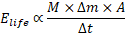
 = organism mass,
 = assimilation rate,
 = metabolic efficiency.

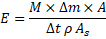
 ), efficiency (
 ), and time (
 ) were compared for humans, animals, plants, fish, and insects. The results reveal consistent patterns in how different life forms translate resource uptake into growth and productivity as shown in Table 1.
 (Low Net Mass Gain)
 (Low Metabolic Efficiency)
 with Minimal Gain (Slow or Delayed Response)
 ) typically indicates inadequate nutrient absorption, disease burden, or chronic psychological and physiological stress. Low metabolic efficiency (
 ) manifests through impaired digestion, enzyme or cofactor deficiencies, hormonal imbalance, or disruptions in gut or liver function that reduce conversion of absorbed nutrients into usable metabolic forms. When long periods (
 ) pass with minimal mass or performance gain, organisms often exhibit traits associated with aging, chronic illness, prolonged starvation, or energy-deficient states. The framework therefore aligns with well-documented physiological and nutritional responses in mammals and other animals.
 ) commonly results from nutrient limitations (e.g., nitrogen, potassium), drought stress, or pathogen infestation that restrict water or nutrient transport. Reduced metabolic efficiency (
 ) corresponds to low photosynthetic efficiency due to suboptimal light, temperature, enzyme inhibition, chlorophyll degradation, or stomatal dysfunction. Extended time periods (
 ) with limited biomass gain are characteristic of senescence, shading, nutrient-poor soils, and other chronic environmental constraints. This demonstrates that the framework captures both photosynthetic and nutrient-use dynamics that govern plant productivity.
 ) may result from low feeding rates, scarcity of prey, or reduced oxygen availability (hypoxia), all of which constrain growth. Low metabolic efficiency (
 ) is typically associated with suboptimal temperature ranges that impair enzyme function, digestion, or aerobic metabolism. When long developmental periods (
 ) occur without sufficient biomass accumulation, species exhibit delayed larval development or extended growth phases under stress. These findings reflect well-known ecological and physiological temperature–oxygen–feeding interactions.
 consistently signals nutritional or environmental stress, regardless of species.
 reflects metabolic inefficiency stemming from biochemical, physiological, or environmental constraints.
 with minimal growth indicates chronic stress, aging, or persistent environmental limitation.
 ), high metabolic efficiency (
 ), and favorable temporal dynamics (
 ) are jointly satisfied.
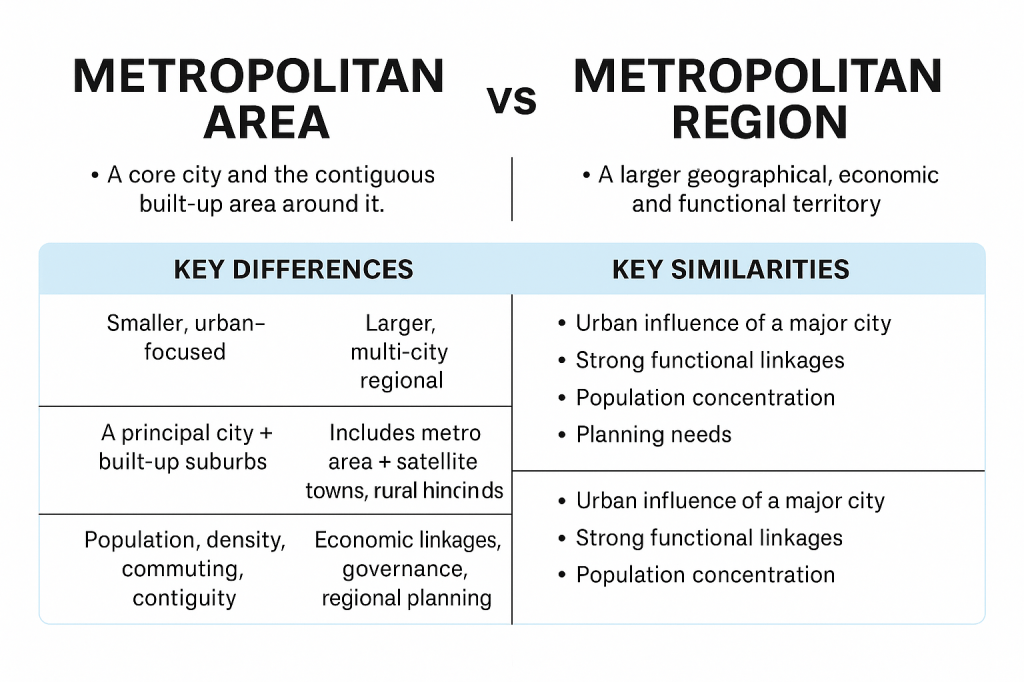
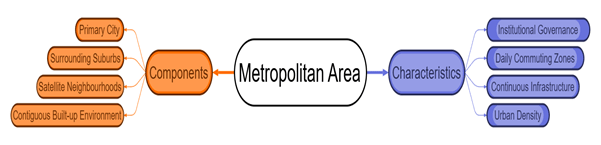















 Eduindex News
You must be logged in to post a comment.