Cyber Security

Cyber Security is the practice of identifying the vulnerabilities and threats associated with digital systems and mitigating these risks. The term “cyber” refers to a nickname for an internet-connected computer or any other device that uses a processor, input/output and networking connections. The common threats include: viruses, worms, trojans and malware. A related term is cyber warfare which is the use of cyber tools in warfare to achieve objectives that would not be possible by using physical means such as bombs or missiles. The role of cyber security professionals is to protect critical systems and information. The main goal of cyber security is to prevent hackers from gaining access to information or using nefarious actions that would put the users’ information at risk.cyber security important because the government, military, law enforcement, and private industry use many critical resources that could be negatively affected by cyber attacks. Many of these systems are financial, such as banks, credit cards, ATMs, stock markets and networks. Government agencies use software to manage the US budget system and the military uses software to track troop movement. Because of these vital uses, cyber attacks could cripple important services or even destroy the country’s financial security.In order for companies to operate securely in today’s technological world they need to implement cyber security protections. These protections include firewall protection, anti-virus programs, encryption codes that keep hackers from easily accessing sensitive data and data backup systems in case any security breach occurs that causes damage to systems or information.

A major concern to cyber security is providing more efficient support to better protect against cyber related activities. This means an organization must have the information available to help identify possible threats including understanding what possible methods hackers may use to gain access, and how the organization can prepare for any potential attacks.
Cyber security is a constantly growing area of study and research. Some of the most recent research being done is focused on cyber security in cyber space. The purpose of this paper will be to analyze if a previous study found in 2012 correctly identified computers within an organization as well as their movement throughout the network. There are two main findings that are sought out which were: 1) how computers move across networks (e.g. LAN, WAN, etc.), and 2) how computers might behave in a network. The assumption is that computers within an organization move between locations (e.g., building or branch offices) and they may change their location(s). Also, the behavior of a computer can be tracked as observed (e.g., its IP address changes from one to another, or its Whois information changes from one domain name service provider to another).

Cyber security offers a variety of career paths depending on the level of experience you have and your area of expertise. You can be an analyst/engineer, network administrator, programmer, or data analyst and many more other positions available depending on your area of interest and experience. Some jobs a required while others are possible as long as it relates to your field in the security field such as computer science or finance. If you’re looking for a career that will pay well, then cyber security is the right choice for you because it’s relatively new and will only continue to grow.


“Security used to be an inconvenience sometimes, but now it’s a necessity all the time.”
Millets: Future Superfood

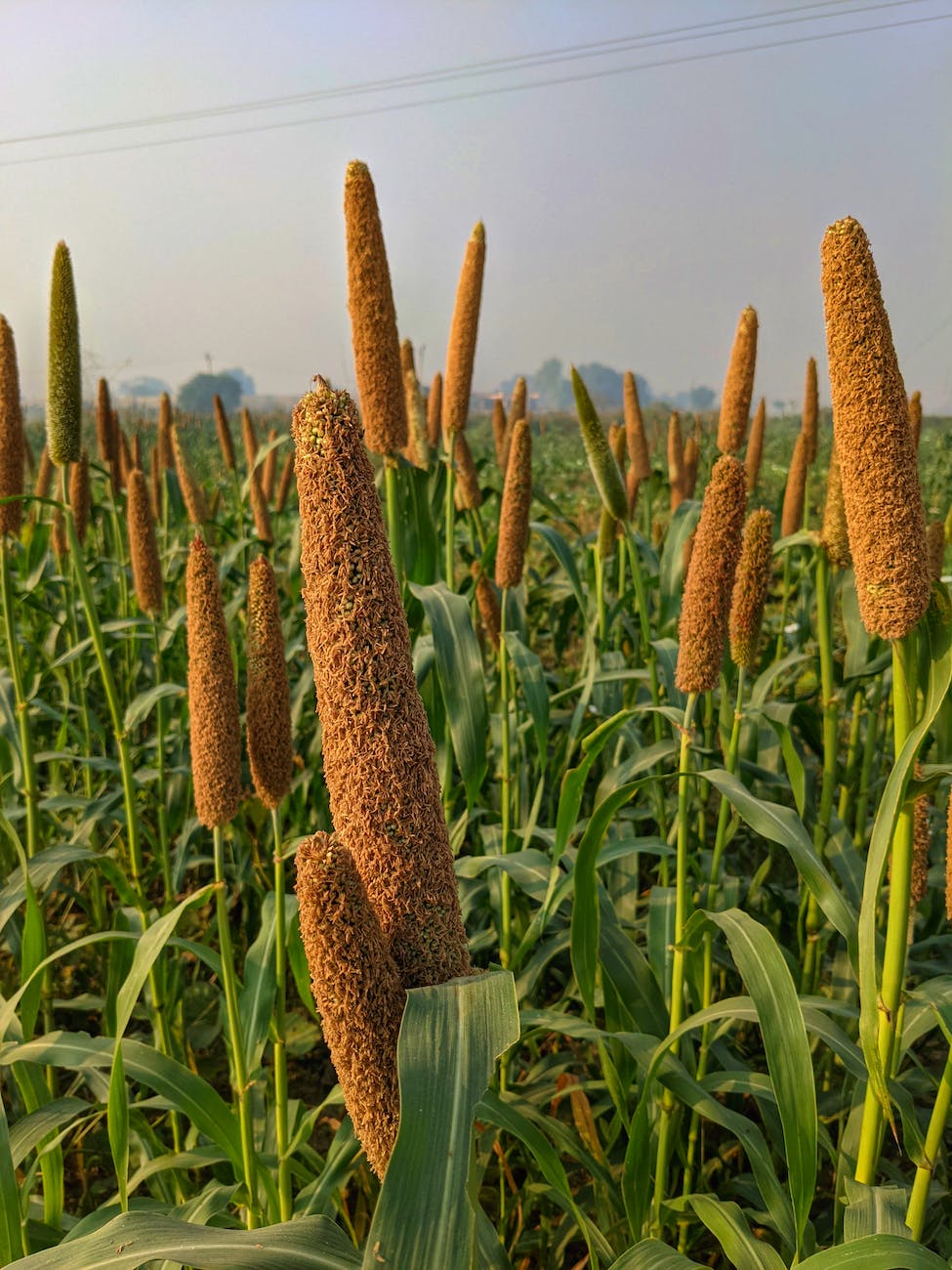
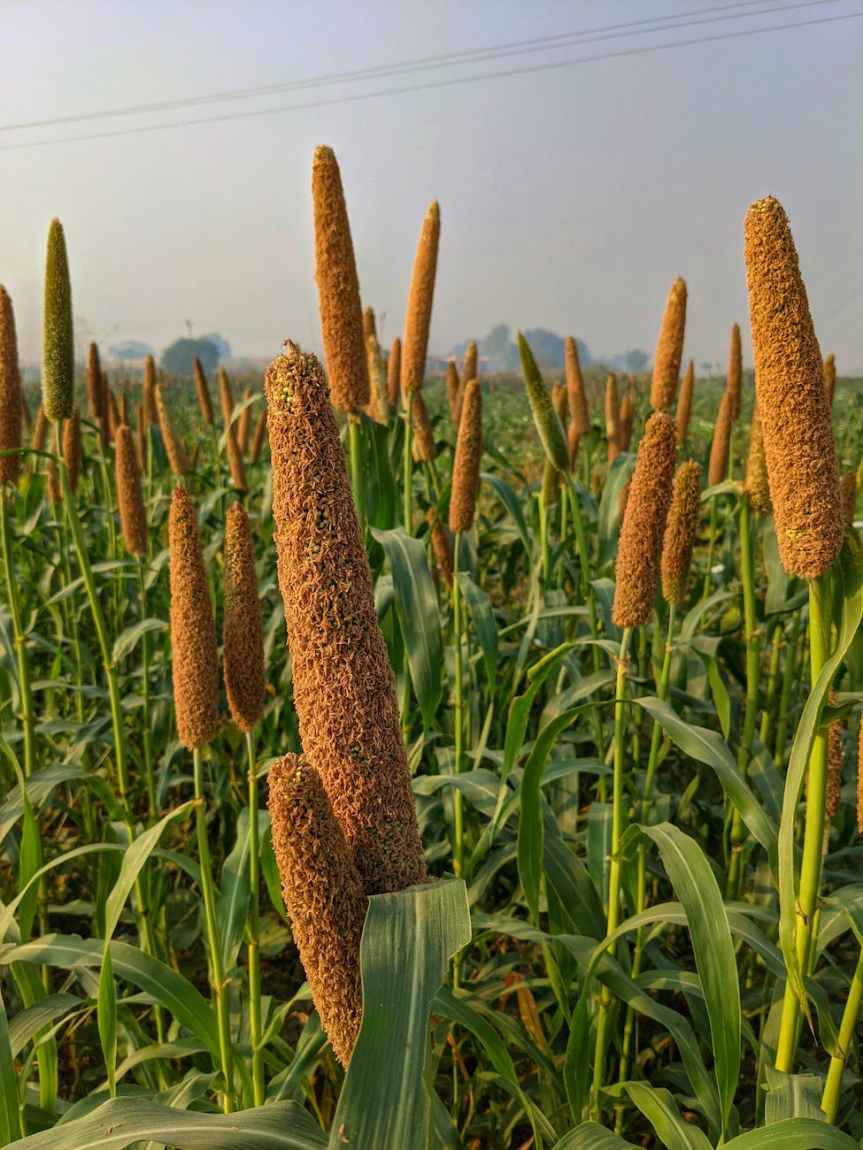
Millets are one of the oldest food known to mankind.These are group of highly variable small-seeded grasses, widely grown around the world as cereal crops or grains for fodder and human food.

Types of millet: Sorghum (jowar), Pearl millet (bajra), Foxtail millet (kangni), Finger millet (ragi), Barnyard millet, Kodo millet, Little Millet, Proso Millet are amongst the healthiest millet grains available.

Nutritional value: They are good sources of proteins, carbohydrates, dietary fibre and essential amino acids.

Millets have 65% carbohydrates, 9% proteins, 3% fat, and 2-7% crude fibre.

They are rich in various vitamins such as vitamin A, C and B-complex vitamins and minerals such as magnesium, manganese, phosphorus and also iron.

Major producers include Rajasthan, Andhra Pradesh, Telangana, Karnataka, Tamil Nadu, Maharashtra, Gujarat and Haryana.

Significance: Release of 13 High Yielding varieties including 4 bio-fortified varieties of millets. declaring 2023 as International Year of Millets (IYOM).

This proposal of India was supported by 72 countries and United Nation’s General Assembly (UNGA) declared 2023 as International Year of Millets on 5th March,2021.

Photo by Deep Malik on Pexels.com

Millets are climate resilient crop as they can be grown in rainfed area and are resistant to climatic stress, pest and disease as well. So it plays major role in sustainable agriculture.

People possess a perception of millet being poor man food but owing to it’s nutritional value it is rich in dietary fibres, amino acid, calcium, zinc, folate and various nutrients. It can even be easily consumed by diabetic people as it possess low glycemic index. Nowadays, being consumed by many more people it helps to provide food security.

They even provide economic security to farmers growing millet in dry, low fertile, rainfed area as it requires less investment and involves less cost of cultivation.

Initiatives are taken by government to promote millet production by farmers as they promote sustainable agriculture as well as generate employment opportunities by promoting value addition of millets.

Achievements of India in the field of Science and Technology

Today India’s achievements are numerous and include a strong Democracy, higher Education, Nuclear power, stunning economic growth and revival of numerous aspects of traditional Wisdom. Owing to the talent and will of the countrymen, we can see that India has reached among the top countries of the world especially in science and technology and various other fields. India has the 44th rank in technology level among the world. Also, India is considered one of the top five countries in space exploration. India has become an important source of creative and fundamental scientific development and in all the perspectives around the world. All great scientific discoveries and technical achievements have improved the Indian economic situation in our country and have created many new approaches for the new generation to develop a technologically advanced environment.
Much new scientific research and development is possible in the field of mathematics, architecture, chemistry, astronomy, medicine, metallurgy, natural philosophy, physics, agriculture, health care, pharmaceuticals, astrophysics, atomic energy, space technology, application, defence etc.
The introduction of scientific research, ideas and techniques in the field of education has brought a huge change in the new generation at large and has given a variety of new and innovative opportunities to work in their own interests. Modern science in India has made people aware of their constant and hard efforts by scientists. India’s scientist is great, who has made scientific progress of the highest international calibre.
Technical development in any area enhances the economy of any country. In order to improve the power of science and technology in India, the Government of India established the Council of Scientific and Industrial Research in 1942 and the Board of Scientific and Industrial Research in 1940. India has achieved so many achievements in the field of science and technology that every Indian is proud of his country. Let’s know all your achievements in detail.

Atomic clock by ISRO:
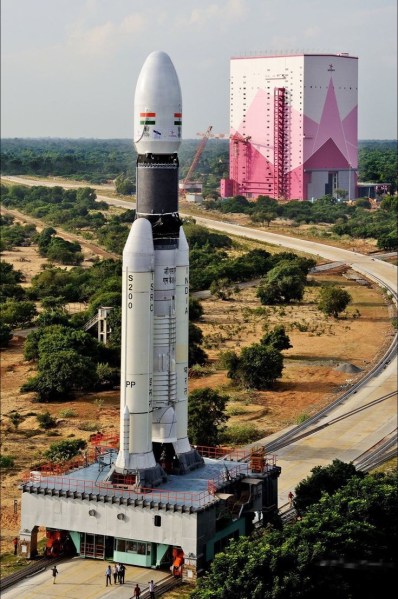
The atomic clock is an amazing technology developed by ISRO and it is used to measure precise location data in navigation satellites. Proudly, ISRO is one of the Few Space organisations in the world, those who have developed this amazing technology.

Mars Orbiter Mission :
Mars orbiter mission is a great success achieved by India in the field of science and technology. India is the only nation in the world to reach Mars in the first attempt. Indian space research organisation (ISRO) launched Mangalyaan on 5 November 2013 and it was placed into mars orbit on 24 September 2014. The cost of the project was 74 million US dollars which are cheaper than anything that others can achieve.

Chandaryaan 2 Mission
The moon landing of Chandrayaan 2’s Vikram lander is also a very special Indian technological achievement for India. Chandrayaan 2 mission marks India’s first lunar exploration mission and ISRO put lots of effort into making this mission a success. With this mission, India has emerged as the fourth country in the world to have hoisted its flag on the lunar surface. This achievement is a matter of great Honour for the nation.

PARAM – India first Super Computer
India’s first-ever super Computer named ‘Param’ is also a great achievement for India in science and technology. Param is designed and assembled by the Centre for the development of advanced computing in Pune. Today there are 11 supercomputers in India and they are used in the development of nuclear weapons and space programmes.

Even though India has only 140 researchers per 10 lakh population this has never been a shortcoming in the development of Science and Technology. We Indians must feel proud of our technological advancements and try to utilise them in the best manner possible.


Achievements of India in the field of Science and Technology 

-Dr APJ Abdul Kalam.

India and its neighborhood- relations

India shares geographical boundary with eight countries namely Pakistan, Afghanistan, China, Nepal, Bhutan, Bangladesh and Sri Lanka. Since the inception of our foreign policy, India has aimed at building trust with its neighbors. It aims at peaceful friendly relations and mutual economic development by enhanced trade and investments.

•Pakistan: Improving relations with Pakistan has been among top priorities in Indian foreign policy. After the visit of Pakistan former Prime Minister Parvez Musharaff in 2004, there has been a vacuum in our talks. It seems that radical groups in Pakistan took undue advantage of this vacuum and consequently there has been increased reports of cross-border terrorism activities. 26/11 attack is an unwashable strain on the fabric of friendship between India and Pakistan. But as it is said that ‘time heals all wounds’. The recently elected Narendra Modi led National Democratic alliance government’s attitude is worth appreciation. Indian Prime minister invited his Pakistani counterpart in his swearing in ceremony in New Delhi. This is a clear indication that both Nations are willing to take their relations on newer heights. In this aspect changed outlook India should try to adopt a sustainable foreign policy towards Pakistan. Smaller initiatives like Indo-Pak trade fair at Jalandhar, Punjab (India) needs to be encouraged. Healthy trade relations will help both sides equally.

•Nepal: Since the birth of democratic institution in Nepal, India has increasingly tried to have good relations with Nepal. Currently a joint hydro power project is being built on Sharda River. This power plant is thought to mutually help both India and Nepal with respect to electricity production and irrigation facilities. From the environmental perspective, there are a number of Tiger reserves along Indo-Nepal border. Both countries have identified their importance and are helping each other to sustain the existing ones and creating new ones. •China: China being manufacturing hub of world, is strategically very important to India. In fact China has become a role model for development. India needs to build strong trade relations with China. Increasing Foreign Direct Investment caps in various sectors has been one such step of India to invite investors from abroad.Apart from these bilateral relations, India has been active on various other forums as well which provides for greater engagement with its neighbors. For example India has been one of the pioneering advocate of TAPI (Turkmenistan, Afghanistan, Pakistan and India). This project aimed at bringing gas from Gulf countries and distribute it in TAPI countries.

India is an active member in BRICS (Brazil, Russia, India China and South Africa). BRICS is emerging a one of the significant union in world. BRICS nations represent 40 per cent of world population and has approximately sixteen trillion dollars as its Nominal Gross Domestic Product (GDP). BRICS nation contributes around eighteen per cent of world economy. The recent BRICS summit held at Brazil in July 2014.
One of the German intellectual has rightly said that ‘For economic development of a nation, peace with its neighbors is a pre-requisite’. India not only recognizes this statement but also conforms to it. Going by the mood of current Indian government in India, Union government too knows the importance of its neighbors. If India wants to be a super-power then maintaining friendly relations with its neighbors is a first step of ladder in this direction.


India has always wanted friendly ties with its neighbours, there can be no debate around it. We want to live in harmony and peace.

-Narendra Modi

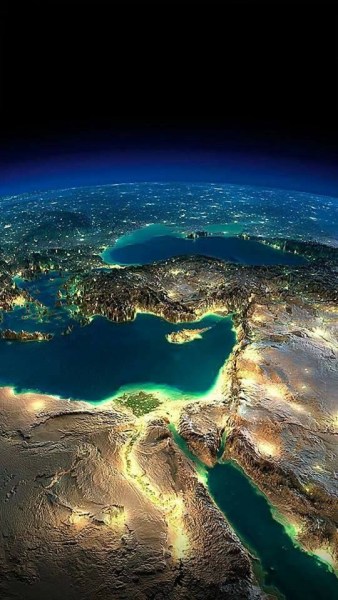
Physical Geography

Physical geography is one of the two branches of geography viz., physical geography and human ge­ography. In fact, the study of physical aspects of the earth represents the core of spatial science i.e., geogra­phy. Most of geographers have pleaded for bifurcation of geography into physical and human geography but it is rather unwise to ignore biotic aspect of the biospheric ecosystem of the earth and hence there should be trifurcation of geography into physical ge­ography, human geography and biogeographyPhysi­cal geography in terms of its meaning and definition, scope (subject matter) and methods of study has under­gone sea-change in the past few decades. In the begin­ning, physical geography was defined as the study of only physical environment (namely reliefs, air and water) of the earth e.g., ‘the study of physical environ­ment by itself is physical geography which includes consideration of surface relief of the globe (geomorphology), of the seas and the oceans (ocea­nography) and of the air (meteorology and climatol­ogy) (Arthur Holmes).

Physical geography was considered as the ag­glomeration of different branches of earth sciences or natural sciences viz., sciences of atmosphere (meteor­ology and climatology); science of seas and oceans (oceanography); science of solid earth (geology); sci­ence of soil (pedology); science of plants (botany) and science of landforms (geomorphology).As a distinct branch of geography physical geography studies the spatial patterns and spatial relationships of environmental components of the globe in regional context, it also studies the causes of regional patterns of such spatial relationships, simultaneously it incorporates the ex­planation of spatial and temporal changes of environ­mental components and causes thereof.The study of features resulting from the interac­tions between endogenetic and exogenetic forces in­volves the discussion of mode of denudational proc­esses (weathering and erosion), hetherto termed as geomorphic processes, their mechanism of operation (machanism of erosion, transportation and deposition by running water-river, groundwater, sea waves, wind, glacier and periglacial agent) and resultant landforms.

The discipline of physical geography has evolved through successive stages of its development in terms of methodology and approaches to study. After taking its birth in the philosophical ideas and reports of ancient thinkers, philosophers and historians of the ancient seats of civilization and culture e.g., Greece, Rome and Egypt, the science of physical environment attained its present status wherein different compo­nents were added from time to time.


Geography is also memory. And loss of physical geography is also loss of narrative memory.

Nanotechnology

Nanotechnology is defined as fabrication of devices with atomic or molecular scale precision. Devices with minimum feature sizes less than 100 nanometers (nm) are considered to be products of nanotechnology. A nanometer is one billionth of a meter (10-9 m) and is the unit of length that is generally most appropriate for describing the size of single molecules.The nanoscale marks the nebulous boundary between the classical and quantum mechanical worlds; thus, realization of nanotechnology promises to bring revolutionary capabilities. Fabrication of nanomachines, nanoelectronics and other nanodevices will undoubtedly solve an enormous amount of the problems faced by mankind today.Nanotechnology is currently in a very infantile stage. However, we now have the ability to organize matter on the atomic scale and there are already numerous products available as a direct result of our rapidly increasing ability to fabricate and characterize feature sizes less than 100 nm. Mirrors that don’t fog, biomimetic paint with a contact angle near 180°, gene chips and fat soluble vitamins in aqueous beverages are some of the first manifestations of nanotechnology. However, immenant breakthroughs in computer science and medicine will be where the real potential of nanotechnology will first be achieved.

Nanoscience is an interdisciplinary field that seeks to bring about mature nanotechnology. Focusing on the nanoscale intersection of fields such as physics, biology, engineering, chemistry, computer science and more, nanoscience is rapidly expanding. Nanotechnology centers are popping up around the world as more funding is provided and nanotechnology market share increases. The rapid progress is apparent by the increasing appearance of the prefix “nano” in scientific journals and the news. Thus, as we increase our ability to fabricate computer chips with smaller features and improve our ability to cure disease at the molecular level, nanotechnology is herestorage (or other uses) is enormous. As first described in a lecture titled, ‘There’s Plenty of Room at the Bottom’ in 1959 by Richard P. Feynman, there is nothing besides our clumsy size that keeps us from using this space. In his time, it was not possible for us to manipulate single atoms or molecules because they were far too small for our tools. Thus, his
speech was completely theoretical and seemingly fantastic. He described how the laws of physics do not limit our ability to manipulate single atoms and molecules. Instead, it was our lack of the appropriate methods for doing so. However, he correctly predicted that the time would come in which atomically precise manipulation of matter would inevitably arrive.Nanomachines can also be incorporated into various materials to make those materials respond to their environment, or to outside commands. Examples of such materials would be “smart” fabrics that respond to the environment to become warmer or cooler, or walls and furniture that can move or change shape on command. Nanomachines could also be used as tools both in industry and by consumers. Such tools could cut apart or glue together material far more efficiently than anything large-scale that is used today. Nanomachines could also repair cars, furniture, applicances, or almost anything else quickly and efficiently. Or these objects could be designed with nanomachines to repair themselves should the need arise. Life would be greatly simplified by relieving people of the need to repair objects at home or at work.


In thinking about nanotecnolog today, what’s most important is understanding where it leads, what nanotechnology will look like after we reach the assembler breakthrough.

-K. Eric Drexler

Agriculture

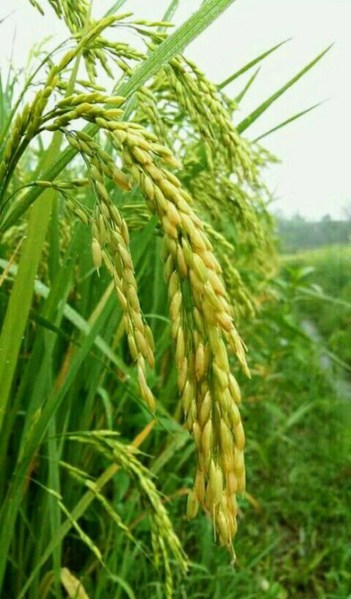
The word “Agriculture” has no rigid definition. It has been explained by many people very comprehensively. Agriculture has been defined as the science and art of cultivating the soil, and this definition emphasizes the primary nature of plant production in agriculture.Moreover, it is so frequent that the same person performs both the primary functions of growing plants and the secondary one of feeding the plants to livestock that these two industries are grouped together as agriculture. Therefore, it may be said that agriculture includes not only the production of crops by the cultivation of the soil, but also the rearing of livestock.
Thus, milk, meat and wool are as much agricultural products as are wheat, rice and cotton. In the words of George O’Brien, therefore, the word agriculture includes, “every industry which aims at producing vegetables or animals by the cultivation of the soil.”So, agriculture is the business of raising products from the land. The products raised may either be plants and their products or animals and their products. The former are the direct products while the latter are the indirect products of the land. Agricultural products are complex and diverse, in nature, and as such, agriculture may be regarded as complex industry.Modern agriculture is such broader in scope than merely the art and science of cultivating the land. It is the whole business of supplying food and fiber for a growing population at home and abroad. Again in agriculture we include all forms of soil production, from forestry to glass-house culture, from fishery to artificial insemination, and from breeding to horticulture.

Primi­tive men must have begun as food gatherers, eating whatever fruits, leaves and roots they could obtain. Nature must have been bountiful in those days when human numbers were so small and wild plants grew everywhere. As time passed and human numbers grew, fishing and hunting became increasingly im­portant in supplementing what was lacking in the field, and an endless search for food ensued.It was soon realized that some form of food pro­duction was necessary if men were to live long and secure. Animals were tamed, first to provide meat, milk and skin; later for use as draught animals. Seeds were sown in ploughed fields, carefully tended and harvested when the time came.Men were then able to live in settled communities. Because they were no longer continually moving they had time to develop the various arts, crafts and skills that formed the basis of modern industries and also evolved religious and political ideas. Without a settled agriculture, a meas­urable degree of civilization is not possible.


Agriculture
is not farming
it’s feeding

Demography

Demography is the study of human population dynamics. Population is shaped by a number of factors including fertility, mortality, migration and urbanization. Significant demographic changes have been shown in many parts of the world. The world population growth has been decelerating since 1970s. Fertility rates in more developed countries (MDCs) have been showing a declining trend, whereas an increasing one in the less developed countries (LDCs). Mortality rates have gone down in both MDCs and LDCs due to medical advancement. Consequently, the population of the countries with low fertility rates aged more quickly, and the world population growth will be concentrated in those developing countries where fertility rates remain high. Uneven population growth among nations accelerated the migration of people across nation borders and the growth of cities. The changes of these interrelated factors with their causes and problems of each of the factors will be discussed, followed by some possible plans and opportunities that may benefit from these changes.Human birth rate (natality) is the fertility expressed as the average number of live births per thousand populations per year. Since not all age groups in a population have equal fertility, demographers often use more specialized measures of birth rates that relate to age groups.Human mortality rate is the average number of individuals who die per thousand populations per year.

Again, demographers often use more sensitive measures, for different mortality rates. Both the very young and the very old segments of the population have higher mortality rates than are found in other age groups.Human population shows uneven or clumping pattern of distri­bution on earth. The density of human population in a village, district, city, province, country or any area can be obtained by di­viding the total number of persons living in the given region by the total land area of that region.The average number of people per square unit of land area tells us how dense or sparse is the popu­lation in a giver, area. The average population density of the world is calculated about 27 persons per square kilometre.insurance agents to determine life insurance rates.

These early demographic studies were mostly concerned with mortality. However, in the 19th century, studies showed that there was a decline in the number of births, and researchers began to study fertility as well as mortality. These studies led to the idea of “differential fertility.” Differential fertility suggests that different groups within a population have different numbers of children due to factors, such as religion, cultural attitudes, poverty, and employment. Migration of people is the last main factor in demographic studies. It is these three variables (mortality, fertility, and migration) that contribute to population change.Demographers gather data mainly through government censuses and government registries of births and deaths. However, these sources can be inaccurate depending on the precision of government records. Demographers also gather data indirectly through surveying smaller groups within a population. These samples are then examined using statistical models to draw conclusions about the whole population.


Demography is changing us as we are older societies, we’re living longer. How the generations balance each other out, how that affects education and health care.

Apiculture: Art of Bee rearing 🐝

Apiculture Or beekeeping refers to the rearing , caring, and management of honeybees to obtain honey ,wax ,pollen ,royal jelly etc. and other useful substance.

In apiculture, an area is selected for the commercial maintenance of bees in artificial beehives, and such areas are called apiaries. Nectar is collected by honey bees naturally from flowers and stored in their hives. Beehives are a source of wax, which is used in a variety of medicinal preparations in addition to honey.

Types of honeybee in hive include queen bee, drone and worker bee. Queen bee is the mother of colony . She lays eggs out of which drone emerge from unfertilized egg and worker bee and queen bee emerge from fertilized egg. Drones are young male to fertilize young queen. Worker bee are female but are sterile, they are involved in indoor activities, scavenger and nurse bees.

The various species used for honeybee rearing are as follows:1.Apis cerana indica (Indian bee) 2. Apis dorsata (Rock bee) 3. Apis florea (Little bee) 4. Apis mellifera ( Italian bee).

Among there Apis mellifera is mostly used because of gentle nature, good honey collection capacity, prolific queen etc.

The establishment of apiary depends on :Location of apiary, surrounding flora and nectar collecting flower, varities of honey bee used in rearing.

Importance :

Honey is found to be quite useful in the treatment of various disorders of humans related to digestion, dysentery, vomiting and stomach or liver ailments.

Honey is considered as a blood purifier, a cure against cough and cold, sore throat, ulcers of the tongue, stomach and intestine.

Bee wax is used in cosmetics, creams and ointments.

Royal jelly is taken as an invigorating tonic.

Propolis is a health supplement with antibiotic properties.

Bee venom is employed as a cure for rheumatism, arthritis and certain central nervous system diseases.

Pollination depends on honeybees leading to an increase in the yield .

Overall bee rearing helps in maintaining the ecological balance .

Linkages between development and spread of extremism

In Indian scenario, extremism activities are increasing rapidly. The scale of the extremists operations is massive and consequently these activities have perilous impact on nation’s social, economic and political development.Many scholars explained the notion of extremism as any ideology considered to be far outside the normal attitudes of society or to interrupt common moral standards. It is usually constructed with moderation or extremists with moderates. Various political writers signified that extremism also has numerous strands starting from just holding to one’s ideas and values on one end of the continuum and use of violent means for nuisance on the other end. Thus, extremism is considered as a complex phenomenon.

Natural Calamities: During the last decade of the 19th century, affliction of people was filled to the brim. Famine, plague, earthquake, war and repressions were let loose in the country. From 1896 to 1900 prolonged and catastrophic famines occurred throughout the length and breadth of the land in a bewildering succession. In 1896 bubonic plague broke out in Bombay and took a toll of millions of lives. These natural calamities were accompanied by the intensified exploitation and suppression by the Government. Such devastating conditions led to development of extremist.

Labour, Unemployment and wages:
Another intense issue that spreads extremism is joblessness which creates insecurity of living. People may develop dissatisfaction and anger both in urban and rural areas. In allocation of government jobs, there has been shown some favouritism and this activity leads to dissatisfaction among youth as they are being ignored.

Policing:Improper policies and their ineffective implementation may result in extremist activities among weaker sections of society. It is very necessary that government must consider poor people when devising policies for economic growth of country. These policies must be well-organized and unprejudiced which reveal good administration .Weaker section of people does not have much confidence in police. People have no faith that justice will be done to them against the powerful person in the society. Such impression about government officials develops extremist thoughts among poorer section of society.

Process of getting Justice:
When lower section of society is struggling with various issues related to survival or employment and their conflicts and disputes are not settled in time, frustration among people in society develops. Presently, judicial system of India is very time consuming and disputes are not settled in short time. The parties to the dispute lose control over even the terms and details of the dispute once it goes to the court. These factors create extremist feelings among sufferers.


Extremism in the defense of liberty is no vice. And moderation in the pursuit of justice is no virtue.

-Barry Goldwater

Anthropology

Anthropology is the systematic study of humanity, with the goal of understanding our evolutionary origins, our distinctiveness as a species, and the great diversity in our forms of social existence across the world and through time. The focus of Anthropology is on understanding both our shared humanity and diversity, and engaging with diverse ways of being in the world.

Throughout its existence as an academic discipline, anthropology has been located at the intersection of natural science and humanities. The biological evolution of Homo sapiens and the evolution of the capacity for culture that distinguishes humans from all other species are indistinguishable from one another. While the evolution of the human species is a biological development like the processes that gave rise to the other species, the historical appearance of the capacity for culture initiates a qualitative departure from other forms of adaptation, based on an extraordinarily variable creativity not directly linked to survival and ecological adaptation. The historical patterns and processes associated with culture as a medium for growth and change, and the diversification and convergence of cultures through history, are thus major foci of anthropological research

In the middle of the 20th century, the distinct fields of research that separated anthropologists into specialties were physical anthropology, emphasizing the biological process and endowment that distinguishes Homo sapiens from other species, archaeology, based on the physical remnants of past cultures and former conditions of contemporary cultures, usually found buried in the earth, linguistic anthropology, emphasizing the unique human capacity to communicate through articulate speech and the diverse languages of humankind, and social and/or cultural anthropology, emphasizing the cultural systems that distinguish human societies from one another and the patterns of social organization associated with these systems.


If there were a science of human beings it would be anthropology that aims at understanding the totality of experience through structural context

-William Dilthey

Pharmacology

Pharmacology is the science that deals with drugs. Pharmacology consists of detailed study of drugs, particularly drugs action on living animals, tissues or organs. The action of drugs may be beneficial or harmful. Pharmacology is the science in which we study the response of living animals to chemicals or drugs. Pharmacology is defined as the study of the effects of drugs on the structures and metabolism of naturaltissue.Pharmacology can be defined as the study of the manner in which the functions of living system is affected or influenced by chemicals.This subject deals with the properties and effects of drugs and in broad sense, it can be defined as the study of interactions between chemical substances and biological systems. While defining in broad sense, it includes the knowledge of the history, source, physical and chemical properties, compounding, bio-chemical and physiological effects, mechanism of action, absorption, distribution, metabolism, excretion and therapeutic and other effects of drugs.

Homosapiens being the intelligent most among the species evolved, based on the principles of “necessity” and “trial” could observe effectiveness of many plants in relief for his pains and sufferings. The primitive (early) history of the causative agents of diseases included wrong Gods, spirits witches and other evil influences.
The form of therapy was incantation, prayer and ceremony designed to appease the evil agents of the diseases. They were using sacrifice of animals, individuals and prayers.The tribal leaders were known as medicine men or the expert or witch doctors (Ojha), were very powerful men and leader in such all ceremonies. In addition, they had knowledge about certain plants and animal products to be used in the treatment of certain diseases. The first treatise on medicine was undoubtedly the Ayurveda in India and that is at least 500 years ahead of the Greek Medicine.The medical literature was related to metaphysics, hypnotism etc. and belief in supernatural agencies as the cause and cure of diseases. Thus, in India, this was originally a part of the fourth Veda called the Atharva Veda. The real father of Indian Medicine was Atrya with his distinguished disciples-Agnivesha, Bhala, Jatukarana, parasara, Harita and Ksharapani.Works of Bhala and Harita are still available in fragments and those of Agnivesha were edited by Charaka which stand unsurpassed as a standard and authoritative book on Ayurveda even to day, other works are yet untraced. The next outstanding personality in Indian medicine was Susrutha whose works stand second to Charaka (a surgeon). He mentioned many instruments and techniques.

Started with Oswald Schmiedeberg (1838-1921). He was excellent teacher of Pharmacology and attracted many persons to study this subject. Like other experimental sciences, Pharmacology, too, is highly dependent upon development in other branches of science.Spectacular developments in physiology, biochemistry, organic chemistry and molecular biology have greatly contributed in advancement of pharmacology. Conversion of the old pharmacology into modern pharmacology is fairly recent and probably started taking shape following introduction of experimental procedures in animals by Francois Megendie (1783-1855) and Claude Bernard (1813-1978).Oswald Schmiedeberg (1838-1921) introduced the technique of per-fusing isolated organs and study the effects of drugs on them. Abel, Cushny, Gottlieb and a galaxy of his other students popularized the expertise in their respective, countries. Thus Oswald become popular as ‘Father of modern Pharmacology’.


Pharmacology is benefited by the prepared mind. You need to know what you are looking for.

Psychology

Psychology has become a very important and popular subject today. It deals with many problems of everyday life. Psychology helps us to understand the behaviour of people around us, to find out why they behave differently and what forces are responsible to make them so different from others.It tries to explain wide array of factors involved in what we human beings do. The principles explained by psychology give us a rational basis of understanding of what we and others do. Psychology has been defined in many ways. In ancient days people were analysing the behavioural aspects on the basis of philosophy. They believed that there is a soul in every individual and this is responsible for all our activities.
This view led to the opinion that the subject matter of psychology must be the study of soul. But this definition could not answer the questions regarding the existence of soul and its accessibility for study. This condition led to a new definition by Greek philosophers who defined psychology as a ‘science of mind’. But this definition was also rejected on the same grounds as soul was rejected.

Gradually, as a result of the development of scientific outlook people started thinking on scientific basis and began to define psychology as a science of behaviour. Finally, it is JB Watson (1913) defined psychology as a science of behaviour of human as well as animal beings.Today this is the most accepted definition. In this definition the term behaviour includes the cognitive activities like thinking, reasoning, intelligence, imagining, memory, etc., co-native activities like walking, dancing, fighting, attacking and other action tendencies and also the affective activities like feeling, joy, happiness, sympathy, anger, jealousy, etc. in a person. This definition also includes the behaviour not only of human beings and animals, but also all living organisms and their mental processes.

Psychologists do experiments and make observations which others can repeat; they obtain data often in the form of quantitative measurements which others can verify. Like any other positive science psychology is also systematic in its approach. Measurement in psychology is often more difficult of course, than it is in other sciences.However, psychologists have devised many ingenious tests to assign numbers to data. Psychology is following all the principles of science like principles of behaviour,objective experimentation, analysis of data and behaviour, formulation of hypothesis, verification and generalization, etc.As a result of such a scientific approach many theories have been developed to explain the behaviour. Psychology believes in cause and effect relationship in behaviour. It is considered as a behavioural science as it deals with behaviour of the organism.

However, because of its objectivity in analysis of behaviour through experiments, it may be considered as a developing positive science of behaviour.


Psychology has a long past, but only a short history

Horticulture

The science and art of growing, producing, marketing, and utilizing high-value, intensively grown food, and ornamental plants in a sustainable manner is known as Horticulture.Annual and perennial plants, fruits and vegetables, decorative indoor plants, and landscape plants are all examples of horticulture crops.

Horticulture farming also aims to enhance the quality of life, as well as the beauty, sustainability, and recovery of our ecosystem and the human condition.
Horticulture is divided into the cultivation of plants for food (pomology and olericulture) and plants for ornament (floriculture and landscape horticulture). Pomology deals with fruit and nut crops. Olericulture deals with herbaceous plants for the kitchen, including, for example, carrots (edible root), asparagus (edible stem), lettuce (edible leaf), cauliflower (edible flower buds), tomatoes (edible fruit), and peas (edible seed). Floriculture deals with the production of flowers and ornamental plants; generally, cut flowers, pot plants, and greenery. Landscape horticulture is a broad category that includes plants for the landscape, including lawn turf but particularly nursery crops such as shrubs, trees, and vines.

Temperate zones for horticulture cannot be defined exactly by lines of latitude or longitude but are usually regarded as including those areas where frost in winter occurs, even though rarely. Thus, most parts of Europe, North America, and northern Asia are included, though some parts of the United States, such as southern Florida, are considered subtropical. A few parts of the north coast of the Mediterranean and the Mediterranean islands are also subtropical. In the Southern Hemisphere, practically all of New Zealand, a few parts of Australia, and the southern part of South America have temperate climates. For horticultural purposes altitude is also a factor; the lower slopes of great mountain ranges, such as the Himalayas and the Andes, are included. Thus, the temperate zones are very wide and the range of plants that can be grown in them is enormous, probably greater than in either the subtropical or tropical zones. In the temperate zones are the great coniferous and deciduous forests: pine, spruce, fir, most of the cypresses, the deciduous oaks (but excluding many of the evergreen ones), ash, birch, and linden.

There is no sharp line of demarcation between the tropics and the subtropics. Just as many tropical plants can be cultivated in the subtropics, so also many subtropical and even temperate plants can be grown satisfactorily in the tropics. Elevation is a determining factor. For example, the scarlet runner bean, a common plant in temperate regions, grows, flowers, and develops pods normally on the high slopes of Mount Meru in Africa near the Equator, but it will not set pods in Hong Kong, a subtropical situation a little south of the Tropic of Cancer but at a low elevation.In addition to elevation, another determinant is the annual distribution of rainfall. Plants that grow and flower in the monsoon areas, as in India, will not succeed where the climate is uniformly wet, as in Bougainville in the Solomon Islands. Another factor is the length of day, the number of hours the Sun is above the horizon; some plants flower only if the day is long, but others make their growth during the long days and flower when the day is short. Certain strains of the cosmos plant are so sensitive to light that where the day is always about 12 hours, as near the Equator, they flower when only a few inches high; if grown near the Tropic of Cancer or the Tropic of Capricorn, they attain a height of several feet, if the seeds are sown in the spring, before flowering in the short days of autumn and winter. Poinsettia is a short-day plant that may be seen in flower in Singapore on any day of the year, while in Trinidad it is a blaze of glory only in late December.


The glory of gardening: hands in the dirt, head in the sun, heart with nature.

To nurture a garden is to feed not just on the body, but the soul.

Ramsar Site

Recently, there has been addition of 5 more Indian sites in Ramsar list i.e. three from Tamil Nadu, one from Mizoram and one from Madhya Pradesh. Including these 5 recently added now makes the total of 54 such sites from the country.

Three wetlands in Tamil Nadu — Karikili Bird Sanctuary, Pallikaranai Marsh Reserve Forest and Pichavaram Mangrove ,Pala wetland in Mizoram and Sakhya Sagar in Madhya Pradesh are newly added to Ramsar list.

So, let’s know what is Ramsar site and it’s importance

Ramsar site is the wetland of international importance designated under the Ramsar Convention on Wetlands. These are unique rare wetlands and are rich in biolgical heritage and diversity.

The Ramsar Convention is an international treaty for the conservation and wise use of wetlands. It is named after the Iranian city of Ramsar, on the Caspian Sea, where the treaty was signed on February 2, 1971.

The aim is to develop and maintain an international network of wetlands which are important for the conservation of global biological diversity and for sustaining human life through the maintenance of their ecosystem components.

Wetlands play a crucial role in maintaining many natural cycles and supporting a wide range of biodiversity. They also purify and replenish the water. They serve as a natural sponge against flooding and drought, protect our coastlines and fight climate change.

Through Ramsar Convention we aim to save our wetlands and to conserve them and bring it to wise use efficiently.