Are Tomatoes harmful?

Did you know that tomatoes actually come from the most poisonous family? Does that mean tomatoes…are poisonous? Oh my god! Do I have to change my diet again!?!?( that was weird)

  • History

Tomatoes were first introduced somewhere around the 16th century in the lands of Europe. Sadly,how exactly did they get there is not known. For many years tomatoes were believed to be poisonous due to that flaming red skin and also that the tomato leaves were considered poisonous. It was also believed that witches used these plants to make hallucinogenic pastes( hallucinogenic is basically something which makes you experience hallucinations.Have a great time pronouncing it!!).  But later,they were proved to be harmless,more like beneficial,at least to humans that is…

Photo by Markus Spiske 

  • The Nightshade family

Now,if you’re not confused by what exactly am I trying to say,Congrats! You have a lot more brain cells than I do. Anyways,tomatoes were feared to be poisonous because they come from the Nightshade family. Now what is so bad about the Nightshade family? It’s because the family ( the term ‘family’ means that the plant is classified into the particular group) consists of a plant which can potentially kill someone. A natural poison,the  Atropa belladonna. Belladonna is the most poisonous plant known in the world. You might have heard of this plant in some of the drama series. What makes this family toxic is due to the presence of a drug called atropine in them. Atropine is a drug,which is also used for medications,but it does have some side effects, including the potential to kill you. But… Nightshade also includes plants like brinjals (or eggplants like the cool ones call it), potatoes etc. But fortunately,these plants do not have atropine in them. At least not the quantity which would be needed to kill you. But..what if it develops over time and then kills me? No. Our digestive system is so strong that it can dissolve an iron nail! Because our stomach has the stomach acid which basically is Hydrochloric acid(HCl) and just so you know,some metals dissolve in the hydrochloric acid. So,no there should not be a possibility for that to happen.

The problem is,these plants produce something which is a toxin named solanine. They produce it to work as their defence system which is an alkaloid(alkaloid is basically a ‘nitrogenous organic compound’ which may or may not have some physical changes on humans. The solanine concentration is the most in the stems and the least or almost non-existent in the roots. Does that mean that the the fruit(tomato) has solanine in them?Yes. But according to a research,it would actually take about 1 pound of tomatoes to be gobbled up to actually have any changes in your human body. This is because,even the fruit has a lot less concentration of solanine in them making them almost harmless. Almost.

Photo by Karolina Grabowska from Pexels

  •  Does that make tomatoes poisonous?

Tomatoes are really healthy if included into your diet,due to their high concentrations in lycopene,which may be beneficial for your body,because it is an antioxidant which helps to reduce one’s hands of cancer and some cardiovascular diseases.

Tomatoes, coming from the Nightshade family were therefore always raised an eyebrow if used in foods. But the plant actually produces a different alkaloid which is tomatine. Tomatine is a lot less toxic than the other alkaloids,so we’re good. However,they may result in some gastrointestinal issues, liver damages etc. If taken in large doses.

But people usually advise that those who are affected by auto -immune diseases should avoid the intake of tomatoes. Again,it depends on the disease and so is strongly advised to be as per  the consultation of your doctor.  Tomato leaves? Yes may be poisonous,but not really. Confusing? Very much so.

Tomatine can be harmful to your pet dog though,but it may be al right unless you feed your pet tomatoes regularly. Pets are not to be given many things,including chocolates and anything which contains any natural drug,it may not be good for domestic animals. Again,it solely depends whether the consumption is regular or not. So are tomatoes harmful? Well,unless you eat 3 pounds of tomatoes everyday, you’re good!

The conclusion? Well,have you ever seen any recipes which include tomato leaves? Nah. Not really. But ya,it would not really kill you, according to a source that is. All natural drugs are harmful only when consumed in large quantities. If you start making assumptions that all drugs are harmful,then be ready to stop eating almost every dish and drink.Including coffee and tea because even they contain caffeine which is again a drug.

The concept of drugs are often misunderstood by people.  Not all drugs are harmful. In fact, drugs actually have two subdivisions to them. One being 1. Legal and 2. Illegal ( don’t you find the word a bit weird with 3 letters literally looking the same but are different…No? ) Anyways, legal drugs are literally present everywhere in our surroundings. Drugs are also used in medications,maybe in the form of  sedatives or actually the main product. One of the most harmful things can actually be useful to us. Which is what makes them even more fascinating. They become harmful when you start obsessing over it due to many reasons,and once started,illegal drugs are not easy to give up on. Yes, everybody has their own reasons,but often what we think to be rational decisions turn out to be irrational. Which is why decisions should always be made with a calm mind!

Fact- Many people are allergic to tomatoes and tomato sauce.(think that’s weird? It’s not) But..what are allergies? Well,that may be a topic for another day, I guess.
Curiosity (science)

• Why do we wake up from sleep?

Sleep is essential to give the brain and nerves some rest. While we sleep, our bodies too, get a chance to recover from the fatigue caused by daily activities. When we are well rested, both physically and mentally, we wake up. Sometimes, we wake up because we feel cold or hungry or because a bad dream has made us afraid.

To sum up, we all have an internal body clock that tells our brain to wake our bodies up after a certain amount of time. However, some things or situations such as noise, temperature in the room or sunshine interrupt our sleep and wake us up too.

• Why doesn’t glue stick to the insides of the bottle?

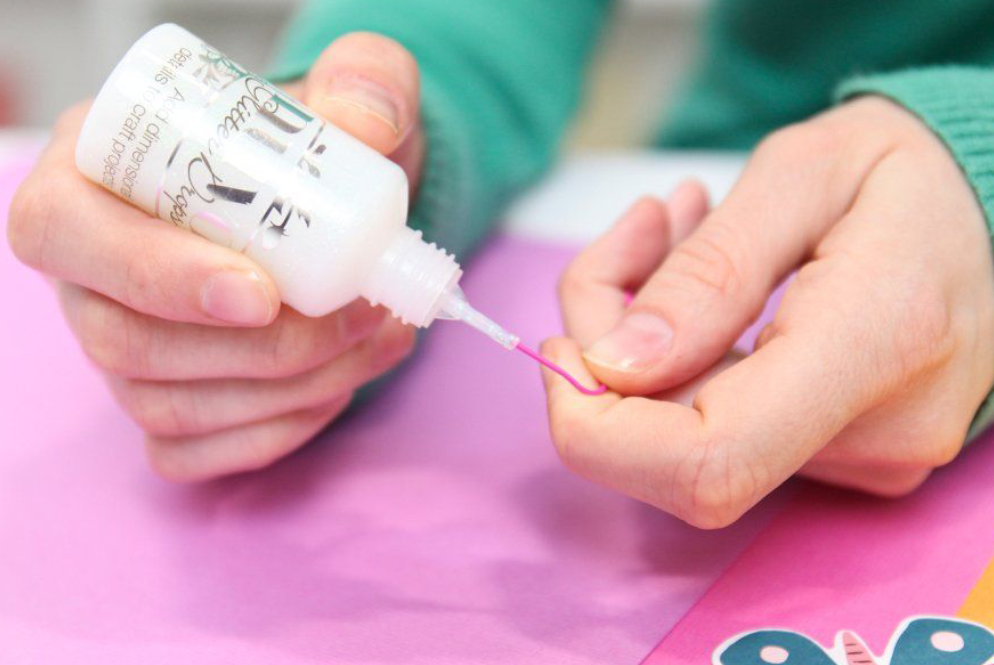
The regular white glue that we use is made up of a variety of chemicals that are either sticky or stretchy. White glue also contains water. Water acts as a solvent that keeps the glue liquid until you want it to stick. When you put glue on a piece of paper, the water in it is exposed to air. The water eventually evaporates and as it does so, the glue dries and hardens and holds the things that need to be glued, stuck together.

When the glue is inside the bottle, there’s not enough air inside the bottle to cause the water to evaporate to make the glue sticky. The bottle protects the glue from the air and keeps the glue runny. This is also why if you’ve ever left the top off a glue bottle for a while, the next time you try to use the glue, it would have dried up.

• Why do the lights of a distant town appear to twinkle?

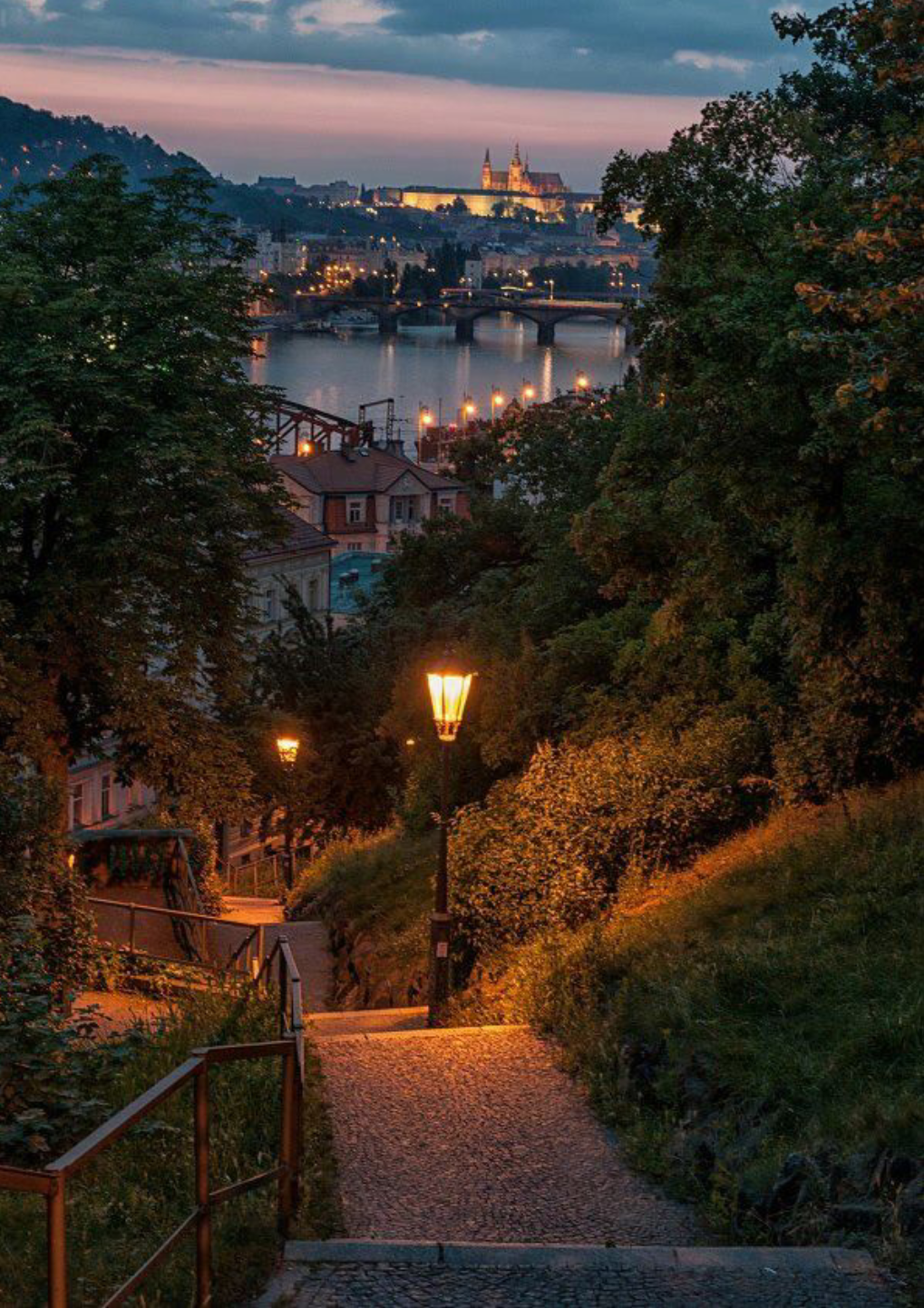
When you are traveling at night, the lights of towns in the distance appear to twinkle. This is because of the constant movement of air above towns. The air above towns is warm, as a result of the heat given off from buildings. Warm air keeps moving up to be replaced by cold air which then gets heated and rises. This constant movement of air is known as turbulence.

When we are near a town or in it, we don’t notice the turbulence because it is quite small and the lights are nearly. However, when we are some distance away, the lights are far away too. They appear as only pinpricks. The warm and cold air that make up the turbulence above the town have different densities and light passing through the layers is bent at different angles because of this difference. As a result it appears as though the lights of the distant town are twinkling.

• Why do clouds have different shapes?

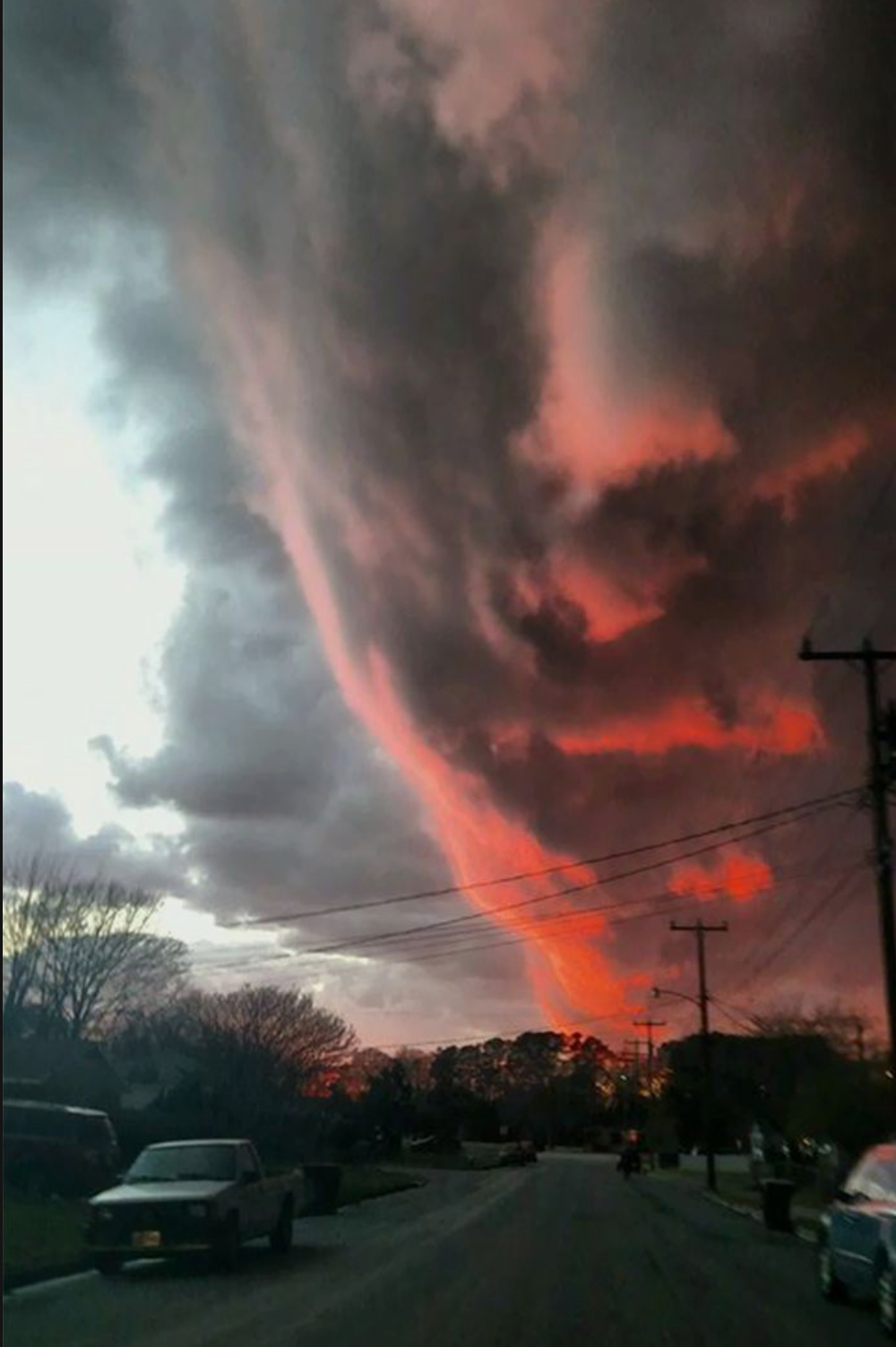
Clouds are made up of tiny droplets of water vapour or ice particles or both. The shape of the cloud depends on its height and temperature. Cumuliform clouds are shaped liked mushrooms and are formed when rising warm air cools as it goes up. Stratiform clouds come in flat, dull layers and are formed when air sinks in a high pressure area, creating a layer of cold air near the ground that doesn’t rise or rises only very slowly. Cirriform clouds are clouds that have risen on a front or tropical cyclone and frozen into ice crystals at very high altitude. They look like thin hair. The shape of cloud also depends on the time of the day.

Towards evening, clouds tend to be thinner and flatter than during daytime. Changes in wind patterns also change the shapes of cloud.

Thank you for reading. Have a nice day!🌼

Curiosity (animals)

• Why don’t woodpeckers get a headache?

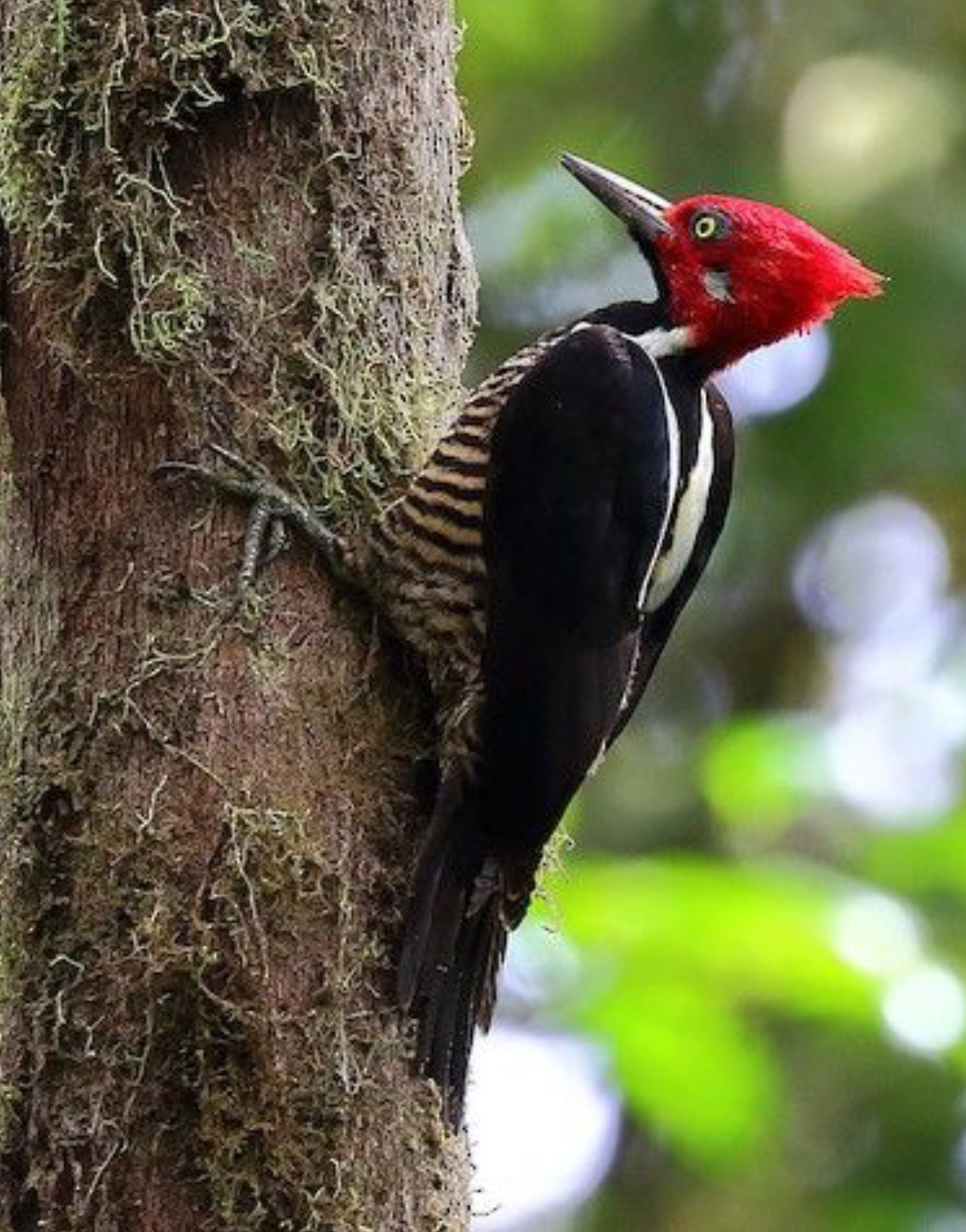
Have you ever seen woodpeckers striking trees with its long beaks? Woodpeckers hit the trees 20 times per second. Yet they don’t get a headache or any other head injury. The reason for thus is that woodpeckers are born with a helmet for the brain, which is formed of strong, thick muscles and sponge like bones in their skull. A woodpecker’s body too is specially designed to absorb the impact of the hit.

A millisecond before a woodpecker’s bill strikes on a tree dense muscles in the neck contract. Some of the force radiates down the neck muscles and protect the skull from a huge impact. A compressible bone in the skull offers a cushion effect too.

• Why aren’t spiders caught in their own webs?

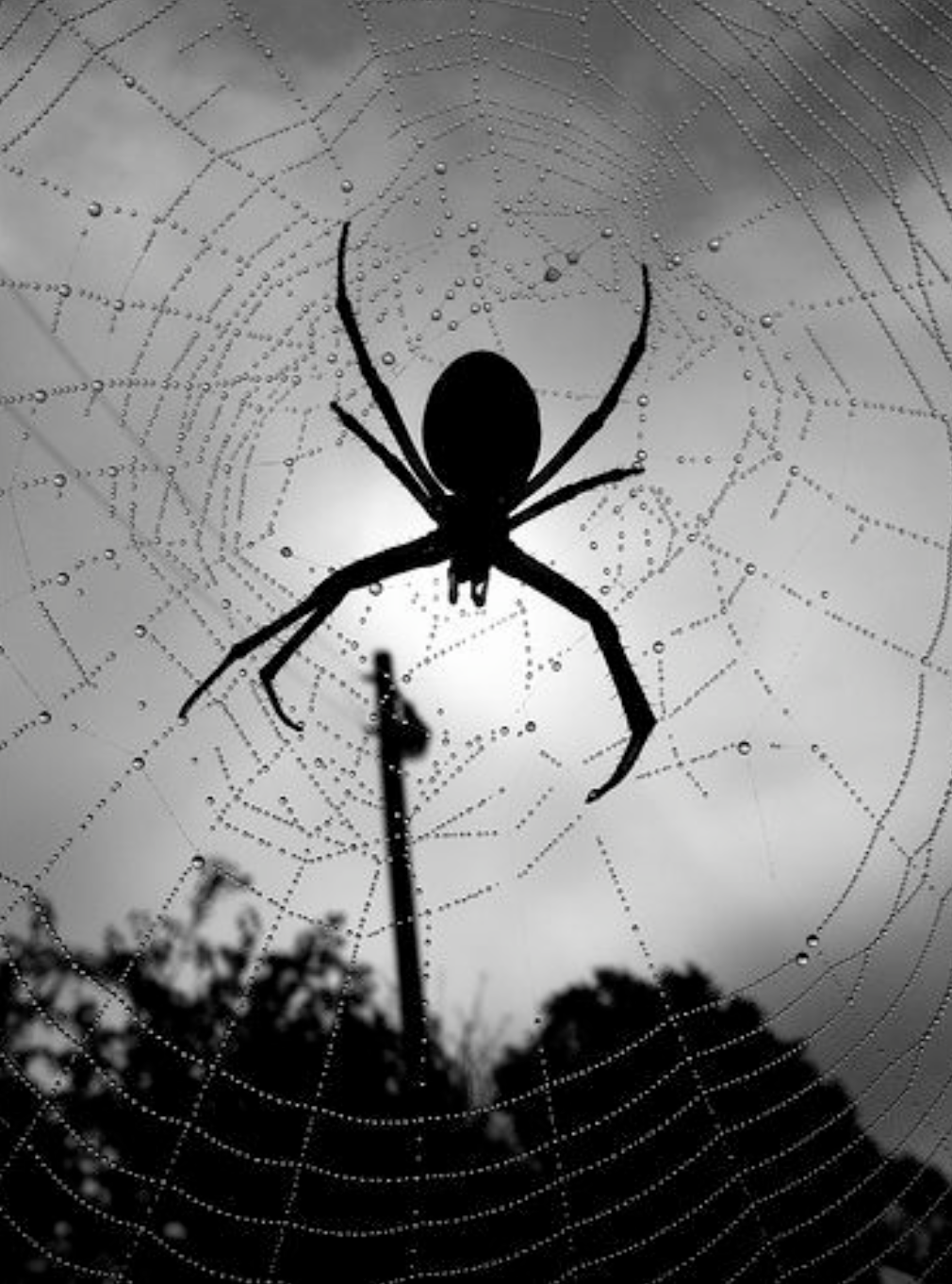
Spiders spin their webs in a circular pattern that is spotted with sticky glue. When an insect brushes against these drops – each thread can carry several dozen per millimetre – it gets stuck and the spider rushes over to inject it with venom or cocoon it in silk. The question of course is how does the spider escape its own glue tracks? The answer lies in the fact is that the web is the spider’s home and it knows its way around the glue traps. There are some threads in the web that have no glue on them and the spider is careful to move only on these threads. It is also believed that spiders use an oily coating on their legs to protect themselves from getting stuck in their own webs!

Colourless rainbow

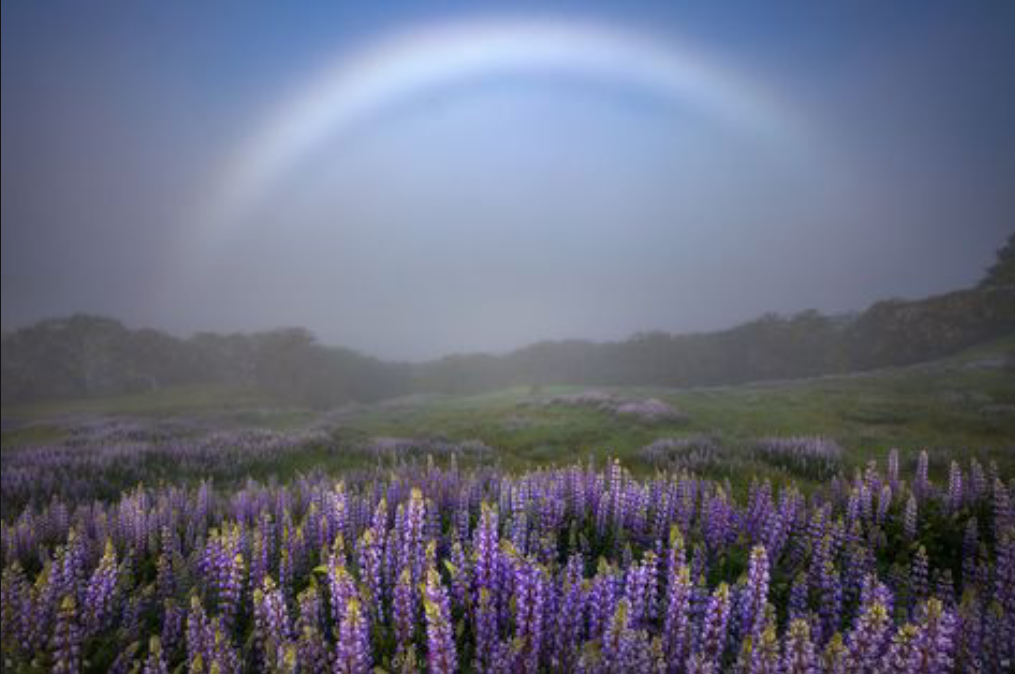
There are some rainbows that are colourless. They are called fogbows and are formed when the sun shines through a fog. The drops of water in the fog are too small to split up light into it’s different colours, so the fogbow is white in colour.

• What do we know about left handed animals?

Most people are right handed, though about one in ten among us is left handed. Animals like chimps, hump back whales and even toads favour one hand, paw, claw or fin over the other. Chimpanzees use both hands with ease, but have a preference for the right hand. Toads also prefer their right side to perform differ functions. Polar bears on the other hand, are left handed.

Some species of parrot such as the sulphur- crested cockatoo are entirely left handed, while others, including the king parrot are mainly right handed. The majority of parrots – including the budgie, galah and rainbow lorikeet use both claws comfortably. Female cats are more inclined to be right handed while male cats favour their left paws. The same is true for dogs. Interestingly, dogs wag their tails to the right when relaxed and to the left when agitated!

Thank you for reading. Have a nice day!🌼

Vaccination and COVID-19

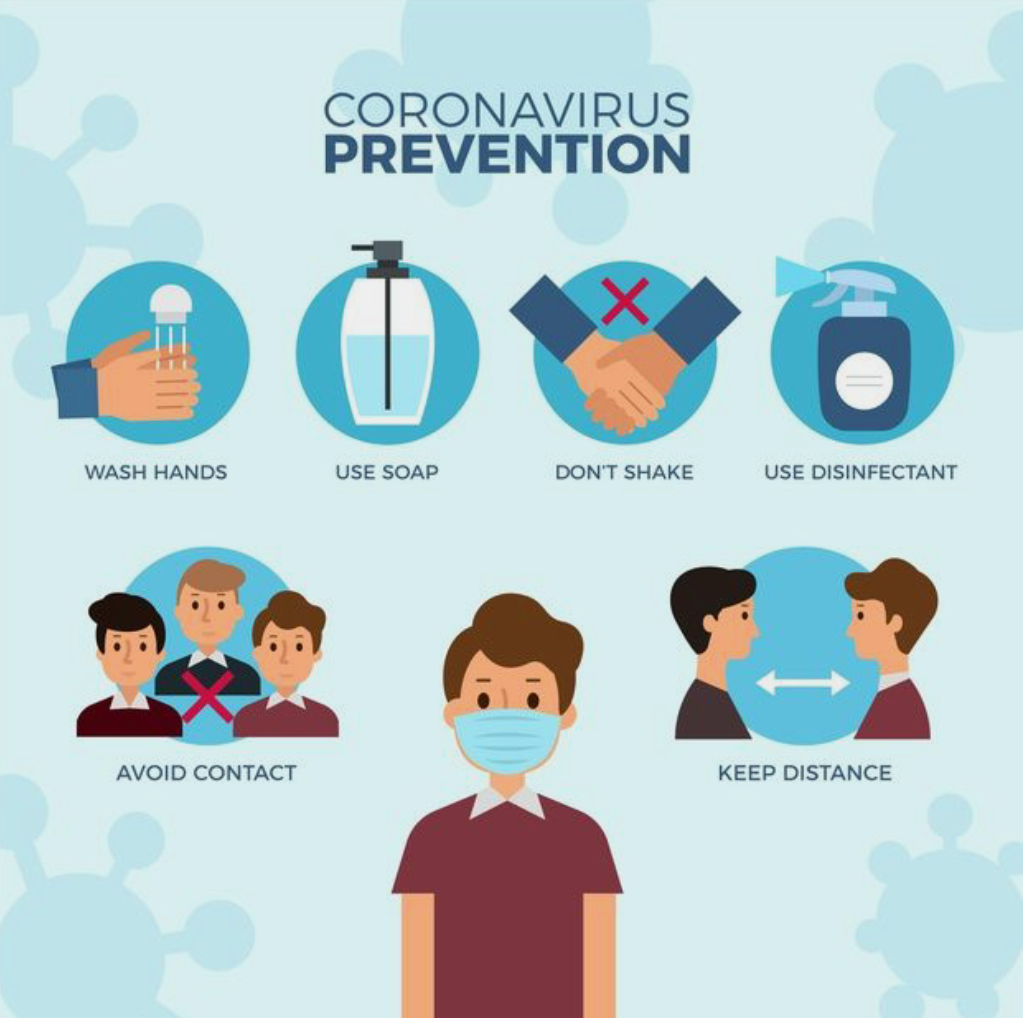
How long has it been since we went to school met our friends or had a family dinner at some restaurant? Since March 2020, we have all been advised to stay home and sanitise ourselves in order to stay safe. Sanitizers and masks have been added to our daily use products, all because of one tiny yet dangerous virus Covid-19!

The world is now waiting anxiously for a vaccine against this dreaded virus. Researchers around the world are working round the clock to develop vaccines to combat the pandemic. Currently, more than 165 vaccines against the corona virus are under process and 27 vaccines are undergoing human trials. Vaccines typically require years of research and testing before reaching the clinic. Today, scientists all over the world are racing to produce a safe and effective vaccine by next year.

When did the efforts start

Efforts to make a successful Covid-19 vaccine began in January 2020 with the deciphering of the SARS-CoV -2 genome. The first vaccine safety trials in humans started in March but the road ahead remains uncertain. Some trials will fail and others may end without a clear result. But a few may succeed in stimulating the immune system to produce effective antibodies against the virus.

• India and vaccine against Covid-19

Like many other countries, India too is immersed in the efforts to develop successful vaccines to counter Covid-19. Thirty different Indian companies are trying to produce a vaccine to fight the infection. 7 out of these have received approval from the World Health Organization. These vaccines are in different stages of testing and clinical trials now.

COVAXIN

COVAXIN is developed by Hyderabad based Bharat Biotech International Limited in collaboration with ICMR and NIV, Pune. This is the first vaccine from India to get regulatory approval. The vaccine makes us an inactive version of a virus to spike up production of antibodies in the host body. It recently initiated Phase I and Phase II of clinical testing.

ZyCoV-D

ZyCoV-D is being developed by Zydus Cadila based in Ahmedabad. The Phase I trials of the vaccine have already begun. Extensive research was done regarding the same in collaboration with medical labs in Europe and US.

• Russia and vaccine against Covid-19

Russia is one of the countries worst affected by Covid-19. The country has been pushing extensively for a Covid-19 vaccine for quite some time now; Russia too is a part of the race to produce the world’s first Covid vaccine. It is possible that Russia would be ready with its first domestic corona virus vaccine soon. The clinical trials were conducted by the Gamaleya National Research centre of Epidemiology and microbiology. There seem to be no reports of side effects on the volunteers. All the participants showed immunity and the country is planning for the serial production of the vaccine by September. By the beginning of next year, Russia hopes to manufacture several million doses of corona virus vaccines per month.

• Oxford University’s efforts to develop a vaccine

The university of Oxford has partnered with AstraZeneca, a British-Swedish pharmaceutical company to develop an adenovirus vector vaccine to combat Covid-19. The vaccine prototype is currently in Phase III of testing. Trials of the vaccine developed by Oxford University show it can trigger an immune response. The vaccine which has so far been found to be safe and effective is expected to be made available for the masses by the end of 2020. This vaccine would also be the first such vaccine to have a large scale testing in India. The observatory data for this vaccine is expected to be available by November this year. The company has tied up with Pune based serum institute of India to mass produce the vaccine once the company gets required approvals and licensing from medical boards.

• Some methods used to make vaccines for Covid-19

Different scientists across the world try different techniques and formulas to develop vaccines. The Oxford researchers have put small sections of the corona virus genetic code into a harmless virus that infects chimpanzees. They appear to have developed a safe virus that looks enough like the corona virus to produce an immune system. Some other scientists have used pieces of raw genetic code, either DNA or RNA. When these are injected into the body it would start producing bits of viral proteins which the immune system can learn to fight. There is also work on corona virus vaccines called ‘plug and play’ vaccines. This method is new and less tested.

Thank you for reading. Have a nice day!🌼

Liquid Nitrogen

Liquid Nitrogen. You might have seen videos of people dumping everyday objects into it,and the videos are pretty fun but,do you think so?

Liquid Nitrogen(LN2)  is a liquid which is odourless,meaning it does not specifically have any smell to it, non flammable,meaning it does not really react with fire like the sanitizers do. How? Sanitizers contain ethanol in it which is a spirit and therefore is highly flammable. Whereas,Liquid Nitrogen is a natural element in a liquid form,and which is why it does not respond to fire.

Whenever exposed to the room temperatures or the environmental temperature,it starts to create a fog. This is because the boiling point of this liquid is extremely low. The rates are around -196°C . This liquid is also used in the preservation of foodstuffs which need to be transferred. Why? Because in low temperatures,microbes are unable to grow.Mostly anyways.So it is used in maybe frozen products,to preserve them for a longer time. This liquid is also being studied for removal of some skin diseases. Many chefs and bartenders use this liquid in ice-creams and other foods. And people get attracted to the fog which it emits .Hence,making a greater profit in the business.Pretty great right? And this liquid is very freely available to the public as well.

Photo by David Disponett from Pexels

In the resort of Mexico in 2013,the organisers made an arrangement to pour some four  cans of the liquid into the pool of the resort for the upcoming pool party. The fog did impress the guests,but then a disaster happened

Suppose you are locked into a room. Let’s say it has suddenly started being filled with Nitrogen(N) gas. What could possibly happen?If roughly explained,the nitrogen simply replaces the oxygen which is present in the atmosphere. Our lungs do not breathe nitrogen now,do they? Wait… aren’t all gases present freely in the atmosphere? What happens is,all the gases are inhaled by your lungs. But your capillaries (through which the transfer of O2 into the Red blood cells is possible) only take oxygen.Right? Not really. Because something called hemoglobin is present in the red blood cells likes Carbon monoxide,even more than oxygen. What is Cabin monoxide(CO)? (CO) is  also a greenhouse gas which is produced by the smoke produced by the cars.The problem with this gas is that it is a half burned gas. So it is extremely harmful for your body and constant inhalation of this gas can result in many chronic issues as well. So ya, your body does inhale all the gas but mostly,only oxygen is inhaled and the rest of the gases along with the Co2 transmitted by the body,the exhalation process is done. Anyways,back to our supposition,when I do this,the nitrogen will slowly start to replace oxygen. Your body,if inhaled nitrogen cannot survive because we are very much aerobic and would only like O2 for respiration. Two things could happen at this point. Either the nitrogen will be inhaled by you which may have some disasterous consequences, and if you do not continue to breathe, eventually you’ll choke to death. Similarly,the pool party with nitrogen must have made the people’s bodies ,to respond to the gas similarly. But nothing major happened,set aside a one person who went into a coma and eight had to be hospitalized. The gas slowly returned to the atmosphere,as it’s boiling point was very low. But would it have been more fatal if the whole pool was just Liquid nitrogen. Of course !!!

The liquid is used to preserve many foodstuffs,what it would basically do is make your nerves freeze and your body would not be able to respond to you. Severe frostbite could be experienced by you. Eventually,you can even die! Now, these are all our speculations,maybe some tests were made,but still it is always advisable to not misuse Liquid Nitrogen with carelessness.In fact,try to be under an adult supervision and a plan B if things turn out to be a mess!

Fact-Some people prefer being preserved with Liquid Nitrogen rather than buried. The process is known as cryogenic freezing. Pretty cool,huh?

World Ozone Day 2020 – Ozone For Life!

There are problems that human beings should not interfere in the environment and this is also true. For our protection, all humans on earth have been placed in the middle of a protective shield which is being contaminated by humans nowadays. People may not know much about the ozone layer, but it acts as a protective shield for the Earth and the Environment and protects it from the sun’s dangerous ultraviolet rays. 

In this era of technology, man is killing everything that is hindering his progress. Similarly, for his comfort and convenience, man is determined to destroy the ozone layer which protects him from the dangerous ultraviolet rays emanating from the sun. The ozone layer that saved our lives has become a threat today due to the industrial activities that have taken place day after day.

What is Ozone after all?

Ozone is a light blue gas that is a compound of three atoms of oxygen (O3). The ozone layer is generally found between 10 km to 50 km above the ground level. This gas acts as a good filter for ultraviolet rays emanating from the Sun.

Danger from damage in ozone layer

The ozone layer is very important which protects us from the sun’s dangerous ultraviolet rays. If the ozone layer is damaged then all skin diseases can occur in humans.
Without the ozone layer, we cannot survive because these rays can cause cancer, damage to crops and threat to marine organisms and the ozone layer protects us from these ultraviolet rays. Another danger is the melting of the poles due to this. There is a large hole in ozone in Antarctica. The Antarctica region has large icebergs. If these icebergs melt, coastal areas can face many hazards, including flooding. Apart from this, heat will also increase, which will be harmful. Damage to the ozone layer also affects biological diversity and can destroy many crops. They have an effect on microorganisms. Apart from this, it also affects small plants in the sea, which can reduce the quantity of fish and other animals. 


History of World Ozone Day

Keeping in mind the importance of the ozone layer, work has been done to protect it from the last decade. But on January 23, 1995, the United Nations General Assembly passed a resolution to celebrate December 16 as International Ozone Day to bring awareness to people all over the world. At that time, the goal was to create an ozone friendly environment by 2010 across the world. Although the target is still far away, the world has done remarkable work in the direction of saving the ozone layer. 

The result of the exercise to protect the ozone layer is that today ozone-friendly fridges, coolers etc. have come in the market. To protect this layer it is necessary that foam mattresses are not used. Use of plastic should be minimized. Room fresheners and chemical perfumes should not be used and ozone-friendly refrigerators, air conditioners should be used only. Apart from this, the design of your house should be done in an ozone-friendly manner, using natural sources for light, air and energy. 

We have got this earth as an inheritance which we also have to give to the coming generation. We should take such a path that not only benefits us but also our upcoming generations can enjoy this very beautiful earth.

The period of Giant Insects.

Many types of insects exist in this world. The approximation being of around 900 thousand species of insects. But can you believe that one of them…..were giants once?

  • Arthropods

The etymology (origin of word) ‘Arthropod’ comes from the Greek words meaning “joint” and “foot”.  These insects elongated to the phylum of Euarthropoda. Okay,enough ofthe scientific explanations. Let’s get to our point. What makes these animals different. Well, these insects breathe through something called the spiracles. Spiracles are holes on the sides of the insects. From the inside,these holes are connected to the trachea holes which make the respiration process of every cell in the organism possible. Arthropods have this kind of breathing system or maybe similar. Alright ,till now we got no problems. But here’s when geology steps out in the frame of reference.

Photo by icon0

( Do observe closely to find the spiracles)

  • Geology

We humans have divided the history into small portions to make it easier and better to understand the concepts. One of the geological period,which was about 298 million years to somewhere around è58 million years. During this time,the atmosphere of our Earth was completely different from that of today.

But….why was it any different at all? Because ,it was a time when microbes were still evolving. The trees looked completely different. Where,the oxygen levels in the atmosphere was around thirty five percent. Yes,it was the Carboniferous Period.

Geologists say that this was the period when a lot of coal beds were formed i.e the fossil fuels. Now, why would have  this  happened? This was because,the microbes at that time did not have the specific enzymes in them to decompose the dead remains. So they stayed and with time,got buried under the layers and layers of soil over them. Now by layers and layers of soil you must’ve understood that this would’ve taken some millions of years. Why? Because,only to produce a single layer of soil,it takes roughly around a thousand years. Layers and layers of soil till they finally were converted into fossil fuels can just be left to our imagination.

 Photo by Alejandro Quintanar from Pexels

(Fossils)

Now ,the Carboniferous period has a lot of study to it. In fact  scientists out there are probably still exploring and discovering new factors and so much more. But we are not particularly that domain of this period,though the period was very interesting and fascinating. We are interested in the the insects of those times.

  • Giants

Were insects all magnanimous and large in that period of time. I hate to ruin it for you,but it was not so. The thing was,it is said the oxygen levels were very large in that period. Why so? Because the planet’s lands were literally green! Set aside the deserts of course. Or were they? 

This caused a lot of production of  oxygen in the atmosphere. Remember-These are all estimations which were discovered through various proofs collected,but the truth still remains a mystery to us!

So when we said about Arthropods,these insects were totally different from what they look like today. This is because nature has always had a crucial law,a law of adaptation. Right? So naturally they were different in 35% oxygen (then) compared to the 21% oxygen(now). As the levels were higher,the respiration ability probably increased as well. The trachea holes became bigger, eventually making the organism bigger as well. This made them have larger body parts and organs. For example,a specific type of dragonfly,actually grew wings of around 40 cm! Now,this might look like a small amount to you but it was pretty unusual and disturbing,that the insects which were around the length of our palm were once actually that to  our arms!

But suppose, what will happen if oxygen levels get increased to 35% today? Do you know how combustion happens? Yes, basically ‘the burning of oxygen’.  For first consequences,forest fires will drastically increase. How do they happen? When two branches rub against a tree,they create friction. Friction is the force which acts opposite to which force we apply. This friction makes fire. This is how campers light a fire through stones. Now that that the Oxygen levels are 35%, even the slightest rub will light a fire and the fire will spread very rapidly through the entire forest due to the same reason. Can you think of any other consequences? If the atmosphere did change into 35% in our future,will we evolve or adapt to the conditions too? List down your possible theories down below

Fact -Why is it that the spider legs never stick to the spider’s legs? This is because the spider legs  have tiny hairs on them. Even if the hairs stick to the webs,the spider can walk further. Also,not every web is sticky. The webs are altered with non sticky webs in which the spider walks on.

Bonus fact- Like liquid nitrogen,liquid oxygen also does exist! It’s just that the melting point of it is so low that it rarely occurs naturally.

What Happens When You Starve yourselves?

Your body needs energy to do anything and everything. But what happens if you do not provide the box with this energy? What consequences would occur?

  • Mechanism

 A human body is immensely active and has a smart system in itself. It has a great ability to adapt itself into the new environment and new conditions. The only condition your body has with you is health and food to eat. We all know that energy can neither be created nor destroyed. It simply gets transferred. Supposing,the same are built so that the turbine spins and through which, electricity and fresh water can be obtained.  Here,mechanical energy has got converted into electrical energy. The electricity then flows to make use for domestic and industrial purposes. The electricity then,is  released in the form of heat energy. So,your body cannot really make energy. It simply converts one type of energy into the other. So unless you intake any eatables,the body does not have any energy. But…..then how do people in the hospitals for a longer period of time? Well,they are given supplements,maybe through the fluids injected into their body regularly. In fact, according to a site, supposing if a person in a condition of coma and cannot move at all. Many ,many things can happen when a person in  a state where he cannot move. First of all,the mechanical equipment, like the central line,the tubes,the cathedral( Yah,confusing to me as well) , these equipment stay at the same place,to inject the fluids. When a substance is left out,infections can commonly occur. These lines or tubes have everything that a microbe needs to grow. Now these same  lines travel  inside the patients body and not every time,it will get killed. The infection can also lead to be fatal and even statistics say that a certain amount of death occurs yearly due to the central lines getting infected. Sure,the environment in sterilized and all,but we are talking about the things which have actually happened in the past and present. Anyway,the point was that the nurses have to constantly clean the teeth of the patients and even gently jerk the hands. Almost every day. (So the next time you see some nurse in the corner,just don’t ignore them cause they are doing an awesome work out there.) But what if you stop eating,let’s say for three weeks?

  • Human fuel.

Some people call  food,the ‘human fuel of energy.’  Food is crucial for growth, development,for the organs in your body to work etc. But most people stay without food for about 6-8 hours sometime. What happens is,your body stores that glucose in the form of something called Glycogen.When you eat foods,your body previously stores this glycogen and when your body needs glucose,it will be provided in the form of this glycogen. But..then why do we faint? Fainting can be observed from many factors,the common one being when the brain does not receive oxygen. Why does it not receive oxygen? Well,many factors can be  taken into consideration,such as 

1. Standing for too much time. 

2. Standing under the sun for too much time.

3. When you do not eat food(but sometimes,the food which you’ve eaten,that food also needs energy to be converted into glucose which again makes you faint.)

After some days,your body moves into the phase of something called Ketosis. Ketosis is when your body produces  something called ketones which  is temporarily used as a fuel. But this is not enough. So the next phase is something very disturbing.Now,the body does not have any carbohydrates, so it sort of cannibalises the fats,the proteins in your body because your brain needs it desperately. But when proteins and fats are used to make glucose,your brain will be satisfied,but your body will be devastated. You’ll develop a bony structure as the body builders (proteins) have been burnt. And if you don’t stop now,it can even lead to death.

Fact- Something similar but less complicated occurs in potatoes. You must have noticed,the potatoes tend to sprout maybe due to humid Linares. How does it grow? It uses all the nutrition inside itself. But the potato will not grow until it obtains N,P,K (nitrogen, phosphorus, potassium)so the sprouting is nothing but wasted

Photo By Pixabay

Story of the two most expensive spices

Saffron

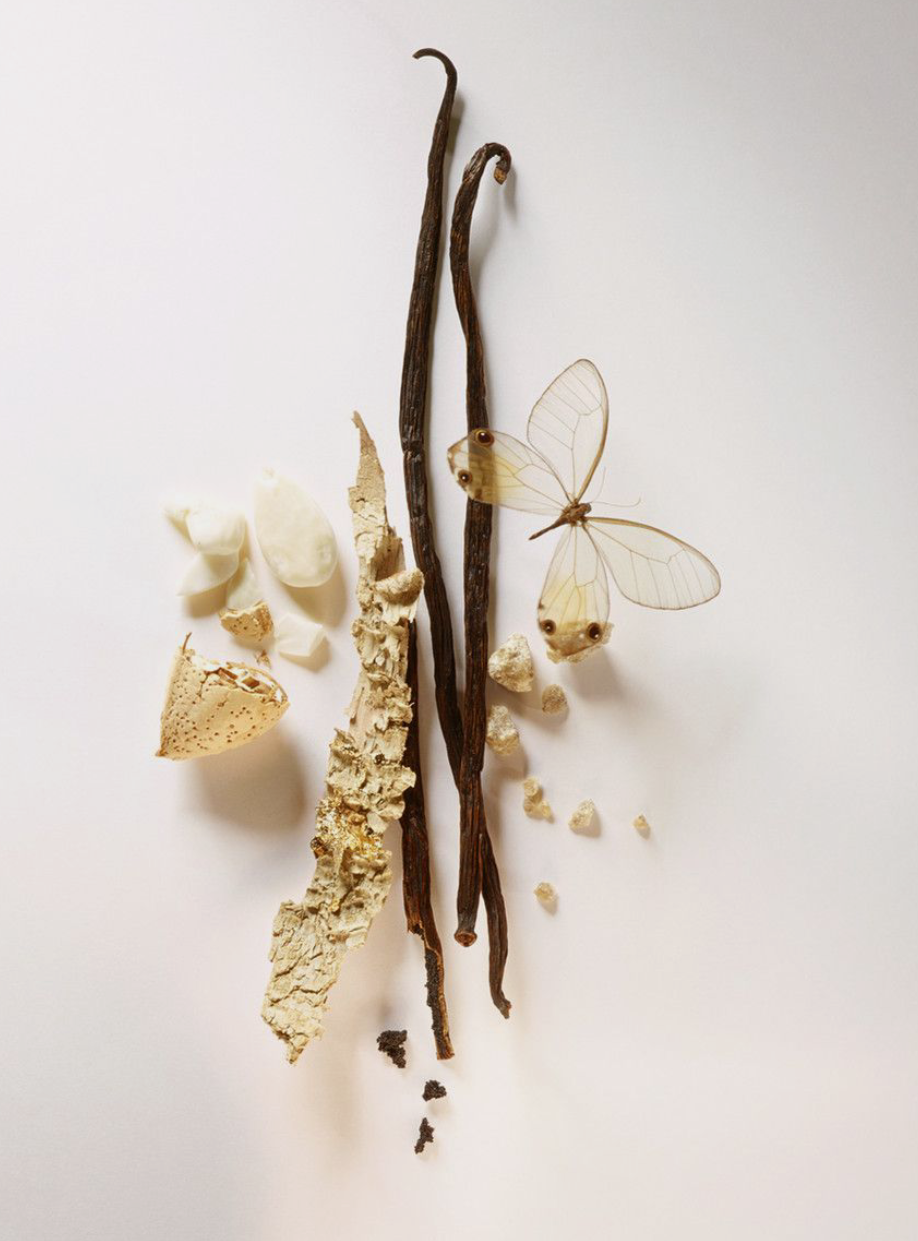
One pound of saffron costs you $5000. It is the most expensive spice next comes vanilla. Saffron is a complicated spice to harvest. Harvesting saffron needs a lot of hand work to pick up the flowers, separate the saffron that is the dried stigma or the female part of the flower. Saffron comes from the saffron crocus flower and each flower has 3 stigmas. The yield of saffron is very low. One pound of saffron requires 170000 flowers. These flowers bloom over a six week period from late September to early December. There is a specific time to day to harvest them. High relative humidity and sunlight can break the chemical structure in the saffron. Early morning is preferably the best time to harvest them.

90% of the world’s saffron is grown in arid fields in Iran. It is so because workers are available and for cheap. But it’s mostly like slavery. Most workers are women getting five dollars a day. Not only Iran, it’s grown in Morocco, Spain, Italy, the Netherlands, Afghanistan, India and even in United States. Though many Americans have never eaten saffron, the US imports large amount of saffron. Saffron has a resistance to cold weather.

Over centuries saffron has proven useful in many situations. Most commonly used in cooking. Middle east Asian countries have a lot of food containing saffron. When saffron is broken down it creates a golden dye. Which is how when used in cooking it gives a different kind of colour and taste and smell to it.

Saffron contains some chemical components which are really expensive like picrocrocin, crocin and safranal. These are the main components responsible for the taste, smell and colour.

People have tried passing turmeric, red marigold petals, and lily flower stigma as saffron. But the flavour and dye is totally different. In large quantities, saffron can be a potent happiness inducing narcotic. Research suggests it may help reduce the symptoms for Alzheimer’s, depression and PMS.

Vanilla

From ice cream to cakes and even perfume, vanilla is the go-to flavour of the world. In recent years, the price of natural vanilla has shot up. At one point it was more expensive than silver by weight. 80% of the world’s vanilla is grown in the perfectly suited climate of the north east region of Madagascar. It’s the country’s primary export crop. In 2014, vanilla was $80 a kilo. Three years later it was $600. Today its around $500. The price rise is due in part to global demand. The trend of eating naturally means that food companies have shunned synthetic flavouring in favour of the real deal.

Price fluctuations affect producers of agricultural commodities everywhere but vanilla is particularly volatile. In just a few weeks the price can jump or plummet by over 20%. Liberalisation is one reason for such movements. The Malagasy government once regulated the vanilla industry and it’s price. But now the price is negotiated at the point of sale which makes for a freer market but a more volatile one. It’s also a tiny industry. A single cyclone can knock up the entire crop within Madagascar. It’s also a difficult and delicate crop to grow.

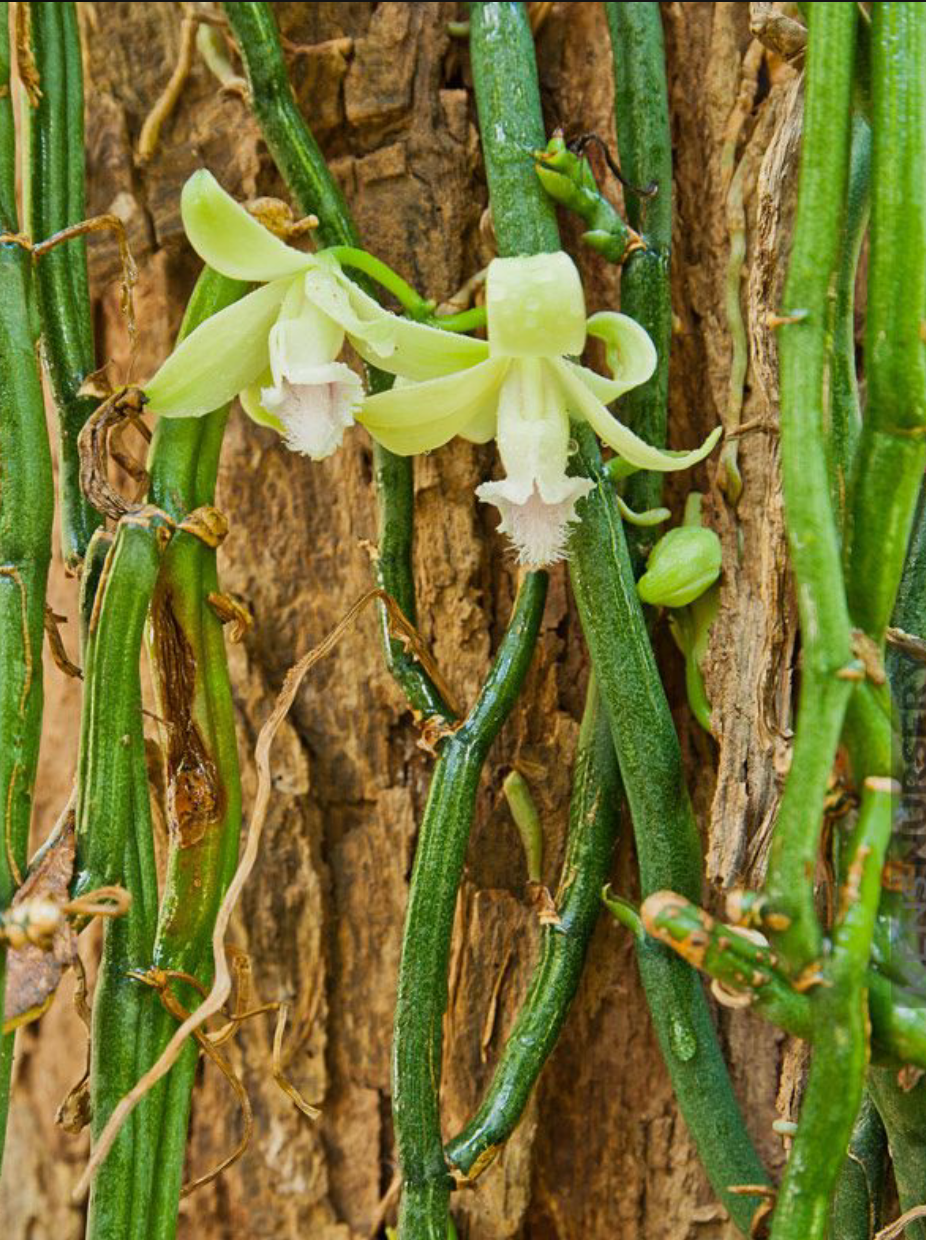
Vanilla is an orchid that needs to be hand pollinated. This is a really labour intensive practice. It takes roughly six months to grow it on the vine and then six months of manual post harvesting. The interesting thing about vanilla is that it needs to be taken off the vine when it is almost rotted!

The growers have to contend with another problem. Thieves are targeting vanilla crops. So Malagasy now have to sleep out in their vanilla fields. They can’t rely on those who are changed from the state to protect them or their crops. Some farmers have resorted to harvesting the beans before they’re ripe but this produces a poorer quality vanilla and ultimately pushes down the price. The combination of deteriorating quality and high prices is having an effect. The vanilla price bubble may burst. If the price continues to stay high there’s a number of scenarios that will play out. Continuation of current situation will cause an unstable market. Otherwise the corporate sectors step in, try to regulate the market in some way that may stabilise prices and also quality. Or the market may crash out.

Big buyers that provide vanilla are now working directly with farmers in a bid to gain greater control over quality. Other companies have started to look elsewhere for their natural vanilla. Indonesia, Uganda and even the Netherlands are growing the crop. For a century Madagascar has enjoyed a near monopoly on vanilla. But this industry maybe in line for radical overhaul.

Thank you for reading. Have a nice day!🌼

Why are Hornets dangerous?

Not many of us know  much about insects. All we know is mostly about bees. More specifically, honey bees. But did you know that there exist some insects, more vastly different and dreadful insects in nature? Let’s get to know them!

  • Hornets classification

First, let’s understand the classification of this organism in the biotic world. Naturally,the species belong to the kingdom Animalia ( animals) out of the five kingdom classification. They belong to the Phylum Arthropoda . The Class is Insects .There Family is  vespidae  and the Gene is  Vespa.

• What Are Hornets?

Hornets are basically classified as insects. How are honey bees different from hornets? If you notice, honey bees have a kind of fuzzy fur like structure. Whereas hornets are hairless. But then….how are Hornets different from wasps? Actually,hornets are one of the wasps but with a special condition. Meaning, all hornets come under the domain of wasps,but hornets have a special feature but not all wasps are hornets. (Confusing much? Oh I know!).  The special feature a hornet has is,they are much larger. Some even go somewhere around 5 cm!( maybe small for you but big enough  for them).Some of the features are similar, for example: They live in nests in a colony, they have a queen who can produce about 1000 eggs, they even have female worker hornets but she sadly cannot lay eggs because she is infertile. A larva of a hornet comes out of the eggs and slowly develops and evolves.

Hornets were actually, accidentally introduced in the 19th century.

  • Then…they are not dangerous…..right?

Hornets have killer stingers which they use to defend their nests from predators. Now these stingers are even more harmful to humans. Why? Because, these are not bees,who die after stinging their predator. Why do bees die after pricking you is because the stinger separates from their body, making them die. Unlike them, hornets can sting continuously because their stingers are very fine and do not get separated after stinging, making them prick you multiple times and trust me, that would not be a good experience. But…Why is the venom of a hornet harmful? Well,a single sting of a hornet is similar to any other wasp sting but,hornets usually, do not sting only once. Seriously,their main target is to just sting you to death. Which is why they continue to sting you even after you’ve died ,till they think that you’re no longer a threat to  their nests . The toxicity varies from different species of hornet, but as  they are going to sting you repeatedly, it’s equally fatal.They practically inject the venom into your body. Most commonly,hornet venom consists of about 5 percent acetylcholine. Acetylcholine is a drug which targets your brain, skeletal muscles etc. Not only these, but it is estimated that the murder hornets( Giant Asian hornets) which are the biggest hornets in the world.They contain a neurotoxin called Mandara toxin which, if comes in contact with your bloodstream, initially destroys your RBCs. Though, if a single hornet stings you, you might necessarily not die but can get some minor or major allergic reactions.Doctors usually use epinephrine/adrenaline(http://eduindexnews.com/2020/09/12/what-exactly-is-adrenaline/)  for the treatment of these stings. The average death rate in Japan is about 30 to 50. 

Source:  Pinterest

  • But why do they sting

Now, you can’t completely blame them for thinking you as an intruder because they can’t help it. When you pass their nests, pheromones (hormones or hornets,you could say) are released inside the body of the hornets, which triggers the hornet to not let the intrude near the nest. Hornets prefer nests in burrows or somewhere near land. We all know sound transmits faster in solids. This makes pheromones trigger before you are inside the radius of their nest. They are extremely possessive about their nests and larvae and they get mobilized at once and then, they start to chase after the intruder. Even if a single hornet comes to chase you and let’s say, you even manage to swat it, probably with a stick, the insect will release pheromones which will attract the hornets towards you and they will not be in a good mood. No matter if it’s honeybees, or even their own Vespa species. They have active chemical inside them which increases their aggression. Hornets are not usually truculent at all. Infact they are naturally shy , peaceful creatures and avoid interaction.

They just can’t help but be protective about their nests when it comes to their nests. 

•What do they feed on?

Hornets basically love three things to eat. Firstly,anything which is sugary. Anything that contains any kind of sugars will attract hornets and eat them. They, sometimes even subside into an overripe fruit, when accidentally picked up by someone can again lead to hornet attacking. Secondly, they love saps of trees. They often make holes in the trees and sometimes, actually live in it. Usually they nibble on oak trees and some wild trees as well. Thirdly, they love protein. Proteins are said to be the building blocks for they help in building muscles. So even hornets love proteinecious foods. The includes everything that has proteins. Everything.

Photo by Petr Ganaj

  • Why are they harmful to honey bees?

As said before, hornets love sugary things,sap of the trees and protein sources. Honeybees have two of the sources which hornets love. One, the honey bees contain a a sugar called fructose. In fact, fructose is the most sweet sugar.  And two, they have a lot of proteins in their flesh. So ultimately, hornets invade the bee colonies quite often to satisfy their hunger. But bees are smart alright. There survival instinct is to vibrate in group. Now you might think that ‘Wait,they are going to be killed and the only thing that they can think of is vibrating!!!!??? The thing is, when these bees vibrate, it causes ‘quivering of their fiber muscles which is converted into heat energy. Now, you might be wondering, ‘Wait, what exactly is their intensions? Do the bees want to give the hornets an experience of sauna??!!!’  No. They actually use this as their survival tactic, because, hornets cannot survive.   And bees use this to kill them. Bees literally roast the hornets by vibrating in groups.

Hey!Anyone would be protective about their nests. Don’t blame them. They can’t even help it!

Fact:  Murder hornets(Giant Asian hornets can fly with a speed of 40 km/hr !!!!!

What Exactly is Adrenaline??

Ever heard of the term ‘adrenaline pumped through my veins’ in the stories and novels?What does this ‘adrenaline’ mean? What exactly does this fluid do? Well, carry on!

  • What Is Adrenaline

Basically, adrenaline is a hormone which is secreted by your body from the adrenal glands. What is a hormone?  Simply explaining a hormone is a ‘regulatory substance’ made by any living being and is taken towards the blood or other fluids to balance out specific cells or many tissues ‘into action.Where are the adrenal glands situated?The adrenal glands are situated just above our kidneys. The hormone pumps through our veins, when  we are anxious, filled with fear,  nervous, or in major danger. Adrenaline is our body’s response to danger. Adrenaline does not have any addictive property. Adrenaline is a condition when our body has to do something in which we feel strong emotions like excitement , fear, anxiety, nervousness and when you face some difficult and life threatening emotions.  Which means that this hormone helps us to react to these emotions  in a better and quicker way.The chemical formula of adrenaline is C9H13NO3.This hormone contains something called adrenergic receptors. The adrenal gland not only secretes adrenaline,but also many hormones like aldosterone(steroid- regulation of salt and water which effects blood pressure hormone),cortisole (stress hormone)and noradrenaline( with adrenaline, these both incrwase the blood pressure and the heart rate). The glands are actually controlled  by another gland named the pituitary gland. You might have heard in dramas when surgeons shout to give a dose of Epinepherine. Yes, that’s right, it’s only the an other name of adrenaline itself. Adrenaline is a hormone. It is released when we are only granted with two options, either fight, or run.

Photo By Leon Macapagal

  • Why are they secreted?

What is the reason of the secretion of this hormone though? So the initial reason for adrenaline rush is,Suppose you are facing a wild animal, let it be a tiger. What possible options do you have? 1. Either run so hard that, keeping in mind to not leave any trails.  2. Tackle the tiger.

This situation is called fight or flee situation. Adrenaline triggers this response. When the fluid pumps through your brain, the reaction makes the following changes in your body. Your body sweats up as well, just one of the things adrenaline rush does:

Photo by Ketut Subiyanto 

i) Makes or triggers the blood vessel’s contraction and sort of  makes it so that the blood vessels redirect themselves towards the muscle region. 

ii) The blood vessels also reorientation itself towards the lungs and heart

iii) Naturally, this results in an increased heart rate.

iv) What is the purpose of our heart? To circulate blood, right? So when adrenaline pump increases your heart rate, it will also double your blood flow.

v)When adrenaline is released, the body’s pain sensory receptors also get decreased.

vi) Makes it so that, your awareness level increases.

vii) Your pupils get dilated and you have a better sense of vision

viii) Improves your memory.

Photo by Wojtek Pacześ from Pexels

Adrenaline makes us survive through life threatening situations, where we are supposed to make rapid and immediate decision and even that decision should be utterly perfect.

The adrenaline rush uses sugar, kind of like a fuel to run the body with these functions. But keep in mind, this only happens till there is the effect of adrenaline in your body. Research says that the effect can stay upto about 1 hour

  • How does one experiences adrenalinal rush?

Your brain is classified into three parts. a) The thinking brain. b) The emotional brain. c)The action brain. Brain is a very interesting concept to study. Unfortunately though, for now we are only interested in the emotional brain .( aww, don’t worry, I’ll work up to let you know more about our brain in the future articles!) The emotional brain is known as amygdala. It is the only reason why you feel various emotions like guilt, happiness etc. ( Me: I hate you, amygdala for wrecking my thinking with all these complex emotions!!

Amygdala: Great! The feelings are mutual.

Me: Come here you little peice of- )

Anyways, the when you are in one of the strong emotions (with reference to the second paragraph of the article) ,the signals are sent to the amygdala, and amygdala transfers these signals to another part of the brain, called the hypothalamus ( commanding system or the action brain – communicates through the nervous system) signals the adrenal glands, making these glands release the hormones(adrenaline) into our blood flow. Many other changes occur in the body due to adrenaline.These ‘bodily changes’ make the movements of our body faster. According to a site, this process happens very fast.

  • How is Adrenaline used as a medication

Epinephrine or adrenalin is another term for adrenaline. Epinephrine is injected into your body. The supplement works similar to the natural process. It is contained in a liquid form. The liquid is initially, to be injected into the muscles. The injection is used for allergic reaction, slow heart rate. Epinephrine is strictly to be injected as per needs. Any more or any less is extremely dangerous. Do not use Epinephrine is you do not have proper knowledge about it (seriously, don’t). But if Epinephrine is dangerous, as a medication, is our  (constant) natural adrenaline rush dangerous? No…..right?

Excessive adrenaline rush is not good for your health.  Therefore we are always advised to not take a lot of load on our heads at once. This results in complex emotions, adrenaline rushes and the process occurs. Thankfully though, our body is very smart. As fast as the adrenaline is secreted, it is also naturally deaminated by our body. But really, hold on right there,go somewhere where you can get fresh air, and BREATHE!  You’ve done a great work until now! 

Fact- The detailed understanding of these hormones is really complex. Infact, it has its own branch of science- Endocrinology

An Apple A Day Keeps The Doctor Away- Fact or Fiction?

https://www.pexels.com/

Remember the classic theory of the law of gravity that Sir Issac Newton came up with when an apple fell upon his from the tree. This lead to the unfolding of a whole new dimension of Physics. Apple is also supposed to be the forbidden fruit of Eden. This English proverb is of Welsh origin.   

  Apples originated in the mountainous region of present-day Kazakhstan. They are a symbolism of health, love & fertility. It is the national fruit of Austria & its scientific name is Malus domestica. Apples are a part of the rose family just like pears & plums. This deciduous tree is widely grown that takes 4-5 years to produce its first fruit. The tree prospers by bee pollination & is considered to have a life expectancy of 30-35 years. 

  Often called a “miracle food” & “nutritional powerhouse,” an apple a day really may keep the doctor away. As one is quite aware of this well-known expression, have you ever really given a thought as to why it is said so? A 2015 study found no evidence that the proverb was true. The study only found that people who ate an apple a day used fewer medications. The proverb basically persuades for the intake of this nutritious fruit that will make one healthier.

   Apples are found to be loaded with Vitamin C, especially in the skins accompanied by a low content of micronutrients. Pectin, a soluble fiber is found to be present in this fruit that can help reduce cholesterol levels. A medium-sized apple is considered to have an average of 80-95 calories. 

https://in.pinterest.com/

   Below mentioned are some key health benefits that might push to pick one daily:

 1. Aids Weight Loss 

 As apples contain a bulk of fibers, this makes it difficult & takes a rather long time to be digested in the stomach. Therefore this keeps one satiated and prevents from binging on other junks. 

 2. Smoothens the Digestion process 

 Pectin a soluble fiber draws water from the digestive tract and forms a gel, thus helping to lag digestion and pushing stool through the intestines. The apples are also said to contain malic acid, which is again a useful digestive aid. 

 3. Boost Brain Power

 Apples fasten up acetylcholine production, which helps in strengthening the communication between nerve cells and the brain that further improves memory and lower the chances of developing Alzheimer’s disease. 

 4. Stronger Gums & Healthy Teeth

 The malic acid that boosts saliva production, hence removing bacteria from the mouth. Additionally packed with vitamins and minerals that promote healthy teeth. 

 5. Bone Strengthening

 Certain flavonoid phlorizin, found in apple skin, may help prevent bone loss during menopause. 

 6. Beneficial for Diabetic patients 

 The fructose and antioxidant polyphenols in apples improve the metabolic balance thus the lagging rate at which sugar is absorbed in the body making it especially effective for Diabetic patients. 

 7. Relieves from Constipation and Diarrhoea

 The high concentration of pectin fiber not only aids digestion but also causes to regulate smooth bowel movements. 

https://www.pexels.com/

  One may recall days from his childhood when people mocked that eating the apple seeds may cause one to develop a tree in his stomach. Funny right?! But scientifically it’s dreadful. This is because apple seeds are poisonous. Unaware of the fact, people don’t mind gulping down these pips down their esophagus. 

  These seeds contain a chemical compound called amygdalin, which can release cyanide, a powerful poison when it comes into contact with digestive enzymes. It’s unharmed if the whole seeds pass through the digestive system relatively untouched, but if one chews the seeds then it may cause to be exposed to the toxins. 

   Apples typically have about eight pips. One or two will not be harmful, as the body can handle small doses of cyanide. So one would have to eat seeds of 18 apples in one sitting to get a fatal dose.

   So don’t forget to grab a fruit every day if not an apple. This shall ensure introduction & a perfect regulation of all elements in the body. Since more or less every fruit has health benefits that can knowingly or unknowingly aid to fight against diseases. One can happily opt to have it in breakfast or post midday meal. And probably the best way to have it is to make a mixed fruit salad as this shall ensure all benefits to clog in the body.

Why do scars never Fade?

Our body is strong. But everything has a stage, where it just can’t. This is when bruises and scars form. When our body tries to heal itself.But how exactly does our body heal itself….?

Image by <a href=”https://pixabay.com/users/Hans-2/?utm_source=link-attribution&amp;utm_medium=referral&amp;utm_campaign=image&amp;utm_content=474279″>Hans Braxmeier</a> from <a href=”https://pixabay.com/?utm_source=link-attribution&amp;utm_medium=referral&amp;utm_campaign=image&amp;utm_content=474279″>Pixabay</a&gt;

  •  The Healing process

 Now, your skin consists of some hardened cells which are called keratinocytes. These are the cells which shed constantly. In fact it is said that throughout your life, you shed about 18 kgs of skin cells! Now, imagine that you’ve gotten  a wound. Let’s say it was pretty deep. What’s the first thing you notice? Well, bleeding of course. The first stage through which your body recognises that you’ve been hurt is hemostasis. Hemostasis is our body’ s response from losing blood and the epidermis being compromised.Your blood vessels start to shrink themselves from further bleeding. This process is also known as vasoconstriction. The fibrin starts to make the cross link patterns,  also making the germs  not enter  the inside of the body .Hemostasis basically  means stopping the flow  of blood. The second step is inflammation. Now the wound may redden, swell up or hurt. This can vary from  person to another, maybe due to the difference in genetics of the cells. During this process, WBCs come towards the wound, killing the germs or pathogens which may have entered while the wound was still open. It also eats up the damaged tissue. This  process has a name. It is called Phagocytosis. As the WBCs travel through the bloodstream to reach the site of injury,the the ,the shrunken blood vessels, now expand a bit. After some point of time, the proliferative stage- where the fibroblasts come into the scene. These fibroblasts are the one which produce collagen. Collagen is a protein which is a primary tissue. These usually form a certain kind of  pattern. But, immediate cure is needed when you are wounded. They are deposited as soon as possible. They initially replace the work of the fibrin. Slowly, but steadily,the epidermis layer closes. The hardened RBCs get peeled off in due course of time. It is believed that  the skin is never fully recovered. In some minor cases, the scar eventually fades and works normally, but when the wound is severe, meaning the wound makes  contact with the dermis(the second layer of the skin) then , maybe it leaves a dark line or a pale mark. In the most severe cases, for example, the major burn cases, the skin never quite recovers. Sure it retains its sensory 

properties ,but the skin no longer remains the same. 

This is why you must have noticed, wherever there is a scar, there grows no hair. 

  • Types Of Scars

There is a differentiation between scars as well. Basically, there are 4 types of scars.Let’s see them!

  1. Keloids-  When you get a wound, and the scar formed is bigger than your actual injury, then that scar would be termed as keloid scar. These are usually due something called the ‘overproduction of cells’, according to a site. These are usually treated with surgeries, laser treatments etc. This scar is more common with the darker skin tones.
  2. Hypertrophic scars- When you get an injury ,and the affected skin rises above or swells, this red scar is named as ‘Hypertrophic scars. 
  3. Contracture scars- These type  scars occur after a burn. They include tightening of skin and sometimes, the scars may even go into the nerves or muscles.
  4. Acne scars- Many acnes leaves scar. These scars can sometimes be quite deep, but not usually.
  • Difference Between bruise and scar

When you hit something, one says that it will leave a bruise. The bruise turns purple due to lack of oxygen. A bruise is never permanent and eventually fades away. Bruises are more common than scars.

When one experiences severe wounds, usually tending to bleed excessively, this usually leads to a scar. Scars may or may not be permanent. A deep injury may gradually heal but rarely fades away and is usually permanent.

Scientists  fully do not know how exactly our body heals itself. Various researchers are working hard to break the code on how and what processes does our body use to heal itself. In fact we don’t even know how a deer is able to completely heal itself from the most severe scars completely whereas a human being is not. The mysteries are endless. We haven’t even cracked ⅓ of the nature’s  pecicular happening , but do not worry, the day will come soon!

Many people think that scars are not pleasurable. But let me tell, there are people out there suffering with diseases which include the body losing its property to heal and regenerate itself. Even a small bleeding does not stop. Scars define how strong your body is to heal it so efficiently. Never be ashamed of your scars. Because they are a part of you. And you never neglect a part of you. Be proud that you survived that injury. A scar speaks for itself. Even if the scar was due to some silly mistake. None of us are Harry Potter to have a deep reason behind a scar and that scar will always be pretty( though one can dream right?).

Earphones and Headphones….are harmful?

In our lives, we use earphones/headphones at many occasion.For ex. An virtual meeting, music, while talking to someone etc. But do we know the detrimental effects of this careless habit. Not really…. But awareness can make one more alert and watchful .So let’s  understand, what makes the earphones so harmful!

  • How is it harmful ?

If you visualise, just think about an object, which is rarely cleaned or disinfected. What is likely to happen? Well, obviously it will start to grow microbe if it is in contact with what the microbe needs to breed. Now, we don’t know if the microbe growing is a pathogen or not. There may be a chance that they are harmless but the possibility is so less, that it can be counted as non-existent. Similarly, earphones/headphones are in contact with our body for most of the time. If it is in contact with our body, surely micro organisms are prone to grow. Eventually leading to uncomfortable problems like rashes, ear pains etc. Micro organisms are no creatures to play with. What makes it even more harmful is, we don’t even know what type of microbe it is. We can’t even assume because there are so many pathogens that could be residing  in your ear itself. And we have a really bad habit of sharing earphones. Even if it’s your loved ones,diseases do not see that. By sharing earphones, You’re practically transmitting the disease yourself and that would not be good.

Photo by Burst

Earphones/headphones, if used for long durations of time may result in induced or permanent hearing loss. Now the problem is, the  microphone has a direct contact to your ear. Your ear is a very sensitive part of your body and it’s a vital organ. It consists of 3 parts, namely – 1. The outer ear 2. The middle ear 3. The inner ear.  You might have noticed  some hairs in your ears. It is called the cochlea.  It is present in the part of the inner ear. Now, cochlea is a very important structure. Basically, the cochlea sends  signals from the outside environment to the brain  by vibrating, due to which we hear and make sense of what we hear. Sort of connects the outer world to our brain in the medium of sound. Prolonged duration of using earphones (when I am writing only earphones, do note to add headphones as well!) makes the cochlea to vibrate exorbitantly and the cochlea can seriously lose the sensitivity to vibrations. Unlike other parts of your body, your ear doesn’t have the ability to regenerate itself. Which makes curing it even harder.  Listening, with high volume makes the condition worse. Your ears don’t have a choice but to respond to that noise, even if it makes the cochlea die and never recover. This is why one often experiences ear pains after prolonged periods of using earphones.

 Photo by Andrea Piacquadio from Pexels

  • What is More harmful?

Alright, the usage of earphones and headphones is harmful. But which is more harmful?… earphones are. In the case of headphones, you still have some space between your device and your ear,but in earphones or an earpiece,which makes a direct contact by being plugged inside your ears,has a greater Impact. Probably intensifies the sound by 6 to 7 decibels ( a unit through which the intensity of sound is measured). It cannot be said that headphones don’t have any ham, though. As headphones have a greater area, the amount of microbe breeding also, could be greater..

Photo by Andrea Piacquadio

  • Result

Okay, it is harmful to use  earphones carelessly. But…what possible problems can even occur by this? Nothing serious……right? According to ColumbiaAsia Hospitals, there is a probability that following problems can happen-

  1. NHL- Noise induced hearing (NHL) is when one experiences a temporary loss of hearing, due to  extended time periods of using earphones.
  2. Tinnitus- When the cochlea(hair cells) is damaged, one can experience some buzzing or ringing noise in their ears. This condition is called Tinnitus.
  3.  Hyperacusis- A condition where one tends to be sensitive to the noise produced by the environment.
  4. Dizziness- Increase of pressure in the ear canal leads to dizziness.

These are a few of them. Ears are counted in one of the sensory organs. With that being said, the ears are extremely sensitive. An ear is not made of bones but  cartilage. Otherwise, you wouldn’t be able to twist your ears as you please. Cartilage can be described as a gel-like  substance acting like a connective tissue.

Photo by Christina Morillo 

Take a while to remember to clean the outer ears properly and regularly. Ear wax (cerumen) is present in your skin to moisturize the dry skin. So not try to deliberately remove it, especially using a  cotton swab. It only makes the earwax to go nearer towards the inner ear.

Avoid extended periods of using earphones/headphones. One can use the trick to not use the volume beyond 60 decibels. And let the time period to use an earphone be 60 minutes. Prefer using the speaker rather than microphone(let the others be annoyed😉). And regularly sanitize or disinfect the earphones and headphones. Yes, it will be a pain. But it ‘ll  be worth it!

And do not worry. There is always a cure if the right moderation a are used. If you experience any of the above symptoms for a constant period of time. Immediate consultancy to the doctor is advisable.

References

https://www.healthyhearing.com/report/52503-Headphones-when-hearing-danger-is-closer-than-you-think

https://www.columbiaindiahospitals.com/health-articles/harmful-effects-listening-music-earphones-headphones

https://kidshealth.org/en/teens/earbuds.html

The Organic Evolution: How Did The Current Biodiversity Reached Its Present Form

We see the actual spirit of diversity in Nature.But have things always been like this, barring a few minor change-in-scenes, since times immemorial? If not, how did and how much has life forms changed? So, let’s find out from where all this started.

The Beginning: Life on Earth

After formation, Earth was not exactly suitable for housing or nurturing any kind of organisms. After undergoing drastic changes -including solidification of crust, formation and accumulation of various gases (like nitrogen,ammonia,methane,oxygen,hydrogen etc.) in the atmosphere, gradual development of ozone layer and formation of water molecules- Earth became close to be able to support even the most basic forms of ‘life’.

The earliest organic forms, though did not really satisfy our definition of life, but are considered to be the most basic forms of living cells.Experiments by Stanley Miller (1953), Sidney Fox and Oparin (1936), gave the world some theories about the formation of living organisms. Another mention worthy point is that the first life forms originated in water, as for the longest time, Earth was what we can imagine as a giant sea, with no signs of land whatsoever. These organic forms might have developed into self replicating units, then into primitive organisms and at later stages, resulted into some distinct type of chlorophyll synthesizing bacteria, some 2.5-2.3 billion years ago. This gradual process of arising of life from non-living matter (such as simple organic compounds) is termed as abiogenesis.

Evolution of chlorophyll occured around 600 million years ago. With that, the production of oxygen and ozone (after chemical conversion under suitable circumstances) sped up and gradually accumulated in the atmosphere. Ozone layering encased the surface of Earth and provided protection against UV rays, which is detrimental for living organisms. Before that, all organisms developed in deep water, which provided protection against the UV rays. Only after the formation of ozone layer did life flourished on land surface.

The Precambrian age, that last from 4600 to 542 million years old, has very few fossil records. Hence, such a large period of time is not subdivided into further categories in terms of biological evolution. The fossil of this period mainly of cellular organisms.The first living organisms are believed to have developed around 3.8-3.6 billion years ago, from the primitive organic soup (accumulation of large number of complex organic molecule assemblages). Around 3.5 billion years ago,first organisms with prokaryotic cells (cells without true nucleus and having a rudimentary cell structure) are believed to have developed. Those cells were at similar cell complexity level like the present day bacteria.Skip to 2.4 billion years later, the eukaryotic cells are supposed to have developed. For the longest period of time, only unicellular life forms flourished on Earth. Then,evidences indicated that, around 700 million years ago, the first signs of multicellular organisms were traced. Since then, there has been a steady flow of evolution. 

The ‘Complex’ Evolution

The Cambrian period (542- 488.3 million years) is considered to be a milestone in evolution. Even the fossils have records from around 600 million years ago. It is widely assumed that around 600 million years ago, organisms had developed to be able to leave fossilized records. The transition of life forms from water to land had supposedly begun around 500 million years, when plants started growing on land.Later different varieties of plants and animals populated the lands.

The Carboniferous period was an important landmark, which lasted from about 359 to 299 million years in the past, is an important landmark in the journey of evolutionary history. The environ domain was actively dynamic during that period. Humid and warm climate, swampy large areas, changes in sea levels, flood, mud and sand were deposited over the vegetations, etc.

Due to compaction and incomplete decomposition of  plant material in swamps, they converted into peat bogs, and then, into coal. Hence the name carboniferous. In the late Carboniferous period (about 300 million years) tropical rainforests were present in the equator region of Euramerica. Later, ferns replaced the forests, which are present even today.These vascular plants are without seeds as they do not produce flowers and fruits, and are generally found in temperate to tropical parts of Earth. These plants can be mainly divided into stem, leaves and true root; reproduction being facilitated through special structures, known as sporangia (singular:sporangium), that contain spores, which are dispersed into different mediums and germinates on coming in contact with the soil with suitable conditions.

Next period in the geological time scale in the Permian period, which started off around 299 million years ago. This period witnessed major altering activities in the continental lithosphere (which are broken into tectonic plates) starting from the joining of Euramerica, Asia and Gondwana led to the formation of a single landmass called Pangea (Greek translation: All lands), which is considered to be a supercontinent. In terms of ecology, this period was mainly dominated by forests of conifers and tree ferns,large amphibians and reptiles habituating them, and a huge variety of fish and shellfish in the ocean. But, at the end of Permian period, a mass extinction took place, commonly referred to as the ‘Great Dying’. It occured around around 252 million years ago, and wiped out about 90% of all the species present on Earth.Also, trilobites (meaning: three lobes), which a group of arthropod (a group of invertebrate animals with exoskeleton, segmented body, and appendages) and sea scorpions, which had survived the tides of oceans and time for hundreds of million of years, went extinct. 

Next in the line, the Triassic period had set off around 240 million years ago.It is believed that true mammals first evolved during this period, more precisely, during late Triassic period. Also, a specialized subgroup of  Therapsids, which is a group of reptile-like animals that included mammals and their ancestors, also evolved. Early Therapsids demonstrated traits of the present day mammals, such as erect posture. First flying vertebrate animals are supposed to have originated around 215 million years ago, and lasted for 150 million years, vanishing at the end of the Cretaceous period. Another mention worthy occurence in the Triassic period timeline is the splitting of Pangea into two separate land masses. The northern one was named Laurasia and the southern one, Gondwana. Primitive forms of dinosaurs are said to have emerged around 231.4 million years ago.

The Jurassic period is known as the ‘Age of Reptiles’, as they were present in abundance and had a diverse variation throughout this period. The land animals included Stegosaurus, Ceratosaurus, Brachiosaurus and Allosaurus. The oceans were traversed by Ichthyosaurus and Plesiosaurus and the skies are believed to be dominated by the likes of Rhamphorhynchus and Archeopteryx. This period coincided with the emergence of first mammals and birds.

 The Cretaceous period, which started around 145 million years ago, is geologically characterized by separation of India from Gondwanaland, formation of Andes and Rocky mountains, and extensive volcanic activities. Dinosaurs dominated the face of Earth and were of different types. They lived through a period of 135 million years, that is , throughout the Jurassic and Createceuos period. The Cretaceous-Paleogene mass extinction is considered to be the main cause of dinosaurs disappearing from Earth. An important claim by the scientists, on the basis of fossil records, is that the birds evolved from the Theropod dinosaurs, and the development took place in the Jurassic period. Some birds lived through the extinction and their descendents continue to live presently. This period also marks the appearance of angiosperms; plants that could produce flowers. 

Next chapter

The next major development in the course of evolution is considered to be the evolution of humans. But that’s a story for another day. As for our evolution is anything but simple and short. As Carlo Rovelli said in his book, Seven Brief Lesson of Physics: “We are a species which is naturally moved by curiosity, the only one left of a group of species (the genus Homo) made up of a dozen equally curious species. The other species in the group have already become extinct; some, like the Neanderthals, quite recently, roughly thirty thousand years ago. It is a group of species which evolved in Africa, akin to the hierarchical and quarrelsome chimpanzees — and even more closely akin to the bonobos, the small, peaceful, cheerfully egalitarian and promiscuous type of chimps. A group of species which repeatedly went out of Africa in order to explore new worlds, and went far: as far, eventually, as Patagonia — and as far, eventually, as the moon.

It is not against our nature to be curious: it is in our nature to be so.”

Website References

https://en.wikipedia.org/wiki/Abiogenesis

https://www.goodreads.com/quotes/9344668-we-are-a-species-which-is-naturally-moved-by-curiosity

Bibliography

Extinctions: No Comebacks by M.A. Haque