New research by a group of scientists in India and US shows that although men make up the majority of infections, women face a higher risk of dying from the coronavirus than men.
The study, based on Covid-19 deaths in India until 20 May, shows early estimates that 3.3% of all women contracting the infection in India were dying compared to 2.9% of all men. (India had a caseload of more than 110,000 with 3,433 deaths and a fatality rate of 3.1% when the study was conducted.)In the 40-49 age group, 3.2% of the infected women have died, compared to 2.1% of men. Only females have died in the 5-19 age group.
Five key questions about India’s rising Covid-19 infections I asked SV Subramanian, a professor of population health at Harvard University and one of the leader authors of the study, what this implied.
He told me that the narrative of calculating the Covid-19 fatality rate by groups has conflated two key metrics – mortality risk and mortality burden.
Mortality risk measures the probability of death in a specific group- in this case, total number of deaths of women divided by confirmed infections among women.
On the other hand, mortality burden gives you the number of deaths among women as a percentage share of the total deaths, both men and women.Prof Subramanian says for the large part, the statistics have looked at the latter – men having a greater share of total deaths (63% in India, hewing to international data) – but “inferred the former risk”.
“Our overall conclusion is that, when infected, women do not seem to have any specific survival advantage [in India],” says Prof Subramanian.
“How much of this can be attributable to biological factors and how much of this is associated with social factors is unclear. Gender can be a critical factor in Indian settings,” he says.
The ‘mystery’ of lndia’s low Covid-19 death rates But the findings are certainly striking because they run counter to what has been observed elsewhere in the world.
For one, men are more likely to suffer from co-morbidities or underlying health conditions, like cardio-vascular disease and hypertension, says Kunihiro Matsushita, a professor of epidemiology at the Johns Hopkins Bloomberg School of Public Health.
Men also smoke more than women in many countries, and some studies have shown that men wash their hands less frequently than women.
Prof Matsushita says that studies he had participated in had shown that male patients have a higher risk of contracting severe Covid-19 infection.
Scientists also believe that women have a lower mortality risk because of sturdier immune defences. And have hormones like oestrogen which has “beneficial effects on upper and lower airways and is associated with stimulation of the immune response to upper airway infections”.
“In that regard, a higher case fatality rate in women than men in this report is certainly unique,” Prof Matsushita told me.
But he says the research data needs to be scrutinised in the context of how Covid-19 is diagnosed in India. “For example, is the opportunity to get a test same between men and women?” he wonders.There could be more to this puzzle than what meets the eye.
Women outlive men in India and there are more older women than men. Is this leading to more deaths among women, as elderly people are vulnerable to the infection?
Also, women in India are more likely to delay going to doctors, and often self-medicate at home. And a woman’s health is more likely to be ignored in a household. So are women arriving late for testing and treatment?
Homemaker caregivers are more prone to contracting the infection – during the 1918 Spanish flu more women in India – relatively undernourished, cooped up in unhygienic and ill-ventilated dwellings, and nursing the sick – died than men.
“We need to dissect the gender data to find out more about what’s going on,” says T Jacob John, a retired professor of virology at Christian Medical College, Vellore.
Researchers agree. “We will keep a close watch and keep updating the results,” Prof Subramanian says.
In its first physical meeting in two years, the GST Council on Friday effected several long-pending tweaks in tax rates including an increase in the GST levied on footwear costing less than ₹1,000 as well as readymade garments and fabrics to 12% from 5%.
The new rates on these products, a decision on which had been deferred by the Council over the past year owing to the pandemic’s impact on households, will come into effect from January 1, Finance Minister Nirmala Sitharaman said.
The Council approved a special composition scheme for brick kilns with a turnover threshold of ₹20 lakh, from April 1, 2022. Bricks would attract GST at the rate of 6% without input tax credits under the scheme, or 12% with input credits.
While this will please States like Uttar Pradesh that had sought a special scheme for brick kilns, a decision on extending such a scheme for other evasion-prone sectors like pan masala, gutkha and sand mining was put off.
The Council also decided to extend the concessional tax rates granted for COVID-19 medicines like Amphotericin B and Remdesivir till December 31, but similar sops offered by the Council at its last meeting in June for equipment like oxygen concentrators will expire on September 30.
The GST rate on seven more drugs useful for COVID-19 patients has been slashed till December 31 to 5% from 12%, including Itolizumab, Posaconazole and Favipiravir. The GST rate on Keytruda medicine for treatment of cancer has been reduced from 12% to 5%.
Life-saving drugs Zolgensma and Viltepso used in the treatment of spinal muscular atrophy, particularly for children, has been exempted from GST when imported for personal use. These medicines cost about ₹16 crore, Ms. Sitharaman said.
Food delivery tax shift The Council also decided to make food delivery apps like Swiggy and Zomato liable to collect and remit the taxes on food orders, as opposed to the current system where restaurants providing the food remit the tax.
Revenue Secretary Tarun Bajaj stressed this did not constitute a new or extra tax, just the tax that was payable by restaurants would now be paid by aggregators. Some restaurants were avoiding paying the GST even though it was billed to customers.
“The decision to make food aggregators pay tax on supplies made by restaurants from January 1, 2022, seems to have been done based on empirical data of under reporting by restaurants, despite having collected tax on supplies of food to customers,” said Mahesh Jaising, Partner, Deloitte India.
“The impact on the end consumer is expected to be neutral where the restaurant is a registered one. For those supplies from unregistered, there could be a 5% GST going forward,” he added.
Aircraft on lease The GST Council has exempted Integrated GST levied on import of aircraft on lease basis. This will help the aviation industry avoid double taxation, the Finance Minister said, and will also be granted for aircraft lessors who are located in Special Economic Zones.
Goods supplied at Indo-Bangladesh border haats have also been exempted from GST.
We the creatures of this planet are born with numerous feelings and emotions and as soon as we get hold of ourselves we decide for ourselves if a certain emotions are important for us or not. And the emotion that gets the last place in this not so perfect ranking is the feeling that portray us as sentimental, weak, and quite vulnerable that of crying, venting out all that we have deep buried inside us through our eyes, tears as people call them are what we find the heaviest to let out and yet heavier to carry within us. The vulnerability that we believe surrounds us every time we emit sentiments or feelings that are emotionally draining turns us into some being that isn’t comfortable about their own emotions and consequently we crawl further into ourselves becoming more of an emotional wreck than an emotional person.
The salty water that is emitted every time we experience any sort of emotional trouble or low can actually turn in to the best kind of respite from the burden that this world puts on us. The relieving of our tensions through our eyes is quite normal and in fact healthy. Taking into the acceptance that we are having a bad day and that crying it out might be the best part of the day then one must do that. With all the responsibilities and tensions of the world we definitely need some type of respite from that hectic schedule and mostly people want to run away from it but crying can actually be the medicine we need on a long day. Though different people have different ways of getting themselves back after a heavy day but if letting out the tears is your way you must not shy away from it.
A common stereotype that makes people control their tears to the extent that they start getting uneasy and it becomes unhealthy is that of crying being associated with weakness, while in reality it has to be quite strong of a person to be vulnerable enough to own this emotional self that they make of themselves. Physical health has always got priority over mental health for a very long time in the past. But now as the times are changing and we as human beings are evolving the significance of taking care of our mental health has been increasing to the extent that people are normalizing the act of crying as the perfect humanly behavior and no connection whatsoever with it being the deed of the coward or the weak. In fact keeping it in is considered much less brave and as more of the action of those who are not familiar with their own weak side and in consequence do not know themselves inside out.
There is no insistence on crying out loud in front of the people we know or not know, but rather it is about letting out of the fear which resides within us, the fear of losing it all, the fear of staying the emotional wreck for the rest of our lives, the fear of going away from sanity, the fear of knowing the weak, vulnerable person that we actually are, the fear of people knowing or seeing our not so perfect side, the fear of getting everything to its worst end, the fear of not making ourselves what we thought of, the fear of not getting back on our feet, the fear of unknown, the fear that makes us let it out.
Explained : Although the monsoon season ends in September, a delayed withdrawal and other factors have been causing severe rainfall in several states.
Western disturbances, which begin to have significant interference in local weather over the extreme northern parts of India, commonly cause either rain or snowfall. Since late last week, Ladakh, the higher reaches of Kashmir and Uttarakhand have reported the season’s first snowfall.
Last week, two low-pressure systems were active simultaneously, one each over the Arabian Sea and the Bay of Bengal regions. Collectively, these triggered severe weather events over Kerala, Tamil Nadu, Andhra Pradesh, Telangana, Delhi, Madhya Pradesh, Uttarakhand, Odisha and West Bengal.
Delayed monsoon withdrawal
The four-month southwest monsoon season normally withdraws completely by early October. During the withdrawal phase, it causes thunderstorms and localised heavy rainfall.
This year, however, the withdrawal began only on October 6 against a normal of September 17. So far, the monsoon has withdrawn completely from the Western, Northern, Central and Eastern India regions. But it remains active over the southern peninsula. Thus, Kerala, Tamil Nadu, Telangana, Karnataka and Andhra Pradesh have had significant rainfall during the last 10 days.
Until Monday, the monsoon had not withdrawn from Manipur, Mizoram, Tripura, parts of West Bengal and Odisha and entire southern peninsular India.
“As there has been a delay in the southwest monsoon withdrawal, good rainfall has continued over Odisha, the Northeast and south India,” said Mrutyunjay Mohaptra, director general, India Meteorological Department (IMD).
Normally, by mid-October, the monsoon winds reverse their direction of flow from the southwest to the northeast.
“Even though the easterlies are beginning to replace the westerlies, the former is yet strengthen and fully establish. The easterly winds indicate the arrival of the northeast monsoon,” said D Sivanand Pai, head, Climate Research and Services, IMD, Pune.
This year, conditions for the onset of the northeast monsoon are expected to develop around October 25.
Extreme rains
For most days last week, at least two low-pressure systems remained active along the east and west coasts and over central India, bringing rains over large parts of the country.
Delhi received 87.9mm (over a 24-hour period) between Sunday and Monday, making it the fourth wettest October day for the national capital since 1901. The month of October has also been the fourth wettest so far. It has received 94.6 mm rains this month so far, which is next only to the 238.2 mm it received in 1954, the 236.2 mm in 1956, and 186.9 mm in the entire Octobers of 1910.
Likewise, Balasore in Odisha recorded 210mm in a day and it was only the second such occasion in a decade for this month.
While Tamil Nadu normally receives good rainfall between October and December, mainly during the northeast monsoon, Coimbatore (110mm) witnessed its wettest October day in a decade even before the onset of the northeast monsoon.
The Western Ghats, northeast and central India are known as high-rainfall receiving regions. However, in recent years, it has been noted that intense spells during a short time span are increasingly becoming frequent.
“Due to climate change, there is definitely a rising frequency in the extreme weather events round the year. But these specific occurrences of heavy to very heavy rains that we are seeing right now can be attributed to the formation of low-pressure systems,” said Mohaptra.
“Whenever there is a low-pressure system, depending on its strength, it results in heavy to very heavy rainfall activity. In addition, when a low-pressure system interacts with western disturbance, further intense rainfall occurs,” he said.
Extreme rainfall in Kerala
A low-pressure system that formed in the east-central Arabian Sea moved and sustained over Kerala between October 15 and17.
Simultaneously, another low-pressure system prevailed over the north Andhra Pradesh coast and southern Odisha. The interaction between them strengthened the southwest winds which brought extreme rainfall over central and southern Kerala during the last weekend.
At some places in Idukki, Ernakulam, Kollam and Kottayam districts, the 24-hour rainfall was over 200 mm. As many of these districts are hilly and covered with dense forests, the water run-off triggered landslides and mudslides.
Rainy days ahead
The low-pressure system that affected Kerala has weakened now. But a similar system is still active over central India, because of which northern India is likely to received good rainfall this week.
Heavy rainfall events are predicted over Western Uttar Pradesh, Uttarakhand and Himachal Pradesh for Tuesday, with a ‘red’ alert having been issued by IMD for these regions.
Another low pressure — located over Northern Odisha and Gangetic West Bengal — is active and its interaction with the moist easterly winds from the Bay of Bengal is expected to bring heavy rain over West Bengal, Odisha, Sikkim, and Bihar until Wednesday. The maximum impact in terms of extremely heavy rain (more than 204 mm in 24 hours) is likely over some places in West Bengal and Sikkim on Tuesday.
The impact of coronavirus pandemic on India has been largely disruptive in terms of economic activity as well as a loss of human lives. Almost all the sectors have been adversely affected as domestic demand and exports sharply plummeted with some notable exceptions where high growth was observed. An attempt is made to analyze the impact and possible solutions for some key sectors.
Food & Agriculture
Since agriculture is the backbone of the country and a part of the government announced essential category, the impact is likely to be low on both primary agricultural production and usage of agro-inputs. Several state governments have already allowed free movement of fruits, vegetables, milk etc. Online food grocery platforms are heavily impacted due to unclear restrictions on movements and stoppage of logistics vehicles. RBI and Finance Minister announced measures will help the industry and the employees in the short term. Insulating the rural food production areas in the coming weeks will hold a great answer to the macro impact of COVID-19 on Indian food sector as well as larger economy.
Aviation & Tourism
The contribution of the Aviation Sector and Tourism to our GDP stands at about 2.4% and 9.2% respectively. The Tourism sector served approximately 43 million people in FY 18-19. Aviation and Tourism were the first industries that were hit significantly by the pandemic. The common consensus seems to be that COVID will hit these industries harder than 9/11 and the Financial Crisis of 2008. These two industries have been dealing with severe cash flow issues since the start of the pandemic and are staring at a potential 38 million lay-offs, which translates to 70 per cent of the total workforce. The impact is going to fall on both, White and Blue collar jobs. According to IATO estimates, these industries may incur losses of about 85 billion Rupees due to travel restrictions. The Pandemic has also brought about a wave of innovation in the fields of contactless boarding and travel technologies.
Telecom
There has been a significant amount of changes in the telecom sector of India even before the Covid-19 due to brief price wars between the service providers. Most essential services and sectors have continued to run during the pandemic thanks to the implementation of the ‘work from home’ due to restrictions. With over 1 billion connections as of 2019, the telecom sector contributes about 6.5 per cent of GDP and employs almost 4 million people. Increased broadband usage had a direct impact and resulted in pressure on the network. Demand has been increased by about 10%. However, the Telco’s are bracing for a sharp drop in adding new subscribers. As a policy recommendation, the government can aid the sector by relaxing the regulatory compliances and provide moratorium for spectrum dues, which can be used for network expansions by the companies.
Pharmaceuticals
The pharmaceutical industry has been on the rise since the start of the Covid-19 pandemic, especially in India, the largest producer of generic drugs globally. With a market size of $55 billion during the beginning of 2020, it has been surging in India, exporting Hydroxychloroquine to the world, esp. to the US, UK, Canada, and the Middle-East.
There has been a recent rise in the prices of raw materials imported from China due to the pandemic. Generic drugs are the most impacted due to heavy reliance on imports, disrupted supply-chain, and labour unavailability in the industry, caused by social distancing. Simultaneously, the pharmaceutical industry is struggling because of the government-imposed bans on the export of critical drugs, equipment, and PPE kits to ensure sufficient quantities for the country. The increasing demand for these drugs, coupled with hindered accessibility is making things harder. Easing the financial stress on the pharmaceutical companies, tax-relaxations, and addressing the labour force shortage could be the differentiating factors in such a desperate time.
Oil and Gas
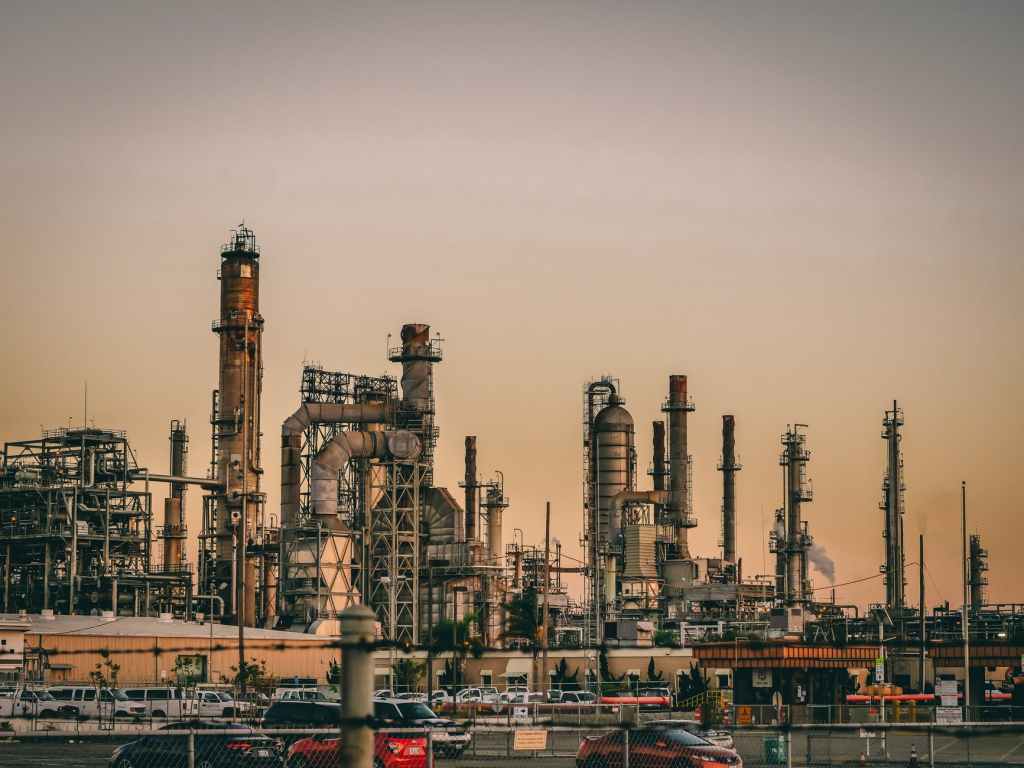
The Indian Oil & Gas industry is quite significant in the global context – it is the third-largest energy consumer only behind USA and Chine and contributes to 5.2% of the global oil demand. The complete lockdown across the country slowed down the demand of transport fuels (accounting for 2/3rd demand in oil & gas sector) as auto & industrial manufacturing declined and goods & passenger movement (both bulk & personal) fell. Though the crude prices dipped in this period, the government increased the excise and special excise duty to make up for the revenue loss, additionally, road cess was raised too. As a policy recommendation, the government may think of passing on the benefits of decreased crude prices to end consumers at retail outlets to stimulate demand.
Beyond Covid: The new normal
In view of the scale of disruption caused by the pandemic, it is evident that the current downturn is fundamentally different from recessions. The sudden shrinkage in demand & increased unemployment is going to alter the business landscape. Adopting new principles like ‘shift towards localization, cash conservation, supply chain resilience and innovation’ will help businesses in treading a new path in this uncertain environment.
Coronavirus (COVID-19), a virus that grew stealthily has become one of the deadliest viruses that are killing people worldwide. This virus took birth in Wuhan city of China and since then have traveled to more than 160 countries. The World Health Organization (WHO) has declared Coronavirus as a pandemic. It has become a mass scare and is leading to the deaths of thousands of people in numerous countries including China, Italy, Iran, Spain, the US, and many more. In India, this pandemic started on 30 January 2020 by affecting an individual who had a travel history from Wuhan, China.
The world economy is seeing its greatest fall ever. Coronavirus has largely impacted the growth of almost every country and is responsible for the slump in GDP worldwide. Like other countries, India is also impacted by this virus but not largely. Almost every industry sector has seen a fall in their sales and revenue. India’s GDP growth has fallen to 4.7% in the third quarter of 2020.
Inflation and Affected Industry:
China is one of the largest exporters of many raw materials to India. Shutting down of factories has damaged the supply chain resulting in a drastic surge in the prices of raw materials. Some of the other products that have seen a rise in their prices are gold, masks, sanitizers, smartphones, medicines, consumer durables, etc. The aviation sector and automobile companies are the hardest hit among the rest. With no airplane landings or take-offs globally and restricted travel has brought the aviation and travel industry to a halt.
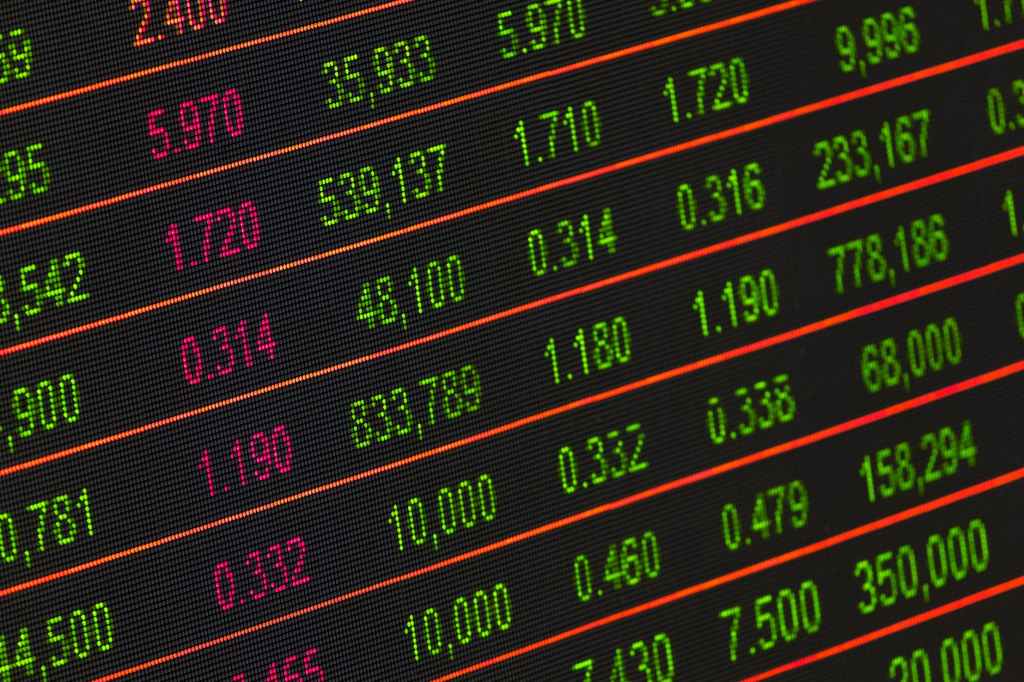
Slump in Share market: Share markets that include Sensex and Nifty are on nose dive since the occurrence of this pandemic (COVID-19). Sensex has declined close to 8000 points in a month. As of 12 March 2020, share market investors have lost approximately Rs. 33 lakh crore rupees in a month. This could be the beginning of a recession that the Indian market will never want to witness. Investors are advised to stay safe and invested in this virus-infected stock market. Few industries that can benefit from novel coronavirus during the time of the market crash are pharmaceuticals, healthcare, and Fast Moving Consumer Goods (FMCG).
Cash flow Issue: Due to this outbreak, almost 80% of Indian companies have witnessed cash flow difficulty and over 50% of companies are facing operations issues. As per the Federation of Indian Chambers of Commerce and Industry (FICCI), 53% of companies are impacted by COVID-19. Slow economic activity is resulting in cash flow problems eventually impacting repayments, interest, taxes, etc.
Coronavirus (COVID-19), a virus that grew stealthily has become one of the deadliest viruses that are killing people worldwide. This virus took birth in Wuhan city of China and since then have traveled to more than 160 countries. The World Health Organization (WHO) has declared Coronavirus as a pandemic. It has become a mass scare and is leading to the deaths of thousands of people in numerous countries including China, Italy, Iran, Spain, the US, and many more. In India, this pandemic started on 30 January 2020 by affecting an individual who had a travel history from Wuhan, China.
The world economy is seeing its greatest fall ever. Coronavirus has largely impacted the growth of almost every country and is responsible for the slump in GDP worldwide. Like other countries, India is also impacted by this virus but not largely. Almost every industry sector has seen a fall in their sales and revenue. India’s GDP growth has fallen to 4.7% in the third quarter of 2020.
Efforts from CII and Govt. of India: Confederation of Indian Industry (CII) has suggested the RBI reduce repo rate up to 50 basis points and also asked for a reduction of 50 basis points on the cash reserve ratio. The government is planning to set up an amount to support MSMEs to overcome the crisis during this phase of shut down, cash flow difficulty, and working capital issues.
A large explosion tore through a Shi’ite mosque in the southern Afghan city of Kandahar during Friday prayers, killing at least seven people and wounding 13, officials and provincial leaders said.
Qari Saeed Khosti said authorities were collecting details of the explosion, which took place days after a suicide bomb attack claimed by Islamic State on a Shi’ite mosque in the northern city of Kunduz that killed scores of people.
Photographs posted by journalists on social media showed many people apparently dead or seriously wounded on the floor of the mosque.
Nematullah Wafa, a former member of the provincial council, said the blast occurred at the Imam Bargah mosque and caused heavy casualties but there were no immediate confirmation of the number of dead and wounded.
Eyewitnesses said three back-to-back explosions hit Imam Bargah mosque in Kandahar, one of the biggest mosques in the city, causing high casualties.#TOLOnewspic.twitter.com/Z2owaWzxrF
The blast, coming so soon after the Kunduz attack underlined the increasingly uncertain security in Afghanistan as Islamic State has stepped up operations following the Taliban victory over the Western-backed government in Kabul in August.
Childhood is the most memorable time in any person’s life and among all other things the television shows had to be the best part of the evenings in those days. All the different characters, with so simple yet entertaining story lines let us enjoy our little make believe world so much so that we would wait for school to get over and be home and watch those shows. With development and advancement in technology and easier accessibility to the shows any time, any where the butterflies that waiting for those shows would give the children in those days do not easily come to children these days. These shows were sometimes superficial and most of the time fiction still made our childhood better and more fun. Here are some the most loved and remembered shows of those times:
SHARARAT
If you are true magic fan you definitely loved SHARARAT. This was a show with three generations engaging in magic and living their lives as PARIS. With Jia being the main protagonist who would always mess up her magic spells and get herself and people around her in trouble and her NANI coming to her rescue, always cleaning her mess and thereby giving a life lesson with the beauty of magic had to give us the most funny moments of all the times.
AGADAM BAGDAM TIGDAM
Do you think you have the craziest family? Wait till you meet a family that has apples as their phones and has smoke coming out of their ears now and then and belong to a planet named ZOLTAR, now this is what you call actual crazy. This show revolves around the MALHOTRAS who happen to be aliens looking like humans surviving on Earth while trying to keep their secret safe come what may. The show aired in 2007 and though might not have been as famous as others but was one of kind, first among the science fiction in the children dramas.
KYA MAST HAI LIFE
If you follow Shaheer Sheikh you definitely know him from the days of this show. This had five main characters, all enjoying their college lives while being the coolest group in the college. There is no denying that this show raised our hopes for the perfect college life while we end up attending our farewells crawled up in blankets. The show made us fall in love with Shaheer way before we even knew the meaning of love. With actor like Shweta Tripathi reaching all the heights today still remains the cute Zeeniya who solved everyday problems of her friend Ritu telling us what true friendships are for us.
SHAKE IT UP
Though very few know or talk about this show now, but this was one of the first dance programmes that lit the fire of being a dancer on growing up in every child that saw it. The show is about two teenage boys who love dancing and even excel in it so much so that become a part of a dance reality show along with the troubles that they encounter and try and solve them all by themselves. It might not have been huge hit but still has to be a hidden gem.
All these shows were the coolest thing back in early 2000s and they gave us major streaming goals. we can only thank the makers of the shows for making our childhood more fun and giving us memories of a lifetime. We owe it to these shows.
The mass media are seen today as playing a key role in enhancing globalization, facilitating culture exchange and multiple flows of information and image between countries through international news broadcasts, television programming, new technologies, film and music. If before the 1990’s mainstream media systems in most countries of the world were relatively national in scope, since then most communication media have become increasingly global, extending their reach beyond the nation-state to conquer audiences worldwide.
International flows of information have been largely assisted by the development of global capitalism, new technologies and the increasing commercialisation of global television, which has occurred as a consequence of the deregulation policies adopted by various countries in Europe and the US in order to permit the proliferation of cable and satellite channels. Globalization theorists have discussed how the cultural dimension of globalization has exercised a profound impact on the whole globalization process.
The rapid expansion of global communications in the 21st century can be traced back to the mechanical advancements of technologies during the course of the 18th and 19th centuries, which started mainly with the invention of the telegraph in 1837, and included the growth in postal services, cross-border telephone and radio communications and the creation of a modern mass circulation press in Europe. It was however the evolution of technologies capable of transmitting messages via electromagnetic waves that marked a turning point in advancing the globalization of communications.
The emergence of international news agencies in the 19th century, such as Reuters, paved the way for the beginnings of a global system of codification. Nonetheless, it was not until the 1960’s, with the launch of the first geo-stationary communication satellites, that communication by electromagnetic transmission became fully global, thus making the globalization of communications a distinctive phenomena of the 20th century.
Key theories in international communications grew out of international relation studies. The “modernization” or development” theory in the area of communication research emerged in the Cold War context and were largely preoccupied with the ways in which the media could help transform traditional societies to include them into the capitalism orbit. Among the key theorists in this tradition was Wilbur Schramm with his sponsored UNESCO work, Mass Media and national development – the role of information in the developing countries.
The idea was that international communication media could be used as a tool to transfer the political-economic model of the West to the growing independent societies of the South. Schramm’s views was that the mass media could be used by elites to raise the ambitions of the populations in developing countries, who would cease to be narrow-minded and conformist and would be active in their own self-development. The dependency theories the 1960’s and 1970’s were perceived as an alternative approach grounded in neo-Marxism, and which adopted a theoretical framework that saw capitalism and inequality as a key perspective in understanding the impact of power relations on global communications. According to the argument, transnational corporations based in the North engaged in a web of interdependency with the economies of the South, setting the terms of global trade, dominating markets, production and labour.
Dependency theorists and Latin American scholars argued that these economic relations worked within an exploitative dependency model that promoted American capitalist mentality in developing countries (Mattelart, 1979). Development was thus shaped in a way that benefitted largely the developed nations, maintaining the peripheral countries in a continuous position of dependence. Latin American scholars stressed that it was Western media companies that were reaping the rewards of the modernization programmes, and that they were actually reaching out to the South in order to conquer new markets for their products.
Globalization is thus seen as having consequences for the distribution of power and wealth both within and between countries. Cultural imperialism theories of the 1970’s and 1980’s highlighted how the media in developing countries imported foreign news, cultural and television genre formats (i.e. talk-shows, sitcoms) and also values of capitalist consumerism and individualism. The core critique of the imperialism thesis was that the developing countries had established a relationship of subordination.
We the people of new, technologically developed world have a way around the advance, next-gen, electronic in such a fashion that it has started affecting our health to the extent of the worst. The toll that excessive screen-time can have on being’s health is of major concern in today’s highly advanced times. Be it a small town or a big city, be it a young kid or an old man, be it the middle-class or the rich, be it a third-world citizen or a first world citizen, everyone has an excessively disturbing effect on health. With the rays that are responsible of the operation of these electronics are said to be harmful as that causing a heart-attack. Along with many other health- problems the cutting- off from the real world around has to be one of the most unwanted affect. As the world moves forward in the digital world, it moves backward in the health status in the real world.
Ramifications
There are numerous effects in a variety of ways on the human being because of the too much interaction with the virtual world. These effects are not only too harmful but sometimes even life-threatening.
Repercussions on Physical health=
The prolonged hours in front of the screen can lead to a number of physical health problems. These can cause health issues like obesity, weak eyesight, neck and back problems.
With people sitting in front of the screens for hours in the same place can lead them to eat unhealthily and excessively. They become more prone to junk food as an instant food is better than the one taking time to cook. The unhealthy food habits that develop because of the increased hours of sitting, makes the person obese sometimes to the extent of no return to a healthy body.
Weakening of the eyesight is one of the most disturbing affect when more than enough hours are spent in front of the screen. The blue light from the screen can cause problems like eye fatigue and blurry vision. Fatigue can cause inability to look clearly at night.
People usually sit in one place for hours while using screen and those positions can cause neck and back problems as sitting in not so comfortable positions can lead to neck, shoulder and back pains, these pains can be higher than we think. Too much screen time snatches away the person of the sleep that comes to them naturally. As studies have found that people generally tend to stretch their screen time by spending time late at nights, causing sleep related problems, generally loss of sleep.
Mental health =
Depression has been indicated as one of the worst effects of increased screen time along with anxiety. The use of too much of phones, laptops, etc can lead to drop in mental health as they tend to damage the brain cells and thereby making the case of one’s mental health further worse.
Students have generally experienced lack of concentration while studying as the excess of screen time robs them off their focus while learning something new and for the first time. The attention span reduces and the sitting hour for actually learning or studying suffers.
With sleep deprivation and lack of focus as is the effect of some drug addiction, screen time leads to irritable behaviour along with person becoming an emotional wreck. People usually involved in screen time addiction end up staying alone for hours and there by affecting their mental stability and health.
Detoxification
The screen time usage can be restrained by detoxification. There are a number of ways of detoxifying, which is the act of staying away from the screen for a specific period of time so as to reduce the effects that it might have on physical and or mental health.
Switching off the applications is proved to be one of the best ways of staying away from the screen when not so required. Turning them off gives people to more time to spend on other things than just the screen.
Resorting to other activities whenever the person finds some free time instead of gadgets can help them restore their concentration and focus. With recreational activities such as reading, writing, painting, playing any instrument etc can be beneficial for the recharging of the brains.
Making a proper routine to follow including the correction of sleep cycle has to be one of the best ways to regain the lost mental and physical health. With a good night sleep, the less strain on the eyes could bring down the eyes fatigue and irritability levels.
Physically being active is very important if you spend hours in front of the screen. Exercising has been a proven treatment to a lot of health problems and here too definitely is going to be beneficial. With the hours of sitting at least one hour of exercise makes the person gain the lost stamina and physical abilities.
Yoga and meditation have had been famous in India now for quite a long time. These two have proved to be the best cure for most the mental health related problems. Thus even only fifteen to twenty minutes of meditation shows tremendous positive effect on mental health of a being.
Moving out, has to be a difficult choice especially if you live in a small town, moving to a big, metropolitan city could be one hell of ride. These metropolises can have a toll on the new, moved in person’s mind as they entail the feeling of racing through the life for a goal so far away to reach. The kid of 16-17 that moves out having a different perspective for everything that came across them changes as soon as that teenager finds himself/herself walking on the streets of a totally unknown place all alone. The innocence and purity that small town had taught to a person is soon discovered to be a fragile characteristic for a person who needs to compete in the rat race with other strong headed people. This rat race robs the person’s inner capability that was enlightening enough to him/her but not for others. The difference in lifestyle varies on whole new level and adjusting to that can be a sport in itself.
The Problems
Whenever a person from a small town moves into a different city there are a number of problems that they have to face and difficulties that they have to go through. These problems as some might feel hinder the development as compared to the natives. For a person moving into a new city, leaving behind the comfort home, living away from their beloved has to be a different sport altogether. They are on their own for at least three years, adjusting to the situations and circumstances all alone. The fear of uncertainty and aloofness stares right into the eyes of the migrated. The difference in culture, lifestyle, sometimes language and ethnicity is something that may further make the migrated anxious the fear of unknown. Further, for someone coming from a middle class of a small town shifting to a big city might become a financial constraint, a thing that definitely affects their overall development and growth for what they actually shift or migrate. The most important issue that the migrated ones face is discrimination. They are treated with the stereotypes that have existed for forever now. The immigrants aren’t treated with equal respect and dignity sometimes because of the small town origin. Immigrants are offered low-paying jobs because of the thinking that the standard of education is not so up to the mark that they might fit in the top positions.
The Bright Side
Though all these problems might be prevalent in the big cities even today but there have been a change in attitude in past few years. Today, globalization has reduced all sorts of gaps and hence, the standard of living in small towns has come near close to that of big cities. The settlers in new cities are judged for their capabilities and talents rather than their original cities. Although financial constrain still poses a big problem for the immigrants but the promise of a better and bright future makes them take the risk and mostly succeed in it. The peace that they find at home and among the people they love still might be missing in the new city but they do get the peace that they always aspire for. The rat race they become part of unknowingly might not be as beneficial as they believe it to be but it could still open the door to the illuminated path which turns out to be their real passion and the better career.
The soaring prices of petrol and diesel has time and again highlighted the question of whether bringing it under the goods and services tax (GST) regime will prove beneficial for the consumers. The much debated and speculated issue might finally come to a conclusion on Friday when the 45th GST Council meets in Lucknow. For the first time in 20 months, the GST council will be conducting a physical meeting. After December 18, 2019, all the GST Council meetings were done in virtual mode.
“We are not saying that we should bring petrol and diesel under GST immediately, we are basically asking states to suggest a timeline,” a government source told TOI ahead of the crucial meeting of the GST Council on Friday. When GST was introduced in July 2017, five commodities — crude oil, natural gas, petrol, diesel and aviation turbine fuel (ATF) — were kept out of the GST purview, considering the revenue dependence of the central and state governments on them.
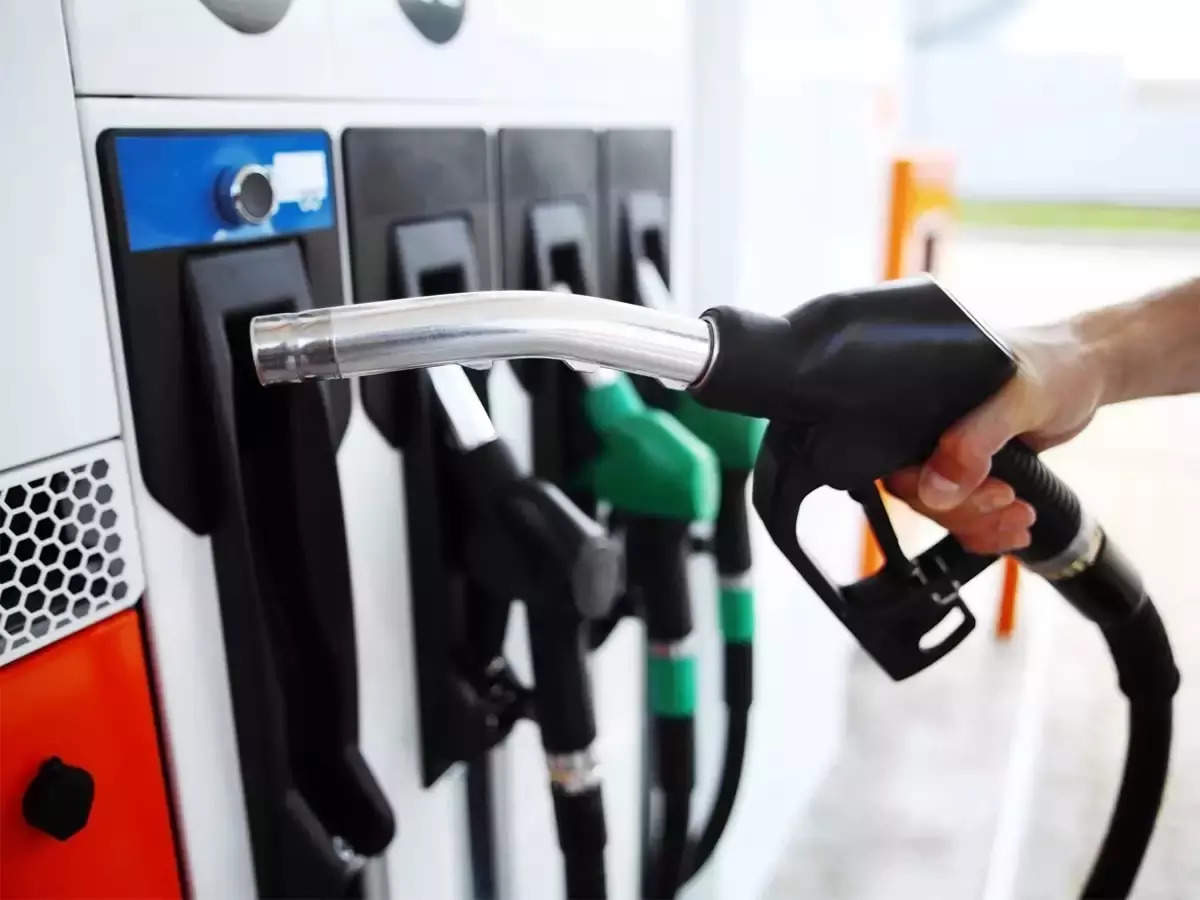
As demand recovered, the spike in global oil prices pushed petrol and diesel prices to an all-time high, leading to demand for bringing it under GST. Fuel prices have been hovering at record levels on account of 41 increases in its retail rates since April this year. However, since the past 11 days there has been no revision in prices of petrol and diesel as oil marketing companies (OMCs) kept a tab on global oil prices. Accordingly, in Delhi a litre of petrol costs Rs 101.19 and diesel costs Rs 88.62. Similarly, price of petrol in Mumbai, Chennai and Kolkata stood unchanged at Rs 107.26, Rs 98.96, Rs 101.62 per litre, respectively.
Diesel price also remained unchanged. In Delhi, Mumbai, Chennai and Kolkata, the fuel was sold for Rs 88.62, Rs 96.19, Rs 93.26 and Rs 91.71 per litre respectively.
Prices are largely going to remain unchanged or get some relief by way of a cut in days ahead as global oil is expected to soften again. Oil cartel Opec and its allies have agreed to gradually raise production levels that should prevent upward price movement.
Times are not just difficult but also alarming for every sphere of our existence. At first glance, it might appear that the raging pandemic has temporarily paused climate action and initiatives related to other environmental issues. Sustainability, it appears, may have taken a back-seat too. However, with a decade left for the end of ‘Agenda 2030’, achieving sustainable development has become even more important.
A significant feature of the raging pandemic is that it has disrupted the hyper-interconnected world characterized by globalization. Supply chains are badly affected and global markets are under severe stress. Evidently, the virus has laid bare the vulnerabilities and risks of a globalized world order. In fact, it has put under scanner not just globalization but also the Sustainable Development Goals. Nevertheless, this could be a turning point for the international community to unlearn and revamp its basic conduct on global governance and make it more inclusive in nature. Besides, the pandemic has also thrown open an opportunity to give impetus to a glocalized framework of global governance to protect the ‘global commons’ in the light of the broader debate on sustainability.
This is where glocalization can fill the gap. Simply put, glocalization refers to the interpretation, representation and replication of the global elements at the local level.
The term, glocalization, is used quite frequently in business parlance but it has begun to gain momentum in cultural, social and political arenas too. Utilizing it appropriately in the environmental domain is the need of the hour.
The term, glocalization, is used quite frequently in business parlance but it has begun to gain momentum in cultural, social and political arenas too. Utilizing it appropriately in the environmental domain is the need of the hour.
Covid-19 has brought about the necessity of refining and revising globalization. This can be done by integrating glocal elements to achieve global good, be it sustainable development or climate action, by roping in local actors, such as subnational agencies, grassroots bodies, non-governmental organizations and other relevant non-State actors in the discussion on sustainability. Localizing economies would provide leverage to the development targets of those like India. This can help attain the much-needed balance between ecological equity and economic growth. Additionally, it is hard to overlook the expertise and knowledge offered by local populations that are located at ground zero and are in tune with ground realities. This kind of resource efficiency could prove to be useful in operationalizing the potential glocal elements of global governance. Factors like accountability, transparency and trust-building among the State and non-State actors are also vital in this context.
Considering the changes in modern living, starting from working remotely to radically cutting down on carbon footprints, glocalization could turn out to be a viable alternative to globalization, thereby creating innovative pathways for sustainable development in the near future.
सड़क परिवहन मंत्री नितिन गडकरी ने गुरुवार को कहा कि केंद्र सरकार अगले तीन साल में दिल्ली को वायु, जल और ध्वनि प्रदूषण से मुक्त करेगी। उन्होंने कहा कि मौजूदा समय में प्रदूषण देश के लिए सबसे बड़ी चिंता की बात है।
इंडस्ट्री पीएचडी चैंबर ऑफ कॉमर्स के सालाना कार्यक्रम में गडकरी ने कहा कि उनके मंत्रालय ने सड़क बुनियादी ढांचा विकास पर 60,000 करोड़ रुपये खर्च किए हैं। इस प्रयास से दिल्ली में वायु प्रदूषण को कम करने में भी मदद की। वायु प्रदूषण, जल प्रदूषण और ध्वनि प्रदूषण देश के लिए चिंतित करने वाले मुद्दे हैं। हम दिल्ली को अगले तीन वर्षों में वायु, जल और ध्वनि प्रदूषण से मुक्त कर देंगे।
गडकरी ने कहा कि सरकार सुप्रीम कोर्ट से मंजूरी मिलने के बाद सभी वाहन निर्माताओं के लिए फ्लेक्स फ्यूल के अनुकूल इंजन बनाना अनिवार्य कर देगी। फ्लेक्स-फ्यूल, पेट्रोल और एथेनॉल को मिलाकर बनने वाला एक वैकल्पिक ईंधन है। अब एक एथेनॉल अर्थव्यवस्था विकसित करने पर काम किया जा रहा है। गडकरी ने सुझाव दिया कि सेना को डीजल इंजन वाले वाहनों के इस्तेमाल पर प्रतिबंध लगाना चाहिए और एलएनजी, सीएनजी और एथनॉल पर चलने वाले ट्रकों का उपयोग करना चाहिए। मंत्री ने कहा कि इथेनॉल, पेट्रोल और डीजल की तुलना में काफी सस्ता है।
देश में ईंधन की कीमतों में लगातार बढ़ोतरी देखने को मिल रही है। लागतार बढ़ रहा रेट थमने का नाम नहीं ले रहा, जिससे जनता काफी परेशान है। कच्चे तेल के दामों में जिस तरह से अंतरराष्ट्रीय बाजार में तेजी देखने को मिल रही है,वैसे ही घरेलू बाजार में पेट्रोल और डीजल के दाम भी आसमान छू रहा है। भारत में ईंधन की कीमतें रिकॉर्ड स्तर पर है।
5 अक्टूबर 2021 यानी कि मंगलवार को 1 दिन की स्थिरता के बाद भारतीय तेल कंपनियों ने डीजल और पेट्रोल के रेट में इजाफा कर दिया है। बात करें पेट्रोल की तो 25 पैसे प्रति लीटर एवं डीजल 30 पैसे प्रति लीटर और अधिक महंगा हुआ है। वहीं अक्टूबर में हरदिन भाव बढ़ता रहा है। अब तक केवल 1 दिन डीजल और पेट्रोल का रेट स्थिर रहा है।
इंडियन ऑयल कॉर्पोरेशन के मुताबिक़, ईंधन के दामों में वृद्धि के बाद दिल्ली में पेट्रोल की कीमत 102.64 रुपए प्रति लीटर एवं डीजल 91.07 रुपए प्रति लीटर तक पहुंच गया है। हालांकि,देश के चारों महानगरों की तुलना करें तो मुंबई में डीजल-पेट्रोल सबसे अधिक महंगा है। बता दें, जुलाई एवं अगस्त के महीने में कच्चे तेल के दामों में कुछ खास बदलाव नहीं आया था। इसलिए 18 जुलाई से 23 सितंबर तक तेल कंपनियों ने मूल्य वृद्धि नहीं की थी। इस दौरान पेट्रोल 0.65 और डीजल 1.25 की कीमतों में कटौती की गई थी। फिर अंतर्राष्ट्रीय बाजार में निरंतर बढ़ती कीमतों के कारण 28 सितंबर से पेट्रोल और 24 सितंबर से डीजल की कीमतों में बढ़ोतरी की गई है।
अंतरराष्ट्रीय बाजार में पेट्रोल और डीजल की कीमत क्रूड की कीमत के आधार पर प्रतिदिन अपडेट होती है। कीमतों की समीक्षा करने के बाद ऑयल मार्केटिंग कंपनियां रोज डीजल और पेट्रोल के दाम निर्धारित करती है।
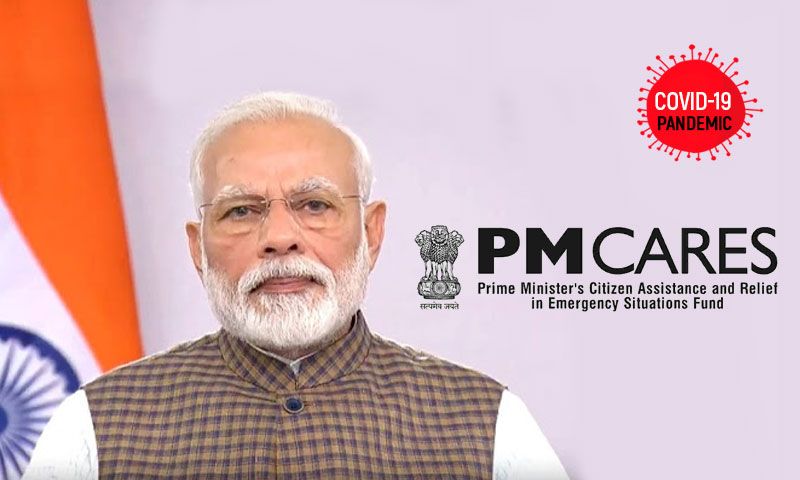
प्रधानमंत्री नरेंद्र मोदी ने कहा कि उनकी सरकार का उद्देश्य देश के हर जिले में कम से कम एक मेडिकल कॉलेज खोलना है। वह गुरुवार को अखिल भारतीय आयुर्विज्ञान संस्थान (एम्स) ऋषिकेश में 35 राज्यों को 35 प्रेशर स्विंग ऐडसोरप्सन(पीएसए) ऑक्सीजन संयंत्र समर्पित करने के लिए आयोजित एक समारोह में बोल रहे थे।
ये प्लांट पीएम केयर्स फंड के तहत स्थापित किए गए हैं। उन्होंने कहा कि कुछ साल पहले देश में बहुत कम एम्स थे लेकिन अब हर राज्य में एक एम्स खोलने का प्रयास किया जा रहा है।
उन्होंने कहा कि नवरात्रि पर्व के पहले दिन के अवसर पर उत्तराखंड आना उनके लिए सौभाग्य की बात है। पीएम ने कहा कि उन्होंने 20 साल पहले इसी तारीख को गुजरात के सीएम के रूप में शपथ ली थी और कहा कि इस यात्रा की शुरुआत उत्तराखंड के गठन के साथ हुई थी।
उन्होंने प्रसन्नता व्यक्त की कि जिस धरती से योग और आयुर्वेद जैसी जीवनदायिनी शक्तियों को बल मिला, उसी धरती से आज ऑक्सीजन प्लांट समर्पित किए जा रहे हैं। महामारी की अवधि के दौरान अपनी सरकार की उपलब्धियों की सराहना करते हुए, पीएम ने कहा कि महामारी से पहले सिर्फ एक परीक्षण प्रयोगशाला से लगभग 3,000 परीक्षण प्रयोगशालाओं का एक नेटवर्क बनाया गया था। उन्होंने कहा कि भारत ने दुनिया का सबसे बड़ा और सबसे तेज टीकाकरण अभियान लागू किया है।
उन्होंने कहा कि पहले देश में एक दिन में 900 मीट्रिक टन लिक्विड मेडिकल ऑक्सीजन का उत्पादन होता था, लेकिन जैसे-जैसे मांग बढ़ी, भारत ने मेडिकल ऑक्सीजन के उत्पादन में दस गुना से अधिक की वृद्धि की।
पीएम ने यह भी कहा कि कोविड -19 वैक्सीन की लगभग 93 करोड़ खुराक दी गई है और जल्द ही देश 100 करोड़ का आंकड़ा पार कर जाएगा।
पीएम ने कहा कि अब सरकार इस बात का इंतजार नहीं करती कि नागरिक अपनी समस्याएं लेकर उसके पास आएं और फिर कोई कदम उठाएं, लेकिन अब सरकार नागरिकों तक पहुंच रही है।


















 Eduindex
You must be logged in to post a comment.