THE CORONAVIRUS- 20 MONTHS LATER

COVID-19 is invisible the disruption it has triggered is visible everywhere. COVID-19 the disease caused by the virus has been wreaking havoc across the world for the last twenty months. No part of the planet has been left untouched. How safe is the world faring today? Some experts refer to number showing that the world is better off given the fact that COVID is less deadly than the “Spanish flu” safe vaccines were developed and record times vaccinations work treatment other than vaccines for covid have been proven to work too and open science has led to a life saved.

Granted no two pandemics or the same, covid and the Spanish Flu belong to different eras. Science is not as advanced 100 years ago as it is today. The world population at 7.8 billion today is much bigger. Still, the sheer numbers are instructive. when the Spanish flu pandemic hit it had infected an estimated 500 million people between 1918 to 1920 and killed up to 50 million or 10% of the fatality rate- during a period when the planet’s inhabitants were still less than two billion. The world today is truly more global with both its upsides and downsides. This makes covid truly a pandemic. one cannot unmake travel. have but this has a potentially dangerous downside: in the case of smaller island nations, their very existence is at risk warned World Health Organization.

There are at least 21 COVID-19 vaccines approved today vaccines were developed in record time using at least three platforms. The World Health Organization so far approved seven vaccines. experts estimate that if 30.2 million vaccines are produced daily around the rate of 349 vaccines per second that number would enable the world to achieved herd immunity in the next 12 months. The current batch of approved vaccines is highly effective at preventing severe cases. However, they are less effective and preventing mild cases of the delta. Science benefits mankind. In this pandemic-keeping science, open help save lives. As the research findings are getting translated and to practice even more rapidly open science encourages a broader endorsement of the principles that science should always be a rigorous process reliable and transparent. They had some glitches but in general, the world has seen an unprecedented pace of research and development in the midst of COVID. Rapid sharing and review of research data have greatly improved understanding of the pandemic which has led to reducing mortality. Another benefit of open science is greater scrutiny of informed consent and in any drug study, adverse effects cannot be neglected.

But despite these developments, there are still some worries. What Health Organization has approved seven covid vaccines. more than 190 countries have approved vaccines that are at least 138 vaccines candidates and 404 vaccine trials. But there isn’t enough vaccine stock in the world. Wealthy nations are funded by vaccine research have plenty of vaccine supplies while underdeveloped countries struggle. Online learning helped to win the virus that was ramping across the world. It wasn’t perfect but allowed education to continue even when schools were closed. decent learning is never the same as classroom learning. Life on a university campus the education of life itself students missed all that. Not to mention the difficulty in accessing the internet for students living in poorer sections of society.

Need For Women Safety In India

By Anshiki Jadia

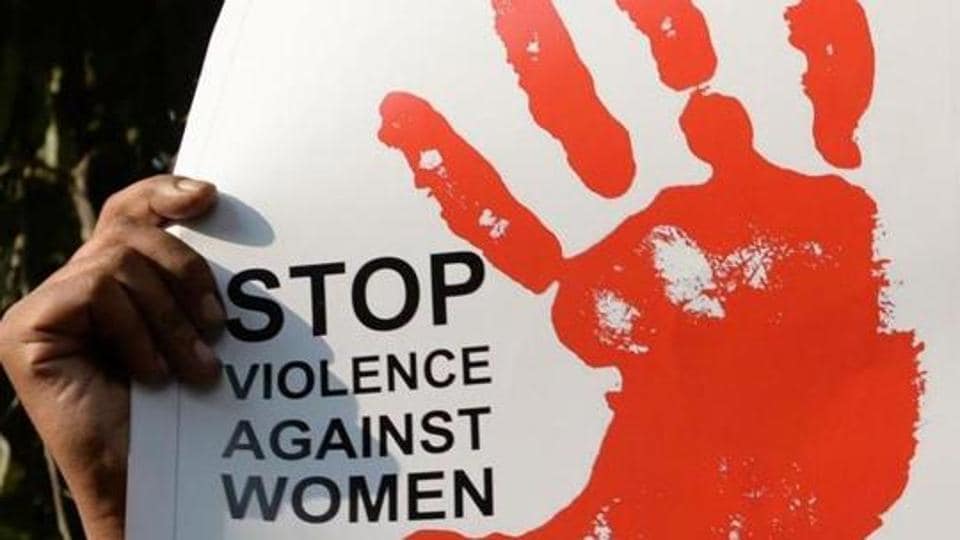
Ladies in India, today, are turning into the most weak segment all things considered. Ladies are the best strength of our general public and it is so debilitating to see that they are getting risky step by step as the quantity of violations against them are expanding. As indicated by a survey by Reuters, India has been positioned the most perilous country out of the world’s 10 most noticeably awful nations for ladies. At the point when we turn the pages of a paper, we go over many title texts revealing instances of attack, badgering, dealing, abuse of ladies in houses, brutality against ladies in distant regions and so forth Ladies feel risky and unstable and feel that their opportunity and freedom are open to hazard. It is excruciating to envision the predicament of ladies who are victims of such violations. It is a shake on the certainty of the ladies of the general public and on our legal framework.

As indicated by the National Crimes Records Bureau(NCRB), India recorded 88 assault cases each day in 2019 and wrongdoings against ladies expanded by 63.3% in the initial a half year of 2021. NCRB report features that assault weakness of a young lady or lady has expanded up to 44% over the most recent 10 years. According to the most recent NCRB information, KOLKATA dominates the competition in security, for ladies, however generally speaking also. To shield ladies from aggressive behavior at home THE PARLIAMENT OF INDIA passed ‘The Protection of Women from Domestic Violence Act 2005’.

Significance OF WOMEN SAFETY-

Security of ladies is vital in this pitiless and fiendish society. As the quantity of bodies of evidence are emerging against ladies, practice the laws and get the criminal captured and rebuffed straightaway. It assists ladies with being more settled, comprehension and they feel ensured. They will trust the public authority if the criminal gets required discipline on schedule. It will foster body and psyche control in them. They will take dynamic part in all things if appropriate wellbeing is guaranteed to them. There are laws yet there ought to be appropriate wellbeing estimates which we need to follow rigorously to shield the ladies from savagery.

We for the most part look for someone else to take the blame for any such occurrence and henceforth have not prevailed to arrive at the underlying driver of this issue. A successful execution of misfortune ensuring ladies’ privileges is the initial phase toward this path. There ought to be rigid misfortune and the crooks of such wrongdoing ought to be seriously rebuffed.

Violations AGAINST WOMEN-

In India, lewd behavior, assaults, aggressive behavior at home, settlement cases and murder are normal types of brutality against ladies. It is found in certain spots that even today, there is a practice of taking share from the young lady’s family and the dad forfeits and loses everything to pay it. Abusive behavior at home is likewise expanding seriously where one accomplice or a man mishandles another accomplice or a young lady in a relationship. It prompts discouragement and suicides. It’s anything but an immediate homicide yet it is the reason for homicide without a doubt. Cheating in a relationship and giving separation is likewise a wrongdoing against ladies which annihilates the entire existence of a ladies and the man effectively tracks down another young lady and weds her. Corrosive tossing is viewed as the most horrifying wrongdoing against ladies which ruins the excellent young lady’s life and left her in a condition of shock.

HOW Might WE SAFEGUARD WOMEN OF OUR SOCIETY?

We likewise need to make social mindfulness about these issues and exclude the individuals who carry out such wrongdoings and not the people in question. Ladies security is a vital worry in India and a great deal of associations began chipping away at it after Nirbhaya’s case. Ladies ought to be shown some self-preservation tips and deceives in schools, universities, workplaces and private provinces, so that in the event that anybody attempts to hurt them, they can apply these stunts to ensure them and hurt the individual attempting to assault her. Likewise, different recordings of self-protection methods are transferred on the web, on different online media stages for instructing ladies’ wellbeing. Ladies should consistently put some cold powder, ginger-garlic glue or some hurting materials while going out to hurt the assailant. To guarantee the security of the ladies in the country, the whole populace ought to be knowledgeable and the laws ought to be exceptionally extreme against each sort of wrongdoing. Both the people of the general public ought to be engaged with appropriate schooling and pay so they can battle against any mischief to them. There are likewise different helpline numbers for guaranteeing ladies security in India. Just when these actions are taken, India can turn into a lighthearted and charming spot for ladies when they can go any place they like to with no dread of being gazed at, attacked or segregated.

WOMEN SAFETY IN INDIA

Women in India, today, are becoming the most vulnerable section as far as their safety and security is concerned. Women are the greatest strength of our society and it is so disheartening to see that they are getting unsafe day by day as the number of crimes against them are increasing. According to a poll by Reuters, India has been ranked the most dangerous country out of the world’s 10 worst countries for women. When we turn the pages of a newspaper, we come across many headlines reporting cases of molestation, harassment, trafficking, ill treatment of women in houses, violence against women in remote areas etc. Women feel unsafe and unsecure and feel that their freedom and liberty are expose to risk. It is unbearable to imagine the plight of women who are sufferers of such crimes. It is a shake on the confidence of the women of the society and on our judicial system.

According to the National Crimes Records Bureau(NCRB), India recorded 88 rape cases every day in 2019 and crimes against women increased by 63.3% in the first six months of 2021. NCRB report highlights that rape vulnerability of a girl or woman has increased up to 44% in the last 10 years. As per the latest NCRB data, KOLKATA comes out on top in safety, not just for women, but overall as well. To protect women from domestic violence THE PARLIAMENT OF INDIA passed ‘The Protection of Women from Domestic Violence Act 2005’.

IMPORTANCE OF WOMEN SAFETY-

Safety of women is very important in this cruel and evil society. As the number of cases are arising against women, it is very important to exercise the laws and get the criminal arrested and punished as soon as possible. It helps women be calmer, understanding and they feel protected. They will trust the government if the criminal gets required punishment in time. It will develop body and mind control in them. They will take active part in every thing if proper safety is ensured to them. There are laws but there should be proper safety measures which we have to follow strictly to protect the women from violence.

We generally play the blame game for any such incidence and hence have not succeeded to reach the root cause of this issue. An effective implementation of loss protecting women’s rights is the first step in this direction. There should be stringent loss and the criminals of such crime should be severely punished.

CRIMES AGAINST WOMEN-

In India, sexual harassment, rapes, domestic violence, dowry cases and murder are common forms of violence against women. It is found in some places that even today, there is a tradition of taking dowry from the girl’s family and the father sacrifices and loses everything to pay it. Domestic violence is also increasing very badly where one partner or a man abuses another another partner or a girl in a relationship. It leads to depression and suicides. It’s not a direct murder but it is the cause of murder for sure. Cheating in a relationship and giving divorce is also a crime against women which destroys the whole life of a women and the man easily finds a new girl and marries her. Acid throwing is considered to be the most heinous crime against women which ruins the beautiful girl’s life and left her in a state of shock.

HOW CAN WE SAFEGUARD WOMEN OF OUR SOCIETY?

We also need to create social awareness about these issues and ostracise those who commit such crimes and not the victims. Women safety is a crucial concern in India and a lot of organisations started working on it after Nirbhaya’s case. Women should be taught some self-defence tips and tricks in schools, colleges, offices and residential colonies, so that if anyone tries to harm them, they can apply these tricks to protect them and hurt the person trying to attack her. Also, various videos of self-defence techniques are uploaded online, on various social media platforms for educating women’s safety. Women should always put some chilly powder, ginger-garlic paste or some harming materials while going out to harm the attacker. To ensure the security of the women in the country, the entire population should be well-educated and the laws should be very tough against every kind of crime. Both the men and women of the society should be empowered with proper education and income so that they can fight against any harm to them. There are also various helpline numbers for ensuring women safety in India. Only when these measures are taken, India can become a carefree and enjoyable place for women when they can go where ever they like to without any fear of being stared at, molested or discriminated.

”It took me quite a long time to develop a voice, and now that I have it, I am not going to be silent”. – Madeleine Albright

Crisis in AFGHANISTAN

Photo by Pixabay on Pexels.com

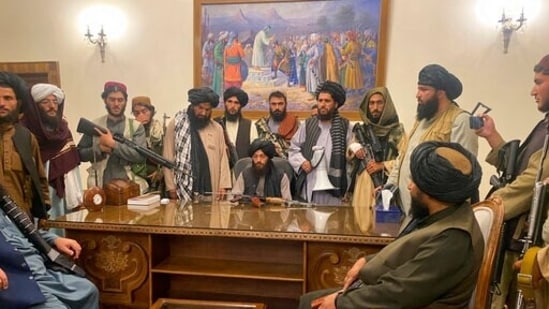
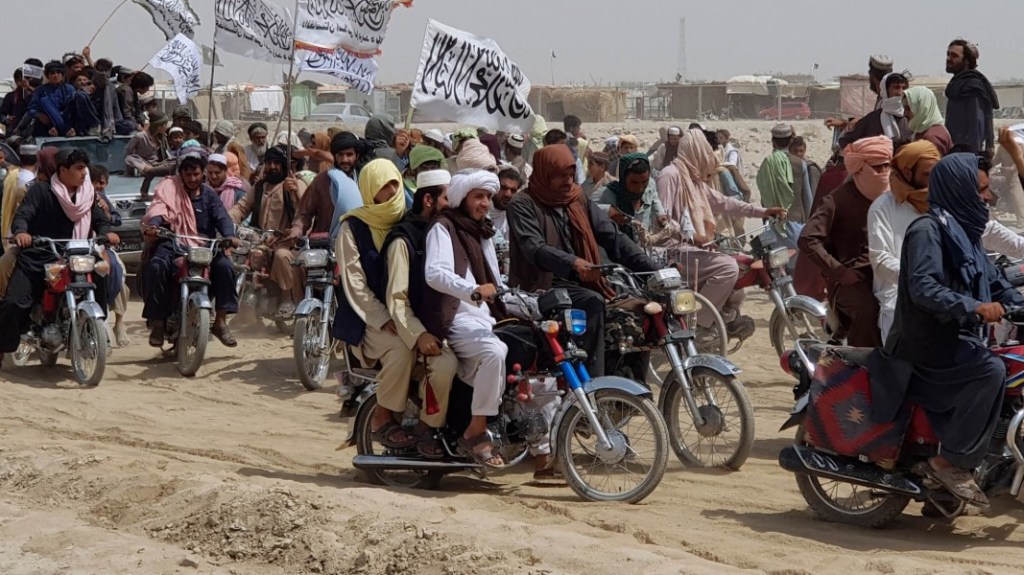
Now that the US army has pulled out from Afghanistan after spending 20 years there, the Taliban has taken control of almost whole of the country. HISTORY REPEATS ITSELF, and here history is repeating itself for the worst. Politicians have fled from the country leaving their countrymen to die and the civilians are in a state of panic. As Taliban has taken control from all the borders leaving no exit point.

What is Taliban

Taliban is the word for ‘student’ in pashto language. Ironically they have nothing to do with knowledge, at least on humanitarian basis. They emerged from the northern part of Pakistan in the early 1990s, they basically promised peace to the peope an to impose Sharia or islamic law, once in power. In September 1995, they started their rule by capturing Herat and then all the major cities one by one and by 1998, they had captured about 90% of Afghanistan.

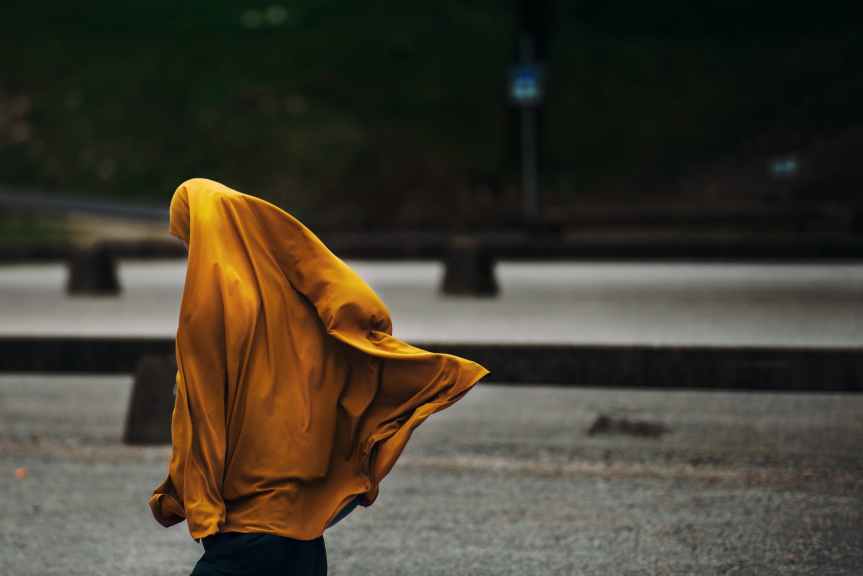
They became popular as they finished corruption and lawlessness. They also introduced roads. But at the same time they implemented the Sharia law and gave punishments according to it, like public execution for murderers and adultration, amputating those, who were found guilty of theft. Girls were not allowed to go to school after the age of 10, women had to wear chaadri (burqa, covering whole body) when going out and they had to be accompanied by a man all the time, men too had to grow beard. Cinema, music and television were banned. women were not allowed to work even when their husbands died. Basically all their rights were taken away.

Read more about Afghanistan: https://edupub.org/2021/07/19/afghanistan-through-khaled-hosseinis-a-thousand-spendid-suns/

Major terrorist activities by Taliban

On 11 September, 2001 the world trade center was attacked and Taliban was accused of providing safety to Al Qaeda.

Malala Yousafzai was shot by the talibani terrorists as she refused to leave school and continued to study.

pic courtesy: shutterstock

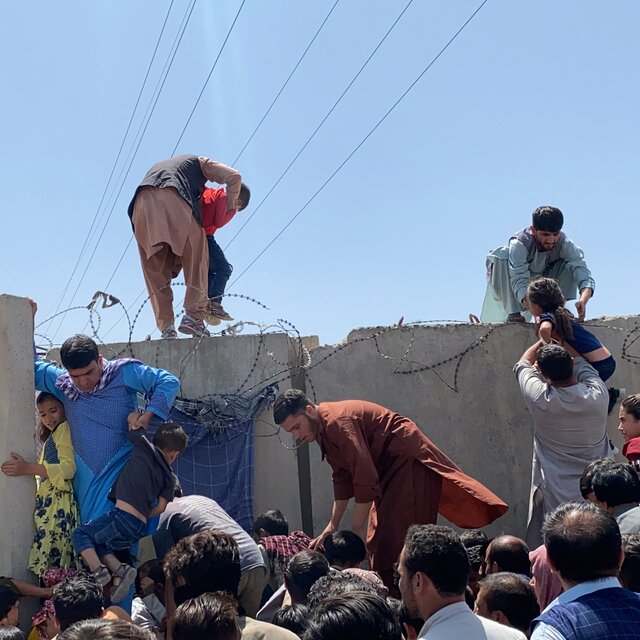
Disturbing images have been coming in from airport where people were rushing as their last hope of fleeing from there. It’s very saddening to see politicians leaving their people to die on the streets. Even though talibanis have said that the people need not be scared of anything but can we trust them?? Not really. Several videos have been surfacing on the net of dead bodies littered on roads. People are being dragged out of their houses, specifically those who have in any way helped American forces.
Residents are trying any possible way to get out of there but unfortunately the only exit left at last, the airport in kabul, has been shut off, shutting their last hope for now.

Photo by Disha Sheta on Pexels.com

Well, I hope for now at least the citizens will be safe and peace will be restored soon. The Afghanistan of 1960s-70s, where women enjoyed freedom and the country was progressing will be back. Children will play with toys and not guns, knowledge will be used as weapon and not violence.

Normal animal sicknesses and their management

By Anshiki Jadia

1 – Bacillus anthracis Anhrax, a profoundly irresistible and deadly sickness of dairy cattle, is brought about by a moderately enormous spore-framing rectangular formed bacterium called Bacillus anthracis. Bacillus anthracis causes intense mortality in ruminants. The microbes produce incredibly powerful poisons which are answerable for the evil impacts, causing a high death rate. Indications of the ailment for the most part seem 3 to 7 days after the spores are gulped or breathed in. When signs start in creatures, they generally bite the dust inside two days. Hoofed creatures, like deer, cows, goats, and sheep, are the principle creatures influenced by this sickness. They for the most part get the infection by gulping Bacillus anthracis spores while touching on field tainted (made debased) with Bacillus anthracis spores. Breathing in (taking in) the spores, which are unscented, dull, and boring, may likewise cause disease in creatures and individuals.

Side effects: Unexpected passing (regularly inside 2 or 3 hours of being evidently typical) is by a long shot the most widely recognized sign; Incidentally a few creatures might show shuddering, a high temperature Trouble breathing, breakdown and spasms before death. This generally happens over a time of 24 hours; After death blood, may not cluster, bringing about a modest quantity of ridiculous release from the nose, mouth and different openings

Treatment and control Because of the intense idea of the infection bringing about abrupt demise, therapy is normally impractical in creatures despite the fact that Anthrax bacilli are clines. Treatment is useful in cases showing sub-intense type of the infection. Much of the time, early treatment can fix Bacillus anthracis. The cutaneous (skin) type of Bacillus anthracis can be treated with normal anti-microbials.

Preventive measures: Normal yearly immunization of creatures in endemic regions will keep the illness from happening. Inoculation might be done somewhere around a month preceding expected sickness event in endemic regions. Never open a corpse of a creature suspected to have passed on from Bacillus anthracis. Contact a veterinarian promptly if the accompanying manifestations are seen and look for counsel on control measures to be taken on. Fever (106-108°F), loss of craving, sorrow and bluntness

2 – Dark quarter (dark leg) It is an intense irresistible and profoundly deadly, bacterial sickness of dairy cattle. Bison, sheep and goats are additionally influenced. Youthful cows between 6 two years old enough, in great body condition are for the most part influenced. It is soil-borne contamination which for the most part happens during blustery season. In India, the illness is inconsistent (1-2 creature) in nature. Causal organic entity: it is a bacterial infection brought about by Clostridium chauvoei

Side effects: Fever (106-108°F), Loss of hunger, Depression and bluntness Suspended rumination Quick heartbeat and pulses Troublesome breathing (dyspnoea) Faltering in influenced leg Crepitation expanding over hip, back and shoulder Expanding is hot and difficult in beginning phases though cold and effortless entomb. Supineness (surrender) trailed by death inside 12-48 hrs.

Treatment: Early treatment can be feasible to finish fix of the creature. Talk with veterinarian right away.

3 – Foot and mouth illness The foot-and-mouth illness is an exceptionally transferable sickness influencing cloven-footed creatures. It is described by fever, arrangement of vesicles and rankles in the mouth, udder, nipples and on the skin between the toes or more the feet. Creatures recuperated from the illness present a naturally unpleasant coat and misshapening of the foot. In India, the illness is far reaching and expects a place of significance in animals industry. The sickness spreads by direct contact or by implication through contaminated water, compost, feed and fields. It is additionally passed on by cows specialists. It is known to spread through recuperated creatures, field rodents, porcupines and birds.

Indications fever with 104-105o F lavish salivation – ropes of wiry spit dangles from mouth vesicles show up in mouth and in the entomb advanced space faltering noticed cross reproduced cows are exceptionally vulnerable to it

Safety measures substantial milch creatures and extraordinary types of cows reared for milk ought to be secured consistently. it is fitting to do two immunizations at a time period months followed by a yearly inoculation program. disengagement and isolation of debilitated creatures. It ought to be educated quickly to the veterinary specialist sterilization of creature sheds with blanching powder or phenol chaperons and hardware’s for wiped out creatures ought to be preferably independent the gear’s ought to be altogether disinfected appropriate removal of left over feed by the creature legitimate removal of remains control of flies

4 – Rabies (Mad canine infection) Rabies is an infection of canines, foxes, wolves, hyaenas and in certain spots, it is an illness of bats which feed on blood. The illness is passed to different creatures or to individuals in case they are chomped by a creature with rabies. The germs which cause rabies live in the spit of the debilitated (frenzied) creature. This is an amazing sickness however only one out of every odd canine which nibbles is tainted with rabies. At the point when the out of control creature chomps another creature or human, the germs which live in its salivation pass into the body through the injury brought about by the nibble. The germs venture out along the nerves to the cerebrum. The time between the chomp and the principal appearance of signs that the nibbled creature or human has been tainted can take from 2 to 10 weeks or more. The time taken relies upon the distance of the chomp from the cerebrum. In the event that the nibble is on the face or head, the chomped creature or human will rapidly give indications, yet on the off chance that the nibble is on the leg it will take any longer for signs to create.

General indications of rabies You should initially search for the characteristics of the nibble and find where and when the creature was chomped. All raging creatures give comparable indications in the first place. they change their typical conduct and act unusually. They quit eating or drinking. Male creature will attempt to mate (mount) different creatures. The calm (stupid) type when the creature is tranquil and doesn’t move.

Control of rabies Canines locally can be immunized against rabies. You ought to get some information about immunization against rabies. In case there is a flare-up of rabies, the animals locally can be inoculated as well.

Mini Movie Review|It touched the hearts but not the brains

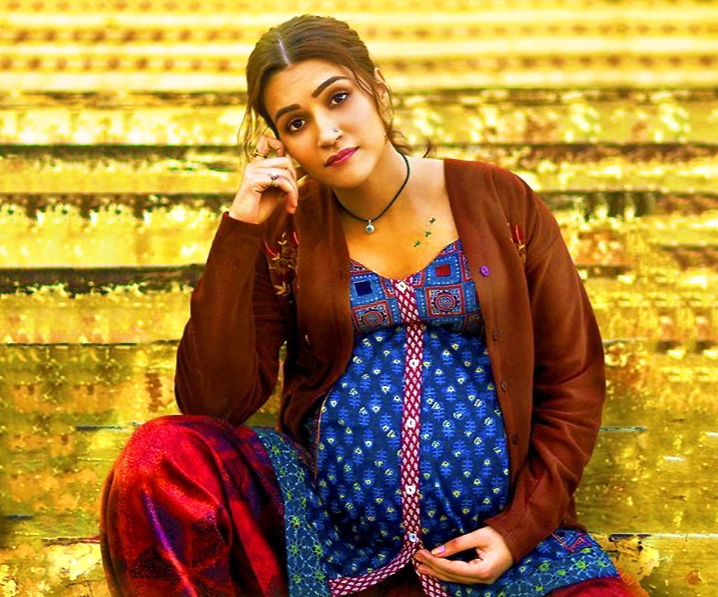
A character played by Kirti Sanon personifies surrogacy through Mimi who was aspired to chase her dreams but couldn’t fulfill it.

Nothing like you are expecting!!

Cast: Kirti Sanon, Pakaj Tripathi, Sai Tamhankar, Supriya Pathak, Manoj Pahwa

Director: Laxman Utekar

In a patriarchal society like India, women have always been under the umbrella of the community. It’s barely seen in the families who support a girl’s dream and accept her to be a dancer.

The movie begins with the introduction of a foreign couple who came to India in the search of a surrogate. After long hours of work, they were finally able to find a girl with the help of the driver (a role played by Pankaj Tripathi) in a hotel. Mimi(the girl) was a dancer and getting influenced by its flexibility they decided to offer her 20 lakhs to be the surrogate. Being an ambitious 25-year old woman agrees to take the risk for the same of becoming a famous Bollywood actress. She decides to live at her friend’s house by convincing the parents saying, she is going to a film shoot. With the required procedure, Mimi becomes the surrogate, and for the first four months, she was having a good time with the pregnancy. However, after eight months tests revealed that the baby is suffering from some mental disorder. This news outraged the couple and they decided not to accept the baby after birth and told Mimi to abort. This became the turning point in her life. She sacrificed all her dreams by deciding to give birth to the child and raise him. Later, the couple returned to her after 2 years when they came to know that the baby was born healthy. Mimi refused to give the child back and in the end, they decided to adopt a girl.

Message

  • A girl is also born with a dream and her character is not decided with what she pursues but what she is.
  • The support of family is crucial in the darkest times. Mimi faced all the criticisms from society but her parents never let her alone and accepted her as she was.
  • Killing is not an option. It’s not the fault of a child to be born unhealthy.
  • One loyal friend is more important than a group of unloyal ones. The driver and the friend were with Mimi till the end, helping her go through all the difficulties with a smile.

Every coin has two sides. Even though the movie won the hearts of the audience, it faced several criticisms like not following the laws related to a sensitive topic of surrogacy, using the term casually, and disrespect towards the decision of abortions.

It played with the emotions well, yet failed to manipulate the thoughts.

Lucid Dreams

What are lucid dreams?

Lucid dreams occur when you are aware that you are dreaming while sleeping.You’re aware that the events that are flashing across your mind aren’t genuine. However, the dream is vivid and real. You could even be able to guide the action in your sleep, as if you were directing a movie. According to studies, roughly half of all adults have had at least one lucid dream. However, they are unlikely to occur frequently, usually only a few times per year.

Photo by Ketut Subiyanto on Pexels.com

When do lucid dreams happen?

Lucid dreams are most common during rapid eye movement (REM) sleep, which is characterised by rapid eye movement, faster breathing, and increased brain activity. About 90 minutes after falling asleep, you normally enter REM sleep. It lasts approximately ten minutes. Each REM cycle lasts longer than the one before it, eventually reaching an hour.

Lucid Dreams Research

Neuroscientists are baffled as to how and why lucid dreams occur. They do, however, have some suggestions. For one instance, research have discovered physical differences in the brains of those who have lucid dreams versus those who don’t. People who have lucid dreams have a larger prefrontal cortex, which is responsible for high-level processes such as decision-making and memory recall. That shows that people who are most prone to have lucid dreams are self-reflective individuals who ruminate on their own thoughts. In a tiny study conducted in Germany, individuals’ brain electrical activity was monitored as they slept. According to the findings, lucid dreaming may be a kind of “in-between state” in which you aren’t entirely awake but also not fully sleeping. Some sleep researchers believe that lucid dreams can occur outside of REM sleep, which was previously regarded to be the only moment when people dreamed.

Benefits of Lucid Dreams

Lucid dreams may assist your waking life by providing advantages such as:

– Less Anxiety: There is less anxiety. The sense of control you experience during a lucid dream may linger and make you feel powerful. You can mould the tale and the finale after you realise you’re in a dream. This could be used as a form of treatment for people who suffer from nightmares, teaching them how to manage their dreams.

– Better motor skills: Some research suggests that by “practising” in a lucid dream, you might be able to improve simple things like tapping your fingers faster. Whether you visualise the actions while awake or run through them in a lucid dream, the same area of your brain becomes engaged.

– Improved Problem-solving skills: Researchers discovered evidence that lucid dreams can assist people address difficulties involving creativity (such as a disagreement with another person) rather than reasoning (such as a math problem).

– Increased creativity: Some participants in lucid dream studies were able to generate new ideas or insights, sometimes with the assistance of characters in their dreams.

Dangers of Lucid Dreams

Lucid dreaming can lead to a variety of issues, including:

– Sleep deprivation: Vivid dreams might wake you up and make it difficult to fall back asleep. And if you’re too concentrated on lucid dreaming, you can have trouble sleeping.

– Confusion, delirium, and hallucinations: Lucid dreams can cause confusion, delirium, and hallucinations in people with certain mental health problems.

Women Safety in India: Still a Major Concern?

Women Safety in India - An Unending Struggle? – BloggerBunny

Protection of women in India has become a crucial issue. We cannot assure the safety of the women nowadays because if we read a newspaper or go on social media, the news of girls getting raped by cab drivers, acid burning, child marriage, domestic violence, molestation is flooded from different parts of India. Such incidents have created fear and fright among young girls and women. They don’t feel safe in their own country. In rural areas, the conditions are worse where women are burned and killed by in-laws or tortured for dowry. Moreover, female infanticide is still practised in some remote areas.

The most dreadful event that the country faced was the Nirbhaya gang-rape incident. To curb such horrendous crimes against women, the government has passed laws for women’s safety. They are Child Marriage Restraint Act 1929, Hindu Marriage Act 1955, Dowry Prohibition Act 1961, Deaths and Marriages Registration Act 1886, Indian Divorce Act 1969, Equal Remuneration Act 1976, Prohibition of Sex Selection Act 1994, Protection of women from Domestic Violence Act 2005, Sexual Harassment of Women at Work Place Act 2013 etc. and many more.

How to Ensure Women Safety in India?

Everyone requires to determine and willingly agree that every person has the freedom to feel safe. Indian constitution states that every person is even before the law. But unfortunately, it is not practiced everywhere. Women and girls around the world should be given access to education, freely walk at any place, reach to hospitals, the opportunity of choosing a career, freedom of choice of marriage partner and also the freedom to wear their own choice of clothes. They should not be punished for the selection of garments, friends, and other extra-curricular activities.

Education is the demand for the hour to eradicate such problems and to help individuals in the nation recognize and respect limits, and approval in order not to dishonor women’s rights. As individuals, we can regard each other with respect. Let us stand as active bystanders where we stop sexual violence and interfere if any such incidence happens anywhere with the women. Most importantly, do not perpetuate it.

Role of the Government:-

The Government must ensure that the law in force is activated. What is the point of having women’s security law if the order is definitive and inhibiting? There is a requirement to improve the infrastructure to secure women’s freedom. Notwithstanding the production of various efficient laws and ordinance by the Government of India to trade with and set assaults against females, the volume and repetition of sins against females are growing daily. The state of women in the country has been metal assault and offensive in the past few years.

Women’s belief in their protection in their country has decreased. Women are in questionable conditions for their security and anxiety while going everywhere or outside their houses (such as office, market, etc.). We should not criticize the government, because it is not just the duty of the government to safeguard women but of every citizen of India, especially the people who require it. Research that put India as the most unsafe place due to its raised incidence of sexual violence, deficiency of access to trial in rape instances, child wedding, female feticide and trafficking in human beings. India surpassed nations that have a high rate of women’s criticism.

The safety of women in India is a significant concern today. We cannot say that women are safe in India by going through crimes against women in the past few years. Women feel frightened to move out and roam around by themselves.

Some Major Safety Tips:-

  • Self-defense routines are the first and foremost method that every woman must be mindful of and have sufficient self-defense practice for their security.
  • Women need to be mindful of some efficient defense techniques, such as crotch kicks, blocking punches, etc. Usually, most women should be trained well to recognize the issue.
  • Women should at once limit any situation that they feel wrong about.
  • Escape and operate is also an excellent way to mitigate some of the risks women face whenever they are in trouble.
  • They should never travel alone with an unknown person in some strange location.
  • Women must know and feel their dynamic power and practice it subsequently. They should nevermore think that they are more insecure than men and get some self-defense practice.
  • Women should be alert to interact with someone on the Internet in cyberspace.
  • Pepper spray can also be used as a self-defense tool, but it may be not effective for some people who cannot be harmed by even full-face spraying. It may not obstruct the attacker; thus women should not depend completely on it and use other methods as well.
  • Women should carry all the emergency numbers with them to tell their family members and the police immediately, in case of any emergency.

Conclusion:-

Though we had a woman prime minister, a woman president and a woman finance minister, and a woman defense minister, still we have a gender non-inclusive legislature primarily. At 12%, India is one of the stragglers among its associates in the portrayal of women in Parliament.

Free India represents women as half of the population, which is observed in the Chinese bureaucracy. The situation is not very promising yet in the state of the judiciary, where, as a nation, we are glorifying only the first instance of three female judges sitting in the 68-year tale of the nation’s Supreme Court. Notwithstanding repeated crimes against women and young girls, India still does not have a wide database of physical offenders. Registration and information systems for sex offenders have been created around the world over the past 20 years. Since 1994, 18 more countries have launched new laws on the recording of sex offenders.

Women, in the past years, have made an extraordinary contribution to the world whether she is Mother Teresa, Marie Curie, Virginia Woolf, Betty William, and the most present one is Malala Yousafzai. They fought for their freedoms and stood up for their convictions against all the odds. Few more women such as Kalpana Chawla, Sania Mirza, Saina Nehwal, Indra Nooyi, etc. are the examples in the history of India, who broke down all the obstacles in their routes to progress and impact.

Women empowerment in the nation encourages equality between women and men and supports women by allowing them with power and courage to be the decision-maker of their individual life. Women’s empowerment in India has achieved power with the support of women’s welfare organizations by giving them all the required support.

Periods

By Anshiki Jadia

What’s the menstruation?

Your feminine cycle assists your body with getting ready pregnancy consistently. It additionally causes you to have a period in case you’re not pregnant. Your monthly cycle and period are constrained by chemicals like estrogen and progesterone. Here’s the means by which everything goes down. You have 2 ovaries, and every one holds a lot of eggs. The eggs are really minuscule — too little to even consider seeing with the unaided eye.

During your monthly cycle, chemicals make the eggs in your ovaries develop — when an egg is adult, that implies it’s fit to be treated by a sperm cell. These chemicals likewise make the coating of your uterus thick and elastic. So if your egg gets prepared, it has a decent comfortable spot to land and begin a pregnancy. This covering is made of tissue and blood, as nearly all the other things inside our bodies. It has bunches of supplements to assist a pregnancy with developing. Part of the way through your feminine cycle, your chemicals advise one of your ovaries to deliver a develop egg — this is called ovulation. The vast majority don’t feel it when they ovulate, yet some ovulation manifestations are bulging, spotting, or a little aggravation in your lower tummy that you may just feel on one side. When the egg leaves your ovary, it goes through one of your fallopian tubes toward your uterus.

In the event that pregnancy doesn’t occur, your body needn’t bother with the thick covering in your uterus. Your coating separates, and the blood, supplements, and tissue stream out of your body through your vagina. Presto, it’s your period! In the event that you do get pregnant, your body needs the coating — that is the reason your period quits during pregnancy. Your period returns when you’re not pregnant any longer.

When in life do periods begin and stop? Eventually during pubescence, blood emerges from your vagina, and that is your first period. The vast majority get their first period between ages 12 and 14, however a few group get them prior or later than that. It’s basically impossible to know precisely when you’ll get it, however you might feel a few PMS indications (connection to PMS segment) a couple of days before it occurs. On the off chance that you don’t get your period when you’re 16, it’s a smart thought to visit a specialist or attendant. Peruse more about getting your first period.

The vast majority quit getting their period when they’re somewhere in the range of 45 and 55 years of age — this is called menopause. Menopause can require a couple of years, and periods for the most part change progressively during this time. After menopause is absolutely finished, you can’t get pregnant any longer. Peruse more about menopause. Your period might begin and stop around the time it accomplished for others you’re identified with, similar to your mother or sisters.

Do transsexual folks get a period? Not every person who gets a period distinguishes as a young lady or lady. Transsexual men and genderqueer individuals who have uteruses, vaginas, fallopian cylinders, and ovaries additionally get their periods. Having a period can be a distressing encounter for some trans people since it’s an update that their bodies don’t coordinate with their actual sex character — this uneasiness and nervousness is once in a while called sex dysphoria. Other trans individuals probably won’t be excessively troubled by their periods. Either response is typical and alright.

Now and then trans individuals who haven’t arrived at pubescence yet take chemicals (called adolescence blockers) to forestall the entirety of the gendered body changes that occur during pubescence, including periods. What’s more, individuals who as of now get periods can utilize specific kinds of conception prevention (like the embed or hormonal IUD) that help ease up or stop their periods. Chemical substitution treatment, such as taking testosterone, may likewise stop your period.

In the event that you begin taking testosterone, your period will disappear. In any case, this is reversible — on the off chance that you quit taking testosterone, your period will return. There can be a few changes in your feminine cycle before it stops for great. Periods get lighter and more limited over the long run, or come when you don’t anticipate it. You might have spotting or squeezing now and again until you quit getting your period, and once in a while even get-togethers appears to have halted — this is typical. Testosterone infusions make your periods disappear quicker than testosterone cream.

In the event that you experience sexual orientation dysphoria when you get your period, realize that you’re in good company. It very well might be useful to look at our assets and track down a trans-accommodating specialist in your space that you can converse with.

The Indian Tricolour Flag

On August 15, 2021, India will commemorate its 75th anniversary of independence. As we get closer to the big day, it’s only natural to look back at the history of the tricolour, or tiranga. Did you realise that our flag’s colours of saffron, green, and white have no communal significance? In this essay, we’ll look at the history of the tricolour, its evolution, and the meaning of the Chakra and the three colours of the flag to learn more about these facts.

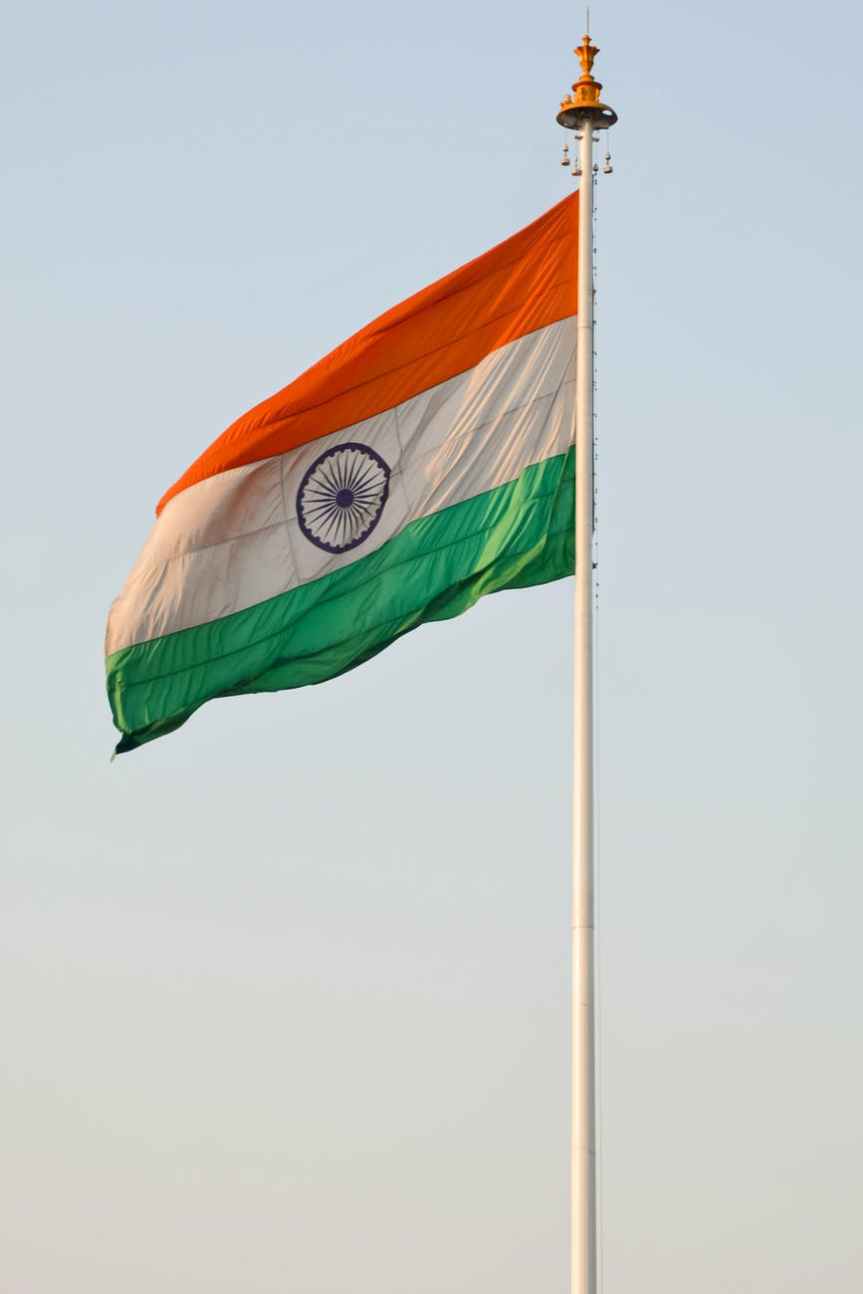
Photo by Still Pixels on Pexels.com

The flag of a country is a sign of its independence. The Indian National Flag in its current form was adopted just days before the country declared independence from British rule on August 15, 1947. The decision was made on July 22, 1947, during a meeting of the Constituent Assembly. Between August 15, 1947, and January 2, 1950, it was the national flag of the Dominion of India, and then the Republic of India.

India’s current tricolour flag was adopted after the country gained independence. The old flag’s colour and meaning were retained, but the Dharma Charkha of Emperor Asoka was replaced as the flag’s insignia in favour of the spinning wheel.

The colours of the Indian flag

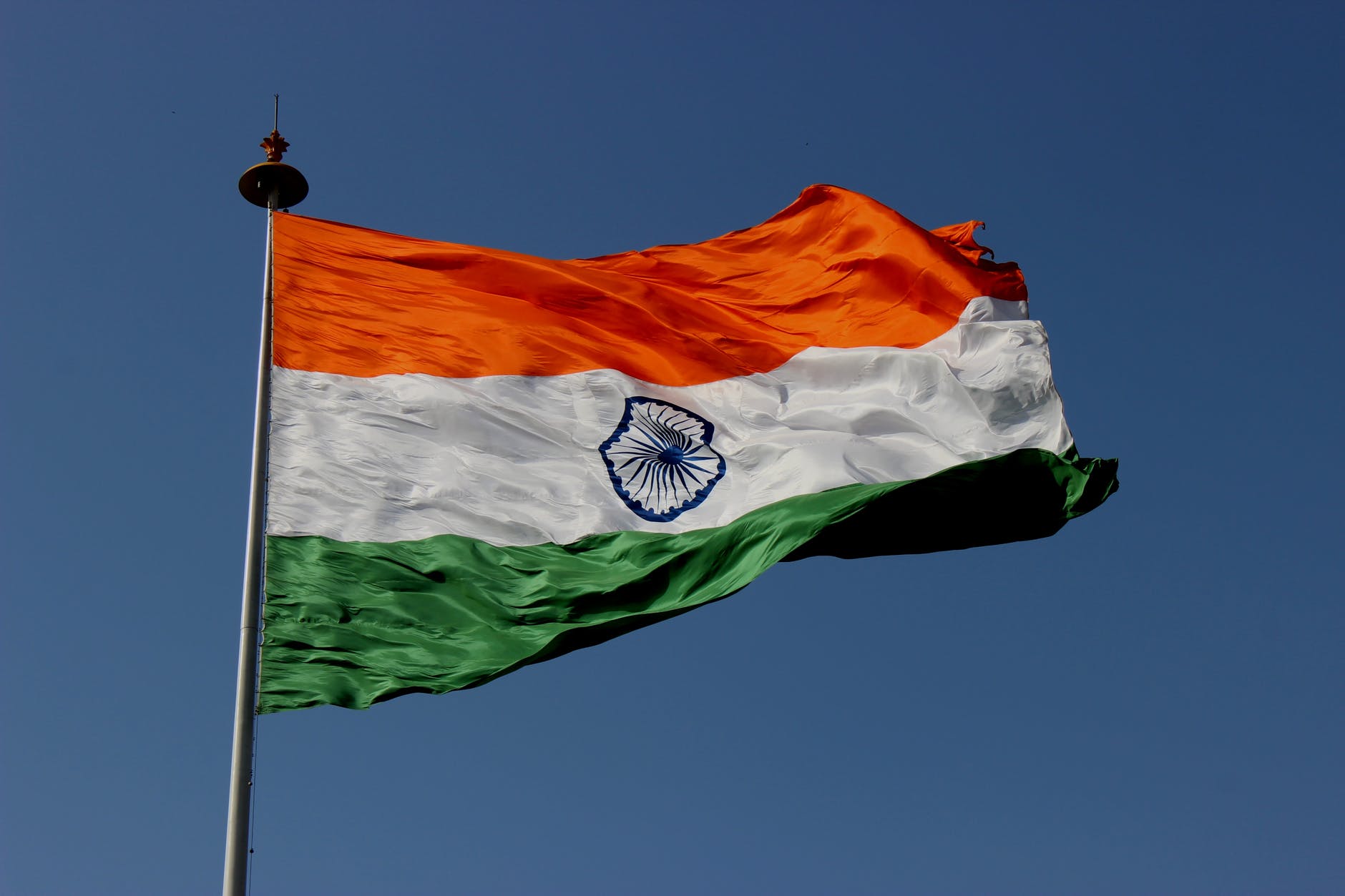
India’s national flag is a horizontal tricolour with a deep saffron top, white in the middle, and dark green at the bottom. The chakra is represented by a navy blue wheel in the midst of the white ring.

The colour saffron represents the country’s power and bravery. The colour white represents peace and truth. Our land’s fertility, growth, and auspiciousness are symbolized by the green belt.

The “wheel of the law” is shown by Dharma Chakra at the Sarnath Lion Capital, which was built by Mauryan Emperor Ashoka in the 3rd century BC. It meant that life is found in movement and death is found in immobility.

Flag Code

The Indian flag code was changed on January 26, 2002, and inhabitants of India were now allowed to hoist the Indian flag above their homes, offices, and factories on any day, not only national holidays, as was previously the case. Indians can now proudly display the national flag anywhere and whenever they want, as long as the Flag Code is rigorously obeyed to avoid any disrespect to the tricolour. The Flag Code of India, 2002, has been broken into three parts for your convenience. The National Flag is described in general in Part I of the Code. The display of the National Flag by members of the public, private organisations, educational institutions, and other entities is addressed in Part II of the Code. The National Flag is displayed by the Central and State governments, as well as their organisations and agencies, according to Part III of the Code.

Based on law passed on January 26, 2002, there are some guidelines for flying the flag. The following are some of them:

Do’s:

– To promote respect for the Flag, the National Flag may be flown in educational institutions (schools, colleges, sports camps, scout camps, and so on). The flag flying in schools now includes an oath of allegiance.

– On all days and occasions, ceremonial or otherwise consistent with the dignity and honour of the National Flag, a member of the public, a private group, or an educational institution may hoist/display the National Flag.

– Section 2 of the new code recognises that all private persons have the right to fly the flag on their property.

Don’ts:

– The flag may not be used for communal purposes, draperies, or clothing. It should be flown as much as possible from sunrise to sunset, regardless of the weather.

– The flag cannot be permitted to contact the ground, the floor, or the water’s surface. Vehicles, trains, boats, and aircraft cannot have it draped over the hood, top, sides, or back.

– There can be no other flag or bunting higher than the flag. Also, no object can be placed on or above the flag, including flowers, garlands, or symbols. A tricolour festoon, rosette, or bunting cannot be used.

5 Greatest Films on India’s Freedom Struggle

Many people find it difficult to conceive living a life of slavery and servitude with no possibility of liberation. However, this was the reality for the entire nation of India only a little more than seven decades ago.

Today is India’s 74th anniversary as a constitutionally democratic and sovereign country. However, without the courage, tenacity, and heroism demonstrated by India’s revolutionaries, the road to freedom would have been significantly more difficult.

Here, we look at five of the best films that pay tribute to individuals who helped us achieve our current level of freedom.

1. Mangal Pandey: Mangal Pandey, directed by Ketan Mehta, transports viewers to the mid-nineteenth century and India’s First War of Independence, the country’s first organised revolt against the British Empire. The plot centres around an Indian soldier who fights the East India Company valiantly. Against all obstacles, Mangal Pandey (Aamir Khan), an Indian Army sepoy, conducts a violent and fierce revolt against India’s colonial occupiers, while preserving his friendship with his British commanding officer, William Gordon. Mangal Pandey, a classic story about the oppressed fighting against their oppressors, is a must-see this Independence Day.

2. Lagaan: Lagaan was India’s entry to the Academy Awards in 2001, written and directed by Ashutosh Gowariker. The film, which stars Aamir Khan and Gracy Singh in the key roles, is set in 1893 and expertly blends sports and politics. Lagaan is a hugely enjoyable film that was a worldwide smash thanks to its devious machinations, musical sequences, and laugh-out-loud humour. When the British overlords of India decide to impose a new tax on Indian villages, Bhuvan, a young man, leads a charge against them, challenging the occupiers to a cricket match. The story that follows is a colourful one of perseverance and intrigue.

3. The Legend of Bhagat Singh: The Legend of Bhagat Singh is a film directed by Rajkumar Santoshi and starring Ajay Devgan. It tells the story of the fiery independence fighter who led an armed battle against British imperialism. The film follows the revolutionary from his childhood, when he witnesses the atrocities perpetrated on his people, to his alliance with the Hindustan Republic Association and the assassination of a British police officer. The Legend of Bhagat Singh is a must-see for anybody interested in learning about the immense sacrifices made by India’s liberation fighters.

4. Gandhi: Mohandas Karamchand Gandhi, the father of the nation, has and will continue to be an unrivalled presence in Indian history. Gandhi, starring Ben Kingsley as Mahatma Gandhi, is a biopic that follows his life and tribulations from his days as a lawyer in South Africa through the nonviolent independence movement he leads in India. Gandhi has near-saintly status in India, yet the film succeeds admirably in depicting his more humanistic side. Richard Attenborough’s biographical drama, filmed and produced by him, received acclaim upon its premiere and won eight Academy Awards, including Best Picture, Best Director, and Best Actor.

5. Rang De Basanti: Rang De Basanti, produced and directed by Omprakash Mehra, is the third film on this list to feature Aamir Khan in the lead role. Following their graduation from Delhi University, a group of young Indians are cast in a documentary about India’s liberation fighters by an English woman. Mehra’s film, which alternates between two time zones, poses some difficult concerns and challenges the viewer to consider what the genuine value of freedom is. Rang De Basanti was also nominated for Best Foreign Film at the Oscars, thanks to its outstanding screenplay and narrative.

Apart from India, here are 5 countries that celebrate Independence Day on 15th August as well

For every Indian, August 15 is a significant date because it was on this day in 1947 that the country gained its legitimate independence from the United Kingdom, putting an end to over two centuries of colonial control. India, the world’s largest democracy, celebrates its independence on August 15, 1947. The founding of the democratic country is commemorated on this day. This is the day India gained independence from the British Raj. Jawaharlal Nehru, India’s first Prime Minister, proudly unfurled the Indian flag at the Red Fort in Delhi on August 15, 1947.

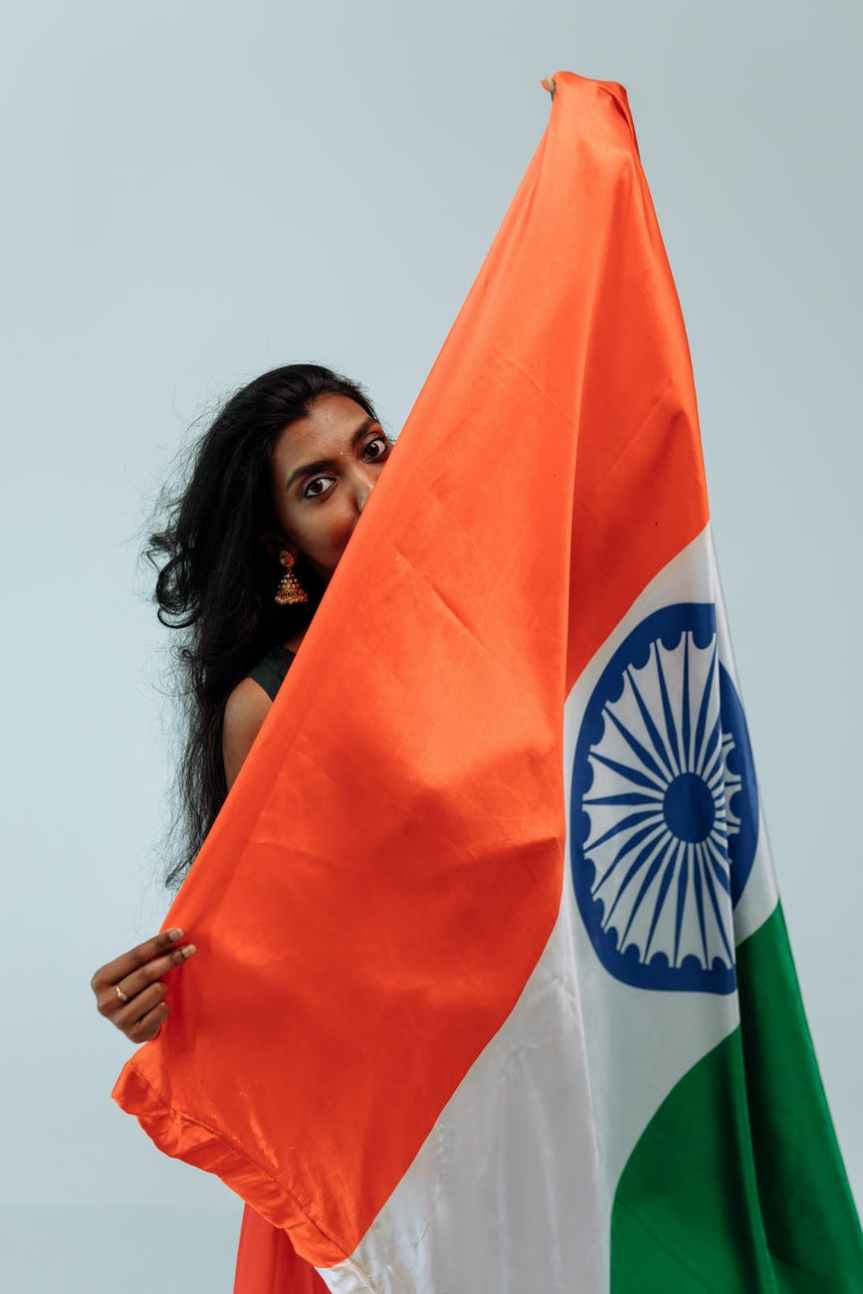
Photo by Studio Art Smile on Pexels.com

In case you were wondering, India is not the only country that celebrates Independence Day on August 15; people all over the world mark this date on their calendars as a national holiday. Here are five more: Republic of Congo, South Korea, North Korea, Bahrain, and Liechtenstein all commemorate their independence on August 15. Here’s additional information on them:

1. Bahrain: Bahrain, which was likewise ruled by the British, gained independence on August 15, 1971, more than two decades after India. Following a United Nations assessment of Bahrain’s population, the British announced a troop pullback east of Suez in the early 1960s. The signing of a treaty between Bahrain and the United Kingdom commemorated Bahrain’s independence day. The country, however, does not commemorate its independence on this day. Instead, it commemorates the succession of the late king Isa bin Salman Al Khalifa to the throne on December 16 as National Day.

2. North Korea: North and South Korea, officially known as the Democratic People’s Republic of Korea, gained independence from Japan on August 15, 1945. During the Russo-Japanese War, Japan conquered Korea. Japan attempted to acquire Korean traditions and culture while also gaining control of the economy for its own gain. Korean resistance groups, known as Dongnipgun, fought Japanese forces along the Sino-Korean border.

3. South Korea: In 1945, the Korean Peninsula was liberated, and on August 15, 1948, autonomous Korean governments were established. The area was officially dubbed the Republic of Korea, and a pro-US administration was founded. The first President of South Korea, Syngman Rhee, was elected, and August 15 was declared a national holiday. The holiday is known as Gwangbokjeol, which translates to “the day the light returned.”

4. Liechtenstein: Liechtenstein, a German-speaking microstate in the European Alps between Austria and Switzerland, celebrates its National Day on August 15. The date was chosen since it was already a bank holiday; the feast of the Assumption of Mary is on August 15. Second, Prince Franz Josef II, the reigning prince at the time, was born on August 16. As a result, the Feast of the Assumption and the Prince’s birthday were combined to form Liechtenstein’s national holiday.  

5. Democratic Republic of Congo: The Central African country, often known as Congo, gained full independence from French colonial overlords on August 15, 1960. It has been under French control for exactly 80 years. In 1880, the country was renamed French Congo, and in 1903, it was renamed Middle Congo. During the first five decades of colonial administration in Congo, economic development was centered on natural-resource extraction, and the techniques used were violent. At least 14,000 people died in the construction of the Congo-Ocean Railroad.

Disaster & Disaster Management

A disaster is a sudden, calamitous event that seriously disrupts the functioning of a community or society and causes human, material, and economic or environmental losses that exceed the community’s or society’s ability to cope using its own resources. Though often caused by nature, disasters can have human origins.

The word disaster implies a sudden overwhelming and unforeseen event. At the household level, a disaster could result in a major illness, death, a substantial economic or social misfortune. At the community level, it could be a flood, a fire, a collapse of buildings in an earthquake, the destruction of livelihoods, an epidemic or displacement through conflict. When occurring at district or provincial level, a large number of people can be affected. Most disasters result in the inability of those affected to cope with outside assistance. At the household level, this could mean dealing with the help from neighbours. At the national level, it could mean assistance from organizations, various non-governmental organizations (NGOs) and government agencies themselves. As the limiting factor in disaster response is often the coping capacity of those affected, improving their resilience when responding to disasters is a key approach to lessening the consequence of a disaster.

There is no single measure of a disaster that can capture the full scope of a disaster. A common measure is the number of people killed or affected. The individual will consider the impact on his or her family and livelihood. Disaster managers will assess the speed and success of the disaster response. Economists will measure physical loss to houses and buildings and loss of production. Politicians will assess political damage from a poor response by state agencies. Health workers will consider the resources required to contain an outbreak of Ebola or Coronavirus. Others may focus on the nature of the hazard, the social consequences and the impact to specific elements of the infrastructure. To think seriously about a disaster means we must consider all affected and their losses both in the immediate and the longer term.

A disaster may occur with or without a warning phase. A response is made following a disaster. The response may be helped substantially by any preparedness actions which were made before the disaster occurred. Relief activities occur during the emergency phase, which follows the impact of the disaster.

General Effects of Disasters

 The typical effects of disasters may be one or more of the following :

  • Loss of life
  • Injury
  • Destruction of property, plantations and crops
  • Disruption of production, lifestyle & transport
  • Loss of livelihood and occupation to people
  • Disruption to essential services like electricity, water supply and gas supply
  • Damage to national infrastructure
  • Disruption of communication and other networks
  • Disruption to government systems and schemes
  • Shortage of food resources
  • Spreading of diseases
  • National economic loss
  • Sociological effects
  • Psychological after effects.

Types of Disasters

There are 2 major types of disasters :

1. Natural Disasters

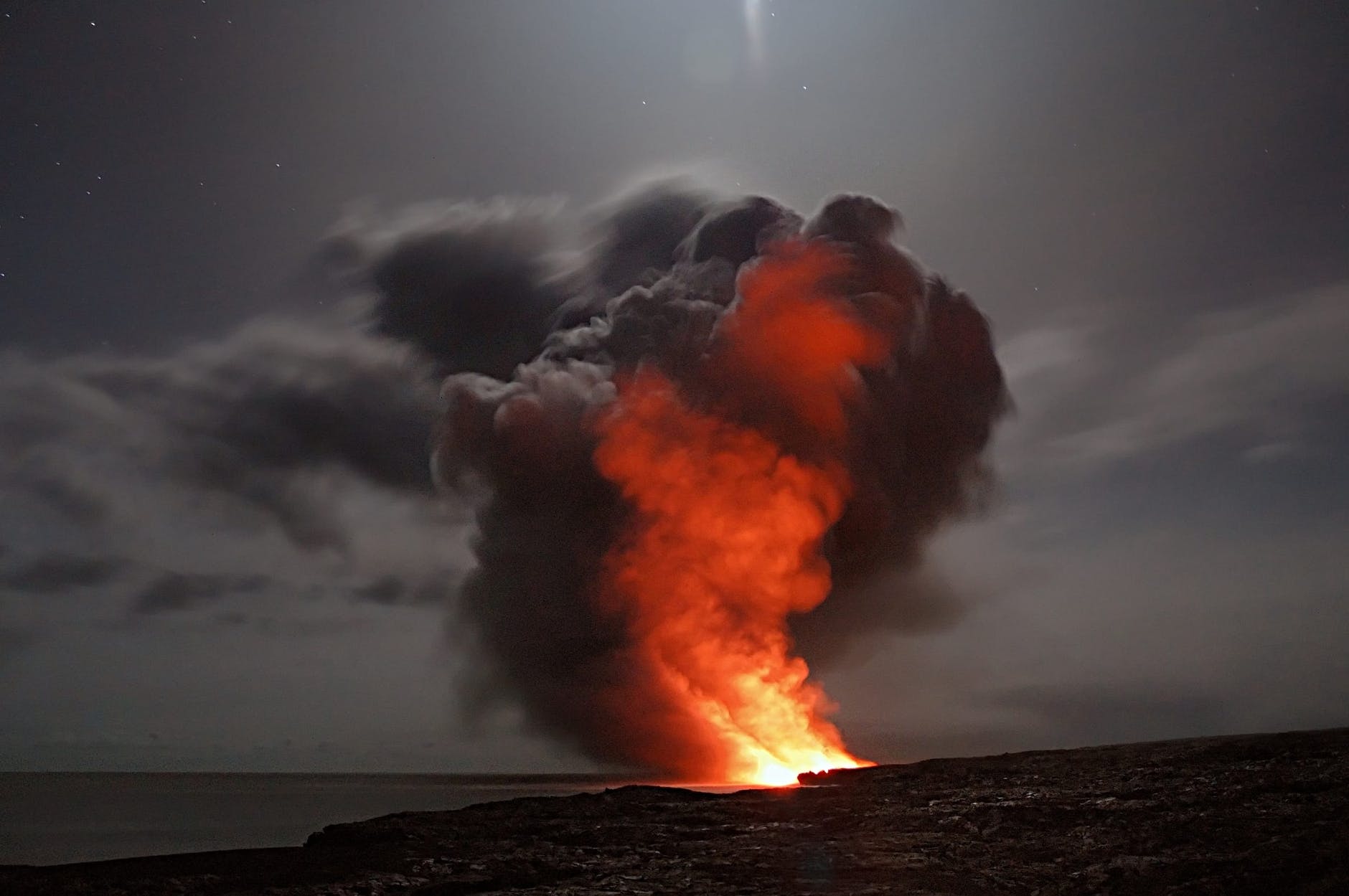
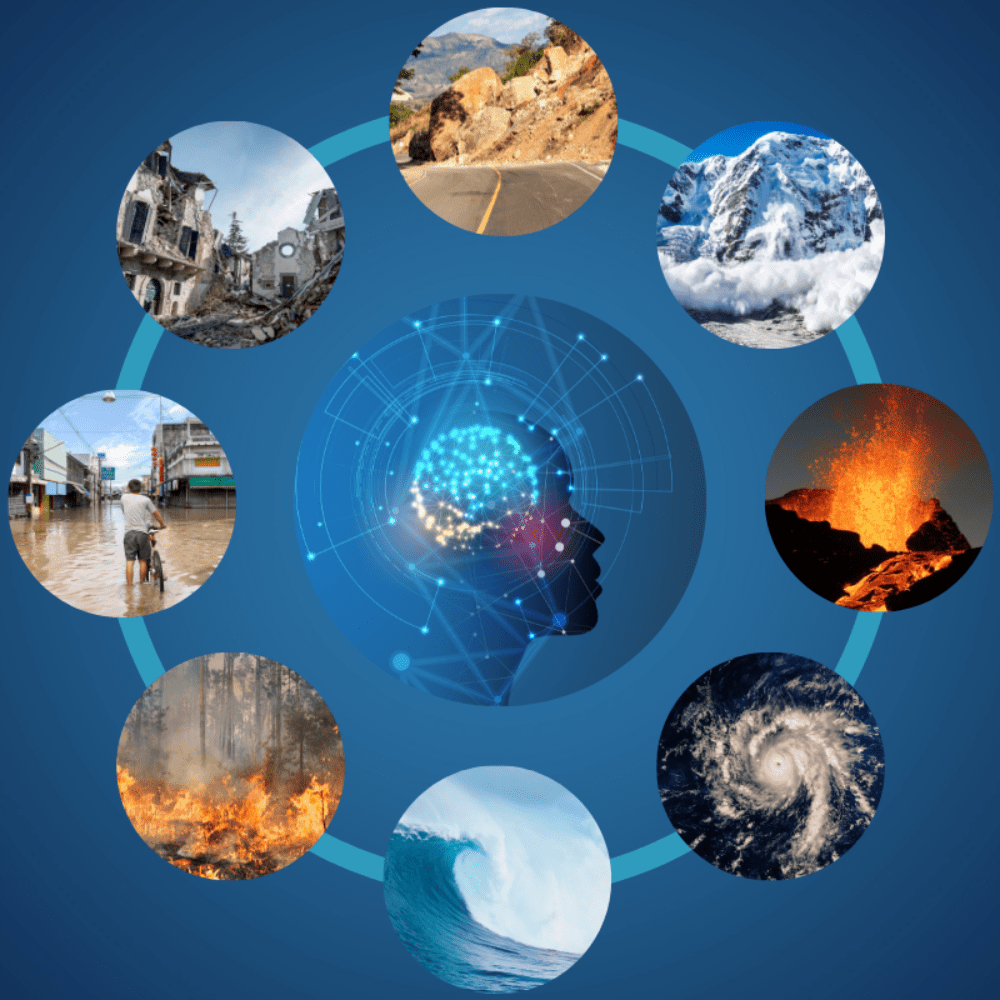
A natural disaster can be defined as a major event brought about by the natural processes of the Earth that causes widespread destruction to the environment and loss of life. The list of natural disasters include weather phenomena such as tropical storms, extreme heat or extreme cold, winds, floods, earthquakes, landslides and volcanic eruptions.

Management of Natural Disasters

  • Early warning systems can alert costal populations of approaching tsunamis and they can give populations time to be evacuated from danger areas.
  • Responsible land use can reduce the risk of landslips caused by unchecked felling of trees. For other events classified as natural disasters, risks can be dramatically reduced through careful planning.
  • Construction codes when enforced can reduce loss from earthquakes. Governments can institute measures to assist in extreme cold and extreme heat.
  • Food security programmes can protect a population against food crisis arising from pests and failed crops.
  • Surveillance systems and high coverage by routine immunization programmes can help prevent outbreaks of disease.
  • Social programmes can reduce vulnerability to disasters which otherwise could not be controlled.

Types of natural disaster

Natural disasters may be broadly grouped into major and minor types depending upon their potential to cause damage to human life and property. The disasters like earthquakes, volcanic eruptions, droughts, floods and cyclones could be regarded as major types. The disasters like hailstorms, avalanches, landslides, fire accidents, etc. whose impact is localised and the intensity of the damage is much less than the others may be categorized as minor disasters.

Natural disasters can be categorised into 4 parts :

  • Geophysical (e.g., Earthquakes, Landslides, Tsunamis and Volcanic Activity)
  • Hydrological (e.g., Avalanches and Floods)
  • Climatological (e.g., Extreme Temperatures, Drought and Wildfires)
  • Meteorological (e.g., Cyclones and Storms/Wave Surges)

2. Man-Made Disasters

Man-made disasters are extreme hazardous events that are caused by human beings. Some examples of man-made disaster emergencies include chemical spills, hazardous material spills, explosions, chemical or biological attacks, nuclear blast, train accidents, plane crashes, or groundwater contamination.

Man-made disasters have an element of human intent, negligence, or error involving a failure of a man-made system, as opposed to natural disasters resulting from natural hazards. Such man-made disasters are crime, arson, civil disorder, terrorism, war, biological/chemical threat, cyber-attacks, etc.

Man-made disasters can be caused by :

  • Environmental Degradation
  • Pollution
  • Accidents (e.g., Industrial, Technological and Transport usually involving the production, use or transport of hazardous materials)

Though weather and geologically related disasters are considered to have generated the greatest number of deaths and economic loss, disasters generated by humans are increasing in importance. As society has become more complex, it is evident that people are increasingly responsible, directly or indirectly, for the consequences of events previously ascribed to forces beyond their control. Globalization is now carrying industrial production to previously agrarian societies. The risk from the unintended release of hazardous materials is becoming ever more widespread. Potentially hazardous products are now available in communities and populations which do not have adequate regulations governing their use and, in fact, may not even be aware of their presence or health risks. Rapidly increasing transport of people and commodities across continents means that transportation disasters pose increasing threats to millions.

Disaster Management

Disaster Management can be defined as the organization and management of resources and responsibilities for dealing with all humanitarian aspects of emergencies, in particular preparedness, response and recovery in order to lessen the impact of disasters.

Disaster management conveys the important idea that protecting populations and property also involves the estimation of risks, preparation, activities which will mitigate the consequences of predictable hazards and post-disaster reconstruction in a way that will decrease vulnerabilities. An important goal is building a culture of awareness that preparation is not only possible, but also will greatly reduce the consequences from disasters in terms of human and economic loss.

An effective response to disaster begins with effective planning, but must include many other steps. Each of these steps depends on the strength of other links in the disaster management chain. While no one organization or group ‘owns’ a disaster, the ultimate responsibility rests with governments to protect its people against disaster. No government can carry out these responsibilities without cooperating with many other groups in a country. Disaster management planning is often seen as a separate activity from the main functions of governments and organizations.

Conclusion :

Disaster management is the only way to mitigate the effects of all these hazards. Advance planning is always needed to keep the items of emergency for any disaster. Guidelines are also to be prepared in the form of booklets and circulated to the educated individuals. Awareness camps are to be organised for public. Training is yet another initiative. Training involves the duties and responsibilities, efforts to sustain, role of employees/NGOs, risks, errors, behavioural patterns, recovery techniques, communication channels, safety rules, priorities and security measures. Knowledge of water quality, sanitation, first aid, emergency medicines, electricity controls and gas usage are needed. Evacuation, reporting and alert procedures, are the other major initiatives. Proper insurance policies, alterations to existing buildings, changes in business locations and other resources are to be planned, for future disaster mitigation.


Organ Donation Live Life.Give Life.

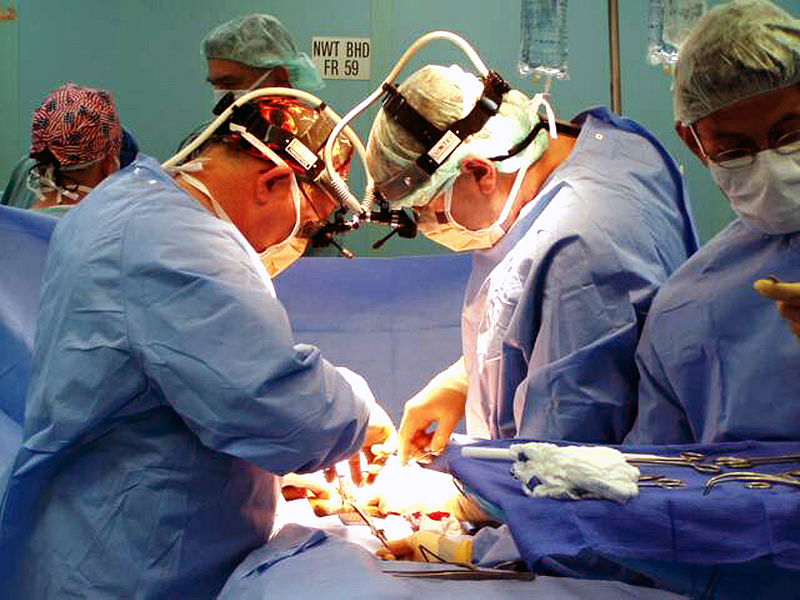
Organ donation is a process in which a person willingly donates an organ of his body to another person. Furthermore, it is the process of allowing the removal of one’s organ for its transplanting in another person. Moreover, organ donation can legally take place by the consent of the donor when he is alive. Also, organ donation can also take place by the assent of the next of kin of a dead person. There has been a significant increase in organ donations due to the advancement of medical science.

Organ Donation in Different Countries

First of all, India follows the opt-in system regarding organ donation. Furthermore, any person wishing to donate an organ must fill a compulsory form. Most noteworthy, this form is available on the website of the Ministry of Health and Family Welfare Government of India. Also, The Transplantation of Human Organs Act 1994, controls organ donation in India.

The need for organ donation in the United States is growing at a considerable rate. Furthermore, there has also been a significant rise in the number of organ donors in the United States. Most noteworthy, organ donation in the United States takes place only by the consent of the donor or their family. Nevertheless, plenty of organizations are pushing for opt-out organ donation.
Within the European Union, the regulation of organ donation takes place by the member states. Furthermore, many European countries have some form of an opt-out system. Moreover, the most prominent opt-out systems are in Austria, Spain, and Belgium. In England, no consent is presumed and organ donation is a voluntary process.

Argentina is a country that has plenty of awareness regarding organ donation. Most noteworthy, the congress of Argentina introduced an opt-out organ donation policy. Moreover, this means that every person over 18 years of age will be a donor unless they or their family state their negative. However, in 2018, another law was passed by congress. Under the new law, the family requirement was removed. Consequently, this means that the organ donor is the only person who can state their negative.

Benefits of Organ Donation

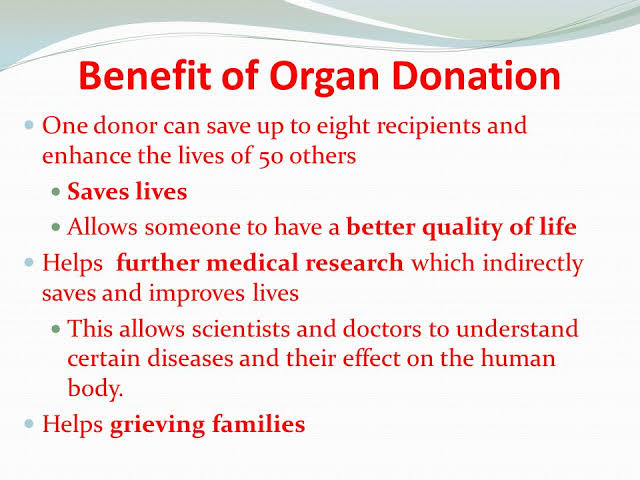
First of all, organ donation is very helpful for the grieving process. Furthermore, many donor families take relief and consolation due to organ donation. This is because they understand that their loved one has helped save the life of other people. Most noteworthy, a single donor can save up to eight lives.

Organ donation can also improve the quality of life of many people. An eye transplant could mean the ability to see again for a blind person. Similarly, donating organs could mean removing the depression and pain of others. Most noteworthy, organ donation could also remove the dependency on costly routine treatments.
Organ donation is significantly beneficial for medical science research. Donated organs offer an excellent tool for conducting scientific researches and experiments. Furthermore, many medical students can greatly benefit from these organs. Most noteworthy, beneficial medical discoveries could result due to organ donation. Organ donation would also contribute to the field of Biotechnology.

To sum it up, organ donation is a noble deed. Furthermore, it shows the contribution of an individual even after death. Most noteworthy, organ donation can save plenty of lives. Extensive awareness regarding organ donation must certainly be spread among the people.

“THE GIFT THAT HAS BEEN GIVEN TO ME SAYS MUCH ABOUT OUR CAPACITY FOR GREAT COMPASSION AND GENEROSITY, AND I HOPE IT SENDS AN INSPIRING MESSAGE TO OTHERS ABOUT THE IMPORTANCE OF ORGAN DONATION.”

. —STEVEN COJOCARU

Kargil war

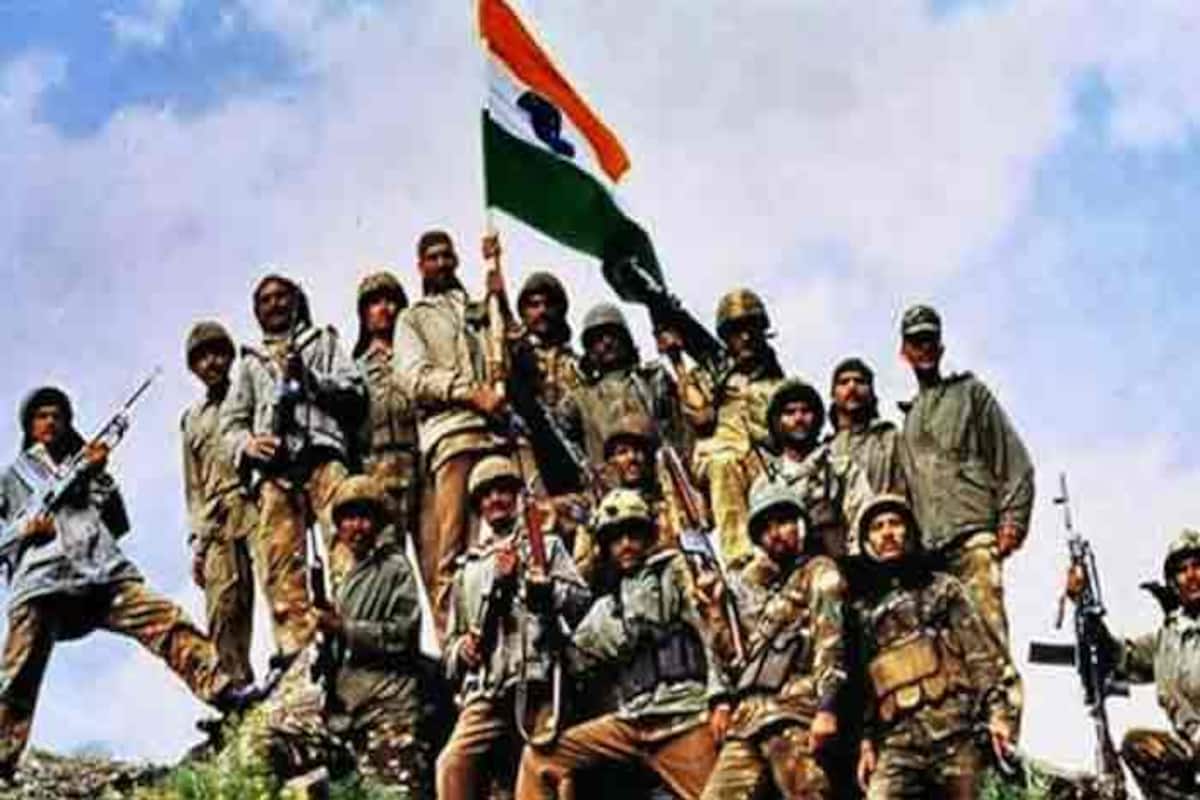
Kargil Vijay Diwas 2020: Brief Rundown of 1999 Kargil War And How India  Emerged Victorious | All You Need to Know

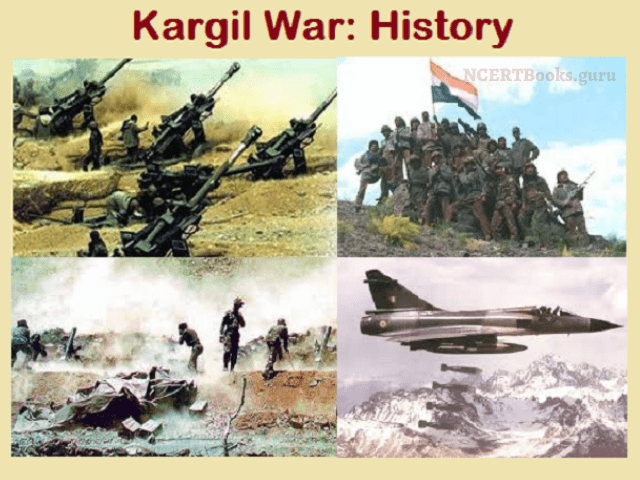
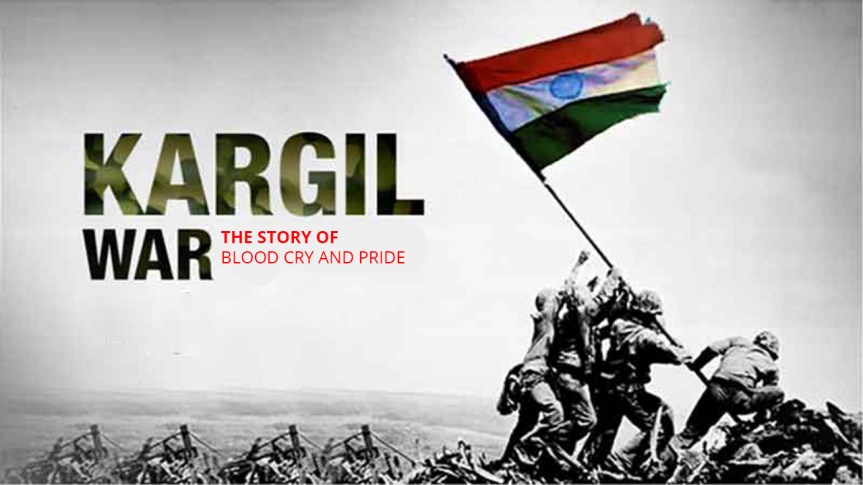
Kargil war was a very difficult time that our country went through. Furthermore, it was a crisis situation that ensued a feeling of nationalism, patriotism, and unity among every Indian. This essay on Kargil War will throw light on the various developments of the war and its after-effects.

Background of the War

Kashmir is a beautiful region that resides in an extremely mountainous area, containing some of the highest peaks in the world. Unfortunately, this amazing land has remained a constant battleground between the two countries of India and Pakistan.

The dispute began from the First Kargil War in 1947-1948 which led to the establishment of the LOC, line of control. The LOC still divides the land of Kashmir between India and Pakistan.

As part of the Simla Agreement in 1972, there was an agreement that neither India nor Pakistan would contest the border by making use of military means. Since the agreement, both countries began guarding the border heavily for the majority of the year. During the exceedingly cold winter months, both the Indian and Pakistani guards abandon their posts, only to return back in the spring.

All About Kargil War | When was Kargil Vijay Diwas? Who Win the Conflict?

However, during the winter of 1998-1999, a surprise attack took place from the Pakistan army and it became successful in crossing the LOC and into India’s portion of Kashmir. Moreover, slowly and gradually, they went on capturing one Indian outpost after another and held their position in Kargil.

In February 1999, at the same time as the winter invasion, the Lahore Declaration was being signed between India and Pakistan which was based on peace. After a few months, the Kargil war began between the two countries. Furthermore, a series of bloody battles were fought between the two nations of India and Pakistan.

The battles posed a huge challenge for the Indian forces as they had to fight on difficult mountainous terrain.  In spite of this challenge, the Indian soldiers showed amazing bravery. After a long struggle, the Indian army became successful in pushing back the Pakistani forces across the line of control.

Rise of Nationalism

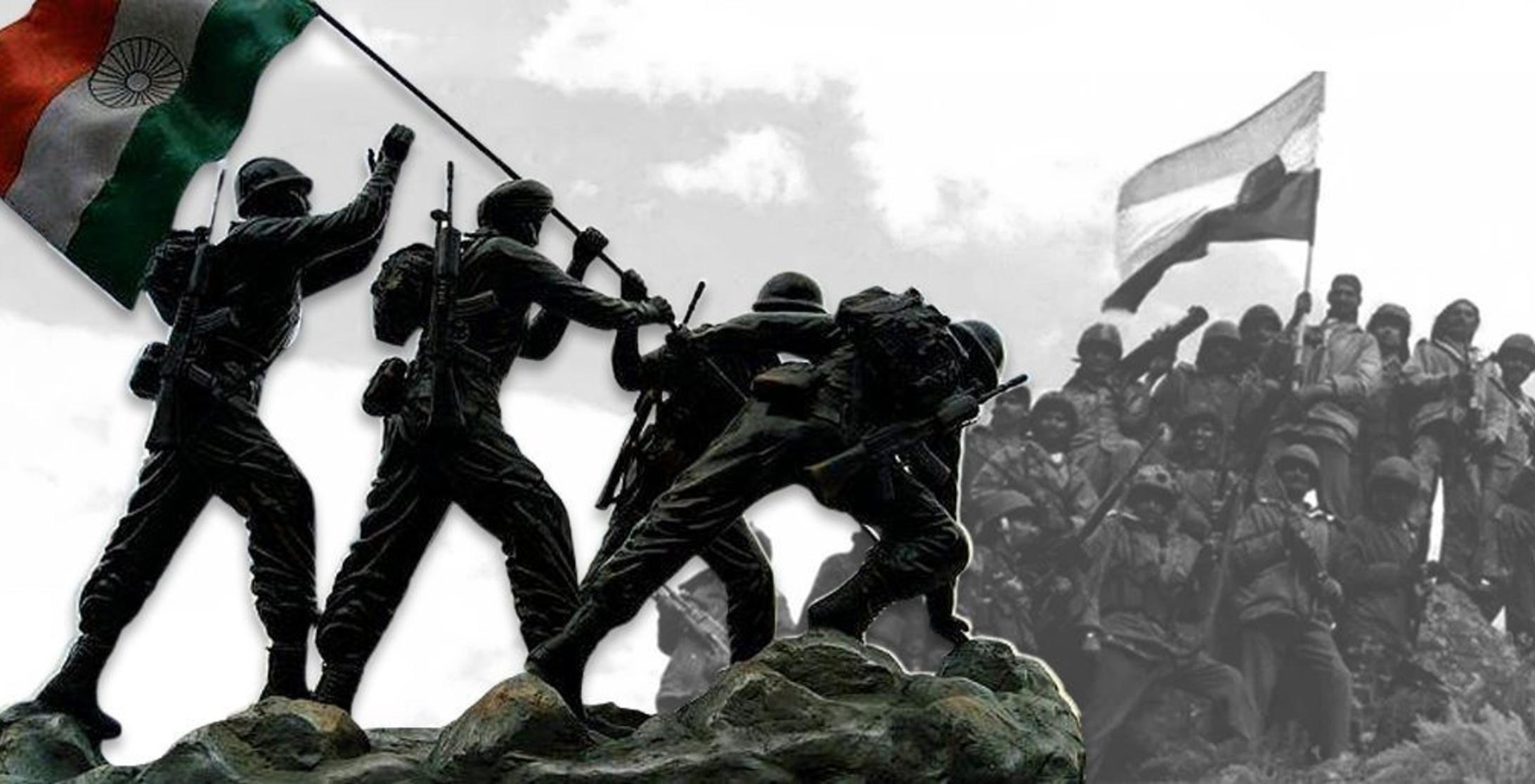
By July 14, 1999, there were heavy causalities on both sides. However, the sacrifice of Indian soldiers was not in vain. This great struggle of the Indian army has carved a place in the heart of every Indian.

The entire Kargil war was a time of tension and nervousness for the Indian people. It infused the spirit of national pride in every Indian. Most noteworthy, it served as an opportunity of unifying all the Indians together irrespective of caste, colour, religion, language etc.

Kargil Diwas 2021: Here Are 20 Kargil War Heroes You Should Know About

Conclusion of the Kargil War 

The Kargil war has become an unforgettable event in the history of India. Nevertheless, this was an event that brought about feelings of patriotism in the hearts of every Indian like never before. The brave struggle of the Indian soldiers will continue to be an inspiration for all the citizens of this country.