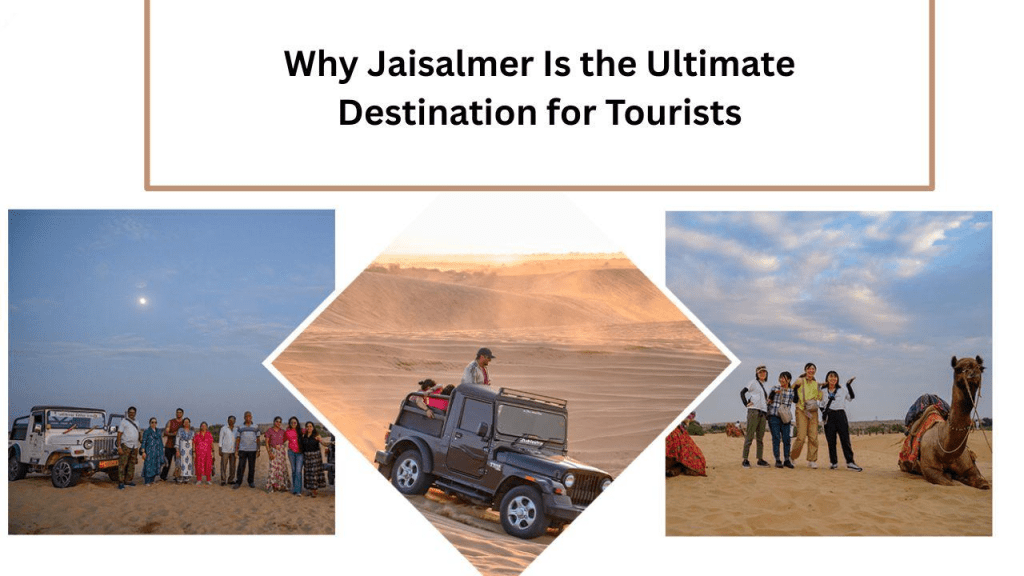
Why Jaisalmer Is the Ultimate Destination for Tourists

Jaisalmer, otherwise known as the golden city of India, is the crown of the rest of Rajasthan. It is a city with golden sandstone structures, almighty forts, and dunes of sand, as well as a rich culture that is not easily forgotten by the travellers who come to this city to Camp in Jaisalmer. Whether you’re a history buff, an adventurer, or a person needing a relaxing getaway, Jaisalmer Desert Camp has it all.

Be it touring the majestic Jaisalmer Fort or camping off on the sands of Jaisalmer, all is breathtaking and magical in this city. Jaisalmer is worth a visit by every traveler. The reasons are as follows.

A City of History and Culture

The history of Jaisalmer dates back to the 12th century when Rawal Jaisal founded this city. Ancient-looking havelis, temples, and a grand fort that stands over the skyline are still visible in this city, which still holds onto the old-world charm. It feels like you are in a real museum as you walk through its pedestrian streets.

Among major attractions, one can find:

Jaisalmer Fort (Sonar Quila): an entire fort that is a UNESCO World Heritage Site, constructed out of golden sandstone.

Patwon Ki Haveli: This is known because of its grand structure and carvings.

Gadisar Lake: a bright spot for sunset and photography.

Mesmerizing Sam Sand Dunes

The visit to Jaisalmer is never complete without paying a visit to the Sam dunes, only some 40 km away. This is the core of the Thar Desert and the land of golden sands, where stretching endlessly as the sunset is really magical.

Here you will live to taste:

  • Camel safaris: An ancient and laid-back mode of travelling through the dunes.
  • Jeep safari: An adrenaline trip on the sandy side.
  • Cultural Entertainment: Folk dance, music, and local storytelling under the stars.

A luxury desert camp in Sam Sand Dunes is an ideal combination of adventure and comfort that can provide a nice vacation to those who want to get a recharge.

Desert Camping: A Once-in-a-Lifetime Experience

One of the most remarkable things that you can do is live in a camp in Jaisalmer. It is also a good opportunity to live in nature in the premises of desert camps with contemporary conveniences.

Budget Camps

  • Backpacker and short-stay rates.
  • Simple tents with simple amenities.
  • Simple dinners and evening cultural programs.

Luxury Camps

  • Beautifully designed tents with private lavatories and much room.
  • Exclusive entertainment and gourmet food.
  • Personal safaris and astronomy tours.

Looking to get a full-on luxurious experience? Then, a luxury desert camp in Sam Sand Dunes will give the right balance of luxury and the pure nature of the desert.

Thrilling Adventure Activities

Besides camping, Jaisalmer is the gateway to adventure sports in the desert and other modes of unique exploration.

Dune Bashing: Travel in a great 4×4 in the dunes.

Quad Biking: Take a tour of the desert in an ATV.

Parasailing: Feel like a bird and see a landscape of the big desert.

Camel Polo: A weird old sport that is played in certain camps.

Rajasthani Cuisine: A Feast for the Senses

Food lovers would go to heaven in Jaisalmer. Traditional foods are delicious and diverse, from hot to sweet foods. Such dishes are popular: dal baati churma, ker sangri, gatte ki sabzi, and mirchi vada are famous. Most desert camps also provide conventional food in a cultural environment, so eating is an experience by itself.

The Warm Hospitality of Jaisalmer

Among others, the warmth and hospitality of people are one of the factors that make the travellers fall in love with Jaisalmer. Regardless of whether you stay in a city hotel or a desert camp in Jaisalmer, you will be greeted with warm and real smiles, customary greetings, and outstanding service.

Best Time to Visit Jaisalmer

Tourists should visit Jaisalmer in the best season of the year, which is from October to February, when the weather is enjoyable and one can go sightseeing and do other outdoor activities. It is also the most appropriate time of the year to camp out in the desert since nights are cool and comfortable.

Winds Desert Camp: A Perfect Stay in Jaisalmer

Winds Desert Camp is the name that one can rely on to experience the desert in style as a traveller. With a prime location near the Sam dunes, it provides tent accommodation facilities that are both economical and luxurious in the desert camp in the Sam sand dunes.

Why Winds Desert Camp?

  • Stunning Landscape: Near the dunes, to give magnificent sunsets and sunrises.
  • Comfort Hygiene: spacious and well-maintained tents with all the basic amenities.
  • Cultural Evenings: Catch folk music, fire, and original Rajasthani food.
  • Adventure Ready: Camel rides, jeep safaris, dune bashing, and others.

Planning a quick getaway or luxury holiday? No matter what the occasion is, Winds Desert Camp will make it worth the trip to the desert.

Final Thoughts

Jaisalmer is not a place to just visit; it becomes an experience. Whether it is the golden architecture and the rich history or the fact that one can have the thrill of the desert together with the magic of starlit nights, this city has something to offer to everyone.

There must be something especially touching about staying in a desert camp in Jaisalmer, where you will have an opportunity to get strongly involved in the beauty and culture of Rajasthan. And in case you want to make it even more special, a luxury desert camp in Sam Sand Dunes, like Winds Desert Camp, will help your journey to be as convenient as it can be memorable.

Pack your bag, prepare, and then the Golden City is waiting, and your desert adventure will begin.
IMG Worlds of Adventure

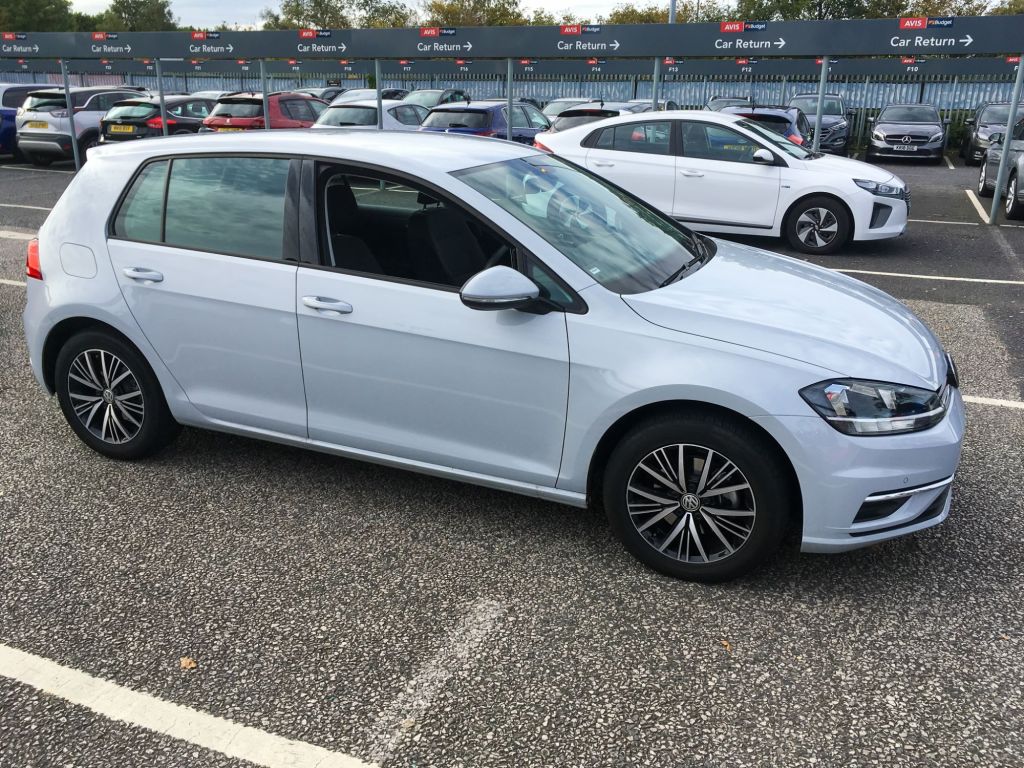
Cheapest monthly car rental in Dubai is convenient to travel within the city, and you are able to visit all its great sites at your leisure. IMG Worlds of Adventure, the world’s largest indoor theme park, is one of the most sought-after places to visit in Dubai. Located along Sheikh Mohammad Bin Zayed Road within the City of Arabia, the park offers an exhilarating entertainment experience.

Overview of IMG Worlds of Adventure

  • Location and Size: Situated in Dubai, UAE, IMG Worlds of Adventure spans a massive 1.5 million square feet, making it the largest temperature-controlled indoor entertainment complex in the world.
  • Visitor Capacity: The park has the capability to entertain over 20,000 visitors on a daily basis, and the atmosphere is always vibrant and energetic.
  • Ownership: Owned by the Ilyas & Mustafa Galadari (IMG) Group, a phenomenally successful commercial conglomerate in Dubai having diversified business interests.

Themed Zones

The park has been divided into six distinct zones, each featuring a unique theme and set of attractions:

  • Marvel Zone: Marvel superhero-themed, featuring thrill rides based on characters like Iron Man, Spider-Man, Hulk, and Thor. Highlight attractions include Avengers Battle of Ultron and Spider-Man Doc Ock’s Revenge.
  • Cartoon Network Zone: Focuses on top Cartoon Network shows, with attractions centered around popular favorites such as Ben 10, The Powerpuff Girls, and Adventure Time.
  • Lost Valley – Dinosaur Adventure: Takes visitors back to the time of dinosaurs with action rides like Forbidden Territory and the Velociraptor coaster.
  • IMG Boulevard: The park’s main thoroughfare, featuring dining, shopping, and entertainment facilities including themed restaurants and live performances.
  • Haunted Town: Provides spooky thrills with haunted features like the Haunted Hotel.
  • IMG Kids Zone: Recommended for children with interactive play areas and kids’ activities.

Attractions and Facilities

  • Rides and Experiences: Provides over 20 signature rides and experiences for every level of thrill.
  • Shopping and Dining: Provides 25 retail outlets and 28 food and beverage outlets, offering a wide variety of shopping and dining opportunities.
  • Operating Times: From 12:00 PM to 10:00 PM on Sunday through Friday, and from 12:00 PM to 11:00 PM on Saturdays.

Background and Evolution

  • Building and Opening: Designed by the IMG Group, the park opened on August 15, 2016, after receiving a significant investment from Abu Dhabi Islamic Bank.
  • Design: Falcon’s Creative Group did the design, and they aimed at turning it into an interactive and immersive experience for the guests.

Experience IMG Worlds of Adventure

Whether you’re a fan of superheroes, dinosaurs, or beloved cartoons, IMG Worlds of Adventure promises an unforgettable experience for thrill-seekers and families alike. With its vast indoor space and diverse attractions, it is a must-visit destination when in Dubai.

Prime Minister Shri Narendra Modi addresses Winter Tourism Program at Harsil, Uttarakhand

Daily writing prompt
What is your middle name? Does it carry any special meaning/significance?

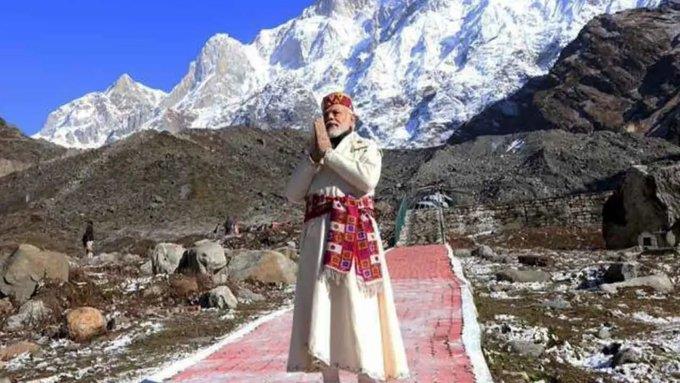
The Prime Minister Shri Narendra Modi participated in the Winter Tourism Program after flagging off a trek and bike rally at Harsil, Uttarakhand. He also performed pooja and darshan at the winter seat of Maa Ganga in Mukhwa. Addressing the gathering, he expressed his deep sorrow over the tragic incident in Mana village and extended his condolences to the families of those who lost their lives in the accident. He said the people of the nation stand in solidarity during this time of crisis, which has provided immense strength to the affected families.

“The land of Uttarakhand, known as Devbhoomi, is imbued with spiritual energy and blessed by the Char Dham and countless other sacred sites”, said the Prime Minister, highlighting that this region serves as the winter abode of the life-giving Maa Ganga. He expressed his gratitude for the opportunity to visit again and meet the people and their families, calling it a blessing. He emphasized that it is by Maa Ganga’s grace that he had the privilege of serving Uttarakhand for decades. “Maa Ganga’s blessings guided me to Kashi, where I now serve as a Member of Parliament”, said Shri Modi, recalling his statement in Kashi that Maa Ganga had called him and shared his recent realization that Maa Ganga has now embraced him as her own. The Prime Minister described this as Maa Ganga’s affection and love for her child, which brought him to her maternal home in Mukhwa village and had the honor of performing darshan and puja at Mukhimath-Mukhwa. Remarking on his visit to the land of Harsil, expressing his fond memories of the affection shown by the local women, whom he referred to as “Didi-Bhuliyas”, Shri Modi highlighted their thoughtful gestures of sending him Harsil’s rajma and other local products. He expressed his gratitude for their warmth, connection, and gifts. 

The Prime Minister recalled his visit to Baba Kedarnath, where he had declared that, “this decade would be the decade of Uttarakhand”. He remarked that the strength behind those words came from Baba Kedarnath himself and highlighted that, with Baba Kedarnath’s blessings, this vision is gradually becoming a reality. Emphasizing that new avenues for Uttarakhand’s progress are opening up, fulfilling the aspirations that led to the state’s formation, Shri Modi noted that the commitments made for Uttarakhand’s development are being realized through continuous achievements and new milestones. He added, “winter tourism is a significant step in this direction, aiding in harnessing Uttarakhand’s economic potential” and congratulated the Uttarakhand government for this innovative effort and extended his best wishes for the state’s progress.

“Diversifying and making the tourism sector a year-round activity is important and necessary for Uttarakhand”, said the Prime Minister, remarking that there should be no “off-season” in Uttarakhand, and tourism should thrive in every season. He mentioned that currently, tourism in the hills is seasonal, with a significant influx of tourists during March, April, May, and June. However, he added that the number of tourists drops drastically afterward, leaving most hotels, resorts, and homestays vacant during winters. He pointed out that this imbalance leads to economic stagnation for a large part of the year in Uttarakhand and also poses challenges to the environment.

“Visiting Uttarakhand during winters offers a true glimpse of the divine aura of Devbhoomi”, said Shri Modi, highlighting the thrill of activities like trekking and skiing that winter tourism in the region provides. He stressed that winters hold special significance for religious journeys in Uttarakhand, with many sacred sites hosting unique rituals during this time. He pointed out the religious ceremonies in Mukhwa village as an integral part of the region’s ancient and remarkable traditions. The Prime Minister noted that the Uttarakhand government’s vision for year-round tourism will provide people with opportunities to connect with divine experiences. He underlined that this initiative will create year-round employment opportunities, significantly benefiting the local population and the youth of Uttarakhand.

“Our governments at Center and state are working together to make Uttarakhand a developed state”, said the Prime Minister, remarking on the significant progress achieved in the past decade, including the Char Dham All-Weather Road, modern expressways, and the expansion of railways, air, and helicopter services in the state. He also mentioned that the Union Cabinet had recently approved the Kedarnath Ropeway Project and the Hemkund Ropeway Project. He noted that the Kedarnath Ropeway will reduce the travel time from 8-9 hours to approximately 30 minutes, making the journey more accessible, especially for the elderly and children. Shri Modi emphasized that thousands of crores of rupees will be invested in these ropeway projects. He extended his congratulations to Uttarakhand and the entire nation for these transformative initiatives.

Underlining the focus on developing eco-log huts, convention centers, and helipad infrastructure in the hills, Shri Modi said, “tourism infrastructure is being newly developed in locations such as Timmer-Sain Mahadev, Mana village, and Jadung village”. He added that the Government has worked to ensure the erstwhile emptied villages of Mana and Jadung in 1962, have been restored. He noted that as a result, the number of tourists visiting Uttarakhand has increased significantly over the past decade. He shared that before 2014, an average of 18 lakh pilgrims visited the Char Dham Yatra annually, which has now risen to approximately 50 lakh pilgrims each year. The Prime Minister announced that this year’s budget includes provisions to develop 50 tourist destinations, granting hotels at these locations the status of infrastructure. He emphasized that this initiative will enhance facilities for tourists and promote local employment opportunities. 

Emphasising the Government’s efforts to ensure that border areas of Uttarakhand also benefit from tourism, the Prime Minister said, “villages once referred to as the “last villages” are now being called the “first villages” of the country”. He highlighted the launch of the Vibrant Village Program for their development, under which 10 villages from this region have been included. He noted that efforts have begun to resettle Nelong and Jadung villages and mentioned the flagging off of a bike rally to Jadung from the event earlier. He also declared that those building homestays will be provided benefits under the Mudra Yojana. Shri Modi appreciated the Uttarakhand government’s focus on promoting homestays in the state. He highlighted that villages deprived of infrastructure for decades are now witnessing the opening of new homestays, which is boosting tourism and increasing the income of local residents. 

Making a special appeal to people from all corners of the country, particularly the youth, Shri Modi highlighted that while much of the country experiences fog during winters, the hills offer the joy of basking in sunlight, which can be turned into a unique event. He suggested the concept of “Gham Tapo Tourism” in Garhwali, encouraging people from across the country to visit Uttarakhand during winters. He specifically urged the corporate world to participate in winter tourism by organizing meetings, conferences, and exhibitions in the region, emphasizing the vast potential of the MICE sector in Devbhoomi Uttarakhand. The Prime Minister remarked that Uttarakhand provides opportunities for visitors to recharge and re-energize through yoga and Ayurveda. He also appealed to universities, private schools, and colleges to consider Uttarakhand for students’ winter trips.

Pointing out the significant contribution of the wedding economy, worth thousands of crores, the Prime Minister reiterated his appeal to the people of the country to “Wed in India” and encouraged prioritizing Uttarakhand as a destination for winter weddings. He also expressed his expectations from the Indian film industry, noting that Uttarakhand has been awarded the title of the “Most Film-Friendly State.” He emphasized the rapid development of modern facilities in the region, making Uttarakhand an ideal destination for film shootings during winters.

Shri Modi underscored the popularity of winter tourism in several countries and emphasized that Uttarakhand can learn from their experiences to promote its own winter tourism. He urged all stakeholders in Uttarakhand’s tourism sector, including hotels and resorts, to study these countries’ models. He called on the Uttarakhand government to actively implement actionable points derived from such studies. He stressed the need to promote local traditions, music, dance, and cuisine. The Prime Minister remarked that Uttarakhand’s hot springs can be developed into wellness spas, and serene, snow-covered areas can host winter yoga retreats, urging the Yoga gurus to arrange a yoga camp in Uttarakhand annually. He also suggested organizing special wildlife safaris during the winter season to establish a unique identity for Uttarakhand. He emphasized adopting a 360-degree approach and working at every level to achieve these goals.

The Prime Minister emphasized that alongside developing facilities, spreading awareness is equally important and appealed to the country’s young content creators to play a vital role in promoting Uttarakhand’s winter tourism initiative. Mentioning the significant contribution of content creators in boosting the tourism sector, Shri Modi urged them to explore new destinations in Uttarakhand and share their experiences with the public. He suggested the State Government to organize a competition of making short films by content creators to promote tourism in Uttarakhand. He concluded by expressing confidence that the sector will witness rapid growth in the coming years and congratulated Uttarakhand for its year-round tourism campaign.

The Chief Minister of Uttarakhand, Shri Pushkar Singh Dhami, Union Minister of State for Road Transport and Highways, Shri Ajay Tamta were present among other dignitaries at the event. 

Background

The Uttarakhand government has initiated a Winter Tourism programme this year. Thousands of devotees have already visited the winter seats of Gangotri, Yamunotri, Kedarnath, and Badrinath. The programme is aimed to promote religious tourism and boost the local economy, homestays, tourism businesses, among others.

Don’t Travel Without Ticket

The Importance of Traveling with a Valid Train Ticket: Understanding the Legal, Ethical, and Practical Implications

Traveling by train is one of the most popular and convenient modes of transportation, especially in countries like India where the rail network spans the length and breadth of the country. Millions of people rely on trains for their daily commute, long-distance travel, and even leisurely trips. However, amidst the convenience, there is an important legal and ethical responsibility that every passenger must observe: traveling with a valid ticket.

While it may seem trivial to some, not having a valid train ticket has serious repercussions. Let’s explore the different dimensions of why traveling with a valid ticket is important.

1. Legal Implications

Traveling without a ticket is illegal in most countries, and India is no exception. Under the Indian Railways Act of 1989, traveling without a ticket can lead to serious legal consequences. A ticketless traveler is considered a violator of the law and can face the following:

Fines: Ticketless travelers are usually fined on the spot by a traveling ticket examiner (TTE). The fine often includes the fare of the journey along with an additional penalty, which can vary based on the class and distance of travel. In some cases, the fine can be substantial.

Legal Action: If the offender is unable to pay the fine, legal action may be taken. In extreme cases, such passengers may face imprisonment or be taken to court for further proceedings.

Blacklisting: Repeated offenses might lead to blacklisting, preventing travelers from using train services in the future.

The strict regulations are meant to deter fare evasion and ensure that everyone using the service contributes to its maintenance and functioning.

2. Ethical Considerations

Beyond the legal aspect, traveling without a ticket is ethically wrong. Here’s why:

Fair Contribution: Public transportation systems like railways are heavily subsidized and maintained through public funds and the revenue generated by ticket sales. When a passenger evades fare, they are, in essence, stealing from the system and putting an undue burden on others who pay their fair share.

Undermining the System: Evading fares can lead to losses for the railway system, impacting the quality of services. When everyone contributes by purchasing tickets, the system can invest in improving infrastructure, cleanliness, and safety measures.

Moral Responsibility: As a responsible citizen, one has a duty to follow the rules and regulations that ensure societal harmony. Bypassing the system by not buying a ticket sets a bad example, especially for young travelers and future generations.

3. Practical Risks of Traveling Without a Ticket

In addition to legal and ethical consequences, traveling without a ticket can lead to several practical inconveniences:

Embarrassment and Discomfort: Getting caught without a ticket can be highly embarrassing, especially if it happens in a crowded compartment or in front of fellow passengers. The subsequent confrontation with the TTE, followed by the payment of fines, can create an unpleasant experience that could have been easily avoided.

Uncertainty of Travel: Ticketless travel creates a constant fear of getting caught. It can also lead to anxiety and discomfort throughout the journey, detracting from the overall travel experience.

Risk of Missing Your Train: For those who try to board without a ticket at the last minute, there’s always a risk of being deboarded at the next station by the TTE or being asked to leave the train. This could result in significant delays and disruption to personal or professional commitments.

4. Social and Economic Impact

Revenue Loss for Railways: Railways operate on a thin margin, with much of their revenue dependent on ticket sales. When passengers travel without tickets, it leads to a revenue shortfall, making it harder for the railway authorities to maintain and improve services. This could lead to higher fares for legitimate travelers or a reduction in the quality of services offered.

Strain on Resources: The railway system already struggles with overcrowding and limited resources. Ticketless travelers add to the burden, often leading to overcrowding in compartments, which diminishes the comfort and safety of law-abiding passengers.

Increased Vigilance and Costs: The presence of ticketless travelers forces railway authorities to increase vigilance, hire more ticket checkers, and enforce stricter measures. This comes at an additional cost to the system, which could otherwise be used for improving passenger facilities and services.

5. How to Avoid the Temptation of Traveling Without a Ticket

Sometimes, people are tempted to travel without a ticket due to the urgency of their travel plans or the unavailability of tickets. However, there are legal and safer alternatives to consider:

Tatkal Booking: Indian Railways offers a Tatkal ticket booking system that allows passengers to book tickets at the last minute for an additional charge. This system is designed for those who need to travel urgently.

Waiting List and RAC Tickets: Even if confirmed tickets are unavailable, you can opt for a waiting list or RAC (Reservation Against Cancellation) ticket, which offers a legitimate chance of getting a seat before the journey starts.

General Class Travel: For short-distance travel, general-class compartments are available, where tickets are often available until the last minute. Purchasing a general-class ticket is a much better option than risking the consequences of traveling without one.

Online Ticket Booking: With the advent of digital ticketing, buying a ticket has never been easier. You can book tickets from the comfort of your home through the IRCTC website or mobile apps, ensuring you always have a valid ticket before traveling.

Conclusion

Traveling without a train ticket may seem like a minor infraction, but it has wide-reaching consequences that affect not just the individual but also the larger society. Legal penalties, ethical considerations, and practical inconveniences make it clear that buying a ticket is always the right choice. In addition to being law-abiding citizens, travelers who purchase tickets contribute to the development and sustainability of the railway system, ensuring that everyone can enjoy safe, comfortable, and reliable transportation.

Ultimately, responsible travel habits make for a better journey for everyone.