Historical facts about India

  • India never invaded any country in her last 10000 years of history.
  • India invented the Number System. Zero was invented by Aryabhatta.
  • The World’s first university was established in Takshila in 700BC. More than 10,500 students from all over the world studied more than 60 subjects. The University of Nalanda built in the 4th century BC was one of the greatest achievements of ancient India in the field of education.
  • Sanskrit is the mother of all the European languages. Sanskrit is the most suitable language for computer software, reported in Forbes magazine, July 1987.
  • Ayurveda is the earliest school of medicine known to humans. Charaka, the father of medicine consolidated Ayurveda 2500 years ago. Today Ayurveda is fast regaining its rightful place in our civilization.
  • Although modern images of India often show poverty and lack of development, India was the richest country on earth until the time of British invasion in the early 17th Century.
  • The art of Navigation was born in the river Sindh 6000 years ago. The very word Navigation is derived from the Sanskrit word NAVGATIH. The word navy is also derived from Sanskrit ‘Nou’.
  • Bhaskaracharya calculated the time taken by the earth to orbit the sun hundreds of years before the astronomer Smart.; Time taken by earth to orbit the sun: (5th century)365.258756484 days.
  • The value of pi was first calculated by Budhayana, and he explained the concept of what is known as the Pythagorean Theorem. He discovered this in the 6th century long before the European mathematicians.
  • Algebra, trigonometry and calculus came from India; Quadratic equations were by Sridharacharya in the 11th Century;The largest numbers the Greeks and the Romans used were 10^6(10 to the power of 6) whereas Hindus used numbers as big as 10^53(10 to the power of 53) with specific names as early as 5000 BCE during the Vedic period. Even today, the largest used number is Tera 10^12(10 to the power of 12).
  • According to the Gemological Institute of America, up until 1896, India was the only source for diamonds to the world.
  • USA based IEEE has proved what has been a century-old suspicion in the world scientific community that the pioneer of Wireless communication was Prof. Jagdeesh Bose and not Marconi.
  • The earliest reservoir and dam for irrigation was built in Saurashtra.
  • According to Saka King Rudradaman I of 150 CE a beautiful lake called ‘Sudarshana’ was constructed on the hills of Raivataka during Chandragupta Maurya’s time.
  • Chess (Shataranja or AshtaPada) was invented in India.
  • Sushruta is the father of surgery. 2600 years ago he and health scientists of his time conducted complicated surgeries like cesareans, cataract, artificial limbs, fractures, urinary stones and even plastic surgery and brain surgery. Usage of anesthesia was well known in ancient India. Over 125 surgical equipment were used. Deep knowledge of anatomy, physiology, etiology, embryology,digestion, metabolism, genetics and immunity is also found in many texts.
  • When many cultures were only nomadic forest dwellers over 5000 years ago, Indians established Harappan culture in Sindhu Valley (Indus Valley Civilization)
  • The place value system, the decimal system was developed in India in 100 BC.

[These facts were recently published in a German Magazine, which deals with World History Facts about India.]

Need For Women Safety In India

By Anshiki Jadia

Ladies in India, today, are turning into the most weak segment all things considered. Ladies are the best strength of our general public and it is so debilitating to see that they are getting risky step by step as the quantity of violations against them are expanding. As indicated by a survey by Reuters, India has been positioned the most perilous country out of the world’s 10 most noticeably awful nations for ladies. At the point when we turn the pages of a paper, we go over many title texts revealing instances of attack, badgering, dealing, abuse of ladies in houses, brutality against ladies in distant regions and so forth Ladies feel risky and unstable and feel that their opportunity and freedom are open to hazard. It is excruciating to envision the predicament of ladies who are victims of such violations. It is a shake on the certainty of the ladies of the general public and on our legal framework.

As indicated by the National Crimes Records Bureau(NCRB), India recorded 88 assault cases each day in 2019 and wrongdoings against ladies expanded by 63.3% in the initial a half year of 2021. NCRB report features that assault weakness of a young lady or lady has expanded up to 44% over the most recent 10 years. According to the most recent NCRB information, KOLKATA dominates the competition in security, for ladies, however generally speaking also. To shield ladies from aggressive behavior at home THE PARLIAMENT OF INDIA passed ‘The Protection of Women from Domestic Violence Act 2005’.

Significance OF WOMEN SAFETY-

Security of ladies is vital in this pitiless and fiendish society. As the quantity of bodies of evidence are emerging against ladies, practice the laws and get the criminal captured and rebuffed straightaway. It assists ladies with being more settled, comprehension and they feel ensured. They will trust the public authority if the criminal gets required discipline on schedule. It will foster body and psyche control in them. They will take dynamic part in all things if appropriate wellbeing is guaranteed to them. There are laws yet there ought to be appropriate wellbeing estimates which we need to follow rigorously to shield the ladies from savagery.

We for the most part look for someone else to take the blame for any such occurrence and henceforth have not prevailed to arrive at the underlying driver of this issue. A successful execution of misfortune ensuring ladies’ privileges is the initial phase toward this path. There ought to be rigid misfortune and the crooks of such wrongdoing ought to be seriously rebuffed.

Violations AGAINST WOMEN-

In India, lewd behavior, assaults, aggressive behavior at home, settlement cases and murder are normal types of brutality against ladies. It is found in certain spots that even today, there is a practice of taking share from the young lady’s family and the dad forfeits and loses everything to pay it. Abusive behavior at home is likewise expanding seriously where one accomplice or a man mishandles another accomplice or a young lady in a relationship. It prompts discouragement and suicides. It’s anything but an immediate homicide yet it is the reason for homicide without a doubt. Cheating in a relationship and giving separation is likewise a wrongdoing against ladies which annihilates the entire existence of a ladies and the man effectively tracks down another young lady and weds her. Corrosive tossing is viewed as the most horrifying wrongdoing against ladies which ruins the excellent young lady’s life and left her in a condition of shock.

HOW Might WE SAFEGUARD WOMEN OF OUR SOCIETY?

We likewise need to make social mindfulness about these issues and exclude the individuals who carry out such wrongdoings and not the people in question. Ladies security is a vital worry in India and a great deal of associations began chipping away at it after Nirbhaya’s case. Ladies ought to be shown some self-preservation tips and deceives in schools, universities, workplaces and private provinces, so that in the event that anybody attempts to hurt them, they can apply these stunts to ensure them and hurt the individual attempting to assault her. Likewise, different recordings of self-protection methods are transferred on the web, on different online media stages for instructing ladies’ wellbeing. Ladies should consistently put some cold powder, ginger-garlic glue or some hurting materials while going out to hurt the assailant. To guarantee the security of the ladies in the country, the whole populace ought to be knowledgeable and the laws ought to be exceptionally extreme against each sort of wrongdoing. Both the people of the general public ought to be engaged with appropriate schooling and pay so they can battle against any mischief to them. There are likewise different helpline numbers for guaranteeing ladies security in India. Just when these actions are taken, India can turn into a lighthearted and charming spot for ladies when they can go any place they like to with no dread of being gazed at, attacked or segregated.

CONCEPT OF THE RENAISSANCE

WHAT do you mean by Renaissance?

REBIRTH

  • Renaissance is a French word meaning “rebirth.” It refers to a period in European civilization that was marked by a revival of Classical learning and wisdom.
  • The word “Renaissance,” whose literal translation from French into English is “Rebirth,” appears in English writing from the 1830s. The word occurs in Jules Michelet’s 1855 work, Histoire de France.
  • The word “Renaissance” has also been extended to other historical and cultural movements, such as the Carolingian Renaissance and the Renaissance of the 12th century.

The Renaissance was a period in Europe, from the 14th to the 17th century, regarded as the cultural bridge between the Middle Ages and modern history. It started as a cultural movement in Italy, specifically in Florence, in the late medieval period and later spread to the rest of Europe, marking the beginning of the early modern age. 

Beginnings

Various theories have been proposed to account for the origins and characteristics of the Renaissance, focusing on a variety of factors, including the social and civic peculiarities of Florence at the time; its political structure; the patronage of its dominant family, the Medici; and the migration of Greek scholars and texts to Italy following the Fall of Constantinople at the hands of the Ottoman Turks.

Many argue that the ideas characterizing the Renaissance had their origin in late 13th-century Florence, in particular in the writings of Dante Alighieri (1265–1321) and Petrarch (1304–1374), as well as the paintings of Giotto di Bondone (1267–1337).

Cultural, Political, and Intellectual Influences

  • As a cultural movement, the Renaissance encompassed the innovative flowering of Latin and vernacular literature, beginning with the 14th-century resurgence of learning based on classical sources, which contemporaries credited to Petrarch; the development of linear perspective and other techniques of rendering a more natural reality in painting; and gradual but widespread educational reform.
  • In politics, the Renaissance contributed the development of the conventions of diplomacy, and in science an increased reliance on observation. Although the Renaissance saw revolutions in many intellectual pursuits, as well as social and political upheaval, it is perhaps best known for its artistic developments and the contributions of such polymaths as Leonardo da Vinci and Michelangelo, who inspired the term “Renaissance man.”

IMMUNOLOGY SERIES- PART 9- VACCINES

The previous article was all about the process of inflammation. This article is about vaccines.

The vaccines fall under the type of artificial active acquired immunity. This is artificial because we are giving the vaccine externally and this is active because the body is generating the antibodies/response and it is acquired because we are getting the immunity and it is not present by birth. You must have known what immunity is at least by now.

A vaccine is a biological preparation that provides active acquired immunity to a particular infectious disease. A vaccine typically contains an agent that resembles a disease-causing microorganism and is often made from weakened or killed forms of the microbe, its toxins, or one of its surface proteins (antigens). So these vaccines are nothing but the pathogen itself but it cannot cause any disease, instead, it triggers the immune system.

This is a quick recap of the principle of working on vaccines. The vaccine contains the pathogens as a whole or the surface antigens only. These antigens stimulate the immune system. If the immune system had a memory about this antigen, then it would immediately produce an antibody, and phagocytosis of the antigen occurs by the macrophage aided by the antibody. In this scenario, the antigen is new and there is no memory, therefore the immune system struggles and takes time to produce the antibody.

So the antigen reign over the body and this can lead to inflammation. As a result, some of the symptoms of inflammation like fever, heat, pain in the area of application, and swelling may appear. The chances of them are rare and also severity is less (last for a few hours/days) since the pathogen is attenuated.

Once the immune system produces the correct antibody, phagocytosis of the antigen occurs and hence the causative agent is eliminated from the body (primary response). So if the same or similar pathogen which has disease-causing ability enters into the body, the memory triggers the immune system to produce the correct antibody. So a heightened and rapid response is generated in order to kick away the pathogen quickly (secondary response).

There are three types of vaccines:-

Live- infection is caused without any harm – measles & polio

Dead- doesn’t last long, requires booster dose- cholera

Microbial products- involves non-infectious pathogen, capsule and toxoid- anthrax, diptheria

Hence using the vaccine as a stimulus, the body is able to generate a response that is stored and can be useful for preventing the disease caused by the pathogen.

There might be an idea to generate vaccines for all diseases so that all humans are protected. But there are some difficulties in this which are listed below:-

There are new microbes being discovered every day and no one knows which microbe can cause disease. There can be multiple microbes causing the same or similar disease. So being immune to one microbe doesn’t mean being immune to the disease

The disease-causing microbe can undergo mutation meaning that there can be changes in the genetic material and hence the antigen can change. In this case, the antibody which was stimulated by the vaccine won’t work. A suitable example is a common cold, it is impossible to produce a vaccine that covers all mutants of viruses

The pathogen has to be genetically modified so as to remove its disease-causing ability which is easy to say but difficult to implement

Also, it is important that the antigen chose for the vaccine must be close to that of the original causative agent of the disease. If the original pathogen is not so close to that of the vaccine, then it will not work

Hence all these above points explain the difficulties in producing a vaccine. Despite these many research organizations in many countries have produced vaccines especially for the pandemic and dreadful diseases like the COVID-19, hepatitis, polio, etc. in which some vaccines provide lifetime immunity to some of the diseases. We must take a minute to appreciate those who have done immense work and their contribution is stopping some of the dreadful diseases.

With this, we come to the end of the series. I hope that all the concepts explained in this were simple and clear and also would have inculcated an interest in immunology. By now, it would be clear how the immune system protects us from several microbes and diseases.

HAPPY LEARNING!!

IMMUNOLOGY SERIES- PART 8- INFLAMMATION

The previous article dealt with the types and functions of immunoglobulin. This article provides a complete explanation of the process of inflammation.

Inflammation is the process of protection which was seen as one of the six mechanisms of innate immunity.

Inflammation is one of the body’s responses to the invasion of foreign particles. This is an important process in the human body that occurs to drive away from the pathogen. Inflammation is one of the stages seen in healing. Some of the changes that can be seen in the target site are:-

  • Changes in blood flow (mostly blood loss)
  • Increase in platelets (to plug the damaged vessel)
  • Increase in immune cells
  • Supply of nutrients

The word inflammation refers to a burning sensation. Hence there are five cardinal signs in inflammation namely:-

  • Rubor (redness)
  • Tumor (swelling)
  • Calor (heat)
  • Dolor (pain)
  • Functioleasia (loss of function)

These cardinal signs as well as the changes occur due to some mediators which are basically chemicals and also due to the action of various immune cells.

Mediator nameIt’s effect
Bradykinin, histamine, serotoninIncrease permeability
ProstaglandinDecreases blood pressure
CytokinesProduce fever
Toxic metabolitesDamage tissue

This inflammation can be either acute or chronic. As seen earlier, acute stays for a shorter time but produces more vigorous pain whereas chronic stays for a longer time with less vigorous pain. If the causative agent has been driven away then healing occurs either by complete restoration or scar formation. There are chances that the acute inflammation can become chronic which can be worse. It can lead to several diseases and complications.

The pathogen in order to establish its supremacy in the human body, it has to pass through the epidermis which is the outermost layer of the human body. This is known as SALT skin-associated lymphoid tissues. Hence T and B lymphocytes are prominent in the skin. Most of the pathogens get destroyed in this stage. Let us assume that our pathogen is strong and it had passed through it. The next layer it encounters is the dermis. As we go deep inside the skin, more and more immune cells get involved. In the dermis the following immune cells are seen:-

immunity in the skin
  • Macrophage
  • NK cells
  • Mast cell – produce histamine and serotonin
  • T helper cells – it provides help to other immune cells

The next stage is the hypodermis which has a large number of macrophages and neutrophils that phagocytosis the pathogen. Hence these following processes help in defending against the pathogens.

When a particular pathogen say a virus enters the cell, the immune system will get alerted through signals and they immediately send the correct immune cell to the target site. This occurs since either the immune system gets information naturally or artificially through previous infection or vaccine. This leads to the classification of immunity in humans.

So now we will consider a new and strong pathogen that has not been recognized by the immune system and has dodged those barriers and has entered inside the skin. Now it multiplies at a rapid rate and colonizes that particular area. Hence the cells in that area start to die and they release several signals like TNF, cytokines, interleukins. This gets combined with other signals like histamine, serotonin released from immune cells. Some of these signals produce direct effects on the target site as seen in the table.

An array of these signals triggers the immune system and it, in turn, starts the inflammation process and the cardinal signs are observed. This process lasts for some time and as it occurs; the pathogens decrease in number through phagocytosis and subsequently vanishes from the body. This can be observed by a decrease in the signs. After this process, the targeted site starts to heal and the immune system learns how to defend the pathogen when it enters the next time.

Now the damage caused by the pathogen has to be repaired by the process of healing.

  1. Haemostasis
  2. Inflammation
  3. Proliferation
  4. Maturation/Remodelling

The pathogen will rupture and damage the outer layer of blood vessels known as endothelium resulting in blood loss. Hence the blood vessels start to contract to prevent further loss. Also, a plug is formed at the site of leakage by the platelets. Then the process of inflammation occurs; clearing out the dead cells and the pathogen. In the proliferative stage, new blood cells are formed by a process known as neovascularisation and the new epithelium is formed. In the last phase, the newly formed cells become stronger and flexible. Hence the combination of these steps brings the affected area back to normal.

Hence the inflammation is an essential process in the immune system and it has to occur to prevent the conspiracy of the microbes. The next article is about vaccines and their principle of working.

HAPPY READING!!!

Crisis in AFGHANISTAN

Photo by Pixabay on Pexels.com

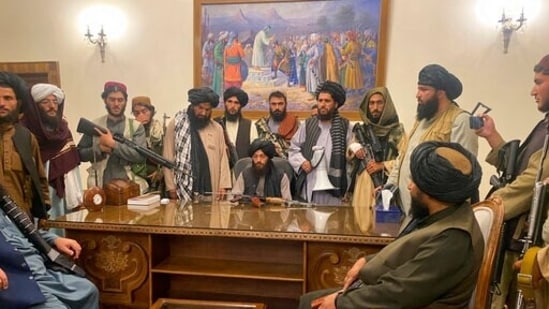
Now that the US army has pulled out from Afghanistan after spending 20 years there, the Taliban has taken control of almost whole of the country. HISTORY REPEATS ITSELF, and here history is repeating itself for the worst. Politicians have fled from the country leaving their countrymen to die and the civilians are in a state of panic. As Taliban has taken control from all the borders leaving no exit point.

What is Taliban

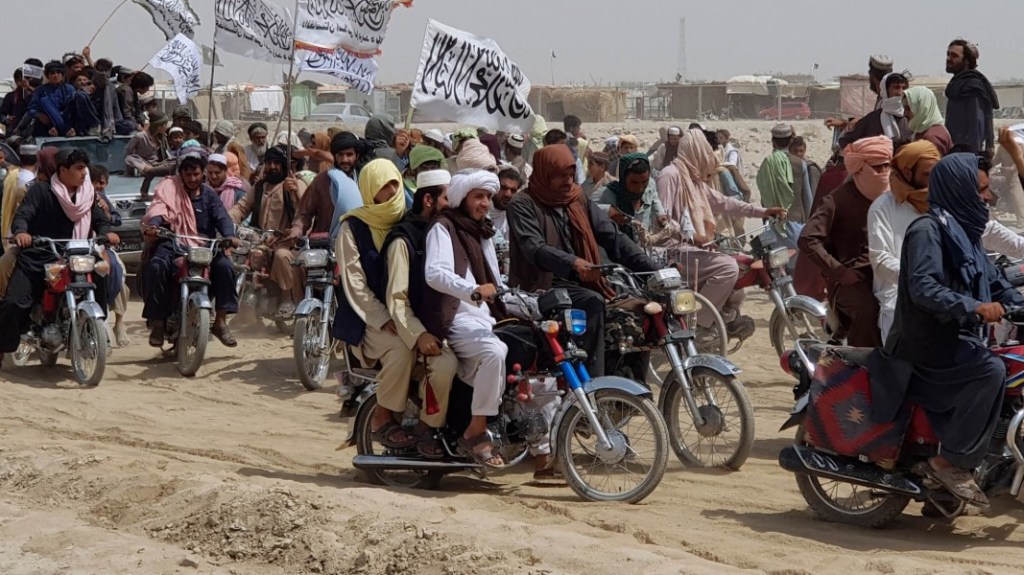
Taliban is the word for ‘student’ in pashto language. Ironically they have nothing to do with knowledge, at least on humanitarian basis. They emerged from the northern part of Pakistan in the early 1990s, they basically promised peace to the peope an to impose Sharia or islamic law, once in power. In September 1995, they started their rule by capturing Herat and then all the major cities one by one and by 1998, they had captured about 90% of Afghanistan.

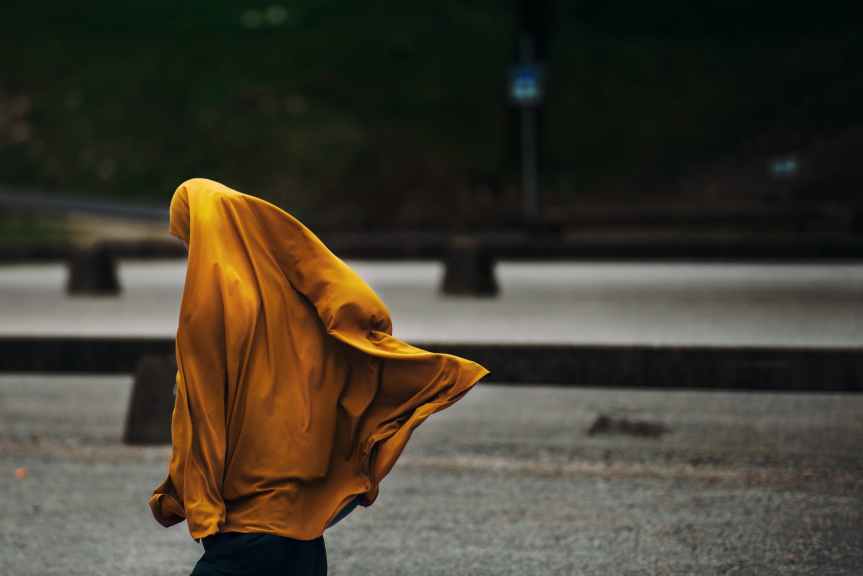
They became popular as they finished corruption and lawlessness. They also introduced roads. But at the same time they implemented the Sharia law and gave punishments according to it, like public execution for murderers and adultration, amputating those, who were found guilty of theft. Girls were not allowed to go to school after the age of 10, women had to wear chaadri (burqa, covering whole body) when going out and they had to be accompanied by a man all the time, men too had to grow beard. Cinema, music and television were banned. women were not allowed to work even when their husbands died. Basically all their rights were taken away.

Read more about Afghanistan: https://edupub.org/2021/07/19/afghanistan-through-khaled-hosseinis-a-thousand-spendid-suns/

Major terrorist activities by Taliban

On 11 September, 2001 the world trade center was attacked and Taliban was accused of providing safety to Al Qaeda.

Malala Yousafzai was shot by the talibani terrorists as she refused to leave school and continued to study.

pic courtesy: shutterstock

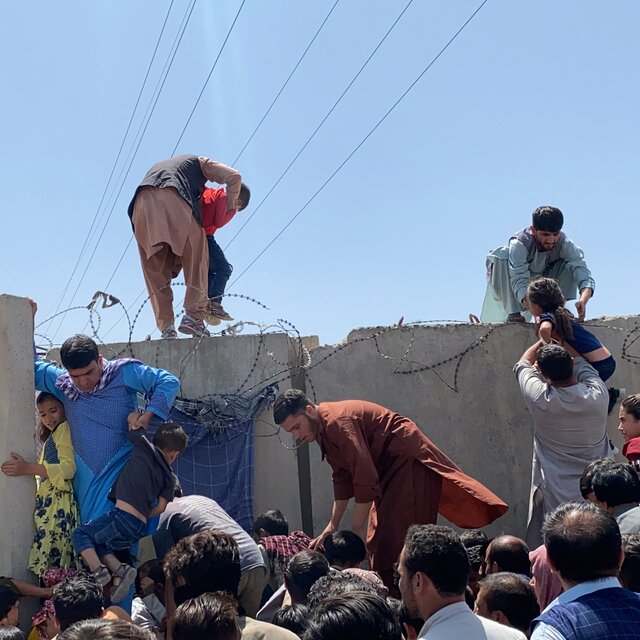
Disturbing images have been coming in from airport where people were rushing as their last hope of fleeing from there. It’s very saddening to see politicians leaving their people to die on the streets. Even though talibanis have said that the people need not be scared of anything but can we trust them?? Not really. Several videos have been surfacing on the net of dead bodies littered on roads. People are being dragged out of their houses, specifically those who have in any way helped American forces.
Residents are trying any possible way to get out of there but unfortunately the only exit left at last, the airport in kabul, has been shut off, shutting their last hope for now.

Photo by Disha Sheta on Pexels.com

Well, I hope for now at least the citizens will be safe and peace will be restored soon. The Afghanistan of 1960s-70s, where women enjoyed freedom and the country was progressing will be back. Children will play with toys and not guns, knowledge will be used as weapon and not violence.

Normal animal sicknesses and their management

By Anshiki Jadia

1 – Bacillus anthracis Anhrax, a profoundly irresistible and deadly sickness of dairy cattle, is brought about by a moderately enormous spore-framing rectangular formed bacterium called Bacillus anthracis. Bacillus anthracis causes intense mortality in ruminants. The microbes produce incredibly powerful poisons which are answerable for the evil impacts, causing a high death rate. Indications of the ailment for the most part seem 3 to 7 days after the spores are gulped or breathed in. When signs start in creatures, they generally bite the dust inside two days. Hoofed creatures, like deer, cows, goats, and sheep, are the principle creatures influenced by this sickness. They for the most part get the infection by gulping Bacillus anthracis spores while touching on field tainted (made debased) with Bacillus anthracis spores. Breathing in (taking in) the spores, which are unscented, dull, and boring, may likewise cause disease in creatures and individuals.

Side effects: Unexpected passing (regularly inside 2 or 3 hours of being evidently typical) is by a long shot the most widely recognized sign; Incidentally a few creatures might show shuddering, a high temperature Trouble breathing, breakdown and spasms before death. This generally happens over a time of 24 hours; After death blood, may not cluster, bringing about a modest quantity of ridiculous release from the nose, mouth and different openings

Treatment and control Because of the intense idea of the infection bringing about abrupt demise, therapy is normally impractical in creatures despite the fact that Anthrax bacilli are clines. Treatment is useful in cases showing sub-intense type of the infection. Much of the time, early treatment can fix Bacillus anthracis. The cutaneous (skin) type of Bacillus anthracis can be treated with normal anti-microbials.

Preventive measures: Normal yearly immunization of creatures in endemic regions will keep the illness from happening. Inoculation might be done somewhere around a month preceding expected sickness event in endemic regions. Never open a corpse of a creature suspected to have passed on from Bacillus anthracis. Contact a veterinarian promptly if the accompanying manifestations are seen and look for counsel on control measures to be taken on. Fever (106-108°F), loss of craving, sorrow and bluntness

2 – Dark quarter (dark leg) It is an intense irresistible and profoundly deadly, bacterial sickness of dairy cattle. Bison, sheep and goats are additionally influenced. Youthful cows between 6 two years old enough, in great body condition are for the most part influenced. It is soil-borne contamination which for the most part happens during blustery season. In India, the illness is inconsistent (1-2 creature) in nature. Causal organic entity: it is a bacterial infection brought about by Clostridium chauvoei

Side effects: Fever (106-108°F), Loss of hunger, Depression and bluntness Suspended rumination Quick heartbeat and pulses Troublesome breathing (dyspnoea) Faltering in influenced leg Crepitation expanding over hip, back and shoulder Expanding is hot and difficult in beginning phases though cold and effortless entomb. Supineness (surrender) trailed by death inside 12-48 hrs.

Treatment: Early treatment can be feasible to finish fix of the creature. Talk with veterinarian right away.

3 – Foot and mouth illness The foot-and-mouth illness is an exceptionally transferable sickness influencing cloven-footed creatures. It is described by fever, arrangement of vesicles and rankles in the mouth, udder, nipples and on the skin between the toes or more the feet. Creatures recuperated from the illness present a naturally unpleasant coat and misshapening of the foot. In India, the illness is far reaching and expects a place of significance in animals industry. The sickness spreads by direct contact or by implication through contaminated water, compost, feed and fields. It is additionally passed on by cows specialists. It is known to spread through recuperated creatures, field rodents, porcupines and birds.

Indications fever with 104-105o F lavish salivation – ropes of wiry spit dangles from mouth vesicles show up in mouth and in the entomb advanced space faltering noticed cross reproduced cows are exceptionally vulnerable to it

Safety measures substantial milch creatures and extraordinary types of cows reared for milk ought to be secured consistently. it is fitting to do two immunizations at a time period months followed by a yearly inoculation program. disengagement and isolation of debilitated creatures. It ought to be educated quickly to the veterinary specialist sterilization of creature sheds with blanching powder or phenol chaperons and hardware’s for wiped out creatures ought to be preferably independent the gear’s ought to be altogether disinfected appropriate removal of left over feed by the creature legitimate removal of remains control of flies

4 – Rabies (Mad canine infection) Rabies is an infection of canines, foxes, wolves, hyaenas and in certain spots, it is an illness of bats which feed on blood. The illness is passed to different creatures or to individuals in case they are chomped by a creature with rabies. The germs which cause rabies live in the spit of the debilitated (frenzied) creature. This is an amazing sickness however only one out of every odd canine which nibbles is tainted with rabies. At the point when the out of control creature chomps another creature or human, the germs which live in its salivation pass into the body through the injury brought about by the nibble. The germs venture out along the nerves to the cerebrum. The time between the chomp and the principal appearance of signs that the nibbled creature or human has been tainted can take from 2 to 10 weeks or more. The time taken relies upon the distance of the chomp from the cerebrum. In the event that the nibble is on the face or head, the chomped creature or human will rapidly give indications, yet on the off chance that the nibble is on the leg it will take any longer for signs to create.

General indications of rabies You should initially search for the characteristics of the nibble and find where and when the creature was chomped. All raging creatures give comparable indications in the first place. they change their typical conduct and act unusually. They quit eating or drinking. Male creature will attempt to mate (mount) different creatures. The calm (stupid) type when the creature is tranquil and doesn’t move.

Control of rabies Canines locally can be immunized against rabies. You ought to get some information about immunization against rabies. In case there is a flare-up of rabies, the animals locally can be inoculated as well.

BOOK REVIEW “THE WIZARD’S OF OZ”

. ABOUT THE AUTHOR

L.Frank Baum was an American author born on May 15,1856 Chittenango New York. He has written 14 novel on Oz, plus 41 on others and many more works.

. SUMMARY

Let’s talk about one of the greatest literary work of L.Frank ‘The Wizard’s of Oz’ which became a classic of children literature. The novel is about a girl named Dorothy, who lives with her uncle Henry and aunt Em with her pet dog Toto in Kansas. A sudden cyclone strikes and swift away Dorothy and Toto along with her uncle’s farmhouse and dumped it in the land of Munchkin of Oz’s, in the process killing the wicked witch of East. Wanting to go back to her homeland the story embarks her journey on the yellow brick road to the emerald City of great wizard of oz. On the way she makes friends with the Scarecrow who wants a brain, the Tin woodmen who wants a heart and a cowardly Lion who wants courage. After many adventures they reach the Emerald City to the great wizard of Oz. The wizard lay’s a condition only if they kill the wicked witch of west the desires will be fulfilled. They commence their journey on killing the witch , after a lot of difficulties they are able to kill the witch. On returning back to the wizard they are left shocked………. Let me leave the summary on this note so the readers curiosity is not killed.

. THEME

The story has many theme ; one must find their strength in oneself and their friendship. The courage to tackle the problems comes from within and the good circle of friends who surrounds them. The grass is not greener on the other side , we should enjoy our present and stay contented from within . It also depicts there no place like home one can not find the happiness of a family to a foreign land but their own land . Life throws you many hurdles but one must fight with it with their full potential and never to lose hope .

Nostalgic Nightmares

Introduction

Dreams and Psychology

“Dreams are as simple or as complicated as dreamers.” The interpretations of the dreams are the royal road to a knowledge of the unconscious activities of the mind. The theories state that dreams don’t mean anything. These are just images put in by the brain from the memories. These are the stimulants that help one face the tragedies of life. As it’s truly said, “an individual suffers more in imagination than in reality” proves in this situation. Before facing it in person if a being conquers it in the dreams, then it will encourage him to win easily in real life. Its history goes back to the early stages when it was used as a tool to fool enemies because though our bodies get paralyzed while dreaming minds stay active. There is a whole psychology behind the dream theory and an explanation of why we dream in the way we do?

You dream, what you believe!!

Interesting Facts

“I always dream about falling from great heights.” It symbolizes that something in your life isn’t well. It might mean you need to rethink a choice or consider a new direction in some areas of life. It characterizes fear in existence, perhaps falling in work or love. It often expresses a need to let go and enjoy more. 

“I was attacked by a chaser in my dream.” These types can be quite terrifying. It might indicate a desire to escape from your fears. Running away from an animal often depicts that you are hiding from your anger, passions and other feelings. If your pursuer is mysterious, it represents childhood trauma. And if a person is of opposite sex then it reveals that you are haunted by love or past relationships.

“I died, no not in real….in my sleep.” Death is a very common subject of dreams. People imagine death either of loved ones or about themselves. It reflects anxiety about a change. Just like death, change can be scary. Those approaching the end of life and loved ones around them experience significant and meaningful dreams, often relating to a confronting presence, preparing to go, watching or engaging with the deceased, loved ones waiting, distressing experiences, and unfinished business. 

 “I flew like a bird while dreaming.” It can be liberating at the same time, quite frightening. It can represent two sides. One, independence and freedom. On the other hand, escape from the realities of life. 

There are a lot of things that influence dreams. The first thing includes health conditions that affect the secretions of the brain causing sleep to disrupt. The type of food one intakes can also become the factor for the feeling of sickness and in turn affect the types of dreams one visualize. Daily exercises and a little change in daily activities can help improve sleep and at last the dreams. There are two ways to remember dreams; one by telling yourself that you want to remember them when you wake up and the other by grasping as many images as you can before getting out of bed or using a smartphone.

Dreams are more profound when they seem the craziest. “Life is only a dream and we are the imagination of  ourselves.”

ARE COMPUTERS REALLY INTELLIGENT?

When it comes to the possibilities and possible perils of artificial intelligence (AI), learning and reasoning by machines without the intervention of humans, there are lots of opinions out there. Only time will tell which one of these quotes will be the closest to our future reality. Until we get there, it’s interesting to contemplate who might be the one who predicts our reality the best.

“The development of full artificial intelligence could spell the end of the human race. It would take off on its own, and re-design itself at an ever-increasing rate. Humans, who are limited by slow biological evolution, couldn’t compete, and would be superseded.”— Stephen Hawking

Will computers eventually be smarter than humans? 
 
Everyone is talking about artificial intelligence (AI) – in the media, at conferences and in product brochures. Yet the technology is still in its infancy. Applications that would have been dismissed as science fiction not long ago could become reality within a few years. With its specialty materials, the Electronics business sector of Merck is contributing to the development of AI. 

HOW SMART ARE YOU?

Who’s smarter — you, or the computer or mobile device on which you’re reading this article? The answer is increasingly complex, and depends on definitions in flux. Computers are certainly more adept at solving quandaries that benefit from their unique skill set, but humans hold the edge on tasks that machines simply can’t perform. Not yet, anyway.

Computers can take in and process certain kinds of information much faster than we can. They can swirl that data around in their “brains,” made of processors, and perform calculations to conjure multiple scenarios at superhuman speeds. For example, the best chess-trained computers can at this point strategize many moves ahead, problem-solving far more deftly than can the best chess-playing humans. Computers learn much more quickly, too, narrowing complex choices to the most optimal ones. Yes, humans also learn from mistakes, but when it comes to tackling the kinds of puzzles computers excel at, we’re far more fallible.

Computers enjoy other advantages over people. They have better memories, so they can be fed a large amount of information, and can tap into all of it almost instantaneously. Computers don’t require sleep the way humans do, so they can calculate, analyze and perform tasks tirelessly and round the clock. On the other hand, humans are still superior to computers in many ways. We perform tasks, make decisions, and solve problems based not just on our intelligence but on our massively parallel processing wetware — in abstract, what we like to call our instincts, our common sense, and perhaps most importantly, our life experiences. Computers can be programmed with vast libraries of information, but they can’t experience life the way we do.

Some of that’s rethinking how we approach these questions. Rather than obsessing over who’s smarter or irrationally fearing the technology, we need to remember that computers and machines are designed to improve our lives, just as IBM’s Watson computer is helping us in the fight against deadly diseases. The trick, as computers become better and better at these and any number of other tasks, is ensuring that “helping us” remains their prime directive.

The important thing to keep in mind is that it is not man versus machine. “It is not a competition. It is a collaboration.”

Women Safety in India: Still a Major Concern?

Women Safety in India - An Unending Struggle? – BloggerBunny

Protection of women in India has become a crucial issue. We cannot assure the safety of the women nowadays because if we read a newspaper or go on social media, the news of girls getting raped by cab drivers, acid burning, child marriage, domestic violence, molestation is flooded from different parts of India. Such incidents have created fear and fright among young girls and women. They don’t feel safe in their own country. In rural areas, the conditions are worse where women are burned and killed by in-laws or tortured for dowry. Moreover, female infanticide is still practised in some remote areas.

The most dreadful event that the country faced was the Nirbhaya gang-rape incident. To curb such horrendous crimes against women, the government has passed laws for women’s safety. They are Child Marriage Restraint Act 1929, Hindu Marriage Act 1955, Dowry Prohibition Act 1961, Deaths and Marriages Registration Act 1886, Indian Divorce Act 1969, Equal Remuneration Act 1976, Prohibition of Sex Selection Act 1994, Protection of women from Domestic Violence Act 2005, Sexual Harassment of Women at Work Place Act 2013 etc. and many more.

How to Ensure Women Safety in India?

Everyone requires to determine and willingly agree that every person has the freedom to feel safe. Indian constitution states that every person is even before the law. But unfortunately, it is not practiced everywhere. Women and girls around the world should be given access to education, freely walk at any place, reach to hospitals, the opportunity of choosing a career, freedom of choice of marriage partner and also the freedom to wear their own choice of clothes. They should not be punished for the selection of garments, friends, and other extra-curricular activities.

Education is the demand for the hour to eradicate such problems and to help individuals in the nation recognize and respect limits, and approval in order not to dishonor women’s rights. As individuals, we can regard each other with respect. Let us stand as active bystanders where we stop sexual violence and interfere if any such incidence happens anywhere with the women. Most importantly, do not perpetuate it.

Role of the Government:-

The Government must ensure that the law in force is activated. What is the point of having women’s security law if the order is definitive and inhibiting? There is a requirement to improve the infrastructure to secure women’s freedom. Notwithstanding the production of various efficient laws and ordinance by the Government of India to trade with and set assaults against females, the volume and repetition of sins against females are growing daily. The state of women in the country has been metal assault and offensive in the past few years.

Women’s belief in their protection in their country has decreased. Women are in questionable conditions for their security and anxiety while going everywhere or outside their houses (such as office, market, etc.). We should not criticize the government, because it is not just the duty of the government to safeguard women but of every citizen of India, especially the people who require it. Research that put India as the most unsafe place due to its raised incidence of sexual violence, deficiency of access to trial in rape instances, child wedding, female feticide and trafficking in human beings. India surpassed nations that have a high rate of women’s criticism.

The safety of women in India is a significant concern today. We cannot say that women are safe in India by going through crimes against women in the past few years. Women feel frightened to move out and roam around by themselves.

Some Major Safety Tips:-

  • Self-defense routines are the first and foremost method that every woman must be mindful of and have sufficient self-defense practice for their security.
  • Women need to be mindful of some efficient defense techniques, such as crotch kicks, blocking punches, etc. Usually, most women should be trained well to recognize the issue.
  • Women should at once limit any situation that they feel wrong about.
  • Escape and operate is also an excellent way to mitigate some of the risks women face whenever they are in trouble.
  • They should never travel alone with an unknown person in some strange location.
  • Women must know and feel their dynamic power and practice it subsequently. They should nevermore think that they are more insecure than men and get some self-defense practice.
  • Women should be alert to interact with someone on the Internet in cyberspace.
  • Pepper spray can also be used as a self-defense tool, but it may be not effective for some people who cannot be harmed by even full-face spraying. It may not obstruct the attacker; thus women should not depend completely on it and use other methods as well.
  • Women should carry all the emergency numbers with them to tell their family members and the police immediately, in case of any emergency.

Conclusion:-

Though we had a woman prime minister, a woman president and a woman finance minister, and a woman defense minister, still we have a gender non-inclusive legislature primarily. At 12%, India is one of the stragglers among its associates in the portrayal of women in Parliament.

Free India represents women as half of the population, which is observed in the Chinese bureaucracy. The situation is not very promising yet in the state of the judiciary, where, as a nation, we are glorifying only the first instance of three female judges sitting in the 68-year tale of the nation’s Supreme Court. Notwithstanding repeated crimes against women and young girls, India still does not have a wide database of physical offenders. Registration and information systems for sex offenders have been created around the world over the past 20 years. Since 1994, 18 more countries have launched new laws on the recording of sex offenders.

Women, in the past years, have made an extraordinary contribution to the world whether she is Mother Teresa, Marie Curie, Virginia Woolf, Betty William, and the most present one is Malala Yousafzai. They fought for their freedoms and stood up for their convictions against all the odds. Few more women such as Kalpana Chawla, Sania Mirza, Saina Nehwal, Indra Nooyi, etc. are the examples in the history of India, who broke down all the obstacles in their routes to progress and impact.

Women empowerment in the nation encourages equality between women and men and supports women by allowing them with power and courage to be the decision-maker of their individual life. Women’s empowerment in India has achieved power with the support of women’s welfare organizations by giving them all the required support.

IMMUNOLOGY SERIES- PART 7- TYPES OF IMMUNOGLOBULIN

The previous article dealt in detail with immunoglobulin and how they help in phagocytosis. This article is about the types of immunoglobulins, their functions.

The types of immunoglobulins are based on the types of light and heavy chains. There are two types of light chains namely the kappa and the lambda. An immunoglobulin contains either kappa (K-K) or lambda (L-L) but does not have a mixture of both (K-L not possible). About 60% of the immunoglobulins in humans have kappa chains.

So, the classes of immunoglobulins are based on the heavy chain. So based on this condition, there are five classes of immunoglobulins namely:-

  • Immunoglobulin G (IgG) – gamma
  • Immunoglobulin M (IgM) – mu
  • Immunoglobulin A (IgA) – alpha
  • Immunoglobulin D (IgD) – delta
  • Immunoglobulin E (IgE) – epsilon

These immunoglobulins have certain configurations and play different roles in the human body. The immunoglobulin G is present the most. It constitutes about 80% of the total immunoglobulin. These are mostly present in the blood, plasma, and other body fluids. This immunoglobulin has the lowest carbohydrate content when compared to the rest. This immunoglobulin has a half-life of 23 days which is the longest of all. Some of the unique features and functions of this immunoglobulin:-

  • This is the only immunoglobulin which can cross the placenta (this is a unique feature because this immunoglobulin provides immunity to the foetus inside the womb and also after birth for some months. Presence of others may indicate infection)
  • This helps in killing bacteria and viruses by opsonisation (the process of covering the pathogen with a protein coat such that the pathogens become more presentable to the immune cells)
  • Neutralize toxins
  • Activate complement by classical pathway (The complement system, also known as complement cascade, is a part of the immune system that enhances the ability of antibodies and phagocytic cells to clear microbes and damaged cells from an organism, promote inflammation, and attack the pathogen’s cell membrane)
  • Unique catabolism (breaking down of molecules) based on concentration
  • There are four sub classes (G1, G2, G3 and G4) out of which 1,3 and 4 cross the placenta and offer immunity
  • Also involves in the Rh immunization (there are two types’ Rh+ve and Rh-ve based on the presence of Rh factor in blood). The mother being Rh+ve and child the opposite is not a problem in the first pregnancy but can be fatal in second, killing the foetus.

The immunoglobulin M constitutes about 5-10% of total proteins. This is a pentamer structure with a J chain. This weighs about 900000-1000000 and is the heaviest of all. They have 5 days of half-life. Some of its features-

  • Presence in newborn indicate congenital infection as they don’t cross placenta
  • Short lived, so their presence indicates recent infection
  • First Ig to participate in primary response
  • Opsonisation
  • classical pathway
  • bacteria agglutination
  • Play an important role in ABO blood grouping (discovered by Landsteiner). There are 8 types of blood groups based on antigen, antibody and Rh factor

Immunoglobulin A is also known as the secretory immunoglobulin and is mostly present in body secretions (tear, saliva, sebum, mucous, and milk) in which they are dimer and are monomer in blood. They constitute 10-15% of the proteins. They also have a J chain and secretory piece. Their half-life is 6-8 days.

  • The secretory piece protects the Ig from enzymes and juices
  • Complement activation by alternate pathway
  • Promote phagocytosis
  • Intracellular microorganism killing
  • First line of defense against some microbes

Immunoglobulin E is a dimer similar to IgG. This is present in low concentrations (about 0.3) and has the weight of about 1,90,000. These have a half-life of about 2 days and can become inactivated at 56 C.

  • Present extra-cellularly
  • Associated with allergic reactions like asthma, hay fever and anaphylactic shock
  • Bind with the Fc of mast cells and basophils resulting in degranulation and release histamine which causes allergy
  • Mediate the some immunity reactions
  • No complement activation
  • Provide immunity against helminthes

The last is immunoglobulin D.  It is present in low concentrations and on the surface of B lymphocytes. They constitute 0.2% of proteins. They have a half-life of 3 days. The IgM and IgD bind on the B lymphocyte to help in antigen identification.

Hence these were the different types of immunoglobulins and the mechanisms by which they help with immunity. The next article is about the process of inflammation.

HAPPY READING!!

IMMUNOLOGY SERIES- PART 6- IMMUNOGLOBULIN

The previous article was about the different types of immune cells. This article is about a special molecule in immunity known as immunoglobulin.

There might be a question that what is so special about this immunoglobulin. There is a reason for this. These molecules play an important and inevitable role in the phagocytosis of pathogens. To understand this, it is essential to know about immunoglobulins.

The immunoglobulin is a gamma globulin, a specialized group of proteins (glycoprotein) produced in response to pathogens. It is produced by the plasma cells (a globulin protein present in the plasma). These constitute 25-30% of the blood proteins.

There are two important terms that are more commonly known by the most, they are the antigen and the antibody. The antigen is the molecule present on the surface of the pathogen and can stimulate an immune response. There is a small part of the antigen called the epitope which interacts with the antibody.  The epitope is known as the antigen determinant site. An antigen can have unlimited epitopes.

On the contrary, the antibody is the molecule produced in response to the antigen in order to kick it away. The part of the antibody which interacts with the antigen is called a paratope. An antibody must have at least 2 paratopes. These antibodies belong to the immunoglobulins. All antibodies are immunoglobulins but not immunoglobulins are antibodies. To understand how the antibody helps in immunity, it is essential to understand the structure of an antibody/immunoglobulin. The image below shows the general structure of an immunoglobulin:-

There are two chains in an immunoglobulin namely the light chain and heavy chain. The light chain has 212 amino acids (the building block of protein) and the heavy chain has 450 amino acids. Each chain has two types namely the constant and variable. These regions are based on the amino acid sequences. Half of the light chain (1 out of 2) is constant and the rest is variable. A quarter of the heavy chain (1 out of 4) is variable and the rest is constant. These are linked by two types of sulfide bonds namely the intra (H-H AND L-L) and inter (H-L). These molecules contain carbohydrates (CHO) hence these are called as glycoproteins.

The tip of the variable regions of the heavy and light chain is hypervariable in nature and these constitute the antigen-binding site (Fab). These are hyper-variable because they have to produce amino acid sequences complementary to that of the antigen so that they can interact together. The other site is called a crystallizable region (Fc).

Having known all this, now it will be convenient to explain the process by which the antibody plays in the prevention of infections.

There are millions of substances that pass through the blood every day. So there must be a criterion/substance to identify them whether they are pathogenic. This is where antigen comes to play. These antigens present on the surface of the pathogens alert the immune system which then identifies this as a pathogen. So in response to the antigen, a suitable antibody is secreted and deployed to the target site. On reaching the antigen, the Fab region binds with the antigen.

The ultimate aim of the immune system is to abolish the pathogen and one way is by phagocytosing them. This is done by the macrophages. But it is essential for them to identify the substance before engulfing it. This is where the antibody comes to play. The Fc region of the antibody combines with the receptor of the macrophage. This facilitates the process of phagocytosis.

Hence the antibody acts like a bridge between the source (antigen) and the destination (macrophage) aiding in phagocytosis. This is essential because in most of the cases the macrophages, it is difficult to identify the non-self-objects and this is where antibody helps.

In the case of the new pathogen, the antigen is new, and therefore their might not be a suitable antibody. In that case, the macrophage cannot phagocytocise the pathogen and it reigns in the body causing infection and disease.

The next article is about the types of immunoglobulins.

HAPPY LEARNING!!

TIPS TO STAY FOCUSED

“Always remember, your focus determines your reality.” — George Lucas

Unless you have a strong desire to learn the information or develop a skill, it can be hard to focus all of your attention in one place. If you are impatient to learn or master anything, it wouldn’t benefit you more. If you are restless, you will make more mistakes and you will be more distracted as your whole focus will be on result, not on your action.

Instead, remain calm and be devoted to your work.

A mind which is calmer helps you to concentrate better, attaining undivided focus and it makes you proactive.

Television, smart phones, social media, friends, and family can all distract you from your goal of doing well in school. Create an environment that helps you focus. Set a schedule that maximized your study time. Try different study techniques and take breaks so you don’t become too overwhelmed. Here are some of the best tricks that scientists have come up with to help you increase your focus in studying.

  1. Get rid of distractions. Choose the right spot. In order to concentrate, you must eliminate those things that you know will distract you. Put up mobile devices. Turn off the TV. Close other pages in your web browser. Sit away from people making loud noises.
  2. Play music without lyrics. Some people cannot stand silence. They need to have background noise to help keep themselves motivated. Consider playing classical music softly. For some people, music helps them concentrate. For some, it doesn’t. Try it out and see what works best for you. A little something in the background can make you forget that you’re studying instead of out having fun.
  3. Come prepared. Be sure to have all the materials needed to work. Have pencils, pens, highlighters, paper, textbooks, calculators, or whatever else will help you finish the task. Organize the area. A clean space will mean less distractions too. Your goal should be to take care of everything outside of studying before you sit down to focus. If not, you’ll just end up getting up repeatedly. Having to stop and start takes more time than continuously working.
  4. Find a place where you can “unplug”. One of the biggest complaints that teachers have about their students is their inability to concentrate on a subject. Our constant use of social media and personal devices like cell phones divides our attention and makes it more difficult to concentrate.
  5. Learn when to say no. Often times, people find it difficult to concentrate on their studies because they are overextended with other obligations. If this is you, don’t be afraid to tell people no. Just explain that you need to study and won’t have the time or energy to do so, if you help them out.

Ultimately, there’s no quick, one-size-fits-all solution to staying focused while studying. Different methods and tools will work better for some than others. However, with a little trial and error and the tools and techniques above, you can create a routine of focused studying that works best for you.

LUCID DREAMS

Photo by Pixabay on Pexels.com

We spend one third of our life dreaming. Sometimes dreams are happy, scary, unexplainable and even an indication of what is going to happen in future. There is a popular saying that the dreams we see in the morning are usually true and real, though there is no scientific proof to it. We usually dream what we think, stress is an important factor in dreams. Less stress means happy dreams.

But will you believe it if I tell you that you can actually control your dreams?🤔
A dream where one becomes aware of the dream it is known as lucid dreaming. And there are people who do this. You can do it too!! Let’s know how.
People have been studying lucid dreams for a very long time, from ancient to modern it has been studied to understand the cause and purposes of it. As a result many theories have emerged, though it is still under research.


This term was given by Dutch author and psychiatrist Fredreik Van Eeden. In his article A Study of Dreams in 1913. He studied his own dreams for a period of time and wrote them in his dream diary, 352 of his dreams were categorized as lucid.
He mentioned 7 different types of dreams and out of which he considered lucid dreams most interesting and worthy of observation.
The reference to this phenomenon can be found in ancient greek writings. According to Aristotle, Greek philosopher, “often when one is asleep, there is something in consciousness which declares that what then presents itself is but a dream”. Other than Aristotle, physician Sir Thomas Browne, Samuel Pepys and more have mentioned lucid dreaming.
In 2020 there was a large increase in reports of lucid dreams compared to the previous year.


There are a few conditions for a dream in order to be defined as a lucid dream and these were given by Paul Tholey. The conditions are:
1. Awareness of the dream state (orientation)
2. Awareness of the capacity to make decisions
3. Awareness of memory functions
4. Awareness of self
5. Awareness of the dream environment
6. Awareness of the meaning of the dream
7. Awareness of concentration and focus (the subjective clarity of that state)

Photo by Nadi Lindsay on Pexels.com

Lucid dreams are often found to be affective in treating nightmares. Physiotherapists have also been including lucid dreaming as a part of therapy. There are also books and movies based on this like inception, paprika, etc.
Though lucid dreaming has been beneficial in many aspects but for the people who experience it for the first time can go through the feelings of stress or confusion. People who see lucid dreams very often might feel empowered and also isolated from others in terms of their dreaming experience which is quiet different to others. Others might experience sleep paralysis, which is sometimes confused with lucid dreams.

Read about sleep paralysis here: https://edupub.org/2021/08/12/sleep-paralysis/

There are many methods using which one can experience lucid dream like, make a dream diary and jot down the dreams you remember, diary alone won’t help but it will be beneficial with other methods. Some devices and drugs are also used.