Forest Law in India: A Critical Analysis

Forests are a valuable resource for humans. And India is the 7th largest nation in the world occupying almost 3% of the world area. But on the other hand, the forests cover lies in India is only 1.8%. Forests are one of the most important natural resources, as well as a vivid expression of nature. They are also regarded as guardians and protectors of the country’s wildlife. Forests are important not only for their botanical value, but also for their recreational and scenic beauty, which brings glory and attraction to many places in India and other countries. Forests often contribute to the agriculture of the area in which they are located, whether in terms of soil fertility, soil erosion prevention, or promoting perennial stream flow in rain-fed rivers. They provide a sanctuary for wild animals, protect tribal populations, and preserve cultural identities. As a result, forests contribute to the ecological balance.

Forests also provide income, provide raw materials, and serve as a source of fuel and fodder, in addition to these environmental and ecological benefits. Conflicting views are inevitable when it comes to forest management. Ecological stability would be jeopardized if claims of growth were made.

Forests in India are under significant pressure today, and are rapidly decreasing as a result of rapid human and livestock population growth, over-use and exploitation of forest resources, conversion of forest land for non-forestry activities, agricultural development, and other illegal on forest land. Each & every legislation carries the expectations and desires of the social and political forces at work at the time it was enacted.

Historical Background

Initially, it was about the worship of holy groves, elephants in the medieval age, and how society was before colonial rule, as well as people’s attitudes toward forests.

Then there was the change in conservation strategies, with the emphasis moving from community management to more analytical management under the umbrella of the state. And lastly, the evolution of the forest laws Post Independence.

Until the early 18th century, a large number of communities on the Indian Subcontinent relied on hunting and gathering for food. The abundant rainfall and lush vegetation aided livelihoods. These communities traded forest products like herbs and honey for salt, clothes, tools, and sometimes grain with the local agricultural communities. These hunting and gathering cultures thrive on the forest products. The importance of trees, forests, and wildlife is stated in the Vedas, Puranas, and Arthashastra.

The forests were divided into four groups: Forest for wood, Reserve forest, Elephant forest and Forest for hunting.

Forests were held by local chiefs during that period, with access rights given to the peasants.

Only surplus grain production was claimed by the mughals, as well as a tax on animals above a certain weight. Villages were self-sufficient and dealt with the state as a whole. Taxes were collected both as a group and as a household. Horticulture, sheep farming, fishing, and forest holdings were all exempt. Apart from hunting preserves, the state had no clear claims to territory.

When Europeans arrived in India, the Industrial Revolution was in full swing, and a wide variety of items had become commodities. This had a major influence on Indian society.

It shifted the emphasis away. It also resulted in the disintegration of local communities. Now with manufacture and commerce became the dominant practices everything was measured in money.

The main aim of colonial law was to take over the forest land for its expansion, so resolution rights were not granted, and tribal rights were barely documented in areas where they were.

After independence, the proclaimed forests of princely states, zamindars, and private owners were transferred to the forest department, worsening the situation.

Analysis

In year 1856, Lord Dalhousie stressed the importance of a clear forest policy in India. The reason behind this awareness was the increasing difficulty in securing adequate supplies of wood (which was needed for the massive extension of railway lines that was being undertaken at the time). The first Indian Forest Act was passed in 1865. It came into effect on May 1, 1865. The Act granted the government the authority to classify any land covered in trees as government forests and to create rules for their protection. This was the British government’s first attempt at forest legislation in India. In 1878, a revised Forest Act was passed, putting an end to decades of traditional community use of their woods and giving colonial government power over forestry. On the one hand, the provisions of this Act created a virtual State monopoly over the forests in a legal sense, and on the other, they attempted to establish that the villagers’ traditional use of the forests was not a “right,” but a “privilege” that could be revoked at any time.

A new comprehensive Forest Act was passed in 1927 to make forest laws more practical and to strengthen the Forest Act. It replaced all previous laws. The Act is divided into 13 chapters and contains 86 sections. The Act’s key goals were:

1) Consolidate forest-related legislation.

2) Regulation of and the transportation of forest produce.

3) To impose a tax on timber and other materials.

There is no specific definition for forests in this Act. It divided Indian forests into three categories: Reserved forests (completely regulated by the government), Protected forests (partially controlled by the government), and Village forests (controlled by attaching villages).

Drawbacks of The Indian Forest Act, 1927

A thorough examination of the act shows that it was never intended to preserve India’s vegetation cover, but instead was passed to:

1) Ensure that cutting down of trees is governed.

2) Make money by cutting down trees and selling forest products.

Furthermore, it denied nomads and indigenous peoples of their rights and privileges to use the forests and its product. Its primary goal was to supply raw materials to forest-based industries. Forests have long been recognized as an important component of ecological equilibrium and environmental sustainability. It is important to note that the revenue-driven mentality toward the forests prevailed even after independence. As a result, the 1927 act failed miserably to protect the forest from exploitation.

The Indian Forest Policy of 1952 was a straightforward continuation of colonial forest policy. It became conscious, however, of the need to increase forest cover to one-third of total land area. Total annual revenue from forests was a critical national need at the time. Due to the two World Wars, the need for defense, construction projects such as river valley projects, industries such as pulp, paper, and plywood, and communication, forest produce was heavily reliant on national interest, and as a result, large areas of land were cleared to generate revenue for the state.

The Forest Conservation Act of 1980 was passed in order to prevent further deforestation and to protect forests. In essence, the Act simply transfers jurisdiction over forest land use decisions from the state to the central government.

On December 18, 2006, both the Lok Sabha and the Rajya Sabha passed the Scheduled Tribes and Other Traditional Forest Dwellers (Recognition of Forest Rights) Act, 2006. This law aims to give traditional forest dwellers ownership rights to forestland. The law addresses the rights of forest dwellers to land and other resources, which have been denied to them for decades as a result of India’s colonial forest laws. The Act was informed into effect on December 31, 2007, just over a year after it was passed.

The wildlife conservation lobby and the Ministry of Environment and Forests fiercely opposed the Act, describing it as the “ideal formula” for ensuring the destruction of India’s forests and wildlife by “legalizing encroachments.” Some of the criticism stems from those who see the legislation as a land-distribution system that will result in tribes and forest dwellers receiving forest land. Wildlife conservationists, on the other hand, have voiced their opposition to the Act, claiming that it would make it difficult to establish “inviolate spaces,” or areas free of human presence, for the purposes of wildlife conservation. Conservation of tigers, in particular, has been a source of concern. Many conservationists have also expressed support for amending the Act.

The Act’s proponents claim that major construction projects, such as dams, power plants, and mining operations, should be monitored rather than the forced removal of conventional forest-dependent communities in order to save the forests. Several organizations argue that it is not tribes who are introducing commercial activities into forests, but rather external commercial forces that are degrading forest resources and eroding tribal communities’ traditional lifestyles.

Role of Judiciary on Forest Laws

Forest conservation is extremely important. The area covered by forest is steadily shrinking as the Indian population grows. At least 30% of the country’s land should be covered in sufficient forest cover to ensure ecological stability. There was widespread deforestation, and the forest cover was reduced to less than 18%. Originally, forests were put on the State List, allowing states to pass forest laws on their own. Forests were added to the Concurrent List in 1976, allowing Parliament to pass legislation on the subject. Despite the government’s main efforts, deforestation has persisted. The Supreme Court issued broad guidelines in 1996 to oversee the implementation of forest laws throughout the country. In India, the courts have played a pivotal role in environmental and eco-system preservation. The Indian Supreme Court has given numerous directives and instructions to avoid environmental degradation in a number of cases. The framework of the judicial system, as well as the constitutional and legislative provisions, must be considered in order to comprehend the role of the courts in this regard. In India, litigation has enunciated a web of doctrines and interpreted Constitutional law from an environmental standpoint. Non-forest activities and the awarding of leases for non-forest activities were also outlawed by the court.

The article focused on many of the major forest laws; during the British time, several laws were enacted in order to generate revenue. For the continuation of human society as we know it, forests and the goods they provide are universally needed. We generally do not consider it worthy of further inquiry since shifting our society to one that is not dependent on the forest and its associated benefits requires such a massive fundamental change. Given this situation, it is critical that we develop mechanisms to sustainably manage the forest for all of the benefits it can bring. The first step was taken in the form of the Indian Forest Act, 1927, whose main goal was to categorize forests and determine to what degree the government could intervene in private forest matters, as well as how the notification for reserved forest was made. At times, I believe the state intervened in private affairs as well. With the enactment of the Forest (Conservation) Act in 1980, a significant change in post-independence forest management regimes occurred. The Act was enacted to control large-scale forest land diversion for non-forest purposes. It did not, however, include a blanket prohibition on such diversion. As a result, large areas of forest have been diverted for agriculture, mining, and construction purposes, such as dams that cause forest destruction. Furthermore, the legislation was criticized for restricting local communities’ rights. The Government of India launched a new National Forest Policy, which represented a significant departure from the 1952 policy by focusing on environmental stability and forest conservation while meeting the domestic needs for fuel, wood, fodder, and minor forest produce for rural and tribal populations. As discussed above it is clear that we must strictly enforce the forest laws, and that all administrative organs must work together in a normative approach to ensure that the forest laws are properly implemented, since laws are worthless without the aspect of enforcement and remedies.
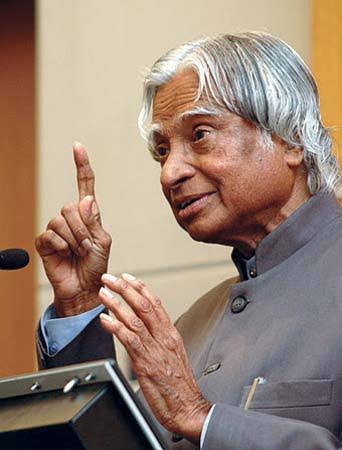
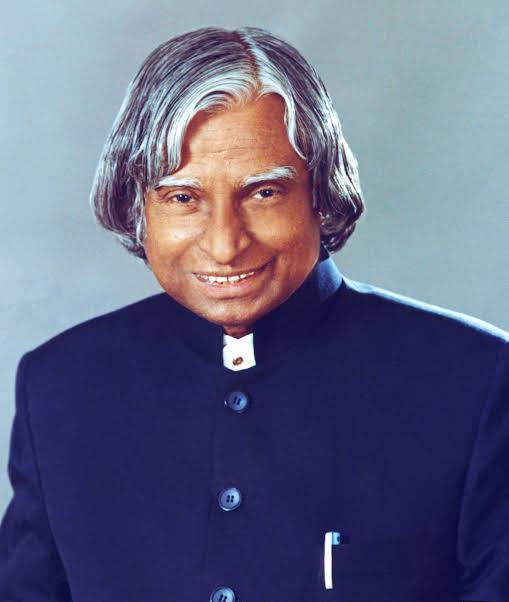
LIFE HISTORY OF APJ ABDUL KALAM

Early life :
His full name is Abul Pakir Jainulabdeen Abdul Kalam. He was born on 15th October, 1931 in Rameswaram, Madras Presidency, British India which is presently known as Tamil Nadu, India. His father’s name was Jainulabdeen Marakayar who was a boat owner and imam of a local mosque. His mother’s name was Ashiamma. She was a housewife. He was the youngest of four brothers and one sister in his family. Even though his ancestors had numerous properties and were wealthy, they lost most of their fortunes by the 1920s. This is why Kalam was born and grew up during poverty.

Education:
He studied in Schwartz Higher Secondary School. Previously he had average grades but later he was described as a bright and hardworking student who had a strong desire to learn. He went to Saint Joseph’s College, Tiruchirapalli, then affiliated with the University of Madras. He graduated in Physics in 1954. In 1955 he moved to Madras to study Aerospace Engineering in Madras Institute of Technology. The Dean was dissatisfied with his lack of progress in a senior class project and threatened to revoke his scholarship unless the project was finished within the next three days. He met the deadline impressing the Dean who later said to him that he was putting Kalam under stress and was asking him to meet a difficult deadline. He narrowly missed achieving his dream of becoming a higher pilot, as he got ninth position and only eight positions were available in Indian Air force.

Career as a Scientist:
After graduating from Madras Institute of Technology in 1960 he joined the Aeronautical Development Establishment of the Defence Research and Development Organisation. He started his career by designing a small hovercraft but remained unconvinced by his choice of job. He was also a part of the INCOSPAR Committee. In 1969 he was transferred to the India Space Research Organisation (ISRO) where he was the project director of India’s first Satellite Launch Vehicle.

Presidency:
APJ Abdul Kalam served as the 11th President of India, succeeding KR Narayanan. He won the Presidential election held in 2002. His term lasted from 25 July 2002 to 25 July 2007.

Books written by Dr. APJ Abdul Kalam:
He played an important role in the second pokhran nuclear test in 1998. He was also associated with India’s Space Program and missile development program. Therefore, he is also called the “Missile Man” of India. He wrote many books. The name of these books are as follows:-
1. India 2020: A Vision for the New Millennium
Publishing year: 1998
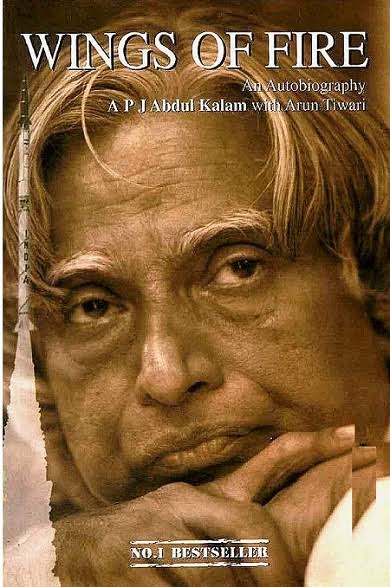
2. Wings of Fire: An Autobiography
Publishing year: 1999
wings-of-fire-biography-kalam
3. Ignited Minds: Unleashing the Power within India
Publishing year: 2002
4. The Luminous Sparks: A Biography in Verse and Colours
Publishing year: 2004
5. Guiding Souls: Dialogues on the Purpose of Life
Publishing year: 2005
Co-author: Arun Tiwari
6. Mission of India: A Vision of Indian Youth
Publishing year: 2005
7. Inspiring Thoughts: Quotation Series
Publishing year: 2007
8. You Are Born to Blossom: Take My Journey Beyond
Publishing year: 2011
Co-author: Arun Tiwari
9. The Scientific India: A Twenty First Century Guide to the World around Us
Publishing year: 2011
Co-author: Y. S. Rajan
10. Failure to Success: Legendary Lives
Publishing year: 2011
Co-author: Arun Tiwari
Ramnath Kovind: 10 facts about 14th President of India
11. Target 3 Billion
Publishing year: 2011
Co-author: ‎Srijan Pal Singh
12. You are Unique: Scale New Heights by Thoughts and Actions
Publishing year: 2012
Co-author: S. Poonam Kohli
13. Turning Points: A Journey through Challenges
Publishing year: 2012
14. Indomitable Spirit
Publishing year: 2013
15. Spirit of India
Publishing year: 2013
16. Thoughts for Change: We Can Do It
Publishing year: 2013
Co-author: A. Sivathanu Pillai
17. My Journey: Transforming Dreams into Actions
Publishing year: 2013
18. Governance for Growth in India
Publishing year: 2014
19. Manifesto for Change
Publishing year: 2014
Co-author: V. Ponraj
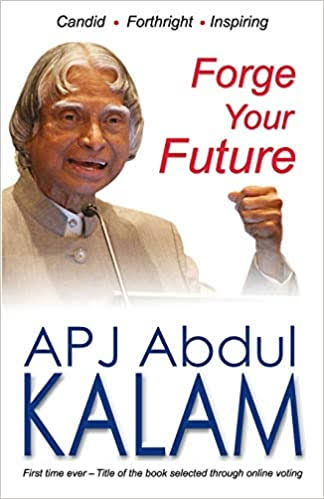
20. Forge Your Future: Candid, Forthright, Inspiring
Publishing year: 2014
21. Beyond 2020: A Vision for Tomorrow’s India
Publishing year: 2014
22. The Guiding Light: A Selection of Quotations from My Favourite Books
Publishing year: 2015
23. Reignited: Scientific Pathways to a Brighter Future
Publishing year: 2015
Co-author: ‎Srijan Pal Singh
24. The Family and the Nation
Publishing year: 2015
Co-author: Acharya Mahapragya
25. Transcendence My Spiritual Experiences
Publishing year: 2015
Co-author: Arun Tiwari

Awards:
He won many awards. The list are as follows:-
1981: Padma Bhushan- Government of India
1990 : Padma Vibhushan- Government of India
1997 : Bharat Ratna- Government of India
1997 : Indira Gandhi Award for National Integration- Government of India
1998 : Veer Savarkar Award- Government of India
2000 : SASTRA Ramanujan Prize- Shanmugha Arts, Science, Technology and Research Academy, India
2013 : Von Brown Award- National Space Society

Death:
Dr. APJ Abdul Kalam breathed his last on 27th July,2015 due to a cardiac arrest while delivering a lecture at th Indian Institute of Management, Shillong.

@track2traininginstitute @track2trainingseminar @edunewsnetwork @pen2prints

Biographies of Great Leaders

Famous Leaders

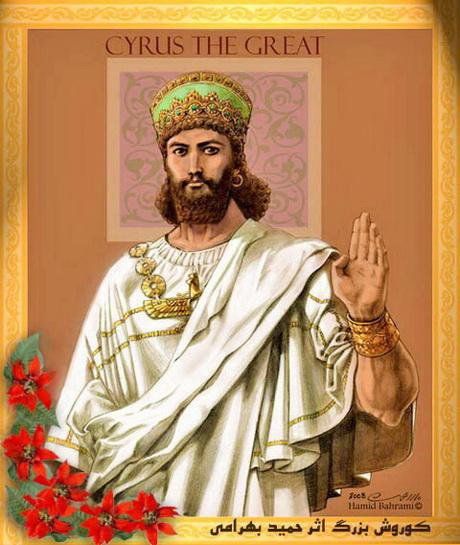
Cyrus the Great (600 – 530 BC) 

Cyrus the GREAT

He was the founder of the Persian (Achaemenid) Empire. Cyrus conquered the empires of Media, Lydia and Babylonia, creating the first multi-ethnic state. He was admired for his tolerance of different customs and efficient and fair administration.


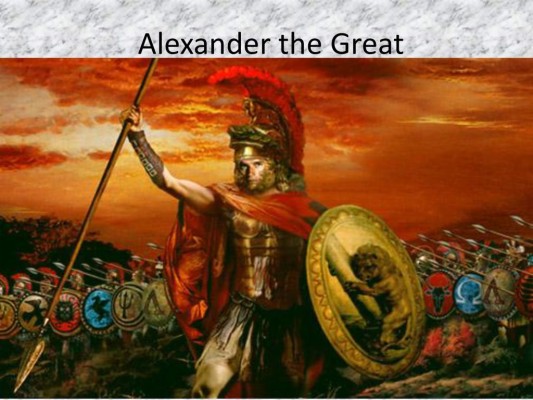
Alexander the Great
(356–323 BC)

Alexander the Great

Tutored by Aristotle, the great philosopher, Alexander the Great emerged as one of the greatest military leaders. By the age of 30, Alexander had created an Empire which stretched from his Macedonian home to the Himalayas in India. Alexander became a legendary leader, even during his life, and he inspired great loyalty from his army.

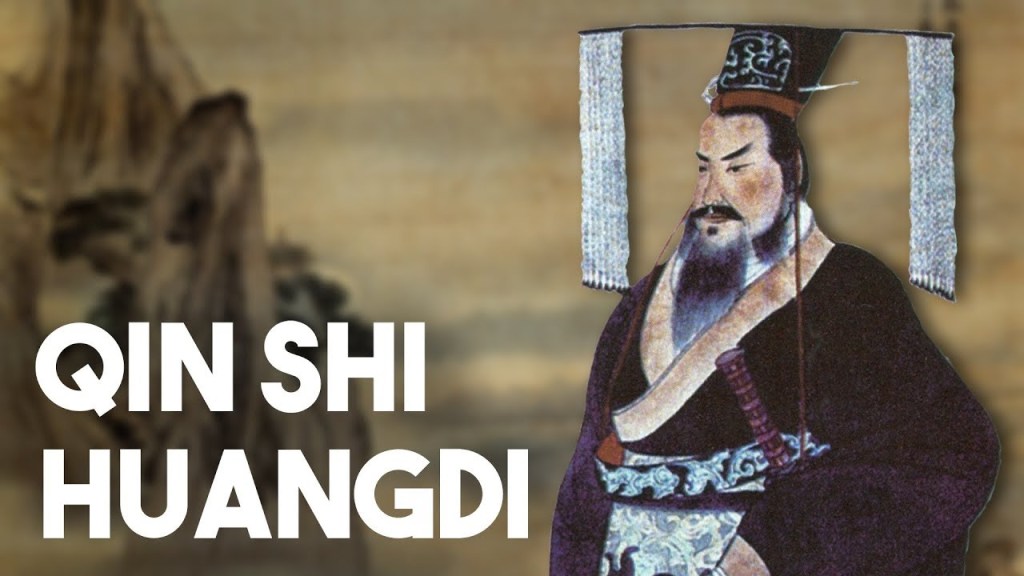
Emperor Qin Shi Huang (260–210 BC)


Emperor Qin Shi Huang

Huang led the state of Qin and conquered all warring states of China, creating the first unified state of China, which at the time was the largest Empire in the world. He also introduced a central bureaucracy with a legal framework and unified rules and regulations. Huang was ruthless in dealing with any opposition but is considered the creator of modern China.

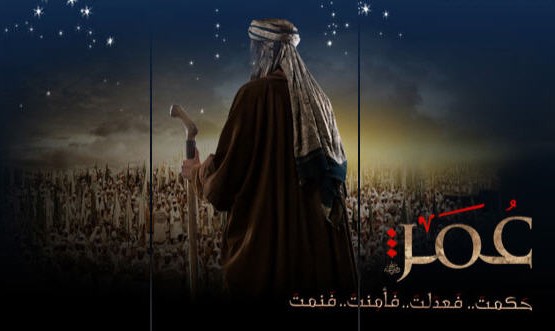
Umar Ibn Al-Khattab (586 – 684)

Umar Ibn Al-Khattab

The Second Muslim Caliph and confidant of Muhammad. Under Umar, the Rashidun Caliphate spread to Syria, Palestine, Iraq and Iran. He was influential in the spread of Arab culture and the new Muslim religion.

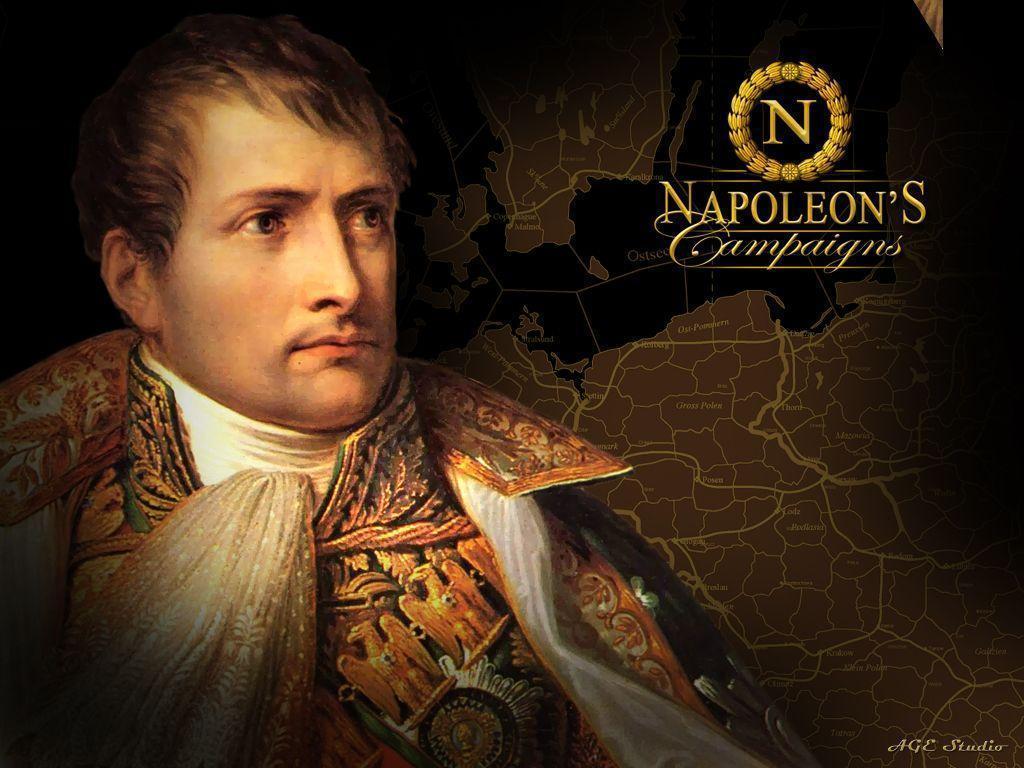
Napoleon Bonaparte (1769–1821)

NAPOLEON BONAPARTE

As Emperor of France (1804–1815), Napoleon’s forces swept across Europe. Napoleon frequently overcame numerical odds to win sweeping military victories. He established a dominion over much of Europe, changing the fate of the world.
Mikhail Gorbachev(1931– ) 

mikhail gorbachev

Leader of the Soviet Union(1988–1991). Gorbachev oversaw the transition from Communism to democracy in the Soviet Union and Eastern Europe and allowed the Berlin wall to come down. Gorbachev also instigated ‘Glasnost’, seeking to end restrictions on free speech and promote religious freedom. A leader who was willing to give up power, for the sake of his country and people.

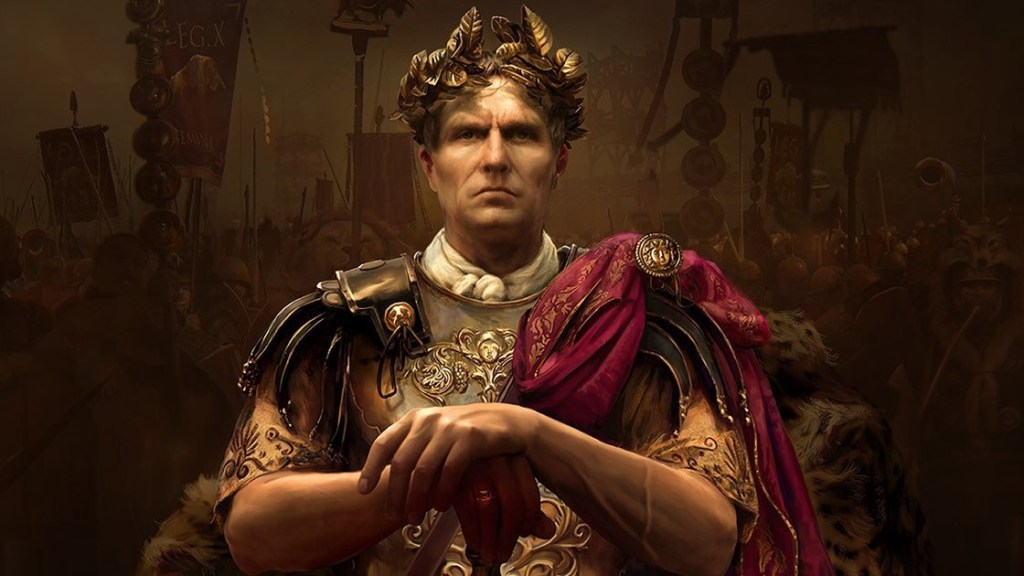
Julius Caesar (100 BC–44 BC)

Julius Caesar

Under Caesar, the Roman Empire stretched to its furthers points – crossing the Rhine and into Britain for the first time. However, Caesar oversaw the fall of the Roman Republic and the rise of the age of the Roman Emperors. Caesar’s motto: ‘ I came, I saw, I conquered’.

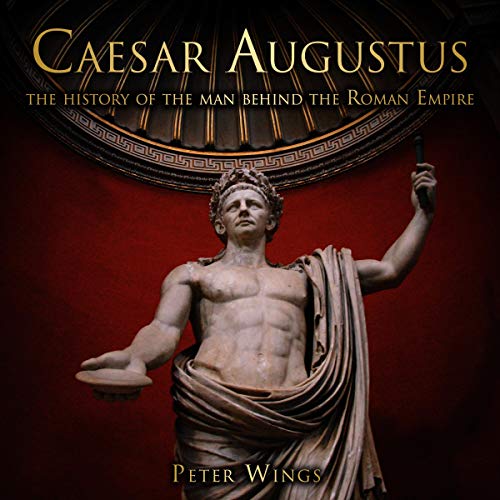
Augustus Caesar (63 BC-AD 14)

Augustus Caesar

 First Emperor of Rome. Caesar (born Octavian) was one the most influential leaders in world history, setting the tone for the Roman Empire and left a profound legacy on Western civilisation.

Mahatma Gandhi  (1869–1948)

Mahatma Gandhi

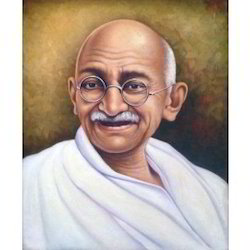
 Gandhi was the leading political figurehead in the fight for Indian self-determination and independence. Gandhi inspired millions through his non-violent protests. Under his leadership, India gained independence, but at the cost of a separated nation, creating instead two countries: India and Pakistan. Gandhi is still revered as the father of the nation in India.


Dwight Eisenhower
(1890–1969)

Dwight Eisenhower

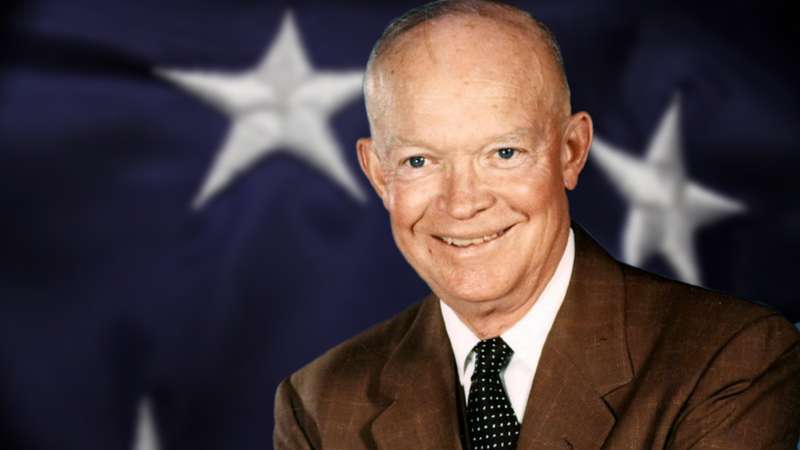
A five-star General in the US army, Eisenhower was Supreme Allied Commander for the D-Day invasion of occupied Europe and the subsequent liberation of occupied Europe (1944–45). He led the Allied coalition to victory, smoothing over simmering tensions with great political skill. He went on to become President of the US (1952-1960).

Constantine the Great (272–337)

Constantine the Great

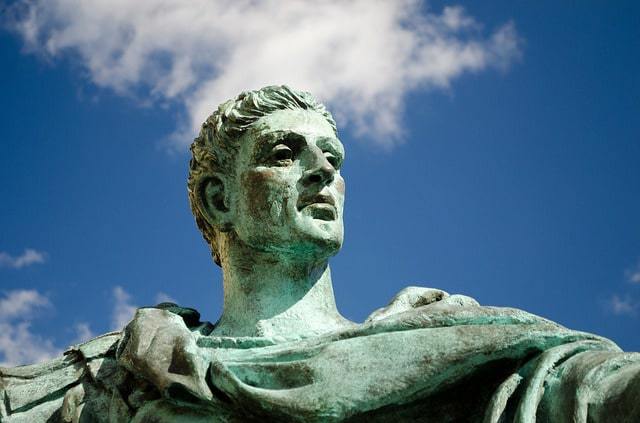
Constantine served as Roman emperor from 306 to 337. He successfully defeated both internal rebellions and consolidated the Roman Empire defeating the Franks, Alamanni, Visigoths, and Sarmatians.


Nelson Mandela
(1918–2013) 

Nelson Mandela

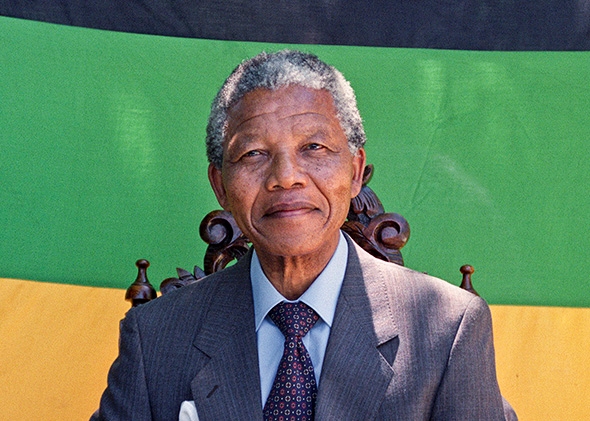
Anti-apartheid leader. Mandela spent over twenty years in jail for his opposition to the racist apartheid system, which excluded black people from many areas of society. He was elected the first President of Democratic South Africa in 1994. Under Mandela’s leadership, he helped South Africa to emerge peacefully from its apartheid era.

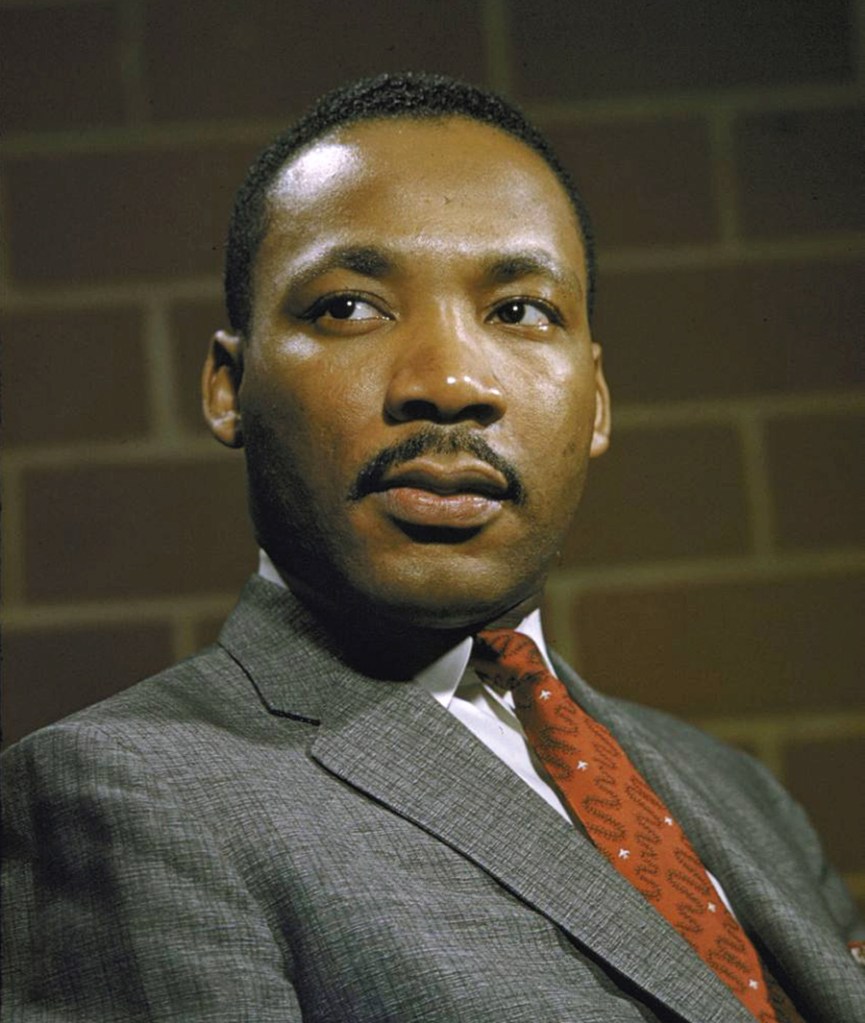
Martin Luther King (1929–1968)

Martin Luther King

 Non-violent civil rights leader. He inspired the American civil rights movement to achieve greater equality within the US. Helped to organise the 1963 March on Washington, where he gave his famous ‘I have a dream’ speech.


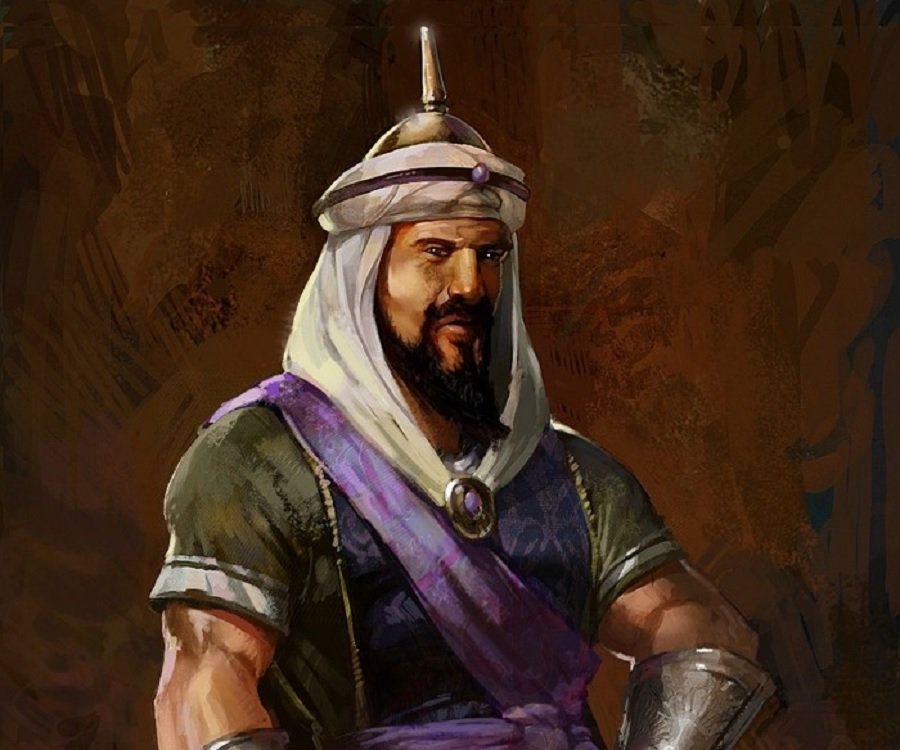
Saladin
 (1138–1193)

SALADIN

led the United Arab armies in Islamic opposition to Christian crusades. In 1187, he defeated the Crusader army and led the Muslim reconquest of Palestine. He earned the grudging respect of the Crusaders and King Richard I.

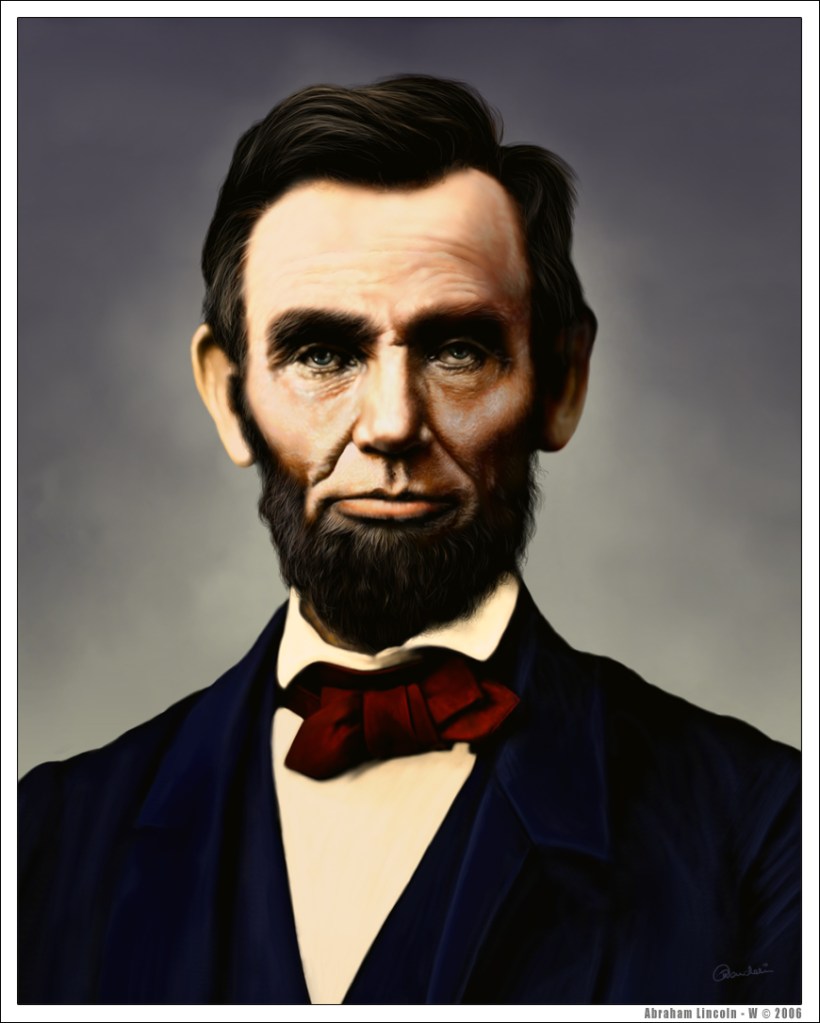
Abraham Lincoln (1809–1865)

Abraham Lincoln

Lincoln was president of the US during the American civil war. His leadership was critical in holding the Union of US states together. Towards the end of the civil war, he also pushed for the end of slavery. His speeches, such as The Gettysburg Address are still seen as some of the finest expositions of American principles.


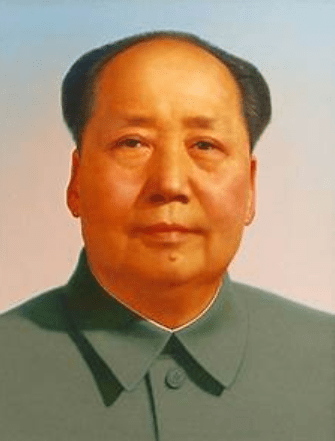
Chairman Mao
(1893–1976)

Chairman Mao

Mao led the Chinese Communist party to victory during the long march and fight against the nationalists. He then maintained an iron grip on the country, through his “Cultural Revolution” of the 1960s to his death in 1976. Mao was revered by many Chinese, on pain of death or political incarceration.  He is held responsible for the deaths of millions of people.

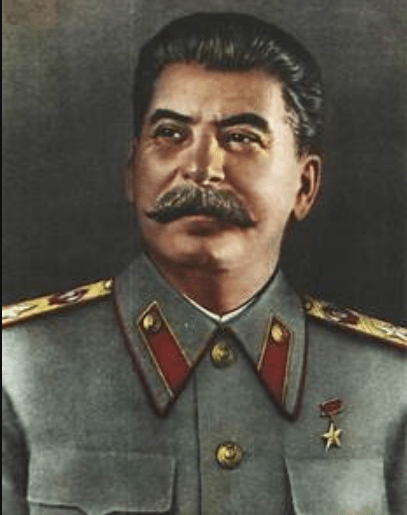
Joseph Stalin (1879–1953)

Joseph Stalin

Leader of Soviet Union, from the death of Lenin until 1953. During his leadership, he developed a strict dictatorship and frequently purged any potential rivals. During the Second World War, he was the Supreme military commander in overseeing the defence of Russia against the invading German army. He led the country in total war against the Germans.

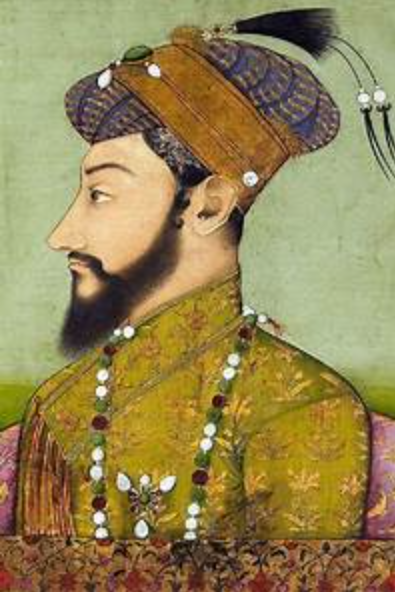
Akbar the Great (1542–1605)

Akbar the Grea

 The third Moghul Emperor, Akbar consolidated his Empire across India, through a series of striking military victories. His reign saw the blossoming of the Moghul Empire as a beacon of culture and religious tolerance.

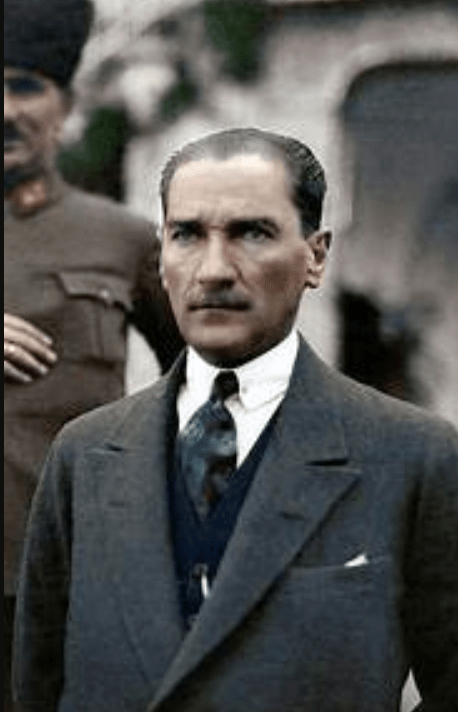
Ataturk (1881–1938)

Ataturk

Military officer in the Turkish army. Led the Turkish independence struggle and founded the Turkish Republic. Widely revered in Turkey as the father of the nation.

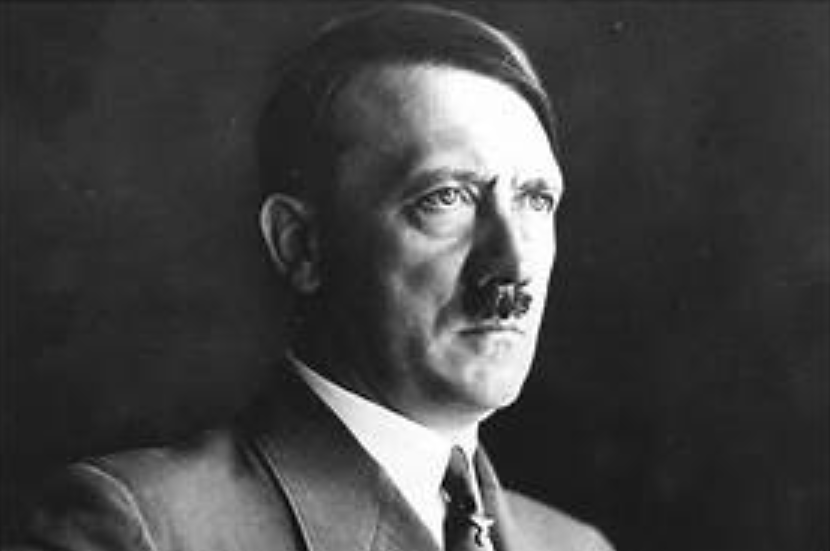
Adolf Hitler (1889–1945)

Adolf Hitler

Dictator of Nazi Germany from 1933–1945. Ordered invasion of Poland, Western Europe, North Africa and the Soviet Union. As leader, he also persecuted the Jews and other minority groups, being responsible for the deaths of more than 6 million Jews and people of other minorities.

Lech Walesa (1943– )

lech walesa

Leader of the Polish Solidarity Movement, which sought to end Communist rule. Walesa became the first non-Communist President in 1991. Awarded the Nobel Peace Prize in 1983.

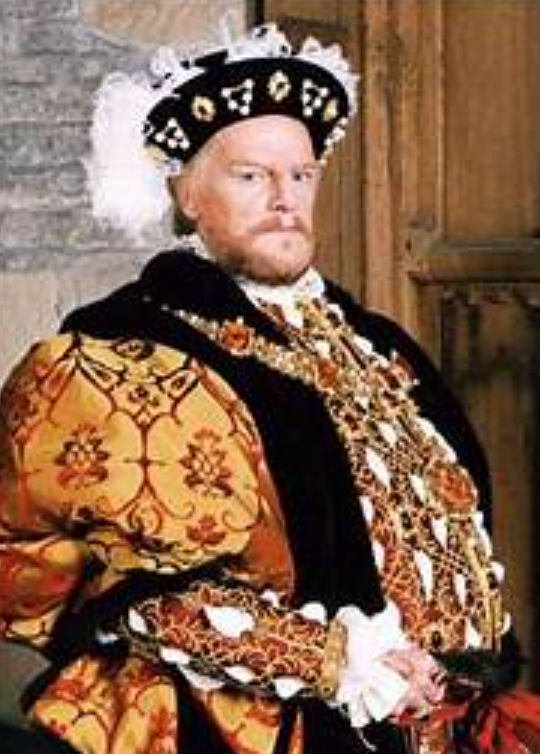
King Henry VIII (1491–1547)

King Henry VIII

He was England’s most famous and perhaps most notorious King. He had six wives, two of whom he executed. Henry VIII also split the Church of England from Rome to enable him to remarry.

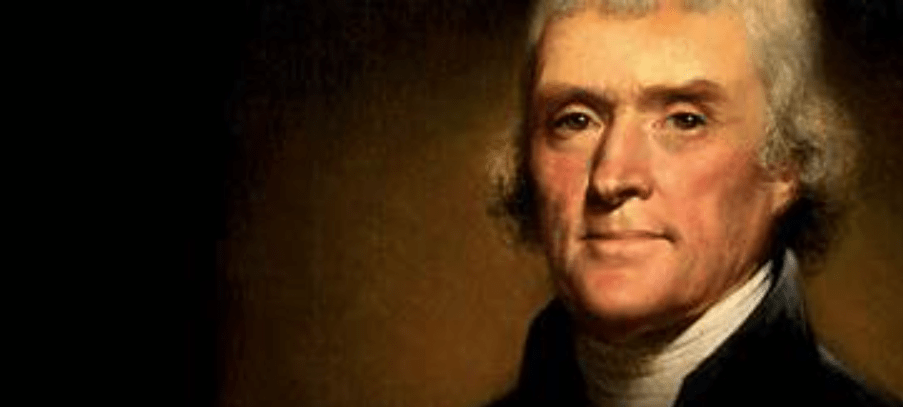
Thomas Jefferson (1743–1826)

Thomas Jefferson

He is the 3rd President of US. Principle author of the Declaration of Independence. Third President of the US from 1801–1809.

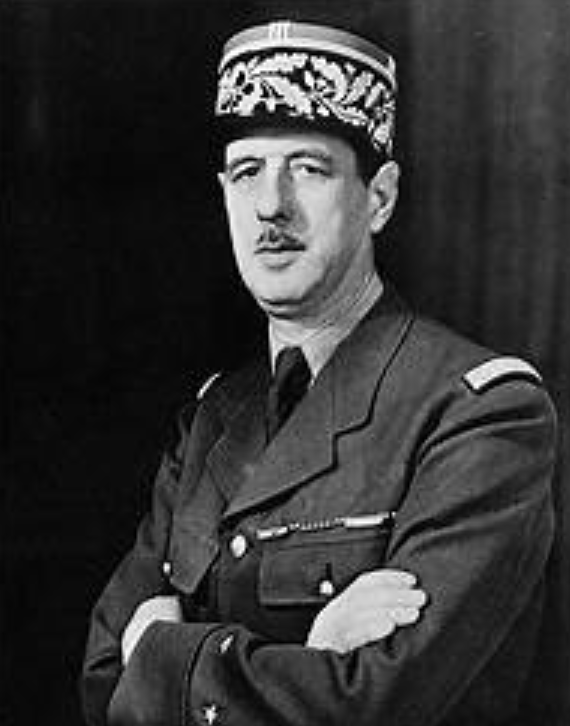
Charles de Gaulle (1890–1970)

Charles de Gaulle

French leader who offered opposition to the Nazi occupation. During the Second World War was ‘Leader of the Free French’ based in London. After the war became an influential figure in shaping France’s post-war future.

Female Leaders

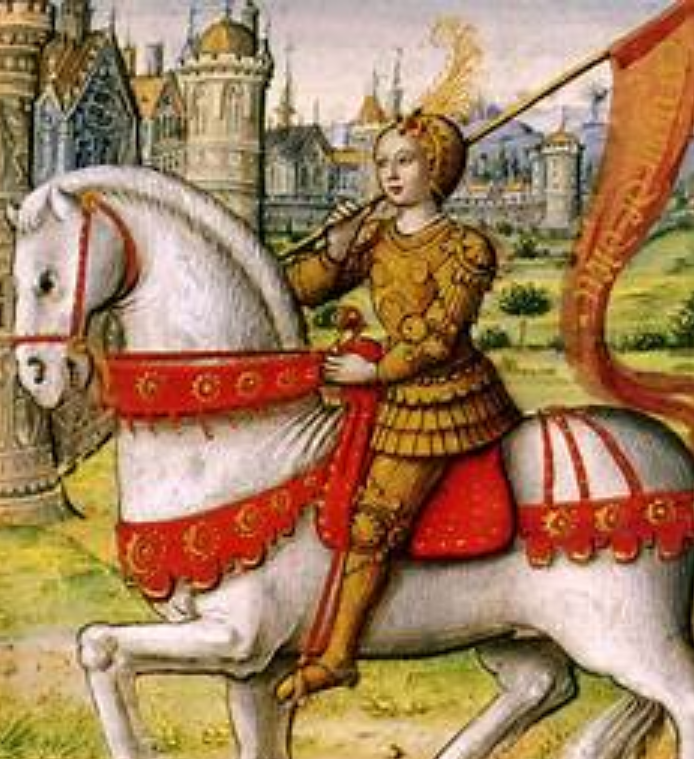
Joan of Arc (1412-1431) 

Joan of Arc

A poor peasant girl who made the most unlikely of leaders. But coming from obscurity, she helped lead the French Dauphin into successful battles against the English. She had a religious temperament and credited heavenly voices for her instruction and leadership. Died a martyr’s death after refusing to recant her experiences. Seven years after her death, her prophecy of French independence came true.

Queen Isabella I of Castile (1451 – 1504)

Queen Isabella I of Castile

Isabella ruled Castile with her husband King Ferdinand of Aragon, effectively united the Spanish provinces. She allowed and financed the journey of Christopher Columbus and also set up the Spanish Inquisition. Her daugher Catherine of Aragon married Henry VIII and grandson Charles V became Holy Roman Emperor.

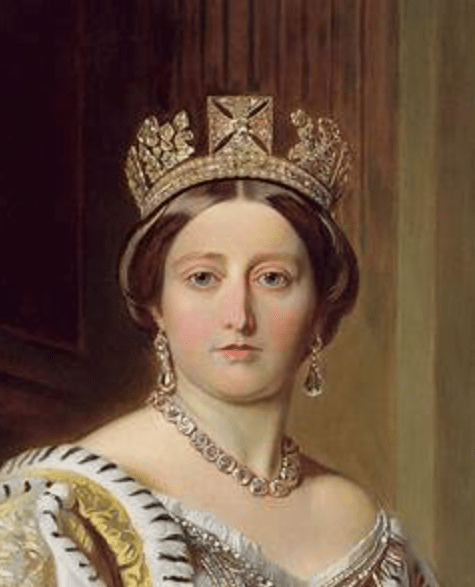
Queen Victoria (1819–1901) 

Queen Victoria

She is a Queen of England from 1837 to her death in 1901. During her reign, the British Empire spread across the globe. Victoria herself was made Empress of India by her prime minister. She came to epitomise a century and maintained close relationships with her Prime Ministers, especially Disraeli.

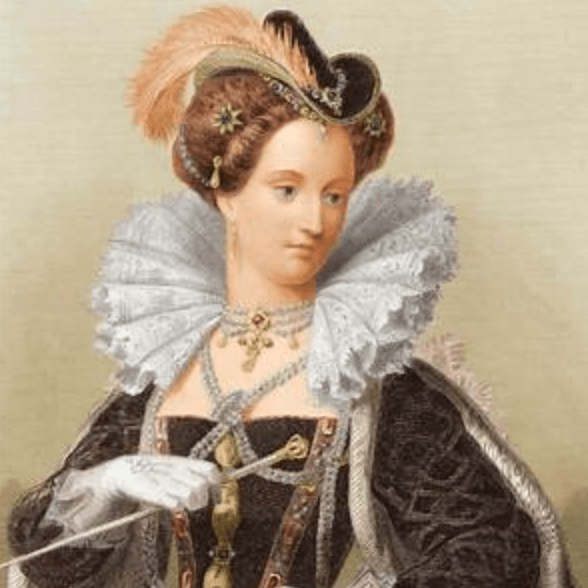
Queen Elizabeth I (1533–1603)

Queen Elizabeth I 

She is the daughter of Henry VIII who took the throne after a period of social and political turmoil. However, her reign proved a stabilising influence, and importantly saw the defeat of the Spanish Armada. During her reign, an increased number of explorations were made to the ‘New World’ – the Caribbean and North  America.

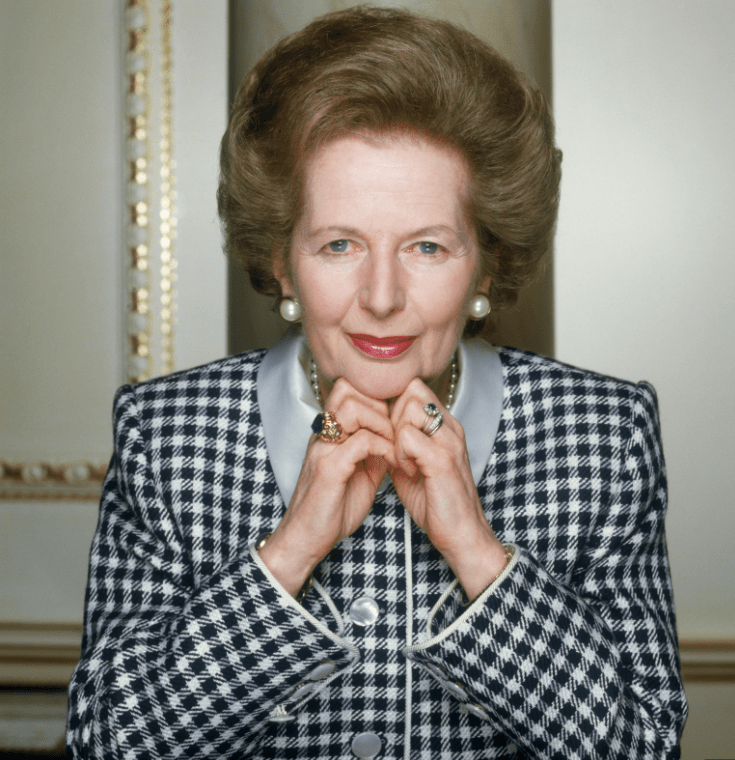
Margaret Thatcher (1925–2013)

Margaret Thatcher

She Is a British Prime Minister from 1979–1990. She oversaw a period of rapid social and economic change in Britain. She was a conviction politician, unafraid to speak her mind and pursue her own ideology.

Boudicca (1st Century)

Boudicca

Led British citizens in revolt against the Roman occupation. Initially successful, Boudicca defeated the Romans in minor skirmishes before being defeated.

Aung San Suu Kyi (1945– ) 

Aung San Su Kyui

Burmese opposition leader. Awarded Nobel peace prize for opposition to military rule. Aung San Suu Kyi was placed under house arrest for many years due to her political principles.

Spiritual Leaders


Jesus Christ
(c. 2BC–C 32 AD)

Jesus Christ

He is the central figure of Christianity. His teachings and life inspired his apostles to spread his message, and they began early Christian communities. His teachings and life later formed the basis of the New Testament and the development of the Christian religion.

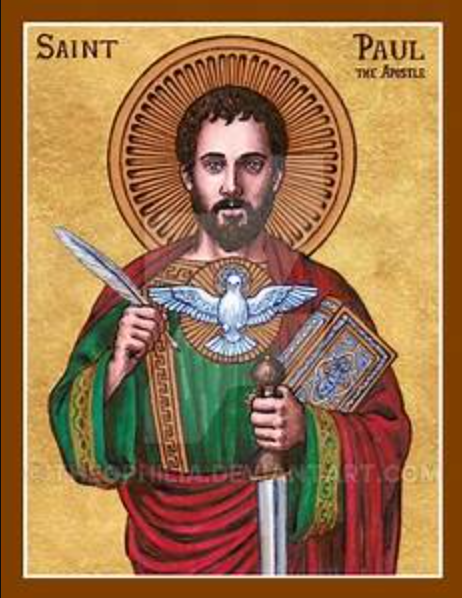
St Paul ( 5–67AD)

St Paul

Missionary and influential early Christian. The letters of St Paul form a significant part of the New Testament. St Paul began his life as Taurus of Saul prosecuting Christians but later converted to Christianity.

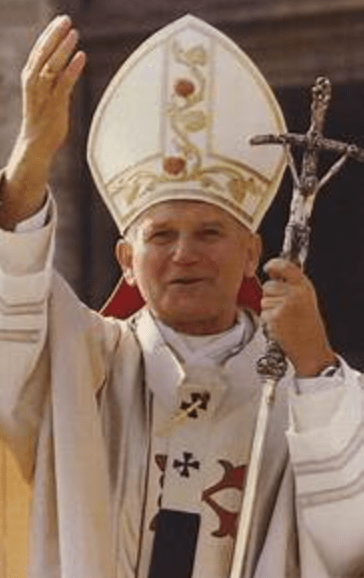
Pope John Paul II  (1920–2005) 

Pope John Paul II

Had a great effect on many lives that he touched. People felt he was a sincere and compassionate person. Lived through two very difficult periods of Poland’s history – occupation by Nazi Germany and the Communist era, before becoming Poland’s first pope.

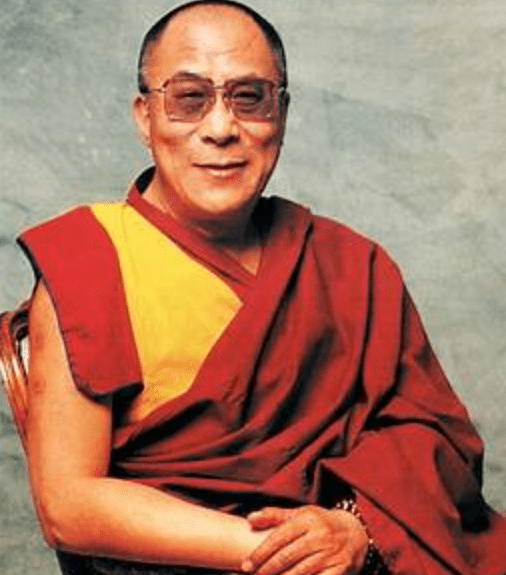
14th Dalai Lama (1935– )

14th Dalai Lama

Leader of Tibetans in exile. Has sought to negotiate with Chinese to respect the traditions and culture of Tibetans. Believes in non-violent protest.


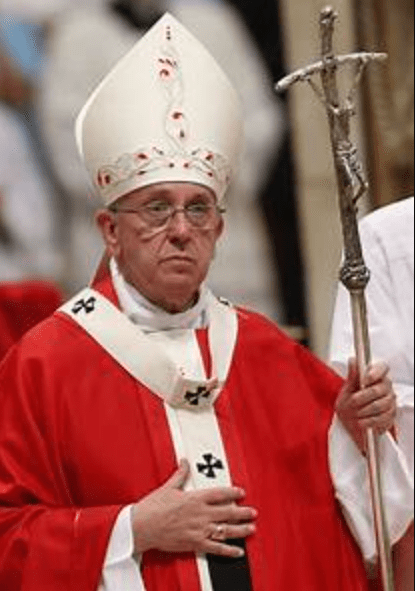
Pope Francis
(1936– )

Pope Francis

The first Jesuit pope and the first pope from the Americas, he has sought to reform the Vatican and the Catholic church. Pope Francis has stressed a more humble approach to the position of the pope and has been keen to bring people together.

Reference Link:

biographyonline.net/people/famous/leaders.html

Quantum dots are the near future

Quantum mechanics is a field of physics which has grown to the best and still growing endlessly from its first proposal by Niels Bohr and Max plank. It has influenced greatly the way humanity approaches the advancement in each and every field including technology. Now this quantum theory has birthed a new contrivance called Quantum dots and there is no doubt that they are going to show substantial influence on our near future.
The quantum dots are very small particles of a few nanometers size. But their properties vary from the larger particles due to quantum mechanics. Even though size is the main criteria for quantum dot’s exceptional behaviour, their shape, structure and composition also play a major role. They act like artificial atom showing similar electronic wavefunctions to atoms, and artificial molecules can be prepared from them, exhibiting hybridization. Alexander Efros was first to theorize the quantum dots. And then Alexei Ekimov first time produced a quantum dot. Now quantum dots of different materials are produced for the different purposes of research and technologies.

What makes us to call quantum dot the near future? From their first synthesis to today quantum dots have shown immense application throughout the varying science fields. Quantum dots are used in biological imaging and labelling of live cells as they can be injected into the cells and can be attached to biomolecules. Quantum dots conjugated to immunoglobulin G and streptavidin are used as label to malignant cells of breast cancer. Cells can easily engulf these quantum dots. And their capacity to show symmetrical emission, broad excitation and ability to be excited in single excitation make them a potential replacement to organic label dyes.

They can be used as absorbing photovoltaic material. Quantum dots produce multiple excitons from a single photon compared to today’s solar cells which produce only one. So bulk materials like silicon can be replaced by these materials. Hence QDs promise to extract more energy per photon and also require less space. Thermodynamic calculations by National renewable energy laboratory in Colorado, United states has shown that solar cells developed by quantum dots operating under concentrated sunlight have theoretical conversion efficiency of 66% compared to 31% of present-day solar cells.

There is one more interesting thing. In an article by NCBI headed QUANTUM DOTS AS A PROMISING AGENT TO COMBAT COVID-19 says Carbon based quantum dots could be used to disable S protein of SARS COV-2. And quantum dots incorporated with suitable functional groups interacts with the entry receptors of the virus and affects genomic replication. These things can turn into potential solutions to the pandemic.

Apart from all these, quantum dots find real and potential applications in single electron transistors, lasers, LEDs, microscopy and many other things. They are more promising, efficient compared to the conventional ones. Their application in technologies like quantum computing are signs to hope for a revolution. All these technologies are half the way and can surely become our present very soon.

Right to Privacy (Post-Puttaswamy Judgment)

In this modern age, information is power. And allowing the government to exercise this power over us is not only a grave breach of our privacy but also a betrayal of the idea on which this nation stands on i.e, free and democratic. And this project by the government doesn’t allow us to be free and democratic as it stands as an obstacle for us to enjoy the right to privacy which means having control over your own personal data and the ability to grant or deny access to others. Even though many might argue that, the right of privacy is nowhere specified under the constitution as a fundamental right, but it has been declared by the SC as implied to the Fundamental Right to Life and Personal Liberty. (Govind v. State of MP SC, 1975)

Apart from the threat of mass surveillance through the AADHAR Scheme, one of the major concerns is the issue of confidentiality of the database. And the same was mentioned in the case of K.S. Puttaswamy (Retd) vs Union of India (SC, 2017). In this case, a PIL was filed against the government in the SC. It was contended that the government was storing all the acquired data in a centralized database without any proper safety measures any private entity can use that data. And it was also contended that the govt. was implementing this project without any legislative backing. It was pointed out that the NIAI Bill, 2010 which introduced in the Rajya Sabha was still pending. That since UIDAI was running on only an executive order, it cannot collect biometric data of citizens as it would be a violation of privacy under Article 21 of the Constitution.

The Supreme Court overruled verdicts given in the M.P. Sharma v. Union of India (SC, 1954) case and the Kharak Singh (SC, 1963) case, both of which said that the right to privacy is not protected under the Indian constitution. And held that all citizens enjoy a fundamental right to privacy, a right that is protected under Article 21 of the constitution.

In 2019, the Bombay High Court (High Court) was given the opportunity to rule on the law of phone tapping and surveillance in the post-Puttaswamy era, applying the principles of the right to privacy to section 5(2) of the Information Technology Act. In Vinit Kumar (Writ Petition 2367/2019) case, a businessman accused of paying bribes to bank staff in order to obtain credit, and challenged certain CBI orders directing the interception of his phone calls, claiming that such orders were ultra-vires of section 5(2) of the IT Act. The Court ruled that intercepting the businessman’s communications was unlawful, overturned the orders, and ordered that any information gathered through the surveillance be destroyed. This case is important in ensuring that fundamental rights are protected and that authorities do not abuse the authority of phone surveillance to target individual people for economic crimes or to evade legal procedures. In the time we live in, it appears that the judgment given in Puttaswamy case will be tested again and again.

PHARMACY AS A CAREER

PHARMACY AS A CAREER, THE EVER BEST OPTION TO OPT . IN INDIA , THOUGH PHARMACIST ARE REGARDED AS LOW GRADE COURSE IN THE EYE OF PUBLIC BUT IN FOREIGN COUNTRIES THEY RESPECT THIS PROFESSION EVEN MORE THAN DOCTORS .EVERY PROFESSION IN THE MEDICAL FIELD IS REALLY WORTHFUL BUT IF WE PRIORITISED THE PARAMEDICAL COURSES THEN , PHARMACY AS A CAREER IS ONE OF THE BEST OPTION . DOING BACHELORS IN PHARMACY DOESN’T LIMIT TILL CHEMIST SHOP , IF IT’S STUDIED DEEPLY AND UNDERSTOOD THOROUGHLY ONE CAN EARN MILLIONS IN THIS PROFESSION . PHARMACIST ARE THE BASE OF THE MEDICAL PROFESSION . THE TREATMENT OF PATIENTS LIKE THERAPY , SURGERY , ETC CAN’T EVEN BE IMAGINED WITHOUT THE PHARMACISTS . THE MEDICINES THAT ARE USED TODAY TO CURE SUCH A HORRIBLE ANDDEATH CAUSING DISEASES ARE ALL THE RESULTS OF HARD WORK DONE BY THE PHARMACIST . THEY ARE THE FRONTLINE HEALTH WORKERS , WHATEVER THE DISEASE MAY BE , PHARMACIST NEVER STEP BACK AND FIND THE CURE . INN TODAY ERA , OPTING PHARMACY AS A CARRIER IS THE BEST OPTION . THERE ARE WIDE RANGE OF CHOICES TO SELECT AFTER BACHELORS IN PHARMACY. THE STUDY OPTIONS AFTER BACHELORS ARE M.PHARMACY (MASTER’S IN PHARMACY ) , MBA (MASTER IN BUSINESS AND DRUG ADMINISTRATION) , DRUG STORE MANAGEMENT COURSE , PGDM IN PHARMACY (POST GRADUATE DIPLOMA IN PHARMACY) , ALL OF THESE ARE SOME OF THE POST GRADUATION OPTIONS AFTER BACHELORS .INSTITUTIONS LIKE ISER , NIPER , DELHI UNIVERSITY , PUNJAB UNIVERSITY, PUNJABI UNIVERSITY , BOMBAY COLLEGE OF PHARMACY , PUNE COLLEGE OF PHARMACY ARE FEW OF THE BEST INSTITUTES KNOWN FOR BACHELORS AND MASTERS IN PHARMACY .THE JOB OPTIONS AFTER PHARMACY ARE DI (DRUG INSPECTOR) , PHARMACIST , MEDICAL STORE ,HOSPITAL MANAGEMENT , MEDICAL REPRESENTATIVE , FDA OFFICER , RESEARCH AND DEVELOPMENT SCIENTIST , ETC.IT’S A VERY FLEXIBLE COUSE AS IT PROVIDES US WITH NUMEROUS COURSES AND ONE CAN EARN AFTER BACHELORS ONLY EITHER THROUGH JOB OR STUDY POST-GRADUATION ALSO PROVIDE US WITH MONEY . HOWEVER , EARNING HANDFUL OF MONEY IMMEDIATELY AFTER COLLEGE IS REALLY APPRECIABLE .THE REGULATORY BODY OF THE PHARMACY EDUCATION IS PC ( PHARMACY COUNCIL OF INDIA) AND AICTE (ALL INDIAN COUNCIL OF TECHNICAL EDUCATION)THE DEMAND FOR THE PHARMACY IS HIGH IN SECTORS LIKE HEALTHCARE REASEARCH , HOSPITAL MANAGEMENT , RESEARCH AND DEVELOPMENT PHARMACEUTICAL COMPANIES AND PHARMACOVIGILENCE . PHARMACY IS A GROWING PROFESSION AS IT CREATES EXCITEMENT AMONG YOUNGSTER THROUGH PROVIDING SERVICES . BUT IT’S A REALLY LOUSY THING THAT THE PUBLIC HAVEN’T RECOGNISED THE REALITY OF PHARMA SECTOR, THEY STILL MISUNDERSTOOD AND THOUGHT THAT ROLE OF A PHARMACIST IS JUST TO BUY AND SOLD THE MEDICINES AS A SHOPKEEPER .PHARMACISTS REPRESENTS THE THIRD LARGEST HEALTH CARE PROFESSIONAL IN THE WORLD . PHARMACIST ENSURES BOTH ABOUT THE EFFICACY AND EFFICIENCY OF THE DRUG AS THEY WANT THE PATIENT TO TAKE MAXIMUM THERAPEUTIC BENEFIT FROM THE MINIMUM DOSE OF THE DRUG .PHARMACIST ARE IN HIGH DEMAND IN THE DEVELOPING CARES . BOTH THE DOCTORS AND PHARMACISTS WORKS TOGETHER TOWARDS HEALTHY AND FLOURISHING COMMUNITY . AS A PUBLIC WE NEED TO CREATE THE AWARENESS AMONG PUBLIC TO SHOW RESPECT AND TRIBUTE TO PHARMACISTS . THEY ARE THE FUTURE OF OUR HEALTH CARE SYSTEM .IT’S TRULY SAID THAT IT’S VERY EASY TO GET THOUSANDS OF PRESCRIPTIONS BUT IT REALLY WORTHS TO FIND OUT A SINGLE REMEDY . SO , FOR THE BETTERMENT OF OUR HEALTH, WE NEED TO RESPECT PHARMACIST .

Right to Information as a tool to Fight against Corruption

Our ruling party has declared the battle against corruption to be a top priority. However, corruption is still widespread in the country, with numerous cases of political and bureaucratic corruption, public funds theft, fraudulent procurement practices, and judicial corruption. It is the abuse of authority and money by governments and individuals for personal gain, such as lobbying or diverting funds intended for public welfare into private sectors.

Corruption is a problem that, like a weed in a crop, threatens government transparency and citizen accountability. However, where there is a problem, there is also a solution: RTI.

Yes, Information is power but not by itself. Information, on the other hand, is an essential first step in the exercise of economic and political power. Changes in who can do what are brought about through opening up information channels.

In India, the government passed the landmark Right to Information Act in 2005 after a statewide movement driven by grassroots and civil society organizations. Since then, social activists, civil society organizations, and ordinary citizens have used the Act to effectively combat corruption and increase government transparency and accountability.

Right to Information laws give citizens the legal right to access information stored by their governments, bringing much-needed transparency to the government’s otherwise opaque operations. More than 80 countries have now passed such legislation, with the number expanding every year. The RTI Act of India is widely regarded as a robust and effective statute. Over the last six years, ordinary Indian residents have used the RTI to demand a wide range of information from their government.

The RTI Act of 2005 was enacted by the Government of India to provide transparency to an environment riddled with intrigue, secrecy, and corruption. This law has been used quite effectively by Indian citizens to bring about both large and little changes. The RTI Act has profoundly altered the power dynamic between the government and the governed, bringing together individuals who wield state authority in any form on the one hand, and millions of people who are impacted by the state’s decisions and operations on the other. No other law in India’s statute book allows citizens so much ability to question any public authority in the country in such a straightforward manner. And every citizen needs to take advantage of this power which is given to them by asking questions to their government by filing RTI requests, rather than assuming that they are answering us because it is their right to inquire.

Are You Business Minded? Check Your Symptoms!

“A business oriented mind can never be dry. It’s a field that forever bears crops of creativity!”

Amatullah P.

Ola! Let us have a testing article that allows you to judge whether or not your mind is business oriented.

Business has always been a fascinating endeavour except the fact that you are money driven and aren’t quite enjoying the business you are in. Yes, if you are a business minded person then you would enjoy the processes you go through to make a surplus and not be driven simply by the end goal- money! For instance, you are an eatery and your business seems to be racing. However, the ingredients of your recipes include love, patience, and immense passion that amalgamate into providing the best possible vibes to it. Thus, the process of getting to the surplus is enjoying the creation and delivery of your services while money gets to you later. After all, the customer needs to be satisfied with your services which involves you having proficiency in your tasks.

Impressing Customers!

Every business surely has a competition and thus, a business minded person knows how to deal with the same. He is well versed in befriending the competition in such a way so as to not get caught red handed spying on their services. Though, our motto isn’t to spy and steal their services but we surely have to, for inspiration which can drive us forward. Thus, a business oriented person knows how to spy and work for his benefit while ensuring good relations with the victims!

This image has an empty alt attribute; its file name is file.jpg

Strategically Using Competitors!

The mob out there is essential for understanding the value of our company on the basis of their demands. Thus, if you are a true business lover and haven’t restricted your business to buying and selling, you would take the best of efforts in surveying people regarding their demands before introducing services for your company. In short, it’s all about considering that true business runs with the people and not ahead of them. It’s all about pondering that a business is simply a convenient platform for the mob to which they can turn, in case of ‘desire emergency.’

This image has an empty alt attribute; its file name is file.jpg

Market Segmentation- Dividing People On The Basis Of Demand!

A business lover doesn’t indulge into malpractices because when money and profit become the only goal in business, the owner can’t shun the thought of deceit. That’s exactly why, a true business lover wouldn’t want to indulge in such practices and damage the reputation of his beloved company. Also, he would value his customers and put himself in their shoes considering that as we feel satisfied with proper discharge of services and deeply fall in love with that ‘worth a penny’ investment, similar is the case with our customers. Thus, your job is to keep your customers happy which makes you a loyal businessman, enough to create an attractive repute of your company!

This image has an empty alt attribute; its file name is eecbfd_dd10ae3e6429463abc0493f6b513aae5~mv2.webp

A business lover uses his competition as inspiration or stepping stones to success and not as enemies who should be overrun or overtaken. Just because your competition indulges into the same level of business as you, doesn’t make them your enemies. The fact that they might get more customers is something that scares people. But a thing we miss out on is that the way you discharge your services is all that matters and attracts people towards you. A business oriented person would thus, carry a broad outlook and understand that more conveniences and facilities or variety in your services would attract customers. This too, can happen when your relations with your competitors are in good books and the policy of overturning them and wrestling them to the ground isn’t your agenda! These competitors can teach you a lot and help you succeed. Signing the pact of friendship with them by ensuring that neither of you would use force to annex each other would be enough help!

Get This Dream Of Crushing Your Competitors Out Of Your Mind!

A thing to be noted is that, it isn’t wrong to have profit as the end goal and it is and will be always. But you need to pave a path towards that goal. For instance, don’t consider horses on a race course in business whose main motto is to win. Consider, business as life wherein following the right way towards our goals becomes necessary for wisdom which eventually helps you win. Thus, just like life, business too yearns for a proper direction to a racing mind.

In short, a business oriented person would take all the possible aspects of the same into consideration and construct the rightful path to customer satisfaction. Love for services, customers, and way of winning their hearts becomes your prime goal. The day your mind moves from the competition and devotes to the fine tuning of your business, the day you realize the worth of business and it’s importance to you, is ensuring that you are closer to success. As long as you are subjected to myopic vision towards your business, consider it a bud that hasn’t bloomed as of yet because it awaits a broader vision from your side to bloom into a beautiful flower as it begins attracting bees towards it!

Happy Business-ing! 😉

DIGITAL MARKETING.

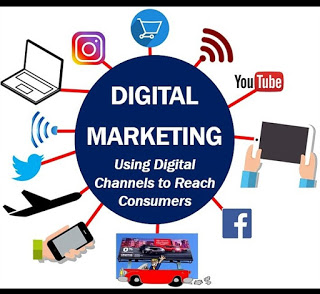
What Is DIGITAL MARKETING :Digital marketing is the component of marketing that utilizes internet and online based digital technologies such as desktop computers, mobile phones and other digital media and platforms to promote products and services.

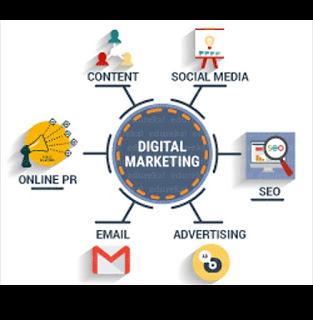
It is the component of marketing that utilizes internet and online based digital technologies such as desktop computers, mobile phones and other digital media and platforms to promote products and services. Its development during the 1990s and 2000s, changed the way brands and businesses use technology for marketing. As digital platforms became increasingly incorporated into marketing plans and everyday life, and as people increasingly use digital devices instead of visiting physical shops, digital marketing campaigns have become prevalent, employing combinations of search engine optimization (SEO), search engine marketing (SEM), content marketing, influencer marketing, content automation, campaign marketing, data-driven marketing, e-commerce marketing, social media marketing, social media optimization, e-mail direct marketing, display advertising, e–books, and optical disks and games have become commonplace. Digital marketing extends to non-Internet channels that provide digital media, such as television, mobile phones (SMS and MMS), callback, and on-hold mobile ring tones.The extension to non-Internet channels differentiates digital marketing from online marketing. 

Types of DIGITAL MARKETING :There are as many specializations within digital marketing as there are ways of interacting using digital media. Here are a few key examples. Search engine optimization Search engine optimization, or SEO, is technically a marketing tool rather than a form of marketing in itself. The Balance defines it as “the art and science of making web pages attractive to search engines.” The “art and science” part of SEO is what’s most important. SEO is a science because it requires you to research and weigh different contributing factors to achieve the highest possible ranking. Today, the most important elements to consider when optimizing a web page include: Quality of content Level of user engagement Mobile-friendliness Number and quality of inbound links The strategic use of these factors makes SEO a science, but the unpredictability involved makes it an art.Now a days through Digital Marketing student will earn a lot and  build knowledge also. 

The Benefits of Digital Marketing :Digital marketing has become prominent largely because it reaches such a wide audience of people, but it offers a number of other advantages as well. These are a few of the benefits. A broad geographic reach Cost efficiency Quantifiable results Easier personalization More connection with customers Easy and convenient conversions.Digital marketing should be one of the primary focuses of almost any business’s overall marketing strategy. Never before has there been a way to stay in such consistent contact with your customers, and nothing else offers the level of personalization that digital data can provide. The more you embrace the possibilities of digital marketing, the more you’ll be able to realize your company’s growth potential.

Brand Awareness :One of the key objectives of modern digital marketing is to raise brand awareness, the extent to which customers and the general public are familiar with and recognize a particular brand.

Enhancing brand awareness is important in digital marketing, and marketing in general, because of its impact on brand perception and consumer decision-making. According to the 2015 essay, “Impact of Brand on Consumer Behavior”:

“Brand awareness, as one of the fundamental dimensions of brand equity, is often considered to be a prerequisite of consumers’ buying decision, as it represents the main factor for including a brand in the consideration set. Brand awareness can also influence consumers’ perceived risk assessment and their confidence in the purchase decision, due to familiarity with the brand and its characteristics.”

Recent trends show that businesses and digital marketers are prioritizing brand awareness, focusing more on their digital marketing efforts on cultivating brand recognition and recall than in previous years. This is evidenced by a 2019 Content Marketing Institute study, which found that 81% of digital marketers have worked on enhancing brand recognition over the past year.

Another Content Marketing Institute survey revealed 89% of B2B marketers now believe improving brand awareness to be more important than efforts directed at increasing sales.

     Increasing brand awareness is a focus of digital marketing strategy for a number of reasons:

1.The growth of online shopping

2.The role of digital interaction in customer behaviour

3.The growing influence and role of brand awareness in online consumer decision-making.

4. The use, convenience, and influence of social media

Online methods used to build brand awareness:The most important and relevant topics of Digital Marketing is now begin if any one have enough knowledge and information about following topics then they do anything through Digital Marketing.

   Building brand awareness may involve such methods/tools as:

a) Search engine optimization (SEO):

Search engine optimization techniques may be used to improve the visibility of business websites and brand-related content for common industry-related search queries.

The importance of SEO to increasing brand awareness is said to correlate with the growing influence of search results and search features like featured snippets, knowledge panels, and local SEO on customer behavior.

b) Search engine marketing (SEM):

SEM, also known as PPC advertising, involves the purchase of ad space in prominent, visible positions atop search results pages and websites. Search ads have been shown to have a positive impact on brand recognition, awareness and conversions.

33% of searchers who click on paid ads do so because they directly respond to their particular search query.

c) Social media marketing:

70% of marketers list increasing brand awareness as their number one goal for marketing on social media platforms. Facebook, Instagram, Twitter, and YouTube are listed as the top platforms currently used by social media marketing teams. 

d) Content marketing:

56% of marketers believe personalized content – brand-centered blogs, articles, social updates, videos, landing pages – improves brand recall and engagement. 

According to Mentionlytics, an active and consistent content strategy that incorporates elements of interactive content creation, social posting, and guest blogging can improve brand awareness and loyalty by 88%.

e) Articles and Blogs:So many peoples are interested in writing articles blogs, news etc it build peoples knowledge and personality. If we have a company blog, share the articles to our social media feeds with direct links where we can. Blog posts sharing company news, open job postings, and industry developments can be repurposed to share on social media.

For Instagram, post an appealing on-brand graphic that fits the content. If we are posting to the feed, redirect users to a link in our bio. If we are posting to Stories (and we have over 10,000 followers), employ the “Swipe up” feature..

In LinkedIn, in-house articles and blog posts are a great way to share our expertise and provide updates on your company’s work. We can share these articles directly through LinkedIn’s publishing platform.

# Ineffective forms of digital marketing :Digital marketing activity is still growing across the world according to the headline global marketing index. A study published in September 2018, found that global outlays on digital marketing tactics are approaching $100 billion. Digital media continues to rapidly grow; while the marketing budgets are expanding, traditional media is declining (World Economics, 2015).Digital media helps brands reach consumers to engage with their product or service in a personalized way. Five areas, which are outlined as current industry practices that are often ineffective are prioritizing clicks, balancing search and display, understanding mobiles, targeting, viewability, brand safety and invalid traffic, and cross-platform measurement (Whiteside, 2016).Why these practices are ineffective and some ways around making these aspects effective are discussed surrounding the following points.

a) Prioritizing clicks:

Prioritizing clicks refers to display click ads, although advantageous by being ‘simple, fast and inexpensive’ rates for display ads in 2016 is only 0.10 percent in the United States. This means one in a thousand click ads is relevant therefore having little effect. This displays that marketing companies should not just use click ads to evaluate the effectiveness of display advertisements (Whiteside, 2016).

b) Balancing search and display:

Balancing search and display for digital display ads are important; marketers tend to look at the last search and attribute all of the effectiveness of this. This, in turn, disregards other marketing efforts, which establish brand value within the consumer’s mind. ComScore determined through drawing on data online, produced by over one hundred multichannel retailers that digital display marketing poses strengths when compared with or positioned alongside, paid search (Whiteside, 2016).This is why it is advised that when someone clicks on a display ad the company opens a landing page, not its home page. A landing page typically has something to draw the customer in to search beyond this page. T Commonly marketers see increased sales among people exposed to a search ad. But the fact of how many people you can reach with a display campaign compared to a search campaign should be considered. Multichannel retailers have an increased reach if the display is considered in synergy with search campaigns. Overall both search and display aspects are valued as display campaigns build awareness for the brand so that more people are likely to click on these digital ads when running a search campaign (Whiteside, 2016).

Channels

Digital Marketing Channels are systems based on the Internet that can create, accelerate, and transmit product value from producer to a consumer terminal, through digital networks. Digital marketing is facilitated by multiple Digital Marketing channels, As an advertiser one’s core objective is to find channels which result in maximum two-way communication and a better overall ROI for the brand. There are multiple digital marketing channels available namely. 

 A)  Affiliate marketing – Affiliate marketing is perceived to not be considered a safe, reliable, and easy means of marketing through online platforms. This is due to a lack of reliability in terms of affiliates that can produce the demanded number of new customers. As a result of this risk and bad affiliates, it leaves the brand prone to exploitation in terms of claiming commission that isn’t honestly acquired. Legal means may offer some protection against this, yet there are limitations in recovering any losses or investment. Despite this, affiliate marketing allows the brand to market towards smaller publishers and websites with smaller traffic. Brands that choose to use this marketing often should beware of such risks involved and look to associate with affiliates in which rules are laid down between the parties involved to assure and minimize the risk involved.

 B) Display Marketing: As the term implies, online display advertising deals with showcasing promotional messages or ideas to the consumer on the internet. This includes a wide range of advertisements like advertising blogs, networks, interstitial ads, contextual data, ads on search engines, classified or dynamic advertisements, etc.

C) Email Marketing :Email marketing in comparison to other forms of digital marketing is considered cheap; it is also a way to rapidly communicate a message such as their value proposition to existing or potential customers. Yet this channel of communication may be perceived by recipients to be bothersome and irritating especially to new or potential customers, therefore the success of email marketing is reliant on the language and visual appeal applied. In terms of visual appeal, there are indications that using graphics/visuals that are relevant to the message which is attempting to be sent, yet less visual graphics to be applied with initial emails are more effective in-turn creating a relatively personal feel to the email 

D) Search Engine Marketing :Search engine marketing (SEM) is a form of Internet marketing that involves the promotion of websites by increasing their visibility in search engine results pages (SERPs) primarily through paid advertising. 

E) Social Media Marketing :The term ‘Digital Marketing’ has a number of marketing facets as it supports different channels used in and among these, comes the Social Media. When we use social media channels ( Facebook, Twitter, Pinterest, Instagram, Google+, etc.) to market a product or service, the strategy is called Social Media Marketing 

F) In gaming Advertising :In-Game advertising is defined as the “inclusion of products or brands within a digital game.The game allows brands or products to place ads within their game, either in a subtle manner or in the form of an advertisement banner. There are many factors that exist in whether brands are successful in the advertising of their brand/product, these being: Type of game, technical platform, 3-D and 4-D technology, game genre, congruity of brand and game, prominence of advertising within the game. Individual factors consist of attitudes towards placement advertisements. 

G) Content Writing :This is an approach to marketing that focuses on gaining and retaining customers by offering helpful content to customers that improves the buying experience and creates brand awareness. A brand may use this approach to hold a customer’s attention with the goal of influencing potential purchase decisions 

#Benefits of Social Media Marketing :

  • Allows companies to promote themselves to large, diverse audiences that could not be reached through traditional marketing such as phone and email based advertising.
  • Marketing on most social media platforms comes at little to no cost- making it accessible to virtually any size business.
  • Accommodates personalized and direct marketing that targets specific demographics and markets.
  • Companies can engage with customers directly, allowing them to obtain feedback and resolve issues almost immediately.
  • Ideal environment for a company to conduct market research.
  • Can be used as a means of obtaining information about competitors and boost competitive advantage. 
  • Social platforms can be used to promote brand events, deals, and news.
    • Platforms can also be used to offer incentives in the form of loyalty points and discounts.
  •    Self Regulation :                                               
  • Clear and transparent mechanisms to enable consumers to choose not to have their data collected for advertising or marketing purposes;
  • Clear indication that a social network site is commercial and is under the control or influence of a marketer;
  • Limits are set so that marketers communicate directly only when there are reasonable grounds to believe that the consumer 

#Stages of planning

Using Dr Dave Chaffey’s approach, the digital marketing planning (DMP) has three main stages: Opportunity, Strategy, and Action. He suggests that any business looking to implement a successful digital marketing strategy must structure their plan by looking at opportunity, strategy and action. This generic strategic approach often has phases of situation review, goal setting, strategy formulation, resource allocation and monitoring.

1) Opportunity 

To create an effective DMP, a business first needs to review the marketplace and set ‘SMART’ (Specific, Measurable, Actionable, Relevant, and Time-Bound) objectives.They can set SMART objectives by reviewing the current benchmarks and key performance indicators (KPIs) of the company and competitors. It is pertinent that the analytics used for the KPIs be customized to the type, objectives, mission, and vision of the company.

Companies can scan for marketing and sales opportunities by reviewing their own outreach as well as influencer outreach. This means they have competitive advantage because they are able to analyse their co-marketers influence and brand associations.

To seize the opportunity, the firm should summarize its current customers’ personas and purchase journey from this they are able to deduce their digital marketing capability. This means they need to form a clear picture of where they are currently and how many resources they can allocate for their digital marketing strategy i.e. labor, time, etc. By summarizing the purchase journey, they can also recognize gaps and growth for future marketing opportunities that will either meet objectives or propose new objectives and increase profit.

2) Strategy

To create a planned digital strategy, the company must review their digital proposition (what you are offering to consumers) and communicate it using digital customer targeting techniques. So, they must define online value proposition (OVP), this means the company must express clearly what they are offering customers online e.g. brand positioning.

The company should also (re)select target market segments and personas and define digital targeting approaches.

After doing this effectively, it is important to review the marketing mix for online options. The marketing mix comprises the 4Ps – Product, Price, Promotion, and Place. Some academics have added three additional elements to the traditional 4Ps of marketing Process, Place, and Physical appearance making it 7Ps of marketing.

3) Action

The third and final stage requires the firm to set a budget and management systems; these must be measurable touchpoints, such as the audience reached across all digital platforms. Furthermore, marketers must ensure the budget and management systems are integrating the paid, owned, and earned media of the company. The Action and final stage of planning also requires the company to set in place measurable content creation e.g. oral, visual or written online media.

After confirming the digital marketing plan, a scheduled format of digital communications (e.g. Gantt Chart) should be encoded throughout the internal operations of the company. This ensures that all platforms used fall in line and complement each other for the succeeding stages of digital marketing strategy.

#Understanding the market:

One way marketers can reach out to consumers, and understand their thought process is through what is called an empathy map. An empathy map is a four-step process. The first step is through asking questions that the consumer would be thinking in their demographic. The second step is to describe the feelings that the consumer may be having. The third step is to think about what the consumer would say in their situation. The final step is to imagine what the consumer will try to do based on the other three steps. This map is so marketing teams can put themselves in their target demographics shoes.Web Analytics are also a very important way to understand consumers. They show the habits that people have online for each website. One particular form of these analytics is predictive analytics which helps marketers figure out what route consumers are on. This uses the information gathered from other analytics and then creates different predictions of what people will do so that companies can strategize on what to do next, according to the people’s trends

 #Shearing Economy :The “sharing economy” refers to an economic pattern that aims to obtain a resource that is not fully utilized.Nowadays, the sharing economy has had an unimagined effect on many traditional elements including labor, industry, and distribution system.This effect is not negligible that some industries are obviously under threat.The sharing economy is influencing the traditional marketing channels by changing the nature of some specific concept including ownership, assets, and recruitment.

Digital marketing channels and traditional marketing channels are similar in function that the value of the product or service is passed from the original producer to the end user by a kind of supply chain.Digital Marketing channels, however, consist of internet systems that create, promote, and deliver products or services from producer to consumer through digital networks. Increasing changes to marketing channels has been a significant contributor to the expansion and growth of the sharing economy.Such changes to marketing channels has prompted unprecedented and historic growth. In addition to this typical approach, the built-in control, efficiency and low cost of digital marketing channels is an essential features in the application of sharing economy. In presnt days Digital Marketing is good earning opportunity for student and its a trending topic in every social media plateform. 

Mental health- need of an hour

“What mental health needs is more sunlight, more candor, and more unashamed conversation.” Glenn Close 

As said by Glenn Close, Mental Health is something which grows on and effects the functioning of your mind and body, if not taken care at the correct time. Mental health refers to cognitive, behavioral, and emotional well-being. It is all about how people think, feel, and behave. People sometimes use the term “mental health” to mean the absence of a mental disorder. Mental Health refers to your emotional and psychological wellbeing. Having good mental health helps you lead a relatively happy and healthy life. It helps you demonstrate resilience and the ability to cope in the face of life’s adversities. It adversely effects your daily life and affects the working of mind and body. Your mental health can be influenced by a variety of factors, including life events or even your genetics.  

Causes of Mental Health  

In the recent years, it has been observed that the number of mental health cases are increasing day-by-day. The leading cause of disability is Depression, and the second leading cause is Suicide. Mental health problems can have a wide range of causes. It’s likely that for many people there is a complicated combination of factors – although different people may be more deeply affected by certain things than others. 

For example, the following factors could potentially result in a period of poor mental health: 

  • childhood abuse, trauma, or neglect 
  • social isolation or loneliness 
  • experiencing discrimination and stigma 
  • social disadvantage, poverty or debt 
  • bereavement (losing someone close to you) 
  • severe or long-term stress 
  • having a long-term physical health condition 
  • unemployment or losing your job 
  • homelessness or poor housing 
  • being a long-term career for someone 
  • drug and alcohol misuse 
  • domestic violence, bullying or other abuse as an adult 
  • significant trauma as an adult, such as military combat, being involved in a serious incident in which you feared for your life, or being the victim of a violent crime 
  • physical causes – for example, a head injury or a neurological condition such as epilepsy can have an impact on your behavior and mood. (It’s important to rule out potential physical causes before seeking further treatment for a mental health problem). 

Although lifestyle factors including work, diet, drugs and lack of sleep can all affect your mental health, if you experience a mental health problem there are usually other factors as well.  

These days the Mental Health is not that good, as there is so much going on everywhere and it effects the us mentally in someway or the other. 

Mental Health Disorder 

The Diagnostic and Statistical Manual of Mental Disorders, Fifth Edition (DSM-5) helps mental health professionals diagnose mental illnesses. There are many types of mental health disorders. In fact, almost 300 different conditions are listed in DSM-5. The disorders listed are- Bipolar Disorder, Persistent Depressive Disorder, Generalized anxiety disorder, Major depressive disorder, obsessive-compulsive disorder, etc. 

Coping with Mental Disorder  

The symptoms of many mental illnesses may get worse if they’re left untreated. Reach out for psychological help if you or someone you know may have a mental illness. If you’re unsure where to start, visit your primary care doctor. They can help with the initial diagnosis and provide a referral to a psychiatrist. It’s important to know that you can still have a full and happy life with a mental illness. Working with a therapist and other members of your mental health team will help you learn healthy ways to manage your condition. 

Mental Health Treatment  

Treatment for mental health disorders is not one size fits all, and it does not offer a cure. Instead, treatment aims to reduce symptoms, address underlying causes, and make the condition manageable. You and your doctor will work together to find a plan. It may be a combination of treatments because some people have better results with a multi-angle approach.

Indian classical music

something beyond the mundane through the medium of the arts.
The evolution of poetry, painting and other visual arts has been preserved on stone, leaves and
paper but music being auditory, no such evidence exists. As such it is not possible to listen today
to the music of the ancient times.
Inspite of such a variety of cultural interactions, our music has remained essentially melodic. In
melody, one note follows the other, making for a continued unity of effect, whereas in harmony
musical sounds are superimposed on one another. Our classical music has retained its melodic
quality.

It is usual to begin the history of Indian music with the melodic patterns of vedic chanting. The
oldest music, which possessed a grammar was the vedic. Of course, the Rig-Veda is said to be
the oldest: nearly 5000 years old. The psalms of the Rig-Veda were called the richas. The
Yajur Veda was also a religious chant. But actual music in Northern or Southern India, of
those bygone days could not have only been of this kind. There were non-Aryan people with
their own art. For instance, Santhal music from the Eastern region of India may have been
passed down from them. While the differences are obvious, there is no doubt that such music
of the people contributed to the formation of what we now call Hindustani Classical Music.
Natya Shastra of Bharata is another important landmark in the history of Indian music. It is supposed to have been written sometime
between the 2nd century B.C. and the 2nd century A.D. Some scholars are even doubtful whether it is the work of one author and the
work might well have been a compendium – at least, the version which is available to us. The Natya Shastra is a comprehensive work
mainly dealing with dramaturgy. But a few chapters of this deal with music. Therein we get information on scales, melodic forms, tala
and musical instruments. The then contemporary music recognized two standard scales. These were called gramas. The word grama
is itself perhaps derivable from the idea of group or sect: a village, for instance. This probably lead to a set of svaras or notes being
called grama. This could roughly be translated as scales. There were then two gramas prevalent. One was called the Shadja grama,
the other one was the Madhyama grama. The difference between the two was only in one note, the panchama. To speak more
accurately. we say that the panchama in madhyama grama was one sruti lower than the panchama in shadja grama.

Sa re ga ma pa dha ni
This is the mela aaroh of the modern raga Bilaval. Besides these seven shuddha notes or svaras there are five variants, making in all
twelve notes to a saptak.
Sa re re ga ga ma ma pa dha dha ni ni
There are, of course, finer variations: these are the shrutis, It is better, therefore, to call these 12 tonal regions rather than notes.
All known ragas are grouped within this twelve tone scale. Indeed. it was a Carnatic musicologist –
Venkatmukhi of the 17th century, who gave a system of 72 melas formed out of these twelve tones. Later
on, in the 20th century, Pt. Bhatkhande, chose 10 out of the 72 to classify Hindustani ragas

Influencer Marketing in 2020: Trends and Strategies of Your Company.


In the era of digital marketing, the rise of influencer marketing in recent years is undoubtedly eye-catching. Influencer marketing trends dominate today’s marketing world.
To understand influencer marketing, let’s look at this example. You have just started to learn about sportswear. The company also wants to advertise their products. You want to target the right audience, and you want people to trust your brand.

How should people trust your product when no one knows your brand?
If someone you trust has a coupon for your product, that person may be a celebrity on various social networks.Someone may be an athlete trusted by your target audience. When these trustworthy people recognize and support your brand, people will notice your brand and show genuine interest in buying. This is an example of influencer marketing. People you know very well. When your friends or family tell you that a place is suitable for making burgers or buying clothes, do you trust these people? Do you want to make a difference? You know this person and their social media activities very well. The most important factor is your trust in these influencers. In the past, celebrities were considered effective influencers. Today, you don’t have to be a celebrity to be an influencer.

How do you organize an influential promotion strategy?
Before doing anything, the main theme you want to try is to develop a methodology for your influencer marketing activities. This will help you get things done at the right time. With the right strategy, you will not be able to track the performance of influencer marketing activities. First, you need to decide to choose the type of platform that suits your niche or brand. Then choose the right influencers and analyze their demographic data. After all, please double check your budget. The platform is the main problem you face. Analyze the network or platform that suits your brand.This is usually necessary because you want to understand that the type of product you sell is currently popular and you plan to make a difference on this social network. For example, fitness products such as serums, vibrators and sportswear are very popular on Instagram. In this way, you can find the right social network that suits your image or product, and locate the right people who are interested in your product. Now that you have found the right platform, it’s time to look for influencers. The challenge for the right influencer in the future is to use the right influencer, check their demographic data, and figure out how they will help you. You need to analyze the influencers associated with your niche, and you need to know that their age and quality differ on open social media platforms. You need to visualize your demographic data and the types of followers. The last thing you should check is that they want followers to be interested in buying your product.You must organize how Internet celebrities can help you promote and sell your clothing and products, on which platforms or networks they promote your brand or in what way, such as through videos or pictures. In the end, the must and challenge is to find everything that fits your budget. For example, if you have a reasonable budget, you will rent out to anyone with a large number of fans. However, with a tight budget, you need to find the right person with good fans. For example, the number of followers of this influencer can be between 10 and 20,000.
The most important thing is the influence of the people you hire on the people you want to position. What is the latest trend of influencer marketing?

removing imaginator glasses

Hey! You are not a responsible a person.

Even waking up early in the morning taking care of all your stuff yourself without taking any bodies help till the day ends and you go sleep.

Some people give remarks like these to us every now and then, who cares because we know we are responsible King or queen of our whole generation.

But wait, why do these people always say something about us which of cores now we do not care about.

If you keep a focus eye on it you will find out that the things you thought are competed are still yet to get completed like according to you its 100%(percent) completed but the reality is its only almost 98%(percent).

DO we have an all right all complete glasses over our eye will tells us these data? Well might have.

So how to remove that imaginator cover of glasses from our beautiful eyes.

To get all these let us start from the basics that is from.

What is the meaning of responsibility? According to google it is.

– the state or fact of having a duty to deal with something or of having control over someone:

“a true leader takes responsibility for their team and helps them achieve goals.”

From this above meaning let us have our discussion. The leader has taken the responsibility for the team to achieve their goal and what if when he is not given any control for the same will he be responsible for it?

Maybe not because from the definition stated above. Because the same persons have the responsibility who has a control over the same.

What is the meaning of being responsible?

According to google search.

– having an obligation to do something, or having control over or care for someone, as part of one’s job or role:

“The department responsible for education”

From the sentence above it states that a person who is obliged to do something, and from the previous example the leader is responsible because he is obliged to fulfill his task as to get his team achieve their goal.

And here it is us who has the control over something (it is our stuff anyway) and does accordingly for it but we not are not obliged to do it completely. And once you understand, it is simple you move forward without having any burden in your life.

For example: –

There was a man names BAG he daily rides his bicycle to the playground where he plays the sports, he loved playing, he has a very close friend to him they used to play along with other friends on the field. One day BAG comes home with his friend on his friends sooty and after sometimes when BAG family members noticed where is his bicycle they went to the room where he was resting after having his dinner, they said that ‘hey BAG where is your bicycle did you lent it someone?’ Then BAG replied’ Oh shit, I forget it there on the field’ then he quickly ran there and hopefully found his bicycle kept there.

But what if some thief has stolen it away from there and something wrong would had happened. Is it that BAG is not responsible, Tough he rushed fast to get back his bicycle but what it is that he forgets it he had control over it but he was not responsible towards; it not obliged?

Sometimes there are situation when we seriously forget, but it is okay until it’s too late to realize it

So always be responsible towards your responsibility because it is your own controlled area.  

The story of startup: chai sutta bar

Chai Sutta Bar is a fast-growing Tea cafe chain in India that came into existence in 2016. The brand hails its origin from Indore the commercial capital of Madhya Pradesh. The brand has now 140+ outlets in 70 cities of country and also in 3 countries Oman , Nepal and Dubai. It has been serving the chai with traditional style in Kulhad.

The brand is owned by the duo of Anubhav- Anand who are young entrepreneurs. They started the venture with an investment of 3 lakh rupees and within 5 years it grown into 100 crore franchise.

They took a shop on rent for 18000 per month.

They shifted from paper cups to kulhad (earthen pots) and served seven types of chai, including chocolate flavour which was much loved by the youngsters, rose chai, besides the traditional masala, ginger, cardamom chai and a special paan flavoured chai.

The price ranges between Rs 10 and Rs 200 for chai and other items that they offer including maggi, sandwiches, and pizzas.

They used some simple marketing tips in early days of business. They started there first shop near girls hostel and in initial days offered free chai to gather crowd. They called their school ans college friends for visiting cafe and free chai. The crowd attracted attention of people and the customers began to come.

This is the story of young entrepreneurs who established that business requires mind and motto. Age is just a number. Anubhav was 22 when he started this business and without any family background in business. He became successful and inspiration to many.

WTC Final- day 3

India- 1st Innings:

Happy that there was no rain to affect the match except the last 30 mins. We had a lot of cricket yesterday in the day-3 of World Test Championship Final- India Vs New Zealand. The day was planned for 98 overs. This blog is to summarize the day of cricket clash. India started the innings at 146-3 with Kohli(44*) and Rahane(29*) at the crease. As a shock to all the fans, Virat Kohli departed at his overnight score without scoring any runs in day-3. Kyle Jamieson bowled a perfect fuller-length delivery to dismiss Kohli in a lbw. Then came Rishabh Pant. The 23-year old was expected to play a vital innings for the team and take the score big. But to all our disappointment, Pant was dismissed at 4 runs by Kyle Jamieson. Rahane remained at the crease with no one to support him. Then Jadeja join him and they made a quite good partnership of 26 runs. These 2 were expected to take the game long. But Niel Wagner dismissed Rahane when he was at 49 runs. The vice captain went off the field without scoring a half century. Then, as everyone know, came Ravi Ashwin. But the surprise point is he didn’t come to play a supporting role to Jadeja. He started hitting boundaries, giving India a hope of scoring 270+ runs. But he was dismissed at 22 runs by Tim Southee. He scored 3 boundaries in his quick innings of 27 balls. Then the tail-enders started to come one after other. Nothing gone in favour of India in the 1st innings of batting. India was all-out at 217. Rahane was the highest scorer(49 runs). Then it was the Indian bowlers’ duty to restrict the New Zealanders for a low total as much as possible.

NZ – 1st Innings:

Tom Latham and Devon Conway opened the innings for New Zealand. The pair played a patient cricket without taking any risks. The run rate was just 1+ for the first 20 overs. Credits must be given to Indian bowlers to bowl with control. Bowlers never lost their patience. NZ batsmen struggled against the fast bowlers but luck was at their side. The pair made a long opening partnership of 34 overs. When the energy of the crowd was down, Indian players were fighting with patience. Ashwin took the wicket of Tom Latham at 35th over. The left hander was dismissed scoring 30 runs off 114 balls. Then the captain Kane Williamson joined hands with Decoy Conway. The pair looked comfortable. Kane batted comfortably keeping his partner without pressure. The pair batted for next 14 overs and made a 31 runs partnership. Ishant Sharma took the wicket of Devon Conway before the end of the day. He was dismissed scoring 54 runs off 153 balls. Then Ross Taylor came to the crease. He played 3 balls and then the play was stopped at 11 PM IST due to bad light and was announced that the play will resume on day-4. New Zealand scored 101-2 at the end of the day.

The run-rate of this final match(2.27 rpo) is the slowest in any test played in England this century.