Attendance Manager- plan your day

Every student will be very strict, punctual to classes until he becomes to a Under Graduate or equivalent degree course. Once a student enters a UG/degree course, the student may change. He may look at watch once in every ten minutes not to attend class on time but waiting to the end time of the class. The students might had spent 8-12 hours in college, school in intermediate, 10th standard respectively. So, once they join a UG/degree, their mind will be running away. But there is a firewall called ATTENDANCE. There are many rules regarding this attendance- every student should have at least 75% overall attendance to qualify for semester examinations, the student should have minimum 75% attendance in each subject in order to not to get detained in that particular subject. If a student is detained then he/she has to study the same subject in the coming semester also. For hostelers, in some institutions, the leaves are granted based on the attendance. keeping aside all these, we all want to BUNK CLASSES. Every student will like this and excited at this. But we should maintain our attendance to avoid academic problems.

So, what can we do? There is a way, that is you should keep the record of your attendance or simply you should track your attendance. how do you do that? Do you take a pen ad paper and keep a tick mark for all classes? No, that would be a boring process. Don’t worry we have a very smart option, mobile applications.

Do you believe that an app can maintain your regular attendance, gives your attendance percentage of each subject, also tells you the chances to bunk classes? Now, I’m going to provide you a list of three apps that helps maintaining your attendance.

  1. Attendance Manager

This app provides the subject wise status of attendance, provides us an option to set attendance goal and has good user interface. This app is also available in Dark Theme. We can track history of our attendance and also provides us timeline view. This app is available in Google Playstore.

   2.Attendance Register

This app provides percentage of attendance maintained, the   number of absent classes in a month and also the number of absents of each subject, also provides subject wise attendance. We have an option to set app lock within the app i.e. PIN & Fingerprint protection, available in dark theme. We have an option to add notes for any day i.e. we can give reason for our absence of particular class. This app is available in Google Playstore.

  3.Kodalog- Attendance Manager

     this app has an option to set timetable of our course, provides us the option to set attendance goal. The best part of this app is Predictor, which predicts the classes you can miss and cannot miss in order to maintain your attendance. this app’s background will be in light red color. This app is available in Google Playstore.

These are some apps that provide all the facilities that a student wishes, with good user interface. There are many apps like these which helps you to track your attendance and plan your activities, make your day stress free. Hope you like this.

Book Review : Mastaan 

The Fallen Patriot Of Delhi

Vineet Bajpai

Vineet Bajpai has done it again… after the immensely successful and thrilling Harappa tri-series, he is back with a bang, and how! This time, with a book on the First War of Independence. This book actually surpasses the first 3 with ease; for reasons as to why it is so special, read on! Suffice it to state for the opening paragraph here, that this is a must read for all Indians. Kudos, Vineet – and thanks for a really special landmark book!

I have called it a special, landmark book : the reason for that is that is presents a look at 1857 that is very different from the commonly understood view, that of a spontaneous uprising in anger against the British. The reality, as I have highlighted on my blog through a few articles based on history books including one period book from 1885 – is very different. 1857 was not a revolt neither was it spontaneous. There is evidence to prove it was planned, and had wide support. There is also evidence to support the people’s anger.
However, we must remember this is not a history lesson, and this book is not a history book. It is historical fiction; thus, there has been some deviation. More of that later. More critically, this is a book that helps to popularize the reality of 1857, and takes it much closer to the people. Common people don’t normally read history books, or watch historical videos. But a fiction thriller – it generates conversation, gets consumed, and becomes popular. Thus, if the book helps to propagate the reality and assists in the dissemination of a more correct impression in the public, so much the better.

SBI launches VRS scheme for its bank employees.

India’s largest bank, State Bank of India (SBI) has launched a voluntary retirement scheme (VRS) under which about 30,100 employees are eligible. According to sources, a draft scheme for VRS has been prepared and board approval is awaited. The proposed scheme is aimed at optimising human resources and costs of the bank. The scheme will open on 1st December and will remain open till the end of February 2021.

Eligibility and benifits:

It will provide a respectable exit route to who have reached a level of saturation in their career or want to leave because of their personal issues.

It will be open to all permanent staaf who have put in 25 years of service or completed 55 years of age on the cut-off date.

As per the proposed eligibility criteria, a total of 11,565 officers and 18,625 staff members will be eligible for the scheme.

Except these, other benefits like gratuity, pension, provident and medical benefits will be given to employees seeking VRS.

Punjabi gangs’ claim to shame in organised crime.

Oscar-nominated Canadian filmmaker Deepa Mehta’s flick Beeba Boys, the only movie to have brought the spotlight on Punjabi gangsters in North America, may have got acclaim, but it doesn’t strike a chord with the Canadian police. Violence perpetrated by Punjabi gangs remains a hard reality in Vancouver, Surrey and Brampton today. Bringing professions like trucking and transportation, largely run by Punjabis, under the radar of law enforcement agencies.The annual report of the Canadian police ranks Indo-Canadian gangs at No. 3, in terms of strength in British Columbia, only behind the notorious biker gangs and Asian criminal organisations such as the Triads and Vietnamese drug clans. Punjabi mafia groups include the Dosanjhs, Johals, Adiwals, Buttars, Dhaks, Duhres, Grewals and many more. Some have become dormant over time, while others have been active since the 90s. Gangs like Red Scorpions, Hells’ Angels, Independent Soldiers and United Nations, have members from all ethnic groups; but the immigrants, of whom Indo-Canadians form a major chunk, comprise a sizeable part of these.

School Re-opening: From no sports or canteen to outdoor classes, check complete SOPs for school reopening

After over 5 months, schools are set to re-open in India after September 21, 2020. Ministry of Health & Family Welfare yesterday night released the SOPs or Standard Operating Procedures for school reopening in India. The five page document lists basic measures and specific guidelines to be followed for conducting classes for students of 9 to 12. Among others, the SOPs have forbidden sports periods, assemblies or opening of canteen on school premises.


As per Unlock 4.0 Guidelines released by the MHA, the schools would be allowed to open for 50 per cent capacity for teaching and non-teaching staff. Also, students of classes 9 to 12 would be permitted to go to school – strictly on voluntary basis. The ministry has further stated that schools must ensure that online classes and virtual sessions continue through the period and are encouraged. 


Furthermore, the SOPs also mandate that the students of Classes 9 to 12 would only be permitted under parental consent for seeking guidance from teachers only. The student interaction, thus organized, must also be done in a staggered manner. 

General Guidelines 

Only schools outside the containment zones allowed to open after September 21. Students/ teachers and staff from containment zones will not be allowed to attend the schools. Students and teachers to be advised not visit containment zones while attending school.

Schools that were used as quarantine centres during the lockdown have to be properly sanitized and deep cleaned as per the SOPs released by MoHFW.

Generic Preventive Measures like physical distancing, mandatory use of face covers/ masks, frequent hand washing and self-monitoring of health, reporting of any illness to be followed.

Respiratory etiquettes to be strictly followed. This involves strict practice of covering one’s mouth and nose while coughing/sneezing with a tissue/handkerchief/flexed elbow and disposing off used tissues properly – Spitting to be strictly prohibited.

Installation & use of Aarogya Setu app may be advised and encouraged wherever feasible

The Guidelines also suggest conducting classes in open spaces within the school campuses – weather permitting.

For air-conditioning/ventilation, the guidelines of CPWD shall be followed which emphasizes that the temperature setting of all air conditioning devices should be in the range of 24-30o C, relative humidity should be in the range of 40-70%, intake of fresh air should be as much as possible and cross ventilation should be adequate.

Prior to resumption of activities, all work areas intended for teaching/demonstrations etc., including laboratories, other common utility areas shall be sanitized with 1% sodium hypochlorite solution, with particular attention to frequently touched surfaces.

Mandatory hand hygiene (sanitizer dispenser) and thermal screening provisions to be made at the entrance. Schools also advised to provide multiple gates/separate gates for entry and exit – if feasible. Strict regulation of visitors to the school has to be maintained and followed.

Symptomatic persons – teachers/ staff/ students would not be allowed inside the schools and would be referred to the nearest health centre.

Human Security and Development

The concept of human security has given rise to a range of responses and attracted a lot of attention. It has connected the idea of security with that of human development. The very notion of human security has become a part of a broader political discourse. Typically speaking, the concept represents a departure from traditional security studies, which focus on the security of the state. The subjects of the human security approach are individuals, and its end goal is the protection of people from traditional (i.e. military) and non-traditional threats such as poverty and disease.

The advocates of human security have generally been less focused on meta-theoretical debates about the nature of security and have instead focused on influencing policy to take into account the security of individuals in a more practical sense. The concept of Human Security is often believed to have its basis in the realm of policy and the 1994 UNDP Report is believed to be the key official statement of the concept. The report sought to shift the focus from inter-state conflict to that of issues related to development.

Beyond territorial and military concerns, the Report argued that human security is fundamentally concerned with human life and dignity. For analytical purposes, UNDP classified its four main characteristics as: 1) it is universal, 2) its components are interdependent, 3) it is best ensured through prevention, 4) and it is people-centred.

For UNDP, human security meant safety from chronic threats such as hunger, disease, and repression, and it meant protection from sudden and hurtful disruptions in the patterns of daily life. Understood in these terms, it has also been embodied in the policy axiom of “freedom from fear” and “freedom from want”. While acknowledging the varying intensity of possible threats to human welfare, UNDP grouped these threats in seven non-exhaustive and nonexclusive security categories: –

1) community- protection of traditional culture of ethnic groups

2) economic- freedom from poverty

3) environmental- protection from factors such as pollution and degradation

4) food security- i.e. access to food

5) health- access to healthcare

6) personal- physical safety from the use of violence

7) and political- protection of civil liberties and freedom of political expression

One of the key debates in regarding the definition of Human Security. Primarily these are narrow human security and broad human security. The narrow definition emphasizes on ‘freedom from fear’ i.e. essentially conflict prevention and resolution. On the other hand, the broad definition emphasizes on ‘freedom from fear’ and ‘freedom from want’ i.e. conflict prevention and resolution as well as broader social issues such as health and education.

For many scholars operating within the ambit of critical security studies, the emerging practices associated with human security and development are a source of both critical opportunity and concern. Some say that what usually happens is that the policies and practices, in the name of human security, often fail to fulfill its progressive potential. Thus, Human Security is one of the most challenging contemporary ideas that critical approaches to Security are trying to come to terms with. The concept of Human Security provides a continuing source of debate.

Out of sight out of mind

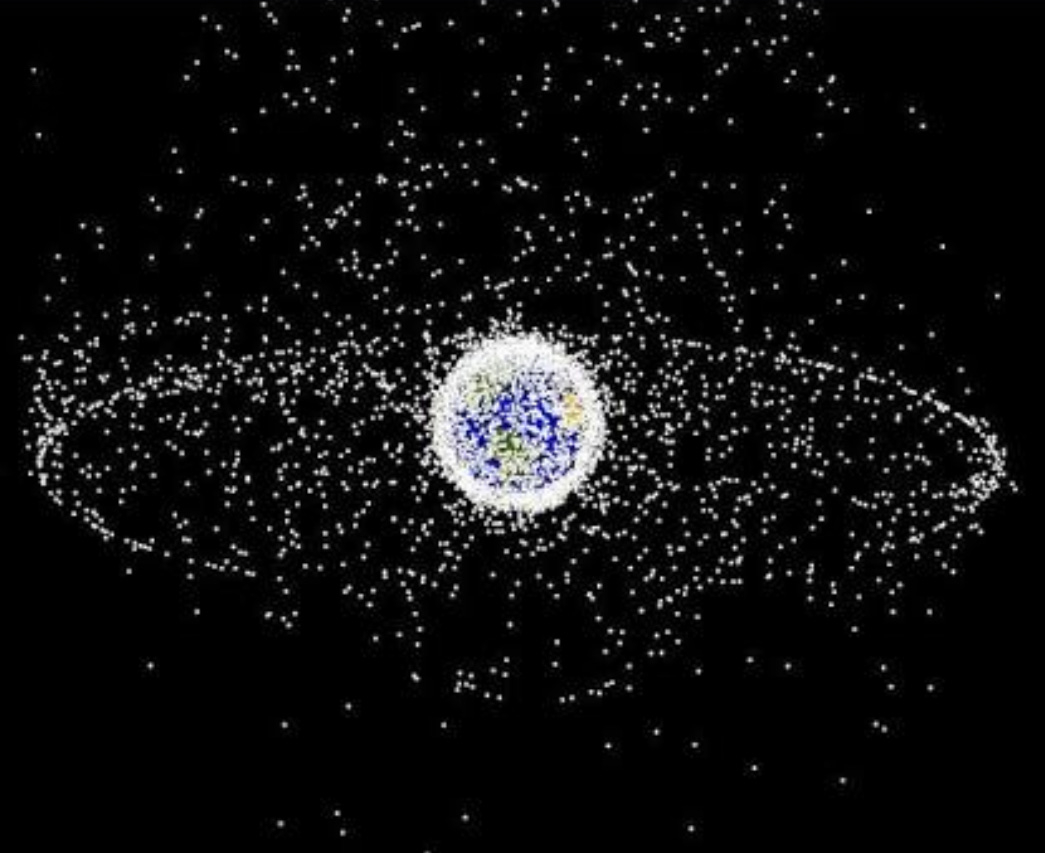
The world has so much problem with the waste production and dumping and landfills. We need more space. Why not send it to outer space? You know take some amount of trash at a time and send it to space and let it go. Sounds easy but turns out it isn’t that easy.

First of all it costs a LOT to send a spaceship into the space. We would need a large number of rocket launches to actually get rid of the insane amount of garbage the world produces(1.2 trillion kg). That way, the rise in air pollution… unimaginable. Also, complex infrastructure requirements! We need a lot more launch pads.

Suppose we do find a way to manage the costs and send a rocket filled with trash to be thrown out in the space. Imagine if some technical issue occurs and it blasts. It would rain burning plastic. Not good for the environment.

Even if we throw it out, the accumulation would make our atmosphere so dense that it would be a toxic world to live in. Also we couldn’t use satellites plus space travel would be tough. What if it comes floating back. Gross sight.

There’s another thing we could do. Burn the trash in the volcanoes. Trash incinerators have filters to filter out poisonous gases. In case of volcanoes filtering is not possible so again toxic world. Besides throwing something in the lava, disturbing the surface, would instantly trigger a chain reaction leading to an explosion. So not an option.

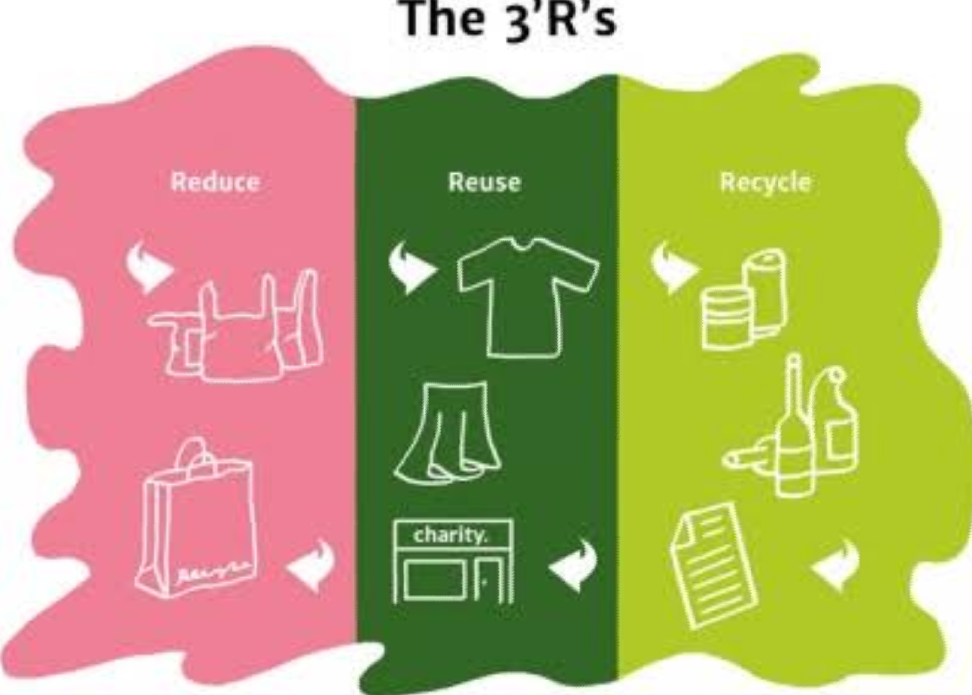
Guess we have to find other sources to convert the trash into some kind of energy. Maybe some day. Till then we need to manage our trash and follow the three R’s. (Reuse, Recycle, Reduce)

Thank you for reading. Have a nice day!

Securitization

The notion of Securitization is among the most significant conceptual innovations to have emerged out of the debate on the nature of Security. It is associated with the Copenhagen School of security studies which is linked to the likes of Barry Buzan and Ole Wæver. However, overtime, the concept has also been taken up and adapted by those outside the realm of Copenhagen School.

What is securitization? The work of Copenhagen School and their initial development of the concept of securitization as the basis for a new framework of analysis can be understood as a fusion of two works. First being Buzan’s notion of different sectors of security and second, Wæver’s concept of securitization. Later authors have asked the question of how to define security in the context of the ever-broadening agenda. The all important question was- what is a security issue and what is not one? They argue that we need a principle to help answer this. Otherwise, it would become way too broad a concept and effectively.

To answer the question of what is a security issue and what is not a security issue, they say that security as a concept is fundamentally about survival. Therefore, an issue is a security issue when it is represented as possessing an existential threat to the survival of a referent object. This is the same basic principle that is found in the conventional notion of national security and defence. One of the ways to identify an existential threat is to see the response it generates because when an issue is presented as an existential threat, it legitimizes the use of exceptional political measures. For example: A State’s right to self-defence when under attack, it can legitimately use extraordinary measures that go beyond normal day-to-day politics. It can declare emergency and suspend or change its functions during it. An appropriate understanding of Securitization would thus be: shifting an issue from the realm of normal politics to that of emergency politics by presenting it as an existential threat.

One of the most striking implications of the Securitization Theory is that it believes that security need not always be a good thing. It states that more securitization need not always be better as securitization of an issue brings with it emergency politics where space and time for deliberation and participation is constricted and also results in a militarized mode of thinking. Thus, thinkers like Wæver argued that in most cases we should aim for Desecuritization. It refers to shifting an issue out of the realm of emergency politics back to the that of normal political or technical debate. He also suggests that the condition of Asecurity is optimal. It refers to a condition where occurrence of securitization is minimal or absent and issues, unless necessary, are not conceptualized in terms of security.

Securitization Theory has had significant impact on the way security is studied as it offers a clearly identifiable research agenda. It studies societal security as an alternative to focusing solely on the state. It offers an analytical framework and also a site of critical opportunity for thinking through the important questions of the nature of contemporary security politics.

7 METHODS FOR SALES PROMOTION

Each and every activity performed in a business organisation is performed only to achieve a single goal that is sales. Sales makes the topline of a balance sheet

There are various ways to do sales promotion it depends on business to business that which method will give you best results may be all 10 methods will give you the results or only few so first understand the methods and then analyse them accordingly

  1. DISCOUNT- It is the most common way whiciis used by various business organisations to attract more customers and broaden their customer base.But using this method will effect your gross margin keep it as a backup method use it if nothing works.
  2. REFUNDS- This method is only suitable for premium market or for rental business like if you run a car rental business or own a coworking complex so to attract more customers you can start a scheme of refunds this method is not for Chinese goods or non recurring business.
  3. PRODUCT COMBINATION- A good product combination made with adequate research of consumer behaviour can give new heights to your sales like for example Johnsons baby kit or a cricket kit and many more. Observe the needs and requirements of your target audience.
  4. QUANTITY GIFTS- This method is also known as freebie sales. It is giving a low price commodity free on the purchase of high price quantity like free mouse with laptop.
  5. FULL FINANCE@0%- IT is the most trending method of sales promotion you must have heard of bajaj finserv they give full finance at 0% interest if you have qualified credit score you can also use this method if you deal in high price commodities.
  6. LUCKY DRAW- It is an evergreen method of sales promotion a lucky draw can change the buying decision of a customer but play safe be calculative while announcing the price.
  7. CONTEST – This method is used by various corporates you can either sponsor a contest or can conduct of your own and grow up your sales

Earphones and Headphones….are harmful?

In our lives, we use earphones/headphones at many occasion.For ex. An virtual meeting, music, while talking to someone etc. But do we know the detrimental effects of this careless habit. Not really…. But awareness can make one more alert and watchful .So let’s  understand, what makes the earphones so harmful!

  • How is it harmful ?

If you visualise, just think about an object, which is rarely cleaned or disinfected. What is likely to happen? Well, obviously it will start to grow microbe if it is in contact with what the microbe needs to breed. Now, we don’t know if the microbe growing is a pathogen or not. There may be a chance that they are harmless but the possibility is so less, that it can be counted as non-existent. Similarly, earphones/headphones are in contact with our body for most of the time. If it is in contact with our body, surely micro organisms are prone to grow. Eventually leading to uncomfortable problems like rashes, ear pains etc. Micro organisms are no creatures to play with. What makes it even more harmful is, we don’t even know what type of microbe it is. We can’t even assume because there are so many pathogens that could be residing  in your ear itself. And we have a really bad habit of sharing earphones. Even if it’s your loved ones,diseases do not see that. By sharing earphones, You’re practically transmitting the disease yourself and that would not be good.

Photo by Burst

Earphones/headphones, if used for long durations of time may result in induced or permanent hearing loss. Now the problem is, the  microphone has a direct contact to your ear. Your ear is a very sensitive part of your body and it’s a vital organ. It consists of 3 parts, namely – 1. The outer ear 2. The middle ear 3. The inner ear.  You might have noticed  some hairs in your ears. It is called the cochlea.  It is present in the part of the inner ear. Now, cochlea is a very important structure. Basically, the cochlea sends  signals from the outside environment to the brain  by vibrating, due to which we hear and make sense of what we hear. Sort of connects the outer world to our brain in the medium of sound. Prolonged duration of using earphones (when I am writing only earphones, do note to add headphones as well!) makes the cochlea to vibrate exorbitantly and the cochlea can seriously lose the sensitivity to vibrations. Unlike other parts of your body, your ear doesn’t have the ability to regenerate itself. Which makes curing it even harder.  Listening, with high volume makes the condition worse. Your ears don’t have a choice but to respond to that noise, even if it makes the cochlea die and never recover. This is why one often experiences ear pains after prolonged periods of using earphones.

 Photo by Andrea Piacquadio from Pexels

  • What is More harmful?

Alright, the usage of earphones and headphones is harmful. But which is more harmful?… earphones are. In the case of headphones, you still have some space between your device and your ear,but in earphones or an earpiece,which makes a direct contact by being plugged inside your ears,has a greater Impact. Probably intensifies the sound by 6 to 7 decibels ( a unit through which the intensity of sound is measured). It cannot be said that headphones don’t have any ham, though. As headphones have a greater area, the amount of microbe breeding also, could be greater..

Photo by Andrea Piacquadio

  • Result

Okay, it is harmful to use  earphones carelessly. But…what possible problems can even occur by this? Nothing serious……right? According to ColumbiaAsia Hospitals, there is a probability that following problems can happen-

  1. NHL- Noise induced hearing (NHL) is when one experiences a temporary loss of hearing, due to  extended time periods of using earphones.
  2. Tinnitus- When the cochlea(hair cells) is damaged, one can experience some buzzing or ringing noise in their ears. This condition is called Tinnitus.
  3.  Hyperacusis- A condition where one tends to be sensitive to the noise produced by the environment.
  4. Dizziness- Increase of pressure in the ear canal leads to dizziness.

These are a few of them. Ears are counted in one of the sensory organs. With that being said, the ears are extremely sensitive. An ear is not made of bones but  cartilage. Otherwise, you wouldn’t be able to twist your ears as you please. Cartilage can be described as a gel-like  substance acting like a connective tissue.

Photo by Christina Morillo 

Take a while to remember to clean the outer ears properly and regularly. Ear wax (cerumen) is present in your skin to moisturize the dry skin. So not try to deliberately remove it, especially using a  cotton swab. It only makes the earwax to go nearer towards the inner ear.

Avoid extended periods of using earphones/headphones. One can use the trick to not use the volume beyond 60 decibels. And let the time period to use an earphone be 60 minutes. Prefer using the speaker rather than microphone(let the others be annoyed😉). And regularly sanitize or disinfect the earphones and headphones. Yes, it will be a pain. But it ‘ll  be worth it!

And do not worry. There is always a cure if the right moderation a are used. If you experience any of the above symptoms for a constant period of time. Immediate consultancy to the doctor is advisable.

References

https://www.healthyhearing.com/report/52503-Headphones-when-hearing-danger-is-closer-than-you-think

https://www.columbiaindiahospitals.com/health-articles/harmful-effects-listening-music-earphones-headphones

https://kidshealth.org/en/teens/earbuds.html

Webinars on Best Practices and Success Stories from POSHAN Abhiyaan and Nutrient Requirement for Children and Mothers during first 1000 days organized as part of the celebration of Third Rashtriya Poshan Maah

The Ministry of Women & Child Development, Government of India, is organizing a series of webinars during the Third Poshan Maah being celebrated in September 2020. The first webinar on Best Practices and Success Stories from POSHAN Abhiyaan was organized on 7th September. The second webinar was held today on the topic of Nutrient Requirement for Children and Mothers during first 1000 days. The webinars were presided over by Smt. Smriti Zubin Irani, Union Minister of Women & Child Development and Textiles. Participants included Smt Debasree Chaudhuri, Union Minister of State for Women & Child Development, Shri Ram Mohan Mishra, Secretary, Women & Child Development, Government of India, representatives of Partner Ministries and State Governments, representatives from International Organisations and Development Partners, PRI members, ICDS functionaries, State WCD representatives, Domain experts, Nutritionists, Ministry officers and others.

Addressing the webinars, Smt Smriti Zubin Irani, Union Minister, appreciated the efforts of the coordinating ministries and appealed to all to promote Jan Bhagidari in making all-out efforts to make the POSHAN Abhiyaan a success. She said that the Ministry of Women & Child Development plans to compile best practices and success stories into an E-book.

The thematic agenda for the Webinar on Best Practices and Success Stories of POSHAN Abhiyaan yesterday included discussion on the need for renewed focus on nutrition during COVID-19, need for innovation and agro-diversity in nutrition, sharing of best practices and success stories in establishing Nutri-gardens in Lakshadweep Anganwadi Centres, online tracking and adoption of Severely Acute Malnourished (SAM) Children in Gujarat, revamping supplementary nutrition preparation & distribution and inclusion of Millets in Odisha, adoption of SAM children by Government officials in Uttarakhand, and identification drive for SAM children in the UTs of Dadra and Nagar Haveli and Daman and Diu, which have predominantly tribal population and high prevalence of malnutrition amongst the children.

The agenda for today’s webinar had guest lectures by two eminent medical professionals. The first lecture titled “Apt Nurturing: The First 1000 Days are Crucial” was delivered by Dr. H.P.S. Sachdev, Professor of Pediatrics and Clinical Epidemiology, in which he stressed that nutrition from the time of conception to two years of age is crucial for a good start to productive life. In the second lecture titled “Nutrient requirements for Children and Mothers: first 1000 days”, Professor AV Kurpad, former Head of Physiology, St John’s Medical College, advised that normal, affordable, diverse home cooked diets are adequate to meet nutritional requirements and the diet should be carefully designed to avoid the risk of both under- or over-feeding. He stressed on exclusive breast-feeding for the first 180 days of a new-born’s life.

‘Pledge to donate eyes and inspire others’ – Vice President appeals to all citizens

The Vice President of India, Shri M. Venkaiah Naidu today said organ donation was one of the noblest causes and appealed to everyone to participate in eye donation and inspire others.

Addressing the valedictory function of ‘National Eye Donation Fortnight’ organised by SAKSHAM (Samadrishti, Kshamata Vikas Evam Anusandhan Mandal), a charitable organization that works for the empowerment of the persons with disabilities, the Vice President described Netra Daan (eye donation) as Sreshth Daan (best donation).

Terming visual impairment as one of the major health challenges, the Vice President highlighted the fact that around 46 lakhs people suffer from blindness in India and most of them are in the 50+ age group.

Calling corneal blindness as the second leading cause of blindness after cataract with about 20,000 cases every year, Shri Naidu expressed concern as most of the people affected in this category were young adults and children. He called for adopting preventive measures, early treatment and corneal transplantation surgery to address the challenge of visual impairment.

As corneal transplantation surgery requires cornea donors, Shri Naidu emphasised the need to increase the number of eye donations to enable eventual eradication of corneal blindness in the country.

Drawing attention to the low numbers of organ donors in the country, he called for changing this mindset by spreading awareness as well as building adequate medical infrastructure for organ harvesting and transplantation at district level.

He cited the examples of king Shibi and sage Dadhichi who had donated their bodies for the welfare of others and called for redefining the values and narratives in modern context to inspire people and promote organ donation. By donating an organ, one sets an example for others to work towards the larger good of the society, he said and called upon every citizen, especially the youth to overcome apprehensions and pledge to donate their organs.

Shri Dharmendra Pradhan announces that Five Petroleum and Gas sector PSUs will join International Solar Alliance;

Five Public Sector Undertakings (PSUs) under Petroleum & Natural Gas Ministry will be joining International Solar Alliance (ISA)’s Coalition for Sustainable Climate Action (ISA-CSCA) as Corporate Partners. In his inaugural Speech at the First World Solar Technology Summit organized by ISA, Minister of Petroleum and Natural Gas Shri Dharmendra Pradhan said that Oil and Natural Gas Corporation Limited (ONGC), Indian Oil Corporation Limited (IOCL), Bharat Petroleum Corporation Limited (BPCL), Hindustan Petroleum Corporation Limited (HPCL) and GAIL (India) Limited will be contributing to ISA’s Corpus Fund.

Shri Pradhan said that increasingly and rightly so, Indian Oil & Gas companies are actively taking part in this clean energy transition.  “In order to reduce carbon footprint, these companies will be focusing more on green energy investments such as renewables, biofuels and hydrogen going forward. We are also actively encouraging industry in general, and Oil & Gas companies in particular, become participants to this solar transition.”, he added.

On the achievements made in the sector so far, Shri Pradhan said that our oil & gas companies are also making efforts to deploy solar panels across the value chain of their operations, and current installed solar power capacity is 270 MW. “Additional 60 MW solar capacity will be added in the coming year. We have taken up the mission of solarizing about 50% of fuel stations owned by Public Sector oil companies in the next five years. More than 5000 fuel stations of Indian Oil, the largest Public Sector Oil Marketing company, were solarized last year. A substantial amount of solar PV capacity was also added by Oil & Gas companies during the last few years.”

The Minister said that Oil & Gas PSUs are increasingly evaluating new opportunities in the solar and RE space for diversification. Recently, French major Total has also announced investments for buying about 2 GW operating PV plants in India. “Despite the Covid-19 pandemic presented challenges, we are in the process of overhauling India’s supply chains and reduce overdependence on imports for solar modules. Under the ‘Atma Nirbhar Bharat Abhiyaan’ or Self-Reliant India reforms announced by Hon’ble Prime Minister Narendra Modi, our country has received proposals from various players for over 10 GW of fresh solar equipment manufacturing. In line with Hon’ble Prime Minister Narendra Modi’s call to action for developing low-cost indoor solar cooking solutions, our company IOCL has tied up with M/s Sun Bucket System, a US-based start-up working in the niche area of solar energy-based products. We are encouraging Indian oil & gas companies to develop such innovative and scalable tie-ups in solar sector, which have the potential to make nationwide impact”, he added.

Lauding the role of the ISA for making rapid strides since its launch at the UN Climate Change Conference in Paris on 30 November 2015 by Hon’ble Prime Minister Narendra Modi and the then French President, Shri Pradhan said that as the latest inter-governmental international organization with its headquarters in India, ISA is not only a testament to India’s unwavering faith in multilateralism but also a commitment to a better, sustainable and greener future. He said that the Alliance reflects the vision and the firm belief that the beneficence of the Sun could be used to bring together the peoples of this planet for a shared solution to our energy needs.

Shri Pradhan said that there has always been a vision to make solar energy accessible and affordable for the poor by addressing the various financial and technological factors that currently impede such access. “The platform provided by ISA perfectly fits and matches growing energy needs of countries across the globe. The Oil & Gas companies in India will work closely with ISA to explore opportunities for implementation of solar-based projects within India as well as in other countries particularly other developing countries where ISA is focusing for faster development of solar energy infrastructure”, Shri Pradhan emphasized.  

Expressing the confidence that larger energy partnership of Indian oil & gas industry will pave the way for a new era of solar development not only within India but also outside, Shri Pradhan said that the key to this transformation and transition is advances in solar technologies and their deployment at affordable prices globally. He said that with a clear vision and augmentation of sufficient resources, there is a need for collective efforts at all levels -Governments, industry leaders, innovators and academia and technology developers, to ensure that benefits of solar revolution become accessible to all countries across the globe.

National Jal Jeevan Mission conducted webinar

National Jal Jeevan Mission, Ministry of Jal Shakti held a webinar today on the planning, implementation, and monitoring of outputs & outcomes of the flagship programme, Jal Jevan Mission. The webinar was attended by about 2,500 State, district and block officials of Public Health Engineering Departments/ Rural Water Supply Departments of various States/ UTs.

Jal Jeevan Mission is under implementation in partnership with States with an aim to ensure every rural household of the country gets assured drinking water supply in adequate quantity and of prescribed quality on regular and long-term basis at affordable service delivery charges leading to improvement in their living standard. The major objectives of the mission are to ensure water supply to every home as well as focus on functionality of water supply systems on long-term basis, decentralized operation & management arrangements and water quality surveillance by the local community.

The webinar held today used short audio-visual clips and power point presentations explaining the vision and ethos of Jal Jeevan Mission. The key note address was delivered by Additional Secretary and Mission Director, National Jal Jeevan Mission, Shri Bharat Lal, who elaborated the essence of the ambitious programme that aims to improve the lives of people living in rural areas.

‘This program is different from earlier programmes and requires innovation and a focussed approach’- mentioned Shri Lal and then stressed on the salient features of the mission thereby emphasising on the responsibility of various stakeholders. The Ministry officials made a detailed presentation on the targets & achievements of the Mission. It was noted that the country has around 5.35 Crore rural families enabled with tap water connection; and 100% tap connections in 47,00 villages, 351 blocks and 9 districts. In the whole country, more than 2 Crore households have been provided tap water connection in last one year since the launch of the mission i.e. 15 August, 2019. More than 1 lakh families are given tap water connections on daily basis. The speed and scale of work being done under Jal Jeevan Mission was discussed in detail. As of now, more than 28% rural homes are getting piped water supply, which has not only reduced the drudgery of rural women, but assured their security and dignity.

While all the States/ UTs are competing with each other to achieve 100% FHTC status; Bihar, Goa, Telangana and Puducherry are emerging as frontrunners to accomplish the target by 2021 itself.  The healthy competition among States/ UTs to outperform each other was discussed. The presentation also talked about the various issues, challenges as well as opportunities for the mission.

As envisaged under the mission, the local village community/ Gram Panchayats and or its sub-committee i.e. Village Water & Sanitation Committee/ Paani Samiti to be involved in planning, implementation, management, operation and maintenance of water supply systems in villages to ensure long-term sustainability of the ongoing efforts to achieve drinking water security. It was explained in details the importance of Village Action Plan, District Action Plan and State Action plan. Retrofitting and augmentation of existing Piped water supply (PWS) systems was highlighted and States were asked to start the works in all such villages in a campaign mode, so that the remaining households belonging to poor and marginalized people in villages/ habitations can get tap water at earliest. Officials were asked to focus on priority areas like aspirational districts, water quality-affected areas, drought & desert prone areas, SC/ ST dominated habitations, Sansad Adarsh Gramin Yojna villages, etc.

It was highlighted that every source needs to be tested once for chemical parameters and twice for bacteriological contamination in a year as a part of water quality monitoring. State was asked to carry out the testing of all water sources accordingly. It is required to upgrade and to obtain NABL accreditation of all the laboratories in the State, it was urged to plan for obtaining NABL accreditation for maximum possible number of laboratories during 2020-21.It was also told to open water quality laboratory facilities to general public.

The Department of Drinking Water & Sanitation has a robust integrated management information system (IMIS). It was explained in details how the JJM-IMIS can evolve as a potent tool for planning & monitoring. It was also mentioned that IMIS will be helpful to avoid wasteful expenditure and can be useful in measurement and monitoring of water service delivery. Further, it was presented in detail the relevance of IoT based sensors in measurement and monitoring of water supply. The importance and modalities of Public Grievance Redressal system was underlined. Few States like Kerala, Gujarat and Odisha are already using ‘1916’ helpline number; other States were urged to adopt similar mechanism to resolve various public grievances related to drinking water supply in rural areas.

MoRTH embarks upon taking concrete steps to strengthen contractors’ payment system

Ministry of Road Transport and Highways has undertaken settling of contractors’ issues, including dues, through arbitration in big way to not only ensure ease of doing business but also to boost stakeholder confidence in building quality road infrastructure in country. Conciliation Committees have been formed consisting of Independent Experts (CCIEs) for this purpose. All contractors are being called for conciliations for expeditious settlement of their claims and get their payments released immediately. 47 cases involving claims of Rs. 14,248 Crore have been settled during this year. Discussions are underway on another 59 cases.

The annual Annuity obligations for NHAI are approx. Rs 5000 crore. All Annuities payments are made in time. In HAM projects, NHAI provides 40 per cent of the Bid Project Cost as Construction Support based on achievement of Milestone. Whenever the milestones are achieved, payments are made quickly. The Grant /VGF towards BOT (Toll) Projects are paid as per the terms of the Concession Agreement and depends on many factors including physical progress, equity and debt infusion. There are no overdue payments pending with NHAI. Various systems have been introduced for immediate payment of dues. Special efforts were made and over Rs ten thousand crore were disbursed towards various payments in the first nine days of nationwide lockdown.

The payment structure has been further simplified under the Atm-Nirbhar Bharat scheme, and contractors’ payments are being made every month instead of Milestone achievement basis. This has proved extremely beneficial towards timely completion of National Highway projects in the country.

The Ministry has also extended a number of relief packages for its contractors and concessionaires owing to COVID-19 scenario. Retention money (which is a part of the Performance Security till construction period) is being released in proportion to the work already executed in accordance with the Contract specification, and retention money for upto six months’ period is not deducted from the Bills raised by the Contractor. For HAM/ BOT Contracts, Performance Guarantee is released on pro-rata basis. Out of total 1253 applications under 1155 projects for this relief, Rs 3527 crore has been released, while over Rs 189 crore is under process.

Extension of Time is being given to Contractor/ Concessionaire for meeting their obligation under the Contract for upto six months depending on site conditions. Out of total 207 applications under 196 projects for this relief, Rs 34 crore has been released, while Rs 15 crore is under process.

Relaxation is given in Schedule H to provide monthly payment to the Contractor for the work done and accepted as per the specification of the contract during the month EPC/HAM Contract. Out of total 863 applications under 774 projects for this relief, Rs 6526 crore has been released, while over Rs 2241 crore is under process.

Direct payment is made to approved Sub-Contractor through Escrow Account. Out of total 21 applications under 19 projects for this relief, Rs 241 crore has been released, while over Rs 27 crore is under process.

Waiver of penalty for delay in submission of Performance Security/ Bank Guarantee in new Contract entered into during March, 2020 to September, 2020. Out of total 17 applications under equal number of projects for this relief, Rs nine crore has been released.

Extension of Time is allowed to Consultants i.e, I.E/A.E for 3 to 6 months depending on site condition. During this Force Majeure Event, they may be considered as if they were on duty. Out of total 31 applications under equal number of projects for this relief, Rs two crore has been released, while Rs one crore is under process.

BOT/ TOT Concessionaire: Before CoD, the concession period of BOT contracts is being extended by a period equal in length to the duration of 3 to 6 months.  Further, for loss in collection of user fee, the concession period is extended by a period in accordance with the Contract till the time daily collection is below 90% of the average daily fee. An application for this relief of Rs two crore is under process.

For all National Highway Tolling Contracts, loss in collection of fee (remittances) is compensated in accordance with the Contract. An application for this relief is under consideration.