

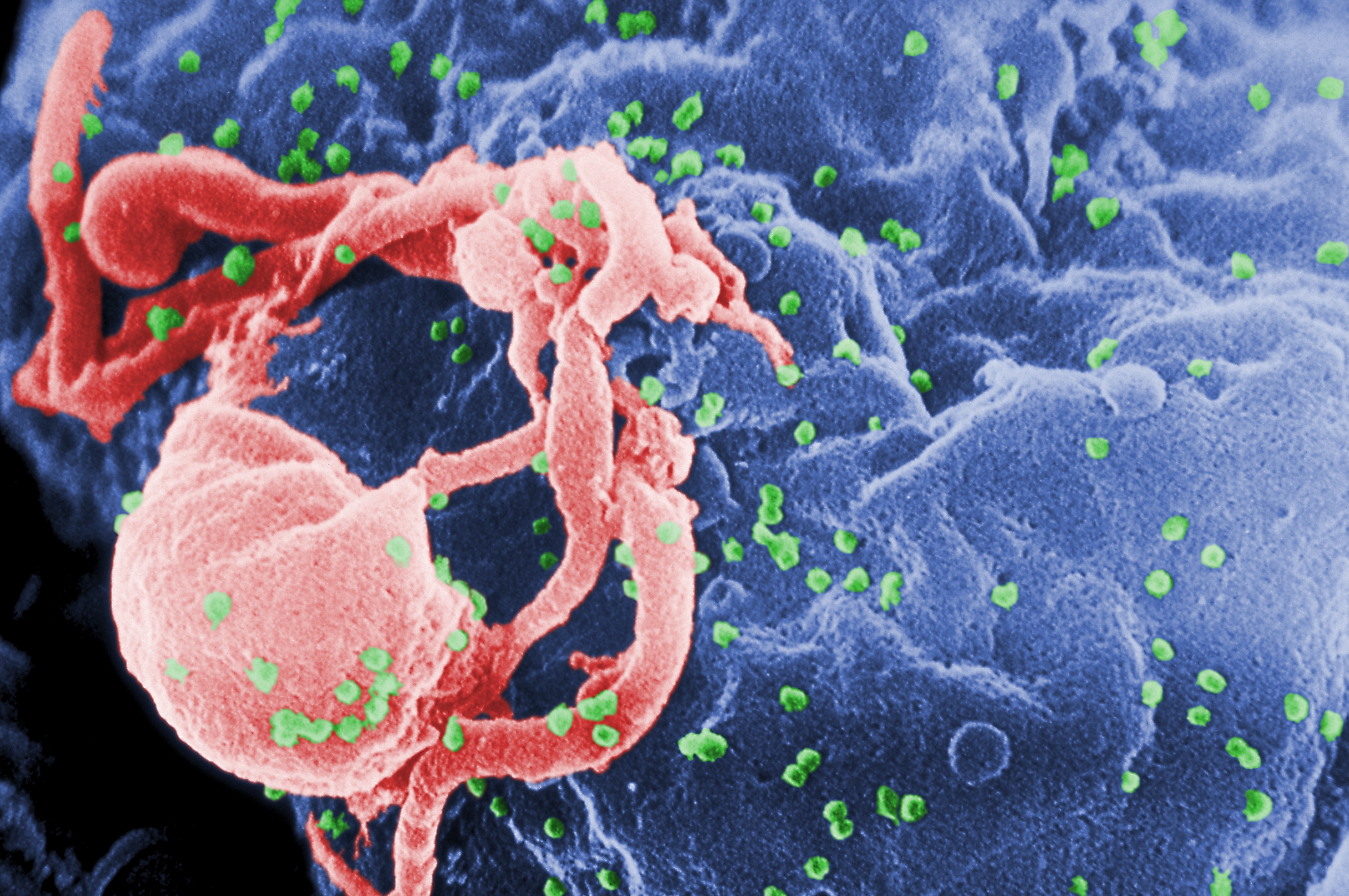
Human Immunodeficiency virus (HIV), a member of the retrovirus family, is the causative agent of Acquired immune deficiency syndrome (AIDS).
The human immunodeficiency virus (HIV) targets the immune system and weakens people’s defense against many infections and some types of cancer that people with healthy immune systems can more easily fight off. As the virus destroys and impairs the function of immune cells, infected individuals gradually become immunodeficient. Immune function is typically measured by CD4 cell count.
The most advanced stage of HIV infection is acquired immunodeficiency syndrome (AIDS), which can take many years to develop if not treated, depending on the individual. AIDS is defined by the development of certain cancers, infections or other severe long-term clinical manifestations.
Transmission:
HIV is a sexually transmitted infection (STI). It can also be spread by contact with infected blood and from illicit injection drug use or sharing needles. It can also be spread from mother to child during pregnancy, childbirth or breastfeeding. Without medication, it may take years before HIV weakens your immune system to the point that you have AIDS.
There’s no cure for HIV/AIDS, but medications can control the infection and prevent progression of the disease. Antiviral treatments for HIV have reduced AIDS deaths around the world, and international organizations are working to increase the availability of prevention measures and treatment in resource-poor countries.
Signs and symptoms:
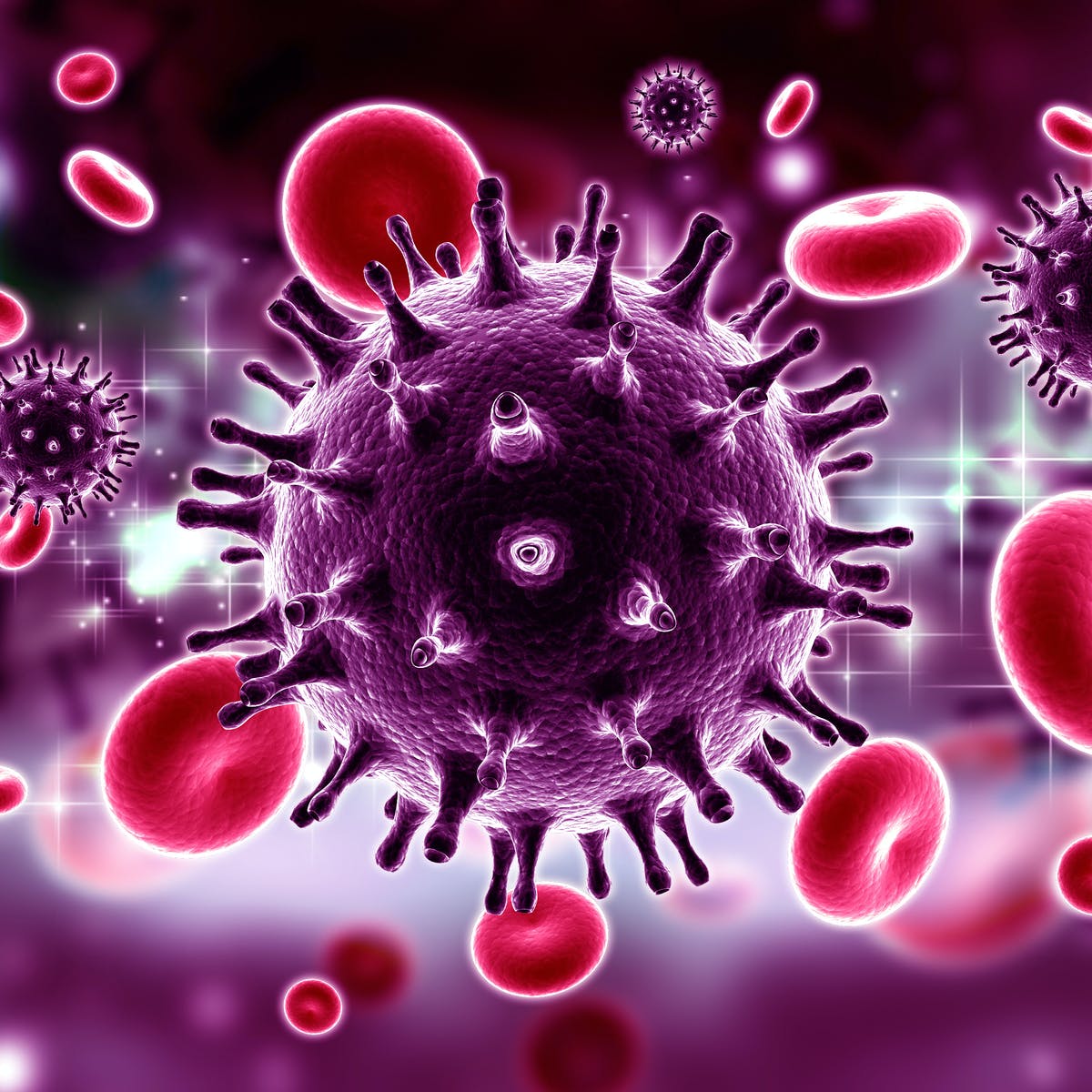
The symptoms of HIV vary depending on the stage of infection. Though people living with HIV tend to be most infectious in the first few months after being infected, many are unaware of their status until the later stages. In the first few weeks after initial infection people may experience no symptoms or an influenza-like illness including fever, headache, rash or sore throat.
As the infection progressively weakens the immune system, they can develop other signs and symptoms, such as swollen lymph nodes, weight loss, fever, diarrhoea and cough. Without treatment, they could also develop severe illnesses such as tuberculosis (TB), cryptococcal meningitis, severe bacterial infections, and cancers such as lymphomas and Kaposi’s sarcoma.
Prevention
Individuals can reduce the risk of HIV infection by limiting exposure to risk factors. Key approaches for HIV prevention, which are often used in combination, include:
• male and female condom use;
• prevention, testing and counselling for HIV and STIs;
• voluntary medical male circumcision (VMMC);
• use of antiretroviral drugs (ARVs) for prevention (oral PrEP and long acting products), the dapivirine vaginal ring and injectable long-acting cabotegravir;
• harm reduction for people who inject and use drugs; and
• elimination of mother-to-child transmission (MTCT) of HIV.
HIV is not transmitted if a person’s sexual partner is virally suppressed on ART, so increasing access to testing and supporting linkage to ART is an important component of HIV prevention.
This are the few prevention methods to prevent HIV as there is no cure for this disease, but it can be controlled and prevented.
 Eduindex
You must be logged in to post a comment.