Cleopatra: The Queen, The Myth, The History

Introduction

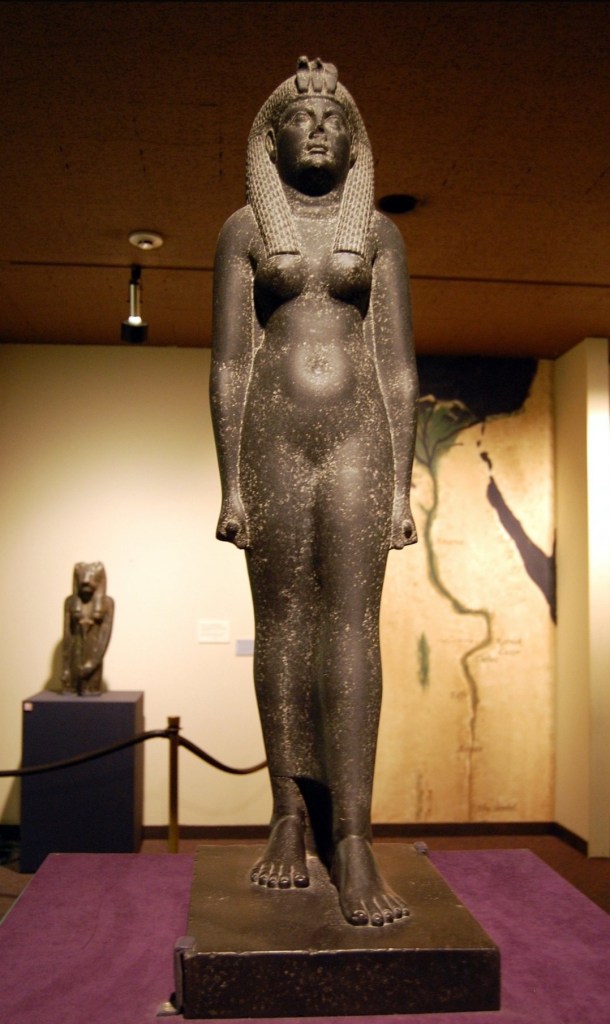
Statue of Cleopatra VII

The studies of History never ceases to amaze us with its unfolding secrets, bizarre facts and notable events that took place throughout ages. History has made many rulers popular, many famous and many infamous through their deeds during their ruling periods. But, Cleopatra VII of Egypt, still remains a fantasy for the connoisseurs of History for her incredible brain and beauty. In Today’s editorial, we’re going to discuss about Cleopatra, the empress of Egypt who enticed the world with her inevitable ruling skills and irresistible charm.
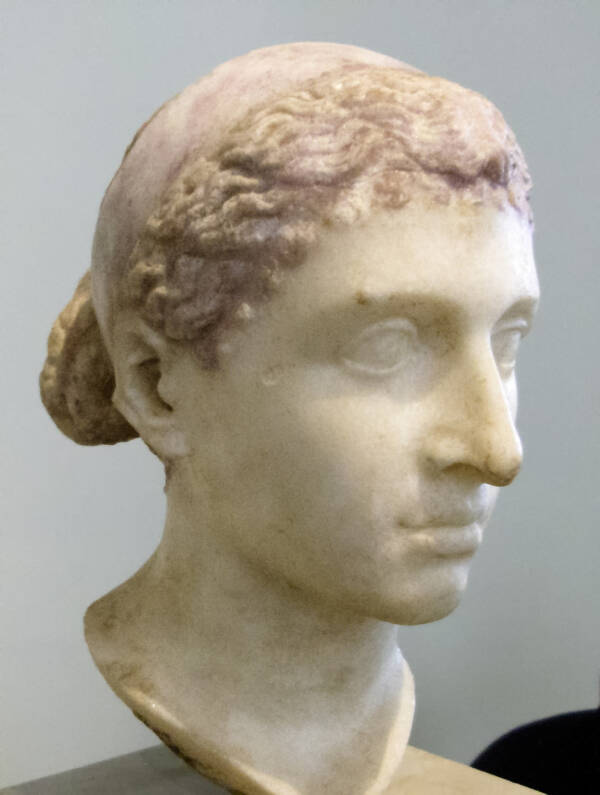
Cleopatra VII

Cleopatra: Who She Was

Cleopatra VII ruled ancient Egypt as co-regent (first with her father, then with her two younger brothers and finally with her son) for almost three decades. She was part of a dynasty of Macedonian rulers founded by Ptolemy, who served as general under Alexander the Great during his conquest of Egypt in 332 B.C. Well-educated and clever, Cleopatra could speak various languages and served as the dominant ruler in all three of her co-regencies. Her romantic liaisons and military alliances with the Roman leaders Julius Caesar and Mark Antony, as well as her supposed exotic beauty and powers of seduction, earned her an enduring place in history and popular myth.
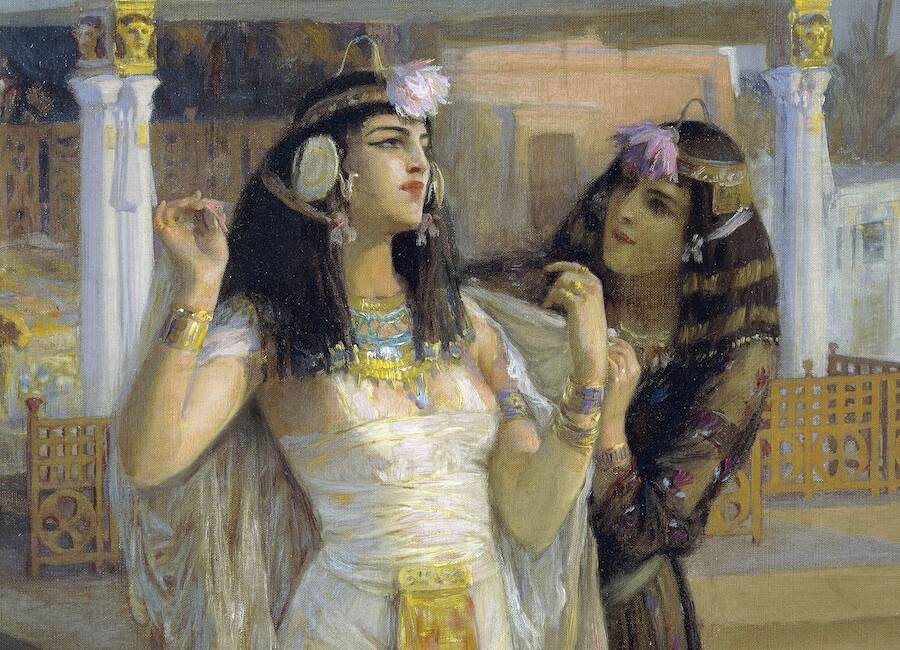
Artwork of Cleopatra, by Frederick Arthur Bridgman (1896)

Early Life and Ascension to The Throne

Cleopatra, in full Cleopatra VII Thea Philopator (born 70/69 BCE—died August 30 BCE, Alexandria) was the daughter of King Ptolemy XII Auletes. Cleopatra was destined to become the last queen of the Macedonian dynasty  that ruled Egypt between the death of Alexander the Great  in 323 BCE and its annexation by Rome in 30 BCE. The line had been founded by Alexander’s general Ptolemy, who became King Ptolemy I Soter  of Egypt. Cleopatra was of Macedonian descent and had little, if any, Egyptian blood. Coin portraits of Cleopatra show a countenance  alive rather than beautiful, with a sensitive mouth, firm chin, liquid eyes, broad forehead, and prominent nose. When Ptolemy XII died in 51 BCE, the throne passed to his young son, Ptolemy XIII, and daughter, Cleopatra VII. It is likely, but not proven, that the two married soon after their father’s death. The 18-year-old Cleopatra, older than her brother by about eight years, became the dominant ruler. Evidence shows that the first decree in which Ptolemy’s name precedes Cleopatra’s was in October of 50 BCE. Soon after, Cleopatra was forced to flee Egypt for Syria, where she raised an army and in 48 BCE returned to face her brother at Pelusium, on Egypt’s eastern border. The murder of the Roman general Pompey, who had sought refuge from Ptolemy XIII at Pelusium, and the arrival of Julius Caesar  brought temporary peace.
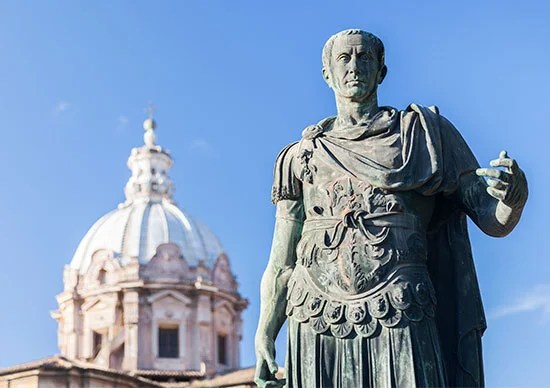
Statue of Julius Caesar in Rome, Italy

Cleopatra’s Romantic Roman Connection

Cleopatra realized that she needed Roman support, or, more specifically, Caesar’s support, if she was to regain her throne. Each was determined to use the other. Caesar sought money for repayment of the debts incurred  by Cleopatra’s father, Auletes, as he struggled to retain his throne. Cleopatra was determined to keep her throne and, if possible, to restore the glories of the first Ptolemies and recover as much as possible of their dominions, which had included southern Syria and PalestineCaesar and Cleopatra  became lovers and spent the winter besieged in Alexandria. Roman reinforcements arrived the following spring, and Ptolemy XIII fled and drowned in the Nile. Cleopatra, now married to her brother Ptolemy XIV, was restored to her throne. In June 47 BCE she gave birth to Ptolem Caesar  . The Child was believed to be Caesar’s child, and was known by the Egyptian people as Caesarion, or Little Caesar.
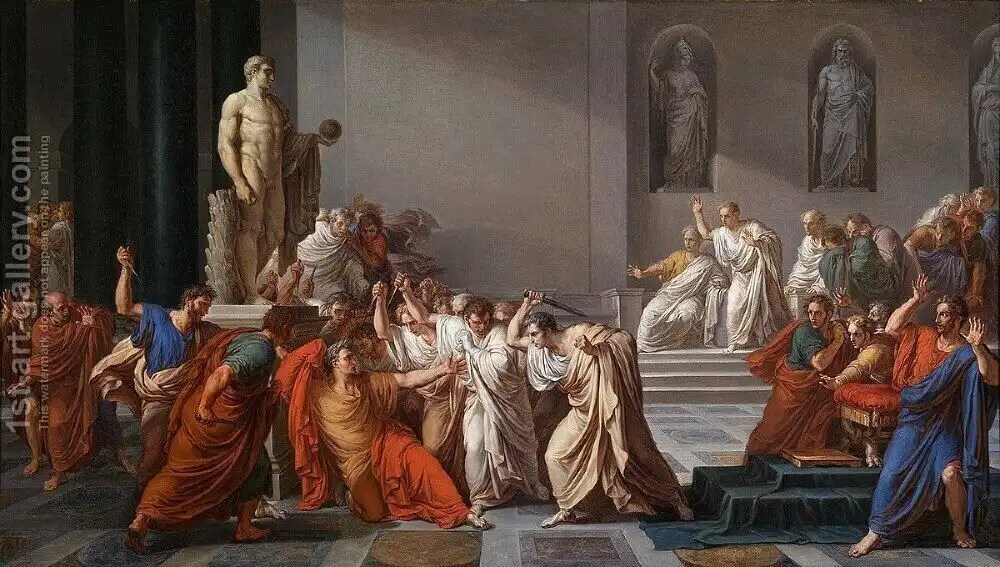
Assassination of Julius Caesar

Sometime in 46-45 B.C., Cleopatra traveled with Ptolemy XIV and Caesarion to Rome to visit Caesar, who had returned earlier. After Caesar was assasinated in March 44 B.C., Cleopatra went back to Egypt; Ptolemy XIV was killed soon after (possibly by Cleopatra’s agents) and the three-year-old Caesarion was named co-regent with his mother, as Ptolemy XV.
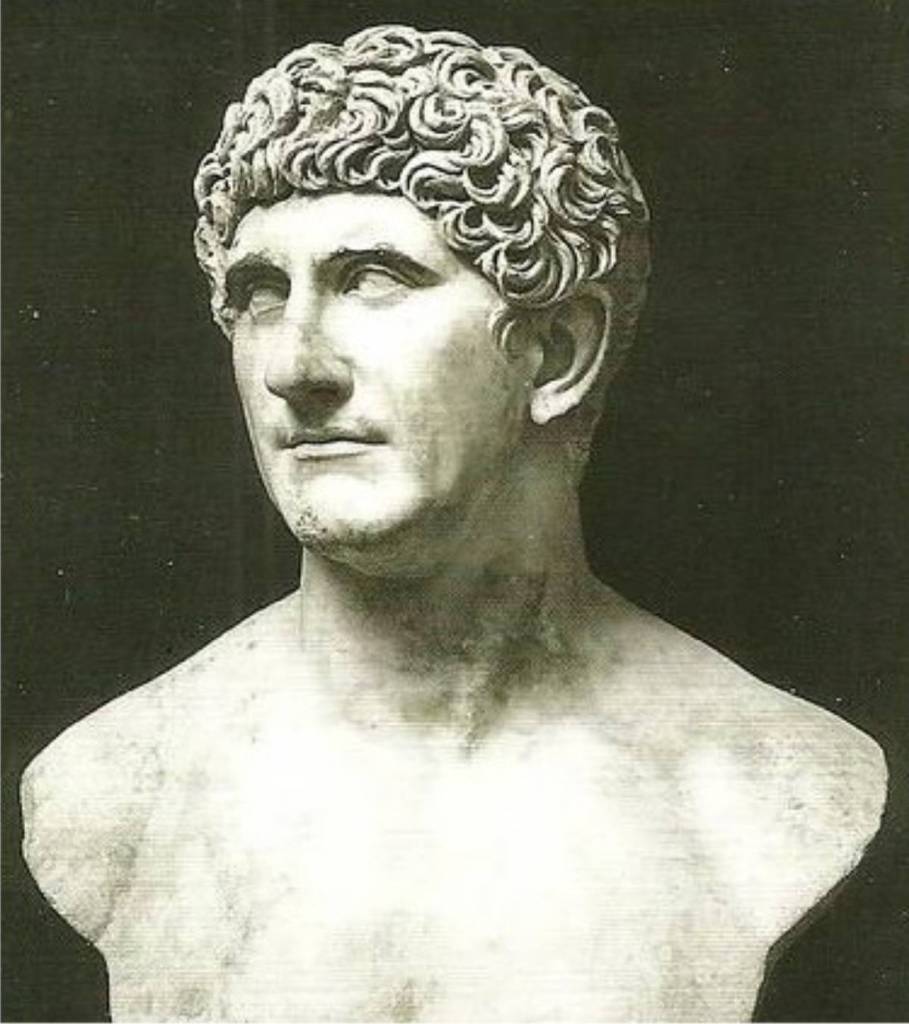
Mark Antony

Mark Antony: The Love of Cleopatra

When, at the Battle of Phillpi  in 42 BCE, Caesar’s assassins were routed, Mark Antony  became the heir apparent of Caesar’s authority—or so it seemed, for Caesar’s great-nephew and personal heirOctavian, was but a sickly boy. Antony, now controller of Rome’s eastern territories, sent for Cleopatra so that she might explain her role in the aftermath of Caesar’s assassination. She set out for Tarsus in Asia Minor  loaded with gifts, having delayed her departure to heighten Antony’s expectation. She entered the city by sailing up the Cydnus River in a barge while dressed in the robes of the new Isis. Antony, who equated himself with the God Dionysus, was captivated.
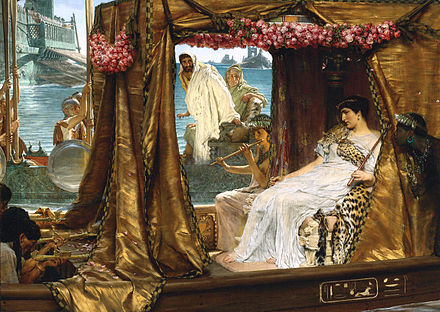
Decadent affair between Mark Antony and Cleopatra

In 40 BCE Cleopatra gave birth to twins, whom she named Alexander Helios and Cleopatra Selene

Cleopatra’s Death: The End

On September 2, 31 B.C., Octavian’s forces soundly defeated those of Antony and Cleopatra in the Battle of Actium . Cleopatra’s ships deserted the battle and fled to Egypt, and Antony soon managed to break away and follow her with a few ships. With Alexandria under attack from Octavian’s forces, Antony heard a rumour that Cleopatra had committed suicide. He fell on his sword, and died just as news arrived that the rumour had been false.
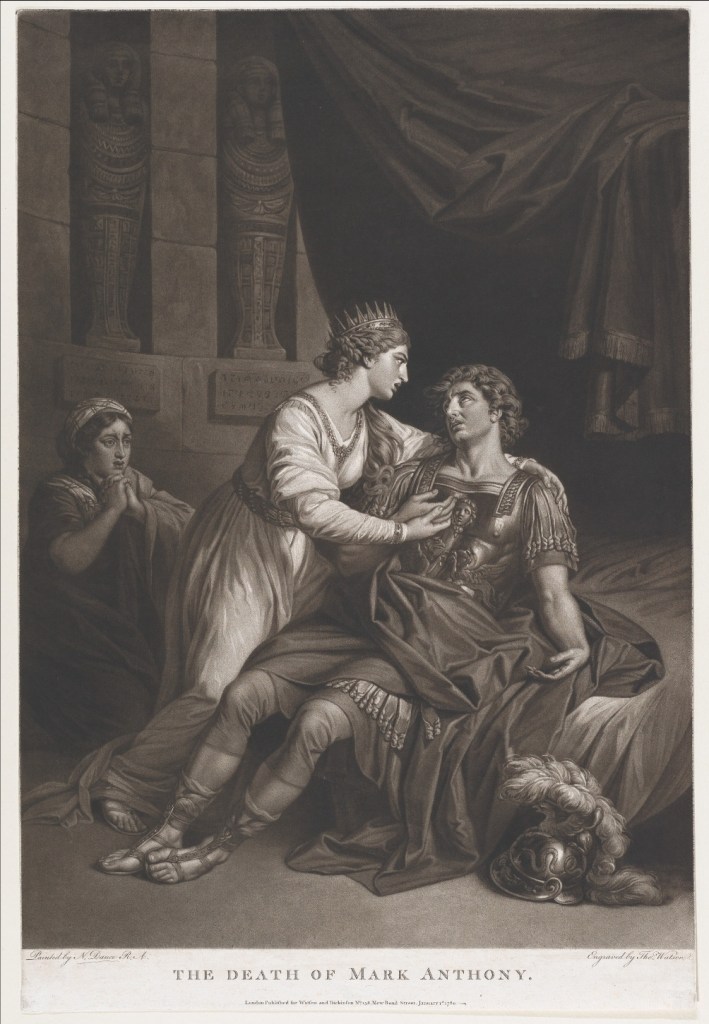
Mark Antony‘s Death

On August 12, 30 B.C., after burying Antony and meeting with the victorious Octavian, Cleopatra closed herself in her chamber with two of her female servants. The means of her death is uncertain, but Plutarch and other writers advanced the theory that she used a poisonous snake known as the asp, a symbol of divine royalty, to commit suicide at age 39. According to her wishes, Cleopatra’s body was buried with Antony’s, leaving Octavian (later Emperor Augustus I) to celebrate his conquest of Egypt and his consolidation of power in Rome.
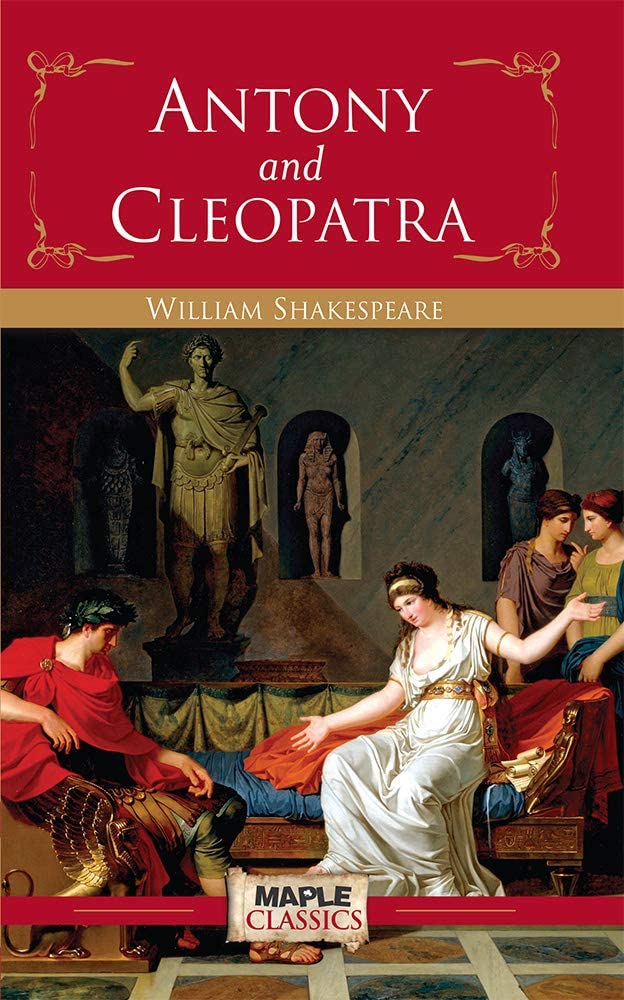
William Shakespeare‘s Antony and Cleopatra

Cleopatra: The Enchantress Throughout Ages

Cleopatra remains a charm to cultures having relevance even today. Her bizarre beauty hacks including pomegranate lip-tint and a bath regime curated out of jennet(female donkey) milk arestill a talk among Beauty enthusiasts. Her famous pearl in vinegar concoction drink stirs curiosity among people. Her life was made into various plays and movies. From Shakespeare stems a wealth of Cleopatra-themed art—plays, poetry, paintings, and operas. In the 20th century Cleopatra’s story was preserved and further developed through film.
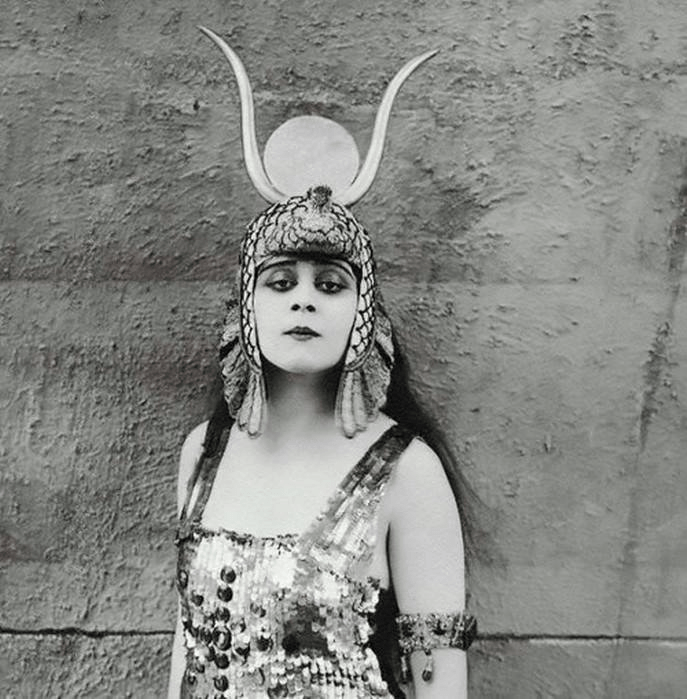
Theda Bara as Cleopatra (1917)
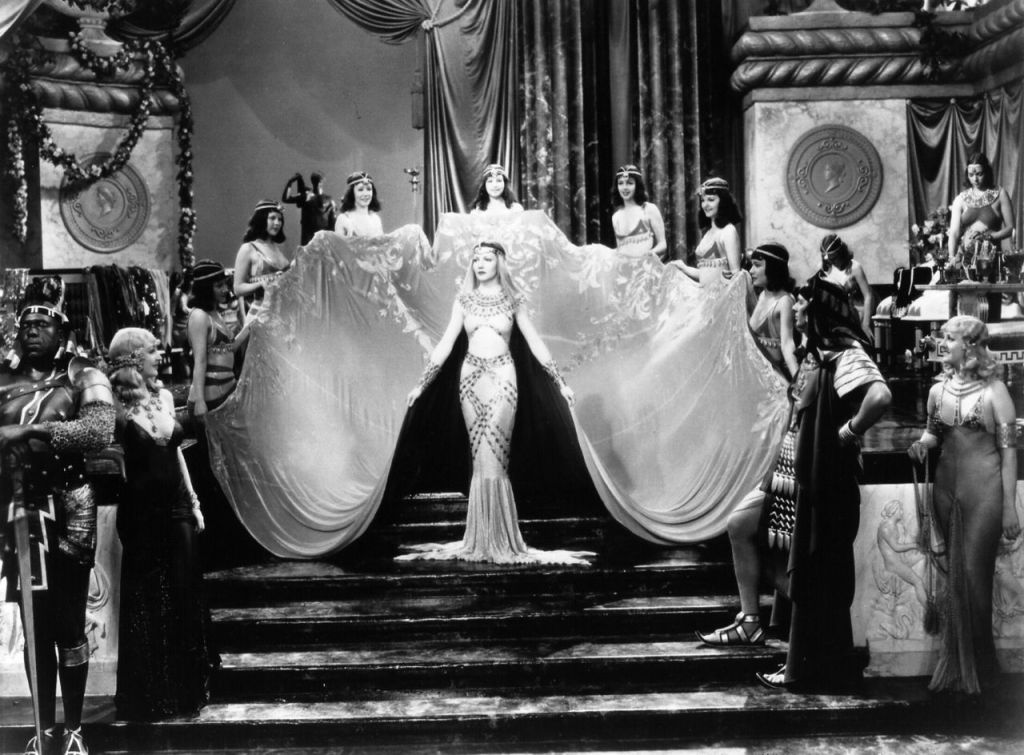
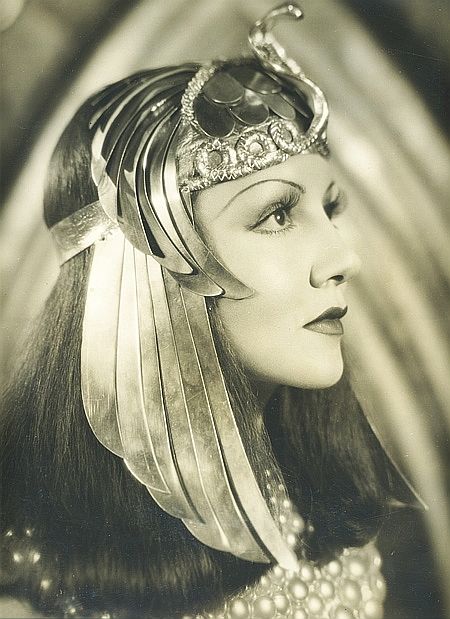
Claudette Colbert as Cleopatra (1934)
Cleopatra (1934)
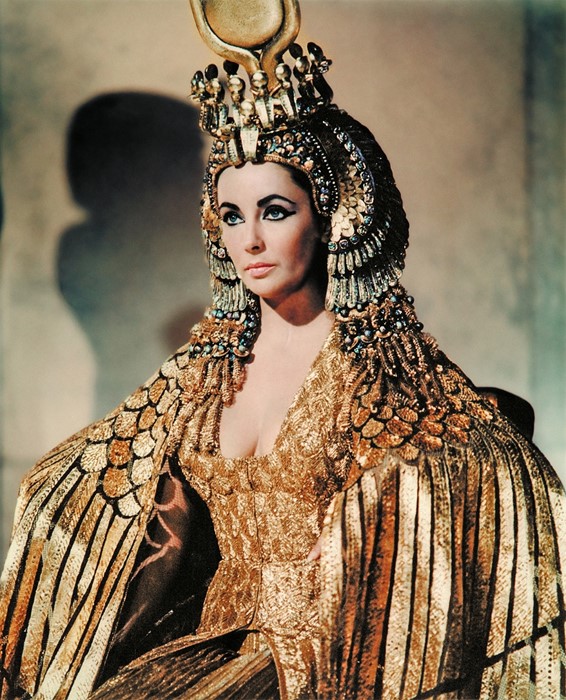
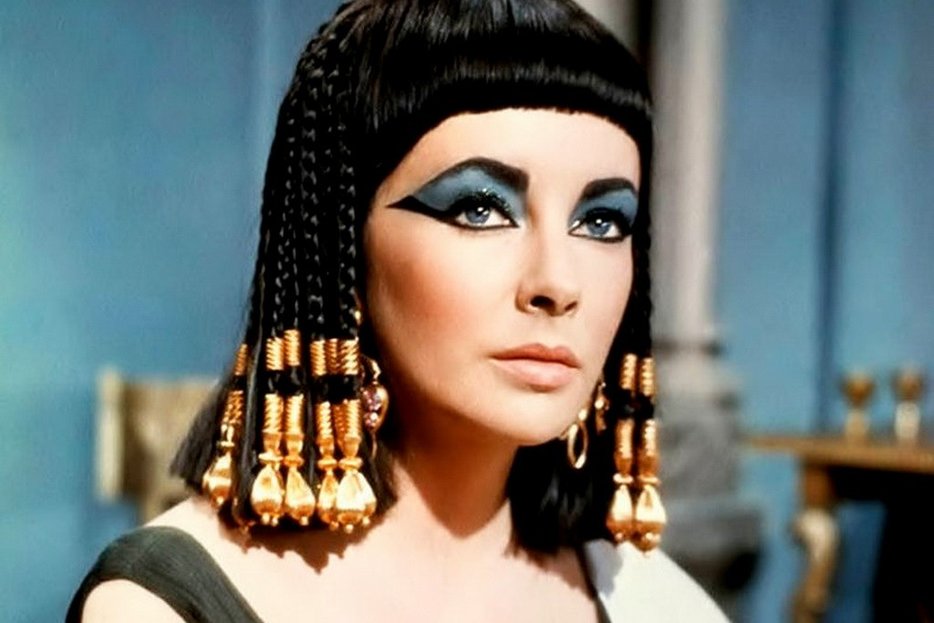
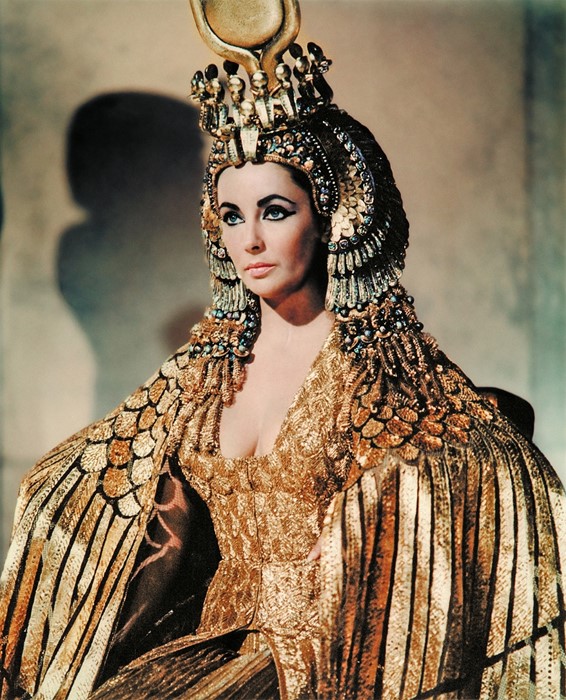
Elizabeth Taylor as Cleopatra (1963)
Cleopatra (1963)
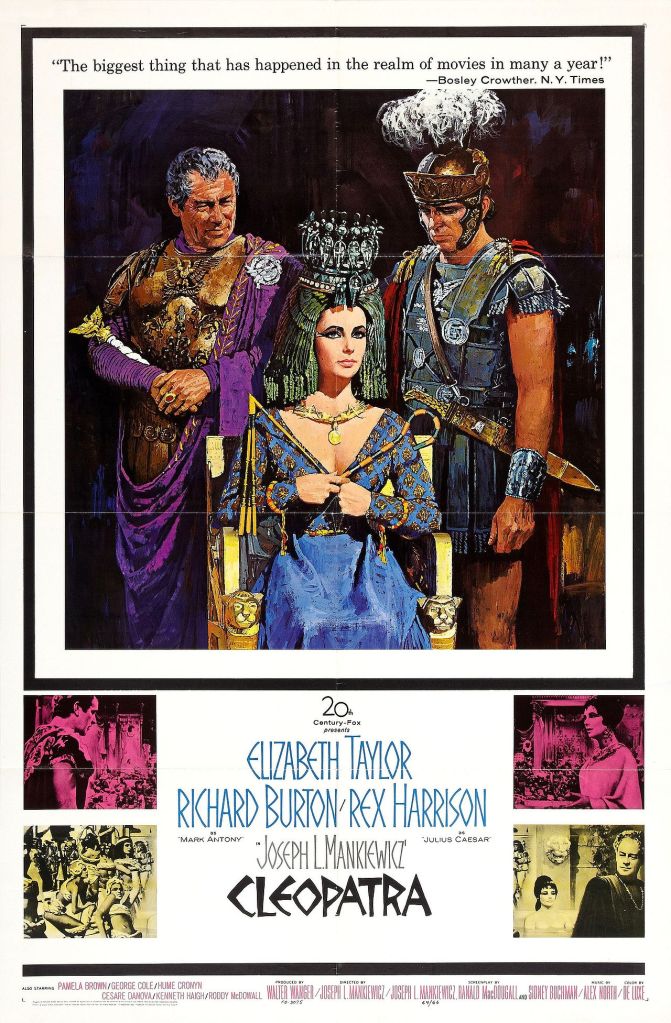
Cleopatra (1963) poster

Many actresses, including Theda Bara  (1917), Claudette Colbert  (1934), and Elizabeth Taylor  (1963), have played the queen, typically in expensive, exotic films that concentrate on the queen’s love life rather than her politics. Caesar and Cleopatra, four-act play by George Barnard Shaw , written in 1898, published in 1901, and first produced in 1906. It is considered Shaw’s first great play. Cleopatra, American epic movie, released in 1963, that was perhaps best known for its off-screen drama, notably production overruns that nearly bankrupted Twentieth Century-Fox  and the affair between stars Elizabeth Taylor  and Richard Burton.

Conclusion

A queen, an empress, a ruler, a passionate lover, a beauty with brainCleopatra was literally all in one. She’s definitely considered as one of the most celebrated queen recorded in World history. Tales of her rule and of her beauty still make her unforgettable to the modern Era of History learners. She was a legend, who is encrypted in History forever, with the never ending myths surrounding her life.
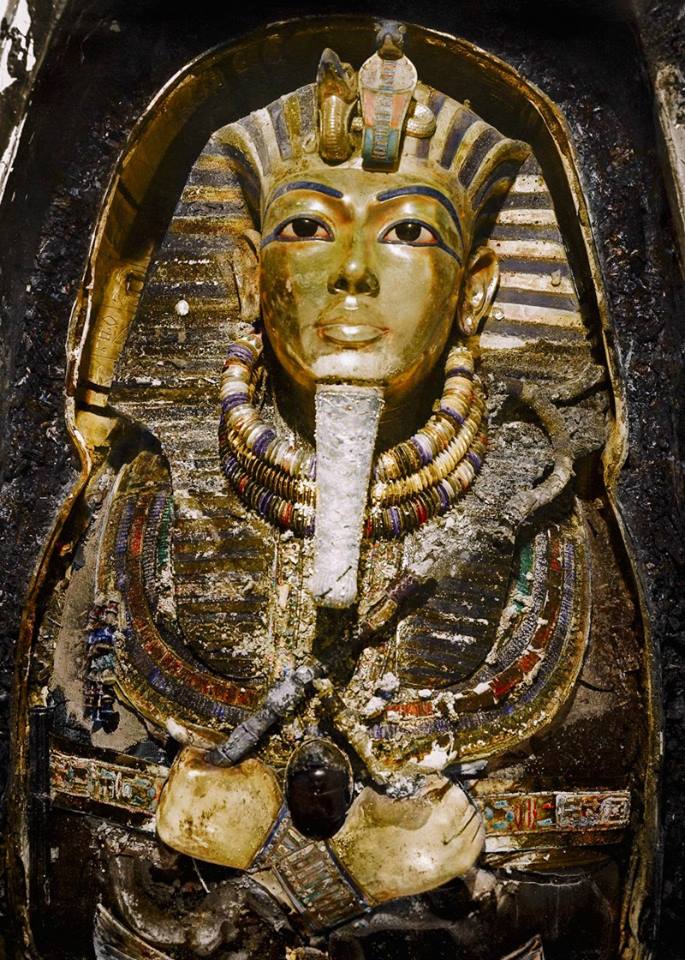
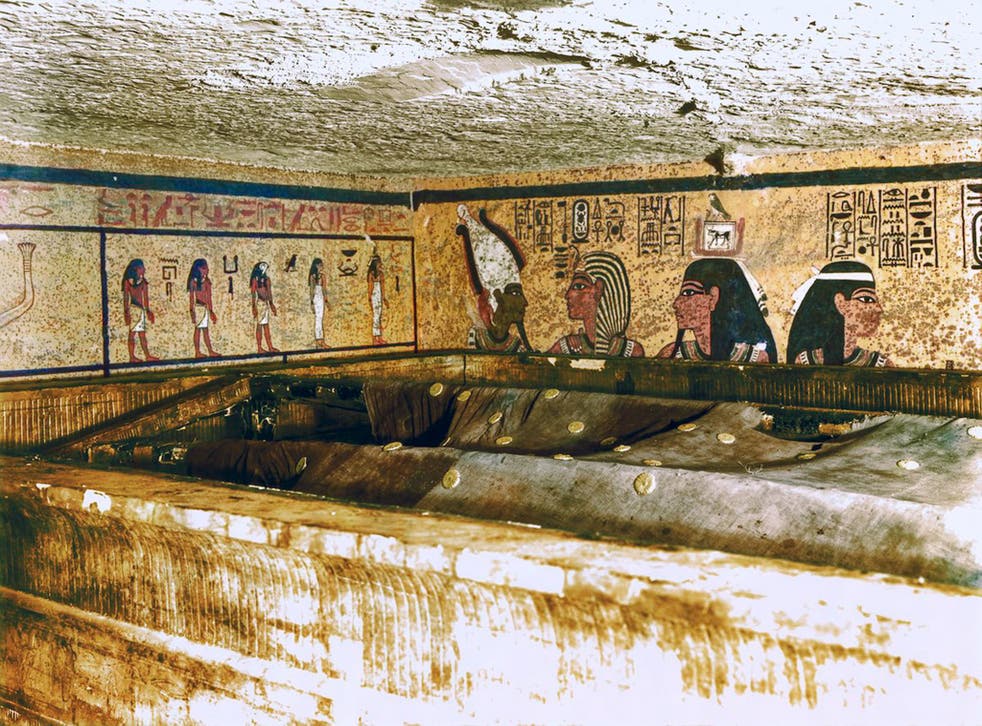
TUTANKHAMUN – THE MOST FAMOUS PHARAOH

King Tutankhamen, popularly known as Tutankhamun, was born in the year 1341 BCE. “Aten’s living image” is the etymology of his name. He was crowned Egypt’s pharaoh at the young age of nine. He reigned from circa 1332 to 1323 B.C.E. as the 12th pharaoh of the 18th Egyptian dynasty. He ruled at a time when Egypt and the neighboring kingdom of Nubia were at odds over land and trade routes.

King Tut was confirmed to be the grandchild of the renowned pharaoh Amenhotep III and the offspring of Akhenaten, a contentious character of the 18th dynasty of Egypt’s the New Kingdom.

Akhenaten disrupted Egypt’s centuries-old religious system by favoring the worship of a single god, the sun god Aten, and relocating the country’s religious capital from Thebes to Amarna. Several of his father’s actions were annulled by King Tut, with the assistance of his advisor Ay, and Egypt returned to polytheism during his reign. Following Akhenaten’s demise, two pharaohs served for a short time until Tutankhaten inherited the crown.

Nearly a decade after attaining power, the “boy king” died under dubious circumstances only at 19. Below-mentioned are the few assumptions-

  • The Egyptian royal family’s longstanding incest is also believed to have contributed to the young prince’s ill health and early demise. His parents were siblings, as per DNA testing revealed in 2010, and his spouse, Ankhesenamun, was also his half-sister.
  • He stood tall but was fragile, with a terrible bone condition in his malformed left foot. He is the only pharaoh, believed to have sat while engaging in physical sports like archery. As per researchers, King Tut died from a gangrene infection, most likely triggered by a fractured leg.
  • It was assumed Tutankhamun was slain because his remains exhibited a hole in the back of his skull, but current findings reveal the wound was formed during mummification.
  • In 1995, CT scans indicated that the pharaoh had a crippled left leg, and DNA from his mummy showed signs of multiple malaria illnesses, all of which could have attributed to his premature death.
  • Tutankhamun suffered from malaria and was crippled, necessitating a cane to move, as per a 2010 analysis of his DNA, which could have triggered his fall and exacerbated his leg infection.

King Tut was mummified after he perished, in compliance with Egyptian religious practice. Embalmers removed his organs, dressed him in resin-soaked bandages, and then put in several nested coffins—three golden coffins, a granite sarcophagus, and four gilded wooden shrines, the greatest of which barely fit inside the tomb’s burial chamber.

According to archaeologists, King Tut’s death might’ve been unforeseen considering the modest size of his tomb.

More than 5,000 antiquities, comprising a solid gold mask, furniture, chariots, apparel, couches, canopies, funerary objects, musical instruments, scribal instruments, jars, sticks, thrones, headrests, swords, and 130 of the crippled pharaoh’s walking sticks, were crammed into the tomb’s antechambers. The entryway passage was believed to have been ransacked shortly after the interment, whilst innermost chambers remained concealed. King Tut’s gold mask was crafted utilizing 22 pounds of gold.

TREASURES OF Tutankhamun

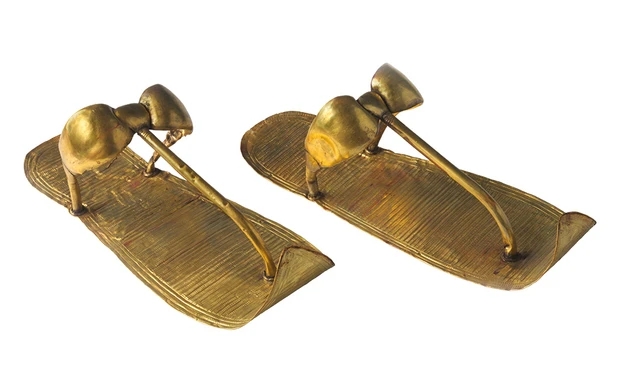
1. Walking on gold

These sandals, made of solid gold for burial purpose, would’ve been put on dead Pharaoh’s feet before he was draped in layers of linen. These resembled the leather and plant sandals Tutankhamun wore in actuality.

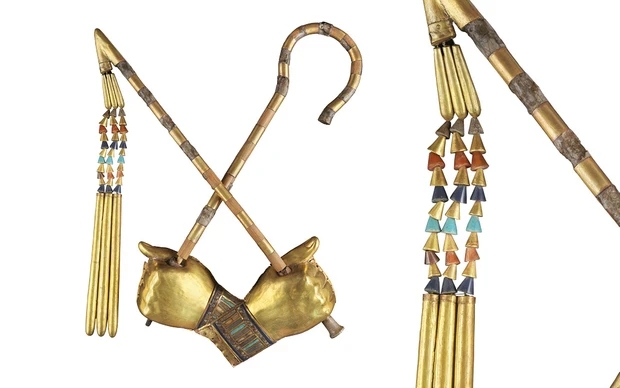
2. Symbols of pharaonic power

In Ancient Egypt, the crook and flail were the most important metaphor of royal power, with the shepherd’s crook symbolizing royalty and the flail indicating agricultural productivity. Within Tutankhamun’s mummy’s wrapping, The crook and flail featured silver centers, while the crossed hands were crafted of gold with colored glass.

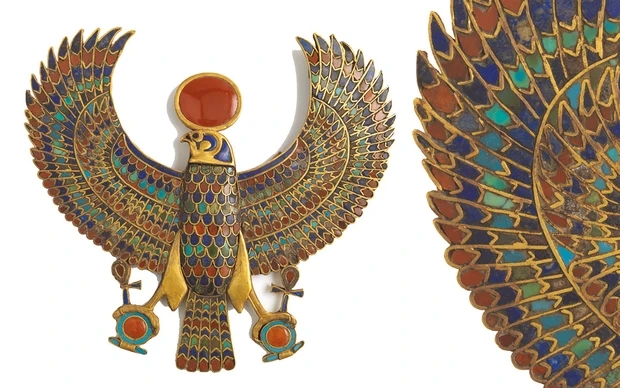
3. Divine protection

Pectorals, or extravagant pieces of jewelry, were worn across the chest.  The gold Falcon depicts god Horus clutching the sign for eternity in his claws. Horus was believed to be the pharaohs’ creator and guardian.

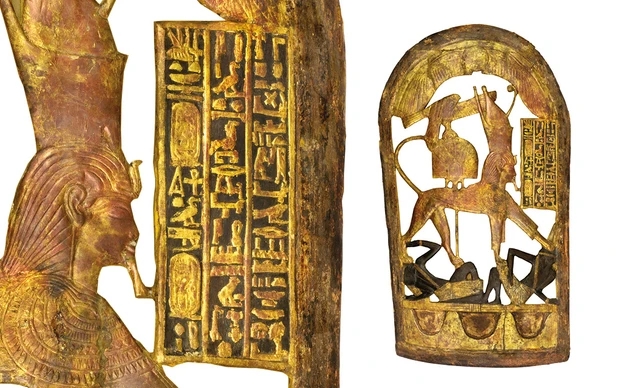
4. Fierce protector

One of 8 wooden shields excavated in the tomb’s annex depicts Tutankhamun as a sphinx crushing his adversaries. The sphinx is surmounted by a falcon, which is a representation of the fighting deity, Montu. The openwork of the wood indicates that this armor was designed for ritualistic rather than fighting purposes. The Pharaoh’s armor represents him as a formidable pharaoh who safeguards Egypt from its enemies.

5. The hand of the king

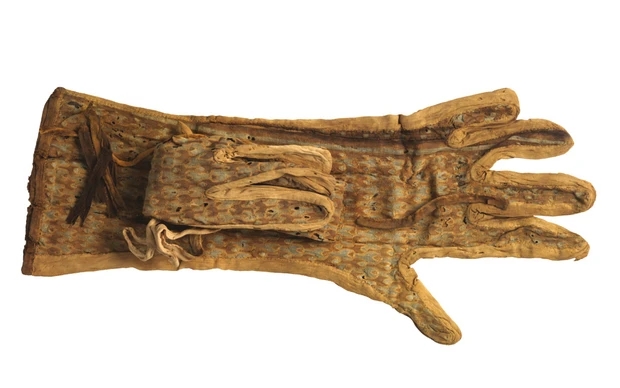
The majority of the items unearthed in the tomb were ritualistic or were meant for the Pharaoh’s afterlife use. But, researchers believe Tutankhamun used these linen gloves during his lifetime, most likely during the cold months, when in Memphis or while riding his royal chariot.

6. Gilded Wooden Bed

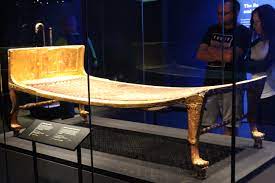
This gold-covered bed is assumed to have been prepared for King Tut’s funeral. The Ancient Egyptians felt that the deceased is just resting and that they’d awaken in the afterlife when they were reborn. Religious figures were carved on the bed to guarantee the Pharaoh’s safe travel into the afterlife and to keep evil powers away.

7. Immortal body

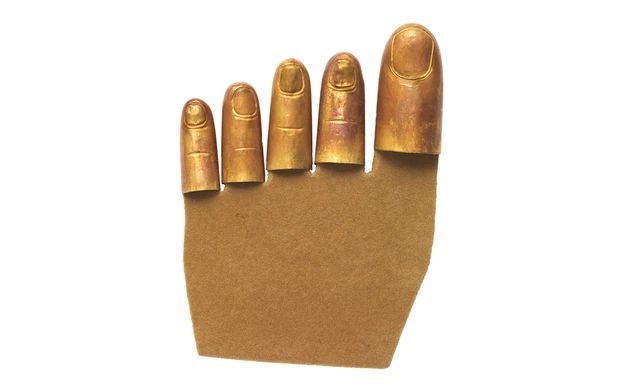
The ancient Egyptians believed that the body will be required in the afterlife, so they took great care to protect it after its demise. Stalls were used to maintain the shape of fingers and toes. Gold was highly regarded because it doesn’t rust or alter. It goes on and on.

The Great Pyramid of Giza

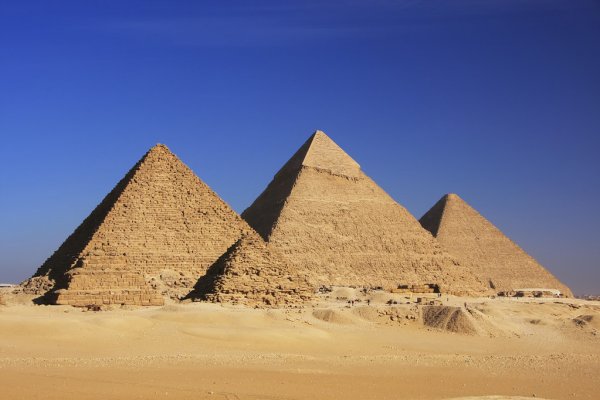
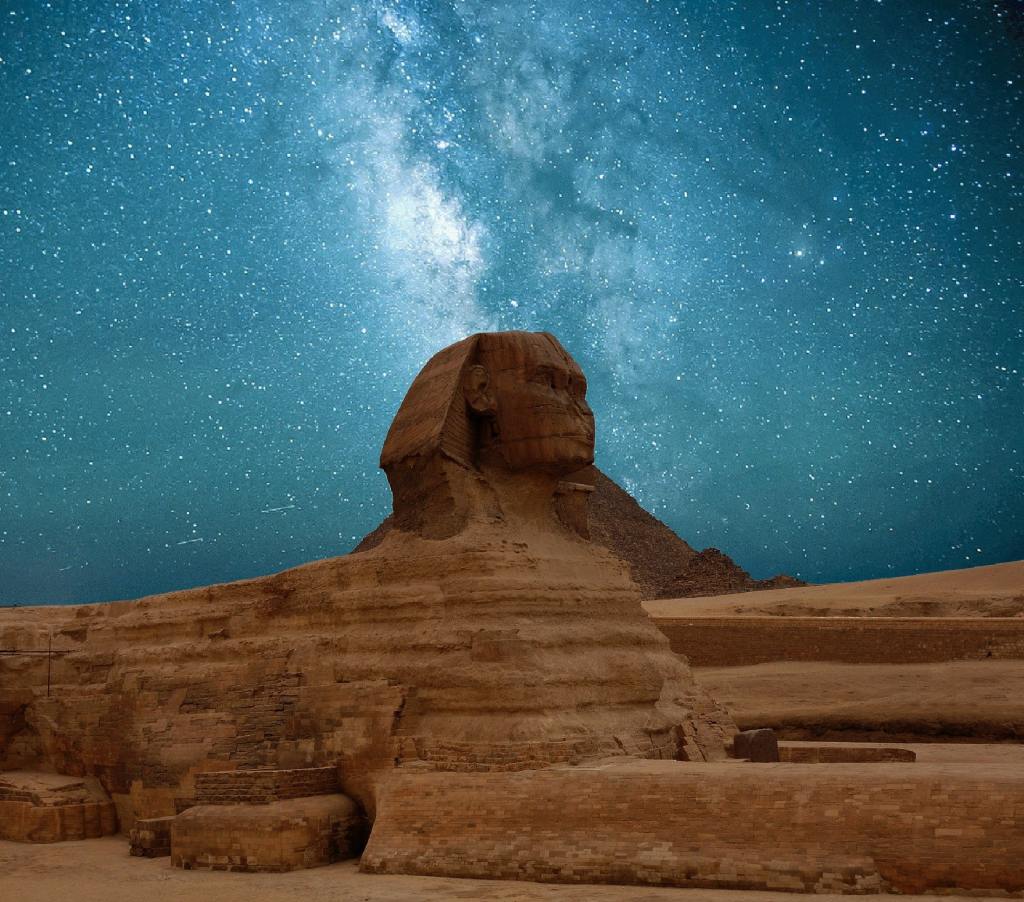
The Great Pyramid of Giza is a defining symbol of Egypt and the last of the ancient Seven Wonders of the World. It is located on the Giza plateau near the modern city of Cairo and was built over a twenty-year period during the reign of the king Khufu (2589-2566 BCE, also known as Cheops) of the 4th Dynasty. Until the Eiffel Tower was completed in Paris, France in 1889 CE, the Great Pyramid was the tallest structure made by human hands in the world; a record it held for over 3,000 years and one unlikely to be broken. Other scholars have pointed to the Lincoln Cathedral spire in England, built in 1300 CE, as the structure which finally surpassed the Great Pyramid in height but, still, the Egyptian monument held the title for an impressive span of time. The pyramid rises to a height of 479 feet (146 metres) with a base of 754 feet (230 metres) and is comprised of over two million blocks of stone. Some of these stones are of such immense size and weight (such as the granite slabs in the King’s Chamber) that the logistics of raising and positioning them so precisely seems an impossibility by modern standards.

Design

In terms of design and planning, some theories suggest that parts of the plan were laid out on the ground at a 1:1 scale. This might account for the accuracy of the workmanship, such that the four sides of the base have an average error of only 58 mm in length. The sides of the pyramid rise at the angle of 51°52′, accurately oriented to the compass’ four cardinal points.

The entrance is around 18 m (59 ft) above the ground on the north side. The Queen’s Chamber and the King’s Chamber are contained inside, connected via a corridor and a slanting gallery 46 m (151 ft) long. The King’s Chamber is shielded from the thrust exerted by the masses of masonry piled on top of it, by five compartments separated by massive horizontal slabs of granite, weighing 25-80 tonnes.

Construction

Most hypotheses are based on the idea that the huge stones were moved from a quarry, and then either dragged, lifted or rolled into place. The most widely accepted theory is that a ramp-like embankment of brick, earth and sand was increased along with the pyramid. Using this embankment, the Egyptians would have hauled the stone blocks using sledges, rollers and levers.

There is also disagreement about the size and nature of the workforce required. The Ancient Greeks thought that slave labour was used, with the historian Herodotus theorising that it took 20 years and 100,000 slaves to build. However, Egyptologists in the 20th century discovered archaeological remains of workers’ camps, which gave rise to the belief that a more limited workforce of as few as 20,000 could have been sufficient, with the workers being skilled rather than slaves.

The core of the pyramid was formed from 2.3 million limestone blocks. The outer casing was made using white Tura limestone, crafted to form a smooth surface with intricate joints unrivalled by any other Egyptian masonry. However, this casing was gradually plundered during ancient and medieval times, although some of the stones can still be seen around the base today.

Shine Bright Like a Diamond:

Today, the Giza pyramids wear the tawny tones of their surrounding Libyan Desert. But back in their heyday, they sparkled. Originally, the pyramids were encased in slabs of highly polished white limestone. When the sun struck them, they lit up and shimmered. Some researchers believe that the pyramids’ capstones were plated in gold as well.

Those dazzling façades have long been stripped—some sources report that those blocks of stone were repurposed and used to build mosques—but you can still see remnants of a once-snowy cap atop the middle pyramid.

5 Must Read Books on Ancient Egyptian History :

Once a French novelist , Gustave Flaubert said , “ (Egypt) is a great place of contrast ; splendid things gleams in the dust “. Egypt is one of the great civilizations with its flourishing & mysterious historical significances. Their history make you wonder ,mysteries will make you interested & their story will make you addict .If you are a history lover then you must be a curious knowledge gainer about various aspects of ancient Egypt .Here are some recommended books for you to read & help you to know the Egypt in a new light .These book will take you to their time & experience you the glory of ancient Egypt at that time .

1.The Complete Gods and Goddesses of Ancient Egypt –– This book is written by famous archaeologist Richard H. Wilkinson , which is published in 2003 . This is one of the great book on Egyptology . This books talks about the mythology of ancient Egypt in great view . Worshiped gods & goddesses , their  myth , beliefs of ancient Egyptians all of those are recorded in this book very prominent way . It is a very detailed book . This book is available on Amazon .

2.The Cultural Atlas of Ancient Egypt This book is written by two renowned Egyptologist of United Kingdom , John Baines  & Jaromir Malek which is published on 31st October in 2000. This the most favoured book of ancient history for almost last 23 years in the whole world , As it’s name it has indeed lots of geographical photographic pictures , maps, table presentations , charts about ancient history . This book talks about the civilization of Egypt in ancient time. It includes architectural works ,social daily life , artistic sides of Egyptian people in detailed & analyzing manner. This is a very favourite book for history lover specially for Egyptology fans .

3.The Pharaohs of Ancient Egypt —  This book is written by Elizabeth Payne which was published in 1964 & an still now it has it’s glory in the field of Egyptian history . It is a type of landmark book which obviously gives a geographical presentation on ancient Egypt’s great architectures with times . This book has a detailed information about every individual Pharaohs ,lifestyle at the time of their ruling period , their grat works which is engraved in history . It also give away an idea about the works a of archaeologists behind these discoveries.

4.Pyramid — This renowned book is written by an British-American writer & illustrator Davis Macaulay which was published on 26th April, 1982 .This is a highly recommended book for interested readers . This book focuses on the pyramids of Egypt .The black & white illustrations give a detailed knowledge about how pyramids built , what is the ingredients used ,their engineering & archeological signification , the land chosen for pyramid , what is founded inside them , The reason to built & Egyptian myth related to it . If you want to know abot pyramids of Egypt then it is a must read book .

5.Ancient Egypt & Her Neighbor — This book is written by Lorene Lambert , which is published in 2013 . It is a one of the great book great book on ancient history lovers . This book depicts a clear picture on Egyptian culture , their civilization of that time through some story-telling .This books also focuses on the relation between ancient Egypt & their neighboring countries , historical facts of those country & connect the big historical events with ancient Egyptian historical time & geography of ancient Egypt . This book is understandable & knowledgeable for kids also.

There are only 5 books are mentioned above but apart from them there are so many fundamental books about Egyptian history –‘The Rise & Fall of Ancient Egypt’  written By Toby Wilkinson ,’The Oxford History of Ancient Egypt written by Ian Shaw’ ,’The Complete Gods and Goddesses of Ancient Egypt’ written by Richard H. Wilkinson , ‘Tutankhamun’s Armies’ written by John Coleman Darnell and Colleen Manassa ,Egyptian Art in the Age of the Pyramids (Metropolitan Museum of Art Publications)’ written by Dorothea Arnold etc. There are hundrades & millions of books on this interesting subject just you have to browse it .