SALIENT FEATURES OF INDIAN SOCIETY

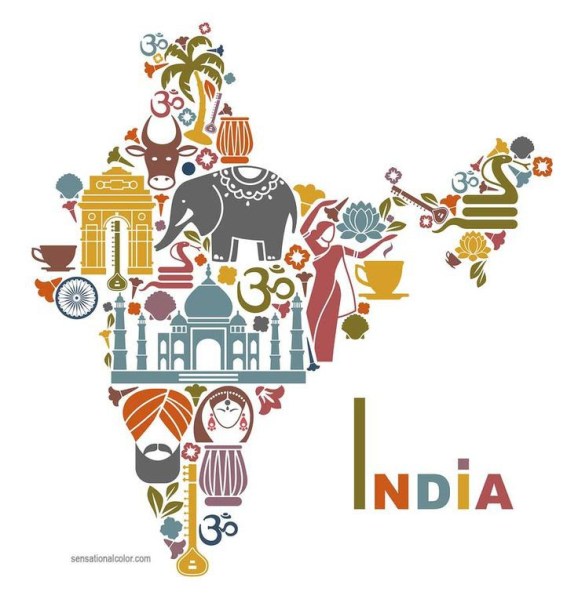
Indian society is known for its ability of tolerance and acceptance, and social cohesion making it unique in sustaining its culture. The importance of fraternity enshrined in the Preamble of the constitution makes it a duty of every citizen.
Indian society is extensively diverse in cultural and regional aspects and it is pertinent that it is posited in each individual the realization of ideas and objectives in the Preamble concerning every other individual.
India from ancient times has thrived to create a nationality that is neither governed by universalism nor by exclusivity to its interest groups. The multi-cultural conundrum is a salient feature of Indian society that has been a boon and a bane over the history of the country.

SALIENT FEATURES OF INDIA:
• Multi-Ethnic Society
• Multi-Lingual Society
• Multi-Class Society
• Patriarchal Society
• Unity In Diversity
• Tribes
• Family
• Kinship System
• Balance between spiritualism and materialism
• Balance between Individualism and collectivism
• Co-existence of traditionalism and modernity

The multi-ethnic Indian society
Multi-ethnicity is a major salient feature of Indian society. An ethnic group or ethnicity is a category of people who identify with each other, usually based on a common language or dialect, history, society, culture, or nation.
A society with the co-existence of a wide variety of racial groups is a Multi-ethnic society. India is home to almost multiple racial profiles like Nordic, Dinaric, Proto-Australoid, Mongolian, etc.
Multilingualism- salient feature of Indian society
India is home to many native languages, and it is also common that people to speak and understand more than one language or dialect, which can entail the use of different scripts as well.
India’s 2011 census documents that 121 languages are spoken as mother tongues, which is defined as the first lan¬guage a person learns and uses.
Of these languages, the Constitution of India recognizes twenty-two of them as official or “scheduled” languages. Articles 344(1) and 351 of the Constitution of India, titled the Eighth Schedule, recognize the following languages as official languages of the states of India:
• Assamese, Bengali, Bodo, Dogri, Gujarati, Hindi, Kannada, Kashmiri, Konkani, Maithili, Malayalam, Manipuri, Marathi, Nepali, Oriya, Punjabi, Sanskrit, Santhali, Sindhi, Tamil, Telugu, and Urdu.
Six languages also hold the title of classical languages (Kannada, Malayalam, Odia, Sanskrit, Tamil, and Telugu), which are determined to have a history of recorded use for more than 1,500 years and a rich body of literature.
Multi-religious society
India is a cradle of world religions whose ancestors have preached and practiced almost all major religions of the world giving rise to worldly beliefs, practices, rites, rituals, ceremonies, and institutions.
The co-existence of all the religions and variety of faiths has been a shining example of religious pluralism and tolerance.
• The principle of secularism despite several conflicts and riots has been upheld by our citizens time and again.
• Indian Constitution has rightly reflected the idea of multi religions. It states that “every citizen has a right to freely practice, preach, profess and propagate any religion or faith”.
• A secular state has been defined as a “state in which all religions and citizens irrespective of their faith would be treated impartially”.
• Apart from the major religions, several tribal religions are coexisting in Indian society.
UNITY IN DIVERSITY:
“Unity in Diversity” is a phrase implying unity among people with diverse cultural, religious, and other demographic differences. It denotes the sense of oneness and we-ness .In India, people of different religions have continued to respect the ideals and values of people of other religions, and hence, India has always stood up as an integrated nation ready to put its arms around everybody in this world.

ENVIRONMENTAL POLLUTION


DEFINITION OF ENVIRONMENT: The environment can be defined as a sum total of all the living and non-living elements and their effects which influence human life. While all living or biotic elements are animals, plants, forests, fisheries, and birds, etc. The non-living or abiotic elements include water, land, sunlight, rocks, and air, etc.
The environment offers resources for production which includes both renewable and non-renewable resources. The environment includes the sun, soil, water, and air, which are essential for human life. It sustains life by providing genetic and biodiversity. The environment enhances the quality of life.

DEFINITION OF POLLUTION: Pollution introduces us to the world of hazardous products. These hazardous materials are called Pollutants. Pollutants, such as volcanic ash, may be normal. Human activity such as garbage or runoff created by factories may also generate them. The quality of air, water and land are impaired by contaminants.

ENVIRONMENTAL POLLUTION: Environmental pollution occurs when in due course of time, the environment is unable to absorb and neutralize toxic byproducts of human activities. Environmental Pollution is not a new phenomenon, yet it remains one of the greatest threats to the health and well-being of humanity and one of the major environmental causes of death and morbidity.
In environmental pollution, pollutants originate from a source, are transported by air or water, and are dumped into the soil by human beings.

The long-term impacts of pollution are still being felt despite global attention to the issue. Day by day, our atmosphere is becoming more and more polluted due to anthropogenic activities. It is usually due to the pollutants released into the air, water, soil, etc., through many human activities.
Types of Environmental Pollution
Based on the part of the environment that is polluted, Pollution is of the following types:
1. Air Pollution
2. Water Pollution
3. Soil Pollution
4. Noise Pollution
5. Radioactive Pollution

AIR POLLUTION: Air Pollution occurs due to undesirable changes in the physical, chemical, or biological characteristics of air that exert harmful effects on all living beings. Harmful effects caused by air pollution depend on the Concentration of pollutants, Duration of exposure to the pollutants and Type of the organism it affects.
Effects of Air Pollution:
An increased risk of heart disease, wheezing, coughing, and respiratory problems and skin, nose, and throat irritation can be caused by high levels of air pollution. Air Pollution affects human health in different ways, Air pollution may also cause heart attacks, asthma, and other respiratory complications. Like humans, animals can also suffer from a variety of health problems because of air pollution, including birth defects, reproductive failure and diseases.
Besides the impact on humans and livestock, air pollution causes a variety of environmental effects. Acid rain includes high levels of nitric and sulfuric acids that are formed by the burning of fossil fuels by the oxides and sulfur oxides released into the air. Acid rain kills trees and acidifies soils and bodies of water, making survival difficult for fishes and other marine organisms.

WATER POLLUTION:
Water Pollution is defined as any undesirable change in physical, chemical, or biological properties of water that may affect living beings adversely. Due to human activities, ponds, rivers, oceans, and estuaries are getting polluted in several parts of the world.
Effects of Water Pollution:
The consequences of water pollution depend on where contaminants are dumped. Water pollution is a significant danger to humans, animals and marine life. Water sources near urbanized areas tend to be highly contaminated by the legal and illegal dumping of waste and chemicals by industrial facilities, health centres and individuals.
The death of marine animals, which can destroy the whole food chain, is by far the greatest consequence of water contamination. In drinking water supplies, fertilizer contamination can cause toxic algae blooms that destroy fish and other aquatic animals. Direct exposure to this poisonous algae causes significant human health issues, including neurological symptoms, breathing problems and stomach and liver diseases.
When disinfectants used to treat drinking water enter water contaminated with toxic algae and respond to the production of dioxins, a consequential problem is developed.

SOIL POLLUTION:
Soil Pollution is the build-up of persistent toxic compounds, chemicals, salts, radioactive materials, or disease-causing agents in the soil, which have adverse effects on plant growth and animal health.
Effects of Soil Pollution:
For humans, plants, microorganisms and marine life, land and soil contamination have significant implications. Different skin problems, respiratory problems and even various types of cancers may result from polluted land and soil. These poisonous substances come into direct contact with the human body by eating fruits and vegetables grown in polluted soils, direct contact with the skin and breathing in air polluted by particles and dust.

NOISE POLLUTION:
The unpleasant, discomfort-causing sound from any source is called noise. The sustained presence of harmful, unwanted, or annoying noise in the environment is called noise pollution. Any object that produces noise is a potential source of noise pollution. Examples are television and radio (when played at a loud volume), air coolers, automobiles, blaring loudspeakers, and air conditioners.
Effects of Noise Pollution:
Noise has a jarring effect on us. One should not underestimate the impact of noise pollution on people. Some of the harmful effects of noise pollution are Irritation and loss of concentration, Sleep disturbance and stress (which can lead to high blood pressure) and Ear damage and loss of hearing.

RADIO POLLUTION:
It is the release of radioactive waves into the environment which are harmful for the environment. This is considered one of the most dangerous pollution because of its permanent effects. It can cause cancer, infertility due to exposure, congenital disabilities, and blindness. It can permanently change the soil, air, and water. It can even cause mutation in species which can propagate for ages.

GLOBAL WARMING

Global Warming Definition:
“Global warming is a gradual increase in the earth’s temperature generally due to the greenhouse effect caused by increased levels of carbon dioxide, CFC’s, and other pollutants.”


The Earth is warming up, and humans are at least partially to blame. The causes, effects, and complexities of global warming are important to understand so that we can fight for the health of our planet.
Global warming is the long-term warming of the planet’s overall temperature. Though this warming trend has been going on for a long time, its pace has significantly increased in the last hundred years due to the burning of fossil fuels. As the human population has increased, so has the volume of fossil fuels burned. Fossil fuels include coal, oil, and natural gas, and burning them causes what is known as the “greenhouse effect” in Earth’s atmosphere.
The greenhouse effect is when the Sun’s rays penetrate the atmosphere, but when that heat is reflected off the surface cannot escape back into space. Gases produced by the burning of fossil fuels prevent the heat from leaving the atmosphere. These greenhouse gasses are carbon dioxide, chlorofluorocarbons, water vapor, methane, and nitrous oxide.
The excess heat in the atmosphere has caused the average global temperature to rise overtime, otherwise known as global warming.

Global warming has presented another issue called climate change. Sometimes these phrases are used interchangeably, however, they are different. Climate change refers to changes in weather patterns and growing seasons around the world. It also refers to sea level rise caused by the expansion of warmer seas and melting ice sheets and glaciers. Global warming causes climate change, which poses a serious threat to life on earth in the forms of widespread flooding and extreme weather. Scientists continue to study global warming and its impact on Earth.

POVERTY & HUNGER


What is Poverty?
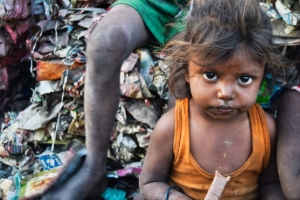
Poverty is the state of one who lacks a usual or socially acceptable amount of money or material possessions. Poverty is said to exist when people lack the means to satisfy their basic needs.
When a person is unable to get minimum basic necessities of life this situation is known as poverty. When parents are not in a condition to send their children to school or a situation where sick people cannot afford treatment and families do not have proper clean water, sanitation facilities, and regular jobs.
Poverty, according to the World Bank, is a severe lack of well-being that has various aspects. Low earnings and the inability to obtain the essential commodities and services required for a dignified existence are examples.
Poverty also includes poor health and education, a lack of access to safe drinking water and sanitation, a lack of physical security, a lack of voice, and a lack of capacity and chance to improve one’s life.

Causes of Poverty:
Poverty is a consequence of the uneven distribution of material resources and wealth on a global scale and within nations. Sociologists see it as a social condition of societies with an unequal and inequitable distribution of income and wealth, of the de-industrialization of Western societies, and the exploitative effects of global capitalism
Poverty is not an equal opportunity social condition. Around the world and within the U.S., women, children, and people of color are far more likely to experience poverty than are white men.

Sociologists recognize Poverty into few different types:
• Absolute poverty is what most people probably think of when they think of poverty, especially if they think about it at the global level. It is defined as the total lack of resources and means required to meet the most basic standards of living. It is characterized by a lack of access to food, clothing, and shelter. The characteristics of this type of poverty are the same from place to place.
• Relative poverty is defined differently from place to place because it depends on the social and economic contexts in which one lives. Relative poverty exists when one lacks the means and resources required to meet a minimum level of living standards that are considered normal in the society or community where one lives.
• Income poverty is the type of poverty measured by the federal government in the U.S. and documented by the U.S. Census.
• Cyclical poverty is a condition in which poverty is widespread but limited in its duration. This type of poverty is typically linked to specific events that disrupt a society, like war, an economic crash or recession, or natural phenomena or disasters that disrupt the distribution of food and other resources.
• Collective poverty is a lack of basic resources that are so widespread that it afflicts an entire society or subgroup of people within that society. This form of poverty persists over periods of time stretching across generations.
• Concentrated collective poverty occurs when the kind of collective poverty described above is suffered by specific subgroups within a society, or localized in particular communities or regions that are devoid of industry, good-paying jobs, and that lack access to fresh and healthy food.
• Case poverty occurs when a person or family is unable to secure resources required to meet their basic needs despite the fact that resources are not scarce and those around them are generally living well.
• Asset poverty is more common and widespread that income poverty and other forms. It exists when a person or household does not have enough wealth assets (in the form of property, investments, or money saved) to survive for three months if necessary.

HUNGER:
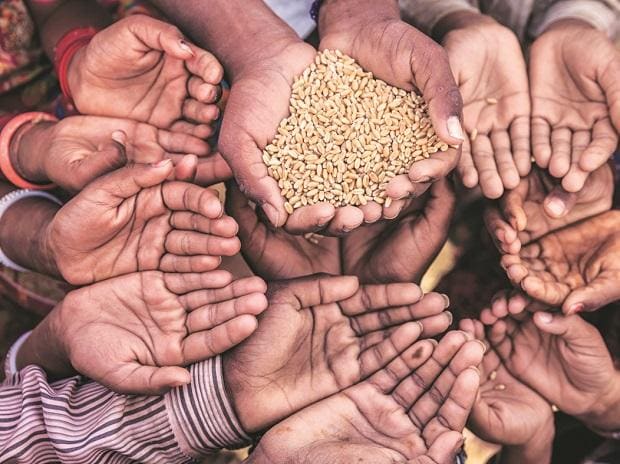
Rises in the costs of living make poor people less able to afford items. Poor people spend a greater portion of their budgets on food than wealthy people. As a result, poor households and those near the poverty threshold can be particularly vulnerable to increases in food prices. For example, in late 2007 increases in the price of grains led to food riots in some countries. The World Bank warned that 100 million people were at risk of sinking deeper into poverty. Threats to the supply of food may also be caused by drought and the water crisis. Intensive farming often leads to a vicious cycle of exhaustion of soil fertility and decline of agricultural yields. Approximately 40% of the world’s agricultural land is seriously degraded. In Africa, if current trends of soil degradation continue, the continent might be able to feed just 25% of its population by 2025, according to United Nations University’s Ghana-based Institute for Natural Resources in Africa. Every year nearly 11 million children living in poverty die before their fifth birthday. 1.02 billion people go to bed hungry every night. According to the Global Hunger Index, Sub-Saharan Africa had the highest child malnutrition rate of the world’s regions over the 2001–2006 period.

HISTORY OF AKBAR

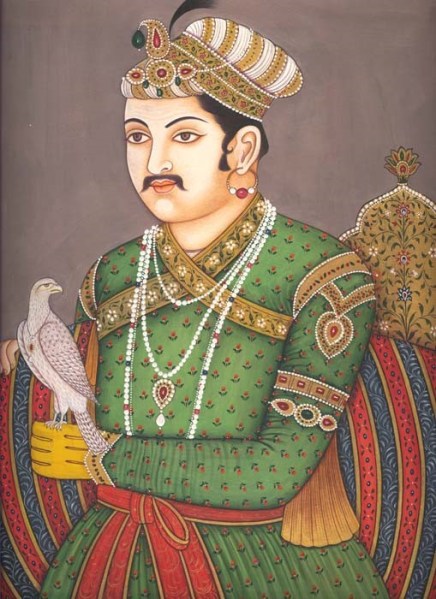
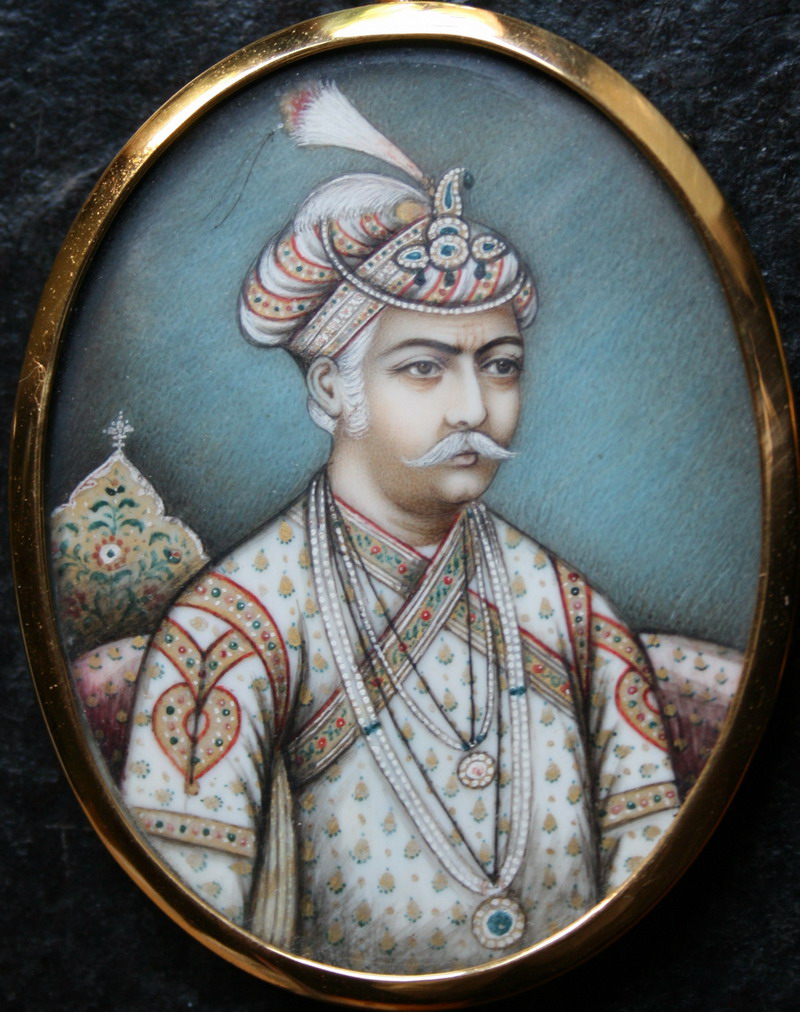
Abu’l-Fath Jalal-ud-din Muhammad Akbar Akbar was born on October 15,1542.He was popularly known as Akbar The Great.

Akbar succeeded his father, Humayun, under a regent, Bairam Khan, who helped the young emperor expand and consolidate Mughal domains in India. Bairam Khan taught him the ruling and war techniques which made him a strong personality and a successful general. Akbar gradually enlarged the Mughal Empire to include much of the Indian subcontinent. His power and influence, however, extended over the entire subcontinent because of Mughal military, political, cultural, and economic dominance. To unify the vast Mughal state, Akbar established a centralised system of administration throughout his empire and adopted a policy of conciliating conquered rulers through marriage and diplomacy. To preserve peace and order in a religiously and culturally diverse empire, he adopted policies that won him the support of his non-Muslim subjects. Mughal India developed a strong and stable economy, leading to commercial expansion and greater patronage of culture. Akbar himself was a patron of art and culture. Although he could not read and write, he was fond of literature, and created a library of over 24,000 volumes in several languages. Akbar dedicated the first decade of his rule towards expanding his empire. Under the regency of Bairam Khan, Ajmer, Malwa and Garhkatanga were annexed into the Mughal territories. After consolidating the empire, Akbar concentrated on establishing a stable and subject-friendly administration at the center to govern his vast empire. The principles of Akbar’s administration were based on moral as well as material welfare of his subjects. He brought about several changes in existing policies to establish an environment of uniform opportunities to people irrespective of religion.
The Emperor himself was the supreme governor of the empire. He retained ultimate judicial, legislative and administrative power above anyone else. After consolidating the empire, Akbar concentrated on establishing a stable and subject-friendly administration at the center to govern his vast empire. The principles of Akbar’s administration were based on moral as well as material welfare of his subjects. He brought about several changes in existing policies to establish an environment of uniform opportunities to people irrespective of religion.
The Emperor himself was the supreme governor of the empire. He retained ultimate judicial, legislative and administrative power above anyone else. Akbar introduced reforms in judicial system as well and for the first time, Hindu customs and laws were referred to in case of Hindu subjects. The Emperor was the highest authority in Law and the power to give capital punishment rested solely with him. The major social reform introduced by Akbar was the abolition of the Pilgrimage Tax for Hindus in 1563 as well as the Jazia tax imposed on the Hindu subjects. He discouraged child marriage and encouraged widow remarriage. Akbar was probably the first Islamic ruler in India who sought stable political alliances through matrimony. He married several Hindu Princess including Jodha Bai. Akbar’s rule was marked by wide religious tolerance and liberal outlook. Akbar was profoundly religious himself, yet he never sought to enforce his own religious views on anyone; be it prisoners of war, or Hindu wives or the common people in his kingdom. He gave great importance to choice and abolished discriminatory taxes based on religion. He encouraged building of temples and even churches his empire. Out of reverence for the Hindu members of the Royal Family he banned the cooking of beef in the kitchens. He took several steps to unite the Muslim and Hindu society. For his contribution he was fondly called as Akbar by the people.

In 1605, at the age of 63, Akbar fell ill with a serious case of dysentery. He never recovered from it and after three weeks of suffering, he passed away on October 27, 1605 at Fatehpur Sikri. He was buried at Sikandra, Agra.

HISTORY OF BRIHADESHWARA TEMPLE


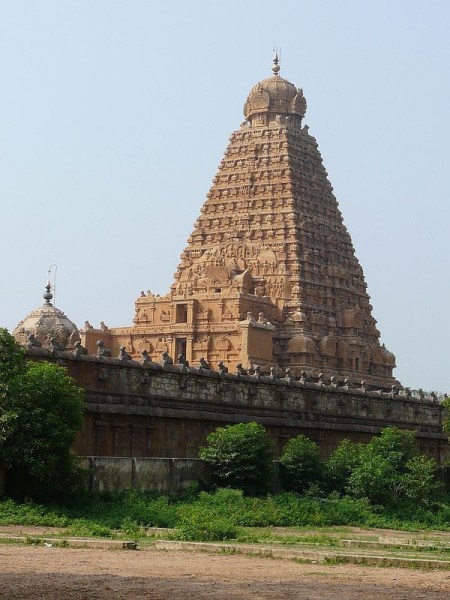
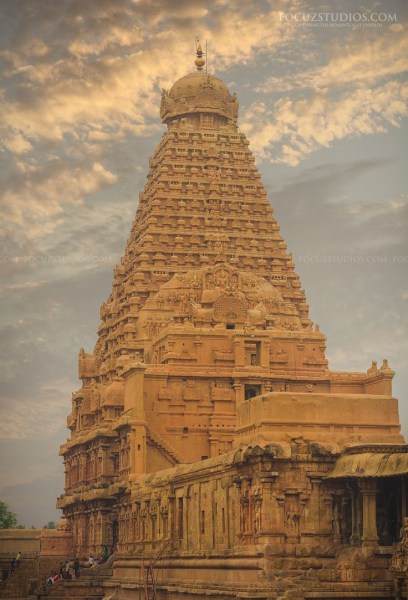
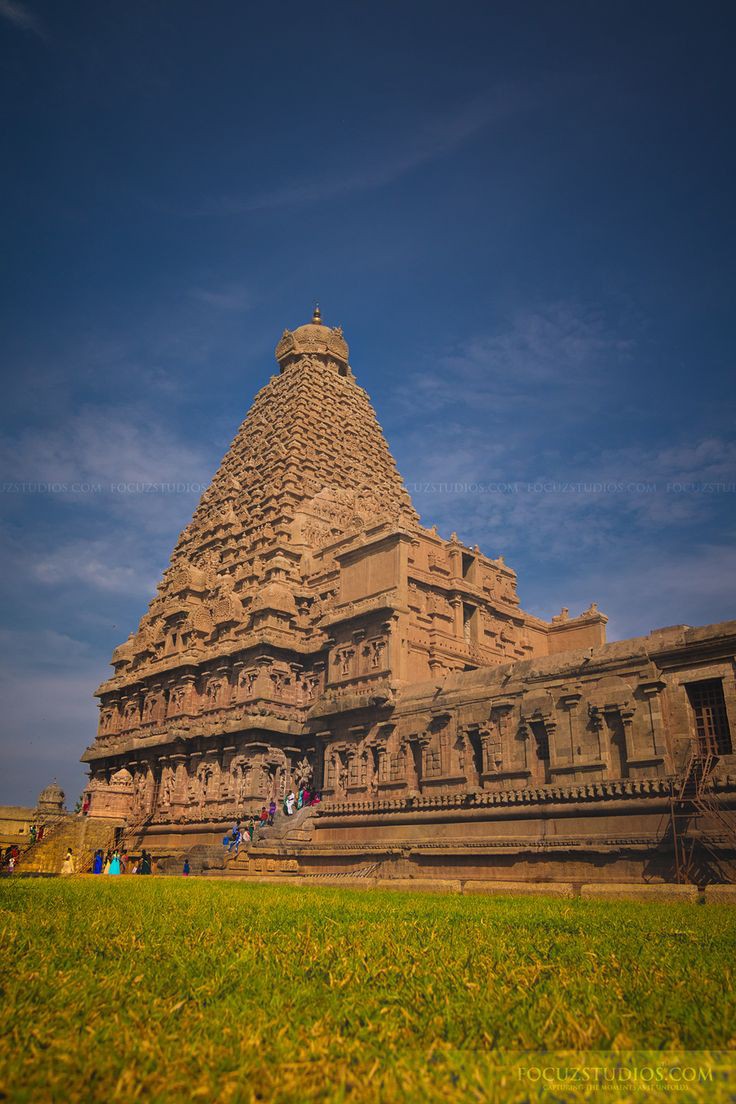
Brihadeeshwara Temple is originally known as Peruvudaiyar Kovil locally known as Thanjai Periya Kovil. It is located in Thanjavur. It is one of the largest Hindu temples and an exemplary example of a fully realized Tamil architecture.


It was built by Raja Raja Chola I in 1010 AD, Brihadeshwara Temple is an ancient temple . The deity of the temple is Lord Shiva,in his dancing pose who is called the Nataraj. The temple is also known as Rajeswara Temple, Rajarajeswaram and Periya Kovil. The temple was built, like a fortress on the shores of a river, by the king to grace the Chola Empire. This thousand-year-old temple is now part of the UNESCO World Heritage Site adding to its exceptional historical and cultural value. The truth is that the secret of the construction of the great temple is still unknown. The large temple construction system is designed in the form of light bonding. During the construction of this temple, when each stone was bound, a threaded gap was left behind. The reason is the way the temple was built and the pure granite stones used for it. While everyone thinks that granite was introduced in the 20th century, it is surprising that over 130,000 tons of granite was used in this temple about 1000 years ago. The temple is a magnificent architectural construct that will never stop surprising anyone visiting the temple. The major attraction of the temple is the 216-feet-tall tower that is built above the Sanctum of the temple. This flamboyant tower can be seen by anyone entering the city from afar. Another breathtaking thing that will sure stupefy the visitor is the magnificent Nandi statue built at the temple; it is about two meters in height, six meters in length and two-and-half meters in width, and weighs around a whopping 20 tons for a statue built from a single stone. Various postures of the famous classical dance, Bharathanatyam, are sculpted finely on the exterior walls of the upper storey of the temple. The temple is a myriad of surprises , by its architectural features. The topmost structure of the temple, called Vimana, weighs around 80 tons, and it is a mystery how the builders got it up there. There are several musical pillars, which make different sounds when taped, at the temple. The architecture of the temple is done so cleverly that the temple casts no shadow on the ground when the sun is at its peak. This is a phenomenon that attracts thousands of tourists and architectural enthusiasts from across the world to unravel the architectural mystery of the temple. Brihadeshwara Temple is also the first all-granite temple in the world, and the fact that granites are not available within the 100-mile radius of the temple only makes it all the more astonishing. Granite is as heavy a stone to carry as it is to carve, but none of that seemed to have shied the king from realizing the temple the way he envisaged.

It took only 7 years to built the temple. The Thanjavur Great Temple is a majestic work of art built over a thousand years ago in a time when science was not developed and there were no technical tools.Foreign researchers researching the Great Temple, with the help of today’s state-of-the-art techniques and science, are still scratching their heads over the mystery of its construction, despite standing upside down and researching the anchor. Yet they themselves come to an assumption and come to the conclusion that they would have built like this, or built like that.The majesty of the temple carries it’s pride to many centuries.

PSYCHOLOGY: DEFINITION, APPLICATION & ITS IMPORTANCE


DEFINITION :
Psychology is the study of mind and behavior. It encompasses the biological influences, social pressures, and environmental factors that affect how people think, act, and feel.
Psychology encompasses in just a brief definition, but topics such as development, personality, thoughts, feelings, emotions, motivations, and social behaviors represent just a portion of what psychology seeks to understand, predict, and explain.

Psychology is a broad and diverse field that encompasses the study of human thought, behavior, development, personality, emotion, motivation, and more. As a result, some different subfields and specialty areas have emerged.
Some of the major areas of research in Psychology are
• Abnormal psychology is the study of abnormal behavior and psychopathology. This specialty area is focused on research and treatment of a variety of mental disorders and is linked to psychotherapy and clinical psychology.
• Biological psychology (biopsychology) studies how biological processes influence the mind and behavior. This area is closely linked to neuroscience and utilizes tools such as MRI and PET scans to look at brain injury or brain abnormalities.
• Developmental psychology is an area that looks at human growth and development over the lifespan including cognitive abilities, morality, social functioning, identity, and other life areas.
• Forensic psychology is an applied field focused on using psychological research and principles in the legal and criminal justice system.
• Industrial-organizational psychology is a field that uses psychological research to enhance work performance and select employees.
• Personality psychology focuses on understanding how personality develops as well as the patterns of thoughts, behaviors, and characteristics that make each individual unique.
• Social psychology focuses on group behavior, social influences on individual behavior, attitudes, prejudice, conformity, aggression, and related topics.
• Clinical psychology is focused on the assessment, diagnosis, and treatment of mental disorders.
• Cognitive psychology is the study of human thought processes including attention, memory, perception, decision-making, problem-solving, and language acquisition.
• Comparative psychology is the branch of psychology concerned with the study of animal behavior.

APPLICATION OF PSYCHOLOGY:
The most obvious application for psychology is in the field of mental health where psychologists use principles, research, and clinical findings to help clients manage and overcome symptoms of mental distress and psychological illness.

IMPORTANCE OF PSYCHOLOGY:
Psychology is both an applied and academic field that benefits both individuals and society as a whole. A large part of psychology is devoted to the diagnosis and treatment of mental health issues.
Some of the ways that psychology contributes to individuals and society include:
• Improving our understanding of why people behave as they do
• Understanding the different factors that can impact the human mind and behavior
• Understanding issues that impact health, daily life, and well-being
• Improving ergonomics to improve product design
• Creating safer and more efficient workspaces
• Helping motivate people to achieve their goals
• Improving productivity

Psychologists seek to understand many different aspects of the human mind and behavior, adding new knowledge to our understanding of how people think as well as developing practical applications that have an important impact on everyday human lives.

DIVERSITY OF INDIA


India is uniquely characterized by its unity and diversity. A grand synthesis of cultures, religions and languages of the people belonging to different castes and communities has upheld its unity and cohesiveness despite multiple foreign invasions. National unity and integrity have been maintained even through sharp economic and social inequalities have obstructed the emergence of egalitarian social relations. It is this synthesis which has made India a unique mosque of cultures. Thus, India present seemingly multicultural situation within in the framework of a single integrated cultural whole.
The term ‘diversity’ emphasizes differences rather than inequalities. It means collective differences, that is, differences which mark off one group of people from another. These differences may be of any sort: biological, religious, linguistic etc. Thus, diversity means variety of races, of religions, of languages, of castes and of cultures.
Unity means integration. It is a social psychological condition. It connotes a sense of one- ness, a sense of we-ness. It stands for the bonds, which hold the members of a society together.
Unity in diversity essentially means “unity without uniformity” and “diversity without fragmentation”. It is based on the notion that diversity enriches human interaction.
When we say that India is a nation of great cultural diversity, we mean that there are many different types of social groups and communities living here. These are communities defined by cultural markers such as language, religion, sect, race or caste.

India is a land of diversity each state in the country is home to several communities who live in harmony with each other while preserving and upholding their own distinct culture and traditions. From Delhi, the capital of India, to Tamil Nadu, the southernmost state of India, the land, is blessed with amazing scenic beauty. The country is also home to several historical monuments which add to the varied heritage of India.
India is also classified by the Dravidian and the Nagara architectural styles as the focal focus of Hindu architecture. In the empires, in the South of India, the Dravidian style prospered, whilst in the North of India, the Nagara style predominately appeared.
India’s history, culture and religion are ingrained in its architecture.
India have cultural domains all over the nation.Few are listed below:

The inheritance of diversity of languages: The relationship between language and culture is perfectly embedded. In fact they are entangled. Peoples Linguistic Survey of India identified 780 languages of which 50 got extinct in past five decades. Officially there are 122 languages but 22 languages in the Eighth Schedule of the constitution give cultural pockets like Assamese, Gujarati, Konkani, Maithili, Manipuri, Oriya, Tamil, Telugu etc.
Religious diversity: According to the data on Population by Religious Communities of Census 2011, Hindu 96.63 crores (79.8%); Muslim 17.22 crores (14.2%); Christian 2.78 crores (2.3%); Sikh 2.08 crores (1.7%); Buddhist 0.84 crores (0.7%); Jain 0.45 crores (0.4%) are dispersed all over the nation forming cultural pockets.
Racial diversity: Most contemporary anthropologists categorize Indians as belonging to racial admixture. Mongoloids are largely confined to the North-eastern region whereas Negritos are found on the Andaman Islands.
Ethnic diversity: As per the 1901 census, the eight different ethnic groups found in India are: 1. Pre-Dravidian 2. Dravidian 3. Indo-Aryan 4.Turko-Iranian 5.Scytho-Dravidian 6. Arya- Dravidian 7. Mongoloid 8.Mongoloid-Dravidian. Because of this, India has been termed as an ethnological museum. A particular ethnic group shared a common culture, common language or dialect, a common religion, a common norm, practices, customs and history. Such multiple groups appeared as cultural pockets.

Advantages of diversity:
• It helps in strengthening love and tolerance promoting amity and unity and openness to other diverging views
• It is the identity that India had asserted for long in three international foras
• Diversity of culture translates into diversity of ideas and innovations
• The rich heritage and culture resultant of this diversity has enormous potential for tourism capable of creating large scale employment
• Geographical diversity creates rich reserve of flora and fauna benefiting the environment, tourism, pharmaceutical etc.
Disadvantages:
• The social tension and conflicts arising from this diversity leading to growth of divisive tendencies like communalism, regionalism, linguism etc. present a major that to the social fabric, economic development and survival of democracy

Threats:
Disputes are inevitable in any diverse society and when not managed properly they can turn into conflict, threatening the very survival of society as was the case in Balkan Peninsula. Similarly Indian society faces following challenges which endanger its ‘unity in diversity’.
• Communalism: the rising majoritarian tendencies such as call for a ‘Hindu rashtra’, cow vigilantism, love jihad claims against inter-religion marriages threaten the secular fabric of Indian society
• Regionalism: the demands of new states and even secession based on language (gorkhaland, Dravidnaad), religion (khalistan), ethnicity (nagalim) continue to mar the unity and integrity of nation
• Linguism: perceived threats to the local language and recent attempts the Fife Hindu on non-willing sections have in the past led to movements like Dravidian movement and can be seen in recent times as well such as Gokhaland and Bodoland movements
• Casteism: caste oppression had continued for long time with scant attempts to challenge it until recently. With the opportunities provided by increasing literacy rate and economic reforms and excessive politicisation, caste identities are becoming more pronounced than before. While some use it to challenge the oppression they have faced (Bhima-koregaon), others use it to claim benefits of reservation (Jat, Patidar, Maratha)
• Racism: discrimination against people of North-east, people of south in northern states and vice versa threatens a whole section of the society, dissipating discrimination into division
• Separatist movements: The ongoing separatist movements in J&K and North-East along with Naxalism have for long and continue to pose significant risks to India’s unity.

Ensure this unity:
A society based on justice, liberty, equality and fraternity only can stay united for long, especially society as diverse as India. As the Sachar committee report has pointed out, minorities continue to fare poorly in socio-economic indicators as compared to majority. Similar is the case with tribals and Dalits where high GDP growth has not translated into development and improvement in quality of life.

It is therefore necessary that principles espoused in directive principles are realised in spirit. Investments in the social sector including health and education, electoral reforms to keep out the divisive tendencies, providing for development needs of deprived sections such as tribals and Dalits, inclusive and equitable urbanization and curbing the majoritarian tendencies through appropriate legal measures is the only way forward to ensure a united and integrated India.

MICROBIOLOGY AND ITS BRANCHES

MICROBIOLOGY:
microbiology, study of microorganisms, or microbes, a diverse group of generally minute simple life-forms that include bacteria, archaea, algae, fungi, protozoa, and viruses. The field is concerned with the structure, function, and classification of such organisms and with ways of both exploiting and controlling their activities.

HISTORY OF MICROBIOLOGY:

The 17th-century discovery of living forms existing invisible to the naked eye was a significant milestone in the history of science, for from the 13th century onward it had been postulated that “invisible” entities were responsible for decay and disease. The word microbe was coined in the last quarter of the 19th century to describe these organisms, all of which were thought to be related. As microbiology eventually developed into a specialized science, it was found that microbes are a very large group of extremely diverse organisms.
Microorganisms have played a key role in the evolution of the planet earth.
Microorganisms affect animals, the environment, the food supply and also the healthcare industry. There are many different areas of microbiology including environmental, veterinary, food, pharmaceutical and medical microbiology, which is the most prominent.
Microorganisms are very important to the environment, human health and the economy. Few have immense beneficial effects without which we could not exist. Others are really harmful, and our effort to overcome their effects tests our understanding and skills. Certain microorganisms can be beneficial or harmful depending on what we require from them.
There are both useful and harmful microorganisms in the environment.

Microbiology Careers :
Most jobs in microbiology require at least a bachelor’s degree. An individual who is interested in microbiology may obtain a bachelor’s degree in biology or microbiology. The courseload is very similar for each of these majors; while a microbiology major may be more specific to the interests of someone who wants to study microbiology, it is also possible to achieve a similar level of specificity in the biology major by taking upper-level microbiology courses. The biology major may be preferred if one has interests in other subfields of biology, or if he or she is double majoring in biology and in another field. In both the microbiology and biology majors, students must take numerous biology courses and laboratories, and usually they must also take courses in chemistry (including organic), physics, mathematics, and statistics.
With a bachelor’s degree, one can become employed as a research technician in an academic or industry laboratory and provide technical support. One could also become a quality assurance technician in the food, environmental, pharmaceutical, or biotechnology industries, or with some additional training, become a medical technologist. However, many individuals with bachelor’s degrees in microbiology or biology go on to do further schooling. With a master’s degree in microbiology, an individual may go on to become a laboratory manager/coordinator or a biosafety officer. Further schooling leading to a PhD opens up opportunities in teaching and doing research at a university. Being a professor requires a PhD. Most heads of research laboratories in industry have PhDs as well. Other high-level careers involving microbiology include becoming a consultant/adviser, administrator, or lab director.

BRANCHES OF MICROBIOLOGY:
There are various different branches of microbiology and these include the following:
1. Bacteriology- The study of bacteria
2. Mycology –The study of fungi
3. Phycology- The study of photosynthetic eukaryotes. (Algae- Seaweed)
4. Protozoology – The study of protozoa (Single-celled eukaryotes)
5. Virology- The study of viruses, non-cellular particles which parasitize cells.
6. Parasitology- The study of parasites which include pathogenic protozoa certain insects and helminth worms.
7. Nematology- The study of nematodes.

HISTORY OF ZEUS

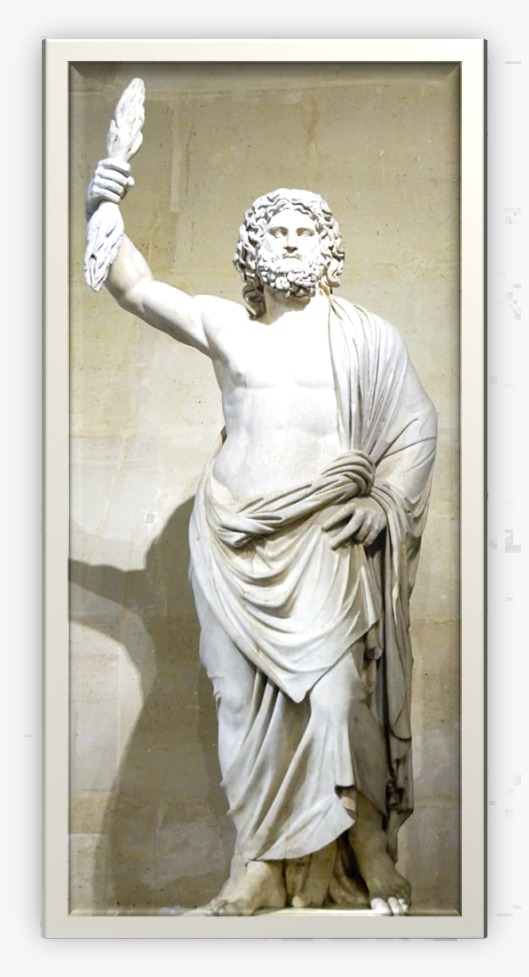
Zeus was the king of the Greek gods who lived on Mount Olympus.

Zeus is the child of Cronus and Rhea, the youngest of his siblings to be born. He is married to Hera, by whom he is usually said to have fathered Ares, Eileithyia, Hebe, and Hephaestus.

He was respected as an all father who was chief of the gods.

Brothers and Sisters:

Zeus had several brothers and sisters who were also powerful gods and goddesses. He was the youngest, but the most powerful of three brothers. His oldest brother was Hades who ruled the Underworld. His other brother was Poseidon, god of the sea. He had three sisters including Hestia, Demeter, and Hera (who he married).

Zeus had a number of children. Some of his children were Olympic gods such as Ares, Apollo, Artemis, Athena, Aphrodite, Hermes and Dionysus. He also had some children who were half human and were heroes such as Hercules and Perseus. Other famous children include the Muses, the Graces, and Helen of Troy.

STORY OF KING OF GODS:

Zeus was the sixth child of the Titan gods Cronus and Rhea.

Zeus’ father Cronus was worried that his children would become too powerful, so he ate his first five children. They didn’t die, but they couldn’t get out of his stomach either.

When Rhea had Zeus, she hid him from Cronus and Zeus was raised in the forest by Nymphs. When Zeus grew older he wanted to rescue his brothers and sisters. He got a special potion and disguised himself so that Cronus would not recognize him. When Cronus drank the potion, he coughed up his five children. They were Hades, Poseidon, Demeter, Hera, and Hestia.

Cronus and the Titans were angry. They battled Zeus and his brothers and sisters for years. Zeus set the giants and Cyclopes of Earth free to help him fight.

They gave the Olympians weapons to fight the Titans. Zeus got thunder and lightning, Poseidon got a powerful trident, and Hades a helm that made him invisible.

The Titans surrendered and Zeus had them locked deep underground. Mother Earth then became angry with Zeus for locking the Titans underground.

She sent the world’s most fearsome monster called the Typhon to fight the Olympians.

The other Olympians ran and hid, but not Zeus. Zeus fought the Typhon and trapped him under Mount Etna.

This is the legend of how Mount Etna became a volcano. Now Zeus was the most powerful of all the gods.

He and his fellow gods went to live on Mount Olympus. There Zeus married Hera and ruled over the gods and humans.

Zeus is king in heaven is a saying common to all men”. Zeus’ symbols are the thunderbolt, eagle, bull, and oak.

Zeus is frequently depicted by Greek artists in one of three poses: standing, striding forward with a thunderbolt leveled in his raised right hand, or seated in majesty.

THUNDERBOLTS:

The God of Thunder, had the power to wield thunderbolts.

He did this by concentrating vast amounts of energy in his hands, then aiming and hurling thunderbolts at his targets.

His bolts could shear mountains, vaporize islands, incinerate entire cities and even boil the seas.

His bolt were also capable of destroying the bodies of mortals, and even gods.

CONTROL OVER THE ELEMENTS:

Since Zeus was the God of the sky, he had absolute control over elements such as winds, thunderstorms, rain, moisture, clouds, lightning and weather.

He also had the ability to control the movement of stars, govern the functioning of day and night, controlling the effects of time and decide the lifespan of mortals.

ABILITY TO GRANT POWERS:

It is believed that Zeus controlled the abilities of all his children and sisters, and could take their powers and grant them new ones at will.

Apart from this, he was also extremely strong physically, enough to lift mountains.

His strength exceeded that of every Olympian, except that of Hercules, who was his son.

SHAPE-SHIFT:

Another great ability of Zeus was that he was able to shape-shift or transform himself into other forms at will.

Accounts of this ability are mainly witnessed in the tales of his sexual escapades.

His disguises included that of an eagle, a satyr, a flame of fire, a phoenix, a shower of gold, a bull, an ant, an eagle, a shower, a lapwing, a swan, a star, a bear, a shepherd, a goose, a serpent and a vulture.

Leda and the Swan-Zeus took the form of a swan to have intercourse with Leda.

HELEN OF TROY

HELEN OF TROY is a character in Homer’s classic epic poem, the “Iliad”,written in the 8th century about the the Trojan War, imagined by the Greeks to have occurred about 500 years earlier.


She was the most beautiful woman in the ancient Greek world, the daughter of the king of the Greek gods,Zeus, and the cause of the 10-year Trojan War between Troy and Sparta.


Her story is one of the most dramatic love stories of all time and is said to be one of the main reasons for a 10-year war between the Greeks and Trojans, known as the Trojan War.
In the “Iliad,” Helen’s name is a battle cry, but her story is not told in detail: the “Iliad” is chiefly a man’s story of the conflicting passions and struggles of men on opposing sides of a great battle. The Trojan War was central to the early history of ancient Greece. Details of Helen’s story are provided in a group of poems known as the “epic cycle” or the “Trojan War Cycle,” written in the centuries after Homer.
The legendary beauty of Helen attracted men from afar and also those close to home who saw her as a means to the Spartan throne. The first likely mate of Helen was Theseus, the hero of Athens who kidnapped Helen when she was still young.
Later Menelaus, brother of the Mycenaean King Agamemnon, married Helen. Agamemnon and Menelaus were sons of King Atreus of Mycenae and were therefore referred to as Atrides. Agamemnon married the sister of Helen, Clytemnestra, and became king of Mycenae after expelling his uncle.
The most famous mate of Helen was Paris of Troy. Paris (also known as Alexander or Alexandros) was the son of King Priam of Troy and his queen, Hecuba, but he was rejected at birth and raised as a shepherd on Mount Ida.
While Paris was living the life of a shepherd,the three goddesses , Hera , Aphrodite , and Athena , appeared and asked him to award the “fairest” of them the golden apple that Discord had promised one of them. Each goddess offered Paris a bribe.
Aphrodite, the goddess of love and beauty had offered Paris the most beautiful woman on earth for his bride. That woman was Helen. Unfortunately, Helen was taken. She was the bride of the Spartan king Menelaus.
The love between Menelaus and Helen is unclear. In the end, they may have been reconciled, but meanwhile, when Paris came to the court of Menelaus as a guest, he may have aroused unaccustomed desire in Helen, since in the “Iliad,” Helen takes some responsibility for her abduction.
Menelaus received and extended hospitality to Paris. Then, when Menelaus discovered that Paris had taken off for Troy with Helen and other prized possessions Helen may have considered part of her dowry, he was enraged at this violation of the laws of hospitality. Paris offered to return the stolen possessions, even though he was unwilling to return Helen, but Menelaus wanted Helen, too.
But he wasn’t the last one. After Paris was killed , his brother Deiphobus married Helen. After Deiphobus , the son of Peleus, Achilles , married Helen.And perhaps Helen married five more other.
According to Laurie Macgurie , writing in “Helen of Troy From Homer to Hollywood”,Helen had 11 men as a husbands in the ancient literature.
But he wasn’t the last one. After Paris was killed , his brother Deiphobus married Helen. After Deiphobus , the son of Peleus, Achilles , married Helen.And perhaps Helen married five more other.
According to Laurie Macgurie , writing in “Helen of Troy From Homer to Hollywood”,Helen had 11 men as a husbands in the ancient literature.

AQUACULTURE


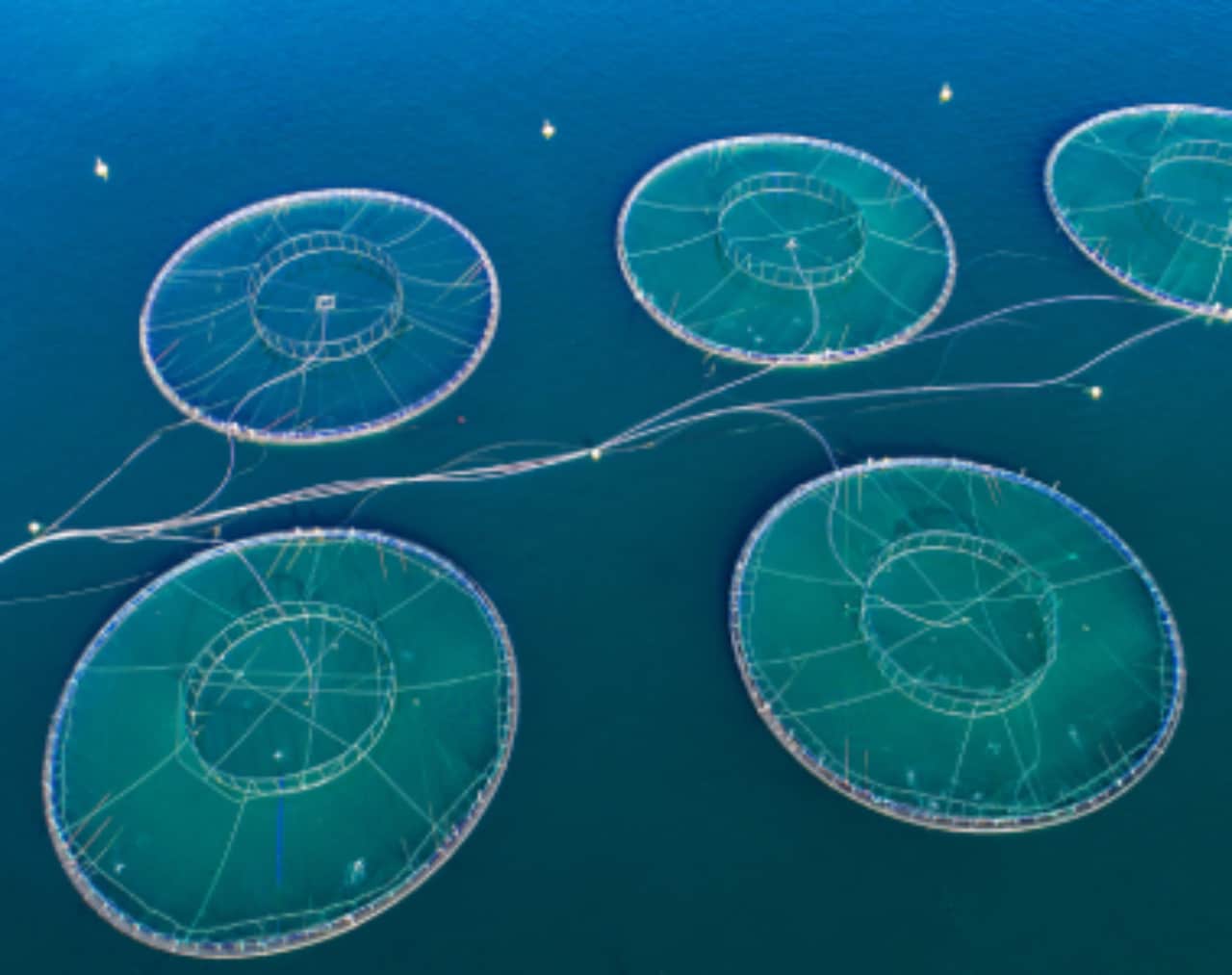
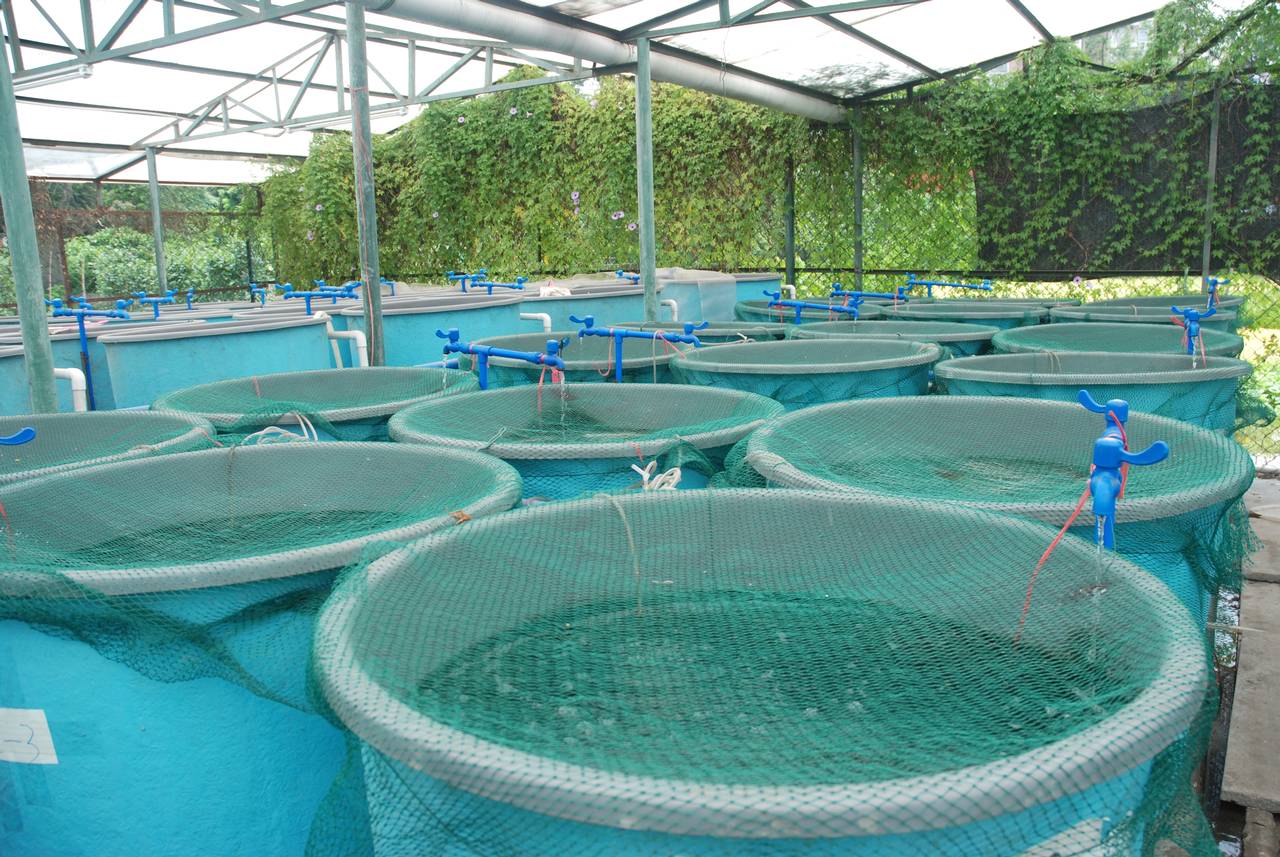
Aquaculture is breeding, raising and harvesting fish, and aquatic plants. Aquaculture involves cultivating freshwater, brackish water and saltwater populations under controlled or semi-natural conditions, and can be contrasted with commercial fishing, which is the harvesting of wild fish.

There are two main types of aquaculture marine and freshwater. NOAA efforts primarily focus on marine aquaculture, which refers to farming species that live in the ocean and estuaries.

MARICULTURE: Mariculture, commonly known as marine farming, refers specifically to aquaculture practiced in seawater habitats and lagoons, opposed to in freshwater aquaculture.
Aquaculture has been in existence since at least 500 BCE. However, only since the mid-20th century has it assumed commercial importance. The rapid expansion of aquaculture has been to a large extent in the production of relatively high-priced species frequently consumed as a fresh product. Examples are shrimp, crayfish, prawns, trout, salmon, and oysters. However, also increasing is the production of catfish, carp, and tilapia, which are reared in extensive low-energy systems. For example, catfish farming in the United States has more than quintupled its production since it began to grow in the 1960s. Some of these freshwater fish are also utilized in aquaponics, a hybrid system that combines aquaculture with the hydroponic cultivation of plants; the fish wastes are used to feed the plants.

According to the Food and Agriculture Organization (FAO), aquaculture “is understood to mean the farming of aquatic organisms including fish, molluscs, crustaceans and aquatic plants. Farming implies some form of intervention in the rearing process to enhance production, such as regular stocking, feeding, protection from predators. Farming also implies individual or corporate ownership of the stock being cultivated. in current aquaculture practice, products from several pounds of wild fish are used to produce one pound of a piscivorous fish like salmon.Plant and insect-based feeds are also being developed to help reduce wild fish been used for aquaculture feed. Particular kinds of aquaculture include fish farming, shrimp farming, oyster farming, mariculture, pisciculture, algaculture (such as seaweed farming), and the cultivation of ornamental fish. Particular methods include aquaponics and integrated multi-trophic aquaculture, both of which integrate fish farming and aquatic plant farming. The FAO describes aquaculture as one of the industries most directly affected by climate change and its impacts. Some forms of aquaculture have negative impacts on the environment, such as through nutrient pollution or disease transfer to wild populations.

DISASTER AND DISASTER MANAGEMENT

DISASTER:
A disaster is a serious disruption occurring over a short or long period of time that causes widespread human, material, economic or environmental loss which exceeds the ability of the affected community or society to cope using its own resource. It is a natural or man-made hazard resulting in an event of substantial extent causing significant physical damage or destruction, loss of life, or drastic change to the environment.

Disaster are classified into natural disaster and man-made disaster. In modern times, the divide between natural, man-made and man-accelerated disasters is quite difficult to draw.
Complex disasters, where there is no single root cause, are more common in developing countries. A specific disaster may spawn a secondary disaster that increases the impact. A classic example is an earthquake that causes a tsunami, resulting in coastal flooding, resulting in damage to a nuclear power plant. Some manufactured disasters have been wrongly ascribed to nature such as smog and acid rain. Some researchers also differentiate between recurring events such as seasonal flooding, and those considered unpredictable.

NATURAL DISASTERS AND MAN-MADE DISASTERS:
The natural disaster is caused by natural hazard whereas the man made disasters are caused by anthropogenic hazards.
A natural disaster can cause loss of life or damage of property.It brings economic damage after its wake. The severity of the damage depends on the affected population’s resilience and on the infrastructure available.Examples of natural hazards include: avalanche, coastal flooding, cold wave, drought, earthquake, hail, heat wave, hurricane, ice storm, landslide, lightning, riverine flooding, strong wind, tornado, tsunami, volcanic activity, wildfire, winter weather. Anthropogenic hazards can be grouped into societal hazards, civil disorder, terrorism, war, industrial hazards, engineering hazards, power outage, fire, hazards caused by transportation and environmental hazards.
In modern times, its is difficult to differentiate between man-made and man-made accelerated disaster. A man-made hazard impact a vulnerable community. It is the combination of the hazard along with exposure of a vulnerable society that results in a disaster. The rapid growth of the world’s population and its increased concentration often in hazardous environments has escalated both the frequency and severity of disasters. With the tropical climate and unstable landforms, coupled with deforestation, unplanned growth proliferation, non-engineered constructions make the disaster-prone areas more vulnerable. Developing countries suffer more or less chronically from natural disasters due to ineffective communication combined with insufficient budgetary allocation for disaster prevention and management.

DISASTER MANAGEMENT:
he International Federation of Red Cross & Red Crescent Societies defines disaster management as the organisation and management of resources and responsibilities for dealing with all the humanitarian aspects of emergencies, in particular preparedness, response and recovery in order to lessen the impact of disasters.
DISASTER PREVENTION:
UNISDR views Disaster Prevention as the concept of engaging in activities which intend to prevent or avoid potential adverse impacts through action taken in advance, activities designed to provide protection from the occurrence of disasters. WCPT similarly highlight that while not all disasters can be prevented, good risk management, evacuation plans, environmental planning and design standards can reduce risk of loss of life and injury mitigation. The HYOGO Framework was one such Global Plan for natural Disaster Risk Reduction, which was adopted in 2005 as a 10 year Global Plan, signed by agreement with 168 Governments which offered guiding principles, priorities for action and practical means for achieving disaster resilience for vulnerable communities.
Disaster Preparedness
Disaster Preparedness refers to measures taken to prepare for and reduce the effects of disasters, be they natural or man-made. This is achieved through research and planning in order to try to predict areas or regions that may be at risk of disaster and where possible prevent these from occurring and/or reduce the impact those disasters on the vulnerable populations that may be affected so they can effectively cope. Disaster preparedness activities embedded with risk reduction measures can prevent disaster situations and also result in saving maximum lives and livelihoods during any disaster situation, enabling the affected population to get back to normalcy within a short time period. Minimisation of loss of life and damage to property through facilitation of effective disaster response and rehabilitation services when required. Preparedness is the main way of reducing the impact of disasters. Community-based preparedness and management should be a high priority in physical therapy practice management.
In order to reduce the impact during disaster activities like Rescue, Relocation, Provision food and water, Prevention of disease and disability, Repairing Vital services, Provision temporary shelter.

DISASTER MANAGEMENT:
When disasters strike, there is always a huge amount of goodwill from rehabilitation professionals around the world who wish to use their skills to support those affected. This brief guidance informs those who are considering responding internationally to a disaster either as individuals or as part of a team. It highlights key questions to consider before departing, whilst working in the disaster area and on returning home. Responses to these questions considered are presented as “Do’s and Dont’s” which are exemplified by recommended practices and those to avoid in the real case studies below. The guidance note is not intended to be a step-by-step or technical guide, nor is it exhaustive, and does not supersede any specific guidance provided by your own global professional body.

Agencies involved in Disaster Management
• National Disaster Management Authority (NDMA):- The National Disaster Management Authority, or the NDMA, is an apex body for disaster management, headed by the Prime Minister of India. It is responsible for the supervision, direction, and control of the National Disaster Response Force (NDRF).
• National Executive Committee (NEC):- The NEC is composed of high profile ministerial members from the government of India that include the Union Home Secretary as Chairperson, and the Secretaries to the Government of India (GoI)like Ministries/Departments of Agriculture, Atomic Energy, Defence, Drinking Water Supply, Environment and Forests, etc. The NEC prepares the National Plan for Disaster Management as per the National Policy on Disaster Management.
• State Disaster Management Authority (SDMA):- The Chief Minister of the respective state is the head of the SDMA.The State Government has a State Executive Committee (SEC) which assists the State Disaster Management Authority (SDMA) on Disaster Management.
• District Disaster Management Authority (DDMA):- The DDMA is headed by the District Collector, Deputy Commissioner or District Magistrate depending on the situation, with the elected representatives of the local authority as the Co-Chairperson. The DDMA ensures that the guidelines framed by the NDMA and the SDMA are followed by all the departments of the State Government at the District level and the local authorities in the District.
• Local Authorities:- Local authorities would include Panchayati Raj Institutions (PRI), Municipalities, District and Cantonment 11 Institutional and Legal Arrangements Boards, and Town Planning Authorities which control and manage civic services.

INDIAN CONSTITUTION

INDIAN CONSTITUTION:
The Indian Constitution is the supreme law of India. India, also known as Bharat, is a Union of States. It is a Sovereign Socialist Secular Democratic Republic with a parliamentary system of government. The Republic is governed in terms of the Constitution of India which was adopted by the Constituent Assembly on 26th November, 1949 and came into force on 26th January, 1950. At the time of its adoption, the Constitution contained 395 Articles and 8 Schedules and was about 145,000 words long, making it the longest national Constitution to ever be adopted. Every Article in the Constitution was debated by the members of the Constituent Assembly, who sat for 11 sessions and 167 days to frame the Constitution, over a period of 2 years and 11 months.
The Constitution provides for a Parliamentary form of government which is federal in structure with certain unitary features. The constitutional head of the Executive of the Union is the President. As per Article 79 of the Constitution of India, the council of the Parliament of the Union consists of the President and two Houses known as the Council of States (Rajya Sabha) and the House of the People (Lok Sabha).

Article 74(1) of the Constitution provides that there shall be a Council of Ministers with the Prime Minister as its head to aid and advise the President, who shall exercise his/her functions in accordance to the advice. The real executive power is thus vested in the Council of Ministers with the Prime Minister as its head.
This section contains every Article in the amended Constitution of India (as of 2020), with its corresponding Article in the Draft Constitution of India, 1948. Each Article also contains a summary of the debates on that Article in the Constituent Assembly. The Articles are grouped into 22 different parts, which reflects how they are organized in the text of the Constitution of India, 1950
The Schedules to the Constitution, which are now 12 in number, elaborate on government policy or rules in relation to specific Articles of the Constitution.

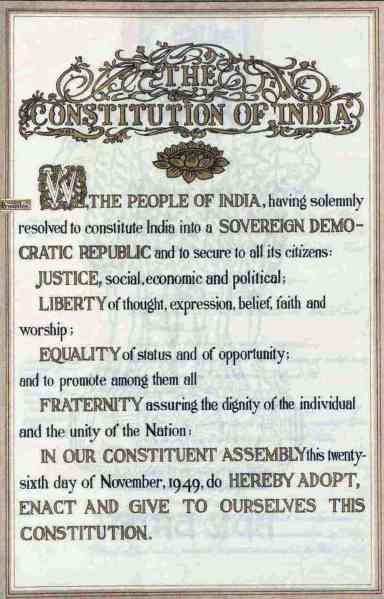
The constitution of India says “THE PEOPLE OF INDIA, having solemnly resolved to constitute India into a SOVEREIGN DEMO

CRATIC REPUBLIC and to secure to all its citizens: JUSTICE, social, economic and political;

LIBERTY of thought, expression, belief, faith and

worship; EQUALITY of status and of opportunity; and to promote among them all FRATERNITY assuring the dignity of the individual and the unity of the Nation;

IN OUR CONSTITUENT ASSEMBLY this twenty sixth day of November, 1949, do HEREBY ADOPT, ENACT AND GIVE TO OURSELVES THIS CONSTITUTION”.

POPULATION AND ITS EXPLOITATION

POPULATION:
Population typically refers to the number of people in a single area, whether it be a city or town, region, country, continent, or the world. A population is the complete set group of individuals, whether that group comprises a nation or a group of people with a common characteristic. In everyday use the word population refers a group of people or a group of living beings.

Population definition in statisticians perspective:
In statistics, a population is the pool of individuals from which a statistical sample is drawn for a study. Thus, any selection of individuals grouped by a common feature can be said to be a population. A sample may also refer to a statistically significant portion of a population, not an entire population. For this reason, a statistical analysis of a sample must report the approximate standard deviation, or standard error, of its results from the entire population. Only an analysis of an entire population would have no standard error.
Statisticians refer to whatever group they are studying as a population. Statisticians and researchers prefer to know the characteristics of every entity in a population to draw the most precise conclusions possible. This is impossible or impractical most of the time, however, since population sets tend to be quite large.
the term world population is often used to refer to the total number of humans currently living, and was estimated to have exceeded 7.9 billion as of November 2021. It took over two million years of human prehistory and history for the human population to reach one billion and only 207 years more to grow to 7 billion.

POPULATION EXPLOSION:
There has been a rapid growth of the human population in the last century due to the difference in the birth rate and the mortality rates. In the next one decade, the population of the world is expected to grow by another billion. The impact of uncontrolled population growth impacts not just a section of the society, but the entire population suffers from its infinite impact on the economy and the environment.

REASON FOR POPULATION EXPLOSION:
The human overpopulation or population explosion is caused when the ecological footprint of humans in a particular region crosses the actual carrying limit of the place with regards to space and the resources available. A place is considered to be overpopulated if the existing population in the area can no longer be maintained due to the constant depletion of the non-renewable resources or the natural resources leading to a degradation of the environment. However, a change in the lifestyle and the consumption and the use of renewable resources can help reverse the effects of population explosion without an actual or substantial decrease in the population.
The population of the world has increased exponentially in the past few decades. Around the year 1810, the population of the world was 1 billion. Just about a century later the population doubled to 2 billion, it increased to 4 billion in the next 45 years (1975) and by January 2019 the current population has reached 7.7 billion. The carrying capacity of the earth is 4 billion to 16 billion. It can be said that population explosion or human overpopulation may have already occurred on the Earth. According to the recent estimates, the world population would have reached somewhere around 10-11 billion between the years 2014 and 2050.

EFFECTS OF POPULATION EXPLOSION:
The effect of population explosion is multi-layered. It not only impacts the environment and the availability of resources but it also impacts the health of individuals within the population.
Natural resources are depleting constantly with the increasing demand and consumption. Fossil fuel which is the primary source of energy that drives the technology-driven world is fast depleting. Which poses a very important question on what do we depend on once this natural resource has exhausted. Although there is growing awareness on the use of renewable energy like biofuels, solar, wind and tidal energy and others there is still a long way to go where these renewable resources can actually replace the use of fossil fuels.
With the increasing population and the rising demand, there is an increased level in the air, water and soil pollution. This is not only impacting the lives of humans but has also affected the lives of many animals resulting in the endangering of many species and the extinction of many. The high levels of pollution have resulted in contamination of water and soil that has rendered many patches of land and water bodies unfit for use. Drinking water is fast becoming inadequate to support the needs of millions of people. With the increase the demand for crops to meet the global food requirements there has been an increase in deforestation to provide for agricultural land. This has led to a significant contraction in the biodiversity of many regions. Deforestation, on the other hand, has serious repercussions on the climatic condition of the planet. It leads to an increased level of carbon dioxide which is one of the contributing factors to global warming.
Apart from the environmental effects there is a huge socio-economic impact as the countries resources become inadequate to support the needs of a growing population. Countries with high population have high unemployment percentages as well which means that a greater number of people live in poverty, incapable to support the needs for sanitation and health care. It not only means malnutrition but it also leads to increased incidences of epidemics and pandemics.
Living conditions become increasingly compact and crowded which is detrimental to a thriving society and good mental health. It breeds crime and antagonism and higher mortality rates. Overpopulation impacts the entire biosphere as it impacts the environment in multiple levels.

CONTROL OF POPULATION:
The most important way to control a steady rise in population is by education and empowerment. The impact of population rise awareness should be created among the people.Awareness about the available sources and its consumption, also its concern about providing a quality life to the current and future generations. Birth control and family planning is the first step that needs to be taken to ensure a gradual decline in the growth rate of the population. About 40% of worldwide pregnancies are unintentional which can be avoided by the use of oral contraceptives or other birth control devices like condoms or intrauterine device. About 350 million women in the developing countries of the world are unaware of birth control options or the possibilities for family planning. Educating these women and making access to the birth control devices affordable can help in not only controlling the population growth but also help to improve the quality of life for these women and their children. Many countries promote small size families limiting the number of children per family to two or fewer. Male sterilization is also promoted to help in birth regulations. This has been made effective in a number of countries and a positive impact has been seen in the growth rate of the population of those countries.
Urbanization is another proposed method to help combat over population. According to the United Nations Human Settlements Program (UN-Habitat), urbanization may be an effective option for controlling the population growth. It suggested that cities tend to concentrate human activity with a limited area thus substantially reducing the breadth of environmental damage that is caused by a growing population. This can be achieved by efficient urban planning and proper maintenance of city services assuring an acceptable quality of life to its dwellers.

CONCLUSION:
The overpopulation may exploit the extraterrestrial settlements or space habitats that could support life forms.It is our responsibility to save,protect and provide our future generations a better life so we need to control the poluation in order to reduce the overusage of resources.