International Tiger Day

Today is International Tiger Day – 28th July 2021. It’s significance and theme this year.
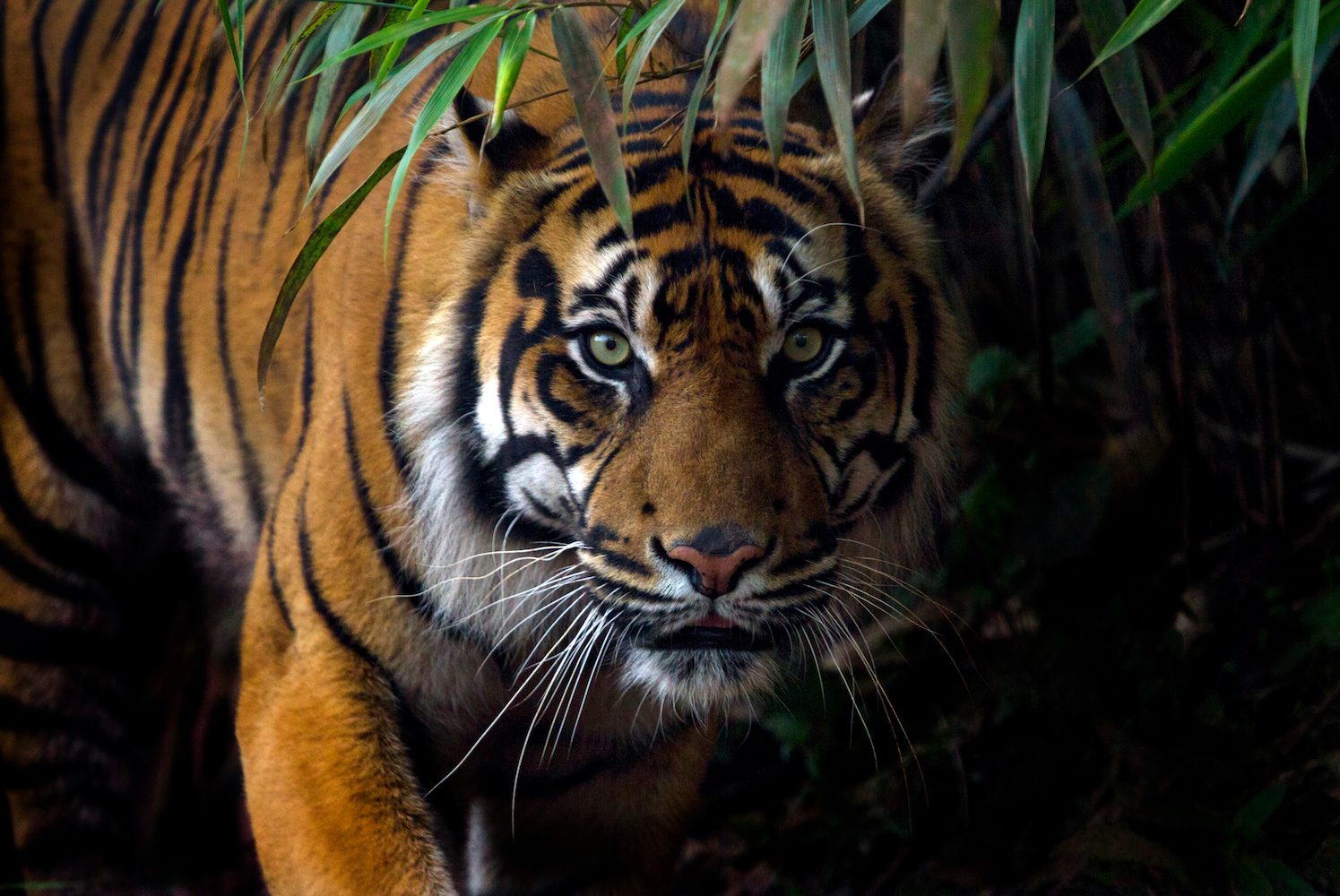
 Theme this year: “Their survival is in our hands”.

The day is observed to spread awareness about dangers faced by tigers, the threat to their natural habitats due to natural or man-made reasons, to protect them from poachers. Wild tiger numbers dropped by more than 95% since the beginning of the 20th century.

Over 18 States in India provide habitat for tigers. 70% of the total number of tigers in the world are in India. National Tiger Conservation Authority (NTCA) and the Wildlife Institute of India (WII) have mapped 32 major tiger corridors and several smaller ones. (By: ANI)

It has been reported that the number of India has increased over time due to active actions by local community. Reportedly approximately 3,900 tigers now. It is reportedly also known that many tigers live in cage rather than out in wild.

The tiger is officially declared as endangered by the IUCN.

Tiger daywas celebrated first in 2010 at the Saint Petersburg Tiger Summit in Russia.13 tiger range countries came together to create Tx2, the global goal to double the number of wild tigers by the year 2022. Government officials, citizens, celebrities and many organizations from all over the world came together and showed the tiger range countries that there is worldwide support for tiger conservation efforts and to encourage the Tx2 goal.

“Doubling tigers is about tigers, about the whole of nature – and it’s also about us” 

Marco Lambertini, Director General WWF

WWF has contributed greatly to this cause. Animal adoptions, funding local communities to help them in tiger conservation, reducing poaching, and creating awareness by letting people be in proximity of this beautiful and ferocious animal to encourage them to take actoins.

https://www.wwf.org.uk/get-involved/schools/calendar/international-tiger-day

Facts about tigers:

  • Tigers are nocturnal creatures. They prefer engaging in most of their hunting activities at night. 
  • Tiger cubs are born blind. They follow their mother through her scent, almost half of them die due to thirst, hunger, or by other animals.
  • Unlike other cats, tigers like to play and hunt in water.
  • Their lifespan is about 25 years.
  • Ambush/ Steak : When a tiger are in a group, also when a tigress is with her cub.
  • Hybrid Cubs:
    • Tigon : Male cat and female lion’s cub is called Tigon.
    • Liger: Male lion and female tiger’s cub is called LIger.
  • They can imitate any animal!!
  • They do not normally look at humans as a prey.

What can you do to conserve our precious King of the jungle?

  1. For starters, learn about them, their habitats.
  2. Get acknowledged with organizations near you. Gather information about how they work and in what ways you can contribute.
  3. Visit WWF site, adoption, foster, donation and spread awareness by sharing it among your friends.
  4. Tigers are very important for our ecosystem. Advocate for banning poaching and hunting.
  5. Try to reduce pollution, garbage on land, sea, forest; when you visit them.
  6. Actively become the voice for our dear animals and roar for their right to live.
Baltic Countries and their economic transformation

Baltics, also known as the Baltic States is comprised of three countries including Latvia, Lithuania, and Estonia. The three countries are situated on the eastern shores of the Baltic Sea. In 1991 the regional governments of Lithuania, Latvia, and Estonia declared independence from the Union of Soviet Socialists Republics (USSR). Three countries have a collective population of just over 6 million. The three have been one of the better examples which have been progressing well after the breakup of the USSR. Many other former Soviet republics have been suffering the disarray of corruption and political instability.

In 2002 Baltic countries applied for membership in the European Union (EU) and by May 2004 all the three countries joined the EU. They also gained membership in NATO by March 2004.

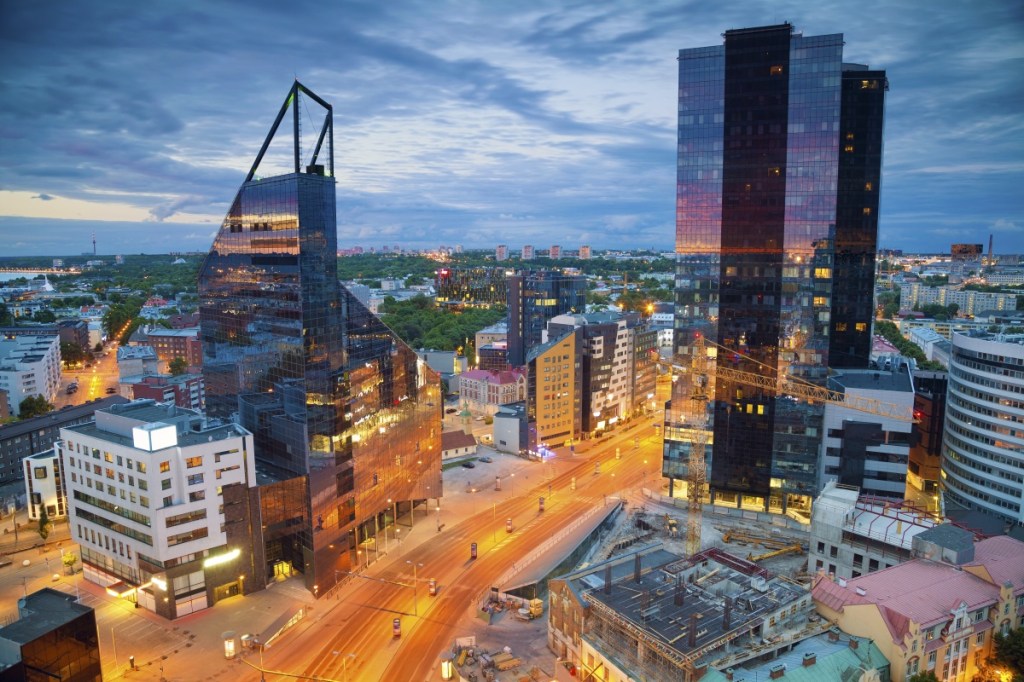
Downtown Tallinn

Baltic independence in 1991

It’s truly astounding how the three countries have developed since 1991. None of them were independent since 1940. The three countries had large Russian minorities and many Soviet soldiers were still stationed there. There were no major national institutions and banking infrastructure with a crumbling economy. There was a growing homegrown national moment against the ruling government since the 1980s. The homegrown fronts won the republican parliamentary election against the ruling party in early 1990 and were allowed to govern but with limited power. The Russian president at that time, Boris Yeltsin had not contested their newly declared independence in 1991. The Baltic also witnessed no violence when the three governments had declared their independence.

The three nations also had almost no natural resources, unlike USSR which was resource-rich. They were still in a very vulnerable situation with a small population and no military of their own. Even though the countries were linguistically distinct with different languages, but people in all three countries had a united drive to strive for a better future. The three had implemented reforms with a shared vision. The governments of the three shared many policies, ideas, and experiences. The Baltic States also valued their new independence with a lot of enthusiasm and didn’t take it for granted. The other ex- USSR countries often had to ask for assistance from Russian Federation and also formed new alliances with the Russian government. Baltic countries on the other hand tried to stay away from joining the post-Soviet Commonwealth of Independent States. In the subsequent years, all the three countries adopted radical economic policies and Estonia was the first mover and Latvia and Lithuania would follow suit. In 1994 Estonia introduced a flat income tax at just 24 percent and the other two also implemented the policies. Currently, Lithuania has a tax rate of just 15 percent which is one of the lowest. With early and fast deregulation and privatization, the Baltic countries were able to capture a large amount of foreign direct investment. Estonia also radically transformed its public sector with various digitalization implementations and less reliance on paperwork. Latvian and Lithuania’s transformation in this area was not as drastic but after some time both of them followed Estonia’s footsteps.  Transparency International ranks Estonia No. 17, Lithuania 37, and Latvia 42 out of 175 countries on its Corruption Perception Index for 2020. This is a commendable ranking considering they all the three are a relatively new entrant to the EU and many other EU countries have lower ranks than the three.

Success attributions

The success can also be attributed to the generous support that the three countries received from the international community and funds granted by the EU, World Bank, and the IMF. In 2008 Baltic suffered from the global economic crisis. The three soon adopted the Euro as their currency to avoid any future liquidity freeze issues that they experienced at that time. The economies al the Baltic rebounded quickly and due to good monetary measures, the three have a very low public debt. Baltic governments have also made swift progress in the Education sector and the three have attained commendable rankings in the Program for International Student Assessment (PISA) of the Organization for Economic Cooperation and Development (OECD). Estonia has done a very commendable task in this area with top 10 rankings in many assessments.  But the Baltics also face many challenges with population loss due to low birth rate and emigration. Proximity and hostility with Russia still is a challenge that the tiny nations have to endure.