Book Review: Atomic Habits

 THE PHENOMENAL INTERNATIONAL BESTSELLER: OVER 1O MILLION COPIES SOLD WORLDWIDE


Transform your life with tiny changes in behaviour, starting now.

People think that when you want to change your life, you need to think big. But world-renowned habits expert James Clear has discovered another way. He knows that real change comes from the compound effect of hundreds of small decisions: doing two push-ups a day, waking up five minutes early, or holding a single short phone call.

He calls them atomic habits.

In this ground-breaking book, Clears reveals exactly how these minuscule changes can grow into such life-altering outcomes. He uncovers a handful of simple life hacks (the forgotten art of Habit Stacking, the unexpected power of the Two Minute Rule, or the trick to entering the Goldilocks Zone), and delves into cutting-edge psychology and neuroscience to explain why they matter. Along the way, he tells inspiring stories of Olympic gold medalists, leading CEOs, and distinguished scientists who have used the science of tiny habits to stay productive, motivated, and happy.

These small changes will have a revolutionary effect on your career, your relationships, and your life.
________________________________
NEW YORK TIMES AND SUNDAY TIMES BESTSELLER

‘A supremely practical and useful book.’ Mark Manson, author of The Subtle Art of Not Giving A F*ck

‘James Clear has spent years honing the art and studying the science of habits. This engaging, hands-on book is the guide you need to break bad routines and make good ones.’ Adam Grant, author of Originals

Atomic Habits is a step-by-step manual for changing routines.‘ Books of the Month, Financial Times

‘A special book that will change how you approach your day and live your life.’ Ryan Holiday, author of The Obstacle is the Way


  • Publisher ‏ : ‎ Random House Business (30 October 2018)
  • Language ‏ : ‎ English
  • Paperback ‏ : ‎ 320 pages
  • ISBN-10 ‏ : ‎ 1847941834
  • ISBN-13 ‏ : ‎ 978-1847941831
  • Reading age ‏ : ‎ Customer suggested age: 13 years and up
  • Item Weight ‏ : ‎ 390 g
  • Dimensions ‏ : ‎ 15.3 x 2.4 x 23.4 cm
  • Country of Origin ‏ : ‎ United Kingdom

Book Review 

1. Don’t set Goals : Writer kehte he ki goal set karne ki bajay ek system pe focus karna chaiye
Goals set krna achi bat he lekin us goal ko achieve karne k liye system ko behtar banana padega jo hame us goal tak pahuchayega.
Agar British Cycling team ki bat kare to gold medal jeetna to unka goal shuru re raha tha, lekin Dave ne jab system ko better banaya, to goal apne ap achieve ho gaya.
Maan lijiye apka room bikhra pada he. Ap ek goal set krte ho ki mujhe room clean karna hee to ek bar room clean ho jayega, lekin agar ap apni chijo ko sahi jagah rkhne ki adat bana lo to apka kamra kabhi bikhra milegha hi nai.

2 – Change your Identity :
Apni buri adato ko change krne ke liye hame adto ko chang karne s pehle apne aap ko change karna ki jrurt hoti he .
Hamari adte hamari identity ko follow krti he .
Example k liye –
Man lijiye ek insan cigarette chodne ki koshish krta he . Is douran jab use koi cigarette offer karta he to vo ye kahta he “ nahi yar, me cigg chodne ki kosis kar raha hu’
Usnea bhi tak apni identity nahi badli. Vo apne ap ko abhi bhi smoker manta he.
Lekin, agar vo ye kahe ki “ nahi yar, me cigg nahi pita” is se vo apni identity change kar leta he. Ab vo apne ap ko non smokere consider karta he . This new identity motivates that person to stick with it.

3 – Change your Environment –
Hamare sath akshar esa hota h ki ham kitchen me jate to paani pine k liye, lekin hamari nazar chips k packet pe padti he or ham use khane lagte he .
Hairani ki baat ye he ki hame na to bhookh lagi thi or na hi chips khane ki ichha hui thi.
Malls vale yahi technique use krte he, mehange or profitable products racks me upar or ankho ki range me rakhi jate he jo customer ko easily notice ho jate he .
And chances are that customers in products ko jrurt na hote hue bhi kharid lete he.
Isi technique se ham bhi kisi bhi habit ko abopt kar skte he ya kisi bad habit ko chord bhi skte he.
Fruits jyada khanee h ? to fruit basket ko vaha rkho jaha ap apna din ka sabs jyada time spnd krte ho. Jab fruits apki ankho k samne rahnge to ap automatically unhe consume krne lag jaoge.
Padhai krt krte distract hote h to padhai k liy alag room, ya room me alag table ko study zone bana do. Yani padhai bed pe nhi usi enviorment m kroge, to apka mind kam distract hoga qki usko pata h k aap study zone m ho.

4. Don’t run for the best: Ek choti si interesting si story share krta hu. Florida University ke ek professor ne apne photography students ko 2 groups me divide kiya. Pehle group ko yeh challenge diya ki unko pure semester jyada se jyada photos submit karne he , 100 photos submit krne vale ko A grade, 90 vale ko B.
Or dusre group ko challenge diya to submit only 1 photo but that has to be the perfect one. Jiska photo sabse perfect hoga usko A grade, or us se kam vale ko B grade milega.

Interesting.
At the end of the semester saare best photos surprisingly first group se aye.
Aap bhi soch rahe honge k esa kese hua, dusra group jisne pura semester ek photo ko perfect krne me lagaya unke photos best rank me q nahi aye ?

Because jaha dusra group ek hi photo ko perfect banana me laga raha, pehle group ne jab bahot sare photos click kiye to isi ke sath unki skills bhi enhance hoti rahi. Vo har photo me experiment karte rahe or apni hi mistakes se sikhte rahe.

Agar apko business krna he ya startup krna he or best idea ya best opportunity k liye ruke he to ap kabhi start hi nahi kar paynege,
Jo bhi idea he jesi bhi opportunity he uspe jab mehnat ki jayegi to vo hi best ban jayega.
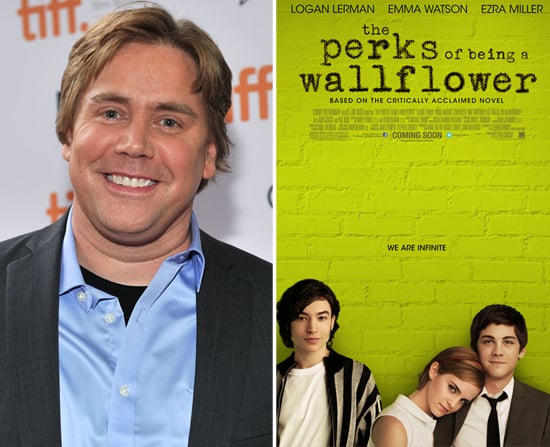
The Perks of Being A Wallflower: The Book Review

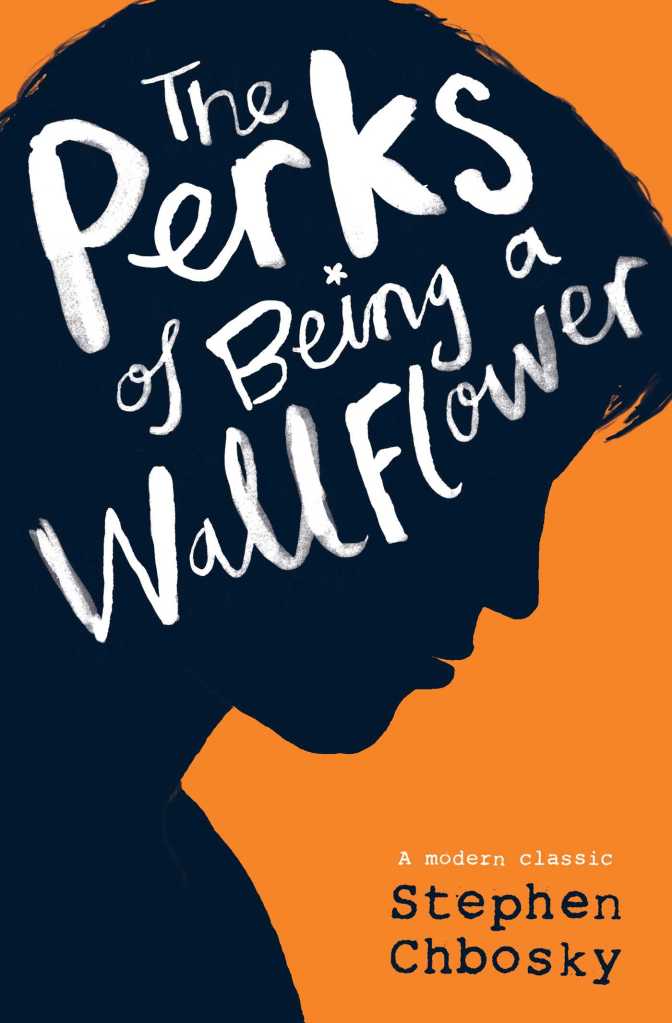
Cover of Perks of Being A Wallflower (1999)

Introduction

The Perks of Being A Wallflower(1999), is a modern age novel written by Stephen Chbosky. The novel is about the dilemma of passivity vs passion that marks the stunning debut of a provocative new voice in contemporary fiction. Stephen Chbosky has created this deeply affecting coming-of-age story, a powerful novel that would spirit the readers back to those wild and poignant roller coaster days known as growing up. The novel is later adapted to a movie under the same title in 2012.

About The Author

Stephen Chbosky is an American screenwriter, film producer, film director, novelist, television writer, and television producer. He is best-known for writing the bestseller The Perks of Being A Wallflower(1999), as well as for writing and directing the 2012 film adaptation of the book. Most recently, he directed the 2017 drama Wonder and the 2021 film adaptation of Dear Evan Hansen. His first psychological horror novel, Imaginary Friend, was published in October 2019.

Stephen Chbosky

Storyline of The Novel

The Perks of Being a Wallflower by Stephen Chbosky is narrated by fifteen-years-old Charlie, the titular ‘wallflower’, in a series of letters that he writes to a stranger, beginning the night before he starts his freshman year of high school in 1991. These letters catalogue Charlie’s attempts to “participate”, as he wanders wide eyed through a series of house parties and Rocky Horror Picture Show productions with his new, older friends. Along the way, Chbosky intelligently explores stock Young Adult themes such as mental health, substance abuse and sexuality, whilst simultaneously reminding the reader about how exciting it is to be young and idealistic.

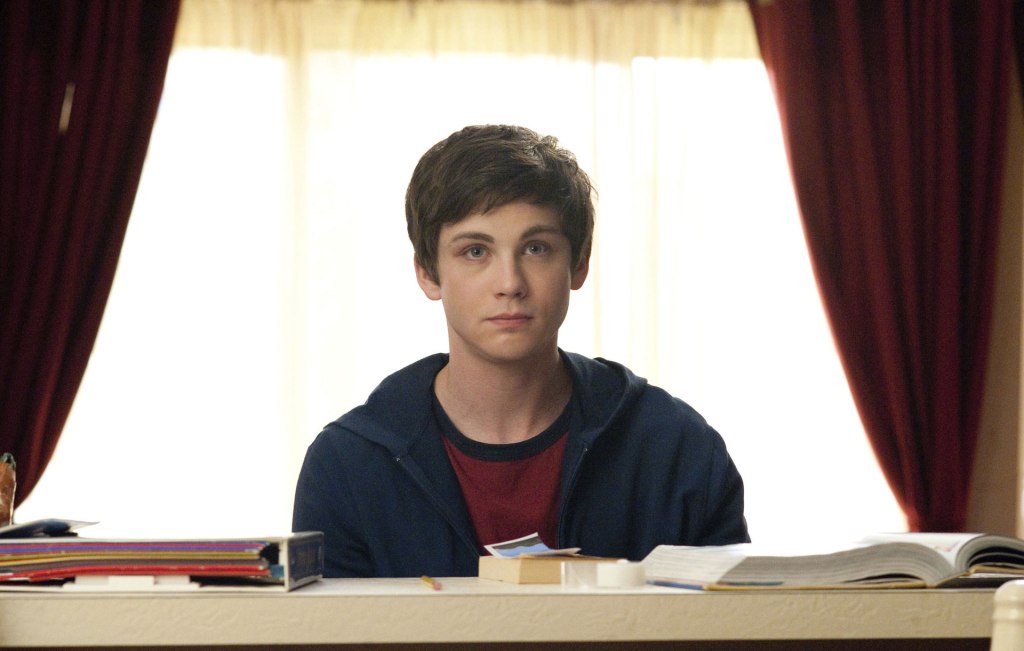
Logan Lerman as Charlie in Perks of Being A Wallflower (2012) movie

           Though shy and sensitive in nature, Charlie is an intelligent boy with unconventional thinking capabilities. His first letters starts with Charlie mentioning about suicide of his Middle School’s friend and death of his favourite aunt Helen and how these tragic incidents have took toll in his life. Charlie befriends two seniors Patrick and Sam and ends up indulging in alcohol and other drugs with Sam. In the meantime, Charlie also learns about his sister having relationship with an abusive guy and eventually getting pregnant. The flashback of his aunt dying in car crash stops haunting Charlie, as he starts enjoying company of his friends and Sam. While playing Truth and Dare, he is asked to kiss the prettiest girl in the room; he kisses Sam for which he faces neglect from the group. Overall this is a story filled with drama and lots of emotions, including, friendship, first love and teenage sexuality.

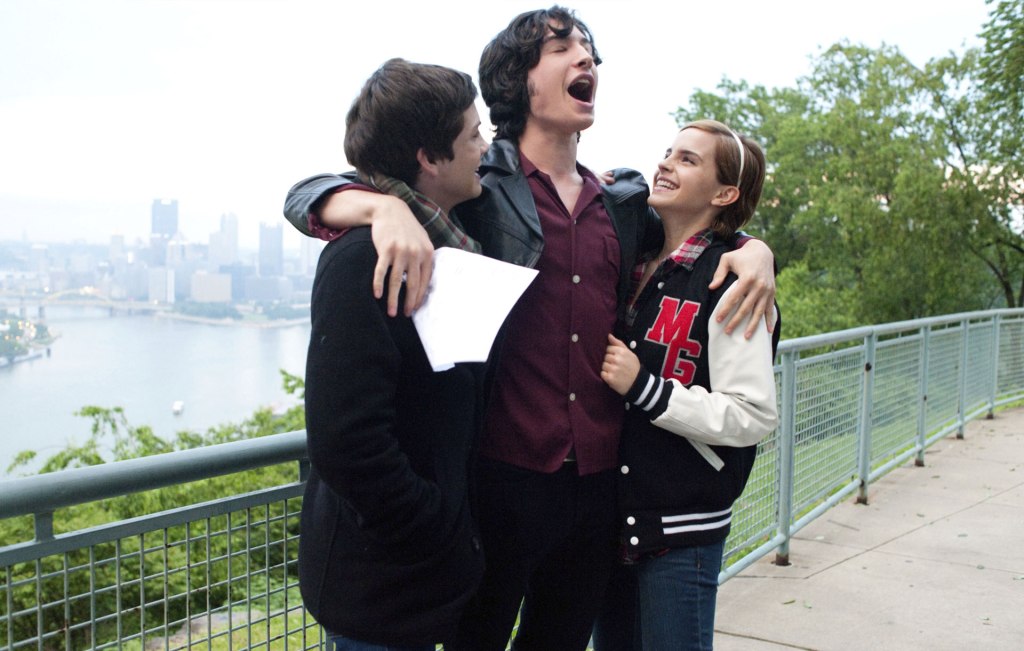
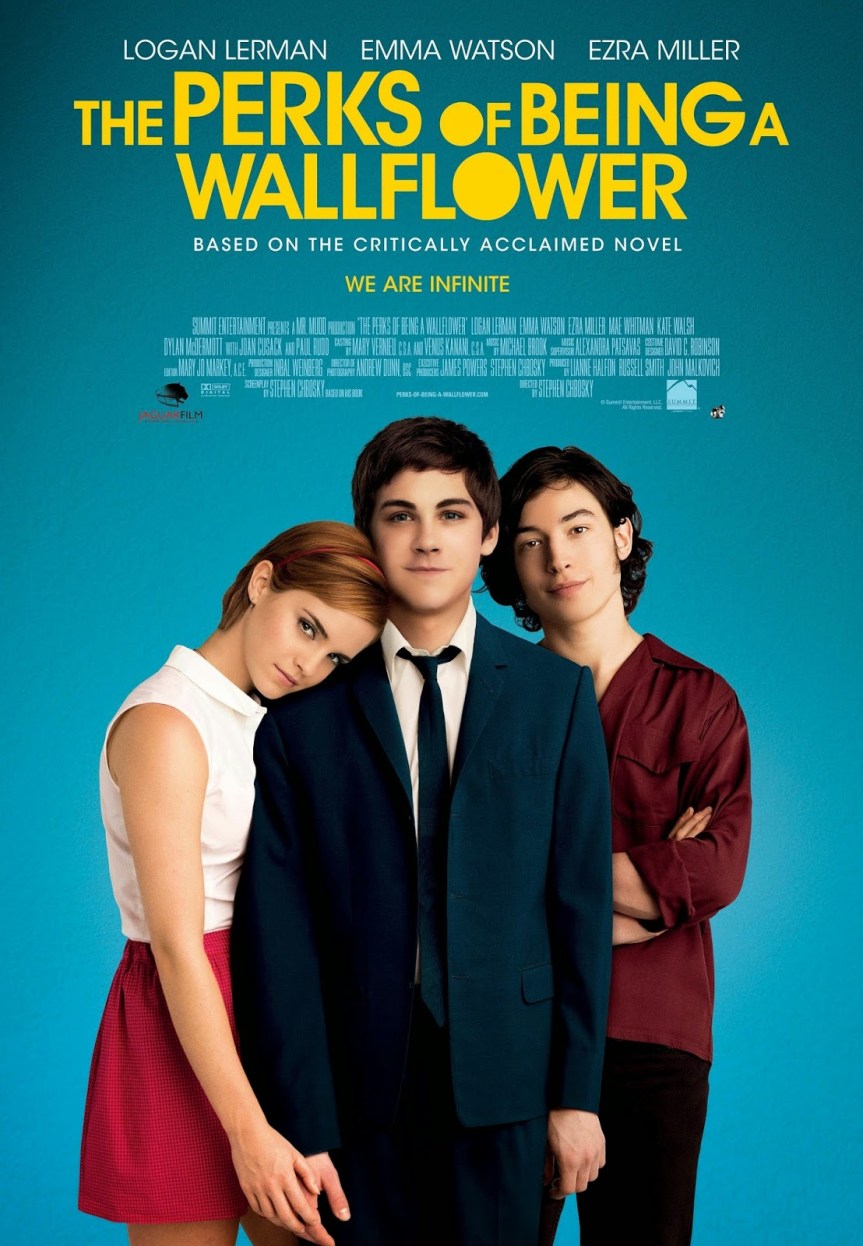
Logan Lerman as Charlie, Emma Watson as Sam and Ezra Miller as Patrick in Perks of Being A Wallflower movie

Analysis of The Storyline

Throughout the book, through the characters, the author seems to be attempting to answer some of the questions we all face at some time in our life. The author seems to be trying to find the reason why some good people chose bad people to love. This question is raised by Charlie to Mr. Bill and the answer he gives seems to be the central theme of the book “We accept the love we think we deserve”. This can be seen in various characters. Sam is in a relationship with a guy, who seems to consider that everything that is good about her, is good because of him. She seems to have gone through some tough times in her life, and the fact that she didn’t consider herself worthy, seems to have played a role in this.

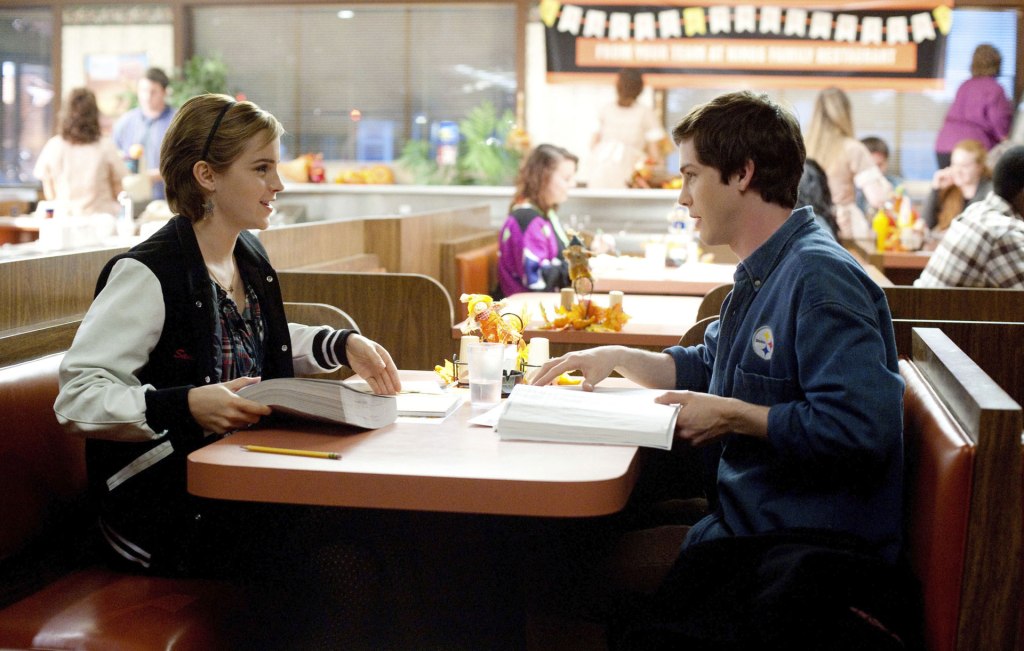
Scene from Perks of Being A Wallflower movie

The whole book seems to be asking the reader to love themselves. The author, by writing the story as a series of letters, seems to be trying to speak to the readers, as if speaking to a friend, a friend he sees in high regard, no matter how they see themselves.

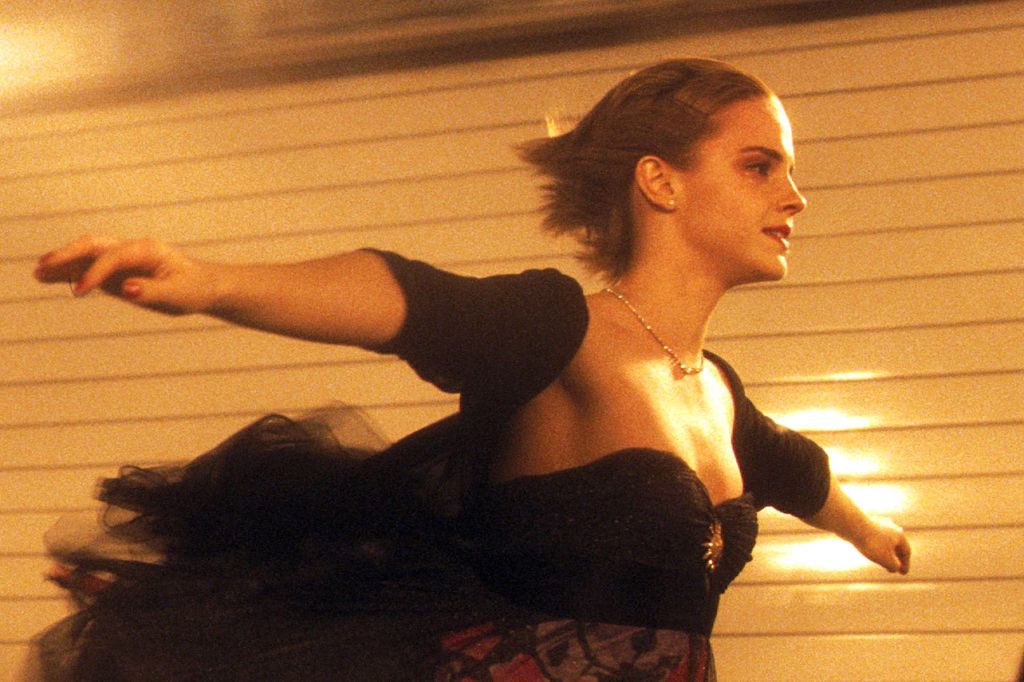
Iconic scene of Emma Watson in Perks of Being A Wallflower movie

Criticism of The Storyline

Charlie, the protagonist of the novel suffers extreme teenage crisis that sometimes breaks the readers’ hearts that all he had to handle alone inside his head. The book shows all the sides of being a teenager and isn’t afraid to cover mature themes. The book uses its more mature situations in order to relate to teenagers. Many teenagers have experienced these hardships either first hand or by hearing about them. The characters partake in activities that some may see as unwise. These are in the book however to add realism not to encourage or promote these acts. This book will most likely only be fully appreciated by older teenagers due to its unflinching depiction of teenage life. Before reading this book readers should know there are themes of sexual abuse and those that are sensitive to that topic should be cautious about reading this book. 

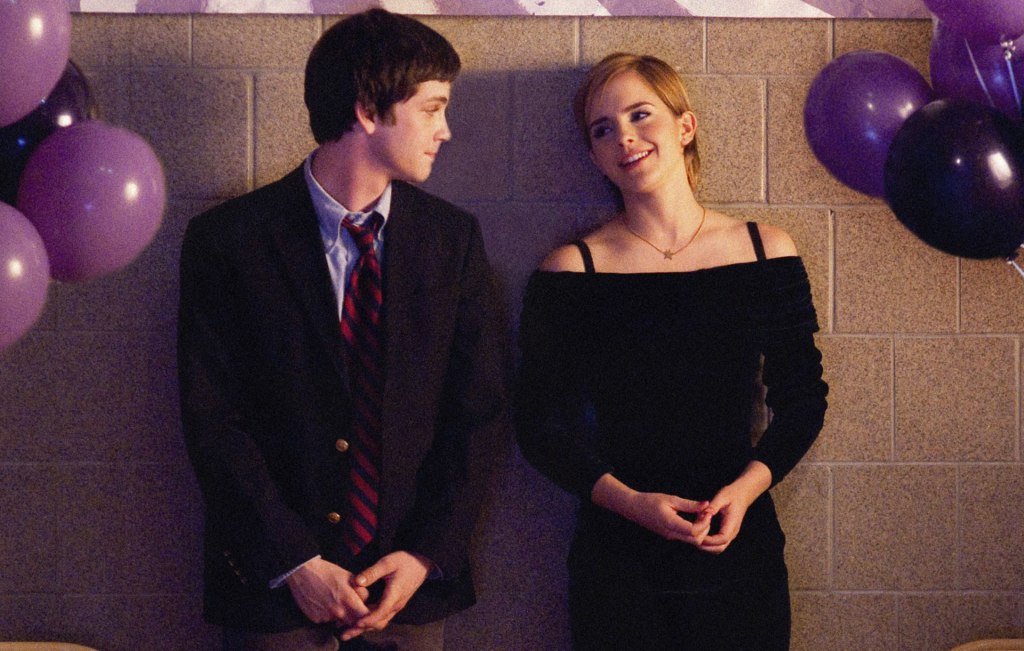
Logan Lerman and Emma Watson in Perks of Being A Wallflower (2012)

Conclusion

The book has received love all over from many of its readers for its very realistic portrayal of teenage life, complex characters, and thought-provoking commentary from Charlie. This book displays a wide range of emotions. Its relatable and complex characters allow the readers to feel the same emotions the characters are feeling. The book’s use of journal entries to tell its story helps the reader connect to Charlie and it adds to the realism, which makes this book an absolute winner.

Books- Our best companion

INTRODUCTION

Our best companies are books because they provide us with knowledge and comfort of mind.

Despite the fact that we have family and friends with whom we may discuss our opinions, we believe that books are the finest way to live a life full of wisdom and without explanation.

A book may be the one thing that one may read all day and leave all of their difficulties behind.

Photo by Mau00ebl BALLAND on Pexels.com

Although a book might provide us with knowledge, we should never expect us to remain obedient to the information provided. Books can also teach you about other facets of life.

Books are regarded for providing unbiased and reliable information. Books provide us with reliable research and information on a subject.

Like a wonderful buddy, good books approach our minds with knowledge and nice thoughts.

It is true that books are our best friends. Books will not abandon us in the face of adversity. They will be a terrific company for us at all times.

There are a lot of fantastic books out there that can help us modify our minds. To be motivated and inspired in our daily lives, we need a lot of good thoughts.

Learning new abilities by reading a book is a great approach to do so.

We can gain a comprehensive understanding of a subject. When we are feeling lonely, we can curl up with a nice book. I can assure you that you will begin to feel better. We must constantly avoid reading terrible novels.

A poor book can destroy your head and cause you to think negatively. That is why, before selecting a book, we should seek recommendations from friends or the internet.

Books can be expensive to purchase at times, but investing in a good book is well worth it. Money cannot be used to measure knowledge. That is why you should never stop purchasing books.

The public library has a lot of free books. If you like to read, you can also borrow books from your friends and elders. When you’re having a bad day and are feeling down, books can assist. Books can help you get out of a bind.

Photo by Leah Kelley on Pexels.com

We can learn many good things while reading a good book.

Books written by famous and experienced people helps us to become a better human being and also teach us how to serve the society in the best possible way.

When we are alone, we can always pick up a book and start reading to feel relax.

FAMOUS QUOTES

Good friends, good books, and a sleepy conscience: this is the ideal life.- Mark Twain

A great book should leave you with many experiences, and slightly exhausted at the end. You live several lives while reading.- William Styron

QUALITIES WE CAN LEARN FROM GOOD BOOKS

Being smart entails having a strong learning ability.


Brave: Willing to tackle challenges head on.


Nothing is impossible if you keep trying.

Demonstrate compassion by expressing positive thoughts toward people.

Don’t Insult Anyone: Be humble.

Always be grateful for what others have done for you.

Help others: Be a source of assistance to everyone.

Be Positive: Enjoy yourself in whatever you do.

Respect for people and their property is one of the most important moral values.

REFERENCES

http://www.vowelor.com

http://www.paragraphbuzz.com

3 best Books That Teach You To Be Rich

BOOKS CAN CHANGE ANYTHING

What’s your money strategy? Do you even have one?

If not, it’s not uncommon. Until two years ago, I didn’t have a financial plan, whatsoever.

Even though I’ve been reading about money, finance, and investing ever since I made my first few bucks as a teenager, I never created a financial plan.

But now, I think every single working professional needs a financial strategy. How do you spend your money? How much do you save? What are your thoughts about debt? How do you invest your money? How much money do you need to retire?

1. The Richest Man In Babylon by George S. Clason

This book was published in 1926 and as far as I can tell, it was the first popular book on personal finance.

Usually, I’m not into parables. But this is a great book. It’s the only parable that I’ve read that makes the message of the book even more powerful.

What it comes down to is this: Rich people are rich because they save their money, don’t get in debt, and don’t spend their money foolishly.

Clason recommends to save 10% of your income (I believe you should save 50% — more on that later). He calls saving “paying yourself first.” That’s an important mindset.

You only get rich by paying yourself. Don’t foolishly spend all your money on things you don’t need. When you do that, you pay others, not yourself.

Everyone should read The Richest Man In Babylon — the earlier the better.

2. Your Money Or Your Life by Vicki Robin and Joe Dominguez

What I enjoyed most about this book is that it teaches you to transform your relationship with money. This will change your life.

Money is something you trade your life energy for. Think about it. You work to earn money.

But you spend your time to work. That’s why Robin and Dominguez spend the first part of this book to make us aware that more is not better.

More money is especially not better if you have to put your own well-being on the line. It’s never worth it. Just ask the family of the bankers who committed suicide during any recession.

If you want to live a healthy and wealthy life, you must detach yourself from money. Instead of striving for more, get better at managing your money.

Save it. And don’t waste it on stuff you don’t need. Your Money Or Your Life starts out strategically and gets more practical towards the end.

One thing I don’t agree with is retiring early. I don’t want to retire and sit on a beach. That’s because my mentors, who are beyond the retirement age, still work and are very happy. I aspire to do the same.

But I also want to build enough wealth that I don’t “have” to work if I don’t want to. That’s one thing Robin and Dominguez also believe in.

3. The Intelligent Investor by Benjamin Graham (with commentary by Jason Zweig)

I bought my first stocks when I was 20 years old. At the time, the finance sector was doing great, and I thought it would be good to invest in ING, the major Dutch bank.

Oh yeah, I should mention that this was in 2007, right before the financial crisis. I invested €1500 in ING and €500 in AEGON, a Dutch asset management firm.

It was about half of my savings at the time — a lot of money for a student. And a few months later, when Lehman Brothers collapsed, my stock portfolio was worth only a few hundred euros in total.

Man, I was so pissed off. I can’t even tell you how livid I was. But looking back, I understand that losing money is a part of investing.

And fortunately, I didn’t sell and waited until the stocks recovered. That took eight years, though.

I decided to not invest in individual stocks anymore. And The Intelligent Investor is one of the most important books that helped to realize investing in stocks is not for me.

If you already know that you don’t want to invest in individual stocks, you don’t have to read this book. However, if you are interested in finance, I highly recommend it. The commentary by Jason Zweig, a WSJ columnist, is also excellent.

P.S. I skipped the chapters about stock analysis because I’m not going to use it.