A Jest of God: The Book Review

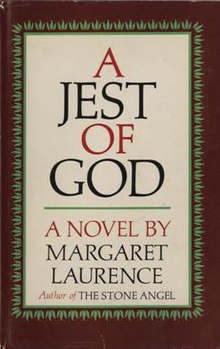
The first cover of A Jest of God (1966)

Introduction

A Jest of God is a novel by Canadian author Margaret Laurence. It was first published in 1966. It won the Governor General’s Award  for 1966 . In 1968, director Paul Newman and screenwriter Stewart Stern  adapted A Jest of God  into the motion picture Rachel, Rachel. It starred Joanne Woodward in the lead role and Estelle Parsons as Calla, both of whom received Academy Award nominations for their performances. It was also nominated for Best Picture.
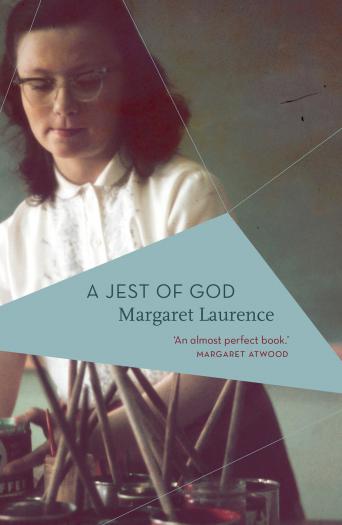
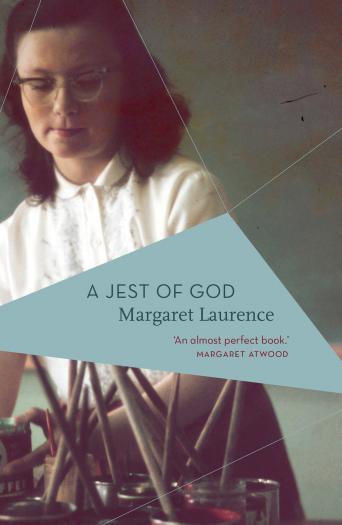
Revised Cover of A Jest of God (1966)

About The Author

Margaret Laurence (née Jean Margaret Wemyss), was a Canadian novelist (born 18 July 1926 in Neepawa, MB; died 5 January 1987 in Lakefield, ON). Margaret Laurence was one of the pivotal and foundational figures in women’s literature in Canada. Two of her novels — A Jest of God (1966) and The Diviners (1974) — won the Governor General’s Literary Award  for fiction. She also wrote acclaimed poetry, short stories and children’s literature, helped found the Writers’ Union of Canada and the Writers’ Trust of Canada, and served as chancellor of Trent University. She was made a Companion of the Order of Canada  in 1972 and was named a Person of National Historic Significance by the Government of Canada  in 2018.
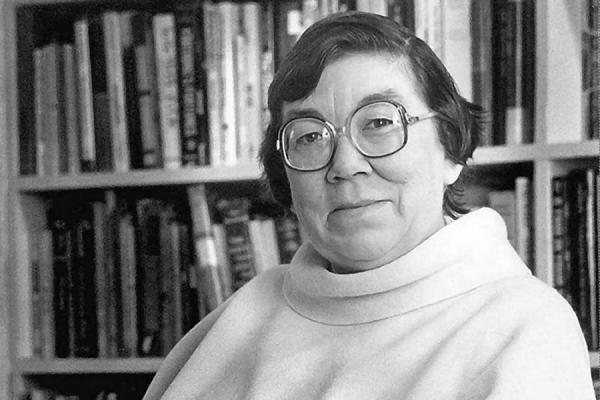
Margaret Laurence

Storyline of The Novel

The tale of the dutiful daughter who returned home to care for her ailing widowed mother records with appalling accuracy the life of a thirty-four year old spinster schoolteacher in a small town outside of Winnipeg. The relentless confinement of Rachel Cameron‘s life is disrupted the summer the milkman’s son, now a teacher in a Winnipeg high school, returns to visit his parents. Rachel is an easy mark; her affair with Nick brings out passion after awkwardness, and the yearning for a family of her own. The understanding that Nick is married destroys the affair but not her longing, and when she thinks she is bearing his child she determines to go through with her pregnancy. The prospective infant turns out to be a tumour, benign; Nick turns out to be unmarried and the more inaccessible; but Rachel emerges from her experience with a new conception of herself and her environment. She will no longer be a victim, though she may be a reluctant jester, and she makes the needed move to a place where her old responsibilities and limitations will remain but where there will be a greater freedom. Saved from soap opera by an utter sureness and honesty of vision, from dreariness by the aptitude of its portrayals, this carries a compassionate conviction that will reach a limited but sensitive feminine readership.
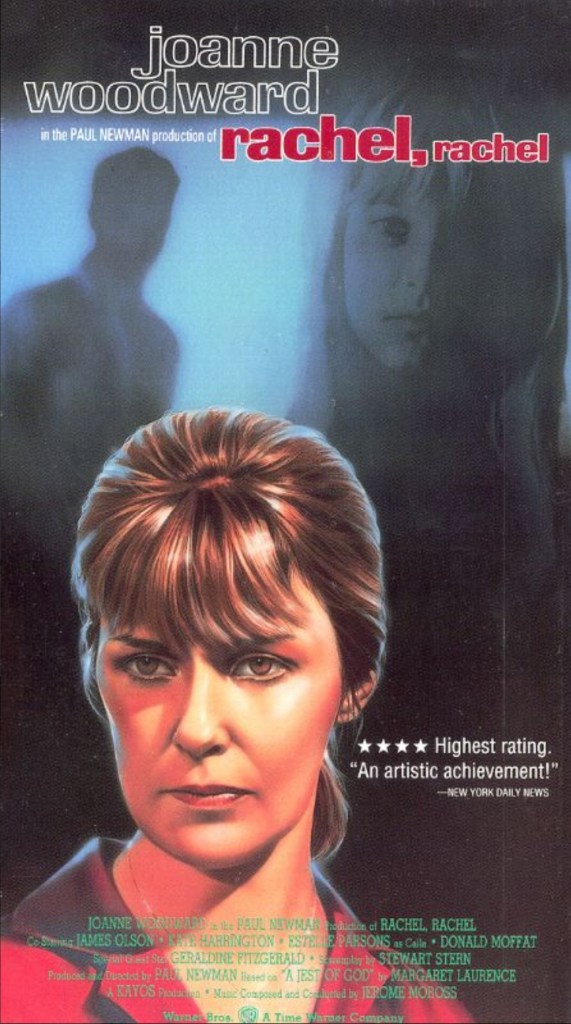
Poster of movie Rachel, Rachel (1968) based on novel A Jest of God (1966)

Analysis of The Storyline

The novel gets told with difficulty because Rachel’s voice is halting, obsessive. She begins her story as an observer, watching the children in the schoolyard, watching herself both in her immediate present as a teacher and remembering back to her childhood. She thinks of the “secret language” children share. In contrast, her own language is halting, and she finds difficulty establishing a voice. She frequently interrupts to judge her voice critically. She wonders: “Am I beginning to talk in that simper tone?” . Then, as a corrective, she speaks “more sharply than necessary,” and cautions herself to “strike a balance” . But, if we read this story in Jungian terms. (as many critics do),we perceive that Rachel cannot achieve this desired balance until she accepts her shadow side. Locked in a pattern of avoidance, no wonder she finds “my own voice sounds false to my ears”.
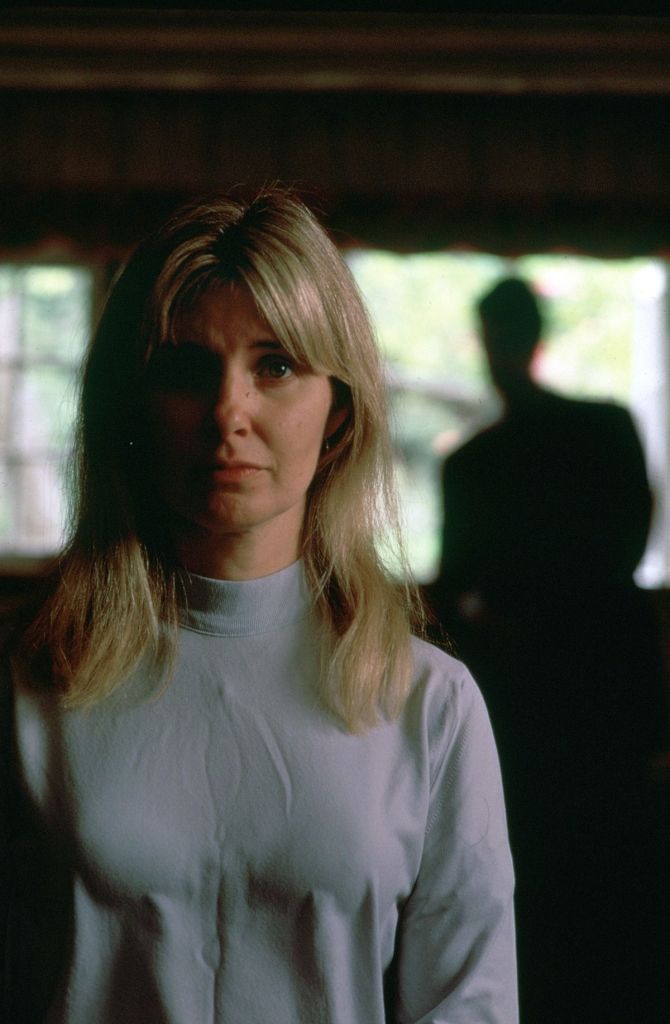
Joanne Woodward as Rachel in Rachael, Rachael (1968)

Because she resists acknowledging her desires, she remains blocked. When she approaches a recognition of her “darker,” “shadow” selves, she retreats, and stops the story. If she fears she is entertaining “morbid” thoughts or eccentric fantasies, she admonishes herself: “This must stop. It isn’t good for me. Whenever I find myself thinking in a brooding way, I must simply turn it off and think of something else”. She retreats from her sexual fantasies : “I didn’t. I didn’t…. Rachel, stop it. You’re only getting yourself worked up for nothing. It’s bad for you”. Yet these private fantasies are colourful and engaging, in vibrant contrast to her stilted public language and constrained behaviour. Fortunately, almost in spite of herself, she comes to acknowledge her desires and to face the implications of sexual passion. Through a symbolic descent into the underworld, the womblike, tomblike mortuary presided over by Hector Jonas (/Jonah), she realizes that she has the power to affirm her passions, to choose life.
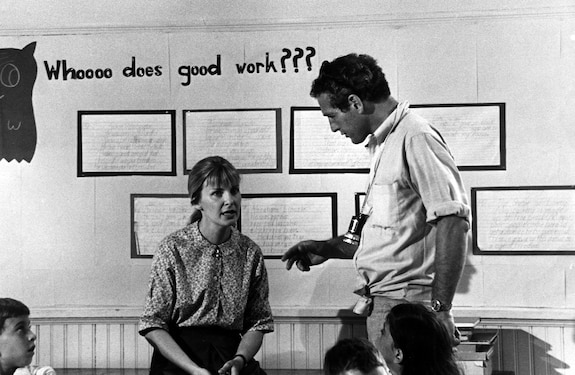

scene from Rachel, Rachel (1968)

Conclusion

A Jest of God is beautifully written, a sympathetic, tender novel which sees Rachel come to a new understanding about herself, and her standing with her difficult mother. A thoroughly beautiful novel, that still possesses its relevance to today’s readers.

The Perks of Being A Wallflower: The Book Review

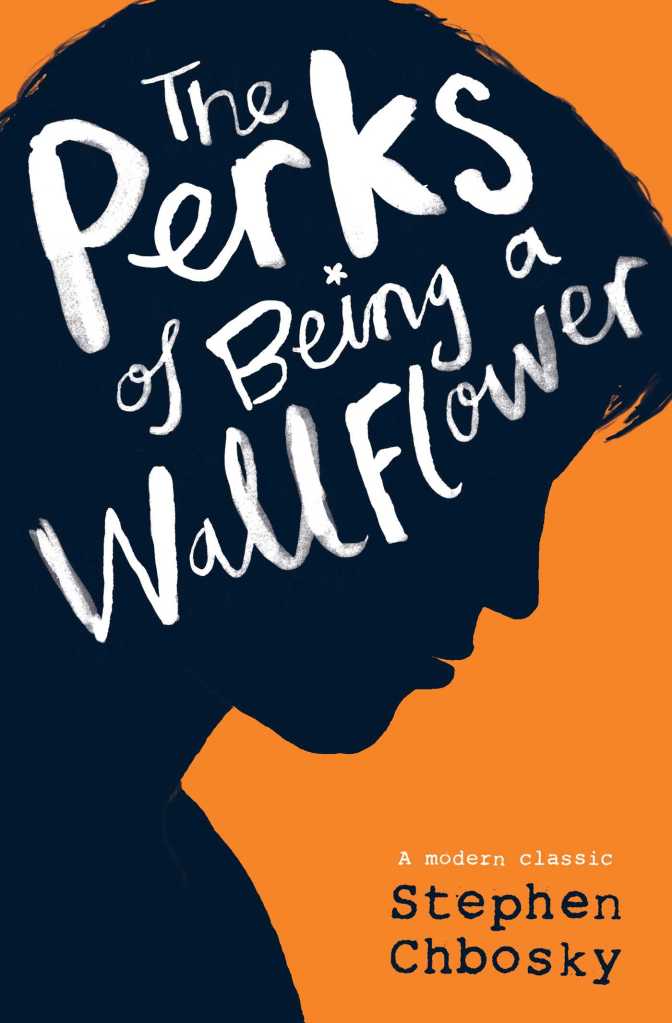
Cover of Perks of Being A Wallflower (1999)

Introduction

The Perks of Being A Wallflower(1999), is a modern age novel written by Stephen Chbosky. The novel is about the dilemma of passivity vs passion that marks the stunning debut of a provocative new voice in contemporary fiction. Stephen Chbosky has created this deeply affecting coming-of-age story, a powerful novel that would spirit the readers back to those wild and poignant roller coaster days known as growing up. The novel is later adapted to a movie under the same title in 2012.

About The Author

Stephen Chbosky is an American screenwriter, film producer, film director, novelist, television writer, and television producer. He is best-known for writing the bestseller The Perks of Being A Wallflower(1999), as well as for writing and directing the 2012 film adaptation of the book. Most recently, he directed the 2017 drama Wonder and the 2021 film adaptation of Dear Evan Hansen. His first psychological horror novel, Imaginary Friend, was published in October 2019.

Stephen Chbosky

Storyline of The Novel

The Perks of Being a Wallflower by Stephen Chbosky is narrated by fifteen-years-old Charlie, the titular ‘wallflower’, in a series of letters that he writes to a stranger, beginning the night before he starts his freshman year of high school in 1991. These letters catalogue Charlie’s attempts to “participate”, as he wanders wide eyed through a series of house parties and Rocky Horror Picture Show productions with his new, older friends. Along the way, Chbosky intelligently explores stock Young Adult themes such as mental health, substance abuse and sexuality, whilst simultaneously reminding the reader about how exciting it is to be young and idealistic.

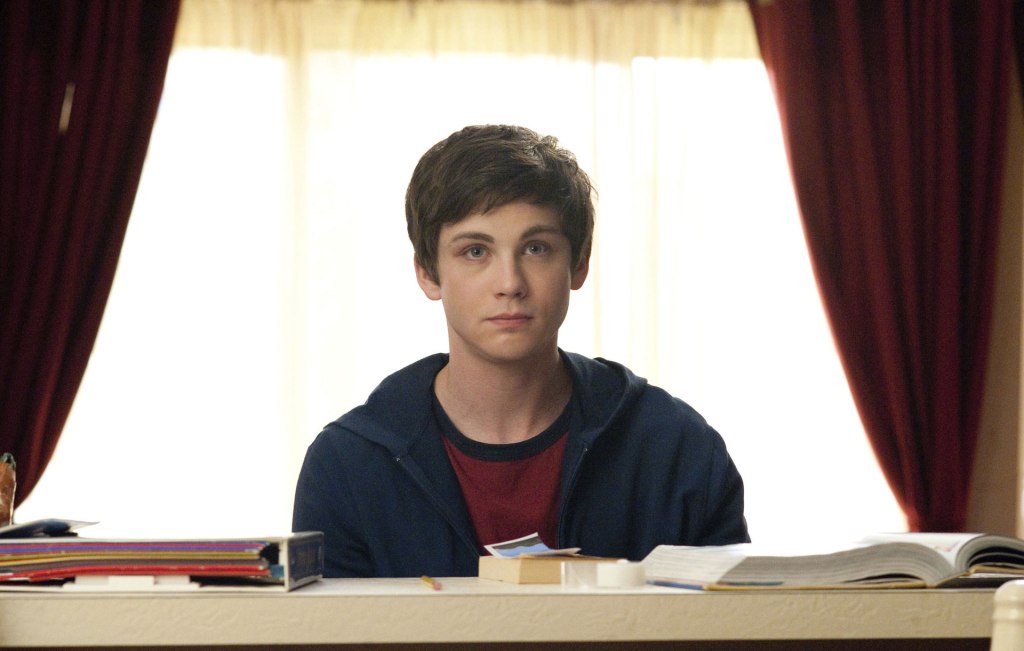
Logan Lerman as Charlie in Perks of Being A Wallflower (2012) movie

           Though shy and sensitive in nature, Charlie is an intelligent boy with unconventional thinking capabilities. His first letters starts with Charlie mentioning about suicide of his Middle School’s friend and death of his favourite aunt Helen and how these tragic incidents have took toll in his life. Charlie befriends two seniors Patrick and Sam and ends up indulging in alcohol and other drugs with Sam. In the meantime, Charlie also learns about his sister having relationship with an abusive guy and eventually getting pregnant. The flashback of his aunt dying in car crash stops haunting Charlie, as he starts enjoying company of his friends and Sam. While playing Truth and Dare, he is asked to kiss the prettiest girl in the room; he kisses Sam for which he faces neglect from the group. Overall this is a story filled with drama and lots of emotions, including, friendship, first love and teenage sexuality.

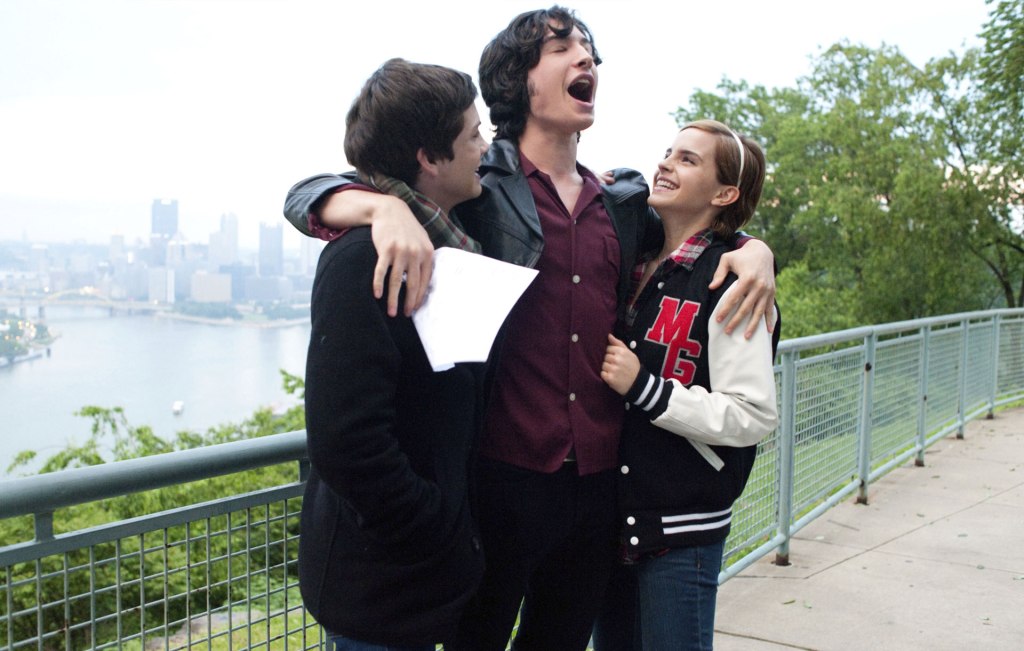
Logan Lerman as Charlie, Emma Watson as Sam and Ezra Miller as Patrick in Perks of Being A Wallflower movie

Analysis of The Storyline

Throughout the book, through the characters, the author seems to be attempting to answer some of the questions we all face at some time in our life. The author seems to be trying to find the reason why some good people chose bad people to love. This question is raised by Charlie to Mr. Bill and the answer he gives seems to be the central theme of the book “We accept the love we think we deserve”. This can be seen in various characters. Sam is in a relationship with a guy, who seems to consider that everything that is good about her, is good because of him. She seems to have gone through some tough times in her life, and the fact that she didn’t consider herself worthy, seems to have played a role in this.

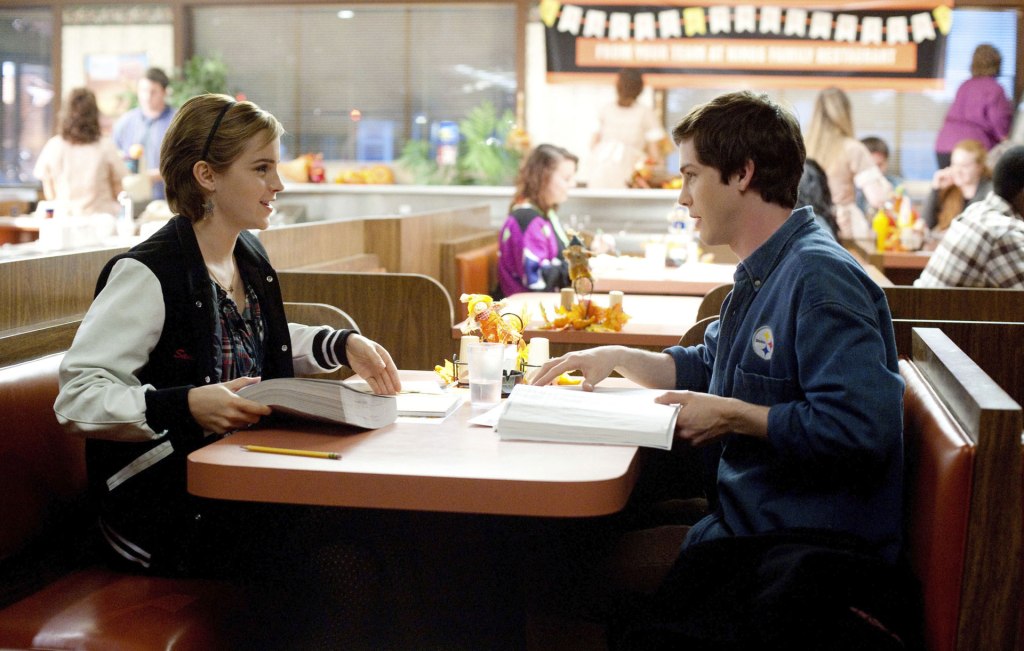
Scene from Perks of Being A Wallflower movie

The whole book seems to be asking the reader to love themselves. The author, by writing the story as a series of letters, seems to be trying to speak to the readers, as if speaking to a friend, a friend he sees in high regard, no matter how they see themselves.

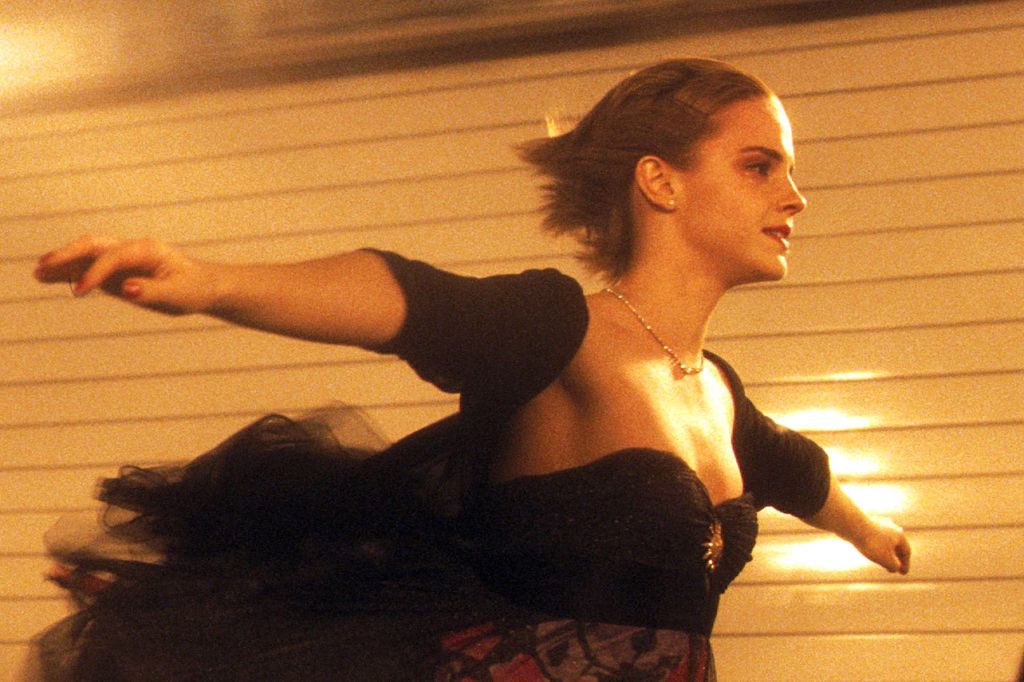
Iconic scene of Emma Watson in Perks of Being A Wallflower movie

Criticism of The Storyline

Charlie, the protagonist of the novel suffers extreme teenage crisis that sometimes breaks the readers’ hearts that all he had to handle alone inside his head. The book shows all the sides of being a teenager and isn’t afraid to cover mature themes. The book uses its more mature situations in order to relate to teenagers. Many teenagers have experienced these hardships either first hand or by hearing about them. The characters partake in activities that some may see as unwise. These are in the book however to add realism not to encourage or promote these acts. This book will most likely only be fully appreciated by older teenagers due to its unflinching depiction of teenage life. Before reading this book readers should know there are themes of sexual abuse and those that are sensitive to that topic should be cautious about reading this book. 

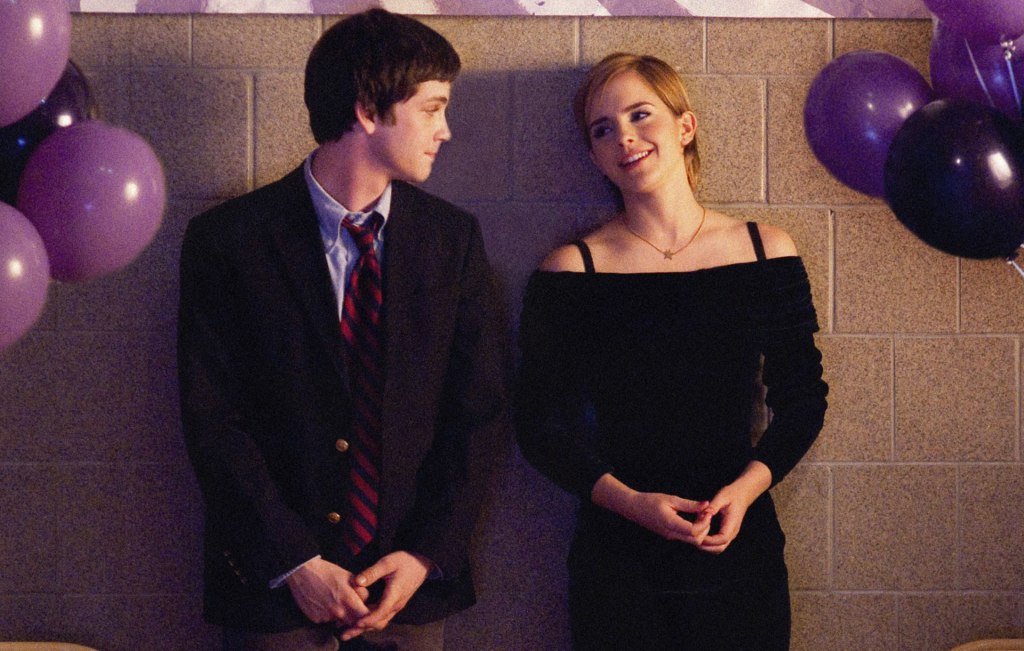
Logan Lerman and Emma Watson in Perks of Being A Wallflower (2012)

Conclusion

The book has received love all over from many of its readers for its very realistic portrayal of teenage life, complex characters, and thought-provoking commentary from Charlie. This book displays a wide range of emotions. Its relatable and complex characters allow the readers to feel the same emotions the characters are feeling. The book’s use of journal entries to tell its story helps the reader connect to Charlie and it adds to the realism, which makes this book an absolute winner.

Book Review – Half Torn Hearts

Half Torn Hearts is the 14th novel of Novoneel Chakraborty. Novoneel usually writes the suspense and thriller novel, but this novel differs from Novoneel’s other books, and is definitely a masterpiece.

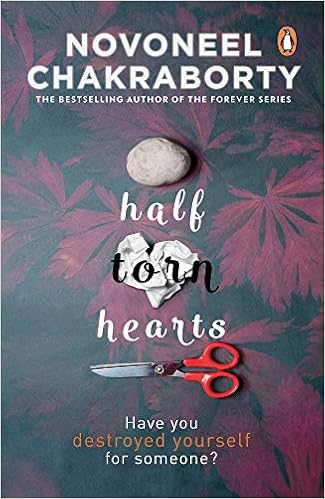
Half Torn Hearts : Chakraborty, Novoneel: Amazon.in: Books

SYNOPSIS

Shanay Bansal, a young and successful entrepreneur, is looking forward to his engagement with Afsana Agarwal. But a few weeks before the engagement, he receives intriguing voice message from someone from Afsana’s past. Curious, Shanay plays the voice message and through those other such messages, a different world from the past opens up about a beautiful relationship that got broken because of a terrible lie.

PLOT

There are mainly three characters: Nirmaan, Raisa and Afsana. Nirmaan and Raisa are childhood, good friends. They meet in the year 1996 in Guwahati. Nirmaan offers her to play with him and his friends. In the beginning, she doesn’t but later agrees and becomes good friends. Besides Nirmaan, she doesn’t have any friends.

After six years, in 2002, they again meet in Kolkata in the school named St. Peter’s High. In the beginning, he gets surprised to see her. She tells how she gets admission in the school. Time has changed, and they have grown up, but Raisa doesn’t prefer to change. She wants everything to be like earlier times. She doesn’t leave Nirmaan most of the time and he gets annoyed. He tries to explain to Raisa that things have changed, time has changed, but she didn’t seem to understand. 

Later, in the same school, she meets Afsana Agrawal, and they become best friends. They become soul sisters; whereas Nirmaan doesn’t like Afsana and tells Raisa to stay away from Afsana, but she still hangs out with Afsana. Time passes and these innocent minds did not know how thier lives would turn. Raisa fails in class X whereas Afsana and Nirmaan pass the exam. They get admission to the same college. With time, both fall in love but they weren’t able to express their feelings. 

On the one hand, Afsana is in with Nirmaan and her parent has searched her guy ten years elder and her parents want her to marry when she returns 18. She couldn’t share this with Nirmaan and shares with Raisa. Raisa is one who makes them together and gets intimate with him, but she doesn’t share about her so-called soon fiancée.

With time, they get separated. What is the reason for the separation, and why is she getting married to Shanay? What will Shanay do after knowing the truth?

CONCLUSION

This story has three main characters and their selfless love and that willingness to destroy owns self for the person they love. There are quite few many difficulties in their life but the way their love has been portrayed it won my heart. Some secrets, some revelations and then an unexpected climax – everything is just so catchy that I could not put the book down till I completed reading it. So, half torn hearts will definitely win many hearts of the readers!! And the most beautiful part about this book is the Hindi poems in between the story which gave that storyline the perfect essence of emotions.

While reading the novel, we can tell that not every relationship is about flowing together forever. People who meant the world to us at one time will seem like a distant memory at another.
In conclusion, I could say it’s interesting and engaging. It’s a heart crushing story with surprising revelations and a touching climax.