The Societal Implications of Cryptocurrency: A Global Perspective

 Cryptocurrency has taken the world by storm in the past decade. Since the launch of Bitcoin in 2009, the market has seen the emergence of thousands of cryptocurrencies, with a total market capitalization of over $2 trillion as of April 2021. While cryptocurrency has its roots in the technology sector, its impact has far-reaching societal implications. In this article, we will explore the societal implications of cryptocurrency from a global perspective. If you’re interested in trading Bitcoin, you can visit https://thecryptogenius.software/ to start your trading journey. This platform provides a user-friendly interface and a secure environment for buying and selling Bitcoin.

Photo by Afta Putta Gunawan on Pexels.com

Financial Inclusion

One of the most significant benefits of cryptocurrency is financial inclusion. According to the World Bank, there are approximately 1.7 billion people in the world who are unbanked, without access to basic financial services. Cryptocurrency provides an alternative means of financial access, allowing individuals to transact without the need for a bank account. This is particularly important in developing countries where traditional financial systems are often inaccessible or unreliable.

Fraud Prevention

Cryptocurrency transactions are secured using blockchain technology, which is immutable and tamper-proof. This makes it almost impossible for fraudulent activities such as double-spending, hacking, or identity theft to occur. Traditional financial systems, on the other hand, are vulnerable to fraud, and the cost of fraud prevention is high.

Decentralization

Cryptocurrencies are decentralized, meaning they operate independently of central authorities such as governments or financial institutions. This gives individuals greater control over their finances and reduces the risk of censorship or manipulation by centralized authorities. Decentralization also promotes transparency and accountability in financial transactions.

Tax Evasion

Cryptocurrency has been criticized for its potential use in tax evasion and money laundering. While it is true that cryptocurrency can be used for illicit purposes, the same can be said for traditional financial systems. In fact, cryptocurrencies can be more transparent than traditional financial systems since all transactions are recorded on a public ledger.

Investment Opportunities

Cryptocurrency, also known as digital currency, is a form of decentralized currency that utilizes encryption techniques to regulate the generation of units of currency and verify the transfer of funds. This innovative technology has created new investment opportunities for both individuals and institutions in recent years.

One of the most significant advantages of cryptocurrency is its lack of government regulation and restrictions. Unlike traditional investments such as stocks and bonds, cryptocurrency investments are not subject to government regulations, which has created a new asset class that is accessible to anyone with an internet connection.

This means that cryptocurrency investments are not subject to the same rules and regulations as traditional investments, which can be a double-edged sword. On one hand, this lack of regulation means that investors have greater freedom to invest in cryptocurrencies without having to deal with the bureaucracy and limitations of traditional investments. On the other hand, it also means that cryptocurrency investments can be more volatile and unpredictable, as they are not subject to the same level of oversight as traditional investments.

Energy Consumption

One of the biggest criticisms of cryptocurrency is its energy consumption. Cryptocurrency mining consumes a significant amount of energy, and this has led to concerns about its impact on the environment. However, it is worth noting that traditional financial systems also consume a significant amount of energy, particularly in the form of physical cash production and transportation.

Volatility

Cryptocurrency, a type of digital or virtual currency that uses cryptography for security and operates independently of a central bank, is known for its extreme price fluctuations. The value of cryptocurrencies can often skyrocket or plummet within a matter of hours, days, or even minutes, leaving investors and traders constantly on edge.

While the volatility of cryptocurrency can be a disadvantage for some investors, it also presents opportunities for profit. In fact, some traders and investors actively seek out cryptocurrency markets with high volatility in order to capitalize on the price swings. This is because when a cryptocurrency’s value suddenly increases or decreases, there is potential to buy or sell it at a lower or higher price, respectively, and make a profit.

The high volatility of cryptocurrency is partly due to its relatively small market size and lack of regulation, making it vulnerable to manipulation by a small number of players. Additionally, the technology behind cryptocurrency is still in its early stages of development, meaning that unexpected news or events can have a significant impact on the market.

Conclusion

Cryptocurrency has far-reaching societal implications that extend beyond the technology sector. Financial inclusion, fraud prevention, decentralization, investment opportunities, and energy consumption are just a few of the factors that must be considered. While cryptocurrency may present some challenges, it also has the potential to revolutionize the way we think about money and financial transactions.


The Role of Cryptocurrency in Education Access: An Exploration

 In recent years, cryptocurrency has become an increasingly popular topic of discussion in various industries. While its primary purpose may have been to act as an alternative form of currency, it has since been adapted for various use cases, including education access. In this article, we will explore the role of Bitcoin in education access and how it is changing the landscape of education. If you are interested in oil, exploring the dynamics of oil trade can provide valuable insights into this important industry.

What is Cryptocurrency?

Cryptocurrency has emerged as a popular and rapidly evolving concept in the world of finance and technology. It refers to a digital or virtual currency that is secured through cryptographic algorithms and operates independently of a central bank or government. Unlike traditional currencies, cryptocurrency does not rely on physical money or paper currency, but instead uses blockchain technology to manage and record transactions.

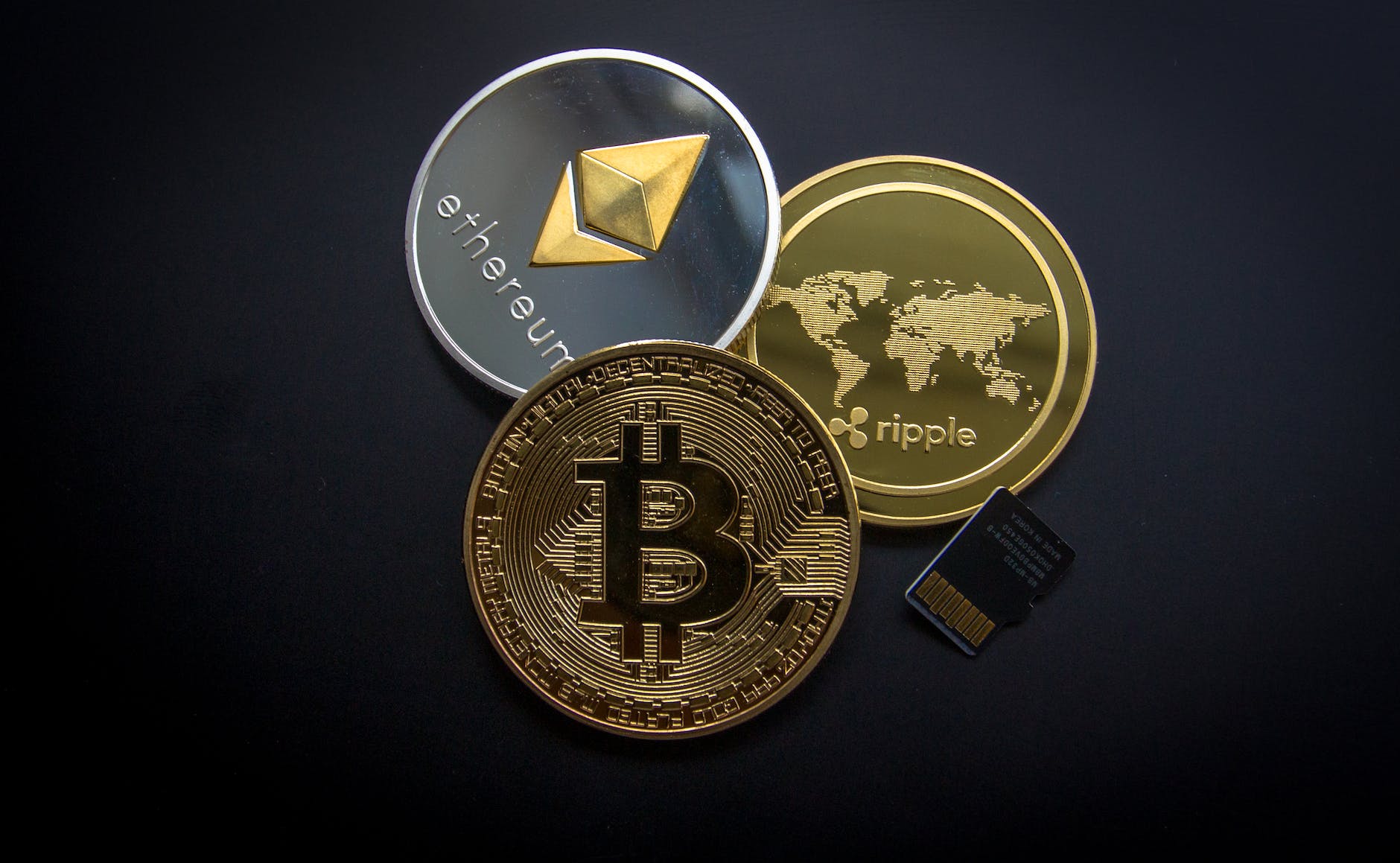
The most well-known and widely used cryptocurrency is Bitcoin, but there are many others such as Ethereum, Litecoin, Ripple, and more. Each cryptocurrency has its unique features, purpose, and value proposition. Some are designed for faster transaction times, while others are focused on providing more privacy and security to users.

One of the most significant advantages of cryptocurrency is that it offers users a high level of anonymity and transparency in transactions. Users can send and receive payments without revealing their identity, which can be beneficial in protecting privacy and preventing fraud. At the same time, every transaction on the blockchain is recorded and publicly accessible, ensuring that the system remains transparent and trustworthy.

In recent years, cryptocurrency has been gaining traction in the education sector as well. Several universities and educational institutions around the world are starting to accept Bitcoin and other cryptocurrencies as a form of payment for tuition fees and other expenses. This is particularly useful for international students who may face difficulties with traditional payment methods due to cross-border regulations and currency exchange rates.

Moreover, some educational organizations are exploring the use of blockchain technology to improve the management and verification of academic credentials. By storing student records on a secure and tamper-proof blockchain, universities can prevent fraud and ensure the authenticity of degrees and certificates. This can be especially beneficial in developing countries where diploma mills and fake credentials are prevalent.

Photo by Fox on Pexels.com

Cryptocurrency and Education Access

The traditional education system has its limitations. For instance, it can be challenging for students from disadvantaged backgrounds to access education due to various factors such as poverty, lack of infrastructure, and the high cost of education. Cryptocurrency can help bridge this gap by offering an alternative payment method that is more accessible and cheaper.

One of the main advantages of cryptocurrency in education access is that it eliminates intermediaries in transactions. Students can pay for tuition fees and other education-related expenses directly to the institution using cryptocurrency without the need for intermediaries such as banks or payment processing platforms. This results in lower transaction fees and quicker processing times.

Another advantage of cryptocurrency in education access is that it eliminates geographical barriers. With cryptocurrency, students from anywhere in the world can access education from institutions that accept cryptocurrency payments. This opens up opportunities for students who would otherwise not have access to quality education due to their location.

Cryptocurrency and Student Loans

In addition to making education more accessible, cryptocurrency can also be used to revolutionize the student loan system. Currently, the student loan system is plagued with challenges such as high-interest rates, predatory lending practices, and complicated repayment terms. Cryptocurrency can offer a more transparent and fair alternative to the current system.

Cryptocurrency-based student loans can be facilitated through smart contracts. Smart contracts are self-executing contracts with the terms of the agreement between buyer and seller being directly written into lines of code. This eliminates the need for intermediaries and reduces transaction costs.

The use of smart contracts in student loans can also ensure that loan terms are transparent and fair. Loan conditions can be written into the code and cannot be changed once the contract is executed. This reduces the risk of predatory lending practices and ensures that students are not burdened with unfair loan terms.

Conclusion

Cryptocurrency is a game-changer in education access. It has the potential to make education more accessible, cheaper, and fairer. With the elimination of intermediaries and geographical barriers, students from all over the world can access quality education. Furthermore, the use of smart contracts in student loans can ensure fair and transparent lending practices.

In conclusion, cryptocurrency is a powerful tool that can be used to transform the education system. As the world becomes more digitized, it is essential to embrace new technologies such as cryptocurrency to ensure that everyone has access to education.

3 Tokens to turn your $1 into $30 in a 2023 check

 Multiplying your dollar into a hundred dollars is everything that we need as investors. We turn saving into investments to generate a heavy flow of income. Acquiring profits by investing in cryptos is an easy way of intelligent earning. We long to invest more of our savings into places that potentially generate income In addition, you may improve your trading skills by using a reputable trading platform like www.immediateconnect-se.com

Photo by Jonathan Borba on Pexels.com

Yet, most of the middlemen infuse her wealth for unproductive purposes rather than inducing for their well-being. A general spread of awareness has to be attained to avoid this behavior. Enouage to save and invest in the best legitimate sources of earning should be an investor’s target. 

Cakes with a sweet frosting require more effort and time. Similarly, more returns might often take longer time but the wait is worthwhile. So, grab your cake in advance and enjoy your frosting when the trends shoot your way high. 

Let’s seize the golden chance to turn your dollar into thirty dollars by investing in the best-rated cryptos. There is no better opportunity to do so and build up your portfolio. Here are the 3 most incredible cryptos paving a new way of meaning opportunity: 

  1.  RenQ Finance (RENQ)

RENQ is a bridge to isolated blockchains on a decentralized Finance DeFi platform. Its mission is to resolve the ever-raging problem of liquidity. Innovation is the key intention of the platform and has placed it on its platter very precisely. 

Apart from the liquidity concept, it further emphasizes several other features. One of which is the scalability concept. The scalability is refurbished to promote a swift mode of transactions in a short time. Furthermore, its low transaction fees make RENQ the best choice for traders and investors. 

The wallet system is purely centralized with decentralized security set up to maintain transparency and uniformity. It further slaves the complexity issues that traders come across while dealing with DeFi exchanges. If you’re a trader of a basic level and have the least experience in managing DeFi networks then this is a perfect pick. 

It is a user-friendly platform that builds investors’ trust by resolving their issues. Traditional platforms have infused the scalability and liquidity concept but had a backlog in balancing the two. 

  • Shiba Inu (SHIB) 

Shiba Inu token is an inspiration from a dog breed that has a whole community-driven ecosystem. The meme crypto started its journey in the year 2020 in August. SHIB has a decentralized blockchain base that has come under the limelight recently. 

According to the resorts of the portal, the SHIB token is flaring remarkably. The initial price of one SHIB token in 2020 was $0.00000001 which has touched beyond the sky to $0.00001088. The reason behind this is the innovation and technology the model inhabits. 

The growth trajectory to Shiba Inu is bound to shoot up with no stop signs visibility. The meme coin is also framed as the “Dogecoin KIller” as it has been replacing it and setting its significant position. The SHIB token predictions reveal it will touch $30 by 2023 from a dollar investment to thirty. 

  • Cardano (ADA) 

The Cardano portal addresses interoperability on its front base. Additionally, it also aids the scalability issues by accessing faster transactions than Bitcoin and Ethereum. The blockchain platform aims at sustainability and an energy-efficient structure in its framework. To bring this into its model it runs on proof-of-stake consensus. 

On the other hand, well-known cryptos like BTC and ETH have a proof-of-work consensus. By market cap, Cardano ADA has touched the seventh-largest position in the galaxy of cryptos. Cardanoo has taken a steady climb from $0.18 in March 2020 to $3.10 in September 2021. 

The current price of Cardano is running at $0.414. Positive trends are favoring the Cardano portal which has highly friendly indications for its length as well as short-term investors. If ADA sets to rise at the same velocity then it is certainly bound to achieve $30.

Let us switch in to buy these cryptos and strengthen your portfolio and enhance your presence in the crypto industry.     For crypto trading and investment log onto Bitcoin smart 

Top 10k Bitcoin investors control one-third of the supply.

 As we all know, bitcoin is one of the most popular cryptocurrencies today in the market. No matter whether you like it or not, it has become the first crypto in the world. It is one of the nearing things to decentralized assets. 

The thing which one should note is that it has some pressure points. For pressure points, we do not mean failure. It refers to the investors who have invested hugely in bitcoins. It is to be determined whether such currencies will take off the market any day. If you want to invest in bitcoins then you can visit online trading platforms like Limmercoin

Santoshi Nakamoto

Photo by Karolina Grabowska on Pexels.com

Santoshi Nakamoto is one of the founders who has the largest number of bitcoin today. We exactly don’t know if he came to the top list individually or in a group. But he holds around 1 million bitcoins today. This million in total means 5.2% of the total supply of BTC. And this becomes a huge amount. 

Still, no one is aware of Santoshi Nakamoto. However, it is a great risk for a person to such any currency in such a large number. 

According to Coinbase, it is a big risk for his businesses. This news was viral among the public in the year 2021. Also, it has been said that an anonymous person Santoshi Nakamoto holds the largest number of bitcoin, which is a huge risk. 

It is a fool’s game to speculate on Santoshi Nakamoto’s identity. Even Bitcoins he is holding can be lost forever. There is no difficulty in observing the coinbase listing it as a risk on its filling. All we can say is a person has around 5.2 percent of BTC. But no one can even determine who can have it. 

Bitcoin whales

After knowing about Nakamoto, it was found that there are some wallets where there are bitcoins available. National Bureau of economic research said that the top 10000 Bitcoin investors on the list have around one-third of the total supply. 

It is not an appropriate value but is an approximation. Hence, it is likely, not possible to control such a huge number by a single person. As discussed above, Nakamoto is the one to hold 5.2 percent of BTC. But no one has any idea whether he is owned as an individual or not. 

Bitcoin returned almost 230 percent of bitcoin in the years 2011 and 2021. It is doing so to outperform the financial asset of the world. It is a piece of shocking news that an individual is holding such a large amount of BTC. 

If you would have invested something 2000 dollars in the year 2010, you will get around 10000 bitcoins. That number of BTC costs 26 dollars in today’s time. As a result, the person who involved themselves in it too early has a lot of supply today and has earned huge from it. 

Also, it has been researched that only 114 addresses throughout the world contain 10000 bitcoins and more. so, these 114 addresses have almost 15.5 percent of the total supply of bitcoins. 

Some entities that have the largest number of bitcoins today

Not only individuals but there are some entities too who hold the largest number of BTC in the world. Among which the first is Michael Saylor and MicroStrategy who has 130000 bitcoins today. This number in approximation refers to 0.68 percent of the total supply. And hence it is a huge amount for any big company. But they have a fear that if in case the price of BTC decreases then what shall happen? 

Not only MicroStrategy but there is one more Chinese company holding a large number of BTC. That private company is Block.one which has currently 140000 bitcoins. This company has the highest number of bitcoin by a single entity. 

Conclusion

So there isn’t any doubt that the fundamentals of BTC make it a decentralized asset. The no downward of this currency made it a decentralized asset in the real world. Many entities and persons are holding Bitcoin today in huge numbers. For the early investors it is just marvelous as they can earn huge from it now. So, still, if you like to invest in any such currencies, bitcoin smart seems the best choice for you. 

Top 5 AI Cryptocurrencies to Buy in 2023

 Artificial Intelligence (AI) tools are the hottest trend among enthusiastic investors. The market trends are highly volatile and AI-hosted cryptos experience similarities. The cryptos connected to AI technology are outbursting experiencing substantial gains over time. Looking for a safe cryptocurrency trading platform to invest in Bitcoin? Then learn more at this link

Photo by Jonathan Borba on Pexels.com

Ever since its launch, the newbie technology is soaring highly with increasing popularity among people. Investors seem curious about the working of this new technology and its feature outlook. It has paved the way for several doors for individuals to access and boom into the real world. 

In the modern world, AI will gain exponential power as it is the future of evolution. Human beings and the fast-paced world will switch to a wider advanced medium making use of the new technology. AI will be the boon spreading across the length and breadth of the real world. 

The fusion of cryptos with AI technology will unfurl a new remark on the crypto industry with bubbling returns. There is numerous crypto that has popped up in recent times with a fusion of AI technology. These indeed are believed to give realistic handsome gains to its investors. The following are listings of some of the most remarkable AI cryptocurrencies : 

  1. Graph Token (GRT) 

The GRT token is currently trading at a value of $0.149. The token has an inclining rate of 4.95% in the previous 24 hours. Investors can buy the GRT coins on decentralized exchange platforms like Binance, Bybit, OKX, and CoinW. 

The Graph portal has a wide ecosystem base powering several apps including DeFi and web3 networks. It further empowers networks like Ethereum and IPFS by querying the data. Any media can create, design, and innovate APIs which are subgraphs. 

The portal makes it efficient for indexing data from POA, IPFSs, and Ethereum. More networks will plug in soon with the portal. Analytics and data reveal that over 3,000 subgraphs are deployed on the GRT portal. These were for dApp platforms like Argon, AAVE, Synthetic, Uniswap, DAOstack, Livepeer, and Decentraland.   

7billion queries have already been raised on the emulsifying network and 50% MoM. It has a huge network of public infrastructure bringing reliable solutions to the table front

  • SingularityNET 

SingularityNET is a globally accessible space featuring creatable, shareable, and monetizable AI portals worldwide. Users and app developers can evaluate, browse and buy a varied number of AI tools and services on the portal. Transactions can be made using its native cryptocurrency AGIX, 

The market of this portal consists of AI developers using AI tools and services willing to track their performance. One of the greatest discoveries of the pioneering team is the Sophia robot. SingularityNET seeks to entitle Sophia as a robot understanding human language. They’re continuously working on developing “OpenCog” which is a framework of advanced general intelligence. 

Currently, the AGX coin is trading at a value of $0.41. 

  • Render Token (RNDR) Oasis network ROSE Fetch.ai FET

Render token is a pure design for enabling GPC network faces across the market. It is compatible with connecting studios and artists requiring GPU systems. The power can be computed with mining partners who are eager to rent their GPU devices through the work required. 

RNDR is based on the Ethereum network which is used by the artists to verify the art before releasing payment. The RNDR nodes utilize manual and proof-of-work operating schemes. All the assets on the network of RNDR use a watermarking protocol to present malpractices.

4. Oasis network (ROSE) 

ROSE is a key scaling solution running over a layer 1 blockchain base. The walls of its architecture provide security and stability across the network. The features do not have an end here, it further minimizes its gas fees. Thus, attracting investors with low investment is a ROSE front door. 

The protocol is a powering network to DeFi, GameFi, Metaaverse, NFTs, and Data DAOs. It is backed by wide investor protocols having an Ecosystem Fund of $235 million. 

5. Fetch.ai (FET) 

Fetch.ai is an AI-based permissionless infrastructure host in a crypto ecosystem. It is a decentralized learning machine enabling users to connect access and secure datasets.

 This is an autonomous AI tool to run a certain set of tasks on its network. 

It facilitates optimizing DeFi services, ease of transportation (parking, micro-mobility), smart energy grids, etc.  For crypto trading and investment log onto Bitcoin smart 

Ethereum will change the finance segment forever.

 A single process can consist of thousands of companies and touch people around the globe. Payment transactions, credit card fees, etc., occur at different times and with different currencies. Ethereum is a blockchain-based distributed computing platform that fuels intelligent contract functionality. If you want entirely automated trading services, you can visit websites like https://ethereumcode.app; here, you will get all the advanced bitcoin trading features. 

It allows for more flexible and transparent payments cheaper than today’s alternatives for everyone involved in the transaction—no matter where they are located or what currency they use. In finance, this will eliminate high fees for cross-border payments and limited payment options.

Photo by Jonathan Borba on Pexels.com

Cross-border payments are a critical part of the global value chain industry. There is no better time than now to test and explore this technology — with cryptocurrencies being available to all, the opportunity to integrate blockchain into modern finance is a gift that keeps on giving. Ethereum’s potential as a payment solution in supply chain relationships and worldwide reach is unparalleled. 

Implementation of blockchain in cross-border payments:

Implementing blockchain technology in these areas has endless possibilities, but it will take time. Because of this, many businesses are not taking advantage of this opportunity because they need to see it as likely for their specific industry. The finance sector is still littered with legacy systems that need to meet the needs of today’s companies. Financing, credit, and securities are all complicated processes that require complex forms and long waiting times. 

At the same time, compliance has become paramount in financial institutions worldwide. Blockchain technology can take those concerns off the table and simplify these processes for everyone involved. By using smart contracts to automate payments, projects can move forward more efficiently and quickly. In addition, innovative contract technology will eliminate a lot of unnecessary friction from working in this industry — which is desperately needed as banks evolve their services to accommodate new customers.

Peer-to-peer lending powered by Ethereum:

In finance, we typically see projects which rely on a centralized system or rely on an intermediary to facilitate the transaction. These technologies need to be updated and quickly replaced by newer ones. Cryptocurrencies provide a better way to make payments and lend money — primarily through peer-to-peer loans. Blockchain provides the necessary infrastructure for these platforms to flourish in this industry.

Blockchain can simplify loan agreements by automating processing through smart contracts. At these startups, borrowers provide good credit history and income verification, automatically verified by an automated system using blockchain smart contracts.

Ethereum can eliminate the option of remittance fees:

Remittance fees are a massive issue for global businesses. Sending money to other countries can be expensive and time-consuming, but it’s also this industry’s highest cost. These fees take a significant toll on business operations, and they need to be better suited to the digital age.

In supply chain relationships, remittances have become an essential part of the process. However, today’s methods are much more expensive and time-consuming than sending money through blockchain technology. Cross-border transactions made possible by smart contracts will eliminate all fees for international transactions — bringing about transfer savings of up to 80%.

Ethereum is one of the most scalable blockchains:

Blockchain has long been praised for its ability to handle high volumes of transactions. However, the block size limits the data people on a blockchain can record.   Ethereum can easily handle these volumes through sharding — a method that partitions data between validators. This method will increase the transaction speed, and the cost will decrease even further.

Ethereum enables more flexible and transparent payments:

The finance and tech industry has become very complicated in recent years — with so many contracts and transactions, it’s important to give businesses as much freedom as possible to adapt to their specific needs. Blockchain allows us to do this using smart contracts, which people can customize to include relevant data or regulations. 

In finance, we have limited options when it comes to cross-border payments. There are only so many services that offer transparency and flexibility while also being able to handle all the varying regulations in different countries. Ethereum’s global reach and decentralized nature is set up very well for this problem.

It is only the beginning of what’s possible with blockchain technology. While there are still many hurdles to clear before these technologies are widely adopted, Ethereum is well positioned at the forefront of these changes — creating a more efficient way for businesses and people to transact financially. 

Ethereum can make finance completely decentralized:

The blockchain “revolution” has just begun, and some of the most exciting and innovative projects are still in the works. Still, Ethereum is already showing tremendous potential for the finance industry.

Ethereum enables transactions without an intermediary:

The financial world has been plagued by intermediaries who take advantage of inefficiencies and make things more complicated than they need to be. The outdated systems we’re currently using don’t make sense for today’s world — with so many online businesses, it’s inefficient to have all these different third parties involved in every transaction.

How to set up Hardware for securing your crypto assets.

 Have you ever heard of the term hardware wallets? If yes, you wish to know about it in depth. So this article says all about hardware wallets. In other words, hardware wallets are known as cold storage devices. It is a wallet to save private keys through the use of hardware devices that can be accessed by anyone at any time. These wallets allow us to store cryptocurrency assets in private keys via offline mode. In case you wish to get cash anytime simply unlock the hardware wallet and collect it.  You can Go URL for crypto trading and investment by logging into BitIQ.

It is one of the best wallets in terms of privacy. Read this blog till the last part to know about it in brief.

Photo by Marta Branco on Pexels.com

What does the hardware wallet mean?

What it is? It is a simple wallet that provides more security for crypto and another valuable asset. If you are looking for a trusted source offline, hardware wallets are the best. You can save private keys, passwords, pins, and many more in this wallet. It also secures currencies from thefts which is occurring commonly these days. 

To date, there are no wallets found to provide such excellent security as these hardware wallets. It allows you to access your token supply through which you can receive and share payment anyway and anytime you wish to from any location. All you need is a stable internet connection to use it at any place.

Overview of private keys

First of all private key is a number. This is used to send and receive payment digitally. In this transmission, you won’t need any other person to transfer payments. 

Today the entire blockchain technology is relying on this wallet. The main aim of private keys is to protect personal currencies from several attacks and malicious activities. This allows you to access your wallet yourself. As a result, all your financial affairs are under your hand. No one may it be a person or any organization no one can access to control your system without your permission. 

There is one more key that is public key but that is quite different from public ones. If you lose your private key you cannot access your wallet anymore but that’s not the case with public keys. It is advised everyone not show their private keys online and it is only because of security concerns.

Benefits of hardware wallets

These are some of the benefits you get if you are using a hardware wallet.

Authority

You have complete authority over the private keys you created. No one else is authorized to use or access it under any condition. You won’t need to insert the key on any hardware devices. Moreover, your keys are not stored anywhere in the system. Hence, it is much more secure.

Backup

Suppose you lost your wallet but you do have a seed phrase then what to do? You can simply again create the keys and access money from your wallets.

Safety

Safety is the major point for which people look over to use hardware wallets. Fraudulent transactions are quite hard via hardware wallets. Still, if you lose, there is a high chance that you will get it back soon.

Noncustodial

Extra security is provided to customers by keeping keys in hardware devices. Also, this prevents people from showing it online. As we all know private keys are offline so it provides better security being offline.

How can one set up their hardware wallets?

It is not that difficult to set up the hardware wallets. All you need to do is follow the easy step and you can achieve it. Read the below-listed steps to know how to create it. 

1. Firstly you will need to purchase the device which can be purchased from any manufacturer or retail outlets. 

2. After which you get the device you need to set up a pin. 

3. Then you need to download the appropriate software to transfer money.

4. You will get a seed phrase digit which you will have to save.

5. Then connect it with any device to transfer tokens.

6. Now you are ready to transfer any currency in hardware wallets.

Conclusion

Now secure your currency with hardware wallets. Get help from bitcoin smart for any cryptocurrency. Anyone can trade cryptocurrencies on Bitcoin smart.

Dubai to Abu Dhabi how NFTS are used in the UAE

 Non-fungible tokens (NFTs) are still in high demand in the area. They are employed by projects in several ways, despite the United Arab Emirates (UAE) continuing to offer a friendly legal environment for blockchain-based technology. To read more about Encryption and Decryption in cryptocurrency visit the page.

NFTs make it easier for doctors to get data about gamers

Photo by Jonathan Borba on Pexels.com

Researchers of Bitcoin smart may now utilize NFTs to obtain funds and data thanks to a project still in progress at Dubai’s Jumeirah Village Circle. Dmitry Mikhailov, an artificial intelligence expert from Farkana Laboratories, spoke with Cointelegraph about his organization’s use of NFTs in research during the recent AIBC Dubai symposium in Festival City.

NFT tickets from BnB Chain infiltrate a party concert in Abu Dhabi Ultra Abu Dhabi, an underground electronic dance music (EDM) extravaganza including appearances by well-known DJs like Calvin Harris and Skrillex, Fellaz, and Taste of Web3. The race was staged on Yas Island, home to several attractions, including Ferrari World and the Yas Marina Circuit, where the Formula One Abu Dhabi Grand Prix has been held annually since 2009.

NFT incentives are important for the charity.

The UAE has a strong tradition of civic engagement and philanthropic giving. The nation’s leaders lead several programs, and the government oversees social, philanthropic, and humanitarian activities inside and beyond the UAE. 

What are NFTs?

If you have been keeping up with recent technological advances, you have likely heard about NFTs or non-fungible currencies. Still, it might be difficult to grasp for someone with little or no technical experience. Here are my few bits on NFTs. This digital asset denotes ownership of an original piece of writing or material.

Consider it the digital equivalent of a collectible object like a rare baseball card or one-of-a-kind artwork.

The value of an NFt stems from its rarity and uniqueness, much like with these real works of art.

How are NFTs being adopted all over the world?

The United States, China, South Korea, and Japan are some of the nations that use NFTs in a significant way. Artists, singers, and even sports are utilizing NFTs in these nations to monetize their work and interact with their audience.

For its acceptance, the USA has seen a considerable increase in launching numerous NFT marketplaces & platforms. These nations are all leading the NFT revolution and advancing its growth and development.

NFTs adoption in Dubai, Abu Dhabi, or UAE at large:

As every nation has joined the NFT bandwagon or is about to, a significant global economic hub like the UAE, whose core economy is dependent on oil, doesn’t want to fall behind in the NFT adoption race. In the UAE, especially in Dubai & Abu Dhabi, there is a surge in the usage of NFTs. Individuals, companies, and governmental organizations are adopting this cutting-edge technology at an increasing rate.

Role of government & Industries in promoting the Usage of NFTs in UAE

Through several initiatives, including “The Dubai Future Foundation,” which is leading the Global Cryptocurrency Challenge and inviting start-ups and innovators to come up with solutions using blockchain and NFTs to address general challenges, the government of Dubai is actively encouraging the adoption of NFTs and blockchain technology. 

Some sectors in the UAE are already investigating the use of NFTs. For instance, the Dubai-based art marketplace Artify allows artists to sell their non-traditional works on its website, giving them a new method to reach a worldwide audience and profit from their works. Seeing the potential of NFTs, the UAE’s sports sector has introduced NFT collections for football clubs & leagues, giving fans a new opportunity to interact with their personal favorites & players.

The Abu Dhabi government is investigating the use of NFTs in the real estate industry with intentions to digitize land registration and issue NFTs as ownership verification. Such actions by the UAE government would undoubtedly increase its ability to compete in the global economy.

Conclusion:                                                          

In conclusion, the UAE’s ambitious goal and intention to become a major center for NFTs adoption through distributed ledger technology & innovation has fueled the acceptance of NFTs in the country, notably in Dubai & Abu Dhabi. 

Chainlink Integrations: The Growing Ecosystem of Partnerships and Use Cases

 Chainlink is a decentralized oracle network that connects smart contracts to real-world data and events. Oracles act as bridges between the blockchain and off-chain data sources, allowing smart contracts to execute based on real-world information. Chainlink uses a network of nodes to aggregate and validate data from various sources, providing secure and reliable data feeds for smart contracts. If you are interested in bitcoin trading, then you can start your Bit Traderjourney and open an account here.

The Role of Oracles in Smart Contracts

Smart contracts are self-executing contracts that automatically execute when certain conditions are met. They are typically used to automate transactions and enforce the terms of an agreement without the need for intermediaries. However, smart contracts are limited by the information they can access on the blockchain. They cannot access data from external sources, such as real-world events or market prices. This is where oracles come in.

Oracles provide smart contracts with access to external data, allowing them to execute based on real-world information. They act as trusted intermediaries between the blockchain and off-chain data sources, ensuring that the data is accurate and reliable.

The Growing Ecosystem of Chainlink Integrations

Chainlink has been rapidly expanding its ecosystem of partnerships and use cases, spanning across blockchain platforms, DeFi applications, traditional enterprises, and the gaming industry.

Blockchain Platforms

Chainlink has partnered with several blockchain platforms, including Ethereum, Polkadot, and Binance Smart Chain. These partnerships have enabled developers to integrate Chainlink oracles into their decentralized applications (dApps), providing secure and reliable data feeds.

DeFi Applications

Decentralized finance (DeFi) has been one of the most popular use cases for Chainlink. Chainlink oracles provide real-time price feeds for DeFi protocols, enabling developers to create more sophisticated financial products. Chainlink has partnered with several DeFi platforms, including Aave, Synthetix, and Compound.

Traditional Enterprises

Chainlink has also been making inroads into traditional enterprises, such as banks and insurance companies. Chainlink oracles provide secure and reliable data feeds for these companies, enabling them to automate their processes and reduce costs. Chainlink has partnered with several traditional enterprises, including SWIFT, Google Cloud, and Hedera Hashgraph.

Gaming Industry

The gaming industry has also been a growing area of focus for Chainlink. Chainlink oracles provide real-time data feeds for gaming applications, enabling developers to create more immersive and engaging experiences. Chainlink has partnered with several gaming companies, including Ubisoft and Nifty Gateway.

Chainlink Partnerships

Chainlink has formed partnerships with a wide range of companies and organizations, ranging from blockchain startups to traditional enterprises.

Use Cases of Chainlink Integrations

Chainlink has been integrated into various use cases, such as:

Decentralized Finance

Chainlink has been instrumental in the growth of DeFi by providing reliable and secure data feeds for price oracles, enabling developers to create new financial products. Some of the notable DeFi protocols that have integrated Chainlink include Aave, Synthetix, and Compound.

Insurance

Chainlink oracles have also been used in the insurance industry to provide real-time data for underwriting, policy management, and claims processing. This has enabled insurers to automate processes, reduce costs, and offer more personalized insurance products. Some of the companies that have integrated Chainlink for insurance include Etherisc and Arbol.

Supply Chain Management

Chainlink has been used in supply chain management to provide transparency and traceability of goods and services, as well as real-time tracking of shipments and deliveries. This has enabled companies to reduce costs, improve efficiency, and increase customer satisfaction. Some of the companies that have integrated Chainlink for supply chain management include IBM and Intel.

Gaming

Chainlink has been used in gaming to provide real-time data feeds for in-game items, such as collectibles, weapons, and skins, as well as to verify the outcome of games and events. This has enabled developers to create more immersive and engaging gaming experiences. Some of the gaming companies that have integrated Chainlink include Ubisoft and Nifty Gateway.

Real Estate

Chainlink has been used in the real estate industry to provide real-time data feeds for property valuations, rental prices, and market trends. This has enabled companies to make more informed decisions about buying, selling, and renting properties. Some of the companies that have integrated Chainlink for real estate include Propy and Realio.

Future of Chainlink Integrations

Chainlink is poised for further growth as more companies and organizations seek to integrate its oracle network into their blockchain applications. As blockchain technology becomes more mainstream, the demand for reliable and secure data feeds will continue to increase, and Chainlink is well-positioned to meet that demand.

Challenges and Limitations

While Chainlink has been successful in expanding its ecosystem of partnerships and use cases, there are still challenges and limitations that need to be addressed. One of the biggest challenges is the complexity of integrating Chainlink into existing systems, which can be time-consuming and costly. Additionally, there is the risk of oracle attacks, where malicious actors try to manipulate the data that is being fed into smart contracts.

Conclusion

Chainlink has been at the forefront of the blockchain revolution, providing reliable and secure data feeds for smart contracts. Its growing ecosystem of partnerships and use cases is a testament to its success in bridging the gap between the blockchain and the real world. As more companies and organizations seek to integrate Chainlink into their applications, we can expect to see even more innovative use cases in the future.

FAQs

What is Chainlink?

Chainlink is a decentralized oracle network that connects smart contracts to real-world data and events.

What are oracles in blockchain?

Oracles are trusted intermediaries that provide smart contracts with access to external data, enabling them to execute based on real-world information.

What are some use cases of Chainlink?

Chainlink has been integrated into various use cases, including decentralized finance, insurance, supply chain management, gaming, and real estate.

What are some challenges of integrating Chainlink?

The complexity of integration and the risk of oracle attacks are some of the challenges of integrating Chainlink.

What is the future of Chainlink?

As blockchain technology becomes more mainstream, the demand for reliable and secure data feeds will continue to increase, and Chainlink is well-positioned to meet that demand. We can expect to see even more innovative use cases and partnerships in the future.

How does Chainlink ensure the security of its oracle network?

Chainlink uses a decentralized network of nodes to aggregate and validate data from various sources, ensuring that the data is accurate and reliable. It also has a robust security framework in place to prevent oracle attacks.

What are some of the benefits of using Chainlink?

Using Chainlink provides developers with access to real-world data and events, enabling them to create more sophisticated and innovative blockchain applications. It also ensures the accuracy and reliability of the data being fed into smart contracts.

Can Chainlink be used outside of blockchain?

Yes, Chainlink can be used in any context where real-world data needs to be integrated into a digital system.

How can I get started with using Chainlink?

Developers can get started with using Chainlink by visiting the Chainlink website and exploring its documentation and tutorials. They can also join the Chainlink community to connect with other developers and stay up-to-date on the latest developments.

Why Chainlink is Critical for the Future of Smart Contracts

 As the blockchain industry continues to grow, smart contracts have emerged as one of its most promising applications. These self-executing contracts allow for secure and automated transactions between parties, without the need for intermediaries. However, for smart contracts to reach their full potential, they must be able to connect to real-world data sources and external systems. This is where Chainlink comes in. If you are interested in bitcoin trading, then you can start your trading journey by (Official App)

Chainlink is a decentralized oracle network that provides reliable, tamper-proof inputs and outputs for smart contracts. In other words, it acts as a bridge between smart contracts and the outside world, enabling them to access real-world data and execute accordingly. In this article, we will explore why Chainlink is critical for the future of smart contracts, how it works, and what benefits it offers.

Photo by RODNAE Productions on Pexels.com

What is Chainlink?

Chainlink is a decentralized oracle network that provides secure and reliable inputs and outputs for smart contracts. Oracles are essential for smart contracts because they enable them to access data outside of the blockchain, such as stock prices, weather reports, and sports scores. Without oracles, smart contracts would be limited to executing only within the blockchain, which would significantly reduce their usefulness.

Chainlink is unique in that it is a decentralized oracle network, meaning that it is not controlled by a single entity or authority. Instead, it uses a network of nodes to provide inputs and outputs for smart contracts. These nodes are run by independent operators, who are incentivized to provide accurate data by receiving payment in LINK, Chainlink’s native cryptocurrency.

How Does Chainlink Work?

Chainlink works by connecting smart contracts to real-world data sources and external systems. It does this by using a three-step process:

  • Aggregation: Chainlink aggregates data from multiple sources to ensure accuracy and reliability. This helps to mitigate the risk of a single point of failure or a single source of data being compromised.
  • Validation: Chainlink validates the data using multiple nodes to ensure that it is accurate and tamper-proof. If a node provides inaccurate data or fails to respond, it is penalized by losing LINK.
  • Delivery: Chainlink delivers the data to the smart contract in a format that it can understand and execute accordingly. This enables the smart contract to execute autonomously and securely, without the need for intermediaries.

Why is Chainlink Critical for the Future of Smart Contracts?

Chainlink is critical for the future of smart contracts because it enables them to access real-world data and external systems. Without Chainlink, smart contracts would be limited to executing only within the blockchain, which would significantly reduce their usefulness.

Chainlink also offers several other benefits for smart contracts, including:

  • Security: Chainlink’s decentralized oracle network provides a high level of security for smart contracts. By using multiple nodes to validate data, Chainlink helps to mitigate the risk of a single point of failure or a single source of data being compromised.
  • Reliability: Chainlink’s aggregation process ensures that data is accurate and reliable. This helps to ensure that smart contracts execute correctly and as intended.
  • Flexibility: Chainlink can connect smart contracts to a wide range of data sources and external systems, making them more versatile and adaptable to real-world use cases.
  • Cost-effectiveness: Chainlink’s decentralized oracle network reduces the cost of accessing real-world data for smart contracts. This is because it eliminates the need for intermediaries and reduces the risk of data tampering.

Use Cases for Chainlink

Chainlink has a wide range of use cases in various industries. Some of the most promising use cases include:

Finance

Chainlink can be used in the finance industry to connect smart contracts to financial data sources, such as stock prices and interest rates. This can enable the creation of decentralized financial products, such as prediction markets, insurance products, and decentralized exchanges.

Supply Chain

Chainlink can be used in the supply chain industry to provide real-time data on shipments, inventory levels, and other key metrics. This can enable more efficient and transparent supply chain management, as well as reduce the risk of fraud and counterfeiting.

Gaming

Chainlink can be used in the gaming industry to provide real-time data on in-game events, such as scores, achievements, and rewards. This can enable the creation of more immersive and interactive games, as well as provide players with more control over their in-game assets.

Insurance

Chainlink can be used in the insurance industry to provide real-time data on weather events, traffic patterns, and other key metrics. This can enable more accurate and automated insurance products, such as parametric insurance and microinsurance.

Conclusion

Chainlink is critical for the future of smart contracts because it enables them to access real-world data and external systems. It offers several benefits, including security, reliability, flexibility, and cost-effectiveness. With its decentralized oracle network and wide range of use cases, Chainlink has the potential to revolutionize various industries, from finance to gaming to insurance. As blockchain technology continues to evolve, Chainlink will undoubtedly play a vital role in its development and adoption.

FAQs

What is the LINK token?

The LINK token is Chainlink’s native cryptocurrency. It is used to incentivize node operators to provide accurate data and penalize them for providing inaccurate data. It can also be used to pay for data feeds and other services on the Chainlink network.

How is Chainlink different from other oracles?

Chainlink is unique in that it is a decentralized oracle network, meaning that it is not controlled by a single entity or authority. This helps to ensure that the data provided to smart contracts is accurate and tamper-proof.

What are some examples of companies using Chainlink?

Several companies are currently using Chainlink, including SWIFT, Google, Oracle, and Web3 Foundation.

How can businesses integrate Chainlink into their operations?

Businesses can integrate Chainlink into their operations by using the Chainlink API or partnering with a Chainlink node operator. They can also develop their own Chainlink nodes if they have the necessary technical expertise.

What is Chainlink and How Does it Work? A Comprehensive Guide

 In the world of blockchain, smart contracts are becoming increasingly popular. These self-executing contracts allow for trustless transactions to take place without the need for intermediaries. However, one of the main challenges with smart contracts is accessing real-world data. That’s where Chainlink comes in. You can go for crypto trading and investment by Register Today and logging into Bitcoin smarter.

Chainlink is a decentralized oracle network that connects smart contracts to real-world data and events. In this comprehensive guide, we’ll explore what Chainlink is, how it works, and its many use cases.

What is Chainlink?

Chainlink is a decentralized oracle network that provides smart contracts with secure access to off-chain data. In simpler terms, it’s a bridge between blockchain and the real world.

Chainlink was founded in 2017 by Sergey Nazarov and Steve Ellis. Its native cryptocurrency, LINK, is used to incentivize the network’s nodes to provide accurate and reliable data.

Photo by Karolina Grabowska on Pexels.com

How Does Chainlink Work?

Chainlink works by using a decentralized network of nodes to retrieve data from various sources, such as APIs, websites, and other blockchains. These nodes are called oracles, and they are responsible for retrieving and validating the data before sending it back to the smart contract.

Here’s a step-by-step breakdown of how Chainlink works:

  • A smart contract requests data from Chainlink by creating a job.
  • The job is then assigned to one or more oracles.
  • The oracles retrieve the data from various sources.
  • The oracles validate the data to ensure its accuracy and reliability.
  • The oracles then send the data back to the smart contract.
  • The smart contract can then execute based on the received data.

Chainlink’s decentralized network ensures that the data provided to smart contracts is secure, reliable, and tamper-proof. It also allows for customization, as smart contract creators can choose which nodes to use and which data sources to access.

Why is Chainlink Important?

Chainlink is important because it solves a critical problem in the world of smart contracts. Smart contracts are only as good as the data they rely on, and Chainlink provides a reliable and secure way to access real-world data.

Without Chainlink, smart contracts would be limited to on-chain data only, which severely limits their potential use cases. With Chainlink, smart contracts can access data from virtually any source, opening up a world of possibilities.

Use Cases for Chainlink

Chainlink has many potential use cases across various industries. Here are just a few examples:

Finance

Chainlink can be used to provide secure and reliable price feeds for financial applications, such as decentralized exchanges and derivatives platforms. It can also be used to access credit scores and other financial data for lending platforms.

Gaming

Chainlink can be used to provide verifiable randomness for gaming applications, such as lotteries and online casinos. It can also be used to provide real-world data for sports betting platforms.

Supply Chain Management

Chainlink can be used to provide real-time tracking of goods and materials throughout the supply chain. This can help prevent fraud and ensure that products are authentic and ethically sourced.

Insurance

Chainlink can be used to provide real-world data for insurance applications, such as weather data for crop insurance and flight data for travel insurance.

Conclusion

Chainlink is a critical component of the blockchain ecosystem, providing reliable and secure access to real-world data for smart contracts. Its decentralized network and customizable options make it a powerful solution with many potential use cases.

Whether you’re a developer looking to integrate Chainlink into your application or a user curious about its potential, understanding what Chainlink is and how it works is essential. With this comprehensive guide, you’re now equipped with the knowledge to explore the world of Chainlink and its many possibilities.

FAQs about Chainlink

What is the difference between Chainlink and other oracle solutions?

Chainlink differs from other oracle solutions in several ways. First, it’s decentralized, which means that there’s no single point of failure. This makes it more secure and reliable than centralized solutions.

Second, Chainlink provides a wide range of customization options. Smart contract creators can choose which data sources to access and which nodes to use. This allows for greater flexibility and can result in more accurate and relevant data.

What is the LINK token used for?

The LINK token is used to incentivize nodes to provide accurate and reliable data. Nodes are paid in LINK tokens for their services, and smart contract creators must pay in LINK tokens to use the Chainlink network.

How does Chainlink ensure the security of its network?

Chainlink uses a combination of cryptographic protocols, secure hardware, and tamper-resistant software to ensure the security of its network. Nodes are required to stake LINK tokens as collateral, which incentivizes them to behave honestly.

Is Chainlink easy to use?

Chainlink can be complex for non-technical users, but there are tools and resources available to make it easier. The Chainlink documentation provides detailed instructions on how to use the network, and there are third-party tools available to simplify the process.

How Chainlink is Solving the Oracle Problem in Cryptocurrency Markets

 Cryptocurrency markets have been expanding at a tremendous rate in recent years, with the total market capitalization of cryptocurrencies reaching over $2 trillion in April 2021. However, one of the most significant challenges that these markets face is the lack of a reliable source of external data. This is where Chainlink, a decentralized oracle network, comes into play. In this article, we will explore how Chainlink is solving the oracle problem in cryptocurrency markets.

To understand the significance of Chainlink in the cryptocurrency market, it is essential to first understand what oracles are. Oracles are a third-party service that provides external data to smart contracts on blockchain networks. In simpler terms, they act as bridges between blockchain networks and the outside world. If you’re searching for something recognizable to trade, the www.btceer.de platform operates similarly to other cryptocurrency exchange platforms available on the market.

The Oracle Problem in Cryptocurrency Markets

The oracle problem refers to the issue of reliability and security of external data sources used by smart contracts. In the context of cryptocurrency markets, this problem arises when smart contracts rely on unreliable or manipulated external data sources, leading to inaccurate execution of contracts and potential financial losses for investors.

Photo by RODNAE Productions on Pexels.com

Chainlink’s Solution to the Oracle Problem

Chainlink is a decentralized oracle network that aims to solve the oracle problem in cryptocurrency markets by providing a secure and reliable source of external data. The network consists of independent nodes that retrieve external data from multiple sources, aggregate it, and deliver it to smart contracts.

How Chainlink Works

Chainlink uses a combination of cryptography, blockchain technology, and smart contracts to ensure the security and reliability of the external data it provides to smart contracts.

Node Operators

Chainlink relies on independent node operators to retrieve external data and deliver it to smart contracts. These nodes are incentivized to provide accurate and reliable data through a system of staking and reputation.

Data Aggregation

Chainlink aggregates data from multiple sources to ensure accuracy and reliability. This is done through a process called aggregation, which involves combining data from different sources to create a single, more reliable data point.

Smart Contract Integration

Chainlink can be integrated with any smart contract-enabled blockchain network, allowing smart contracts to securely and accurately retrieve external data.

Benefits of Chainlink in Cryptocurrency Markets

Chainlink provides several benefits in cryptocurrency markets, including:

Reliability and Security

Chainlink’s decentralized oracle network provides a secure and reliable source of external data, reducing the risk of financial losses due to inaccurate execution of smart contracts.

Flexibility

Chainlink can be integrated with any smart contract-enabled blockchain network, making it a versatile solution for a wide range of applications.

Scalability

Chainlink’s decentralized network of nodes can handle large amounts of data and requests, making it a scalable solution for cryptocurrency markets.

Chainlink’s Future in Cryptocurrency Markets

Chainlink’s innovative solution to the oracle problem has gained significant attention in the cryptocurrency community, with several blockchain networks already integrating Chainlink into their smart contracts. The demand for reliable and secure external data sources in cryptocurrency markets is only expected to grow, and Chainlink is well-positioned to become a leading solution in this space.

Conclusion

The lack of a reliable source of external data has been a significant challenge for cryptocurrency markets, leading to potential financial losses for investors. Chainlink’s decentralized oracle network provides a secure and reliable solution to this problem, making it a valuable addition to the cryptocurrency ecosystem.

FAQs

What is Chainlink?

Chainlink is a decentralized oracle network that provides external data to smart contracts on blockchain networks.

What is the oracle problem?

The oracle problem refers to the issue of reliability and security of external data sources used by smart contracts.

How does Chainlink solve the oracle problem?

Chainlink solves the oracle problem by using a decentralized network of independent nodes to retrieve external data from multiple sources and deliver it to smart contracts securely and reliably.

What are the benefits of using Chainlink in cryptocurrency markets?

The benefits of using Chainlink in cryptocurrency markets include reliability and security, flexibility, and scalability.

What is the future of Chainlink in cryptocurrency markets?

Chainlink is well-positioned to become a leading solution in the cryptocurrency ecosystem, as the demand for reliable and secure external data sources is expected to grow.

Understanding the Benefits of Chainlink for Decentralized Finance

 Blockchain technology has revolutionized the world of finance by creating a decentralized system that removes the need for intermediaries, reduces costs, and increases efficiency. One of the most exciting innovations in the blockchain space is decentralized finance (DeFi), which has seen explosive growth in recent years. In DeFi, smart contracts automate financial transactions, allowing for more transparent, secure, and accessible financial services. However, one major challenge for DeFi is the lack of reliable and secure data feeds, which are essential for executing smart contracts. This is where Chainlink comes in – a decentralized oracle network that provides a secure and reliable bridge between smart contracts and external data sources. In this article, we will explore the benefits of Chainlink for DeFi. If are you interested in bitcoins trading then Join Immediate Edge Trading Platform.

Photo by Anna Tarazevich on Pexels.com

What is Chainlink?

Chainlink is a decentralized oracle network that connects smart contracts with external data sources, such as price feeds, weather reports, sports scores, and more. In other words, it acts as a bridge between on-chain and off-chain data, allowing smart contracts to access and use information from the real world. Chainlink was founded in 2017 by Sergey Nazarov and Steve Ellis, and it has since become one of the most popular oracle networks in the blockchain space.

How does Chainlink work?

Chainlink works by connecting smart contracts with decentralized oracles, which are nodes that retrieve and verify data from off-chain sources. These oracles are incentivized to provide accurate and timely data through a system of staking and reputation. When a smart contract needs to access external data, it sends a request to the Chainlink network, which then selects a set of oracles based on their reputation and availability. The oracles retrieve the data from the external sources, verify its accuracy, and then send it back to the smart contract. This process ensures that the data used by smart contracts is reliable and tamper-proof.

Benefits of Chainlink for DeFi

Reliable Data Sources

One of the biggest challenges for DeFi is the lack of reliable and secure data feeds. Smart contracts rely on accurate and up-to-date information to execute financial transactions, such as trading, lending, and insurance. Chainlink solves this problem by providing a network of decentralized oracles that retrieve and verify data from multiple sources, ensuring that the data used by smart contracts is accurate and tamper-proof.

Decentralized Oracle Network

Chainlink’s decentralized oracle network is one of its key strengths. Unlike centralized oracles, which are controlled by a single entity and can be subject to manipulation or censorship, Chainlink’s oracles are distributed across multiple nodes, making it highly resistant to attacks and failures. This also ensures that there is no single point of failure, which makes the network more reliable and secure.

High Level of Security

Security is paramount in DeFi, as the value of assets at stake is often significant. Chainlink’s oracle network uses a combination of cryptographic techniques and economic incentives to ensure that data used by smart contracts is secure. The system uses a reputation-based model, where oracles with a good track record are rewarded, while those that provide inaccurate data are penalized. Additionally, the system uses advanced cryptography to ensure that the data is not tampered with or manipulated during transmission.

Flexibility and Customization

Chainlink is highly customizable, allowing developers to create their own oracle networks and customize them to their specific needs. This flexibility means that developers can design their own data sources and customize the parameters of their smart contracts to fit their requirements. This allows for more complex and sophisticated smart contracts, which can perform a wide range of functions.

Cross-Chain Interoperability

One of the most exciting features of Chainlink is its ability to work across different blockchain networks. This means that developers can create smart contracts that interact with multiple blockchains, which increases the flexibility and scope of DeFi applications. Additionally, Chainlink can integrate with traditional financial systems, providing a bridge between the old and new financial worlds.

Use Cases for Chainlink in DeFi

Chainlink has a wide range of use cases in DeFi, including:

Decentralized Exchanges (DEXs)

Decentralized exchanges (DEXs) rely on accurate and up-to-date price feeds to execute trades. Chainlink provides a reliable and secure source of price data, which ensures that trades are executed at the correct price.

Insurance

Insurance is an important application of DeFi, but it requires accurate and reliable data to assess risk and calculate premiums. Chainlink provides a secure and tamper-proof source of data, which can be used to create innovative insurance products.

Lending and Borrowing

Lending and borrowing are key functions of DeFi, but they require accurate and up-to-date information to assess creditworthiness and calculate interest rates. Chainlink provides a reliable source of data, which can be used to create sophisticated lending and borrowing platforms.

Prediction Markets

Prediction markets rely on accurate and timely data to make predictions about future events. Chainlink provides a secure and reliable source of data, which can be used to create prediction markets for a wide range of events.

Gaming

Gaming is an emerging application of DeFi, but it requires secure and tamper-proof data to ensure fairness and prevent cheating. Chainlink provides a reliable and secure source of data, which can be used to create innovative gaming platforms.

Challenges and Criticisms of Chainlink

While Chainlink has many benefits, it is not without its challenges and criticisms. Some of the key challenges include:

  • Centralization: While Chainlink is decentralized in theory, the reality is that a few large nodes control a significant portion of the network. This could potentially lead to centralization and reduce the security and reliability of the network.
  • Complexity: Chainlink is a complex system that requires significant technical expertise to understand and use. This could limit its adoption and make it less accessible to developers with limited experience.
  • Cost: Chainlink’s decentralized oracle network can be expensive to use, particularly for small-scale applications. This could limit its adoption and make it less accessible to developers with limited resources.

Conclusion

Chainlink is an important innovation in the DeFi space, providing a secure and reliable source of data for smart contracts. Its decentralized oracle network and reputation-based model ensure that the data used by smart contracts is accurate and tamper-proof, while its flexibility and customization allow for sophisticated and complex applications. While there are challenges and criticisms, Chainlink has the potential to transform the DeFi landscape and create new opportunities for financial innovation.

FAQs

What is Chainlink?

Chainlink is a decentralized oracle network that connects smart contracts with external data sources, allowing for more reliable and secure financial transactions in DeFi.

How does Chainlink ensure the security of its data feeds?

Chainlink uses a reputation-based model and advanced cryptography to ensure that the data used by smart contracts is secure and tamper-proof.

What are some of the use cases for Chainlink in DeFi?

Chainlink has many use cases in DeFi, including decentralized exchanges, insurance, lending and borrowing, prediction markets, and gaming.

What are some of the challenges facing Chainlink?

Chainlink faces challenges with centralization, complexity, and cost, which could limit its adoption and accessibility.

How does Chainlink compare to other oracle networks in the blockchain space?

Chainlink is one of the most popular and widely used oracle networks in the blockchain space, but there are other competing oracle networks, such as Band Protocol and API3.

Currency: Bitcoin & Other Cryptocurrencies Contrary to Popular Belief

 By exploring the most common myths, the article intends to dispel any confusion that may arise regarding the functionality and potential of cryptocurrencies. It will highlight the benefits of blockchain technology, which underpins these assets, and address any misinformation that may lead to misguided or incorrect conclusions about their use. Click at The official website for extra details.

Ultimately, by clarifying and debunking these myths, the article seeks to encourage the wider adoption and integration of cryptocurrencies into society. With increased understanding and knowledge of these digital assets, individuals and businesses alike can leverage the benefits they offer to improve their financial well-being and security. Get the best of the trading by visiting this like this trading platform.

Photo by Worldspectrum on Pexels.com

Bitcoin is a Ponzi scheme, or so the myth goes.

Bitcoin’s supposed status as a Ponzi scheme is one of the most pervasive urban legends. This falsehood has been demolished again & again by economists & economists. Investment returns in a Ponzi scheme are paid to earlier investors with money contributed by new participants. It’s essential to understand that Bitcoin operates independently of any central authority and uses a secure and transparent blockchain to track and verify transactions. While the value of Bitcoin may fluctuate, it remains a legitimate digital currency with a growing user base and numerous practical applications. 

Illegal transactions are the primary usage of cryptocurrency

One further misconception regarding cryptocurrency is that it is utilized mostly in the black market. However, cryptocurrencies are also used for legitimate transactions, such as voting in elections & tipping servers, despite their history of usage in illegal operations like money laundering & drug purchases on the dark web Bitcoin is accepted by a growing number of reputable companies, & the underlying cryptocurrency technology has the potential to disrupt traditional sectors like banking & healthcare. It’s true that some people utilize cryptocurrencies for criminal purposes, but that’s not the case for everyone.

A common misconception is that Bitcoin’s volatility makes it unsuitable for use as money

The idea that Bitcoin is too unstable to be used as money is another common misconception about it. Although the price of Bitcoin has fluctuated widely in the past, it’s worth has increased significantly overall. Currency volatility is also not always a negative thing. The value of conventional currencies also shifts somewhat in weight from time to time. Especially in nations with high inflation rates & unstable fiat currencies, Bitcoin might be utilized as a currency. Nevertheless, Bitcoin’s underlying technology is still in its infancy, & additional advancement is required to make it a more practical & generally recognized money.

The crypto markets are risky for investors because they are unregulated, goes the common myth

Bitcoin & other cryptocurrencies have a bad reputation for being risky investments because of their lack of oversight. But there is some truth to this that is missing. Many governments have created legal frameworks for digital assets, although cryptocurrencies are not yet subject to complete regulation in all countries. These regulations are part of a larger system designed to combat financial crimes & protect investors from fraud. Moreover, bitcoin investments may provide benefits to investors including enhanced diversification & the potential for large gains.

Cryptocurrencies are not safe & may be easily hacked; this is a myth.

One of the most often circulated misconceptions about cryptocurrency is that it is insecure & can be stolen with little effort. Although there have been hacks into bitcoin exchanges in the past, the underlying technology remains secure. Users must use prudence while dealing with digital assets. Use only reputable exchanges, use two-factor authentication, & use secure wallets to do this.

A common misconception is that the value of cryptocurrency will crash

The fact that the value of cryptocurrencies may fluctuate widely & that there have been big price corrections in the past does not suggest that they are a bubble that will collapse. Blockchain, the technology at the heart of cryptocurrencies, has the potential to disrupt several markets & alter the way we live in the future. The value of cryptocurrency tokens might increase if more individuals & businesses start accepting them as a form of currency & a store of wealth.

Cryptocurrencies are too complicated & difficult to use; this is a myth

Although there is a learning curve & some complexity associated with cryptocurrency, it is not hard to utilize. In other words, it’s user-friendly enough for the ordinary Joe. There are now a plethora of tools accessible to teach individuals how to utilize cryptocurrencies, thanks to the widespread use of cryptocurrency exchanges & wallets that have made these activities simple. Cryptocurrencies will become increasingly accessible to the general public as the technology behind them & the user experience around them continue to advance in tandem with their widespread adoption by companies & people alike.

Conclusively, there are numerous myths & misconceptions about cryptocurrencies, although many of them are based on insufficient information or misunderstandings. The risks connected with cryptocurrencies may be lessened if more people knew about its potential benefits & how they were already being used. Growth & innovation in this promising new area are expected to continue as more people get familiar with & start using cryptocurrencies.

A Guide To Crypto Jargon

 As the world becomes increasingly digital, more & more people are becoming interested in cryptocurrencies. This article will provide a comprehensive guide to understanding crypto terms & jargon, making it easier for beginners to navigate the cryptocurrency world. Know more about Crypto  Bit Index AI.

Photo by Worldspectrum on Pexels.com

What are Cryptocurrencies?

It is extremely silly to put every inch bit of your hard earned money in the bitcoins as the worst days of volatility can push you towards losses. Instead, they rely on complex cryptographic protocols to ensure security and prevent fraudulent transactions. For further info, you can have a clear peek into the following article for gaining further knowing. 

What is Blockchain?

Blockchain is the chain of records of each crypto transaction taking place in the trade market. In simple words, every time a miner sits over the system to extract the cryptocurrencies like bitcoins, once after getting the work done with the extraction process, the miner adds the transaction to the blockchain. 

What are bitcoin transactions?

Bitcoin transactions are made using public & private keys. Each user has a public key, like a public address or account number, & a private key, like a password. When someone sends Bitcoin to another person, the transaction is verified by the network & then added to the blockchain. 

Bitcoin is often seen as digital gold, as its limited supply makes it valuable & sought after. This scarcity & the decentralized nature of Bitcoin make it attractive to some as a store of value, similar to gold.

In recent years, other cryptocurrencies have been created, with some seeking to improve on Bitcoin’s limitations. These include Ethereum, which introduced the concept of smart contracts & decentralized applications (dApps), & Ripple, which is focused on improving cross-border payments. While each cryptocurrency operates similarly, each has its unique features & uses.

Crypto Terms & Jargon:

Wallet: A cryptocurrency wallet is a software program that stores the private & public keys used to send & receive digital currency. If luckily, you end up with a valid and secure wallet then the best thing about the entire game is that, you can not only protect your digital assets from random intruders sitting in the internet but also from all the hackers and centralized bodies who want to imply taxes. 

Mining: Mining is creating new cryptocurrencies by solving complex mathematical equations. 

Fork: A fork is a change to the original blockchain. There are two types of knives: soft spoons & hard forks. A soft fork is a change that is backwards compatible, while a hard fork is a change that is not back-compatible.

Hash rate: The hash rate is a measurement of the network’s processing power. It is the speed at which a miner can solve the mathematical equation required to add a block to the blockchain.

ICO: ICO stands for initial coin offering. It is a fundraising method used by new cryptocurrency projects to raise funds for development. 

Altcoin: As the name suggests, Altcoins are the most popular alternative cryptocurrencies available in the market which are not bitcoins.  

Satoshi: A Satoshi is the tinnest unit of Bitcoin. 

Cold Storage: Cold storage is a method of storing cryptocurrency offline to protect it from hackers. Examples of cold storage include hardware wallets, paper wallets, & USB drives.

Gas: Gas is a unit of measurement used to determine the fee required to complete a transaction on the Ethereum network.

HODL: HODL is a term used to describe holding onto cryptocurrency rather than selling it. The term originated from a typo of the word “hold” on a Bitcoin forum post.

Conclusion:

Originally developed as a decentralized alternative to conventional financial systems, Bitcoin was designed to enable direct peer-to-peer transactions without the need for intermediaries like banks or governments. As its popularity increased, however, more and more businesses and individuals began to recognize its potential as a legitimate form of payment.

Today, thousands of businesses across the world accept Bitcoin as a means of payment, including major players like Microsoft, Expedia, and Overstock.com. This widespread adoption has helped to cement Bitcoin’s status as a viable payment method, and has opened up new opportunities for merchants to tap into a growing market of consumers who prefer to use digital currencies for their transactions.