A Jest of God: The Book Review

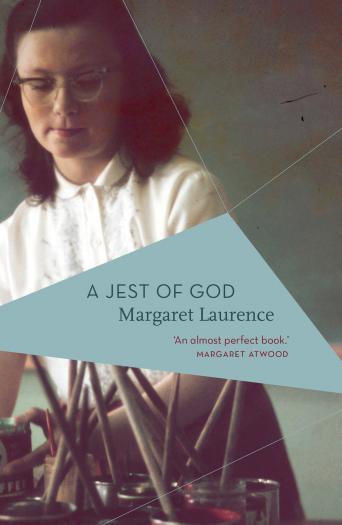
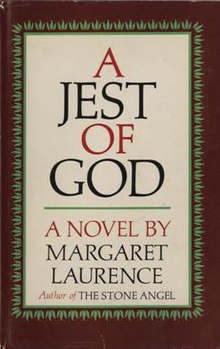
The first cover of A Jest of God (1966)

Introduction

A Jest of God is a novel by Canadian author Margaret Laurence. It was first published in 1966. It won the Governor General’s Award  for 1966 . In 1968, director Paul Newman and screenwriter Stewart Stern  adapted A Jest of God  into the motion picture Rachel, Rachel. It starred Joanne Woodward in the lead role and Estelle Parsons as Calla, both of whom received Academy Award nominations for their performances. It was also nominated for Best Picture.
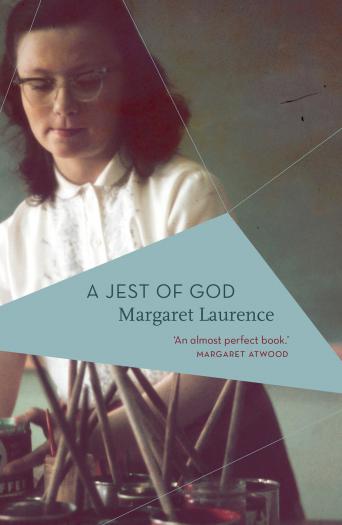
Revised Cover of A Jest of God (1966)

About The Author

Margaret Laurence (née Jean Margaret Wemyss), was a Canadian novelist (born 18 July 1926 in Neepawa, MB; died 5 January 1987 in Lakefield, ON). Margaret Laurence was one of the pivotal and foundational figures in women’s literature in Canada. Two of her novels — A Jest of God (1966) and The Diviners (1974) — won the Governor General’s Literary Award  for fiction. She also wrote acclaimed poetry, short stories and children’s literature, helped found the Writers’ Union of Canada and the Writers’ Trust of Canada, and served as chancellor of Trent University. She was made a Companion of the Order of Canada  in 1972 and was named a Person of National Historic Significance by the Government of Canada  in 2018.
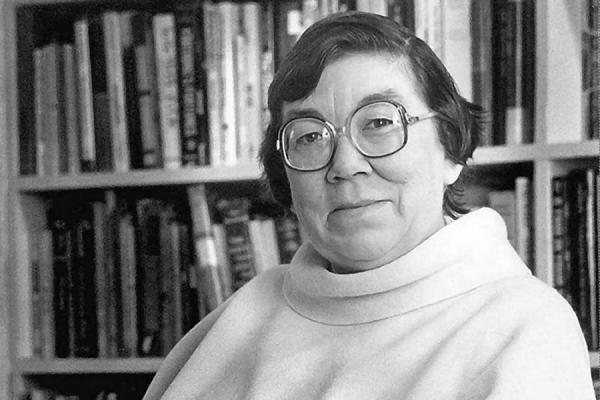
Margaret Laurence

Storyline of The Novel

The tale of the dutiful daughter who returned home to care for her ailing widowed mother records with appalling accuracy the life of a thirty-four year old spinster schoolteacher in a small town outside of Winnipeg. The relentless confinement of Rachel Cameron‘s life is disrupted the summer the milkman’s son, now a teacher in a Winnipeg high school, returns to visit his parents. Rachel is an easy mark; her affair with Nick brings out passion after awkwardness, and the yearning for a family of her own. The understanding that Nick is married destroys the affair but not her longing, and when she thinks she is bearing his child she determines to go through with her pregnancy. The prospective infant turns out to be a tumour, benign; Nick turns out to be unmarried and the more inaccessible; but Rachel emerges from her experience with a new conception of herself and her environment. She will no longer be a victim, though she may be a reluctant jester, and she makes the needed move to a place where her old responsibilities and limitations will remain but where there will be a greater freedom. Saved from soap opera by an utter sureness and honesty of vision, from dreariness by the aptitude of its portrayals, this carries a compassionate conviction that will reach a limited but sensitive feminine readership.
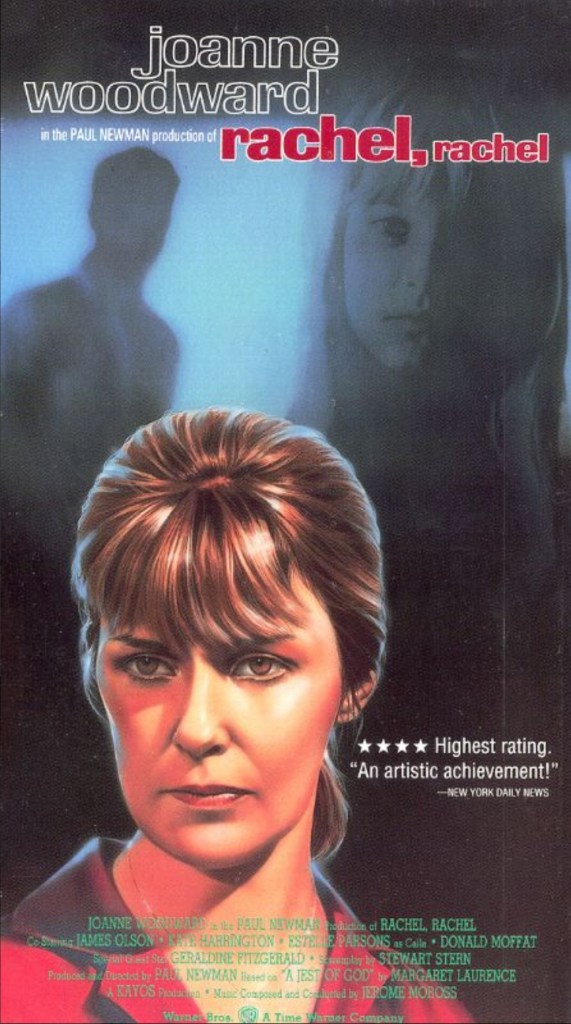
Poster of movie Rachel, Rachel (1968) based on novel A Jest of God (1966)

Analysis of The Storyline

The novel gets told with difficulty because Rachel’s voice is halting, obsessive. She begins her story as an observer, watching the children in the schoolyard, watching herself both in her immediate present as a teacher and remembering back to her childhood. She thinks of the “secret language” children share. In contrast, her own language is halting, and she finds difficulty establishing a voice. She frequently interrupts to judge her voice critically. She wonders: “Am I beginning to talk in that simper tone?” . Then, as a corrective, she speaks “more sharply than necessary,” and cautions herself to “strike a balance” . But, if we read this story in Jungian terms. (as many critics do),we perceive that Rachel cannot achieve this desired balance until she accepts her shadow side. Locked in a pattern of avoidance, no wonder she finds “my own voice sounds false to my ears”.
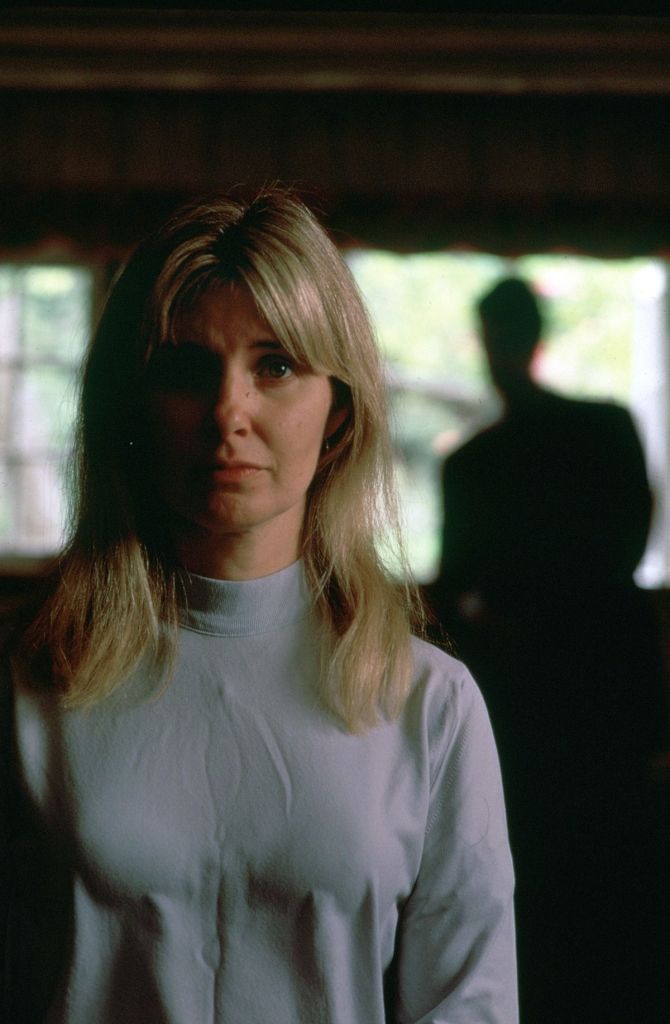
Joanne Woodward as Rachel in Rachael, Rachael (1968)

Because she resists acknowledging her desires, she remains blocked. When she approaches a recognition of her “darker,” “shadow” selves, she retreats, and stops the story. If she fears she is entertaining “morbid” thoughts or eccentric fantasies, she admonishes herself: “This must stop. It isn’t good for me. Whenever I find myself thinking in a brooding way, I must simply turn it off and think of something else”. She retreats from her sexual fantasies : “I didn’t. I didn’t…. Rachel, stop it. You’re only getting yourself worked up for nothing. It’s bad for you”. Yet these private fantasies are colourful and engaging, in vibrant contrast to her stilted public language and constrained behaviour. Fortunately, almost in spite of herself, she comes to acknowledge her desires and to face the implications of sexual passion. Through a symbolic descent into the underworld, the womblike, tomblike mortuary presided over by Hector Jonas (/Jonah), she realizes that she has the power to affirm her passions, to choose life.
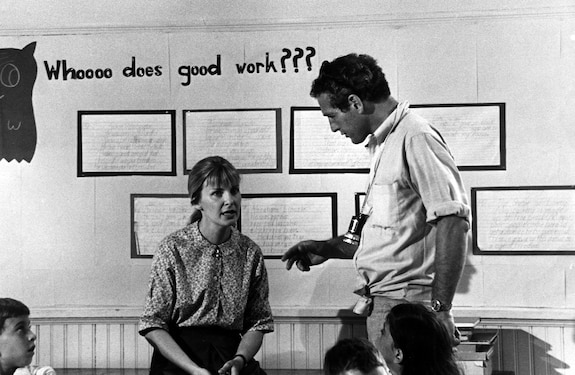

scene from Rachel, Rachel (1968)

Conclusion

A Jest of God is beautifully written, a sympathetic, tender novel which sees Rachel come to a new understanding about herself, and her standing with her difficult mother. A thoroughly beautiful novel, that still possesses its relevance to today’s readers.
Perfume: The Story of A Murderer Book Review

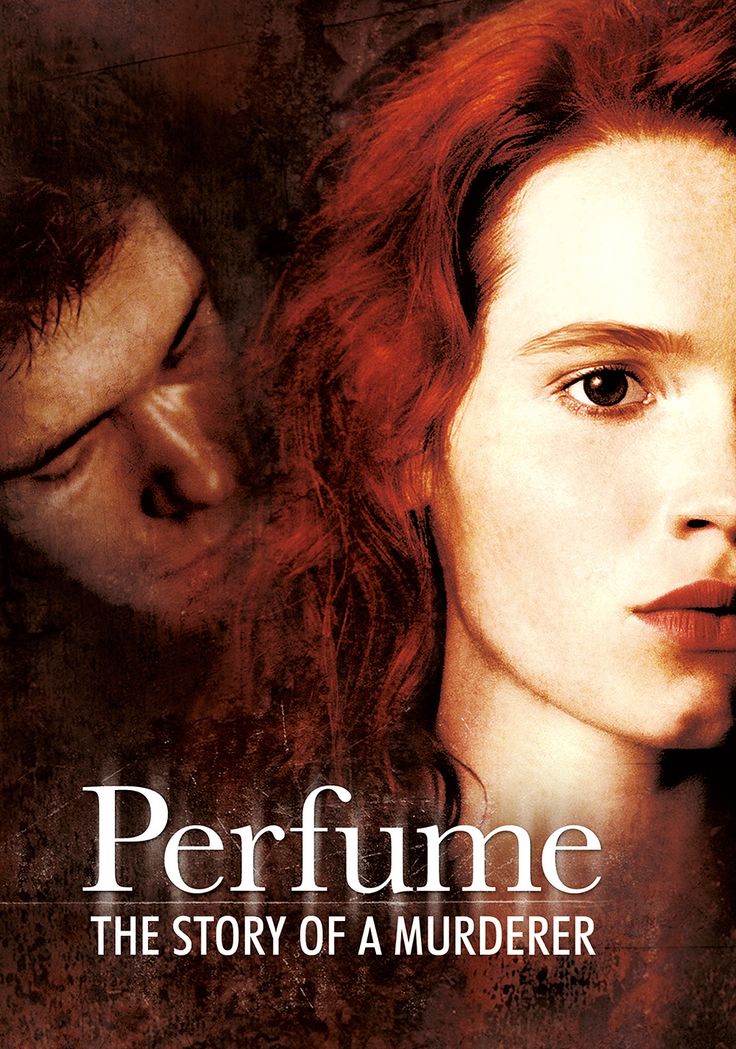
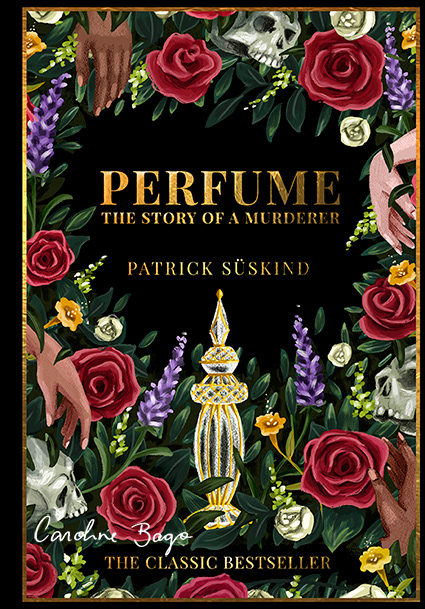
Cover of Perfume: The Story of A Murderer (1985)

Introduction

 Perfume: The Story of a Murderer (German: Das Parfum: Die Geschichte eines Mörders ) is a 1985 literary historical  fantasy novel by German writer Patrick Süskind. The novel explores the sense of smell and its relationship with the emotional meanings that scents may have. An acclaimed bestseller and international sensation, Patrick Suskind‘s classic novel provokes a terrifying examination of what happens when one man’s indulgence in his greatest passion – his sense of smell – leads to murder. This novel was later adapted into a famous movie in 2006 with the same name, starring Ben Whishaw, Alan Rickman, Karolina Herfurth and others.

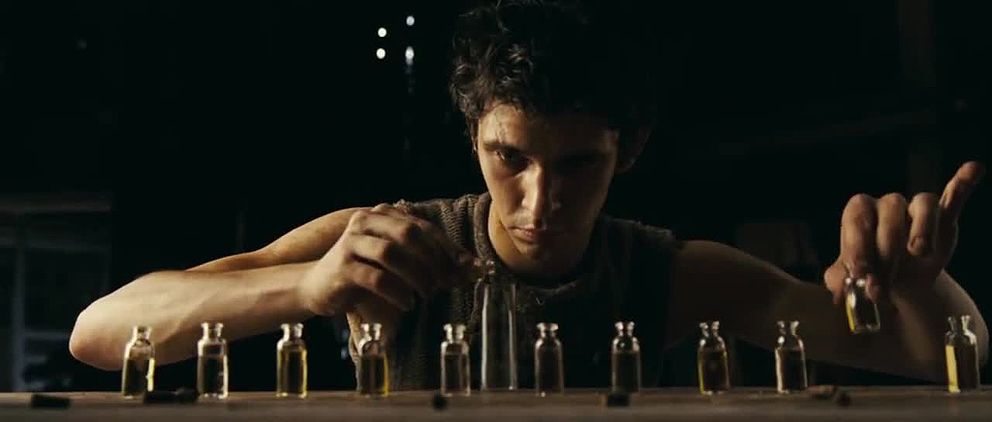
Ben Whishaw as Grenouille in Perfume: The Story of A Murderer (2006)

About The Author

Patrick Süskind ( born 26 March 1949) is a German writer and screenwriter, known best for his novel Perfume: The Story of a Murderer, first published in 1985. Süskind lives as a recluse in Munich, in Seeheim , and in France at Montolieu. After spending the 1970s writing what he has characterized as “short unpublished prose pieces and longer un-produced screenplays”, Patrick Süskind was catapulted to fame in the 1980s by the monodrama Der Kontrabass [The Double Bass, 1981:], which became an instant success and a favourite of the German stage. In 1985 his status as literary wunderkind was confirmed with the publication of the novel Das Parfüm. Die Geschichte eines Mörders [Perfume. The Story of a Murderer], which quickly topped the European best-seller list and eventually sold millions of copies worldwide.The public knows little about him; he has withdrawn from literary society and does not grant interviews or allow himself to be photographed.

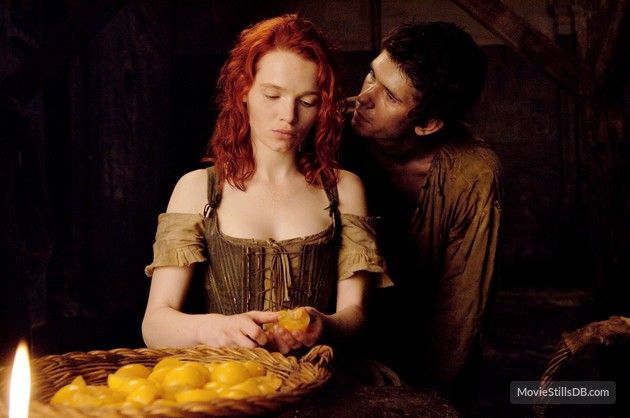
Ben Whishaw as Grenouille and Karolina Herfurth as Girl with Plums in Perfume: The Story of A Murderer (2006)

Storyline of The Novel

The novel is set in Paris in the 1700’s and follows the life of a man named Jean-Baptiste Grenouille who is born with an incredibly strong sense of smell. His nose is so keen that he is able to smell people coming, can locate lost items simply by their scent, and can catalogue smells in his mind. Whilst his sense of smell may be keen, his heart is empty and he seems to be completely unrestrained by everyday emotions. As a young lad, Grenouille encounters the irresistible smell of a young girl entering puberty. He promptly murders her and sniffs every inch of her body to catalogue the unique scent. Believing it is his destiny to bottle such a scent, Grenouille decides to pursue a career as a master perfumer, he works as an apprentice where his unique skills quickly make him the best perfumers in France. The story then follows Grenouille as he becomes a famed perfumer and experiments in scents that allow him to either go unnoticed or incite various emotions among those who smell it. His obsession with scents goes on to reaches a head with extreme consequences for all.

Ben Whishaw as Grenouille in Perfume: The Story of A Murderer (2006)

Analysis of The Storyline

A book about the sense of smell could have been a dull affair, were it not for the excellent way it is written by Suskind. His use of language is beautiful and his descriptions make even some with a dull nose like mine feel like they can smell the essences on the page. It’s not hard to see why this book has become such a modern classic given how excellent Suskind’s prose is. I challenge anyone not to read this and not then start using their nose a little more.

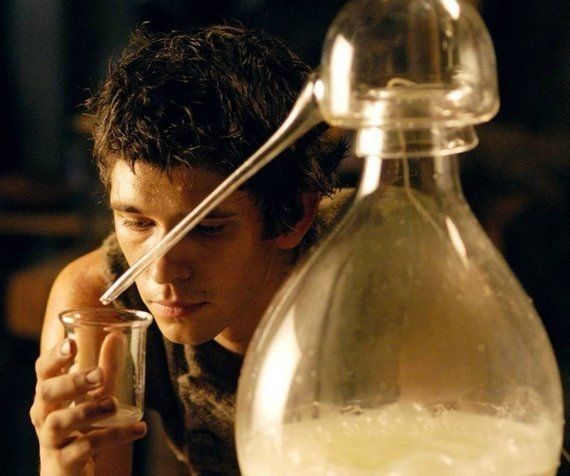
Scene from Perfume:The Story of A Murderer (2006)

The character of Grenouille is both fascinating, sympathetic, and yet also repulsive. In early life he is beat down at every corner and one can’t help but root for the character as he tries to rise above his terrible beginnings. As he becomes more in control of his life, Grenouille quickly becomes insidious and deceptive and there’s something very creepy in the way he is described as living like a tick. Grenouille does indeed live like a parasite, taking whatever he needs from people. As he becomes more unstable, eventually resorting to killing a young virgin, Grenouille turns into a monster, but a compelling one nonetheless. Like Humbert Humbert from Lolita, he’s a character you feel bad for sympathising with, though Grenouille may be a little more redeemable.

Scene from Perfume: The Story of A Murderer (2006)

Criticism of The Storyline

this is in every sense an olfactory novel gives a striking sensory immediacy to the fiction itself. ”Perfume” is a historical novel but one in which the sheer physicality of its theme lends it an honorary present tense. And if Grenouille is the hero of the novel, his obsessions are also its informing presence. Just as he has difficulty with words ”designating non-smelling objects, with abstract ideas and the like,” so the novel itself creates an elemental world in which such abstract matters are only of token significance. The nose is defined here by a priest as ”the primitive organ of smell, the basest of the senses,” with its powers springing from ”the darkest days of paganism”; but it flourishes in Grenouille, even in an age of ”enlightenment,” and the unspoken message of ”Perfume” is that it flourishes still. The point about genuine historical fiction is that it is primarily concerned with the contemporary world. This is not a historical romance, full of ”Prithees!” and strange objects known as poniards, but a meditation on the nature of death, desire and decay.

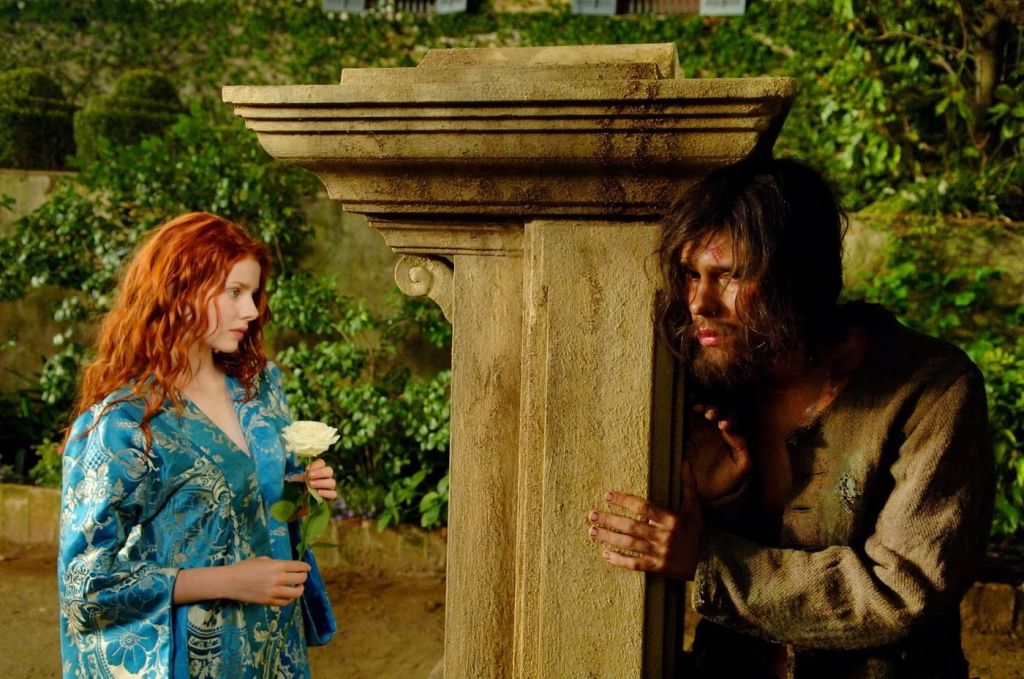
Scene from Perfume: The Story of A Murderer (2006)

Conclusion

The story of perfume made us really re-evaluate the importance of scents and how certain smells can influence us on a subconscious level. It makes one wonder how much of our everyday lives are dictated by scents without us even realising it. Throughout the book, you get the feeling pressure is mounting and it ends in a finale that sees an orgy of scents come together in one hell of an ending that isn’t likely to leave you any time soon.

Nothing Ventured: The Book Review

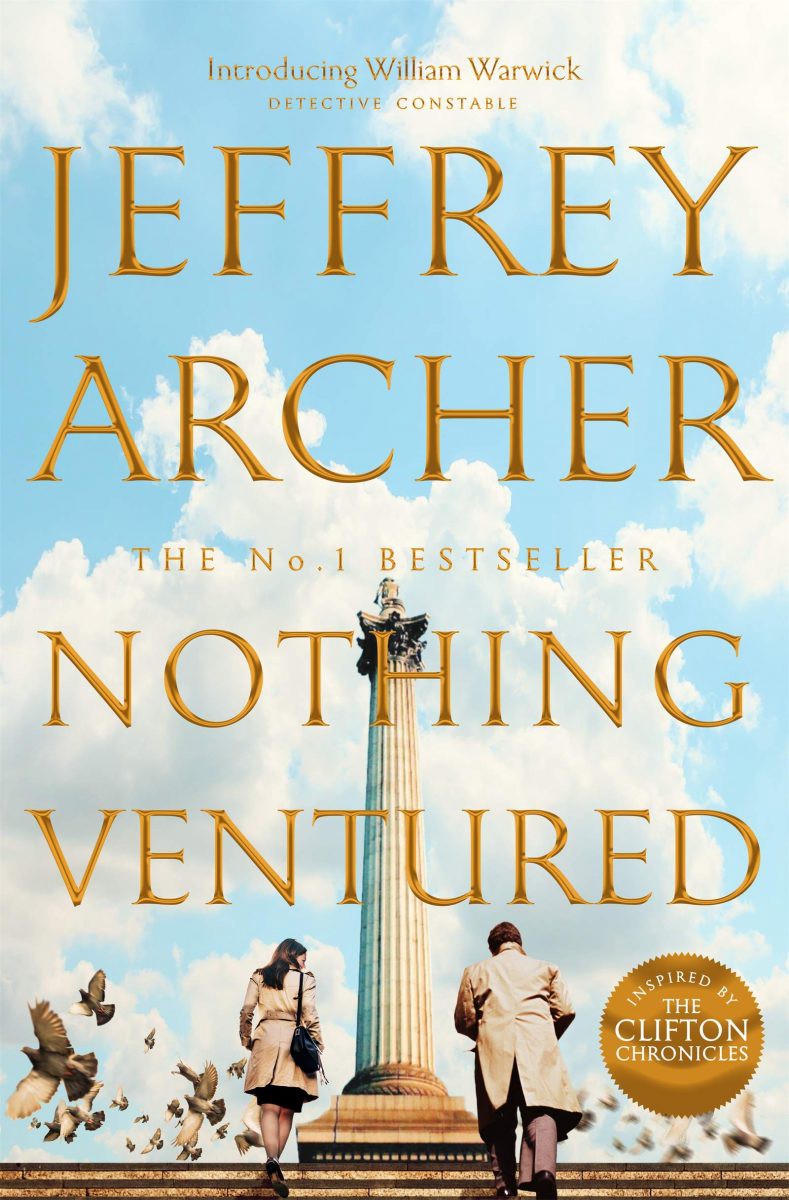
Cover of Jeffrey Archer’s Nothing Ventured (2019)

Introduction

Nothing Ventured heralds the start of a brand-new series in the style of Jeffrey Archer’s New York Times bestselling Clifton Chronicles: introducing Detective William Warwick. But this is not a detective story, this is a story about the making of a detective. The novel was originally published on 3rd September,2019.

About the Author

Jeffrey Howard Archer is an English novelist, life peer and former politician. His work includes novels and short stories such as Kane and Abel & A prisoner of Birth. He is the only author ever to have been a number one bestseller in fiction, short stories, and non-fiction.

Jeffery Archer

Storyline of The Novel

Jeffery Archer starts a new series of books that entails the story of a detective choirboy who fights the city crime against all odds. This new series introduces William Warwick, a family man and a detective who will battle throughout his career against a powerful criminal nemesis. Through twists, triumph and tragedy, this series will show that William Warwick is destined to become one of Jeffrey Archer’s most enduring legacies.

William Warwick has always wanted to be a detective, and decides, much to his father’s dismay, that rather than become a lawyer like his father, Sir Julian Warwick QC, and his sister Grace, he will join London’s Metropolitan Police Force. William Warwick after graduation from Kings’ college reveal to his father, sir Julian Warwick, that he wants to be a copper and has no intention to serve Her Majesty’s court. Under the attentive mentorship of Fred Yates, William begins his life on the beat. After some eighteen months on the beat, William becomes a neophyte detective in Scotland Yard’s Arts and Antiquities squad where one of his cases involves the hunt for a Rembrandt painting stolen some seven years earlier from the Fitzmoleon Museum. His career, both with the Met and with Scotland Yard, will define his life. On his journey to Scotland yard’s William is assigned tasks of Investigating the theft of Rembrandt painting. During his chase of the Rembrandt, he meets the love of his life and the Fitzmolean Museum’s gallery assistant Beth Rainsford. While putting the clues together he comes across a self-styled farmer and suave art collector Miles Faulkner, his friend and lawyer Booth Watson, and Christina (Miles’s wife). Along with the story Christina befriends William and Beth but on whose side is she on, remains a suspense.  

Nothing Ventured (2019)

Analysis of The Storyline

The book starts with William revealing to his father that he’ll not be working in his chambers instead he’s interested in becoming a cop and would like to pursue the same. The author carves the character of William as honest, loyal, and hardworking. We fellow him from his childhood to becoming a successful & ambitions cop. He joins the beat at Scotland yard under the mentorship of Fred Yates who with his oft-repeated pearls of wisdom taught valuable lessons which were far more useful than MET’s handbook. Soon William was assigned to the task of finding a precious/expensive painting on his journey. The book takes you through various twists in the plot which keeps the readers on the edge of their seats. Through the story, each character grows both in their personal and professional lives as well. The end of the book is the lead into its next part “Hidden in Plain Sight”, after a series of twist and turn in the story the Rembrandt finally hangs in Fitzmolean with another prestigious painting named Rubens. The author leaves the reader with a bit of a surprise when the conman Miles invites Constable Warwick to his New York’s apartment “Should you ever find yourself in New York, do give me a call because I would like to invite you round to my apartment to show you the Originals”.

Criticism of The Storyline

Serving as the inaugural book for a new series, “Nothing Ventured” is a genial introduction to William Warwick. With likable characters and some interesting twists in the plot, the narrative keeps the reader’s interest. Throughout the telling of the tale, William grows, both in his career and in his personal life. And then there’s the ending that, while certainly designed to serve as a lead-in to the next book in the series, is sure to leave readers wondering why, given the circumstances, Miles Faulkner would ever voluntarily make such a comment to William. It seems completely out of character for a suave, clever, resourceful man.

Conclusion

The book takes us through the story of a detective, Courtroom, Museum and Conman. The storyline is well rounded with good narratives and less paragraph chunks. Any reader of The Clifton Chronicles will remember Harry Clifton’s work as an author and creator of William Warwick, now Archer has brought Warwick and those books to life by writing them.

Five Feet Apart: The Book Review

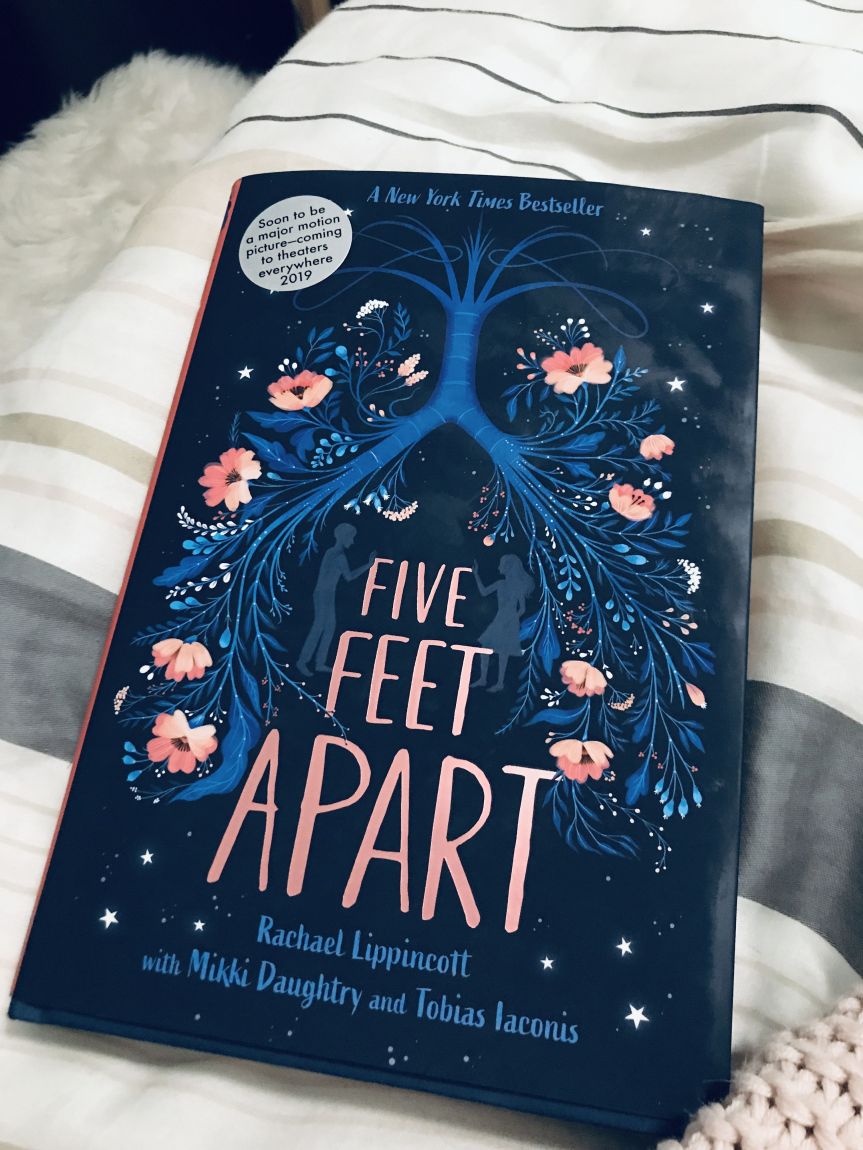
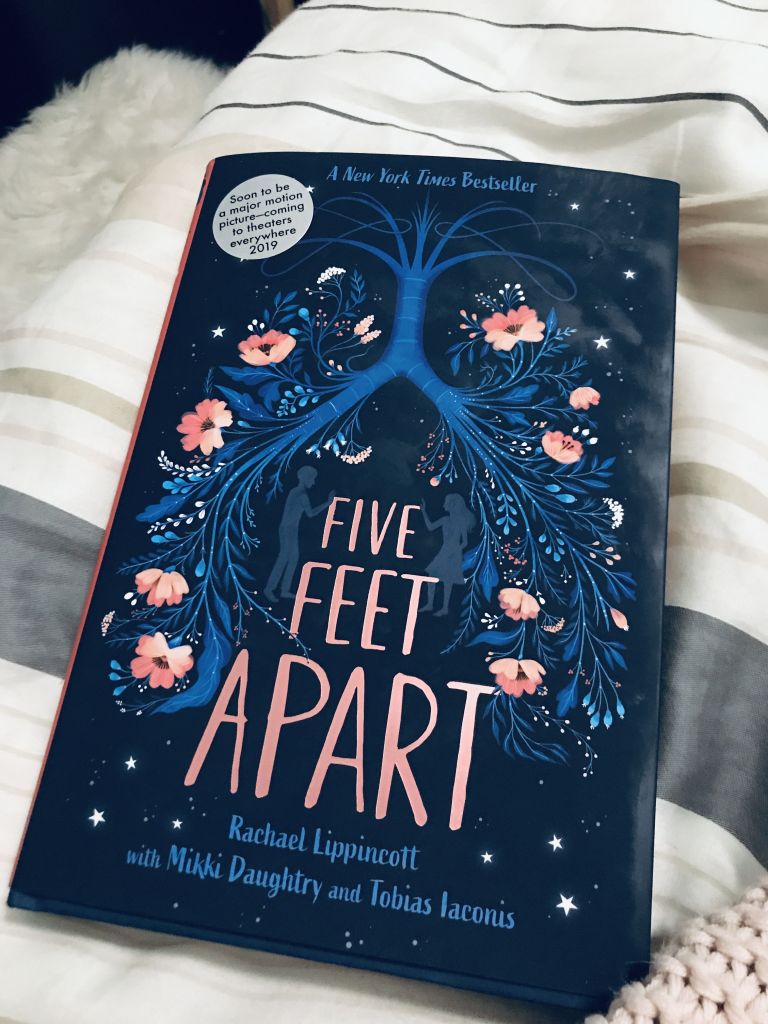
Cover of Five Feet Apart

Introduction

Love can happen to anyone at anywhere, even at a hospital. Five Feet Apart by Rachael Lippincott ( co-authored with Mikki Daughtry and Tobias Iaconis) is such an endearing, engaging and modern-age young adult novel. Talking about the difficulties of life and love while struggling with a inherited chronic disease, is artistically presented in this book. This novel appeals a demand for its readers to think the priorities of a normal life, that often a person with persistent sickness fails to enjoy. The Book Five Feet Apart is adapted into a movie under the same title with Haley Lu Richardson and Cole Sprouse as lead characters.

About The Authors

Rachael Lippincott is the coauthor of All This Time,  New York Times bestseller Five Feet Apart, and She Gets the Girl and the author of The Lucky List. She holds a BA in English writing from the University of Pittsburgh.

Rachael Lippincott

Mikki Daughtry is an American screenwriter and Young Adult Fiction  author. She is best known for writing, along with writing partner Tobias Iaconis, the films The Curse of La Llorona  (2019), Five Feet Apart  (2019) and Nightbooks  (2021).

Mikki Daughtry and Rachael Lippincott

Storyline of The Novel

The story evolves around two teenagers Stella Grant and Will Newman. Stella is a chronically ill teen with Cystic Fibrosis (CF). She’s been in and out of hospitals for lengthy treatments most of her life. A rule-follower and control freak, Stella is careful to take her medications on time and do whatever is needed to maintain her treatment regimen. Only then can she hope for a lungs transplant. She maintains a website through which tens of thousands of viewers follow her journey. Her friend, Poe, who also has CF, is a patient at the same hospital. They communicate frequently, but often via text. Individuals with CF must remain 6 feet apart at all times to avoid sharing life-threatening germs. Will  is a new patient at the hospital. His wealthy mother has arranged for him to participate in clinical trials all over the world. Nothing has helped. Will’s problem is worse than Stella’s and Poe’s. On top of CF, he has a condition called B. cepacia, which will deplete his lung function rapidly. This condition makes him ineligible for a lung transplant and far more dangerous to other CF patients.

Stella and Will meet at the hospital, and almost immediately fall in love with each other. If Stella catches this disease, she will get crossed off the list of people that can get new lungs and start a new life. This makes the relationship between the two very difficult since they must refrain from touching or even approaching each other closer than 6 feet. The more the two fall in love, the more tempting it is for them to break the rules and come closer, hold hands, or even kiss. Poe is a secondary character that is best friends with Stella and provides great support for her. The two have been friends since the age of 6, and are very close emotionally, but haven’t ever been close physically because of CF.

Haley Lu Richardson as Stella Grant and Cole Sprouse as Will Newman in Five Feet Apart movie (2019)

Analysis of The Storyline

Rachael Lippincott delivers an intriguing, emotional, well-plotted and well-written read here with relatable and likeable characters that readers can’t help but to fall in love with. The story is told in alternating perspectives between Stella and Will in a thoroughly enjoyable narrative manner. They complimented each other so well that both of their situations and feelings towards each other ring true.

While there are predictable elements in Five Feet Apart by Rachael Lippincott, as a whole it is tender, emotional and heartfelt. Its easy to root for these characters. The romance may be sudden but given the circumstances, it makes sense and their interactions felt genuine. With heart and humour, Five Feet Apart by Rachael Lippincott is a good read.

Five Feet Apart movie (2019)

Criticism of The Storyline

The book flows very well and is very fast-paced. It is fun to read and is entertaining enough to read in one sitting. The authors used modern and teenage language by incorporating informal conversations ( and sometimes slangs) which adds lucidity to the novel and overall improves the readability. The authors did a good job explaining the disease that the two protagonists have which makes the book easy to understand even to the readers with no prior knowledge of the Cystic Fibrosis disease.

Five Feet Apart is a book that will move you to tears at times. It is heart-felt and gives light to the seriousness of Cystic Fibrosis. The authors included a lot of detail, writing about the daily struggles and tasks that the patients if CF have to go through. Every author tries to write in a way that makes it so the reader can live through the book and Lippincott, Daughtry, and Iaconis do a beautiful job at this. The reader can really feel the emotions of the characters and this is why the book is so gripping. You’re so engrossed in the story that you must know how it ends, with the hope that Stella and Will can conquer anything. This book is touching and definitely worth reading.

Scene from Five Feet Apart movie (2019)

Conclusion

This book is recommended to modern-age readers and fans of YA romance because the book tells you that even if you stand different and have difficulties to deal with in your life and health, you can still find love, even at places it is least expected to be found in general. This book is a definitely good romance novel that takes two people that think that they don’t have anything in common to them falling in love.

To Kill A Mockingbird: The Book Review

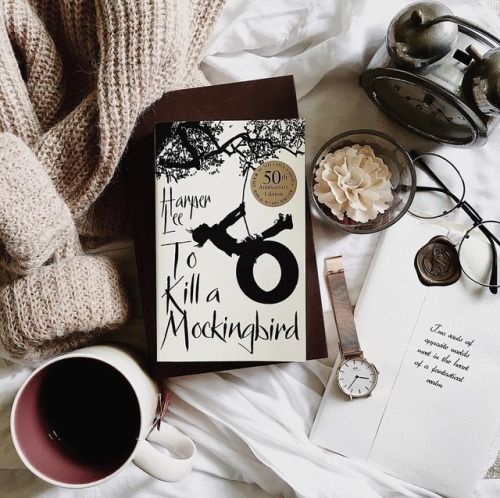
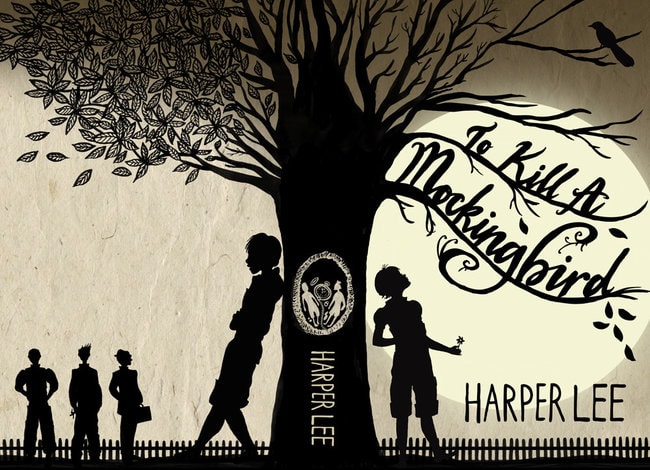
Cover of To Kill A Mockingbird novel (1960)

Introduction

To Kill a Mockingbird is a very popular modern classic by the American author Harper Lee, that narrates a coming-of-age story with a theme of social equality and prejudice. It was published in 1960 and was instantly successful. The unforgettable novel of a childhood in a sleepy Southern town and the crisis of conscience that rocked it. In the United States, it is widely read in high schools and middle schools. To Kill A Mockingbird  has become a classic of modern American Literature, winning the Pulitzer Prize in1961 and was later made into an Academy Award-winning film, also a classic.

About The Author

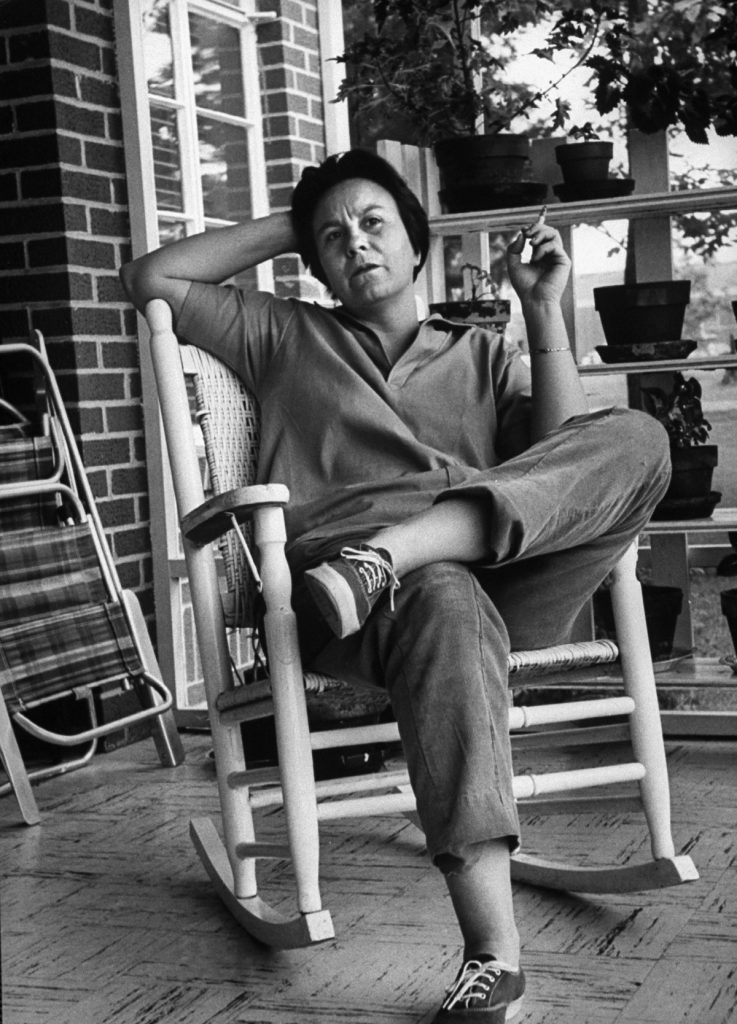
Nelle Harper Lee (April 28, 1926 – February 19, 2016) was an American novelist best known for her 1960 novel To Kill A Mockingbird. Lee has received numerous accolades and honorary degrees, including the Presidential Medal of Freedom  in 2007 which was awarded for her contribution to literature. She assisted her close friend Truman Capote  in his research for the book In Cold Blood (1966). Capote was the basis for the character Dill Harris in To Kill a Mockingbird.

Harper Lee

Storyline of The Novel

The novel follows the story of a black man in the 1930s, convicted for the rape of a white girl. It is written from the perspective of two young children and their confusion at topics like race and the discriminatory ways of adults around them. Despite been written in a child’s perspective, the story does not diminish the meaningful themes of the novel in any way. Even after 80 years of its publication, the book is still popular and highly relates to our society.

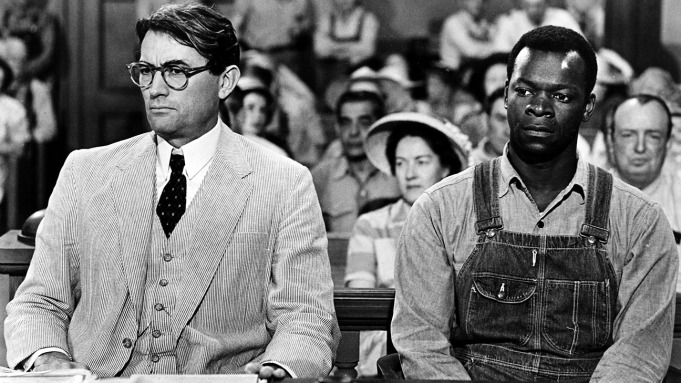
Gregory Peck as Atticus Finch and Brock Peters as Tom Robinson in To Kill A Mockingbird movie(1962)

The story evolves around six-year-old Scout Finch is living in the small town of Maycomb, Alabama during the Great Depression. Raised by Atticus Finch, Scout and her brother, Jem, are very comfortable with Maycomb and understand the well being of their neighbours, except the house of the mysterious Arthur Radley, whom they obsess over. Half the book is basically about Scout, Jem, and Dill (their new friend) trying to lure Arthur Radley out of his house. However, when Atticus, a lawyer, decides to take the case of a black man named Tom Robinson, tensions become high and the trial to see whether Tom Robinson is guilty or innocent based on his crime and, especially, his skin colour is at stake. 

Analysis of The Storyline

To Kill a Mockingbird focuses on that gut instinct of right and wrong, and distinguishes it from just following the law. Even the titular quote: “Shoot all the blue jays you want, if you can hit ’em, but remember it’s a sin to kill a mockingbird” is in itself an allegory for this message. Being in itself a generic message, the idea of ‘doing what’s right’ obviously has a different meaning depending on when and where you’re reading the book. If you take 1960, when the book was written, America was in a state of ethical development as social inequality was – very – gradually being overcome. Women’s rights and black rights movements were beginning to emerge and some campaigned through violence. Would Atticus Finch condone this?

In the 1930s, when the book was set, America was in the midst of the Great Depression. This was a time when economic difficulties meant that the American Dream was receding further and further away. We could consider that Atticus Finch felt that his own dream of an equal, morally decent society was also heading in the wrong direction.

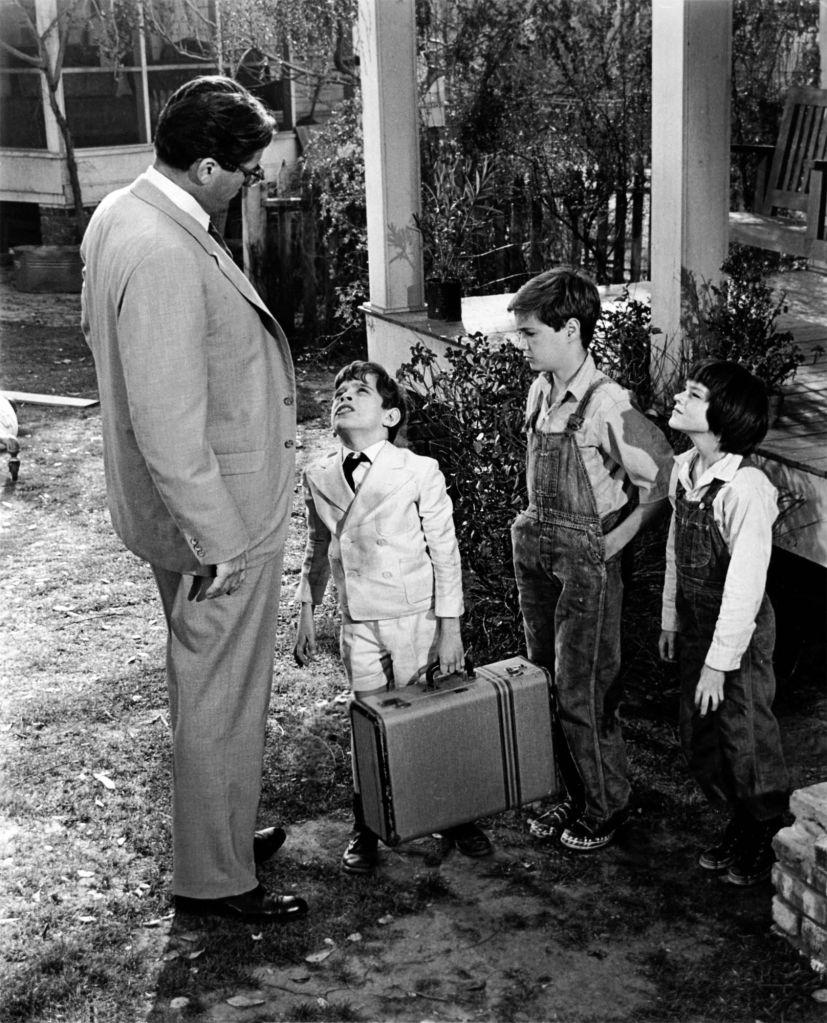
Scene from To Kill A Mockingbird movie (1962)

Criticism and Relevance of The Storyline

This 1960 novel is ahead of its time; carrying a message that is still needed by today’s world, Harper Lee’s debut novel is regarded as one of the best contemporary classics. Prejudice against the black community is the main theme of this novel. The lives of the main character revolve around this. Standing up for what’s right, defending the weak, swimming against the current; all these righteous acts comes at a huge price, sometimes even risking the lives and dignity of our loved ones. The novel gives us a strong message to the readers. It so skilfully presents the vulnerability of a minority community and how they fall prey to prejudice. The author very skilfully brings forth the sub of racism, that too very tenderly through characters who peacefully struggle against this evil. Harper Lee shows us that in every society, there are some people who would stay firmly at the side of justice, though they may face severe consequences.

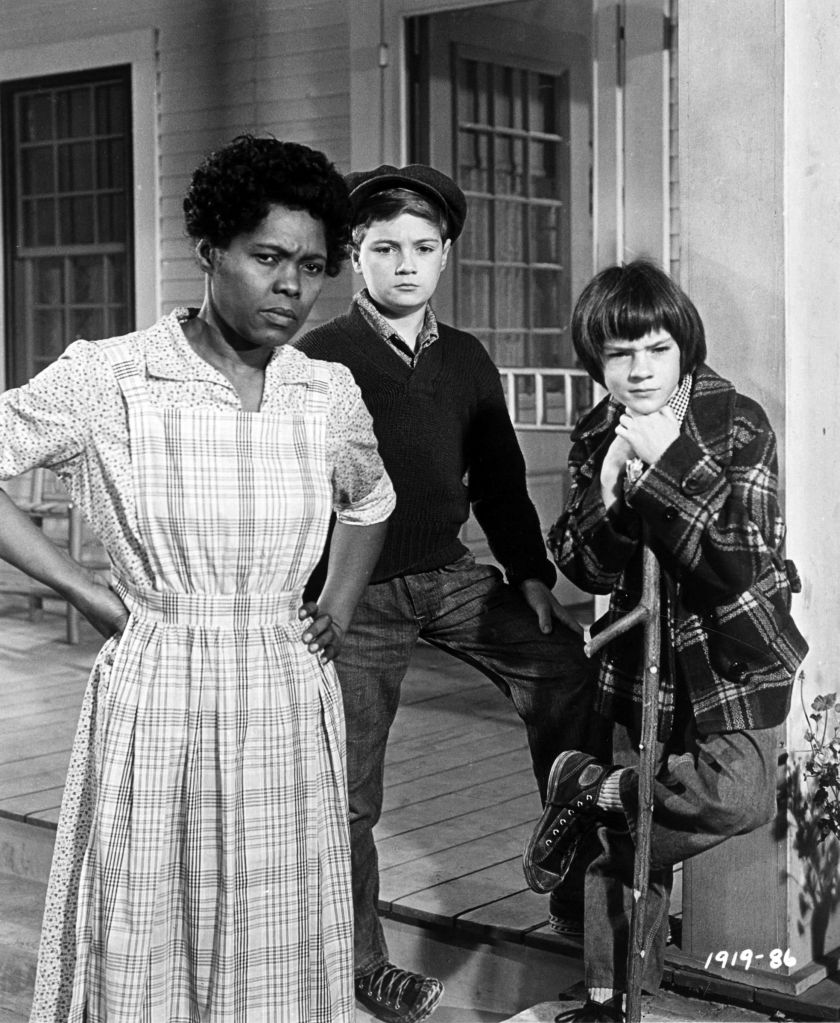
scene from To Kill A Mockingbird movie (1962)

Conclusion

Without denying the constancy of the moral message, and the pure ingenuity of the book, it’s still open to debate whether, as with all classics, schoolchildren should be forced to read the novel and go over it page-by-page. Therefore everyone who reads it can take something out of it which no one has before. Let it not be forgotten that a true piece of literature, like To Kill a Mockingbird, is meaningful in every period and that today, Atticus Finch’s message should be heard in the midst of all the global conflicts that we hear of on the news every day and night.

Lolita: The Book Review

Introduction

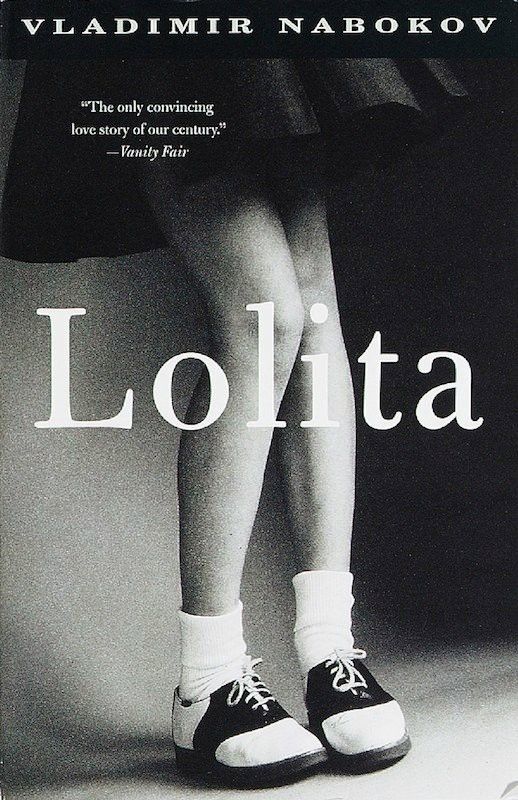
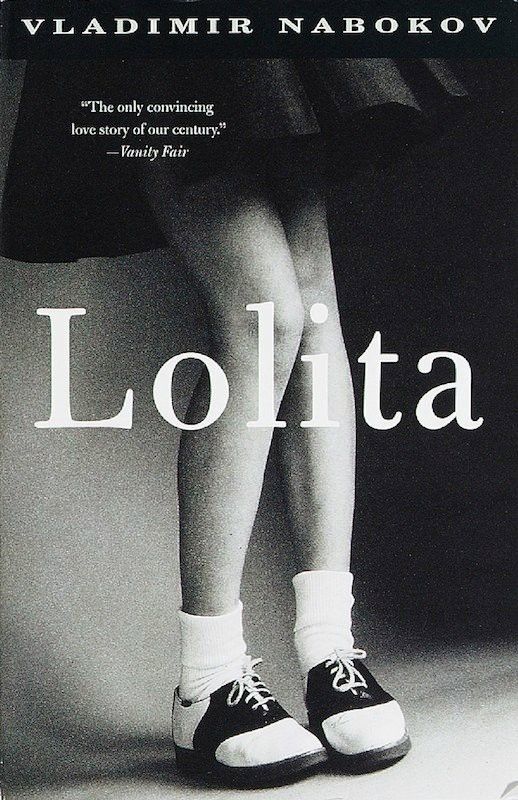
The cover of Lolita (1955)

Lolita  is a 1955 novel written by Russian-American novelist Vladimir Nabokov. The novel is notable for its controversial subject, which engages an unethical relationship between a middle aged man and a minor girl. First issued in 1955 by an unorthodox Paris press after being rejected by a string of American publishers; banned by the French government, presumably out of solicitude for immature English-speaking readers (the ban was later quashed by the French High Court); pronounced unobjectionable by that blue-nosed body, the U. S. Customs office; and heralded by ovations from writers, professors, and critics on both sides of the Atlantic, became a near-instant bestseller in the US, shifting over 100,000 copies in its first three weeks alone. The shocking subject matter, gleefully punning unreliable narrator, and Nabokov’s spellbinding sentence-level prowess combined to create a book as repulsive as it was inviting—comic and horrific and utterly absorbing. The novel was later adapted in two movies with the same name of the novel, Lolita(1962) and Lolita(1997) .

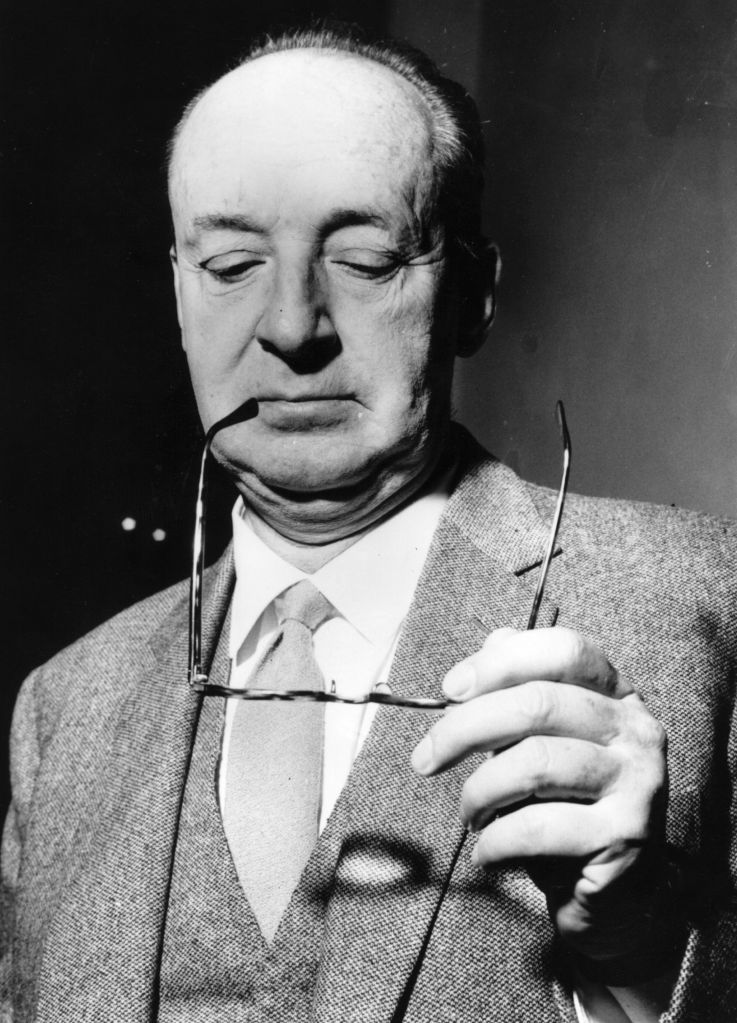
Russian writer Vladimir Nabokov (1899 – 1977) in Rome to work on the film screenplay of his most famous book, ‘Lolita‘.

About The Author

Vladimir Vladimirovich Nabokov , also known by the pen name  Vladimir Sirin, was a Russian-American novelist, poet, translator, and entomologist. Born in Russia, he wrote his first nine novels in Russian (1926–1938) while living in Berlin. He achieved international acclaim and prominence after moving to the United States and beginning to write in English. Nabokov became an American citizen in 1945, but he and his wife returned to Europe in 1961, settling in Montreux, Switzerland.

Nabokov’s Lolita  (1955) was ranked fourth in the list of the Modern Library 100 Best Novel  in 2007, Pale Fire  (1962) was ranked 53rd on the same list; and his memoir, Speak Memory (1951), was listed eighth on publisher Random House list of the 20th century’s greatest nonfiction. He was a seven-time finalist for the National Book Award for Fiction.

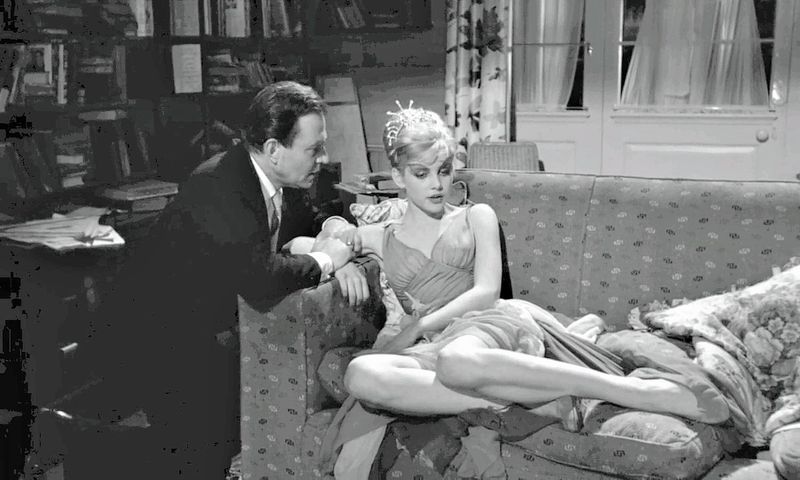
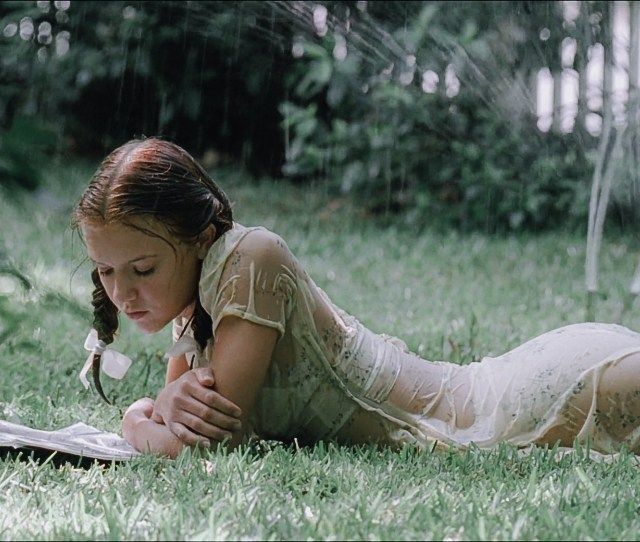
Cinematic Adaptation of Lolita (1962), starring James Mason as Humbert Humbert and Sue Lyon as Lolita

Storyline of The Novel

Lolita, Vladimir Nabokov’s immaculate and disturbing masterpiece, is the story of middle-aged paedophile man Humbert Humbert—a handsome, French-born intellectual on the one hand, and unapologetic sexual predator on the other and his tragic love affair with his 12-year-old, bubble-gum popping stepdaughter Dolores Haze, who is fondly called Lolita by Humbert. It’s a post-war road novel, the odyssey of a venerable European man and a prepubescent American girl bouncing across the United States, trying to outrun the past and find a future that doesn’t exist.

Lolita (1962)

Humbert’s sociopathic behaviour might be traced back to a sexual experience when he was 13, when he meets his “first love” Annabel—a 12-year old girl who is travelling with her parents. They lust for each other fervently, with an intensity that leaves a permanent impression on Humbert. He describes his passion with a cannibalistic “frenzy of mutual possession [that] might have been assuaged only by our actually imbibing and assimilating every particle of each other’s soul and flesh.” Their failure to complete the dirty deed leaves an indelible, unresolved tension in Humbert—an impoverished thirst for early-pubescent girls that carries through to adulthood, which he is forced to lie about . He gets married to a widow who he physically abuses to get his own way. He constantly admits himself to sanatoriums, but finds the doctors ridiculous and uses his intelligence to mislead them. He swings from “ashamed and frightened” to “recklessly optimistic,” craving hedonistic intercourse with 11 to 14 year-old girls, but living in the wrong country and century. He tries to justify his urges by recounting accepted paedophilia throughout history, but even his vindications are half-hearted and remorseless—he’s a grown man who wants to have intercourse with children, and there’s nothing to be done about it. He’s an “artist and a madman, with a bubble of hot poison in his loins.” His anguish is illustrated beautifully by Russian-born Nabokov, whose mastery of English is mind-blowing. The animalistic language that he uses is both shocking and enthralling, and some sentences are appalling in their vividness.

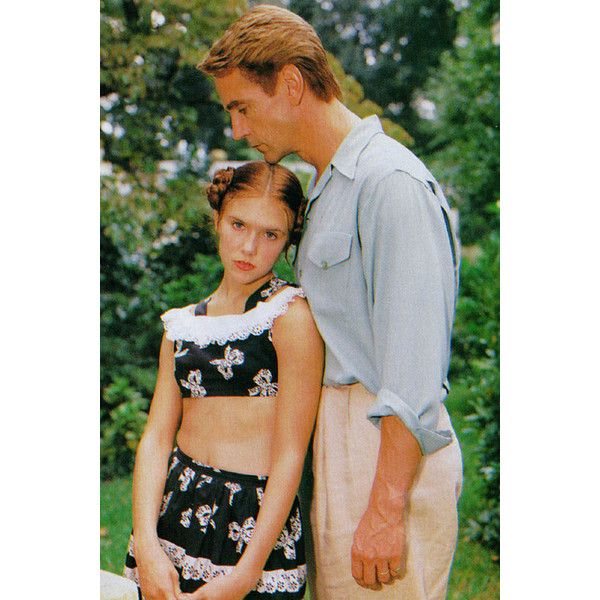
Cinematic Adaptation of Lolita (1997), starring Jeremy Irons as Humbert Humbert and Dominique Swain as Lolita

Humbert understands the precariousness of his attachment to Dolores. She’s a hostage who he appeases with countless and expensive bribes, spawning a crippling jealousy that his nymphet will run away with someone else, especially because of her flirtatious nature. The juvenile sensuality of Dolores Haze makes a paedophile and a green-eyed monster of Humbert, who becomes more and more paranoid as the story unfolds. 

Analysis of The Novel

To be sure, this novel isn’t for the faint of heart, but neither should prospective readers retreat to any kind of moral high ground. Nabokov, in fact, threads an unexpected and affirming emotional serenity through his portrait of obsession. His enigmatic narrator leaves us in spellbound rapture. Because for all of its linguistic pyrotechnics — as Humbert confesses, “you can always count on a murderer for a fancy prose style” — and for all its controversial subject matter, Lolita is one of the most beautiful love stories you’ll ever read. It may be one of the only love stories you’ll ever read. This is the most thrilling and beautiful and most deeply disturbing aspect of the novel — and it’s what most persuasively recommends the book — that in addition to finding Humbert’s soul on the page, we also find, like it or not, a little of our own.

Lolita (1997)

The Author has afflicted poor Humbert with a special and taboo variety for a couple of contradictory reasons. In the first place, its illicit nature will both shock the reader into paying attention and prevent sentimentally false sympathy from distorting his judgment. Contrariwise, I believe, Mr. Nabokov is slyly exploiting the American emphasis on the attraction of youth and the importance devoted to the ‘teen-ager’ in order to promote an unconscious identification with Humbert’s agonies. 

Criticism of The Novel

The art that palliates Humbert’s misery has not notably relieved the distress of reviewers, most of whom have felt obliged to ask themselves, how the author could come up with such horrific storyline. Some have concluded, rather desperately, that he hasn’t done it at all. According to one interpretation, Mr. Nabokov has merely written an allegory of a European intellectual who falls in love with America and discovers, to his gentle sorrow, that the country is still a trifle immature. Aside from the difficulty of assigning roles, the fact that the author is obviously capable of writing such a story without the aid of a nympholeptic allegory throws considerable doubt on the argument. It has also been suggested, ingeniously, that Mr. Nabokov really wanted to write a tale of romantic passion in the grand, or nineteenth-century, manner, and found that the only way to make such a passion interesting to the contemporary reader was to disguise it as psychopathology. If this interpretation is correct, one can only say that Mr. Nabokov has beautifully concealed his disappointment at having to portray his heroine as a child.

Lolita (1997)

Despite Humbert’s evil, the fallout from the relationship is heartbreaking. Our empathy for the odious rogue is Nabokov’s greatest achievement in the novel. We both detest and sympathise with him, leaving us feeling confused and perhaps a little guilty. Humbert’s vile actions and fantasies, in which he dreams of painting a mural and re-live hopelessness of falling in love with a girl who could never love him back. Like Humbert’s love for DoloresLolita felt like a forbidden fruit, breaking the sturdiest of taboos to illuminate the mind of an infatuated, sociopathic paedophile, which is a mind we rarely get to see. 

Lolita (1997)

Conclusion

Lolita is old enough and infamous enough to be known as a story of unhinged paedophilia. But it’s also a beautiful and depressing love story, with a tortured antagonist who despite his crimes, and due to the skill of the book’s author Vladimir Nabokov, we can eventually empathise with.

The Perks of Being A Wallflower: The Book Review

Cover of Perks of Being A Wallflower (1999)

Introduction

The Perks of Being A Wallflower(1999), is a modern age novel written by Stephen Chbosky. The novel is about the dilemma of passivity vs passion that marks the stunning debut of a provocative new voice in contemporary fiction. Stephen Chbosky has created this deeply affecting coming-of-age story, a powerful novel that would spirit the readers back to those wild and poignant roller coaster days known as growing up. The novel is later adapted to a movie under the same title in 2012.

About The Author

Stephen Chbosky is an American screenwriter, film producer, film director, novelist, television writer, and television producer. He is best-known for writing the bestseller The Perks of Being A Wallflower(1999), as well as for writing and directing the 2012 film adaptation of the book. Most recently, he directed the 2017 drama Wonder and the 2021 film adaptation of Dear Evan Hansen. His first psychological horror novel, Imaginary Friend, was published in October 2019.

Stephen Chbosky

Storyline of The Novel

The Perks of Being a Wallflower by Stephen Chbosky is narrated by fifteen-years-old Charlie, the titular ‘wallflower’, in a series of letters that he writes to a stranger, beginning the night before he starts his freshman year of high school in 1991. These letters catalogue Charlie’s attempts to “participate”, as he wanders wide eyed through a series of house parties and Rocky Horror Picture Show productions with his new, older friends. Along the way, Chbosky intelligently explores stock Young Adult themes such as mental health, substance abuse and sexuality, whilst simultaneously reminding the reader about how exciting it is to be young and idealistic.

Logan Lerman as Charlie in Perks of Being A Wallflower (2012) movie

           Though shy and sensitive in nature, Charlie is an intelligent boy with unconventional thinking capabilities. His first letters starts with Charlie mentioning about suicide of his Middle School’s friend and death of his favourite aunt Helen and how these tragic incidents have took toll in his life. Charlie befriends two seniors Patrick and Sam and ends up indulging in alcohol and other drugs with Sam. In the meantime, Charlie also learns about his sister having relationship with an abusive guy and eventually getting pregnant. The flashback of his aunt dying in car crash stops haunting Charlie, as he starts enjoying company of his friends and Sam. While playing Truth and Dare, he is asked to kiss the prettiest girl in the room; he kisses Sam for which he faces neglect from the group. Overall this is a story filled with drama and lots of emotions, including, friendship, first love and teenage sexuality.

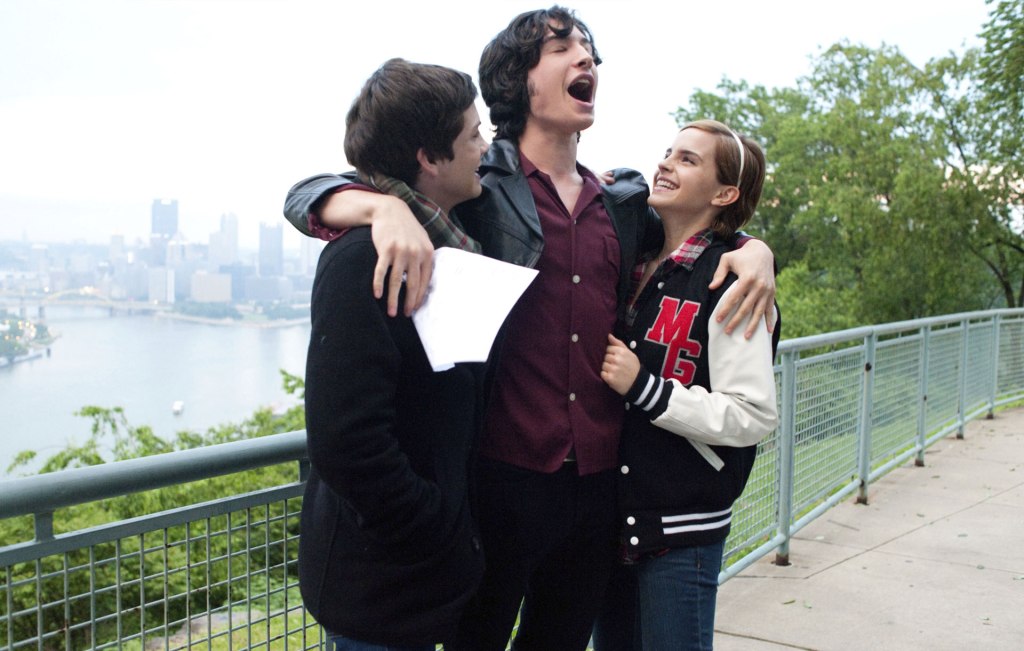
Logan Lerman as Charlie, Emma Watson as Sam and Ezra Miller as Patrick in Perks of Being A Wallflower movie

Analysis of The Storyline

Throughout the book, through the characters, the author seems to be attempting to answer some of the questions we all face at some time in our life. The author seems to be trying to find the reason why some good people chose bad people to love. This question is raised by Charlie to Mr. Bill and the answer he gives seems to be the central theme of the book “We accept the love we think we deserve”. This can be seen in various characters. Sam is in a relationship with a guy, who seems to consider that everything that is good about her, is good because of him. She seems to have gone through some tough times in her life, and the fact that she didn’t consider herself worthy, seems to have played a role in this.

Scene from Perks of Being A Wallflower movie

The whole book seems to be asking the reader to love themselves. The author, by writing the story as a series of letters, seems to be trying to speak to the readers, as if speaking to a friend, a friend he sees in high regard, no matter how they see themselves.

Iconic scene of Emma Watson in Perks of Being A Wallflower movie

Criticism of The Storyline

Charlie, the protagonist of the novel suffers extreme teenage crisis that sometimes breaks the readers’ hearts that all he had to handle alone inside his head. The book shows all the sides of being a teenager and isn’t afraid to cover mature themes. The book uses its more mature situations in order to relate to teenagers. Many teenagers have experienced these hardships either first hand or by hearing about them. The characters partake in activities that some may see as unwise. These are in the book however to add realism not to encourage or promote these acts. This book will most likely only be fully appreciated by older teenagers due to its unflinching depiction of teenage life. Before reading this book readers should know there are themes of sexual abuse and those that are sensitive to that topic should be cautious about reading this book. 

Logan Lerman and Emma Watson in Perks of Being A Wallflower (2012)

Conclusion

The book has received love all over from many of its readers for its very realistic portrayal of teenage life, complex characters, and thought-provoking commentary from Charlie. This book displays a wide range of emotions. Its relatable and complex characters allow the readers to feel the same emotions the characters are feeling. The book’s use of journal entries to tell its story helps the reader connect to Charlie and it adds to the realism, which makes this book an absolute winner.

Call Me By Your Name: The Book Review

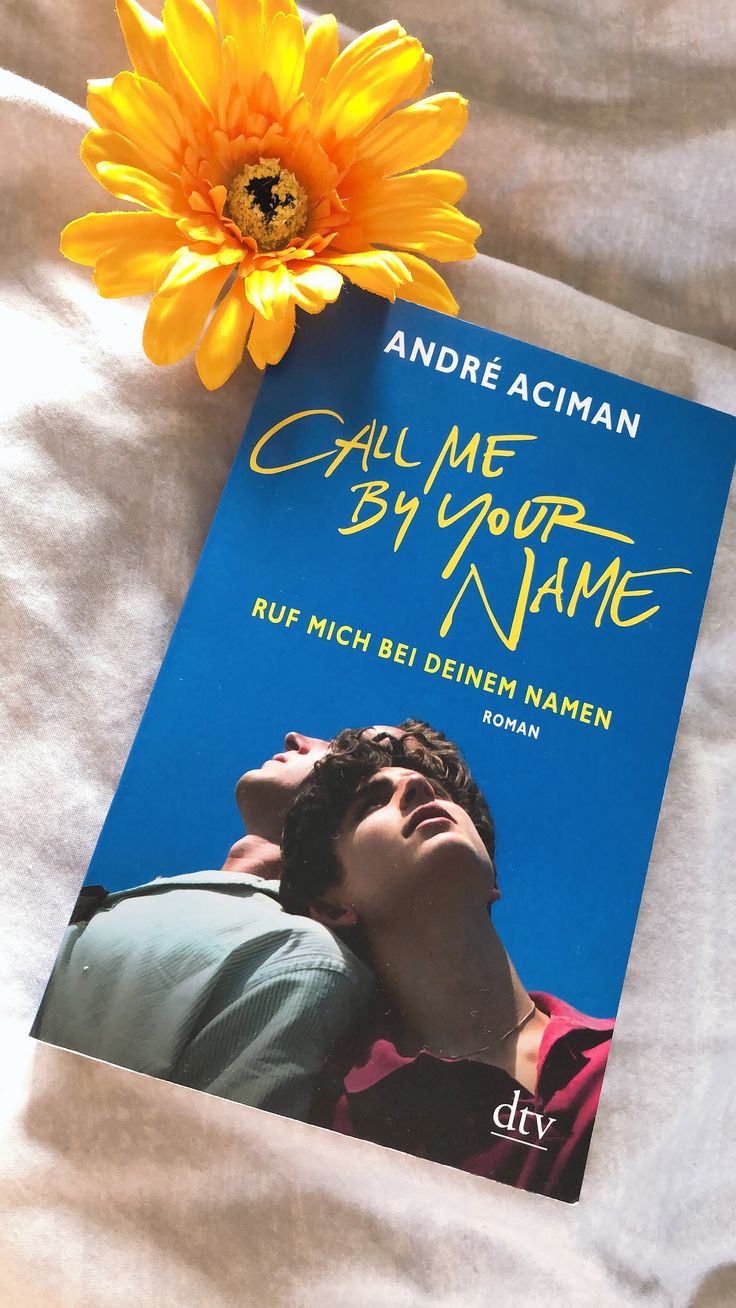
Call Me By Your Name, Cinematic Adaptation

Introduction

Call Me By Your Name is a book that throbs with desire. André Aciman’s 2007 novel (and the basis for the film of the same franchise in 2017) is a portrait of adolescent love and lust, experienced for the first time with an intensity that’s almost frightening in how all-consuming it feels. And Aciman devotes himself to chronicling every fleeting fantasy, every caress, with a fervour that matches what his characters are feeling.

About The Author

André Aciman is an Italian-American writer. Born and raised in Alexandria,Egypt, he is currently distinguished professor at the Graduate Center of City University of NewYork, where he teaches the history of literary theory  and the works of Marcel  Proust.

He is the author of several novels, including Call Me By Your Name and a 1995 memoir, Out of Egypt, which won a Whiting Award.  Although best known for Call Me by Your Name, Aciman stated in an interview in 2019 that his best book is the novel Eight White Nights.

André Aciman

Storyline of The Novel

It tells the story of a blooming romance between 17-year-old Elio Perlman, and 24-year-old visiting scholar Oliver, who comes to the summer home of Elio’s parents in Italy, 1983.

The story is told in retrospect, with grown-up Elio recalling the events of that fateful summer. He always resented his parents’ tradition of taking a doctorate student into their home for six weeks each year, forcing him to vacate his bedroom (that sacred space of a teenage boy) to make room for their guest. That all changed when Oliver, a Harvard graduate student comes to stay with the academic expat family in the Italian Riviera, where he will oversee the translation of his dissertation on Heraclitus. As he wins the family over with his breezy charm and preppy insouciance, Oliver also inspires the adoration of the professor’s teenage son, Elio, who relays to us each stage of his infatuation.

Elio catalogues every aspect of Oliver—his gazes, his phrases—and even augurs meaning from his clothing: “He had, it took me a while to realize, four personalities depending on which bathing suit he was wearing.” Elio, in turn, dazzles Oliver with his precocity—he’s a virtuoso on piano and on an enviously easy footing with literature from Ovid to Celan. But he is unsure and untested in carnal matters. His desire for Oliver literally false-starts when he accidentally (and discreetly) ejaculates in his presence (the scene recalls Marcel’s embarrassing tussle with Gilberte). But when Oliver starts sleeping with a local girl, it seems that Elio’s fantasies of consummation will never be realized. He muses about killing, or at least crippling, Oliver: “If he were in a wheelchair, I would always know where he was, and he’d be easy to find.”

But then, just as Elio has given up hope, it happens: He slips into Oliver’s room one night and so begins their five-week love affair. They have adventurous, almost incessant sex, during which, at Oliver’s prompting, they call each other by the other’s name. As a strategy for subsuming the other’s self, this verbal masquerade is strikingly successful. At first shameful for Elio, their passion quickly becomes all-consuming. The lovers revel in their sameness—they are both young Jews, “brothers in the desert”; they experience the same sexual pains and pleasures; their minds travel along the same currents to catch the right literary references.

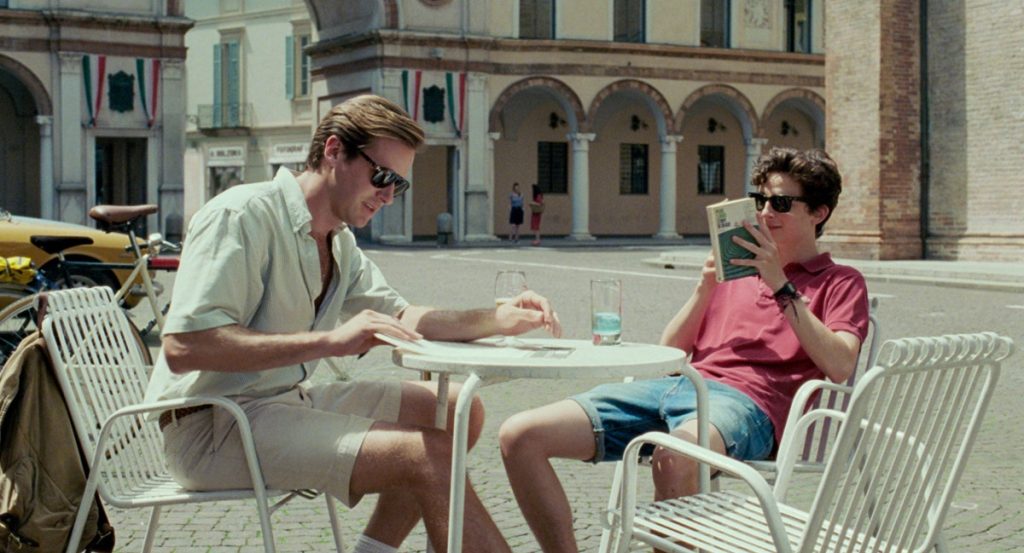
Timotheé Chalamet as Elio Perlman and Armie Hammer as Oliver, in Call Me By Your Name (2017)

Analysis of The Story

Call Me by Your Name is the story of a sudden and powerful romance that blossoms between an adolescent boy and a summer guest at his parents’ cliff-side mansion on the Italian Riviera. Unprepared for the consequences of their attraction, at first each feigns indifference. But during the restless summer weeks that follow, unrelenting buried currents of obsession and fear, fascination and desire, intensify their passion as they test the charged ground between them. What grows from the depths of their spirits is a romance of scarcely six weeks’ duration and an experience that marks them for a lifetime. For what the two discover on the Riviera and during a sultry evening in Rome is the one thing both already fear they may never truly find again: total intimacy.

The psychological manoeuvres that accompany attraction have seldom been more shrewdly captured than in André Aciman’s frank, unsentimental, heartrending elegy to human passion. Call Me by Your Name is clear-eyed, bare-knuckled, and ultimately unforgettable.

Timotheé Chalamet as Elio Perlman

Criticism of The Story

Despite the fact that it’s a coming-of-age story, Call Me By Your Name is hardly a young adult book. For one, it’s quite erotic, albeit in a highly literary way. All of the sexual encounters (including one truly smutty incident with a peach) are depicted in detail, but not to titillate. It feels more like Aciman is simply demonstrating the depth and desperation of Elio and Oliver’s desire.

Call Me by Your Name ends with a series of unsatisfactory but still charged meetings between Elio and Oliver later in life. They have a rendezvous in New England, where Elio is traveling and where Oliver teaches and lives with his family. The novel, despite its melancholy send-off, ultimately holds out an extremely un-Proustian, optimistic promise: Love and understanding can endure hand in hand. Elio can still say of Oliver, “This was my favourite Oliver: the one who thought exactly like me.” Twenty years later, when they return to one of their cherished spots in Italy, Elio asks only to be called once more by the name Oliver—as if to imply that nothing has changed. For Proust, such naming is inevitably fraught with failure (Marcel at one point wishes he could give a different name to each of the Albertines he knows). The notion that the past could ever obey such a summons, that anyone could ever be so static, suggests that Elio has breached, but finally resisted, Proustian knowledge. This shying away leaves us with something less than we might have expected from Aciman’s previous reckonings with time.

Scene from the Movie Call Me By Your Name

Conclusion

Even with all the critical analysis, the storyline wins millions of hearts with the sweet message of love, that can happen to anyone under any circumstance. The story broke some stereotypes about how the meaning of Love is mostly depicted in society. It normalizes the simplicity, the beauty and the agony of love between two men, in a never seen before way. And that makes the book an ultimate winner for its modern day readers.

Light Academia book recommendations .

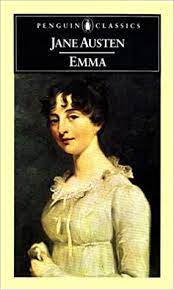
Emma by Jane Austen.

Emma Woodhouse is a fascinating and vivid character in Jane Austen’s novels. Emma organises the lives of the residents of her sleepy little village and plays matchmaker with terrible effect. She is beautiful, pampered, vain, and irrepressibly clever.

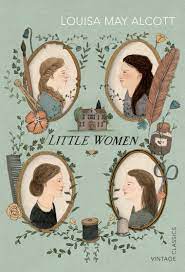
Little Women by Louisa May Alcott.

The March sisters, Jo, a bright tomboy and aspiring author, Beth, who is terribly frail, Meg, who is lovely, and romantic, spoilt Amy, are bonded in their love for one another and their battles to survive in New England during the Civil War.
It’s no secret that Little Women was inspired by Alcott’s own childhood. While her father, the freethinking reformer and abolitionist Bronson Alcott, mingled with the likes of Emerson, Thoreau, and Hawthorne, Louisa supported herself and her sisters with her own writing “Sewing, doing laundry, and serving as a household servant are examples of “women’s work.” She soon learned, however, that she could earn more money by writing. Little Women brought her fame and fortune for the rest of her life, and it wasn’t just because she was a woman “It explores such timeless themes as love and death, war and peace, the conflict between personal ambition and family responsibilities, and the clash of cultures between Europe and America, as requested by her publisher.

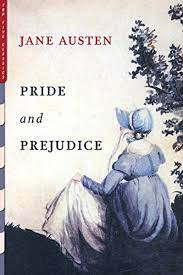
Pride and Prejudice by Jane Austen.

Pride and Prejudice has been one of the most popular novels in the English language since its early success in 1813. This great masterpiece was dubbed “her own beloved child” by Jane Austen, and its vivacious protagonist, Elizabeth Bennet, was described as “as charming a creature as ever appeared in literature.” The romantic conflict between Elizabeth and her pompous beau, Mr. Darcy, is a brilliant display of civilised sparring. Jane Austen’s dazzling wit gleams as her characters dance a delicate quadrille of flirting and intrigue, making this the finest comedy of manners in Regency England.

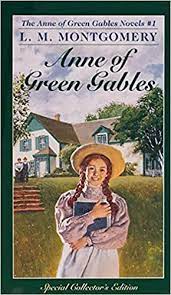
Anne of Green Gables by L. M. Montgomery.

Green Gables, an old-fashioned farm outside of Avonlea, has enticed generations of readers into the wonderful world of Green Gables. Anne Shirley, an eleven-year-old orphan, arrives in this lush corner of Prince Edward Island only to learn that the Cuthberts—elderly Matthew and his severe sister, Marilla—wish to adopt a boy rather than a fiery redhead girl. But, before they can send her back, Anne, who needs more room for her ideas and a genuine home, fully converts them. Anne of Green Gables is a beloved classic that examines all of a child’s fragility, expectations, and hopes as they grow up. It’s also a magnificent portrayal of a time, a location, and a family… and, above all, love

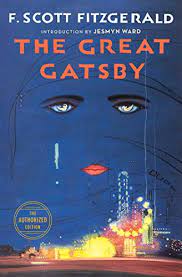
The Great Gatsby by F. Scott Fitzgerald.

F. Scott Fitzgerald’s third book, The Great Gatsby, is often regarded as his greatest achievement. This classic Jazz Age novel has been praised by generations of readers. It’s a wonderfully constructed narrative of America in the 1920s about the fantastically affluent Jay Gatsby and his new love for the beautiful Daisy Buchanan, of opulent parties on Long Island at a time when “gin was the national drink and sex was the national obsession,” according to The New York Times.

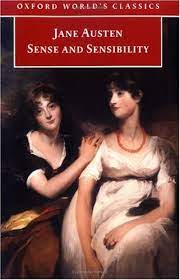
Sense and Sensibility by Jane Austen.

Marianne Dashwood wears her heart on her sleeve, and she rejects her sister Elinor’s warning that her rash behaviour exposes her to gossip and innuendo when she falls in love with the handsome but unsuitable John Willoughby. Meanwhile, Elinor, who is usually conscious of social convention, is fighting to hide her amorous disappointment even from her closest friends. The sisters learn that sense must combine with sensibility if they are to discover genuine pleasure in a culture where rank and money dominate the rules of love through their simultaneous experiences of love—and its potential loss.

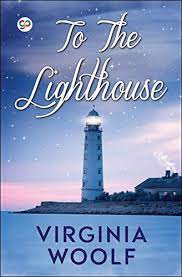
To the Lighthouse by Virginia Woolf.

On the Isle of Skye, the tranquil and maternal Mrs. Ramsay, the tragic yet absurd Mr. Ramsay, their children, and many guests are on vacation. Woolf creates a magnificent, emotional analysis of the complicated tensions and allegiances of family life, as well as the battle between men and women, from the seemingly little postponement of a visit to a local lighthouse.

As time passes, the Ramsays face the greatest of human obstacles as well as its greatest triumph—the human ability for change—alone and simultaneously.

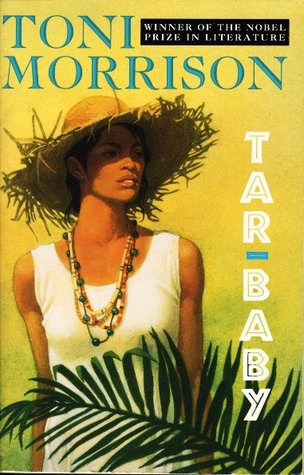
TAR BABY – BOOK REVIEW

This 1981 novel Tar Baby by Toni Morrison explores the mythic image of Tar Baby to evoke the racial stereotyping. The novel brings together different oppositions like white and black, high and low culture, north and south etc. The title of the novel suggests the folk tale of Tar baby. The fable is an archetypal trickster tale and it describes how a fox entraps a rabbit by using the tar figure. The doll or ‘tar baby’ is made by Br’er fox and placed in the roadside to trap his archenemy Br’er Rabbit. Br’er Rabbit speaks to the doll or tar baby and gets angry as it is not responding, and strikes it and get struck. The more the Br’er Rabbit kicks, the more he becomes attached. In the modern scenario, we can consider this theme as a problematic situation that is only aggravated by additional involvement with it.

In the novel Morrison portrays the love and relation between central characters Jadine and Son, two African Americans, with the social background of a racial hierarchy and high and low cultures. Jadine is a beautiful fashion model, who has been sponsored by Valerian Street, a white man , candy manufacturer who marries Margaret Street, the principle beauty of Maine. When the novel begins Valerian is spending his life on the Caribbean island, Isle des Chevaliers. Son is a strong minded man, who washes up on the streets. Ondine and her husband Sydney, through their dialogues reveal the fact that, they have devoted most of their life serving Valerian Street, who considers them as “good Negroes”. There is another major mysterious character named Charlie, who never appears on the course of events of the novel. The novel progresses through the events that happened after the arrival of Son in the island.

The novel revolves around themes like nature v/s civilization, the subordinate black life and the shades of femininity. Morrison made the novel rich with dialogue episodes, symbolism and mythological involvement. Tar Baby powerfully portrays the plight and struggle of African Americans for livelihood in the second half of twentieth century. And this makes Tar Baby an essential read in the historical and cultural writings of American literature.

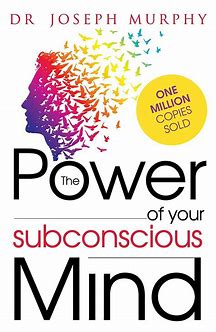
THE POWER OF YOUR SUBCONSCIOUS MIND – BOOK REVIEW

Dr. Joseph Murphy has constructively written this book which intends to imbibe within the readers, the idea of – if you believe in something and picture it in the back of your mind, you remove the subconscious obstacles that prevent you from achieving your aim and your belief then turns into reality. Dr. Murphy’s book is inclusive of real life case studies and anecdotes, which adds to the facts check. The book serves as a manual to self confidence, unshakable self esteem, techniques to strengthen marriages, create true friendships, give up on bad habits, conquer inhibitions, earn wealth and get recognition. The book endorses techniques to remove fear from the mind and pave the road to success. Dr.Murphy has provided the readers with the golden tips to succeed at life.

The book consists of several chapters such as :

  1. The treasure house within you
  2. How your own mind works
  3. The miracle working power of your subconscious
  4. Mental healing in ancient times
  5. Mental healing in modern times
  6. Practical techniques in mental healing
  7. The tendency of the subconscious is lifeward
  8. How to get the results you want
  9. How to use the power of your subconscious for wealth
  10. Your right to be rich
  11. Your subconscious mind as a partner in success
  12. Scientists use the subconscious mind
  13. Your subconscious and the wonders of sleep
  14. Your subconscious mind and marital problems
  15. Your subconscious mind and your happiness
  16. Your subconscious mind and harmonious human relations
  17. How to us your subconscious mind for forgiveness
  18. How your subconscious removes mental blocks
  19. How to use your subconscious mind to remove fear
  20. How to stay young in spirit forever

The book has accurately explained about the two functions of the human mind – ‘conscious and subconscious’ and how both are necessary to be developed for well-being. It helped me realize how getting acquainted with both the aspects and working to strengthen them is essential. Understanding the things said to you be people on a daily basis, helps you to look at yourself from a different perspective altogether. This book has helped me convey the ideas of a can-do attitude, self evaluation and a will to complete my aims, to my conscious mind. It assisted me in understanding what enormous power one’s subconscious mind withholds. During my years of schooling, I had never purchased a philosophical guide because of the misinterpretation, that a mere book cannot be of much help, for one to make amendments in his or her life. Later I came across this particular book and slowly got engrossed into Dr. Murphy’s strategies of having faith in your subconscious mind. This book has the potential to answer many of our doubts which we are at times, unable to ask others. The examples listed out in the book, make the theories more believable and meaningful. The author has beautifully crafted the content by mentioning real life incidents wherein people have used their subconscious minds to resolve the problems faced by them. According to the Audience Rating Summary, this book has received 4.7/5 stars, which is commendable. In my opinion, The Power Of Your Subconscious Mind is definitely a must read for all bibliophiles.

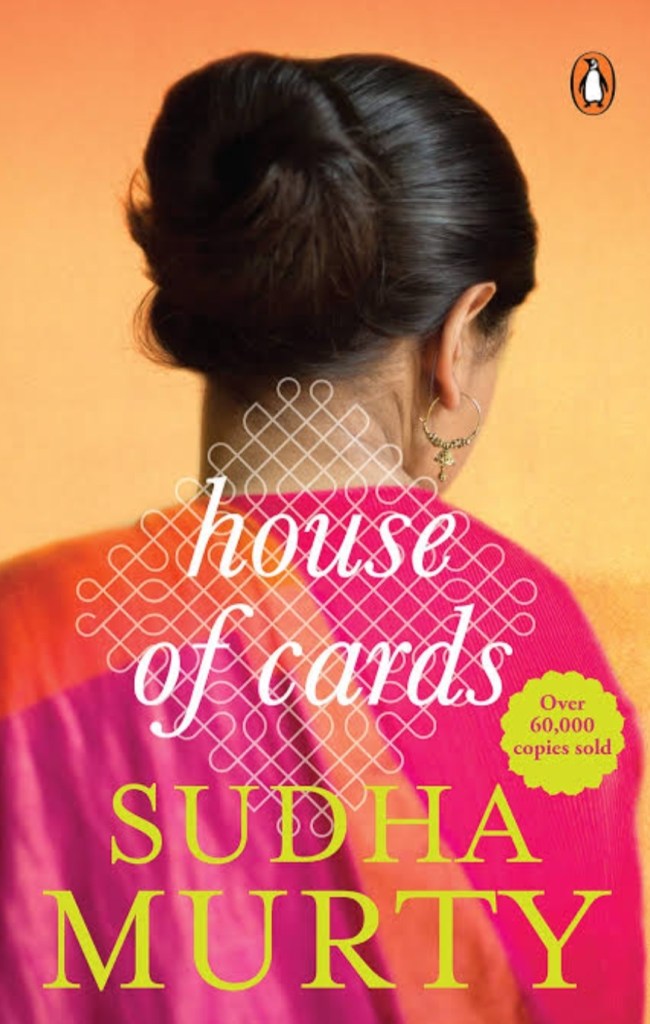
House of Cards

By – Sudha Murthy

Hello readers

House of Cards is the story of Mridula, a bright young woman with enormous enthusiasm for life who hails from a Karnataka village. A chance meeting with Sanjay, a talented but impoverished doctor, leads to love—and the couple marry and settle in Bangalore. The more Mridula sees of the world, the more she realizes how selfish and materialistic people can be. But she does not take the ups and downs of life to heart, and lives each day with positive energy. Trouble brews when Sanjay quits his government job and starts an immensely successful private practice. With affluence comes the neverending ambition for more, and the inevitable slide into corrupt practices. For a long time, Mridula has no idea that Sanjay has sold his soul; when the truth hits her, she has no recourse but to walk out on him. But can she really find a space of her own?

This intricately woven novel explores human relationships in telling detail, and holds up a mirror to our society with candour and with conviction.

This book is wonderfully written. The harsh realities of the real life are fictioned in a simple language. The story focus on both love and practical life. The end of the story is very good. The fictional village (Aaladahalli, Karnataka) amuses the readers. It tells us the power of money, and how it affects the relationships. This will keep you hooked up.

Would recommend it. As Sudha Murthy writes beautifully in a simple language it is easy for most of the readers to grab the information and relate to a few characters. For beginners, I suggest to start with her children’s books and then her novels. This book is worth a read.

Like I say : Reading books is magic, it makes you live hundreds of lives in a single one. Or atleast that’s what I believe. Hopefully this book will have an impact and magic you are/ were waiting for. I’ll take a leave.

And Thanks. 😇

The Secret

By : Rhonda Byrne

Hello readers.

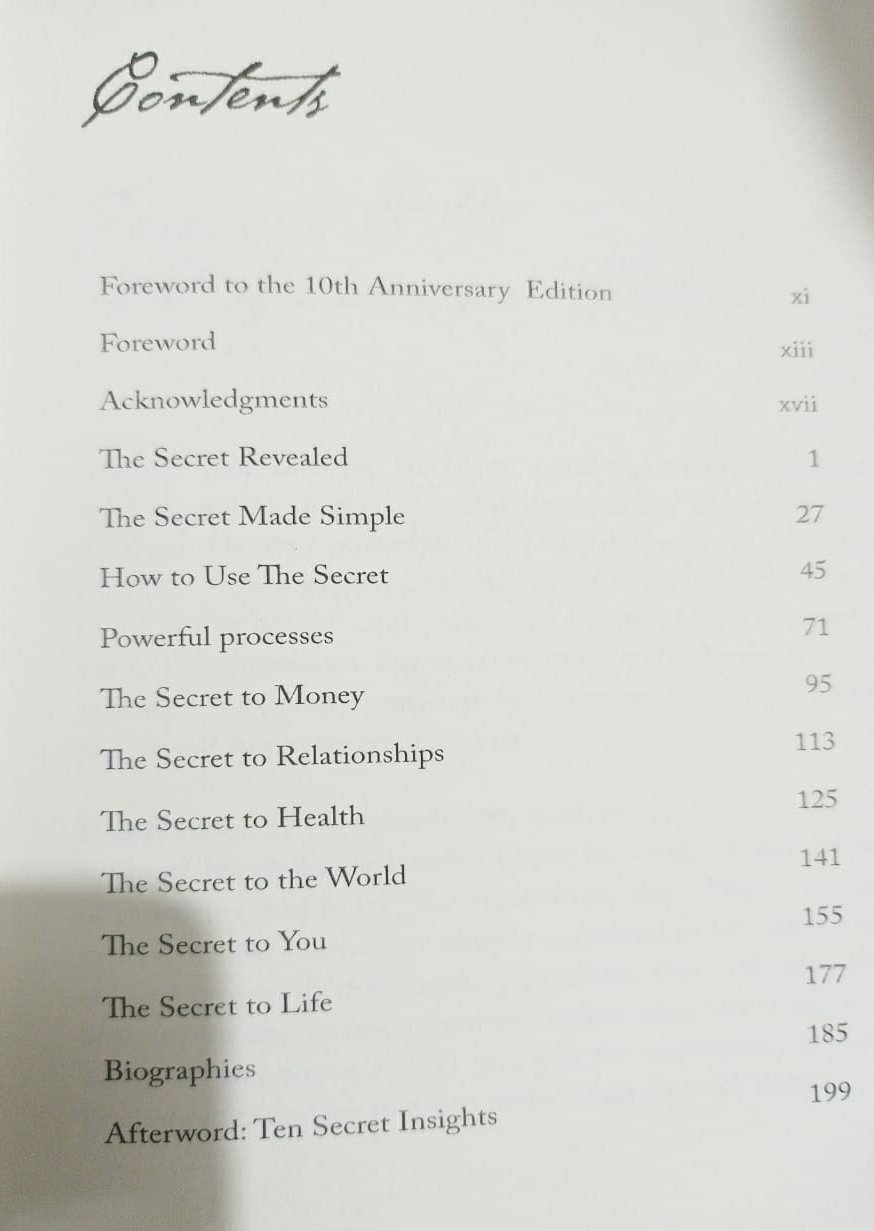
The Secret, there is a movie (specifically documentry) that goes by this name. The movie is based on this book. As the title says, it spills the secrets. All that we are is the result of what have thought. We are made of our thoughts; we are moulded by our thoughts.Change your life by changing your thoughts. It is as simple and as complicated. Because our thoughts become our words, words become actions, actions become habits, habits led you to your destiny.

This book, is a bit complicated for beginners. This book awakens the positivity in you. The hope on the goodness of universe will become more stronger than usual. It speaks about the law of attraction. The title itself attracts readers. At few movements you may feel you know those but by reading those facts from The Secret, will make your will to follow them stronger.

In the era of finger taps, following the tricks and methods mentioned may seem a difficult task. But it is worth every difficult step you take. You will find the new you a lot more happier and energetic than usual. A wonderful recommendation for all those who are not afraid of changing themselves.

Like I say : Reading books is magic, it makes you live hundreds of lives in a single one. Or atleast that’s what I believe. Hopefully this book will have an impact and magic you are/ were waiting for. I’ll take a leave.

And Thanks.😇

Continuation of: boy with striped pajamas; chapter 5

Bruno couldn’t stop thinking about the children. He kept on peeping through the window to check what the children were doing. Bruno found the people disturbing and he wanted to know more about them.On the other side, Gretel would also notice the people far away. Even Though Bruno managed to live in Out-with for a week and 3 days, he couldn’t be there any more. He totally missed Berlin and his friends, Karl, Daniel and Martin. A few days later, Bruno decided to talk with Maria about the ridiculous children and this terrible house.

In the evening, someone knocked on the door. It was a polite knock, it was Maria. “ Come in! “, Bruno gave permission. “I need to clean the floor. Can I turn off the fan? “ “ Okay, sure! Please turn on the air conditioner.” Bruno spoke kindly. He knew this was the right time to speak. He was sure Maria would understand. Maria switched off the fans and turned on the air conditioner, and started to vacuum. Bruno started, “ Maria? Don’t you want to go back to Berlin? You are just staying here for your sake. You don’t feel comfortable here right?” Bruno wanted Maria to accept with him. But she didn’t.

“ Of Course not. I just be wherever your parents tell me to be. Well, Bruno, are you still not settled here yet? I feel this house is very pleasant and nice” Maria answered. Bruno didn’t accept this. He burst into angriness and shouted “ No! How can this house be a pleasant house? How? How will it be a good house with weird children wearing the same clothes and laughing, far away? Berlin was better! Totally better.” he knew he wasn’t supposed to shout at anyone. He felt a little guilt inside him. There was a moment of silence. Maria stared at Bruno, and Bruno was about to burst out into tears. Suddenly someone banged the door open. “ Bruno! What was that noise?” It was Gretel. “ i couldn’t even concentrate…” Gretel saw Bruno’s eyes, the tears were floating. She knew it was not the right time to shout at him.

She went near Bruno and sat on the bed next to him. Maria left the room, to give some personal space. “ Hey, you okay?” asked Maria. “ the kid. He disturbs me. What is he doing?” “ You saw him too? I know, he is pretty weird. He doesn’t even sleep. “ answered Maria. “ What are they doing in there? Is it a jail? Are they locked in there? Questioned Bruno with curiosity. “ I think so, or they just live there. ” But, why are they dirty, wearing the same clothes and why aren’t they moving around? Bruno moved on. “ They are just poor Bruno, and it’s their home. But, I don’t know why they are all wearing the same dress. Especially that kid. Why doesn’t he sleep? He always walks around like he is thinking something seriously.” Answered Maria by doubting herself.

“ Okay, time to eat Bruno, let’s go. “ Maria left expecting Bruno to join her. Bruno followed her downstairs and had dinner. Bruno couldn’t stop thinking about the people who live there. And especially that kid. That kid who used to stare at bruno sometimes. The kid who doesn’t sleep. He was weird, but he did look upset and pitiful. The kid’s face would strike through Bruno’s head every minute. The kid was bald, a little fair, short and dirty.

Bruno went to bed. But he didn’t sleep. He wanted to know more about the people, about the kid. It was 9:30 at night. He should have been asleep by now, according to the rules. But he couldn’t. Suddenly someone opened Bruno’s door slightly. Bruno jerked and tried looking for who it was. Someone peeped in. It was Maria. She came in slowly and checked if Bruno was sleeping. She came closer and realised Bruno wasn’t asleep yet. “ Why aren’t you asleep? “ “ . I was going to sleep, but you freaked me out for a second. “ Bruno lied even though it was against the rules. He didn’t want to make Maria upset by knowing that Bruno was still thinking about the kid.

“Bruno, you are just thinking about unnecessary things now. If you are talking about the people far away, they are just poor people. Don’t think too far” said Maria “ but, why are they dressed the same? “ asked Bruno. Maria took a deep breath and answered, “ Bruno, please don’t complicate it. They are locked in there. That’s all!” “ So are they in jail?” Bruno asked out of curiosity. “ Yes, they are trapped but in an open space. They all are under control. Bruno, your mother might come anytime, so now please go to sleep”

“ Wait! Why are they even trapped? If they are trapped, then why don’t anyone go help them?” questioned Bruno. “ Ahhh too many questions Bruno. Now, it’s time to sleep. Like I told you, they are trapped because they are under control”
Bruno thought for a while “ And why doesn’t anybody help them?” Maria totally lost it, she went back to the door like she was going to leave “ Please no more questions. I came here to make sure you were asleep, not answer questions. Come on, close your eyes. Good night! “ Maria left with a smile.
‘ why doesn’t anyone want to help them?’ wondered Bruno

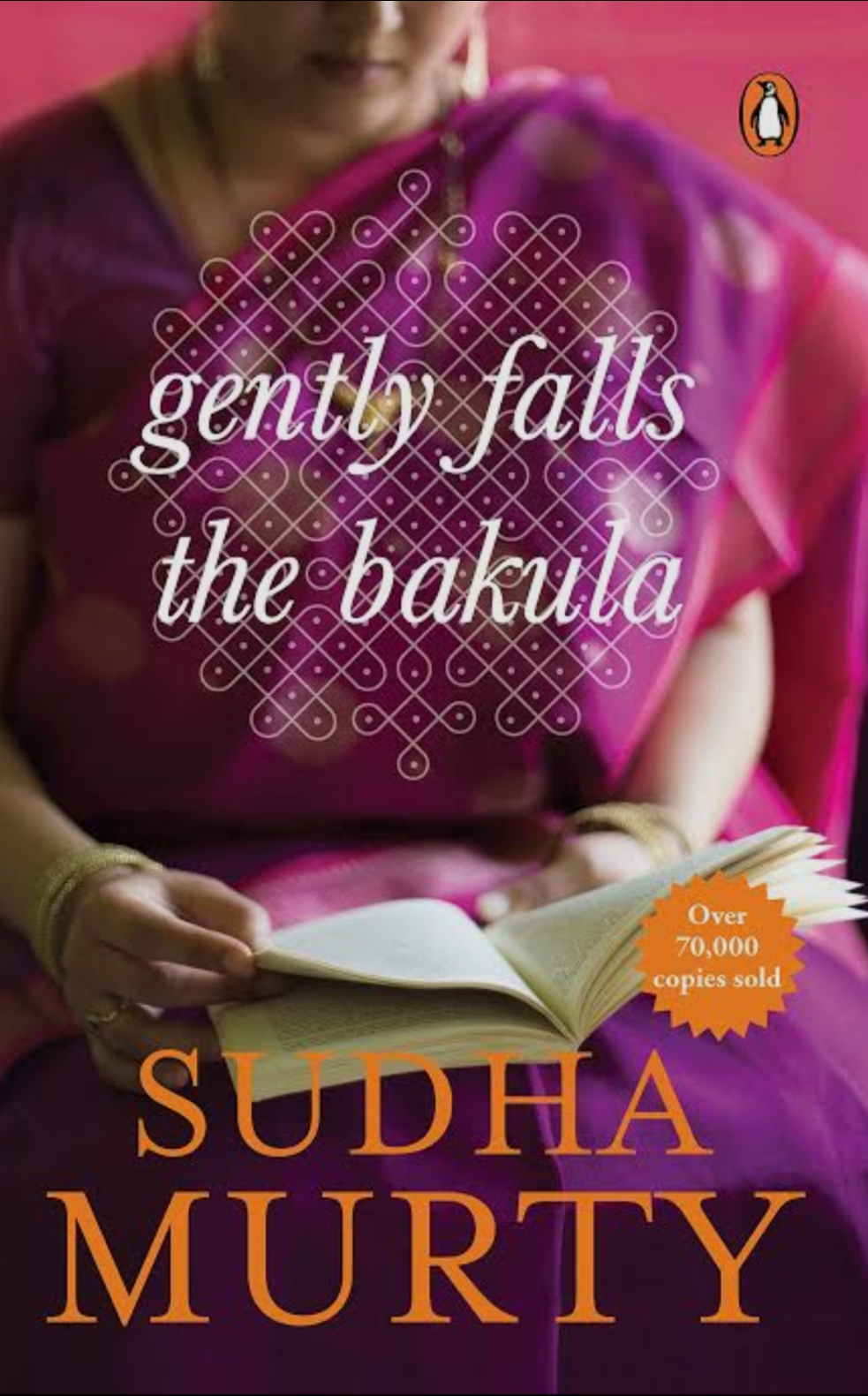
Gently Falls the Bakula

By SUDHA MURTHY

Hello readers.
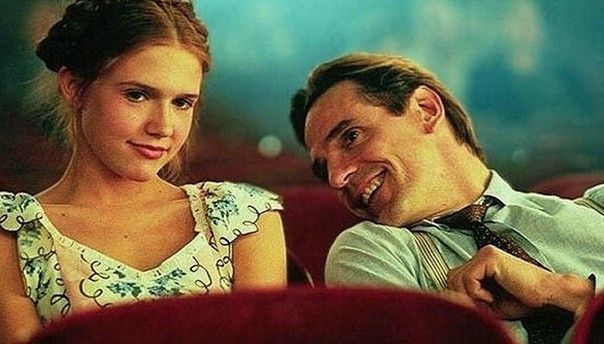
In the small town of Hubli, Shrikant discovers that he is attracted to his plain-looking but charming neighbour Shrimati, who always does better than him in the school exams. Shrimati too falls in love with the amiable and handsome Shrikant and the two get married. Shrikant joins an IT company and starts rapidly climbing the corporate ladder. He works relentlessly and reaches the pinnacle of his industry, while Shrimati abandons her academic aspirations and becomes his uncomplaining shadow, silently fulfilling her duties as a corporate leader’s wife. But one day, while talking to an old professor, she starts examining what she has done with her life and realizes it is dismally empty…

The way characters and their lives are described is wonderful. Sudha Murthy uses simple language and makes the plot so effective. The story is relevant to Indian society. It gives you a lesson on importance of standing on our own legs, being independent.

At the beginning you may feel it a bit dull but the way it gains the plot keeps us hooked up.All the Indian girls are taught to sacrifice something for everyone either it’s her parents, brother or husband. It’s time we learn to sacrifice some time to ourselves. Learn to become independent and strong (both physically and mentally). It makes you clear about your choices between career and marriage life.

In brief it a great book for people who love to read about dreamers and lovers. It makes you realize that your dreams are very important. Never give up, they give you a purpose. This is worth every penny. Truely recommend.
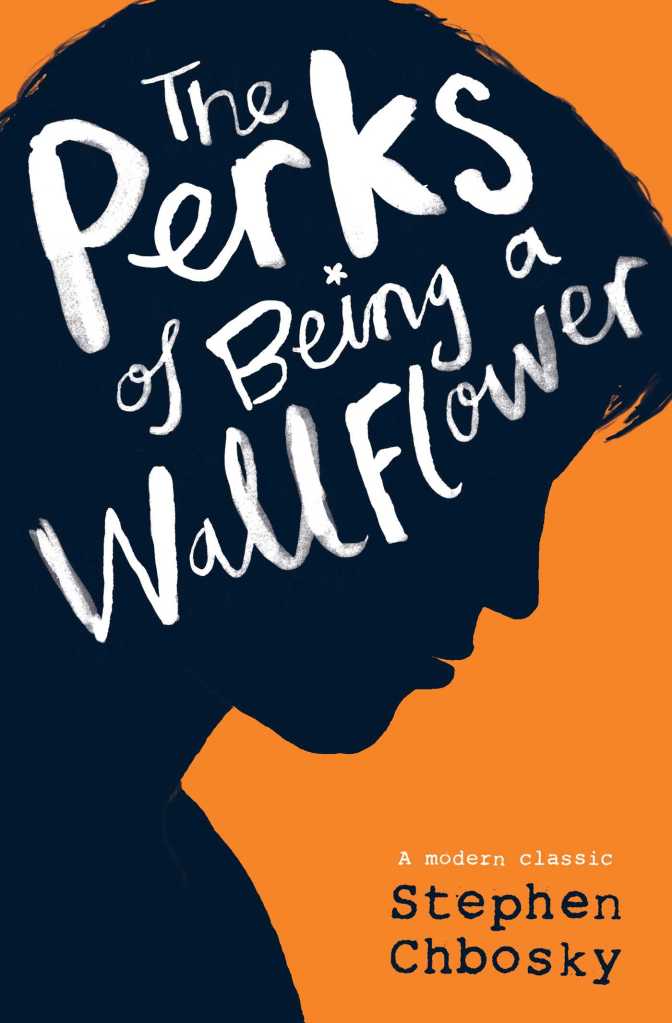
As I say : Reading books is magic, it makes you live hundreds of lives in a single one. Or atleast that’s what I believe. Hopefully this book too will have an impact and magic you are/ were waiting for. For now I’ll take a leave.

And Thanks. 😇