
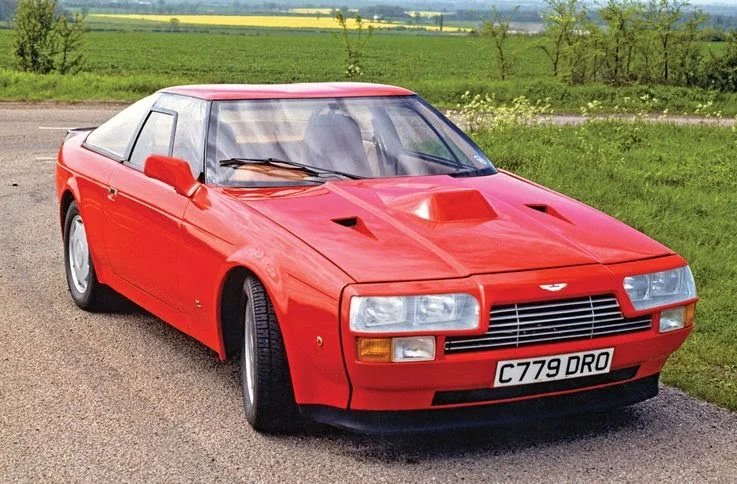
Automobile sales are going back to normal in India

The automobile sector is slowly climbing in India. According to the latest reports, sales in India will get back to the pre-COVID level soon. This has been due to the rising popularity of SUVs. The sales of SUVs are on the rise.

Recently, the UV category has also seen various new entries in the segment. The various new launches from the companies are also making it possible for people to get their hands on their choice of car. The multiple options which are available for the models in the market are also a big plus for the people.

There is also an advantage of incentives from the government. On various electric vehicles, the government is giving incentives to the people.

The pressure of environmental health is playing a role in this high sale. Many people are now opting for changing their current vehicle to an electric one. The lucrative case of less expenditure on charging and electric service is also making it possible for various companies to attract more customers towards electric vehicles.

In terms of companies, Maruti Suzuki is still the king as it has been able to sell the maximum number of vehicles. This number one position for Maruti is due to the various launches like Brezza, XL6 and the new Grand Vitara. On the other hand, Mahindra has been able to sell close to 60000 units in the last year.

https://unsplash.com/photos/X16zXcbxU4U

Among all this, Tata is also putting a good effort into their new models. Tata Nexon has been able to do well in both forms. Nexon is being offered in electric as well as in the classic fossil fuel options. Now, when it comes to international companies, then they have also been able to perform well in India.

During the pandemic, luxury companies have been able to register unimaginable sales in India. This has been noted that people have been spending heavily since the pandemic. The higher sales are making luxury brands more eager to launch more models in the country. The Make-in-India incentives are also making it possible for people to get their favourite vehicle at a cheaper rate. The biggest example has been the S- Class from Mercedes that is now being assembled in India. 

The rapid expansion of electric vehicle infrastructure in the country along with the introduction of new models in the country is going to push the automobile sale in the country further. The damage to the environment due to the internal combustion engine vehicle is also forcing the government to force out the older vehicles faster and direct people to buy new and cleaner and greener vehicles. 

The improvement in the road condition in the country in various parts and the expansion of companies like Uber and Ola are also pushing up the sales of vehicles in the country. In the future as vehicles will become more affordable and as the second-hand car market will increase, car ownership will propel vehicle sales even further. All of these will also increase vehicle ownership in the country, which is quite low currently.
McLaren F1: The Ultimate Road Car Ever

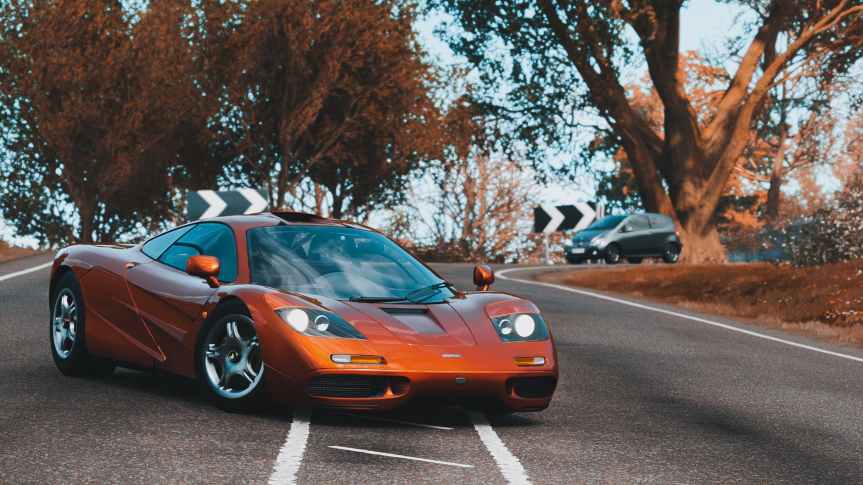
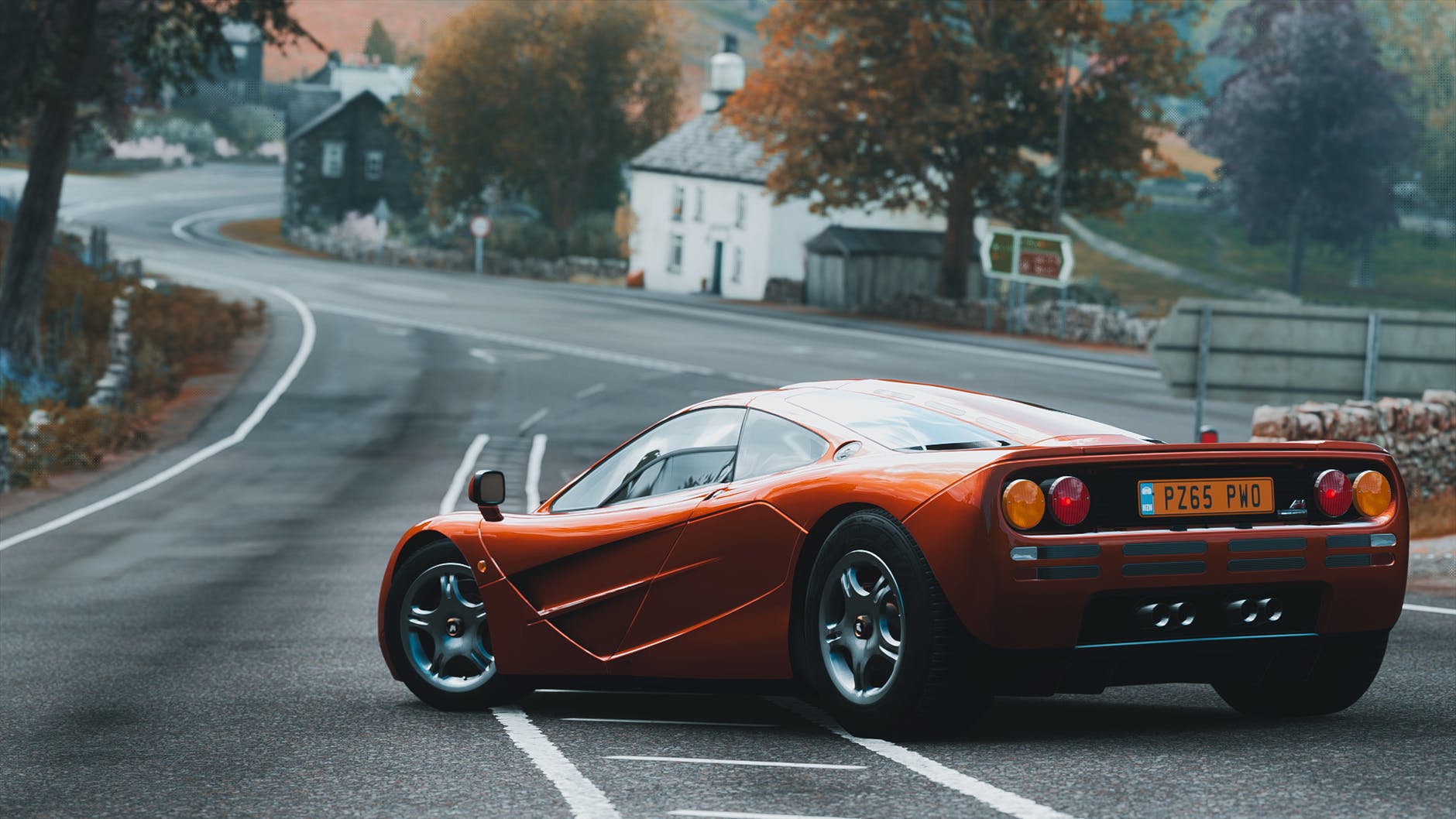
McLaren F1 was the fastest production car for 12 straight years from 1993 to 2005. At the time of its unveiling, McLaren F1 was an engineering marvel with numerous pioneering technological innovations. It was designed by the legendary designer and engineer Gordon Murray.

McLaren F1 Rear

It was the first road production car to be fully built carbon fiber. The entire Carbon fiber monocoque weighs just fewer than 220 pounds and 5000 pieces of carbon fiber pieces were used to mold the final frame.  This gives it double the strength of steel but it makes it five times lighter than traditional frames.

The car has a central seating position which is unique to this car. While developing McLaren F1, Gordon Murray drove and tested all the contemporary supercars of that time and he realized that their three-pedal boxes were somewhat offset. So He wanted to eliminate that. To solve this problem he placed the seat in the central driving position similar to a traditional F1 racing car. The central position also helps in increasing the visibility of the driver.

It has a naturally aspirated 6.1-liter V12 engine, but initially, McLaren has asked Honda to supply an engine for them as they were also the supplier for their F1 racing team at that time. But Honda didn’t follow the specification stated by Gordon Murray. Later they asked BMW to supply them with the engine of their car. BMW had to make a new engine as per the specification and the final results were incredible. The Engine is called BMW Motorsport S70/2

 The engine possesses extremely efficient heads. It also has continuous variable inlet valve timing and an emission-control system and four catalytic converters with ‘Lambda’ exhaust gas analysis control. Even with a 6064 CC displacement and a power output excess of 550bhp, the engine is quite efficient. The engine created so much heat that it had to be covered with a good heat deflecting material and to solve that problem the engine bay was covered with 16 grams of gold foil.

On 31 March 1998, Andy Wallace drove the McLaren F1 XP5 prototype at Volkswagen’s test track in Ehra-Lessen, Germany, and broke the record created by McLaren F1 itself in 1993. The car reached the top speed of 391 kilometers per hour or 243 Miles per hour. As of today, the F1 remains the fastest naturally aspirated production car in the world.

https://www.autozine.org/Archive/McLaren/old/F1.html

The car had a limited production of 106. Of those only 64 of them were road-going cars and 28 of them were racecars and the remaining of them were prototypes and special editions like the LM and longtail version. Rowan Atkinson (Mr. Bean) was for one period the owner of McLaren F1 as well.

Back in 1993, a brand-new McLaren F1 cost £540,000. In today’s money it would be approximately 1.1 million pounds but due to the rarity and the special status and engineering feat of the car. McLaren F1 has steadily climbed in value since then. As of today a McLaren F1 costs around £16 million and special versions can fetch even more. This car has also stood the test of time in its design, engineering, and craftsmanship.

References:

FORD – The Brand Story

Ford Motor Company, commonly known as Ford, is an American multinational automaker that has its main headquarters in Dearborn, Michigan, a suburb of Detroit. It was founded by Henry Ford and incorporated on June 16, 1903. The company sells automobiles and commercial vehicles under the Ford brand, and most luxury cars under the Lincoln brand. Ford also owns Brazilian SUV manufacturer Troller, an 8% stake in Aston Martin of the United Kingdom and a 32% stake in Jiangling Motors. It also has joint-ventures in China (Changan Ford), Taiwan (Ford Lio Ho), Thailand (AutoAlliance Thailand), Turkey (Ford Otosan), and Russia (Ford Sollers). The company is listed on the New York Stock Exchange and is controlled by the Ford Family; they have minority ownership but the majority of the voting power.

Ford introduced methods for large-scale manufacturing of cars and large-scale management of an industrial workforce using elaborately engineered manufacturing sequences typified by moving assembly lines; by 1914, these methods were known around the world as Fordism. Ford’s former UK subsidiaries Jaguar andLand Rover, acquired in 1989 and 2000 respectively, were sold to the Indian automaker Tata Motors in March 2008. Ford owned the Swedish automaker Volvo from 1999 to 2010. In 2011, Ford discontinued the Mercury brand, under which it had marketed entry-level luxury cars in the United States, Canada, Mexico, and the Middle East since 1938.

Ford is the second-largest U.S.-based automaker (behind General Motors) and the fifth-largest in the world (behind Toyota, VW, Hyundai-Kia and General Motors) based on 2015 vehicle production. At the end of 2010, Ford was the fifth largest automaker in Europe. The company went public in 1956 but the Ford family, through special Class B shares, still retain 40 percent voting rights. During the financial crisis at the beginning of the 21st century, it struggled financially, but it has since returned to profitability. Ford was the eleventh-ranked overall American-based company in the 2018 Fortune 500 list, based on global revenues in 2017 of $156.7 billion. In 2008, Ford produced 5.532 million automobiles and employed about 213,000 employees at around 90 plants and facilities worldwide.

Ford is a popular name when it comes to automaker companies. The brand has it branches spread all over the world and is a leader among automobile manufacturers. Ford Motor Company better known as simple Ford produces the best cars and trucks under its name. Ford has been pleasing customers of all strata with its wide range of cars and commercial vehicles. The brand has everything from luxurious cars under the Lincoln brand to economy and commercial vehicles under Ford brand. The constant innovation of designs and technology keeping in mind the currents demands and desires of its customers has enabled it to build a strong rapport among target market.  

Key Strategy of Ford :  

Ford Motor Company has carefully examined the needs of customers and derived its marketing strategies accordingly.   

• Ford Mission statement and goal has always been one Ford, one team, one plan and one goal. The statement clearly signifies that the brand believes in establishing itself as a brand that has a team dedicated to single goal of delivering high performance vehicles to its customers.   

• Ford has also been a brand that is very well established strong relationship with the communities it serves. The brand has been involved in campaigns like ‘breast cancer awareness campaigns’.   

• The brand also endeavors to be as protective of nature as possible with its efforts of making fuel efficient cars, electric vehicles, donations and Ford raiser programs for environmental protection.  

• Due to its worldwide presence the company has strong brand recall and reputation. It also gives them edge over other competitors because they can very well determine the needs of different market segment and manufacture efficient vehicles accordingly.  

• The biggest strength of the brand is its unmatched technology and designs that has helped the company to develop a strong portfolio of quality products.    

• Ford’s marketing and advertising tactics involves everything from promotions on social media platforms like twitter, blogs, flickr, press releases, television commercials etc.   

• Ford has a very strong rapport with its employees, suppliers, dealers etc that helps him to stay focused on its mission statement of ‘One Ford’.  

• Ford’s most popular vehicles include Land Rover, Lincoln, Aston Martin, Volvo etc.  

• Ford has cars for every customer. It has luxurious cars as well as mid-size cars to cater needs of every customer. Some of the popular mid-range cars include Ford Figo, Ford Fusion etc.  

Ford has been an age old company that has gathered the trust and loyalty of customers all over the world. The multinational automaker has proved to be innovative and efficient when it comes to vehicle needs of its customers.    The company has been sensitive to its community and has been involved in events that are held in favor of the community. The company tries to view their business from consumer’s prospective to come up with products and services that are full worth in terms of money, comfort and luxury.