
The lights that don’t lie- The case of the radium girls

With war declared, hundreds of working-class women flocked to the studio where they were employed to paint watches and military dials with the new element radium, which had been discovered by Marie Curie a little less than 20 years before. Dial painting was “the elite job for the poor working girls”; it paid more than three times the average factory job, and those lucky enough to land a position ranked in the top 5% of female workers nationally, giving the women financial freedom in a time of burgeoning female empowerment. Radium’s luminosity was part of its allure, and the dial painters soon became known as the “ghost girls” — because by the time they finished their shifts, they themselves would glow in the dark. They made the most of the perk, wearing their good dresses to the plant so they’d shine in the dance halls at night, and even painting radium onto their teeth for a smile that would knock their suitors dead.
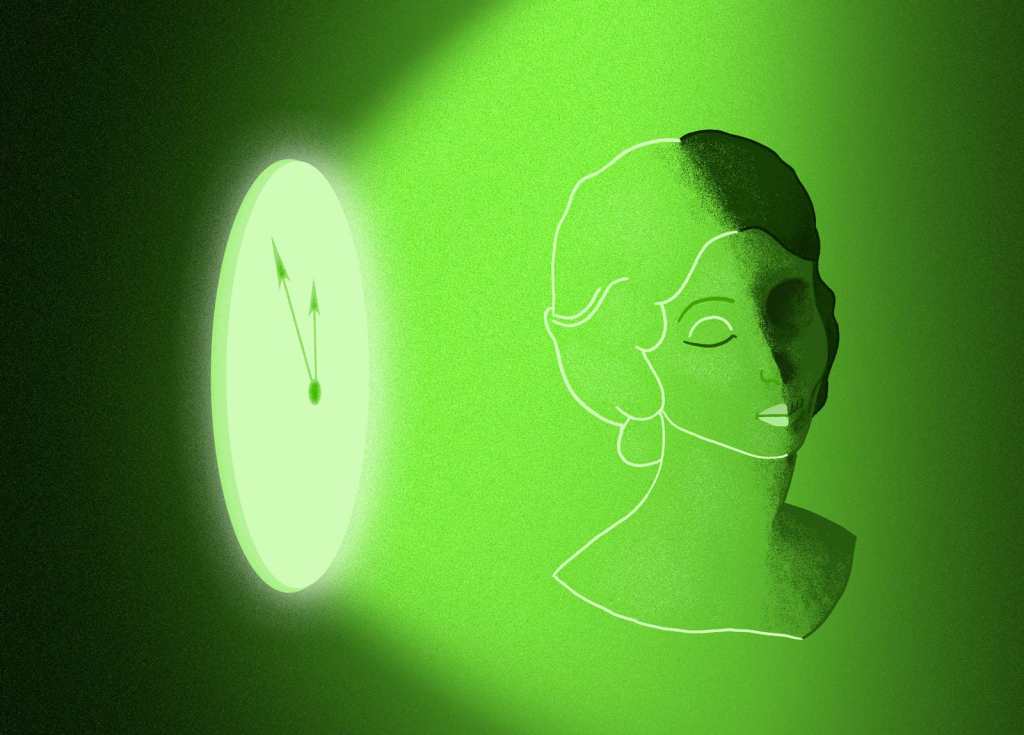
What’s more, the painters ingested the radioactive substance as part of their job. Because some of the watch dials on which they worked were extremely small, they were instructed to use their lips to bring their paint brushes to a fine point. When they asked about radium’s safety, they were assured by their managers that they had nothing to worry about.Of course, that wasn’t true. Radium can be extremely dangerous, especially with repeated exposure. Marie Curie suffered radiation burns while handling it, and she eventually died from radiation exposure.
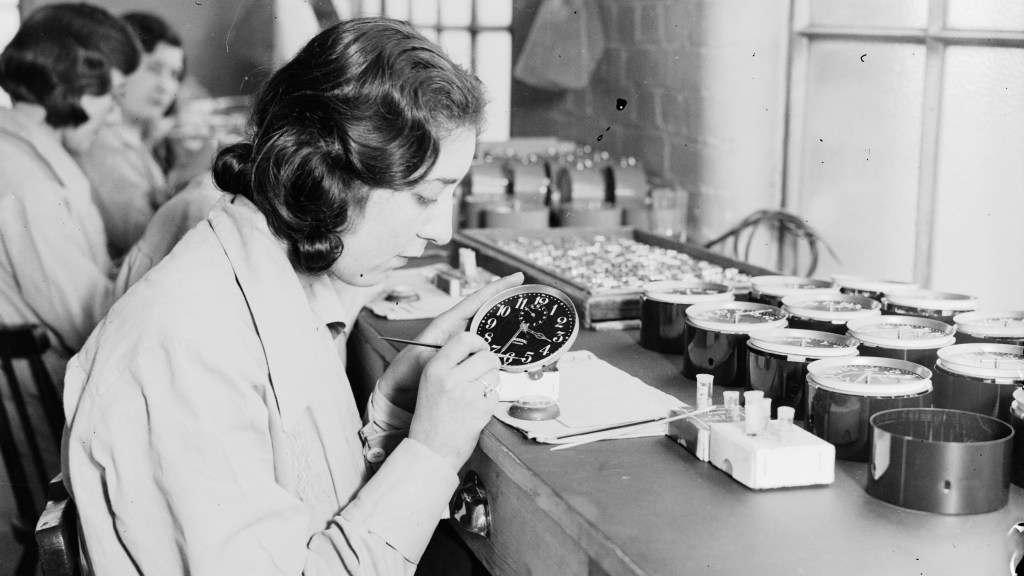
It wasn’t long before the “Radium Girls” began to experience the physical ravages of their exposure. Among the first was Amelia (“Mollie”) Maggia, who painted watches for the Radium Luminous Materials Corp. Maggia’s first symptom was a toothache, which required the removal of the tooth. Soon the tooth next to it also had to be extracted. Painful ulcers, bleeding and full of pus, developed where the teeth had been. Maggia died on September 12, 1922, of a massive hemorrhage. Doctors were puzzled as to the cause of her condition. In growing numbers, other Radium Girls became deathly ill, experiencing many of the same agonizing symptoms as Maggia. For two years their employer vociferously denied any connection between the girls’ deaths and their work. Facing a downturn in business because of the growing controversy, the company finally commissioned an independent study of the matter, which concluded that the painters had died from the effects of radium exposure.

In 1925 a pathologist named Harrison Martland developed a test that proved conclusively that radium had poisoned the watch painters by destroying their bodies from the inside. The radium industry tried to discredit Martland’s findings, but the Radium Girls themselves fought back. Many knew that their days were numbered, but they wanted to do something to help their colleagues still working with the deadly substance. Ingested radium had subsequently settled in the women’s bodies and was now emitting constant, destructive radiation that “honeycombed” their bones. It was literally boring holes inside them while they were alive. It attacked the women all over their bodies.
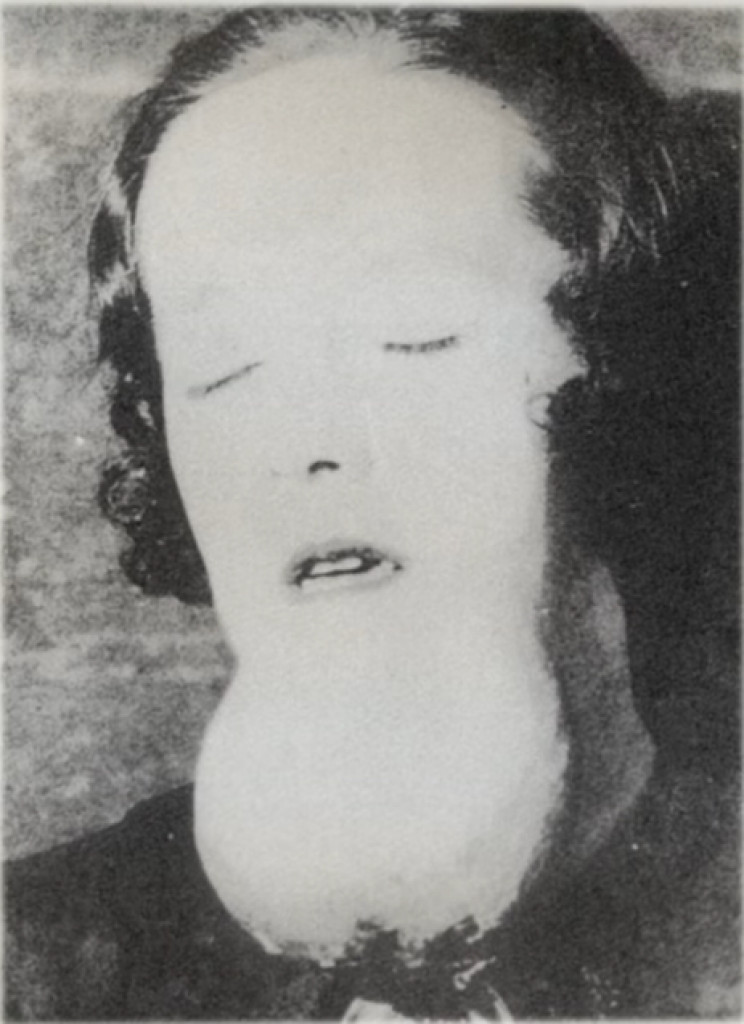
In 1927, a smart young lawyer named Raymond Berry accepted their case, and Grace (along with four colleagues) found herself at the canter of an internationally famous courtroom drama. The women had been given just four months to live, and the company seemed intent on dragging out the legal proceedings. The New Jersey radium girls’ case was front-page news, and it sent shockwaves across America.

It was the mid-1930s: America was in the grip of the Great Depression. Catherine and her friends , victims of this heinous poisoning, were shunned by their community for suing one of the few firms left standing. Though close to death when her case went to court in 1938, Catherine ignored her doctors’ advice and instead gave evidence from her deathbed. In doing so, and with the help of her lawyer, Leonard Grossman, she finally won justice not only for herself, but for workers everywhere.

The radium girls’ case was one of the first in which an employer was made responsible for the health of the company’s employees. It led to life-saving regulations and, ultimately, to the establishment of the Occupational Safety and Health Administration, which now operates nationally in the United States to protect workers. . The women also left a legacy to science that has been termed “invaluable.”


The lights that don’t lie- The case of the radium girls

With war declared, hundreds of working-class women flocked to the studio where they were employed to paint watches and military dials with the new element radium, which had been discovered by Marie Curie a little less than 20 years before. Dial painting was “the elite job for the poor working girls”; it paid more than three times the average factory job, and those lucky enough to land a position ranked in the top 5% of female workers nationally, giving the women financial freedom in a time of burgeoning female empowerment. Radium’s luminosity was part of its allure, and the dial painters soon became known as the “ghost girls” — because by the time they finished their shifts, they themselves would glow in the dark. They made the most of the perk, wearing their good dresses to the plant so they’d shine in the dance halls at night, and even painting radium onto their teeth for a smile that would knock their suitors dead.

What’s more, the painters ingested the radioactive substance as part of their job. Because some of the watch dials on which they worked were extremely small, they were instructed to use their lips to bring their paint brushes to a fine point. When they asked about radium’s safety, they were assured by their managers that they had nothing to worry about.Of course, that wasn’t true. Radium can be extremely dangerous, especially with repeated exposure. Marie Curie suffered radiation burns while handling it, and she eventually died from radiation exposure.

It wasn’t long before the “Radium Girls” began to experience the physical ravages of their exposure. Among the first was Amelia (“Mollie”) Maggia, who painted watches for the Radium Luminous Materials Corp. Maggia’s first symptom was a toothache, which required the removal of the tooth. Soon the tooth next to it also had to be extracted. Painful ulcers, bleeding and full of pus, developed where the teeth had been. Maggia died on September 12, 1922, of a massive hemorrhage. Doctors were puzzled as to the cause of her condition. In growing numbers, other Radium Girls became deathly ill, experiencing many of the same agonizing symptoms as Maggia. For two years their employer vociferously denied any connection between the girls’ deaths and their work. Facing a downturn in business because of the growing controversy, the company finally commissioned an independent study of the matter, which concluded that the painters had died from the effects of radium exposure.

In 1925 a pathologist named Harrison Martland developed a test that proved conclusively that radium had poisoned the watch painters by destroying their bodies from the inside. The radium industry tried to discredit Martland’s findings, but the Radium Girls themselves fought back. Many knew that their days were numbered, but they wanted to do something to help their colleagues still working with the deadly substance. Ingested radium had subsequently settled in the women’s bodies and was now emitting constant, destructive radiation that “honeycombed” their bones. It was literally boring holes inside them while they were alive. It attacked the women all over their bodies.

In 1927, a smart young lawyer named Raymond Berry accepted their case, and Grace (along with four colleagues) found herself at the canter of an internationally famous courtroom drama. The women had been given just four months to live, and the company seemed intent on dragging out the legal proceedings. The New Jersey radium girls’ case was front-page news, and it sent shockwaves across America.

It was the mid-1930s: America was in the grip of the Great Depression. Catherine and her friends , victims of this heinous poisoning, were shunned by their community for suing one of the few firms left standing. Though close to death when her case went to court in 1938, Catherine ignored her doctors’ advice and instead gave evidence from her deathbed. In doing so, and with the help of her lawyer, Leonard Grossman, she finally won justice not only for herself, but for workers everywhere.

The radium girls’ case was one of the first in which an employer was made responsible for the health of the company’s employees. It led to life-saving regulations and, ultimately, to the establishment of the Occupational Safety and Health Administration, which now operates nationally in the United States to protect workers. . The women also left a legacy to science that has been termed “invaluable.”

POLLUTION

Pollution is described as the introduction of different wastes into the environment. These material wastes are called pollutants. Pollutants may be either natural which is thrown away by natural disasters, volcanic eruptions or man-made trashes like factory washouts, plastic wastes. Pollutants are harmful as they damage the quality of natural resources such as air, water, and land. Pollutants mixing in the air have a direct impact as they enter the body directly while breathing. Pollutants that mix in water also creates a hazardous effect on people’s life. People residing near the construction and manufacturing work areas are diagnosed with relatively higher hearing ailments. This contributes to noise pollution. Similarly, there are varieties of pollution in our surrounding world, some of which are unaware of by us. The fact is, we humans are the ones creating all this pollution without thinking about neither our life nor the future world and life. It is very difficult to construct a zero-pollution world. Still, the level and consequences of pollution could be decreased by taking some measures and being more sensible.

TYPES OF POLLUTION

AIR POLLUTION – Increasing industrialization has paved the way for poisonous gases to enter the atmosphere. This in turn creates adverse effects like respiratory and other diseases in human beings. The carbon and its oxides released by the burning of coal and fossil fuels are absorbed by the trees. But as we started cutting trees to find areas for accommodation, these carbon oxides mix the atmosphere and pollutes it. The fresh oxygen we breathe thus gets contaminated and can give rise to many skin diseases and respiratory disorders like asthma, bronchitis, etc. These impacts could be decreased by following afforestation and reforestation and adopting the use of natural gases and biogas.

WATER POLLUTION – Introduction of industrial effluents, pesticides and insecticides, domestic waste, detergents, and fertilizers contaminate the water bodies. Water pollutants are released directly to the nearby water sources without proper treatment. These pollutants in water mix up with all the water bodies and finally contaminate the ocean by the formation of algae which creates a threat to aquatic life. It also generates unfavorable effects on humans and affects the food chain. It causes communicable and non-communicable diseases like cholera, typhoid, dengue, etc. This could be prevented by conserving water, treating sewage before it is disposed and use of eco-friendly products.

SOIL POLLUTION – Soil pollution refers to the existence of chemicals, toxic compounds, salts, and radioactive elements in the layers of soil. Discharge of toxicants from industries, stagnation of polluted water, heavy metals, and other solvents stay in the soil and make it infertile for cultivation. Due to this, the texture and quality of the soil are lost damaging the growth of plants and organisms living in the soil. Percolation of dirty water, dumping of fuels and oils, dumping of pharmaceutical and other medical wastes also adds to soil pollution. These influence humans indirectly through the plants that we consume as food. Industrialists should follow the environment protection norms strictly and individuals must start practicing the 3Rs – Reduce, Reuse and Recycle the to lessen soil pollution. 

NOISE POLLUTION – This form of pollution is increasing and creating an unsafe environment. The increase in sound levels becomes dangerous for living creatures and causes several disturbances in society. An increase in industries, technology, use of vehicles, parties, bursting crackers, and loud political meetings contribute a lot to noise pollution. Unlike, other pollution, noise pollution can also bring about serious issues like hearing impairment and other troubles in the eardrums. Not only humans, but this kind of pollution also badly hits the wildlife. We must become aware of these unnoticed yields and help in building a safer and better society.

Why should you avoid using perfumes?

Writing this article isn’t easy for me because there was a phase in my life where I was obsessed with perfumes. I would use different scents every day depending on my mood.

But, there were a few times, where I would get a headache or a sneeze when I would come in contact with a strong perfume. I would excuse myself thinking I am sensitive to a few scents.

But, I got to know that a lot of people are allergic to perfumes in general. Some are more severely allergic than others and can even get asthma attacks. Here are some things that I found which made me stop using perfumes:

  • Trade secret: did you know that perfume companies are not required to list their ingredients? Even if they do list the ingredients, it’s only a few out of 3000 chemicals. Fragrance formulation is considered a trade secret that is also protected from the manufacturer.
  • No authority to regulate the formation of perfumes: when I told it is a trade secret I meant there is no state, federal or global authority that regulates the safety of the chemicals used in fragrances.
  • Health problems: inhaling the 3000 chemicals will come at a cost. They cause health problems like asthma, fatigue, headaches, dizziness, coughing, burning of the skin, and many more. The chemicals also mess with our hormones. You might be someone who does not suffer from these but, do you really want to inhale a product with harmful chemicals that cause health issues.
  • Second-hand smoking: using perfumes in the long term can affect our health just as negatively as second-hand smoking does. The toxins used in fragrances are as harmful as that of second-hand smoking.

This article mainly focuses on how perfumes are harmful. But, it’s the entire fragrance industry that is harmful. We buy scented products on a daily basis. Our shampoos, body washes, hair sprays, detergents all have fragrance added to it. Even products for female hygiene sometimes contain fragrance. We don’t know the number of chemicals the word “fragrance” holds in  products. So, it is best to avoid scented products in general.

If you are devastated knowing how bad fragrance is. There are some alternatives you can use:

  • Using essence oils: these oils are extracted from plants and are completely natural. You can add them to your products or use them separately in the form of a roll-on. But, make sure to get 100% pure essence oils.
  • DIY: you can DIY soaps and perfumes by using natural homemade products that won’t harm your body. You can easily get these ingredients in your nearby store. You can also DIY your essence oils.
  • Fragrance-free products: Buying products that are free of fragrance or chemicals are a great alternative.
  • Non-toxic perfumes: Some brands make sustainable or eco-friendly perfumes so you can try using them. These perfumes are made of essential oils or organic ingredients. But, don’t forget to make sure they only natural ingredients.

 These alternatives may seem like a lot of work. But it is way better than exposing yourself to chemicals and toxins daily. The chemicals used by the fragrance industry not just harm us but are also bad for the environment.