

Introduction
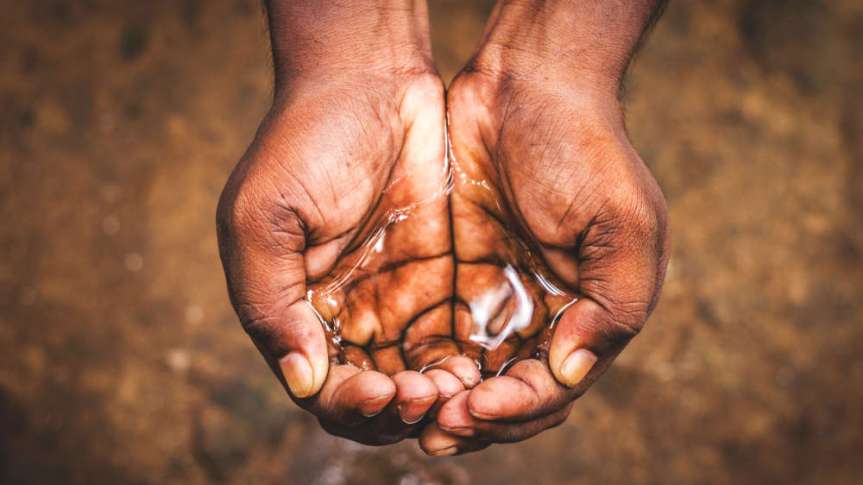
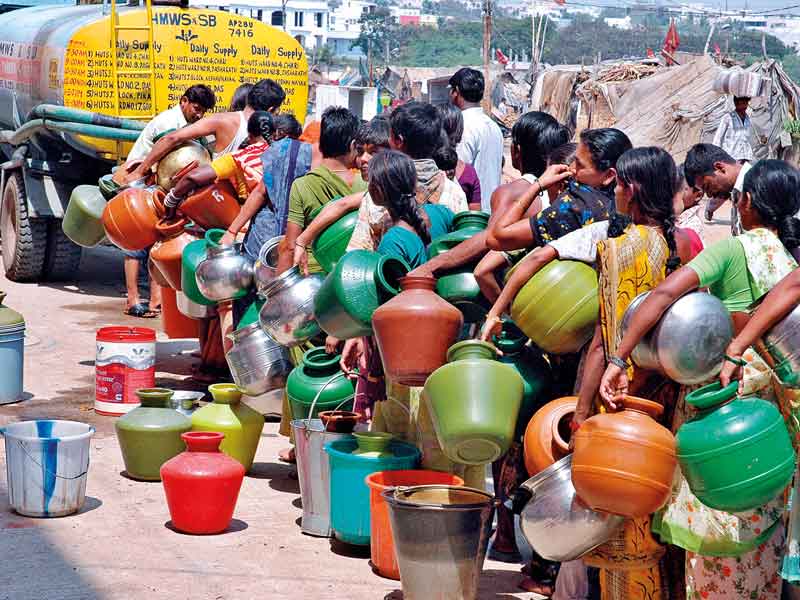
Water is the most essential element of life and livelihood. And India is having a hard time, coping up with the severe crisis of water. India constitutes 16 per cent of the world’s population, but the country has only four per cent of the world’s freshwater resources. With the changing weather patterns and recurring droughts, India is now declared as “water stressed”.
Background
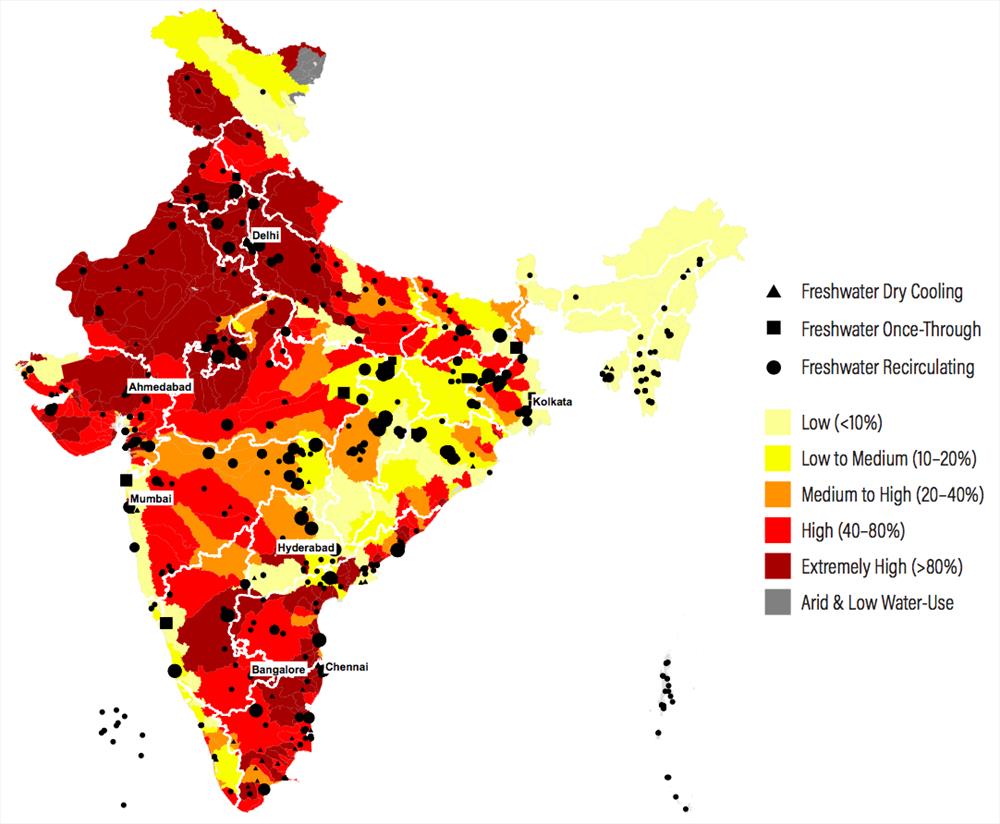
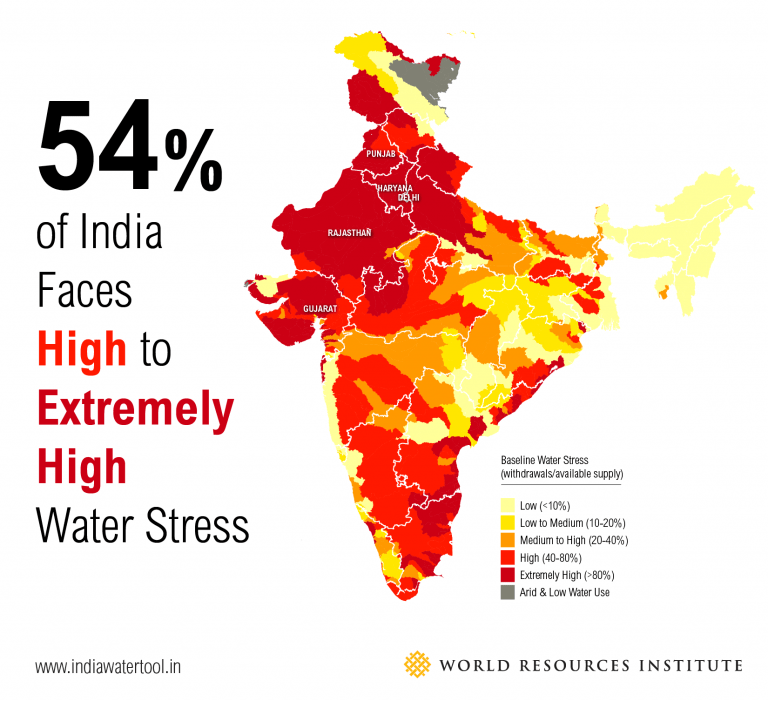
Archaeological researchers had assumed the fall of Great Indus Civilisation was due to a catastrophic water scarcity caused either by shifting rivers or by drastic climate change that forced people to abandon city settlements. And history seems to repeat for present day India again. According to a NITI Aayog report in 2018, about 600 million people, or nearly half of India’s population, are facing extreme scarcity of water. The three-fourths of India’s rural households do not have stable running water supply and rely on sources that can cause serious health risks. The report also stated that India has become the world’s largest extractor of groundwater, accounting for 25% of the total. Moreover, 70% of the water sources were labelled as contaminated .And the conclusion of the report was ‘India is suffering from its worst water crisis in its history.’ It also pointed out 21 Indian cities to be run out of groundwater by 2020.
Reasons behind Water Crisis in India
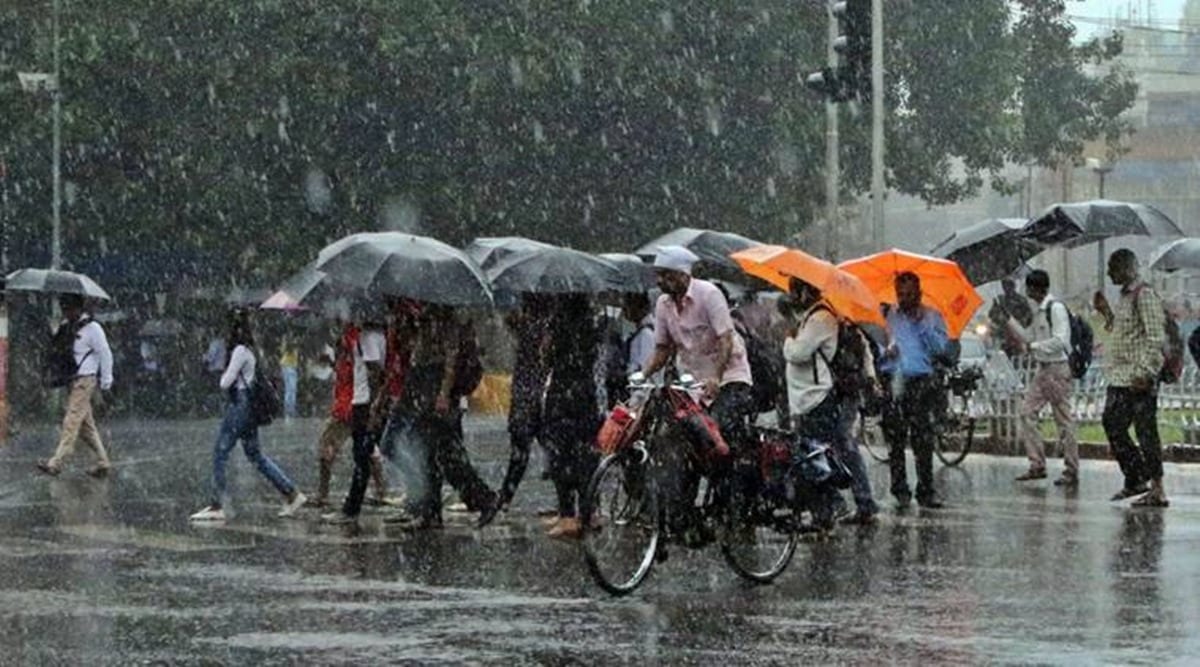
1. Climate Change : The North-East monsoon is responsible for 10%-20% rainfall of the total rainfall in India, while the South-West monsoon provides approximately 80% of rainfall. In 2018, the North-East monsoon decreased by 44% and the South-West monsoon was deficient by 10%, causing the total rainfall in the area to decrease by 36 percent in comparison to the 50-year average. Because of the lower rainfall, water levels in reservoirs across the country decreased and led to extreme shortages of water in many major cities of India
. 2. Ground Water Extraction: Groundwater meets more than half of the country’s need of water supply and nearly 89% of the groundwater extracted in India is used for irrigation purposes. The traditional techniques of irrigation are also to blame for the water crisis as they result in a majority of water loss and evaporation during the irrigation process.
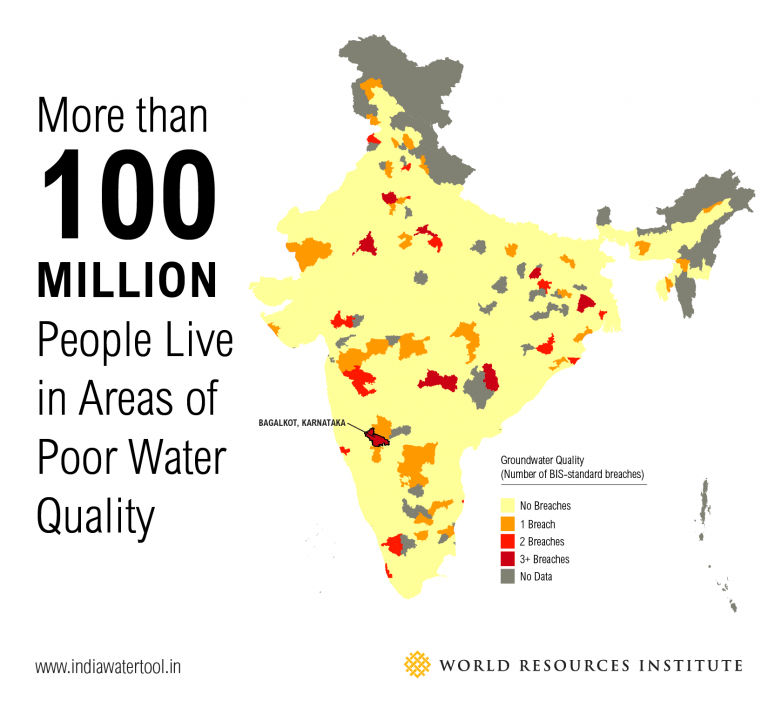
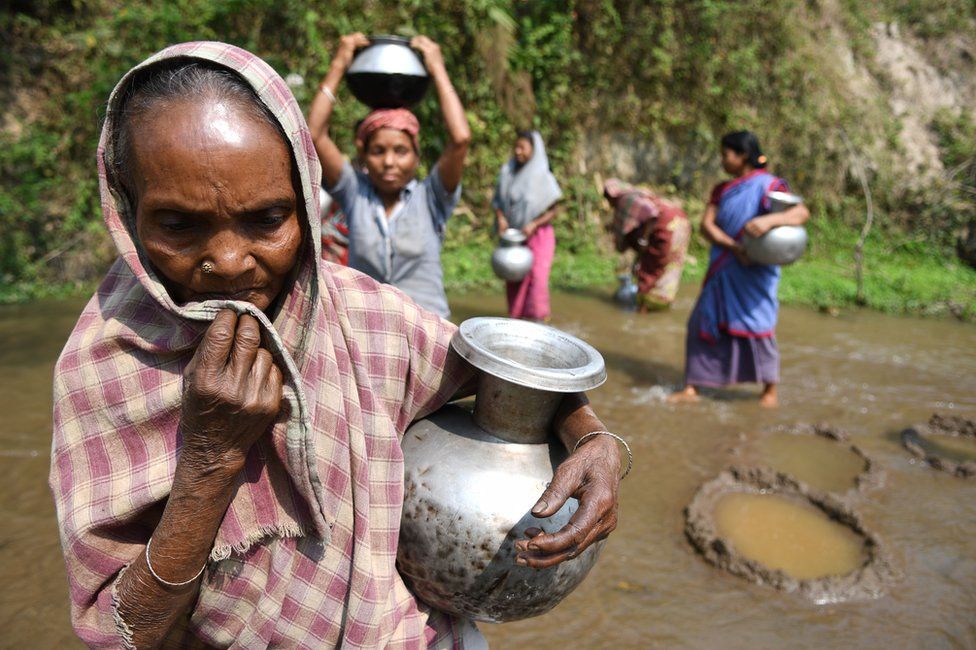
3. Pollutions in Our Rivers: Due to the lack of long term water management plans, most of the country’s rivers either run dry or have remained polluted over decades. The national river of Ganges is also the one that is most severely polluted, which is mainly resulted from untreated sewage of densely populated cities, industrial waste as well as due to religious ceremonies in and around the river.
4. Wastage of Unmanaged Water : According to the Central Water Commission, even though climate change has resulted in a reduction in rainfall and lack in underground water reservoirs, the country still receives enough rainfall to meet the needs of over 1 billion people. However, India only catches only 8 percent of its annual rainfall due to poor rainwater harvesting. Also for lacking the treatment of wastewater reuse, approximately 80% of domestic wastewater is drained out as waste and ends up flowing into salt water bodies.
Effects of Water Crisis in India: Where We Stand Today
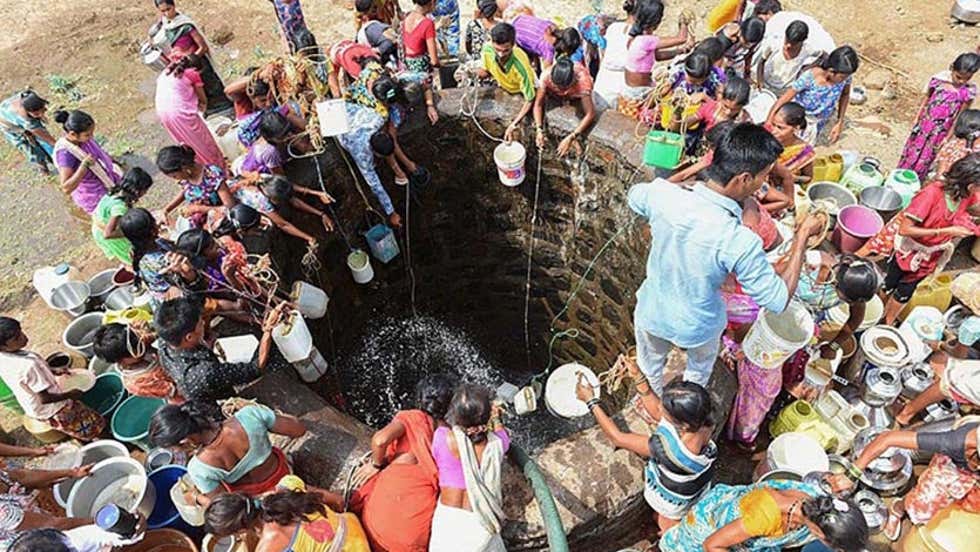
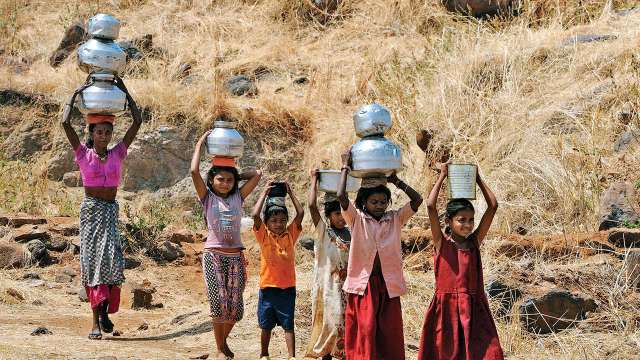
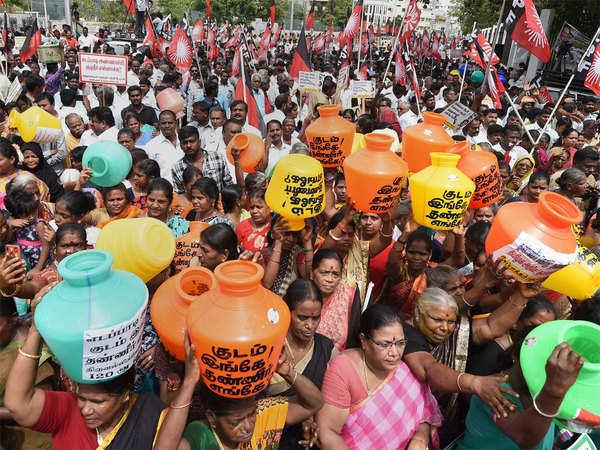
As many as 256 of 700 districts have reported ‘critical’ or ‘over exploited’ groundwater levels, according to a data from the Central Ground Water Board (2017). Fetching water in India has been perceived as a women’s job for centuries, especially in the rural areas. As groundwater resources come under increasing pressure due to over-reliance and unsustainable consumption, wells, ponds drying out fast, escalating the water crisis and placing even greater burden of accessing water on women. A rural woman in Rajasthan walks over 2.5 kilometres to reach a water source, according to a report by the National Commission for Women. Moreover, according to a non-profit named Water, women around the world spend a collective 200 million hours fetching water for their family. In addition to the time spent collecting water, millions may also spend significant amounts of time finding a place to go to relieve themselves. This makes up an additional 266 million hours lost each day. The acute crisis has even led to polygamy in one drought-prone village of Maharashtra. This involves having more than one spouse to collect water. The arrangement is termed as ‘water wives’.
The Solution to the Crisis: Future Stands
The Government has taken up the most important role to eradicate the crisis by forming the Ministry of Jal Shakti and launching “Jal Jeevan mission”- Rural in 2019 to promote “Har Ghar Jal” by 2024. Goa and Telengana have achieved the first two Indian states to reach “Har Ghar Jal“, while Andaman & Nicobar Islands and Puducherry became first Indian Union Territories to reach the milestone. In 2021, “Jal Jeevan mission”-Urban was launched to complement the project. “Jal Shakti Abhiyan-Catch the rain” is also introduced to capture and reuse of rain water at the grassroot level as a Jan Andolan. Along with this, for the cleaning and filtration of Ganges river “Namami Gange” had been rolled out as a national flagship mission. Coastal Reservoirs, Desalination of sea water and improved irrigation techniques are now been adopted to address the crisis.
Conclusion
Along with time, active participation from every layer of society in solving the water crisis of India is being witnessed. The youth has come forward with an appealing message to properly addresses the crisis and solve the drawbacks together. Now, the emerging awareness spreading among masses India can hope for a better future to handle the crisis more effectively.
 Eduindex
You must be logged in to post a comment.