
THE JOURNEY OF PURI TOWARDS FIRST CITY TO PROVIDE 24 X 7 CLEAN WATER

Puri is one of the major heritage cities of the country and every year more than 2 crore tourists visit every year. And this month the city earned an unique distinction of becoming the first Indian city to provide 24X7 pure drinking water. This is the landmark achievement for the city and state and is one of the major contributors for enhancing the status of sanitation and hygiene in Puri, Odisha. The city has become the first city to offer safe drinking water directly from taps to the residents and the tourists visiting the city every year and now has joined the group of global metropolitans like London and New York for providing safe drinking water.

The government launches “Sujal: Drink from Tap Mission” which has the goal of providing all time safe drinking water to all the residents and people visiting the cities directly through taps. The city has fulfilled and achieved the credentials of the ambitious mission and has achieved the goal of the mission. The 24 hour drink from tap facility provides water which can be used directly without filtration for different purposes such as drinking, cooking etc. This move is beneficial for the 2.5 lakh people residing in the city and the 2 crore tourists visiting the city every year. And the people don’t need to carry water bottles with them and can directly rely on the taps. This type of facility is present in very limited number of cities globally and Puri has established its place. Furthermore, the state government had installed 400 water fountains in different locations of the city with the aim of reducing the reliance and usage of plastic bottles in Puri. This will eventually reduce the amount of plastic wastes being can be reduced.
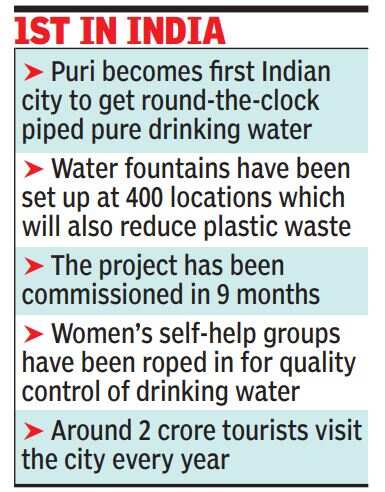
The government uses 5T initiative for increasing the efficiency and effectivity of the services being delivered across the city. The Chief Minister of the state emphasized on the linkage between safe drinking water with health, living standards and the economy, thereby, urging the people not to waste or pollute water. Transparency, teamwork, technology, time-frame and transformation form the 5Ts which has been adopted by the government for improving its governance. The budget for drinking water has been doubled in 5 years from Rs 200 crore to Rs 4000 crore thereby making the city the first heritage town in the country to get this facility. It is expected that the initiative will have great contribution in reducing the amount of plastic wastes generated. It is estimated that the amount of plastic waste being generated by the city will reduce by 400 tonne per annum. 1100 Stand posts were already present in the city and the state government has established additional 110 modern public stand posts along the Grand Road (Badadanda) and nine by the sea beach area have been installed. Old stand posts are being replaced with steel pipes and taps and at present 36 MLD clean water is being supplied everyday in the city. About 135 – 140 liters of drinking water per head per day is being provided to the residents everyday.
Flood

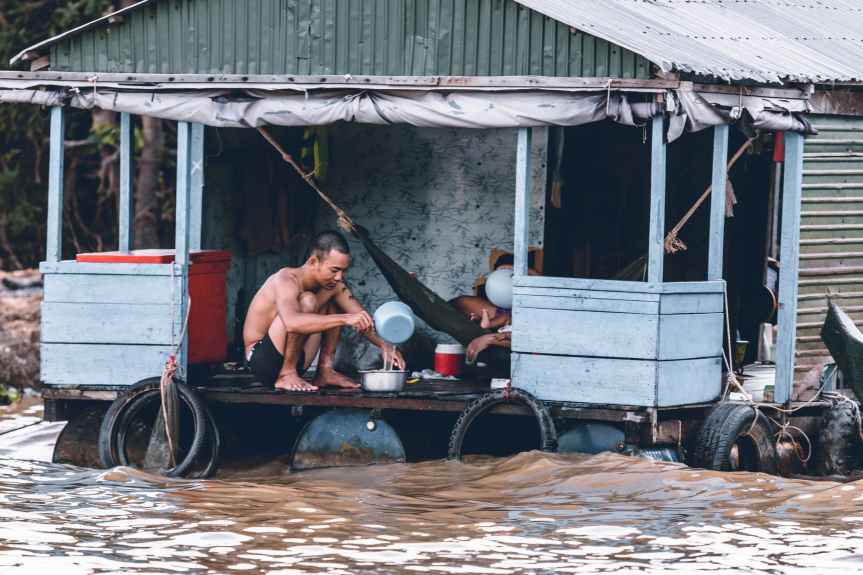
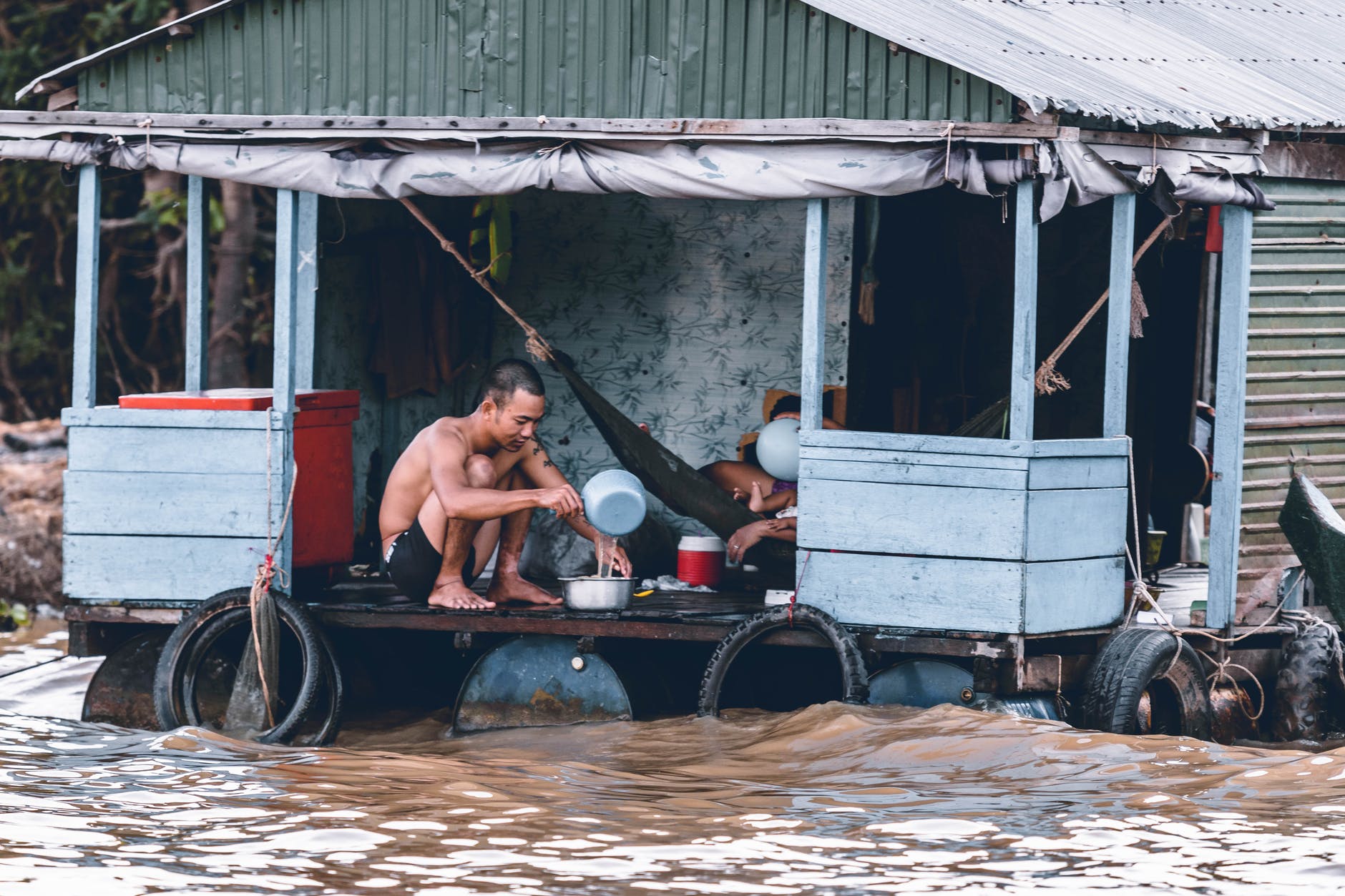
Flood is a type of natural hazard, affecting humans and natural habitats, or even killing them. A flood can also cause severe damage to homes, factories, places in public, etc. Initially, the trees in the forest should not be cut down unethically because they can cause many human disasters, which include flooding. A flood occurs; therefore, it is not possible to absorb the rainwater in the plant root, so water flows directly.

Secondly, in our properties, in the desert field and along the side of the road, we can plant any plants so that the plant root can quickly suck up the water. It provides other incentives, such as reducing air contamination and embracing the ‘Go Green’ Global Warming and Climate Change Policy on our Planet. The last thing is that we should not throw waste anywhere to disturb the flow of the river. In Jakarta, for example, people want to dump the trash somewhere as in the canal, and also in the drainage, resulting in flooding every year. In many other places, such as Situ Gintung and Wasior, the other flood is because people like to throw waste anywhere. By doing that, we can minimize disasters and contribute to defending our environment. So, we have to keep our environment clean.

Flood is one of the most dangerous natural disasters. It happens when excessive water is collected in any area. It usually happens due to heavy rainfall. India is highly prone to flood. There are many regions in the country that face this natural disaster because of the overflowing of rivers. Moreover, it also happens because of the melting of snow. Another reason for floods is when the dam breaks down. If we look at the coastal areas, the hurricanes and tsunamis are held responsible for causing floods. In this essay on flood, we will see the prevention and after-affect of flood.

In other words, whatever the cause may be, it is equally dangerous. It has a lot of harmful consequences. Flood damages the living conditions and it takes a lot of time to recover from this disaster. Therefore, the consequences of floods must be known and steps must be taken to prevent it.

After-effects of Flood

Floods interrupt with the day to day functioning of the affected area. The severe floods sometimes cause mass destruction. A lot of people and animals lose their lives due to floods. Several others are injured. Floods also bring a rise in diseases. The stagnant water attracts mosquitoes causing malaria, dengue, and more illnesses.

Furthermore, people face power cuts due to the danger of electrocution. They also have to face expensive pricing. As the supply of food and goods gets limited, the prices naturally grow higher. This creates a big problem for the common man.

Most importantly, the whole country faces economic loss. The resources needed to rescue people and tackle this disaster demands a hefty amount. Plus, the citizens lose their houses and cars which they worked all their lives for.

Subsequently, floods also hamper the environment. It causes soil erosion and this degrades the quality of the soil. We lose out on fertile soil. Similarly, floods also damage flora and fauna. They damage crops and displace trees. Thus, the measure should be taken to avoid these grave consequences.

Ways to Prevent flood

The government and citizens must work together to formulate ways to prevent floods. Proper awareness must be spread about the steps to take when floods occur. Warning systems must be set up so people get sufficient time to save themselves. In addition, areas that are more likely to have floods must have tall buildings above the flood level.

Further, there should be an efficient system for storing excessive water due to rain. This will prevent the overflowing of water. One of the most important steps is to strengthen the drainage system. This can avoid water logging which will prevent floods.

Other than that, dams must be constructed strongly. The use of cheap materials causes dams to break. The government must ensure there is a quality building of dams to prevent floods.

In short, we cannot prevent natural causes like rain and the melting of glaciers. However, we can stop the manmade causes like breaking of dams, poor drainage system, installing warning systems and more. We should take inspiration from countries like Singapore that never experience floods despite having heavy rainfall for most time of the year.

Photo by hitesh choudhary on Pexels.com