Climate Impacts Awards: Unlocking urgent climate action by making the health effects of climate change visible

 The aim of this scheme is to make the impacts of climate change on physical and mental health visible to drive urgent climate policy action at scale. We will fund transdisciplinary teams to deliver short-term, high-impact projects that maximise policy outcomes by combining evidence generation, policy analysis, engaged research approaches and communication strategies.

Career stage:
Mid-career researcherEstablished researcher
Where your administering organisation is based:
Anywhere in the world (apart from mainland China)
Level of funding:

Up to £2.5 million

Duration of funding:

Up to 3 years

Next deadline

Next deadline

Full application deadline: 3 April 2024

View all key dates

About this scheme

In 2023, Wellcome launched the Climate Impacts Awards and funded 11 innovative global projects.

In 2024, we will fund projects that generate context-specific evidence using community knowledge and experiences to deliver actionable policy outcomes that can be scaled to multiple settings. We will prioritise funding for research that involves and serves the needs of communities most impacted by the health effects of climate change, and advances stories and narratives that tend to be absent in the media or underrepresented in public discourse (Perga et al, 2023). This will include generating and/or synthesising relevant data and insights (preferably across multiple sites or countries) on significant health issues arising from climate impacts.

We are looking for proposals with a clear theory of change and strong understanding of policy levers. Policy outcomes should be achievable within the award period, innovative in their design and should support meaningful and sustainable change. Proposals should describe the intended policy outcomes and how new insights and effective communication will influence these outcomes.

Teams must have prior demonstrable success in work that combines science, policy and society (Serrao-Neumann, et al 2021). We use the Organisation for Economic Co-operation and Development (OECD) definition of transdisciplinary research. Transdiscipilary research combines knowledge from different scientific disciplines, citizens, public and private sector stakeholders to address complex societal challenges. By engaging key stakeholders from the outset and embedding different expertise in the research design, we expect that teams will use evidence and impactful narratives on the effects of climate change on health to drive urgent policy change that supports collaborative solutions for climate change adaptation and mitigation. 

This scheme aims to make the impacts of climate change on health visible. There are many reasons the impacts of climate change could be invisible.

These include but are not limited to:

  • distance: decision makers not being based where the impacts are happening
  • ideology: political polarisation results in missing voices, disinformation or lack of information
  • unseen: some of the climate impacts of environmental drivers of health outcomes (for example, certain chemicals, pollutants or microscopic organisms) may not be visible and therefore may be ignored
  • linkage: the links between climate change and health effects not being explicitly made or understood
  • low priority: climate change’s effects on health are not given much focus due to competing priorities, unconvincing analyses and communications challenges.

Motivation for this scheme

Proposals that this funding will support

Eligibility and suitability

Who can apply, who can’t apply, what’s expected of your organisation

About you

You can apply for this award if you are a team leader who wants to advance transdisciplinary research on the impacts of climate change on health.

As the lead applicant, you will be expected to:

  • have experience leading transdisciplinary teams and working in the science-policy-society interface
  • have prior experience of research engaging with policy partners
  • have knowledge brokering skills such as the ability to bring together research teams and impacted communities
  • actively promote a diverse, inclusive and supportive environment within your team and across your organisation.

Your team can include researchers from any discipline (natural, physical and social sciences as well as technology) but must be transdisciplinary (using the OECD definition) and include expertise in policy, public engagement and communications. In addition to strong health expertise, we are particularly interested in teams that can demonstrate strong climate expertise.

During your award we expect you to:

  • fill an important evidence gap where the data and insights generation and/or synthesis could help drive urgent action
  • work across a transdisciplinary team involving researchers, policymakers, communicators, and other key stakeholders including impacted communities
  • co-develop and co-produce evidence to fill the identified gap with the involvement of impacted populations and communities (Vargas et al, 2022)
  • deliver a public engagement and communications strategy that embeds key stakeholders within the design and maximises the intended policy outcomes
  • provide evidence that can help support collaborative solutions to drive urgent climate action.

The award will be held by a lead applicant from an eligible administering institution, on behalf of a team of coapplicants.

At the time of submission the lead applicant:

  • must be able to demonstrate that they have a permanent, open-ended, or long-term rolling contract for the duration of the award
  • must be able to contribute at least 20% of their time to this award
  • must be based at an eligible administering organisation that can sign up to Wellcome’s grant conditions
  • can only be a lead applicant on one application to this scheme. Lead applicants can be included as a coapplicant on one other application, but they must be able to demonstrate that they have sufficient capacity for both projects if funded.

Wellcome cannot make awards to teams with co-lead applicants.

Coapplicants

  • Can be based anywhere in the world (apart from mainland China).
  • Must be able to contribute at least 20% of their time to this project.
  • Must be essential for delivery of the proposed project and provide added value to the team. For example designing the research, writing the application, providing training, knowledge brokering or managing the programme.
  • Must have a guarantee of workspace from their organisation for the duration of the award.
  • Must be based at an eligible organisation that can sign up to Wellcome’s grant conditions.
  • Must include in-country policy actors and/or practitioners, civil servants, private sector, civil society actors.
  • Do not need to have a permanent, open-ended, or long-term rolling contract at their organisation.
  • Can be at any career stage (please clearly outline the career stage of all coapplicants in the application). We would encourage research teams to consist of at least 1 early-career stage researcher.
  • Coapplicants can be listed on a maximum of two applications only. 

Your application can have a maximum of 7 coapplicants. Lead applicants should ensure that each coapplicant provides added value to the team in terms of the expertise and experience outlined in the criteria.

The team

Team members (coapplicants, staff, consultants) must combine researchers from different disciplines, policymakers, community stakeholder representatives and/or engagement experts. We are looking for transdisciplinary teams that can demonstrate strong health as well as climate expertise (particularly climate and meteorological science).

Additional expertise could span across:

  • specific sectors (for example, housing or agriculture)
  • economics
  • political science
  • private sector
  • public engagement
  • media or communications.

Your team should be able to demonstrate:

  • a history of collaborating together and successfully delivering projects among members of the team
  • a strong record of working in climate change and health research
  • a strong record of working with communities most affected by climate change
  • a strong record of working in collaboration with policymakers or decision makers involved in delivering climate solutions
  • experience designing and planning research projects with major policy implications
  • experience designing and delivering communications and/or public engagement activities, co-produced with impacted communities and key stakeholders with clear policy impact.

We will be looking across the team (including lead applicant and coapplicants) for the criteria identified on this page.

Administering organisations

The lead applicant must be based at an eligible administering organisation that can sign up to Wellcome’s grant conditions (can be based in any country apart from mainland China). The project must have a lead applicant based in all countries where the research activities are taking place.

Eligible administering organisations for the proposal can be:

  • higher education institutions
  • research institutes
  • non-academic healthcare organisations
  • not-for-profit or non-governmental organisations

One organisation can submit multiple different applications. 

What’s expected of the administering organisation:

We also expect your administering organisation to:

  • give you, and any staff employed on the grant, at least 10 days a year (pro rata if part-time) to undertake training and continuing professional development (CPD) in line with the Concordat. This should include the responsible conduct of research, research leadership, people management, diversity and inclusion, and the promotion of a healthy research culture
  • provide a system of onboarding, embedding and planning for you when you start the award
  • provide you with the status and benefits of other staff of similar seniority
  • if your administering organisation is a core-funded research organisation, this award should not replace or lead to a reduction in existing or planned core support.

Time spent away from research and part-time working

You can apply if you’ve been away from research (for example, a career break, maternity leave or long-term sick leave). We’ll allow for this when we consider your application. Lead and coapplicants can be part-time. There is no formal minimum, but part-time working needs to be compatible with delivering the proposal successfully.

Inclusive research design

The proposed research should be equitable, diverse and inclusive in a way that is appropriate to the place in which the research is conducted and the aims of the research or other activities.

This should focus on:

  • Who defines and does the research: we expect our partners to demonstrate to us that their research community has substantive input from, and engagement with, the primary end users or subjects of their research, be they patients, participants or policymakers.
  • How the research is done: we expect our partners to demonstrate to us that their research agenda and the design and conduct of their research substantively engages with the needs and values of the people and communities who are participating in, or are the subject of, their research.
  • Who benefits from the research: Wellcome already has a commitment to focusing on those most affected by our health challenges. Accordingly, we expect our research partners to be able to demonstrate within their research and activity plans that their outputs will be made meaningfully accessible and used by those who most need it and, if appropriate, those who participated in the research.

Who can’t apply

You cannot apply if you intend to carry out activities that involve the transfer of grant funds into mainland China.

Other Wellcome awards

  • An early-career researcher can be a lead applicant on one Wellcome award and a coapplicant on one other Wellcome award, or a coapplicant on two Wellcome awards.
  • A mid-career researcher can be a lead applicant on one Wellcome award and a coapplicant on two other Wellcome awards, or a coapplicant on three Wellcome awards.
  • An established researcher can be:
    • a lead applicant on two Wellcome awards, one as the sole applicant and one as lead applicant for a team, or both as the lead applicant for a team. They can also be a coapplicant on two other Wellcome awards; or
    • a lead applicant on one Wellcome award, as the sole applicant or lead for a team, and a co-applicant on three other Wellcome awards; or
    • a coapplicant on four Wellcome awards.  

The awards should be for different research projects, with no overlap in work packages.

Resubmissions

For teams that were shortlisted in the 2023 Climate Impacts Awards, we will only accept resubmissions if there are significant amendments to the application based on the feedback provided.

About your proposal

What is in scope and full application assessment criteria

Wellcome’s Climate & Health team will continue to modify the award each year, guided by learnings and insights from the past year and broader trends in the climate and health space. What is in/out of scope this year may not be the same in subsequent years, as well as the remit and criteria. 

In scope

  • Proposals where the primary focus is on the current or future direct and environmentally mediated physical or mental health outcomes attributable to climate change (Haines & Ebi 2019 for definitions), making the health effects of climate change visible.
  • Proposals that include the four key elements of:
    1. an evidence gap that can be filled in the short time available
    2. a clear policy pathway
    3. engaged research approach with key stakeholders identified
    4. a communications strategy that can drive change.

Out of scope

  • Proposals where the primary focus is on:
    • Socially mediated health effects (such as migration and livelihoods) – we are aware that all health outcomes have a social context but are looking for research where environmentally driven aspects of climate change are the primary driver(s) of a given health outcome.
    • Current or future health effects attributable to the consequences of climate change action (mitigation or adaptation). Wellcome is not looking to fund research on these unintended consequences of maladaptation through this award. We may consider funding opportunities on those topics in the future.
    • Current or future health effects attributable to the drivers of climate change (for example, fossil fuel emissions).
  • Proposals where the goal of the project is general advocacy for a specific issue, rather than specific policy opportunities that can be achieved in a realistic timeframe through targeted and co-produced evidence and communications activities.
  • Proposals where the four key elements are not articulated.
  • Proposals submitted in the first round of the scheme that were not shortlisted.
  • Proposals that were shortlisted in the first round that have not undergone major revision.

How applications will be assessed

Applications will be triaged internally at Wellcome with expert methods advisors. Shortlisted applications will be submitted for review by the Funding Advisory Committee which will make funding recommendations to Wellcome’s Climate & Health team. The team will use these as a basis for final funding decisions. The total number of projects we fund through this award will depend on several factors, such as the number and quality of applications received.

Wellcome has a preference for proposals focused on policy outcomes informed by communities most impacted by climate change in both HICs and LMICs. Wellcome does not have a preference for single or multi-country studies but does have a preference for proposals that aim to demonstrate the scale of the problem and the potential for climate action at scale.

There is no preference for proposals that generate new data versus synthesise available data. Data should be managed/collected following the FAIR Guiding Principles for scientific data management and stewardship.

The Funding Advisory Committee will assess applications based on the following criteria:

Theory of change (25%):

  • Problem articulation: ability to articulate the problem and identify the evidence gap. For example, if your proposal outlines a solution/s, guided by policy analysis and insight. Clarity about the policy opportunity and implications of the proposed activities.
  • Potential to have policy impact in the timeframe of the award. For example, is this work scalable or transferable?
  • Evidence of demand for this research.
  • Relevance of the proposed work in driving context-specific climate action.

Approach and methods (50%):

  • The quality, innovation and mix of methodologies proposed. For example, is the presented theoretical and conceptual framework informed by different perspectives (such as natural sciences, social sciences, epidemiological analysis, economic analysis, political analysis and climate sciences).
    • Justification for the chosen methods, including qualitative and quantitative work packages.
  • Relevance and innovation of the proposed communication strategy. For example, the ability to communicate the policy opportunity, implications of the proposed activities and engagement with key stakeholders.
  • The approach to engaged research:
    • Clear identification and justification of key stakeholders and impacted communities’ involvement (for example, local, or national governments, civil society, community-based organisations, international or multilateral organisations, private sector, local or national government).
    • Evidence of stakeholders and impacted communities contributing to the research design and research questions and their involvement is clearly shown throughout the lifespan of the proposed activities. For example, if the project responds to the needs, interests and capacities of the stakeholders and impacted communities.
    • The engagement methods and framework that will be used and how these are integrated and beneficial to the wider ambitions of the project.
  • Monitoring and evaluation to track and assess the results of planned activities throughout the lifetime of the project.

Team, skill and experience (25%):

  • Transdisciplinary teams: the team composition includes an appropriate combination of individuals and organisations with the capacity, skills and experience to deliver the project and its intended outcomes. Outline how your team will work across the science-policy-society interface and has expertise in climate and health.
  • Successful partnerships: evidence of a history of working together and using a transdisciplinary approach.
  • Evidence that the team has the relevant expertise to deliver the approach and methods outlined. For example, triallists, policy analysis, policy practice, engagement practices and communication strategies.
  • Evidence of a commitment to equity, diversity and inclusion. For example, your approach to recruiting a diverse team and how you will promote inclusion of members in the research and outputs produced.
  • Clear articulation of what a positive research culture is and how teams will foster this through their future work.

The maximum word count for the programme of work description is 3,000 words.

Applicants do not need to submit ethics approval to the administering organisation by the deadline but should give some consideration to potential ethical issues that may arise through the proposed work in the application.

Please provide any relevant links including publications, websites, social media and videos. We advise you to use links strategically, and be sure to include all of the crucial information in the text of the application as the reviewers are not required to go through each link. Any links must be written out in full URL format.

How to apply

Stages of application

1. Before you apply

2. Submit your application to your administering organisation for approval

  • Complete your application on Wellcome Funding.
  • View the sample application form.
  • Submit it to the ‘authorised organisational approver’ at your administering organisation for approval. Make sure you leave enough time for the approver to review and submit your application before the deadline. The approver may ask you to make changes to your application.

3. Administering organisation reviews your application and submits it to us

  • Your application must be submitted by 17:00 BST on the deadline day.  

4. Shortlisting

  • Shortlisting will be carried out internally as the application assessment criteria outlines above.  

5. Funding decision

  • An external expert committee will make funding recommendations to us based on which we will make final funding decisions.
  • You will receive an email notification of the funding decision soon after the decision has been made.
  • The reasons for a decision will be provided to unsuccessful applicants in writing.

Log in to our online grants system. You can save your application and return to it any time.

Top Ten Conferences in the World

 Identifying the absolute top ten conferences in the world is subjective and can vary depending on the field, relevance, impact, and attendee experience. However, here’s a diverse list that often garners significant attention and participation:

  1. CES (Consumer Electronics Show): Held annually in Las Vegas, CES is a premier global event for showcasing cutting-edge consumer technologies, innovations, and trends across various industries.

  2. World Economic Forum Annual Meeting (WEF Davos): An influential gathering of global leaders, business tycoons, policymakers, and intellectuals in Davos, Switzerland, discussing key economic, political, and societal issues.

  3. TED (Technology, Entertainment, Design) Conference: Known for its powerful talks on diverse topics, the TED Conference brings together thought leaders, innovators, and influencers sharing inspiring ideas and stories.

  4. SXSW (South by Southwest): Held in Austin, Texas, SXSW is a multifaceted event encompassing technology, music, film, and culture, attracting a diverse global audience.

  5. Mobile World Congress (MWC): A leading event in the mobile technology industry held in Barcelona, MWC showcases the latest advancements in mobile devices, networks, and technology trends.

  6. Web Summit: Europe’s largest tech conference gathering global tech leaders, startups, and innovators discussing emerging technologies, entrepreneurship, and digital transformation.

  7. IEEE International Conference on Robotics and Automation (ICRA): A prestigious conference in the field of robotics and automation, attracting researchers, engineers, and industry professionals worldwide.

  8. American Association for Cancer Research (AACR) Annual Meeting: A significant conference in oncology and cancer research, featuring cutting-edge research and discussions on cancer prevention and treatment.

  9. International Conference on Machine Learning (ICML): One of the prominent conferences in machine learning and artificial intelligence, gathering researchers and experts to discuss the latest advancements.

  10. United Nations Climate Change Conferences (COP): These annual global events bring together countries, organizations, and stakeholders to address climate change and environmental sustainability.

Each of these conferences has its unique focus, audience, and impact within its respective field, attracting a diverse range of attendees and speakers from around the world. The significance of these conferences often lies in their contribution to knowledge exchange, networking opportunities, and shaping global discussions and innovations.

Petersberg Climate Dialogue over need for stronger mitigation and adaptation efforts and for expansion of renewables

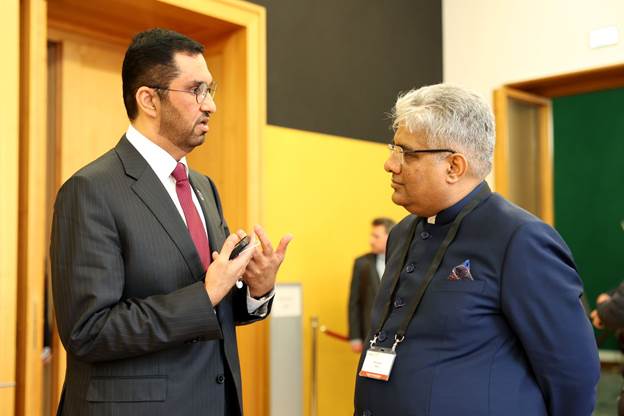
 Union Minister for Environment, Forest and Climate Change and Labour and Employment Shri Bhupender Yadav said the Petersberg Climate Dialogue concluded in Berlin with delegates having worked towards laying the groundwork for joint decisions at COP28. He said that there was a broader consensus over the need for stronger mitigation and adaptation efforts and for expansion of renewables.

https://static.pib.gov.in/WriteReadData/userfiles/image/image001OYML.jpg

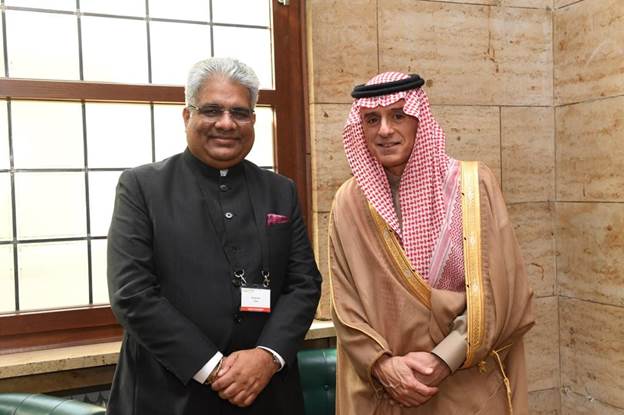
India put forth its side strongly at the discussions. Shri Yadav said as has been underlined by Prime Minister Shri Narendra Modi, at the event it was reiterated that recognising the need for support towards Just, Affordable & Inclusive Energy Transition is crucial in the spirit of leaving no one behind.

https://static.pib.gov.in/WriteReadData/userfiles/image/image002OMQV.jpg

Shri Yadav said while following the clean energy pathway, to protect livelihood of local population and local economy, which depend on the existing energy system, focus on diversifying the economy and creation of new livelihood opportunities are required.

https://static.pib.gov.in/WriteReadData/userfiles/image/image003OIHC.jpg

Earlier Shri Yadav addressed the session on ‘Strategic Dialogue on Global Stocktake and Roadmap for Global Transformation’.

The Union Minister highlighted that the Global Stocktake outcome should focus on how climate change impacts, actions and responses have a bearing on the developmental priorities of developing countries including eradication of poverty. He said the outcome of the first GST should seek to convey a message on sustainable lifestyles as well as sustainable consumption to inform the next round of Nationally Determined Contributions (NDCs) and enhanced international cooperation.

*****

RainWater Harvesting

N kavya

Rainwater harvesting is a sustainable process that helps in preserving water for future needs. Water scarcity is a major concern in today’s scenario. The process of rainwater harvesting is a good way to conserve water. Rainwater Harvesting is one of the most used methods to save water. It refers to storing rainwater for various uses. The notion behind rainwater harvesting is to not waste the rainwater and prevent it from running off. In other words, it is done to collect rainwater using simple mechanisms. It is usually collected at the place the rain falls from the ground or rooftops. Rainwater harvesting is an alternative to reduce the stress of public water supply sources. The recharge of rainwater to the ground in the coastal regions prevents seawater immersion into the freshwater. Finally, rainwater harvesting reduces water supply bills.

Rainwater Filtration -:

Rainwater can be harvested or purified in multiple ways. The catch area before harvesting must be cleaned thoroughly, and the pipelined must be flushed regularly. Initially, the water flow is diverted to wash or rinse the area.
Rainwater contains contaminants or other waste materials that affect the quality of the water. Contaminants such as dust, Bird excreta, pollution, leaves, and sand particles can affect water quality.


Filtration removes contaminants and other impurities and purifies rainwater for drinking and other purposes. However, the harvested water must be treated and tested before consumption to ensure the right quality check.
Industries use the practice of pre-filtration to ensure that the purified water is directed water to the tank. The pre-filtration measure is a vital step that the water supply system should not compromise in terms of water quality.


Some techniques of rainwater purification are solar sterilization, the use of chemicals like iodine or chlorine, or sediment filtration. However, harvested rainwater used for drinking purposes can be filtered through Reverse Osmosis (RO).

Favorable aspects of Rainwater Harvesting -:

Rainwater Harvesting positively affects underground water quality. It dilutes the number of nitrates, fluorides, and salinity of the underground water. It contains zero hardness and almost neutral pH, making it highly suitable for industries, homes, institutions, industries, and other commercial establishments. Rainwater Harvesting reduces water supply bills. It is an excellent method that solves the water shortage crisis and lessens the energy consumption in water disturbance. Rooftop Rainwater harvesting controls urban flooding. The recharge of rainwater to the ground in the coastal regions prevents seawater immersion into the freshwater. Rainwater harvesting is an alternative to reduce the stress of public water supply sources. Construction of deeper wells can damage the natural environment as well as upscale. Therefore, the source of rainwater is highly effective and dependable. Stored harvested rainwater can be used as an alternative to municipal water and used during the water crisis.

Rainwater harvesting can be done in a variety of methods, including -:

1. A watershed is a region where precipitation flows directly into a river or another reservoir.
2. There are two ways to keep water: on the roof or the ground.
3. Normally, rainwater is collected on the rooftops. The rainwater from the roof is usually collected in PVC pipes and stored in a sump (a deep pit dug into the earth) or a tank.
4. The water in the tank can then be used for home purposes after it has been filtered.
5. Rainwater collection also helps to restore natural aquifers.

The two types of rainwater harvesting -:

1. Surface runoff harvesting -:

In this method, rainwater flows away as surface runoff and can be stored for future use. Surface water can be stored by diverting the flow of small creeks and streams into reservoirs on the surface or underground. It can provide water for farming, cattle, and for general domestic use. Surface runoff harvesting is most suitable in urban areas.
Rooftop rainwater/storm runoff can be harvested in urban areas through:
• Recharge Pit
• Recharge Trench
• Tubewell
• Recharge Well

Groundwater recharge -:

Groundwater recharge is a hydrologic process where water moves downward from surface water to groundwater. Recharge is the primary method through which water enters an aquifer. The aquifer also serves as a distribution system. The surplus rainwater can then be used to recharge Grothe underwater aquifer through artificial recharge techniques.

3. Rainwater in rural areas can be harvested through -:

• Gully Plug
• Contour Bund
• Dugwell Recharge
• Percolation Tank
• Check Dam/Cement Plug/Nala Bund
• Recharge Shaft


Although rainwater harvesting measure is deemed to be a desirable concept for the last few years, it is rarely implemented in rural India. Different regions of the country practiced a variety of rainwater harvesting and artificial recharge methods. Some ancient rainwater harvesting methods followed in India includes Madaras, Ahar Pynes, Surangas, Taankas, etc.

Advantages of Rainwater Harvesting -:

1. Less cost.
2. Helps in reducing the water bill.
3. Decreases the water demand.
4. Reduces the need for imported water.
5. Promotes both water and energy conservation.
6. Improves the quality and quantity of groundwater.
7. Does not require a filtration system for landscape irrigation.
8. This technology is simple and easy to install and operate.
9. It reduces soil erosion, stormwater runoff, flooding, and pollution of surface water with fertilizers, pesticides, metals, and other sediments.
10. It is an excellent source of water for landscape irrigation with no chemicals, or dissolved salts, and is free from all minerals.

Disadvantages of Rainwater Harvesting-:

1. In addition to the great advantages, the rainwater harvesting system has a few disadvantages like unpredictable rainfall, unavailability of the proper storage system, etc.
2. Listed below are a few more disadvantages of the rainwater harvesting process.
3. Regular maintenance is required.
4. Requires some technical skills for installation.
5. Limited and no rainfall can limit the supply of rainwater.
6. If not installed correctly, it may attract mosquitoes and other waterborne diseases. 7. One of the significant drawbacks of the rainwater harvesting system is storage limits.

The world faces an increasingly critical need to address climate change, and the impact that water conservation has on a sustainable environment is undeniable. Groundwater is the primary source of freshwater that caters to the demand of the ever-growing domestic, agrarian, and industrial sectors of the country. Over the years, it has been observed that the necessity for the exploitation of groundwater resources for various everyday needs, like toileting, bathing, cleaning, agriculture, drinking water, industrial and ever-changing lifestyles with modernization is leading to tremendous water wastage. Harvesting and collecting rainwater is an adequate strategy that can be used to address the problem of water crisis globally. The use of a rainwater harvesting system provides excellent merits for every community. This simple water conservation method can be a boost to an incredible solution in areas where there is enough rainfall but not enough supply of groundwater. It will not only provide the most sustainable and efficient means of water management but also unlock the vista of several other economic activities leading to the Empowerment of people at the grass-root level.

For this, the Government should come out with an appropriate incentive structure and logistic assistance to make it a real success. Rainwater harvesting is something that thousands of families across the world should participate in rather than pinning hopes on the administration to fight the water crisis. This water conservation method is a simple and effective process with numerous benefits that can be easily practiced in individual homes, apartments, parks, and across the world. As we all know that charity begins at home, likewise, a contribution to society’s welfare must be initiated from one’s home.

What is Vulnerability Analysis for Environment

Vulnerability assessments are used to ascertain the susceptibility of a natural or human system to sustaining damage (or benefiting) from climate change. Vulnerability is a function of exposure, sensitivity, and adaptive capacity. Vulnerability assessments differ from impact assessments in that they more fully consider adaptive management or policy responses that may lessen negative impacts (or enhance positive impacts) of climate change. Where vulnerability assessments are used to guide management or conservation actions, they are often most informative when they are “place-based” and designed to address a particular resource or system of interest. However, in the climate change literature, there are multiple definitions of vulnerability and there is no single universal assessment framework. The assessments included below focus on various exposure units, are applied at different spatial scales, and are relevant to different locations

Planning adaptation at the local level requires an understanding of the current and projected climate hazards as well as an understanding of the vulnerable sectors of the city. These two factors are combined in a risk and vulnerability assessment. There are a multitude of methods that can be applied to conduct risk and vulnerability assessments in urban areas. Knowledge about the different types of methods and their outputs is important for the selection of the most efficient and effective method to be applied in accordance with the capacities of the local authorities.

Climate change risks in a city or town should be characterised from the point of view of several aspects: the climate threat (projected climatic conditions); context of the geographic location (e.g. coastal area, mountain region, etc.); and affected sectors and systems (e.g. human health, infrastructure, transport, ports, energy, water, social well-being, etc.) including the impacts on the most vulnerable groups (e.g. the elderly, he homeless, those at risk of poverty, etc.).
Signatory cities to develop their Risk and Vulnerability Assessment (RVA). Under the Covenant of Mayors reporting framework, the Risk and Vulnerability Assessment incorporates data on climate hazards, vulnerable sectors, adaptive capacity and vulnerable population groups. In terms of climate hazards, signatory cities are requested to define the probability and impact of the most relevant hazards, their expected change in intensity and frequency, as well as timescales. This is done via a defined indication of the level of confidence. For each identified climate hazard, the vulnerable sectors and their vulnerability level is defined. Further, an assessment of the adaptive capacity at the sectoral level is defined, using positive adaptive capacity categories, such as access to services, governmental and institutional capacity, physical and environmental capacity, knowledge and innovation. It is also possible to assign indicators for the identified vulnerable sectors and adaptive capacity. 
Risk assessments focus primarily on the projected changes in climatic conditions, inventory of potentially impacted assets, the likelihood of the impact happening and the resulting consequences. Vulnerability assessments emphasise exposure, sensitivity and adaptive capacity of systems, assets and populations. Integrated risk and vulnerability assessments address both the vulnerability to and the impacts of climatic hazards.
The methods designed for risk and vulnerability assessments can be divided into top-down methods, which are usually based on quantitative data (e.g. census data, downscaled climate models) and use mapping; and bottom-up methods that often employ local knowledge to identify risks and are generally qualitative in nature.
Indicator-based vulnerability assessments use sets of pre-defined indicators that can be both quantitative and qualitative and can be assessed both through modelling or stakeholder consultation.
A quick risk screening method, which is based on existing knowledge, can be employed first-hand to have a clearer understanding of the needs for an in-depth assessment.
Regardless of the method applied, the assessment should, at minimum, take the following elements into consideration:Trends of various climate variables (e.g. average and extreme temperature, number of days with extreme heat, intensive rainfall events, snow cover), ideally based on a range of different climate scenarios;
Expected (direct and indirect) impacts (threats and opportunities) by identifying the most relevant hazards as well as the areas of the city that are at most risk given an overlay of the spatial distribution of the total population, vulnerable populations, economic activities and economic values;
Timescale, such as short, medium (e.g. 2050s) or long-term (e.g. end of century);
An indication on the level of confidence (e.g. high, medium, low) for such impacts, with a view of facilitating the decision-making process given the degree of uncertainty attached to the results.
Climate Change Vulnerability is defined by the IPCC as the susceptibility of a species, system or resource to the negative effects of climate change and other stressors, and includes three components: exposure, sensitivity, and adaptive capacity:Exposure is the amount and rate of change that a species or system experiences from the direct (e.g., temperature, precipitation changes) or indirect (e.g., habitat shifts due to changing vegetation composition) impacts of climate change;
Sensitivity refers to characteristics of a species or system that are dependent on specific environmental conditions, and the degree to which it will likely be affected by climate change (e.g., temperature or hydrological requirements); and
Adaptive capacity is the ability of a species to cope and persist under changing conditions through local or regional acclimation, dispersal or migration, adaptation (e.g., behavioral shifts), and/or evolution.
What are Climate Change Vulnerability Assessments?
Climate Change Vulnerability Assessments (CCVAs) are emerging tools that can be used as an initial step in the adaptation planning process. A CCVA focuses on species, habitats, or systems of interest, and helps identify the greatest risks to them from climate change impacts. A CCVA identifies factors that contribute to vulnerability, which can include both the direct and indirect effects of climate change, as well as non-climate stressors (e.g., land use change, habitat fragmentation, pollution, and invasive species?).
The process of completing a CCVA includes the synthesis of existing information about the target species or system, confidence levels in those data, and identification of knowledge gaps. A CCVA combines this background information with climate projections to identify the specific elements of exposure, sensitivity, and adaptive capacity that contribute to the overall vulnerability of the species or system.
Figure adapted from Glick et al. 2011
There is no standard method or framework to conduct a CCVA, and a variety of methods are being implemented at government, institutional, and organizational levels. Because of this, interpretation of CCVA results should carefully consider whether and how each of the three components of vulnerability (exposure, sensitivity, and adaptive capacity) were evaluated, if non-climate stressors were included in the assessment, how uncertainty is presented, the geographic location covered by the assessment, and whether the entire life cycle of a target species was evaluated, particularly for those that are migratory. Generally, the approach chosen should be based on the goals of practitioners, confidence in existing data and information, and the resources available (e.g., financial, personnel).
Some of the most common frameworks applied regionally are:NatureServe Climate Change Vulnerability Index (CCVI) – A quantitative assessment based on the traits of fish, wildlife, and habitats that might make them more vulnerable to climate change. The CCVI is suitable for assessing large numbers of species and comparing results across taxa. It is based in Microsoft Excel, relatively easy to use, and includes factors related to direct and indirect exposure, species-specific sensitivity, and documented or modeled responses to climate change.
Climate Change Response Framework (CCRF) – A collaborative, cross-boundary approach among scientists, managers, and landowners designed to assess the vulnerability of forested habitats. The assessment incorporates downscaled climate projections into tree species distribution models to determine future habitat suitability. Experts conduct a literature review to summarize the effects of climate change, as well as non-climate stressors, and consider all three components of vulnerability to come to a consensus on a vulnerability ranking and level of confidence.
Northeast Association of Fish and Wildlife Agencies (NEAFWA) Habitat Vulnerability Model – An approach created to consistently evaluate the vulnerability of all non-tidal habitats across thirteen Northeastern US states. This method is based on an expert-panel approach, and is made up of 4 sections, or modules, based in Microsoft Excel. The modules score vulnerability based on climate sensitivity factors (adaptive capacity is also partially addressed) and non-climate stressors to produce vulnerability rankings and confidence scores. Experts use these scores to construct descriptive paragraphs explaining the results for each species or habitat evaluated. These narratives help to ensure transparency, evaluate consistency, and clarify underlying assumptions. The National Park Service, the U.S. Forest Service, and several states have used this model successfully to assess habitat vulnerability.
Expert opinion workshops and surveys – These are often qualitative (or mixed qualitative/quantitative), and have been used by a number of states including a report on habitat vulnerability in Massachusetts. These assessments are usually developed independently, and are typically not based on a standardized framework. This allows greater flexibility for the institution conducting the CCVA; however, it is more difficult to make direct comparisons across assessment results since the specific factors evaluated may vary.
Outputs from the CCVAs outlined above compare the relative vulnerability among species or systems and identify major factors contributing to the vulnerability, confidence in the factors assessed, and remaining knowledge gaps. This information can inform adaptation strategies and actions by identifying the areas where additional monitoring and research is needed, and helping to prioritize management and policy decisions.
How are CCVAs presented in the Massachusetts Wildlife Climate Action Tool?
The CCVAs presented in this tool are drawn from assessments completed throughout the Northeast United States, as well as the Midwest and Mid-Atlantic regions. The NatureServe Climate Change Vulnerability Index was the most common method of assessing species vulnerability, though other methods were also included (see descriptions above). The Massachusetts Climate Action Tool presents a summary of CCVA results for individual species and forest habitats; in cases where more than one CCVA result is offered, studies come from various locations and may have used different assessment methodologies. Users should consult the original source for a complete understanding of how vulnerability was assessed and detailed results.
We present multiple Climate Change Vulnerability Assessment (CCVA) results because not all species were assessed specifically in Massachusetts. For example, an assessment may have included Massachusetts, but been regional in scope. Because species’ ranges and life histories extend beyond state boundaries, assessments conducted in other areas may provide a more comprehensive understanding of their vulnerability. We suggest starting with CCVAs that include Massachusetts (e.g., North Atlantic LCC, North Atlantic coast), and then comparing results from nearby states. We also suggest considering the life history and migration patterns of species to determine what factors might be most influential as the species moves in or out of Massachusetts. In some cases, CCVA rankings may vary for the same species because of unique factors within a given area, or because different methodologies were used in different studies. It is important to read the expert opinions supporting ranking to understand why a ranking differs from one state to another.
In the Massachusetts Climate Action Tool, the following information is presented for each species assessed:
Ranking: The vulnerability ranking categories refer to the predicted extent that the assessed species will be impacted by climate change. Because the ranking category names and definitions vary across reports, similar rankings have been grouped and are presented in a standardized format. See Table 1 (next page) to compare these with the original ranking categories and definitions used by the CCVAs cited in this tool.
Confidence: This category describes how confident the authors are in the vulnerability ranking assigned to each species in the assessment. Confidence scores refer to the amount and quality of the available background information on that species, and do not necessarily include the uncertainty associated with the projected climate data used for rankings.
Emission Scenarios: Emissions scenarios describe future releases of greenhouse gases, aerosols, and other pollutants into the atmosphere, and are based on expected changes in human populations and technology. See climate change page for more information on emission scenarios and climate models.
Time Period: Vulnerability for each species is considered for a specific time period. Many vulnerability assessments consider the current and future impacts that a species may experience through the years 2050, 2080, or 2100.
Location: This field refers to the geographic region considered in the vulnerability assessment. CCVAs can be conducted on local, regional, state, and national levels.
Simplified vulnerability ranking categories as presented in the Massachusetts Wildlife Climate Action Tool, cross-referenced with the original vulnerability ranking categories and definitions used in the assessment reports cited in this tool.
Additional Resources on CCVAs
Climate Registry for the Assessment of Vulnerability (CRAVe): The Climate Registry for the Assessment of Vulnerability (CRAVe) is a searchable, public registry on CCVAs. The purpose of CRAVe is to make information about ongoing and completed vulnerability assessments readily accessible. CRAVe is hosted in two locations: 1) USGS National Climate Change and Wildlife Science Center and 2) the EcoAdapt Climate Adaptation Knowledge Exchange. The assessments in CRAVe include studies on species and ecosystems, built environments and infrastructure, cultural resources, and socioeconomic systems. Users can access CRAVe to conduct searches across all vulnerability assessments to find the information necessary for decision making.
Vulnerability Assessment Trainings: The U.S. Fish and Wildlife Service’s National Conservation Training Center (NCTC) offers training courses to guide conservation and resource management practitioners in the theory, design, interpretation, and implementation of CCVAs. Participants also gain a perspective of how CCVAs fit into the broader context of adaptation planning. Courses follow the guidelines established in Scanning the Conservation Horizon – A Guide to Climate Change Vulnerability Assessment.
References
Adaptation Subcommittee to the Governor’s Steering Committee on Climate Change. 2010. The impacts of climate change on Connecticut agriculture, infrastructure, natural resources, and public health.
Brandt, L., et al. 2014. Central Hardwoods ecosystem vulnerability assessment and synthesis: a report from the Central Hardwoods Climate Change Response Framework project. Gen. Tech. Rep. NRS-124. U.S. Department of Agriculture, Forest Service, Northern Research Station, Newtown Square, PA.
Butler, P., et al. 2015. Central Appalachians forest ecosystem vulnerability assessment and synthesis: a report from the Central Appalachians Climate Change Response Framework. Gen. Tech. Rep. NRS-146. U.S. Department of Agriculture, Forest Service, Northern Research Station, Newtown Square, PA.
Byers, E., and S. Norris. 2011. Climate change vulnerability assessment of species of concern in West Virginia. West Virginia Division of Natural Resources, Elkins, West Virginia.
Cullen, E., E. Yerger, S. Stoleson, and T. Nuttle. 2013. Climate change impacts on Pennsylvania forest songbirds against the backdrop of gas development and historical deer browsing. Pennsylvania Department of Conversation and Natural Resources, Wild Resource Conservation Program (WRCP-010376), Harrisburg, PA.
Dawson, T. P., S. T. Jackson, J. I. House, I. C. Prentice, G. M. Mace. 2011. Beyond predictions: biodiversity conservation in a changing climate. Science 332: 664-664.
Furedi, M., B. Leppo, M. Kowalski, T. Davis, and B. Eichelberger. 2011. Identifying species in Pennsylvania potentially vulnerable to climate change. Pennsylvania Natural Heritage Program, Western Pennsylvania Conservancy, Pittsburgh, PA.
Galbraith H., DesRochers DW, Brown S, Reed JM (2014) Predicting vulnerabilities of North American shorebirds to climate change. PLoS ONE 9(9): e108899.
Glick P., B. A. Stein, and N. Edelson, editors. 2011. Scanning the conservation horizon: a guide to climate change vulnerability assessment. National Wildlife Federation, Washington, DC.
Handler, S., et al. 2014. Michigan forest ecosystem vulnerability assessment and synthesis: a report from the Northwoods Climate Change Response Framework. Gen. Tech. Rep. NRS-129. U.S. Department of Agriculture, Forest Service, Northern Research Station, Newtown Square, PA.
Handler, S., et al. 2014. Minnesota forest ecosystem vulnerability assessment and synthesis: a report from the Northwoods Climate Change Response Framework. Gen. Tech. Rep. NRS-133. U.S. Department of Agriculture, Forest Service, Northern Research Station, Newtown Square, PA.
Hoving, C.L., Y.M. Lee, P.J. Badra, and B.J. Klatt. 2013. Changing climate, changing wildlife: a vulnerability assessment of 400 Species of Greatest Conservation Need and game species in Michigan. Wildlife Division Report No. 3564. Michigan Department of Natural Resources, Lansing, MI.
Intergovernmental Panel on Climate Change (IPCC). 2007. Climate change 2007: impacts, adaptation, and vulnerability. Contribution of Working Group II to the Fourth Assessment Report of the Intergovernmental Panel on Climate Change. M. L. Parry, O. F. Canziani, J. P. Palutikof, P. J. van der Linden, and C. E. Hanson (eds.). Cambridge University Press, Cambridge, UK.
Intergovernmental Panel on Climate Change (IPCC). 2014. Climate change 2014: impacts, adaptation, and vulnerability. Part A: Global and sectoral aspects. Contribution of Working Group II to the Fifth Assessment Report of the Intergovernmental Panel on Climate Change Field, C. B., V. R. Barros, D. J. Dokken, K. J. Mach, M. D. Mastrandrea, T. E. Bilir, M. Chatterjee, K. L. Ebi, Y. O. Estrada, R. C. Genova, B. Girma, E. S. Kissel, A. N. Levy, S. MacCracken, P. R. Mastrandrea, and L. L. White (eds.). Cambridge University Press, Cambridge, UK.
Janowiak, M., et al. In preparation. New England forest ecosystem vulnerability assessment and synthesis: a report from the New England Climate Change Response Framework. U.S. Department of Agriculture, Forest Service, Northern Research Station.
Janowiak, M.K., et al. 2014. Forest ecosystem vulnerability assessment and synthesis for northern Wisconsin and western Upper Michigan: a report from the Northwoods Climate Change Response Framework. Gen. Tech. Rep. NRS-136. U.S. Department of Agriculture, Forest Service, Northern Research Station, Newtown Square, PA.
Manomet Center for Conservation Science (Manomet) and Massachusetts Division of Fisheries and Wildlife (MA DFW). 2010. Climate change and Massachusetts fish and wildlife: Volume 2 habitat and species vulnerability. Massachusetts Division of Fisheries and Wildlife, Westborough, MA.
Manomet Center for Conservation Science (Manomet) and National Wildlife Federation (NWF). 2013. The vulnerabilities of fish and wildlife habitats in the Northeast to climate change. Manomet Center for Conservation Sciences, Plymouth, MA.
Schlesinger, M.D., J.D. Corser, K.A. Perkins, and E.L. White. 2011. Vulnerability of at-risk species to climate change in New York. New York Natural Heritage Program, Albany, NY.
Small-Lorenz, S., L. A. Culp, T. B. Ryder, T. C. Will, and P. P. Marra. 2013. A blind spot in climate change vulnerability assessments. Nature Climate Change 3:91–93.
Sneddon, L. A., and G. Hammerson. 2014. Climate change vulnerability assessments of selected species in the North Atlantic LCC Region. NatureServe, Arlington, VA.
Tetratech, Inc. 2013. Vermont Agency of Natural Resources climate change adaptation framework. Vermont Agency of Natural Resources, Waterbury, VT.
Whitman, A., A. Cutko, P. DeMaynadier, S. Walker, B. Vickery, S. Stockwell, and R. Houston. 2013. Climate change and biodiversity in Maine: vulnerability of habitats and priority species. Report SEI-2013-03. Manomet Center for Conservation Sciences (in collaboration with Maine Beginning with Habitat Climate Change Working Group), Brunswick, ME.
Young, B. E., E. Byers, K. Gravuer, K. Hall, G. Hammerson, A. Redder, J. Cordeiro, and K. Szabo. 2011. Guidelines for using the NatureServe Climate Change Vulnerability Index, version 2.1. NatureServe, Arlington, VA.

The Anthropocene

The Earth is divided into geological time scales, each denoting events that occurred in Earth’s geological history, by scientists. The scale begins with the formation of the Earth about 4.5 billion years ago, known as “Hadean”. The current geological epoch is known as the “Holocene”, which began approximately 11,700 years ago. The Holocene epoch is characterized by the rapid proliferation and spread of the human species on Earth. The “Anthropocene” is a proposed epoch that follows the Holocene and marks the period when human activity has started to have a significant impact on the planet’s ecosystem. The term “Anthropocene” was first proposed by the Dutch chemist Paul J. Crutzen and American biologist Eugene F. Stoermer (Crutzen & Stoermer 2000) to denote the current period in Earth’s geological history wherein, instead of the environment shaping humans it is the humans who are shaping and drastically altering the environment.

The Anthropocene, according to Steffen et al. is divided into three periods (616). It begins with the industrial revolution, wherein man first harnessed the energy of fossil fuels, coal, and oil and gas. The extensive use of the newfound wealth of energy in the form of fossil fuels stamped a significant imprint on Earth’s environment, evident in the increase in deforestation and rise in the concentration of methane, carbon dioxide, and nitrous oxide in Earth’s atmosphere (616). The second period, from 1945-to 2015, is known as the “great acceleration”. This period is characterized by an exponential increase in the impact of humans on the Earth system. An increase in the population of humans and an increase in industrialization resulted in a substantial increase in the concentration of greenhouse gases in Earth’s atmosphere (618). The third period, from 2015 onwards, is known as “stewards of Earth’s system”. This period is marked by the recognition of Anthropogenic influences on the Earth system and the subsequent filtration of this growing awareness on decision-making processes (618).

The major problem represented by the Anthropocene is the radical shifts in Earth’s temperature and biodiversity. These shift include global warming, extinction of species, habitat loss, and changes in the chemical composition of oceans and soils. Other probelms inlclude sustenance of human vices like greed, indifference, and intemperance.

There are, according to Steffen et al., three philosophical approaches to dealing with these problems. Firstly, is the business-as-usual philosophy (619), which employs a laissez-faire mindset when dealing with the changing global environment. The second is mitigation which is “based on the recognition that the threat of further global change is serious enough that it must be dealt with proactively” (619). And the third option is geoengineering (619), which attempts to solve the problem of climate change with technology.

Works cited

Crutzen, Paul J. and Eugene F. Stoermer 2000. The “Anthropocene.” Global Change Newsletter (41): 17–18.

Steffen, Will, et al. “The Anthropocene: Conceptual and Historical Perspectives.” Philosophical Transactions of the Royal Society A: Mathematical, Physical and Engineering Sciences, vol. 369, no. 1938, 2011, 842–67. Crossref, https://doi.org/10.1098/rsta.2010.0327.

Steffen, Will, Paul J. Crutzen, et al. “The Anthropocene: Are Humans Now Overwhelming the Great Forces of Nature.” AMBIO: A Journal of the Human Environment, vol. 36, no. 8, 2007, 614–21. Crossref. https://doi.org/10.1579/0044-7447(2007)36[614:taahno]2.0.co;2

National Adaptation Fund for Climate Change (NAFCC)

 The National Adaptation Fund for Climate Change (NAFCC) was established to support adaptation activities in the States and Union Territories (UTs) of India that are vulnerable to the adverse effects of climate change. NAFCC is implemented in project mode and till date, 30 projects are sanctioned in 27 States and UTs.

The Ministry of Environment, Forest and Climate Change has demarcated the Hazard Line for the entire mainland coast of India under its Integrated Coastal Zone Management (ICZM) project. Further, Coastal Regulation Zone Notification 2019 has been notified to conserve and protect the unique environment of coastal stretches and marine areas to promote sustainable development.

The NAFCC projects implemented in the states of Kerala, Tamil Nadu and Andhra Pradesh include activities relating to coastal areas and these projects are- (i) Promotion of integrated farming system of Kaipad in coastal wetlands of North Kerala (ii) Management and rehabilitation of coastal habitats and biodiversity for climate Change Adaptation and Sustainable Livelihood in Gulf of Mannar, Tamil Nadu and (iii) Climate Resilient interventions in Dairy Sector in coastal and Arid areas in Andhra Pradesh. Till date, a sum of Rs. 6,35,68,108/- has been released to the State of Andhra Pradesh under NAFCC.

Loss of life due to climate change

 There is no established study for India providing a quantified attribution of climate change to the triggering of natural disasters leading to loss of life and property. While many studies monitor impact of disasters such as floods, drought and heat, the science of attribution of these changes particularly to climate change is far more complex and currently an evolving subject. Most studies so far have relied on mathematical modelling of climate change impacts but these are yet to be empirically verified.

The extant legal and promotional measures cater to the concerns of disasters related to climate change, which are subject to refinement, improvement and further development by the relevant Ministries/Departments at the Centre and the States. The relief, recovery, and rehabilitation related to disasters in India are governed inter alia by the relevant provisions of the Disaster Management Act, 2005 and the guidelines, directives, and orders of the National Disaster Management Authority (NDMA) and the State Disaster Management Authorities. Furthermore, the India Meteorological Department (IMD) is responsible for monitoring, detection and forecasting of weather and climate including early warning for severe weather events such as cyclones, heavy rainfall, extreme temperature, thunderstorms, and other such extreme events.

The National Disaster Management Authority (NDMA) and State Disaster Management Authority (SDMA) spearhead and implement holistic and integrated approach to Disaster Management in India. NDMA has issued guidelines for the preparation of District Disaster Management Plans (DDMPs). In addition, the National Disaster Management Plan prepared by NDMA in 2019 and the respective State Disaster Management Plans provide the overall framework and guidance for the preparation of DDMP. Further, the relief, recovery, and rehabilitation related to disasters in India are governed inter alia by the relevant provisions of the Disaster Management Act, 2005 and the guidelines, directives, and orders of the NDMA and the SDMAs.

As part of India’s participation and leading international cooperation and collaboration in these matters, the Coalition for Disaster Resilient Infrastructure (CDRI) has been launched in 2019 and headquartered in India. It aims to promote the resilience of new and existing infrastructure systems to climate and disaster risks through updating and enhancing information on the exposure of infrastructure systems, and model climate related hazards such as droughts and heat waves, enabling near time response.

Awareness towards good green

 The Ministry of Environment, Forest and Climate Change supports the States/Union Territories for carrying out afforestation activities through various Centrally Sponsored Scheme and funds under CAMPA to expand green cover across the country.  The Ministry on various occasions like International Day of Forests, World Environment Day, Van Mahotsav, Wild life Week, International Day for Biological Diversity etc. disseminates knowledge  in planting trees and other floral species which are naturally grown in a  particular region through various Conferences, Workshops, Mass Plantation etc. State Forest Departments also promotes knowledge of local indigenous species of trees, herbs and shrubs along with their medicinal properties through Books, Pamphlets, Sign boards, Brochures etc.

The Ministry has also through its advisories issued from time to time to State/UT Governments on afforestation programs/activities emphasized that the plantation of locally suitable tree species should be on the basis of local climatic and soil conditions. The National Mission for a Green India also encourages the plantation of mixed indigenous species along with grasses, herbs, shrubs and tree species. Exotic and invasive plants are avoided in afforestation in forest areas.

The National Medicinal Plants Board (NMPB), Ministry of AYUSH has also launched a Medicinal Plant species-specific campaign on Tinosporiacordifoliaviz ‘Amrita for Life’, for promotion and creating awareness. Further, NMPB has also launched, ‘20 medicinal plants for 2020’, campaign to promote, cultivate and to create awareness among local people about rich diverse traditional knowledge on medicinal plants.

Environment, Forest and Climate Change

 The Vision of this Ministry is to provide the citizens of India a clean, green and healthy environment with peoples’ participation and to support higher and inclusive economic growth through sustainable utilization of available natural resources.  This Ministry has achieved different milestones to plan, promote, co-ordinate and oversee the implementation of India’s environmental and forestry policies and programmes related to conservation of the country’s natural resources including its lakes and rivers, its biodiversity, forests and wildlife, ensuring the welfare of animals, and the prevention and abatement of pollution.  The major achievements during year 2021 are as follows: –

Azadi ka Amrit Mahotsav:

Green Good Deed of the Week campaign: In order to commemorate the 75thyear of independence, the country is celebrating a 75 week-long “Azadi ka Amrut Mahotsav”. An outreach programme for promoting sustainable lifestyle –“Green Good Deed of the Week” campaign is being organized as a part of this Mahotsav through Eco-clubs since 12th March 2021. State Nodal Agencies and Eco-clubs organized various activities to promote sustainable lifestyle like cleanliness/ plantation drives, painting/ slogan/ essay competitions, awareness on single-use plastics, awareness on environment-friendly ways of celebrating festivals, etc.

Iconic week celebration: The Iconic Week of the Ministry of Environment, Forest and Climate Change (MoEF&CC) as a part of the Azadi ka Amrut Mahotsav was celebrated from 4th to 10thOctober, 2021. The major themes identified for activities of the week were lake/ wetland conservation, curbing of use of single-use plastics, wildlife conservation, forest conservation and coastal conservation. Activities like Green Pledge, webinars, promotion of Green Good Deeds and screening of videos on the identified themes were organized in schools/ colleges across the country in co-ordination with Department of School Education & Literacy and SNAs.

Swachhta Campaign from October 2 –November 1, 2021

  • The Swachhta Campaign was observed for one month starting from 2nd October – 1st November, 2021. During the campaign, a big number of files have been reviewed by the various divisions in the Ministry of Environment, Forest and Climate Change which comes to a huge total of 45,154 files. Out of which around 41,758 files have been weeded out which has resulted in generation of paper waste of approximately 9 tonnes. A heavy duty shredder machine was specially brought to do the huge task. A revenue generation of Rs. 18 thousand has been generated out of the process of disposal of the waste generated by weeding of the files. A sufficient clear and open area in the Indira Prayavaran Bhawan appx 3000 sq.ft. has been reclaimed.
  • The Ministry has organised an auction of the e-Waste to dispose of all obsolete items including computers, printers, photocopiers and other electronic equipment. The e-waste bid has already been finalised at a price of Rs. 5.21 lakh to M/s. Clean Waste Management, Burari, Delhi. The shifting of e-waste material has been completed.
  • The Ministry has also organised an auction to dispose of all obsolete furniture items including tables, chairs, almirahs, side racks, sofa sets and other waste furniture items. The furniture waste bid has already been finalised at a price of Rs. 6.80 lakh to M/s Patel scrap.

Sustainable Development Goals (SDGs)

The UN General Assembly in its 70th Session considered and adopted the 17 Sustainable Development Goals (SDGs) and associated 169 targets for the next 15 years. The 17 SDGs came into force with effect from 1st January, 2016. Though not legally binding, the SDGs have become de facto international obligations and have potential to reorient domestic spending priorities of the countries during the decade ending 2030. The SDG 13, 15 and 12 have been mapped majorly to Ministry of Environment, Forest and Climate Change. Significant strides have been made in achieving SDG 13 (Urgent action to protect against Climate Change and its impact) as 24% reduction in emission intensity of GDP against 2005 levels has been achieved in 2016 itself. India has emphasized that Climate Finance from developed countries as promised in the Paris agreement is integral to achieve this goal. Similarly, country’s pledge on land degradation neutrality and intense afforestation are helping the country move towards SDG 15(Sustainable use of terrestrial Ecosystems and prevention of Biodiversity Loss). The commitment of the country in implementing the Extended Producer responsibility in plastics and ratification of Basel Convention to monitor hazardous substances is a remarkable step in moving towards SDG12 for ensuring sustainable production and consumption patterns. The 2030 Agenda also underscored that quality, reliable and disaggregated data will be needed for measurement of progress and to ensure that “No One is Left Behind”. MoEF&CC is strengthening its data systems for realistic monitoring of progress on the sustainable development goals.

Climate Change

As a responsible member of the International community of nations, the Government will continue to engage in a meaningful way with deliberations in the International fora/ UN climate summit duly keeping in mind the national developmental goals and priorities through the various international meets and at present India is a president of UNCCD.

  • Ministry of Environment Forest and Climate Change took part in the 26th Session of the Conference of Parties (COP-26) to the United Nations Framework Convention on Climate Change (UNFCCC) was held in Glasgow, United Kingdom for green net zero program The National Statement in the World Leaders Summit was delivered by the Hon’ble Prime Minister at COP-26, which the following mainly discussed and highlighted during the summit
    • India’s non-fossil energy capacity to reach 500 GW by 2030
    • India will meet 50 per cent of its energy requirements with renewable energy by 2030.
    • India will reduce its total projected carbon emissions by one billion tonnes from now to 2030.
    • India will reduce the carbon intensity of its economy by 45 per cent by 2030, over 2005 levels.
    • By 2070, India will achieve the target of net zero emissions.
  • The transfer of climate finance and low-cost climate technologies have become more important for implementation of climate actions by the developing countries. The ambitions on climate finance by developed countries cannot remain the same as they were at the time of Paris Agreement in 2015 and the Indian Delegation led by Hon’ble Minister for Environment, Forest & Climate Change attending the COP Summit through multilateral negotiations with major countries for adoption of greener norms in the global scenario.
  • The Glasgow Climate Conference adopted decisions, which inter-alia, include adoption of an overarching decision titled “Glasgow Climate Pact” that stresses the urgency of enhancing ambition and action in relation to mitigation, adaptation and finance in this critical decade to address the gaps in the implementation of the goals of the Paris Agreement. The Glasgow Climate Pact also noted with deep regret that the goal of developed country Parties to mobilize jointly USD 100 billion per year by 2020 has not yet been met. The COP 26 outcome also include completion of work related to rules, procedures, and guidelines for the implementation of the Paris Agreement including that for cooperative approaches, mechanisms and non-market approaches referred to in Article 6, enhanced transparency framework, and common timeframes for Nationally Determined Contributions (NDCs) and it was discussed with Ministers and Representatives from United Kingdom, Scotland, South Korea, Australia, BASIC countries, Nepal, Bhutan, Maldives, France, Canada, Brazil, USA, UAE, Germany, Norway, Singapore, Jamaica, Sweden, and Japan. Hon’ble Minister also held meetings with the Ministers of Like Minded Developing Countries and also with representatives from United Nations Environment Programme, United Nations Convention to Combat Desertification, and Green Climate Fund.
  • For strengthening impact, the Indian Delegation also participated in side events on the side-lines of COP 26 which include South Asia Co-operative Environment Programme, International Solar Alliance, CDRI, Leadership Group for Industry Transition and Namami Gange.

PARIVESH

In order to streamline the procedure for early grant of Clearances under this Ministry PARIVESH portal has been simplified for grant of Environmental Clearances which is now been reduced to 70 working days..

In pursuant to the spirit of ‘Digital India’ and capturing the essence of Minimum Government and Maximum Governance, a Single-Window Integrated Environmental Management System named PARIVESH (Pro-Active and Responsive facilitation by Interactive, Virtuous and Environmental Single Window Hub) has been developed by the Ministry of Environment, Forest and Climate Change for complete online, expeditious and transparent system for environment, forest, wildlife and CRZ clearances in the country. The facility is operational for processing of applications for Environmental Clearances (ECs), Forest Clearances(FCs), Coastal Regulatory Zone Clearances (CRZ). Over the years, the existing system of ‘PARIVESH’ has undergone numerous modifications and customization in alignment with statutory provisions and requirements.

Ministry in recent times has automated various processes through PARIVESH such as development of online module in PARIVESH for dispensation for requirement of EC for expansion / modernization with no increase in pollution load, aligning the EIA Notification with MMDR Amendment Act 2021, Online generation of EC with unique identification number etc.

Due to the above initiatives along with other Policy reforms, the average time taken for grant of EC in all the sectors has reduced significantly from more than 150 days in 2019 to less than 90 days. In some of the sectors, the ECs are being granted even within 60 days also accordingly, ECs for 7787 projects was granted under EIA Notification in 2021.

Ministry has decided to upgrade the existing PARIVESH to provide a “single window” solution for administration of environmental regulations. Centralized Processing Centre (CPC) has been proposed to be set up in the Ministry of Environment, Forest & Climate Change. Upgraded PARIVESH will not only strengthen the clearance processes but also encourages ease of doing business in the country. Know Your Approval module with inbuilt decision rules in the envisaged system will guide the Users about the applicability of clearances to the proposed project activity. In addition, it will minimize repetitive efforts of the Users and the same time will ensure single version of the truth across all applicable clearances. Further, in the envisaged system redundancies in the process flow will be minimized to maximum extant.

DPR of the project proposal has been approved. Total time line for overall development of modules is 64 weeks, however modules for critical major clearance processes would be made live in 42 weeks from the date of on boarding of NIC’s system integrator.

Nagar Van Yojana:

Ministery is implementing Nagar Van Yojana and revised its guidelines in October 2021 with an aim at developing 400 Nagar Vans and 200 Nagar Vatikas with the objective to significantly enhance the tree outside forests and green cover in cities leading to better environment, enhancement of biodiversity and ecological benefits to the urban and peri-urban areas apart from improving quality of life of city dwellers. The scheme will be funded from the National Fund under CAMPA at a total cost of Rs. 895.00 crore during the period 2020-21 to 2024-25.

School Nursery Yojana: Ministry is implementing School Nursery Yojana with an aim to associate students in the process of raising plantations as part of their learning and by providing an environment for the students to understand and appreciate the significance of plants in maintaining and sustaining the natural ecosystem. The scheme ‘School Nursery Yojana’ is proposed to be implemented for the period of five years..

Compensatory Afforestation Fund Management and Planning Authority (CAMPA)

The “National Compensatory Afforestation Fund Management and Planning Authority” (National Authority) came into existence in place of the Ad-hoc CAMPA with effect from 30.09.2018; the day the Compensatory Afforestation Fund (CAF) Act, 2016 and CAF Rules, 2018 came into force. Hon’ble Minister, Environment, Forest and Climate Change, Government of India is the chairperson of the Governing Body of the National Authority. The National Authority manages and utilises the “National Compensatory Afforestation Fund” (National Fund), which has been created under the public account of India. The other fund at the State/UT level is known as “State Compensatory Afforestation Fund” under the public accounts of respective States/UTs. CAF collected against approvals under the Forest (Conservation) Act, 1980 is distributed in the ratio of 90:10 between the concerned State Fund and National Fund and are made available to the National Authority and respective State Authorities through budgetary process. Until 07.10.2021 funds amounting to Rs 6,63,63.12 crore was transferred from state specific bank accounts maintained at New Delhi to the public Account of India and Rs. 48,606.39 crore was disbursed from the National Fund to 32 States, who have created their public accounts and completed reconciliation.  Until now, twenty-eight schemes amounting to Rs 1329.78 crore has been approved from the National Fund. Similarly, Annual Plans of Operation (APOs) of 31 States/UTs worth Rs 9,926.48 crore have been approved from the respective State Fund during current financial year. The activities included in the APOs are mostly related to forestry and wildlife management.  At national level, achievement of compensatory afforestation (CA) in 9,06,583 Ha against the target of 10,63,031 ha is major achievements of CAMPA. The average survival percentage of CA has been reported to be 73 percent.

Wildlife

The project Dolphin and the project lion have been initiated and the associated environmental impact of this are also strengthen at the major sanctuary and forest areas for cleaner Environmental Protection of endangered species.

  • The Protected Area coverage in the country has been steadily increasing. The coverage of Protected Areas which was 4.90% of country’s geographical area in 2014 has now increased to 5.03%. This includes an increase in Protected Areas in the country from 740 with area of 1,61,081.62 sq.kms. in 2014 to present 981 with an area of 1,71,921 sq.kms.
  • Population of several species like Tiger, Asiatic Lion, Greater one Horned Rhinoceros, Asian elephants, etc. increased. Wildlife health is being addressed to aggressively monitor zoonotic diseases.
  • India has taken a leadership role in conservation of migratory birds along the Central Asian Flyway and had organized a two day workshop  in October 2021, with  Central Asian Flyway (CAF) Range countries on conservation of migratory birds along the Central Asian Flyway.
  • The Ministry has released ‘Guidelines for sustainable ecotourism in forest and wildlife areas-2021 in October 2021. These guidelines emphasise on participation of local community in ecotourism activities.

Biodiversity Conservation

India enacted the Biological Diversity (BD) Act in 2002, and notified the Rules in 2004, through an extensive consultative process initiated in 1994. India was one of the first few countries to have enacted such a comprehensive legislation on biodiversity.

The Act is implemented through a three-tier institutional mechanism, at national, state and local levels: The National Biodiversity Authority (NBA) at the national level set up by the Government of India, State Biodiversity Boards set up by the State Governments at the State level, and Biodiversity Management Committees (BMCs) constituted by the elected bodies at the local level.

The Convention on Biological Diversity (CBD) will hold its second part of the 15th Conference of the Parties (COP 15) in Kunming, China in 2022 in which delegates will come together to adopt a “Post-2020 Global Biodiversity Framework”. The vision for proposed framework is that “By 2050, biodiversity is valued, conserved, restored and wisely used, maintaining ecosystem services, sustaining a healthy planet and delivering benefits essential for all people. 2021 is viewed as a decisive year on biodiversity action. India joined High Ambition Coalition for Nature and People which calls for protecting at least 30 percent of world’s land and ocean by 2030 where India has already reported about 27% of area as conserved under Aichi Target 11 to CBD.

The Biological Diversity (Amendment) Bill, 2021 is being introduced to simplify, streamline and reduce compliance burden in order to encourage conducive environment for collaborative research and investments, simplify patent application process, widen the scope of levying access and benefit sharing with local communities and for further conservation of biological resources, without compromising the objectives of United Nation Convention on Biological Diversity and its Nagoya Protocol and also national interests.’

National Biodiversity Authority

National Biodiversity Authority, a statutory body of the Ministry of Environment Forest and Climate Change established to implement the Biological Diversity Act, 2002 has ensured that 28 State Biodiversity Boards, 8 Union Territory Biodiversity Councils and 2,76,156 Biodiversity Management Committees have been constituted in all local bodies to implement the provisions of the Act. NBA has accorded approvals for over 3000 applications to access biological resources and traditional knowledge for undertaking research, commercial utilization and patents. The BD Act envisages its implementation through consultation with local communities living in forest and rural areas. India is a leading country in issuing Internationally Recognized Certificate of Compliance (IRCC) which recognizes stakeholders for legally accessing biological resources. Till date, out of the 3297 IRCCs issued globally, 2339 IRCCs have been issued by India. Besides, 22 Biodiversity Heritage Sites have been notified by 12 State Governments and 159 plants and 175 animals have been notified as threatened species in 18 states and 2 Union Territories. Seventeen institutions of national importance have been recognized as national Repositories for preserving voucher specimens of biodiversity

Wetland

  • The number of Ramsar sites (Wetlands of International Importance) in India have increased to 47 covering an area of 10,90,230 hectares which include 21 new sites designated during 2019-2021. India has the largest number of Ramsar sites in South Asia.  A dedicated web portal for wetlands has been developed and was launched on 2nd October, 2021 (Gandhi Jayanti). The portal indianwetlands.in is a publicly available information and knowledge platform to facilitate knowledge sharing, information dissemination, host capacity building material, and provide a single-point access data repository.
  • Health cards prepared for 500 wetlands under the four pronged approach for conservation of wetlands.

Vienna Convention, Montreal Protocol to Protection of Ozone

The Ozone Cell of the Ministry of Environment, Forest and Climate Change is the national ozone unit for implementation of the Montreal Protocol in India and phase out of substances controlled under the Montreal Protocol.

After successfully phasing out chlorofluorocarbons, carbon tetrachloride, halons, methyl bromide and methyl chloroform for controlled uses, India is now phasing out hydrochlorofluorocarbons as per the accelerated phase out schedule of the Montreal Protocol

The Government of India ratified the Kigali Amendment to the Montreal Protocol to phase down Hydrofluorocarbons on 27 September 2021 after approval by the Union Cabinet. Hydrofluorocarbons are used in air conditioners, refrigerators, aerosols, foams and other products, which even though do not deplete the stratospheric ozone layer, they have high global warming potential ranging from 12 to 14,000. As per the Kigali Amendment, to the Montreal Protocol, India will complete its phase down of Hydrofluorocarbons in 4 steps from 2032 onwards with cumulative reduction of 85% of production and consumption of HFCs by 2047. In line with the Cabinet decision, National Strategy in consultation with all the stakeholders will be developed by 2023 and funding for preparing the strategy has been secured from the Multilateral Fund

The Ministry of Environment, Forest and Climate Change has developed and launched the India Cooling Action Plan (ICAP) during March 2019, to provide an integrated vision towards cooling across sectors encompassing inter alia reducing cooling demand, refrigerant transition, enhancing energy efficiency and better technology options with a 20-year time horizon. Space cooling in buildings being the most important and can significantly contribute to achieving the goals in the ICAP, has been prioritized for implementation of the recommendations given in the ICAP. Action points for implementation of the recommendations for Space Cooling in Buildings was finalized and launched on the World Ozone Day held on 16th September 2021 and widely disseminated

Following studies were completed as part of non-investment component of HCFC phase out Management Plan Stage-II (HPMP Stage-II)

a) Application of non-ODS and low GWP alternatives in Cold Chain Sector in India

b) Public Procurement Policies for Refrigeration and Air-Conditioning Equipment Using Non-ODS based refrigerants

c) Good servicing practices and Energy efficiency in RAC sector

The above studies were published and launched on 16 September 2021 on the World Ozone Day and were widely disseminated

Preparation of Stage-III of HPMP has been initiated, to the implemented from 2023-2030, after securing funding from the Multilateral Fund for preparation of project proposal.

National Clean Air Program

Ministry of Environment, Forest and Climate Change (MoEF&CC) is implementing National Clean Air Programme (NCAP) for reducing levels of air pollution in non-attainment cities (NACs) of the country since January 2019. NCAP is implemented in targeted 132 cities.

A Commission on Air Quality Management in NCR and Adjoining Areas (CAQM) has been constituted by enactment of an Act by Parliament for better coordination, research, identification and resolution of problems surrounding the air quality index and for matters connected therewith or incidental thereto.

Avoiding Use of Single Use Plastics and Efficient and Effective Management of Plastic Waste.

  • To enhance the efficacy implementation of PWMR, the Ministry has notified the Plastic Waste Management Amendment Rules, 2021 on 12th August 2021 which also prohibits identified single use plastic items, which have low utility and high littering potential, by 2022.
  • As per the notification, the manufacture, import, stocking, distribution, sale and use of 12 identified single-use plastic items including polystyrene and expanded polystyrene, commodities shall be prohibited with effect from the 1st of July, 2022.
  • The thickness of plastic carry bags has been increased from fifty microns to seventy-five microns with effect from 30th September, 2021, and to one hundred and twenty microns with effect from the 31st December, 2022.
  • The Ministry has organized “Awareness Campaign on Single Use Plastic – 2021”.
  • The States/UTs have been requested to constitute a Special Task Force under Chairpersonship of Chief Secretary/Administrator for elimination of single use plastics and effective implementation of Plastic Waste Management Rules, 2016. 31 Task Forces have been formed.
  • The Ministry of Environment, Forest and Climate Change has notified the draft Regulations on the Extended Producer Responsibility for plastic packaging under Plastic Waste Management Rules, 2016, as amended from time to time on 6th October 2021 for public consultation.

Combating the Land Degradation, Desertification and Drought:

  • India committed to achieve Land Degradation Neutrality and restoration of 26 million hectares of degraded land by 2030, which includes 21 million hectares of Bonn Challenge and additional commitment of 5 million hectares as voluntary commitment. India presently holds the Presidency of UNCCD COP for 2 years till April 2022.
  • Hon’ble Prime Minister, Shri Narendra Modi graced the High level Dialogue on desertification, land degradation and drought of United Nations General Assembly, held on 14th June 2021 highlighting the initiatives taken by India on combating Land Degradation.

Integrated Coastal Zone Management

Blue Economy is one of the thrust area of the Government for sustainable development of coastal resources. The development will in due consideration of Conservation & protection of coastal and marine resources, Pollution abatement measures, Management of coastal and Marine ecosystem, Livelihood enhancement with security of coastal community, Capacity building and will also comprehend Sustainable development goals.

10 beaches in 7 States and One Union Territory, have been developed at par with international Standards and has been conferred with prestigious Blue Flag certification for its environmentally sound management and ecological sustainable infrastructures with adequate safety measures. This has resulted in better waste management, maintaining bathing water quality, self-sustaining solar energy-based infrastructure, containing marine littering, enhancing local level livelihood options and increased tourist based economy.

****

Environment, Forest and Climate Change

 The Vision of this Ministry is to provide the citizens of India a clean, green and healthy environment with peoples’ participation and to support higher and inclusive economic growth through sustainable utilization of available natural resources.  This Ministry has achieved different milestones to plan, promote, co-ordinate and oversee the implementation of India’s environmental and forestry policies and programmes related to conservation of the country’s natural resources including its lakes and rivers, its biodiversity, forests and wildlife, ensuring the welfare of animals, and the prevention and abatement of pollution.  The major achievements during year 2021 are as follows: –

Azadi ka Amrit Mahotsav: 

Green Good Deed of the Week campaign: In order to commemorate the 75thyear of independence, the country is celebrating a 75 week-long “Azadi ka Amrut Mahotsav”. An outreach programme for promoting sustainable lifestyle –“Green Good Deed of the Week” campaign is being organized as a part of this Mahotsav through Eco-clubs since 12th March 2021. State Nodal Agencies and Eco-clubs organized various activities to promote sustainable lifestyle like cleanliness/ plantation drives, painting/ slogan/ essay competitions, awareness on single-use plastics, awareness on environment-friendly ways of celebrating festivals, etc.

Iconic week celebration: The Iconic Week of the Ministry of Environment, Forest and Climate Change (MoEF&CC) as a part of the Azadi ka Amrut Mahotsav was celebrated from 4th to 10thOctober, 2021. The major themes identified for activities of the week were lake/ wetland conservation, curbing of use of single-use plastics, wildlife conservation, forest conservation and coastal conservation. Activities like Green Pledge, webinars, promotion of Green Good Deeds and screening of videos on the identified themes were organized in schools/ colleges across the country in co-ordination with Department of School Education & Literacy and SNAs. 

Swachhta Campaign from October 2 –November 1, 2021 

  • The Swachhta Campaign was observed for one month starting from 2nd October – 1st November, 2021. During the campaign, a big number of files have been reviewed by the various divisions in the Ministry of Environment, Forest and Climate Change which comes to a huge total of 45,154 files. Out of which around 41,758 files have been weeded out which has resulted in generation of paper waste of approximately 9 tonnes. A heavy duty shredder machine was specially brought to do the huge task. A revenue generation of Rs. 18 thousand has been generated out of the process of disposal of the waste generated by weeding of the files. A sufficient clear and open area in the Indira Prayavaran Bhawan appx 3000 sq.ft. has been reclaimed.
  • The Ministry has organised an auction of the e-Waste to dispose of all obsolete items including computers, printers, photocopiers and other electronic equipment. The e-waste bid has already been finalised at a price of Rs. 5.21 lakh to M/s. Clean Waste Management, Burari, Delhi. The shifting of e-waste material has been completed.
  • The Ministry has also organised an auction to dispose of all obsolete furniture items including tables, chairs, almirahs, side racks, sofa sets and other waste furniture items. The furniture waste bid has already been finalised at a price of Rs. 6.80 lakh to M/s Patel scrap.

Sustainable Development Goals (SDGs)

The UN General Assembly in its 70th Session considered and adopted the 17 Sustainable Development Goals (SDGs) and associated 169 targets for the next 15 years. The 17 SDGs came into force with effect from 1st January, 2016. Though not legally binding, the SDGs have become de facto international obligations and have potential to reorient domestic spending priorities of the countries during the decade ending 2030. The SDG 13, 15 and 12 have been mapped majorly to Ministry of Environment, Forest and Climate Change. Significant strides have been made in achieving SDG 13 (Urgent action to protect against Climate Change and its impact) as 24% reduction in emission intensity of GDP against 2005 levels has been achieved in 2016 itself. India has emphasized that Climate Finance from developed countries as promised in the Paris agreement is integral to achieve this goal. Similarly, country’s pledge on land degradation neutrality and intense afforestation are helping the country move towards SDG 15(Sustainable use of terrestrial Ecosystems and prevention of Biodiversity Loss). The commitment of the country in implementing the Extended Producer responsibility in plastics and ratification of Basel Convention to monitor hazardous substances is a remarkable step in moving towards SDG12 for ensuring sustainable production and consumption patterns. The 2030 Agenda also underscored that quality, reliable and disaggregated data will be needed for measurement of progress and to ensure that “No One is Left Behind”. MoEF&CC is strengthening its data systems for realistic monitoring of progress on the sustainable development goals.

Climate Change

As a responsible member of the International community of nations, the Government will continue to engage in a meaningful way with deliberations in the International fora/ UN climate summit duly keeping in mind the national developmental goals and priorities through the various international meets and at present India is a president of UNCCD.

  • Ministry of Environment Forest and Climate Change took part in the 26th Session of the Conference of Parties (COP-26) to the United Nations Framework Convention on Climate Change (UNFCCC) was held in Glasgow, United Kingdom for green net zero program The National Statement in the World Leaders Summit was delivered by the Hon’ble Prime Minister at COP-26, which the following mainly discussed and highlighted during the summit
    • India’s non-fossil energy capacity to reach 500 GW by 2030
    • India will meet 50 per cent of its energy requirements with renewable energy by 2030.
    • India will reduce its total projected carbon emissions by one billion tonnes from now to 2030.
    • India will reduce the carbon intensity of its economy by 45 per cent by 2030, over 2005 levels.
    • By 2070, India will achieve the target of net zero emissions. 
  • The transfer of climate finance and low-cost climate technologies have become more important for implementation of climate actions by the developing countries. The ambitions on climate finance by developed countries cannot remain the same as they were at the time of Paris Agreement in 2015 and the Indian Delegation led by Hon’ble Minister for Environment, Forest & Climate Change attending the COP Summit through multilateral negotiations with major countries for adoption of greener norms in the global scenario.
  • The Glasgow Climate Conference adopted decisions, which inter-alia, include adoption of an overarching decision titled “Glasgow Climate Pact” that stresses the urgency of enhancing ambition and action in relation to mitigation, adaptation and finance in this critical decade to address the gaps in the implementation of the goals of the Paris Agreement. The Glasgow Climate Pact also noted with deep regret that the goal of developed country Parties to mobilize jointly USD 100 billion per year by 2020 has not yet been met. The COP 26 outcome also include completion of work related to rules, procedures, and guidelines for the implementation of the Paris Agreement including that for cooperative approaches, mechanisms and non-market approaches referred to in Article 6, enhanced transparency framework, and common timeframes for Nationally Determined Contributions (NDCs) and it was discussed with Ministers and Representatives from United Kingdom, Scotland, South Korea, Australia, BASIC countries, Nepal, Bhutan, Maldives, France, Canada, Brazil, USA, UAE, Germany, Norway, Singapore, Jamaica, Sweden, and Japan. Hon’ble Minister also held meetings with the Ministers of Like Minded Developing Countries and also with representatives from United Nations Environment Programme, United Nations Convention to Combat Desertification, and Green Climate Fund.
  • For strengthening impact, the Indian Delegation also participated in side events on the side-lines of COP 26 which include South Asia Co-operative Environment Programme, International Solar Alliance, CDRI, Leadership Group for Industry Transition and Namami Gange.

PARIVESH

In order to streamline the procedure for early grant of Clearances under this Ministry PARIVESH portal has been simplified for grant of Environmental Clearances which is now been reduced to 70 working days..

In pursuant to the spirit of ‘Digital India’ and capturing the essence of Minimum Government and Maximum Governance, a Single-Window Integrated Environmental Management System named PARIVESH (Pro-Active and Responsive facilitation by Interactive, Virtuous and Environmental Single Window Hub) has been developed by the Ministry of Environment, Forest and Climate Change for complete online, expeditious and transparent system for environment, forest, wildlife and CRZ clearances in the country. The facility is operational for processing of applications for Environmental Clearances (ECs), Forest Clearances(FCs), Coastal Regulatory Zone Clearances (CRZ). Over the years, the existing system of ‘PARIVESH’ has undergone numerous modifications and customization in alignment with statutory provisions and requirements.

Ministry in recent times has automated various processes through PARIVESH such as development of online module in PARIVESH for dispensation for requirement of EC for expansion / modernization with no increase in pollution load, aligning the EIA Notification with MMDR Amendment Act 2021, Online generation of EC with unique identification number etc.

Due to the above initiatives along with other Policy reforms, the average time taken for grant of EC in all the sectors has reduced significantly from more than 150 days in 2019 to less than 90 days. In some of the sectors, the ECs are being granted even within 60 days also accordingly, ECs for 7787 projects was granted under EIA Notification in 2021.

Ministry has decided to upgrade the existing PARIVESH to provide a “single window” solution for administration of environmental regulations. Centralized Processing Centre (CPC) has been proposed to be set up in the Ministry of Environment, Forest & Climate Change. Upgraded PARIVESH will not only strengthen the clearance processes but also encourages ease of doing business in the country. Know Your Approval module with inbuilt decision rules in the envisaged system will guide the Users about the applicability of clearances to the proposed project activity. In addition, it will minimize repetitive efforts of the Users and the same time will ensure single version of the truth across all applicable clearances. Further, in the envisaged system redundancies in the process flow will be minimized to maximum extant.

DPR of the project proposal has been approved. Total time line for overall development of modules is 64 weeks, however modules for critical major clearance processes would be made live in 42 weeks from the date of on boarding of NIC’s system integrator. 

Nagar Van Yojana:

Ministery is implementing Nagar Van Yojana and revised its guidelines in October 2021 with an aim at developing 400 Nagar Vans and 200 Nagar Vatikas with the objective to significantly enhance the tree outside forests and green cover in cities leading to better environment, enhancement of biodiversity and ecological benefits to the urban and peri-urban areas apart from improving quality of life of city dwellers. The scheme will be funded from the National Fund under CAMPA at a total cost of Rs. 895.00 crore during the period 2020-21 to 2024-25.

School Nursery Yojana: Ministry is implementing School Nursery Yojana with an aim to associate students in the process of raising plantations as part of their learning and by providing an environment for the students to understand and appreciate the significance of plants in maintaining and sustaining the natural ecosystem. The scheme ‘School Nursery Yojana’ is proposed to be implemented for the period of five years..

Compensatory Afforestation Fund Management and Planning Authority (CAMPA)

The “National Compensatory Afforestation Fund Management and Planning Authority” (National Authority) came into existence in place of the Ad-hoc CAMPA with effect from 30.09.2018; the day the Compensatory Afforestation Fund (CAF) Act, 2016 and CAF Rules, 2018 came into force. Hon’ble Minister, Environment, Forest and Climate Change, Government of India is the chairperson of the Governing Body of the National Authority. The National Authority manages and utilises the “National Compensatory Afforestation Fund” (National Fund), which has been created under the public account of India. The other fund at the State/UT level is known as “State Compensatory Afforestation Fund” under the public accounts of respective States/UTs. CAF collected against approvals under the Forest (Conservation) Act, 1980 is distributed in the ratio of 90:10 between the concerned State Fund and National Fund and are made available to the National Authority and respective State Authorities through budgetary process. Until 07.10.2021 funds amounting to Rs 6,63,63.12 crore was transferred from state specific bank accounts maintained at New Delhi to the public Account of India and Rs. 48,606.39 crore was disbursed from the National Fund to 32 States, who have created their public accounts and completed reconciliation.  Until now, twenty-eight schemes amounting to Rs 1329.78 crore has been approved from the National Fund. Similarly, Annual Plans of Operation (APOs) of 31 States/UTs worth Rs 9,926.48 crore have been approved from the respective State Fund during current financial year. The activities included in the APOs are mostly related to forestry and wildlife management.  At national level, achievement of compensatory afforestation (CA) in 9,06,583 Ha against the target of 10,63,031 ha is major achievements of CAMPA. The average survival percentage of CA has been reported to be 73 percent.

Wildlife

The project Dolphin and the project lion have been initiated and the associated environmental impact of this are also strengthen at the major sanctuary and forest areas for cleaner Environmental Protection of endangered species. 

  • The Protected Area coverage in the country has been steadily increasing. The coverage of Protected Areas which was 4.90% of country’s geographical area in 2014 has now increased to 5.03%. This includes an increase in Protected Areas in the country from 740 with area of 1,61,081.62 sq.kms. in 2014 to present 981 with an area of 1,71,921 sq.kms. 
  • Population of several species like Tiger, Asiatic Lion, Greater one Horned Rhinoceros, Asian elephants, etc. increased. Wildlife health is being addressed to aggressively monitor zoonotic diseases. 
  • India has taken a leadership role in conservation of migratory birds along the Central Asian Flyway and had organized a two day workshop  in October 2021, with  Central Asian Flyway (CAF) Range countries on conservation of migratory birds along the Central Asian Flyway.
  • The Ministry has released ‘Guidelines for sustainable ecotourism in forest and wildlife areas-2021 in October 2021. These guidelines emphasise on participation of local community in ecotourism activities.

Biodiversity Conservation

India enacted the Biological Diversity (BD) Act in 2002, and notified the Rules in 2004, through an extensive consultative process initiated in 1994. India was one of the first few countries to have enacted such a comprehensive legislation on biodiversity. 

The Act is implemented through a three-tier institutional mechanism, at national, state and local levels: The National Biodiversity Authority (NBA) at the national level set up by the Government of India, State Biodiversity Boards set up by the State Governments at the State level, and Biodiversity Management Committees (BMCs) constituted by the elected bodies at the local level.

The Convention on Biological Diversity (CBD) will hold its second part of the 15th Conference of the Parties (COP 15) in Kunming, China in 2022 in which delegates will come together to adopt a “Post-2020 Global Biodiversity Framework”. The vision for proposed framework is that “By 2050, biodiversity is valued, conserved, restored and wisely used, maintaining ecosystem services, sustaining a healthy planet and delivering benefits essential for all people. 2021 is viewed as a decisive year on biodiversity action. India joined High Ambition Coalition for Nature and People which calls for protecting at least 30 percent of world’s land and ocean by 2030 where India has already reported about 27% of area as conserved under Aichi Target 11 to CBD.

The Biological Diversity (Amendment) Bill, 2021 is being introduced to simplify, streamline and reduce compliance burden in order to encourage conducive environment for collaborative research and investments, simplify patent application process, widen the scope of levying access and benefit sharing with local communities and for further conservation of biological resources, without compromising the objectives of United Nation Convention on Biological Diversity and its Nagoya Protocol and also national interests.’

National Biodiversity Authority

National Biodiversity Authority, a statutory body of the Ministry of Environment Forest and Climate Change established to implement the Biological Diversity Act, 2002 has ensured that 28 State Biodiversity Boards, 8 Union Territory Biodiversity Councils and 2,76,156 Biodiversity Management Committees have been constituted in all local bodies to implement the provisions of the Act. NBA has accorded approvals for over 3000 applications to access biological resources and traditional knowledge for undertaking research, commercial utilization and patents. The BD Act envisages its implementation through consultation with local communities living in forest and rural areas. India is a leading country in issuing Internationally Recognized Certificate of Compliance (IRCC) which recognizes stakeholders for legally accessing biological resources. Till date, out of the 3297 IRCCs issued globally, 2339 IRCCs have been issued by India. Besides, 22 Biodiversity Heritage Sites have been notified by 12 State Governments and 159 plants and 175 animals have been notified as threatened species in 18 states and 2 Union Territories. Seventeen institutions of national importance have been recognized as national Repositories for preserving voucher specimens of biodiversity

Wetland

  • The number of Ramsar sites (Wetlands of International Importance) in India have increased to 47 covering an area of 10,90,230 hectares which include 21 new sites designated during 2019-2021. India has the largest number of Ramsar sites in South Asia.  A dedicated web portal for wetlands has been developed and was launched on 2nd October, 2021 (Gandhi Jayanti). The portal indianwetlands.in is a publicly available information and knowledge platform to facilitate knowledge sharing, information dissemination, host capacity building material, and provide a single-point access data repository.
  • Health cards prepared for 500 wetlands under the four pronged approach for conservation of wetlands. 

Vienna Convention, Montreal Protocol to Protection of Ozone 

The Ozone Cell of the Ministry of Environment, Forest and Climate Change is the national ozone unit for implementation of the Montreal Protocol in India and phase out of substances controlled under the Montreal Protocol.

After successfully phasing out chlorofluorocarbons, carbon tetrachloride, halons, methyl bromide and methyl chloroform for controlled uses, India is now phasing out hydrochlorofluorocarbons as per the accelerated phase out schedule of the Montreal Protocol

The Government of India ratified the Kigali Amendment to the Montreal Protocol to phase down Hydrofluorocarbons on 27 September 2021 after approval by the Union Cabinet. Hydrofluorocarbons are used in air conditioners, refrigerators, aerosols, foams and other products, which even though do not deplete the stratospheric ozone layer, they have high global warming potential ranging from 12 to 14,000. As per the Kigali Amendment, to the Montreal Protocol, India will complete its phase down of Hydrofluorocarbons in 4 steps from 2032 onwards with cumulative reduction of 85% of production and consumption of HFCs by 2047. In line with the Cabinet decision, National Strategy in consultation with all the stakeholders will be developed by 2023 and funding for preparing the strategy has been secured from the Multilateral Fund

The Ministry of Environment, Forest and Climate Change has developed and launched the India Cooling Action Plan (ICAP) during March 2019, to provide an integrated vision towards cooling across sectors encompassing inter alia reducing cooling demand, refrigerant transition, enhancing energy efficiency and better technology options with a 20-year time horizon. Space cooling in buildings being the most important and can significantly contribute to achieving the goals in the ICAP, has been prioritized for implementation of the recommendations given in the ICAP. Action points for implementation of the recommendations for Space Cooling in Buildings was finalized and launched on the World Ozone Day held on 16th September 2021 and widely disseminated

Following studies were completed as part of non-investment component of HCFC phase out Management Plan Stage-II (HPMP Stage-II)

a) Application of non-ODS and low GWP alternatives in Cold Chain Sector in India

b) Public Procurement Policies for Refrigeration and Air-Conditioning Equipment Using Non-ODS based refrigerants

c) Good servicing practices and Energy efficiency in RAC sector

The above studies were published and launched on 16 September 2021 on the World Ozone Day and were widely disseminated

Preparation of Stage-III of HPMP has been initiated, to the implemented from 2023-2030, after securing funding from the Multilateral Fund for preparation of project proposal.

National Clean Air Program

Ministry of Environment, Forest and Climate Change (MoEF&CC) is implementing National Clean Air Programme (NCAP) for reducing levels of air pollution in non-attainment cities (NACs) of the country since January 2019. NCAP is implemented in targeted 132 cities.

A Commission on Air Quality Management in NCR and Adjoining Areas (CAQM) has been constituted by enactment of an Act by Parliament for better coordination, research, identification and resolution of problems surrounding the air quality index and for matters connected therewith or incidental thereto. 

Avoiding Use of Single Use Plastics and Efficient and Effective Management of Plastic Waste.

  • To enhance the efficacy implementation of PWMR, the Ministry has notified the Plastic Waste Management Amendment Rules, 2021 on 12th August 2021 which also prohibits identified single use plastic items, which have low utility and high littering potential, by 2022.
  • As per the notification, the manufacture, import, stocking, distribution, sale and use of 12 identified single-use plastic items including polystyrene and expanded polystyrene, commodities shall be prohibited with effect from the 1st of July, 2022.
  • The thickness of plastic carry bags has been increased from fifty microns to seventy-five microns with effect from 30th September, 2021, and to one hundred and twenty microns with effect from the 31st December, 2022.
  • The Ministry has organized “Awareness Campaign on Single Use Plastic – 2021”.
  • The States/UTs have been requested to constitute a Special Task Force under Chairpersonship of Chief Secretary/Administrator for elimination of single use plastics and effective implementation of Plastic Waste Management Rules, 2016. 31 Task Forces have been formed.
  • The Ministry of Environment, Forest and Climate Change has notified the draft Regulations on the Extended Producer Responsibility for plastic packaging under Plastic Waste Management Rules, 2016, as amended from time to time on 6th October 2021 for public consultation.

Combating the Land Degradation, Desertification and Drought:

  • India committed to achieve Land Degradation Neutrality and restoration of 26 million hectares of degraded land by 2030, which includes 21 million hectares of Bonn Challenge and additional commitment of 5 million hectares as voluntary commitment. India presently holds the Presidency of UNCCD COP for 2 years till April 2022. 
  • Hon’ble Prime Minister, Shri Narendra Modi graced the High level Dialogue on desertification, land degradation and drought of United Nations General Assembly, held on 14th June 2021 highlighting the initiatives taken by India on combating Land Degradation. 

Integrated Coastal Zone Management

Blue Economy is one of the thrust area of the Government for sustainable development of coastal resources. The development will in due consideration of Conservation & protection of coastal and marine resources, Pollution abatement measures, Management of coastal and Marine ecosystem, Livelihood enhancement with security of coastal community, Capacity building and will also comprehend Sustainable development goals.

10 beaches in 7 States and One Union Territory, have been developed at par with international Standards and has been conferred with prestigious Blue Flag certification for its environmentally sound management and ecological sustainable infrastructures with adequate safety measures. This has resulted in better waste management, maintaining bathing water quality, self-sustaining solar energy-based infrastructure, containing marine littering, enhancing local level livelihood options and increased tourist based economy.

****

Global Warming

Global warming’ is the term used to describe the rise in global surface temperatures. The term is often used interchangeably with ‘climate change’. The phenomenon revolves around the rise in surface temperatures – over land and oceans – that have led to an accelerated increase in temperatures. This has in turn led to the progressive shrinkage of the glaciers and polar ice caps, leading to rise in sea level. Another observed effect has been the disruption of cyclical weather patterns and the rising number of freak natural disasters.

The rise in temperatures has been attributed to the build-up of greenhouse gases, such as carbon dioxide and methane, at especially accelerated levels as a result of the industrialisation of the past 100 years. A concerted global effort to counter and mitigate the effects of this phenomenon has been elusive, with developed nations and developing countries facing off over the respective levels of emission cuts they would have to effect domestically.

However, there is also a considerable minority, especially in the US, that holds the assumption that global warming as a hoax perpetrated by certain countries for their own benefit.

New NASA Earth System Observatory to Help Address, Mitigate Climate Change

May 24, 2021

NASA will design a new set of Earth-focused missions to provide key information to guide efforts related to climate change, disaster mitigation, fighting forest fires, and improving real-time agricultural processes. With the Earth System Observatory, each satellite will be uniquely designed to complement the others, working in tandem to create a 3D, holistic view of Earth, from bedrock to atmosphere.


“I’ve seen firsthand the impact of hurricanes made more intense and destructive by climate change, like Maria and Irma. The Biden-Harris Administration’s response to climate change matches the magnitude of the threat: a whole of government, all hands-on-deck approach to meet this moment,” said NASA Administrator Sen. Bill Nelson. “Over the past three decades, much of what we’ve learned about the Earth’s changing climate is built on NASA satellite observations and research. NASA’s new Earth System Observatory will expand that work, providing the world with an unprecedented understanding of our Earth’s climate system, arming us with next-generation data critical to mitigating climate change, and protecting our communities in the face of natural disasters

Bio-diversity and climate change (Nature’s cries for assistance)

Bio diversity is the biological variability of life on earth. It is the variation of animal, plants, fungi and microorganisms like bacteria. Biodiversity is a variation in the genetic, species, and ecosystem level. Terrestrial biodiversity is usually greater near to the equator. Biodiversity is not equally distributed on earth. There are only 10% of tropical evergreen forests on earth but they contain about 90% of world species. Marine Biodiversity is greater is usually higher along the coast in western pacific where the sea temperature is highest. Biodiversity generally tends to cluster in hotspots and has been increasing through time. Biodiversity supports everything in nature that we need to survive: food, clean water, medicine, and shelter.

But as people put expanding weight on the planet, utilizing and devouring more assets than ever some time recently, we hazard disquieting the adjust of biological systems and losing biodiversity. Quick natural changes regularly cause mass terminations. More than 99.9 percent of all species that ever lived on Soil, producing to over five billion species, are evaluated to be terminated. In 2006, numerous species were formally classified as uncommon or imperiled or undermined; in addition, researchers have assessed that millions more species are at chance which have not been formally recognized. Approximately 40 percent of the 40,177 species surveyed utilizing the IUCN Ruddy List criteria are presently recorded as undermined with extinction—a add up to of 16,119.

The factors affecting the biodiversity are Residential & commercial development, Farming activities, Energy production & mining, Transportation & service corridors and human activities. Pollution is an another major cause of loss of biodiversity causing habitat destruction. Territory devastation has played a key part in terminations, particularly in connection to tropical woodland pulverization. Components contributing to living space misfortune incorporate: overconsumption, overpopulation, arrive utilize alter, deforestation, contamination (discuss contamination, water contamination, soil defilement) and worldwide warming or climate alter.

Climate change is the long-term alteration of temperature and normal climate designs in short. Climate alter might allude to a specific area or the planet as a entire. Climate alter may cause climate designs to be less unsurprising. These unforeseen climate designs can make it troublesome to preserve and develop crops in districts that depend on cultivating since anticipated temperature and rainfall levels can now not be depended on. Climate alter has too been associated with other harming climate occasions such as more visit and more seriously tropical storms, surges, deluges, and winter storms.

Effects of climate change are Hotter temperatures Nearly all land areas are seeing more hot days and heat waves; 2020 was one of the hottest years on record. Higher temperatures increase heat-related illnesses and can make it more difficult to work and move around. Wildfires start more easily and spread more rapidly when conditions are hotter. More extreme storms Changes in temperature cause changes in precipitation. This comes about in more extreme and visit storms. They cause flooding and avalanches, pulverizing homes and communities, and costing billions of dollars. Many more effects like Droughts, Rise in the level of oceans, shortage of food and more health problems.

Securing biodiversity could be a exceptionally complex errand since most of human’s activities have a negative impact on biological systems by overexploiting them. For occurrence, human exercises create contamination that influences living species. Deforestation crushes the living space of numerous animals, reptiles, and plants. Limiting deforestation Reducing the artificialization of natural environments and preserve natural areas as much as possible Reduce air pollution (by limiting our use of transport and our energy consumption, by switching to renewable energies) Fighting global warming by creating regulations for activities that contribute to the greenhouse effect. Making changes in the way industrial agriculture works and using more agroecology methods.