

N kavya
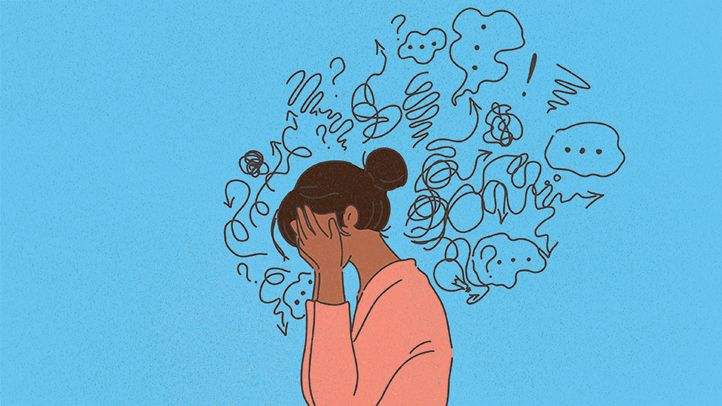
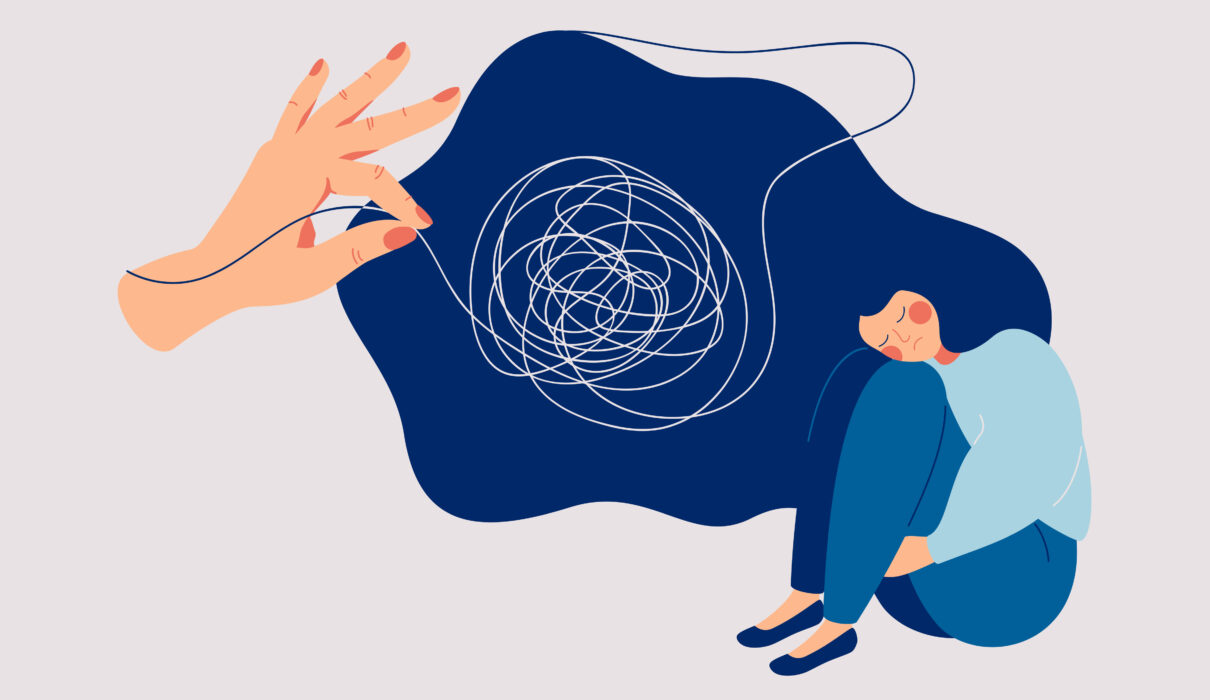
Anxiety is your body’s natural response to stress. It is a feeling of fear or apprehension about what is to come. It is normal to feel anxious about moving to a new place, starting a new job, or taking a test. This type of anxiety is unpleasant, but it may motivate you to work harder and do a better job. Ordinary anxiety is a feeling that comes and goes but does not interfere with your everyday life. In the case of an anxiety disorder, the feeling of fear may be with you all the time. It is intense and sometimes debilitating. This type of anxiety may cause you to stop doing things you enjoy. For example, it may prevent you from entering an elevator, crossing the street, or even leaving your home in extreme cases. If left untreated, the anxiety will keep getting worse.

Symptoms of anxiety :
1. anxious thoughts or beliefs that are difficult to control
2. restlessness
3. trouble concentrating
4. difficulty falling asleep
5. fatigue
6. irritability
7. unexplained aches and pains.
What causes anxiety?
Medical experts are not sure of the actual cause. But a combination of factors likely plays a role.
The causes of anxiety may include:
1. stress
2. other medical issues such as depression or diabetes
3. first-degree relatives with generalized anxiety disorder
4. environmental concerns, such as child abuse
5. substance use
6. situations such as surgery or occupational hazard. 7. In addition, researchers believe that it stems from the areas of the brain responsible for controlling fear and the storing and retrieval of emotional and fear-related memories.
Physical symptoms of anxiety :
When you experience symptoms of anxiety, they can manifest as physical symptoms such as:
1. dizziness
2. tiredness
3. heart palpitations
4. muscle aches and tensions
5. shaking
6. dry mouth
7. excessive sweating
8. stomach-ache
9. headache
10. insomnia
Who is at risk of anxiety?
Medical researchers say with each type of anxiety, there are different risk factors. But there are some general influences, including:
1. Personality traits. This includes shyness and nervousness in childhood.
2. Life history. This includes being exposed to negative or stressful life events.
3. Genetics. Of those who have a diagnosis of anxiety, percent trusted to have a first-degree relative who also has a diagnosis of anxiety.
4. Other health conditions. Thyroid problems and other health conditions can make you prone to anxiety.
5. Stimulants. Consuming sources, specific substances, and medications can worsen your symptoms.

Are there treatments for anxiety :
Once you’ve received a diagnosis of anxiety, treatment can help you overcome the symptoms and lead a more manageable day-to-day life.
The treatment is categorized into three types :
• Psychotherapy. Therapy can include cognitive behavioral therapy and exposure response prevention.
• Complemental health techniques. Mindfulness, yoga, and self-management strategies such as stress management are ways to treat your anxiety using alternative methods.
• Medication. Doctors prescribe antianxiety and antidepressant drugs.
• Session, with a therapist or psychologist, can help you learn tools to use and strategies to cope with stress when it occurs.
Some other commonly used medications include:
• Selective serotonin uptake inhibitors (SSRIs). Escitalopram, fluoxetine, and paroxetine are common SSRIs.
• Selective norepinephrine reuptake inhibitors (SNRIs). Duloxetine and venlafaxine are common SNRIs.
• Antipsychotics. Quetiapine and aripiprazole are common antipsychotics.
• Benzodiazepines. Diazepam and clonazepam are common benzodiazepines.
• Anxiolytics. Buspirone is a common anxiolytic.
Natural remedies for anxiety are :
1. getting enough sleep
2. meditating
3. staying active and exercising
4. eating a healthy diet
5. avoiding alcohol
6. avoiding caffeine
7. quitting smoking cigarettes if you smoke.
Foods that can help you with anxiety :
• flax and chia seeds
• fatty fish such as mackerel and salmon
• turmeric
• vitamin D
• magnesium
• tryptophan
It’s important to understand that anxiety disorders can be treated, even in severe cases. Although anxiety usually doesn’t go away, you can learn to manage it and live a happy, healthy life.
 Eduindex
You must be logged in to post a comment.