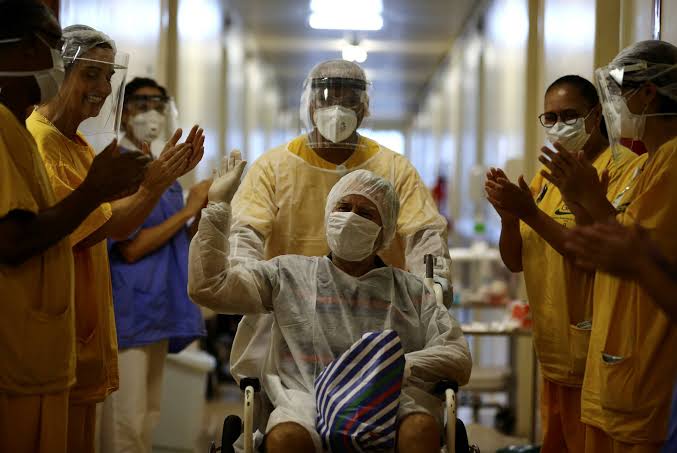
The New Normal

­In these times of COVID-19, the big challenge for most of us is how to protect ourselves and our families from the virus and how to hold on to our jobs. For policymakers that translates into beating the pandemic without doing irreversible damage to the economy in the process.

With over 4 million cases and some 250,000 victims of the virus to date globally, and the expected loss of the equivalent of 305 million jobs worldwide by mid-year, the stakes have never been higher. Governments continue to “follow the science” in the search for the best solutions while foregoing the obvious benefits of much greater international cooperation in building the needed global response to the global challenge.

This is moreover a global crisis, and vision has not yet focused on the new realities in other leading powers and major economies. If we try to take an unflinching measure of the impact globally, we can see both good news and bad news—although the two are by no means equally balanced.

But with the fight against COVID-19 still to be won, it has become commonplace that what awaits us after victory is a “new normal” in the way society is organized and the way we will work.

The bad news, on the other hand, lies in the nature of the virus itself and in its implications for human life and socioeconomic arrangements. Covid-19 is an extremely contagious virus with high lethality for those exposed to it, and it can be transmitted by asymptomatic “super spreaders.” Further, since this disease is zoonotic (contracted from another species) and novel (our species has no preexisting immunity), the pandemic will roam the world in search of human quarry until an effective vaccine is invented and mass-produced—or until so many people are infected that herd immunity is conferred.

The potential downside of this crisis looks dire enough for affluent societies: even with excellent economic management, they may be in for gruesome recessions, both painful and prolonged. But the situation for the populations of low-income countries—and for least-developed, fragile states—could prove positively catastrophic. Not only are governments in these locales much less capable of responding to pandemics, but malnourished and health-compromised people are much more likely to succumb to them. Even apart from the humanitarian disasters that may result directly from raging outbreaks in poor countries, terrible indirect consequences may also lie in wait for these vulnerable societies. The collapse of economic activity, including demand for commodities, such as minerals and energy, will mean that export earnings and international remittances to poor countries are set to crash in the months ahead and remain low for an indefinite period. Entirely apart from contagion and lockdowns, this can only mean an unavoidable explosion of desperate need—and under governments least equipped to deal with this. While we can hope for the best, the worst could be much, much worse than most observers currently imagine.

This is hardly reassuring.

We are still very much in the “fog of war” phase of the calamity. The novel coronavirus and its worldwide carnage have come as a strategic surprise to thought leaders and political decision-makers alike. Indeed, it appears to be the intellectual equivalent of an unexpected asteroid strike for almost all who must cope in these unfamiliar new surroundings. Few had seriously considered the contingency that the world economy might be shaken to its foundations by a communicable disease. And even now that this has happened, many remain trapped in the mental coordinates of a world that no longer exists.

Because nobody seems able to say what the new normal will be. Because the message is that it will be dictated by the constraints imposed by the pandemic rather than our choices and preferences. And because we’ve heard it before. The mantra which provided the mood music of the crash of 2008-2009 was that once the vaccine to the virus of financial excess had been developed and applied, the global economy would be safer, fairer, and more sustainable. But that didn’t happen. The old normal was restored with a vengeance and those on the lower echelons of labor markets found themselves even further behind.

So May 1, the International Day of Labor is the right occasion to look more closely at this new normal, and start on the task of making it a better normal, not so much for those who already have much, but for those who so obviously have too little.

This pandemic has laid bare in the cruelest way, the extraordinary precariousness and injustices of our world of work. It is the decimation of livelihoods in the informal economy – where six out of 10 workers make a living – which has ignited the warnings from our colleagues in the World Food Program, of the coming pandemic of hunger.

It is the gaping holes in the social protection systems of even the richest countries, which have left millions in situations of deprivation. It is the failure to guarantee workplace safety that condemns nearly 3 million to die each year because of the work they do.

And it is the unchecked dynamic of growing inequality which means that if, in medical terms, the virus does not discriminate between its victims in its social and economic impact, it discriminates brutally against the poorest and the powerless.

The only thing that should surprise us in all this is that we are surprised. Before the pandemic, the manifest deficits in decent work were mostly played out in individual episodes of quiet desperation. It has taken the calamity of COVID-19 to aggregate them into the collective social cataclysm the world faces today. But we always knew: we simply chose not to care. By and large, policy choices by commission or omission accentuated rather than alleviated the problem.

Fifty-two years ago, Martin Luther King, in a speech to striking sanitation workers on the eve of his assassination reminded the world that there is dignity in all labor. Today, the virus has similarly highlighted the always essential and sometimes heroic role of the working heroes of this pandemic. People who are usually invisible, unconsidered, undervalued, even ignored. Health and care workers, cleaners, supermarket cashiers, transport staff – too often numbered among the ranks of the working poor and the insecure.

Today the denial of dignity to these, and to millions of others, stand as a symbol of past policy failures and our future responsibilities.

On May Day next year we trust that the pressing emergency of COVID-19 will be behind us. But we will have before us the task of building a future of work which tackles the injustices that the pandemic has highlighted, together with the permanent and no longer postponable challenges of climate, digital and demographic transition.

This is what defines the better normal that has to be the lasting legacy of the global health emergency of 2020.

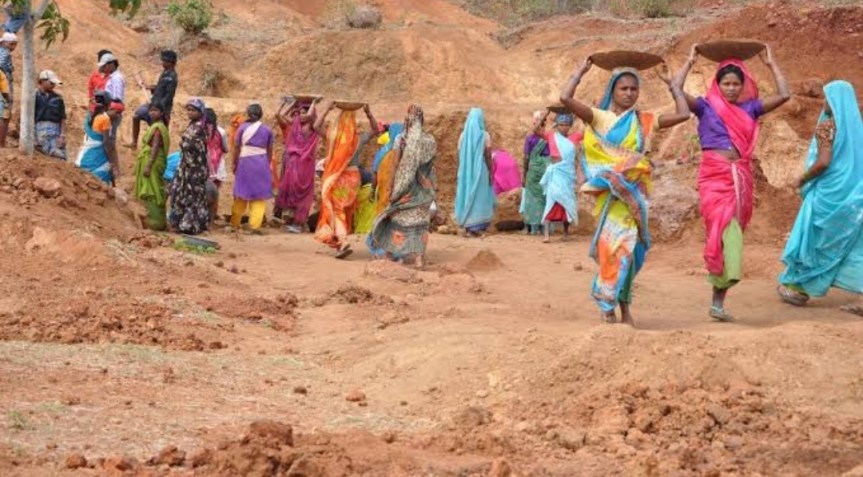
COVID-19 aggravating Yemen’s crisis!

COVID-19 has had a devastating effect on the whole world, be it peoples’ precious lives and wellbeing, the economy or the lifestyle. But already in a country that is known as the “land of milk and honey” which is going through a grave crisis corona has added to the pot of misery for the innocent lives living in Yemen who were already suffering. The situation is so dire that it has been declared an emergency.

 According to UNICEF Yemen  is going through the world’s largest humanitarian crisis and due to this many localities who reside in Yemen would like to migrate in search of better lives to UK and other countries. The children who are yet to explore the world have not even been given a chance to go to schools. Due to the disturbing scenario surrounding the people the suicide rates have increased and the county might soon be wiped out from the world map if this continues. Yemen is one of the countries which a high population of youth that is around 40% of the people living in Yemen are under the age of 15.

The population of Yemen is 2.85 crore and  it is a country located in the extreme west of Asia, not only are most of the people in Yemen facing a hunger crisis, most of them don’t even get one meal to eat in a day and on the other hand the country is struck by war and terrorism. The war has left more than half of the population without any resource and starvation is accompanied by lack of safe drinking water, access to other basic sanities and unemployment is not there and it also had one of the worst cholera outbreaks in the world.

Yemen is going through a violent phase where a civil war is raging its fire on the lives and this war is known as the proxy war, Saudi Arabia vs Iran is waging a war against Yemen  whose consequences are affecting the people.

It already has the lowest HDI rank amongst all the Arab countries and is in dire need of a change which would foster growth and development.

With all this going on, corona virus came like the wind and has created even more damage, corona virus has made the scenario even more worse as it has gripped the whole country under its vicious cycle. According to UNICEF around 2 million children didn’t have the privilege to go to school and post COVID-19 around 5 million children are now at home.

The post COVID -19 scenario is extremely tragic as they do not have half of the essential medical aid and the infrastructure of the hospital is not upgraded, they don’t have the essential medicines and lack other basic equipments as well. Many experts have stated that the health system has stopped functioning in the right manner due to lack of medical facilities, timely treatment and the lack of doctors which has collapsed the health system in Yemen. Till now from the 705 COVID-19 cases there have been 160 deaths.

Many helping hands, organisation and Charity workers are lending their energy in this alarming situation where the country is on the brink of dying. Already more than half of the population is going through starvation and with super low immunity levels to overcome the pandemic is going to be tedious task. Saudi Arabia along with other donors conducted a conference on the improvement of the devastating situation in Yemen, hopefully with timely intervention good times will be approaching Yemen.

Abdhi Upadhyay

Delhi’s mismanaged fight with Corona virus

Corona virus or as its scientifically referred as Covid-19 has brought the world to its knees. How it got here, who is responsible, when will the vaccine be created and many other questions regarding to it are up to debate. However, one thing that is definitely the need of the hour is to get this disease to a halt, to decrease the number of patients. What the world needs, is a game plan which can deliver successful results. We need to flatten the curve should we want to open up the country again. So far India hasn’t shown such promise, with the number of cases increasing every day, we see a sharp increase in the graph since the partial reopening. One such country that boasts xero cases is New Zealand.

New Zealand has been able to reduce its number of cases to the point where they were able to announce zero reported cases due to a number of reasons. They have a rather small population, only 5 million or so, which is much lesser than most of the worst hit nations, India included. Another major factor is the decisive and fast action that the New Zealand government took to ensure rapid containment of the disease. They also used stringent lockdown measures in order to decrease the rate of spread of infection. Their alertness and strict policies ensured that the disease slowed due to a near inexistent halt. However, they were lucky enough that their population was low, because for a country the size of India, with its population density its very difficult to pull this task off. What doesn’t help is the state and central government bickering in order to gain an upper hand and increase their public popularity. Many states aren’t yet equipped to handle the sudden increase of patients. In Delhi, patients have to wander from hospital to hospital for treatment of coronavirus. Some of those admitted to hospitals have also gone missing. In Covid-designated Lok Nayak Jai Prakash (LNJP) Hospital, the bodies could not be accounted for. Bodies of dead people are being piled up in hospitals such as state-run LNGP and centre-run Safdarjung hospital. With such ill-equipped state of various states across the country its hard not to feel disheartened and try to approach the courts. However, in many cases that too is no longer an option, as two advocates filed PILs in Delhi High court to ask for an extension of lockdown due to the increasing tread of number of cases. Both the PILs gave good points in favour of an extended lockdown in Delhi, as it would provide a much-needed breathing space to the facilities concerning the virus and also in some manner break the transmission cycle. The plea also gave forward estimates of one lakh COVID-19 cases in the national capital by end of June and the number would escalate to around 2.25 lakh by mid-July and over 5.5 lakh by July end which the Delhi government themselves admitted. Strict measures are of the utmost importance to stop the increasing graph. However, the Delhi HC declined the PILs and did not give reasons as to why they were not entertained.

What happens next is for all of us to see.

“Post Corona life – Better or Worse”?

Nature and its power is above the ability of humans to understand. Nature has shown it’s divine power at regular intervals of time and shown how helpless man becomes at a point of such calamities. Man has been destroying nature for its own good, cutting trees, polluting water and air, cutting down mountains and a number of endless tasks which has led our earth down and the quality of lifestyle in it. To make a balance and have an apt quality of the environment, nature has also stepped up in a number of ways, and who’s after effects have not always been in the favour of mankind. In present scenario also,we have encountered a natural pandemic which has challenged the mankind and has brought in the lifestyle of humans. This natural pandemic is “Covid-19”.This started around Nov-19 and is still in action with affecting the life of people all around the world. 

But the main question which surely comes to the mind of each individual is that “how would be the life of normal people after this pandemic gets over, how will this transform their life and what mere changes should probably we would encounter in our life”. 

So there are pros and cons of each and every thing which do exist on this planet. We might be blaming this pandemic as the way it has affected our life, but surely after this time period positive changes or some changes would definitely be seen in human lifestyle.

So the positive changes which could be seen in the day today routine of man could be :

  1. More investment would be done in the health sector, so as to fight such kind of pandemic in future. 
  2. More buildings especially for hospitals and colleges of medical would be seen , thus would increase the employability but not initially. 
  3. More R&D would be conducted in the field of medical science and better and efficient medical equipment would be seen. 
  4. A new work culture would be seen, like from home. This could definitely be better as people would be free to work at their own flexibility and also pollution would seem to reduce. 
  5. Harm to animals will surely seem to decrease and such awareness campaigns , highlighting care of every living being would definitely bring out the harmony between people. 
  6. Many more facilities and positive outcomes would be available to see after this pandemic gets totally over. 

But with the good, accompany bad, so bad outcomes of this could be:

  1. Initial loss to the economy, which may take time to recover. 
  2. People may not be able to get over this fact psychologically and will impact their way of interaction with others. 
  3. Loss of jobs of many individuals around the globe would be seen significantly. 
  4. Tourism and other industries related to these would definitely see a downfall. 

“So there would be harder times, and people would have to face hardships, but they still need to believe in humanity and fight against such pandemic in future with hand in hand and not against each other but with the essence of togetherness, brotherhood , empathy and compassion”


Management During Pandemic.

As the spread and far-reaching impacts of Covid-19 dominate the world news, we have all been witnessing and experiencing the parallel spread of worry, anxiety, and instability. Indeed, in a crisis, our mental state often seems only to exacerbate an already extremely challenging situation, becoming a major obstacle in itself. Why is this and how can we change it? As the CEO of a firm that brings mindfulness to companies to unlock new ways of thinking and working, let me share a bit about how the mind responds to crises, like the threat of a pandemic.

Even without a constant barrage of bad or worrisome news, your mind’s natural tendency is to get distracted. Our most recent study found that 58% of employees reported an inability to regulate their attention at work. As the mind wanders, research has shown that it easily gets trapped into patterns and negative thinking. During times of crisis — such as those we are living through now — this tendency is exacerbated, and the mind can become even more hooked by obsessive thinking, as well as feelings of fear and helplessness. It’s why we find ourselves reading story after horrible story of quarantined passengers on a cruise ship, even though we’ve never stepped foot on a cruise ship, nor do we plan to.

When your mind gets stuck in this state, a chain reaction begins. Fear begins to narrow your field of vision, and it becomes harder to see the bigger picture and the positive, creative possibilities in front of you.  As perspective shrinks, so too does our tendency to connect with others. Right now, the realities of how the coronavirus spreads can play into our worst fears about others and increase our feelings of isolation, which only adds fuel to our worries.

Watching the past month’s turmoil unfold, I have been reminded of the old Buddhist parable of the second arrow. The Buddha once asked a student: “If a person is struck by an arrow, is it painful? If the person is struck by a second arrow, is it even more painful?” He then went on to explain, “In life, we cannot always control the first arrow. However, the second arrow is our reaction to the first. And with this second arrow comes the possibility of choice.”

We are all experiencing the first arrow of the coronavirus these days. We are impacted by travel restrictions, plummeting stock prices, supply shortages etc. But the second arrow — anxiety about getting the virus ourselves, worry that our loved ones will get it, worries about financial implications and all the other dark scenarios flooding the news and social media — is to a large extent of our own making. In short, the first arrow causes unavoidable pain, and our resistance to it creates fertile ground for all the second arrows.

It’s important to remember that these second arrows — our emotional and psychological response to crises — are natural and very human. But the truth is they often bring us more suffering by narrowing and cluttering our mind and keeping us from seeing clearly the best course of action.

The way to overcome this natural tendency is to build our mental resilience through mindfulness. Mental resilience, especially in challenging times like the present, means managing our minds in a way that increases our ability to face the first arrow and to break the second before it strikes us. Resilience is the skill of noticing our own thoughts, unhooking from the non-constructive ones, and rebalancing quickly. This skill can be nurtured and trained. Here are three effective strategies:

First, calm the mind.

When you focus on calming and clearing your mind, you can pay attention to what is really going on around you and what is coming up within you.  You can observe and manage your thoughts and catch them when they start to run away towards doomsday scenarios. You can hold your focus on what you choose versus what pulls at you with each ping of a breaking news notification.

This calm and present state is crucial. Right away, it helps keep the mind from wandering and getting hooked, and it reduces the pits of stress and worry that we can easily get stuck in. Even more importantly, the continued practice of unhooking and focusing our minds builds a muscle of resilience that will serve us time and time again. When we practice bringing ourselves back to the present moment, we deepen our capacity to cope and weather all sorts of crises, whether global or personal.

Look out the window.

Despair and fear can lead to overreactions. Often, it feels better to be doing something … anything … rather than sitting with uncomfortable emotions. In the past few weeks, I have felt disappointment and frustration with important business initiatives that have been adversely impacted by Covid-19. But I have been trying to meet this frustration with reflection versus immediate reaction. I know my mind has needed space to unhook from the swirl of bad news and to settle into a more stable position from which good planning and leadership can emerge. So, I have been trying to work less and to spend more time looking out my window and reflecting. In doing so, I have been able to find clearer answers about how best to move forward, both personally and as a leader.

Connect with others through compassion.

Unfortunately, many of the circles of community that provide support in times of stress are now closed off to us as cities and governments work to contain the spread of the virus. Schools are shut down, events are cancelled, and businesses have enacted work-from-home policies and travel bans. The natural byproduct of this is a growing sense of isolation and separation from the people and groups who can best quell our fears and anxieties.

The present climate of fear can also create stigmas and judgments about who is to blame and who is to be avoided, along with a dark, survivalist “every person for him/herself” mindset and behaviors.  We can easily forget our shared vulnerability and interdependence.

But meaningful connection can occur even from the recommended six feet of social distance between you and your neighbor — and it begins with compassion. Compassion is the intention to be of benefit to others and it starts in the mind.  Practically speaking, compassion starts by asking yourself one question as you go about your day and connect — virtually and in person — with others: How can I help this person to have a better day?

With that simple question, amazing things begin to happen. The mind expands, the eyes open to who and what is really in front of us, and we see possibilities for ourselves and others that are rich with hope and ripe with opportunity.

Unlock 1: How to keep yourself safe

We all are suffering from a global pandemic i.e., Covid-19 now a days. After 4 stages of lockdown now, we are in the stage of unlock 1. In the lockdown we were relatively safe because we all were at our homes, but now in unlock 1 as most of the places got relaxation, from the shops to religious places, restaurants etc. So our city again become crowded as it was earlier with hundreds and thousands of people and vehicles on road. And as our work places also opened, so we have to go outside for work, and again we have to face the same crowd and traffic and in our office also we are meeting with so many people. So it is necessary to take some precautions so that we can save ourselves from Covid-19.

WHAT SHOULD WE DO

  1. Always cover your face with the mask while going out. Never use same mask again. Change the mask regular and always keep an extra mask with you.
  2. Always carry alcohol based sanitizer and clean the hand with it frequently or after touching handles, corridors etc.
  3. Avoid public transport as it increase the chances of spread of virus. If you don’t have your own vehicle, try to use auto or cabs.
  4. Carry your own food and water bottle at your work place. Try to avoid canteen food and sharing food with others.
  5. If your are sharing car with your collegues, it is okay that 3 people are travelling in one car but try to avoid AC and keep the windows open. Before carpooling make sure that any of the ppassengers don’t have any symptom of Covid-19.
  6. Make sure that your office is regularly sanitized. All the workers and staff’s temperature should be checked at the entrance and everyone should be sanitized before entering the office premises.
  7. At the work place maintain 1metre distance with others. Avoid face to face with others. Try to use mobile phones for attending meetings or any conversation.
  8. Don’t unnecessarily touch your face, nose and mouth. Sneeze in your elbows or use tissue. Throw the tissue in a covered dustbin.
  9. Do not handshake or hug.
  10. Avoid sharing your belongings with other like towel, pens etc.
  11. If you have any symptom of Covid-19 like headache, sore throat, fever then avoid going out or contact with people. In home also keep yourself quarantined, avoid to come contact with your family members and immediately contact the doctor and get the check up done.

We know that it is very difficult time for all of us. Regularly increasing cases of Covid scaring us. We don’t have any vaccine or medicine for this. So the only way to stop spreading the virus is to take necessary precautions to keep us safe. If we keep us safe then only we will be able to care our family and nation.

So take all necessary precautions and try your best to save you and your family. If we together try we will definitely able to defeat this virus.

ASHA Workers Fighting the Pandemic: Ground Zero Problems

Community Health Workers (CHWs) play an important role in building awareness, countering stigma and maintaining essential primary healthcare service delivery in different parts of the world. In India’s case they are in the form of Accredited Social Health Activist (ASHA) workers, who are taking full charge of the public health effort for safe working conditions and fair remunerations in this pandemic. It is essential that they are provided adequate Personal Protective Equipment (PPE) and proper training for its usage in the early stages of the dreadful pandemic like COVID-19. It is also appropriate to ensure role clarity, training, supportive supervision, health and well-being for them.

In view of the shortage of human resource in the health system the Government of India recruited ASHA workers to connect marginalised communities with health care under the National Rural Health Mission (NRHM), 2005. There are 9,00,000 ASHA workers, who are acting as a bridge between the government and common citizens. They are working hard in these challenging times as health care facilitators, health activists and service providers and putting their lives at high risk. The current situation of the country has brought out the hidden but no less intense struggle of the ASHA workers. The struggle concerns  the limited support they get from an inflexible and fragile public health system. ASHA workers are also facing increased resistance from communities when they go out in the field to monitor safety measures against the spread of the pandemic. They feel stressed when they fear the mistrust of local people while finding out COVID patients within an allotted area. They face trouble in various places in the country. They appeal for protective measures to save themselves from infection and also to ward off physical attack from hostile people.  Let us have a pan Indian survey to trace some of the problems faced by the ASHA workers.

In Karnataka lack of cooperation from local people and unavailability of safe drinking water and proper sanitation facilities have forced the ASHA workers not to drink water during their duty.

In Gosaiganj, Lucknow, the pink sari-clad ASHA workers stay outdoors most of the day, with ‘makeshift masks’ formed by dupattas. Their allotted work is to survey around thirty to fifty houses in a day depending on the risk levels of the area. They have an increased risk of exposure to the coronavirus, which also endanger their families. Such fears aggravate even further, especially given the gendered nature of domestic care work, forcing many of them out of duty in such challenging times. Lucknow has an ASHA team which has ‘ASHA Sangini’ as the leader. She reported that three of her workers have dropped out from work at present for fear of personal and professional risks.

ASHA workers in Faridabad, Haryana, and Bengaluru, and Belagavi in Karnataka, are facing the ire of local people who are dissatisfied with the government’s handling of the pandemic. People assume that the ASHA workers are in direct contact with political parties and on this pretext they attack the workers conducting surveys. Local people show huge resistance to cooperating with the workers. Now in some places police accompany the workers to protect them. Such protection is important in view of the fact that ASHA workers already face an increase in workload in terms of increase in number of working hours. Apart from their existing duties they also have additional workload now, including spreading awareness of the pandemic, regular check-up by house-to-house visit.

On the top of it, due to delay in payments, ASHA workers in Pedapalli district, Telangana, have decided to leave the work. This is not an exceptional event as delayed payment problem plagues ASHA workers in many parts of India. Very often they are the only source of income for their families. The problem is even more complicated because while they do not get their meagre allowance the medical staff and sanitation workers are receiving regular salaries.

In central Delhi, recently an ASHA worker reported positive for coronavirus. It is not unexpected because they were not provided PPE kits to work in the containment areas. Their meagre payment and inability to pay for treatment lead their families to prevent them from going out to the field and take life risk.

ASHA workers are also coping with the increase in demand of medical supplies and birth control methods of women’s reproductive concerns. Men are not used to be in home for a very long time. The women complain of physical demands their husbands are making on them. Being helpless due to the home quarantines and lockdown extensions they are begging the workers for protections to be used. An ASHA worker in Ajmer had to intervene when the police stopped a pregnant woman on her way to an abortion clinic. The workers are also running out of calcium and iron tablets and facing difficulty in providing them to the concerned people.

An ASHA worker from Barabanki district, Lucknow, reported that the swirls of rumours through social media have made their work more challenging. People have the fear that contact with the virus means immediate death. The workers have to work very hard to clear the confusion among the anxious and distressed people who have never faced such pandemic before.

We must appreciate the role of the ASHA workers, who are working very hard to put the welfare of the community before their own safety. They are putting aside their fear of coronavirus and the nation needs their service more than ever before as the foot soldiers fighting the COVID-19 battle. Their main motto is, “Kaam karna hai, toh karna hai” (work that has to be done, has to be done).

It is amply clear that ASHA workers face multiple problems in such crisis times. But their problems need to be addressed with due care at the governmental level. It is because they at the ground level make the public health system robust and responsive. They are not to be underestimated as “low-level health workers”.

How can Start-ups and Businesses overcome the downturn because of COVID-19?

The COVID-19 has created a pandemonium for start-ups and businesses all around the world. Most of the start-ups and businesses are facing a downturn in their financial market. We know it’s a very hard time for all, and we all are trying very hard to survive through the pandemic. Most of the employees are in fear of losing their job security. The start-up entrepreneurs are afraid of not getting any proper upcoming projects. Every start-up enterprise and business are going through terrible times now, financially. The employees are trying to survive without pay. The economy of the country is degrading day by day. 

Hence, we are here to see what can start-ups and businesses do to overcome the downturn because of COVID-19. If we have the will to make progress, we are surely going to overcome this pandemic. Even if the market is not as fast-paced as before, we still can develop the businesses financially. All we need to have is a proper strategy to make the progress happen, to survive COVID-19. Here is a list of strategies that start-ups and businesses can follow to overcome the downturn.

Strategies to overcome downturn due to COVID-1

Communicating with regular clients 

Every business company or a start-up must have a regular set of clients. Try to communicate with your customers regularly. Even if the pandemic resists you from gaining any new project, you will still have your old clients. Try to keep your old client satisfied. You will get the support you need from regular clients.

Manage your team for new strategy plans

Your old strategies won’t be of any help now. You need new ideas to make new strategies. To have new ideas, you need a working team led by a strong leader. The leader has to make the team members understand how important it is to make strategies. If you want to overcome the financial loss your company has faced, you need to strategize everything. 

Make small plans rather than bigger ones

Your only goal, for now, is to survive the pandemic with as low financial loss as possible. So, make smaller plans rather than long-term plans. You should have a plan for the upcoming month, rather than the year. Plan every day out and execute the plan meticulously.

Pay attention to investment

Now, you won’t have a lot of funding. Your company would already suffer heavy losses, due to a lack of new projects. Hence, try to keep the investment at a bare minimum. Don’t invest in huge projects at the moment. Look for smaller projects. In this way, you can save funds for your company. This is not the time to invest your money, because you have no idea what the future holds.

New ideas and methods

You need to understand what is important at the moment. You have to impress your clients, and for that, you need to bring in new ideas. You have to focus on the necessity rather than the exuberance. Every new idea has to be convenient and needed by the customers. There is no need for fancy ideas. It’s highly unlikely that a customer would be interested to invest in any fancy project. You have to modify your methods according to the need of the moment.

How to save your company from financial loss?

Financial loss is inevitable for any company in the current scenario. But you can save your company from becoming bankrupt. You have to make your employees work towards the satisfaction of the existing clients. The employees would get paid based on their work. You have to make a new rule for your employees, which would stay consistent until the company is back on track. Your employees would get paid for the amount of work they are going to produce. You need to plan out work for every employee you have. Even for a start-up company, you need to keep your employees as well as your clients happy. Your employees are the pillars of your company. In this way, you can satisfy both the clients and the employees. Apart from that, you have to make small teams of members, headed by one leader. Make them work on small projects. They would get paid based on every successful project they execute. In this way, your company won’t suffer from a lack of work. Also, your employees would get paid for executing the projects wonderfully.

The best way to overcome financial loss is to not invest huge amounts on any projects now. Take up small projects, which would be easier for the employees to finish, and also in time. Try to invest less as much as possible. Only invest in projects you think would be fruitful for your company at the moment.

How to make plans and strategies to overcome financial loss?

The focus should be on new plans and strategies, for a small amount of time. Once the pandemic ends, the situation of the company would improve for the better. Now, you need to focus on new plans. Have a team of members who would give you proper strategies regarding new projects. The projects have to go according to the strategized plan. Every project should be well planned and simple. All the employees have to keep in mind, that it is better to have simple plans to work on, rather than complicated ones.

Therefore, it is not hard for any start-up or business to overcome downturns. Your employees are your strength. You all can work together to keep your company out of financial loss and debt. You need to focus only on what is needed and how you can work together to develop for the better. Work with your employees and plan out the upcoming months properly to achieve success. Your company will progress if you execute the plans properly. The more united you are with your employees, the better it would be for the company.

DRDO develops Ultra Swachh for disinfection of PPEs and other materials

Defence Research and Development Organisation (DRDO) has developed a disinfection unit named Ultra Swachh to disinfect a wide range of materials, including Personal Protective Equipment (PPEs), electronics items, fabrics, etc.

Institute of Nuclear Medicine & Allied Sciences (INMAS), the Delhi based laboratory of DRDO has developed this product with industry partner M/s Gel Craft Healthcare Private Ltd, Ghaziabad.

The system uses an advanced oxidative process comprising of multiple barrier disruption approach using Ozonated Space Technology for disinfection. 

The system is double layered with specialised Ozone sealant technology assuring trapping of ozone for the necessary disinfection cycle. It also has catalytic converter to ensure environment friendly exhaust i.e. only oxygen and water. 

The system is in compliance with International Standards of Industrial, Occupational, Personal and Environmental Safety. The Ultra Swachh comes in two variants namely Ozonated Space and Trinetra Technology. Trinetra technology is the combination of Ozonated space and radical dispenser. Treatment is optimised with automation for quick disinfection cycle. 

The system operates on 15 Ampere, 220 Volts, 50 Hertz power supply. The system has been provided with various safety features such as emergency shutdown, door interlocks, dual door, delay cycle, and leak monitors, etc to ensure safe operations for longer duration. Dimensions of the Industrial Cabinet are 7’x4’x3.25’ to disinfect large quantity at a time. Cabinets of different sizes will be available for the industry. 

COVID19: CAN SURGICAL MASKS OR RESPIRATORS PREVENT CORONA VIRUS?

COVID19:
 CAN SURGICAL MASKS OR RESPIRATORS PREVENT CORONA VIRUS ?

The world is suffering from the deadly infection of Coronavirus. The World Health Organization (WHO) has declared the infection as ‘pandemic’. The early symptoms of this deadly infection are high fever, shortness of breath, tiredness and dry cough. So, the entire world is under lockdown to break the chain of COVID-19 with certain precautionary steps is to be ensured. The contemporary ways to sanitize oneself is the 20 seconds formulae of hand wash or using disinfectant containing at least 60% alcohol, avoid touching surfaces and handshakes and no unnecessary contacts. The use of mask and covering face using napkin or elbow while coughing and disposing the napkin would add an added advantage.
We all know that sanitizer containing good quality alcohol can kill most of the germs, bacteria and viruses including fatal Coronavirus . In a research, it was found that the Coronavirus can survive for 3 days (72 hours approx.) on surfaces like steel or plastic.
Now , the question arises whether any face masks or covering mouth with any cloth helps to prevent Coronavirus from invading our body ?
Firstly, I want to let you know that no mask can provide 100% safety from Corona Virus. There are different types of masks available in market and most common of them are Surgical masks and Respirators.
They act as a barrier to prevent the foreign body from entering our body, but the main difference between them is that Surgical masks are used only to prevent dust particles or large particle droplets that enter through our nose or mouth while Respirators can prevent vapours, airborne microorganisms, fumes or particulate matter that enter through nose or mouth . But as we know that the virus can enter our body through eyes so the person wearing a spectacles or googles can help prevent Covid19 to enter body to some extent . As spectacles or googles are left open from its sides so virus can reach our eyes easily. Hence, it is advised to stay at home and take precautionary steps while stepping out of home. The frontline workers including police, media persons, essential service and sweepers wear face shield along with N95 masks to safeguard themselves.
Surgical masks are mostly used by people who are not into any essential services as these are not designed to protect the wearer from breathing in airborne bacteria or viruses. Coronavirus is smaller than the PM 2.5 cutoff but bigger than some regular dust particles and gases. These masks can be used by a person with weak immune system or suffering from chronic health diseases. Persons dealing with severe respiratory or breathing issues are more prone to get infected from coronavirus, hence it is advisable for the infected person to use face mask as well in order to protect others from getting infected. The use of masks is also recommended to healthy person from getting infected. Surgical masks are of three types-: 2-layered surgical mask , 3-layered surgical mask and 6-layered surgical mask
The protection also depends on the number of layer, more number of layers contribute more protection. A 3-layered mask is better than 2-layered masks, the cost of 3-layered mask is also higher than 2-layered mask. While the 6-layered masks are best till now as it can protect us from some of the viruses but cannot protect from SARS CoV-2 to enter the body This type of mask is loose-fitting and virus can easily enter through the opening sides. And one more drawback is that it is not having any particular side from which a person have to wear it. So as a human it’s common to make mistake and use different side to wear while reusing, keeping it anywhere after using can spread risk of virus at that particular place and without knowledge of its proper way of wearing help the virus to enter the body. Also, the outer layer of the mask consists of virus and accidental touching can lead to the novel coronavirus.
As mostly surgical masks tend to be disposable, it get wet due to water vapours generated during respiration, that means they need to be replaced with new mask or washable 6-layered mask, washing it with 60°C hot water with a disinfectant to kill the germs can help in reusing them.
Respirators are used by health professionals as they are having contact with infected person quite often. These are at a risk of getting contaminated by infected person that’s why they use it along with face shield to be more secure from the Coronavirus. N95 mask is most common respirator consisting of filters that can prevent 95% i.e 0.3 micron airborne particles. It is a type of mechanical filter respirator and is better than any type of surgical mask. Respirator is tight fitting and have no opening , it protects in a better way. It protects us from most of the viruses which enter from mouth or nose openings but still protects against SARS CoV-2 to small extent. When someone around us coughs or sneezes then the germs or droplets exhaled can stick on a person’s clothes or long hair especially in women, so the hair must be covered with a cloth while going out and changing clothes after coming back to home is recommended. For men too keeping a long bushy beard and facial hair are also prone to Corona virus so best way is to avoid going out or to keep short or no beard on face or clean it after every outside tour. It contains valve which releases unfiltered air when the wearer breathes out, hence the spread cannot be stopped just by using respirator.
So along with respirator, using a sanitizer is must, to clean our hands from time to time. A respirator cannot be reused and after a particular time period of usage it becomes difficult for us to breath through it and it indicates the time to replace or dispose after use. Most of the doctors and nurses who are curing the Corona patients use surgical masks, face shield, Personal Protective Equipments (PPE) kits and respirator to get best protection. No doubt, for full day wearing casuse skin irritation and problems especially in the summer season, discomfort due to sweat on the human body, but still to save life and to contribute the nation, the Corona Warriors are doing their best work to keep us safe during this crucial period.
Therefore, for the common people, the best way is isolation and social distancing. Mask is better than no mask. A common man must keep physical distance from everyone and use sanitizers to kill the microorganisms on hands and wrist. Infact if we apply some sanitizer over the mask before using then the germs which stick will be killed at the moment and the mask will be more risk free. And if a person is having any symptoms of COVID-19, then he much contact the health care team or can go to a hospital for checkup. As prevention is better than cure, all things must be kept in mind to fight this virus. If tested positive than he can get cured. Either the person has good immunity or should intake healthy foods for boosting immune system, for example, Citrus fruits, broccoli, garlic, ginger, spinach, curd and almonds are best immunity boosters, drinking plenty of normal water everyday also help in keeping our body fit. Immunity system helps in recovery.
If we, common people maintain social distancing and use just any cloth mask or scarf or just simple 3-layered or 6-layered, it is enough with respect to follow all precautionary measures then there will be no problem as such balefully.
That’s why Stay Home, Stay Safe, Stay Healthy & Stay Fit and the world will soon defeat this Coronavirus.

  • Sahaj Sabharwal 
  • Jammu city, Jammu and Kashmir, India

Pincode -: 180001

©️All Rights Reserved 

Contact-: 

Email-: sahajsabharwal12345@gmail.com

Phone -: +917780977469

 https://www.sahajsabharwal.blogspot.com

Do bats spread Covid-19?

Some of the misinformed citizens are on a hunt to get rid of bats, owing to the fear of Covid-19 spread through this mammal. Reportedly, more than 150 bats were killed in Rajasthan alone despite the appeal of the International Union for Conservation of Nature (IUCN). This whole bat-hunt began when an ICMR report found CoVs positive in Rousertus and Pteropus: 2 Indian bat species. A local newspaper reported similar incidents happening Bangalore. Even the USA, Australia, and other countries are having hundreds of bats found at animal markets culled.

Now the question arises do bats spread Covid-19?

The answer is no. A report published in Medical News Today cited that out of 1400 bat species in the world, two have been tested positive for a close relative of SARS-2-Cov, which is the RATG 13 virus. But it is only similar to novel coronavirus (not the same) and it can neither transmit it to humans nor can cause Covid-19 to our species. The current hypothesis proposed by scientists across the globe is that Bats transmitted this close genetic relative to pangolins and then to humans as Pangolins are the world’s most trafficked mammals for global wildlife trade, Chinese medicines, and luxury food. Even in the past, the linker between humans and bats has been an animal that has been extensively traded or farmed. For example, in the 2013 Ebola virus outbreak, non-human primates like chimpanzee or deer have been intermediate hosts between humans and bats. Bats throughout history have been the origin of Ebola, Nipah virus, and rabies. 

For instance, in the case of Nipah virus, fruits bitten and thrown by bats carry their saliva, which if consumed by humans might transmit Nipah due to salivary transmission. Fortunately, both in the case of Nipah and Covid-19, negligible chances of transmission have been found through their excretory wastes.

So what to do if you cite a bat in or near your house?

Just call a professional rehabilitator or yourself lead them to the way out of your house. No need to kill them.

Why do bats carry so many viruses and why there’s a need to protect bats?

Bats have a strong immune system and they are the only flying mammal. Their strong immune system makes their lifespan as long as 20-30 years. This strong immunity of bats has now been a key research area for the development of the Covid-19 vaccine ( by the University of Saskatchewan, Canada).

Also, another need for protecting bats is that they maintain a biological ecosystem by:

1. Pollination of flowers and fruits: Especially in mangrove regions bats play a major role in the pollination of pollen grains. This year in India itself, Cyclone Amphan went just aside mangroves as these thick trees act as a shield against such natural calamities.

2. By helping in pest control in farmlands:

Bats eat up insects and pests. As per The Print, worth 800 million dollars and 22 billion dollars pest control annual expenses are saved by bats alone in Indonesian farms and USA corn farms respectively.

3. As per Wildlife Protection Act,1972 two of the bat species are protected in India due to the threat of extinction.

Conclusion: The major cause for such global outbreaks such as Covid-19 is mostly due to human activities such as wildlife trade and habitat destruction.

Food processing industry stakeholders to assess Covid-19

The grievance cell of Ministry of Food Processing Industries has been able to close and resolve 581 issues out of 585 received, with proactive approach and timely redressal. The task force has been taking up these issues with the respective state governments and other relevant authorities including Ministry of Finance, Ministry of Home Affairs. The task force have also been in constant touch with leading industry associations and food processors across states to address any issues / challenges faced by food and allied industry so that it can run at maximum capacities. Grievances or any problems faced by Food Processing Sector, in either disruption of production or supply chain, during nationwide Covid-19 lockdown can be mailed at covidgrievance-mofpi@gov.in.

A dedicated task force and a grievance cell was set up in the Ministry, which consisted of senior officials of the Ministry and members of Invest India. Industry could reach out to the grievance cell directly or through various industry associations. The major issues which were received at the grievance cell included issues related to

  1. Plant shutdowns due to lockdown
  2. Logistics related issues, warehouse shutdown
  3. Non availability of labour
  4. Movement of staff and workers

Smt. Harsimrat Kaur Badal, Union Minister of Food Processing Industries has chaired a series of video conferences with the industry associations, cold chain developers, exporters etc. on a regular basis for monitoring the situation at ground level.

The Ministry received various issues during VC interactions with cold chain promoters, on which the task force has promptly reacted and have taken up the issues with all the relevant stakeholders. Various steps were taken keeping in mind the necessities of food and allied industry to recoup with the new normalcy.

MoFPI is also a member of the Empowered Committee on Logistics and Supplies, and has been working to ensure that harvested agriculture produce can be supplied to the industry so that farmers are benefitted. Ministry of Food Processing Industries has taken several measures to ensure that the Food Processing Industry has been impacted minimally due to the Covid-19 crisis.

Facilitating Research and Innovation: COVID-19 Bio Banks

For the mitigation of COVID-19 pandemic, R&D efforts are directed at the development of vaccines, diagnostics and therapeutics. The specimens collected from COVID-19 positive subjects can be a valuable resource for the R&D efforts. NITI Aayog has recently issued guidelines for sharing of bio specimens and data for research related to COVID-19. As per the directives of the Cabinet Secretary, the Indian Council of Medical Research (ICMR) has notified 16 bio-repositories for collecting, storing and maintaining clinical samples (oropharyngeal/ nasopharyngeal swabs, broncheoalveolar lavage, sputum, blood, urine and stool) of COVID-19 patients.

The enlistment of 16 Bio Repositories are as follows: ICMR – 9, DBT – 4 and CSIR – 3. The four Bio Repositories under the purview of the Department of Biotechnology are, NCR-Biotech Science Cluster (i) THSTI, Faridabad – Clinical samples (ii) RCB Faridabad –Viral samples, Institute of Life Sciences, Bhubaneswar, InStem, Bangalore  and ILBS, New Delhi .Oropharyngeal / nasopharyngeal swabs, bronchoalveolar lavage, sputum, blood, urine and stool of COVID19 patients will be collected and archived for future use to develop validated diagnostics, therapeutics, vaccines etc.

These designated facilities will develop uniform Standard Operating Procedures (SoPs) for sample collection, transportation, aliquoting, storage, and sharing. The role of bio-banks for COVID-19 samples would be development of a vaccine and treatments; guidance regarding handling, including nasopharyngeal swabs; and conditions under which the higher BSL-3 practices should be followed for example, when working with cultures of the coronavirus specimens. The Department of Biotechnology would be supporting these COVID-19 designated Bio-bank facilities through a well strategized future plan so that novel technological interventions can be developed in due course of time. These designated bio repositories will use the clinical samples for R&D purpose in their respective Institutes.

In addition, they are also authorized to share the samples with academia, industry and commercial entities involved in development of diagnostics, therapeutics, vaccines etc., after scrutinising the purpose of the request and ensuring benefit to the country. Sharing of Biospecimens both Clinical and Viral is going to be key for new technology and product development by our researchers, start-ups and industry, a critical step in our journey towards becoming an Atmanirbhar Bharat.

A Rapid Response Regulatory enabling mechanism facilitated by Department of Biotechnology for COVID 19


The Department of Biotechnology has taken several proactive measures to streamline the biosafety regulation and to facilitate researchers and industries which are undertaking research and development in Recombinant DNA Technology and Hazardous Microorganisms.

1.      Operationalization of Indian Biosafety Knowledge Portal. The Indian Knowledge Biosafety Portal launched in May, 2019 was made fully operationalized and now the Department is receiving all new applications through online portal only. This has made the whole process transparent and time bound.

2.      Notification of Revised Simplified Guidelines on Import, Export and Exchange of GE Organisms and Product Thereof for R&D Purpose:  The Department issued the Revised Guidelines in January, 2020 in which Institutional Biosafety Committee have been delegated authority to take decisions on applications of import export and exchange of GE organisms and product thereof for R&D purpose for RG1 and RG2 items.

3.      Facilitation of Research and Development on COVID-19: Considering the emerging situations of spread of Coronavirus and with the understanding on requirement of rapid research and development for COVI-19, the Department has proactively taken several steps to facilitate researchers and industries involved in research on COVID19. DBT has issued following guidelines, orders and checklist on COVID 19:

  1. Rapid Response Regulatory Framework for COVID-19 to deal with application for development of vaccines, diagnostics, prophylactics and therapeutics has been notified on 20.03.2020
  2.  DBT notified “Interim Guidance Document on Laboratory Biosafety to Handle COVID-19 Specimens” on 08.04.2020.
  3. IBSCs are allowed to conduct their meeting through video conferencing up to 30thJune, 2020.
  4. Rapid response regulatory framework for development of recombinant DNA COVID 19 vaccine was issued on 26.05.2020

Scaling up of COVID testing centres (Hub and spoke model) inNationalresearch laboratories and Universities

To scale up testing and enhance the reach across the countryCity /Regional clusters have been established in a Hub and Spoke Model to scale-up testing of COVID-19 samples in government institutions across the country. Institutes and Laboratories which have the capacity and expertise for both sample collection, handling/processing (BSL-2 facility) and testing (RT-PCR) serve as the hubs and they involve a number of laboratories which have RT PCR machines and the requisite manpower as their extended Testing facilities.

The Hubs are Government laboratories approved by respective Ministries /Departments (DBT, DST, CSIR, DAE, DRDO, ICAR etc) as per ICMR guidelines. So far 19 City /Regional clusters have been established in Bangalore, Delhi/NCR, Hyderabad, Thiruvananthapuram, Chandigarh/Mohali, Bhubaneshwar, Nagpur, Pune, Mumbai, Lucknow, Chennai, Kolkata, North Eastern Region, Jammu & Kashmir, Ahmedabad, Madhya Pradesh, Rajasthan, Banaras, Palampur and Delhi city.

About 100 institutions have been involved and over 1,60,000 samples tested. Seven DBT Autonomous institutes have been approved as hubs by ICMR and they are performing testing for diagnosis of COVID-19 (RGCB, THSTI, ILS, inStem, NCCS, CDFD, NIBMG). 

They are also functioning as hubs in the respective Cities/Regions and coordinating the efforts with a number of other premier Central and State Government institutions. In addition, they are working closely with the respective State Governments in obtaining samples for testing and are reporting every day to ICMR on their testing results.     Collectively in about 4 weeks, these clusters have done nearly 1,70,000 tests. These clusters will now be scaled to nearly 50 in next 4 weeks and reach remote corners of the country.

Text Box: For Further Information: Contact Communication Cell of DBT/BIRAC 	@DBTIndia @BIRAC_2012www.dbtindia.gov.inwww.birac.nic.in

*****

Ek Bharat Shreshtha Bharat programme to be taken forward using innovative ways

It has been decided to take forward the Ek Bharat Shreshtha Bharat programme of the Government by  using innovative ways in view of the prevailing conditions of COVID 19.

This was decided at a recent meeting of  Secretaries via videoconferencing ,  of partner ministries under the Ek Bharat Shreshtha Bharat programme  of the Government . The meeting was chairedby  Secretary, Higher Education, M/o HRD, Shri Amit Khare. M/o HRD  is the nodal ministry for the EBSB programme. The meeting was attended by Secretary, Tourism Shri Yogendra Tripathi; Secretary Culture, Shri Anand Kumar; Secretary Department of Youth Affairs, Smt Usha Sharma; Secretary, SE & L Smt Anita Karwal; CEO, MyGov Shri Abhishek Singh and senior officers of  ministries of I & B, Railways, Home , Defence , Parliamentary Affairs and department of Sports.

Welcoming the participants, Shri Amit Khare  briefed about the implementation of the programme so far, stressing on the need to have innovative ways to carry it forward in view of the prevailing conditions of COVID 19. Secretary D/o SEL, Smt. Anita Karwal also emphasized upon the need to show tangible outputs.

During the meeting a presentation was made on the progress of EBSB so far.

Speaking at the meeting, Secretary, Ministry of Tourism, Shri Yogendra Tripathi informed that institutions under Tourism ministry are organising webinars on various aspects of tourism. The ministry is doing a series of webinars under the series “Dekho Apna Desh”, being hosted on MyGov portal. These webinars are being attended by thousands of people.  He also suggested that such webinars can be organised for tourism stake holders of different states such as Tour Operators etc. Secretary, Higher Education suggested that the recordings of “Dekho Apna Desh” and other webinars can be displayed on the educational channels and in breaks during online classes.

Secretary, Ministry of Culture, Shri Anand Kumar stated that they are also organising various webinars. He suggested all webinars of different Ministries should be brought under a common platform of Ek Bharat Shreshtha Bharat. He further suggested that e- programmes can be prepared on various topics such as writing dramas, paintings , virtual tours of monuments, etc He further informed that the Culture Ministry proposes to develop  E- Heritagepedia and E- Artist pedia and also suggested that renowned artists can do virtual programme modules to teach their art. Secretary D/o SEL  welcomed the idea and said that schools would be very interested in classes on indigenous art like Worli and Madhubani paintings.

Secretary, Department of Youth Affairs, Smt. Usha Sharma appreciated the use of digital medium for conducting the EBSB programmes. She said with this, the reach of these programmes can be enhanced greatly.  She also suggested for sharing of digital material prepared by different departments. Secretary, HE suggested that the inputs may be collected from all the Ministries at a single platform. Secretary, D/O SEL suggested they could be hosted on a digital platform.      

CEO, My Gov.in, Shri Abhishek Singh said that they are developing a mobile App for learning 100 sentences in different languages. He also said that MyGov can host webinars of various departments and also disseminate information about their programmes.  

Joint Secretary, Ministry of Information & Broadcasting, Shri Vikram Sahai suggested that apart from the information of various states being shared through TV, Radio and Print Media, good practices and success stories of each state may also be shared with the partner states. He also suggested all departments can pool in their digital resources and DD News can use their weekly EBSB programme to host destination based programmes. JS (ICC), Ms Neeta Prasad suggested that each Ministry should share their future monthly action plan in advance with Ministry of Information & Broadcasting for wider coverage.

 Executive Director, Ministry of Railways Smt. Vandana Bhatnagar,  briefed about the steps taken by them for providing concessions to the students participating in various EBSB programmes and on displaying the logo, Video display etc on railways property. She said that these activities will be up taken afresh once regular movement of  trains start.

The officers of  Ministry of Home Affairs, Ministry of Defence,  Ministry of Parliamentary Affairs and Department of Sports briefed about the activities taken up prior to the lockdown period and activities proposed to be started.  

At the end of the meeting, Secretary, HE summarised important actionable points as follows:

  1. To move towards digital mediums for the carrying on the activities under EBSB by each participating Ministry/ Department.
  2. To organise webinars on Ek Bharat Shreshtha Bharat themes for their wide dissemination.
  3. To have a common repository for the Ek Bharat Shreshtha Bharat digital resources that can be used by every Ministry. This repository may be hosted on a common portal.

iv        A revised communication plan needs to be made and Doordarshan’s 30 minute weekly programme on EBSB  should be destination based with inputs from all ministries

Ultraviolet Disinfection Facilities Developed AT Western Naval Command

As we look at partial and eventually complete lifting of lockdown, queries are already being posed as to what the “new normal” will be, especially for large production organisations like Dockyards and other naval establishments, where a sizeable number of workers will resume work post lifting of lockdown and these numbers are expected to gradually increase. This led to the strong need for a sanitisation facility for worker’s coveralls, tools, personal gadgets and masks.

Naval Dockyard (Mumbai) has manufactured a UV sanitisation bay to meet this emerging requirement. The UV bay will be utilised for decontamination of tools, clothes and other miscellaneous items, to control spread of the coronavirus. The challenging task required ingenuity to convert a large common room into a UV bay by fabrication of aluminum sheets electrical arrangements for UV-C lighting.

The facility utilises UV-C light source for Germicidal Irradiation towards sterilising items. Studies by reputed research agencies have proven the effect of UV-C on respiratory pathogens like SARS, Influenza etc. It has been observed that microbial pathogens become significantly less viable when exposed to UV-C of intensity 1 J/cm2 for 1 min or more, indicating effective sterilisation.

A similar facility has also been set up at Naval Station (Karanja), where in addition to UV-C steriliser, an industrial oven has also been placed, which heats smaller sized belongings to 60°C, a temperature known to kill most microbes.

The facility is placed at the entry/ exit points where it will help in mitigating COVID-19 transmission.