India has demonstrated great resilience in Face of Global Energy Crisis

  Shri Hardeep Singh Puri, Minister for Petroleum and Natural Gas, in a media event held on 9th September 2022, witnessed signing of contracts for 31 Discovered Small Fields (DSF) blocks under DSF bid round-III and 4 CBM blocks under CBM bid round-V awarded to 14 E&P domestic companies.

During the event, Minister also unveiled the logo for India Energy Week (IEW) 2023, the Ministry’s flagship event taking place from 6th-8th February 2023 in Bengaluru, India.

In the Open House following the Contract Exchange event, the Minister highlighted the following:

• India has demonstrated great resilience in the face of global energy crisis;

• Government of India has taken several measures to minimize and mitigate the volatility of global crude oil and gas prices. Fuel price rise in India have been contained in comparison to exponential rise in developed countries. Most of the developed nations have witnessed significant inflation rise in Gasoline price by almost 40% during July 21 to Aug’22, while in India, gasoline price has reduced by 2.12%;

• The gas price of all the major trading hubs has seen massive increase during July 21 to Aug’22. Henry Hub of USA has seen increase of 140%. JKM Marker has seen increase of almost 257% and UK, NBP has increased by 281%.  While in India CNG and PNG prices has been increased by only 71%.

• Even on LPG front, In the past 24 months, Saudi CP price (our import benchmark) almost increased by 303%. During the same period, the LPG price in India (Delhi) increased by less than a tenth of that figure i.e 28%

• under the visionary leadership of the Hon’ble Prime Minister, Government has been undertaking various initiatives to attract more E&P investment to increase self-reliance in the energy sector;

• India’s move towards a ‘gas based economy’ by connecting Indian consumers through the City Gas Distribution, enhancing regasification capacities, expanding pipeline networks and setting up CNG stations;

• Achievement of 10% blending of ethanol in petrol in May 2022, ahead of the November 2022 deadline, setting up of 2G refineries to make ethanol, and a host of other initiatives, is a symbol of Government’s resolve towards just energy transitions. The Green Hydrogen Mission, under which the Ministry is facilitating setting-up pilot scale and commercial scale green hydrogen manufacturing plants by refineries is a part of this commitment;

• The significance of the various social welfare schemes like the Prime Minister Ujjwala Yojna and its role in ending energy poverty, ensuring social upliftment and as a catalyst of social change cannot be emphasized enough.

On India Energy Week 2023, Minister stated that it would be a flagship event of the Ministry, and also the first major Energy event once India takes over G20 Presidency. The event will provide an unprecedented opportunity for regional and international leaders and CEOs to come together for strategic policy and technical knowledge sharing for energy justice and energy transitions

**********

What is Disaster Management?

We have always seen disasters taking many shapes. Human-made disaster results from human mistakes and incorporates modern blasts or design disappointments. Catastrophic events result from actual peculiarities and include quakes and dry seasons. Calamities delegated complexes can contain pestilence or outfitted clashes.

In any structure, disaster disrupts communities and can negatively affect individuals, property, economies, and the climate. They frequently stretch a local area’s ability to adapt. Debacle the executives in the course of successfully for and answering to disaster. It includes decisively arranging assets to decrease the mischief that calamities cause. It likewise consists of an orderly way to deal with the obligations of the calamity: counteraction, readiness, reaction, and recovery.

Figuring Out Risks in Disaster Management

Frequently, issues, for example, an effectively kept up with levee framework or other carelessness, can demolish the result of a calamity. State-run administration and associations can endure disaster by tending to conceded framework upkeep and other casual elements. A few communities are more powerless than others. For instance, more unfortunate networks have fewer assets to set themselves up for a cyclone or return quickly from flood harm. Disaster management likewise includes breaking down openness to misfortune. For instance, homes worked underneath the ocean level might confront more apparent vulnerability to flooding if a storm hits them.

The Scope of Disaster Management

Disaster management has a vast degree. To comprehend disaster management, it is helpful to concentrate on counteraction, readiness, reaction, and recuperation.

Counteraction

Moderation and avoidance endeavours expect to lessen the possible harm and experiencing that calamity can cause. While calamity the executives can’t forrestal disaster, it can keep them from becoming compounded because of dismissing casual elements and sensible dangers. Moderation explicitly alludes to activities that can reduce the seriousness of a debacle’s effect. Putting resources into measures that breakpoint dangers can significantly lessen the weight of calamities.

Systems that Disaster management the executives’ experts carry out to safeguard weak networks and restrict risks incorporate the accompanying:

  1. Bringing issues to light about expected dangers and how to address them
  2. Teaching people in general about how to get ready for various kinds of calamity appropriately
  3. Introducing and fortifying forecast and cautioning frameworks

Overseeing perils and dangers implies wanting to limit a local area’s weakness to fiascos. This can include:

  1. Empowering people group individuals to purchase suitable protection to safeguard their properties and effects
  2. Teaching families and organisations the best way to make viable fiasco plans
  3. Advancing the utilisation of fire-retardant materials in the development
  4. Supporting capital works drives, like the development and upkeep of levees
  5. Building organisations among areas and offices at the government, state, and nearby levels to team up on relief projects

Disaster management executives’ experts working on relief endeavours likewise centre around the accompanying:

Land Use and Building Codes

Building schools, medical clinics, and neighbourhoods in flood-inclined regions expand their openness to fiascos. Disaster management highlights these dangers and presents thoughts to involve land in more secure ways.

For instance, instead of building homes in floodplains, local area organisers can assign those regions as spots for outside diversion, natural life attractions, or climbing trails. They can likewise encourage individuals to stay away from these areas during flood season. These actions make inhabitants and their homes less defenceless against hurt.

Moreover, alleviation endeavours can do the accompanying:

Address ways of designing scaffolds to support tremors
Authorise building regulations that protect structures during tropical storms

Basic Infrastructure

Safeguarding a basic foundation during a debacle can mean distinguishing between life and demise. Basic foundation, which contains the frameworks and resources indispensable to a local area’s economy, security, and general wellbeing, merits special consideration for catastrophe the board relief.

Drawing up defensive estimates that line harm to water and wastewater frameworks or atomic plants, for instance, can forestall serious repercussions.
For instance, Japan experienced wrecking physical and mental results after a 2011 seismic tremor set off a tidal wave. The immersion of water sliced off the power supply to the cooling framework for Fukushima Daiichi reactors, prompting an enormous atomic mishap.
Readiness
Very much organised reactions to fiascos expect earlier preparation. This guarantees quick, mighty reaction endeavours and cut-off points copied endeavours.

Disaster readiness plans:

  1. Distinguish hierarchical assets
  2. Assign jobs and obligations
  3. Make strategies and approaches
  4. Arrange exercises that further develop calamity preparation

Expecting the necessities of networks that catastrophes influence works on the nature of the reaction endeavours. Building the limits of workers, faculty, and calamity supervisory groups to answer fiascos also makes the reaction attempts more successful.

Plans might incorporate the accompanying:

  1. Crisis cover locales
  2. Departure courses
  3. Crisis energy and water sources

They may likewise address:

  1. Levels of leadership
  2. Preparing programs
  3. Correspondence strategies
  4. Crisis supply conveyance
  5. Reserve needs

Reconstructing
revamping their lives after injury. This includes longer-term endeavours to re-establish:

  1. Lodging
  2. Economies
  3. Foundation frameworks
  4. Individual and local area wellbeing

Government offices and supporting associations assist networks with critical thinking and finding assets as they redevelop and rejuvenate.

Recuperation help might incorporate the accompanying:

  1. Joblessness help
  2. Lodging help
  3. Legitimate administrations
  4. Emotional wellbeing directing
  5. Calamity case, the executives
    Assam witnesses an annual flood, and the 2022 flood has affected lakhs of people while 1.08 lakh hectares of crops have been destroyed. Though we cannot entirely avoid disasters, we can prepare for and address them.

Avoidance endeavours and facilitated responses to disasters save lives and decrease their effect on communities. Experts in disaster management play a critical part in forestalling enduring, safeguarding individuals’ jobs, and assisting networks with recuperating. Now the question arises about what is disaster management? To address the inquiry, you ought to inspect how these experts manage disaster previously, during, and after it strikes.

Safeguard Communities by Launching a Career in Disaster Management

What is Disaster Management? It is a far-reaching way to deal with forestalling, planning, answering, and supporting crisis recuperation endeavours. Whether leading crises or the executives for human-made or cataclysmic events, experts in the field assume priceless parts in saving lives and lessening languishing.


Crisis in AFGHANISTAN

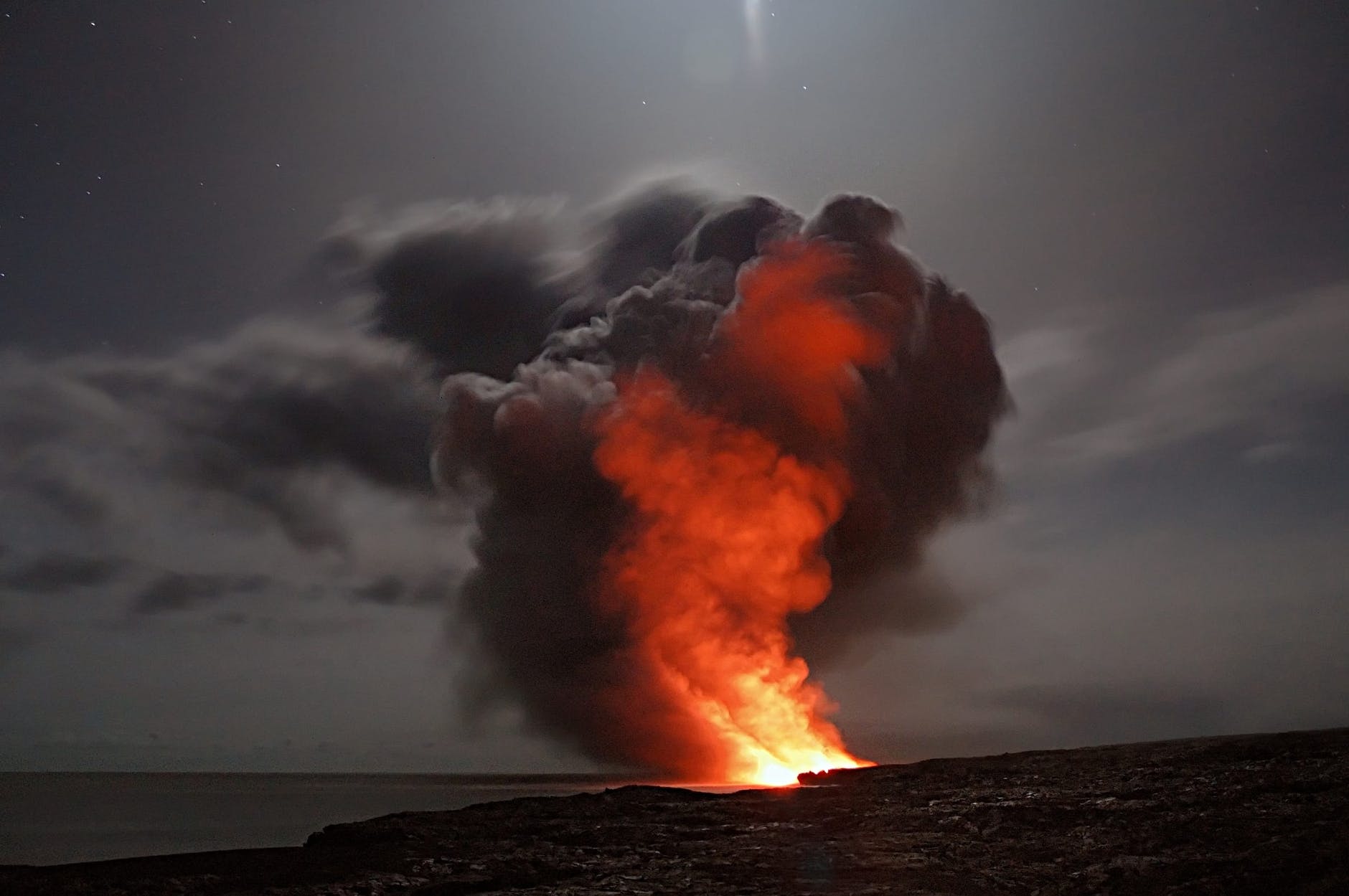
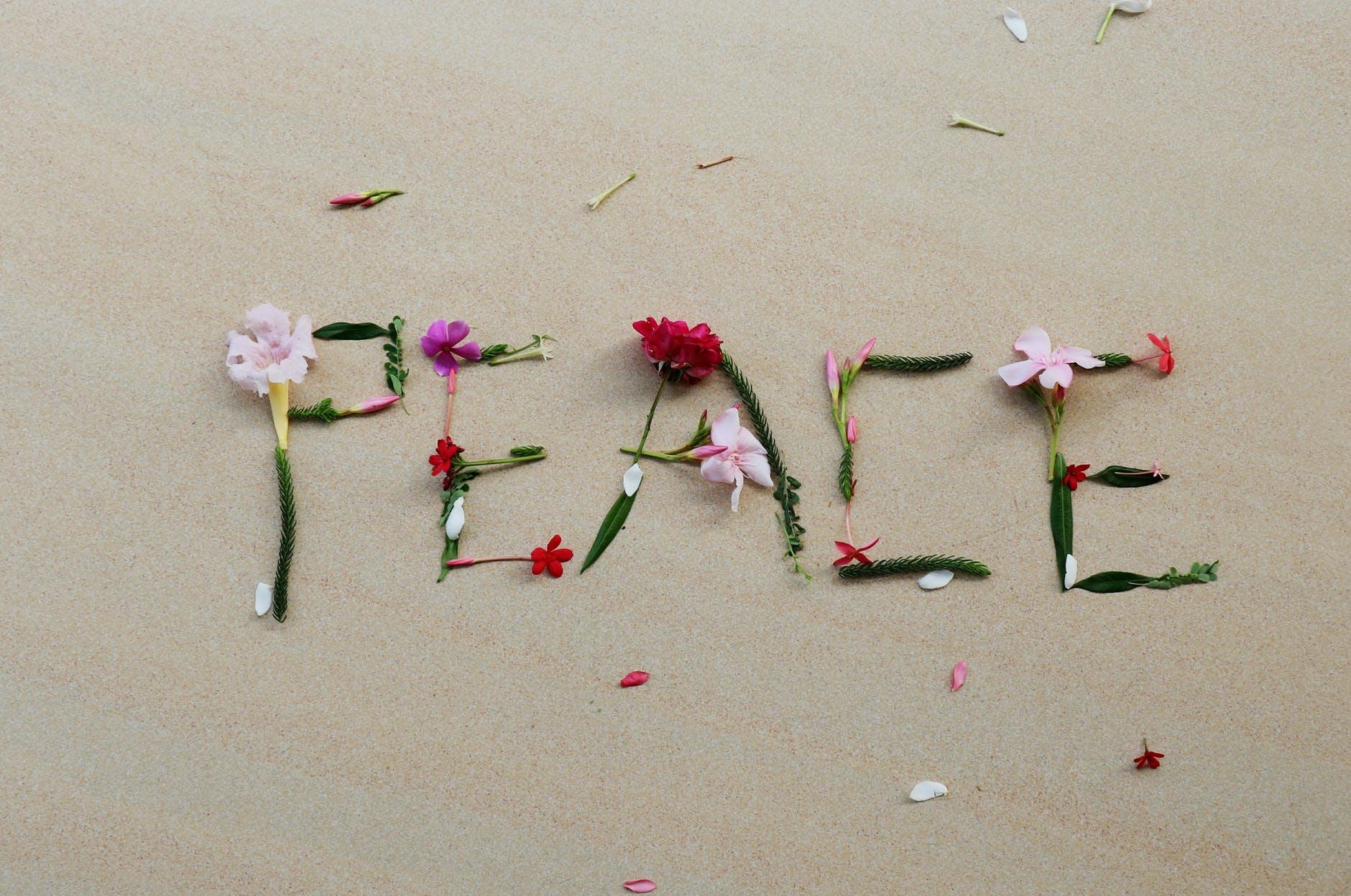
Photo by Pixabay on Pexels.com

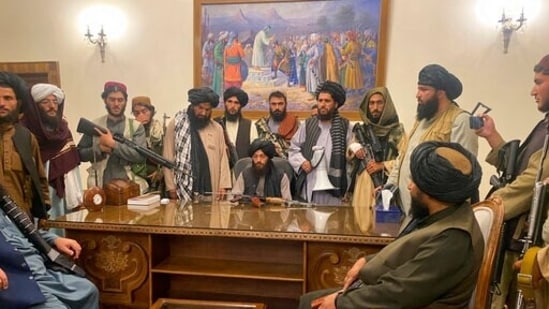
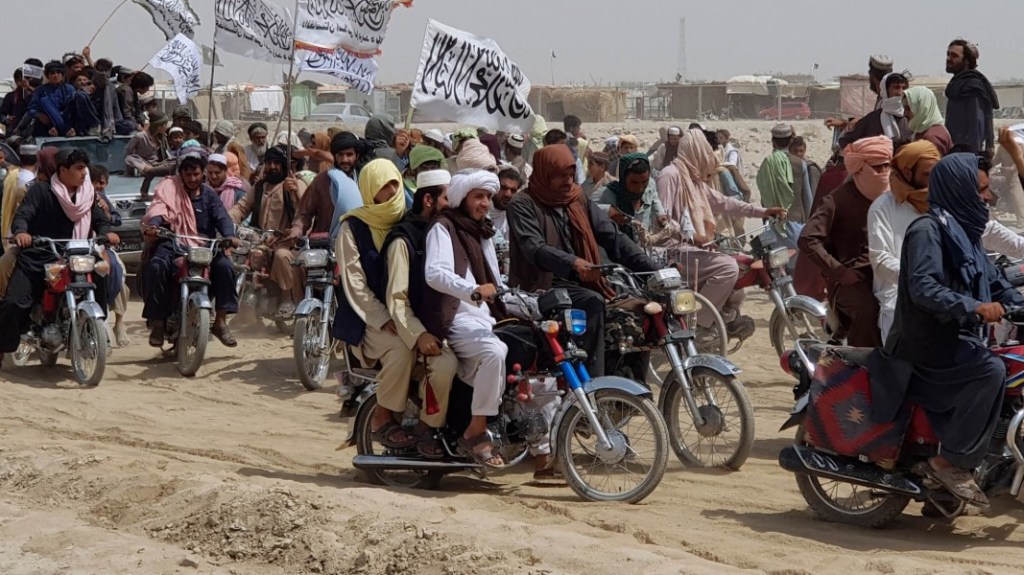
Now that the US army has pulled out from Afghanistan after spending 20 years there, the Taliban has taken control of almost whole of the country. HISTORY REPEATS ITSELF, and here history is repeating itself for the worst. Politicians have fled from the country leaving their countrymen to die and the civilians are in a state of panic. As Taliban has taken control from all the borders leaving no exit point.

What is Taliban

Taliban is the word for ‘student’ in pashto language. Ironically they have nothing to do with knowledge, at least on humanitarian basis. They emerged from the northern part of Pakistan in the early 1990s, they basically promised peace to the peope an to impose Sharia or islamic law, once in power. In September 1995, they started their rule by capturing Herat and then all the major cities one by one and by 1998, they had captured about 90% of Afghanistan.

They became popular as they finished corruption and lawlessness. They also introduced roads. But at the same time they implemented the Sharia law and gave punishments according to it, like public execution for murderers and adultration, amputating those, who were found guilty of theft. Girls were not allowed to go to school after the age of 10, women had to wear chaadri (burqa, covering whole body) when going out and they had to be accompanied by a man all the time, men too had to grow beard. Cinema, music and television were banned. women were not allowed to work even when their husbands died. Basically all their rights were taken away.

Read more about Afghanistan: https://edupub.org/2021/07/19/afghanistan-through-khaled-hosseinis-a-thousand-spendid-suns/

Major terrorist activities by Taliban

On 11 September, 2001 the world trade center was attacked and Taliban was accused of providing safety to Al Qaeda.

Malala Yousafzai was shot by the talibani terrorists as she refused to leave school and continued to study.

pic courtesy: shutterstock

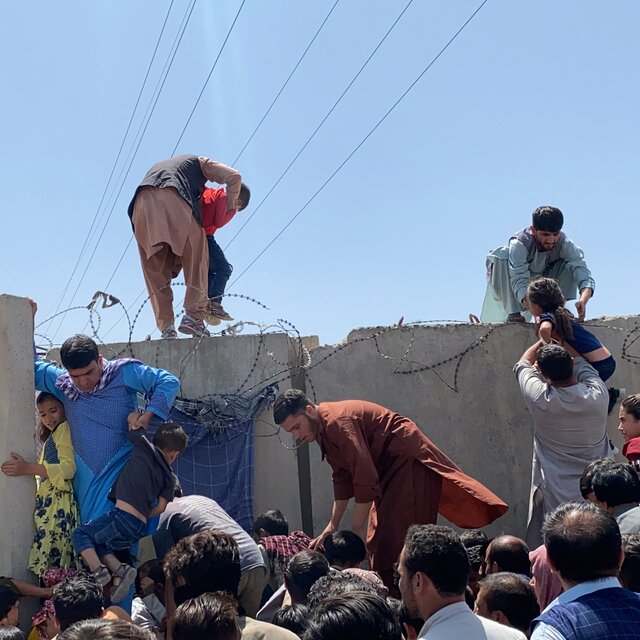
Disturbing images have been coming in from airport where people were rushing as their last hope of fleeing from there. It’s very saddening to see politicians leaving their people to die on the streets. Even though talibanis have said that the people need not be scared of anything but can we trust them?? Not really. Several videos have been surfacing on the net of dead bodies littered on roads. People are being dragged out of their houses, specifically those who have in any way helped American forces.
Residents are trying any possible way to get out of there but unfortunately the only exit left at last, the airport in kabul, has been shut off, shutting their last hope for now.

Photo by Disha Sheta on Pexels.com

Well, I hope for now at least the citizens will be safe and peace will be restored soon. The Afghanistan of 1960s-70s, where women enjoyed freedom and the country was progressing will be back. Children will play with toys and not guns, knowledge will be used as weapon and not violence.

Everything You Should Know About Afghanistan Crisis

US Talking To Pakistan Leaders To Shut Down Safe Havens For Taliban:  Pentagon
Taliban’s surge in Afghanistan has intensified as US troops wrap up their withdrawal 

US Forces are pulling out from Afghanistan after 20 years of war. The US’s longest-ever war cost them hundreds of billions of dollars. Due to war thousands of people lost their lives and millions were displaced in their own country. In February 2020, both US and the Taliban signed a peace treaty that states that the Taliban will not allow the use of Afghan land as a terrorist base. Taliban also took the pledge of maintaining peace in the country. US President Joe Biden has set a symbolic date of 11 September 2021 for full withdrawal.

What Is Taliban?

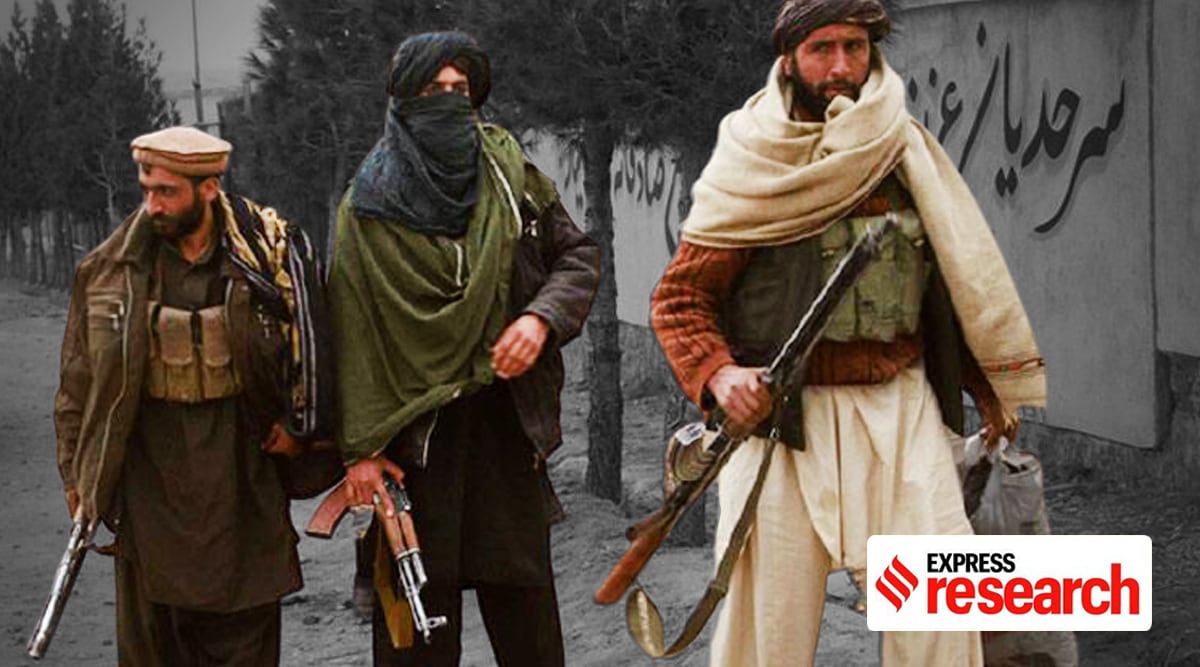
Who are the Taliban – Part 2: Will there be changes on the ground? |  Research News,The Indian Express
Courtesy-Indian Express

Mullah Mohammad Omar, a Pashtun tribe member who became a mujahedeen commander and helped push the Soviets out of Afghanistan in 1989, created the Taliban in southern Afghanistan. Mullah Omar founded the organization in Kandahar in 1994 with around 50 members to combat the insecurity, corruption, and criminality that gripped Afghanistan during the post-Soviet civil war. In 1996, the Taliban rapidly conquered Kandahar and the capital, Kabul after which they imposed severe Islamic restrictions including Sharia Law, banning television and music, prohibiting girls from attending school, and requiring women to wear burqas from head to toe.

US Invasion in Afghanistan 

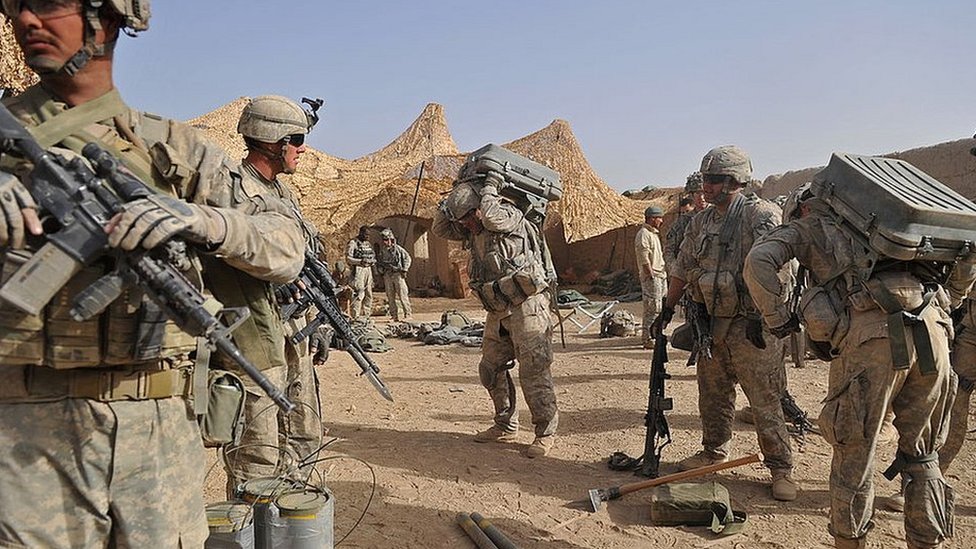
Afghanistan war: What has the conflict cost the US? - BBC News
Courtesy-BBC

On 11 September 2001, a terrorist attack happened in the US which took the lives of around 3000 civilians. Osama Bin Laden, the leader of the Islamic militant group Al-Qaeda took responsibility for the attack. Bin Laden ran to Afghanistan to seek shelter where the Taliban gave him protection and refused to hand over Laden to the US. After which the US intervened militarily in Afghanistan and removed the Taliban from power. By December 17, 2001, the US and its allies had removed the Taliban from power and established military bases near major towns around the country. During the Battle of Tora Bora, the majority of al-Qaeda and Taliban members escaped, either to Pakistan or fleeing to rural or remote mountainous areas.

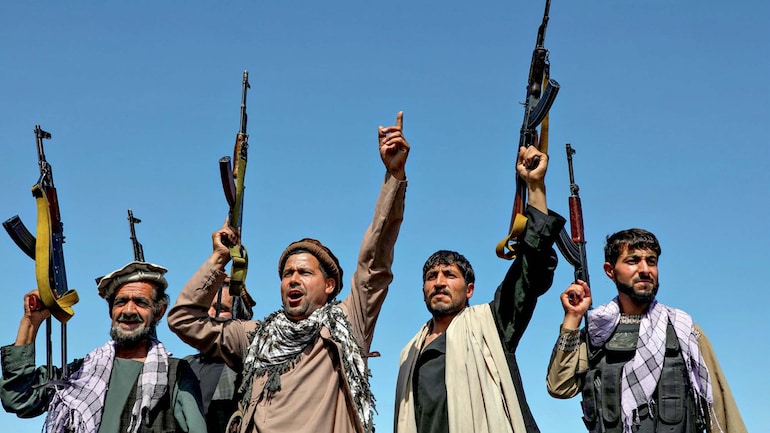
The return of the Taliban | Guest column - UP Front News - Issue Date: Jul  26, 2021
Photo By Reuters

As per the latest report, the Taliban has taken control of over 90% area of Afghanistan. More than 1,000 civilians lost their lives in the past month. 

Poverty in India

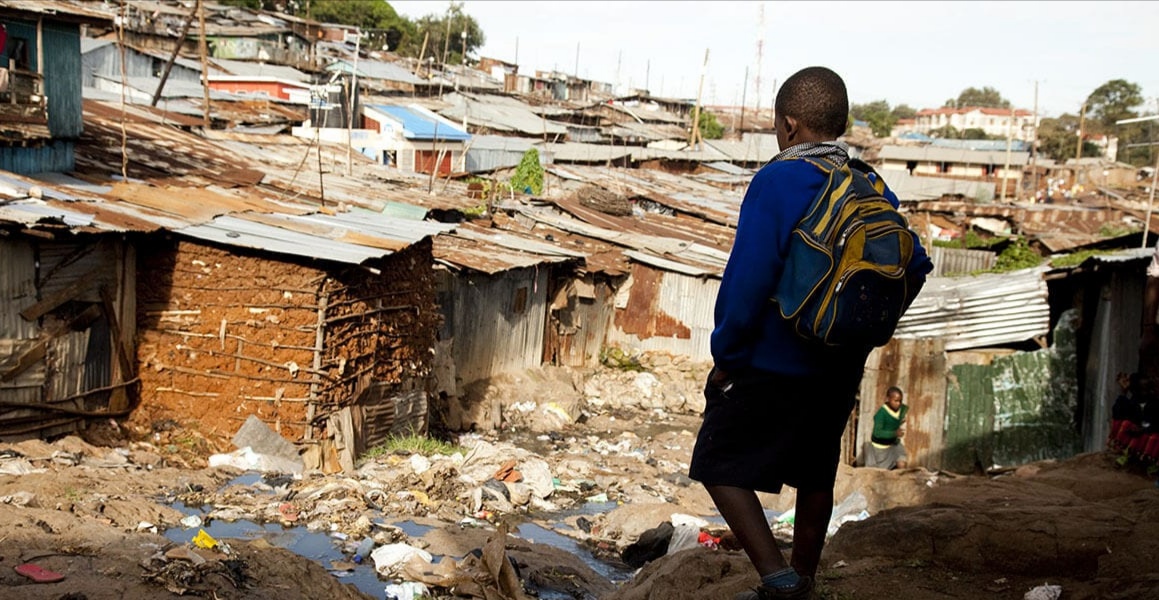
Poverty one of the major problem in India. India is the second most populous country after China with 1.2 billion people and it is the seventh largest country in the world in terms of area.

Around ⅔rd of people in India live in poverty in which 68.9 % of Indian population lives on less than 2 dollar a day and over 30% even have less than 1.25 dollar per day. And thus they are considered extremely poor.

India subcontinent is one of the poorest country in the world.

The most poor section of our country is children and Womens. They are considered as the weakest member of Indian society and that’s why they suffer the most.

In India womens are not considered as the strongest member of the society because of a patriarchy.

Education and job for womens are not considered important in our society.

By preventing education for Childrens and womens leads to the poverty and poverty is also preventing children from getting an education

Poverty in India impacts children and families in a variety of different ways:-

  • High infant mortality
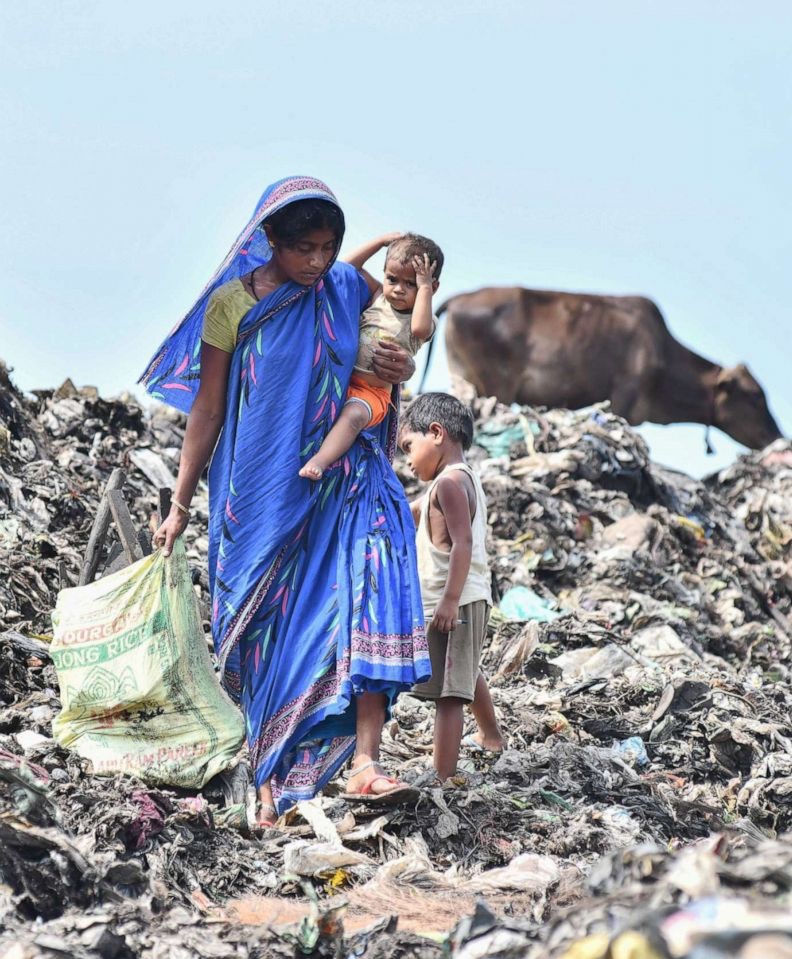
  • Child labour
  • Malnutrition
  • Lack of education
  • Child marriage

High infant mortality rate

  • India is one of the country with highest child mortality rate.
  • Around 1.4 million children die each year in India their fifth birthday.
  • Major causes of death are due to pneumonia, malaria, diarrhoeal diseases as well as chronic Malnutrition.

Child labour

  • Child labour for children under the age of 14 in India is prohibited by law.
  • According to official figures 12.5 nilganj children between the age of 5 to 14 are working.
  • It is believed that Indian children’s contribute to the living wood of their poor family.
  • Children’s work in the field in factories, in quarries, private households .

Malnutrition

  • India is one of the world’s top countries when it comes to Malnutrition.
  • 7.8 infants were found to have birth weight less than 2.5Kg
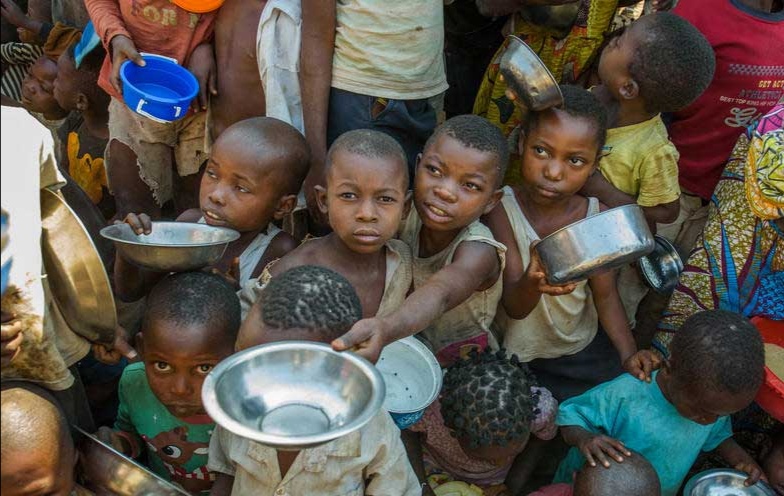
  • More than 200 million people don’t have sufficient access food.

Lack of Education

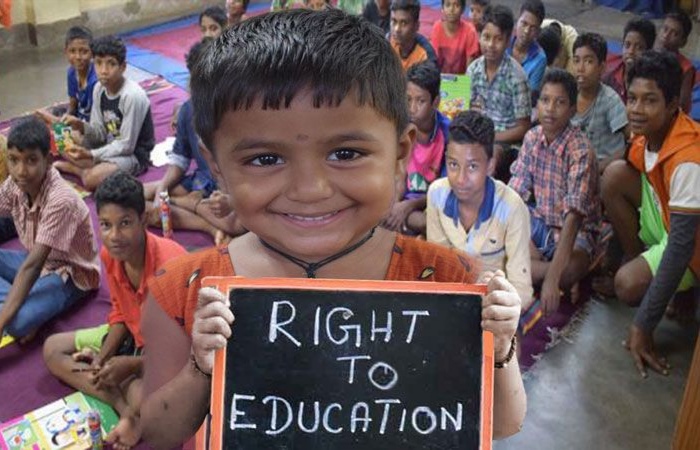
  • Most of childrens have no access to education in India.
  • Girls are excluded from the school in higher numbers with respect to boys.
  • We should have to treat them equally but it is believed to be inferior on lower caste.
  • Without education, chances of finding living from employment in India is impossible.
  • If educated peoples start teaching childrens at free of cost then it also be very useful in making a better world.
  • Like If 30 college students are studying in 1 course and they start teaching poor childrens only 1 day per month then the childrens study 1 month at free of costs.
  • We also have to put some efforts in making better world not for others, but for ourselves as well.

Child marriage

  • As we know Child marriage is crime according to Child marriage Restraint Act, 1929.
  • But it is still widespread in many regions of India.
  • Poverty is also the main reason behind this.

Overpopulation

  • Overpopulation leads to high competition in every aspects of life.
  • We see lack of job opportunities, education.
  • Food production is not as much to fulfill the need of this higher population.
  • Due to overpopulation, and not doing work after having such high population in India is main reason behind poverty.
  • If we utilise this overpopulation as the opportunity to increase country’s financial condition then it actually going to worth it.

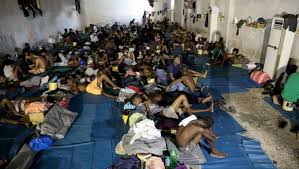
‘It Was As if We Weren’t Humans’- Inside the Modern Slave Trade

Libya is a country in the Maghreb region in north Africa, bordered by the Mediterranean Sea. It is the fourth largest country in Africa and sixteenth largest in the world. Libya became an independent Kingdom in 1951 and was ruled by king Idris I who was overthrown by a military coup in 1969 and the ‘bloodless’ coup leader Muammar Gaddafi ruled the country from 1969 until the 2011 Libyan civil war in which he was killed.

A brief history of slavery

Slavery can be traced back to many of the world’s oldest societies, from the “emergence of civilization” in Mesopotamia to ancient Egypt, Greece and Rome, as well as the Mayan and Aztec empires.
Male prisoners of war and seized sailors became laborers; prerogative women became concubines and domestic servants; children were used as farm hands or to help around the house.The Arab slave trade flourished on the African continent.

The corridor from Africa’s most populous country to its northern Mediterranean shores has proved especially remunerative. As conflict, climate change and lack of opportunity push increasing numbers of people across borders.

A video of men in Libya being sold off for as little as $400 at an auction shocked the world and brought the much needed attention  at the plight of migrants and refugees in the north African country.

The slave trade of Libya

Libya is the main conveyance point for refugees and migrants trying to reach Europe through sea. According to International organization for migration, almost 150,000 people have made this dangerous journey across the sea of which 3000 people could not make it through . The Libyan Coast Guard, supported with funds from the UN and Italy cracked down on  boats smuggling refugees and migrants to Europe. With estimated 1 million people stuck in Libya, the detention centres are flooded and have ascending reports of rape, robbery and murder. The conditions in concentration camps are horrendous and make refugees vulnerable to being sold off as laborers in slave auctions.

How is Libya handling the crisis?

 The U.N.backed Libyan government has launched a formal investigation into the allegations. But Libya is largely considered a failed state. Since Muammar Gaddafi, who ran the country for four decades, was ousted in 2011, the country has descended into civil war. A transitional government failed to implement rule of law in the country, which has shattered into several factions of militias, tribes, and gangs. In lawless Libya, many see the slave trade and smuggling as a lucrative industry and tackling the country’s humanitarian crisis will require international support.

Slavery may seem like a relic of history but according to the U.N.’s International Labor Organization, there are more than three times as many people in forced serfdom today. What the ILO calls “the new slavery” takes in 25 million people in debt bondage and 15 million in forced marriage. As an illegitimate industry, it is one of the world’s most remunerative, earning criminal networks $150 billion a year, just behind drug smuggling and weapons trafficking. Modern slavery is far and way more profitable now than at any point in human history.

The trade might be most noticeable in Libya, where aid organizations and journalists have documented actual slave auctions. But now it is seeping into southern Europe too—in particular Italy, where vulnerable migrants are being forced to toil unpaid in the fields picking tomatoes, olives and citrus fruits and peddled into prostitution rings.

How many slaves are there today, and who are they?

The word “slavery” summons images of shackles and transatlantic ships – depictions that seem relegated firmly to the past but more people are enslaved today than at any other time in history. Experts have calculated that roughly 13 million people were captured and sold as slaves between the 15th and 19th centuries; today, an estimated 40.3 million people are living in some form of modern slavery, according to the latest figures published by the UN’s International Labor Organization (ILO).Women and girls comprise 71% of all modern slavery victims. Children make up 25% and account for 10 million of all the slaves worldwide.

Where is this happening?

Statistically, modern slavery is most ubiquitous in Africa, followed by Asia and the Pacific, according to the Global Slavery Index, which publishes country-by-country rankings on modern slavery figures and government responses to tackle the issues.

What’s the difference between slavery and human trafficking?

Human trafficking is just one way of subjugating someone. Whereas centuries ago it was common for a slave trader to simply buy another human being and “own” that person as their property (which does still happen), today the practice is largely more insidious.

Trafficking involves the recruitment, transfer or obtaining of an individual through coercion, abduction, fraud or force to exploit them. That exploitation can range from forced labor to forced marriage or commercial sex work – and the exploiter can be anyone, including strangers, neighbors or family members. Most people are trafficked within their own countries, although they can also be trafficked abroad; most often the individual is trafficked into forced labor.

Strategy for resistance

What’s needed is to address the root causes. Poverty alone does not explain slavery. Roughly 700 million people meet the threshold of extreme poverty, the number of slaves is estimated to be 40 million. What distinguishes these 40 million from the other 700 million very poor? Slavery usually occurs when poverty is compounded by specific risk factors.These include an inability to assert basic human rights, lack of access to essential social and economic services (especially schools, health care and credit),the failure of the rule of law and, an absence of services for slavery survivors that leads to re-enslavement.

Libya is considered a failed state. After Gaddafi, the country has been in shambles due to the civil war and hence in lawless Libya,but what is really disheartening is that there are broken people with stories of barbarity and abuse, hoping to find a way out of it, waiting for help but unaware of the reality that there are too little people who care,too little ears to hear their stories and too little hands guided their way for help.

Yemen is suffering the biggest humanitarian crisis and the world is silent

Yemen’s civil war is about to be eclipsed in a tragic manner. The fighting pits Iranian-backed Houthi rebels who took over the capital Sana’a and the north in 2015 against the Saudi- and UAE-backed, U.N.-recognized government of President Hadi. Another conflict pits the Hadi government against the Southern Transitional Council. Both are ongoing. Despite calls for ceasefires, the country remains sharply divided and now faces a potentially deadlier foe than the war—the COVID 19 pandemic.  

The U.N.’s head of humanitarian operations in Yemen, Lisa Grande, says that Yemen faces a worst-case scenario. The death toll from the pandemic could “exceed the combined toll of war, disease, and hunger over the last five years (in Yemen).” That could be over 230,000 deaths according to a U.N.-commissioned report from the University of Denver.

Right now Yemen is facing the biggest humanitarian crisis in last 100 years with over 24 million people in need of aid. They are currently fighting off an

CHOLERA OUTBREAK – cholera epidemic in Yemen is going on since 2016, and gets worse everyday due to lack of public health sectors and aid ,as well as saudi lef air strikes on water systems and food infrastructure.

FAMINE – The famine in yemen is said to become the worst one in 100 years and continues to get worse every day due to the poor funding and saudi intervention.

CORONAVIRUS (pandemic) -there aren’t many testing kits and hospitals aren’t equipped with treating it. Basic necessities like masks and gloves are also not available . Thus making the situation even worse. Its said that covid-19 can remove Yemen from the maps all over the world. As its impact is devastating on a country which has been wracked by civil war at same same time . Saudi Arabia with support of US,UK ,France has been bombing Yemen in order to get rid oh the “Houthi rebels, targeting public infrastructure,water systems , schools etc.

According to reports every 10 minutes a child dies in Yemen because the healthcare system has essentially been collapsed .

The U.N. termed Yemen the world’s worst humanitarian crisis before the pandemic. Some 80 percent of the population—24.1 million people—required humanitarian assistance, with half on the brink of starvation.They are among the most vulnerable to the pandemic. In the meantime, the U.N.’s lack of funds means half-rations for 8.5 million hungry Yemenis. Around 2 million children under 5 years old are suffering from acute malnutrition.

Today, more than 20 million Yemenis need humanitarian assistance, a number greater than the entire population of the state of New York.

The numbers are staggering: 20 million Yemenis are food insecure, 19 million do not have access to clean water and sanitation, and the worst cholera outbreak in modern history has claimed more than 2,500 lives. According to the United Nations, 10 million people in Yemen are one step away from famine.1

HOW TO HELP ?

The New Normal

­In these times of COVID-19, the big challenge for most of us is how to protect ourselves and our families from the virus and how to hold on to our jobs. For policymakers that translates into beating the pandemic without doing irreversible damage to the economy in the process.

With over 4 million cases and some 250,000 victims of the virus to date globally, and the expected loss of the equivalent of 305 million jobs worldwide by mid-year, the stakes have never been higher. Governments continue to “follow the science” in the search for the best solutions while foregoing the obvious benefits of much greater international cooperation in building the needed global response to the global challenge.

This is moreover a global crisis, and vision has not yet focused on the new realities in other leading powers and major economies. If we try to take an unflinching measure of the impact globally, we can see both good news and bad news—although the two are by no means equally balanced.

But with the fight against COVID-19 still to be won, it has become commonplace that what awaits us after victory is a “new normal” in the way society is organized and the way we will work.

The bad news, on the other hand, lies in the nature of the virus itself and in its implications for human life and socioeconomic arrangements. Covid-19 is an extremely contagious virus with high lethality for those exposed to it, and it can be transmitted by asymptomatic “super spreaders.” Further, since this disease is zoonotic (contracted from another species) and novel (our species has no preexisting immunity), the pandemic will roam the world in search of human quarry until an effective vaccine is invented and mass-produced—or until so many people are infected that herd immunity is conferred.

The potential downside of this crisis looks dire enough for affluent societies: even with excellent economic management, they may be in for gruesome recessions, both painful and prolonged. But the situation for the populations of low-income countries—and for least-developed, fragile states—could prove positively catastrophic. Not only are governments in these locales much less capable of responding to pandemics, but malnourished and health-compromised people are much more likely to succumb to them. Even apart from the humanitarian disasters that may result directly from raging outbreaks in poor countries, terrible indirect consequences may also lie in wait for these vulnerable societies. The collapse of economic activity, including demand for commodities, such as minerals and energy, will mean that export earnings and international remittances to poor countries are set to crash in the months ahead and remain low for an indefinite period. Entirely apart from contagion and lockdowns, this can only mean an unavoidable explosion of desperate need—and under governments least equipped to deal with this. While we can hope for the best, the worst could be much, much worse than most observers currently imagine.

This is hardly reassuring.

We are still very much in the “fog of war” phase of the calamity. The novel coronavirus and its worldwide carnage have come as a strategic surprise to thought leaders and political decision-makers alike. Indeed, it appears to be the intellectual equivalent of an unexpected asteroid strike for almost all who must cope in these unfamiliar new surroundings. Few had seriously considered the contingency that the world economy might be shaken to its foundations by a communicable disease. And even now that this has happened, many remain trapped in the mental coordinates of a world that no longer exists.

Because nobody seems able to say what the new normal will be. Because the message is that it will be dictated by the constraints imposed by the pandemic rather than our choices and preferences. And because we’ve heard it before. The mantra which provided the mood music of the crash of 2008-2009 was that once the vaccine to the virus of financial excess had been developed and applied, the global economy would be safer, fairer, and more sustainable. But that didn’t happen. The old normal was restored with a vengeance and those on the lower echelons of labor markets found themselves even further behind.

So May 1, the International Day of Labor is the right occasion to look more closely at this new normal, and start on the task of making it a better normal, not so much for those who already have much, but for those who so obviously have too little.

This pandemic has laid bare in the cruelest way, the extraordinary precariousness and injustices of our world of work. It is the decimation of livelihoods in the informal economy – where six out of 10 workers make a living – which has ignited the warnings from our colleagues in the World Food Program, of the coming pandemic of hunger.

It is the gaping holes in the social protection systems of even the richest countries, which have left millions in situations of deprivation. It is the failure to guarantee workplace safety that condemns nearly 3 million to die each year because of the work they do.

And it is the unchecked dynamic of growing inequality which means that if, in medical terms, the virus does not discriminate between its victims in its social and economic impact, it discriminates brutally against the poorest and the powerless.

The only thing that should surprise us in all this is that we are surprised. Before the pandemic, the manifest deficits in decent work were mostly played out in individual episodes of quiet desperation. It has taken the calamity of COVID-19 to aggregate them into the collective social cataclysm the world faces today. But we always knew: we simply chose not to care. By and large, policy choices by commission or omission accentuated rather than alleviated the problem.

Fifty-two years ago, Martin Luther King, in a speech to striking sanitation workers on the eve of his assassination reminded the world that there is dignity in all labor. Today, the virus has similarly highlighted the always essential and sometimes heroic role of the working heroes of this pandemic. People who are usually invisible, unconsidered, undervalued, even ignored. Health and care workers, cleaners, supermarket cashiers, transport staff – too often numbered among the ranks of the working poor and the insecure.

Today the denial of dignity to these, and to millions of others, stand as a symbol of past policy failures and our future responsibilities.

On May Day next year we trust that the pressing emergency of COVID-19 will be behind us. But we will have before us the task of building a future of work which tackles the injustices that the pandemic has highlighted, together with the permanent and no longer postponable challenges of climate, digital and demographic transition.

This is what defines the better normal that has to be the lasting legacy of the global health emergency of 2020.