Understanding the Benefits of Chainlink for Decentralized Finance

 Blockchain technology has revolutionized the world of finance by creating a decentralized system that removes the need for intermediaries, reduces costs, and increases efficiency. One of the most exciting innovations in the blockchain space is decentralized finance (DeFi), which has seen explosive growth in recent years. In DeFi, smart contracts automate financial transactions, allowing for more transparent, secure, and accessible financial services. However, one major challenge for DeFi is the lack of reliable and secure data feeds, which are essential for executing smart contracts. This is where Chainlink comes in – a decentralized oracle network that provides a secure and reliable bridge between smart contracts and external data sources. In this article, we will explore the benefits of Chainlink for DeFi. If are you interested in bitcoins trading then Join Immediate Edge Trading Platform.

Photo by Anna Tarazevich on Pexels.com

What is Chainlink?

Chainlink is a decentralized oracle network that connects smart contracts with external data sources, such as price feeds, weather reports, sports scores, and more. In other words, it acts as a bridge between on-chain and off-chain data, allowing smart contracts to access and use information from the real world. Chainlink was founded in 2017 by Sergey Nazarov and Steve Ellis, and it has since become one of the most popular oracle networks in the blockchain space.

How does Chainlink work?

Chainlink works by connecting smart contracts with decentralized oracles, which are nodes that retrieve and verify data from off-chain sources. These oracles are incentivized to provide accurate and timely data through a system of staking and reputation. When a smart contract needs to access external data, it sends a request to the Chainlink network, which then selects a set of oracles based on their reputation and availability. The oracles retrieve the data from the external sources, verify its accuracy, and then send it back to the smart contract. This process ensures that the data used by smart contracts is reliable and tamper-proof.

Benefits of Chainlink for DeFi

Reliable Data Sources

One of the biggest challenges for DeFi is the lack of reliable and secure data feeds. Smart contracts rely on accurate and up-to-date information to execute financial transactions, such as trading, lending, and insurance. Chainlink solves this problem by providing a network of decentralized oracles that retrieve and verify data from multiple sources, ensuring that the data used by smart contracts is accurate and tamper-proof.

Decentralized Oracle Network

Chainlink’s decentralized oracle network is one of its key strengths. Unlike centralized oracles, which are controlled by a single entity and can be subject to manipulation or censorship, Chainlink’s oracles are distributed across multiple nodes, making it highly resistant to attacks and failures. This also ensures that there is no single point of failure, which makes the network more reliable and secure.

High Level of Security

Security is paramount in DeFi, as the value of assets at stake is often significant. Chainlink’s oracle network uses a combination of cryptographic techniques and economic incentives to ensure that data used by smart contracts is secure. The system uses a reputation-based model, where oracles with a good track record are rewarded, while those that provide inaccurate data are penalized. Additionally, the system uses advanced cryptography to ensure that the data is not tampered with or manipulated during transmission.

Flexibility and Customization

Chainlink is highly customizable, allowing developers to create their own oracle networks and customize them to their specific needs. This flexibility means that developers can design their own data sources and customize the parameters of their smart contracts to fit their requirements. This allows for more complex and sophisticated smart contracts, which can perform a wide range of functions.

Cross-Chain Interoperability

One of the most exciting features of Chainlink is its ability to work across different blockchain networks. This means that developers can create smart contracts that interact with multiple blockchains, which increases the flexibility and scope of DeFi applications. Additionally, Chainlink can integrate with traditional financial systems, providing a bridge between the old and new financial worlds.

Use Cases for Chainlink in DeFi

Chainlink has a wide range of use cases in DeFi, including:

Decentralized Exchanges (DEXs)

Decentralized exchanges (DEXs) rely on accurate and up-to-date price feeds to execute trades. Chainlink provides a reliable and secure source of price data, which ensures that trades are executed at the correct price.

Insurance

Insurance is an important application of DeFi, but it requires accurate and reliable data to assess risk and calculate premiums. Chainlink provides a secure and tamper-proof source of data, which can be used to create innovative insurance products.

Lending and Borrowing

Lending and borrowing are key functions of DeFi, but they require accurate and up-to-date information to assess creditworthiness and calculate interest rates. Chainlink provides a reliable source of data, which can be used to create sophisticated lending and borrowing platforms.

Prediction Markets

Prediction markets rely on accurate and timely data to make predictions about future events. Chainlink provides a secure and reliable source of data, which can be used to create prediction markets for a wide range of events.

Gaming

Gaming is an emerging application of DeFi, but it requires secure and tamper-proof data to ensure fairness and prevent cheating. Chainlink provides a reliable and secure source of data, which can be used to create innovative gaming platforms.

Challenges and Criticisms of Chainlink

While Chainlink has many benefits, it is not without its challenges and criticisms. Some of the key challenges include:

  • Centralization: While Chainlink is decentralized in theory, the reality is that a few large nodes control a significant portion of the network. This could potentially lead to centralization and reduce the security and reliability of the network.
  • Complexity: Chainlink is a complex system that requires significant technical expertise to understand and use. This could limit its adoption and make it less accessible to developers with limited experience.
  • Cost: Chainlink’s decentralized oracle network can be expensive to use, particularly for small-scale applications. This could limit its adoption and make it less accessible to developers with limited resources.

Conclusion

Chainlink is an important innovation in the DeFi space, providing a secure and reliable source of data for smart contracts. Its decentralized oracle network and reputation-based model ensure that the data used by smart contracts is accurate and tamper-proof, while its flexibility and customization allow for sophisticated and complex applications. While there are challenges and criticisms, Chainlink has the potential to transform the DeFi landscape and create new opportunities for financial innovation.

FAQs

What is Chainlink?

Chainlink is a decentralized oracle network that connects smart contracts with external data sources, allowing for more reliable and secure financial transactions in DeFi.

How does Chainlink ensure the security of its data feeds?

Chainlink uses a reputation-based model and advanced cryptography to ensure that the data used by smart contracts is secure and tamper-proof.

What are some of the use cases for Chainlink in DeFi?

Chainlink has many use cases in DeFi, including decentralized exchanges, insurance, lending and borrowing, prediction markets, and gaming.

What are some of the challenges facing Chainlink?

Chainlink faces challenges with centralization, complexity, and cost, which could limit its adoption and accessibility.

How does Chainlink compare to other oracle networks in the blockchain space?

Chainlink is one of the most popular and widely used oracle networks in the blockchain space, but there are other competing oracle networks, such as Band Protocol and API3.
Chainlink Integrations: The Growing Ecosystem of Partnerships and Use Cases

 Chainlink is a decentralized oracle network that connects smart contracts to real-world data and events. Oracles act as bridges between the blockchain and off-chain data sources, allowing smart contracts to execute based on real-world information. Chainlink uses a network of nodes to aggregate and validate data from various sources, providing secure and reliable data feeds for smart contracts. If you are interested in bitcoin trading, then you can start your Bit Traderjourney and open an account here.

The Role of Oracles in Smart Contracts

Smart contracts are self-executing contracts that automatically execute when certain conditions are met. They are typically used to automate transactions and enforce the terms of an agreement without the need for intermediaries. However, smart contracts are limited by the information they can access on the blockchain. They cannot access data from external sources, such as real-world events or market prices. This is where oracles come in.

Oracles provide smart contracts with access to external data, allowing them to execute based on real-world information. They act as trusted intermediaries between the blockchain and off-chain data sources, ensuring that the data is accurate and reliable.

The Growing Ecosystem of Chainlink Integrations

Chainlink has been rapidly expanding its ecosystem of partnerships and use cases, spanning across blockchain platforms, DeFi applications, traditional enterprises, and the gaming industry.

Blockchain Platforms

Chainlink has partnered with several blockchain platforms, including Ethereum, Polkadot, and Binance Smart Chain. These partnerships have enabled developers to integrate Chainlink oracles into their decentralized applications (dApps), providing secure and reliable data feeds.

DeFi Applications

Decentralized finance (DeFi) has been one of the most popular use cases for Chainlink. Chainlink oracles provide real-time price feeds for DeFi protocols, enabling developers to create more sophisticated financial products. Chainlink has partnered with several DeFi platforms, including Aave, Synthetix, and Compound.

Traditional Enterprises

Chainlink has also been making inroads into traditional enterprises, such as banks and insurance companies. Chainlink oracles provide secure and reliable data feeds for these companies, enabling them to automate their processes and reduce costs. Chainlink has partnered with several traditional enterprises, including SWIFT, Google Cloud, and Hedera Hashgraph.

Gaming Industry

The gaming industry has also been a growing area of focus for Chainlink. Chainlink oracles provide real-time data feeds for gaming applications, enabling developers to create more immersive and engaging experiences. Chainlink has partnered with several gaming companies, including Ubisoft and Nifty Gateway.

Chainlink Partnerships

Chainlink has formed partnerships with a wide range of companies and organizations, ranging from blockchain startups to traditional enterprises.

Use Cases of Chainlink Integrations

Chainlink has been integrated into various use cases, such as:

Decentralized Finance

Chainlink has been instrumental in the growth of DeFi by providing reliable and secure data feeds for price oracles, enabling developers to create new financial products. Some of the notable DeFi protocols that have integrated Chainlink include Aave, Synthetix, and Compound.

Insurance

Chainlink oracles have also been used in the insurance industry to provide real-time data for underwriting, policy management, and claims processing. This has enabled insurers to automate processes, reduce costs, and offer more personalized insurance products. Some of the companies that have integrated Chainlink for insurance include Etherisc and Arbol.

Supply Chain Management

Chainlink has been used in supply chain management to provide transparency and traceability of goods and services, as well as real-time tracking of shipments and deliveries. This has enabled companies to reduce costs, improve efficiency, and increase customer satisfaction. Some of the companies that have integrated Chainlink for supply chain management include IBM and Intel.

Gaming

Chainlink has been used in gaming to provide real-time data feeds for in-game items, such as collectibles, weapons, and skins, as well as to verify the outcome of games and events. This has enabled developers to create more immersive and engaging gaming experiences. Some of the gaming companies that have integrated Chainlink include Ubisoft and Nifty Gateway.

Real Estate

Chainlink has been used in the real estate industry to provide real-time data feeds for property valuations, rental prices, and market trends. This has enabled companies to make more informed decisions about buying, selling, and renting properties. Some of the companies that have integrated Chainlink for real estate include Propy and Realio.

Future of Chainlink Integrations

Chainlink is poised for further growth as more companies and organizations seek to integrate its oracle network into their blockchain applications. As blockchain technology becomes more mainstream, the demand for reliable and secure data feeds will continue to increase, and Chainlink is well-positioned to meet that demand.

Challenges and Limitations

While Chainlink has been successful in expanding its ecosystem of partnerships and use cases, there are still challenges and limitations that need to be addressed. One of the biggest challenges is the complexity of integrating Chainlink into existing systems, which can be time-consuming and costly. Additionally, there is the risk of oracle attacks, where malicious actors try to manipulate the data that is being fed into smart contracts.

Conclusion

Chainlink has been at the forefront of the blockchain revolution, providing reliable and secure data feeds for smart contracts. Its growing ecosystem of partnerships and use cases is a testament to its success in bridging the gap between the blockchain and the real world. As more companies and organizations seek to integrate Chainlink into their applications, we can expect to see even more innovative use cases in the future.

FAQs

What is Chainlink?

Chainlink is a decentralized oracle network that connects smart contracts to real-world data and events.

What are oracles in blockchain?

Oracles are trusted intermediaries that provide smart contracts with access to external data, enabling them to execute based on real-world information.

What are some use cases of Chainlink?

Chainlink has been integrated into various use cases, including decentralized finance, insurance, supply chain management, gaming, and real estate.

What are some challenges of integrating Chainlink?

The complexity of integration and the risk of oracle attacks are some of the challenges of integrating Chainlink.

What is the future of Chainlink?

As blockchain technology becomes more mainstream, the demand for reliable and secure data feeds will continue to increase, and Chainlink is well-positioned to meet that demand. We can expect to see even more innovative use cases and partnerships in the future.

How does Chainlink ensure the security of its oracle network?

Chainlink uses a decentralized network of nodes to aggregate and validate data from various sources, ensuring that the data is accurate and reliable. It also has a robust security framework in place to prevent oracle attacks.

What are some of the benefits of using Chainlink?

Using Chainlink provides developers with access to real-world data and events, enabling them to create more sophisticated and innovative blockchain applications. It also ensures the accuracy and reliability of the data being fed into smart contracts.

Can Chainlink be used outside of blockchain?

Yes, Chainlink can be used in any context where real-world data needs to be integrated into a digital system.

How can I get started with using Chainlink?

Developers can get started with using Chainlink by visiting the Chainlink website and exploring its documentation and tutorials. They can also join the Chainlink community to connect with other developers and stay up-to-date on the latest developments.

Currency: Bitcoin & Other Cryptocurrencies Contrary to Popular Belief

 By exploring the most common myths, the article intends to dispel any confusion that may arise regarding the functionality and potential of cryptocurrencies. It will highlight the benefits of blockchain technology, which underpins these assets, and address any misinformation that may lead to misguided or incorrect conclusions about their use. Click at The official website for extra details.

Ultimately, by clarifying and debunking these myths, the article seeks to encourage the wider adoption and integration of cryptocurrencies into society. With increased understanding and knowledge of these digital assets, individuals and businesses alike can leverage the benefits they offer to improve their financial well-being and security. Get the best of the trading by visiting this like this trading platform.

Photo by Worldspectrum on Pexels.com

Bitcoin is a Ponzi scheme, or so the myth goes.

Bitcoin’s supposed status as a Ponzi scheme is one of the most pervasive urban legends. This falsehood has been demolished again & again by economists & economists. Investment returns in a Ponzi scheme are paid to earlier investors with money contributed by new participants. It’s essential to understand that Bitcoin operates independently of any central authority and uses a secure and transparent blockchain to track and verify transactions. While the value of Bitcoin may fluctuate, it remains a legitimate digital currency with a growing user base and numerous practical applications. 

Illegal transactions are the primary usage of cryptocurrency

One further misconception regarding cryptocurrency is that it is utilized mostly in the black market. However, cryptocurrencies are also used for legitimate transactions, such as voting in elections & tipping servers, despite their history of usage in illegal operations like money laundering & drug purchases on the dark web Bitcoin is accepted by a growing number of reputable companies, & the underlying cryptocurrency technology has the potential to disrupt traditional sectors like banking & healthcare. It’s true that some people utilize cryptocurrencies for criminal purposes, but that’s not the case for everyone.

A common misconception is that Bitcoin’s volatility makes it unsuitable for use as money

The idea that Bitcoin is too unstable to be used as money is another common misconception about it. Although the price of Bitcoin has fluctuated widely in the past, it’s worth has increased significantly overall. Currency volatility is also not always a negative thing. The value of conventional currencies also shifts somewhat in weight from time to time. Especially in nations with high inflation rates & unstable fiat currencies, Bitcoin might be utilized as a currency. Nevertheless, Bitcoin’s underlying technology is still in its infancy, & additional advancement is required to make it a more practical & generally recognized money.

The crypto markets are risky for investors because they are unregulated, goes the common myth

Bitcoin & other cryptocurrencies have a bad reputation for being risky investments because of their lack of oversight. But there is some truth to this that is missing. Many governments have created legal frameworks for digital assets, although cryptocurrencies are not yet subject to complete regulation in all countries. These regulations are part of a larger system designed to combat financial crimes & protect investors from fraud. Moreover, bitcoin investments may provide benefits to investors including enhanced diversification & the potential for large gains.

Cryptocurrencies are not safe & may be easily hacked; this is a myth.

One of the most often circulated misconceptions about cryptocurrency is that it is insecure & can be stolen with little effort. Although there have been hacks into bitcoin exchanges in the past, the underlying technology remains secure. Users must use prudence while dealing with digital assets. Use only reputable exchanges, use two-factor authentication, & use secure wallets to do this.

A common misconception is that the value of cryptocurrency will crash

The fact that the value of cryptocurrencies may fluctuate widely & that there have been big price corrections in the past does not suggest that they are a bubble that will collapse. Blockchain, the technology at the heart of cryptocurrencies, has the potential to disrupt several markets & alter the way we live in the future. The value of cryptocurrency tokens might increase if more individuals & businesses start accepting them as a form of currency & a store of wealth.

Cryptocurrencies are too complicated & difficult to use; this is a myth

Although there is a learning curve & some complexity associated with cryptocurrency, it is not hard to utilize. In other words, it’s user-friendly enough for the ordinary Joe. There are now a plethora of tools accessible to teach individuals how to utilize cryptocurrencies, thanks to the widespread use of cryptocurrency exchanges & wallets that have made these activities simple. Cryptocurrencies will become increasingly accessible to the general public as the technology behind them & the user experience around them continue to advance in tandem with their widespread adoption by companies & people alike.

Conclusively, there are numerous myths & misconceptions about cryptocurrencies, although many of them are based on insufficient information or misunderstandings. The risks connected with cryptocurrencies may be lessened if more people knew about its potential benefits & how they were already being used. Growth & innovation in this promising new area are expected to continue as more people get familiar with & start using cryptocurrencies.

A Guide To Crypto Jargon

 As the world becomes increasingly digital, more & more people are becoming interested in cryptocurrencies. This article will provide a comprehensive guide to understanding crypto terms & jargon, making it easier for beginners to navigate the cryptocurrency world. Know more about Crypto  Bit Index AI.

Photo by Worldspectrum on Pexels.com

What are Cryptocurrencies?

It is extremely silly to put every inch bit of your hard earned money in the bitcoins as the worst days of volatility can push you towards losses. Instead, they rely on complex cryptographic protocols to ensure security and prevent fraudulent transactions. For further info, you can have a clear peek into the following article for gaining further knowing. 

What is Blockchain?

Blockchain is the chain of records of each crypto transaction taking place in the trade market. In simple words, every time a miner sits over the system to extract the cryptocurrencies like bitcoins, once after getting the work done with the extraction process, the miner adds the transaction to the blockchain. 

What are bitcoin transactions?

Bitcoin transactions are made using public & private keys. Each user has a public key, like a public address or account number, & a private key, like a password. When someone sends Bitcoin to another person, the transaction is verified by the network & then added to the blockchain. 

Bitcoin is often seen as digital gold, as its limited supply makes it valuable & sought after. This scarcity & the decentralized nature of Bitcoin make it attractive to some as a store of value, similar to gold.

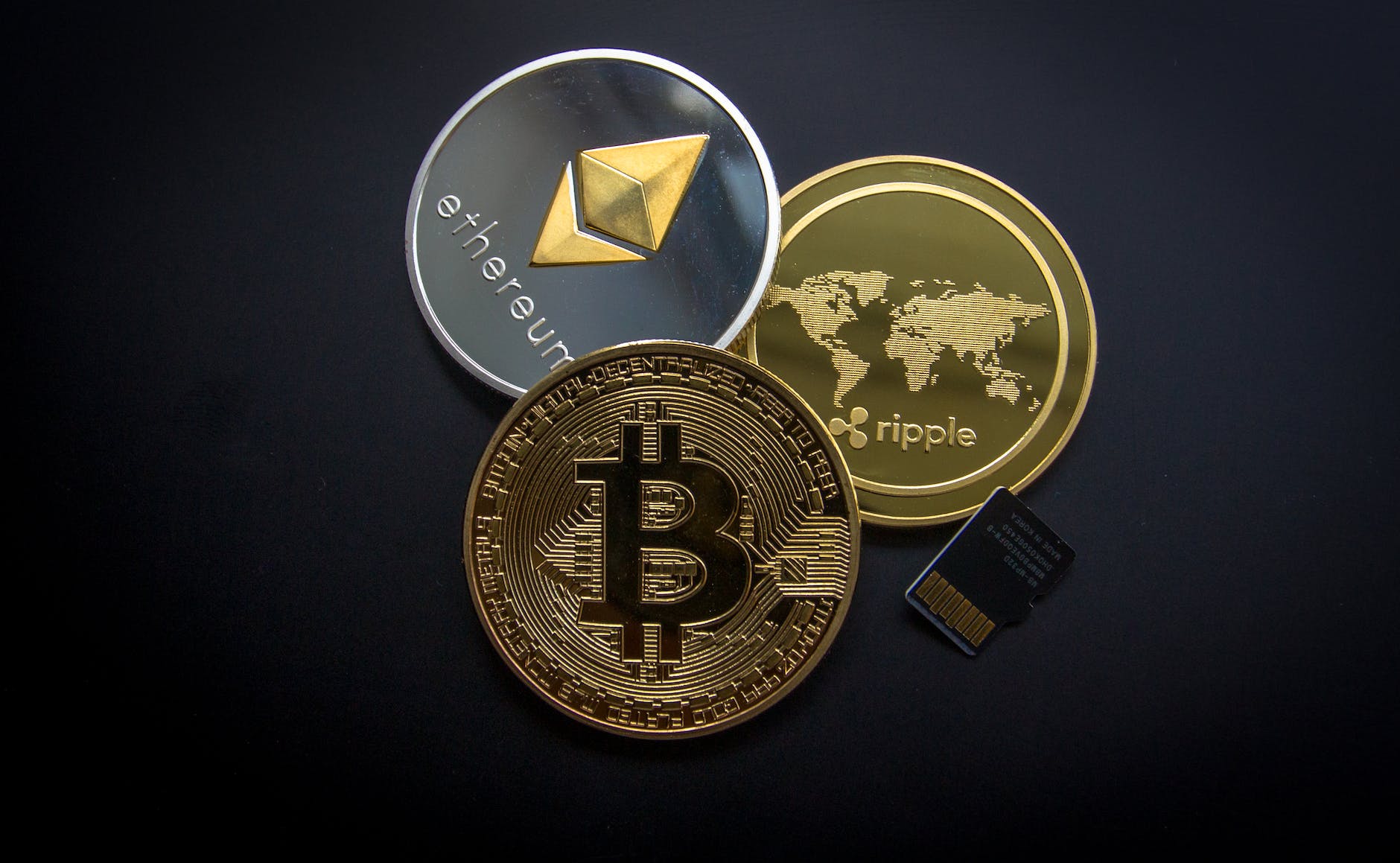
In recent years, other cryptocurrencies have been created, with some seeking to improve on Bitcoin’s limitations. These include Ethereum, which introduced the concept of smart contracts & decentralized applications (dApps), & Ripple, which is focused on improving cross-border payments. While each cryptocurrency operates similarly, each has its unique features & uses.

Crypto Terms & Jargon:

Wallet: A cryptocurrency wallet is a software program that stores the private & public keys used to send & receive digital currency. If luckily, you end up with a valid and secure wallet then the best thing about the entire game is that, you can not only protect your digital assets from random intruders sitting in the internet but also from all the hackers and centralized bodies who want to imply taxes. 

Mining: Mining is creating new cryptocurrencies by solving complex mathematical equations. 

Fork: A fork is a change to the original blockchain. There are two types of knives: soft spoons & hard forks. A soft fork is a change that is backwards compatible, while a hard fork is a change that is not back-compatible.

Hash rate: The hash rate is a measurement of the network’s processing power. It is the speed at which a miner can solve the mathematical equation required to add a block to the blockchain.

ICO: ICO stands for initial coin offering. It is a fundraising method used by new cryptocurrency projects to raise funds for development. 

Altcoin: As the name suggests, Altcoins are the most popular alternative cryptocurrencies available in the market which are not bitcoins.  

Satoshi: A Satoshi is the tinnest unit of Bitcoin. 

Cold Storage: Cold storage is a method of storing cryptocurrency offline to protect it from hackers. Examples of cold storage include hardware wallets, paper wallets, & USB drives.

Gas: Gas is a unit of measurement used to determine the fee required to complete a transaction on the Ethereum network.

HODL: HODL is a term used to describe holding onto cryptocurrency rather than selling it. The term originated from a typo of the word “hold” on a Bitcoin forum post.

Conclusion:

Originally developed as a decentralized alternative to conventional financial systems, Bitcoin was designed to enable direct peer-to-peer transactions without the need for intermediaries like banks or governments. As its popularity increased, however, more and more businesses and individuals began to recognize its potential as a legitimate form of payment.

Today, thousands of businesses across the world accept Bitcoin as a means of payment, including major players like Microsoft, Expedia, and Overstock.com. This widespread adoption has helped to cement Bitcoin’s status as a viable payment method, and has opened up new opportunities for merchants to tap into a growing market of consumers who prefer to use digital currencies for their transactions. 

Bitcoin As An Alternative Payment Mechanism

 In recent years, the popularity of Bitcoin has increased significantly, & many businesses are now considering accepting Bitcoin as a form of payment. But for those unfamiliar with Bitcoin, getting it can seem daunting. In this piece, we will see how a business can accept Bitcoin as payment & why it may be a wise decision. Know more at Register now.

Photo by Karolina Grabowska on Pexels.com

Why Accept Bitcoin as Payment?

It is crucial to recognize the advantages of accepting Bitcoin as payment before delving into the specifics of how to do so. Unlike traditional credit card transactions that can be disputed or reversed, Bitcoin transactions are cryptographically secure and cannot be altered, making them highly resistant to fraud and chargebacks.

Another advantage of Bitcoin payments is their speed and cost-effectiveness. This makes Bitcoin a highly attractive option for merchants looking to reduce the cost and time associated with processing transactions. This decentralization provides businesses with greater economic freedom & independence, as they can transact globally without being subject to the regulations & restrictions of traditional banking systems.

Finally, accepting Bitcoin as payment can attract a new customer base of tech-savvy individuals who value the privacy & security that Bitcoin provides.

How to Accept Bitcoin as Payment

There are several ways a business can start accepting Bitcoin as payment. Once you have a wallet, you can display your Bitcoin address on your website, & customers can send payments directly to that address.

However, displaying your Bitcoin address can be complicated for customers who are unfamiliar with Bitcoin. One solution is a Bitcoin payment processor, which can simplify the payment process for you & your customers.

Bitcoin payment processors are third-party services that process Bitcoin payments on behalf of businesses. These processors typically charge a small fee for their services, but they provide a range of benefits, including simplified payment processing, automatic conversion to fiat currency, & fraud protection.

These processors typically integrate with popular e-commerce platforms such as WooCommerce, Magento, & Shopify, making it easy to accept Bitcoin payments on your website.

In addition to payment processors, businesses can also use Bitcoin payment gateways, which are similar to payment processors but allow companies to accept Bitcoin payments in person. These gateways typically use QR codes to process payments, allowing customers to scan the code with their Bitcoin wallet & send payment directly to the business.

Finally, businesses can also use Bitcoin ATMs to accept Bitcoin payments. These ATMs allow customers to deposit cash & receive Bitcoin in return, providing businesses with a physical location where customers can purchase goods or services with Bitcoin.

Tips for Accepting Bitcoin as Payment

While accepting Bitcoin as payment can provide many benefits, there are some important things to keep in mind to ensure a smooth payment process. First, it’s essential to stay up to date on the current exchange rate of Bitcoin to ensure that you receive fair payment for your goods or services.

Second, it’s crucial to ensure that your payment processing system is secure & that you are taking the necessary precautions to protect your Bitcoin wallet from hacking attempts. This can include using multi-factor authentication & regularly backing up your wallet. Finally, it’s a good idea to educate your customers on how to use Bitcoin & provide them with resources to learn more about cryptocurrency. This can include tutorials on setting up a Bitcoin wallet & sending & receiving Bitcoin payments.

Conclusion

Accepting Bitcoin as payment can provide businesses with various benefits, including increased financial freedom, faster & cheaper payment processing, & access to a new customer base. To start accepting Bitcoin, companies can create a Bitcoin wallet, use a payment processor, payment gateway or Bitcoin ATM, & take steps to ensure a smooth payment process.

Furthermore, by accepting Bitcoin payments, businesses can tap into a rapidly growing market of tech-savvy and financially literate consumers who prefer to use digital currencies for their transactions. After going through every bit of the above article, it must be clear to you by now that bitcoins do come in handy in various payment processes all the time. Besides, it is your responsibility to figure out the best option of payment among all, in the first place. Thus, without wasting any further time, delve into the researches to stick to the most efficient option. 

Why Choosing the Right Bitcoin Exchange Matter

 Bitcoin Clever exchanges are web-based platforms that facilitate the buying, selling, and trading of bitcoins. Given the plethora of options available in the market, it can be challenging to choose the right exchange that fits one’s specific requirements. This article aims to address this challenge by identifying and exploring the most critical factors that users should consider when selecting a bitcoin exchange. By providing a comprehensive overview of these key factors, readers can make informed decisions when choosing an exchange that suits their needs, preferences, and investment goals.

Photo by Alesia Kozik on Pexels.com

Why Choosing the Right Bitcoin Exchange Matters

Choosing the right bitcoin exchange is critical for several reasons:

  1. The business you select will impact the security of your bitcoin holdings.
  2. Different deals have varying fees, payment methods, & user-friendliness, affecting your overall experience.
  3. One of the most important things which you need to stay conscious about is nothing but the customer support available in the crypto exchange. 

Security: When selecting a bitcoin exchange, ensuring the security of your funds and personal information should be your top priority. As such, it is essential to consider the security features offered by a prospective exchange carefully. These may include robust password requirements, two-factor authentication (2FA) protocols, cold storage for storing funds offline, encryption and SSL certification for secure data transmission, and regular security audits to identify and mitigate potential vulnerabilities. Other features that can enhance the security of an exchange include multi-signature transactions, which require multiple parties to authorize a transaction, and insurance protection to guard against theft or loss of funds. By assessing the security features of different bitcoin exchanges, you can identify an exchange that offers a high level of protection for your investments and personal data. 

SSL Encryption: SSL encryption ensures that all data sent between your device & the exchange’s server is encrypted. This prevents hackers from intercepting & stealing your information.

Cold Storage: Cold storage refers to keeping most of a bitcoin exchange’s funds offline in “cold” wallets that are not connected to the internet. This ensures that most funds remain secure even if the exchange’s hot wallet is compromised.

Reviews & Reputation

It’s recommended that you do some background study & read customer reviews of several bitcoin exchanges before making your final decision. Try to choose a company that has received praise from previous customers. To discover what others have to say about the trade, you may go visit review websites like Trustpilot & Reddit.

Trading Fees 

The trading fees charged by various Bitcoin exchanges might vary widely. There may be a cost associated with withdrawing funds from certain arrangements. If you’re shopping around for an exchange, take the time to familiarize yourself with their fees so you can choose one with manageable costs.

Methods of Payment

Bitcoin exchanges often accept a wide variety of payment types, including wire transfers, credit cards, & PayPal. Some establishments also accept gift cards & Western Union among other payment options. Pick a trading platform that accepts the ways of payment that work best for you.

User-Friendliness

The ease with which you can utilize a bitcoin exchange may have a significant effect on your overall impression of the service. Pick a package that is simple to understand & use. You can make better choices if you work with a company that provides tools like real-time trading charts & price notifications.

Liquidity

Since there are numerous potential buyers & sellers on a highly liquid exchange, transactions may be completed swiftly. Pick a company with plenty of customers buying & selling bitcoins at any time..

Customer Support

Look for businesses with good customer support that are responsive & helpful. Ideally, the deal should offer support through multiple channels, such as email, phone, & live chat.

Regulatory Compliance

It’s important to choose a bitcoin exchange that complies with relevant regulations & laws in your country or region. Some countries have strict regulations on cryptocurrency trading, while others have more relaxed policies. Choosing an exchange that complies with local regulations can help ensure the legality & security of your transactions. Before selecting a bitcoin exchange, it is crucial to have a clear understanding of any regulatory requirements that may apply in your jurisdiction. This includes researching the legal status of cryptocurrencies in your country, as well as any regulations or guidelines that govern the operation of cryptocurrency exchanges. Failure to comply with these requirements can result in legal and financial consequences, making it essential to do your due diligence before choosing an exchange. 

Conclusion

Choosing the right bitcoin exchange is critical for your bitcoin holdings’ security & overall experience. When selecting a business, look for one with strong security features, a good reputation, reasonable fees, convenient payment methods, an intuitive interface, high liquidity, & good customer support. You can choose an exchange that fits your needs by taking the time to research & carefully consider your options.

A Guide To: Crypto Tutorial for Beginners

 Cryptocurrencies, with Bitcoin leading the way since its inception in 2009, have surged in popularity worldwide, presenting investors with a unique and intriguing investment opportunity. In this guide, we will provide a concise overview of the history of cryptocurrencies, explain their functioning, and guide you on how to initiate your first investment in Bitcoin. If you are getting tremendously confused upon how to use cryptocurrencies or how do they work, then you can keep an eye on this website for more information https://q-profit-system.com/.

Photo by RODNAE Productions on Pexels.com

Understanding cryptocurrency 

To maintain the trustworthiness of financial transactions and govern the creation of new units, cryptocurrencies employ cryptography. The blockchain, a transparent ledger that logs all cryptocurrency transactions, was introduced alongside the first cryptocurrency. Each transaction in the blockchain is subjected to authentication and encryption by a network of computers responsible for sustaining the blockchain. This network employs complex algorithms that ensure the security and accuracy of the blockchain, allowing it to operate autonomously without the need for intermediaries. By decentralizing the financial system in this way, cryptocurrencies offer an alternative to traditional banking structures and promote financial transparency and inclusivity. 

How Does Cryptocurrency Work? 

Cryptocurrencies function using a decentralized technology, which enables them to operate without the involvement of traditional intermediaries such as banks or governments. The decentralized nature of cryptocurrencies is made possible through the use of distributed ledger technology, which ensures that every participant in the network has access to a copy of the blockchain, a public database that logs all transactions. This mechanism ensures the transparency and security of cryptocurrency transactions, while also promoting financial autonomy and inclusivity for users around the world. 

Types of Cryptocurrency 

As a decentralised system, cryptocurrency doesn’t need authoritative third parties like banks or governments to function. It entirely leaves the entire transaction system in the hands of the investors and traders. Hence, the moment you start using the cryptos which fall under the decentralized system, you would not have to worry about the third party interferences at all. 

Benefits & Risks of Cryptocurrency 

Bitcoin, Ethereum, & Litecoin are just some of the many cryptocurrencies now in circulation. Bitcoin was the first & is now the most widely used cryptocurrency, with a market worth of over $1 trillion. Ethereum is an open-source platform for developing distributed applications with built-in smart contract functionality. Litecoin, like Bitcoin, is a decentralised, peer-to-peer digital money, but it boasts cheaper transaction costs & shorter confirmation times.

Getting Started with Cryptocurrency

Steps to Invest in Cryptocurrency 

  • Open a account on a crypto exchange.
  • Verify your identity & complete the KYC (know your customer) process
  • Link a payment method, such as a credit card or bank account
  • Buy the cryptocurrency of your choice
  • Store your cryptocurrency in a secure wallet

Choosing a Cryptocurrency Wallet 

A crypto wallet is a digital wallet that stores, send, & receives cryptocurrencies. 

Understanding Cryptocurrency Exchanges 

If you are new to the crypto field now, it might be impossible for one to have any knowledge based on cryptocurrencies and the exchange platforms. Thus, the following points below will surely help you understand every bit of it proficiently. It serves as a marketplace where individuals and entities can transact with one another, often using fiat currencies or other cryptocurrencies as a means of exchange. Centralized exchanges are operated by a central authority and provide a platform for users to trade cryptocurrencies. Peer-to-peer exchanges facilitate direct transactions between buyers and sellers, often utilizing smart contracts or escrow services to ensure the secure and efficient transfer of digital assets. 

Researching Cryptocurrencies 

It’s important to research the cryptocurrency you want to invest in before buying. It would help if you looked at the market capitalization, the price, the trading volume, & the supply of the cryptocurrency. It would help if you also looked at the development team behind the cryptocurrency & the technology it uses. Some several websites & resources provide information on cryptocurrencies, such as CoinMarketCap, CoinGecko, & CryptoCompare.

Conclusion

Cryptocurrency is a new & exciting investment opportunity that offers several benefits, such as decentralization, security, privacy, & low transaction fees. By following these steps & keeping your cryptocurrency secure, you can participate in the world of cryptocurrency & potentially profit from this new & exciting asset class.

Bitcoin Adoption: Understanding the Growth & Future of Cryptocurrency

 Bitcoin adoption is a term used to describe the rate at which people are using & accepting Bitcoin Trading Platform as a legitimate means of payment. In recent years, Bitcoin adoption has grown exponentially, with more businesses & individuals using the cryptocurrency for various transactions. In this article, we will explore the factors that have contributed to the growth of Bitcoin adoption & discuss its future outlook.

Photo by RODNAE Productions on Pexels.com

The Rise of Bitcoin Adoption

Originally developed as a decentralized alternative to conventional financial systems, Bitcoin was designed to enable direct peer-to-peer transactions without the need for intermediaries like banks or governments. As its popularity increased, however, more and more businesses and individuals began to recognize its potential as a legitimate form of payment.

Today, thousands of businesses across the world accept Bitcoin as a means of payment, including major players like Microsoft, Expedia, and Overstock.com. This widespread adoption has helped to cement Bitcoin’s status as a viable payment method, and has opened up new opportunities for merchants to tap into a growing market of consumers who prefer to use digital currencies for their transactions. 

Factors Contributing to Bitcoin Adoption

Several factors have contributed to the growth of Bitcoin adoption, including:

  1. Decentralization: One of the primary reasons why people are turning to Bitcoin is its decentralized nature. Unlike traditional financial systems, where banks & governments control the flow of money, Bitcoin is entirely decentralized, with transactions processed through a distributed network of nodes. 
  2. Security: Another factor driving Bitcoin adoption is its security features. Bitcoin uses a public ledger called the blockchain to record transactions, which makes it nearly impossible to tamper with or hack. Additionally, Bitcoin transactions are pseudonymous, which means that users can transact without revealing their real identity.
  3. Lower transaction fees: In comparison to other digital formula or assets, the transaction fees of bitcoin is way too low. 
  4. Accessibility: Bitcoin is available in small denominations, which makes it easy for people to use for everyday transactions.

Future Outlook for Bitcoin Adoption

The future of Bitcoin adoption is difficult to predict, as it depends on several factors. However, many experts believe that Bitcoin adoption will continue to grow in the coming years. Here are some factors that could impact the future of Bitcoin adoption:

Increased regulation: As Bitcoin continues to gain mainstream acceptance, it is likely that governments will begin to regulate it more closely. This could impact Bitcoin adoption, as it could make it more difficult for people to use the cryptocurrency.

Mainstream adoption: If more businesses & individuals continue to adopt Bitcoin, it is likely that the cryptocurrency will become more main stream. 

Technological advancements: As technology continues to evolve, it is likely that new Bitcoin-related products & services will emerge. This could lead to increased adoption, as people find new ways to use the cryptocurrency.

Regulation & Legalization

The regulation & legalization of Bitcoin can have a significant impact on its adoption. Some countries have been more welcoming than others when it comes to cryptocurrencies. Countries like Japan & Switzerland have been particularly open to Bitcoin & have implemented regulations to ensure its legality & safety. On the other hand, countries like China & Russia have been more skeptical & have implemented stricter regulations.

In countries where Bitcoin is not yet legal or regulated, its adoption may be slowed. If Bitcoin is deemed illegal or unregulated, businesses & individuals may be hesitant to accept or use it due to the risk of legal repercussions. On the other hand, if Bitcoin is properly regulated & legalized, it may become more attractive to businesses & individuals who are looking for a secure & stable investment.

Security & Trust

One of the biggest barriers to Bitcoin adoption is the issue of security & trust. Many people are hesitant to use Bitcoin because of concerns about its safety & the potential for fraud. While Bitcoin is built on a secure blockchain technology that makes it difficult to hack, there have been several high-profile security breaches & scams in the past.

To increase trust & security, the Bitcoin community has been working to improve security features & develop new technologies. For example, multi-signature wallets require multiple approvals for transactions, making it more difficult for hackers to steal funds. Additionally, the development of decentralized exchanges (DEX) may make it possible to trade cryptocurrencies without a central authority, further increasing security.

User-Friendliness

Another barrier to Bitcoin adoption is the issue of user-friendliness. Additionally, the volatility of Bitcoin’s price can make it difficult for people to understand how much their Bitcoin is worth.

To address this issue, companies have been developing new technologies & platforms that make it easier for people to use Bitcoin. For example, many exchanges now offer mobile apps that allow users to buy & sell Bitcoin on the go. Additionally, some companies are developing user-friendly wallets that simplify the process of storing & using Bitcoin.

Conclusion

In order for Bitcoin to be widely adopted, it needs to be more widely accepted & integrated into mainstream society. This can be achieved through education, regulation, & the development of new technologies. 

How are NFTs different from traditional assets?

 NFTs differ from traditional assets because they represent digital titles rather than physical objects. While a traditional asset such as a stock certificate represents ownership of a company, an NFT represents ownership of the right to control that specific digital asset. Websites like Create Account offer trading features like artificial intelligence, trading bots, market analysis, live customer and much more for bitcoin traders.   The NFT is not the physical object itself but rather its title. Regardless of how often an NFT is traded, its title or ownership will not be affected unless there is a change in its underlying rights.

Photo by RODNAE Productions on Pexels.com

NFTs can change hands frequently without affecting their underlying value because they are not tied to physical objects that could wear out with use or be stolen/damaged by others. It can also make it easier to prove that you own an item because you have its digital proof on the blockchain rather than relying on now-ancient paper documents.

It means that once an NFT is ‘sold’, no one else has the right to sell it, trade it, or give it away. It prevents their value from going down in the case of downturns. One of the most popular applications for NFTs is collectables like card games; however, more applications for ownership rights and trading will follow as developers gain more experience with blockchain technology.

This freedom is also facilitated by the fact that each NFT is unique and can contain various information, such as its price/market value, supply and demand figures, and growth rate. In addition, every NFT has a verifiable identity that people on the blockchain can create. The data associated with it at the time of creation will remain unchanged on the blockchain. No one can change the original copy of that data; people could overwrite only an identical copy of the same data (if any) through forgery.

Are NFTS similar to cryptocurrencies?

What NFTs are not is a cryptocurrency or a digital currency. While many technologies associated with cryptocurrencies are compatible with NFTs, they are not identical. Cryptocurrencies are virtual currencies that use blockchain technology to ensure security and transparency. 

One of the reasons why NFTs can be used almost interchangeably is because they do not require any external third party to confirm the ownership of an item or rights over it. It makes them better suited for applications where a third party is needed or where there are a lot of trust issues (like in contracts). In addition, it means that users can use each NFT for a specific purpose, and no one else can use it similarly. Comparatively, cryptocurrencies like Bitcoin do not have this attribute; instead, all of them have a unique value attributed to them.

The uniqueness of NFTs: 

This uniqueness also makes NFTs resistant to fractional reserve banking as they cannot be created at zero cost, as explained here. Any NFT associated with a particular asset will only contain enough currency or value to cover the needs of its creator and any other owners at its launch date. Each NFT will have a much smaller circulation than that of cryptocurrencies. 

This lack of fractional reserve banking in using NFTs is also why their value is (currently) more stable. Cryptocurrencies, by comparison, continue to see wild price swings even after a decade in use.

Aside from this, there is another significant difference between NFTs and cryptocurrencies: ownership over an asset (NFT) cannot be transferred without the new owner changing every node on the blockchain network. Instead, it uses self-executing intelligent contracts – computer protocols that ensure transparency and trust between two parties while interacting.

Authenticity and preservation:

Blockchains support NFTs because they can make it possible for anyone to authenticate the authenticity of an item without having to rely on a third party. It also makes it easier to preserve the value of a particular item as the user can quickly transfer it from one owner to another.

With their ability to cut costs, eliminate third-party interference, and enhance security practices and their value preservation, NFTs will impact the financial, gaming and other industries in the foreseeable future. Furthermore, when you own an NFT, you do not need to trust the issuer or anyone else that it is safe. You are its sole owner; no one can change this unless you decide to alter the associated data. All of this makes using NFTs a significant improvement on traditional assets that users could lose – or damage by others – without your knowledge or consent.

Additionally, because no party has rights over any assets issued in the NFT standard, they have a limited supply in circulation (the ‘minting’ is hard-wired into every asset), and they cannot be counterfeited; meaning that each one is sure to hold its value as long as there are buyers who need it.

Everything You Need to Know About Ethereum

 Ethereum is a decentralized platform in the crypto world which has recently introduced the MERGE in the trade market. If you do not have much idea on Ethereum and other related cryptocurrencies then you can keep an eye on the following article to know more. Click to sign up & start trading ethereum. Learn more.

Photo by David McBee on Pexels.com

The Entire Background on Ethereum

Ethereum is an open-source, publicly accessible, and decentralized blockchain platform that is designed to support the development and deployment of decentralized applications, or dApps. This essay will provide a comprehensive overview of Ethereum, including its historical context, underlying technology, potential applications, and future potential. By delving into these critical aspects of the platform, readers will gain a deeper understanding of the unique features and capabilities of Ethereum, as well as the broader implications of this emerging technology for the world of blockchain and decentralized applications.

Ethereum’s Past

Vitalik Buterin, inspired by Bitcoin’s blockchain technology, introduced Ethereum in 2013. He saw a network capable of hosting both a digital money and a network of decentralized programmes. In 2014, the Ethereum platform was created after its creators successfully crowd funded $18 million. 

Ethereum’s Decentralized Technology

Ethereum is a blockchain-based distributed application (dApp) platform. Ethereum is a platform that allows developers to construct smart contracts and decentralised apps on top of its blockchain, whereas Bitcoin is mostly used as a digital money. They get rid of the need for middlemen like banks, brokers, and attorneys.

Proof of Stake (PoS), the consensus method used by Ethereum’s blockchain, is more energy-efficient than Bitcoin’s Proof of Work (PoW). In contrast to PoW, which relies on processing power, PoS enables validators to produce and verify new blocks on the blockchain depending on the number of coins they own. Since validators stake their bitcoin and stand to lose it if they engage in harmful activity, they have an incentive to keep the network secure.

Potential Applications of Ethereum

Ethereum’s blockchain is used to power dApps, or decentralized apps. Trust and security-critical use cases are well-suited to these open-source, transparent, and tamper-proof solutions. The most popular applications of Ethereum include:

Ethereum is the backbone of the DeFi movement, which seeks to build a global, borderless, decentralized financial system. 

With Ethereum, developers may create games that run on the blockchain and provide players the ability to purchase, sell, and trade virtual items. These items are kept on the distributed ledger and may be utilized in a wide variety of video games and app stores.

Ethereum’s identity tools may be used to build private, secure, and user-managed digital ID systems. These decentralised methods of identity verification remove the requirement for third parties like governments or companies.

Blockchain technology, such as Ethereum’s, makes it possible to construct an immutable log of a product’s travels through the supply chain. Businesses and customers alike will benefit from being able to verify the legitimacy and provenance of goods.

Ethereum may be used to build ad-hoc, censorship-resistant social networks without the need for a governing body or third-party moderators. Using these systems, individuals are in charge of their own information and may safeguard their own privacy.

What’s Next for Ethereum

The outlook for Ethereum is bright, owing in large part to the dedicated development team that is continuously striving to enhance the platform and introduce new features. Among the most eagerly anticipated updates is Ethereum 2.0, which promises to replace the existing Proof of Work (PoW) consensus mechanism with Proof of Stake (PoS), as well as incorporate novel features like sharding to improve the network’s scalability. As a result of these improvements, Ethereum is poised to become more robust and faster, capable of handling a greater volume of transactions and supporting a broader range of decentralized applications. These developments hold great potential for advancing the state of the art in blockchain technology and driving further innovation in the space. 

One of Ethereum’s primary benefits is that it can run smart contracts, which is a kind of computer programme. This implies that decentralized apps (including online marketplaces, voting systems, and more) may be built on the Ethereum blockchain and utilized for a wide range of purposes. A smart contract is a computer-generated agreement that is pre-set to go into effect under certain circumstances. The trust and openness it affords are unparalleled in the world of legal transactions.

Ethereum also has the added advantage of having speedier transaction times. In contrast to Bitcoin, where a transaction might take up to 10 minutes to complete, Ethereum transactions normally only take a few seconds. Due to the use of a distinct consensus technique called Proof of Stake, Ethereum is able to process transactions far more quickly.

Conclusion

Ethereum is a groundbreaking platform that has significantly advanced the cryptocurrency industry. Smart contract execution and reduced transaction times are only two ways in which it has the potential to transform the way we do business online. The hazards and difficulties associated with this new technology, however, must be overcome. Users may make well-informed judgments on whether or not to use Ethereum if they have a thorough grasp of the advantages and disadvantages of this cryptocurrency. Ethereum is a major development in the field of decentralized technology and has the potential to drastically alter the way we interact with one another in the digital sphere.

An Overview of Popular Cryptocurrencies and their Market Performance

 Cryptocurrencies have become increasingly popular over the past few years, with more people investing in virtual currencies like Bitcoin and Ethereum. As a result, the market has exploded, with billions of dollars invested in cryptocurrencies. In this article, we will take a closer look at some of the most popular cryptocurrencies, their market performance, and what makes them unique. More info click at this Link.

Bitcoin: The Pioneer of Cryptocurrency

Photo by Karolina Grabowska on Pexels.com

The Rise of Bitcoin

Bitcoin is the first and most well-known cryptocurrency in the world. It was created in 2009 by an anonymous individual or group of individuals using the pseudonym Satoshi Nakamoto. Despite its questionable origin, Bitcoin has become a household name and has seen massive growth in recent years.

Market Performance

Over the past few years, Bitcoin’s market performance has been impressive, with its value increasing from a few cents to thousands of dollars. In December 2017, the price of Bitcoin reached its all-time high of nearly $20,000. Since then, the price has fluctuated, but it has remained relatively stable, hovering around the $50,000 to $60,000 range.

What Makes Bitcoin Unique

Bitcoin is unique for several reasons. Firstly, it operates on a decentralized ledger system, meaning that it is not controlled by any central authority. This makes it more secure and resistant to censorship, as there is no single point of failure. Secondly, Bitcoin is designed to be a finite currency, with only 21 million coins in circulation. This scarcity has helped to increase its value, as there is a limited supply. Finally, Bitcoin is highly transparent, as all transactions are recorded on a public ledger, making it easier for people to track their investments.

Ethereum: The Smart Contract Platform

The Introduction of Ethereum

Ethereum is a decentralized platform for building decentralized applications, also known as DApps. It was launched in 2015 by Vitalik Buterin, a young programmer from Canada. Unlike Bitcoin, which is primarily used as a store of value, Ethereum is designed to be a platform for decentralized applications.

Market Performance

Since its launch, Ethereum has seen significant growth in terms of market performance. In early 2018, the price of Ethereum reached its all-time high of over $1,400. Since then, the price has fluctuated, but it has remained relatively stable, hovering around the $2,000 to $3,000 range.

What Makes Ethereum Unique

Ethereum is unique in several ways. Firstly, it operates on a decentralized ledger system, making it more secure and resistant to censorship. Secondly, Ethereum is designed to be a platform for decentralized applications, allowing developers to build their own applications on top of the Ethereum network. Finally, Ethereum is highly transparent, as all transactions are recorded on a public ledger, making it easier for people to track their investments.

Binance Coin (BNB): The Native Token of Binance Exchange

The Creation of Binance Coin

Binance Coin (BNB) is the native token of Binance, one of the largest cryptocurrency exchanges in the world. It was created in 2017 by Changpeng Zhao, the founder of Binance. Binance Coin was created as a way for users to pay for fees on the Binance exchange, with discounts available for those who use the Binance Coin.

Market Performance

Since its creation, Binance Coin has seen significant growth in terms of market performance. In early 2018, the price of Binance Coin was around $10. Since then, the price has increased significantly, reaching its all-time high of over $600 in 2021. The price of Binance Coin has been relatively stable, hovering around the $400 to $500 range, making it one of the top performing cryptocurrencies in the market.

What Makes Binance Coin Unique

Binance Coin is unique in several ways. Firstly, it is the native token of Binance, one of the largest cryptocurrency exchanges in the world. This means that it is widely accepted and used, giving it a strong user base. Secondly, Binance Coin offers discounts for users who pay for fees on the Binance exchange, making it more cost-effective for users to trade on the platform. Finally, Binance Coin operates on a decentralized ledger system, making it more secure and resistant to censorship.

Conclusion

In conclusion, the cryptocurrency market is diverse and growing, with several popular cryptocurrencies like Bitcoin, Ethereum, and Binance Coin leading the way. These cryptocurrencies offer unique features and benefits, making them appealing to a wide range of investors. Despite their fluctuating prices, these cryptocurrencies have shown impressive market performance over the past few years, making them worth considering for those interested in investing in the cryptocurrency market. However, it’s important to note that investing in cryptocurrencies comes with risks and it’s important to do thorough research and seek professional advice before making any investment decisions.

7 Pitfalls to Avoid When Investing in Cryptocurrency

 Crypto Predictions  has taken the world by storm, and for good reason. It has the potential to revolutionize the financial industry, making transactions faster, cheaper, and more secure. But like any investment, there are risks involved. In this article, we will look at some common pitfalls to avoid when investing in digital coins.

Photo by Karolina Grabowska on Pexels.com

Lack of Understanding

Cryptocurrency is a complex and rapidly evolving field, and it can be difficult to keep up with all the latest developments. This can make it challenging to understand the risks and potential rewards of investing in digital coins. To be a successful cryptocurrency investor, it’s essential to educate yourself on the basics of the technology, the different types of coins available, and their underlying financial models.

Hype-Driven Investing

Cryptocurrency is a highly speculative market, and it’s easy to get caught up in the hype. Many investors make the mistake of investing in a digital coin simply because it’s popular or has a high market cap. However, just because a coin is popular doesn’t mean it’s a good investment. It’s crucial to do your own research and understand the technology behind each coin you’re considering investing in.

Ignoring Fundamentals

Another common mistake is to ignore the fundamentals of investing in cryptocurrency. This includes looking at factors like the team behind a project, its adoption rate, and the competition in the market. Before investing in any digital coin, it’s important to assess its potential for long-term growth and to consider its underlying technology.

Failing to Diversify

Diversification is key to any successful investment strategy, and this is especially true in the world of cryptocurrency. Failing to diversify your portfolio can put your investments at risk if a single coin performs poorly. To minimize this risk, it’s recommended to invest in a variety of coins, both large and small, and to keep your portfolio well-balanced.

Following the Herd

It’s tempting to follow the crowd when it comes to cryptocurrency investing. However, just because everyone else is investing in a particular coin doesn’t mean it’s a good investment. It’s important to remember that the market can be highly speculative, and that coins can rise and fall rapidly in value. To be a successful investor, it’s crucial to follow your own research and not simply rely on the opinions of others.

Not Protecting Your Investments

Cryptocurrency is still a relatively new and unregulated market, which means that it’s important to take steps to protect your investments. This includes keeping your coins in a secure wallet, using strong passwords and two-factor authentication, and staying informed about any potential security threats. Additionally, it’s essential to be aware of the potential for fraud in the cryptocurrency market and to avoid investing in any projects that seem too good to be true.

Timing the Market

Finally, it’s important to avoid timing the market when it comes to cryptocurrency investing. This means trying to predict when the market will rise or fall and making investments based on those predictions. In reality, it’s nearly impossible to accurately predict the market, and trying to time the market can lead to missed opportunities or significant losses. Instead, it’s recommended to take a long-term approach to investing in digital coins and to hold onto your investments for the long haul.

Conclusion

Cryptocurrency has the potential to be a lucrative investment, but it’s also a highly volatile and complex market. To be a successful cryptocurrency investor, it’s crucial to avoid the common pitfalls outlined in this article. This includes educating yourself on the technology, avoiding hype-driven investing, considering the fundamentals of each coin, diversifying your portfolio, avoiding following the herd mentality, protecting your investments, and avoiding trying to time the market. By following these guidelines, you can minimize your risks and maximize your potential for success in the world of cryptocurrency.

An Overview of Current State of Cryptocurrency

 Cryptocurrency and Bitcoin Loophole  has been one of the most talked-about and rapidly growing industries in recent years. With its decentralized and digital nature, it has attracted a lot of attention from both investors and financial institutions. In this article, we will delve into the current state of the cryptocurrency market and its performance.

Market Capitalization

Photo by Jonathan Borba on Pexels.com

A Look at the Total Market Capitalization

As of February 7th, 2023, the total market capitalization of all cryptocurrencies is around $1.67 trillion. This represents a significant increase from the market capitalization of $813 billion in January 2021. The continued growth of the market capitalization of cryptocurrencies reflects the increasing popularity and mainstream adoption of these digital assets.

Bitcoin Dominance

The Continued Dominance of Bitcoin

Despite the growth of various altcoins, Bitcoin continues to dominate the cryptocurrency market, with a market capitalization of around $970 billion. This represents approximately 58% of the total market capitalization of all cryptocurrencies. The continued dominance of Bitcoin highlights its status as the first and most well-established cryptocurrency, and its role as a safe-haven asset and store of value.

Altcoin Performance

The Rise of Altcoins

While Bitcoin continues to dominate the market, many altcoins have also seen significant growth in recent months. Ethereum, the second-largest cryptocurrency by market capitalization, has seen its market capitalization grow from around $135 billion in January 2021 to approximately $200 billion as of February 7th, 2023. Other altcoins, such as Binance Coin, Cardano, and Dogecoin, have also seen significant growth, highlighting the increasing popularity of alternative digital assets.

Institutional Adoption

Growing Interest from Institutions

The growth of the cryptocurrency market has also been driven by increasing interest from institutional investors. Many major financial institutions, including JPMorgan, BlackRock, and Fidelity, have recently entered the market, either by offering their clients exposure to cryptocurrencies or by investing in their own crypto assets. This growing institutional interest highlights the increasing mainstream acceptance of cryptocurrencies as a legitimate investment option.

Regulation

The Role of Regulation

Regulation continues to play a significant role in the development of the cryptocurrency market. While some countries have taken a hands-off approach to regulation, others, such as the United States, have implemented stricter regulations to ensure the protection of investors. The increasing regulatory oversight of the cryptocurrency market is seen as a positive development, as it helps to increase investor confidence and prevent fraudulent activity.

When is the Best Time to Invest in Cryptocurrency?

The timing of investment in cryptocurrency is a topic of much debate among investors. Some believe that it is best to invest during periods of market volatility, while others believe that it is better to invest during periods of market stability. The truth is, there is no one-size-fits-all answer to this question, as the best time to invest in cryptocurrency depends on various factors such as an individual’s investment goals, risk tolerance, and market conditions.

One factor that may influence the best time to invest is market volatility. During periods of market volatility, the prices of cryptocurrencies can be more unpredictable and subject to sudden shifts in either direction. This can present opportunities for short-term gains, but it also carries a higher level of risk.

On the other hand, during periods of market stability, the prices of cryptocurrencies may be more predictable and less subject to sudden shifts. This can provide a more secure environment for longer-term investments, but it may also limit potential gains.

Another factor to consider is market trends. If the overall trend of the cryptocurrency market is bullish, meaning that prices are rising, it may be a good time to invest. Conversely, if the overall trend is bearish, meaning that prices are falling, it may be a better time to wait for a market recovery before investing.

Conclusion

In conclusion, the cryptocurrency market has seen significant growth in recent years, driven by increasing mainstream adoption, institutional interest, and regulatory oversight. While Bitcoin continues to dominate the market, the rise of altcoins and the growing interest from institutional investors highlight the increasing popularity of digital assets. As the industry continues to evolve, it will be interesting to see how the market capitalization, adoption, and regulation of cryptocurrencies develop in the future.

Constructing a Balanced Cryptocurrency Portfolio for Optimal Risk and Return

 Cryptocurrencies have become increasingly popular in recent years, with more and more investors looking to diversify their portfolios with digital assets. However, investing in cryptocurrencies can be a complex and challenging process, as the market is highly volatile and can be difficult to predict. To maximize returns while minimizing risk, it is essential to have a well-balanced portfolio that includes a mix of different cryptocurrencies. To create an account for extra info then  Register now.

Risk Management

Photo by RODNAE Productions on Pexels.com

Understanding Risk Management

One of the most important aspects of investing in cryptocurrencies is risk management. With high volatility and a fast-paced market, it is essential to have a strategy in place to minimize losses and maximize gains. To achieve this, investors should consider the following factors when constructing their portfolios.

Diversification

Diversifying your portfolio by investing in a mix of different cryptocurrencies can help reduce risk, as losses in one asset may be offset by gains in another.

Risk tolerance

Understanding your personal risk tolerance is crucial, as this will determine the types of investments that are suitable for you. Some investors may prefer to invest in more established and stable cryptocurrencies, while others may be comfortable with taking on more risk in exchange for potential higher returns.

Market conditions

Keeping an eye on market conditions and staying informed about the latest developments in the cryptocurrency market can help you make informed investment decisions.

Return Maximization

Strategies for Maximizing Returns

While minimizing risk is an important factor in investing in cryptocurrencies, maximizing returns is equally important. Here are some strategies that can help you achieve this:

Long-term investments

Investing in cryptocurrencies for the long-term can help you ride out the ups and downs of the market and potentially earn higher returns over time.

Active trading

For investors who are comfortable with taking on higher risk, active trading can be a way to maximize returns. This involves buying and selling cryptocurrencies frequently in response to market conditions, but it is important to have a solid understanding of the market before engaging in this strategy.

Research and analysis

Conducting thorough research and analysis of different cryptocurrencies can help you identify potential investment opportunities and make informed decisions.

Choosing the Right Cryptocurrencies

Factors to Consider When Choosing Cryptocurrencies

With so many cryptocurrencies to choose from, it can be overwhelming to know where to start. To help you choose the right cryptocurrencies for your portfolio, here are some factors to consider:

Market capitalization

The market capitalization of a cryptocurrency is a measure of its size and popularity. Investing in cryptocurrencies with higher market capitalizations can be a more stable option, as they are less likely to be impacted by sudden market changes.

Technology

The technology behind a cryptocurrency is an important factor to consider, as it can impact the cryptocurrency’s long-term potential for growth. Consider investing in cryptocurrencies that have a solid technology foundation and a clear roadmap for the future.

Community support

The support of a cryptocurrency’s community can also be an indicator of its potential for growth. Consider investing in cryptocurrencies that have a strong and active community of developers, users, and supporters.

Balancing Risk and Return

Balancing Risk and Return for Optimal Results

Balancing risk and return is the key to success when constructing a cryptocurrency portfolio. The goal is to find a balance between taking on enough risk to achieve high returns, while also minimizing risk to protect your investment. This can be achieved by investing in a mix of different cryptocurrencies that have different risk profiles. For example, you might choose to invest in some more established and stable cryptocurrencies, while also including some high-risk, high-reward options in your portfolio.

Additionally, it is important to regularly review and adjust your portfolio to ensure that it remains balanced. This might involve selling off assets that have outperformed and replacing them with assets that have underperformed. By continually monitoring and adjusting your portfolio, you can ensure that it remains well-balanced and continues to deliver optimal returns.

Investing in cryptocurrencies is not for everyone, and it is important to carefully consider your personal circumstances and risk tolerance before making any investments. However, for those who are comfortable with taking on some risk, a well-balanced cryptocurrency portfolio can offer the potential for significant returns. With a long-term approach and a focus on risk management, you can build a portfolio that is designed to deliver optimal results.

Conclusion

Constructing a well-balanced cryptocurrency portfolio is essential for maximizing returns while minimizing risk. By following a risk management strategy, actively seeking out investment opportunities, and choosing the right cryptocurrencies, investors can build a portfolio that is tailored to their specific needs and goals. With careful planning and a long-term approach, investing in cryptocurrencies can be a rewarding and profitable experience.

A Wide-ranging Guide in Interest in Crypto

 What is Crypto and How Does It Work?

Cryptocurrency, also known as crypto, is a digital asset designed to work as a medium of exchange that uses strong cryptography to secure financial transactions, control the creation of additional units, and verify the transfer of assets. In simple terms, crypto is a digital form of Bitcoin Sprint  that operates independently of a central bank.

Photo by RODNAE Productions on Pexels.com

Bitcoin

The Pioneer of Crypto

Bitcoin, created in 2009, was the first decentralized cryptocurrency and is still the most popular and valuable crypto asset today. It operates on a decentralized ledger technology called blockchain, which allows for secure and transparent transfers without the need for intermediaries.

Types of Crypto Assets

While Bitcoin remains the most well-known crypto asset, it is just one of many. There are several different types of crypto assets, including:

  • Bitcoin
  • Ethereum
  • Ripple
  • Litecoin
  • Tether
  • Cardano

Each of these assets operates differently and has its own unique features and benefits.

Investing in Crypto

What You Need to Know

Investing in crypto can be a lucrative opportunity, but it can also be risky. Here are some key factors to consider before investing in crypto.

Market volatility

The crypto market is highly volatile, with prices fluctuating rapidly. It is important to be aware of the potential for significant losses, as well as the possibility for significant gains.

Regulatory risks

Cryptocurrency is not yet widely regulated, and there is a risk that governments could take action to limit or ban its use.

Security risks

As with any digital asset, there is a risk of theft or loss through hacking or other security breaches.

Lack of understanding

Many people are still unfamiliar with crypto, and there is a risk that investors could make poor decisions based on a lack of understanding.

Earn Interest on Your Crypto Holdings

One of the benefits of investing in crypto is the opportunity to earn interest on your holdings. This can be done through a variety of methods, including:

Staking

Staking involves holding onto a specific crypto asset, such as Ethereum, and earning rewards for helping to secure the network.

Lending

Lending your crypto assets to others in exchange for interest payments is another option. This can be done through peer-to-peer lending platforms or through specialized crypto lending services.

Deposits

Some crypto exchanges offer the ability to earn interest on your crypto holdings simply by depositing them into a specialized account.

How to Choose the Right Platform for Earning Interest on Your Crypto Holdings

There are several platforms that offer the ability to earn interest on your crypto holdings. When choosing a platform, it is important to consider.

Interest rates

The interest rate offered by the platform will directly impact your earnings. Look for platforms with competitive interest rates.

Security

The security of your crypto holdings is of the utmost importance. Look for platforms with strong security measures in place, such as insurance coverage and secure storage systems.

Reputation

The reputation of the platform is important, as it can impact the stability of your earnings. Look for platforms with a strong track record and positive reviews from other users.

Fees

Some platforms may charge fees for accessing their services. Be sure to understand the fees charged by the platform before investing your funds.

Conclusion

In conclusion, earning interest on your crypto holdings can be a lucrative opportunity, but it is important to approach it with caution. Investing in crypto can be risky, and it is important to be aware of the potential for significant losses. By carefully considering the factors outlined above and by researching and choosing a reputable platform, you can increase your chances of earning a healthy return on your crypto investments. However, it’s essential to remember that no investment is without risk, and it’s important to only invest what you can afford to lose.

Before investing in crypto, it’s also important to educate yourself on the market and the assets you are considering. This includes understanding how each asset operates, its historical performance, and its future potential. With the right knowledge and approach, earning interest on your crypto holdings can be a valuable addition to your investment portfolio.