Benefits of learning different languages. [part 2]

[Bhoomika Saini]

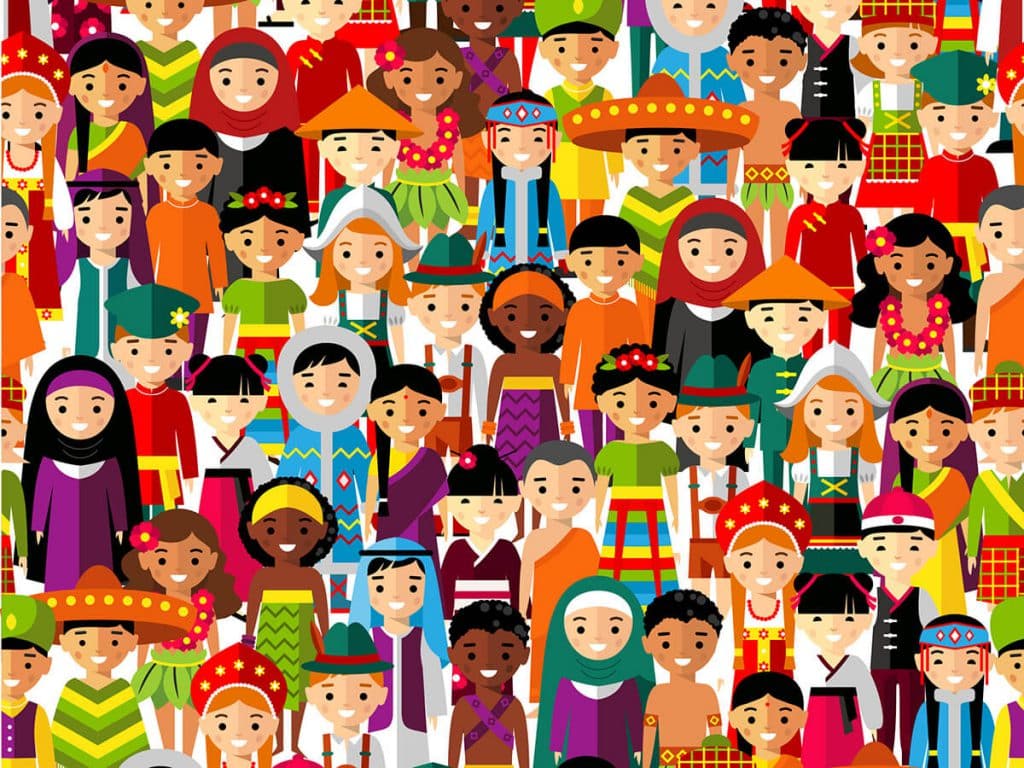
Learning languages is an important part of being very soft and friendly welcomed in different countries. Even only one language cans totally change the way of the communication, the attitude towards you and the impression which you will make in people with which you conduct a conversation.

Nowadays it is like must to study and learn new languages, in terms of self development, comfort and confidence. During the years of studying and later when you want to work the knowledge of language is a big advantage. Studying abroad gives opportunity for better education which leads to a better working position after graduation. But this cause is reachable only when you know forage languages.

Let’s learn some more benefits of learning languages.

1. Connect!

One of the most rewarding aspects of the human experience is our ability to connect with others. Being able to communicate with someone in his or her language is an incredible gift. Bilinguals have the unique opportunity to communicate with a wider range of people in their personal and professional lives. Knowing the language makes you a local no matter where you are, opening up your world literally and figuratively. You will be shaped by communities. You will be humbled by the kindness of strangers. You will build lifelong friendships. And for these reasons alone, you will see the reward of learning languages for many years to come.

2. Deepen Your Connection to Other Cultures

Language is the most direct connection to other cultures. Being able to communicate in another language exposes us to and fosters an appreciation for the traditions, religions, arts, and history of the people associated with that language. Greater understanding, in turn, promotes greater tolerance, empathy, and acceptance of others—with studies showing that children who have studied another language are more open toward and express more positive attitudes toward the culture associated with that language.

3. Go to the Source

In a world of more than 6,000 spoken languages, we sometimes require translation, but speaking at least one additional language empowers us to access information that would otherwise be off-limits. For example, individuals proficient in other languages are able to navigate the Internet as genuine global citizens—consuming and assessing foreign media and entertainment.

4. Strengthen Your Decision Making

Studies show that decisions made in your second language are more reason-driven than those made in your native language.4 Contrary to popular assumptions, when we deliberate in a second or third language, we actually distance ourselves from the emotional responses and biases deeply associated with our mother tongue. The result? Systematic and clear-headed decisions based on just the facts.

5. Gain Perspective

As we explore a new language and culture, we naturally draw comparisons to what is most familiar. Learning about another culture sheds light on aspects of our own culture—both positive and negative—we may not have previously considered. You may find a greater appreciation for what you have, or you may decide to shake things up!

6. Become a Polyglot

Not only does learning a second language improve communication skills and multiply vocabulary in your first language—yes, really!—but research shows that it makes picking up additional languages a much easier feat, especially among children.3 That’s because when you learn a new language, you develop new brain networks that are primed and ready when you embark on learning a third language.

7. Boost Your Confidence

Any language learner can attest to making his or her share of mistakes while discovering a new language—often in front of an audience. It’s a necessary part of the learning process! Learning a language means putting yourself out there and moving out of your comfort zone. The upside is the amazing sense of accomplishment you’ll feel when conversing with someone in their native language.

GLOWING REASONS BEHIND INDIAN WEDDINGS

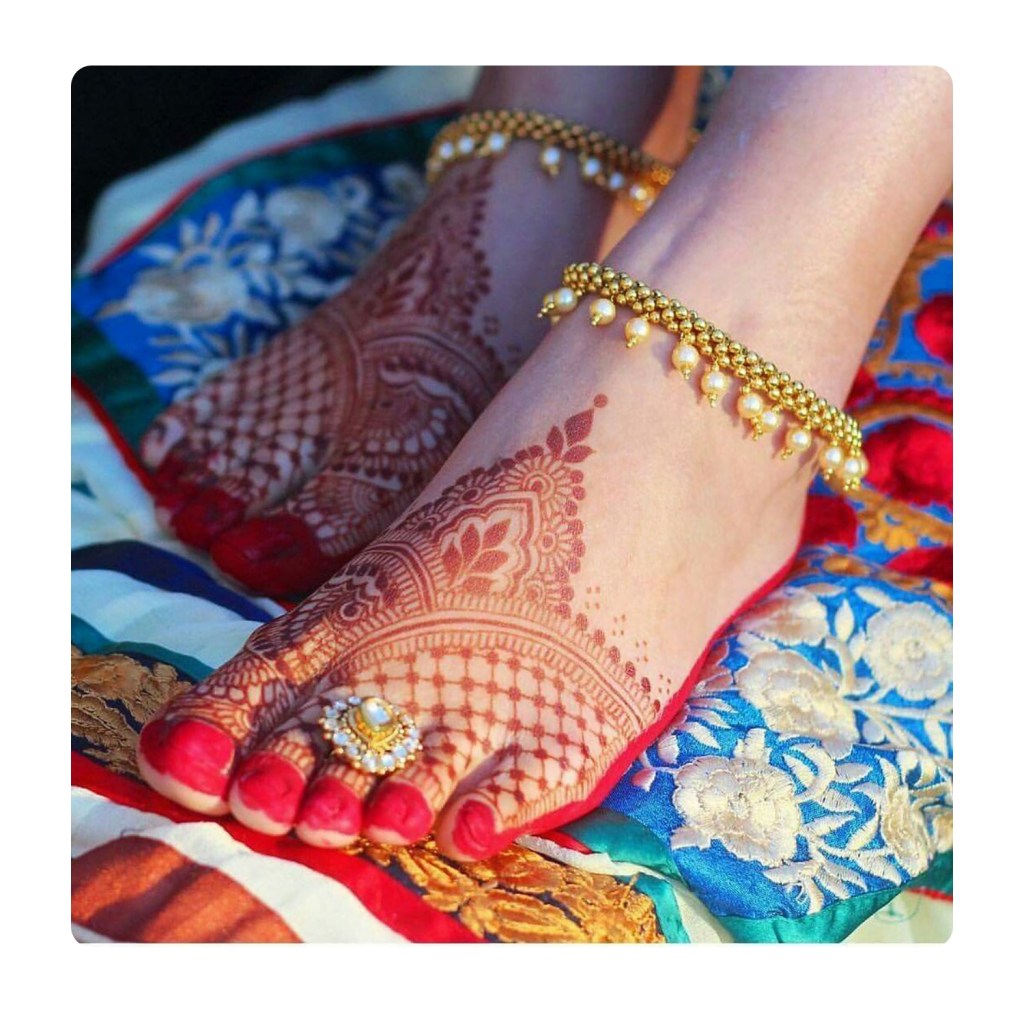
1 ) MEHANDI APPILICATION :

HOW : An Indian Bride apply Mehendi Designs on her both hands.

GLOW: Henna has Antiseptic properties and cooling effect helps bride to relieve from Stress, Body pain and even Fever.

MEHANDI

2)TURMERIC APPLICATION:

HOW: Turmeric paste is appilied on bride and groom faces, hands and legs.

GLOW: Turmeric paste helps to bring natural shine to face and also through its medicinal properties keeps bacteria at bay from skin.

HALDI

3)WEARING BANGLES:

HOW: More number of bangles are worn by Bride on Wrists.

GLOW: It gives hand an Astonishing look and also the Acupressure points pressed by bangles Improves Blood circulation.

BANGLES

4) WEARING TOE RINGS:

HOW: Silver Toe Rings are weared on the second toe of married bride.

GLOW: Toe rings connects Heart passing through Uterus stronger and regulates the menstrual cycle.

TOE RINGS

The Origin Of Vedic Civilization

Early Vedic Age

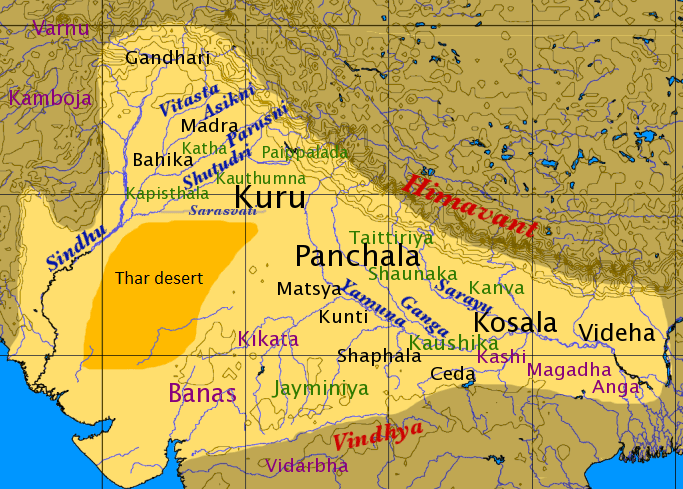
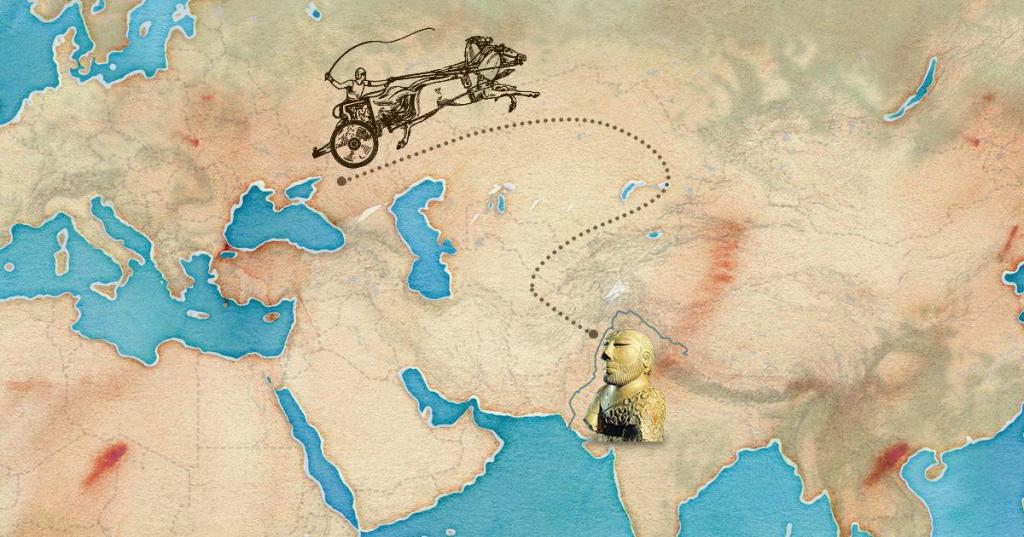
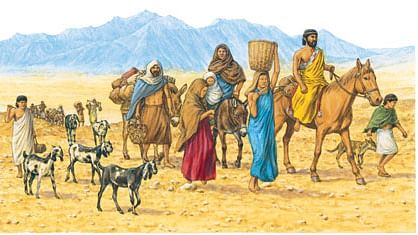
The early Vedic age is historically dated to the second half of the second millennium BCE. Historically, after the collapse of the Indus Valley Civilisation, which occurred around 1900 BCE, groups of Indo-Aryan peoplesmigrated into north-western India and started to inhabit the northern Indus Valley. The Indo-Aryans represented a sub-group that diverged from other Indo-Iranian tribes at the Andronovo horizon before the middle of the 2nd millennium BCE, The Indo-Iranians originated in the Sintashta culture, from which arose the subsequent Andronovo horizon. The Indo-Aryans migrated through the adjacent Bactria-Margiana area (present-day northern Afghanistan) to northwest India, , followed by the rise of the Iranian Yaz culture at c. 1500 BCE, and the Iranian migrations into Iran at c. 800 BCE.

The Indian Civilization an Unbroken Tradition

Indian writers and archaeologists have opposed the notion of a migration of Indo-Aryans into India, and argued for an indigenous origin of the Indo-Aryans. In this view, “the Indian civilization must be viewed as an unbroken tradition that goes back to the earliest period of the Sindhu-Sarasvati (or Indus) tradition (7000 or 8000 BCE).” Though popular in India, and reflecting Indian views on Indian history and religion,the idea of a purely indigenous origin of the Indo-Aryans is outside the academic mainstream.

The Aryans

The knowledge about the Aryans comes mostly from the Rigveda-samhita,i.e. the oldest layer of the Vedas, which was composed c. 1200–1000 BCE. They brought with them their distinctive religious traditions and practices. The Vedic beliefs and practices of the pre-classical era were closely related to the hypothesised Proto-Indo-European religion,and the Indo-Iranian religion. Funeral sacrifices from the Sintashta-culture show close parallels to the sacrificial funeral rites of the Rigveda, while, according to Anthony, the Old Indic religion probably emerged among Indo-European immigrants in the contact zone between the Zeravshan River (present-day Uzbekistan) and (present-day) Tajikistan.It was “a syncretic mixture of old Central Asian and new Indo-European elements”, which borrowed “distinctive religious beliefs and practices” from the Bactria–Margiana culture, including the god Indra and the ritual drink Soma.

TOURIST SPOTS IN WESTBENGAL

Tourist spots are places of uncommon attractiveness. West Bengal stretches from the Himalayas to the Bay of Bengal. On the north there are beautiful mountain ranges in Darjeeling the queen of hill towns.

Darjeeling gives beautiful view of sunrise on Kanchenjunga. From Darjeeling one can come to Kalimpong. One can take a short trip to Mirik, to see a sweet water lake. There is a forest at Jaldapara where wild animals move freely. Next, Kolkata is the chief tourist spot in West Bengal.

There are the museum, zoo, Jain Temple, Kalighat Temple, Metro Railway, planetarium, Science City, etc. Outside Kolkata there are the temple of Dakshineswar and Belur which are associated with Ramakrishna and Vivekananda.

Further down there is the Sundarban inhabited by the Royal Bengal Tiger the national animal of India. Out in the district, the religious places like Tarapith and Kamarpukur attract à large number of tourists every day.

Next there is Santiniketan an abode of peace where Visva Bharati University was set up by Rabindranath. Those interested in historical places will find Gaur and Murshidabad interesting.

To see the ancient art of Bengal, tourists are to come to Bankura and Bishnupur.The sea beach Digha attracts many tourists every day.

Culture and its effect on the brain

Definition of Culture

The study of culture can be collocated along two tenacious and prominent themes: Diversity and Change. A person’s upbringing, and living environment is what makes them diverse from others. It is the differences between all cultures and sub-cultures of the worlds regions. People’s need to adapt and alter to physical, biological and cultural aspects to survive is the pivot of the second theme, change. Culture usually changes for these two reasons: selective transmission or to stand the test of changing needs. This means that when there is a dearth of a food source, we change the way we live. There could be forced redistribution of, or relocation from ancestral domains due to external and/or internal forces.

Culture is the framework for our emotive and behavioural norms. Our culture can ascendant neural activity during various cognitive functions. The Cultural neuroscience of the self report by Shinobu Kitayama and Jiyoung Park suggests that culture “both constructs and is constructed by the mind and its underlying brain pathways”. According to this report, the mechanism has to do with the brain’s pliability (its ability to adapt to long-lasting engagement and have pre-formulated behavior stores as muscle memory. The capacity of our brains to undergo structural changes from recurrent daily tasks is commendable. A link to the research has been attached below.

https://www.researchgate.net/publication/44888800_Cultural_neuroscience_of_the_self_Understanding_the_social_grounding_of_the_brain_Social_Cognitive_and_Affective_Neuroscience_5_111-129

Many neuroscience researches are spreading knowledge on how culture shapes our functional anatomy, prejudices our brains, controls our neural activity, and even impacts the way we represent ourselves and others in our minds. That being said, culture is learned, dynamic, symbolic, shared ad systematic. Edgar Schein right said, “Culture consists of the shared beliefs, values, and assumptions of a group of people who learn from one another and teach to others that their behaviors, attitudes, and perspectives are the correct ways to think, act, and feel.” Attached below is a link to an article about his culture triangle.

Cultural exchange must be viewed as a form of cross-pollination of the society. Culture and language are reflections of one another, for better and worse, and so we must take great care with the impact of our words.

JAIPUR: THE PINK CITY

See the source image

 HISTORY OF THE PINK CITY

Jaipur is popularly known as the Pink City of Rajasthan, which is not only Pink but also the most colorful city of India. The city is the mixture and combination of Indian culture and modern experiences. Jaipur is probably the first planned city of India. It was planned to design in Pink color, as the color signs for hospitality. The city is known to give an unending experience to the tourist as well as the localities. Pink city has its own vibes and flavors which blends to perfection and brings a completely different exposure. Jaipur is all about forts, museums, food, monuments, shopping and many more things. As a tourist or a newbie in the city, it is always considered to explore the city as a local but in the end, it becomes too messy.

Why Jaipur is known as Pink City

The moment you arrive in Jaipur you will witness that the walls of most building are painted in “pink” terracotta color. The color resembles the city’s heritage and culture. Going back in the history, when Maharaja Sawai Ram Singh was in power and when Prince Albert came to Jaipur during the India tour in 1876. Maharaja wanted to impress the Prince and hence, he planned an extreme strategy. Maharaja constructed a large concert hall and named it after Prince Albert Hall Museum. Then, he decided to repaint the entire city for beautification and chose terracotta pink for the same. The color was durable in all weather conditions. The color represents hospitality. The queen of Maharaja Sawai Ram Singh loved the color and asked the Maharaja to make a law that every house in Jaipur should be pink in color and use of any other color is illegal. The law was passed in the year 1877 and it is effective till today.

PLACES TO VISIT IN JAIPUR

  1. Jal Mahal- Jal Mahar, as per the name suggests is the water palace in Jaipur. Its tropical architectural style with a mixture of Rajput and Mughal structures are just amazing to human sight. It is located in the middle of the Man Sagar Lake and it was built for the royal family to on a summer gateway.
  2. Amer Fort- One of the most famous forts of India. The Amer fort is located on a hill, earlier it was a strong defense around the city. The Indian and Mughal blend of architecture is immensely beautiful. It is said that even the attackers did not want to destroy it.
  3. Hawa Mahal- It was built by Maharaja Sawai Pratap Singh in 1799. The Hawa Mahal was built for the royal women to enjoy festivals and events. It is made of beautiful pink and red sandstone. The structure is in such a way that royal women could enjoy the street view and city life without coming in the sight of the public. It’s shape is like a crown of Lord Krishna which has 953 jharokhas also called as windows in a five-story building.
  4. Nahargarh Fort- Nahargarh fort beautifully displayed the unique blend of Indian and European architectural style. It was built by Madhavendra Bhawan, he built 12 similar suites for his queens. Its construction was done in such a way that Maharaja was able to visit any queen’s suite and none of the other could acknowledge it.

Ancestral Worship in South-east Asia

What is Ancestral Worship?

‘Ancestral worship’ is the custom of worshiping or reverence of the deceased ancestors. The whole custom is based on the belief that the deceased ancestor is still a part of the family, and whose spirit is believed to have powers to affect the lives of the living descendants in every walks of life.

It is believed that the deceased ancestor’s spirits have supernatural potential, which affects the lives of the descendants according to how ‘they are honored, and are hence, venerated as a deity or spiritual figure.

The rituals and practices of the ancestral worship vary, however, the belief remains common, that the spirits of the deceased ancestors have a hold on the lives of their descendants; rewarding or punishing them according to whether offerings are provided or not.

The roots of the ancestral worship are said to have grown in the primitive culture but its traces can still be found in various religious communities. While it is often associated with Confucianism, this custom of ancestral worship prevails across boundaries of religious traditions.
The custom of ancestral worship not just bases on spiritual belief or religious belief, but is also practiced to cultivate social values of filial piety which means to show love, respect, support and to take care of one’s parents, loyalty towards one’s family, and upholding the family lineage.
South-east Asia is one of the oldest practitioners of ancestral worship. Different offerings are provided to the deceased ancestors like- special food, clothing, and paper money on the ancestor’s altar by commemorating them on special days such as death anniversaries or funerals.

The deceased descendants are commemorated and the offerings are presented by the families as a gesture of commemoration and veneration. It is believed, descendants who fail to present any offerings are punished and the ones to do without any fail are rewarded by the spirits of the deceased ancestors. The practice of ancestral worship is evident in parts of Southeast Asia like India, Vietnam, Thailand.

Vietnam

Vietnam includes various religious communities including Taoism, Buddhism, Cao Dai, Confucianism, and Hoa Hao. Even after having this diverse religious belief, almost every Vietnamese household believes and practices ancestral worship.

The practice of ancestral worship is carried out by the family members of the deceased ancestor. Children are not only obliged to respect their parents and grandparents in life, but also after they die. Vietnamese families place the ancestral altar in prominent places of the house, with the picture or a wooden tablet with the name of the deceased ancestor carved on it, with a burning incense stick. The incense stick is believed to make the spirit feel welcoming to return to their home. Two candles are burned on both sides of the altar. The candle on the left representing the ‘sun’ and the candle on the left representing the ‘moon’. Red is believed to be the colour of happiness and thus, a red and gold coloured cloth is also used.

Regular offerings are made to the altars and afterward consumed by the living members of the family. These rituals of veneration must be followed upon the death of a family member. Failing to practice these rituals after the death of a family member is believed to unable the spirits to find their way back home, forcing them to wander. The wandering and homeless spirits are believed to bring bad luck to their families.

Special rites are performed on special days or special occasions like the ancestor’s death anniversaries or Lunar New Year, to communicate with the dead ancestors. On these days, every home tray consists of five different types of fruit which are placed on the ancestral altar. The fruits are of a different colour. The fruits may include pomelo, banana, pear, persimmon, and tangerine or oranges. These different colors represent the desire for “Phu” (prosperity), “quy” (notability), “tho” (longevity), “chang” (health), and “ninh” (peace). To drive the evil spirits away the altar is decorated with peach blossoms in warm pink.

A prominent place is occupied by the ancestral altar in every Vietnamese family, showing respect for the past and future both.

Thailand

Offerings are made to house spirits in Thailand. A house spirit (phi ruan) is made an offering with the construction of a house. When a family member dies, after the funeral a procession is carried out, leading the spirit of the deceased member back home, ensuring the spirit does not wander. Also, there are rituals for calming down the spirits that are thought to have caused an illness to any living member of the family. When an argument takes place among the family members or any disputes on the inheritance of property, the spirits become anxious and troublesome.

Singapore

Instead of wooden tablets having the names of the deceased ancestor carved on them, a piece of red paper is used in Singapore, on which the name of the deceased ancestor is written. This red paper inscribed with the name of the deceased ancestor is called ‘kong-ma-pai’. Kong-ma-pai is placed with the idols of family Gods on the household altar. Regularly, the offering is made and incense stick is burned.

The commonality of Ancestral Worship in India and Southeast Asia

Like most of the parts of Southeast Asia, India also believes in and practices ancestral worship. ‘Pitri-Paksha’ is an annual ancestral worship ritual followed and practiced by the Hindus in India.
A period of 15 days is devoted to the commemoration of the ancestors of a family. Food is donated to the hungry; be it any human being, animal, or bird. It is believed that feeding them will result in the feeding of their deceased ancestors.

These 15 days of pitri-paksha are devoted to the forefathers as a remembrance of the ancestors’ contributions for the betterment of the descendants as an act of paying respect and thanking them for their contributions and efforts.

No matter what degree of difference prevails in the practice of the rites and rituals of ancestral worship among the parts of Southeast Asia and India, the believes remain common. Every country, every society, every religion, every community, believes that even the deceased ancestor matters to the family and affects the lives of their living descendants. It is believed that the deceased ancestor does not cease to be a part or member of the family.

On one hand, people worship and pay respect even to the deceased ancestors of the family, considering them to be still a part of the family, and on the other hand, families or some members of the family do not count the living elders as a part of the family. They are often left out, disrespected, and abused.

Ancestral worship is not just about spiritual belief, but also about the belief and respect for the elders of the family. The elderly are the foundation stones of a family, supporting on which the family stands.

Early practices, rituals, and rites are also moral educators. Like the custom of ancestral worship is a way of remembering and paying a tribute to the ancestors for all they did for us. It is the efforts of our forefathers for what we are today……for what we are able to achieve.